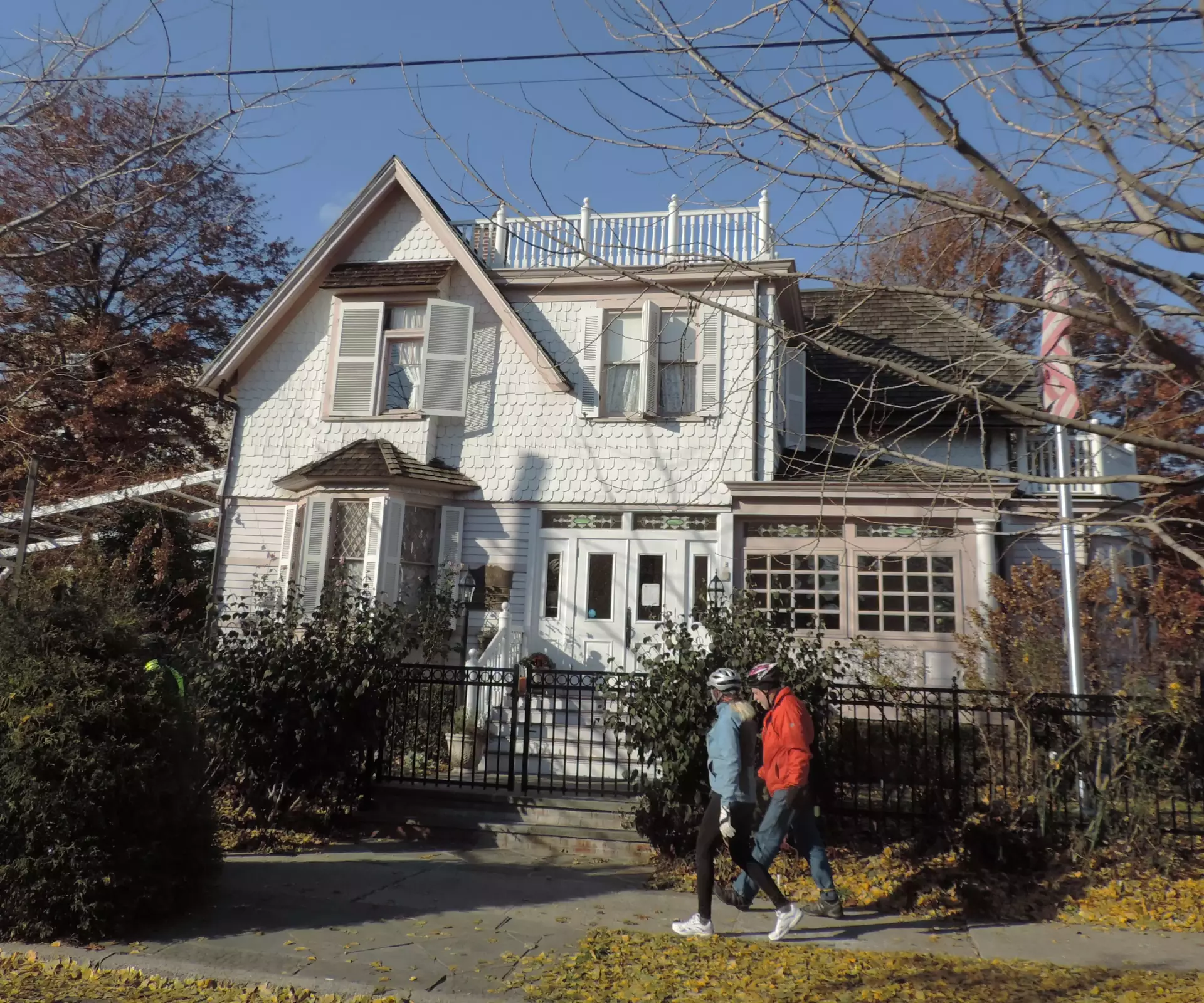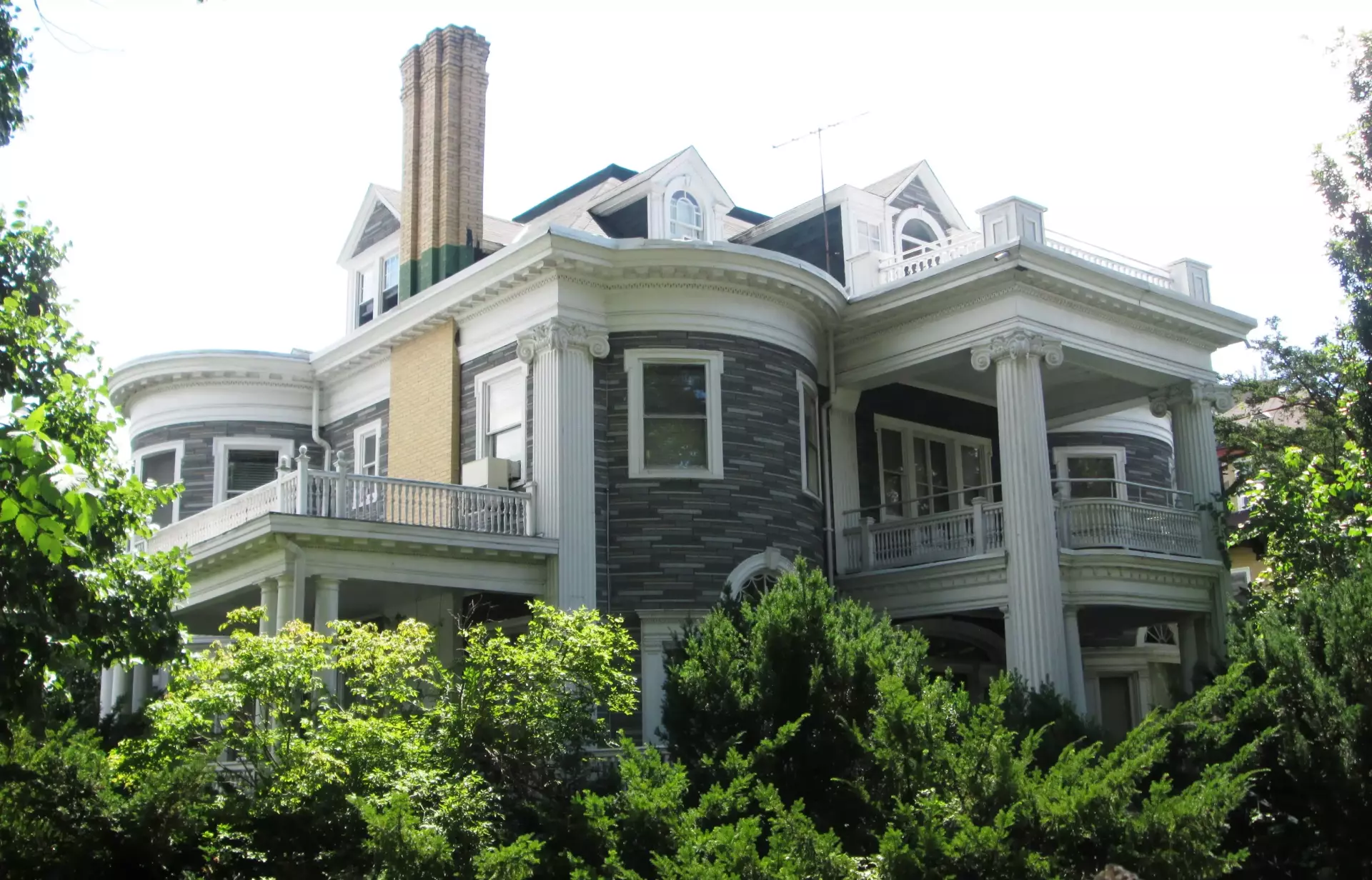
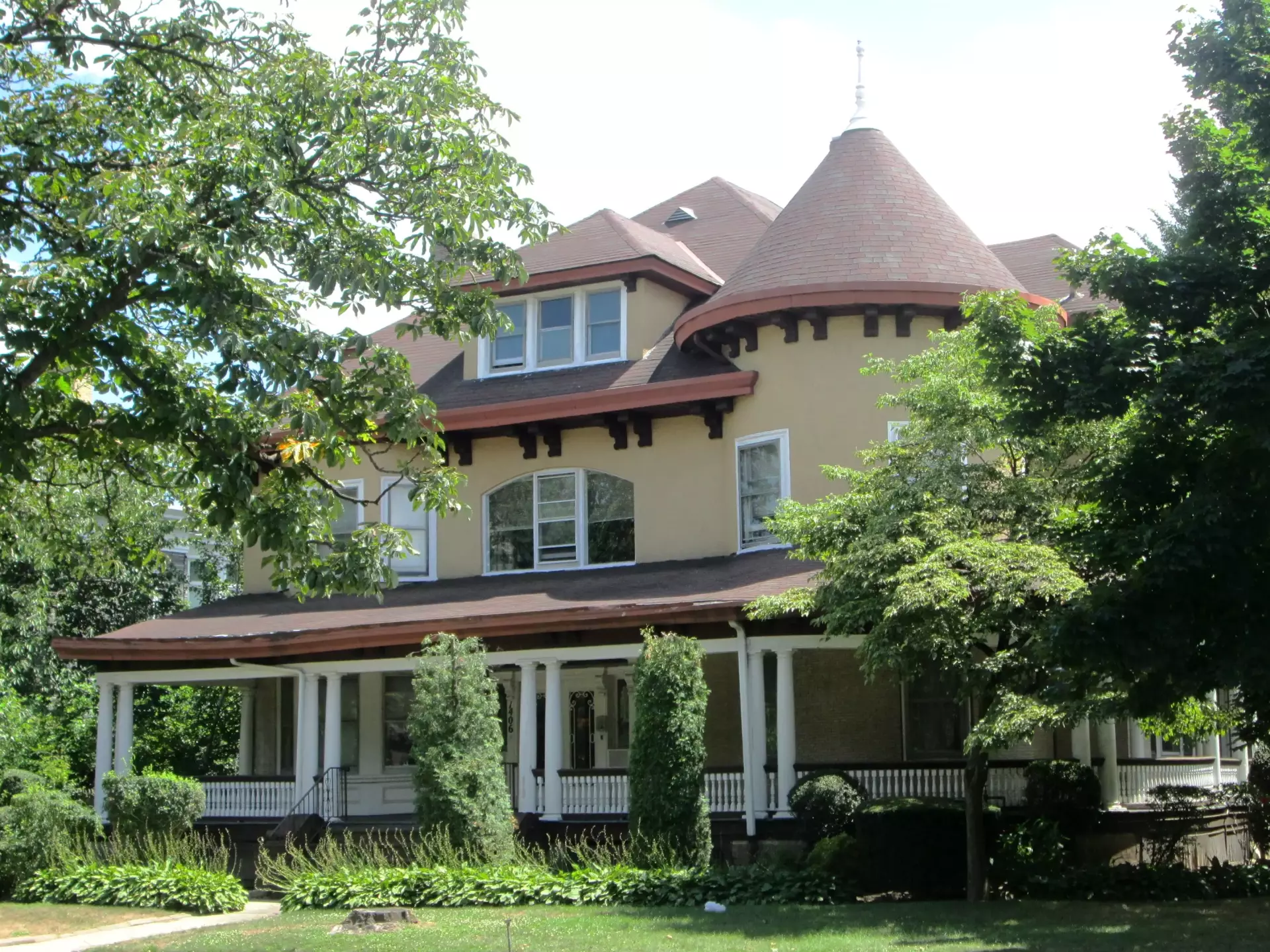
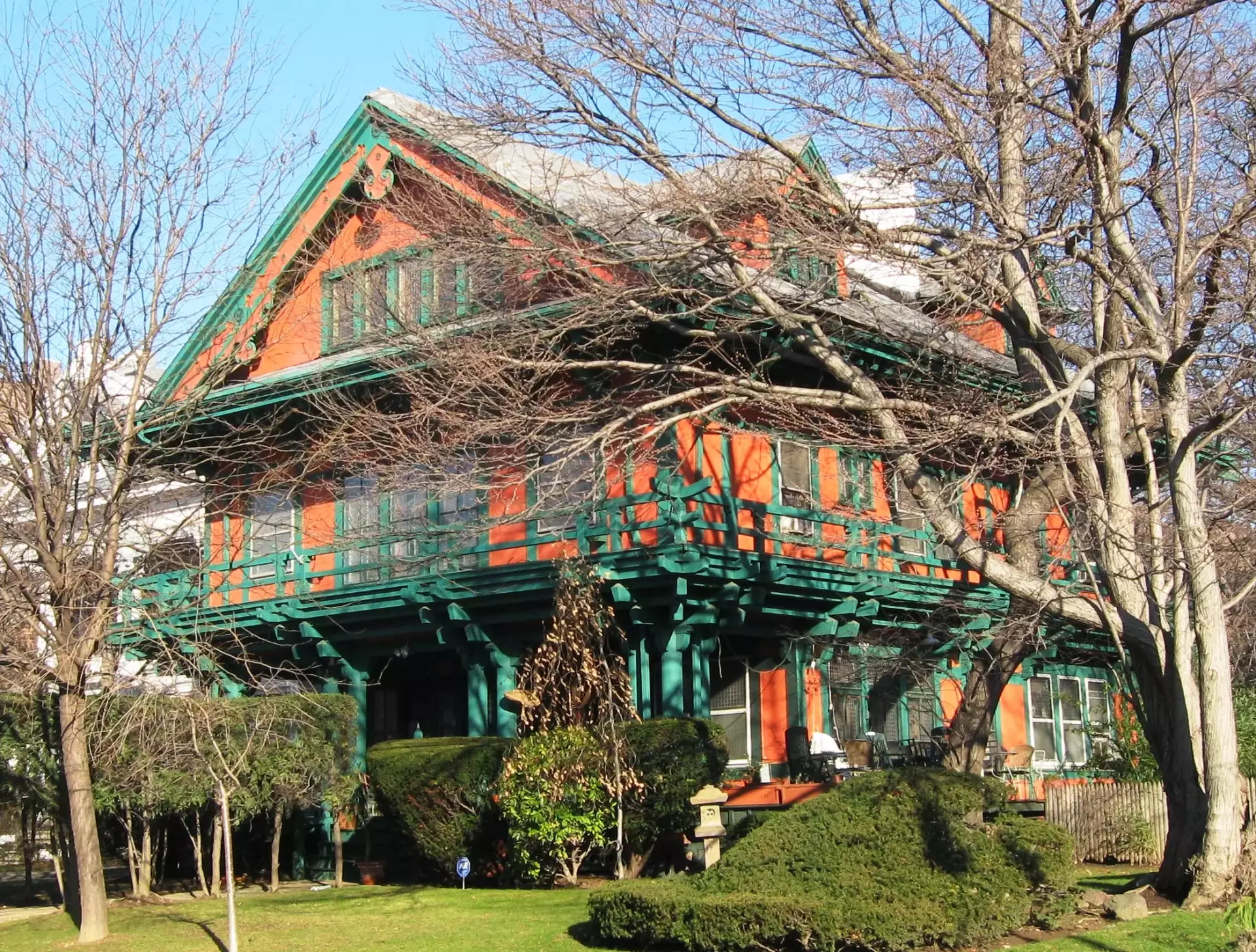
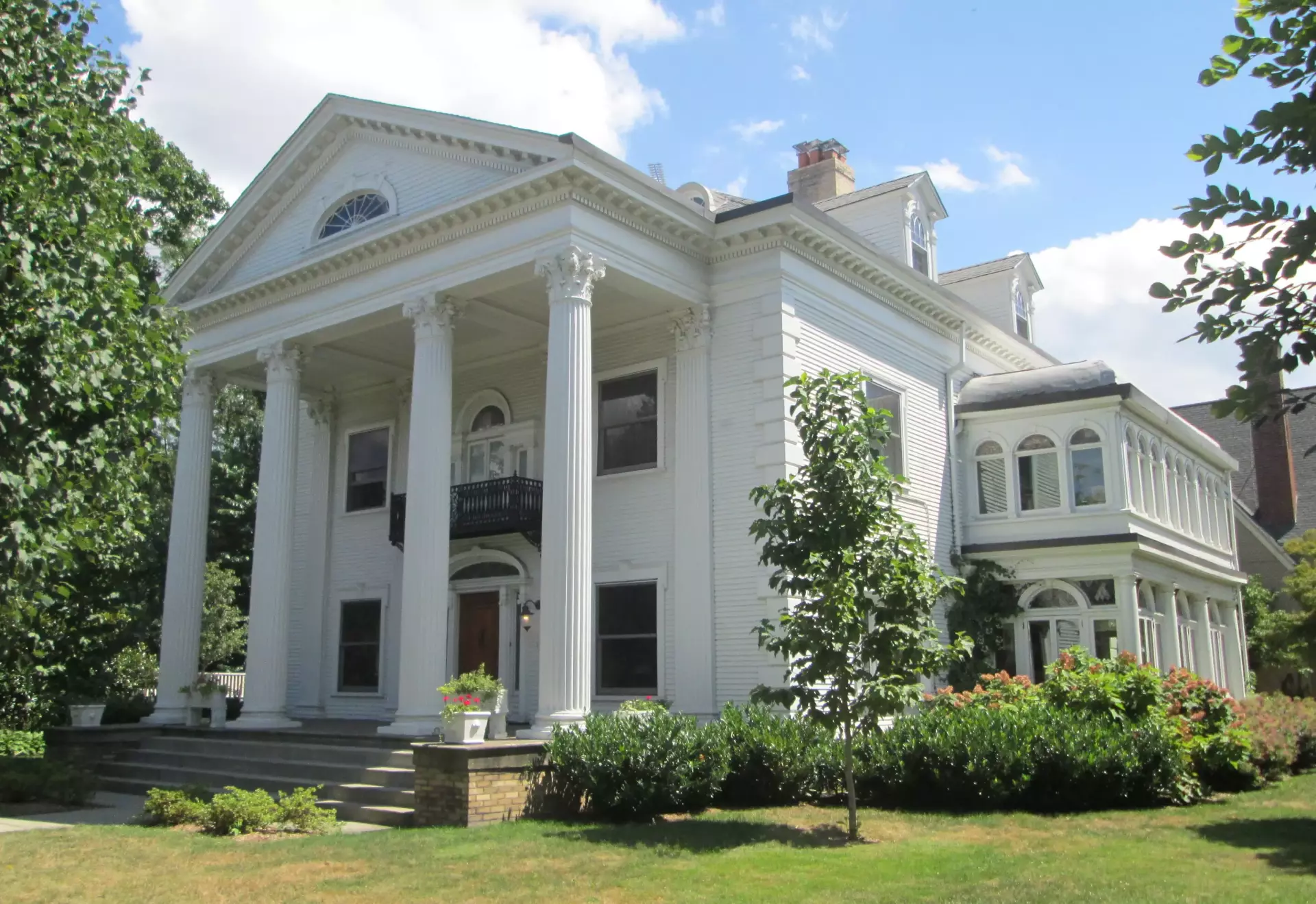
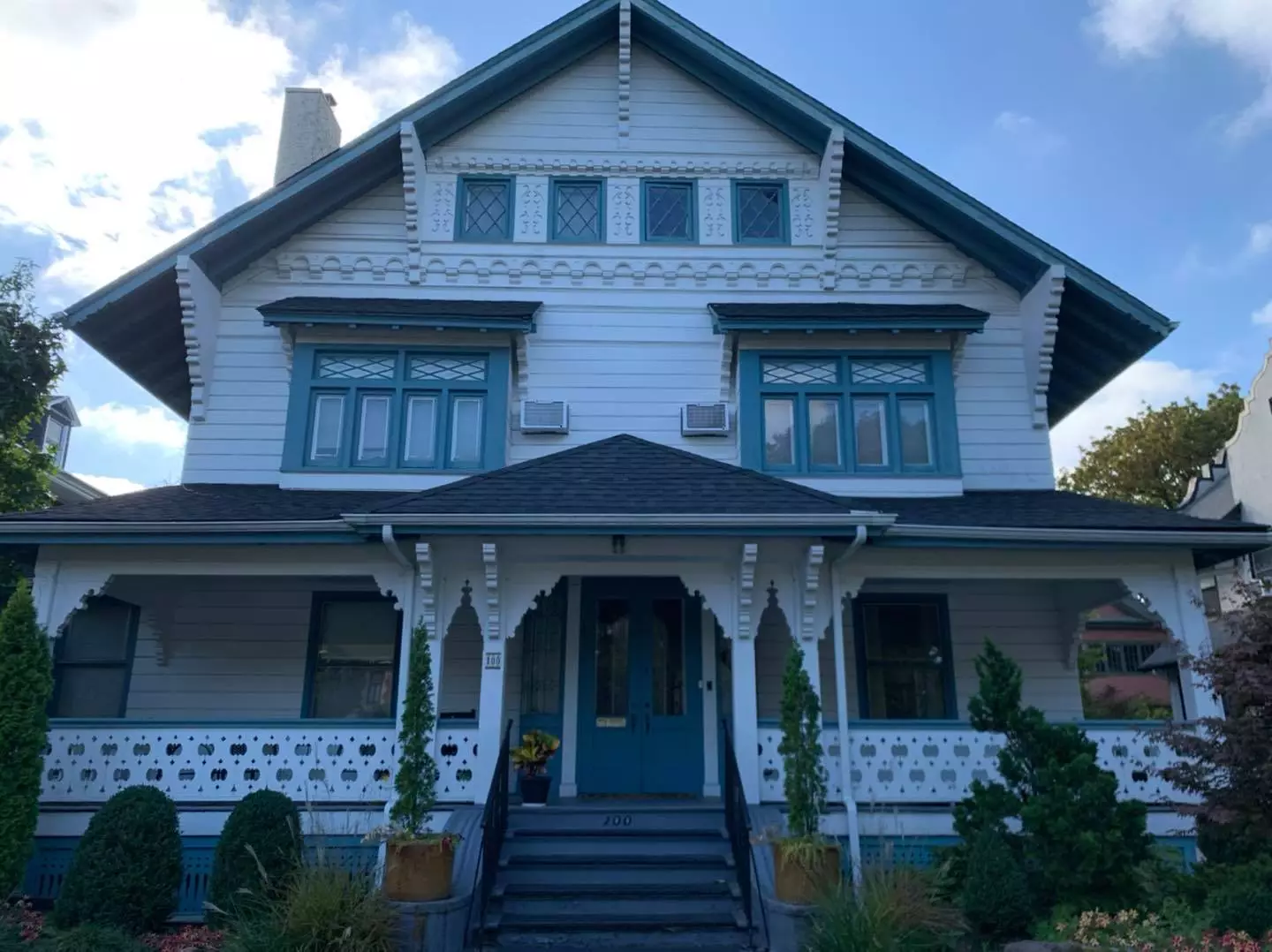
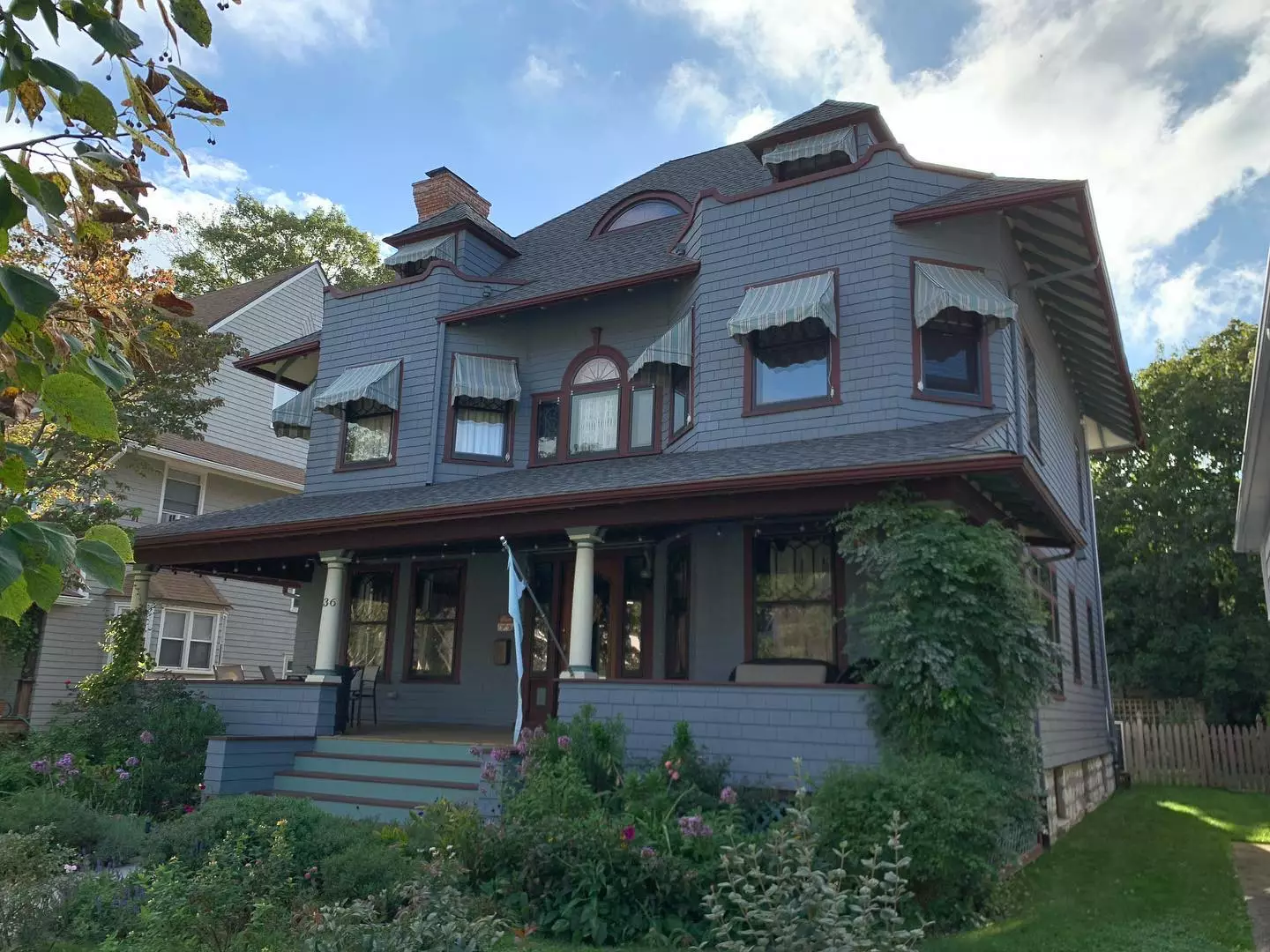
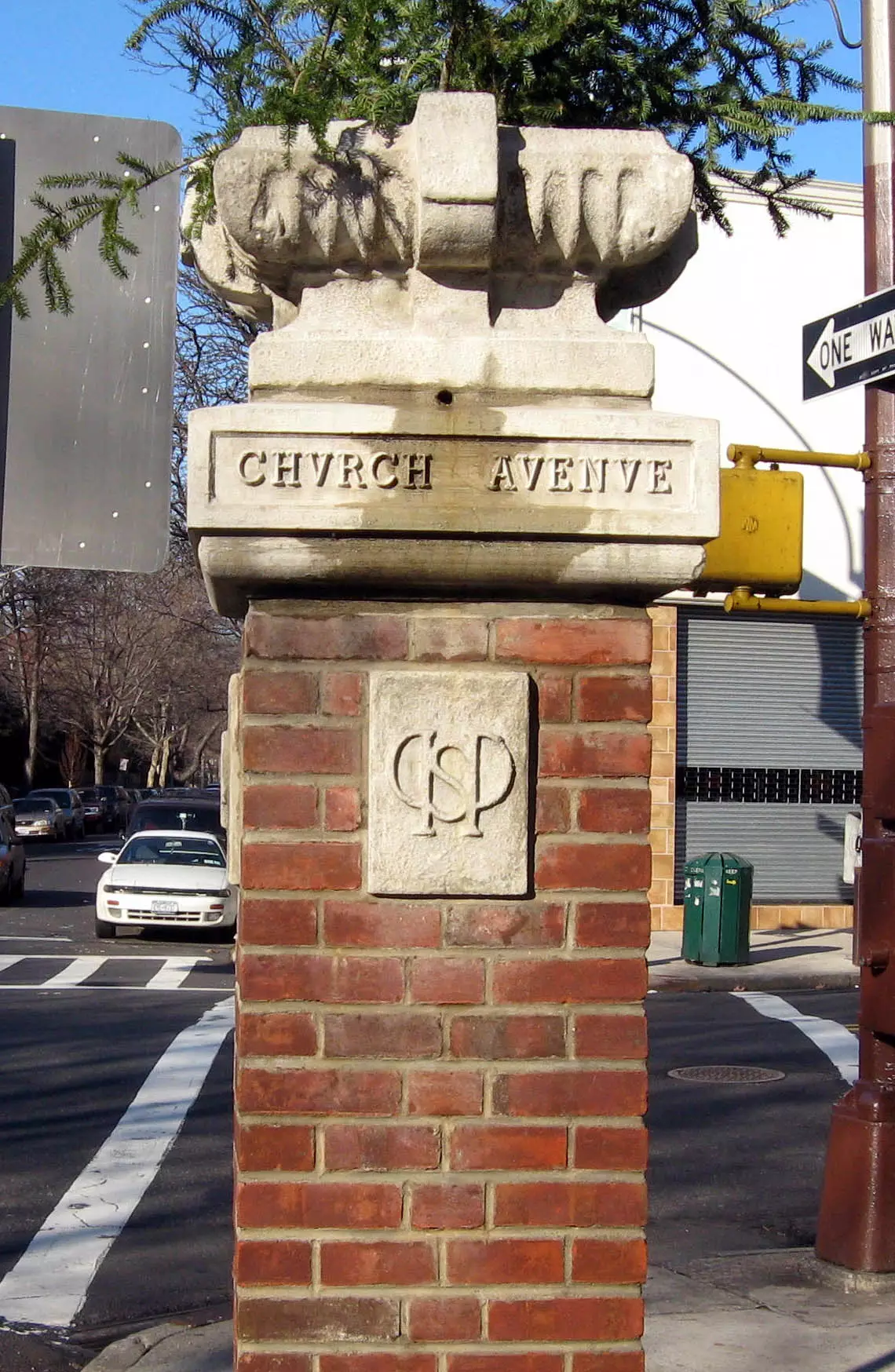
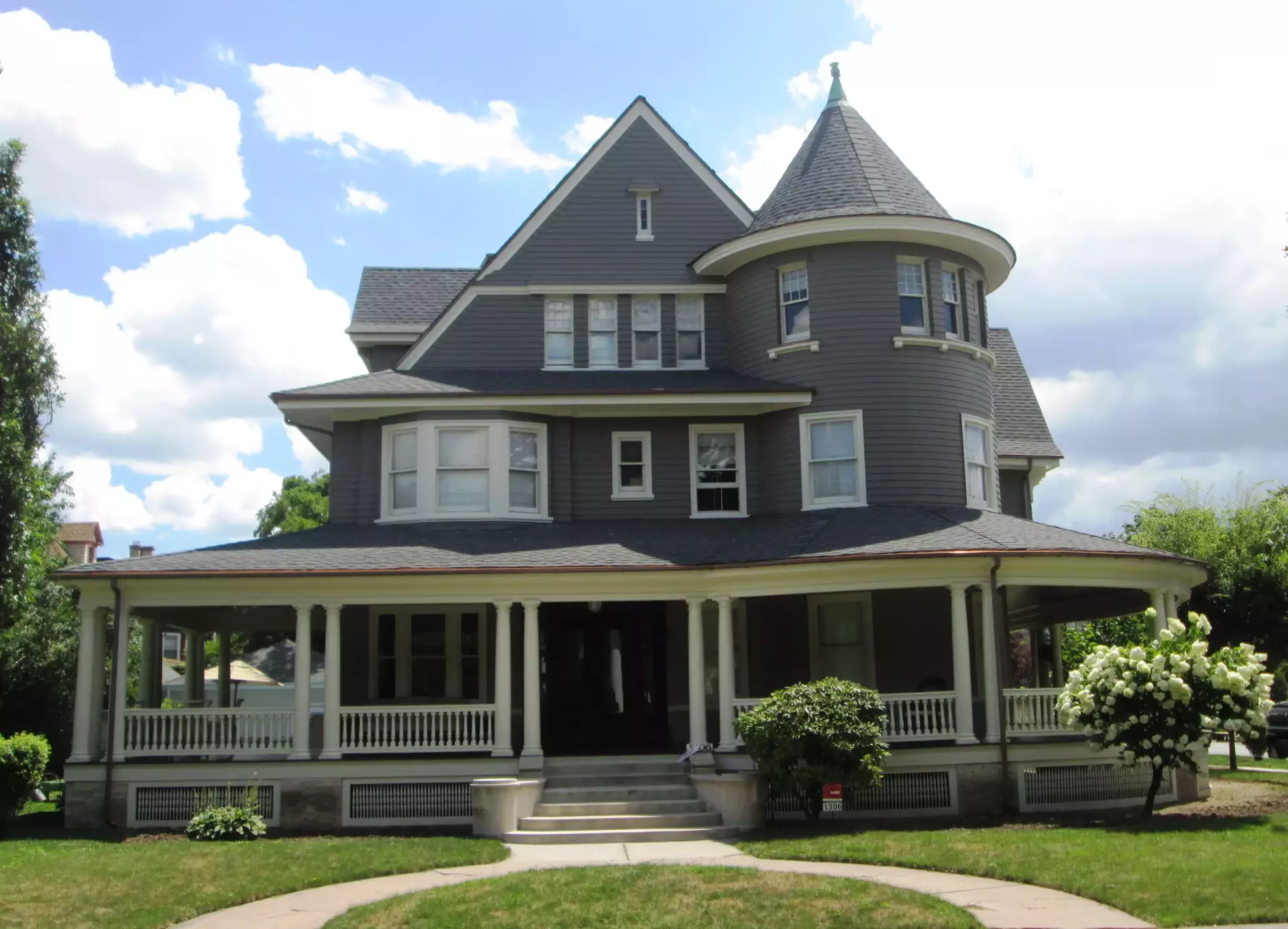
Prospect Park South is a lesser-known historic district located on the other side of the park. Developed at the turn of the 20th century by Dean Alvord, it stands as one of the first suburbs in the area.
The neighborhood offers a glimpse into the past with its charming architecture and tree-lined streets. The homes, built in various styles such as Colonial Revival and Tudor, provide a picturesque setting that feels worlds away from the bustling city.
Each house in Prospect Park South tells its own story, with designs reflecting diverse architectural influences. Walking through the neighborhood is like taking a journey through different eras, with each home offering something unique to admire.
Despite being close to the city, Prospect Park South offers a peaceful retreat. The serene environment, combined with the historical ambiance, makes it an appealing area for those seeking tranquility.
Source - https://en.wikipedia.org/wiki/Prospect_Park_South
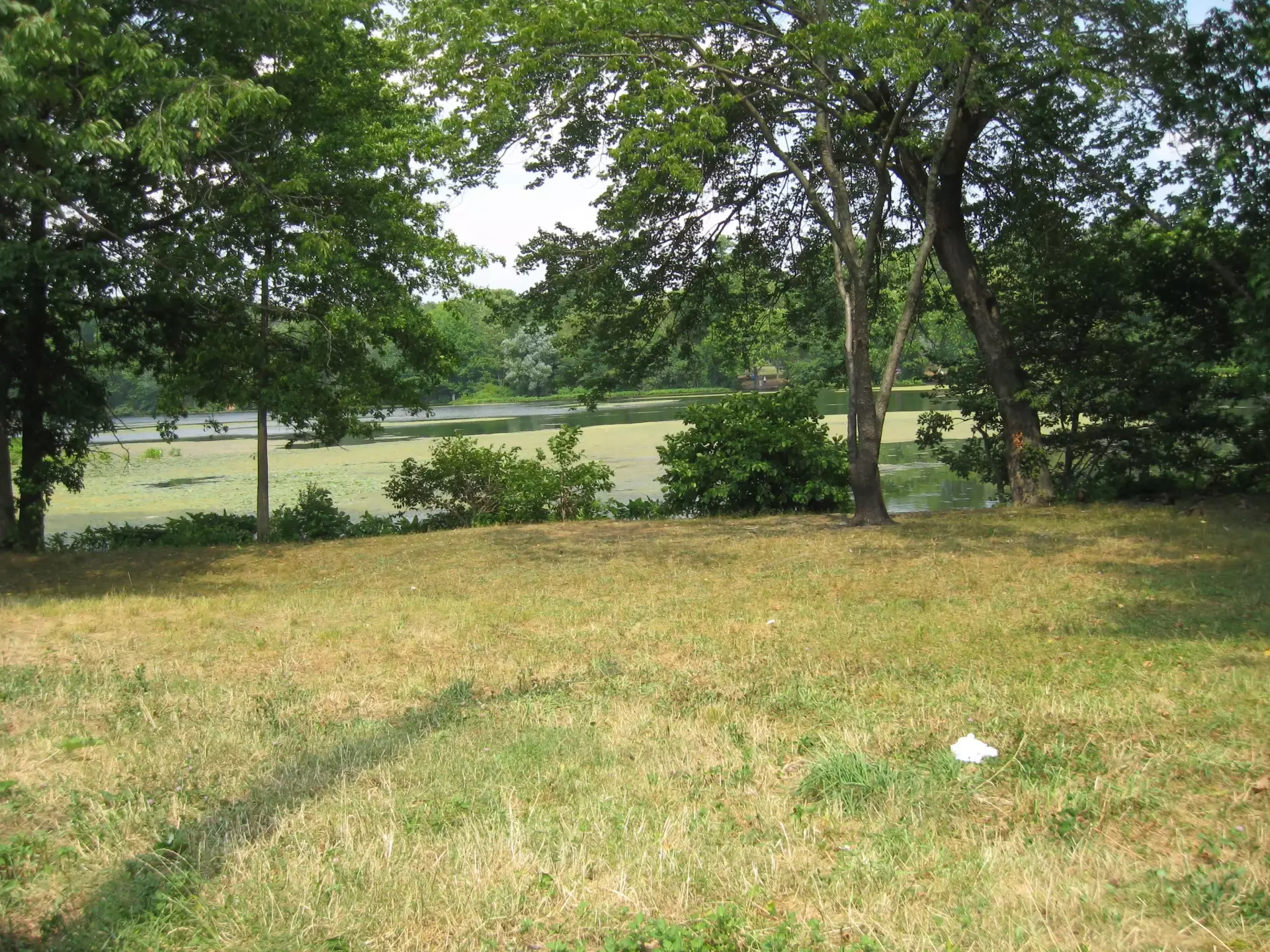
This park was operated as a United States Army airfield from 1919-1969. Now, it is a large, mostly grass park with baseball fields, soccer fields, and a children's playground.
Sitting on Vista Rock, one of the highest points in the park, the castle provides excellent views of Central Park, particularly to the north. It is a popular spot for photography and contains a visitor center and a nature conservatory. Just below the castle to the north is Turtle Pond, a small, swamp-like pond holding various fish, frogs, insects, and birds.
On the 70th floor of the Comcast Building (better known by some as "30 Rock") is this narrow observation deck, built to resemble the deck of a cruise ship. The deck affords uninterrupted views over Central Park to the north and across Midtown to the south.
Americana including Audubon’s watercolors of birds.
Once the Audubon Ballroom where Malcolm X was assassinated with 21 gunshots. Only a part of the facade of the original building remains (Columbia University demolished the building in 1992). The location now houses a memorial to Malcolm X and Betty Shabazz, with a stated goal of advancing human rights and social justice. It also features a 63-foot mural depicting Malcolm X's life.
One of the most famous and iconic landmarks in the USA, if not the world. A gift from the people of France to celebrate the centennial of the United States, stands upon Liberty Island and is one of the most famous symbols of the nation and has been inscribed on the UNESCO World Heritage list. Upon departing the ferry, you can visit the Visitor Information Station, which has a schedule of the day's events. Visitors can also meet at the Liberty Island Flagpole (behind the statue) for a ranger-led tour of the island. You can also visit the monument lobby, museum (where you'll see various exhibits on the statue, the old torch, and the famous "New Colossus" sonnet), and outside to the promenade and Fort Wood (the 11-point star-shaped structure the statue stands upon). You can also take a trip to the pedestal observation deck (though not up into the statue itself, unless you have a Reserve with Crown ticket); visitors can look upward to view the interior of the statue (there are four marked viewing locations); and the pedestal observation deck provides a 360-degree view, which includes the New York City skyline. Security checks are rigorous, so travel as light as possible. Backpacks and other large bags are not permitted on the tours but can be stored in lockers for a fee. On busy days there may be long waits. Visitors with the Reserve with Crown ticket are allowed to climb up a circular staircase from the base of the statue to the crown, but tickets are very limited and should be reserved three or four months (up to one year) in advance. Children must be at least 4-feet tall, and must be able to walk up and down the stairs by themselves, and all ticket holders must show a photo ID to match the name on their tickets. The design of Lady Liberty's torch evokes the universal symbol of enlightenment, which lights the way to freedom, showing immigrants the path to liberty and justice.
Home of the US Open and also the largest public tennis facility in the world. It features 3 stadium courts, 9 indoor courts, and 14 outdoor courts that are available to the public year-round.
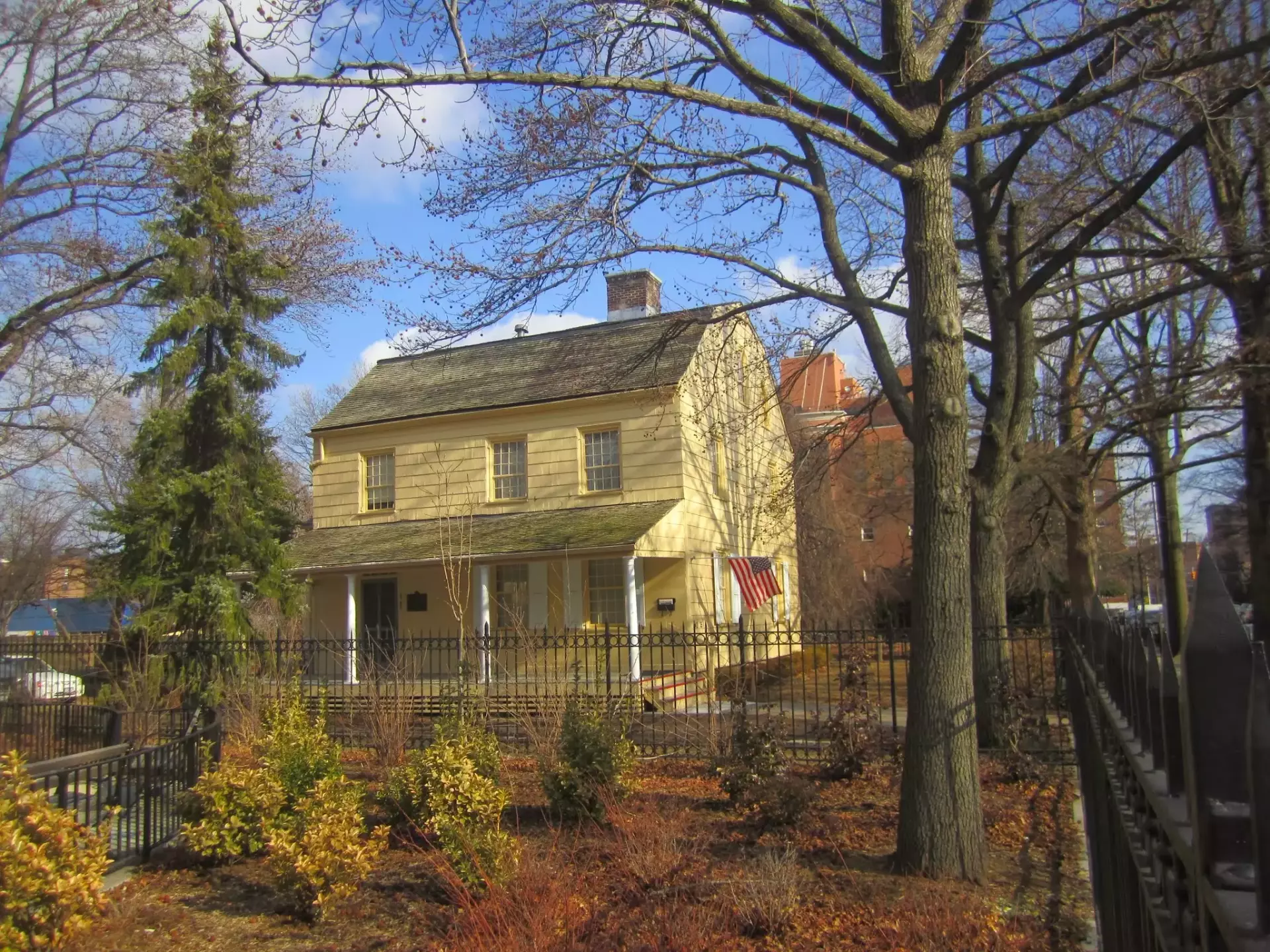
Kingsland Homestead is a historic home, built by Charles Doughty around 1774. It is now a museum with exhibits about the Victorian era, the slavery in Queens, and how Queens was affected by World War II.
Get up close to over 200 lifelike wax figures of the biggest stars and icons in entertainment, sports and history.
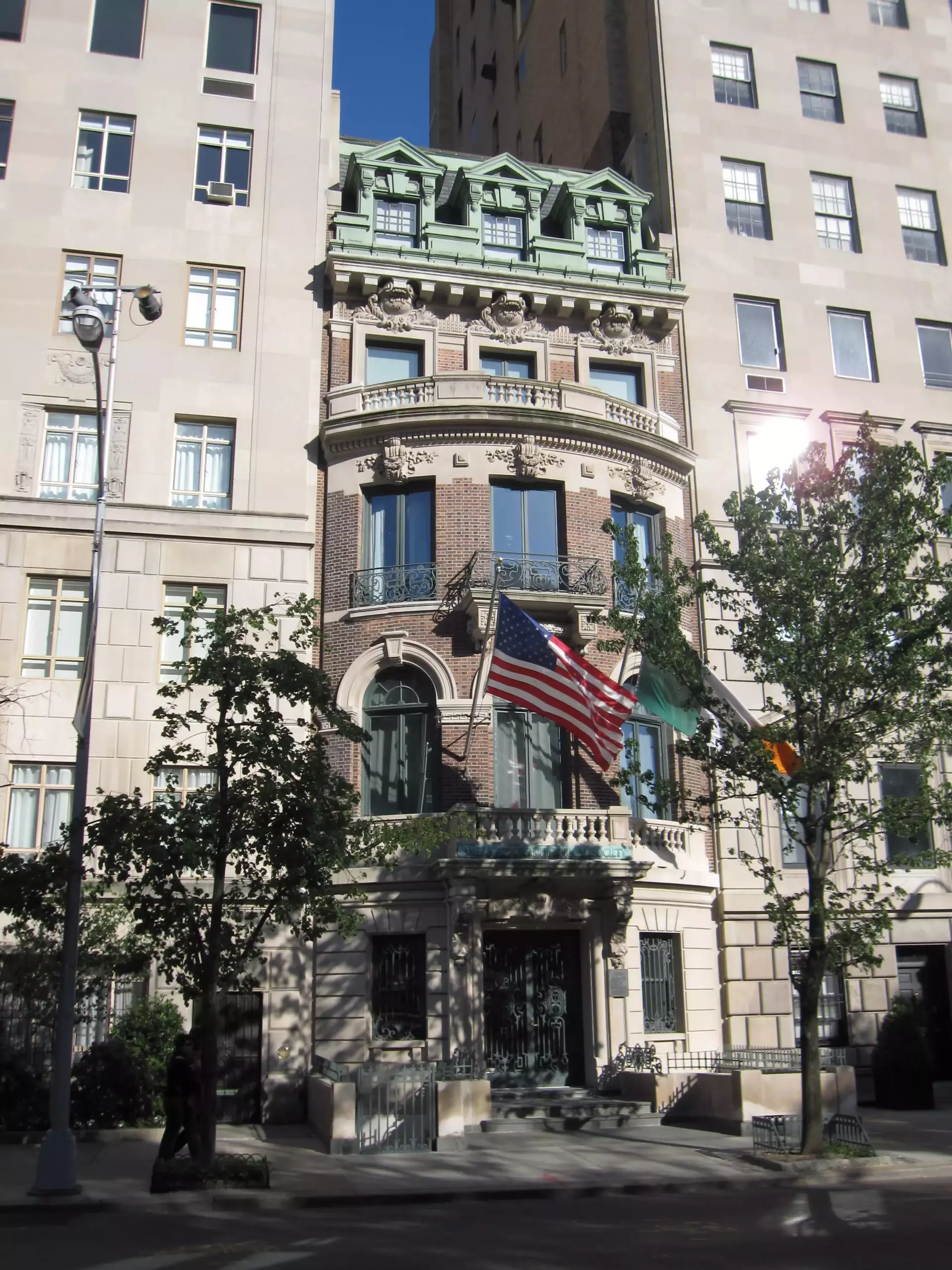
The Society of Illustrators is one of the many off the beaten path museums in New York City, and while it may not have as many visitors, it certainly isn't a place to miss. Certainly don't miss the art of illustration featured here, with countless historical galleries since the museum's opening in 1901. It's even the origin of the famous "I Want You For U.S. Army" poster of World War I and II.
The former residence of William Dyckman, who owned several hundred acres of farmland covering much of what is now Inwood and Washington heights. Nestled incongruously at the otherwise unremarkable corner of 204th and Broadway, the farmhouse has been converted into a small museum of life in early Manhattan and hosts various programs for the neighborhood. The "Hessian Huts" in the back yard are a leftover from the British occupation of Manhattan during the Revolutionary War!
Housed in the Alexander Hamilton US Custom House, this Smithsonian museum is the New York branch of the National Museum of the American Indian (the other branches are in Washington, D.C. and Maryland).
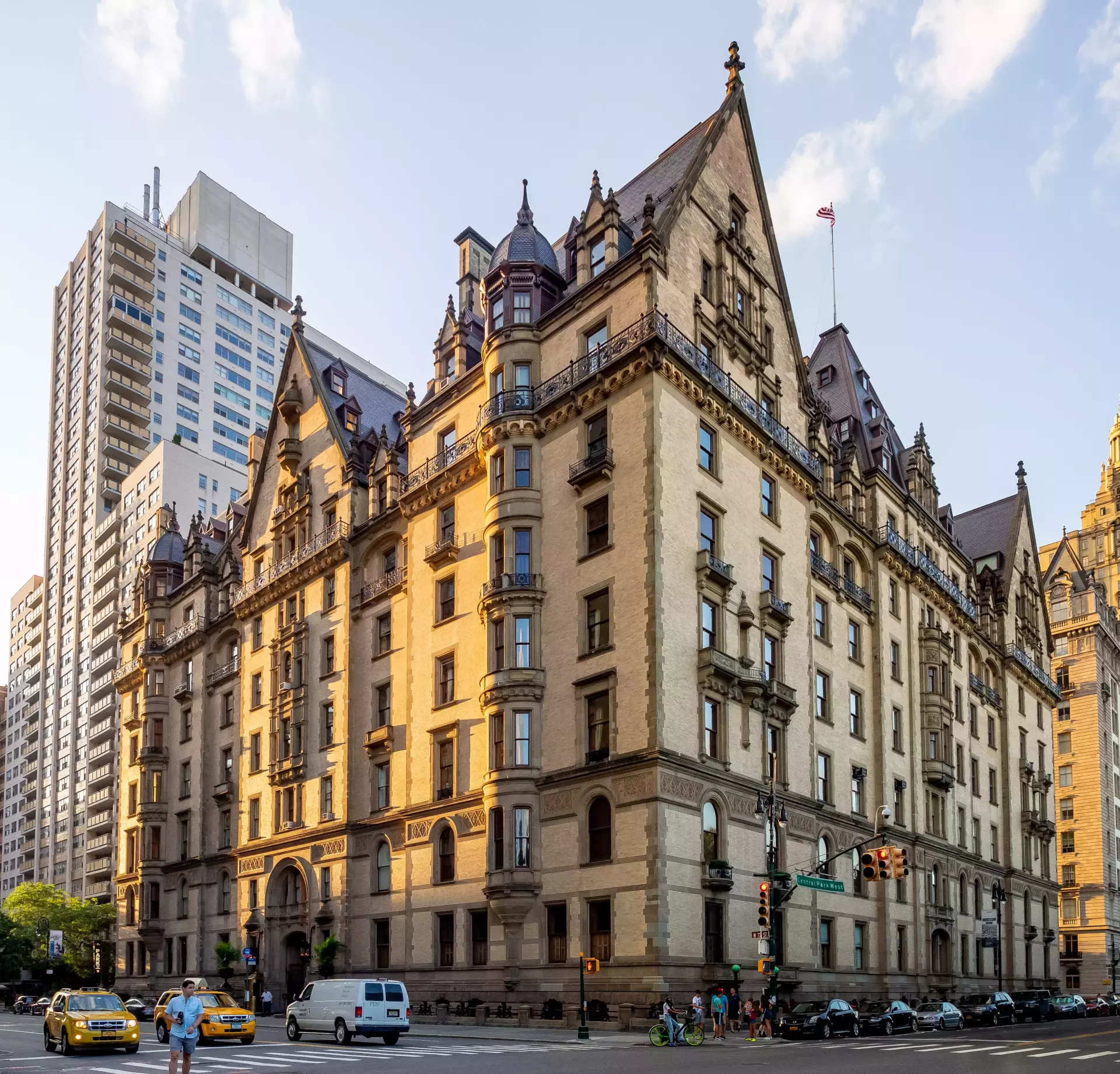
So named in 1981 in memory of John Lennon, the former Beatle, who was murdered close by outside his home in the Dakota building. Lennon's widow Yoko Ono, who still lives in the Dakota, subsequently donated $1 million to upgrade the area with hundreds of tree and flower species, including strawberries. The area serves as a Garden of Peace and includes a memorial floor mosaic (donated by the Italian city of Naples) that says simply "Imagine", referring to the title of one of Lennon's evocative songs.