Manhattan School of Music, located in New York City, is one of the world's premier music conservatories. It stands out in the vibrant arts scene of Manhattan, offering a rich history of musical excellence since its founding in 1918. This institution attracts talented musicians from across the globe, nurturing them in a dynamic environment where creativity flourishes.
The school provides a wide array of programs ranging from classical to jazz performance, composition, and conducting. Students have the unique opportunity to learn from a faculty comprising world-renowned musicians and educators, many of whom have had successful careers as soloists, chamber musicians, and members of leading orchestras.
Manhattan School of Music offers exceptional facilities that include state-of-the-art practice rooms, recital halls, and a library with a vast collection of music scores and recordings. The school fosters an environment where students regularly participate in performances, giving them ample opportunity to hone their craft and gain invaluable experience on stage.
Situated in one of the most culturally diverse cities in the world, the school encourages a rich exchange of ideas and traditions. This cultural blending enhances the learning experience, allowing students to develop a global perspective on music and its possibilities.
New York City itself acts as an extended classroom for students at the Manhattan School of Music. The city's vibrant arts scene offers endless inspiration and opportunities for collaboration. Students are just a subway ride away from iconic venues such as Carnegie Hall and Lincoln Center, where they can experience performances by some of the best artists in the world.
Source - https://en.wikipedia.org/wiki/Manhattan_School_of_Music
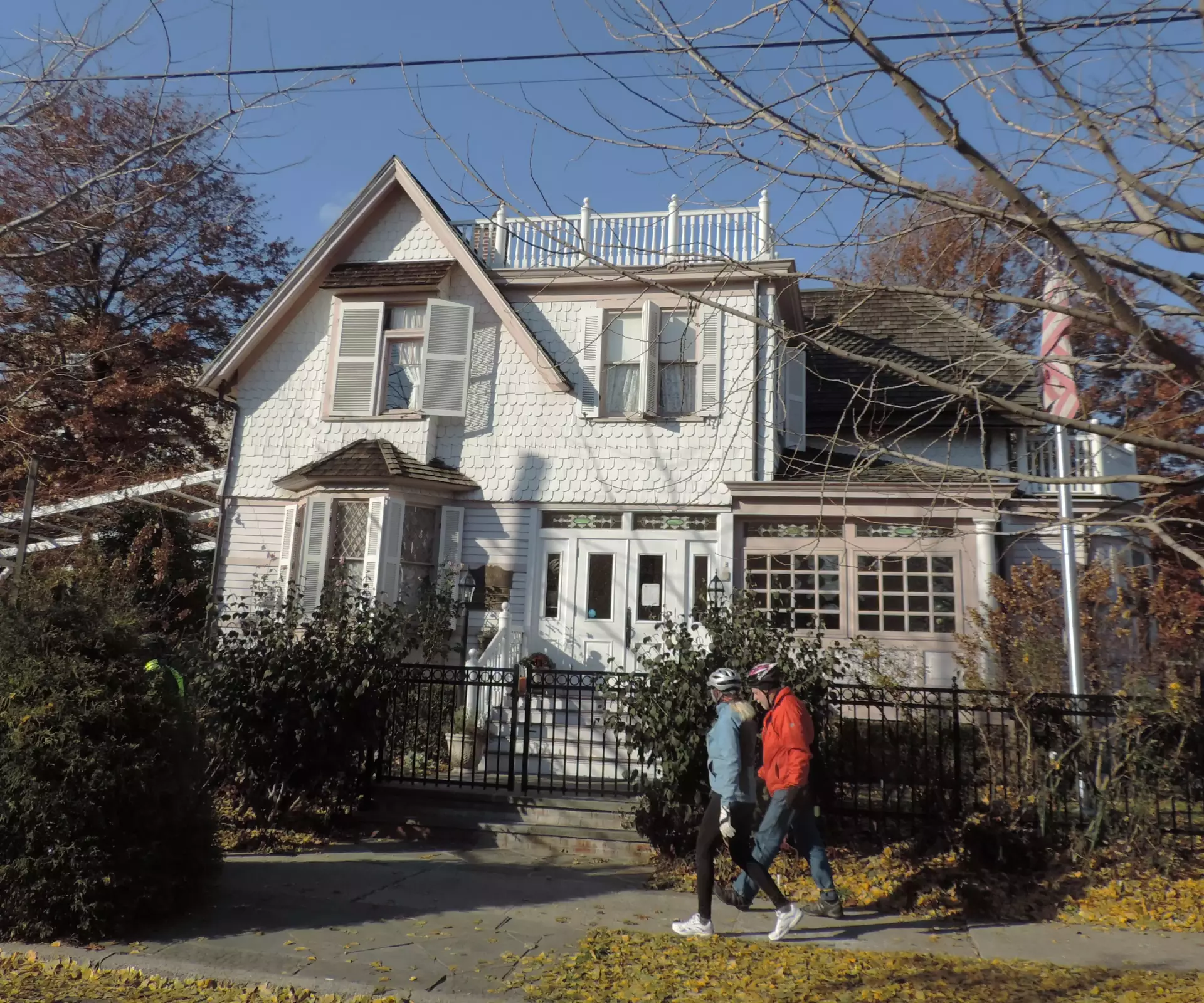
Dates back to 1680, and held an abortive peace conference during the Revolutionary War.
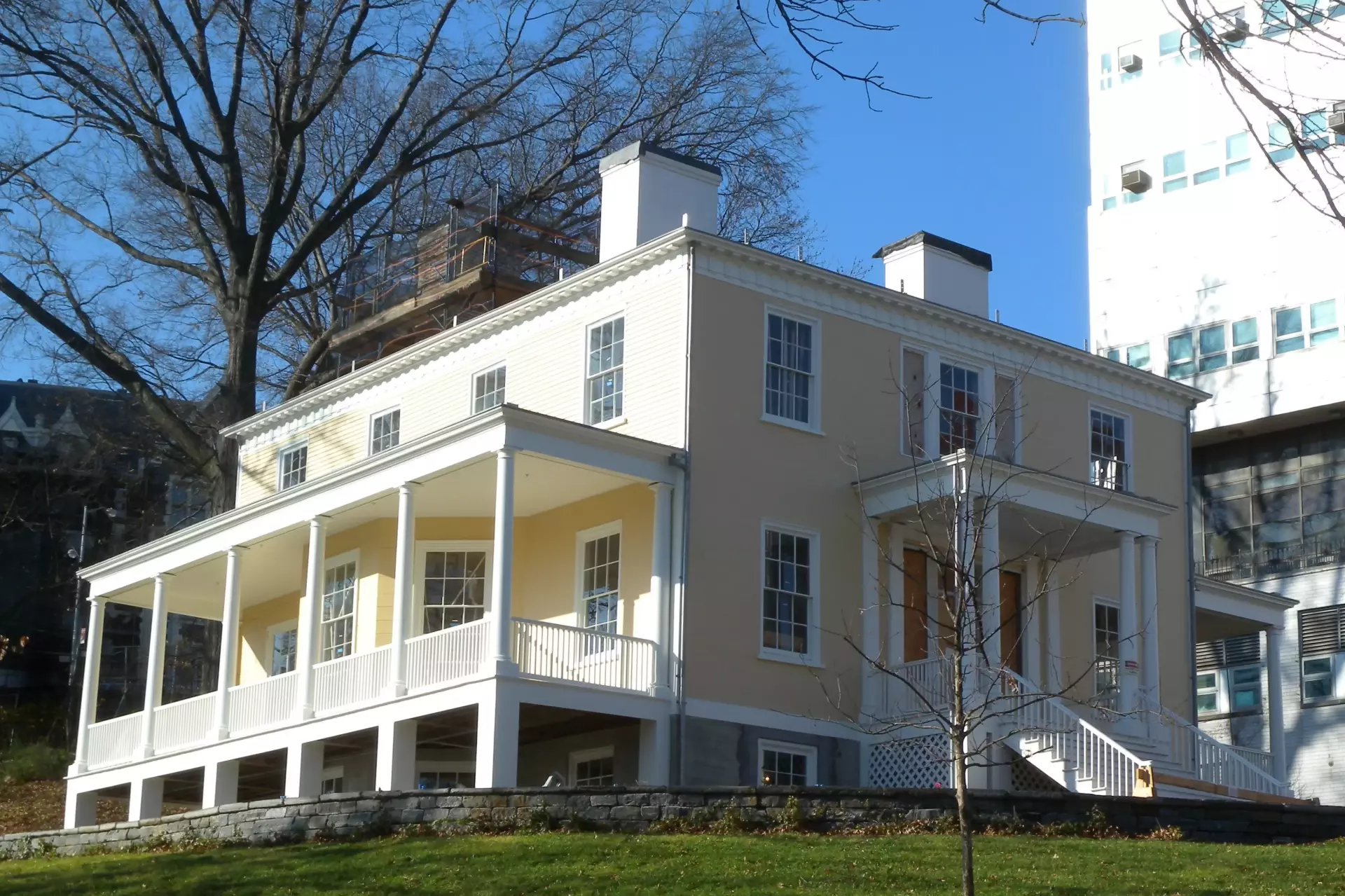
Built in 1765, this is the oldest house on Manhattan Island. It served as George Washington's headquarters in 1776. Now a museum set on a 1.5-acre park, it features a decorative-arts collection representing the colonial and Revolutionary War periods. Washington's office is among the 12 restored rooms.
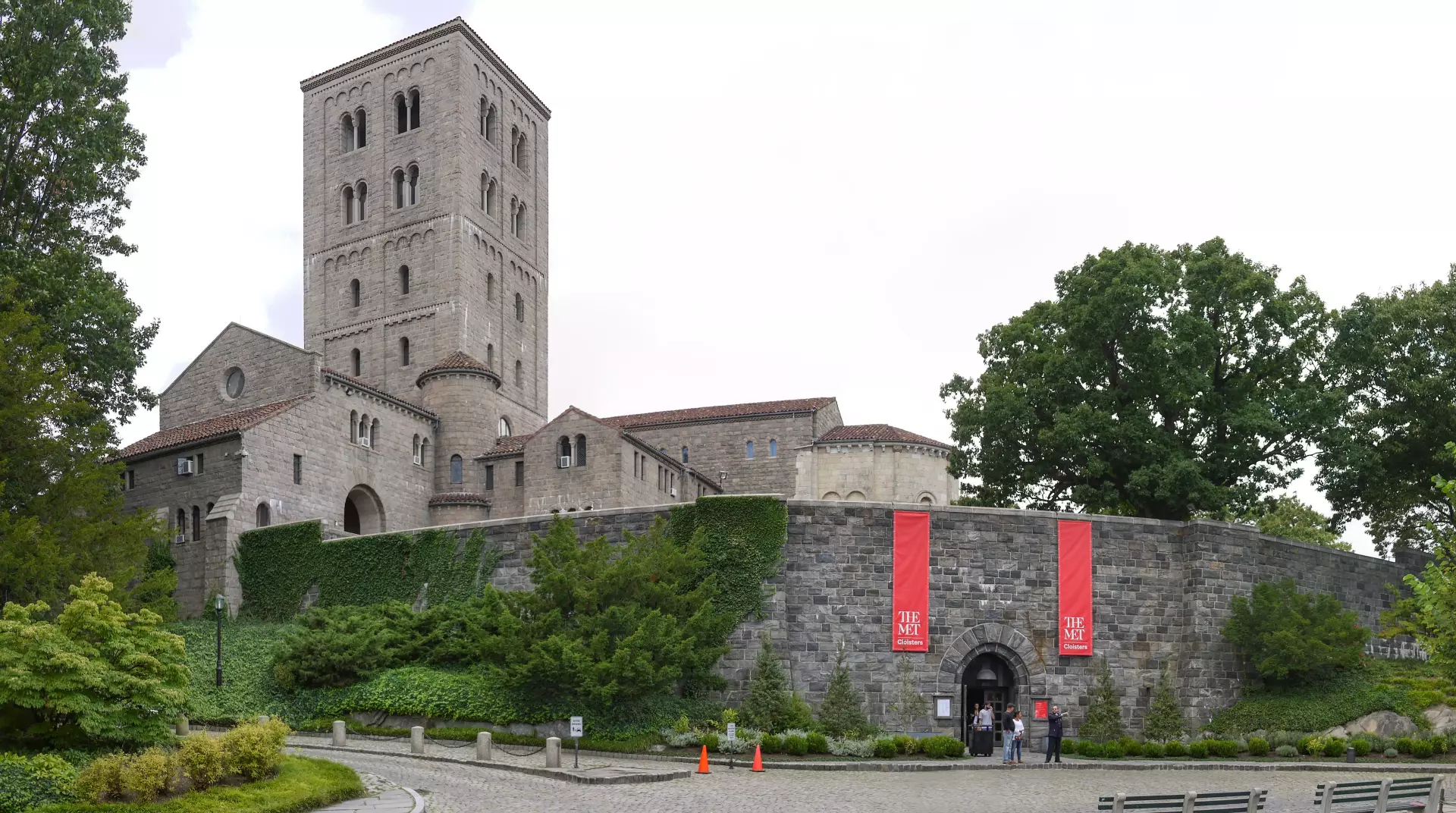
Located on four acres overlooking the Hudson River in Fort Tryon Park, the building incorporates elements from five medieval French cloisters – quadrangles enclosed by a roofed or vaulted passageway, or arcade – and from other monastic sites in southern France. There are various artworks on display in the museum, with the Unicorn Tapestries being the most famous.
The One World Trade Center skyscraper rises 1,776 feet above the street and is the tallest building in the United States (and for that matter, the Western Hemisphere). Despite its colossal size, its simple design allows it to blend remarkably well into the Lower Manhattan skyline. An observation deck on the top floors offers 360-degree views of the city.
Inwood Hill Park contains the last tracts of virgin forest in Manhattan. Many arrowheads and other artifacts of the former Native American occupants of Manhattan Island have been found in this park.
Dedicated to preserving and collecting television programs as a service to the public, the museum consists of two museum branches in Los Angeles and New York City; combined they hold over 100,000 television programs that are available to the public, providing a historical, artistic and cultural perspective to television and radio. You may use their library here for the price of admission. They have lots of old shows and a database so you can see if they have what you want.
A historic site, not least because of the Black Thursday crash of the Exchange on 24 October 1929 and the subsequent sell-off panic which started on Black Tuesday, 29 October, precipitating the worldwide Great Depression of the early 1930s. The present Exchange building opened in 1903, recognized from the first as an example of masterful architecture, with the six massive Corinthian columns across its Broad Street facade imparting a feeling of substance and stability and, to many, seeming the very embodiment of America’s growth and prosperity. The building has been closed to the public since 9/11.
Exhibits on the history of highrise and skyscraper construction.
A vintage carousel built in 1908 and situated on this spot since the 1950s, it's the fourth carousel to inhabit this location and is beautifully painted.
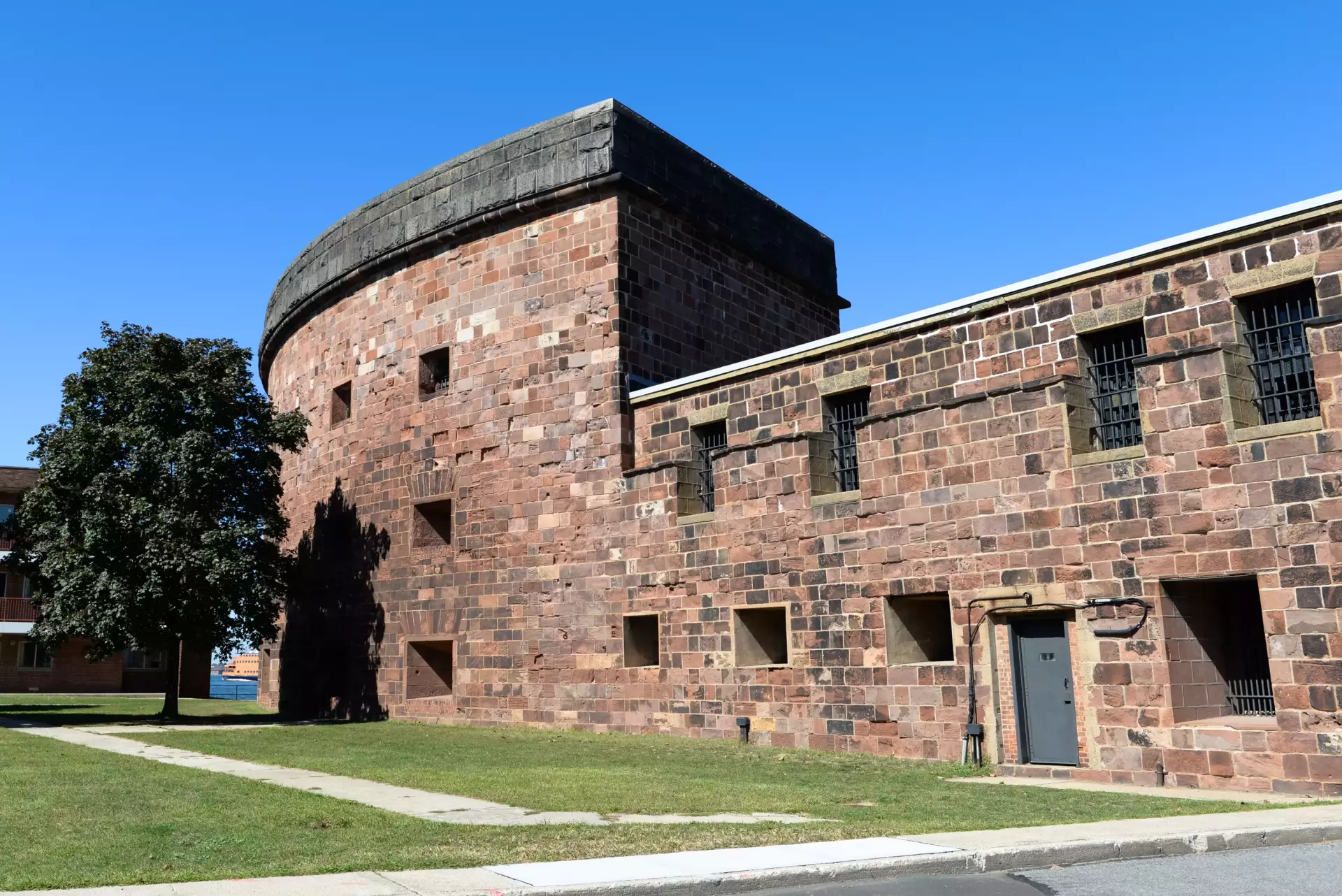
At the southern tip of Manhattan, Battery Park is a waterfront green space, named for the artillery batteries which were installed here to protect the settlement of New York when it was under Dutch, then British rule. In the lead-up to the War of 1812, 40.70343-74.0168214 Castle Clinton was constructed as a fort to protect the city, and is now operated as a small museum. There are several memorials in the park, including 40.70387-74.0172715 The Sphere, a public art piece originally housed on the World Trade Center site which survived the events of September 11 and was moved to Battery Park. Ferries departing to the Statue of Liberty and Ellis Island (see below) depart from here.
One of the foremost conservatories of those disciplines in the United States.
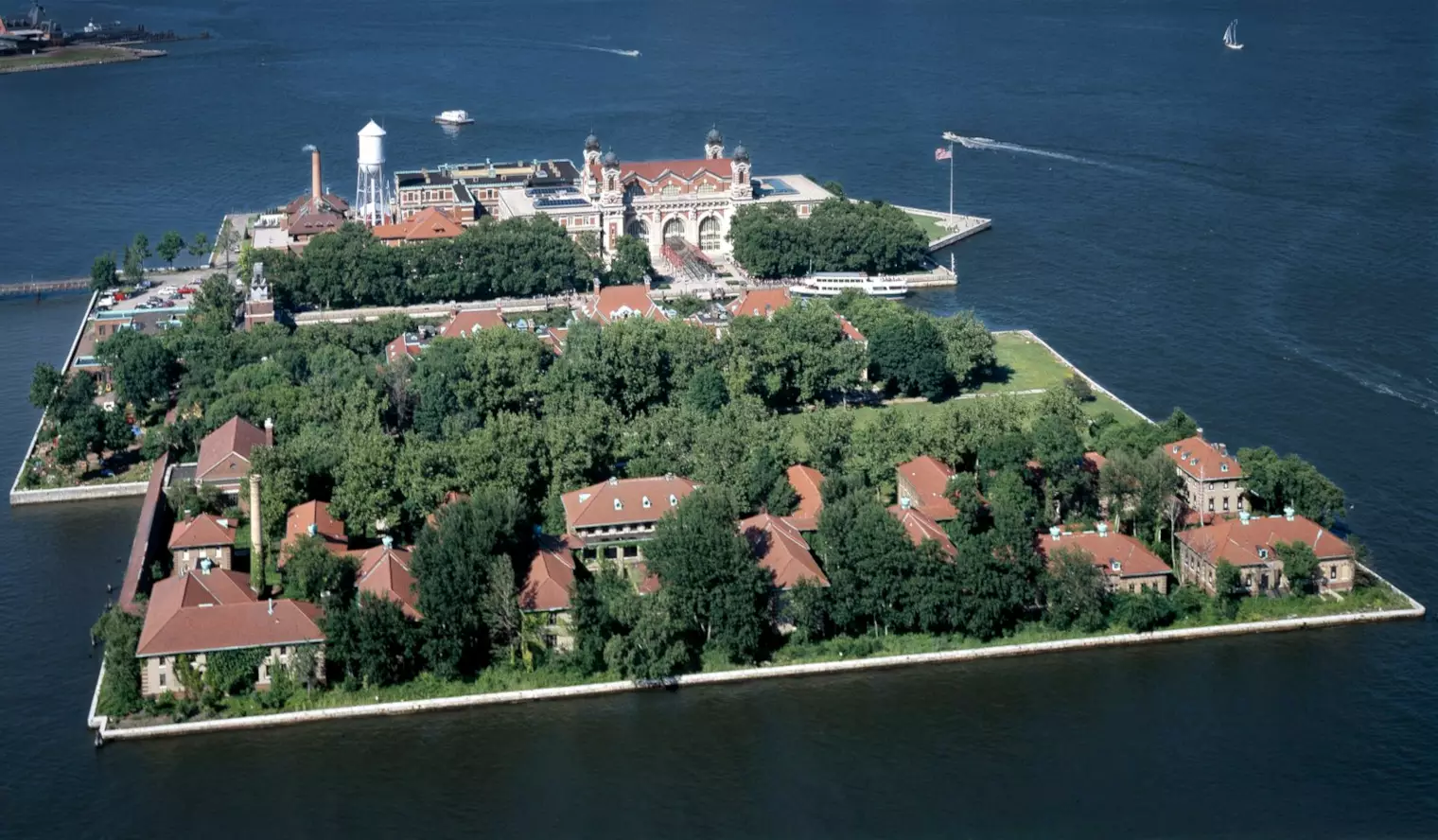
Ellis Island was home to the nation's primary federal immigration station, with over 12 million immigrant steamship passengers passing through from its opening in 1892 to its closing in 1954. Today, over 40 percent of America's population can trace their ancestry through Ellis Island. The island is home to the American Family Immigration History Center, which contains manifests of 25 million immigrants, passengers, and crew members who entered New York Harbor. The Immigration museum at Ellis Islands has details about "Peopling of America" and if you are an avid history lover, this museum will need at least 3-4 hrs of your time. Since the ferry ride takes you to both Ellis Island as well as the Liberty Island, you will have to plan your day well.
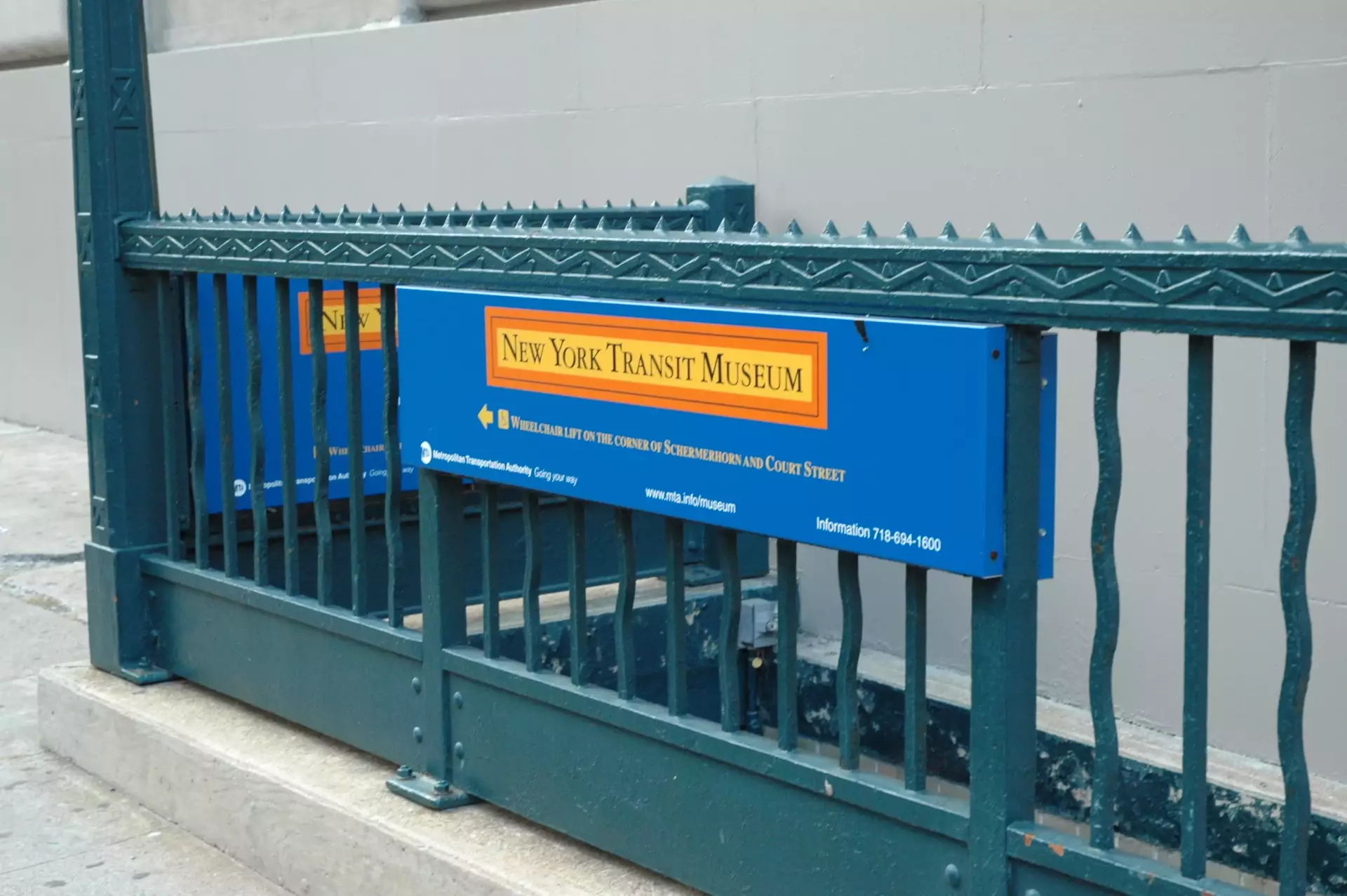
The original subway station, and quite a marvel to witness--the chandeliers and ornate tiling are a sharp contrast to the nearby Brooklyn Bridge-City Hall station. There's one catch, though: it's been closed since 1945. However, you can see it by staying on the downtown 6 train after its last stop Brooklyn Bridge-City Hall; it will turn around in the old station. This is the one place in the system where this is allowed, and the announcements reflect that. The Transit Museum (in Downtown Brooklyn) offers occasional tours as well, which allow you to actually walk around the station, but you must be a museum member and a US citizen, making this an impractical choice for most visitors.
This pretty 17-story Beaux Arts building was completed in 1904 and designed to be New York City's first air conditioned hotel. It was a residential hotel, and housed a number of very famous people, including the Hall of Fame baseball player, Babe Ruth; the Italian tenor, Enrico Caruso; the modernist composer, Igor Stravinsky; the Italian conductor of the NBC Symphony, Arturo Toscanini; and writers Theodore Dreiser and Isaac Bashevis Singer. The building is now a condominium.
Once the Audubon Ballroom where Malcolm X was assassinated with 21 gunshots. Only a part of the facade of the original building remains (Columbia University demolished the building in 1992). The location now houses a memorial to Malcolm X and Betty Shabazz, with a stated goal of advancing human rights and social justice. It also features a 63-foot mural depicting Malcolm X's life.
A children's museum home to exhibits featuring Adventures with Dora & Diego.
The lesser-known historic district on the other side of the Park. It was developed at the turn of the 20th century by Dean Alvord as one of the first suburbs.
The historic heart of the Financial District and the home of the New York Stock Exchange, Wall Street is a metonym for American big business, stock trading and the entire financial industry, although most New York financial firms are no longer headquartered on the street itself, but housed nearby in new offices, and some have moved to Jersey City. A narrow street running downhill from Broadway to the East River, Wall Street was named for the wall that was built here in 1652 to keep Manhattan's indigenous peoples out of the growing Dutch settlement. The wall was demolished by the British in 1699. By the late 18th century, traders and speculators would gather under a buttonwood tree at the foot of Wall Street to trade informally - this was the origin of the New York Stock Exchange that was established in 1817.