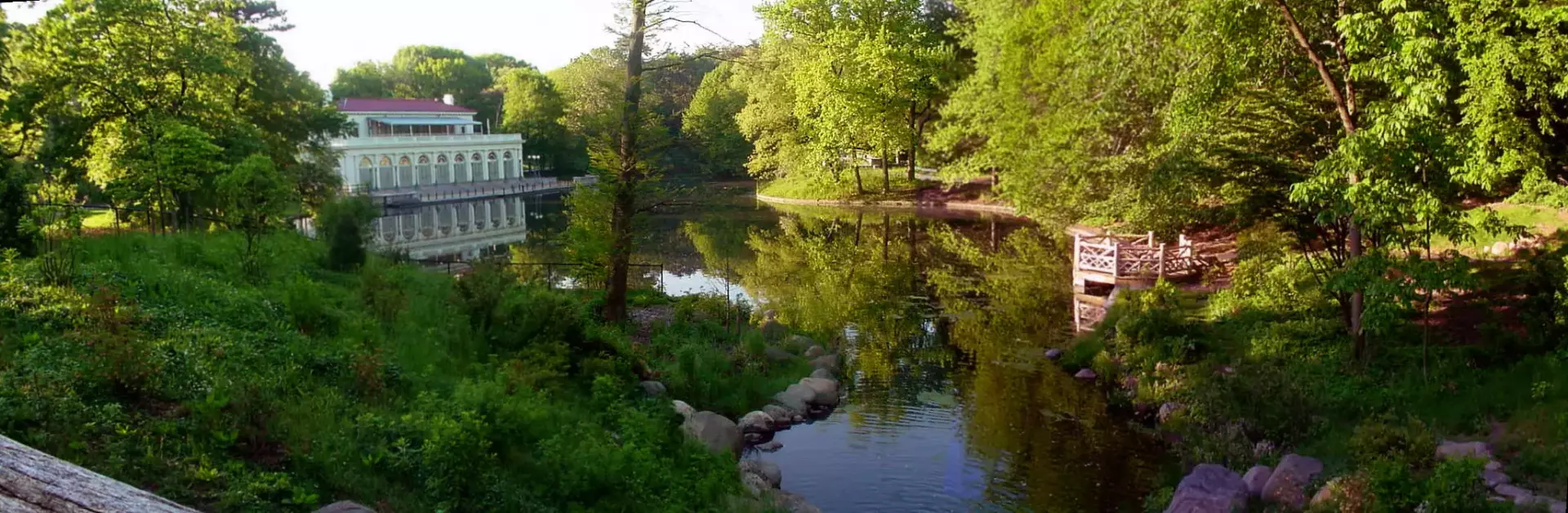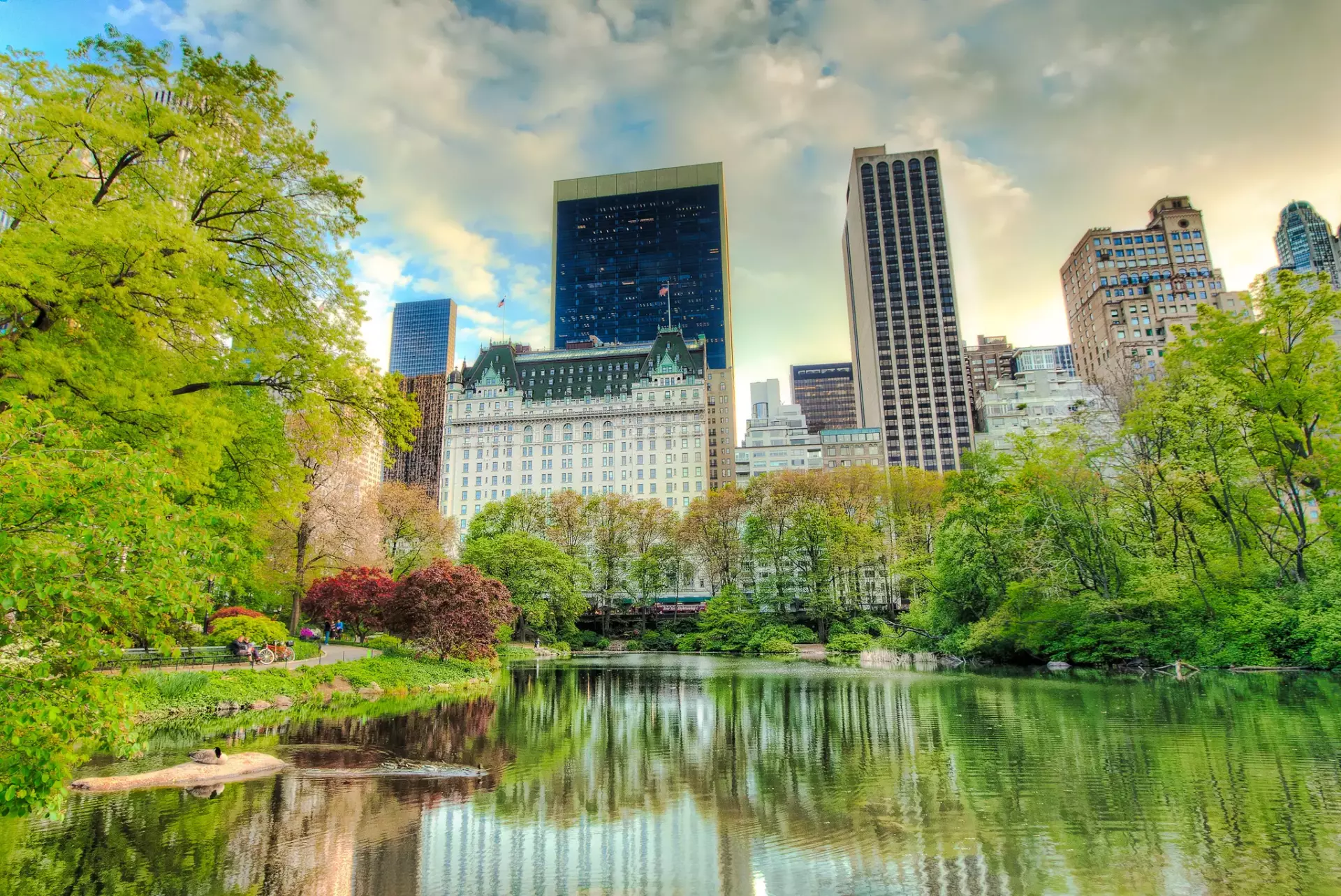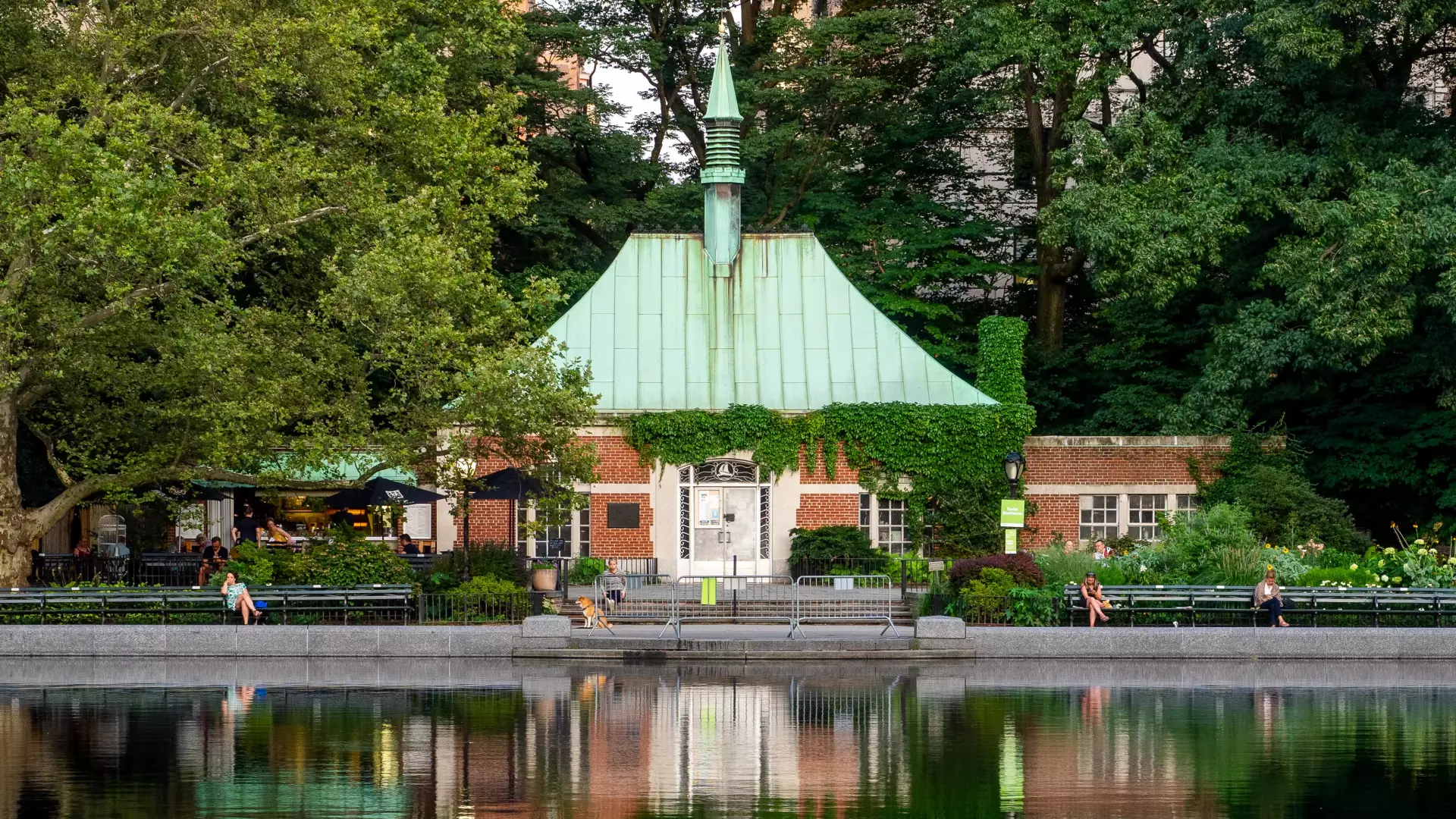
Conservatory Pond is a delightful spot often recognized as the Model Boat Pond. Here, visitors can enjoy the exciting sight of a racing regatta organized by members of the Model Yacht Club. For those eager to join in the fun, renting a model boat from the nearby boathouse and café provides a perfect opportunity.
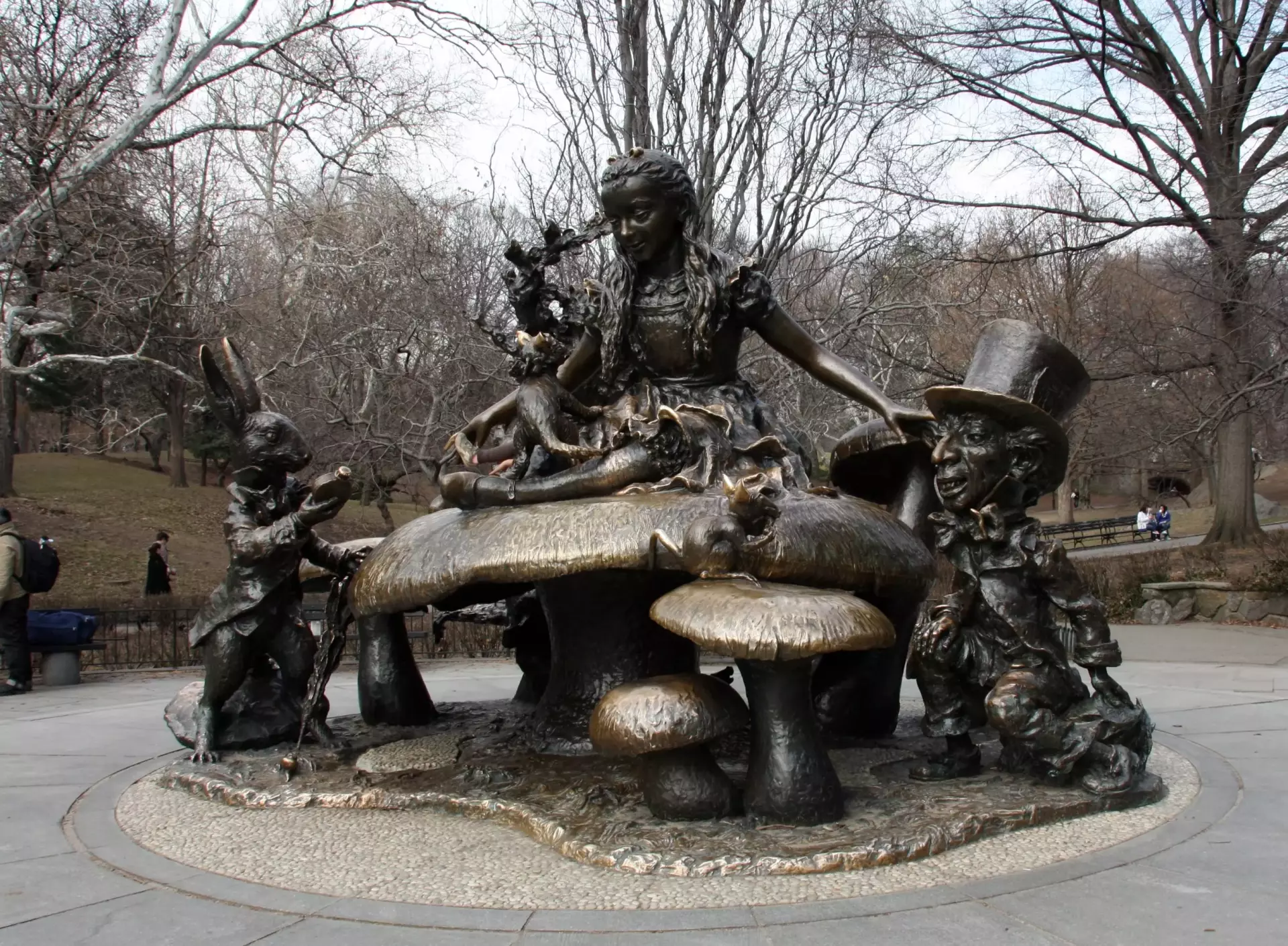
Just to the north of the pond, the enchanting Alice in Wonderland sculpture captures the whimsical Tea Party scene. It stands as a favorite attraction for children and adults alike, inviting all to immerse themselves in its magical allure.
On the west side of the pond, the Hans Christian Andersen sculpture depicts the beloved writer seated serenely on a bench. He is shown reading to his Ugly Duckling character, creating a charming and inspiring scene for onlookers. This artwork pays tribute to Andersen’s timeless tales and continues to captivate the imagination of passersby.
Source - https://en.wikipedia.org/wiki/Conservatory_Water
Collection of more than 200 paintings of the artist, exhibited on three floors of a classic townhouse.
One of Manhattan's favorite meeting points, the centerpiece of this Terrace is the Angel of the Waters fountain, dedicated in 1873 and an enduring icon of the park.
A famous Ivy League college that has existed since British colonial times, when it was called King's College.
A small park at the foot of Broadway which is the oldest public park in the city and is the site of the Charging Bull sculpture created after the 1987 stock market crash. Bowling Green is also the origin point for the Broadway ticker-tape parades; if you walk up Broadway, you can view plaques in the sidewalk honoring the people or events celebrated in these parades.
The Society of Illustrators is one of the many off the beaten path museums in New York City, and while it may not have as many visitors, it certainly isn't a place to miss. Certainly don't miss the art of illustration featured here, with countless historical galleries since the museum's opening in 1901. It's even the origin of the famous "I Want You For U.S. Army" poster of World War I and II.
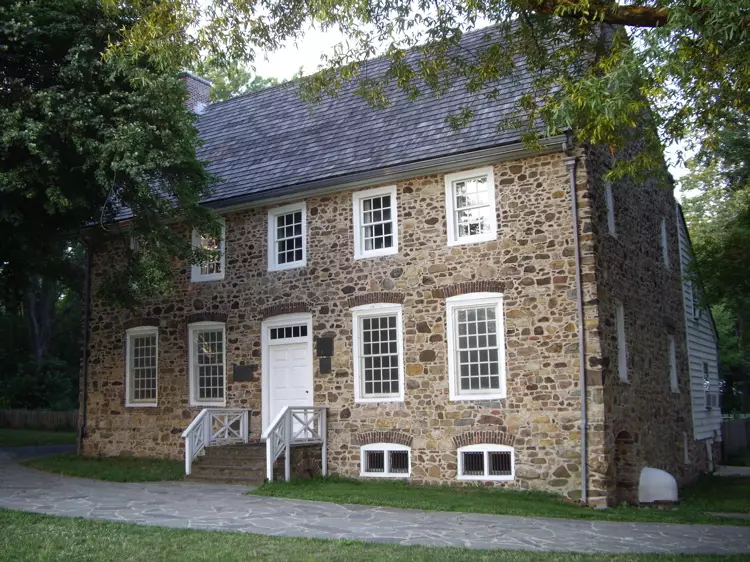
Kingsland Homestead is a historic home, built by Charles Doughty around 1774. It is now a museum with exhibits about the Victorian era, the slavery in Queens, and how Queens was affected by World War II.
Supported by the Museum of Modern Art, this innovative (and cheap) contemporary art museum is in a former public school building. The conversion left most of the original features of the school - the large ex-classrooms are perfect for installations - and the bathrooms are a blast from the past. P.S.1 is a few blocks south on Jackson Avenue from the Citibank tower; the entrance is a concrete slab (how fitting) which occludes view of the school itself. P.S.1 also has a nice cafe and outdoor seats.
Dedicated to preserving and collecting television programs as a service to the public, the museum consists of two museum branches in Los Angeles and New York City; combined they hold over 100,000 television programs that are available to the public, providing a historical, artistic and cultural perspective to television and radio. You may use their library here for the price of admission. They have lots of old shows and a database so you can see if they have what you want.
A branch of the Smithsonian Institution, the Cooper Hewitt is devoted to over 240 years of contemporary and historic design, with changing exhibits.
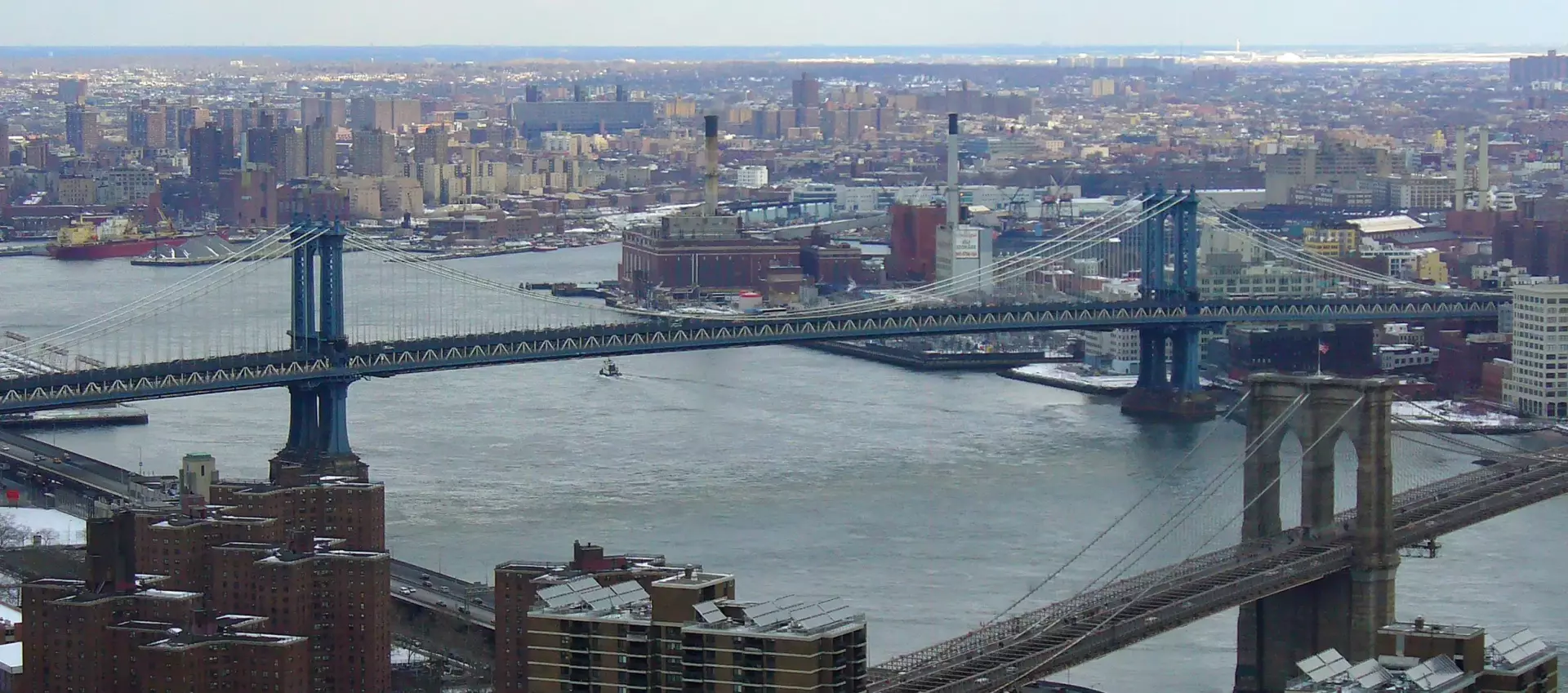
The Manhattan Bridge, just a bit to the east of the Brooklyn Bridge, with signposted access from Jay St. slightly over 4 blocks north (toward the river) of Tillary St., can also be crossed by pedestrians and cyclists, but if you do so, you will be rattled by passing subway trains that traverse the bridge, your view will be partly obstructed by mesh, and you won't be in a position to see much to the north of the bridge (so no great views of the Midtown skyline like you get from the Brooklyn Bridge walkway). It's still worth doing if you have enough time, though, partly because of the views of the Brooklyn Bridge that you can see from the Manhattan Bridge. As of November 2021, construction is taking place on the bridge; it narrows the path pedestrians and cyclists share in places, but access is otherwise unimpeded.
Built in 1765, this is the oldest house on Manhattan Island. It served as George Washington's headquarters in 1776. Now a museum set on a 1.5-acre park, it features a decorative-arts collection representing the colonial and Revolutionary War periods. Washington's office is among the 12 restored rooms.
The only US museum devoted to Puerto Rican culture.
This park was operated as a United States Army airfield from 1919-1969. Now, it is a large, mostly grass park with baseball fields, soccer fields, and a children's playground.
A self supporting arm of the MTA, it is housed in the Subway's former Court Street Station, on a spur line from the current A and C lines. Closed to passengers in 1946, it was reopened in 1976 as the New York Transit Exhibit and was popular enough to be made permanent. The museum is made up of two underground levels: the Mezzanine, which hosts exhibits on the construction of the subway, surface transportation in New York, fare collection and rotating exhibits on various transit-related subjects; and the station platform, which houses about 20 retired subway cars dating as far back as 1903 and a working signal tower. The museum sponsors events throughout the year, including simple art projects, walking tours on the subway, and rides on the museums' fleet of retired trains. There is also an annex of the museum in Grand Central Station in Midtown Manhattan.
A very impressive skyscraper with a green spire which was completed in 1930 and surpassed the height of the nearby Woolworth Building (see Manhattan/TriBeCa#See), making it the tallest building in the world until the Chrysler Building was completed just a month later (which in turn lost that title to the Empire State Building less than a year later). The building was leased by Donald Trump in 1995, hence its current name.
The Asia Society is a unique educational organization like no other in the area promoting relationships and understanding among and of leaders, people, and organizations of Asia. It features a vast array of Asian art including art, business, culture, and education, promoting collaboration and a new, progressive understanding of Asian relations. The opportunities for discovery here are endless, with lessons about art, calligraphy, language, literature, politics, and religion.
From its intersection with Park Row (just east of City Hall) you can walk (takes about 20-30 minutes each way), bike, or drive across the historic and iconic bridge to Brooklyn. The view from the bridge is quite lovely, with excellent views of Lower Manhattan and Downtown Brooklyn and good views of Midtown and the New York Harbor in the distance.