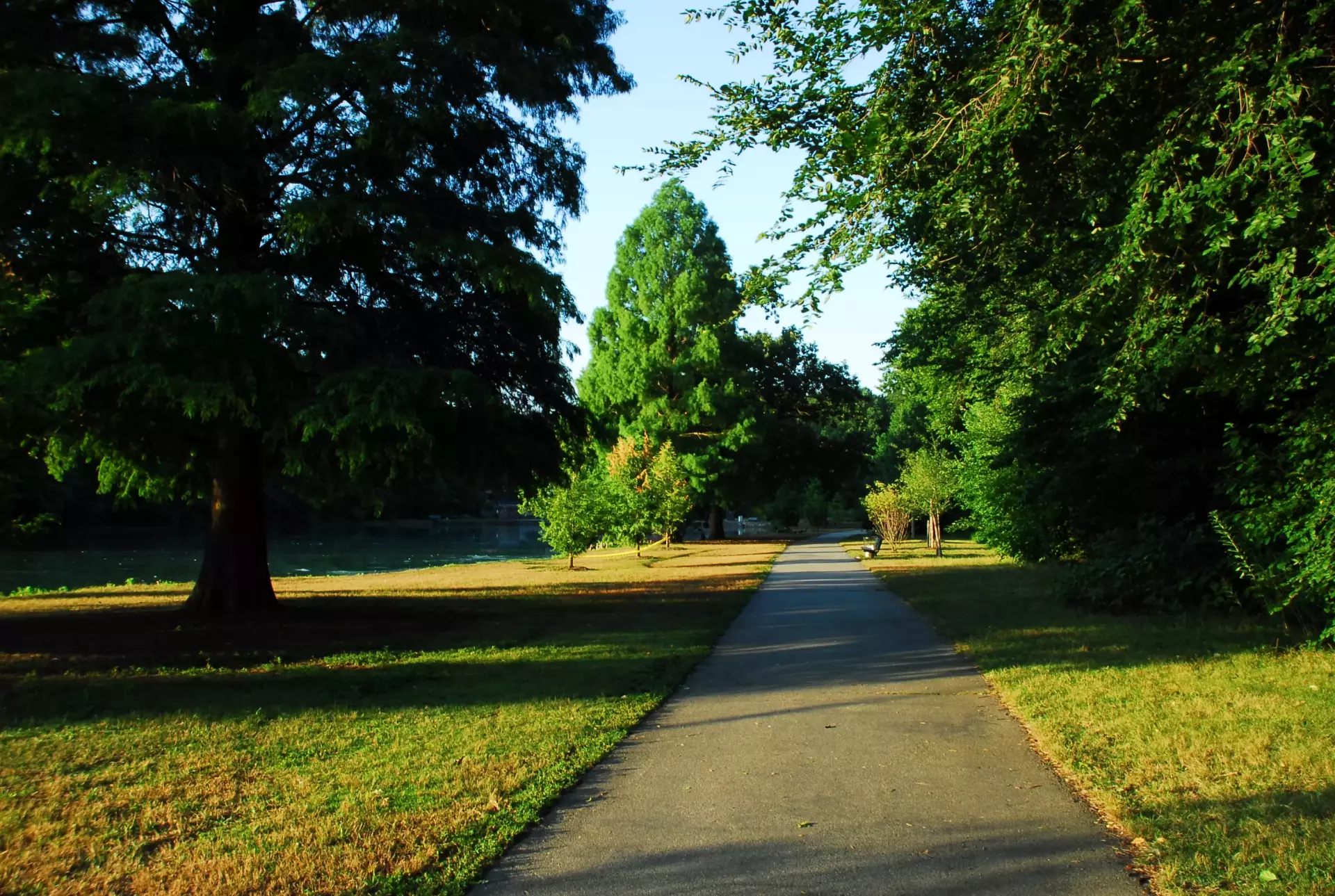
The Greenbelt is a vast expanse of woodlands and parks, spanning an impressive 2,800 acres. It's an unexpected natural haven amidst the bustling cityscape of New York, offering a refreshing escape right within the metropolis. Covering much of Mid-Island, the Greenbelt invites visitors to explore its diverse landscapes, but planning ahead is key to making the most of this outdoor adventure.
A perfect starting point for any visit is the Greenbelt Nature Center. This educational facility is conveniently located at the heart of the Greenbelt and serves as a gateway to the park's wonders. Here, visitors can learn about the rich flora and fauna that inhabit the area and gather useful information to enhance their exploration.
The Greenbelt is a paradise for hikers, offering numerous trails that wind through its lush woodlands. Whether you're a seasoned hiker or a casual walker, there is a path to suit your pace and interest. To make the most of the hiking experience, visitors can access a detailed map of the trails, ensuring they can navigate the park's vast terrain effectively.
Source - https://en.wikipedia.org/wiki/Staten_Island_Greenbelt
A children's museum home to exhibits featuring Adventures with Dora & Diego.
One of the foremost conservatories of those disciplines in the United States.
The lesser-known historic district on the other side of the Park. It was developed at the turn of the 20th century by Dean Alvord as one of the first suburbs.
The first museum in the U.S. devoted to artists of African descent. Temporarily relocated from 144 W 125th St building for construction of new museum building.
American woman Jacques Marchais had a dream of traveling to Tibet. While she never made it, her extensive collection of Tibetan artifacts was made into a museum in 1947. The museum now holds over 120 pieces of beautiful Tibetan art. The museum's authenticity was praised by the Dalai Lama.
This neo-Romanesque fairy castle was built in 1891, and a northern addition in very similar style was built in 1933. The older building is a busy post office serving Downtown Brooklyn and the northern addition houses the United States Bankruptcy Court for the Eastern District of New York.
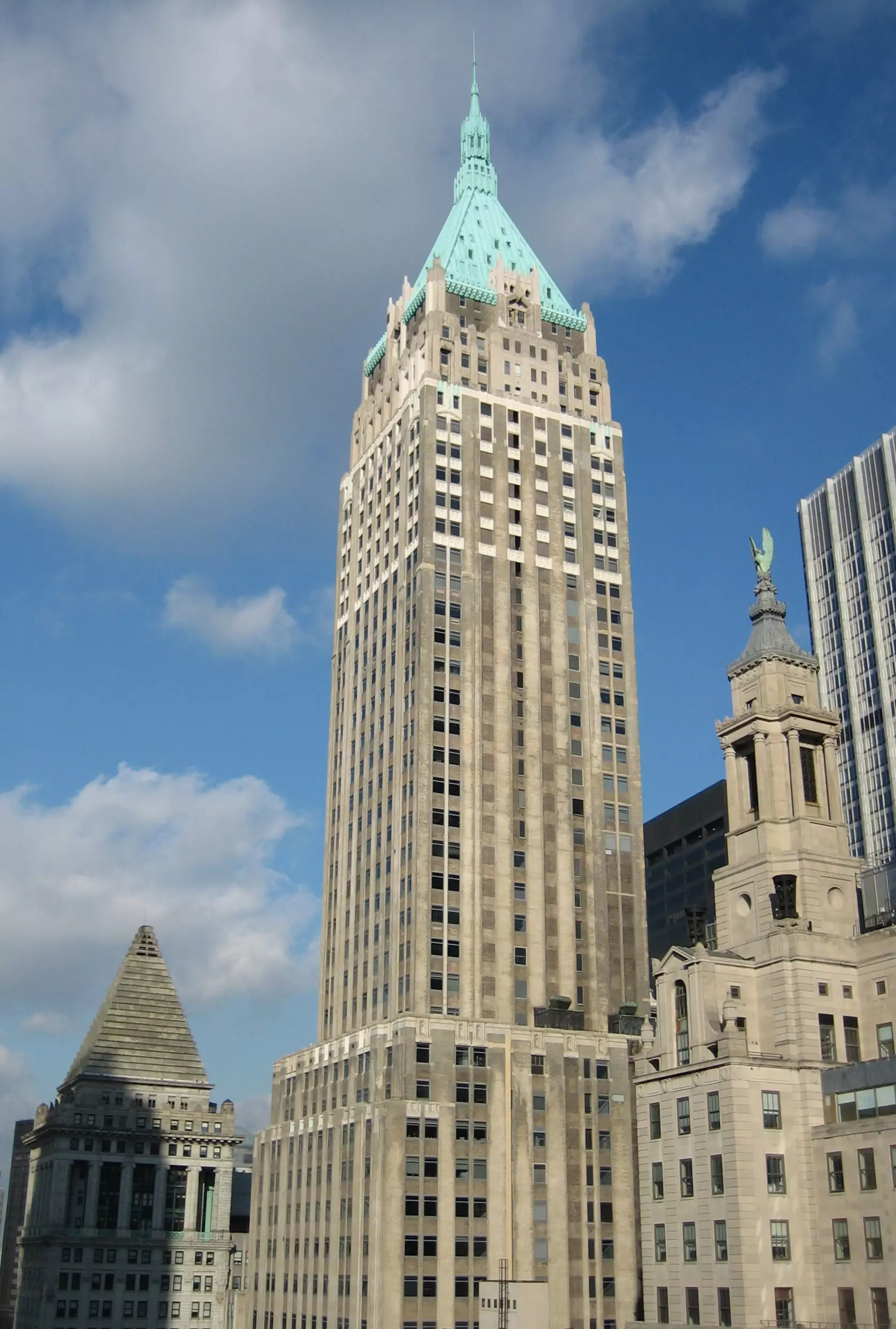
A very impressive skyscraper with a green spire which was completed in 1930 and surpassed the height of the nearby Woolworth Building (see Manhattan/TriBeCa#See), making it the tallest building in the world until the Chrysler Building was completed just a month later (which in turn lost that title to the Empire State Building less than a year later). The building was leased by Donald Trump in 1995, hence its current name.
A museum dedicated to the history of the NYPD.
Probably the most famous of the Guggenheim foundations (others found in Bilbao and Venice), which hold avant-garde modern art by artists such as Kandinsky and Mondrian, the New York branch is housed in a unique and famous building designed by Frank Lloyd Wright and rendered in a rounded, organic form and completed in 1959. Be sure to take the elevator to the top floor, then follow the spiral viewing floors downwards to the street level. One of eight buildings by Wright to be listed as a world heritage site.
Exhibits on the history of highrise and skyscraper construction.
None of Central Park is actual virgin forest, but this is the closest any part of the park gets to feeling like genuine forest. It is beautiful and cool in hot weather. However, like a real forest, it is a mosquito habitat, so make sure to use insect repellent before walking through this part of the park.
The garden is 52 acres and the layout was well planned. It is definitely worth a visit. Designed by the Olmsted Brothers in 1910 and open to the public since 1911, the garden includes an authentic Japanese garden, a Children's Garden, and the Cranford Rose Garden. The garden has the largest cherry blossom trees in one place outside of Japan. There are 42 gorgeous varieties. The Brooklyn Botanic Garden hosts various festivities throughout the year, including Hanami Sakura in May and the Chile Pepper Festival in October.
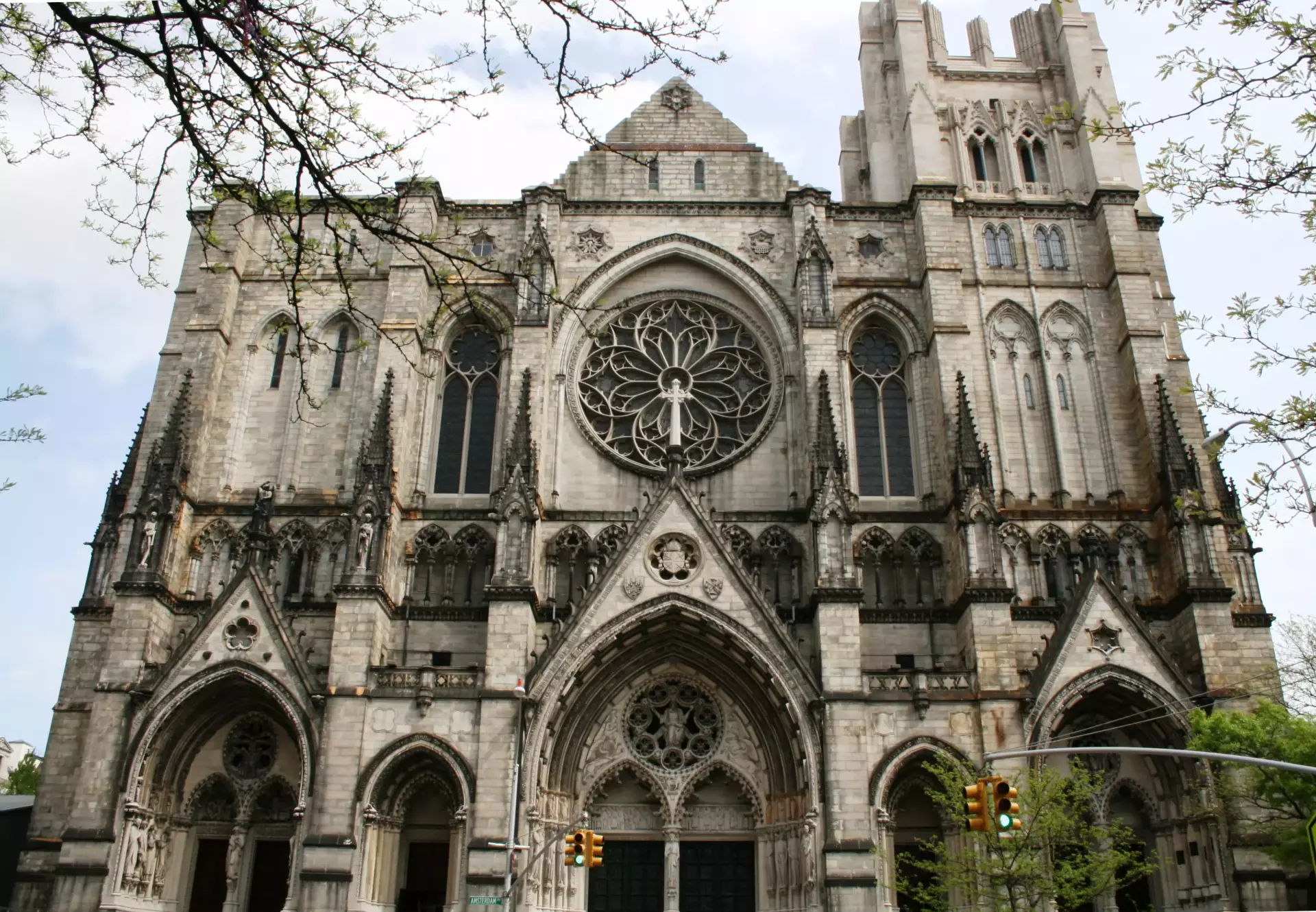
The world's largest neo-Gothic cathedral, the place has been a work in progress for over a century! There are also resident peacocks on campus, and many songbirds stop by during their seasonal migrations.
At the center of Central Park, the Great Lawn is a large clearing with lawns and ballfields, perfect for ballgames, sunbathing, and picnicking. Just to the east of the Lawn is the Obelisk, a 71-foot tall structure which is the oldest man-made object in the park, having been erected in Heliopolis, Egypt, around 1500 BC.
The interior of this Episcopal church is a peaceful place, and both the exterior and interior are architecturally harmonious and worth looking at if you are walking nearby.
A self supporting arm of the MTA, it is housed in the Subway's former Court Street Station, on a spur line from the current A and C lines. Closed to passengers in 1946, it was reopened in 1976 as the New York Transit Exhibit and was popular enough to be made permanent. The museum is made up of two underground levels: the Mezzanine, which hosts exhibits on the construction of the subway, surface transportation in New York, fare collection and rotating exhibits on various transit-related subjects; and the station platform, which houses about 20 retired subway cars dating as far back as 1903 and a working signal tower. The museum sponsors events throughout the year, including simple art projects, walking tours on the subway, and rides on the museums' fleet of retired trains. There is also an annex of the museum in Grand Central Station in Midtown Manhattan.
The historic building with the distinctive, iconic twin towers and a star-studded housing cooperative board. Built in 1930 in a vaguely Art Deco style to the design of Emery Roth, the San Remo actually has two separate addresses, lobbies and sets of shafts, each for a half of the building topped with a tower.
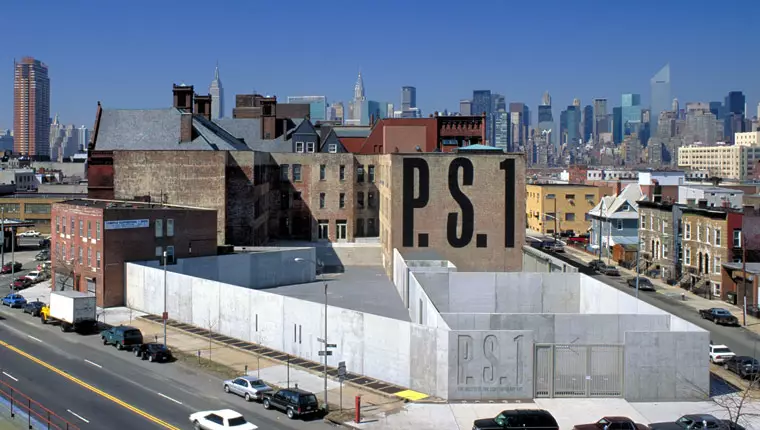
Supported by the Museum of Modern Art, this innovative (and cheap) contemporary art museum is in a former public school building. The conversion left most of the original features of the school - the large ex-classrooms are perfect for installations - and the bathrooms are a blast from the past. P.S.1 is a few blocks south on Jackson Avenue from the Citibank tower; the entrance is a concrete slab (how fitting) which occludes view of the school itself. P.S.1 also has a nice cafe and outdoor seats.