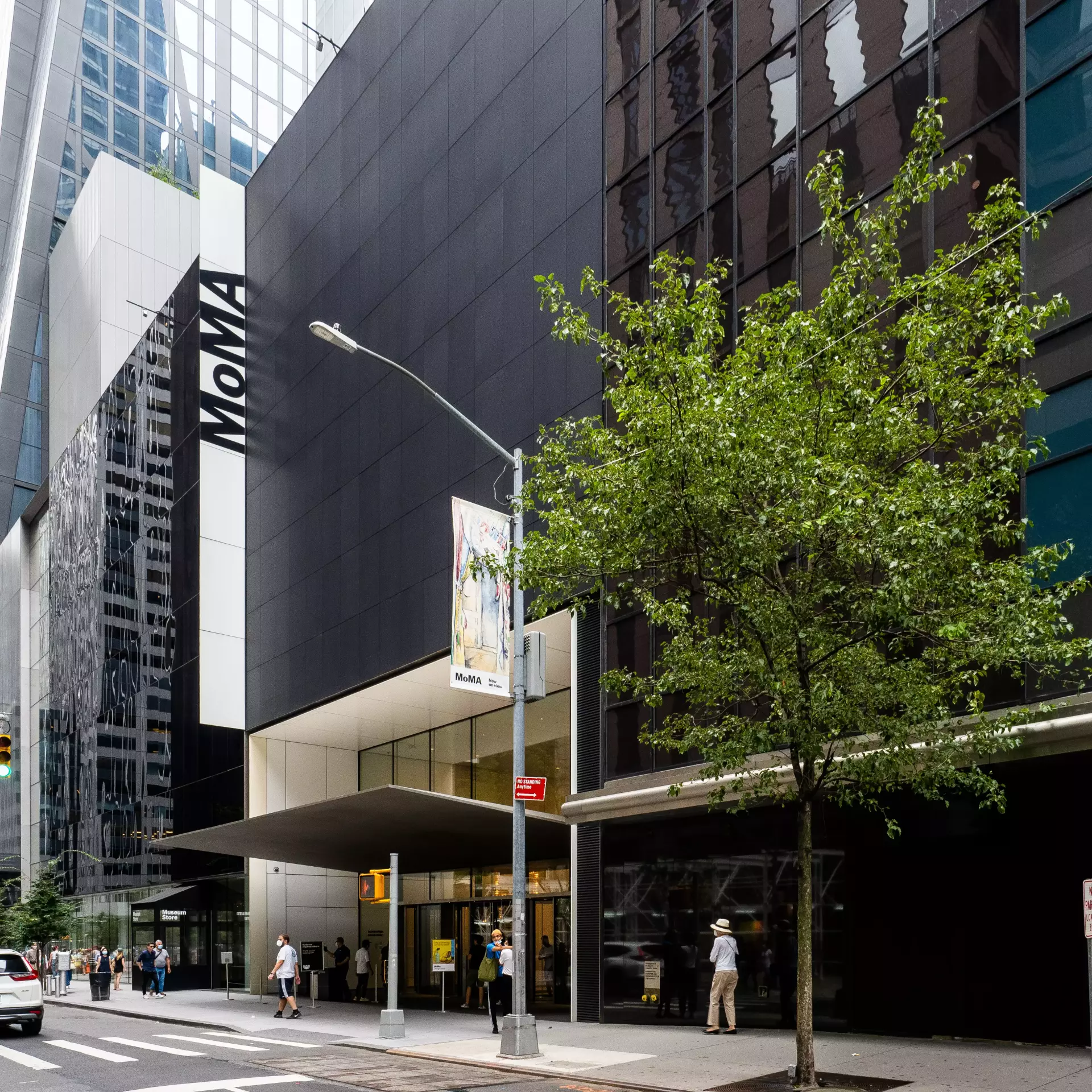
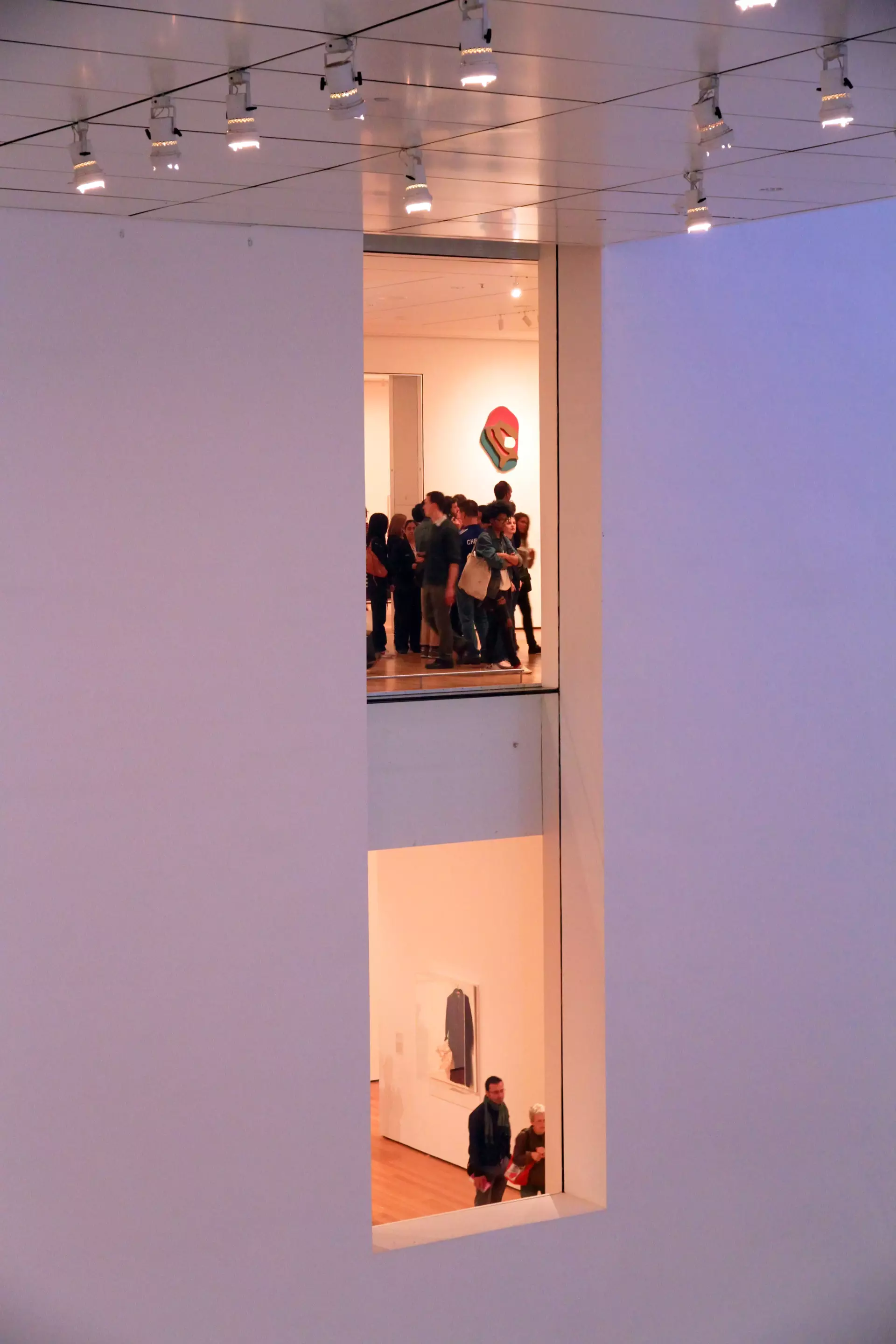
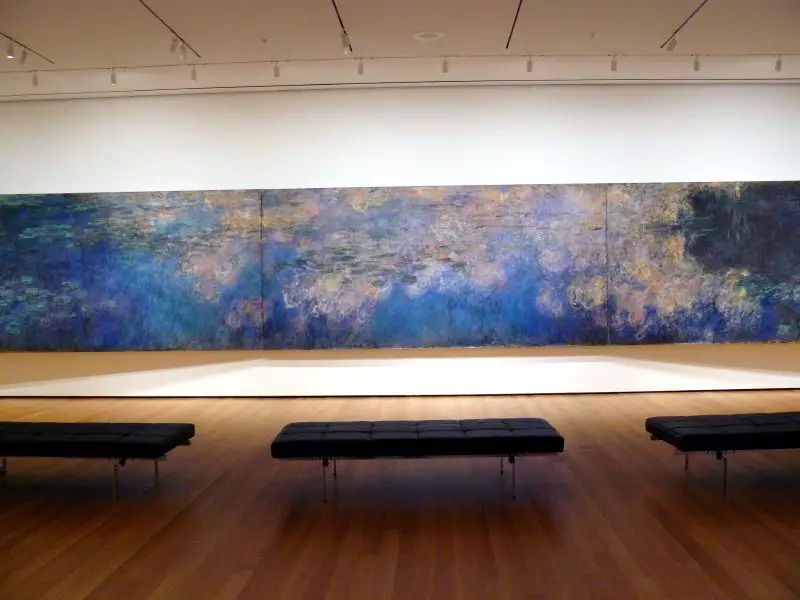
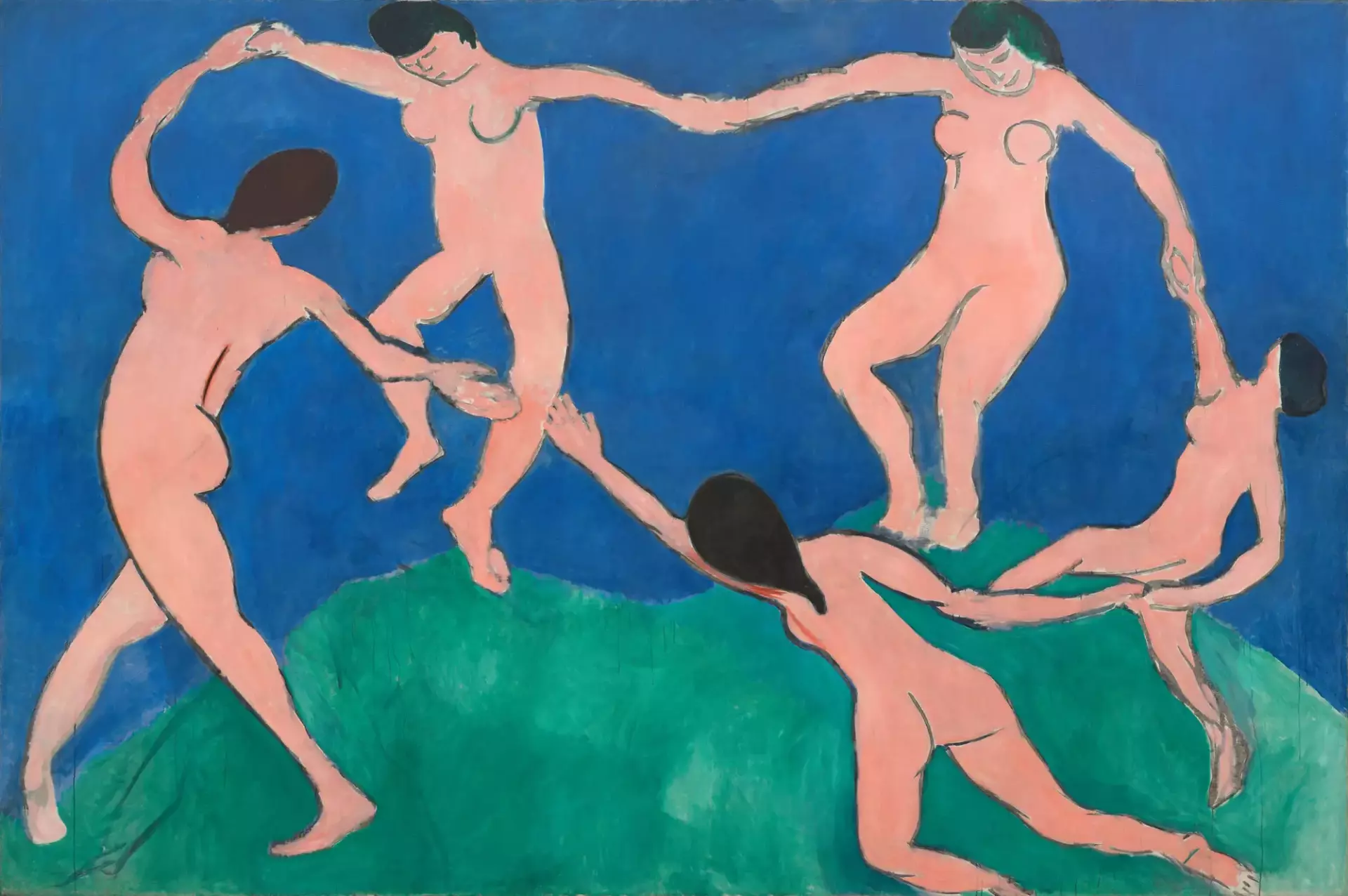
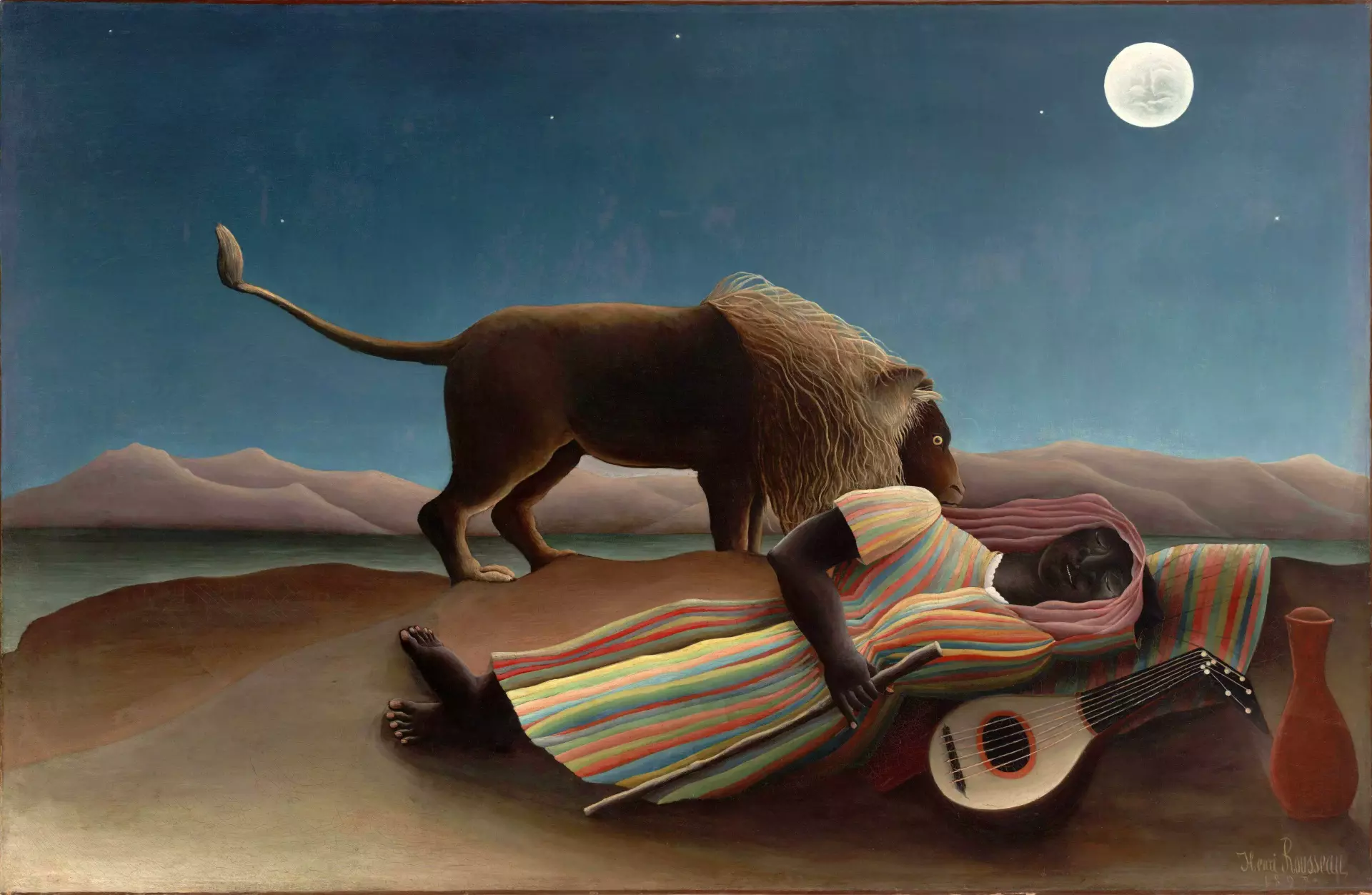
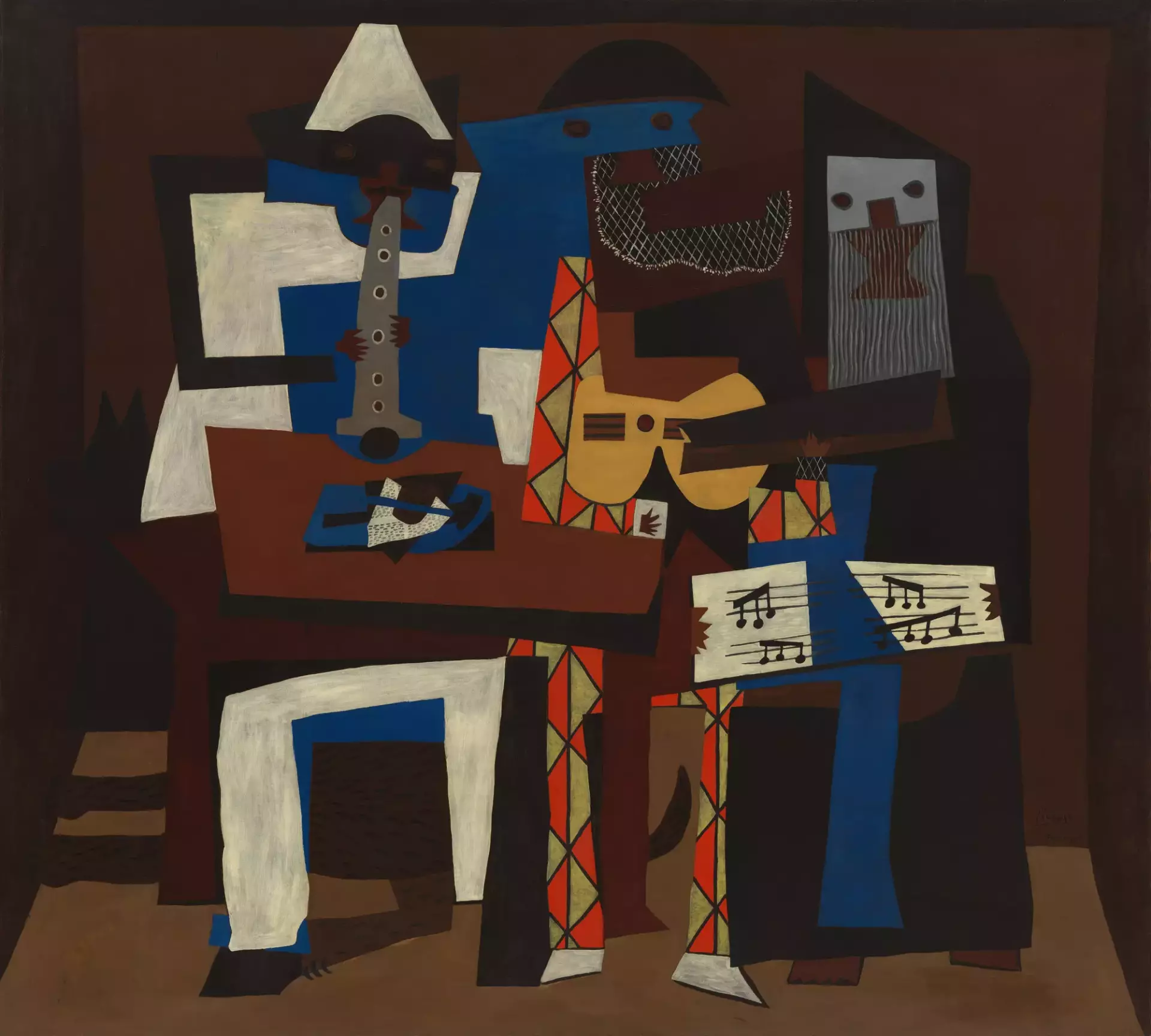
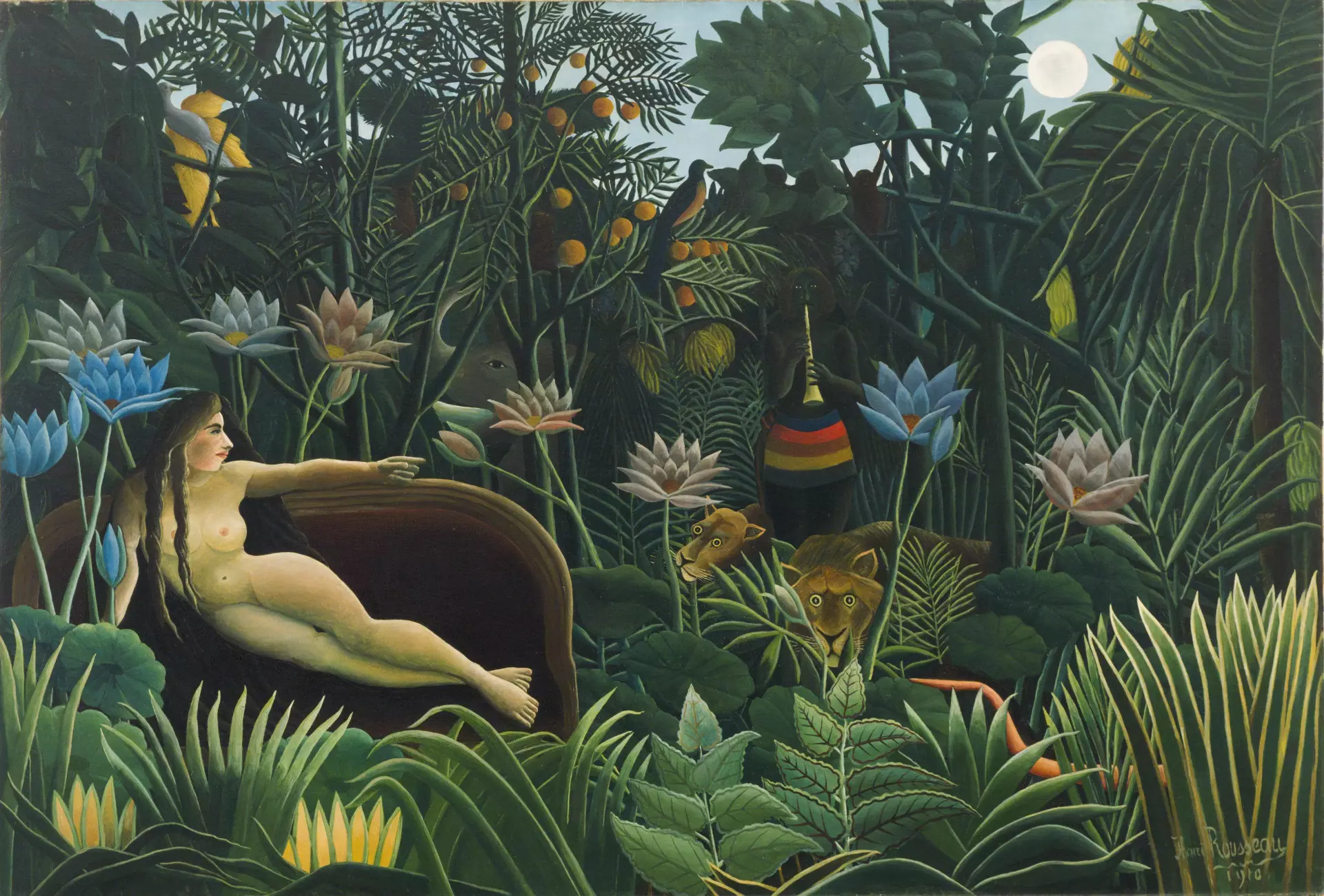
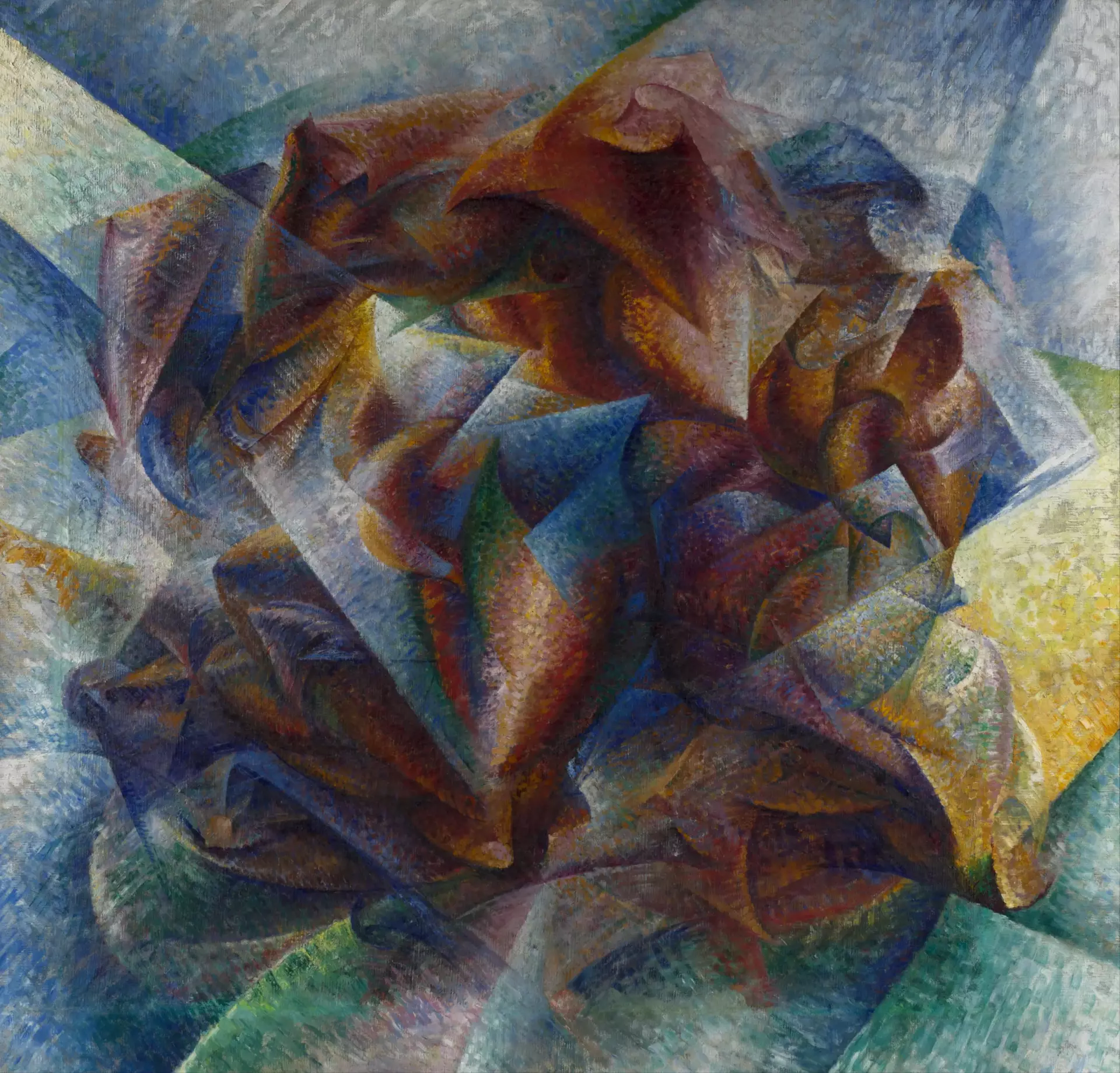
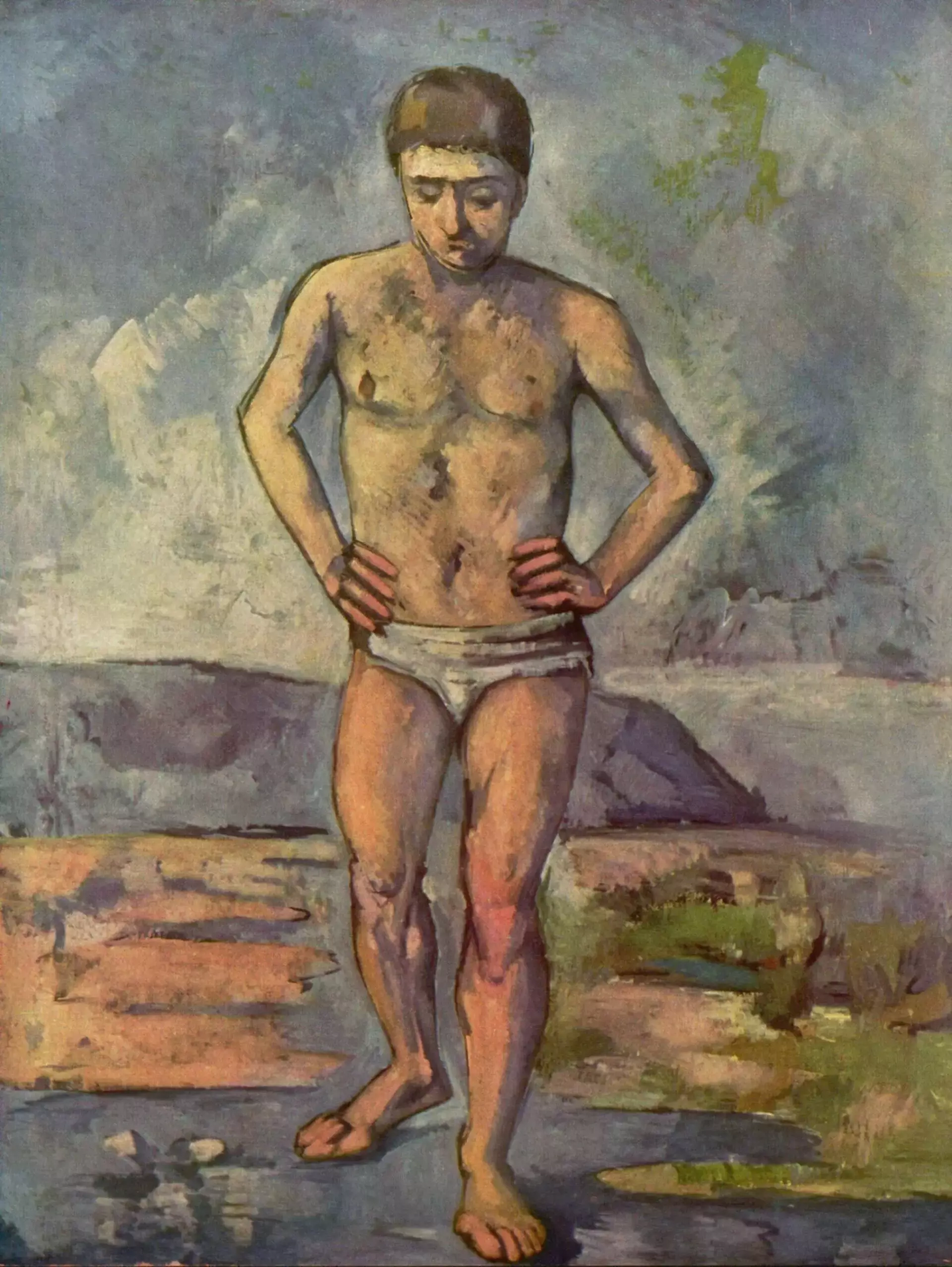
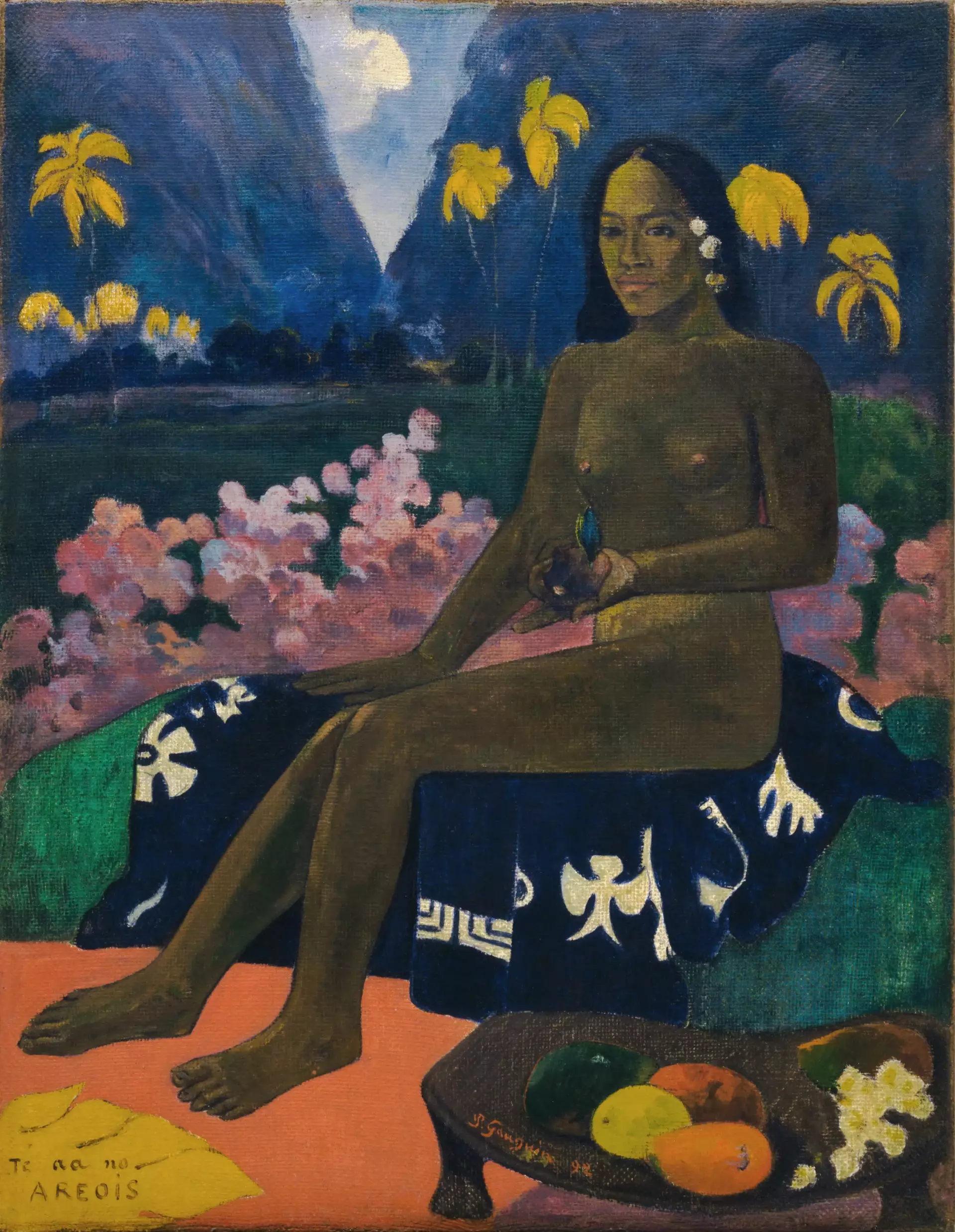
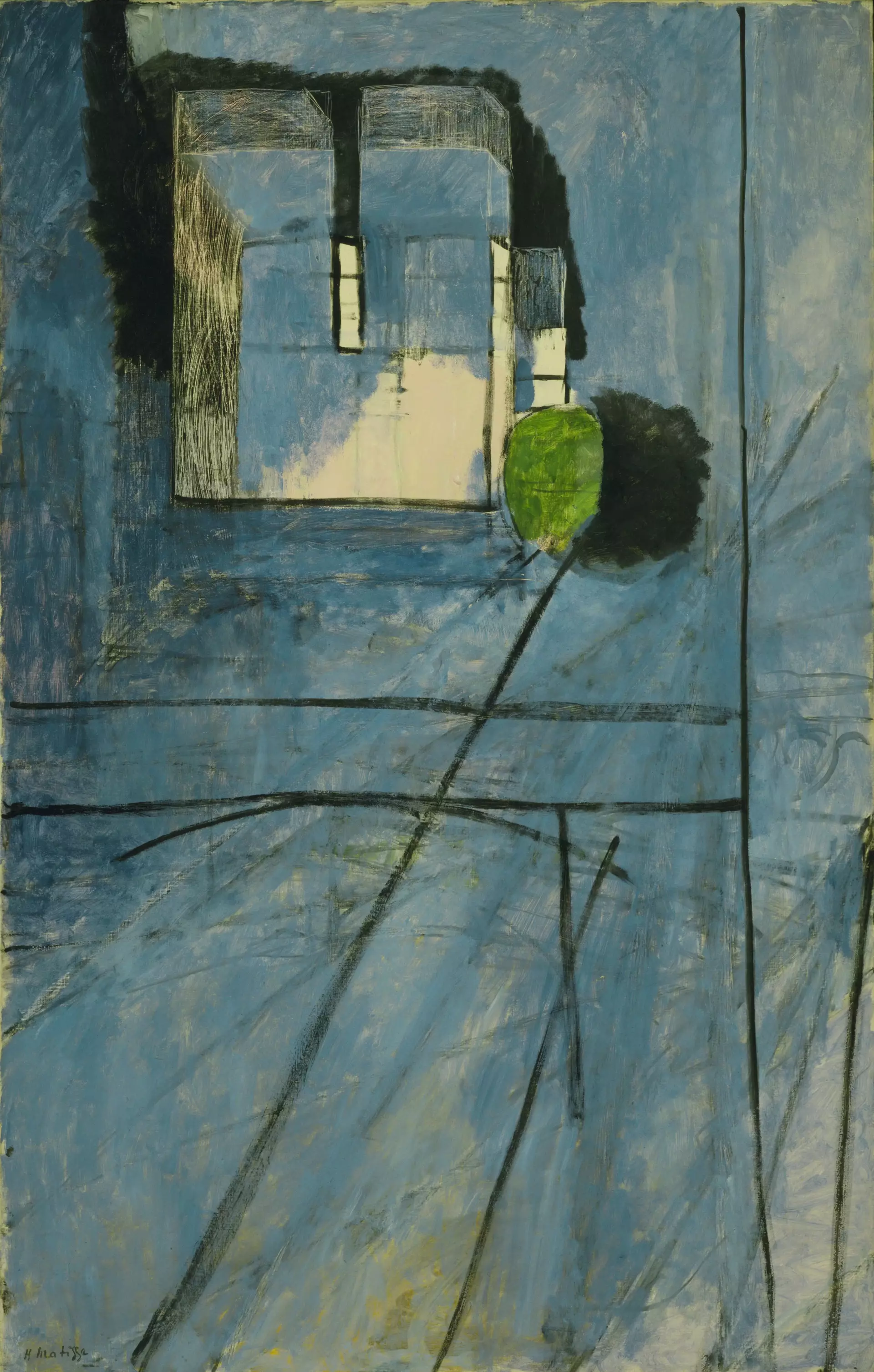
The Museum of Modern Art (MoMA) stands as one of the world's most esteemed art collections, rivaling those of London’s Tate Modern and Paris’s Centre Georges Pompidou. Its popularity is unmatched, with visitors forming long lines for tickets. Arriving at least half an hour before it opens can help beat the rush. A strategic way to explore is by taking the elevator to the top floor and working your way down.
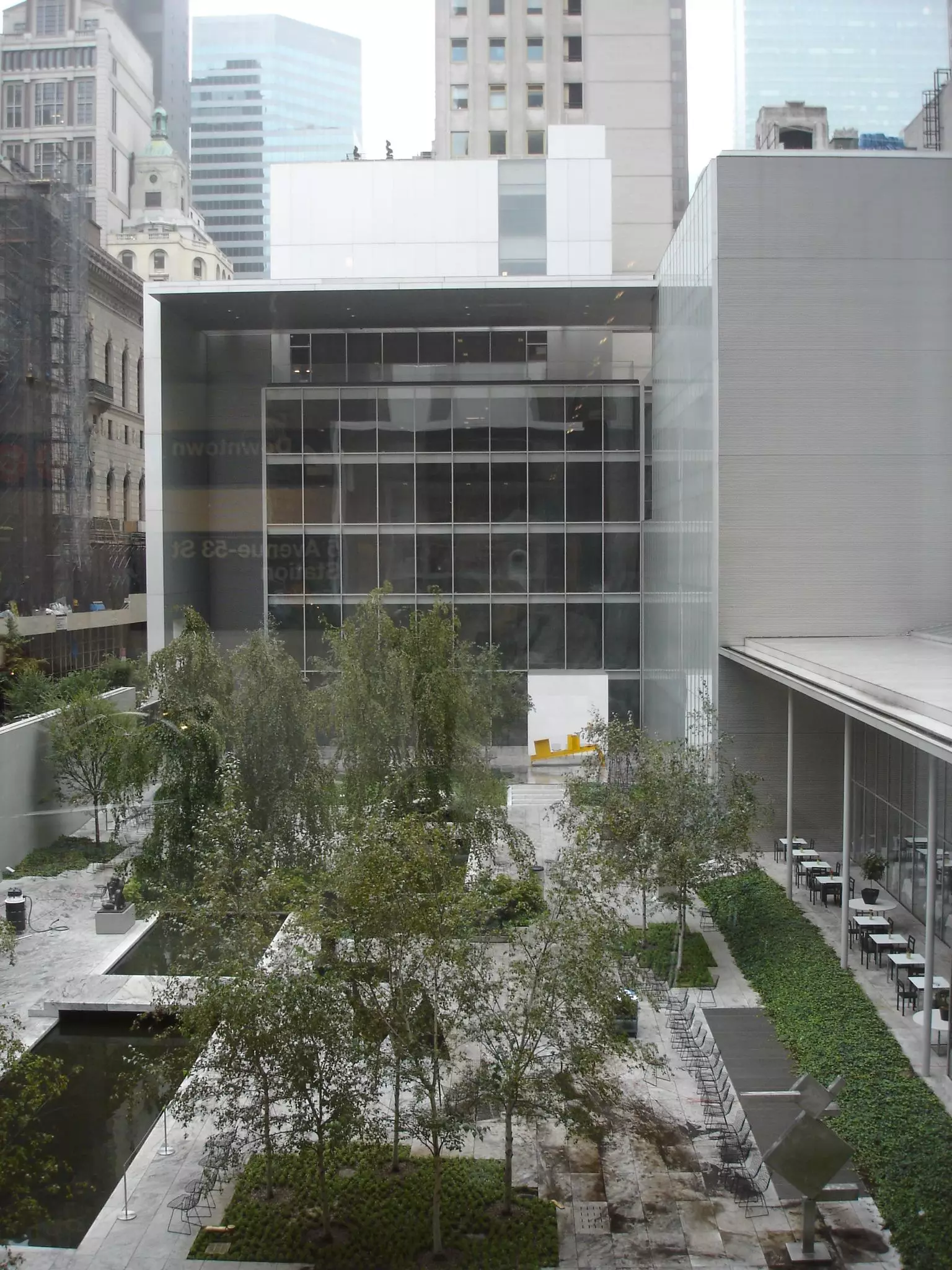
MoMA's allure is not only in its art but also in its architecture. The building itself is a sight to behold, complementing the vast array of masterpieces. It claims perhaps the most remarkable collection of modern art on the globe, making it a must-see for art enthusiasts.
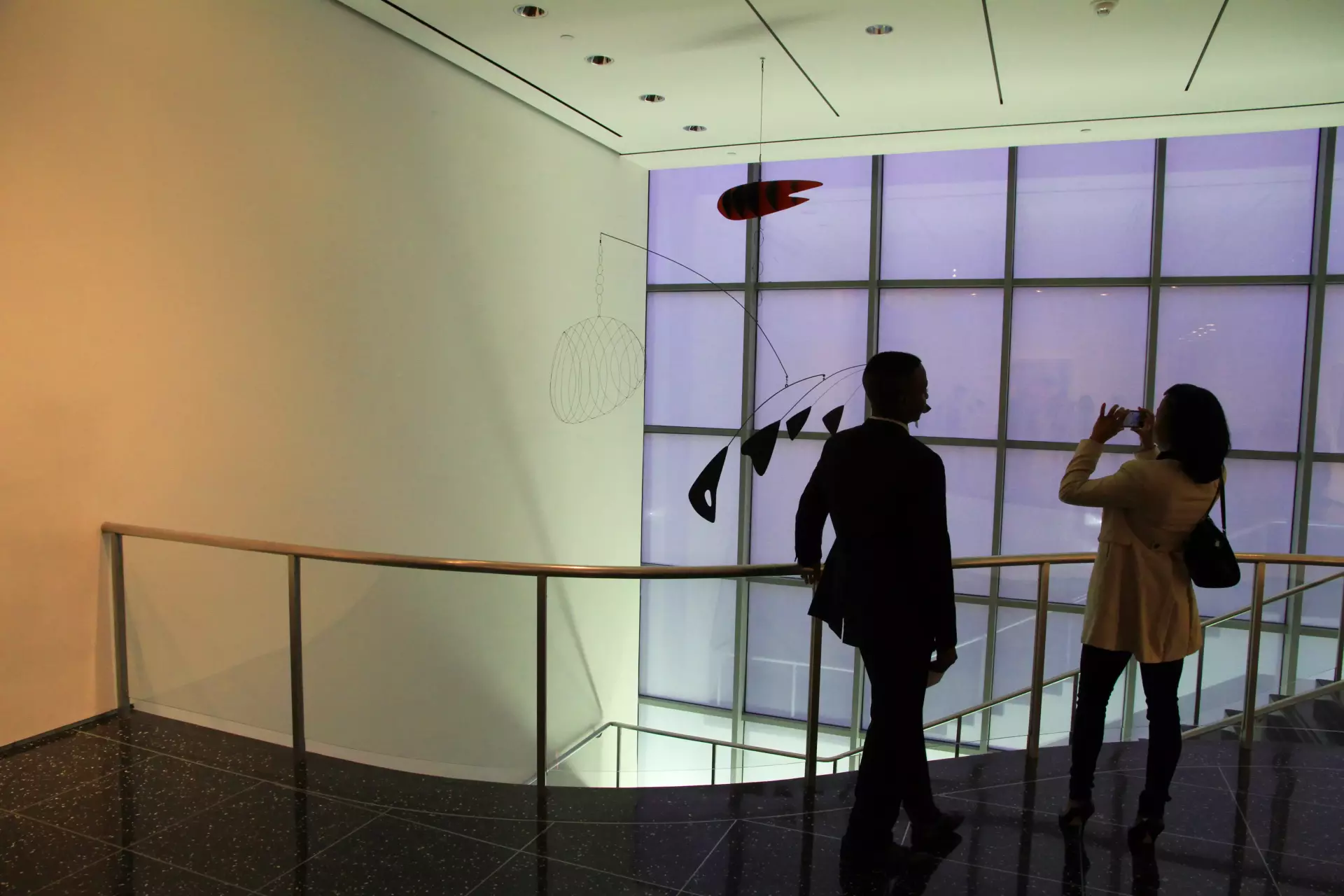
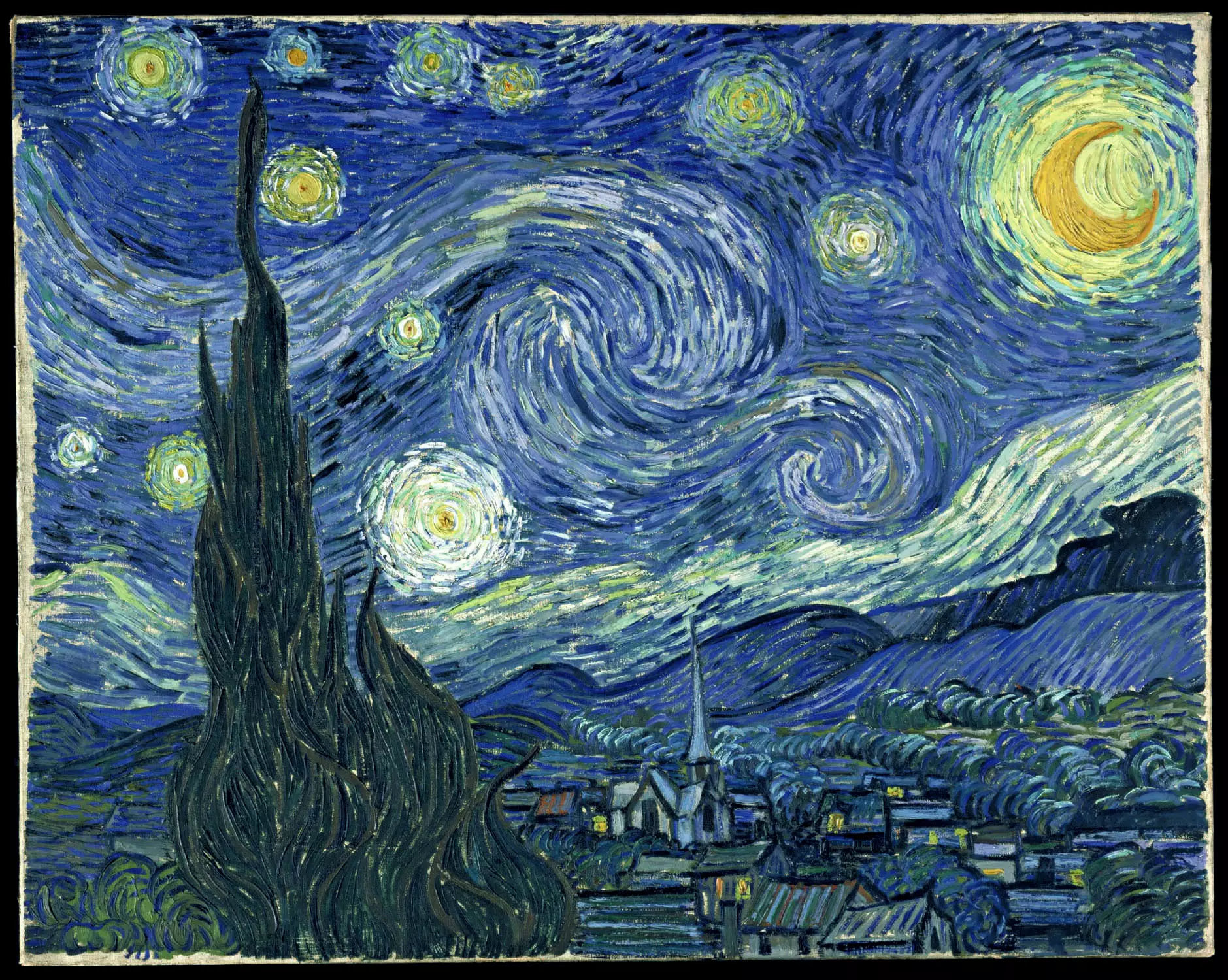
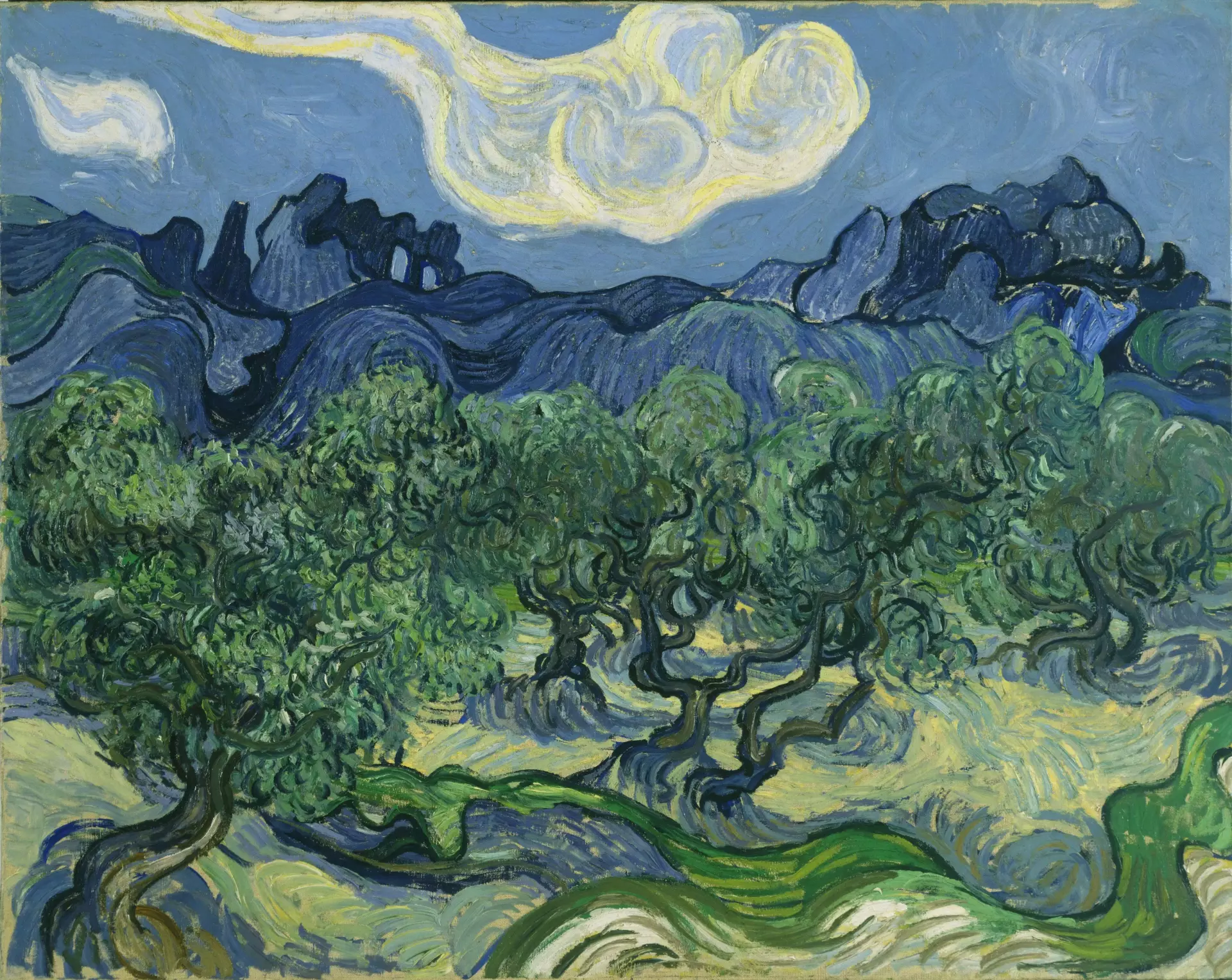
Within its walls, MoMA showcases iconic works by legendary artists such as Van Gogh, Picasso, Monet, Matisse, Salvador Dalí, Paul Cézanne, and Frida Kahlo. The museum also features art from prominent American figures like Jackson Pollock, Jasper Johns, Edward Hopper, Andy Warhol, and Chuck Close. It's a treasure trove for anyone interested in the evolution of modern art.
Beyond paintings, MoMA is home to celebrated collections of art photography and design. These exhibits offer a comprehensive look at the diverse expressions of modern creativity.
Adding to its artistic offerings, MoMA hosts a fantastic repertory program in a beautifully renovated theater beneath the museum. This space provides a cinematic journey that complements the visual arts displayed above.
Source - https://en.wikipedia.org/wiki/Museum_of_Modern_Art
On this site on April 30, 1789, George Washington stood on a balcony overlooking Wall Street and was inaugurated as the first president of the United States. The old building on the site had been used as New York's city hall and had hosted some of the first congregations of the colonies in the lead-up to the American Revolution, such as the Stamp Act Congress. After the revolution the building, now Federal Hall, briefly housed Congress, the Supreme Court, and Executive Branch offices before the national capital moved to Philadelphia. The current building dates to 1842 and was used first as a Customs House, then later the US Sub-Treasury (millions of dollars of gold and silver were kept in the basement vaults). Today the building is maintained by the National Park Service as a museum dedicated to the history of the site. Guided tours of the building are available, or you can just walk in and look up at the rotunda and view some of the artifacts, such as the bible Washington used in his inauguration ceremony.
From its intersection with Park Row (just east of City Hall) you can walk (takes about 20-30 minutes each way), bike, or drive across the historic and iconic bridge to Brooklyn. The view from the bridge is quite lovely, with excellent views of Lower Manhattan and Downtown Brooklyn and good views of Midtown and the New York Harbor in the distance.
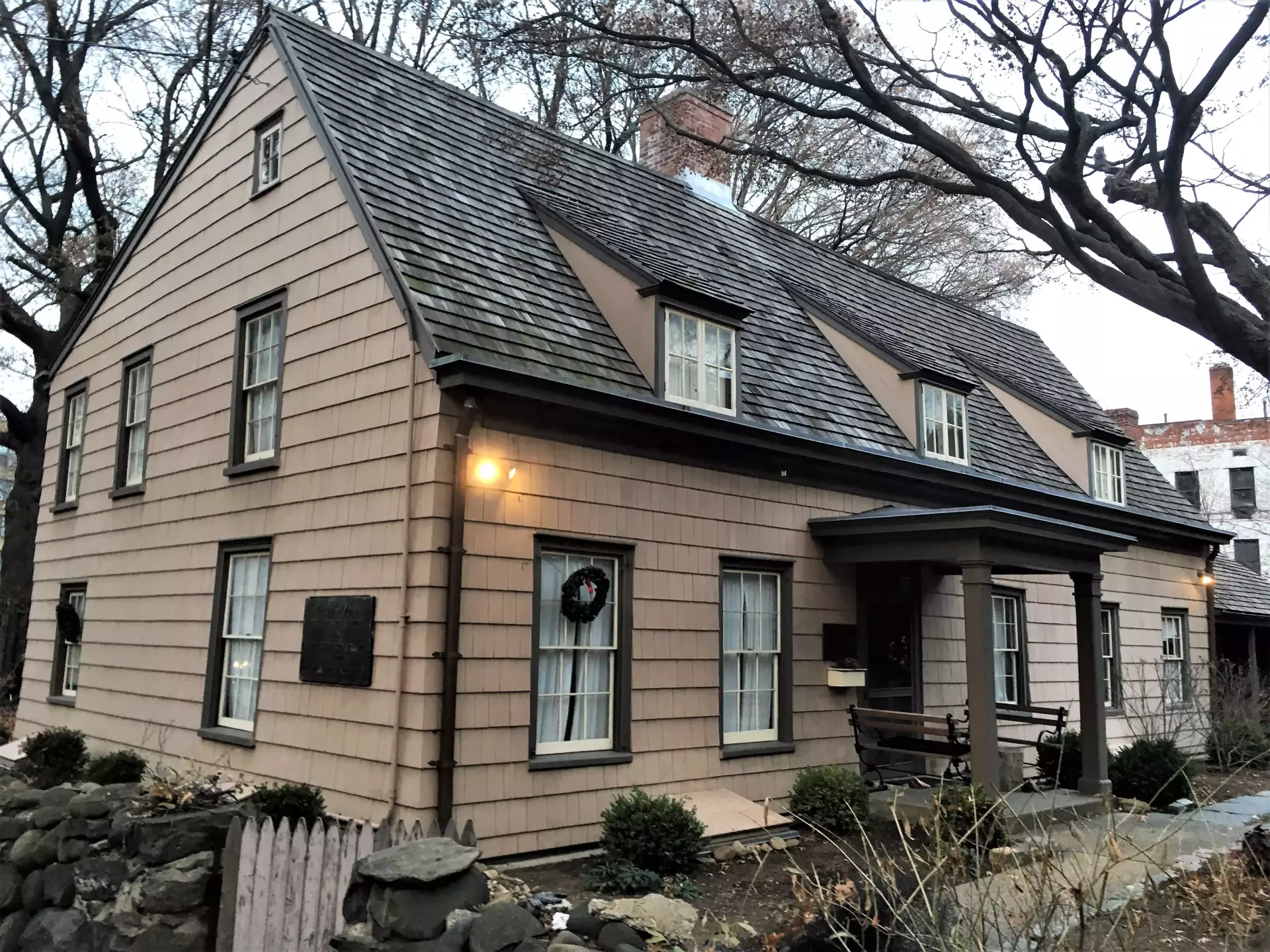
Kingsland Homestead is a historic home, built by Charles Doughty around 1774. It is now a museum with exhibits about the Victorian era, the slavery in Queens, and how Queens was affected by World War II.
Home of the US Open and also the largest public tennis facility in the world. It features 3 stadium courts, 9 indoor courts, and 14 outdoor courts that are available to the public year-round.
Inwood Hill Park contains the last tracts of virgin forest in Manhattan. Many arrowheads and other artifacts of the former Native American occupants of Manhattan Island have been found in this park.
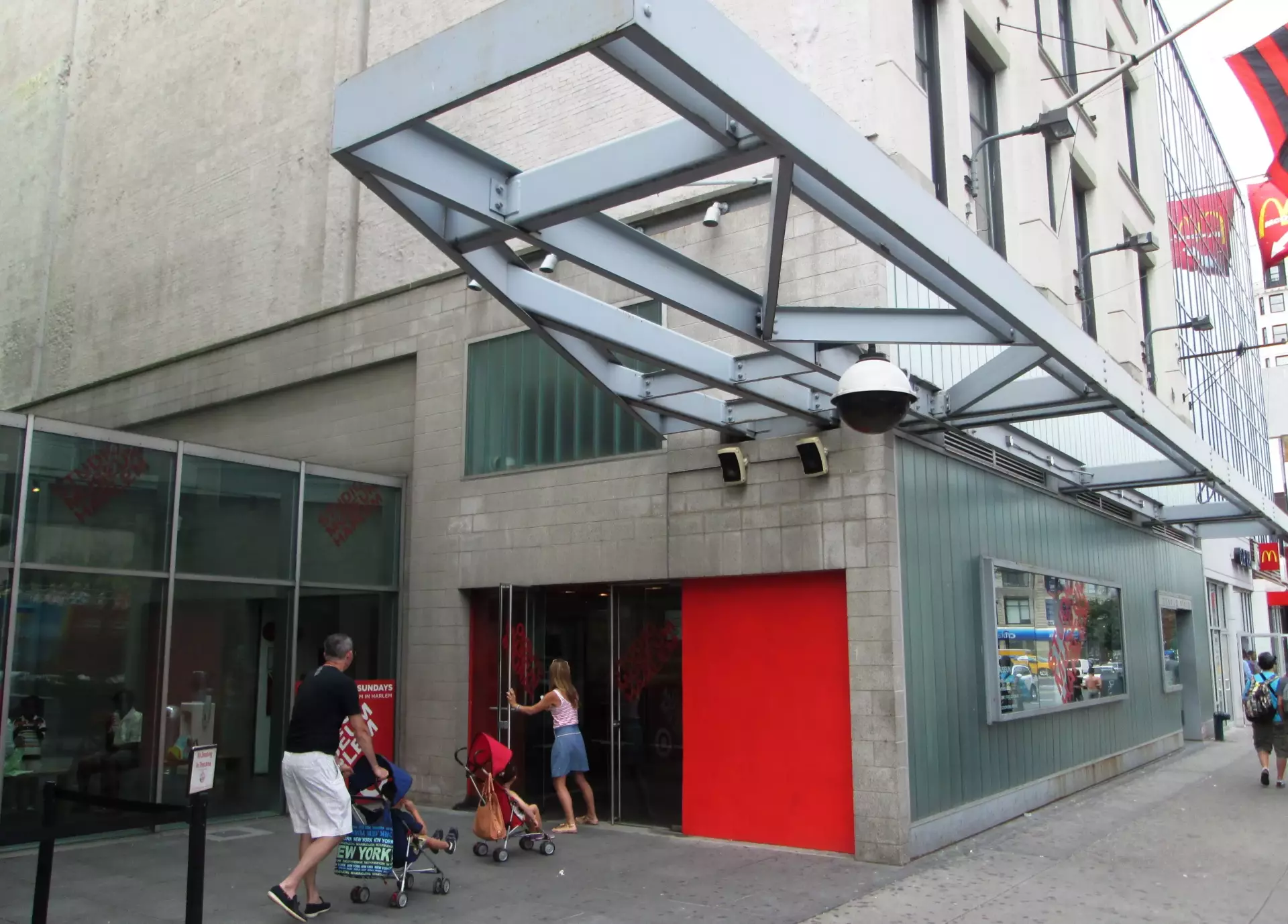
The first museum in the U.S. devoted to artists of African descent. Temporarily relocated from 144 W 125th St building for construction of new museum building.
Dating back to 1663, this fort was used during both the American Revolution and the War of 1812. It remained active until 1995. It is now semi-active, with its main use being local headquarters for the United States Coast Guard. Tours are available.
Collection of more than 200 paintings of the artist, exhibited on three floors of a classic townhouse.
A place filled with video screens, LED signs, and flashing lights; a world wonder or a tourist nightmare depending on your perspective, the "new" Times Square is a family-friendly theme park of themed restaurants, theaters and hotels, as well as a developing business district. The lights and signs can be viewed anytime, but the most enchanting experience comes when one visits Times Square at night, as all the signs and screens are ablaze with color. Times Square is also well known for its famous New Year's Eve ball drop. Those looking for the seedy Times Square of years past will find it around the Port Authority Bus Terminal, and on Eighth Avenue to the west. A ticket booth selling discounted Broadway and off-Broadway shows. However, the cheaper tickets aren't the only attraction, as the back of the booth is a large, red-lit glass staircase facing Times Square, which serves as a set of bleachers and offers an excellent opportunity to get above the street and just watch the crowds and flashing signs. Above the booth is a video screen with a live feed of the top step, giving you a chance to appear (if only briefly) on one of the many signs in Times Square. Originally the second-tallest building in the world when it opened in 1905, One Times Square was constructed to be the headquarters for The New York Times, a function it would serve for less than ten years. The annual Times Square ball drop is performed from the roof of this building. And you can't miss the famous Dow Jones news and sports zipper (the first news ticker in the world) attached to its lower facade.
is considered a symbol of Queens. It is a 140-foot (43-meter) tall globe with a fountain below. It is beautiful to look at. In 1939 and 1964, Flushing Meadows-Corona Park was the location of the World's Fair, and the Unisphere was built for the 1964 World's Fair.
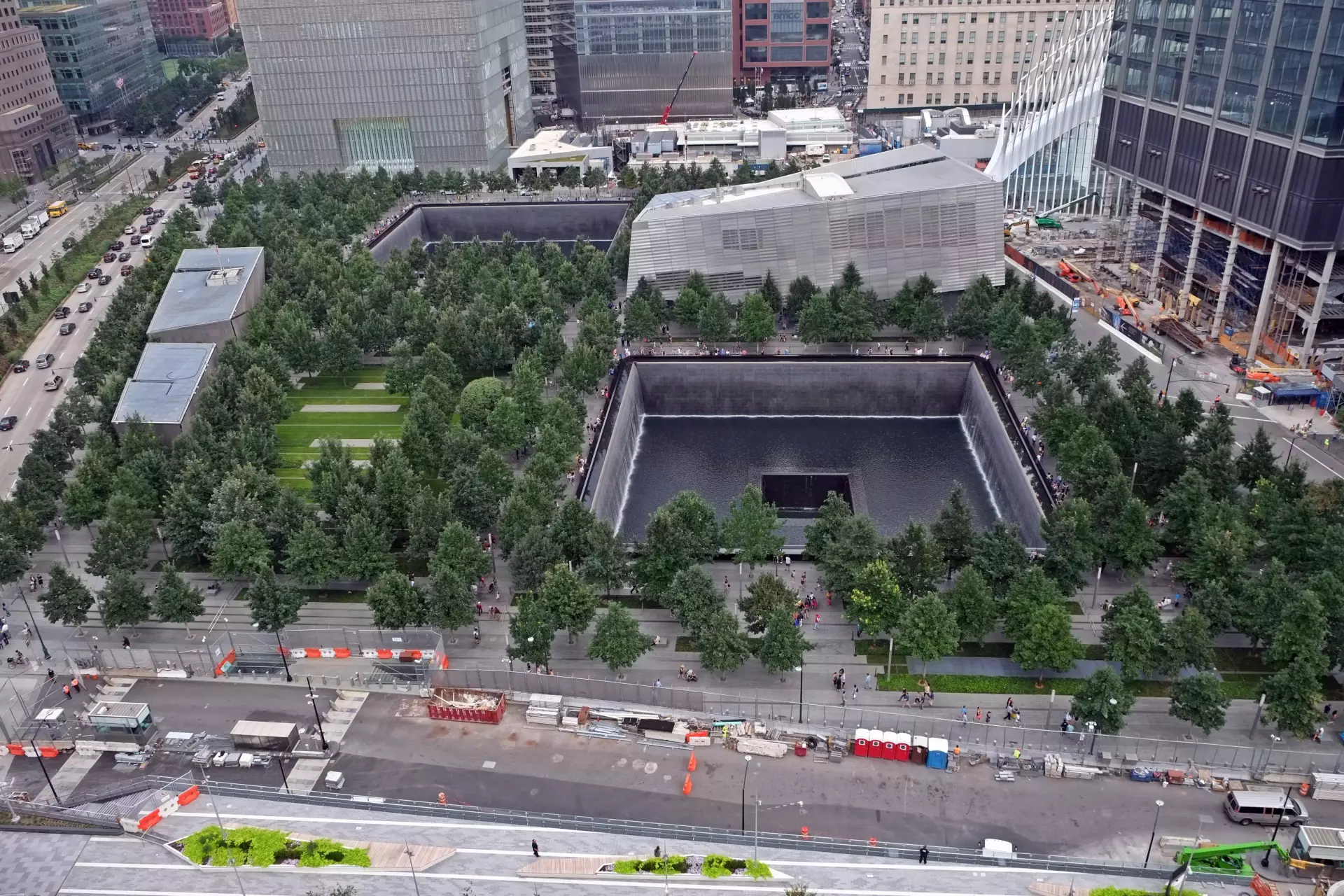
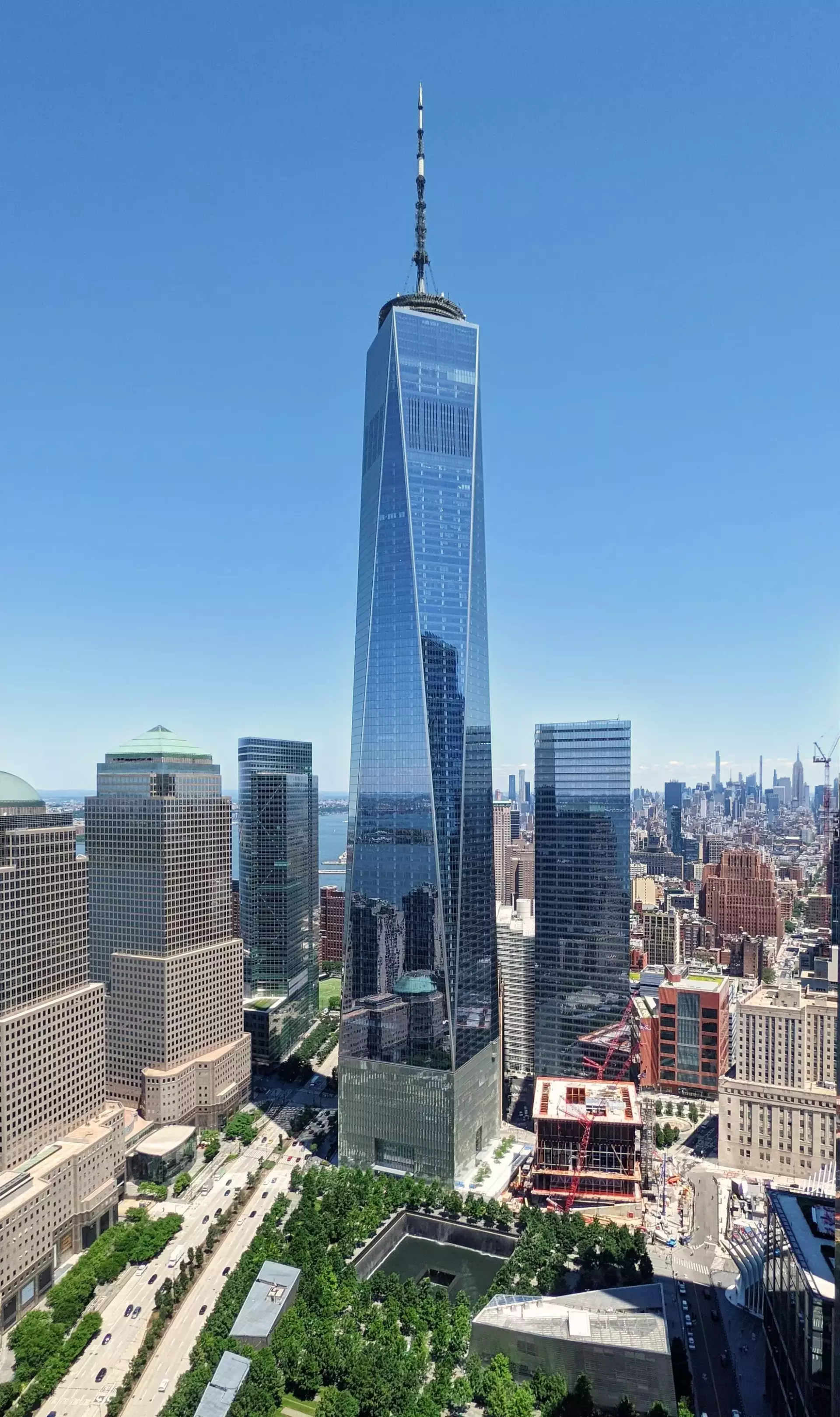
On the site of the former World Trade Center towers, the memorial consists of two enormous waterfalls and reflecting pools set within the footprints of the twin towers, lined with bronze panels with the names of the nearly 3,000 victims of that fateful day inscribed. The surrounding plaza holds a grove of trees. The museum, which sits underground right next to the memorial, contains exhibits which explain the events of 9/11 and their aftermath, with remnants of the original towers and artifacts from that day. If you see a white rose on one of the names, it's because today is that victim's birthday.
Get up close to over 200 lifelike wax figures of the biggest stars and icons in entertainment, sports and history.
The lesser-known historic district on the other side of the Park. It was developed at the turn of the 20th century by Dean Alvord as one of the first suburbs.
The Asia Society is a unique educational organization like no other in the area promoting relationships and understanding among and of leaders, people, and organizations of Asia. It features a vast array of Asian art including art, business, culture, and education, promoting collaboration and a new, progressive understanding of Asian relations. The opportunities for discovery here are endless, with lessons about art, calligraphy, language, literature, politics, and religion.
A historic site, not least because of the Black Thursday crash of the Exchange on 24 October 1929 and the subsequent sell-off panic which started on Black Tuesday, 29 October, precipitating the worldwide Great Depression of the early 1930s. The present Exchange building opened in 1903, recognized from the first as an example of masterful architecture, with the six massive Corinthian columns across its Broad Street facade imparting a feeling of substance and stability and, to many, seeming the very embodiment of America’s growth and prosperity. The building has been closed to the public since 9/11.
This massive apartment building has been (and is!) home to many celebrities. Probably best known was the former Beatle John Lennon, who was gunned down outside the building on December 8, 1980, by a crazed fan. Lennon had been living at the Dakota with his second wife, Yoko Ono, who still resides in the building. A memorial to the former Beatle exists nearby in Central Park. The building has become a popular place of pilgrimage for many who admire Lennon.