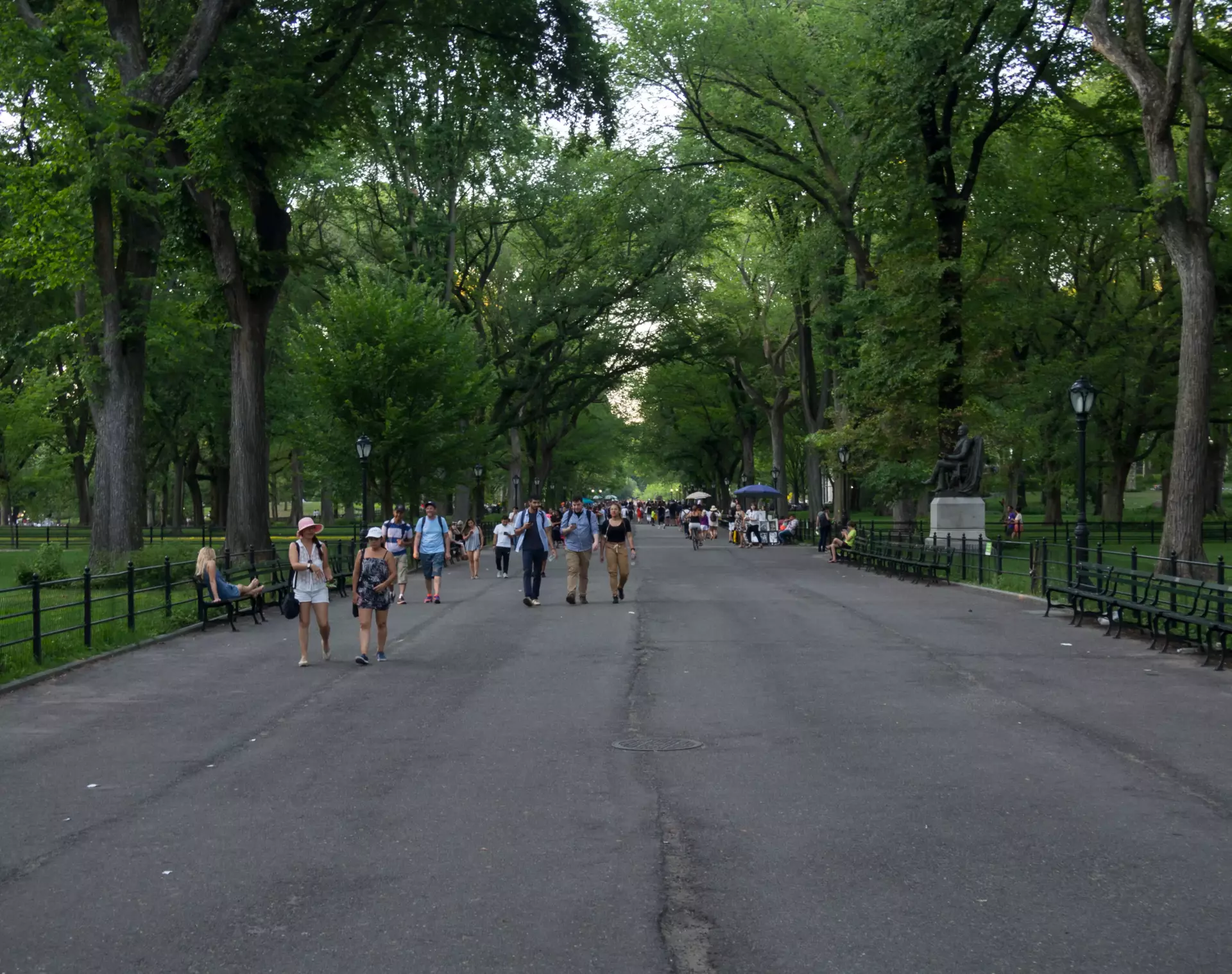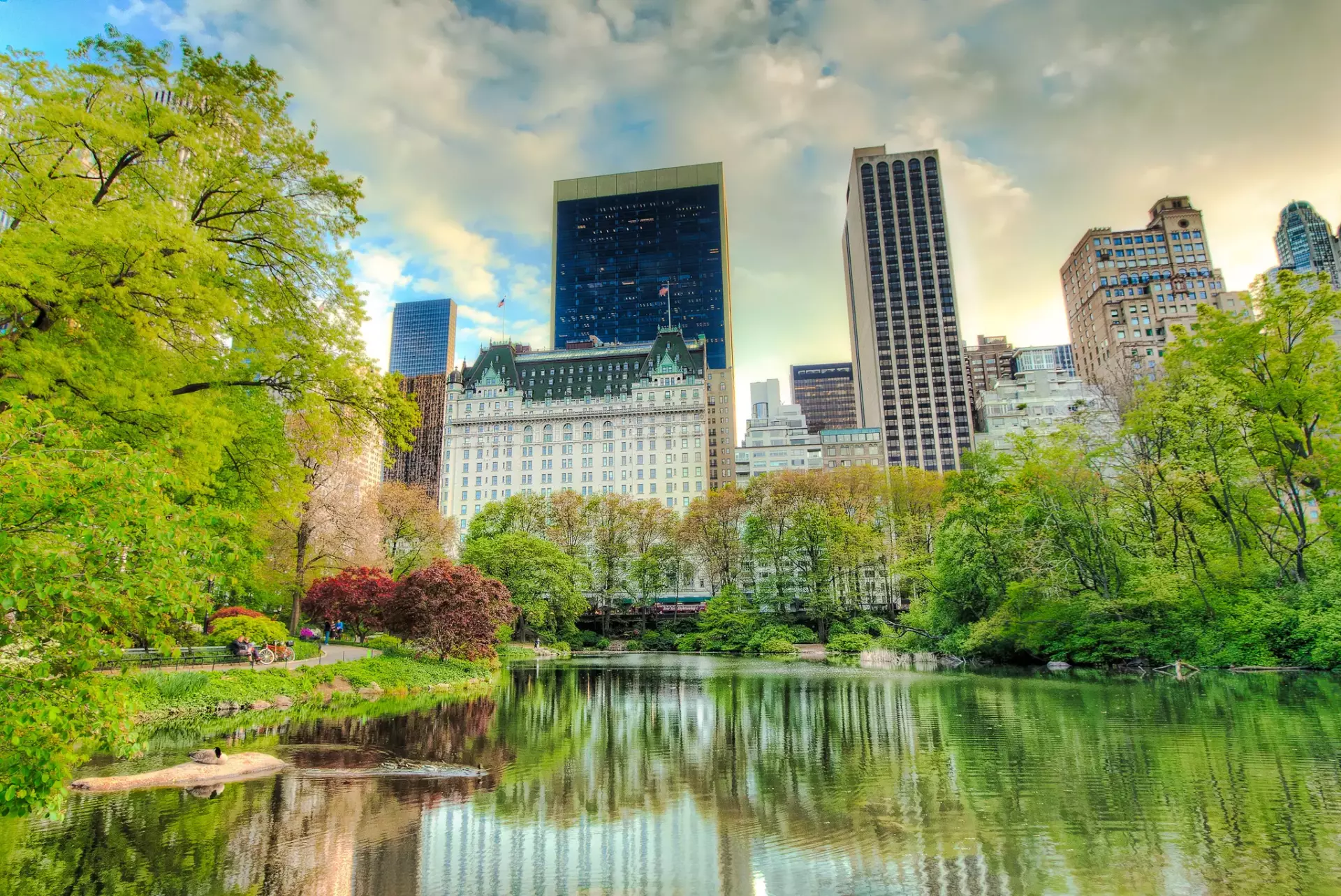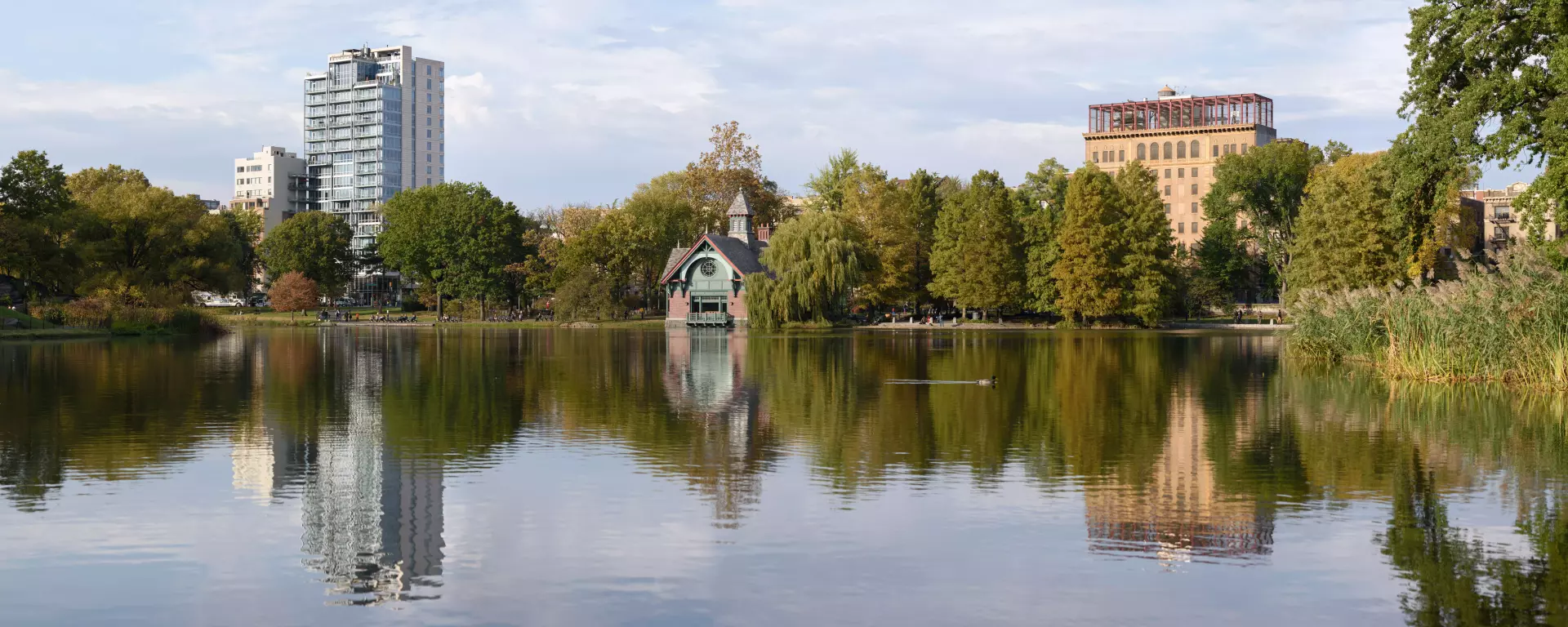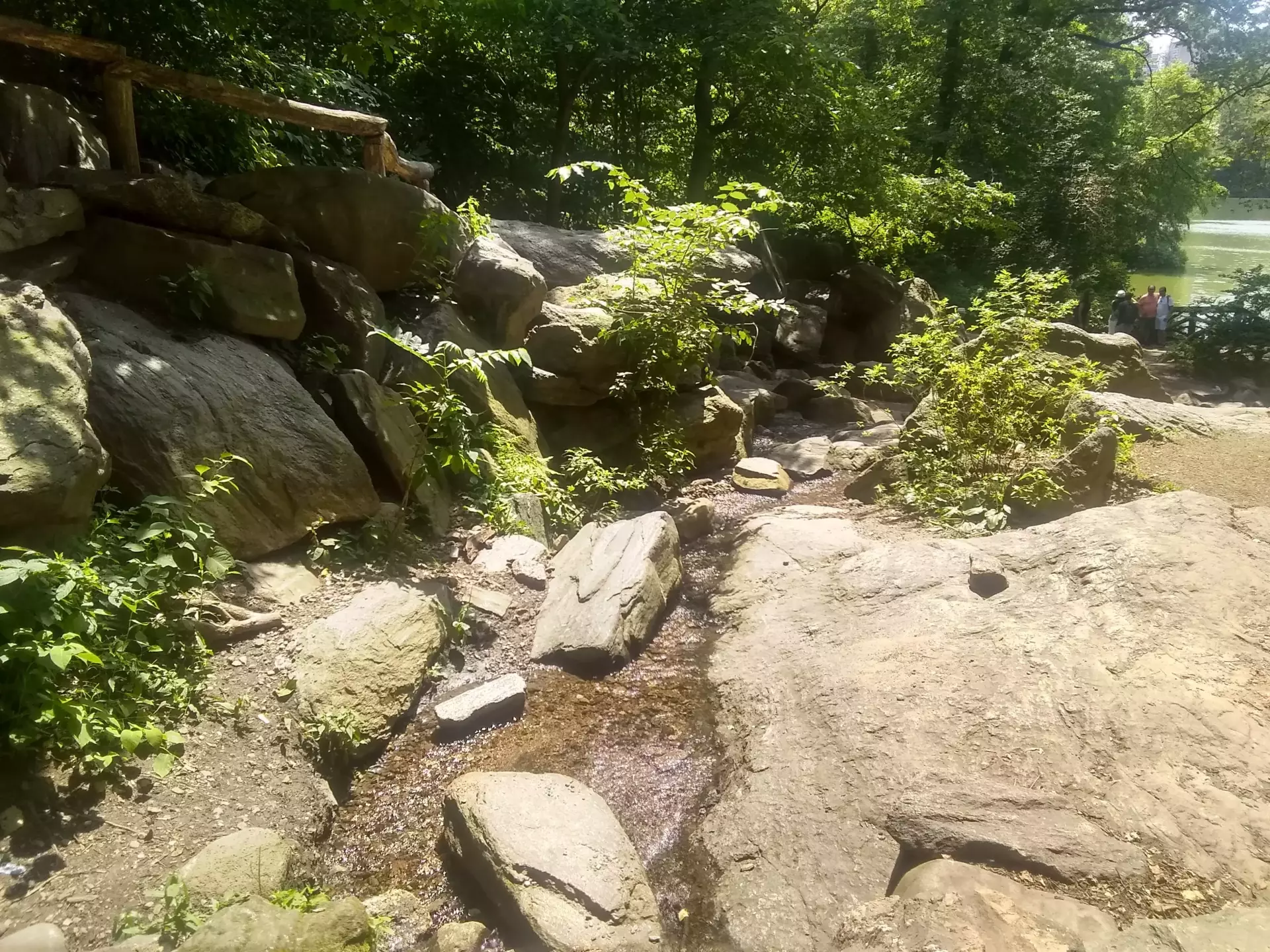
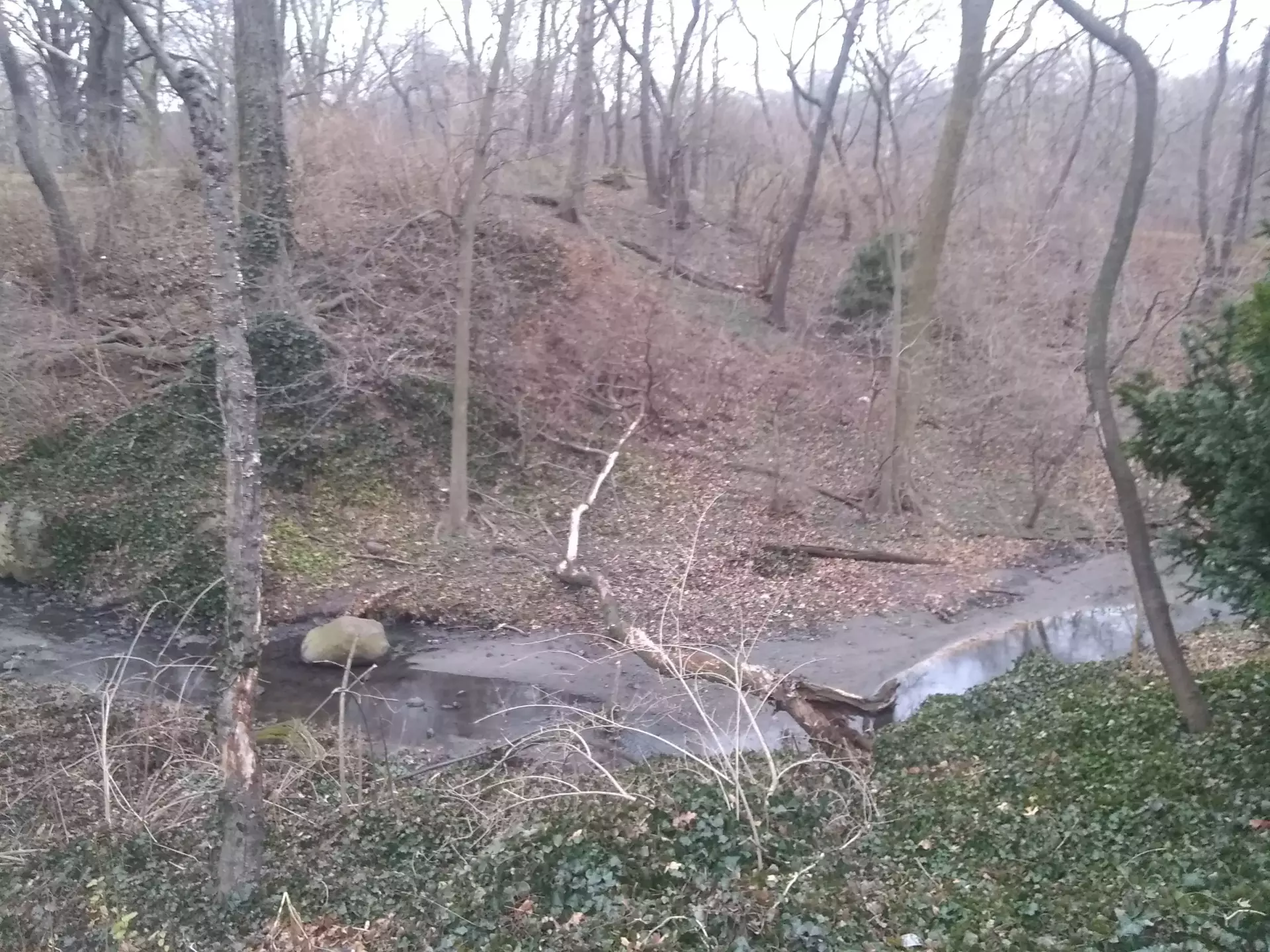
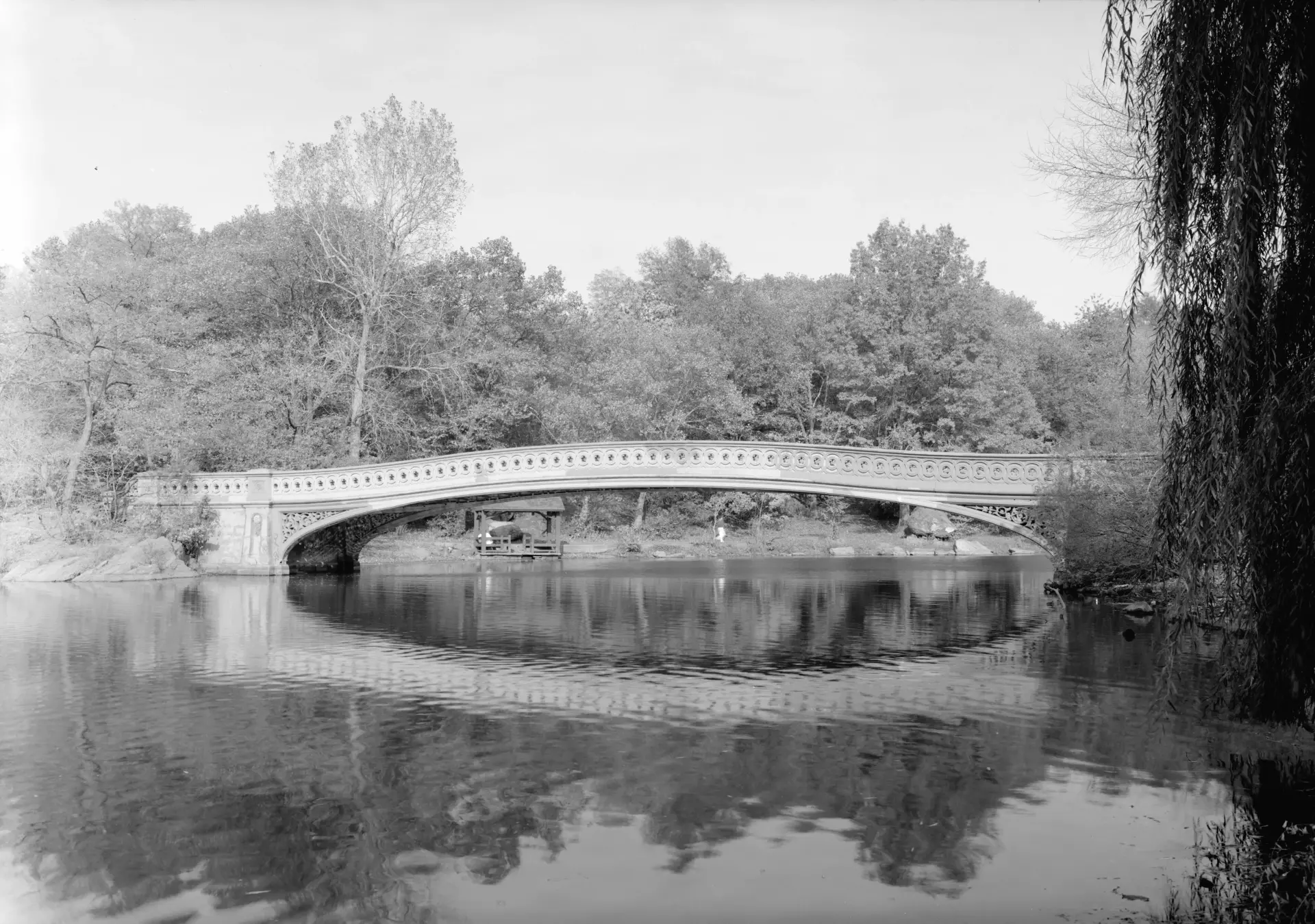
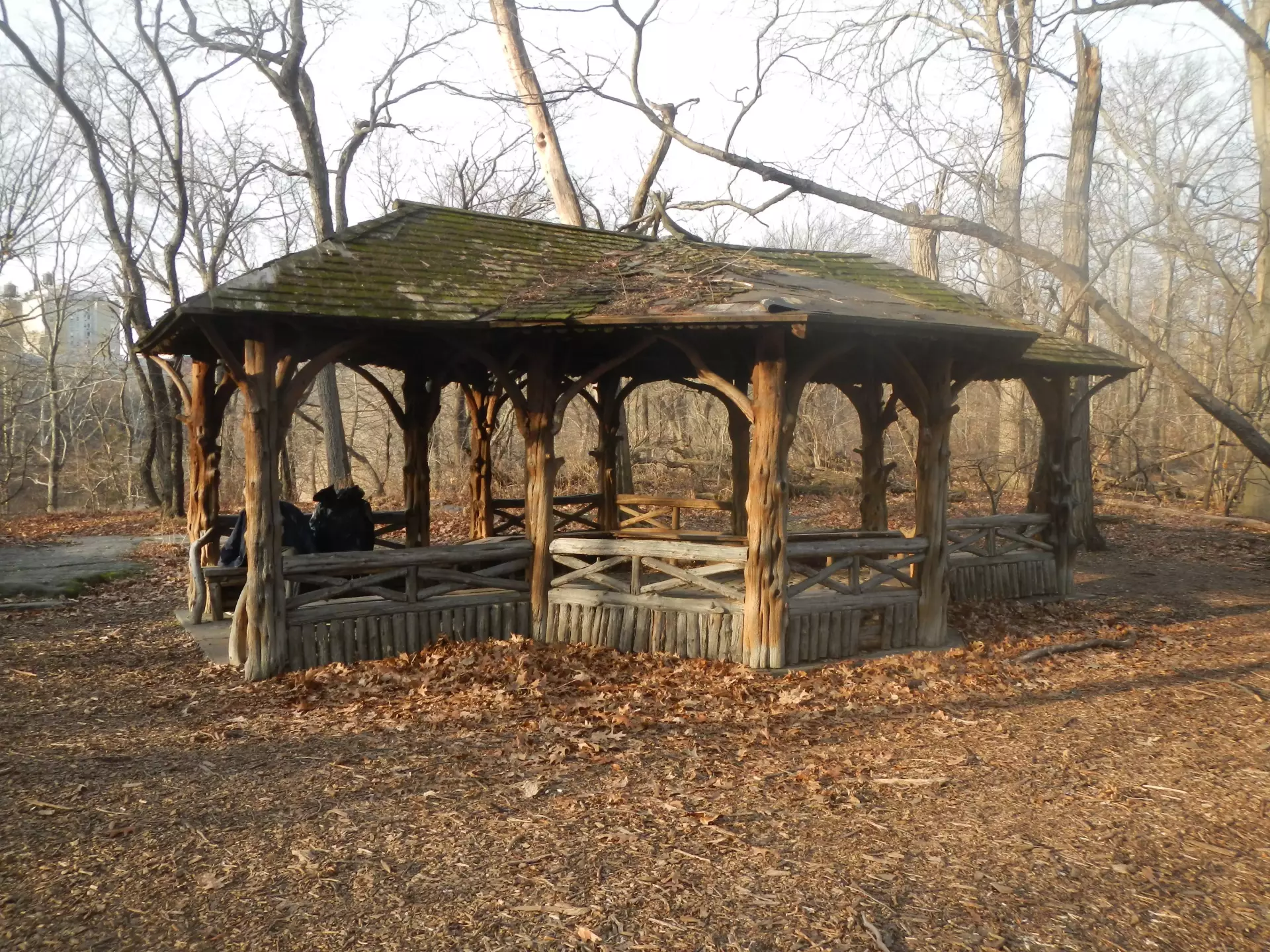
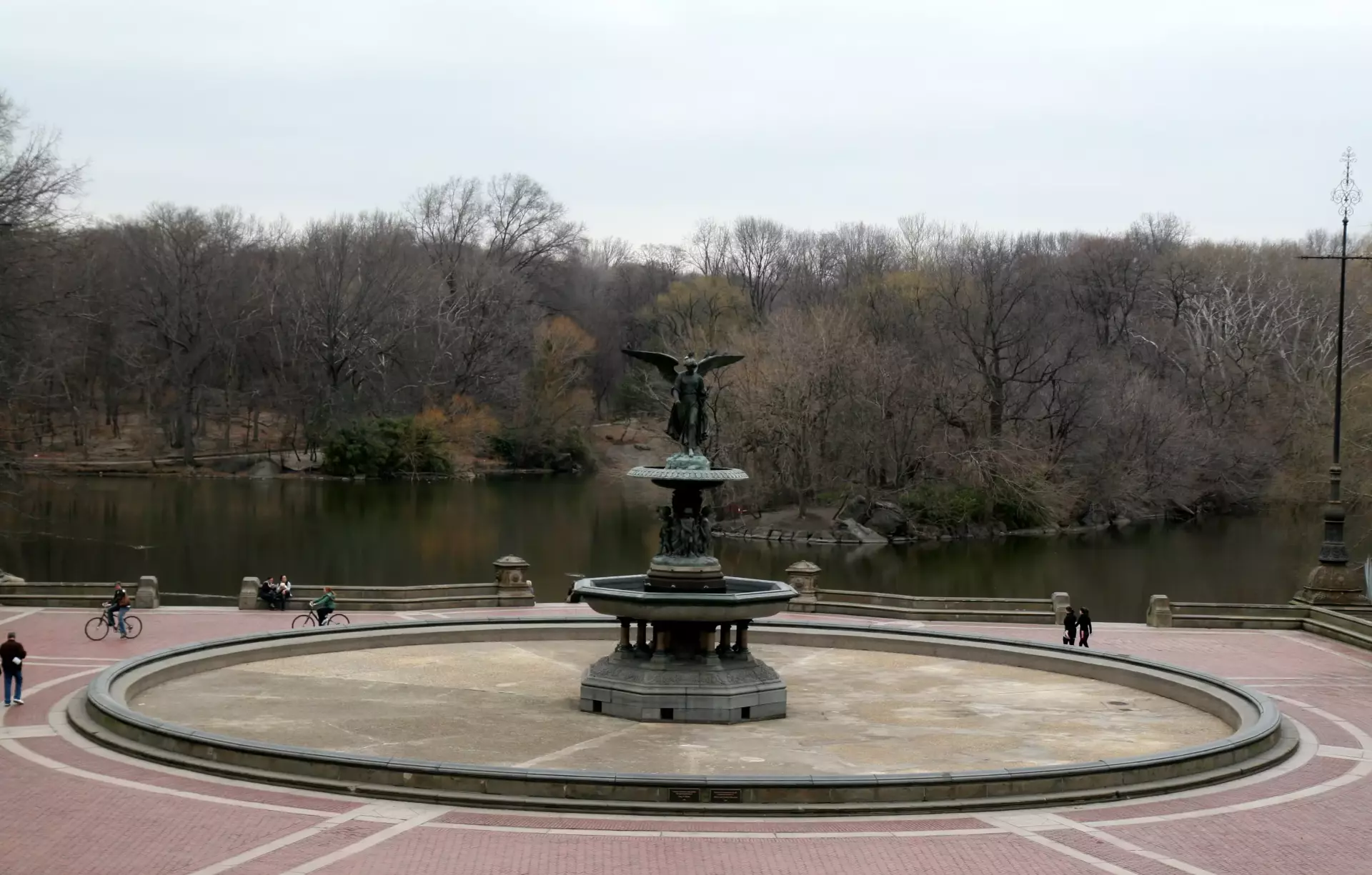
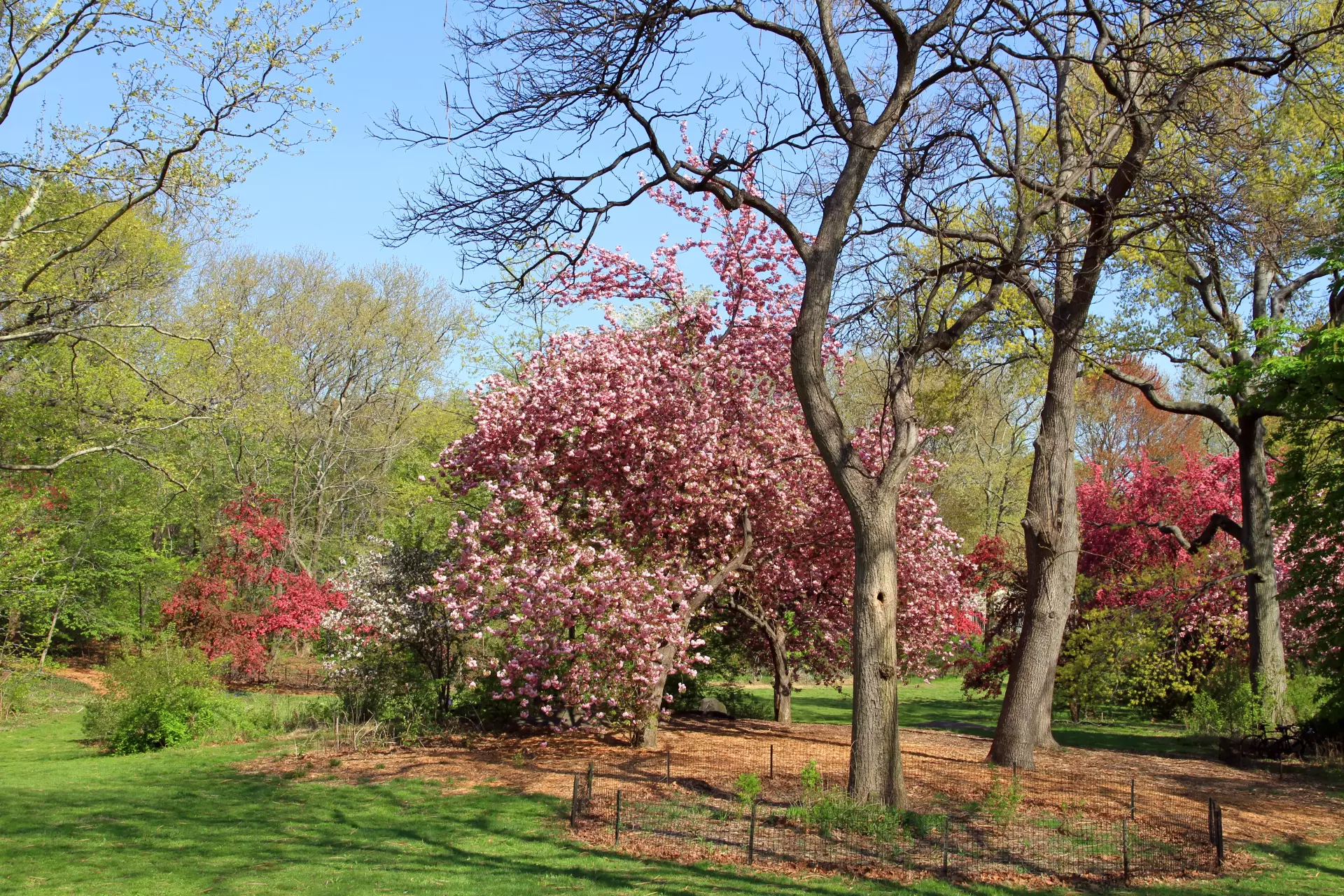
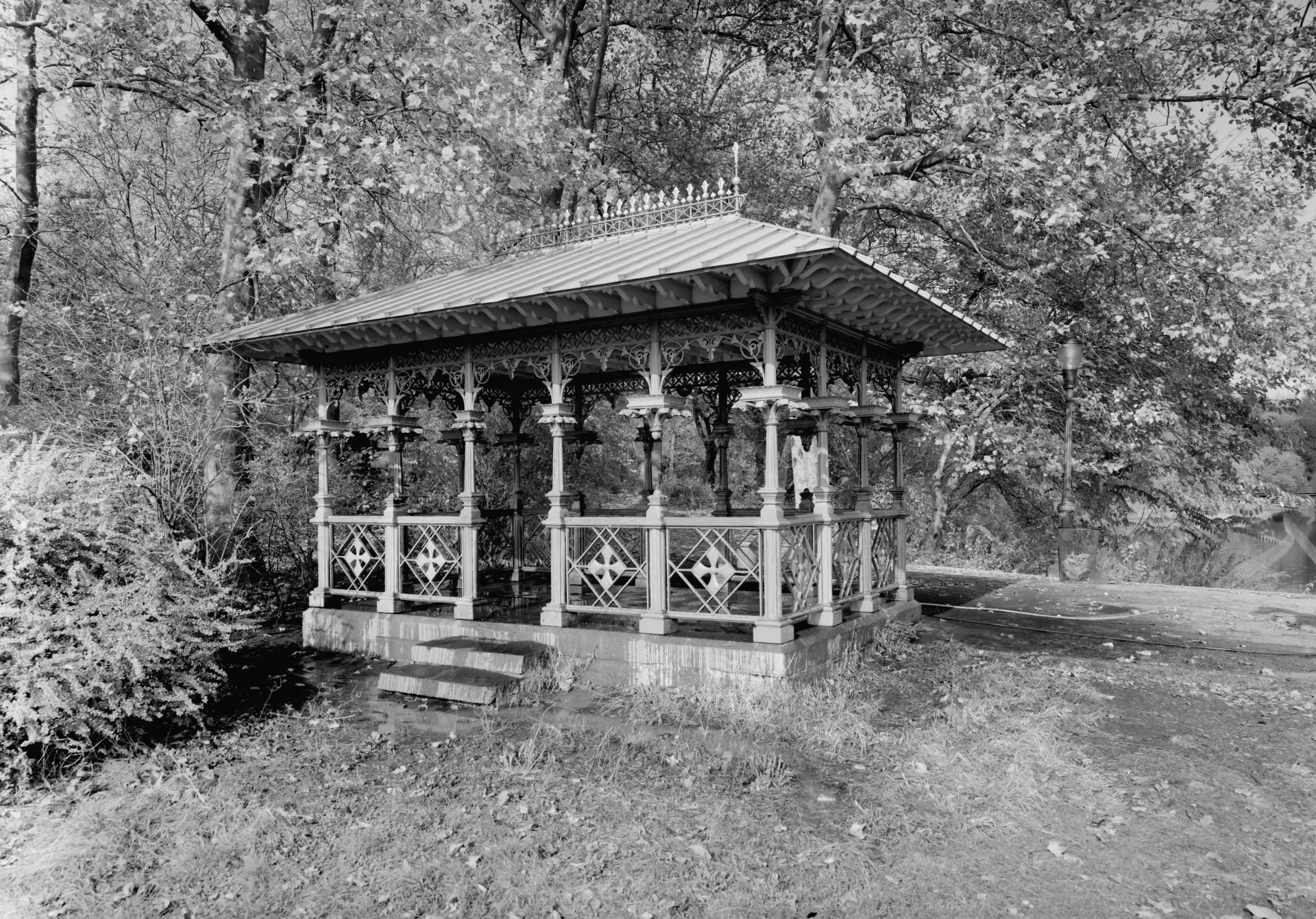
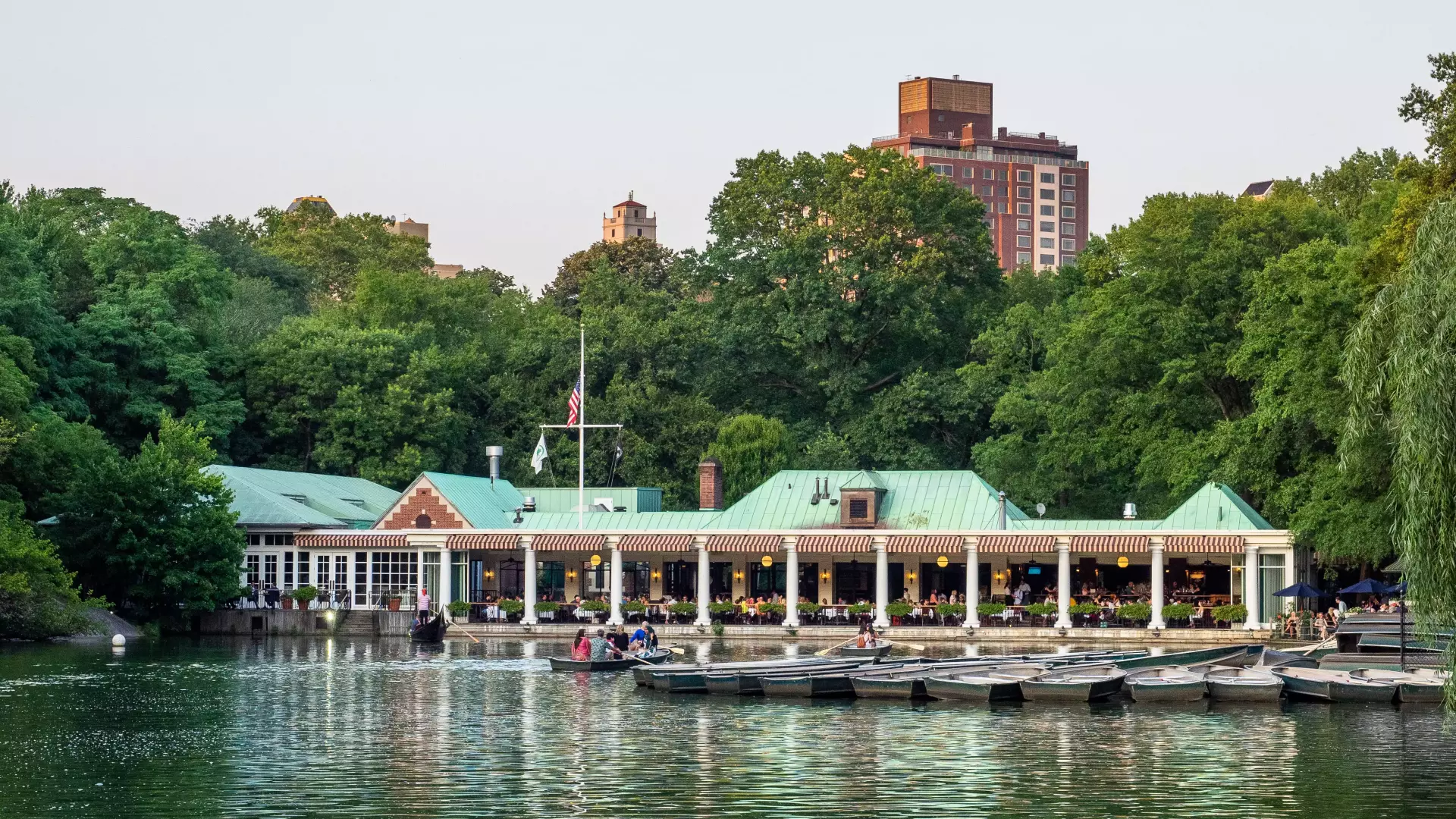
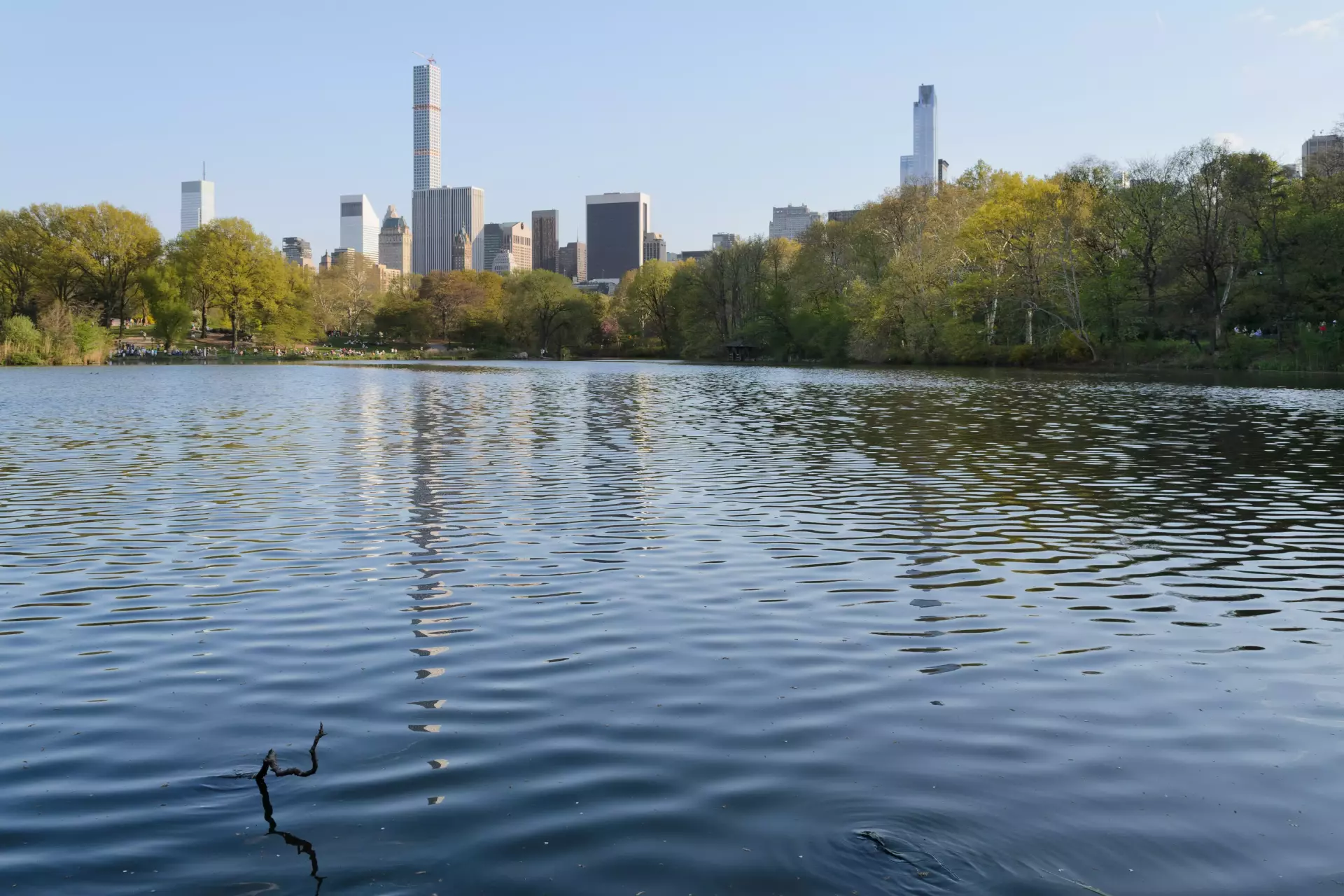
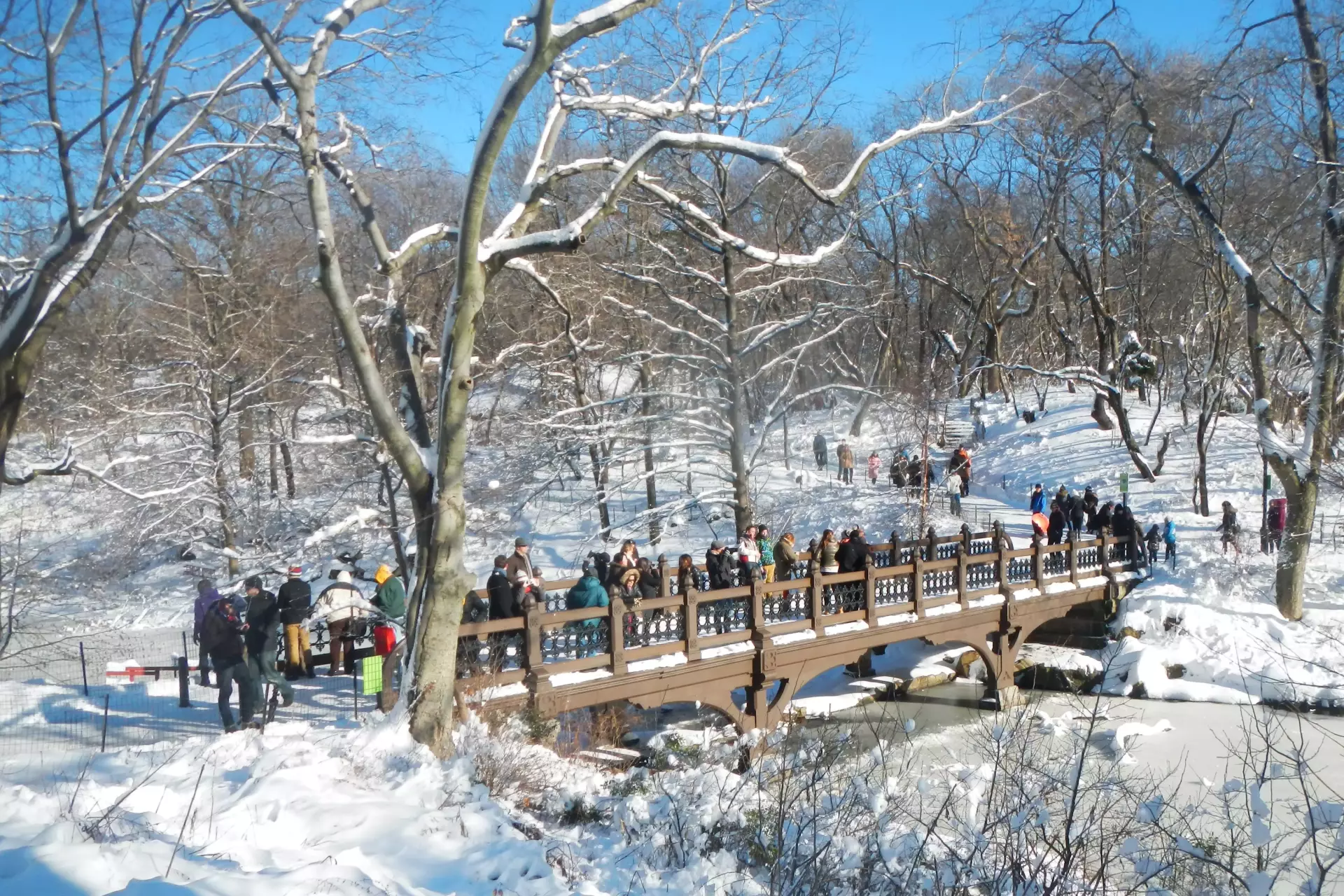
The Ramble is like a small forest, crafted by its designer as a "wild garden." It stretches across a wooded hillside, offering visitors winding paths, rocky outcrops, hidden glades, and a babbling stream. When the trees are lush and full, the cityscape of skyscrapers fades from view, creating the illusion of being far from Manhattan.
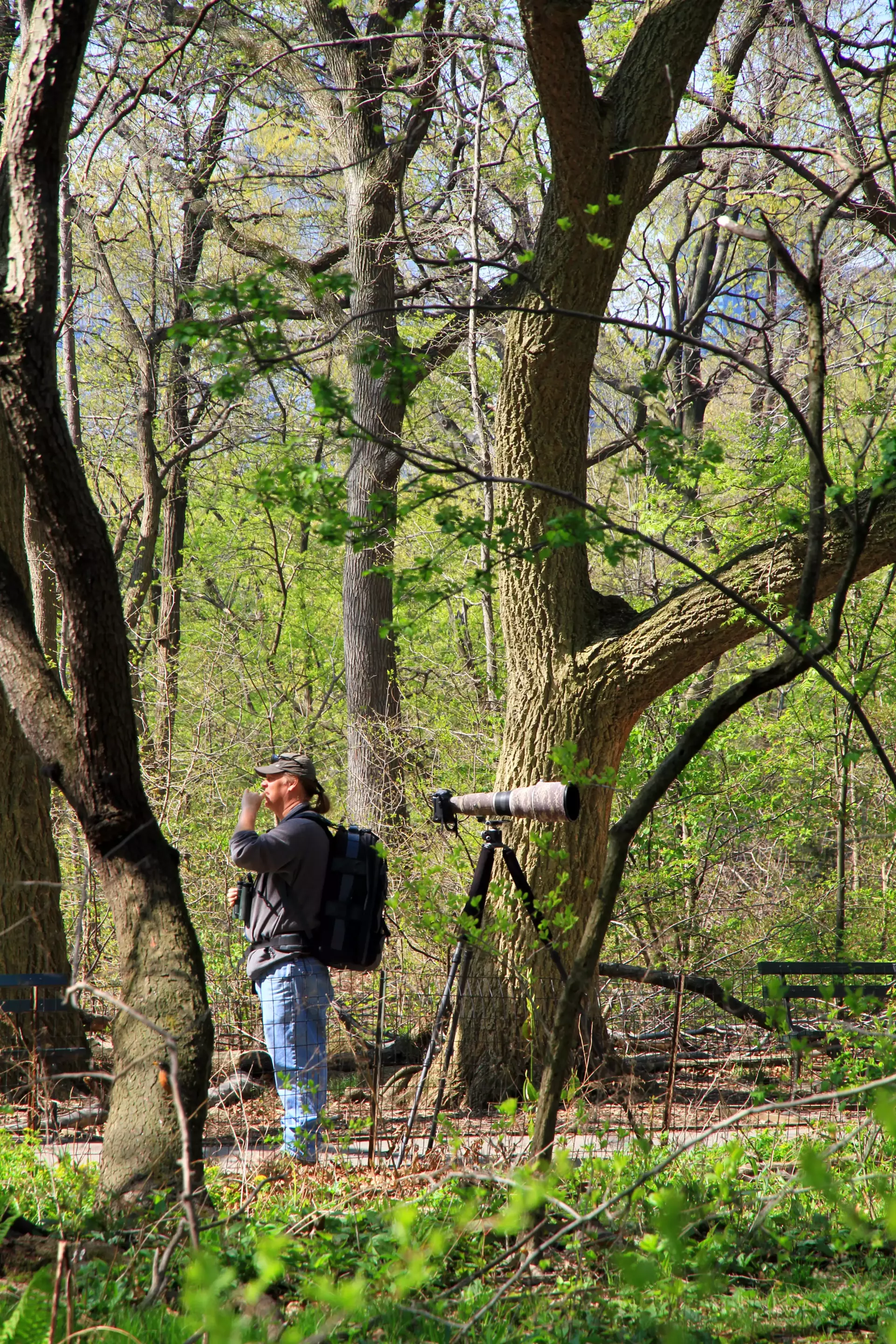
This natural retreat is a paradise for bird enthusiasts, with more than 250 bird species making a stop here during their migration. It's an ideal spot to observe a variety of birds amidst the tranquility of the surroundings.
Source - https://en.wikipedia.org/wiki/The_Ramble_and_Lake
Yet another unique but rich treat on 5th Avenue, the AIHS is a non-profit organization that educates visitors on Irish American culture and history. Immersive and traditional events are held often along with exhibits showcasing the array of unique art and music. If performing and visual arts aren't your thing, you can visit the library instead with over 10,000 books, newsletters, newspapers, and pieces of literature dating back to the 1700s that feature a wide variety of otherwise unknown topics that are great for anyone interested in European culture and history.
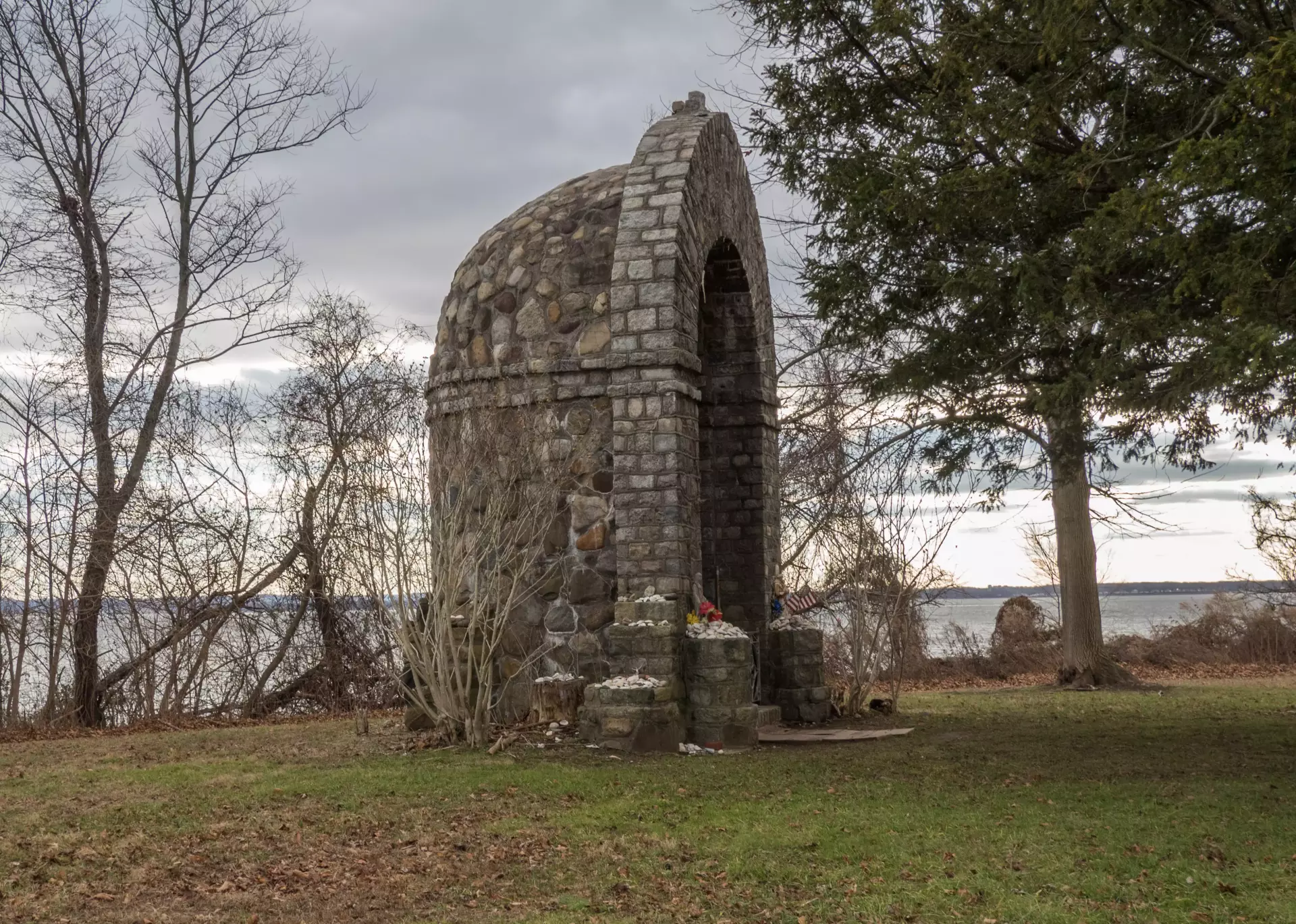
Inwood Hill Park contains the last tracts of virgin forest in Manhattan. Many arrowheads and other artifacts of the former Native American occupants of Manhattan Island have been found in this park.
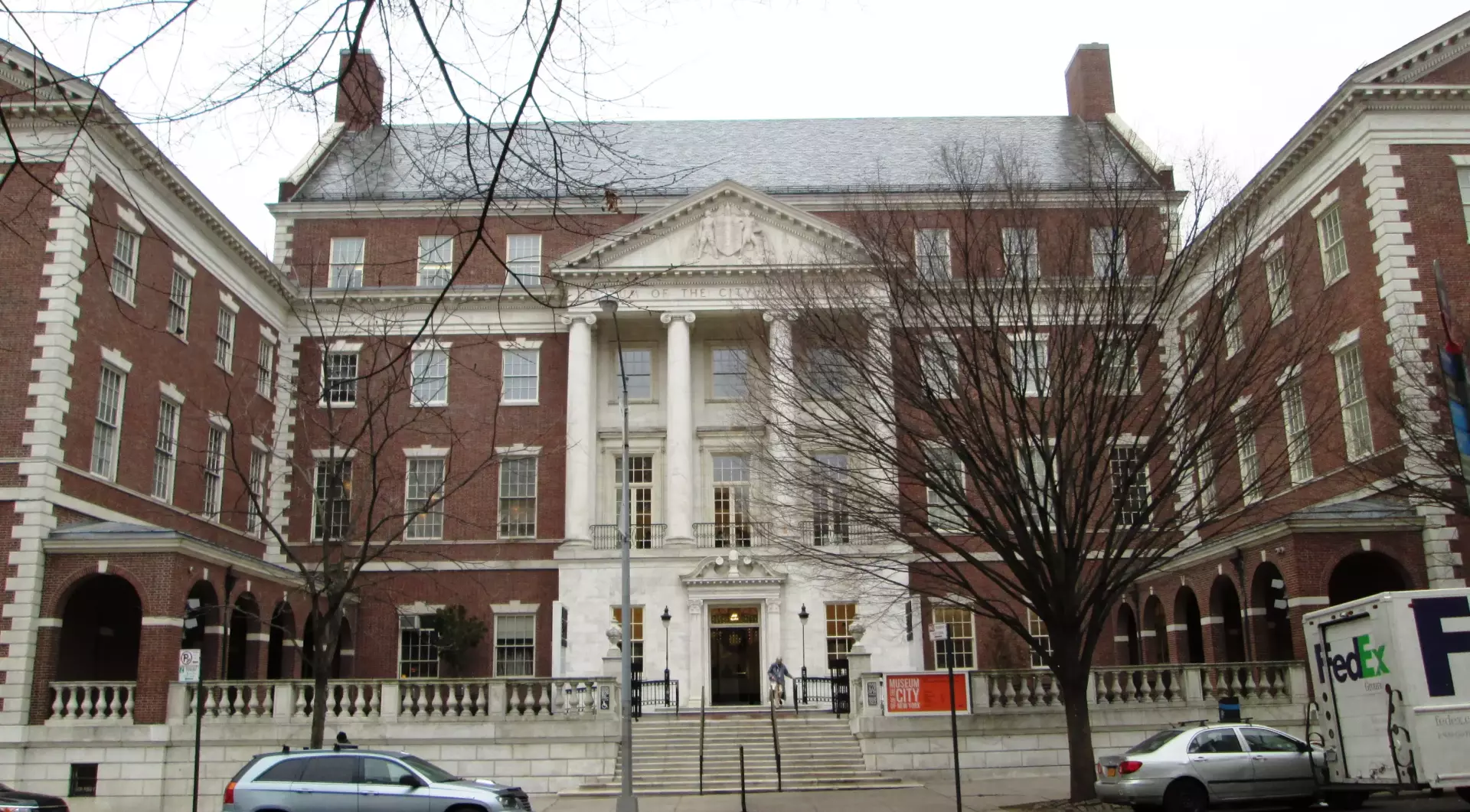
Rather large, interesting museum with all kinds of documentation of events in the 400-year history of this city and delightful artifacts of life in earlier periods, such as the extensive collection of 19th-century dollhouses complete with miniature furniture.
On the 70th floor of the Comcast Building (better known by some as "30 Rock") is this narrow observation deck, built to resemble the deck of a cruise ship. The deck affords uninterrupted views over Central Park to the north and across Midtown to the south.
A self supporting arm of the MTA, it is housed in the Subway's former Court Street Station, on a spur line from the current A and C lines. Closed to passengers in 1946, it was reopened in 1976 as the New York Transit Exhibit and was popular enough to be made permanent. The museum is made up of two underground levels: the Mezzanine, which hosts exhibits on the construction of the subway, surface transportation in New York, fare collection and rotating exhibits on various transit-related subjects; and the station platform, which houses about 20 retired subway cars dating as far back as 1903 and a working signal tower. The museum sponsors events throughout the year, including simple art projects, walking tours on the subway, and rides on the museums' fleet of retired trains. There is also an annex of the museum in Grand Central Station in Midtown Manhattan.
With New York City growing and not enough space in the City Hall building, this 40-story structure was built to meet the space demands of the city government. Completed in 1915, it is a massive and very grand building with the gilded statue of a woman standing atop the building's spire.
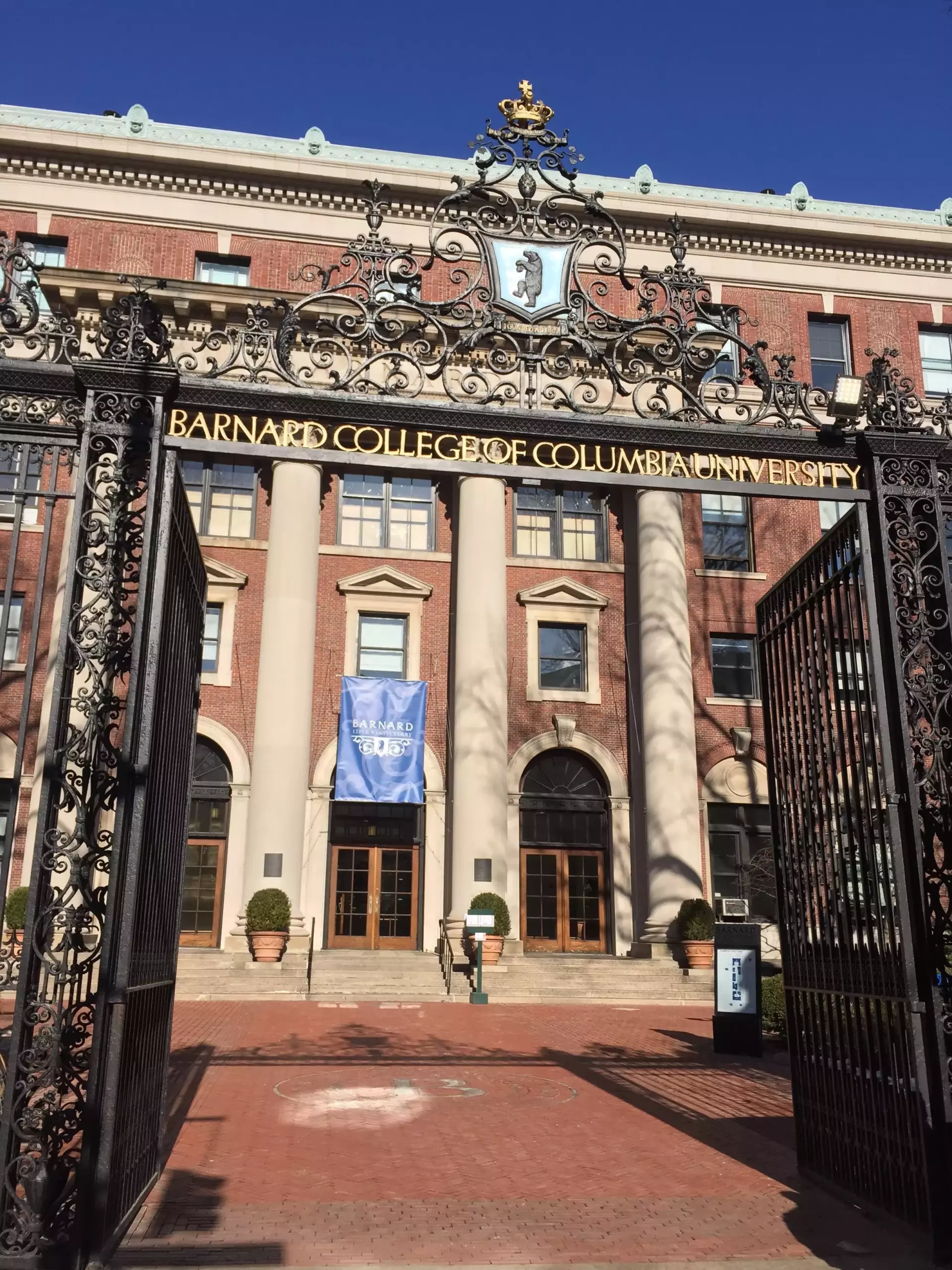
Affiliated with Columbia, Teacher's College is an architectural gem with its block length Beaux Arts and neo-Gothic façades.
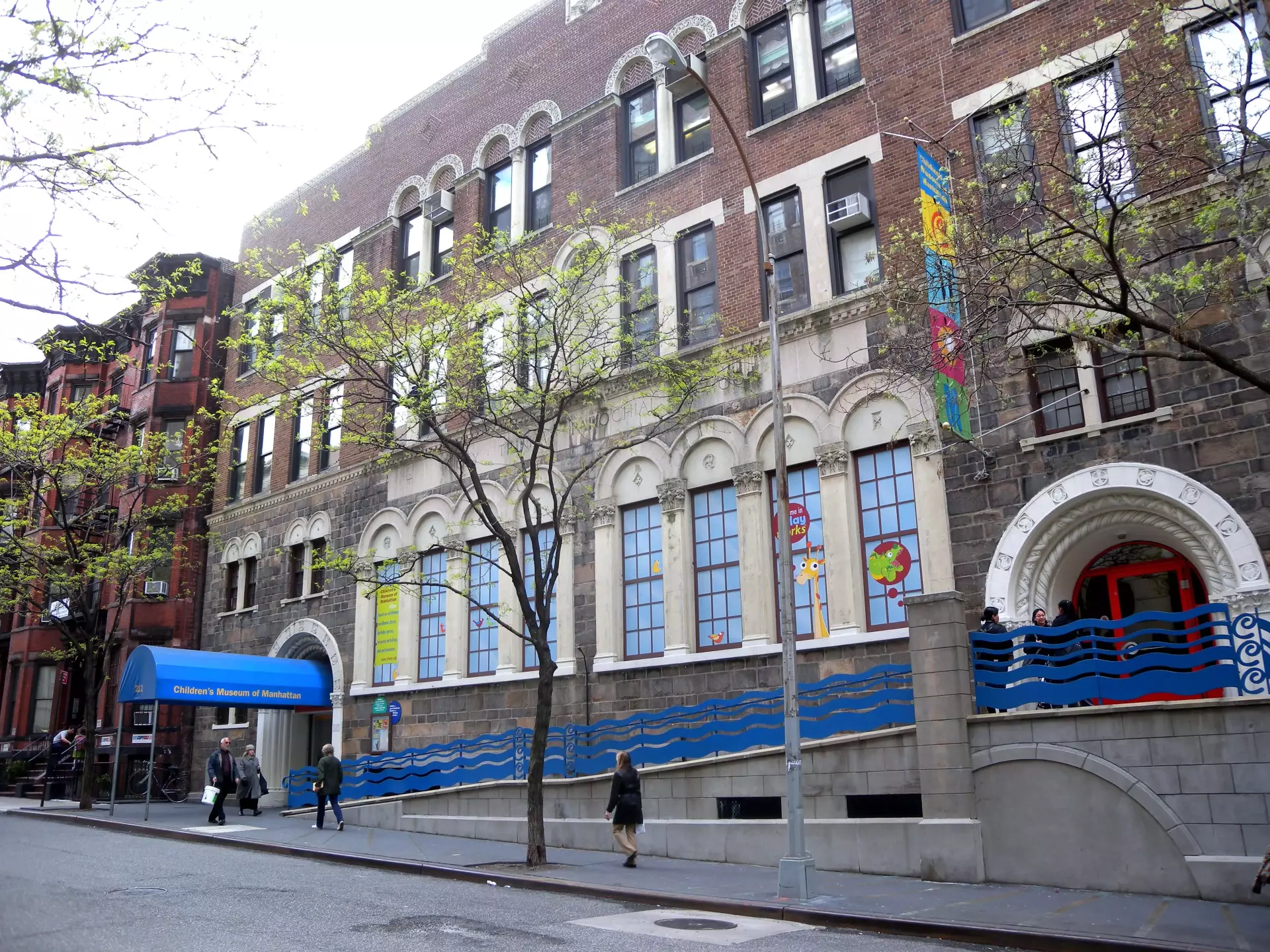
A children's museum home to exhibits featuring Adventures with Dora & Diego.
A museum and library devoted to Spanish, Portuguese, and Latin American art and culture.
On a triangular city block between Broadway, Park Row and Chambers Street sits City Hall, a gorgeous gleaming white building completed in 1812, which still hosts the mayor's office and the New York City Council chambers. The building itself is fenced off and only accessible by tour, but there is a lovely park surrounding the building, with plenty of shady trees and a pleasant fountain just to the south of the building. Just north of City Hall and on the same block is the 40.71337-74.005552 Tweed Courthouse, a gorgeous government structure and the legacy of Tammany Hall boss William M. Tweed, who used the courthouse project to embezzle large sums of money from the city budget and was convicted in a courtroom in this building.
A place filled with video screens, LED signs, and flashing lights; a world wonder or a tourist nightmare depending on your perspective, the "new" Times Square is a family-friendly theme park of themed restaurants, theaters and hotels, as well as a developing business district. The lights and signs can be viewed anytime, but the most enchanting experience comes when one visits Times Square at night, as all the signs and screens are ablaze with color. Times Square is also well known for its famous New Year's Eve ball drop. Those looking for the seedy Times Square of years past will find it around the Port Authority Bus Terminal, and on Eighth Avenue to the west. A ticket booth selling discounted Broadway and off-Broadway shows. However, the cheaper tickets aren't the only attraction, as the back of the booth is a large, red-lit glass staircase facing Times Square, which serves as a set of bleachers and offers an excellent opportunity to get above the street and just watch the crowds and flashing signs. Above the booth is a video screen with a live feed of the top step, giving you a chance to appear (if only briefly) on one of the many signs in Times Square. Originally the second-tallest building in the world when it opened in 1905, One Times Square was constructed to be the headquarters for The New York Times, a function it would serve for less than ten years. The annual Times Square ball drop is performed from the roof of this building. And you can't miss the famous Dow Jones news and sports zipper (the first news ticker in the world) attached to its lower facade.
Containing artifacts spanning 4,000 years of art and Jewish culture, with a collection of 26,000 objects – paintings, sculpture, works on paper, photographs, archaeological artifacts, ceremonial objects and broadcast media. The museum also hosts the annual SummerNights concert series and the annual New York Jewish Film Festival.
The Society of Illustrators is one of the many off the beaten path museums in New York City, and while it may not have as many visitors, it certainly isn't a place to miss. Certainly don't miss the art of illustration featured here, with countless historical galleries since the museum's opening in 1901. It's even the origin of the famous "I Want You For U.S. Army" poster of World War I and II.
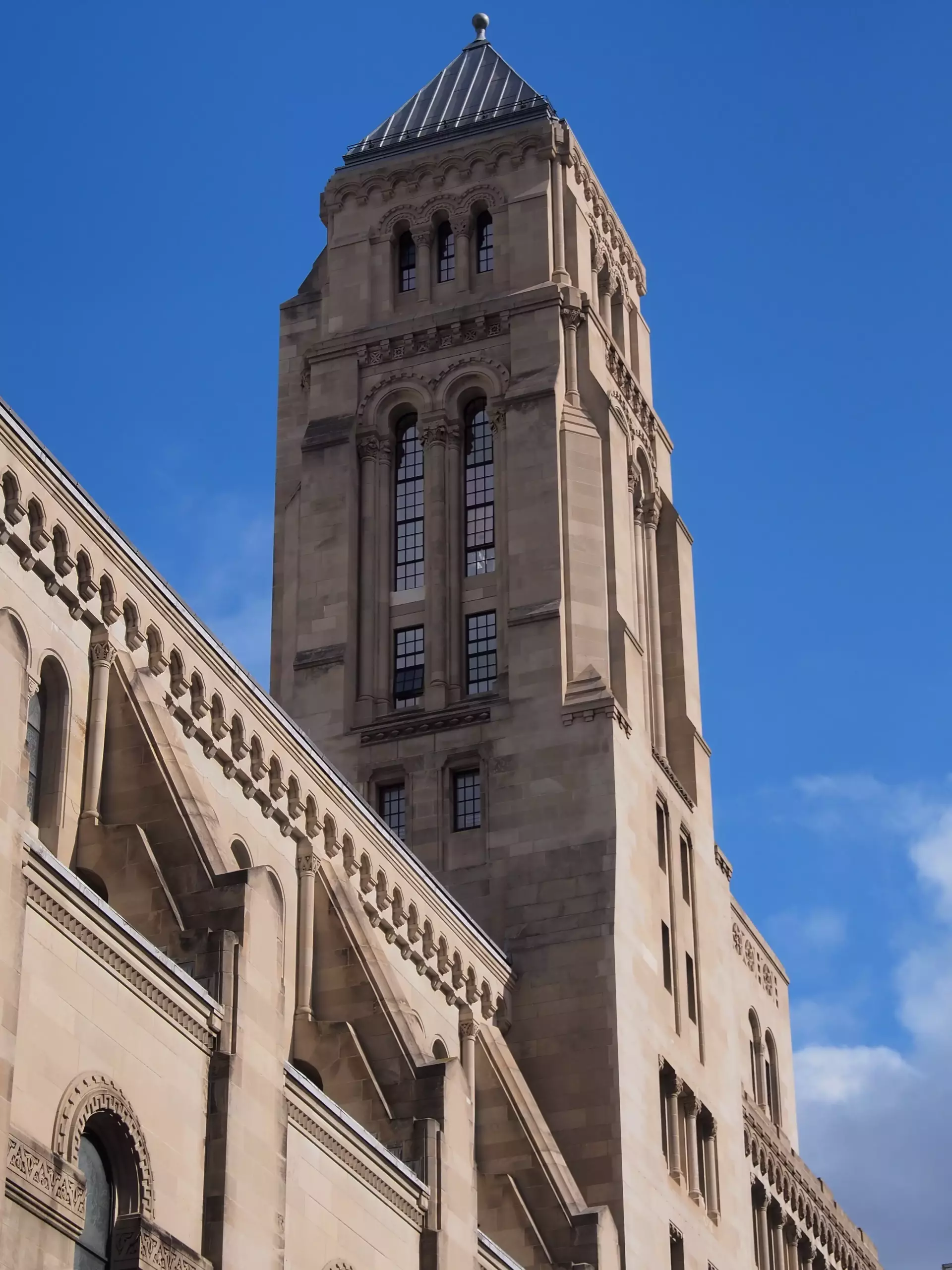
This neo-Romanesque fairy castle was built in 1891, and a northern addition in very similar style was built in 1933. The older building is a busy post office serving Downtown Brooklyn and the northern addition houses the United States Bankruptcy Court for the Eastern District of New York.
Supported by the Museum of Modern Art, this innovative (and cheap) contemporary art museum is in a former public school building. The conversion left most of the original features of the school - the large ex-classrooms are perfect for installations - and the bathrooms are a blast from the past. P.S.1 is a few blocks south on Jackson Avenue from the Citibank tower; the entrance is a concrete slab (how fitting) which occludes view of the school itself. P.S.1 also has a nice cafe and outdoor seats.
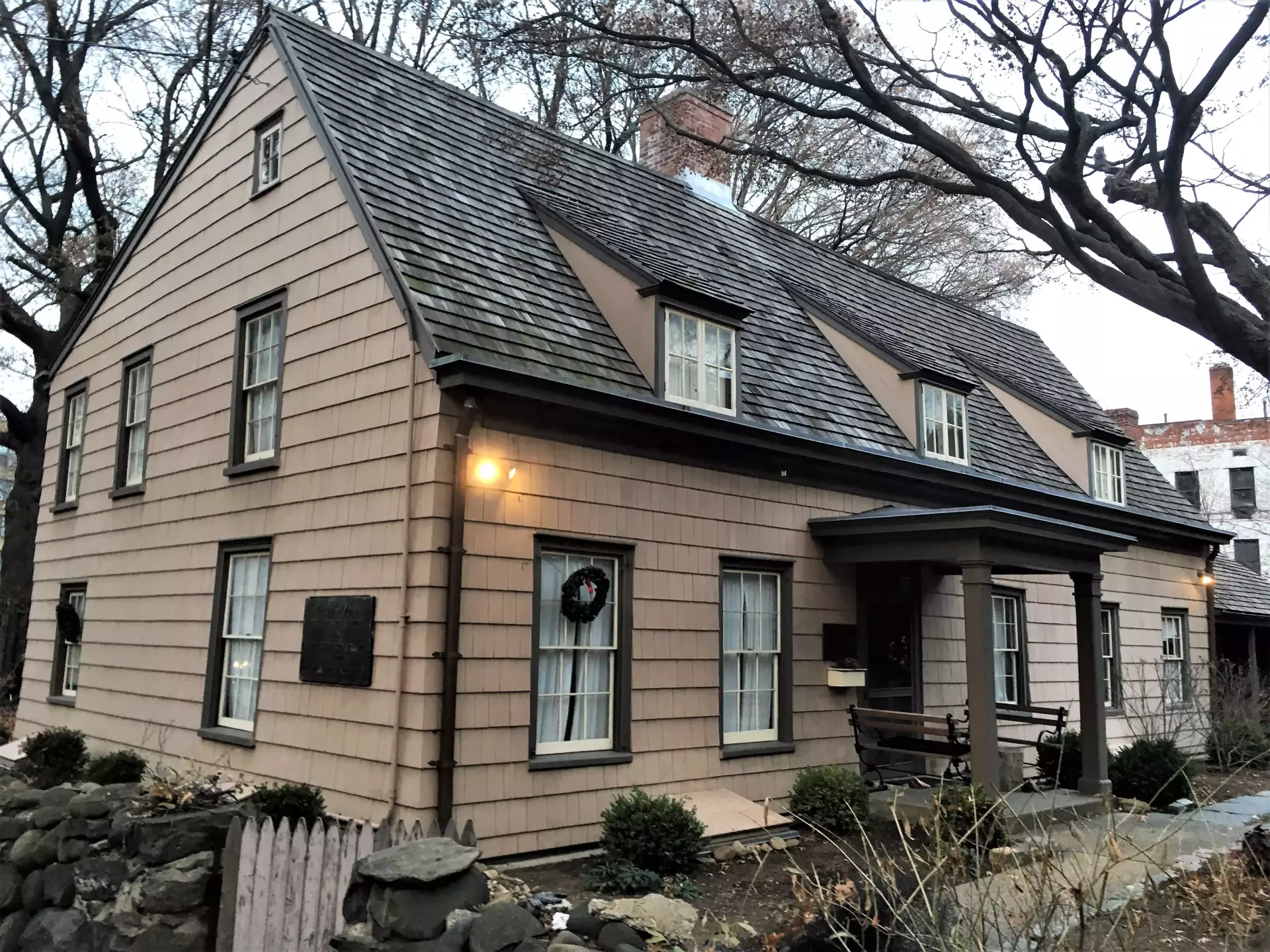
The John Bowne House was built by John Bowne in 1661. It is the oldest building in Queens, and it is one of the oldest buildings in New York City. John Bowne was a Quaker who advocated religious freedom, which was later written into the Bill of Rights. John Bowne's great-grandson, Robert Bowne, strongly advocated for the end of slavery in America. The house was the home of several generations of the Bowne House until 1945, when it was donated and converted into a museum.