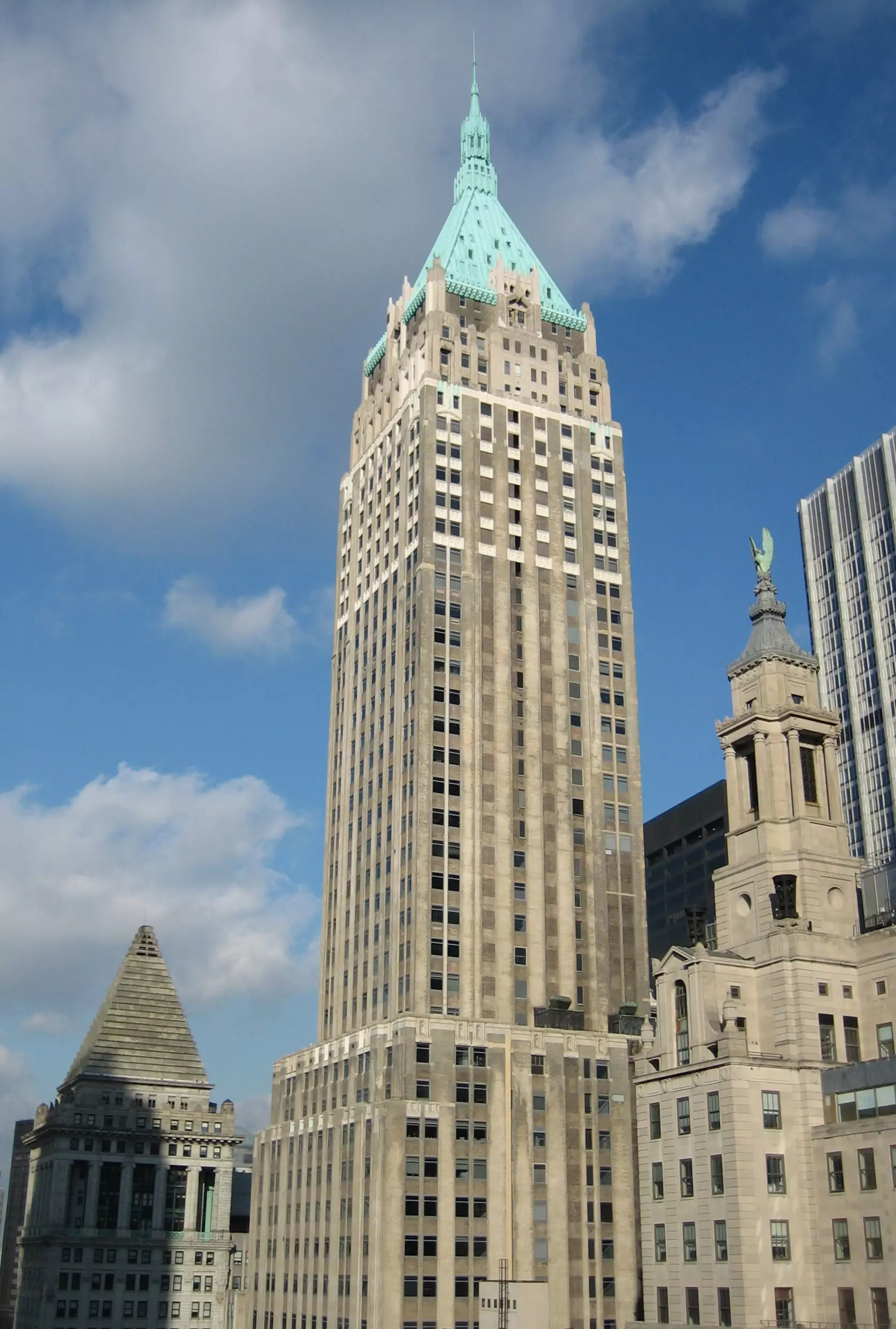
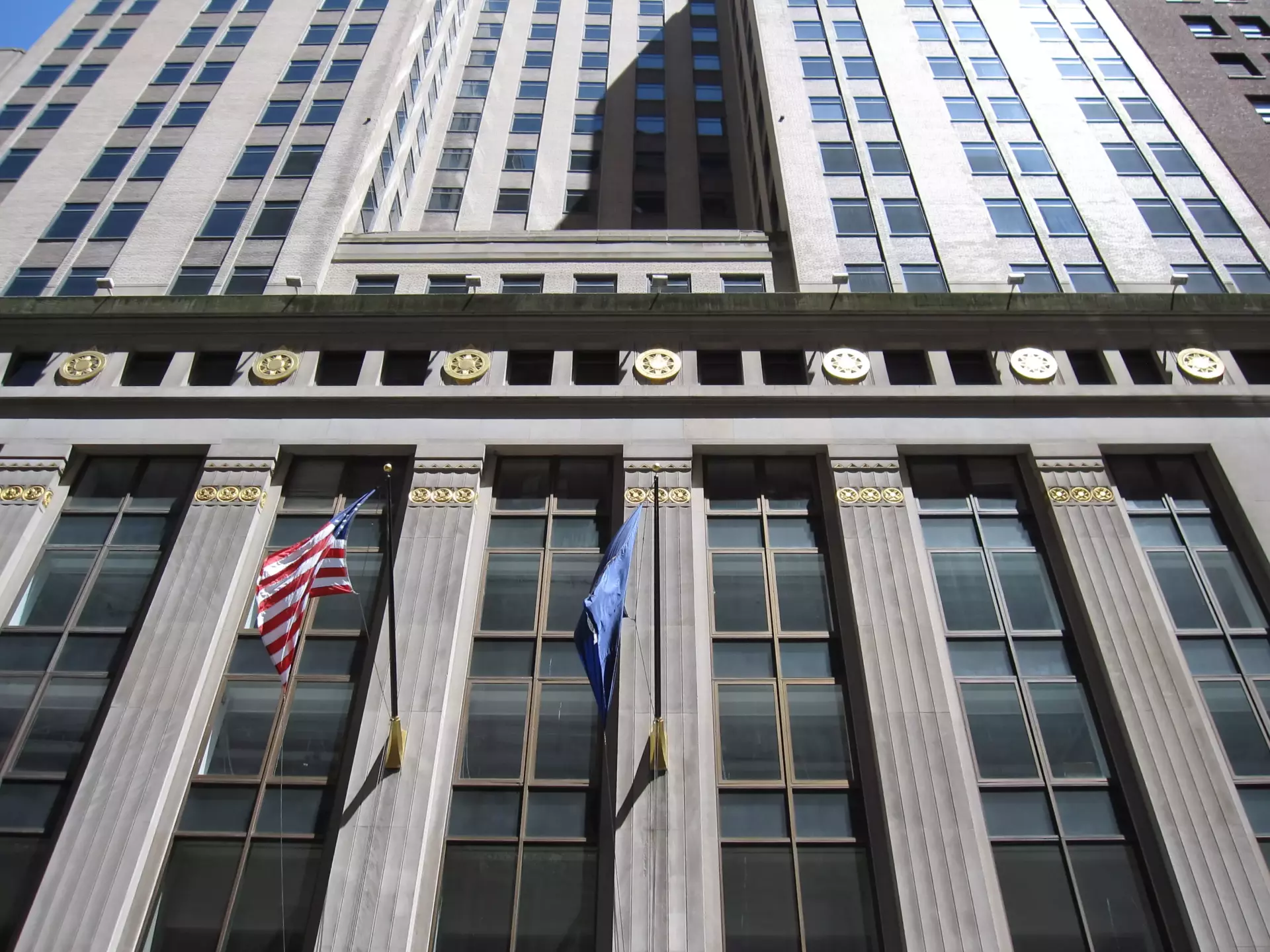
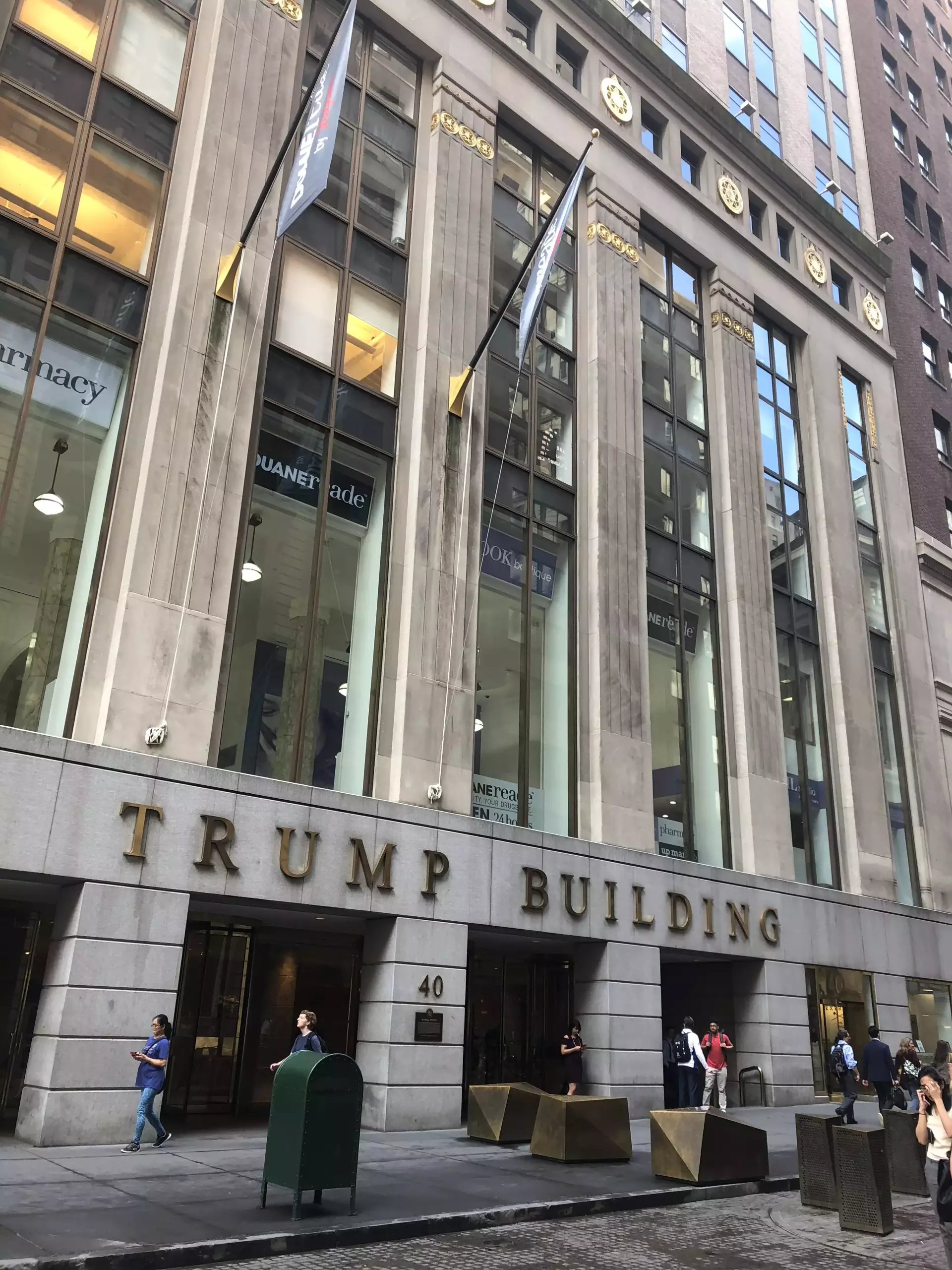
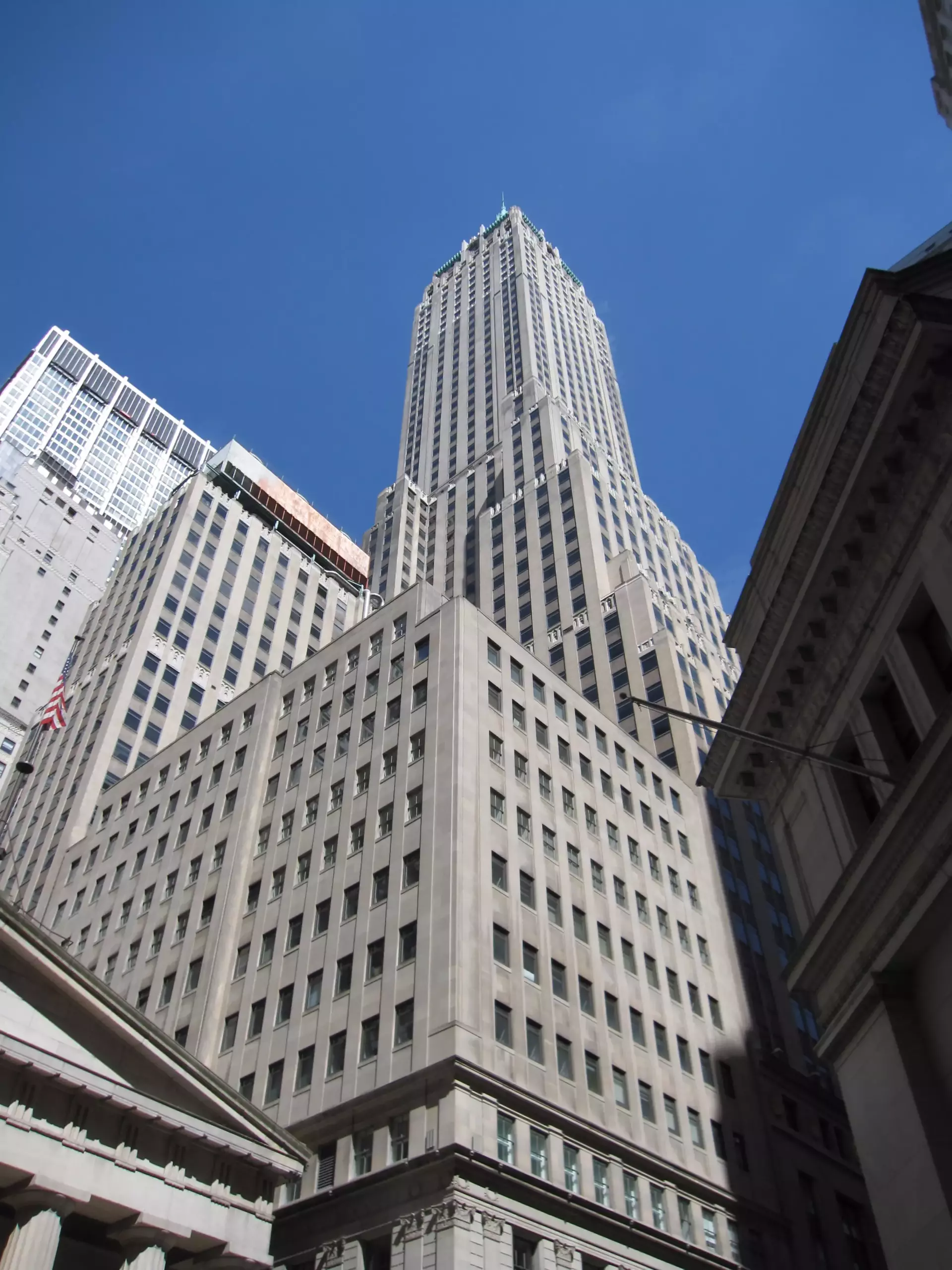
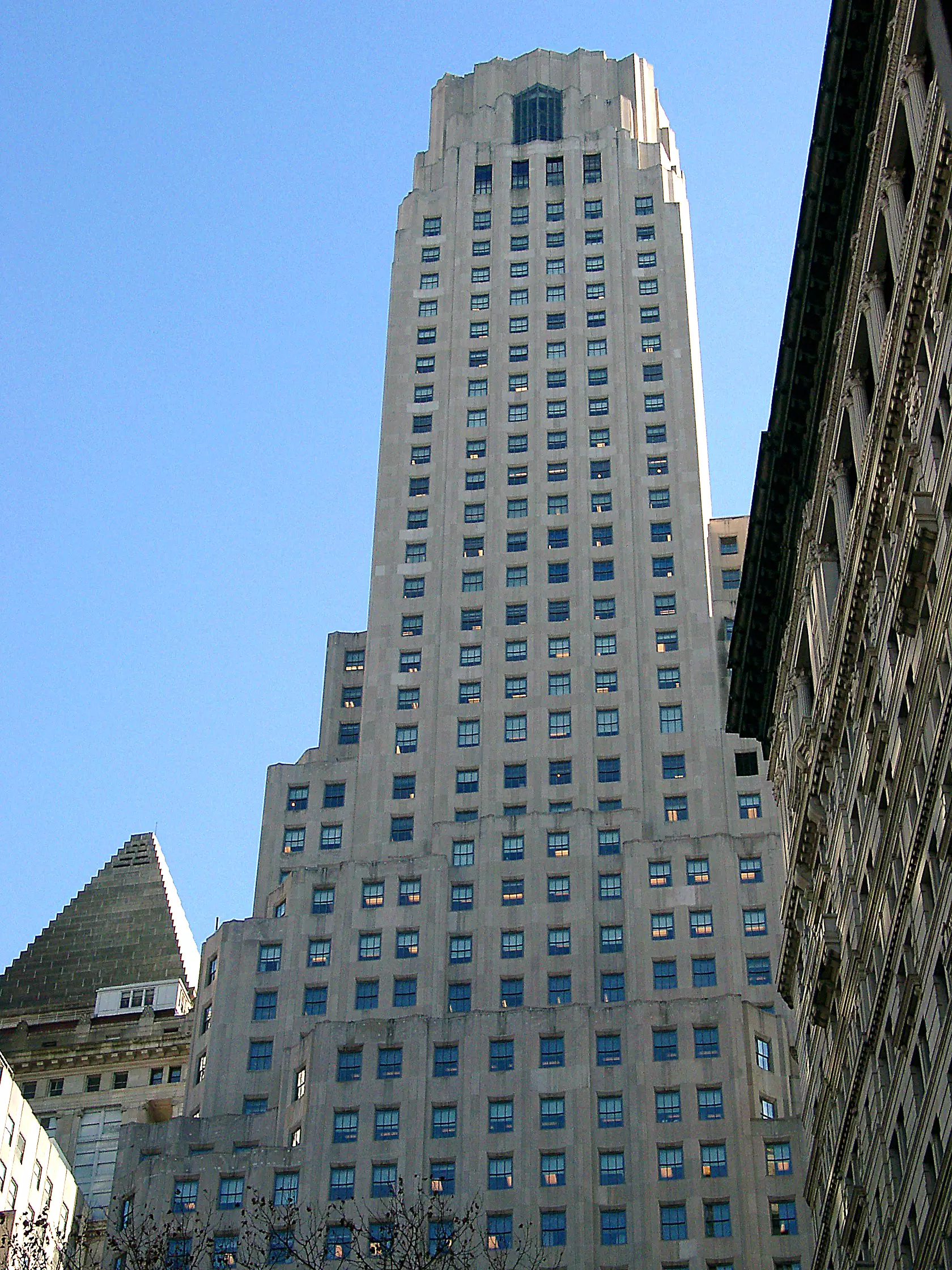
40 Wall Street stands proudly with its elegant green spire, marking the skyline since its completion in 1930. At that time, it outshone the nearby Woolworth Building, becoming the tallest building in the world. However, its reign was short-lived, as the Chrysler Building claimed the title just a month later, only to be surpassed by the Empire State Building within the year.
This remarkable skyscraper has witnessed many changes over the decades. In 1995, it was leased by Donald Trump, who left his mark by giving it the name it carries today. The building remains a significant piece of New York's architectural history, a testament to the city's ever-evolving skyline.
Source - https://en.wikipedia.org/wiki/40_Wall_Street
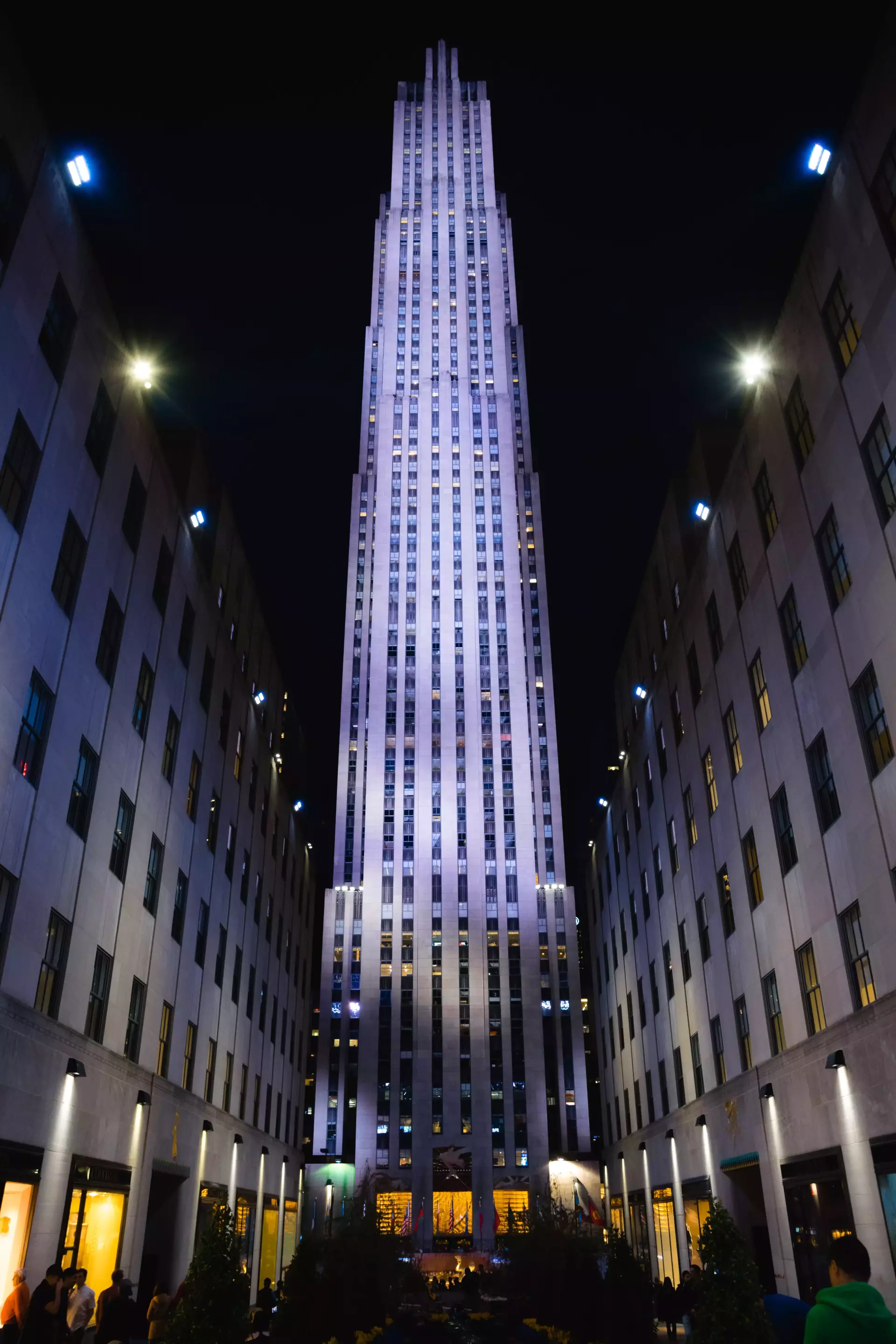
See the Rockettes, another show, or just tour the famous Art Deco masterpiece.
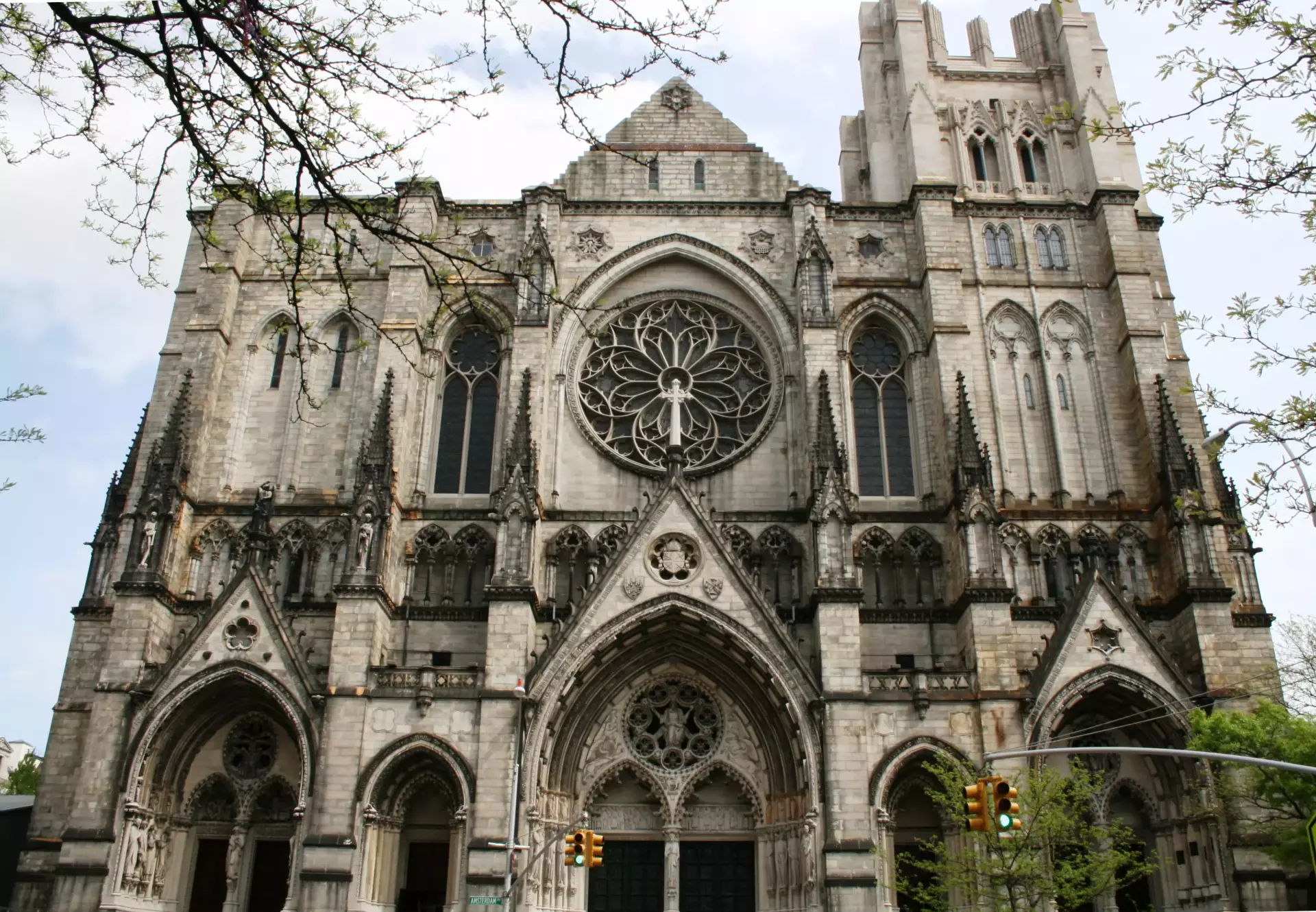
The world's largest neo-Gothic cathedral, the place has been a work in progress for over a century! There are also resident peacocks on campus, and many songbirds stop by during their seasonal migrations.
Dedicated to preserving and collecting television programs as a service to the public, the museum consists of two museum branches in Los Angeles and New York City; combined they hold over 100,000 television programs that are available to the public, providing a historical, artistic and cultural perspective to television and radio. You may use their library here for the price of admission. They have lots of old shows and a database so you can see if they have what you want.
48 magnificent gardens and plant collections on a 250-acre historic site.
Built in 1766, the chapel is an active part of the Parish of Trinity Church and is Manhattan's oldest public building in continuous use. It is the only remaining colonial church in New York City and was George Washington's place of worship after he was inaugurated as president. Since 2001, the chapel has been known for surviving the events of 9/11 without even a broken window - despite being across the street from the World Trade Center - and for its role as a place of refuge for the WTC recovery workers in the days that followed.
A museum dedicated to the history of the NYPD.
is considered a symbol of Queens. It is a 140-foot (43-meter) tall globe with a fountain below. It is beautiful to look at. In 1939 and 1964, Flushing Meadows-Corona Park was the location of the World's Fair, and the Unisphere was built for the 1964 World's Fair.
The lesser-known historic district on the other side of the Park. It was developed at the turn of the 20th century by Dean Alvord as one of the first suburbs.
Housed in a 560,000-square-foot, Beaux-Arts building, the Brooklyn is the 2nd largest art museum in New York City and one of the largest in the USA. Its world-renowned permanent collections include more than one million objects, from ancient Egyptian masterpieces to contemporary art, and represent a wide range of cultures. It is a 30-minute subway ride from Midtown Manhattan, and has its own subway station (renovated in 2019-20), the museum is part of a complex of 19th-century parks and gardens that also includes Prospect Park, the Brooklyn Botanic Garden, and the Prospect Park Zoo. On the first Saturday of each month, the museum is open until 11PM with free admission and special events.
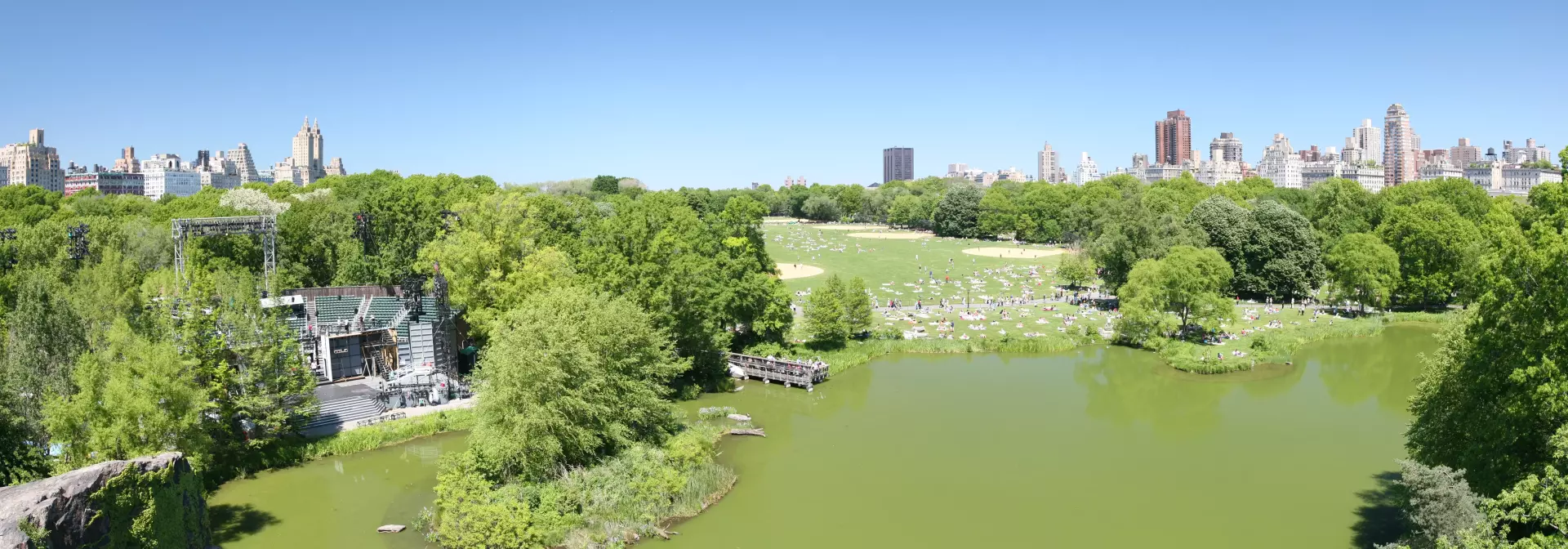
At the center of Central Park, the Great Lawn is a large clearing with lawns and ballfields, perfect for ballgames, sunbathing, and picnicking. Just to the east of the Lawn is the Obelisk, a 71-foot tall structure which is the oldest man-made object in the park, having been erected in Heliopolis, Egypt, around 1500 BC.
Constructed between 1858 and 1862, the Reservoir is a vast urban lake that covers 106 acres of Central Park and is the largest body of water within Manhattan. Renamed the "Jacqueline Kennedy Onassis Reservoir" in 1994, the Reservoir is probably best known for the 1.58 mile track that runs around its edge and which is a favorite for joggers, who can both run and enjoy the spectacular views of the city skyline.
The Society of Illustrators is one of the many off the beaten path museums in New York City, and while it may not have as many visitors, it certainly isn't a place to miss. Certainly don't miss the art of illustration featured here, with countless historical galleries since the museum's opening in 1901. It's even the origin of the famous "I Want You For U.S. Army" poster of World War I and II.
Sitting on Vista Rock, one of the highest points in the park, the castle provides excellent views of Central Park, particularly to the north. It is a popular spot for photography and contains a visitor center and a nature conservatory. Just below the castle to the north is Turtle Pond, a small, swamp-like pond holding various fish, frogs, insects, and birds.
One of Brooklyn's most prized brownstone neighborhoods. It is predominantly residential, characterized by late 19th- and early 20th-century rowhouses with architectural significance. Street signs in the Historic District are brown rather than green.