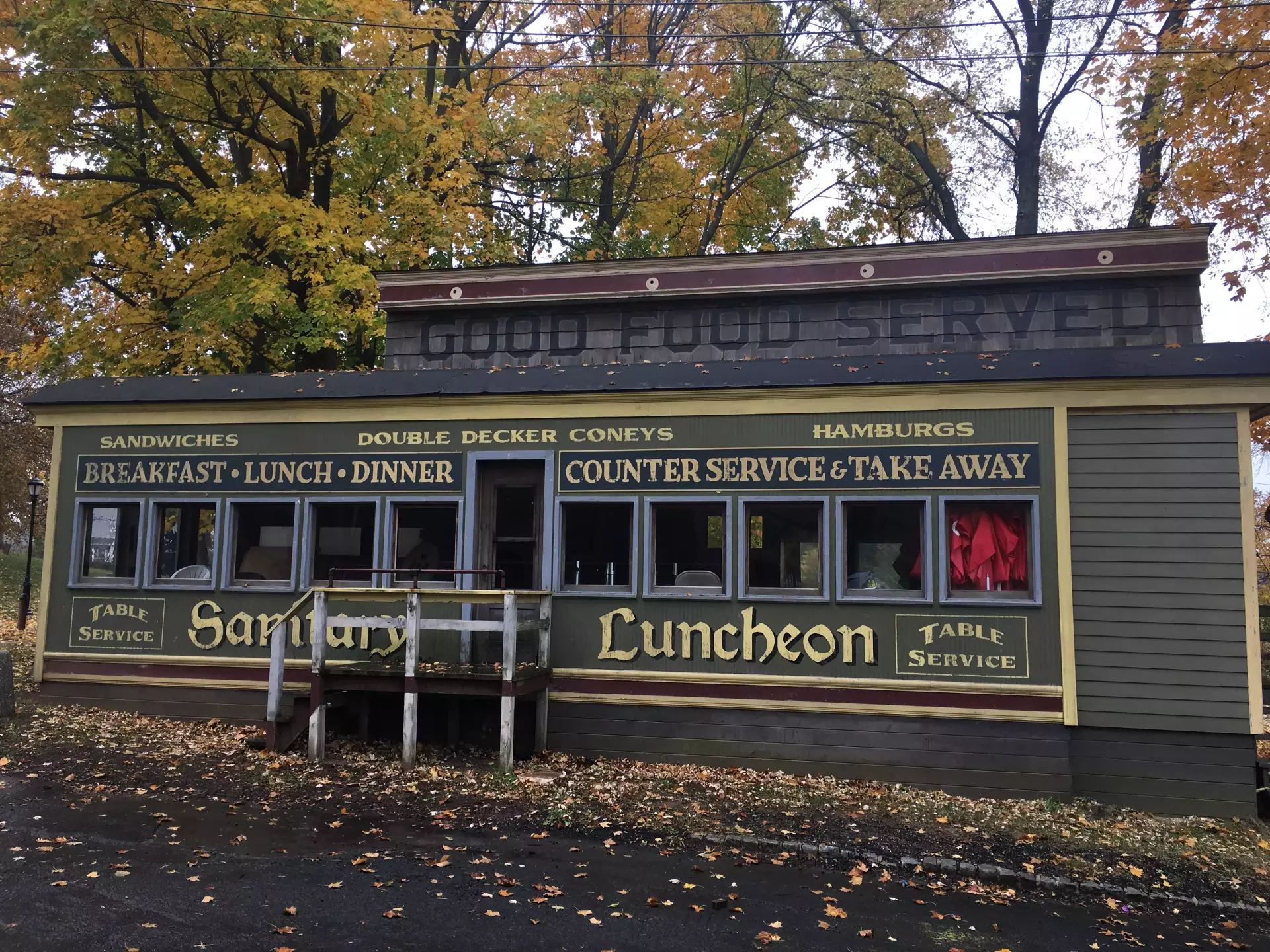
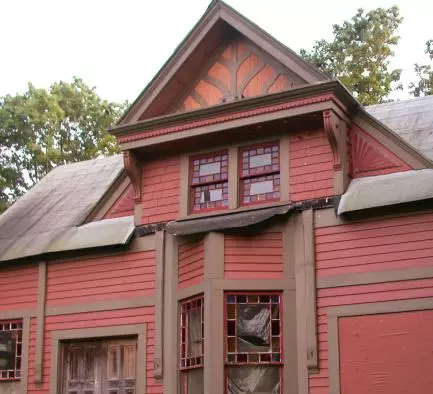
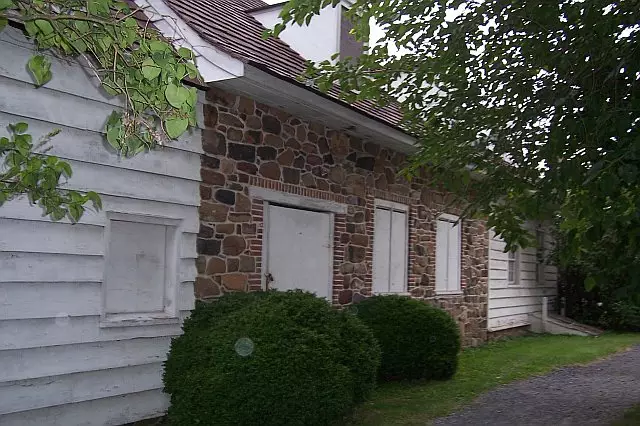
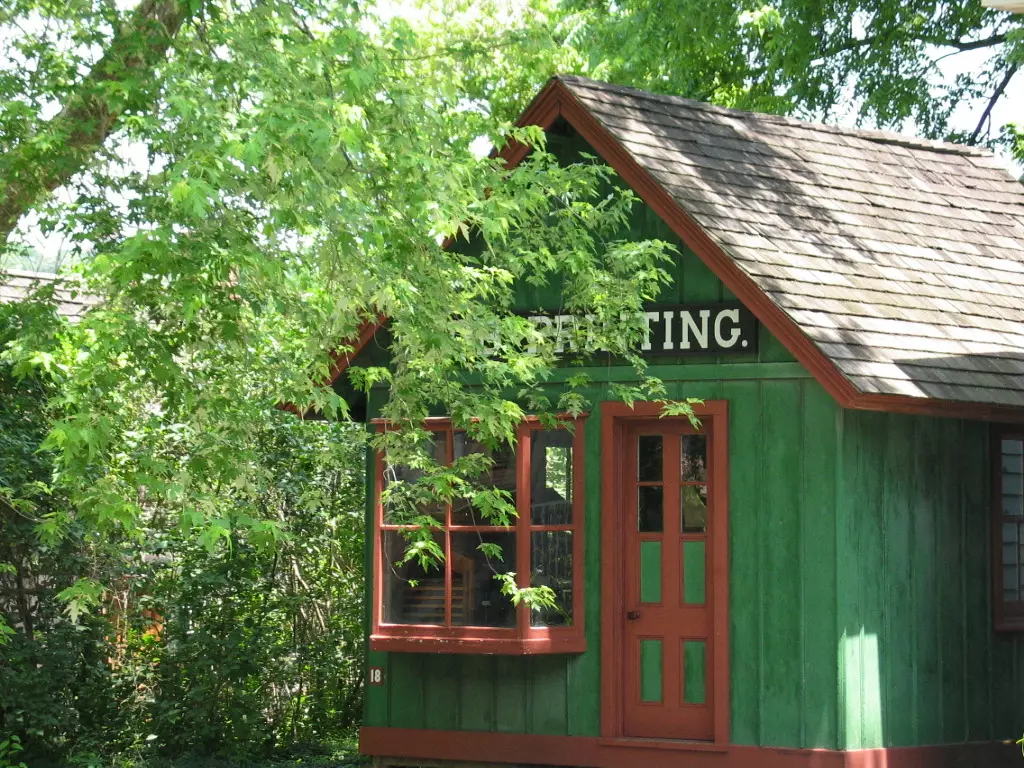
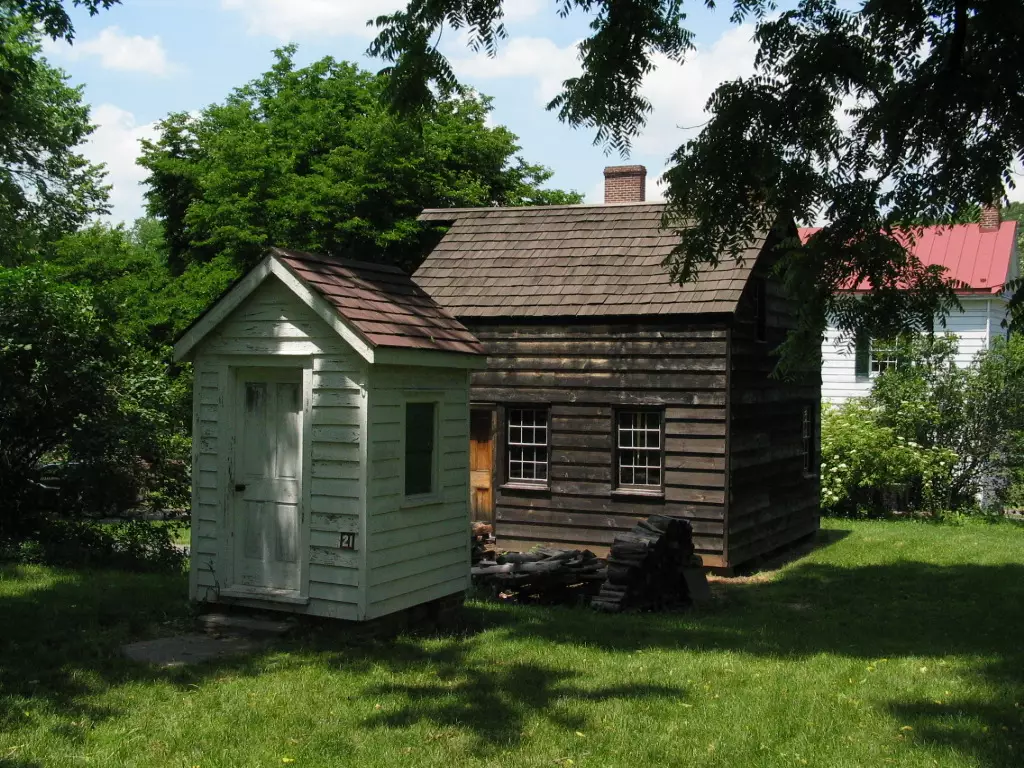
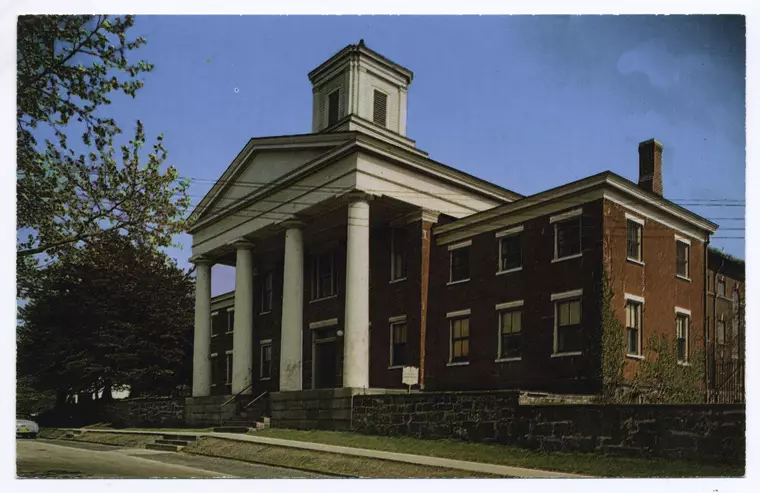
Historic Richmond Town on Staten Island is a living history village that offers a glimpse into bygone days. This charming site takes visitors back in time with its collection of original and restored buildings dating from the late 17th century to the early 20th century. The town reflects the diverse lives and cultures of the people who once called Staten Island home. With costumed interpreters, interactive exhibits, and engaging demonstrations, Historic Richmond Town brings history to life.
Strolling through the streets of Historic Richmond Town feels like stepping into another era. The village is home to over 30 historic buildings, including homes, shops, and a schoolhouse. Each structure tells a unique story, illustrating different aspects of daily life from centuries past. The Voorlezer’s House, built in the late 1600s, is one of the oldest schoolhouses in America. Visitors can explore how education was conducted in colonial times.
The town is alive with activities and demonstrations that offer hands-on experiences. Blacksmiths, carpenters, and other artisans demonstrate traditional crafts and skills, allowing visitors to see historical methods in action. The candle-making workshop is especially popular, providing an opportunity to create a souvenir using techniques from the past. These activities offer insight into the craftsmanship that shaped the community.
Throughout the year, Historic Richmond Town hosts numerous seasonal events and festivals that draw crowds from near and far. The annual Richmond County Fair is a highlight, featuring live music, traditional games, and delicious food. During the holidays, the village transforms with festive decorations and special programs, celebrating the season with warmth and cheer. These events add a lively and colorful dimension to the historical setting.
Beyond its role as a tourist attraction, Historic Richmond Town emphasizes education. School programs are designed to immerse students in history through interactive lessons and tours. These programs encourage participants to engage with history in a meaningful way, fostering a deeper understanding of the past. Educators and history enthusiasts alike find value in the rich learning opportunities offered here.
Source - https://en.wikipedia.org/wiki/Historic_Richmond_Town
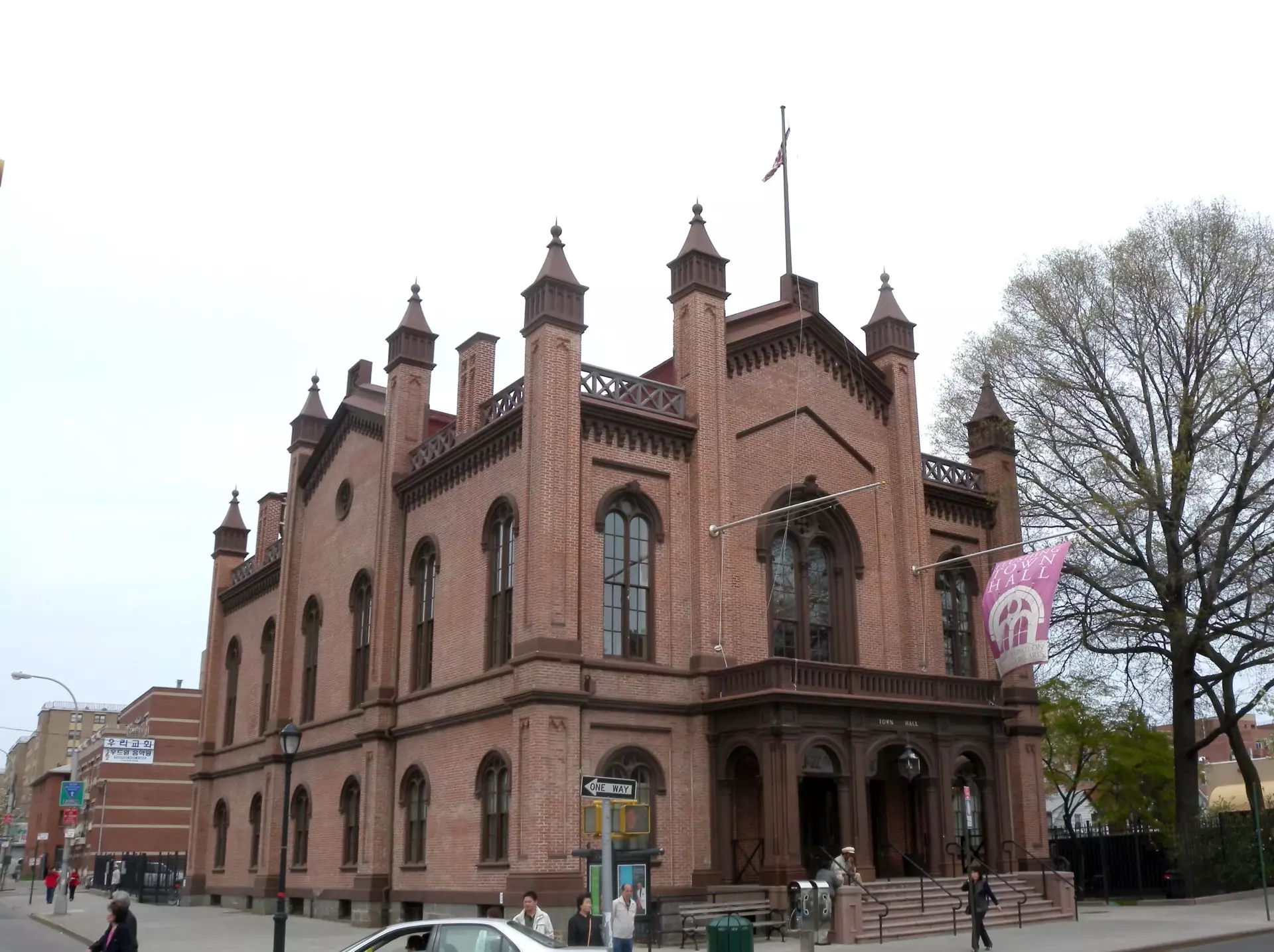
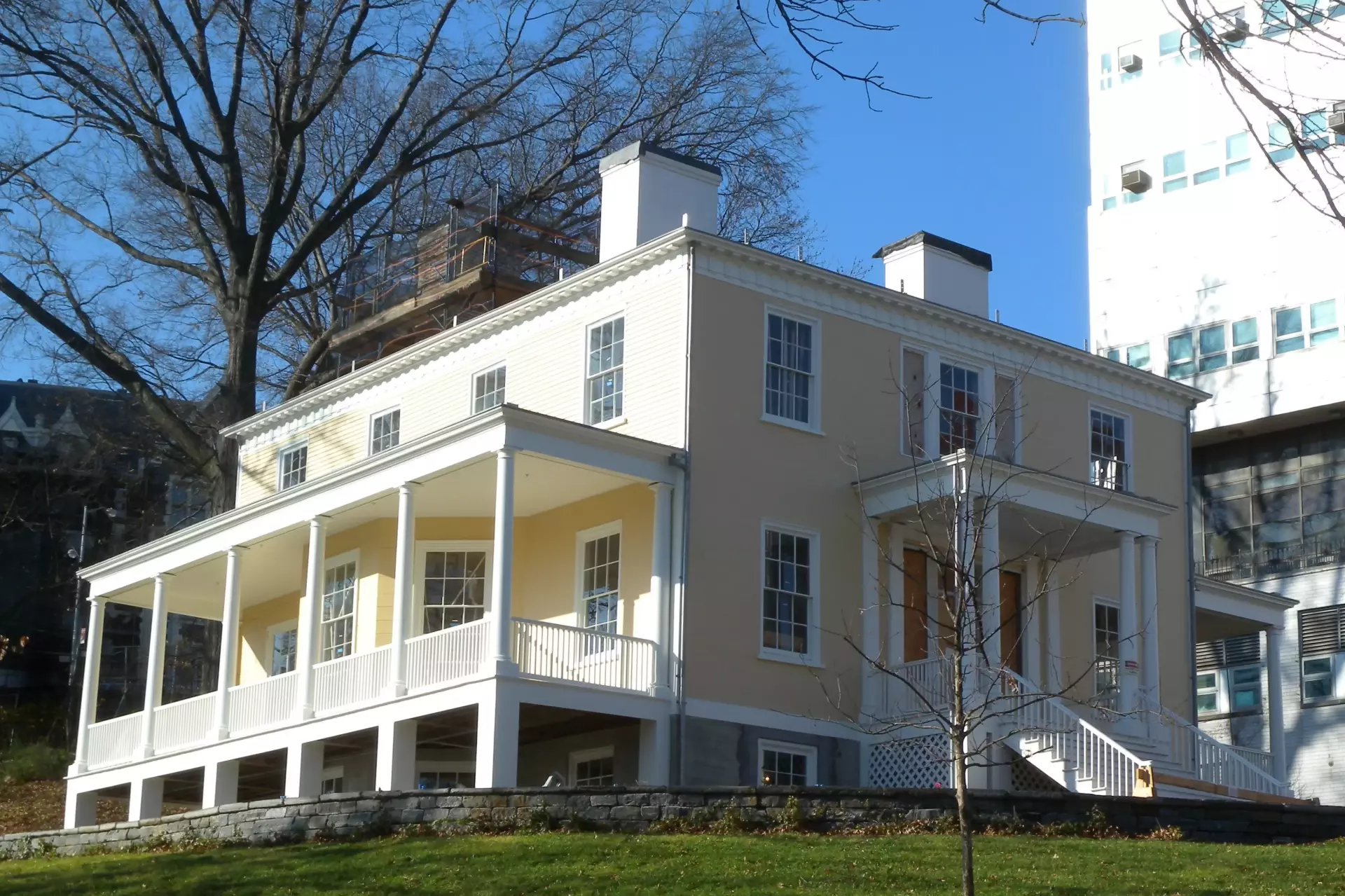
Large garden and arboretum featuring a variety of plants, and also a Victorian-style wedding garden.
On the 70th floor of the Comcast Building (better known by some as "30 Rock") is this narrow observation deck, built to resemble the deck of a cruise ship. The deck affords uninterrupted views over Central Park to the north and across Midtown to the south.
The world's largest neo-Gothic cathedral, the place has been a work in progress for over a century! There are also resident peacocks on campus, and many songbirds stop by during their seasonal migrations.
48 magnificent gardens and plant collections on a 250-acre historic site.
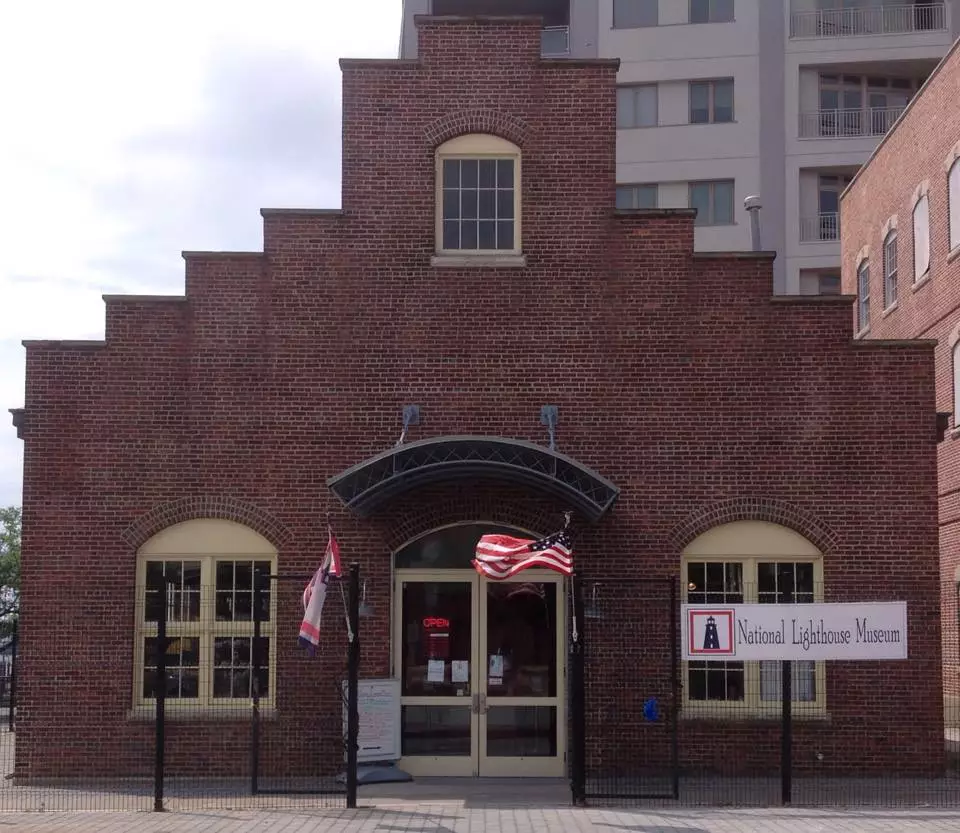
A museum dedicated to the history of the NYPD.
Built in 1766, the chapel is an active part of the Parish of Trinity Church and is Manhattan's oldest public building in continuous use. It is the only remaining colonial church in New York City and was George Washington's place of worship after he was inaugurated as president. Since 2001, the chapel has been known for surviving the events of 9/11 without even a broken window - despite being across the street from the World Trade Center - and for its role as a place of refuge for the WTC recovery workers in the days that followed.
The only US museum devoted to Puerto Rican culture.
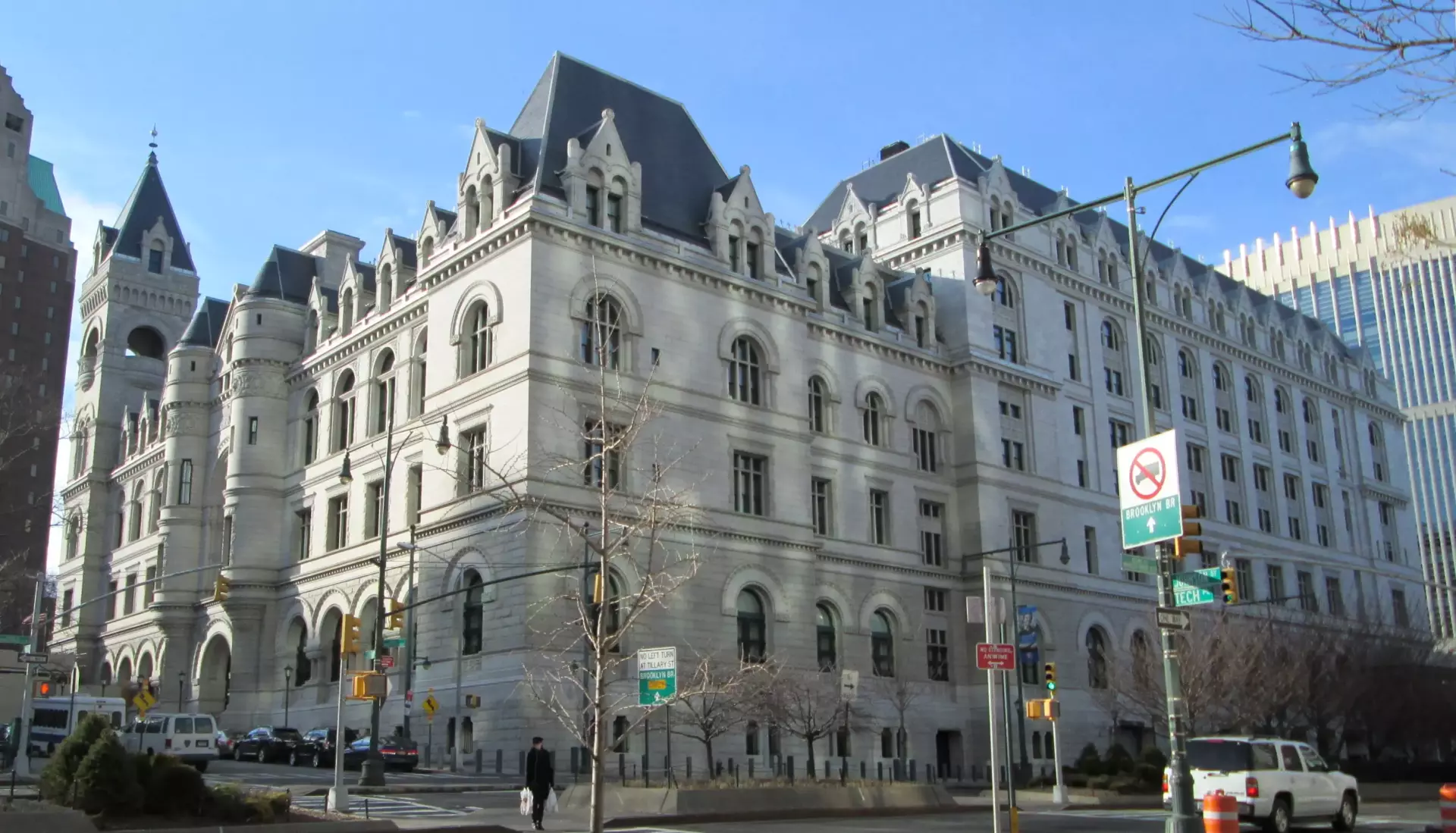
This neo-Romanesque fairy castle was built in 1891, and a northern addition in very similar style was built in 1933. The older building is a busy post office serving Downtown Brooklyn and the northern addition houses the United States Bankruptcy Court for the Eastern District of New York.
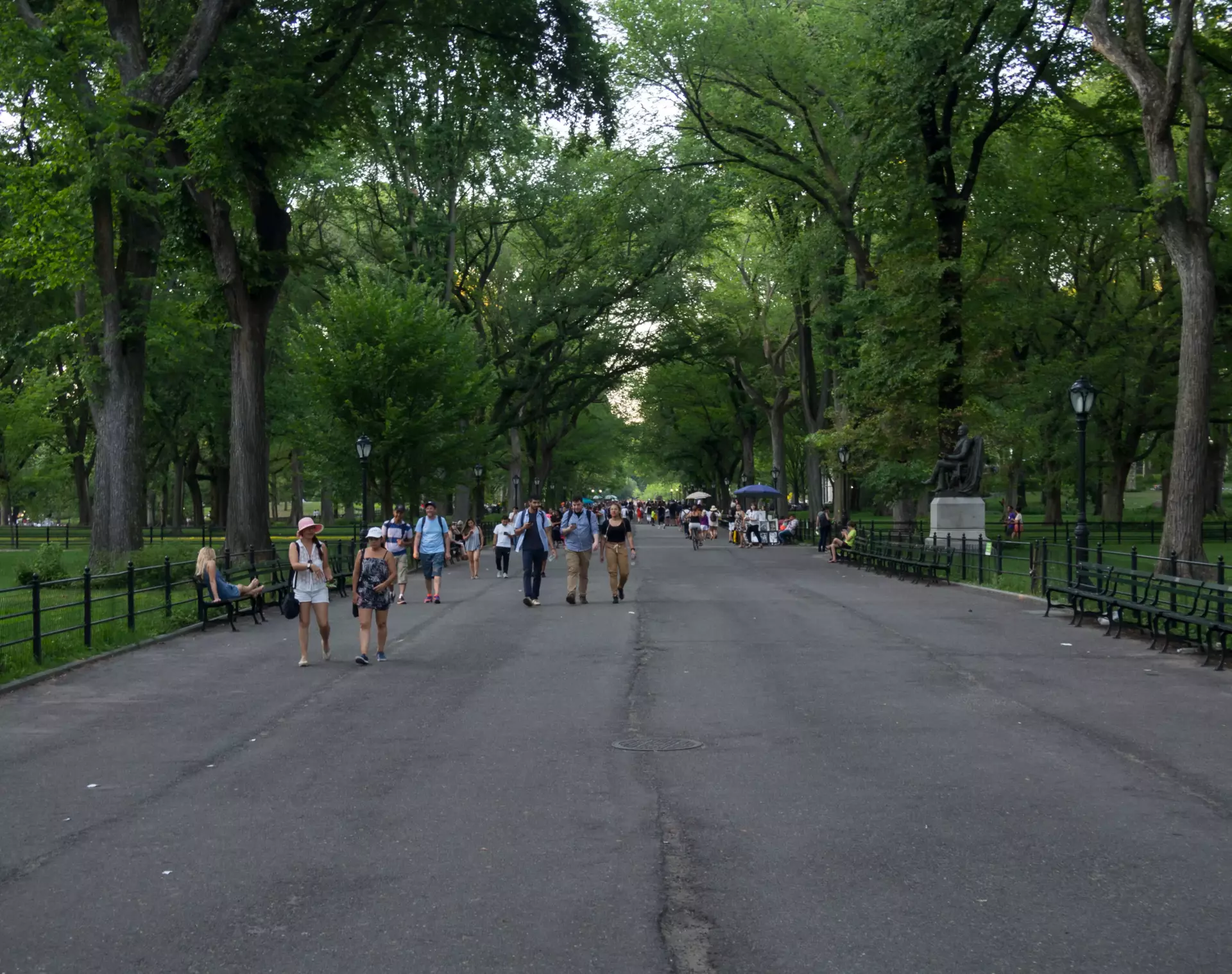
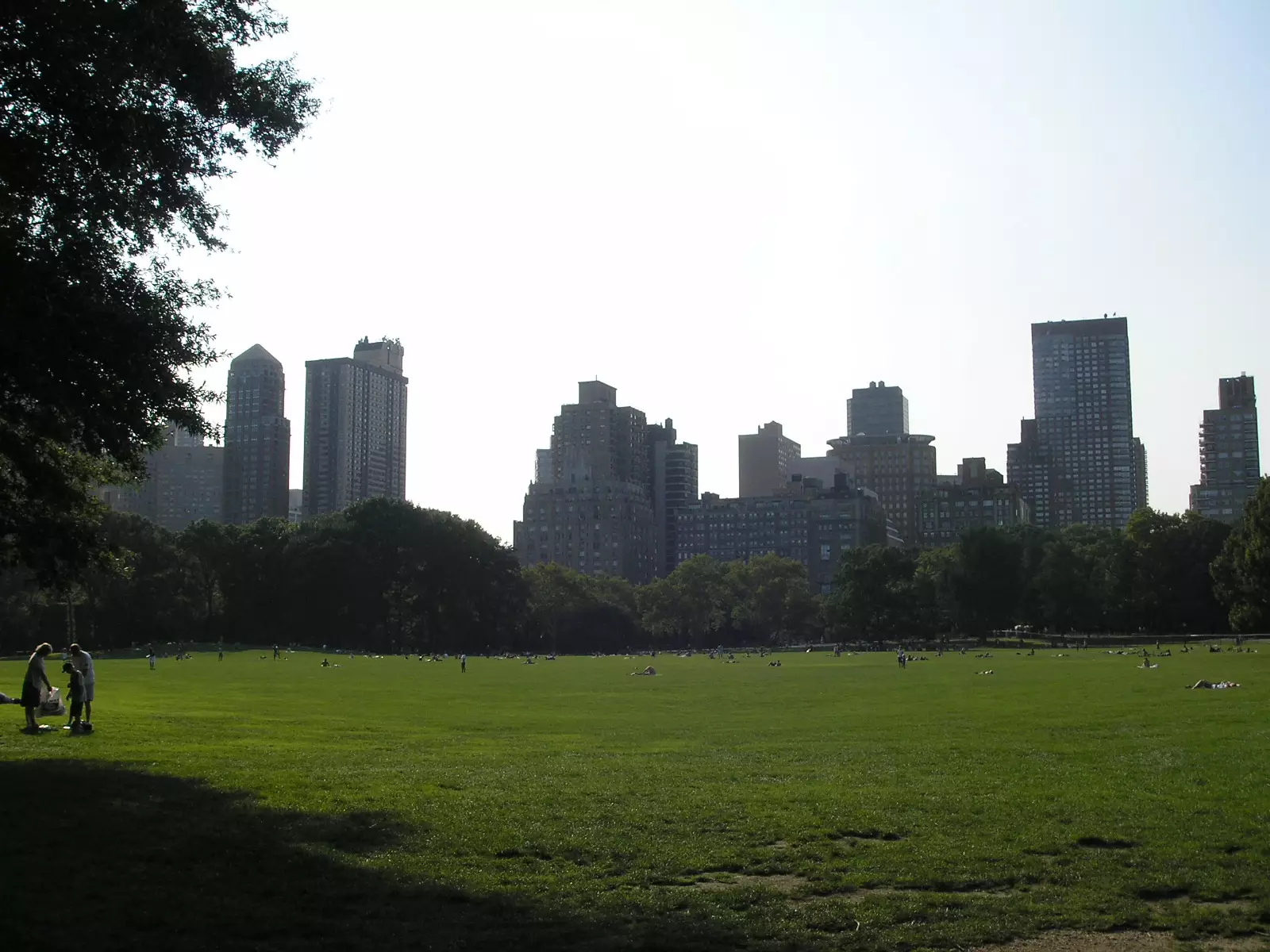
A spacious green lawn that was originally home to a herd of sheep, which grazed in the meadow and tended to in their nearby pen - a Victorian style building which today is the Tavern on the Green restaurant (see Eat below).
Near Grand Army Plaza, the Pond offers a tranquil setting just within the boundaries of the park. A rustic wood structure, "Cop Cot," overlooks the pond from an outcrop near the Sixth Avenue entrance.
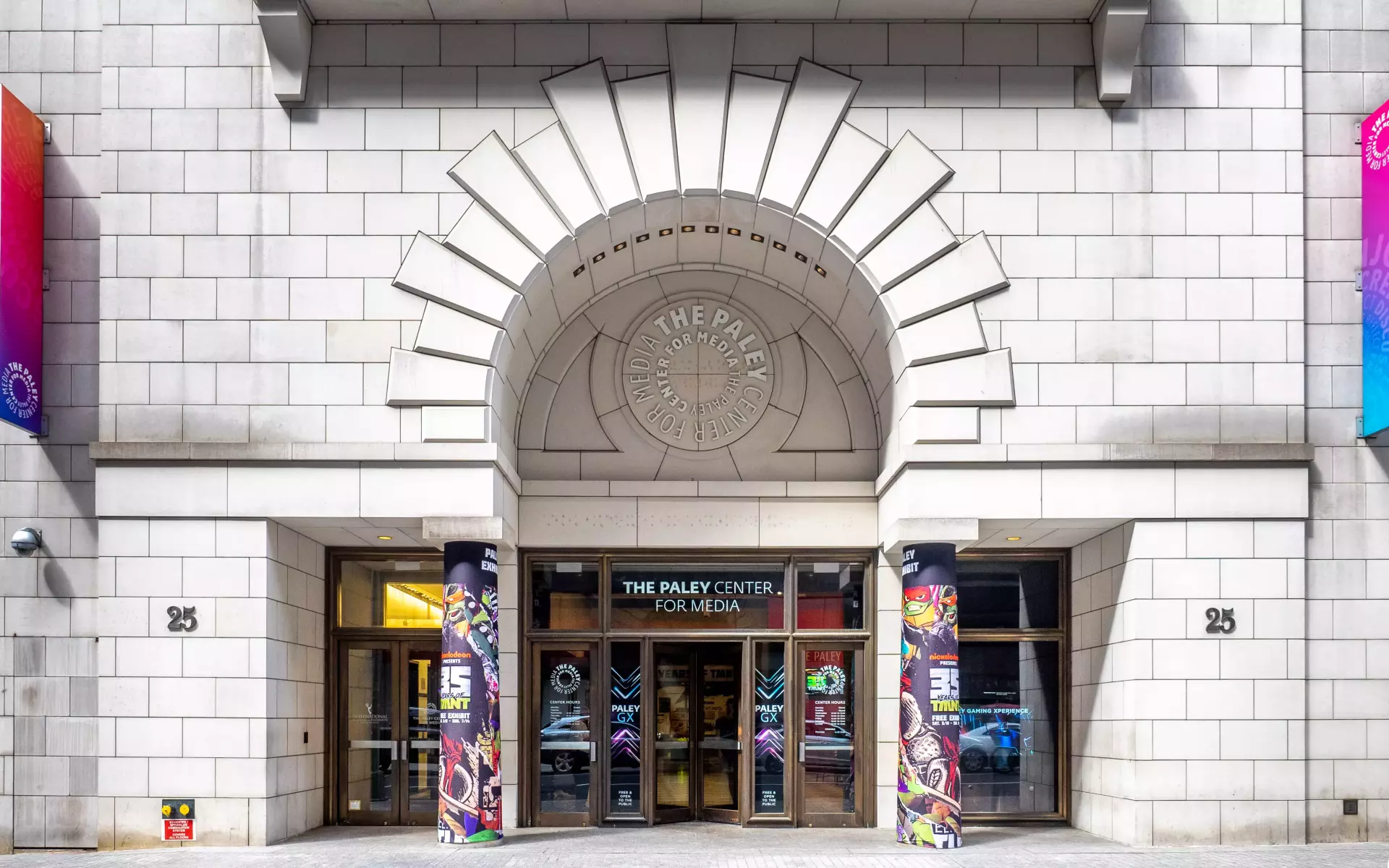
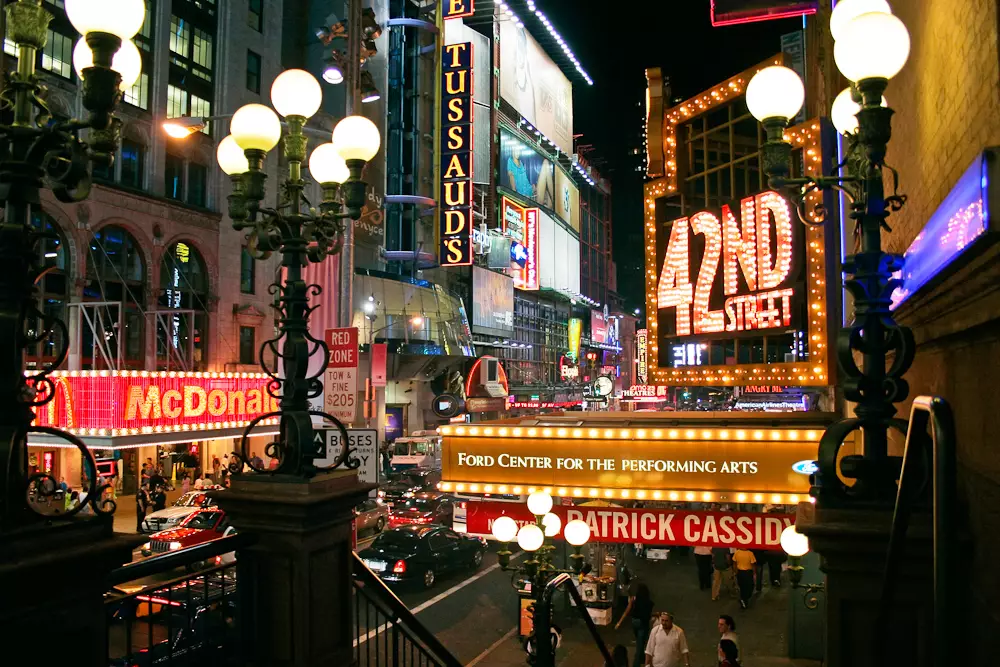
Opened on November 15, 2022, this interactive museum utilizes technology to convey the history of Broadway, complete with props from past shows, costumes, and other artifacts. You can learn about how a Broadway show is made, and there is a gift shop selling not only their own merch, but also products from current Broadway shows and Broadway in general.
Constructed between 1858 and 1862, the Reservoir is a vast urban lake that covers 106 acres of Central Park and is the largest body of water within Manhattan. Renamed the "Jacqueline Kennedy Onassis Reservoir" in 1994, the Reservoir is probably best known for the 1.58 mile track that runs around its edge and which is a favorite for joggers, who can both run and enjoy the spectacular views of the city skyline.
So named in 1981 in memory of John Lennon, the former Beatle, who was murdered close by outside his home in the Dakota building. Lennon's widow Yoko Ono, who still lives in the Dakota, subsequently donated $1 million to upgrade the area with hundreds of tree and flower species, including strawberries. The area serves as a Garden of Peace and includes a memorial floor mosaic (donated by the Italian city of Naples) that says simply "Imagine", referring to the title of one of Lennon's evocative songs.
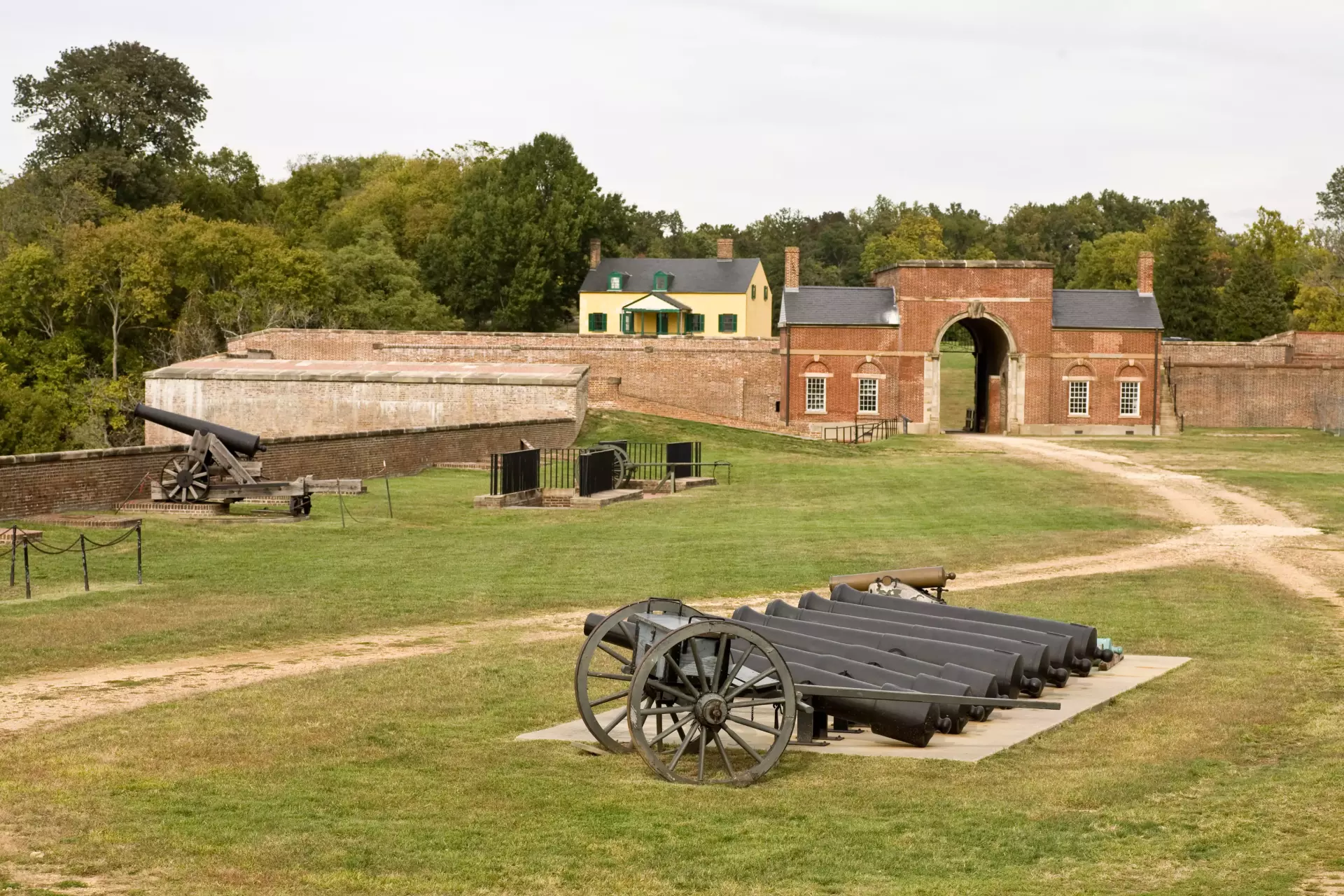
Dating back to 1663, this fort was used during both the American Revolution and the War of 1812. It remained active until 1995. It is now semi-active, with its main use being local headquarters for the United States Coast Guard. Tours are available.
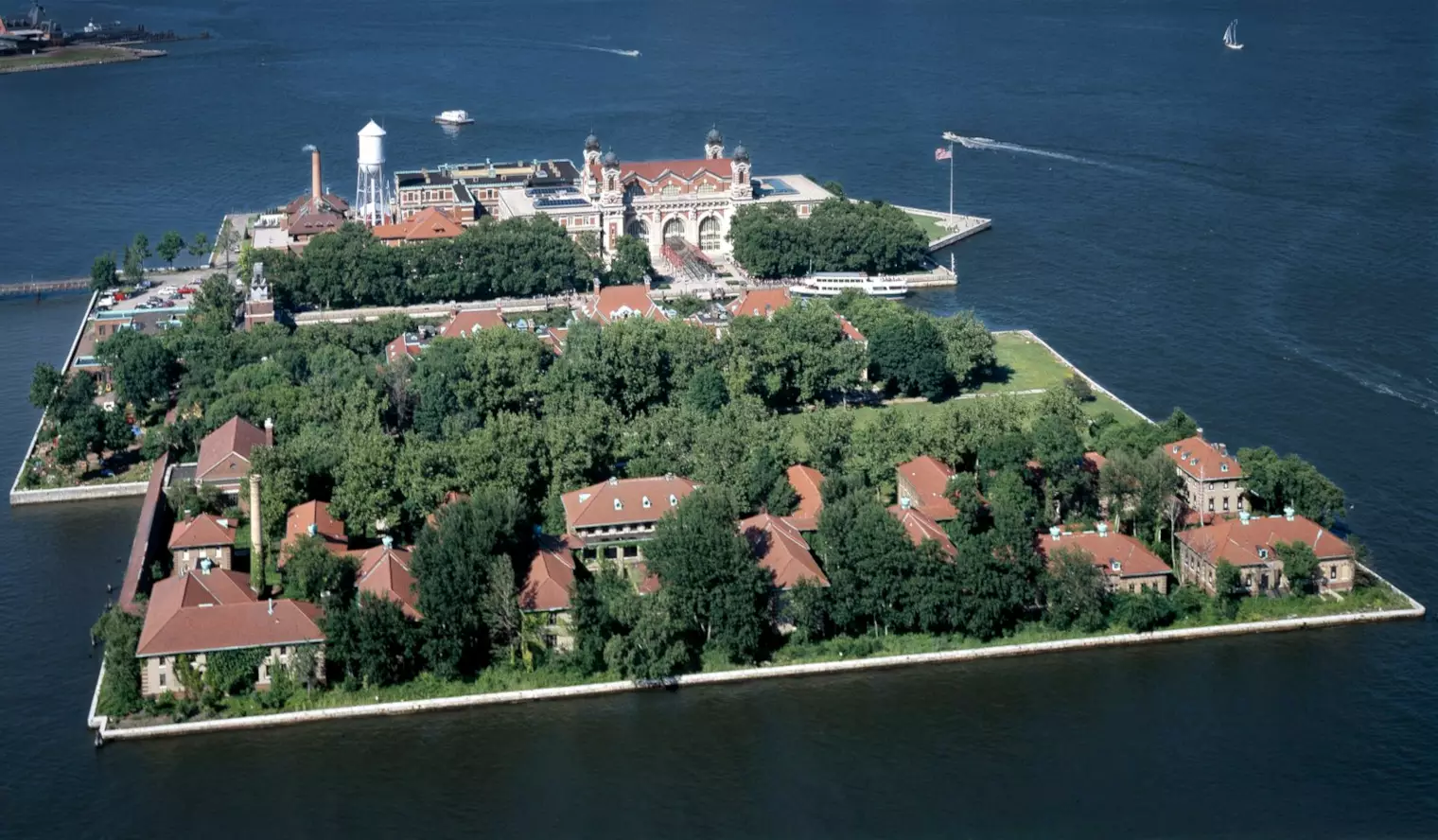
Governors Island has a long military history, home to headquarters and military posts of the United States Army from 1794 until 1966, then a complex for the U.S. Coast Guard before becoming a historic district open to tours.
The One World Trade Center skyscraper rises 1,776 feet above the street and is the tallest building in the United States (and for that matter, the Western Hemisphere). Despite its colossal size, its simple design allows it to blend remarkably well into the Lower Manhattan skyline. An observation deck on the top floors offers 360-degree views of the city.