The Palais de la Découverte is currently closed and undergoing major renovation works, with plans to reopen in 2025. This museum is situated in the impressive western wing of the Grand Palais in Paris. It is a part of the Universcience network, which also includes the popular Cité des Sciences et de l’Industrie in La Villette.
Inside the Palais de la Découverte, visitors can explore two spacious floors filled with rooms devoted to different branches of science. Each room offers interactive exhibits and displays on topics such as physics, chemistry, mathematics, and life sciences. The museum is designed to make science accessible and engaging for all ages.
The Palais is also known for its planetarium, where guests can experience immersive journeys through the universe. With captivating presentations, the planetarium offers a chance to discover more about astronomy and the wonders of space.
Source - https://en.wikipedia.org/wiki/Palais_de_la_D%C3%A9couverte
The largest square in Paris with fantastic vistas in every direction. It was in this square (then called la Place de la Revolution) that the French King Louis XVI, Marie Antoinette and many others were guillotined during the Terror. The large Egyptian obelisk in the centre of the Place de la Concorde was brought from the Temple of Luxor.
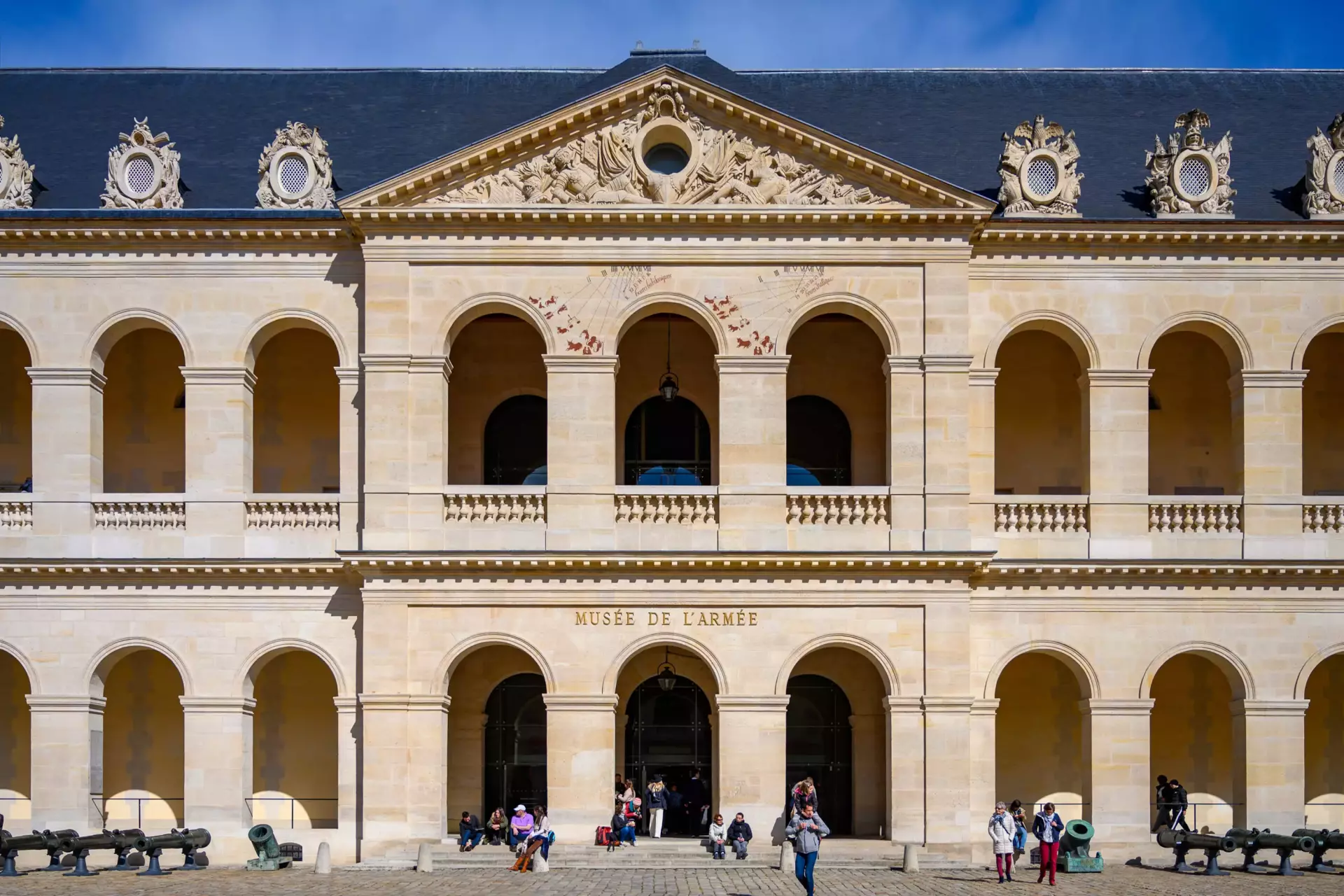
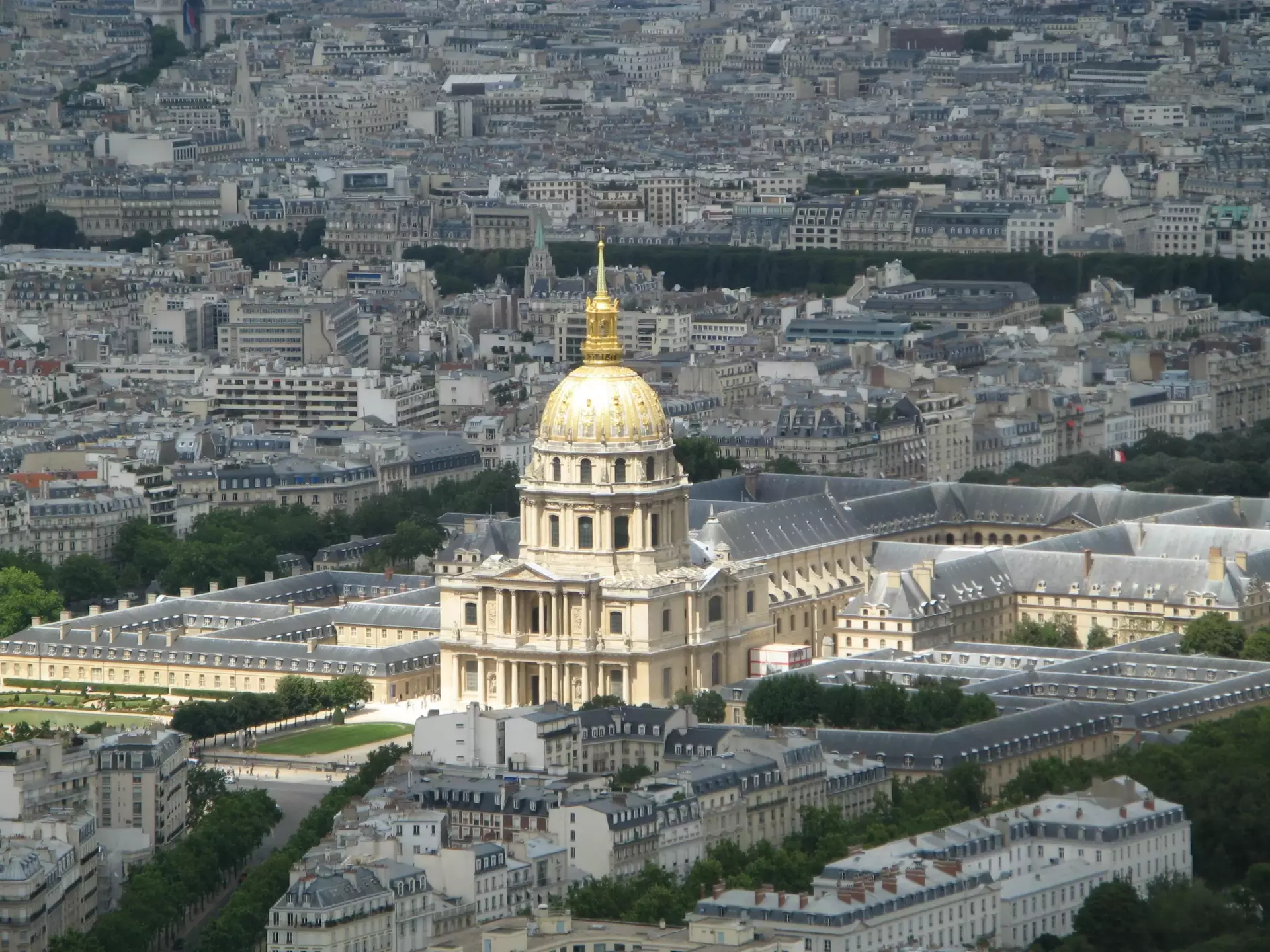
Founded in 1671 by Louis XIV as a hospital for 6,000 wounded soldiers—this function explaining the name of the building—the golden-domed Hôtel des Invalides still functions as an infirmary and now also houses the Musée de l'Armée. The church attached, l'Eglise du Dôme, houses the tomb of Napoleon.
Recently reconstructed, the Paris branch of the National Maritime Museum, one of the three museums in the Palais du Chaillot, cannot accommodate any full-size ships, but has a wide range of smaller artifacts, artworks and models, covering both the Navy and commercial shipping.
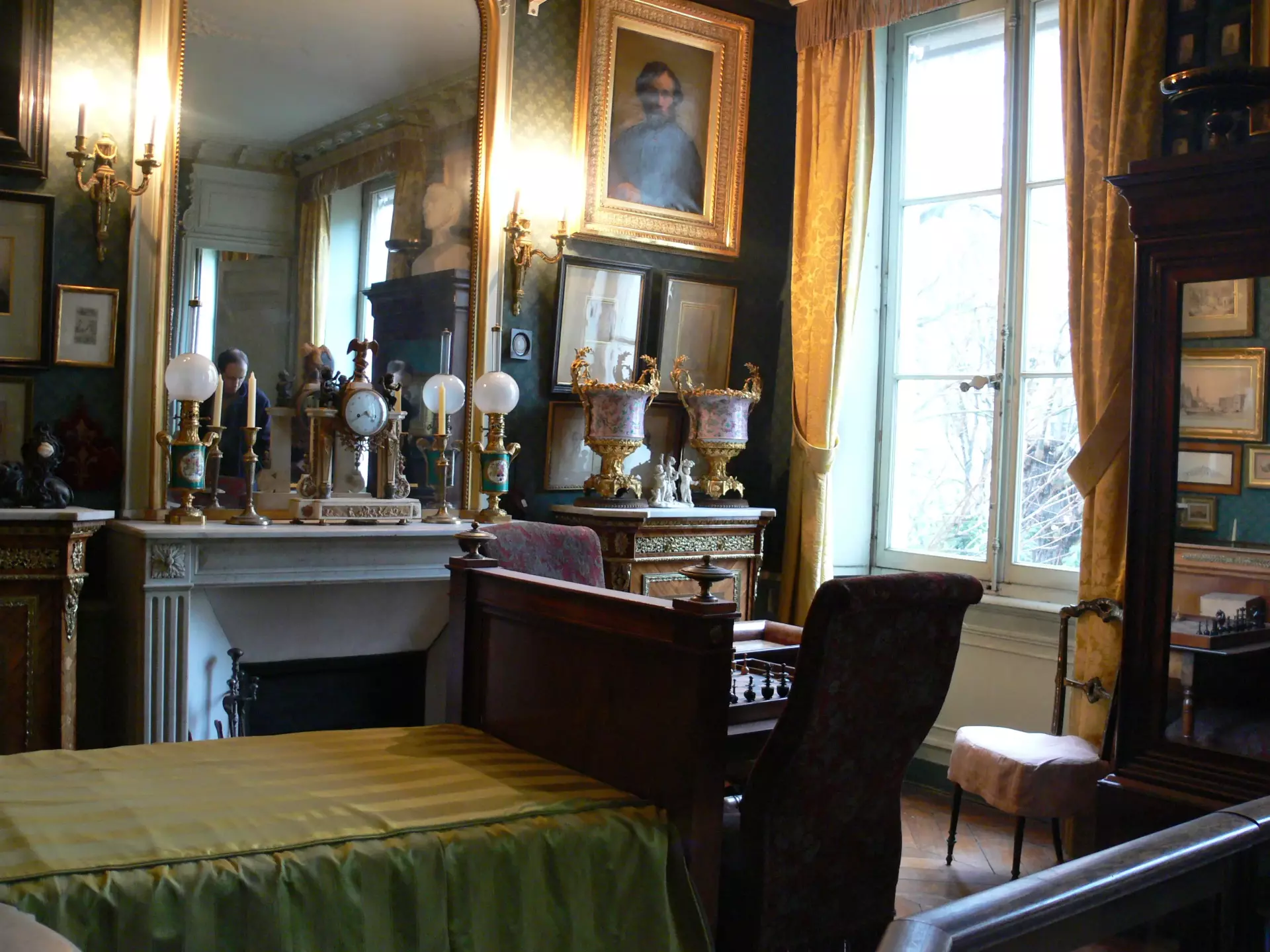
The Pasteur Museum is housed in the apartment where the great scientist spent the last 7 years of his life. Hardly touched since that time, the museum is full of personal memorabilia and scientific instruments. Pasteur is buried on the grounds in a flamboyant mosaic-decorated mausoleum. The museum was closed to individual visitors for security reasons after the 13th November 2015 Paris terrorist attacks.
It was conceived by Louis XV as a grand neo-classical church honouring St. Geneviève, the patron saint of Paris. After the Revolution, the building was converted into a mausoleum for the great philosophers, military, artists, scientists, and heroes of the French Republic. Occupants of the crypt include Voltaire, Rousseau, Victor Hugo, Zola, the Curies, and Alexandre Dumas (reinterred here in 2002). The view from the dome (206 steps) is marvellous. Check tour departure times at the information desk. A fascinating reconstruction of Foucault's pendulum also hangs within the Panthéon.
The sleaze of boulevard de Clichy between place Pigalle and place Blanche can provide a moment of distraction. Be warned if you are male it is better to do this in the company of a female fellow traveller, as the clubs often send the girls outside to attempt to physically drag passing men off of the street. These strip clubs are big ripoffs. They tempt you with a free drink for €10 entry; once in the girl who starts dancing orders a couple of drinks (Red Bull) and then before you realise you are presented with a bill ranging from €500-700. They have these big bouncers who threaten/manhandle you till you arrive at some settlement with them. The whole of Pigalle is a rip off, best avoided. The police know about these places but nothing is done.
The building has a freely accessible rooftop which allows for a beautiful bird's-eye view of the northern half of Paris.
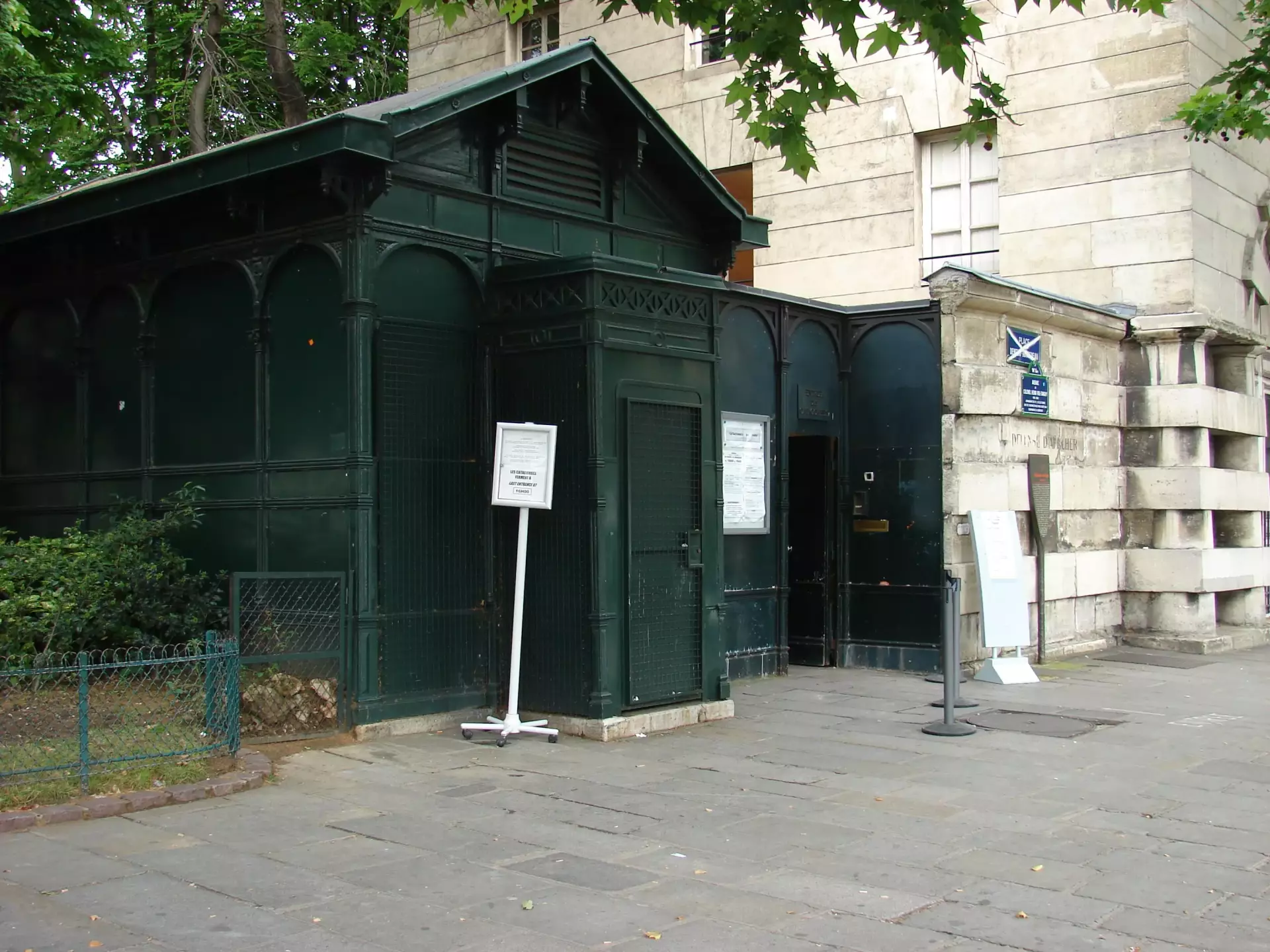
For an interesting take on Paris, check out the underground sewers of Paris. See swords found in the sewers over the years and get an appreciation for what it takes to keep Paris running.
The C.I.U.P. is a student quarter established in 1925, providing homes for about 10,000 students, scientists, and artists from 120 countries. It has 40 houses attributed to individual nations. The individual houses organise top quality cultural and political events. Among the most remarkable buildings are the Fondation Deutsch de la Meurthe, the Heinrich Heine House (Maison Heinrich Heine - Fondation de l'Allemagne), the Swedish Student House (Maison des Etudiants Suédois), and the Swiss Pavilion (Pavillon Suisse) which was built in 1933 on plans of Le Corbusier.
One of the truly great venues for the performing arts anywhere in the world, Paris' new opera house actually managed to inspire some neighborhood protest during its planning and construction. Pretty much everybody is a believer nowadays though. Check out the website for upcoming shows, it might even make sense to plan a trip to Paris around one.
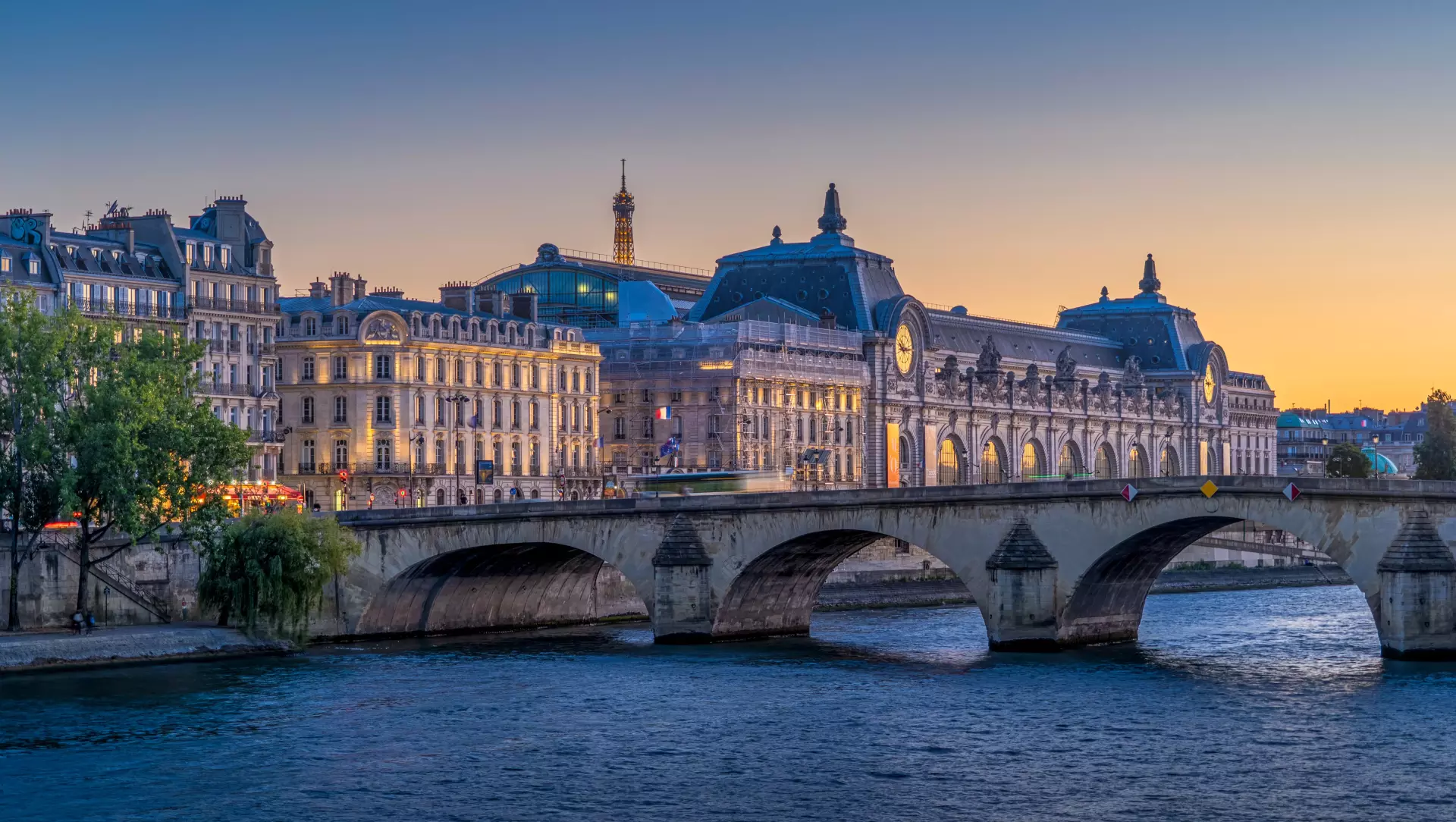
Housed in a former Beaux-Arts railway station (completed in 1900 for the Exposition Universelle, later saved from demolition and converted to its present use), the rambling, open-plan museum is home to the works of the great artists of the 19th century (1848-1914) - Impressionists, post-Impressionists, and the rest - that were formerly displayed in the l'Orangerie. This is perhaps the most spectacular collection of European impressionism in the world—breath-taking rooms full of Manet, Renoir, Monet, Van Gogh, and many others. Impressionist represent the biggest draw, but there is much more to explore.
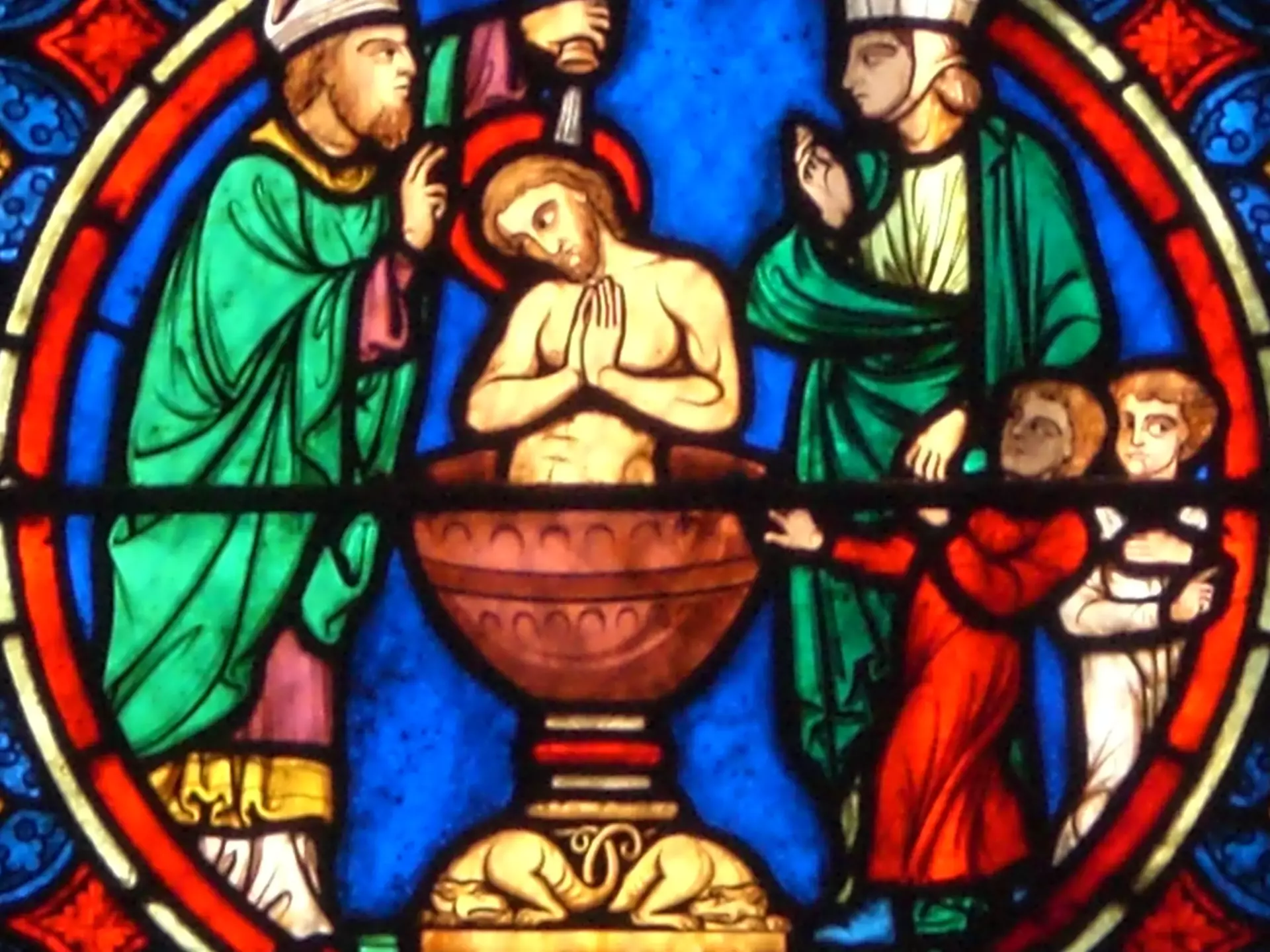
The early Gothic Cathédrale de Notre Dame (Our Lady) has a 12th century design but wasn't completed until the 14th. Still it is a good example of the development of the style, though the west or main portal is a bit unusual in its rigidity. A April 2019 fire caused severe damage, but after extensive renovation the cathedral was reopened to the public in December 2024.
One of Paris's best kept secrets, painted by Monet numerous times. It is a very elegant centre of green in the middle of cosmopolitan Paris. Make sure you check out the statues, entrance rotunda and the surrounding mansions. Thanks to Haussmann himself this precious slice of parkland was reserved for the enjoyment and leisure of the people of Paris. It is unusual in France due to its casual, informal "English" style planning, and is a contrast to other Parisian parks such as the classically laid out and formal Luxembourg Gardens and the Tuileries. Randomly placed throughout the park are scaled-down architectural replicas including an Egyptian pyramid, Dutch windmill, and a Chinese fort. Free Wi-Fi in the park.
Private collection of French, Italian, Dutch masterpieces in a typical XIXth century mansion.
An industrial design museum in Paris that houses the collection of the Conservatoire National des Arts et Métiers (National Conservatory of Arts and Industry), which was founded in 1794 as a repository for the preservation of scientific instruments and inventions.
For a taste of the French countryside, a visit to Bercy Village brings to life the spirit of market shopping inside Paris.
A former fortress and royal residence at the edge of the city, alongside the Bois de Vincennes. Most of the building is open to public.
Reopened after extensive renovations, this small museum near the Louvre houses the Jean Walter and Paul Guillaume Collection, sold to the French Republic on very generous terms and numbering 143 paintings from the late 19th century and the first half of the 20th century (15 Cézannes, 24 Renoirs, 10 Matisses, 12 Picassos, 28 Derains, 22 Soutines). The collection joined the eight immense Water Lilies that Monet gave France in 1922 and which have been displayed since 1927 in two huge oval rooms purpose-built on the artist's instructions.
An ancient Roman theater, the only surviving above-ground ruins of the Gallo-Roman era in Paris (ancient Lutetia, French Lutèce) apart from the nearby Thermes de Cluny. The theatre could hold approximately 15,000 spectators and measures some 132 m x 100 m. Built sometime in the 2nd century CE, the location of the actor's dressing room, the platform of the stage, and lapidary remains can still be seen. The remains were rediscovered in 1869, when new streets were being built. An excavation was subsequently ordered in 1883. The theatre has been preserved as a quiet archaeological park removed from the bustle of Parisian streets.