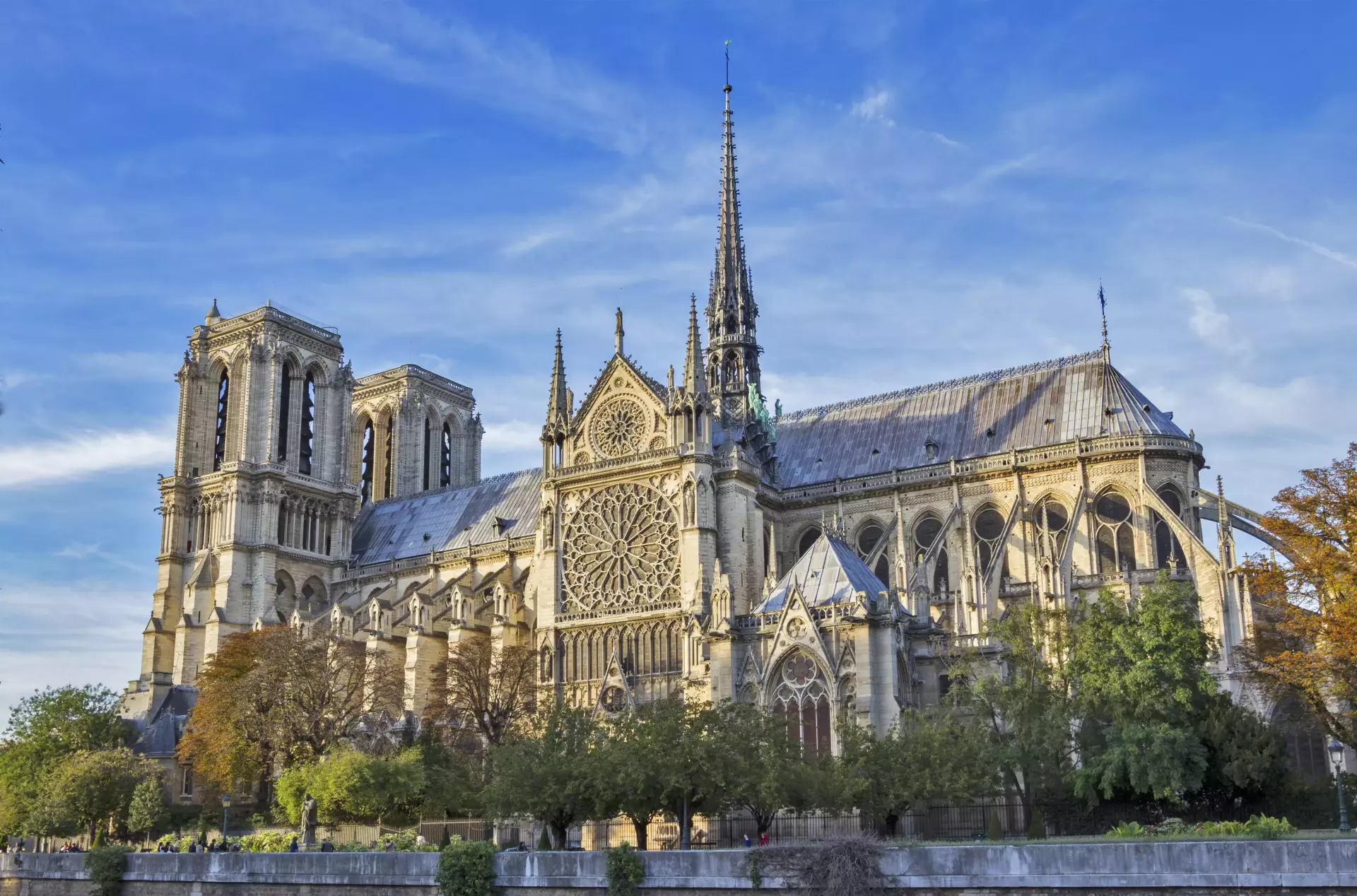
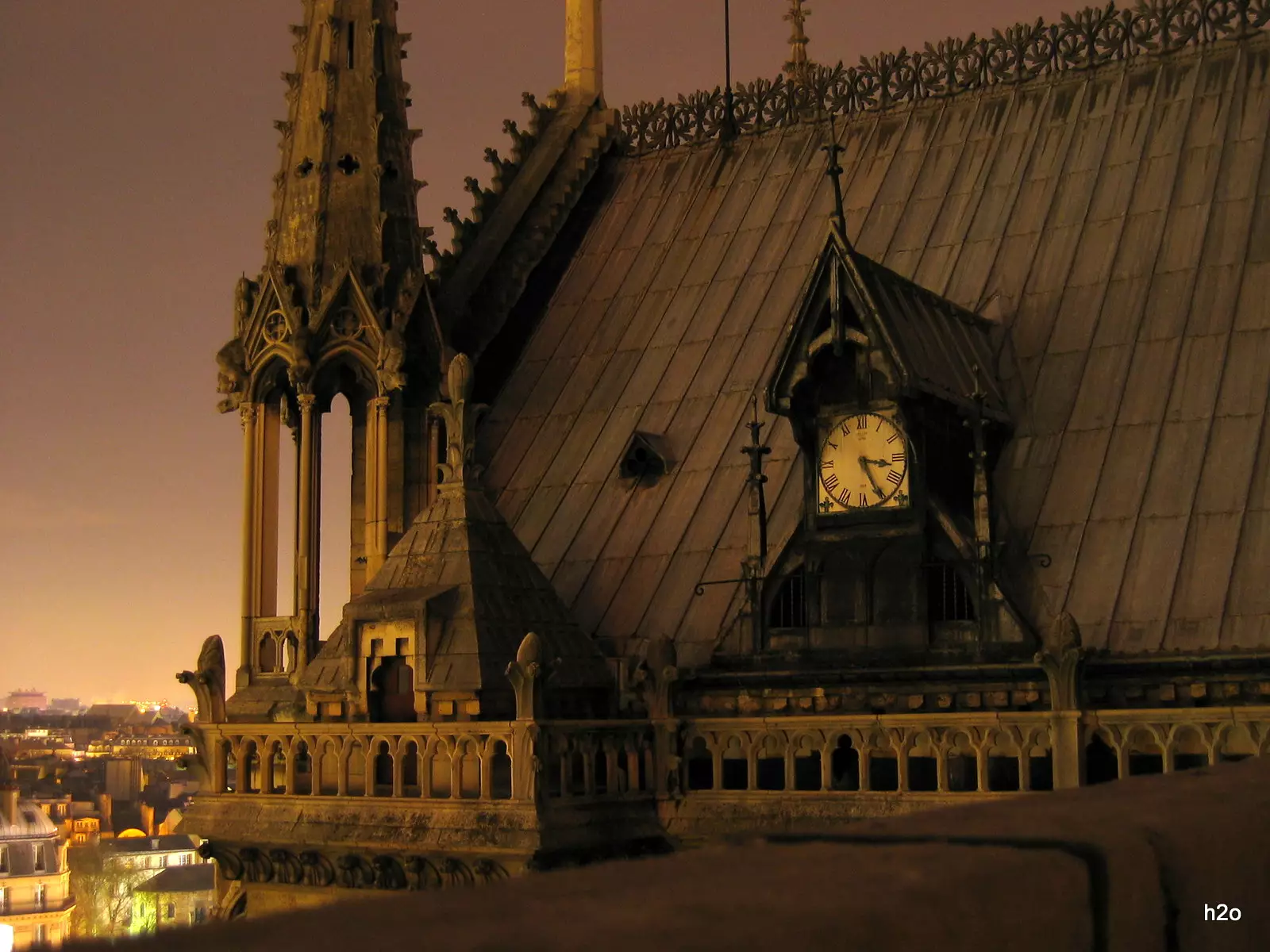
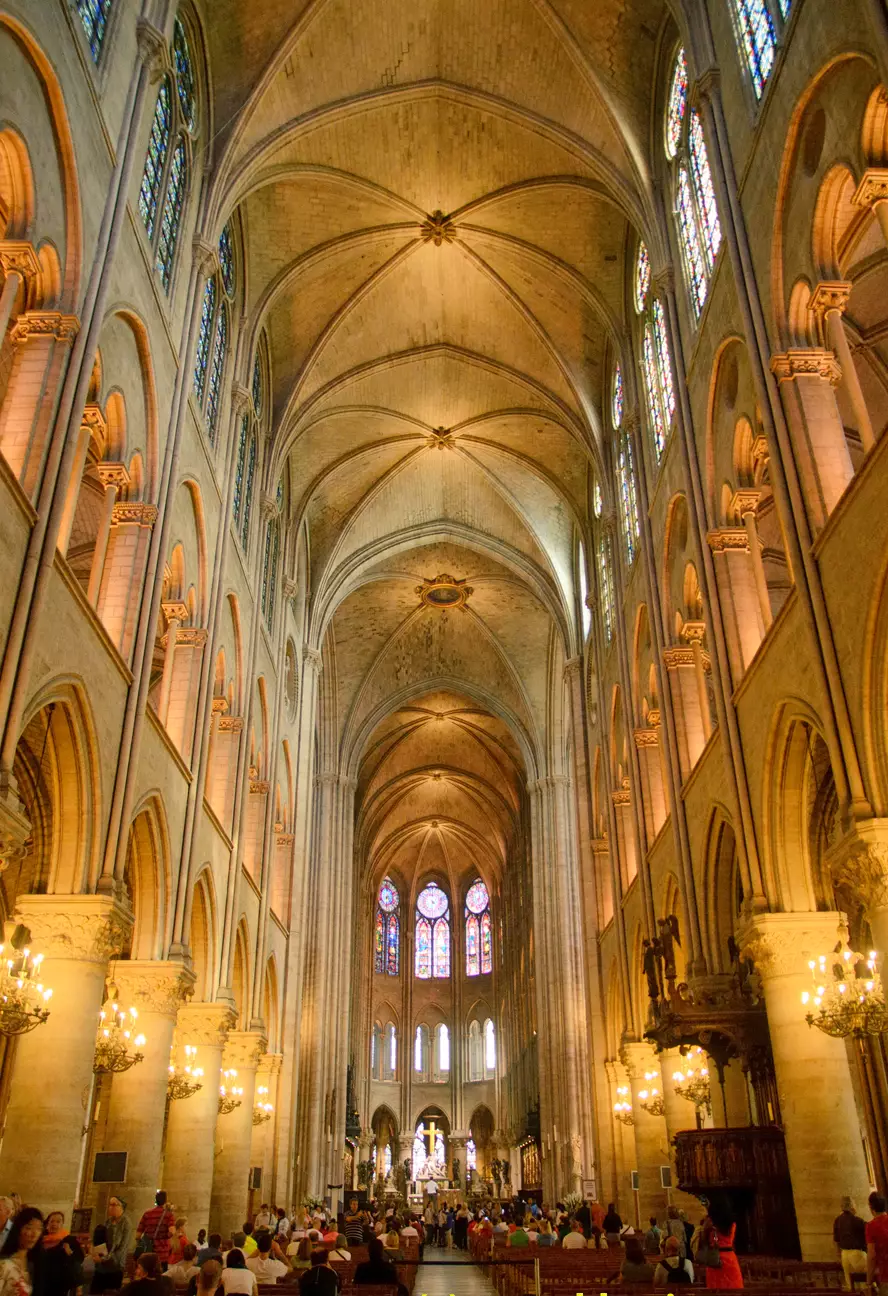
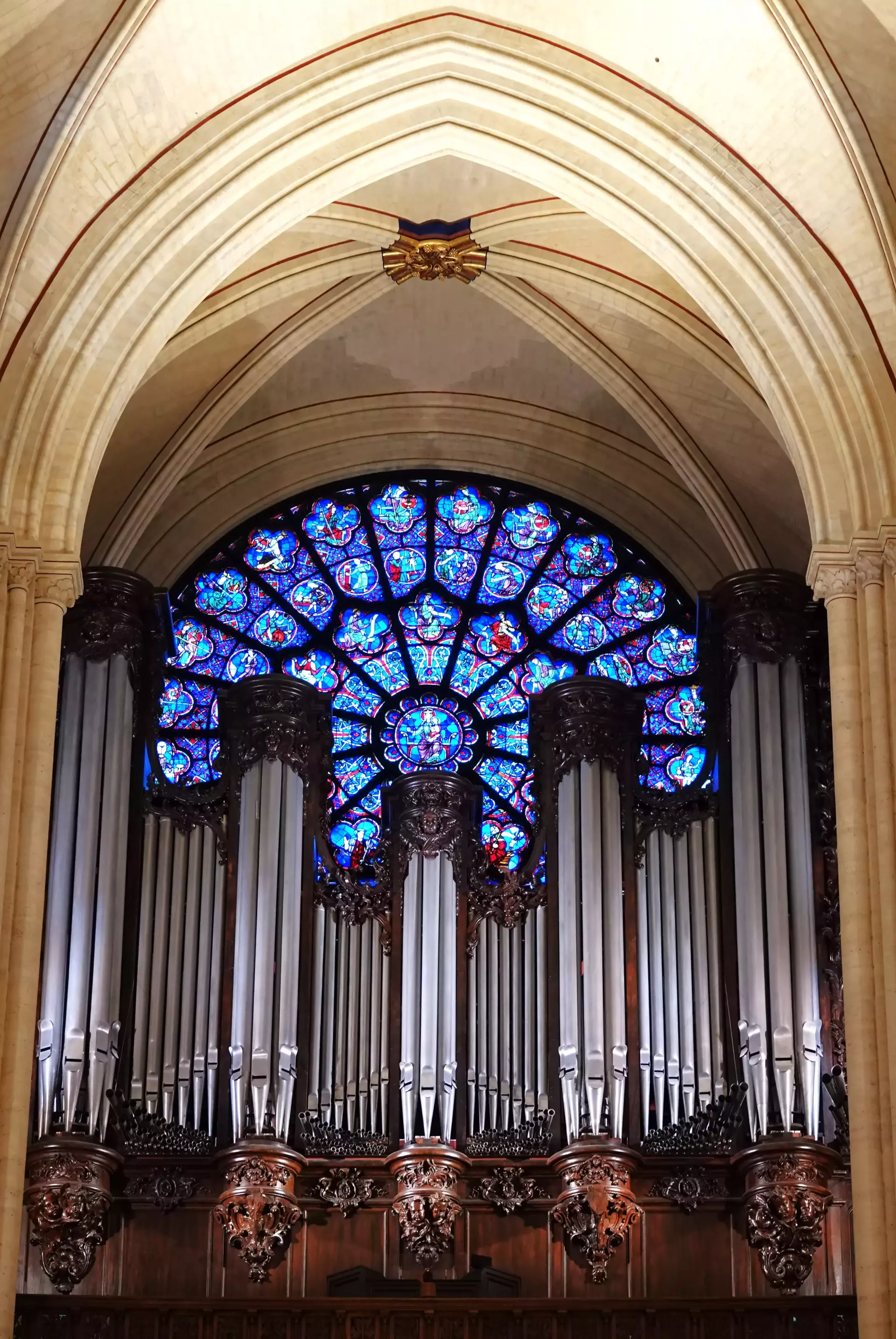
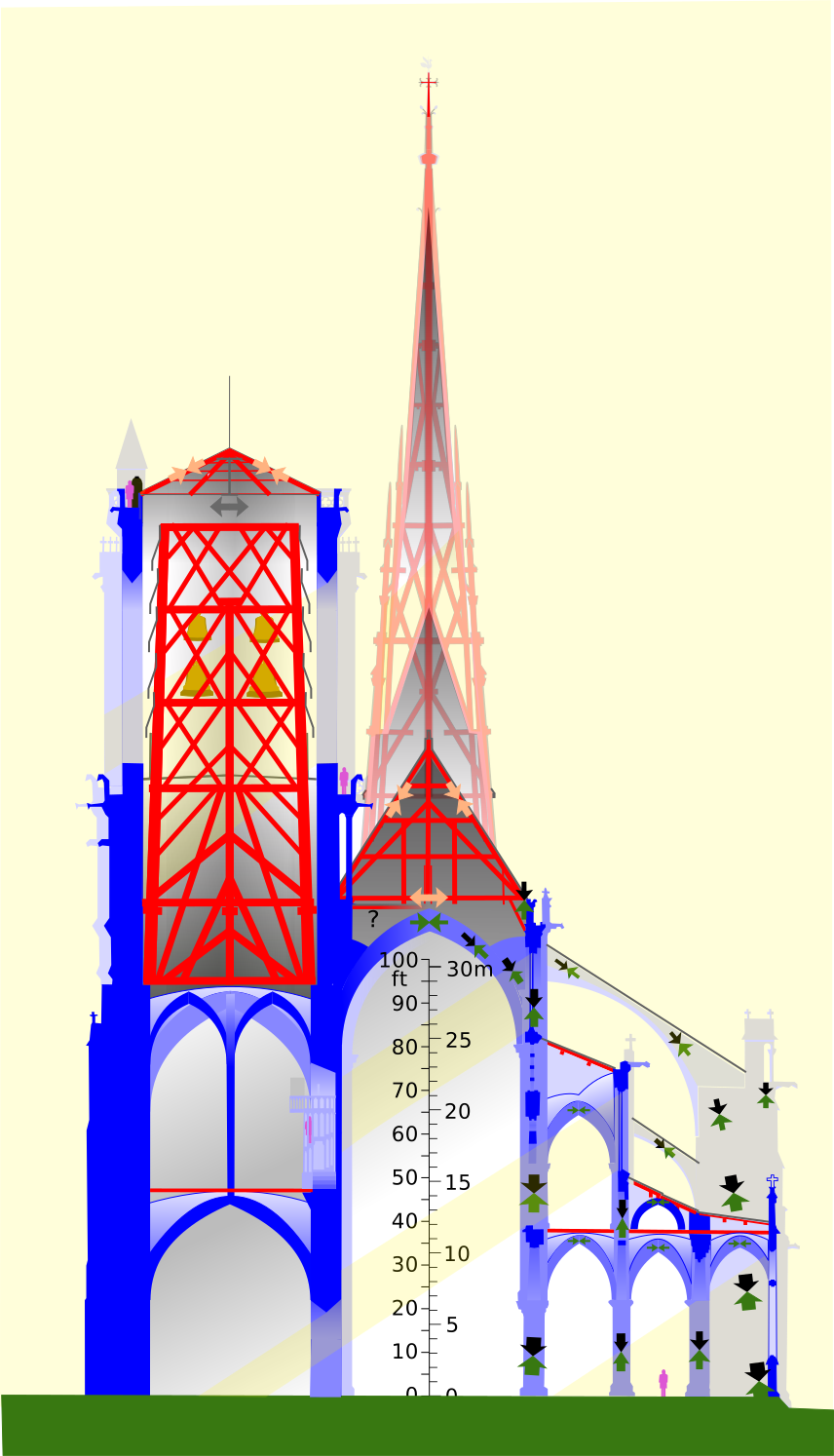
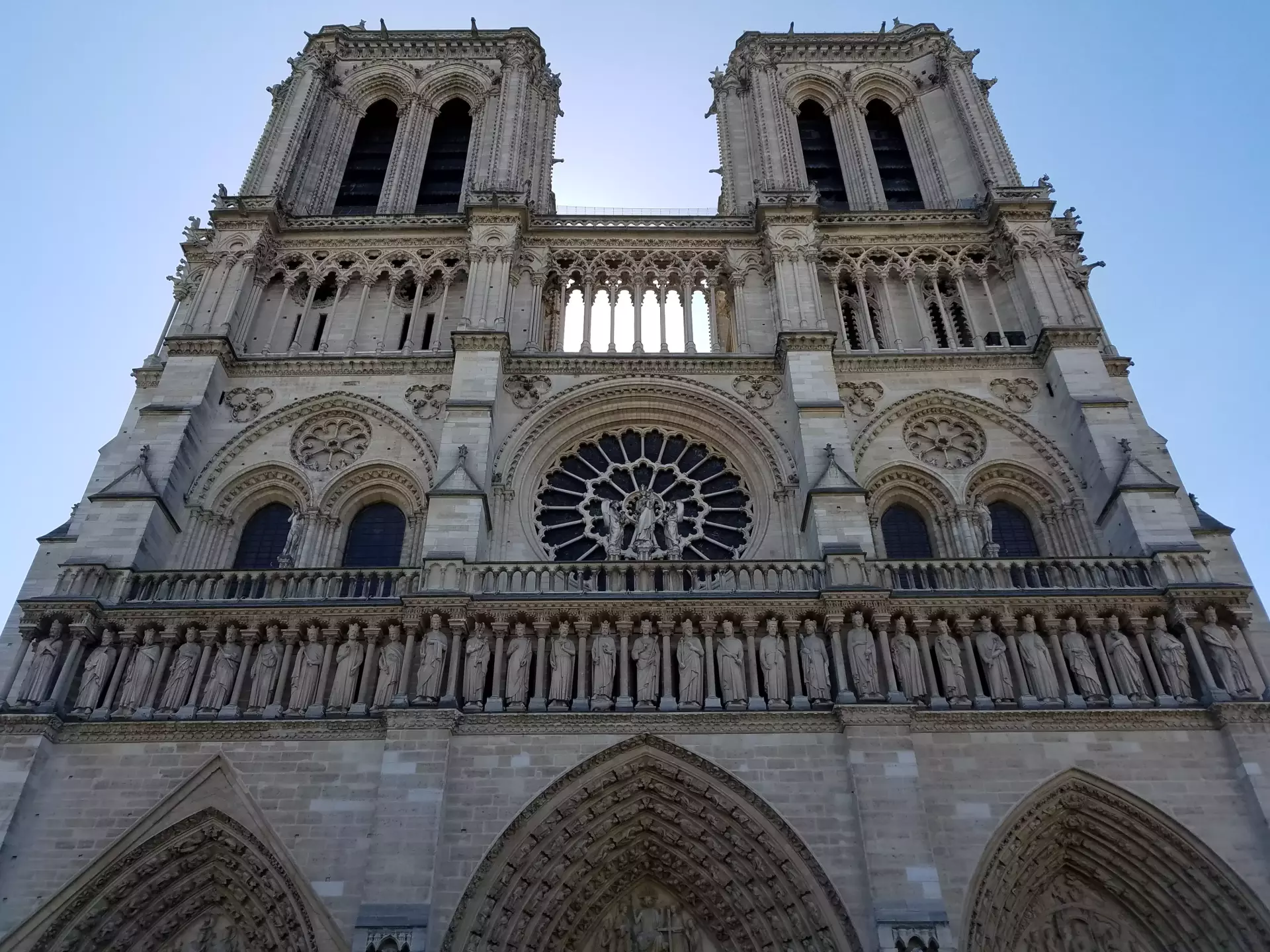
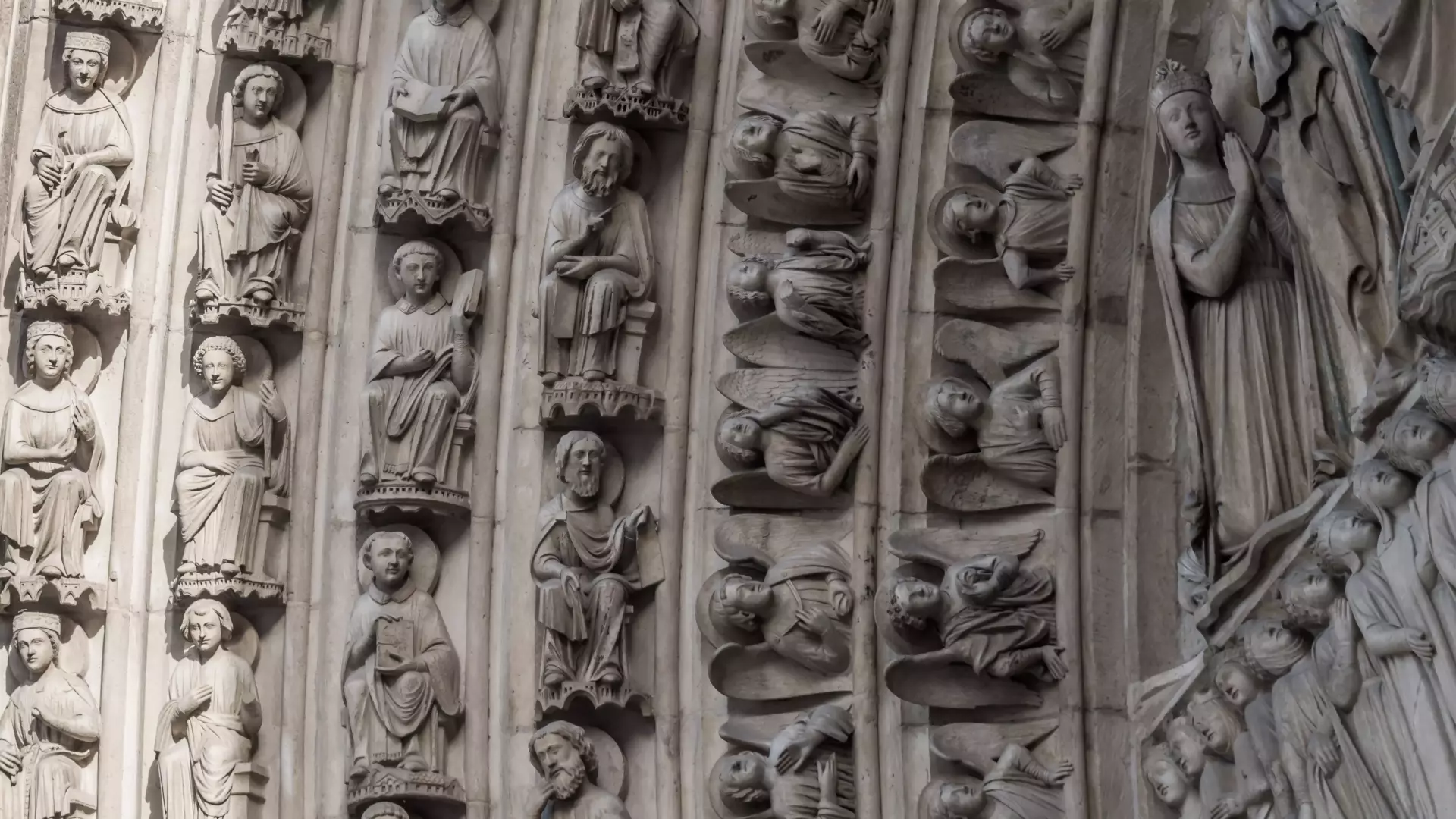
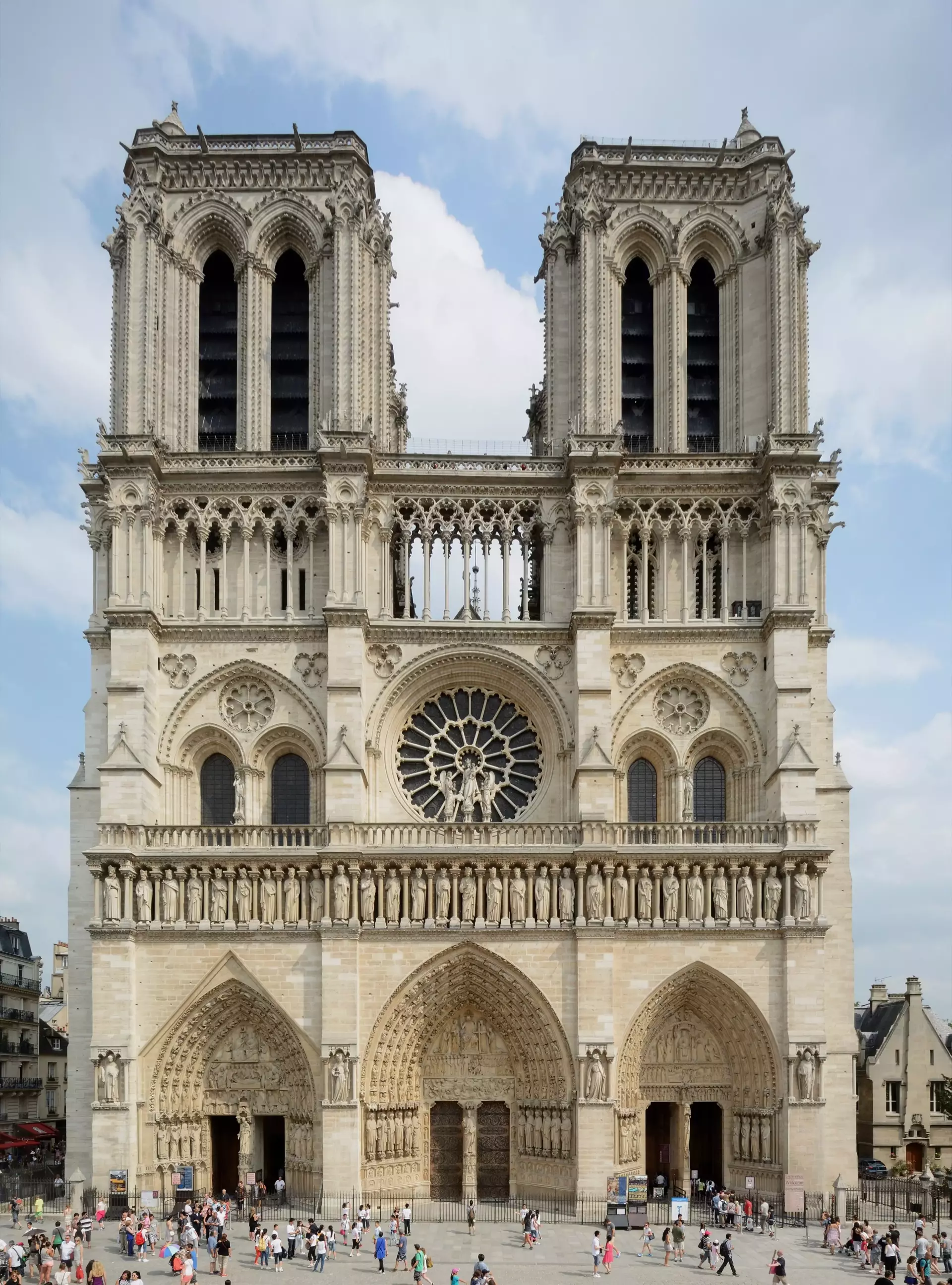
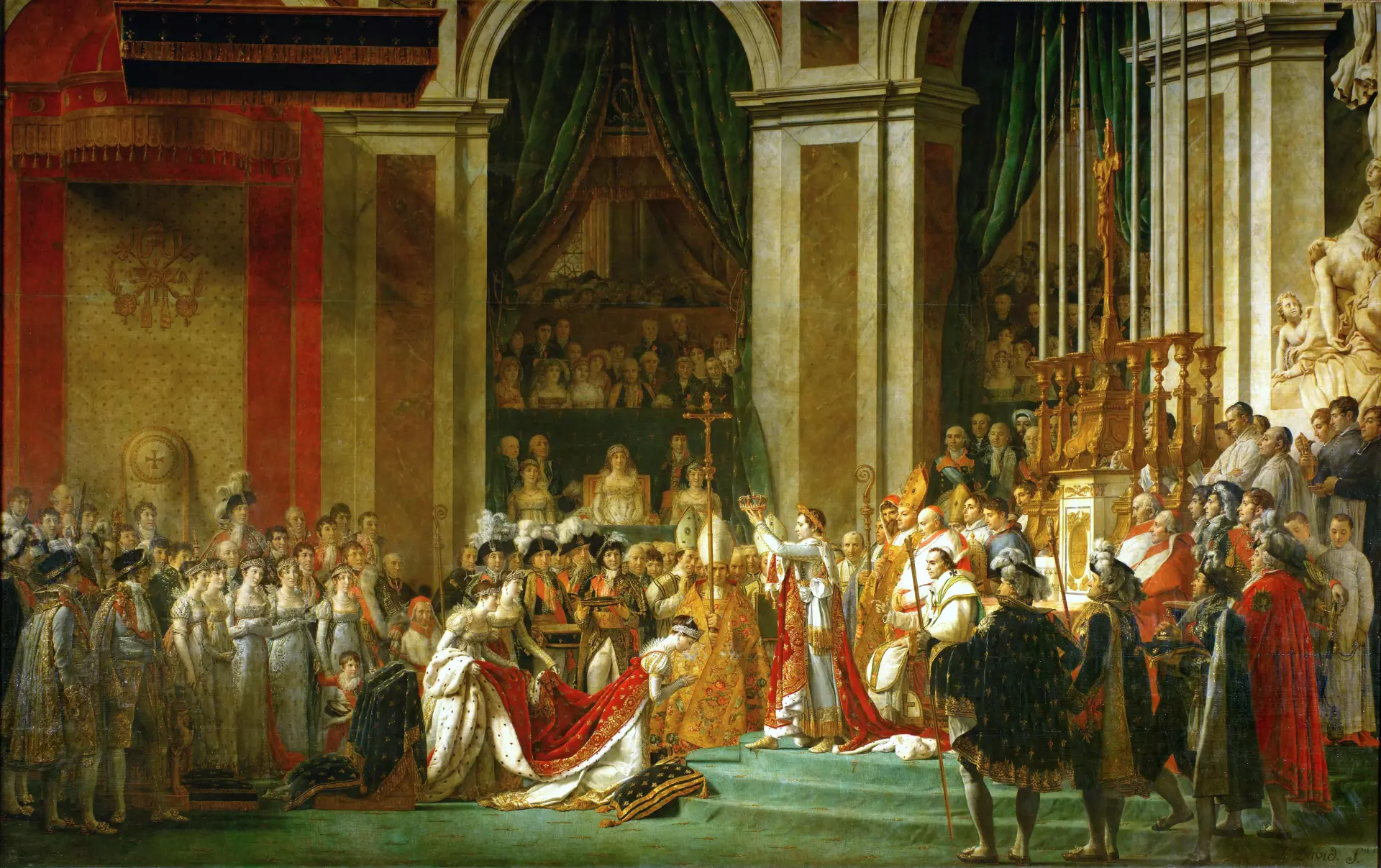
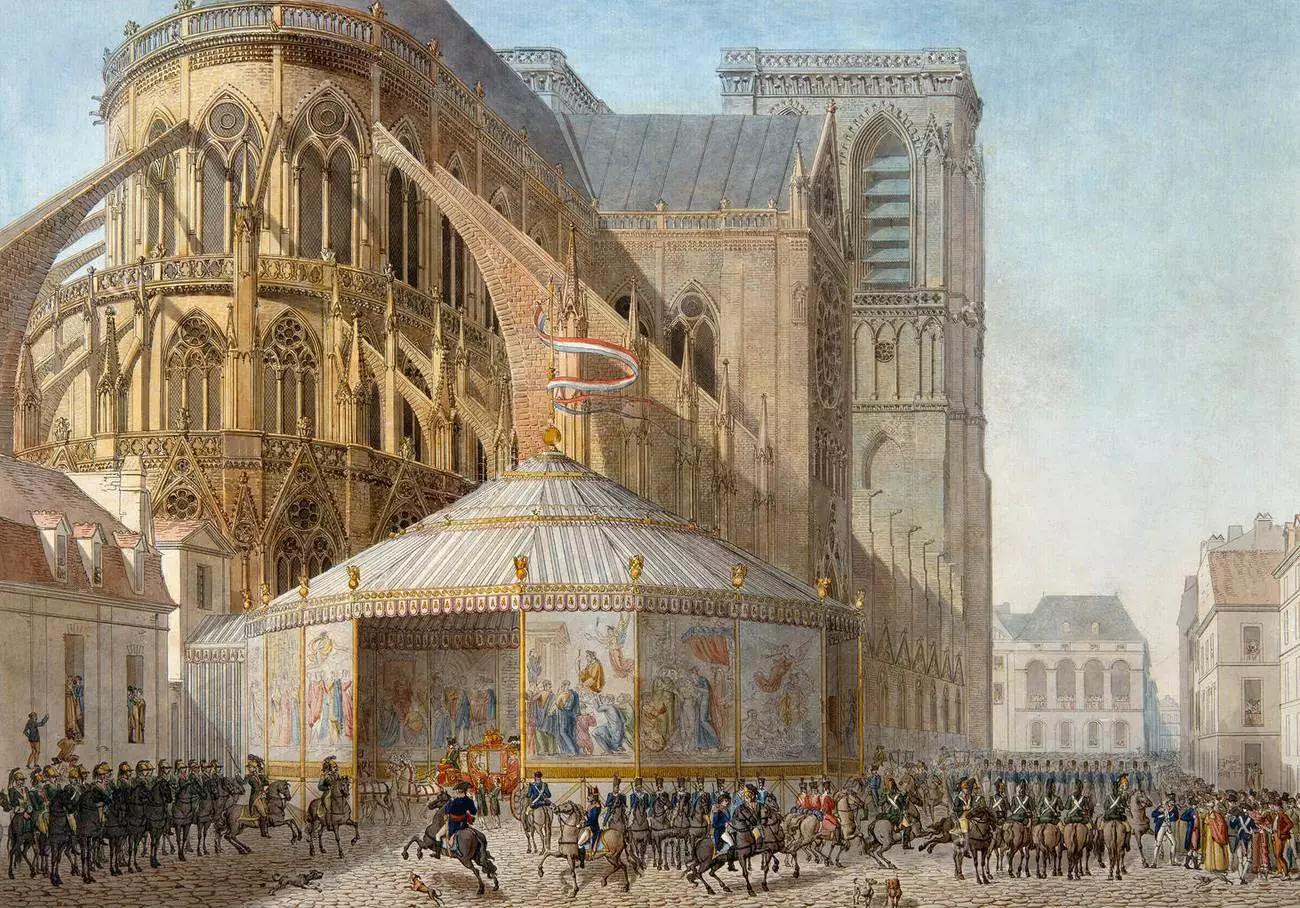
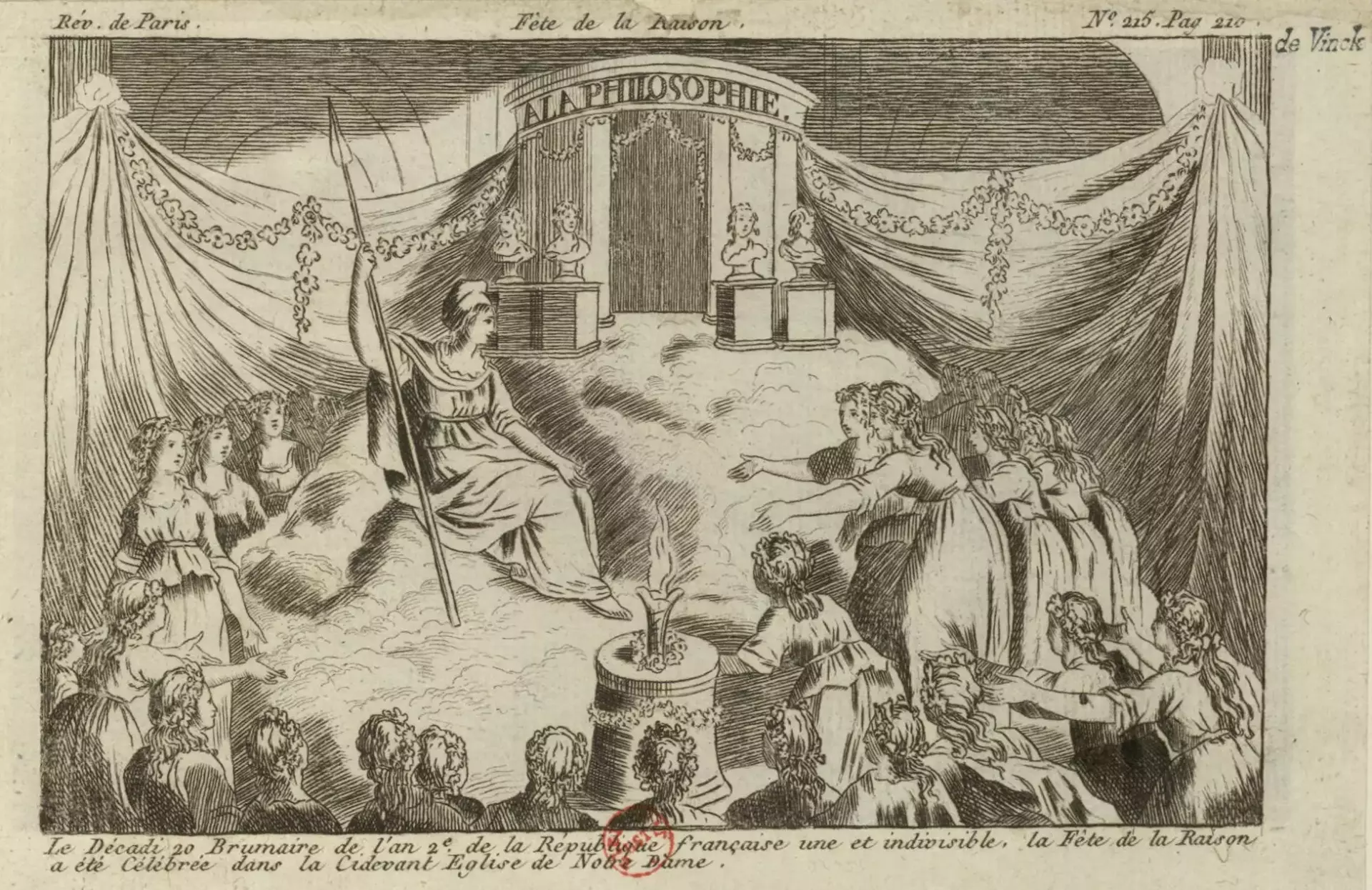
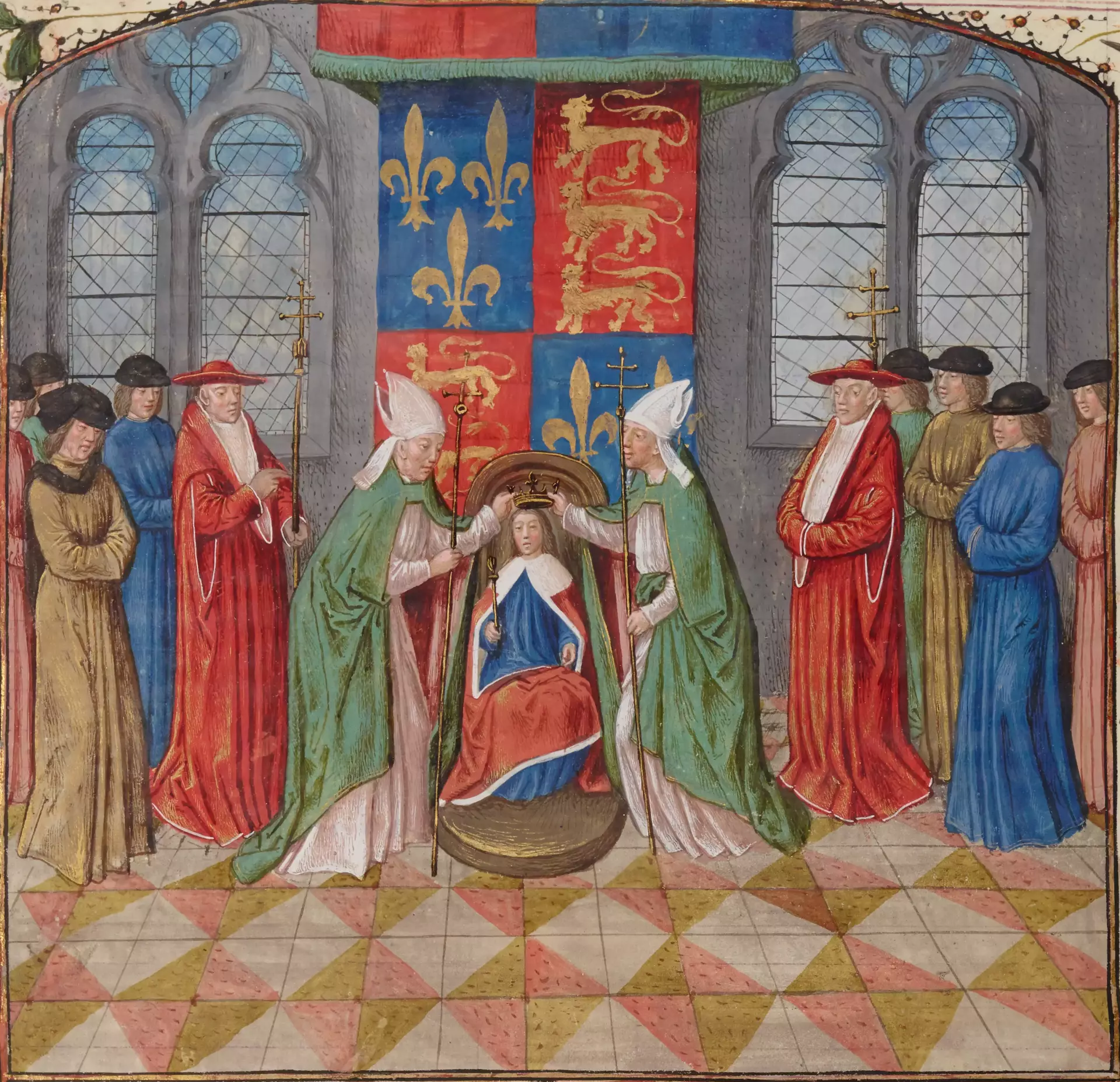
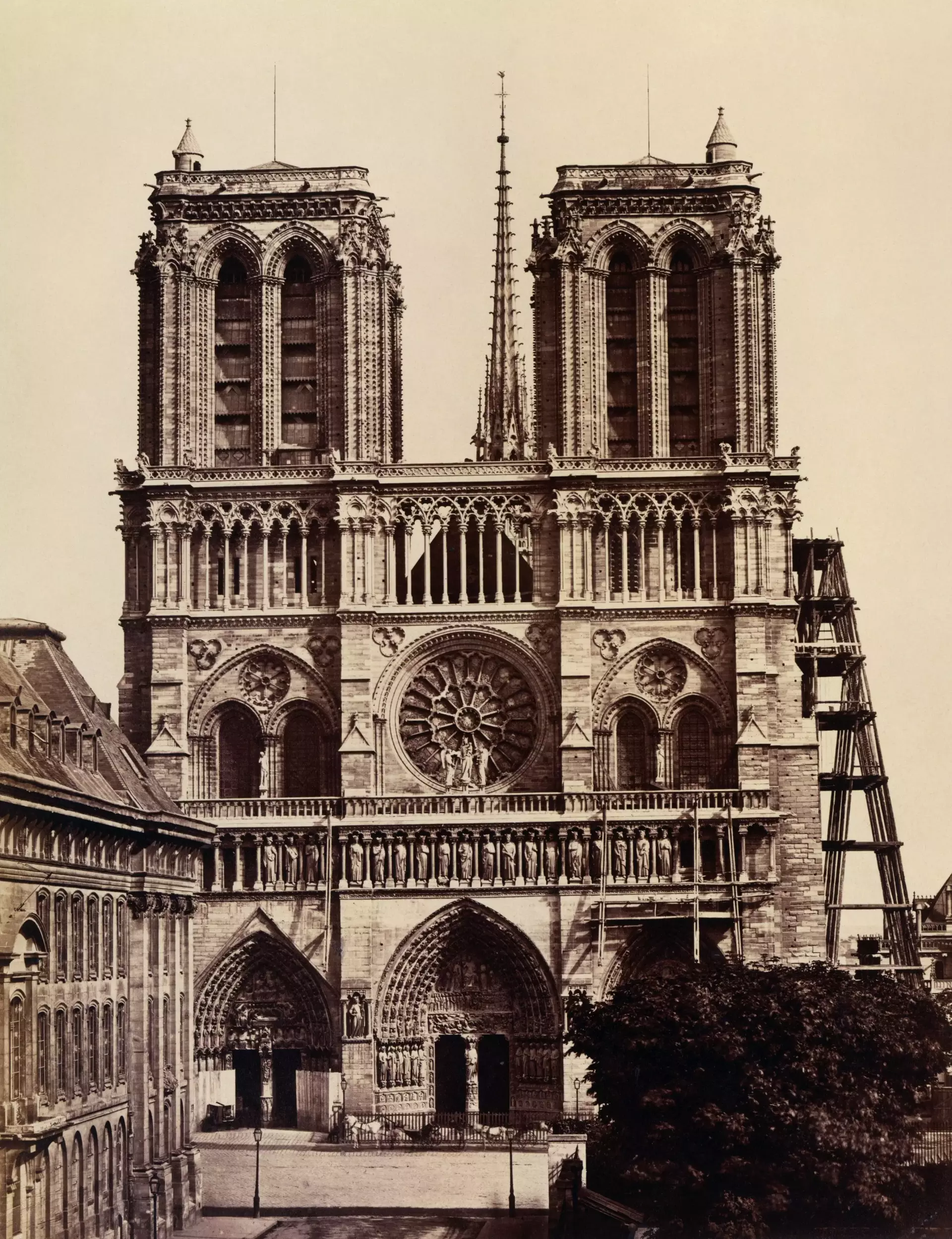
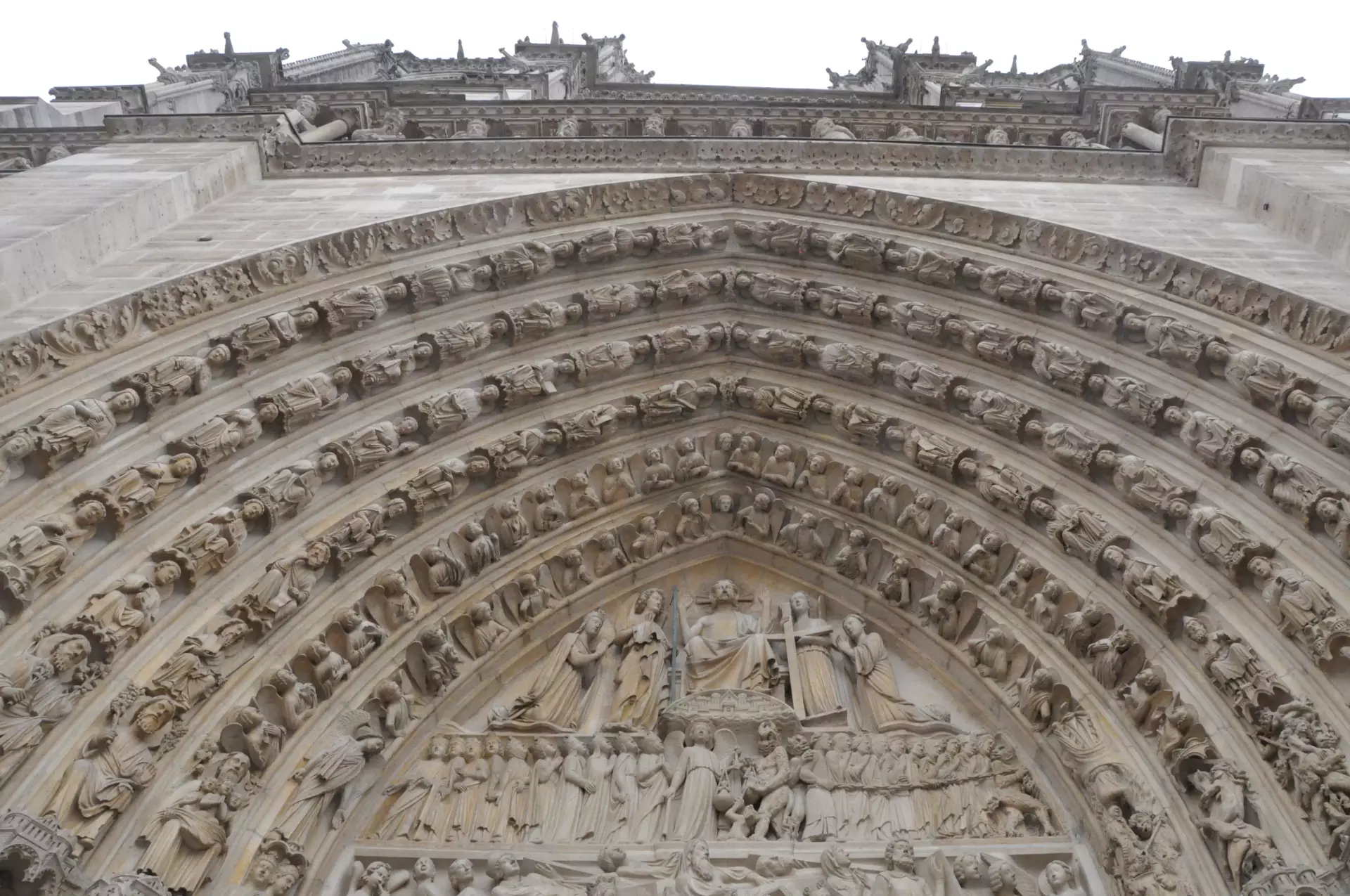
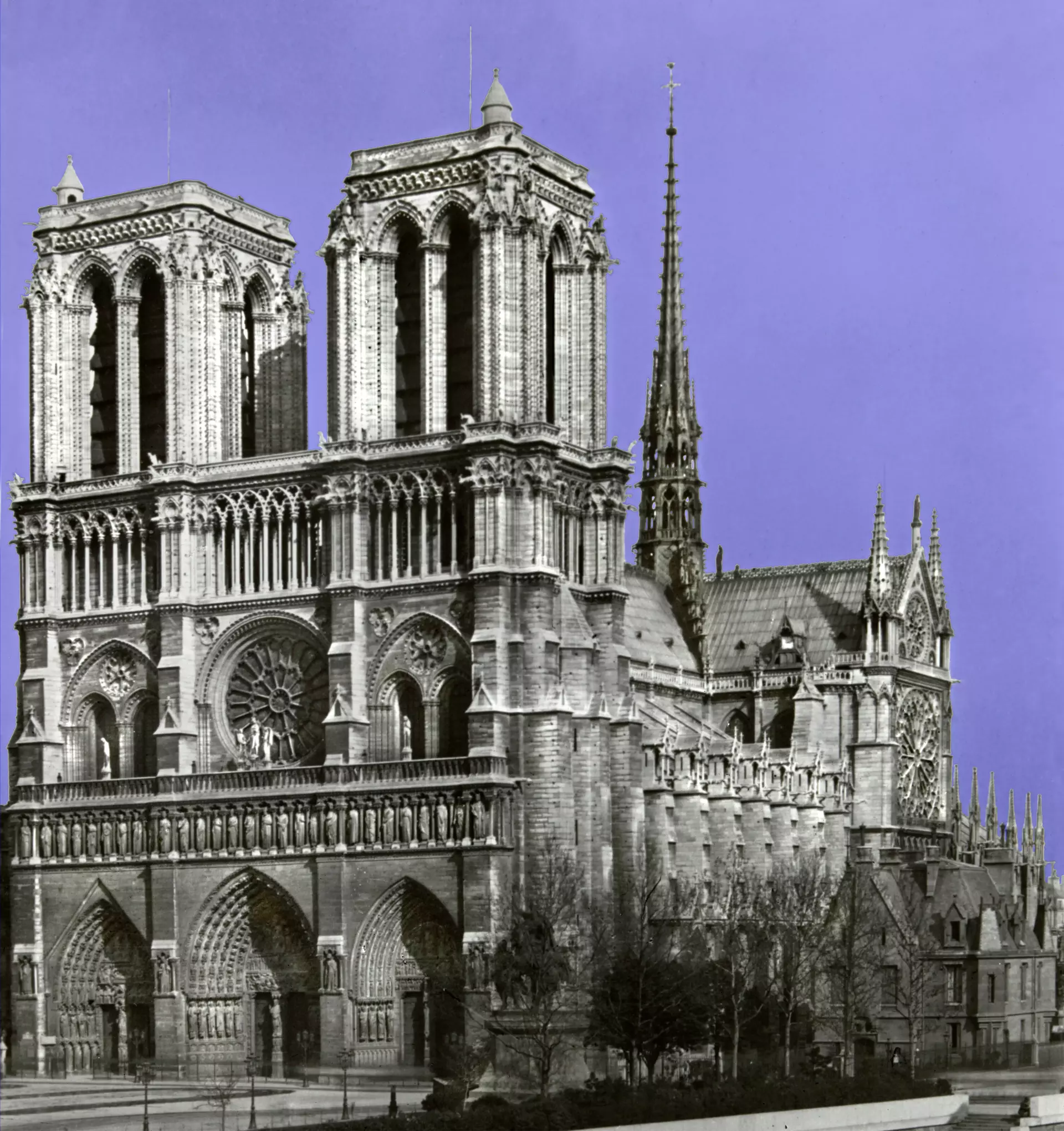
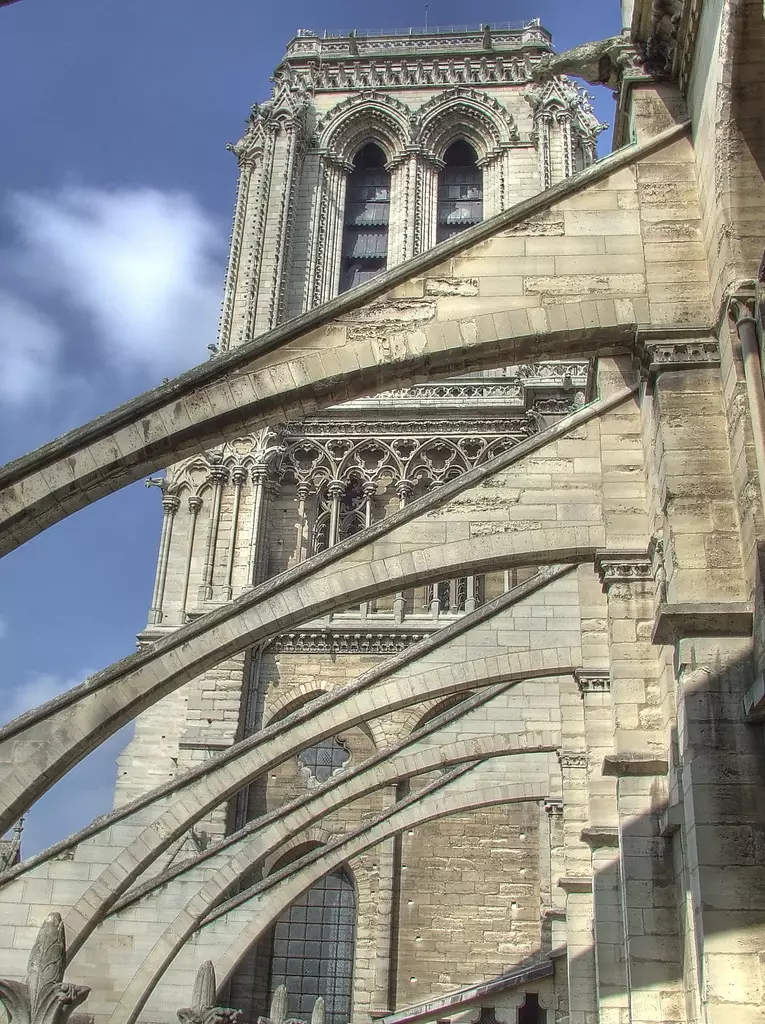
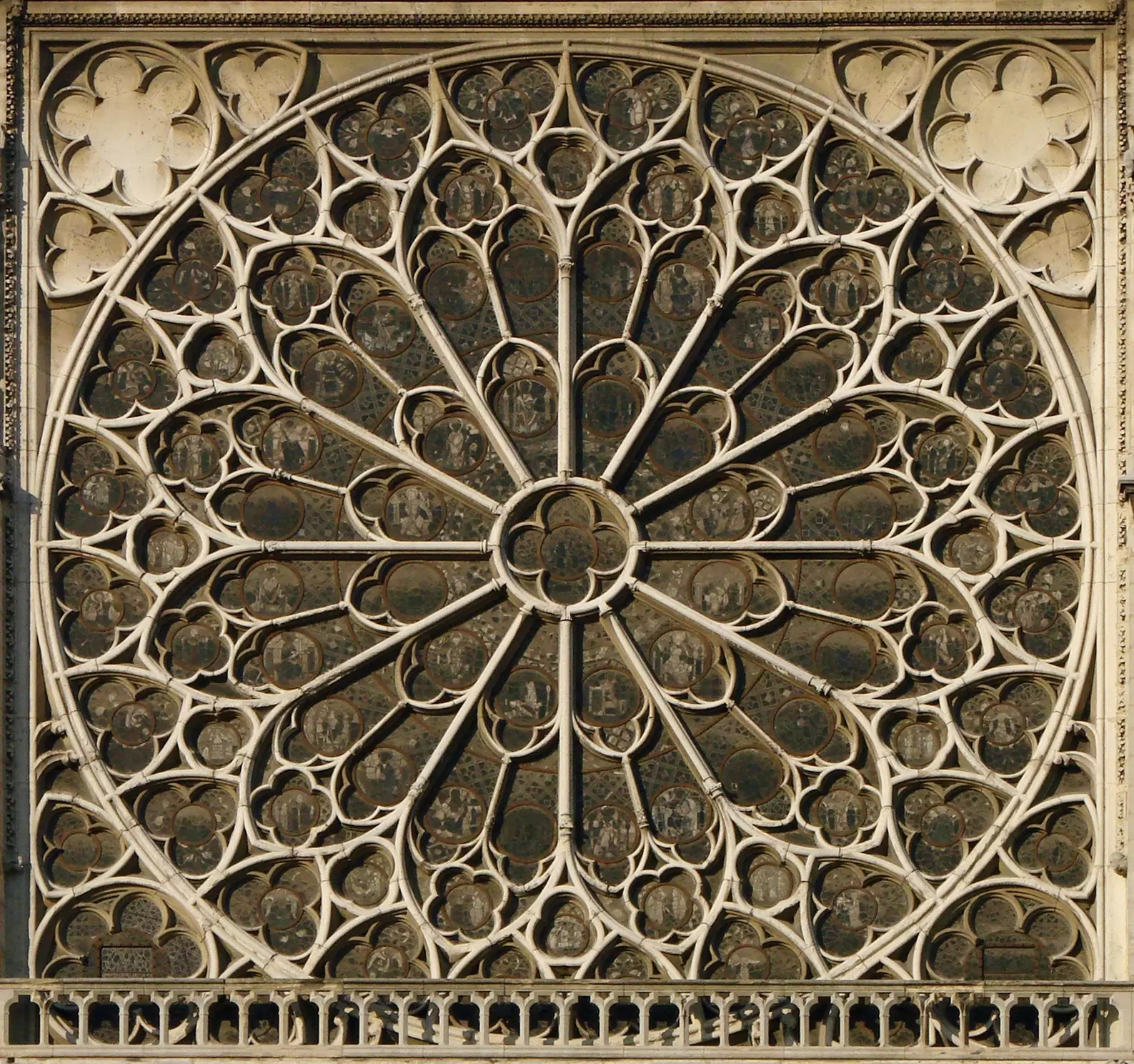
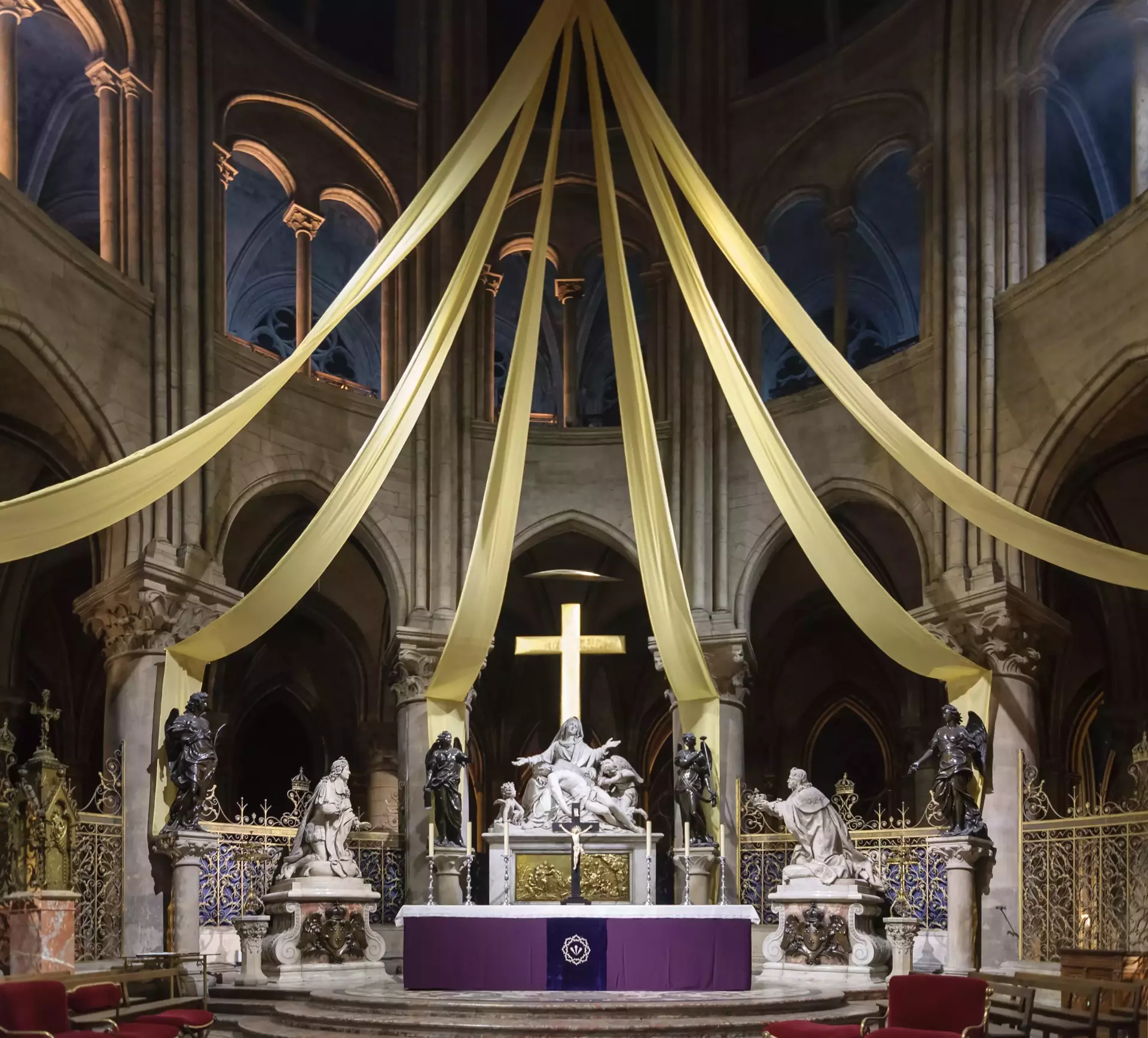
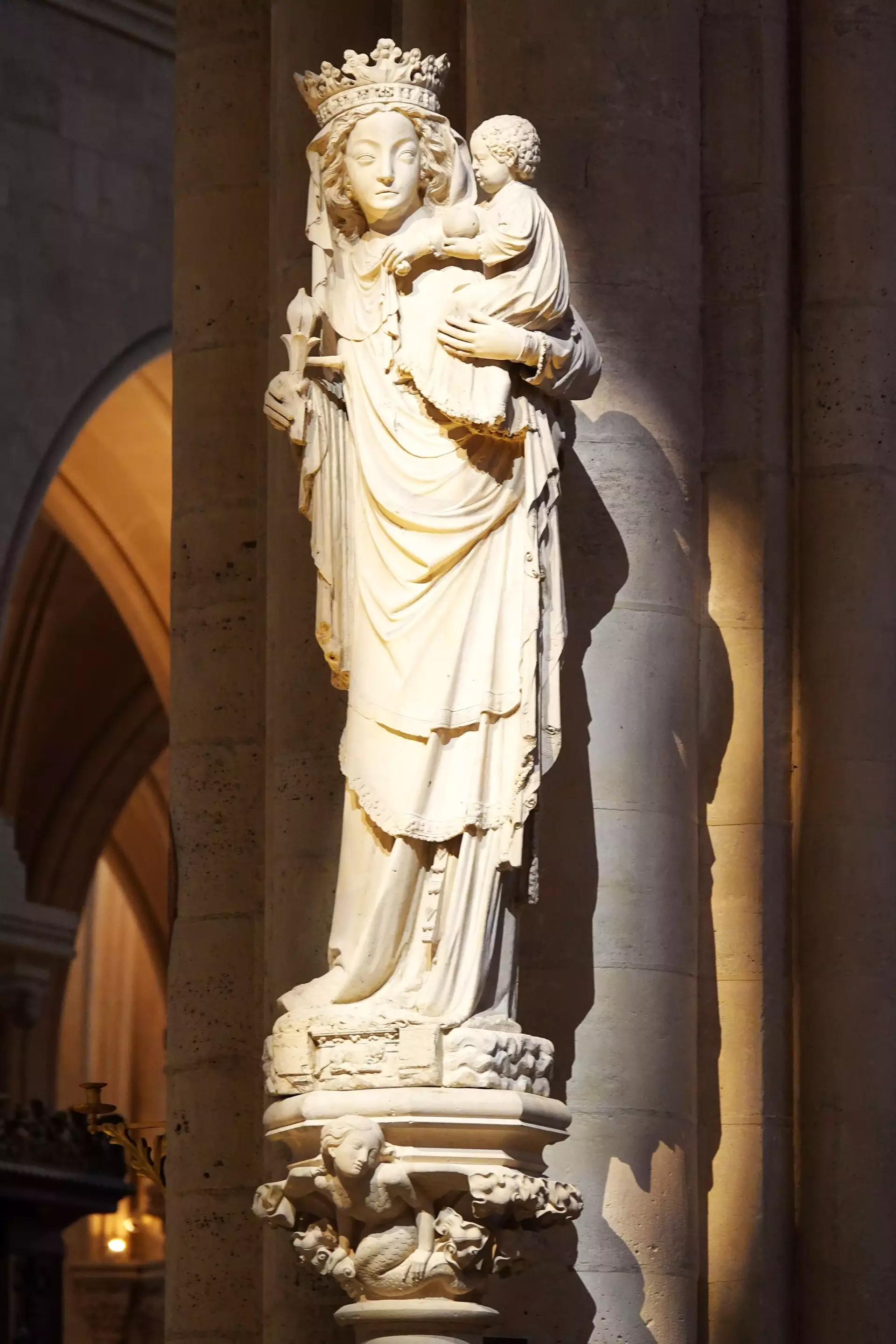
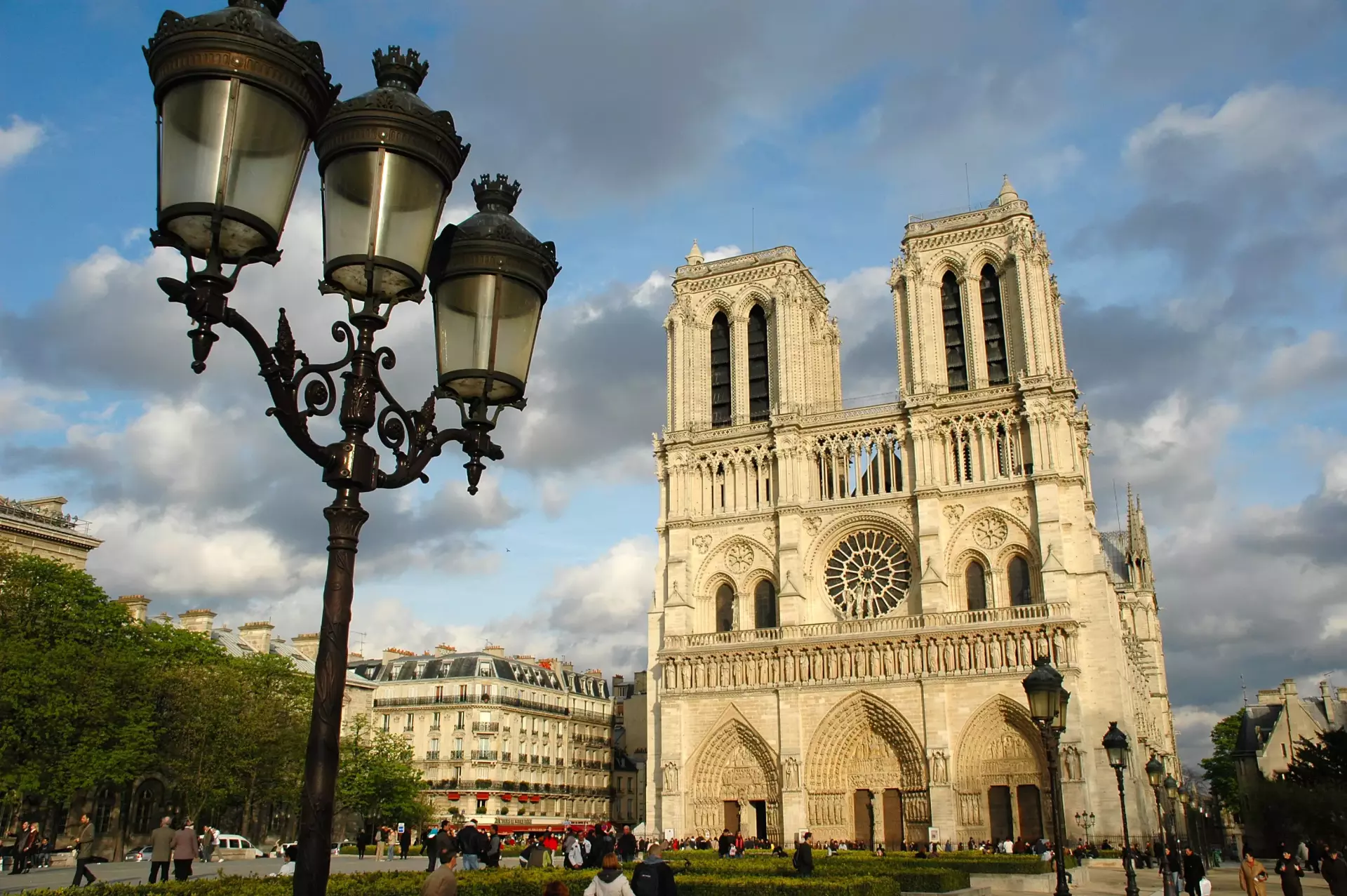
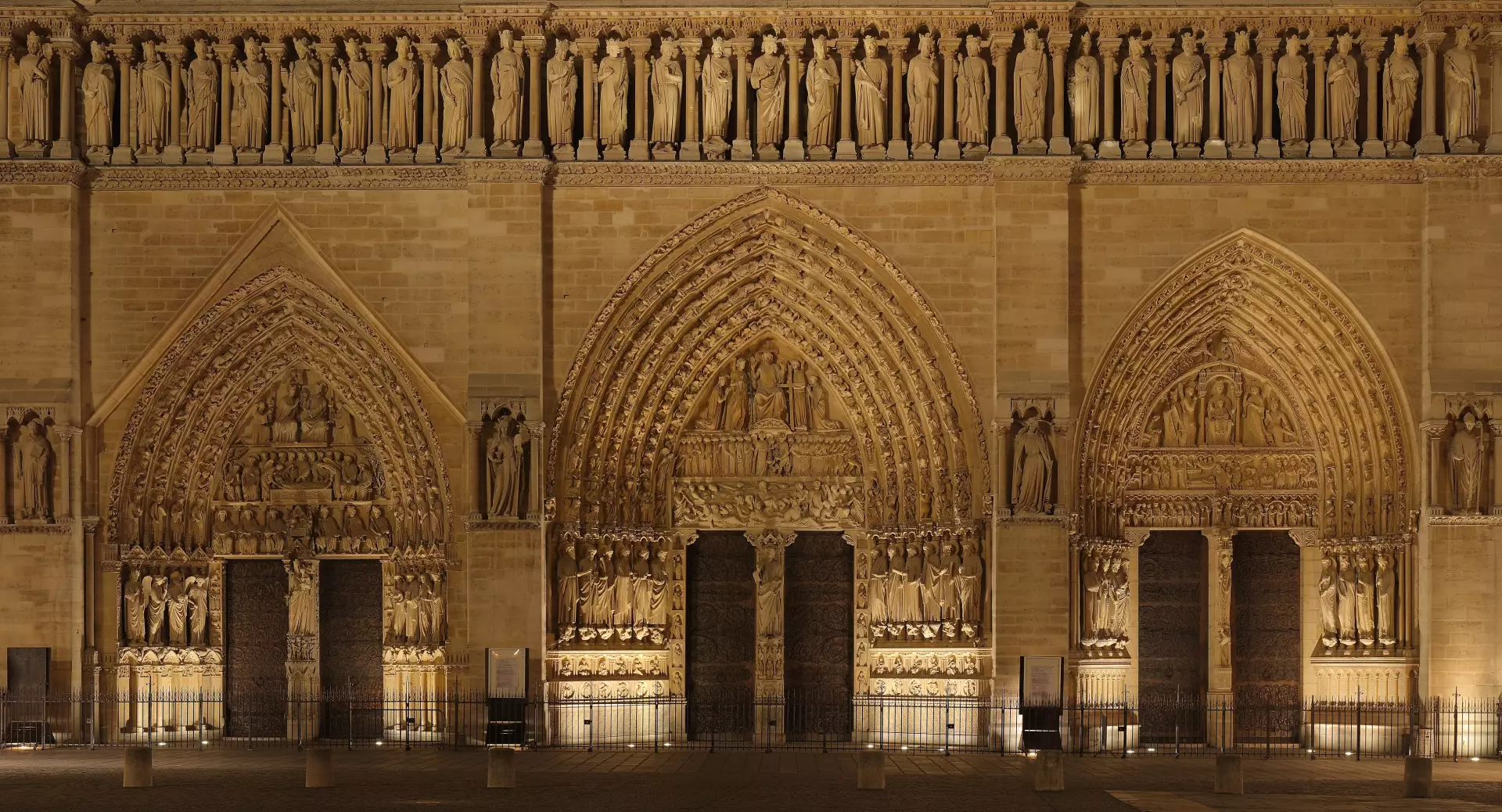
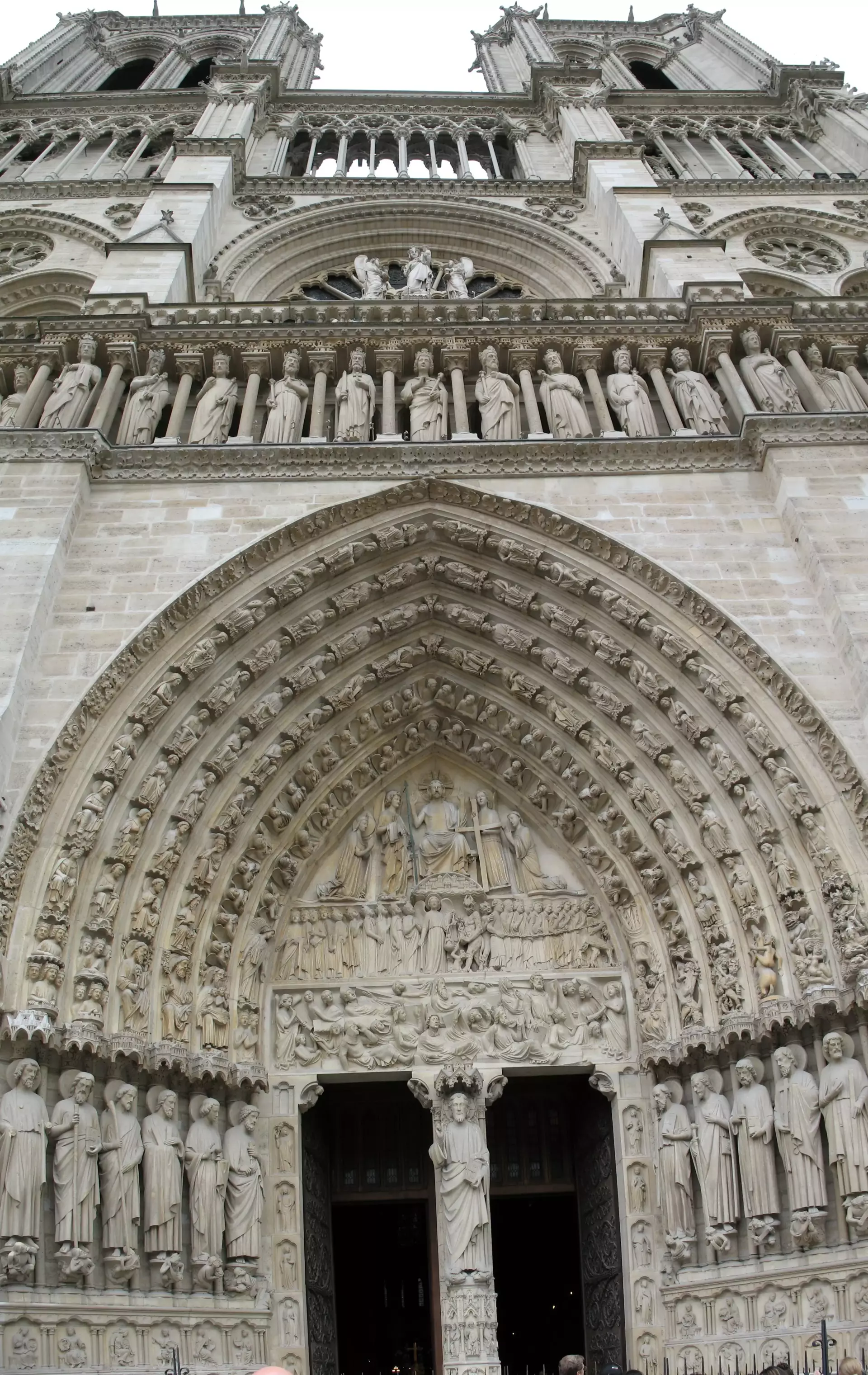
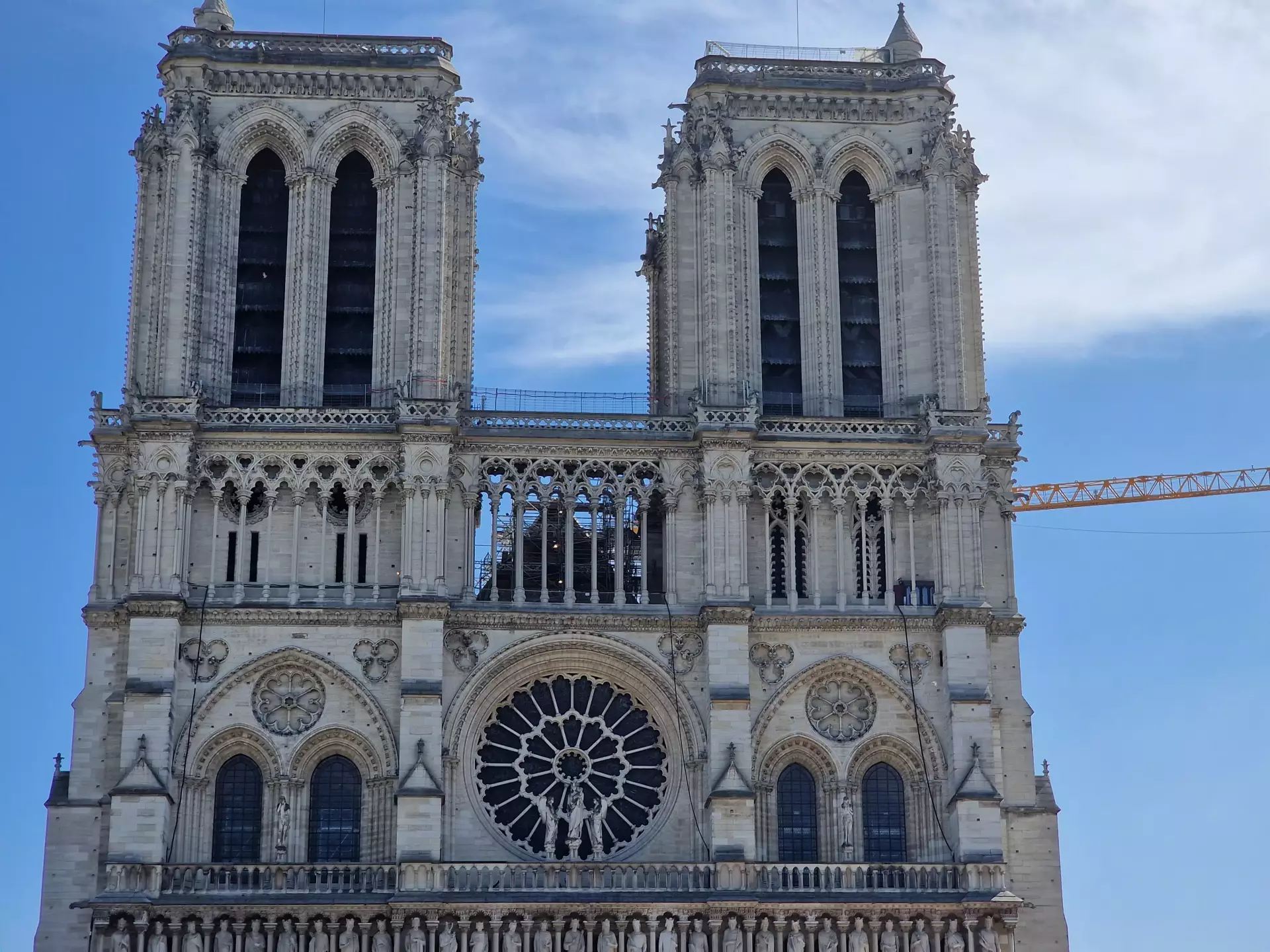
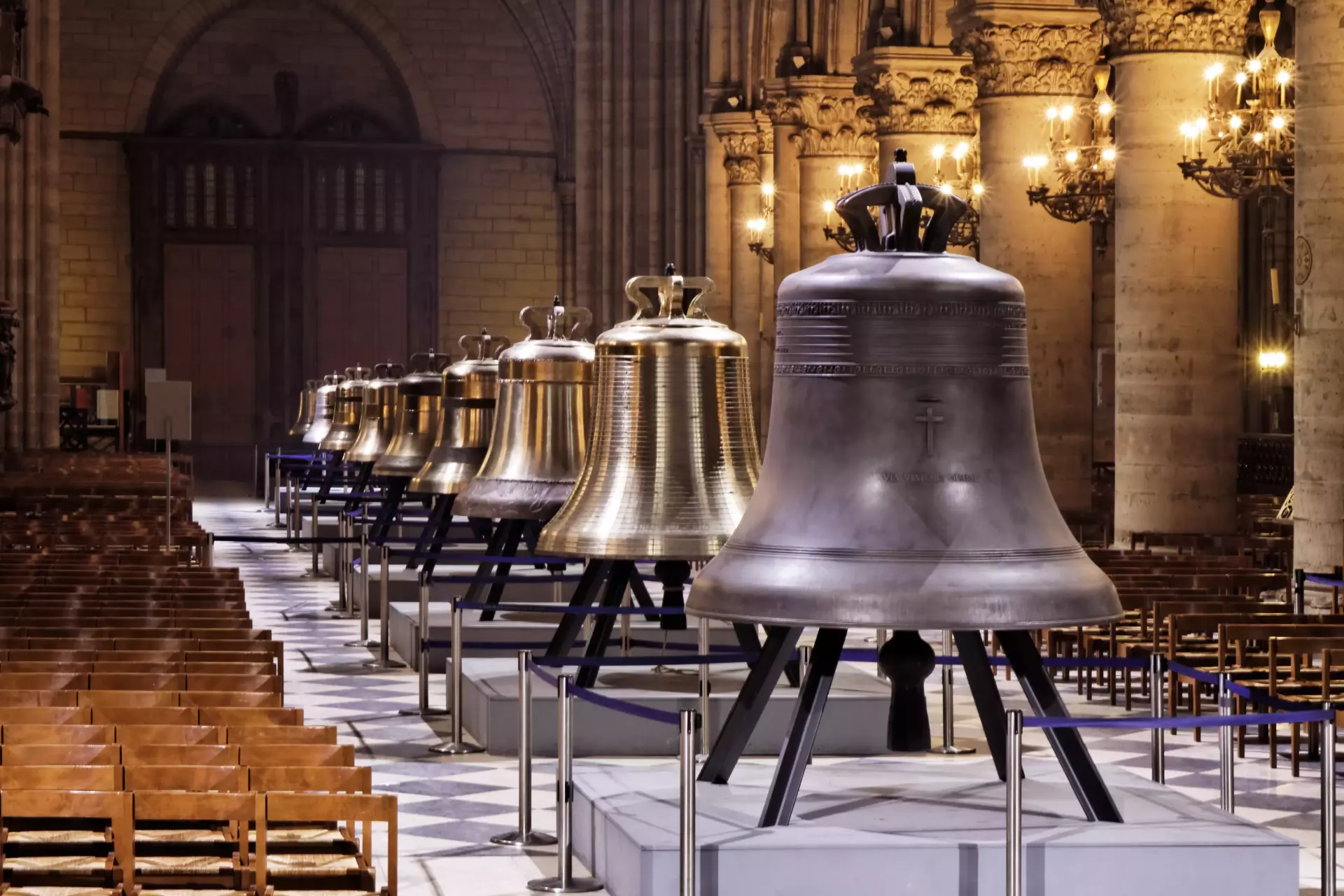
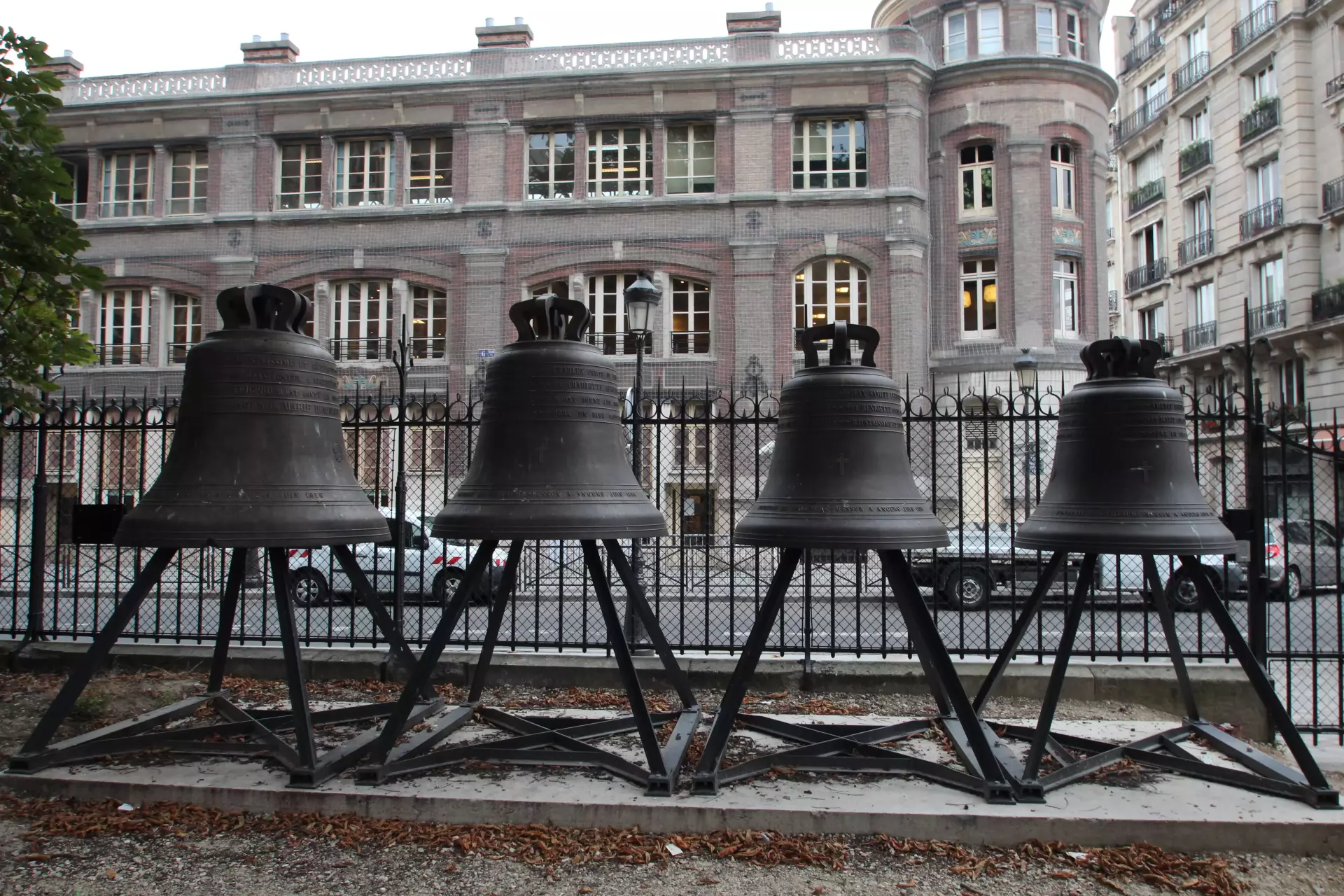
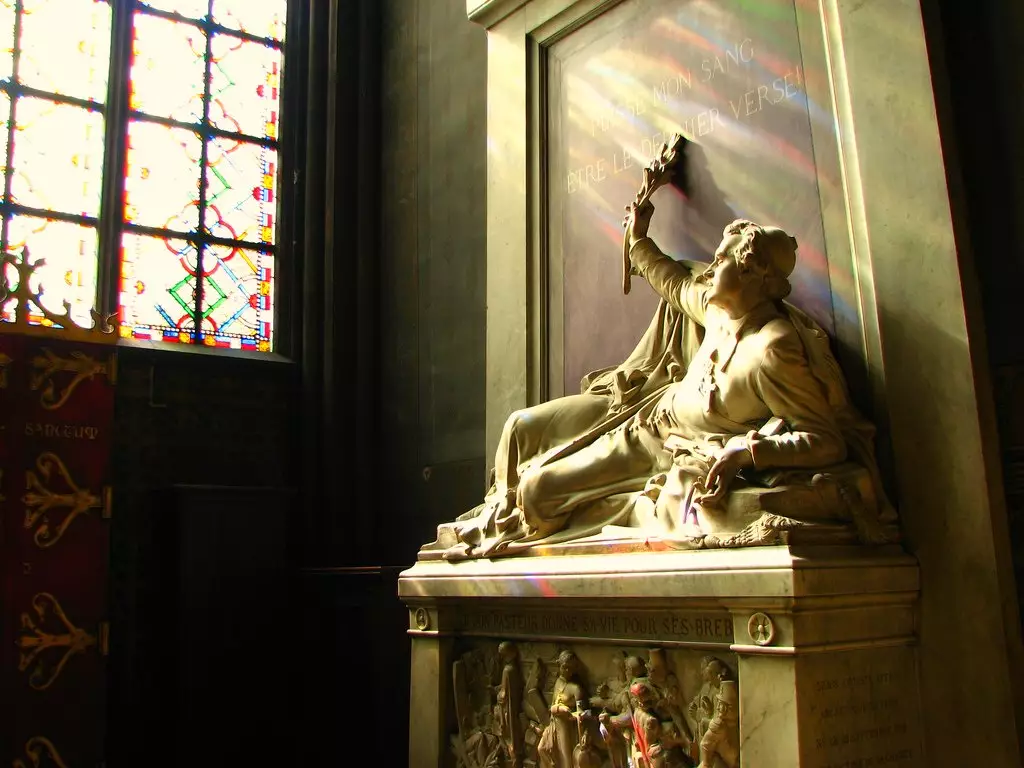
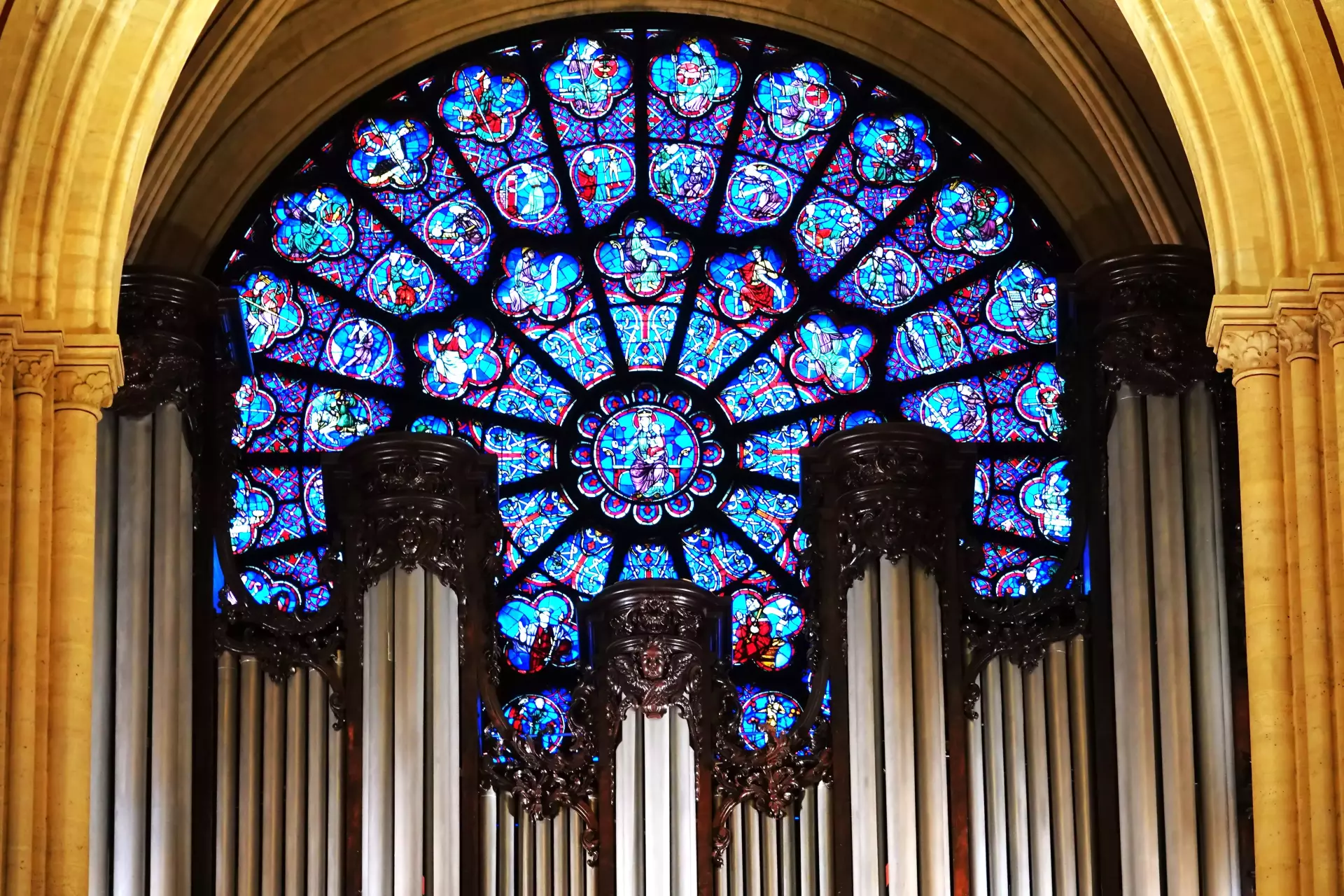
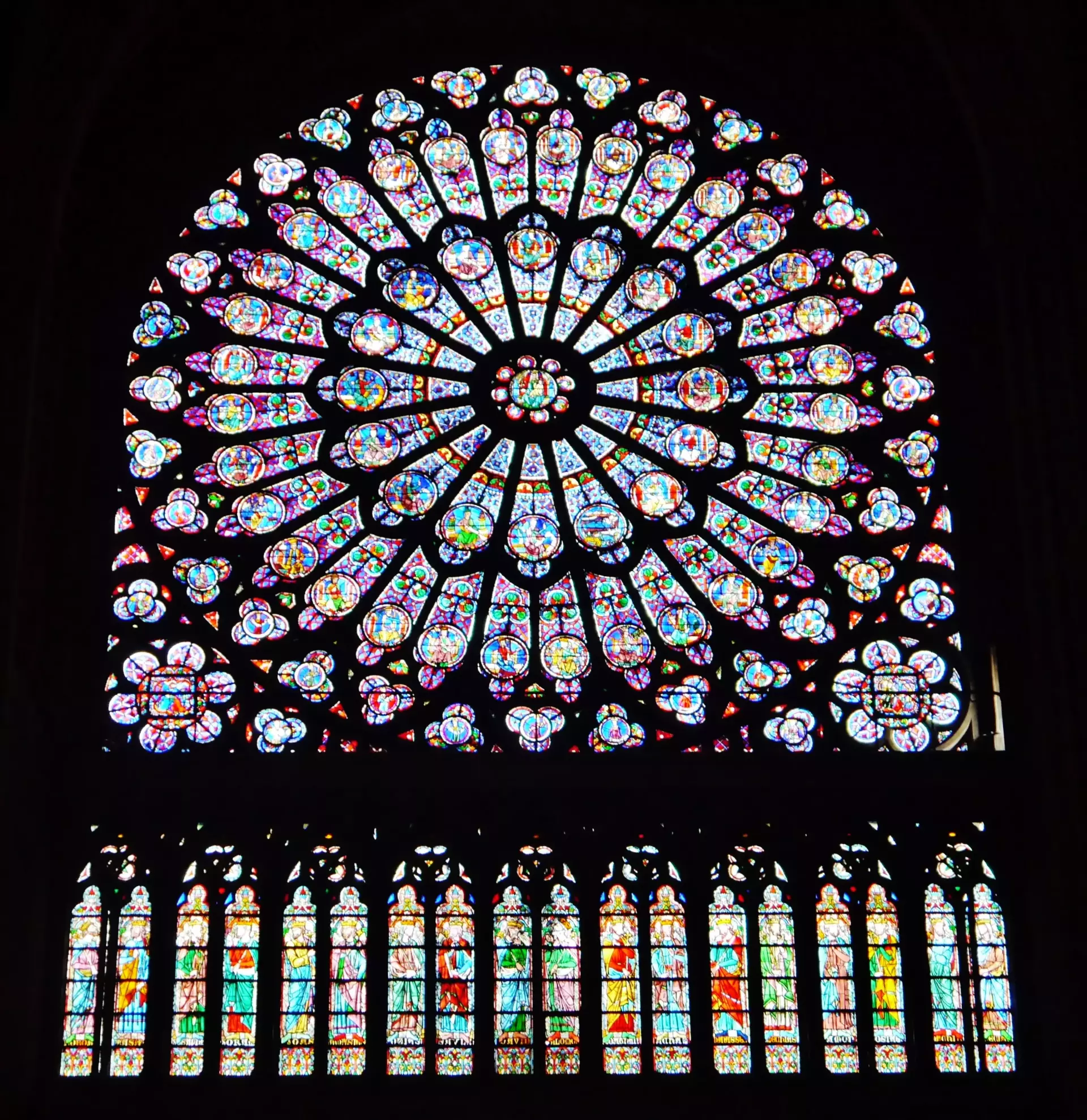
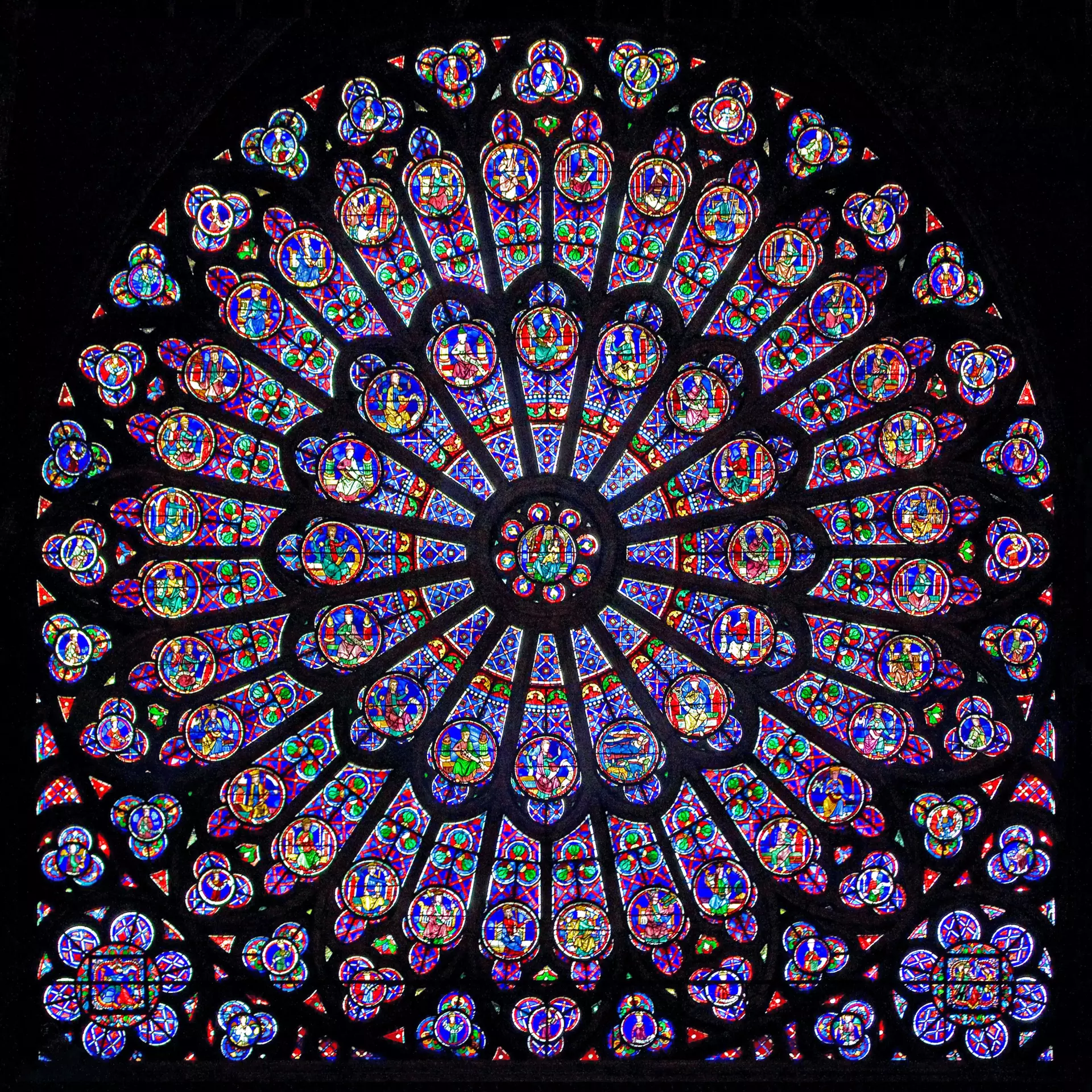
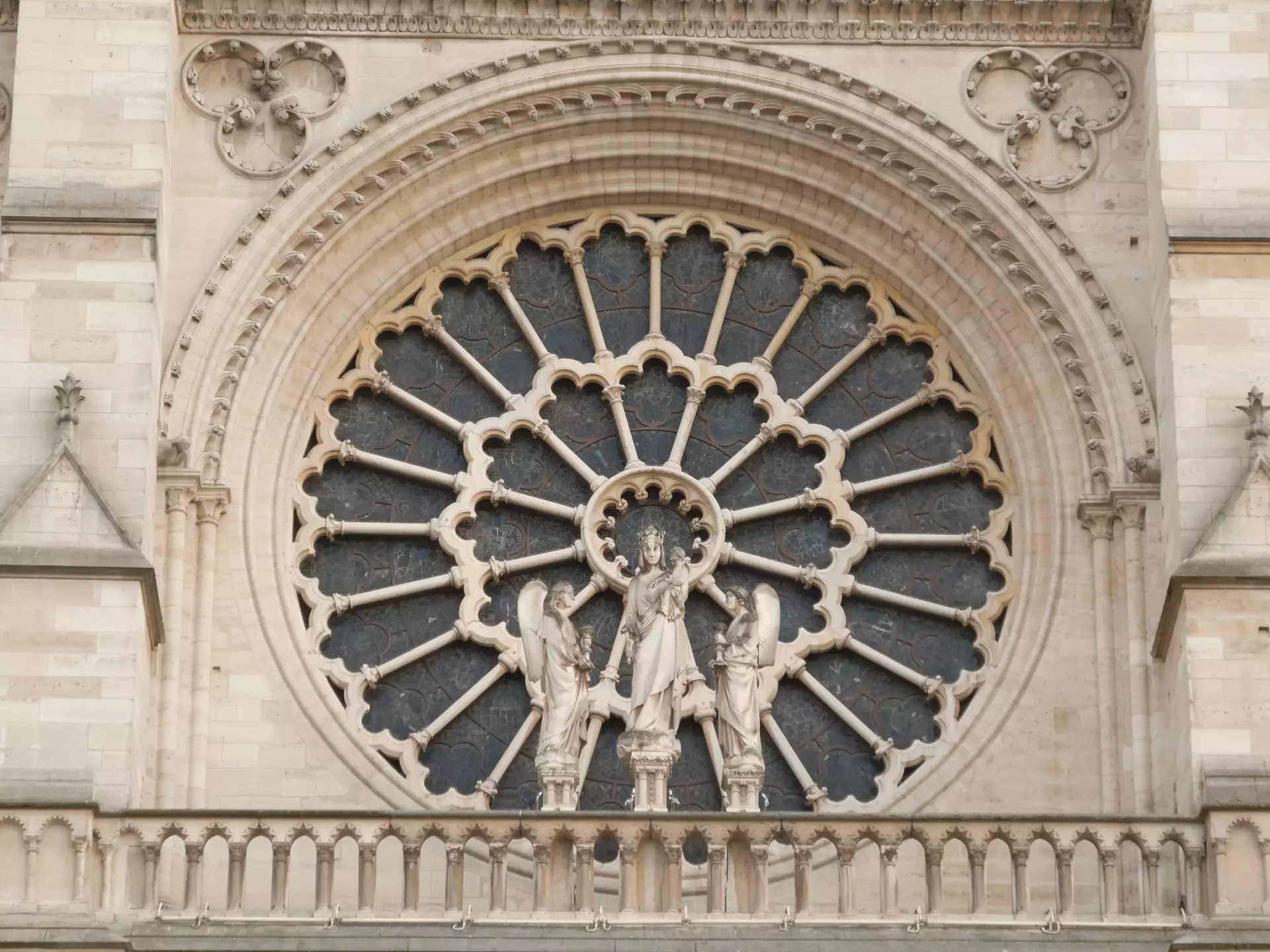
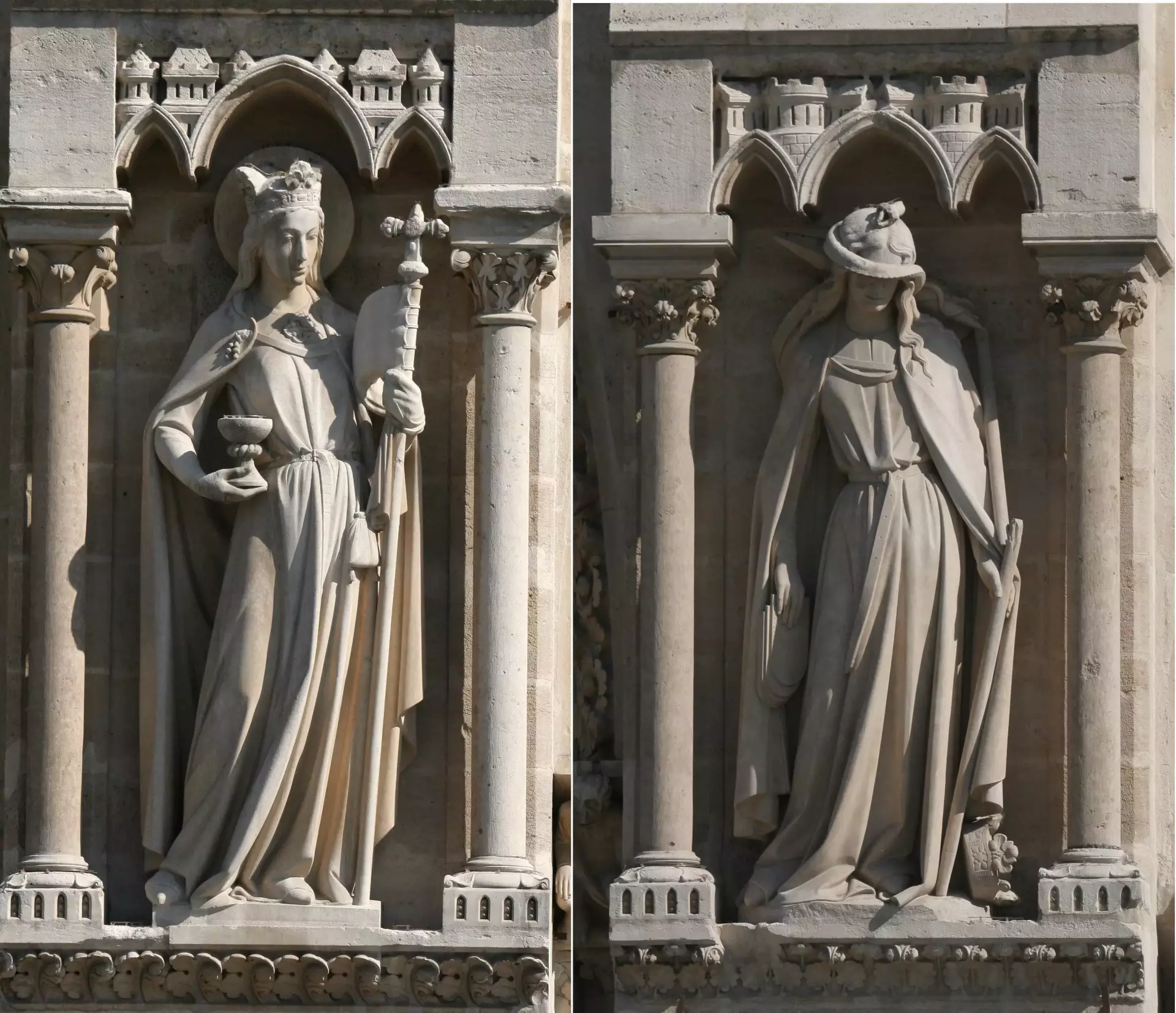
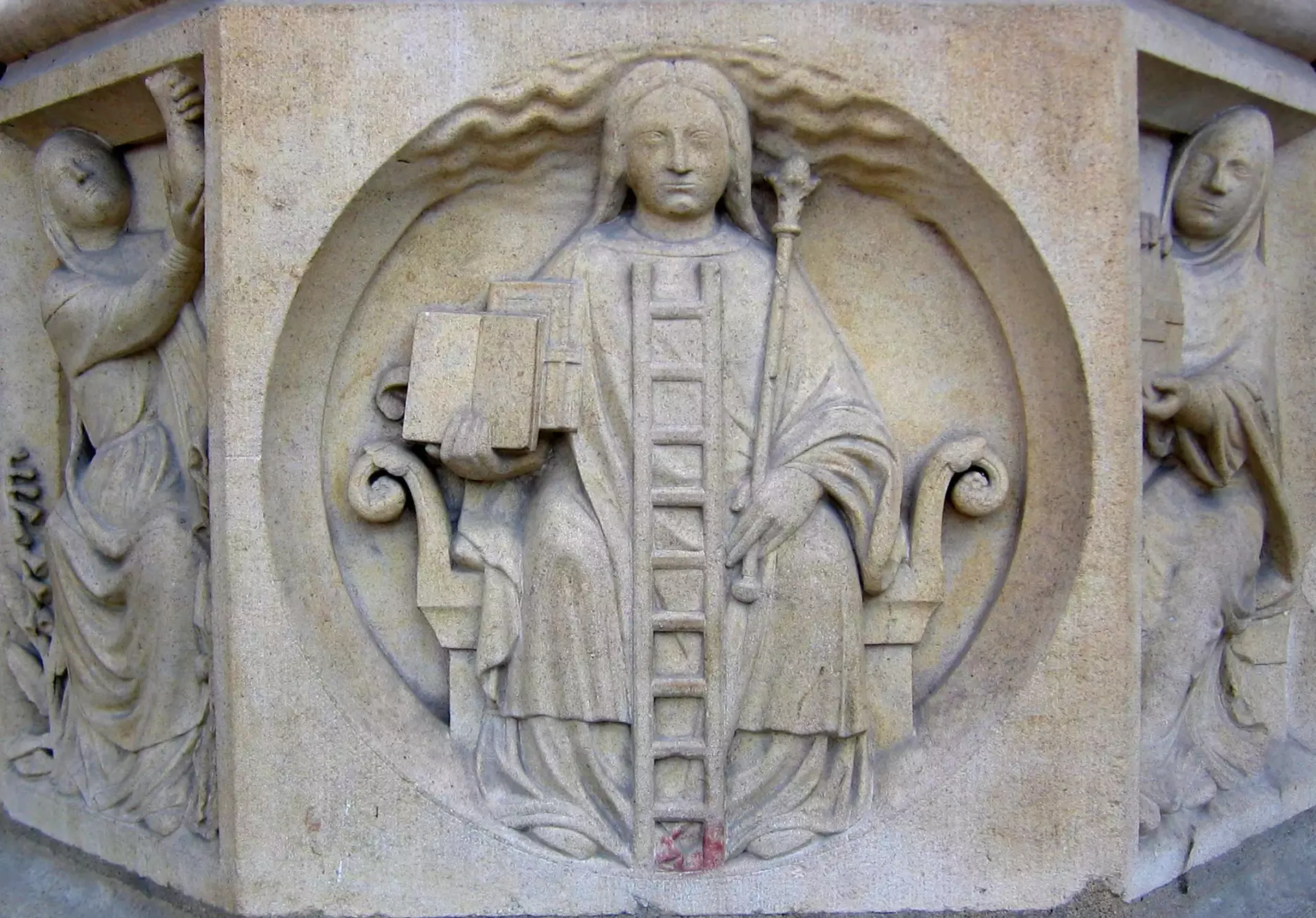
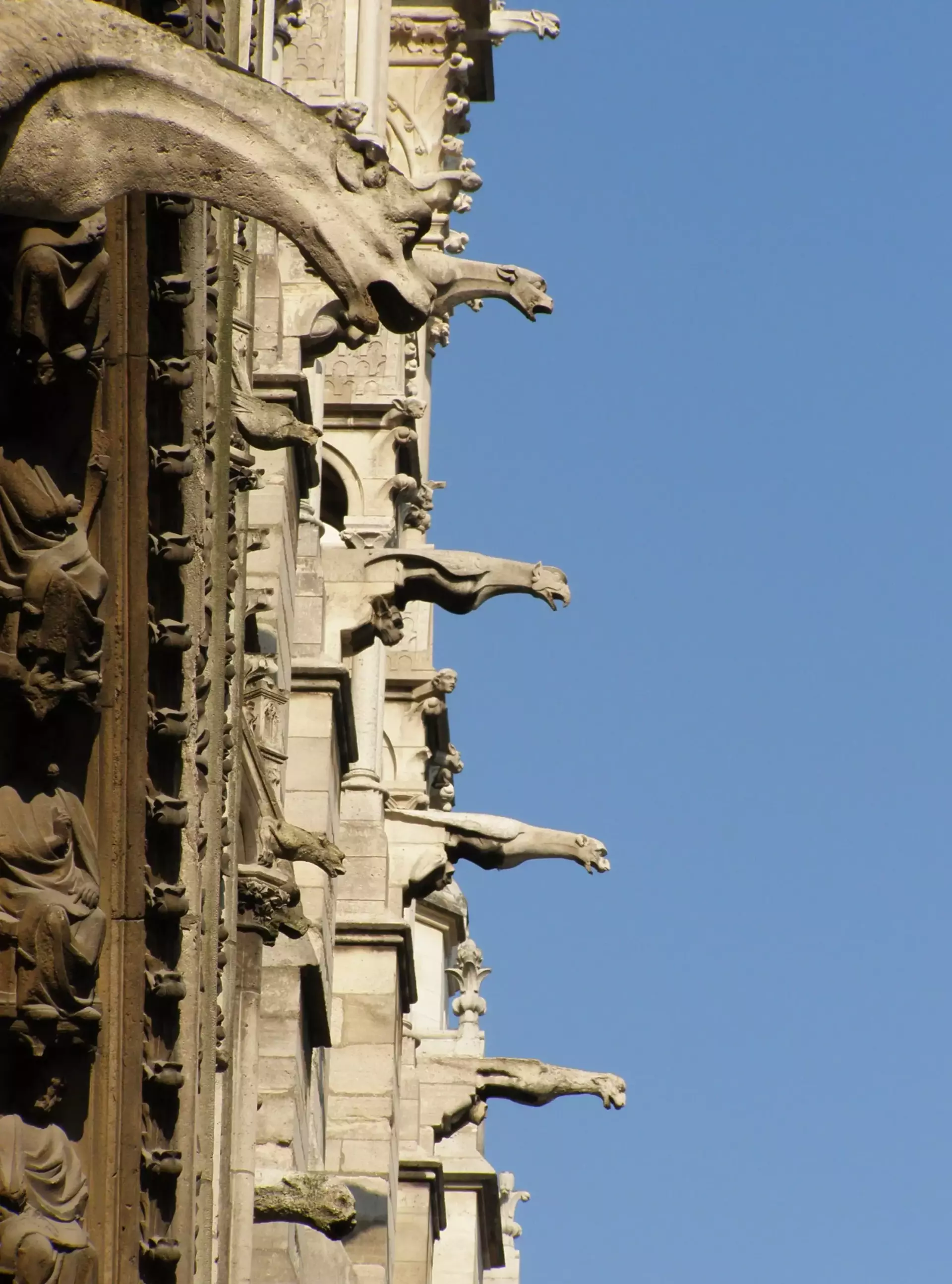
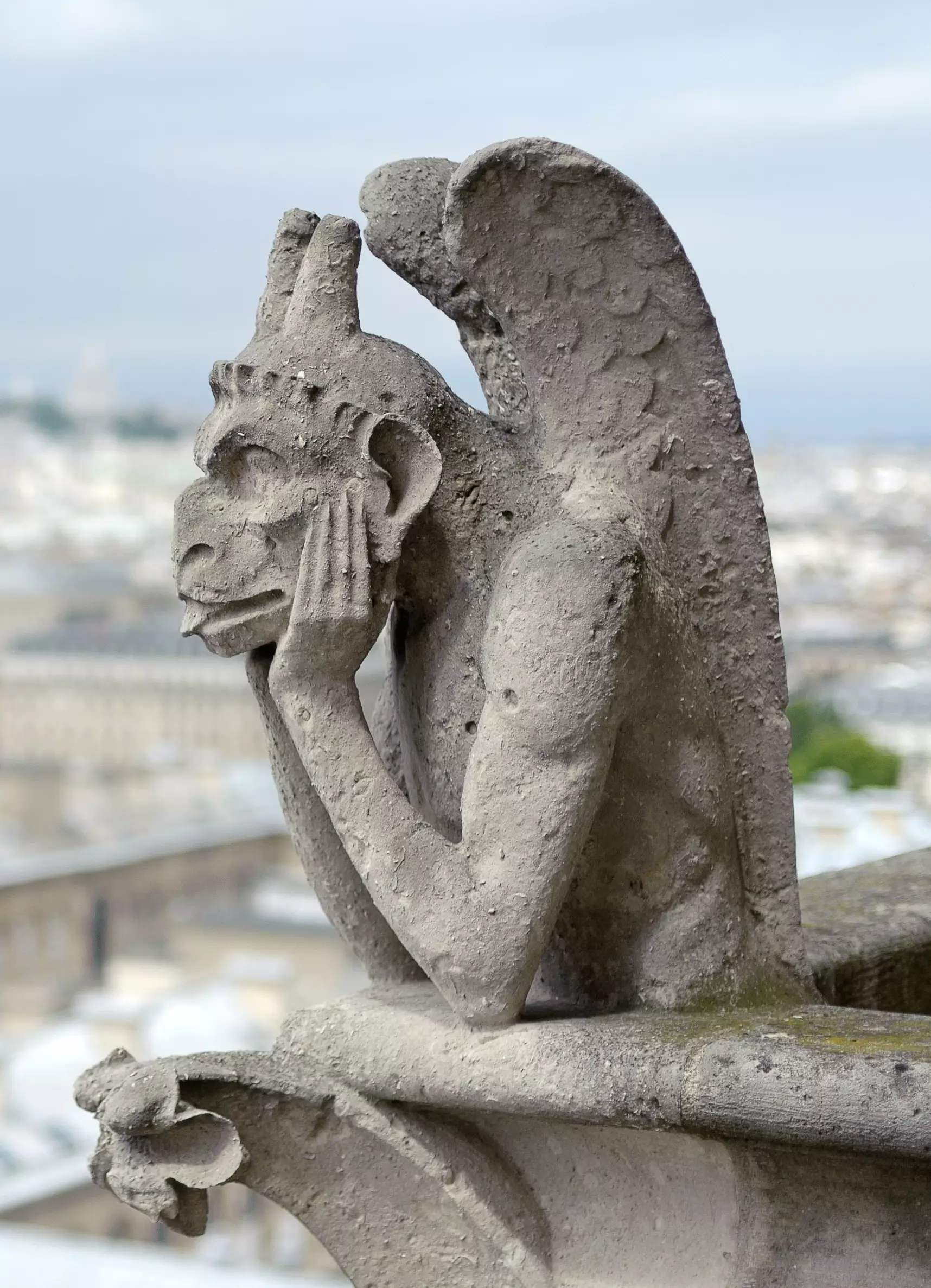
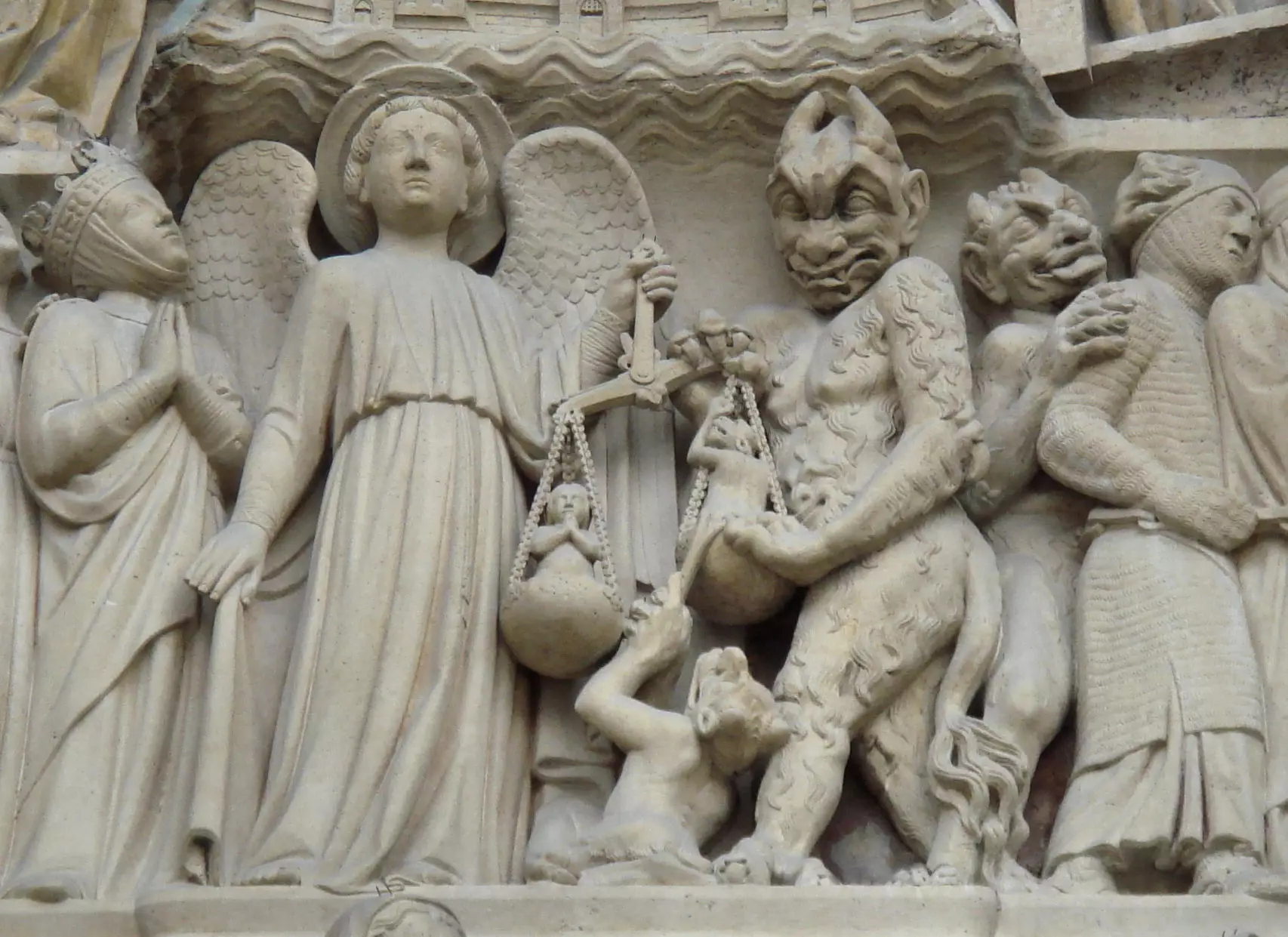
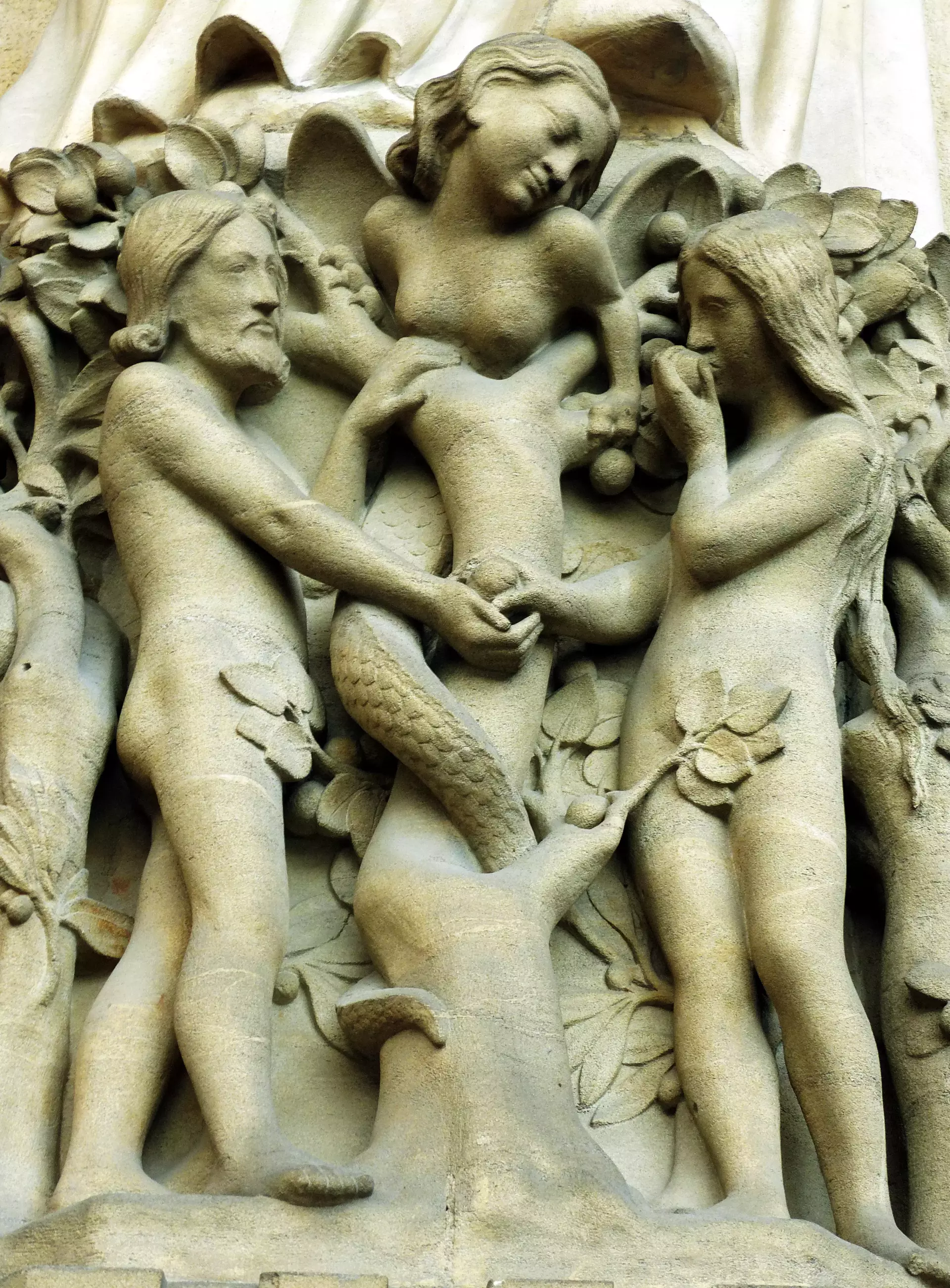
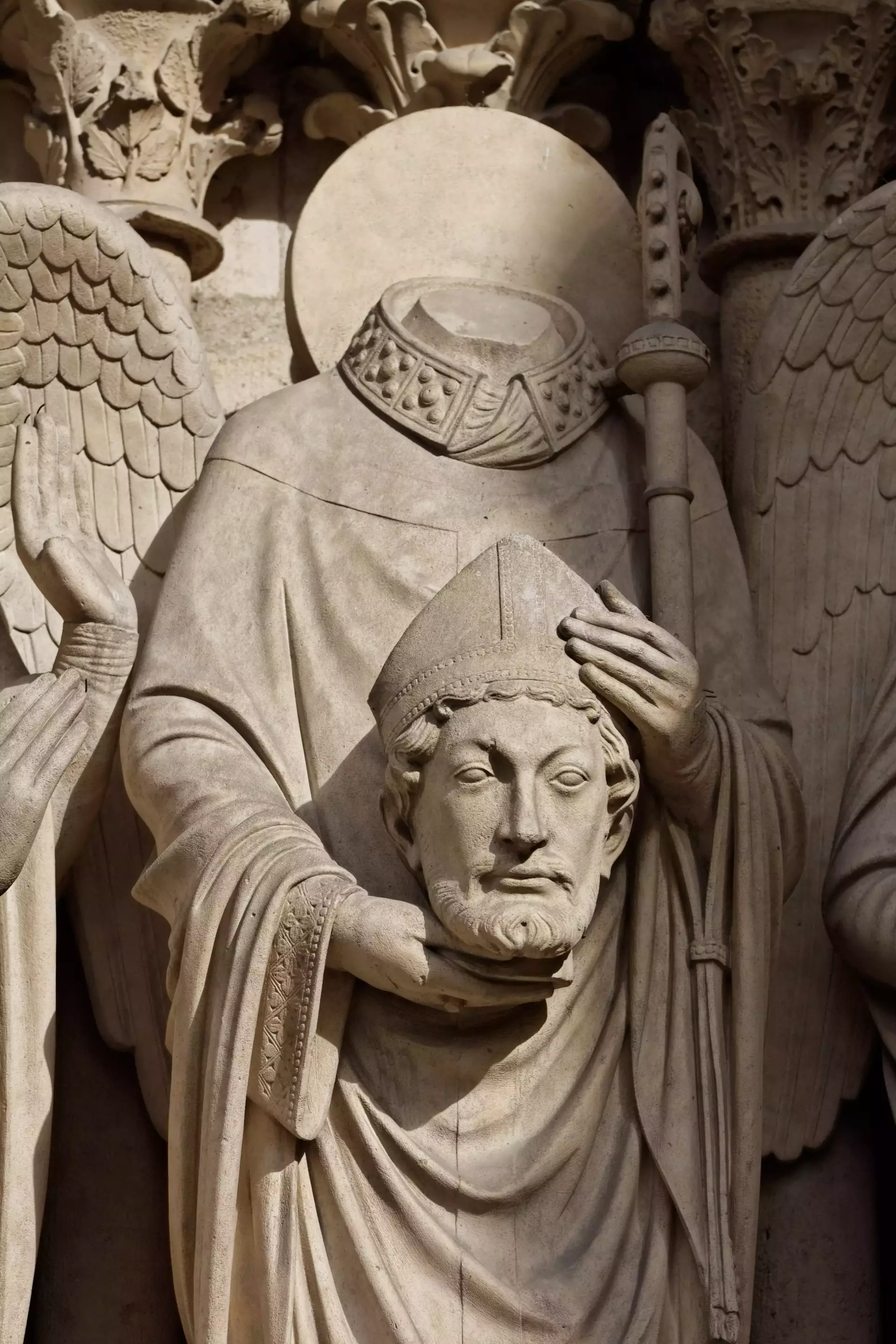
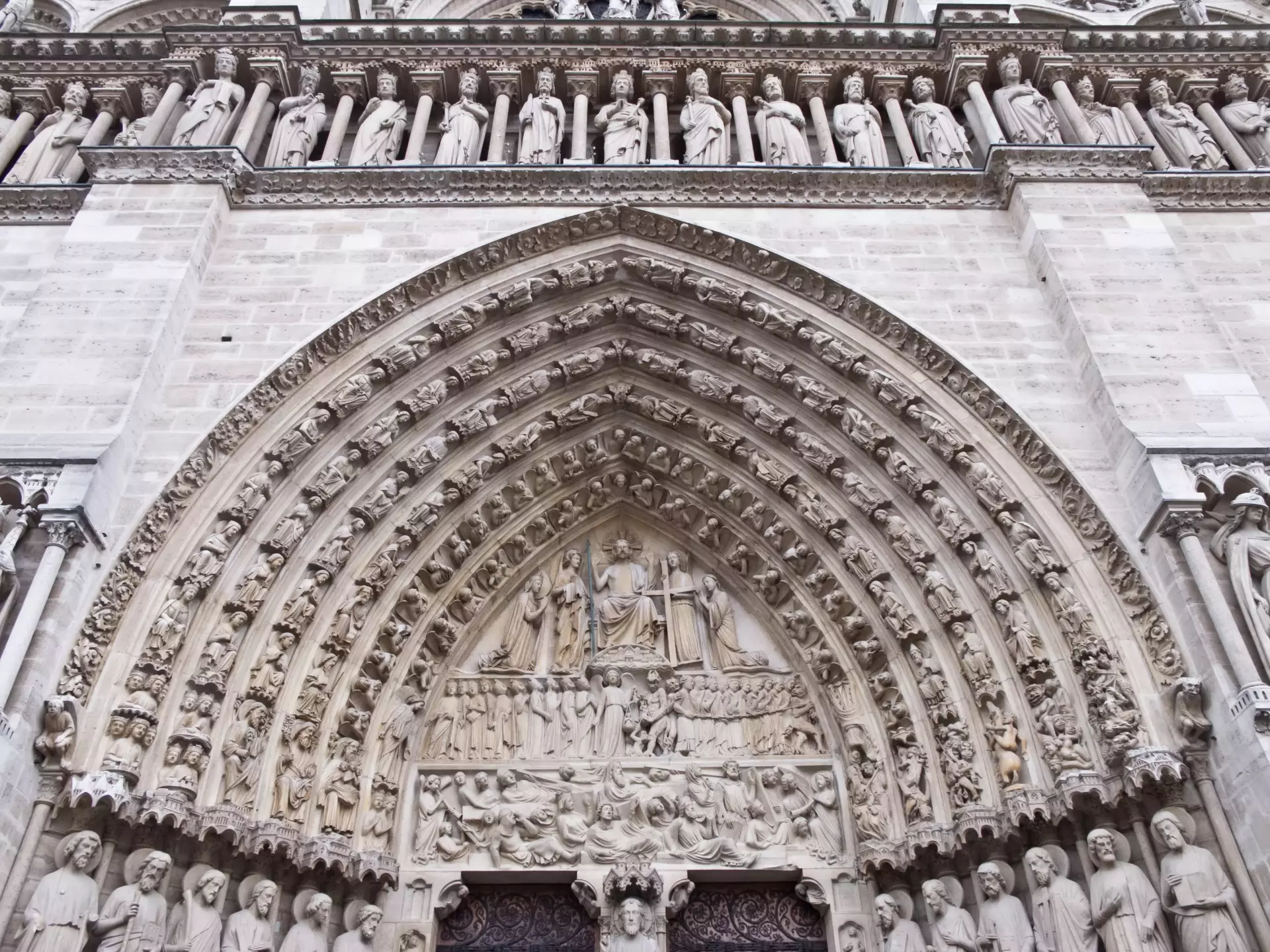
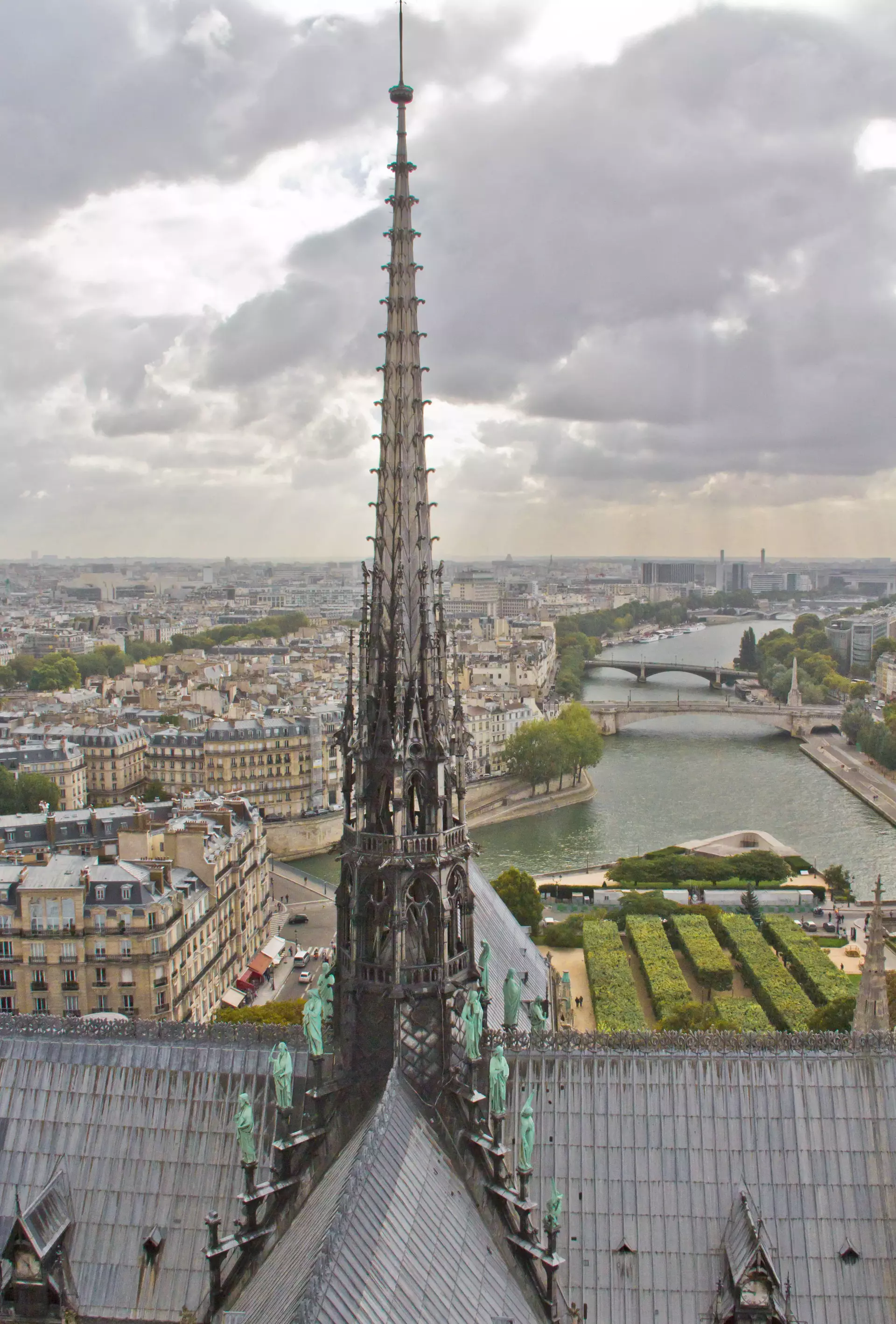
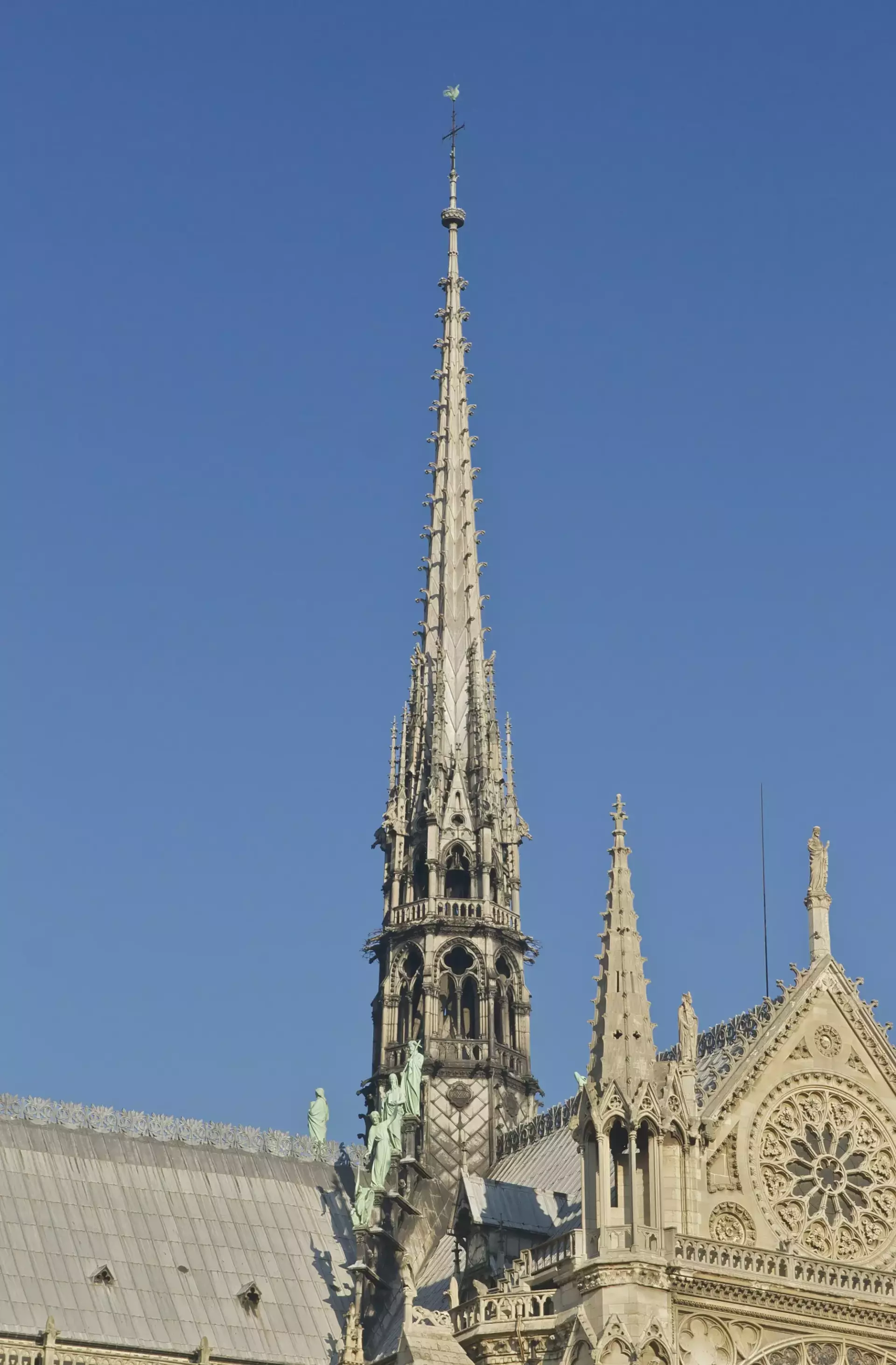
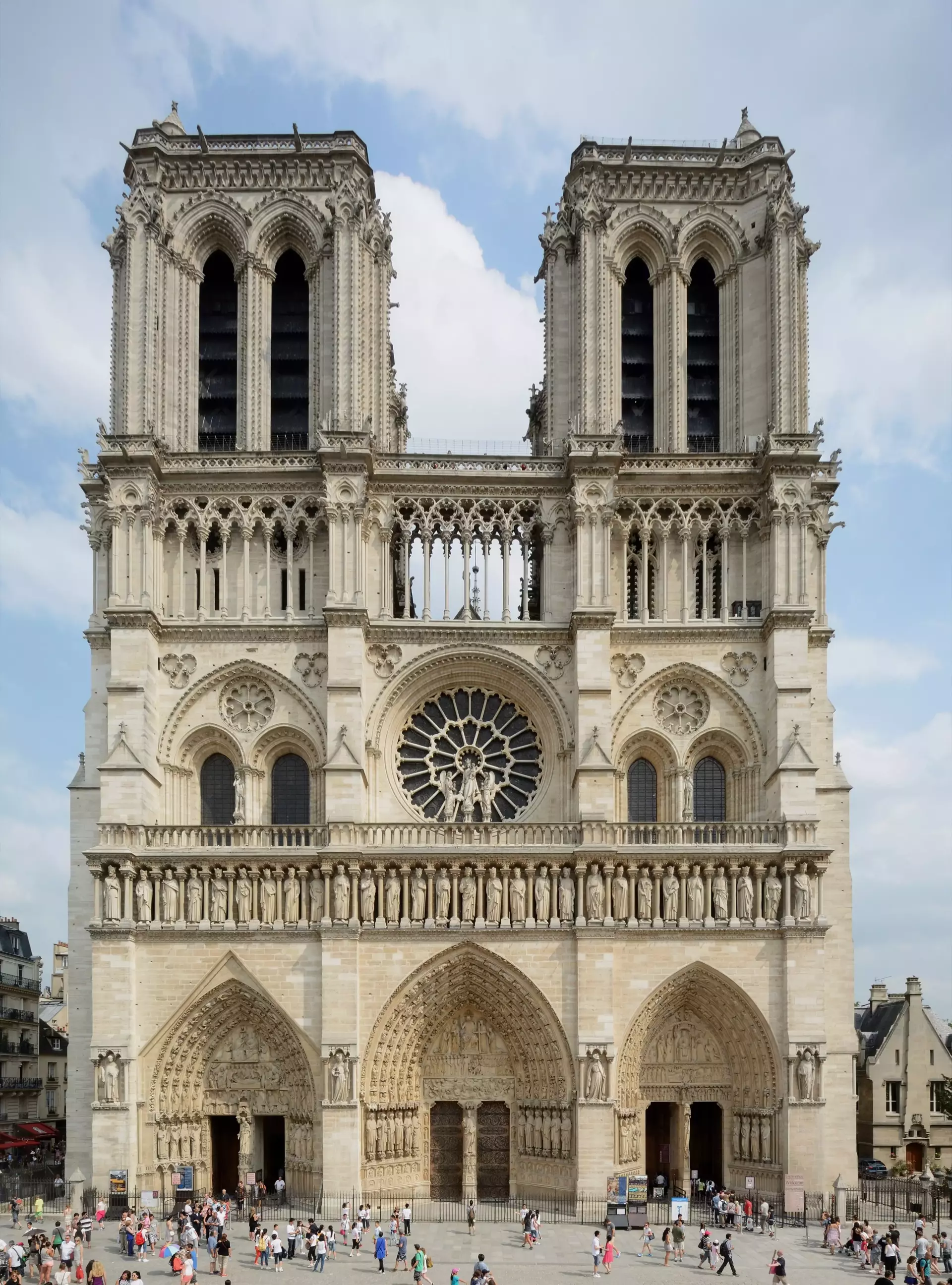
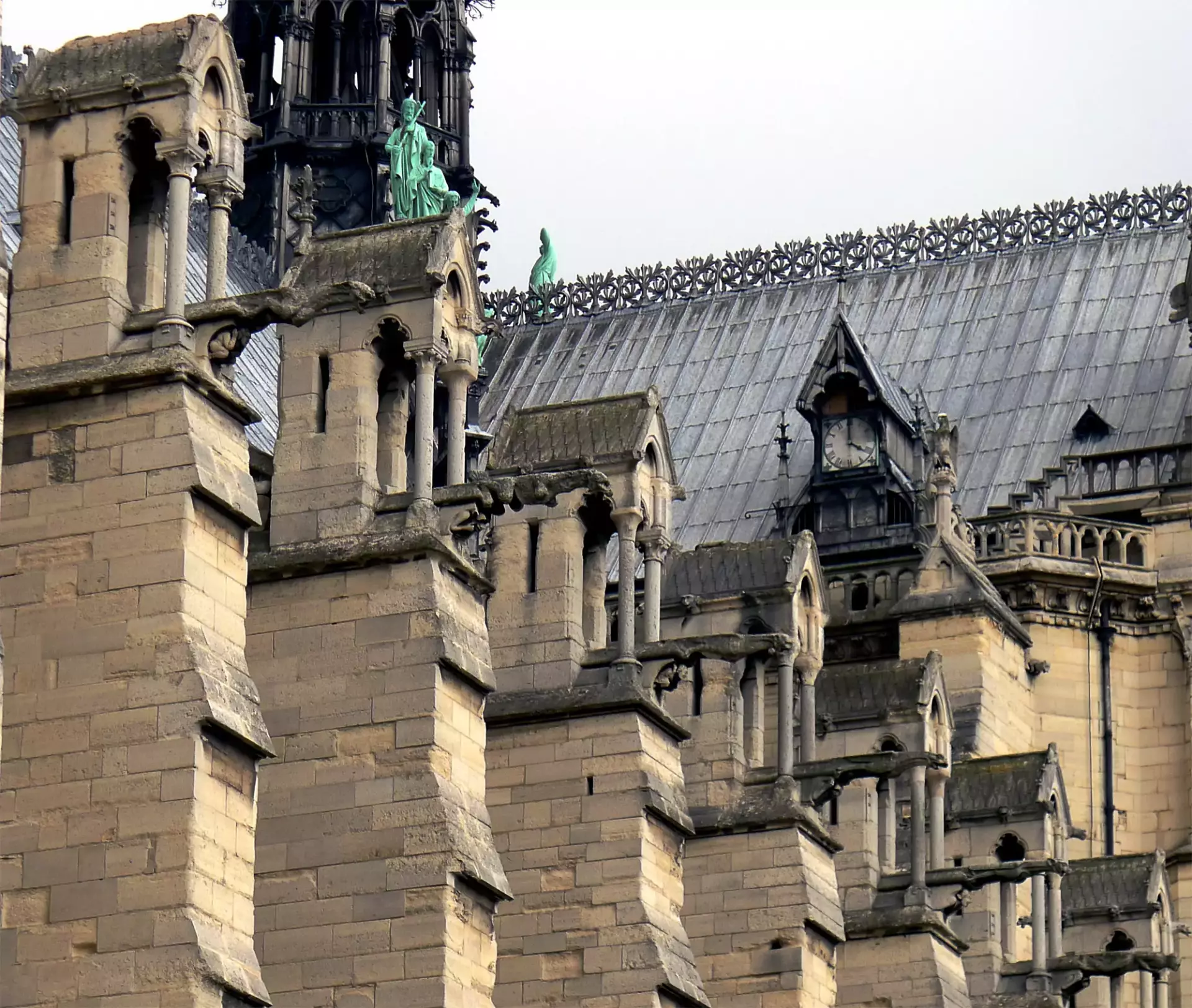
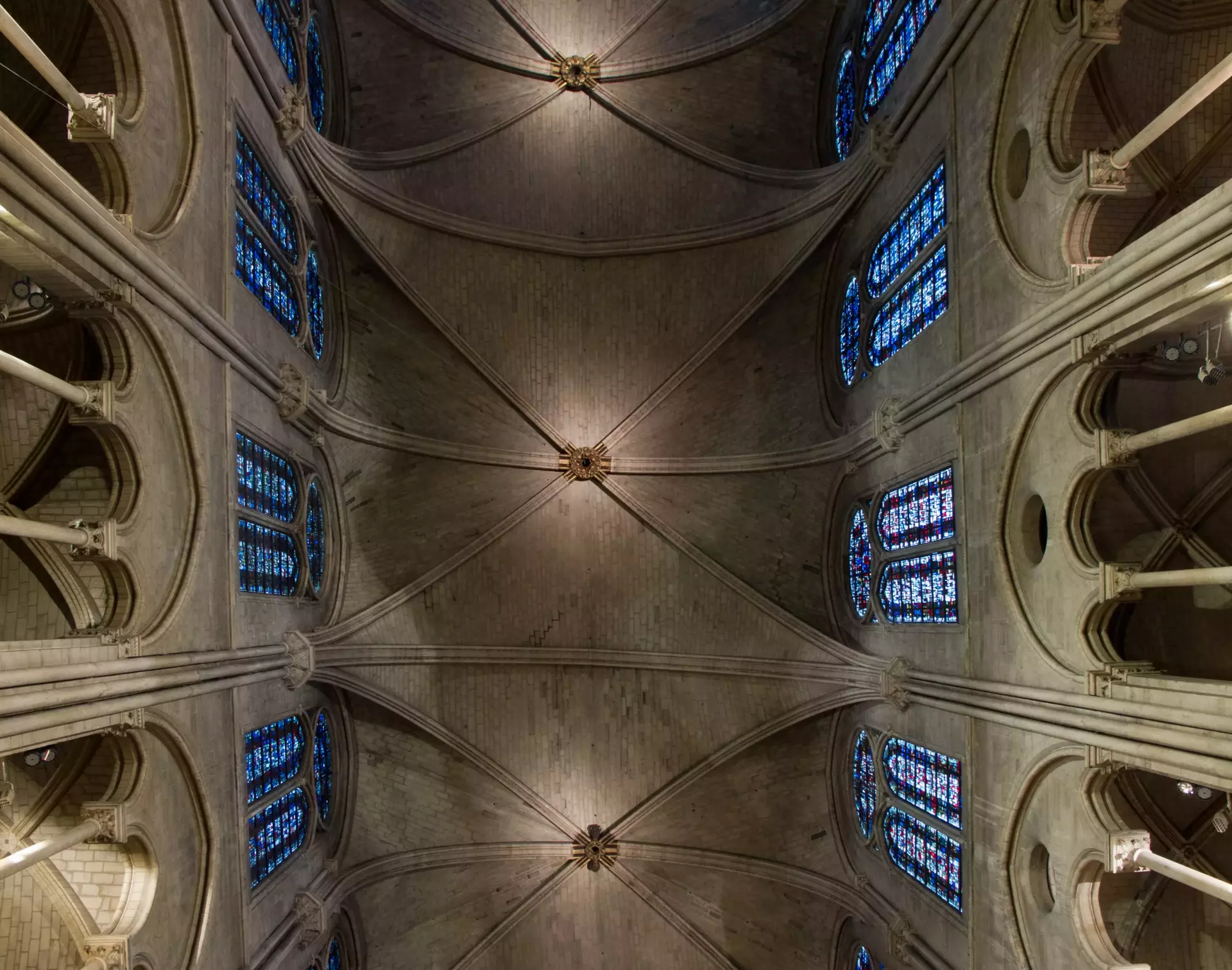
Notre-Dame de Paris stands as a remarkable example of early Gothic architecture. Its original design dates back to the 12th century, yet construction was not fully completed until the 14th century. Over the centuries, the cathedral has witnessed many changes, providing an impressive record of the evolving Gothic style. One distinct feature is the west, or main, portal, which is noted for its unusual rigidity compared to the more fluid lines found elsewhere in Gothic design.
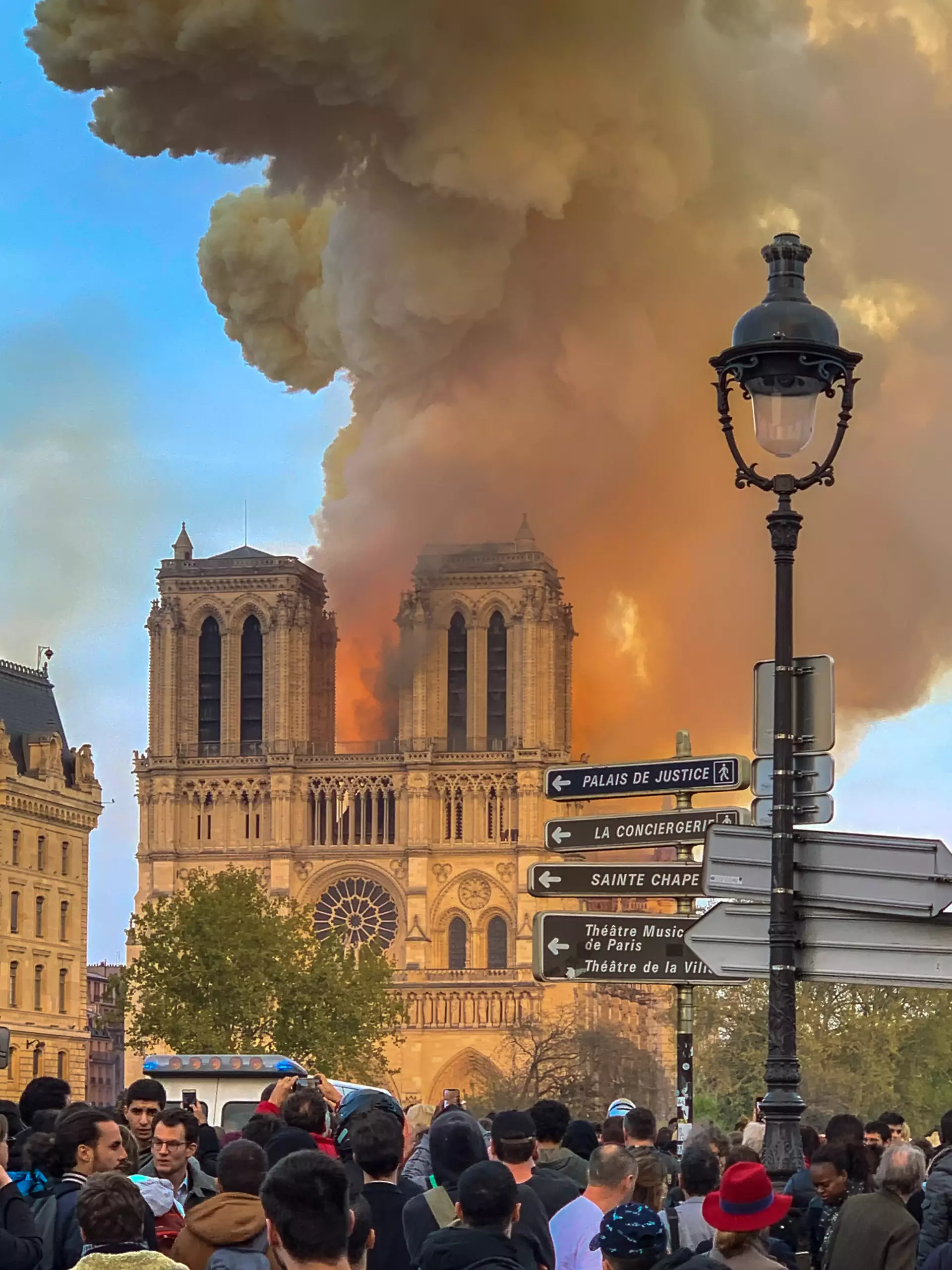
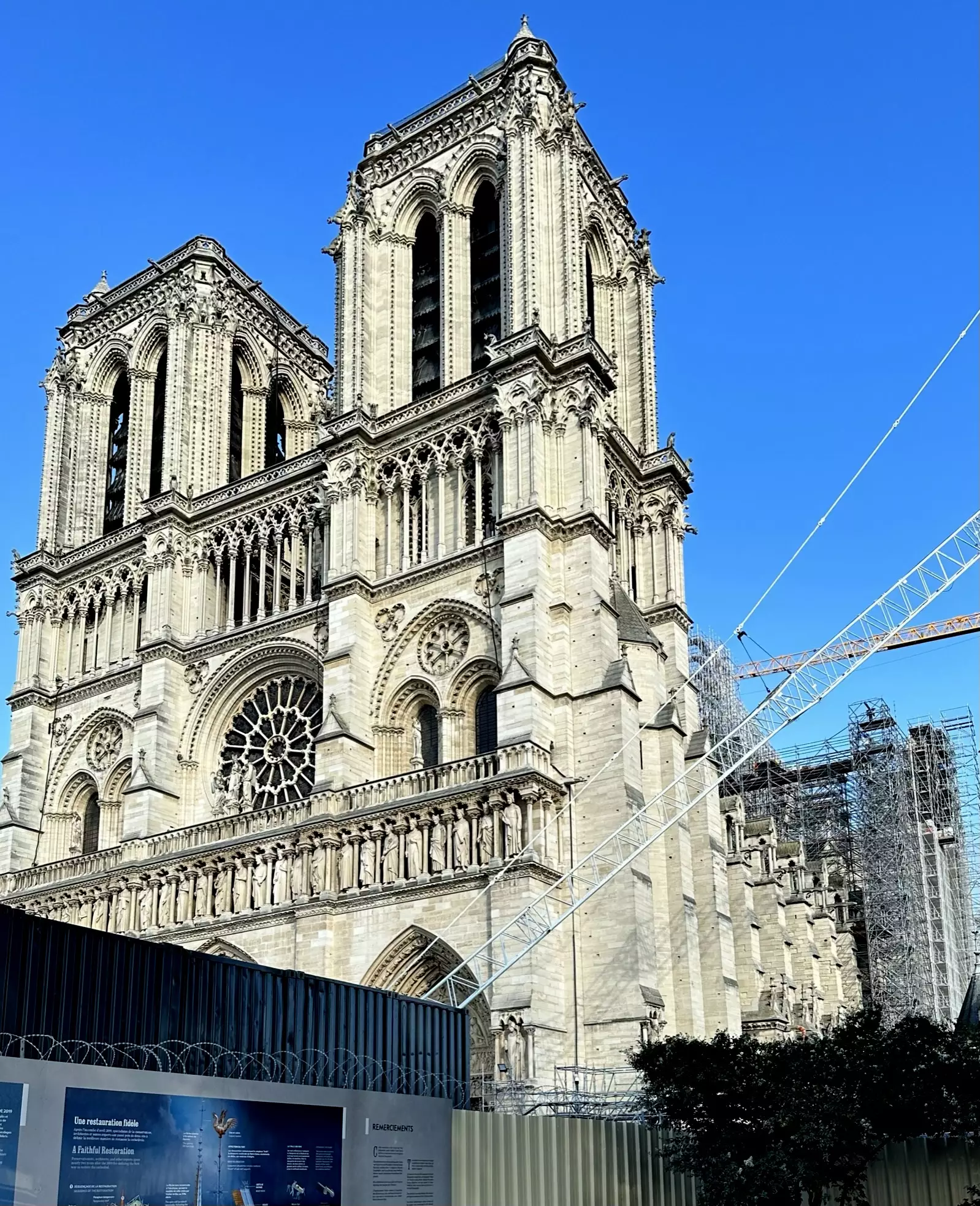
In April 2019, a major fire caused severe damage to Notre-Dame. Flames swept through the historic structure, destroying the wooden roof and leading to the collapse of the spire. The event left many parts of the cathedral in ruins and shocked people around the world.
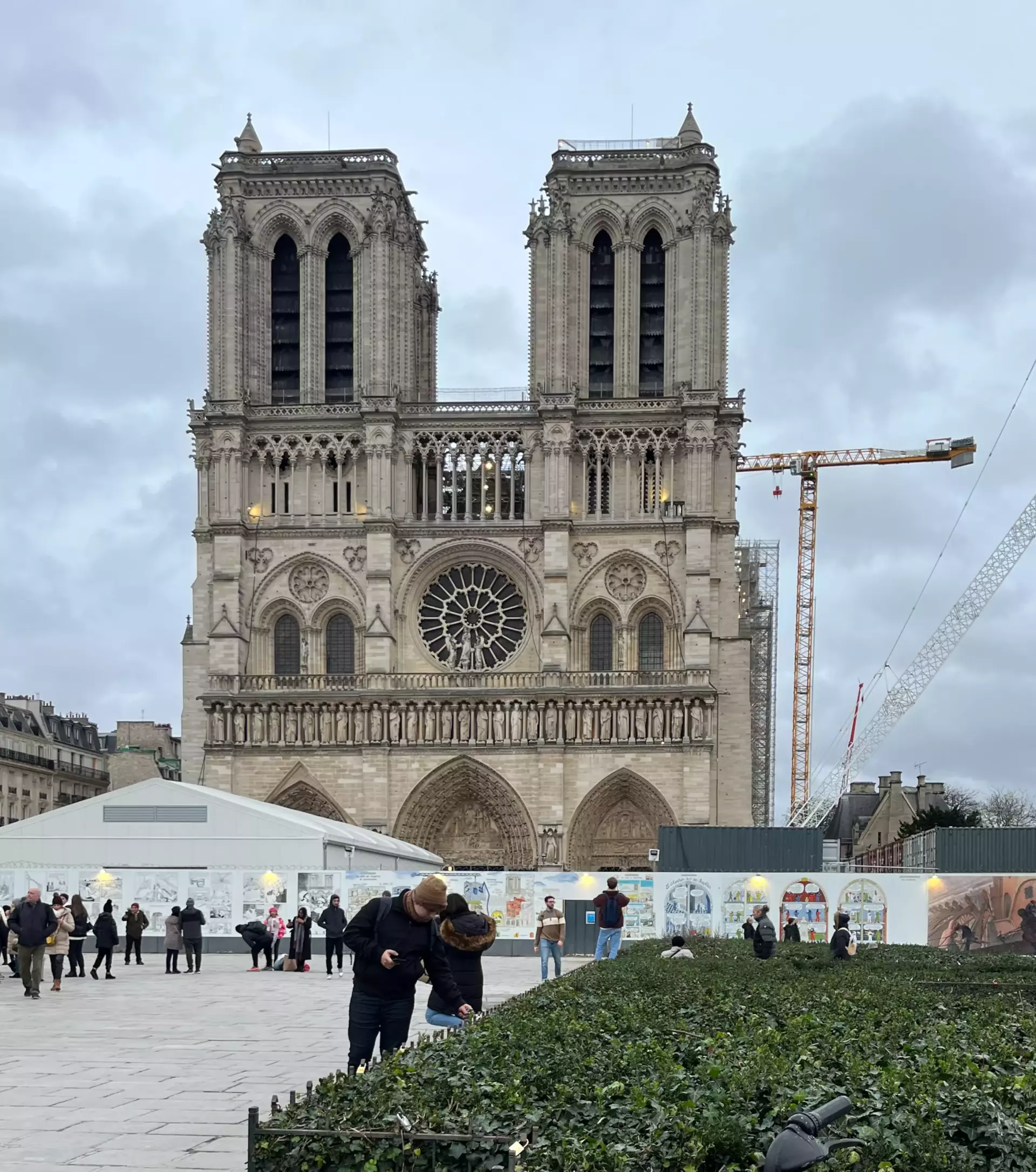
Restoration efforts began soon after the fire. Expert craftsmen and workers spent years repairing the damage, preserving every detail possible. After extensive renovation, Notre-Dame de Paris welcomed visitors once again when it reopened in December 2024.
Source - https://en.wikipedia.org/wiki/Notre-Dame_de_Paris
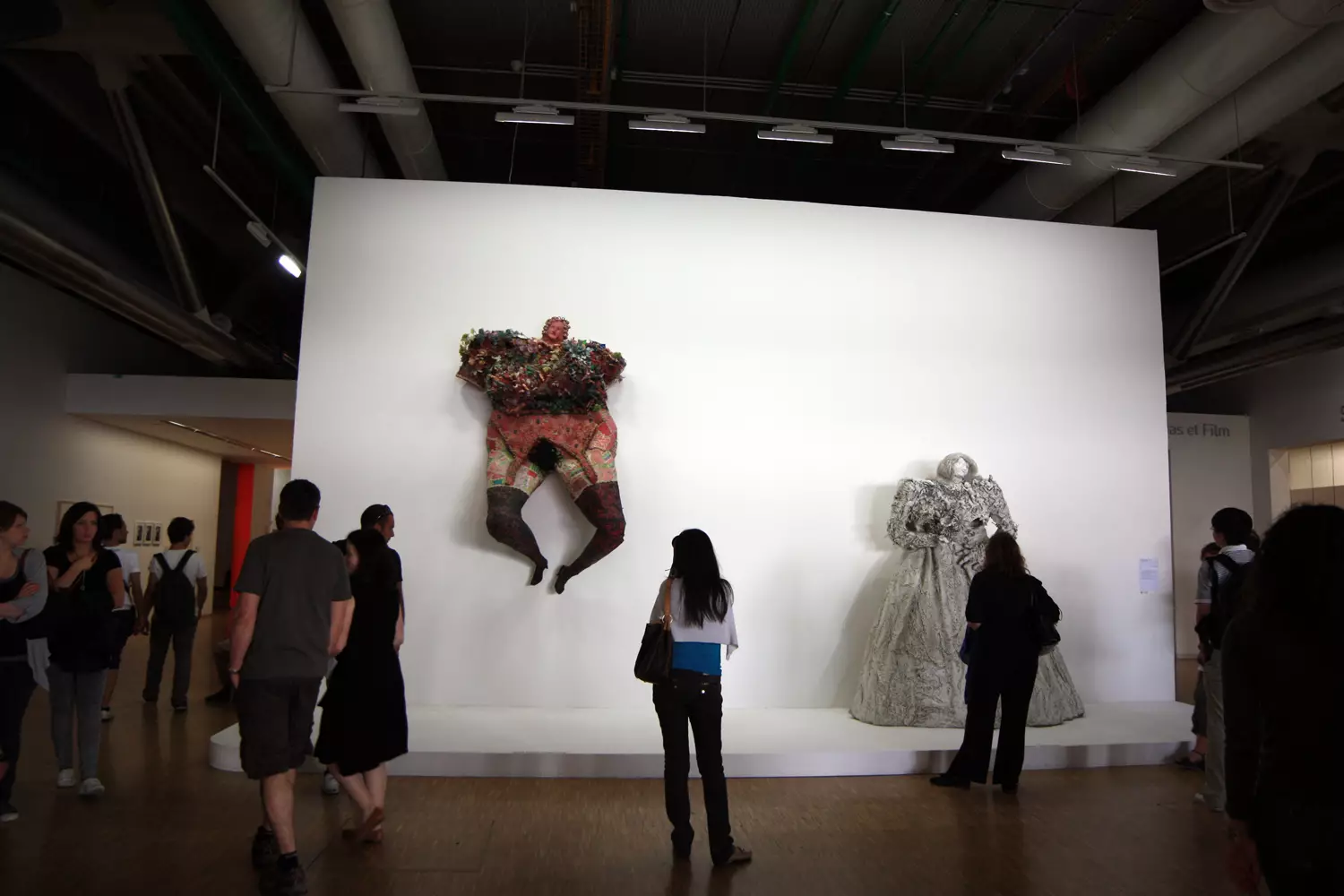
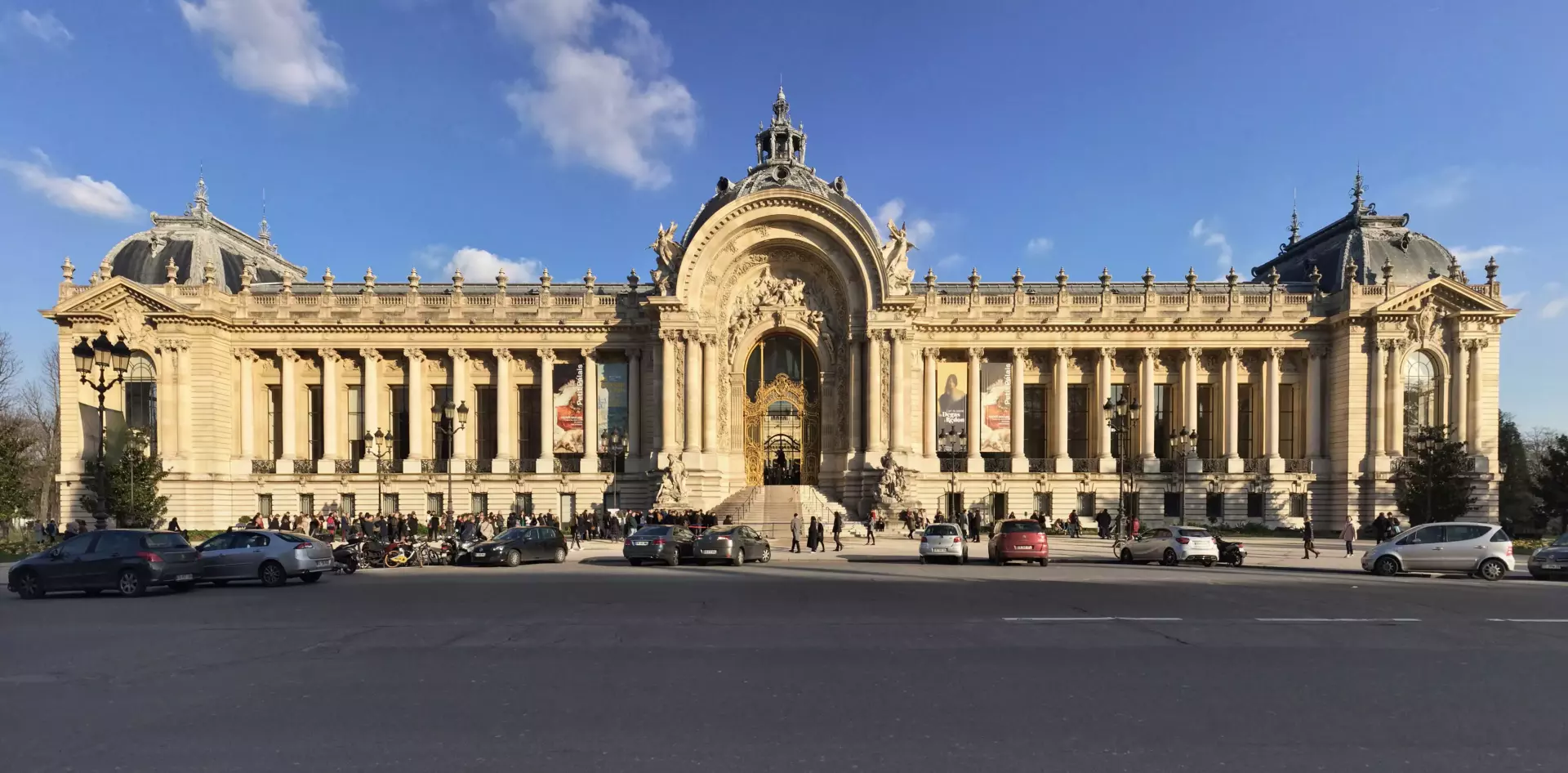
Paris's international exhibition centre (the 4th largest in Europe) has millions of visitors annually.
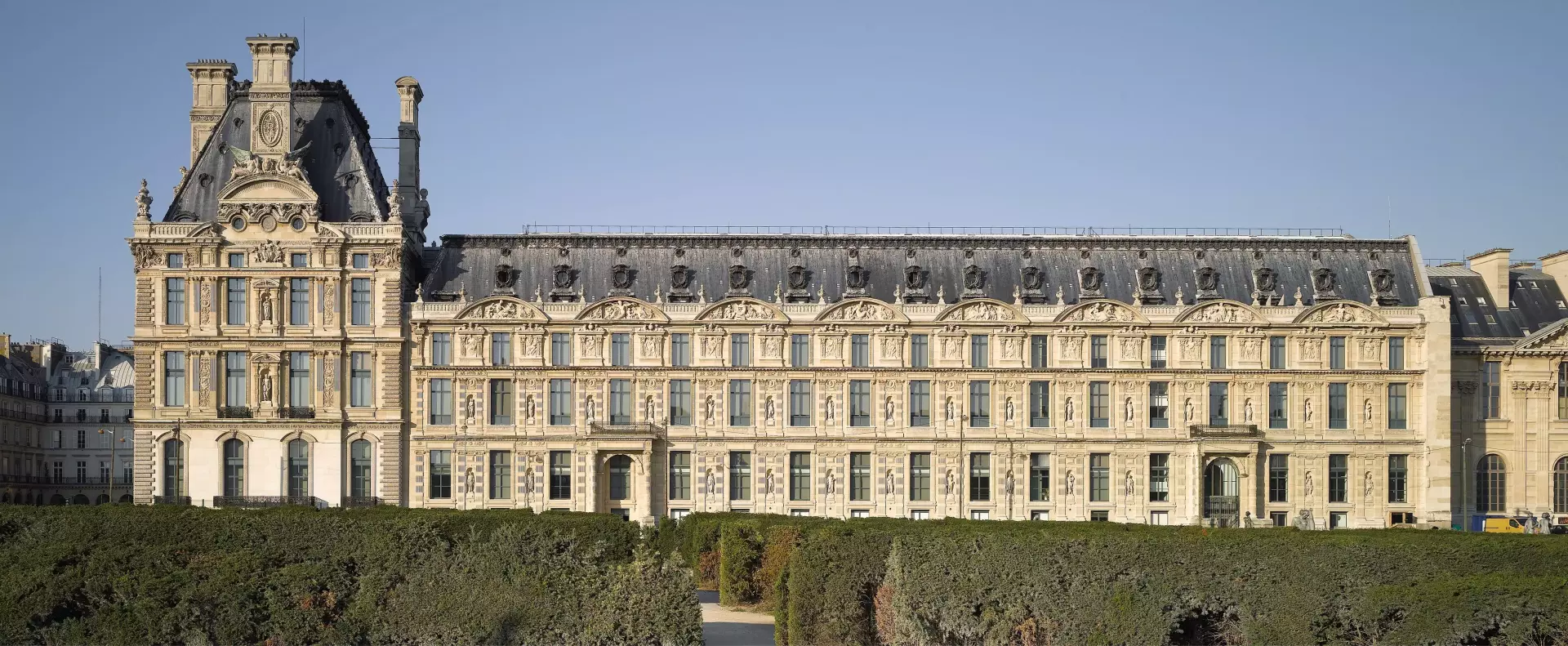
A monument to the French art de vivre, housed in a 19th-century wing of the Louvre that has been restored to beaux-arts splendour, its galleries and period rooms showcase eight centuries of Gallic taste in interior decoration.
Tourists cross this park with the large fountain on the way to the Place du Trocadéro viewpoint to the Eiffel Tower.
An indoor sports arena that seats around 17,000 for sports and slightly over 20,000 for major concerts; formerly known as Palais des Omnisports de Paris-Bercy and Bercy Arena. Home to numerous concerts and major sporting events, most notably the Paris Masters tournament on the ATP World Tour in men's tennis.
A museum dedicated to the life and work of the great sculptor. The house contains an extensive collection, which is unusually well presented in a spacious building with big windows that are open in nice weather, which makes this museum double pleasant.
One of the truly great venues for the performing arts anywhere in the world, Paris' new opera house actually managed to inspire some neighborhood protest during its planning and construction. Pretty much everybody is a believer nowadays though. Check out the website for upcoming shows, it might even make sense to plan a trip to Paris around one.
The Stade Charlety is a massive multi-sport arena, hosting football (soccer), tennis, rugby and squash matches.
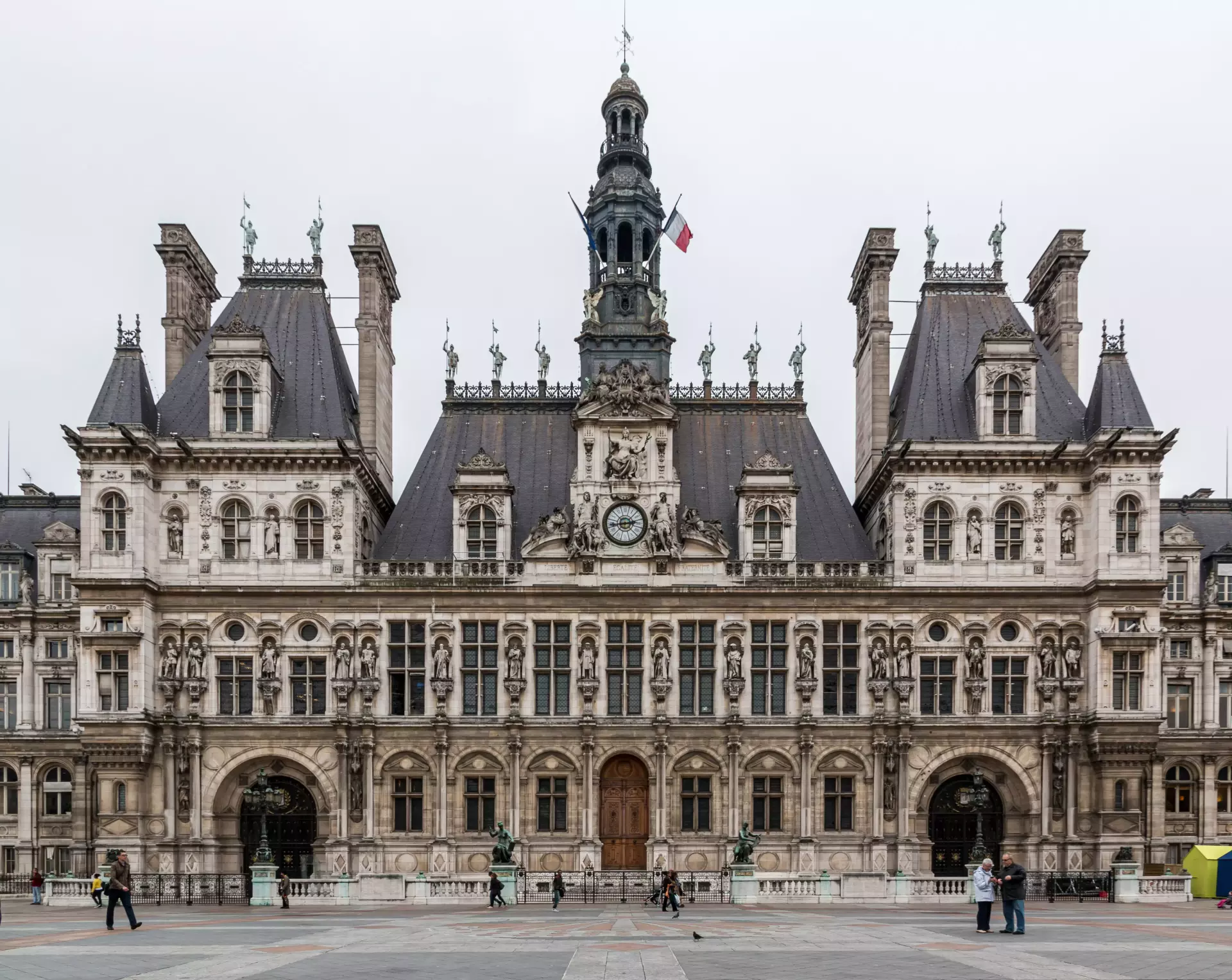
Many feel that this, Paris' town hall, is one of the loveliest buildings in the city. You might not get that from the front view, but try watching the light change on its roofs and towers during sunset from one of the cafés on the Ile de St. Louis, the Lutece for instance. Alternatively, go to the top floor of the Bazar de l'Hôtel de Ville (BHV) department store opposite, on rue de Rivoli and walk up a flight of stairs to the roof terrace (terrasse), from which there is a dramatic view of both the roof of the Hôtel de Ville and the immediate surroundings and river. The present Hôtel de Ville replaced the 16th century original which was burned down during the Commune in 1871. A pastiche of its predecessor, but on a far larger scale, it was designed by the architects Ballu and Deperthes, chosen after a competition, and was mostly completed by 1882. The building is lavishly, and some would say heavy-handedly, decorated both inside and out, and finished in an arrestingly white stone, similar to that used for the even more eye-catching Sacre-Coeur basilica. The statue on the garden wall on the south side is of Etienne Marcel, the most famous holder of the post of "prevôt des marchands" (provost of merchants) which pre-dated the office of mayor. Marcel came to a sticky end, lynched in 1358 by an angry mob after trying to assert the city's powers a little too energetically. The Hôtel de Ville was for many years the private fiefdom of Jacques Chirac, France's president before Sarkozy, and was the site of a scandal centring on both illegal jobs given to Chirac's party members and an immense entertainment budget. General de Gaulle greeted the crowds from a front window in 1944 when Paris was liberated from the Germans and Robespierre was shot in the jaw and arrested in the original building in 1794. Admirers of Hôtel de Ville's architecture will want to know that Ballu also built the Church of La Trinité in the 9th arrondissement and the belfry of the town hall of the 1st arrondissement, opposite the Louvre's east façade. Ballu also restored the Tour St Jacques (see below), which was uncovered after restoration work lasting over a decade.
Probably the most visited graveyard in any Western city, the vast Père-Lachaise features literally thousands of often elaborately decorated graves separated by narrow lanes and avenues. The roll call of famous burials includes: Chopin, Champollion, Sarah Bernhardt, Edith Piaf, Oscar Wilde, Delacroix, Bizet, Proust, Balzac, Colette, Molière, and Jim Morrison of The Doors.
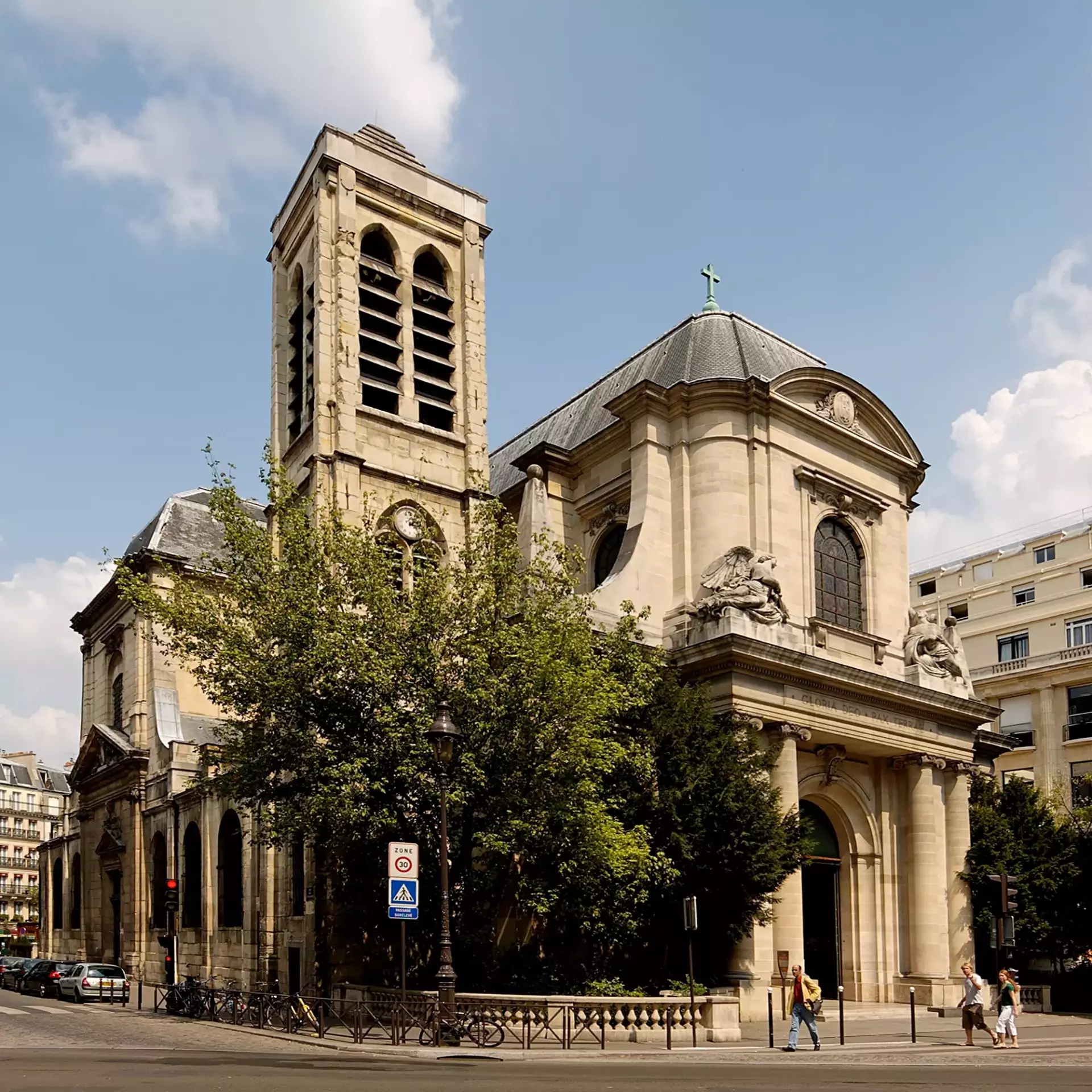
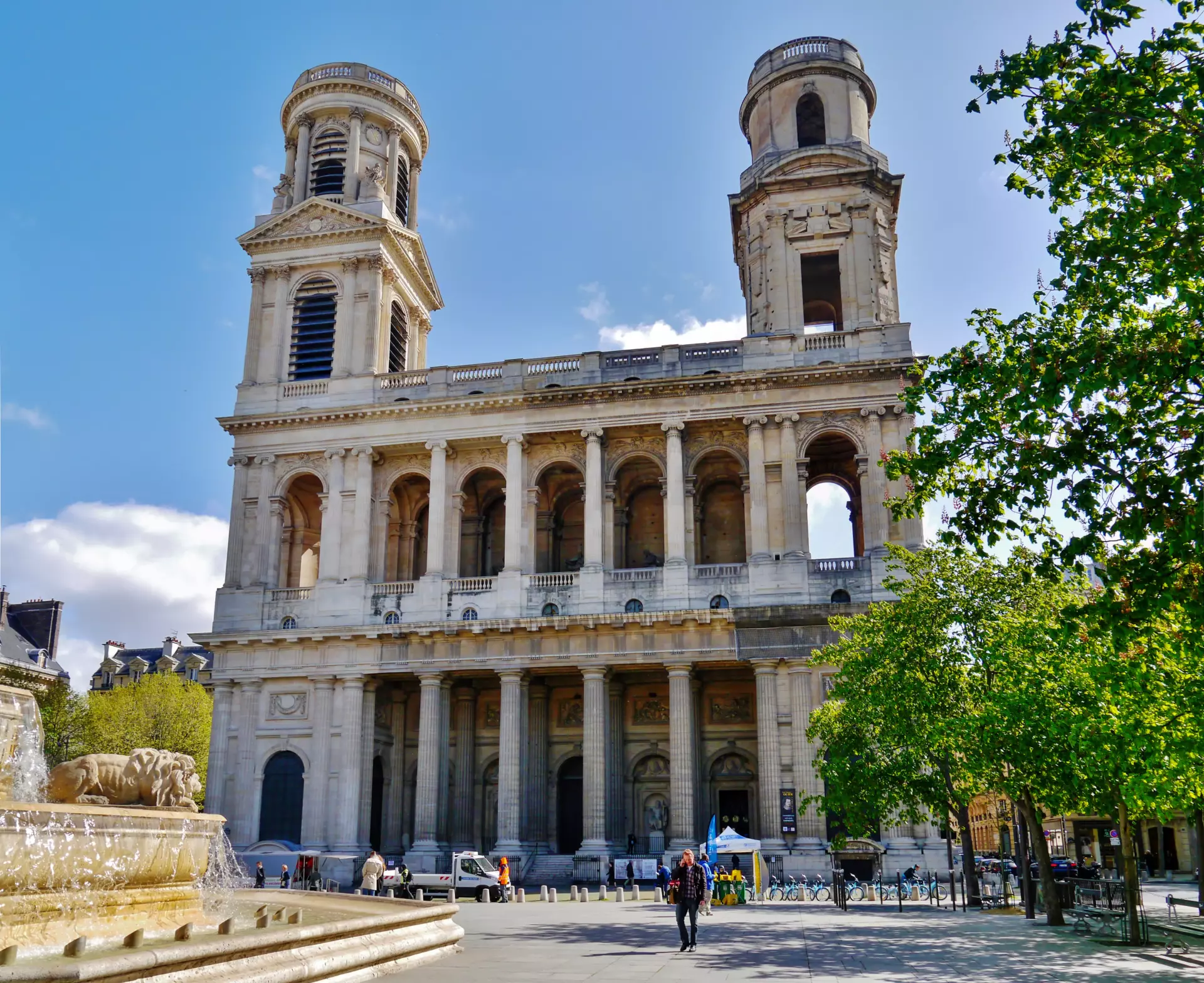
The massive parish church of the Les Halles area is a notable example of late Gothic interspersed with Renaissance details (including the entire front façade), as it was only completed in the 17th century. Its unique form results from a combination of relatively short length and impressive height of over 30 metres inside. The latter allows room not only for an array of stained glass windows and paintings, but also France's largest church organ of 8,000 pipes. The sculpture Écoute, depicting an oversized human head, was placed in front of the church's southern facade and has become a favourite photo spot.
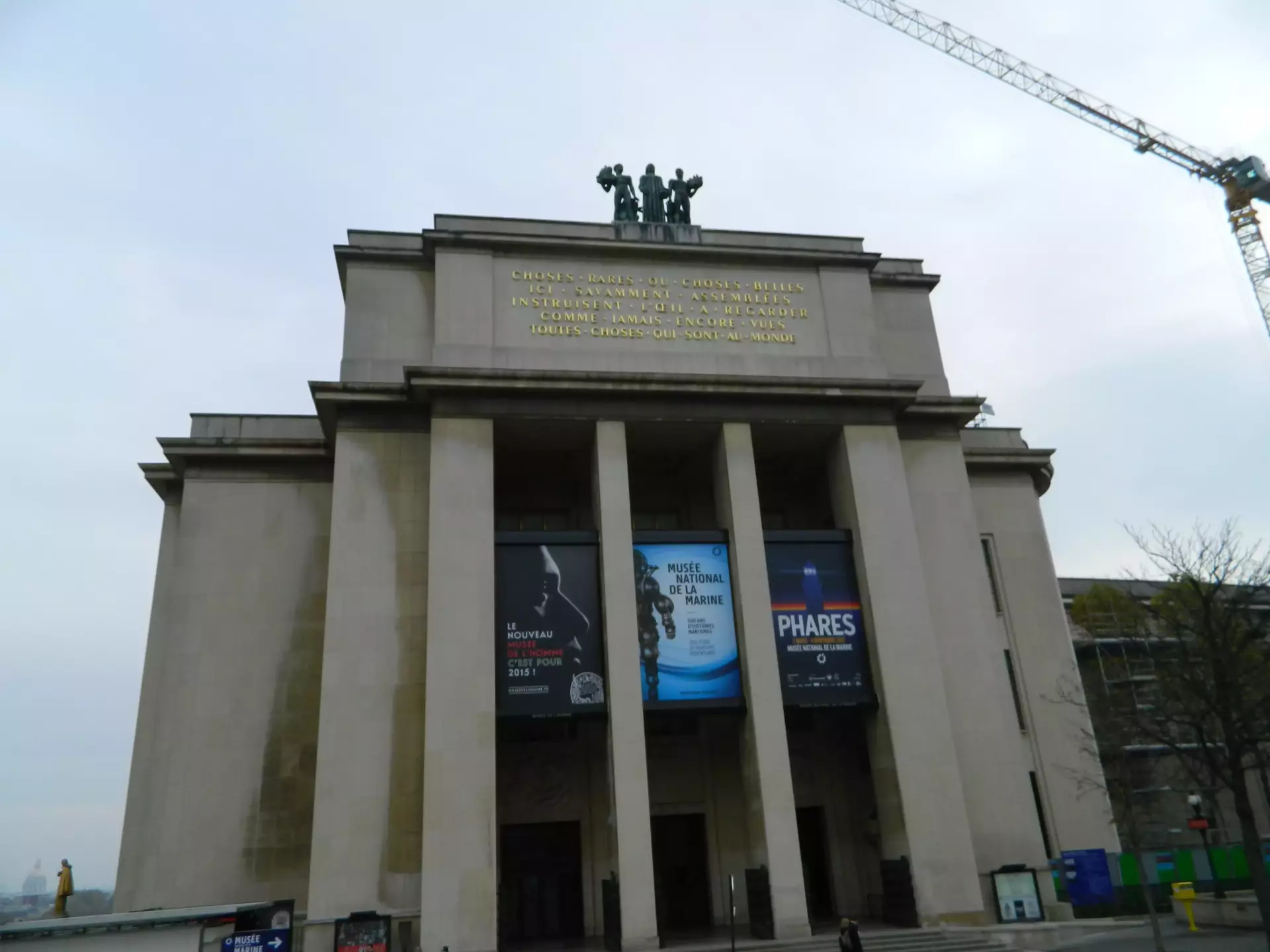
The Museum of Mankind, accommodated in the Palais du Chaillot, is an anthropological museum covering the history of mankind and human societies.
The C.I.U.P. is a student quarter established in 1925, providing homes for about 10,000 students, scientists, and artists from 120 countries. It has 40 houses attributed to individual nations. The individual houses organise top quality cultural and political events. Among the most remarkable buildings are the Fondation Deutsch de la Meurthe, the Heinrich Heine House (Maison Heinrich Heine - Fondation de l'Allemagne), the Swedish Student House (Maison des Etudiants Suédois), and the Swiss Pavilion (Pavillon Suisse) which was built in 1933 on plans of Le Corbusier.
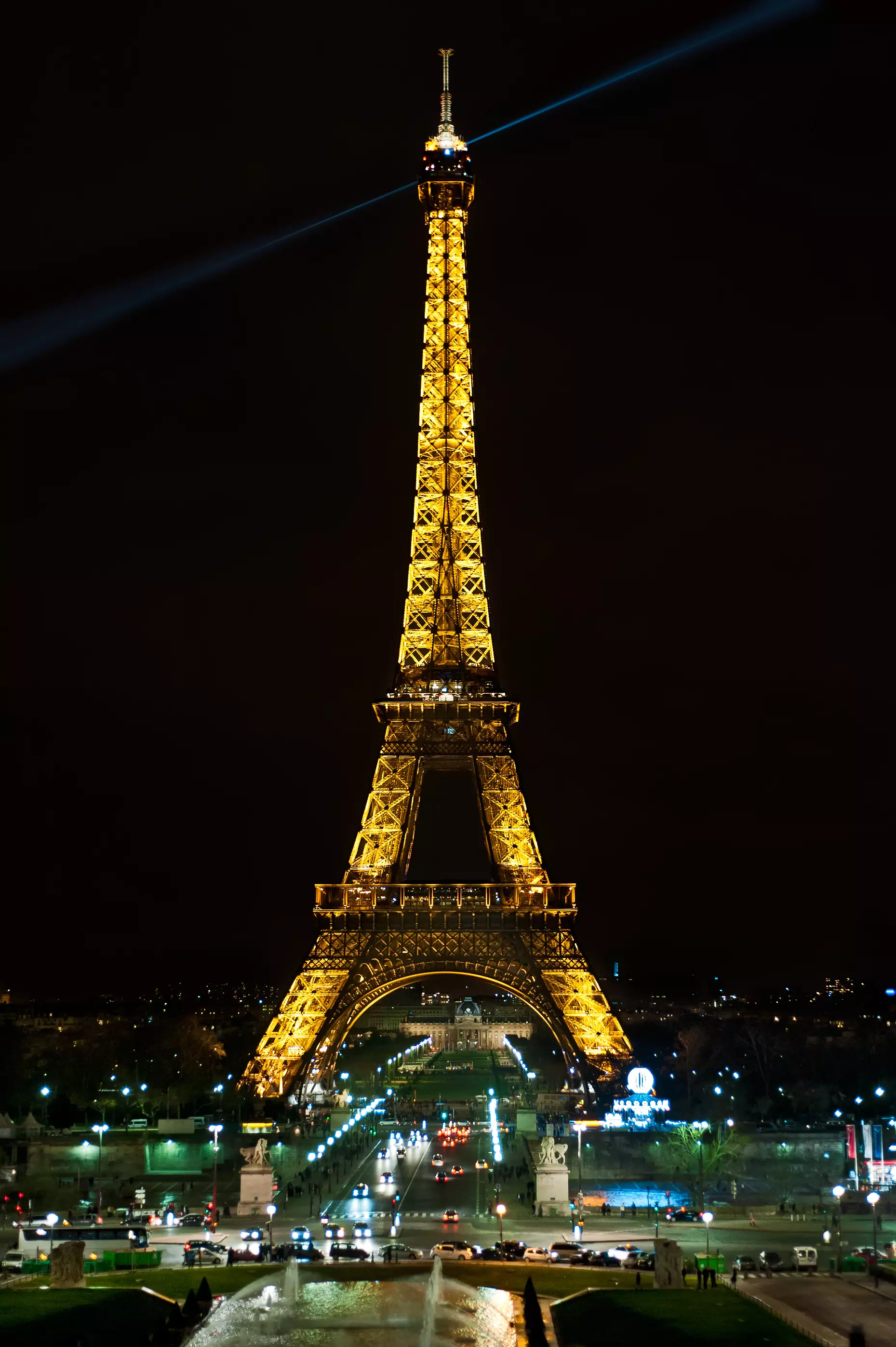
Great perspective on the Eiffel Tower and Left Bank from Place du Trocadéro in between the two buildings of the palais. Former location of the Palais du Trocadéro. It accommodates three museums, an aquarium, and the Theatre Nationale du Chaillot.
The building has a freely accessible rooftop which allows for a beautiful bird's-eye view of the northern half of Paris.
There are a number of famous occupants, but the real reason to visit this cemetery is to see the ornate tombstones, sculptures, and other sometimes macabre, sometimes touching memorials Parisians have left here for their dead.