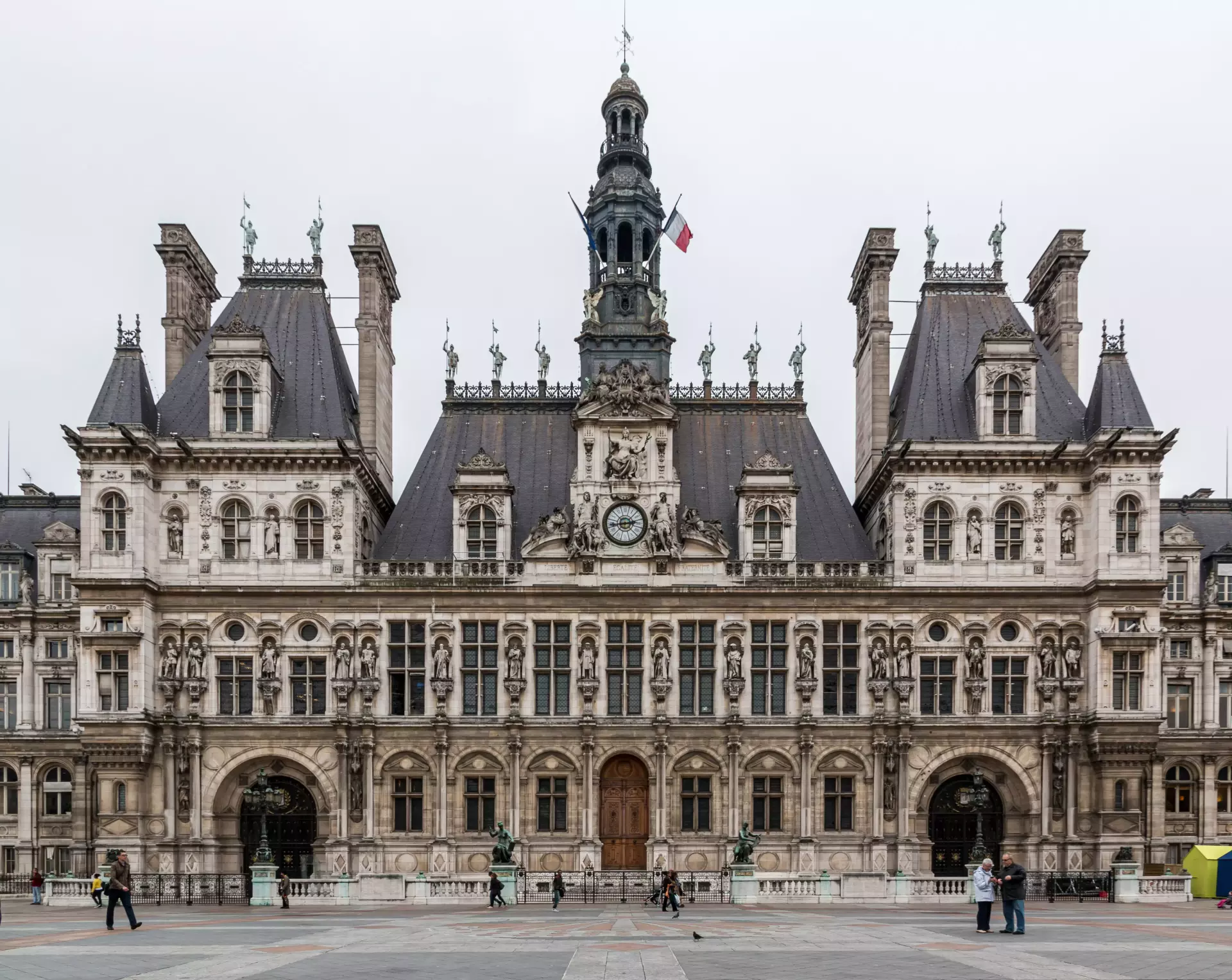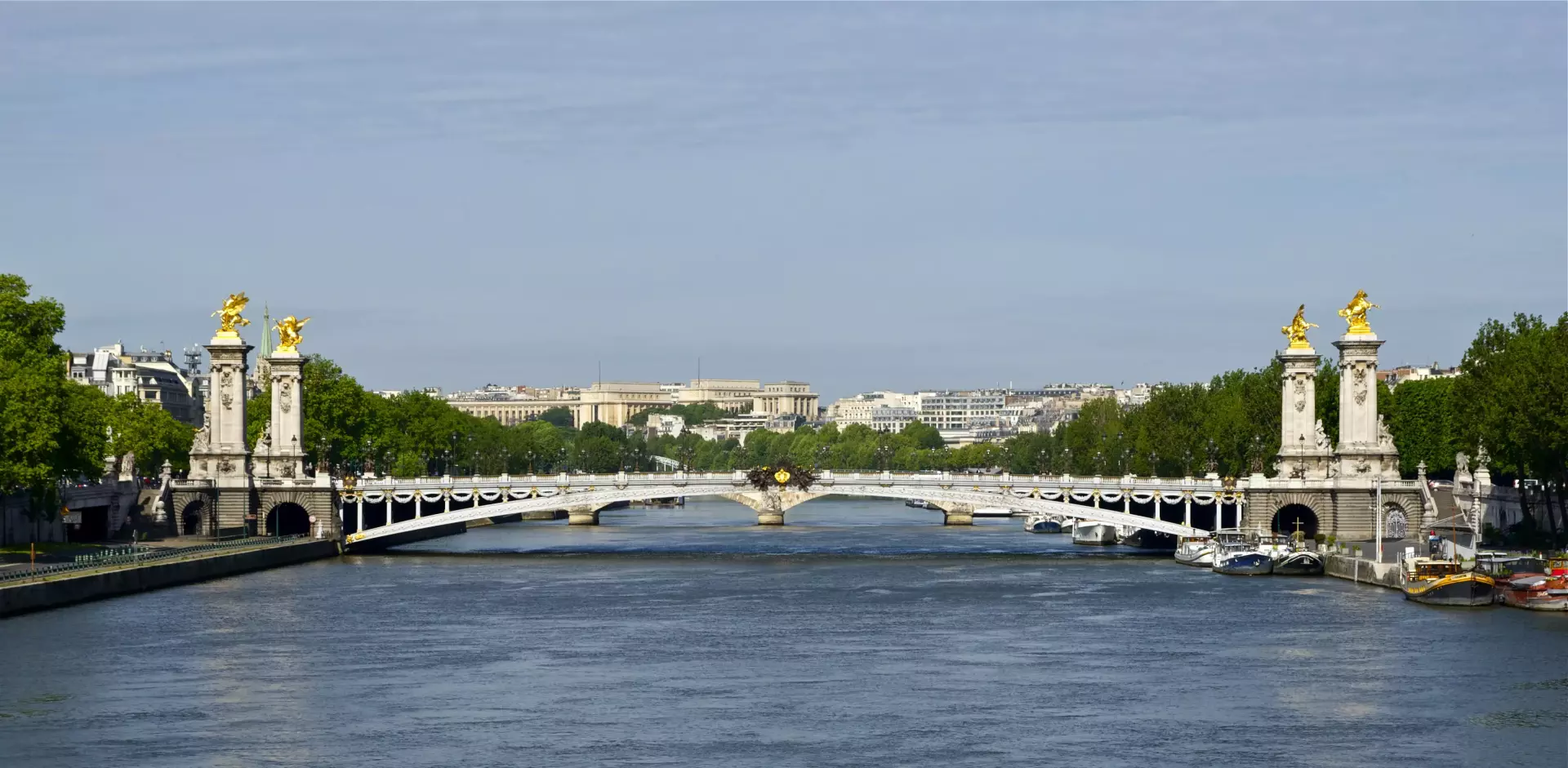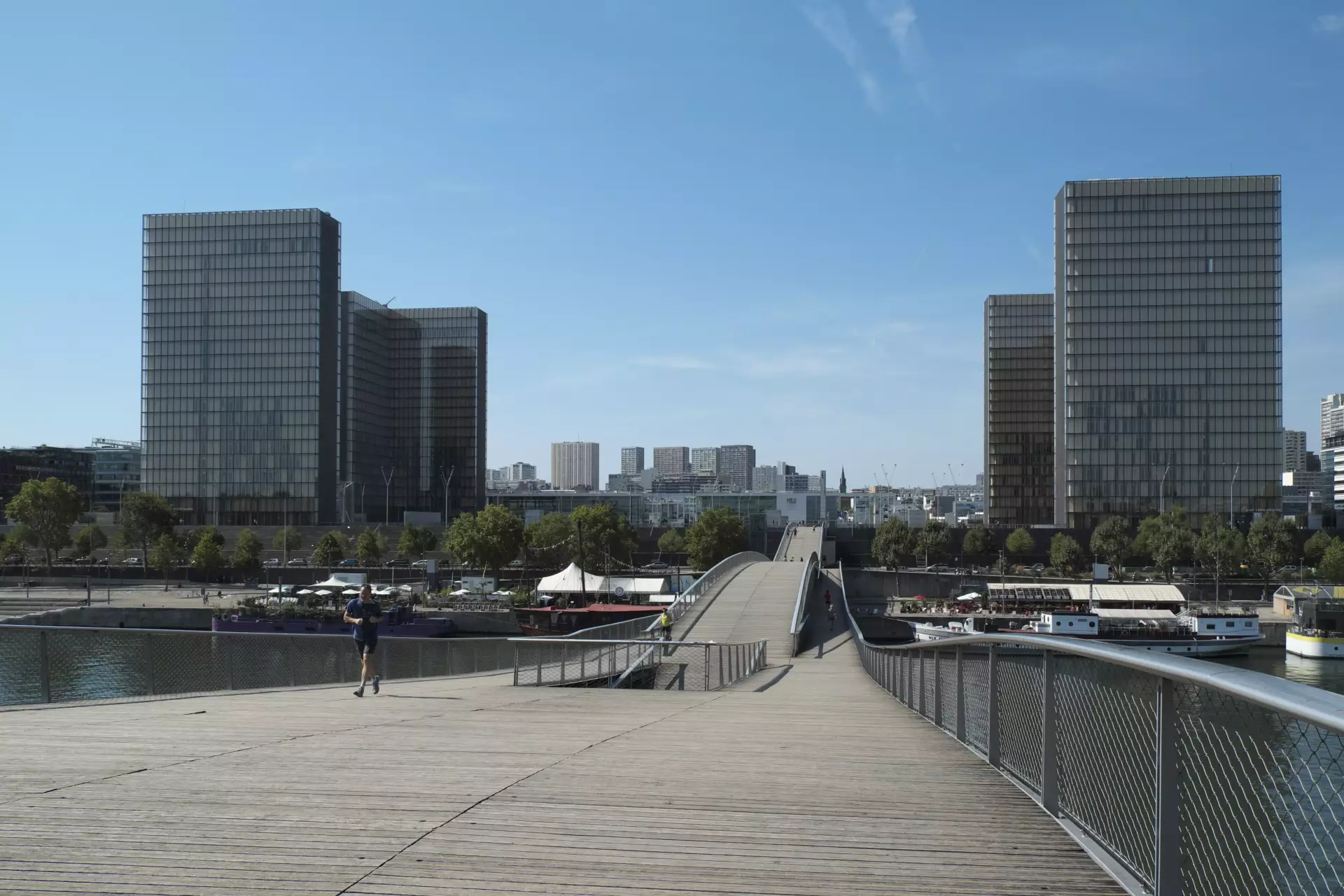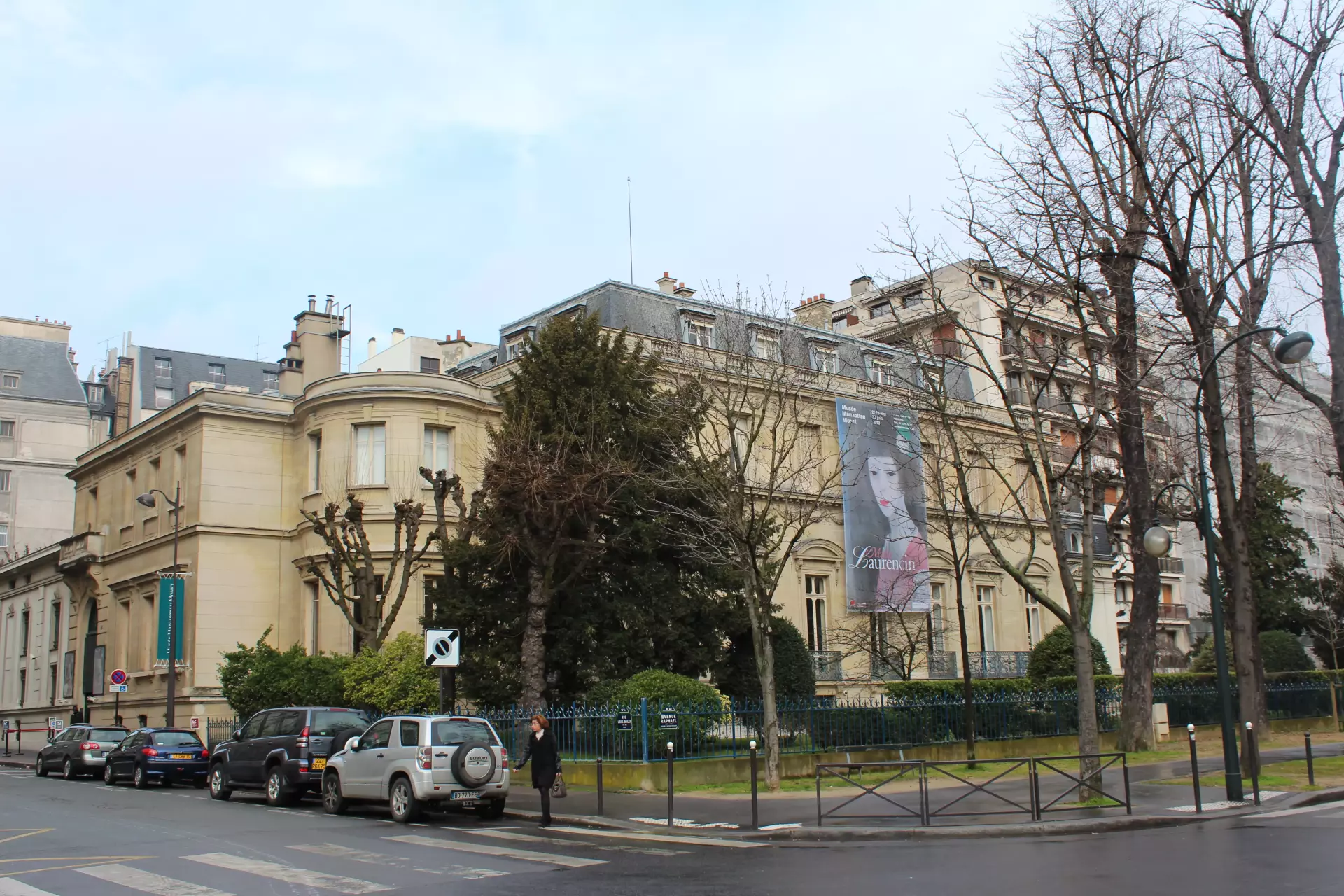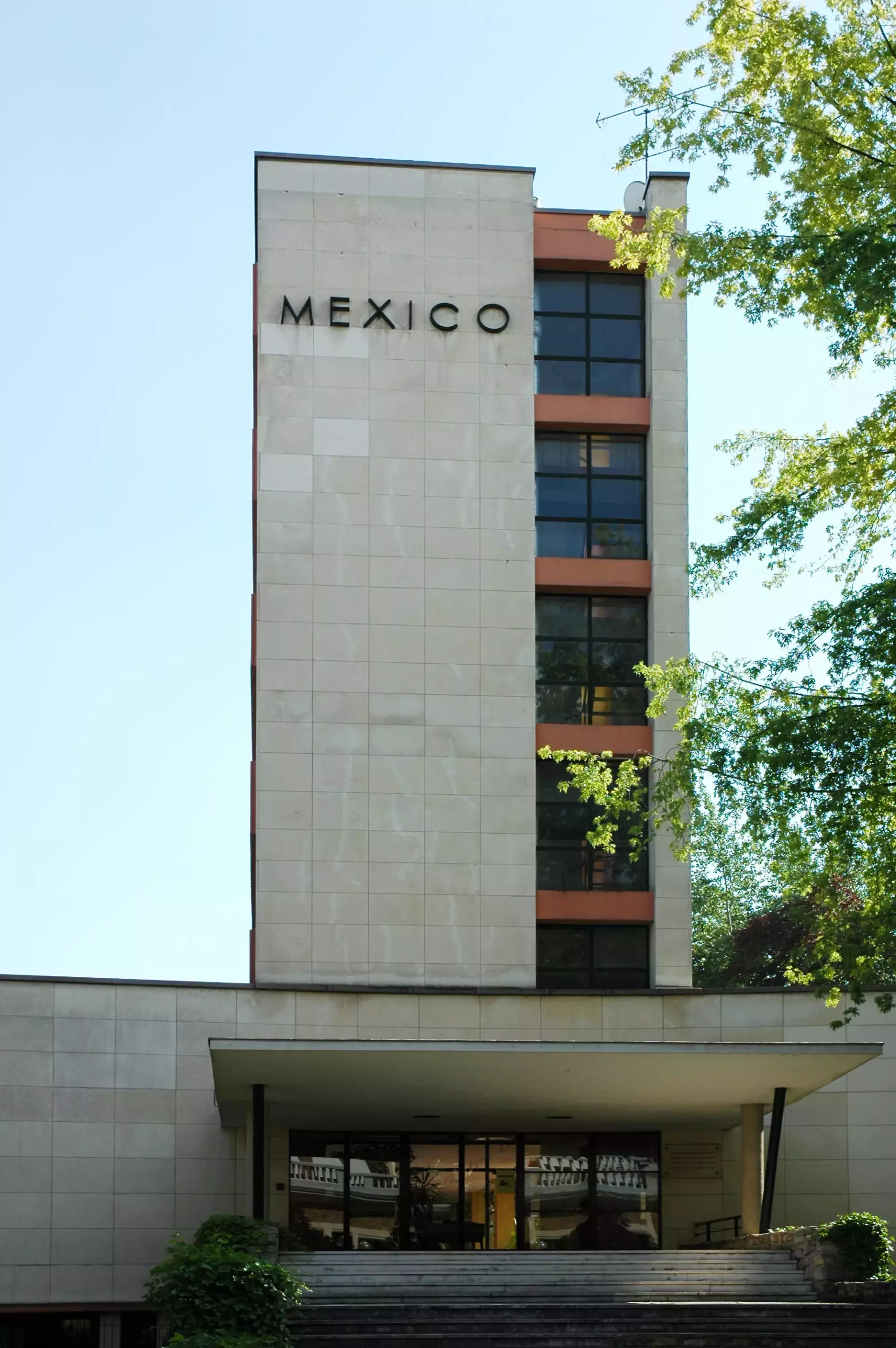
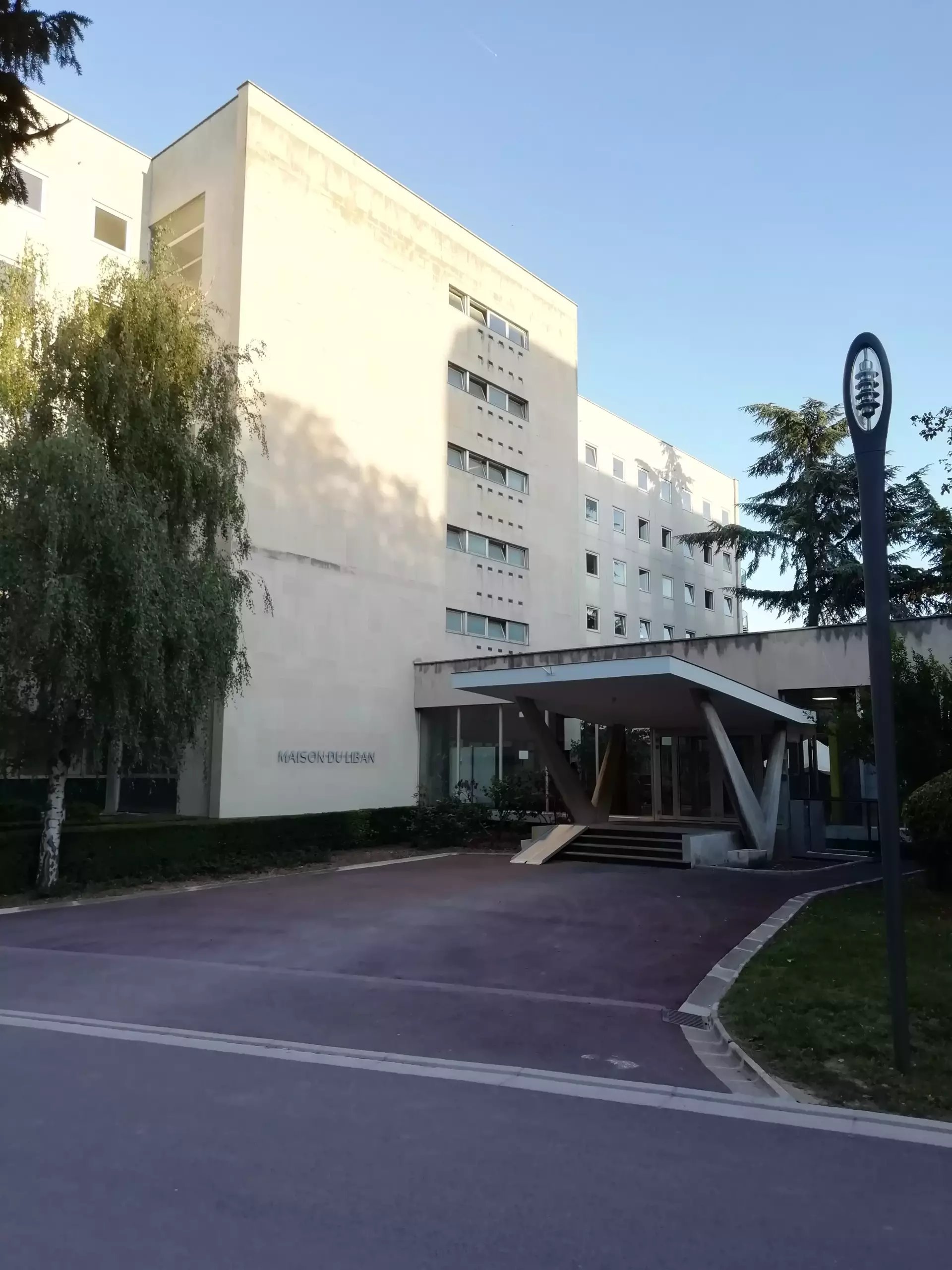
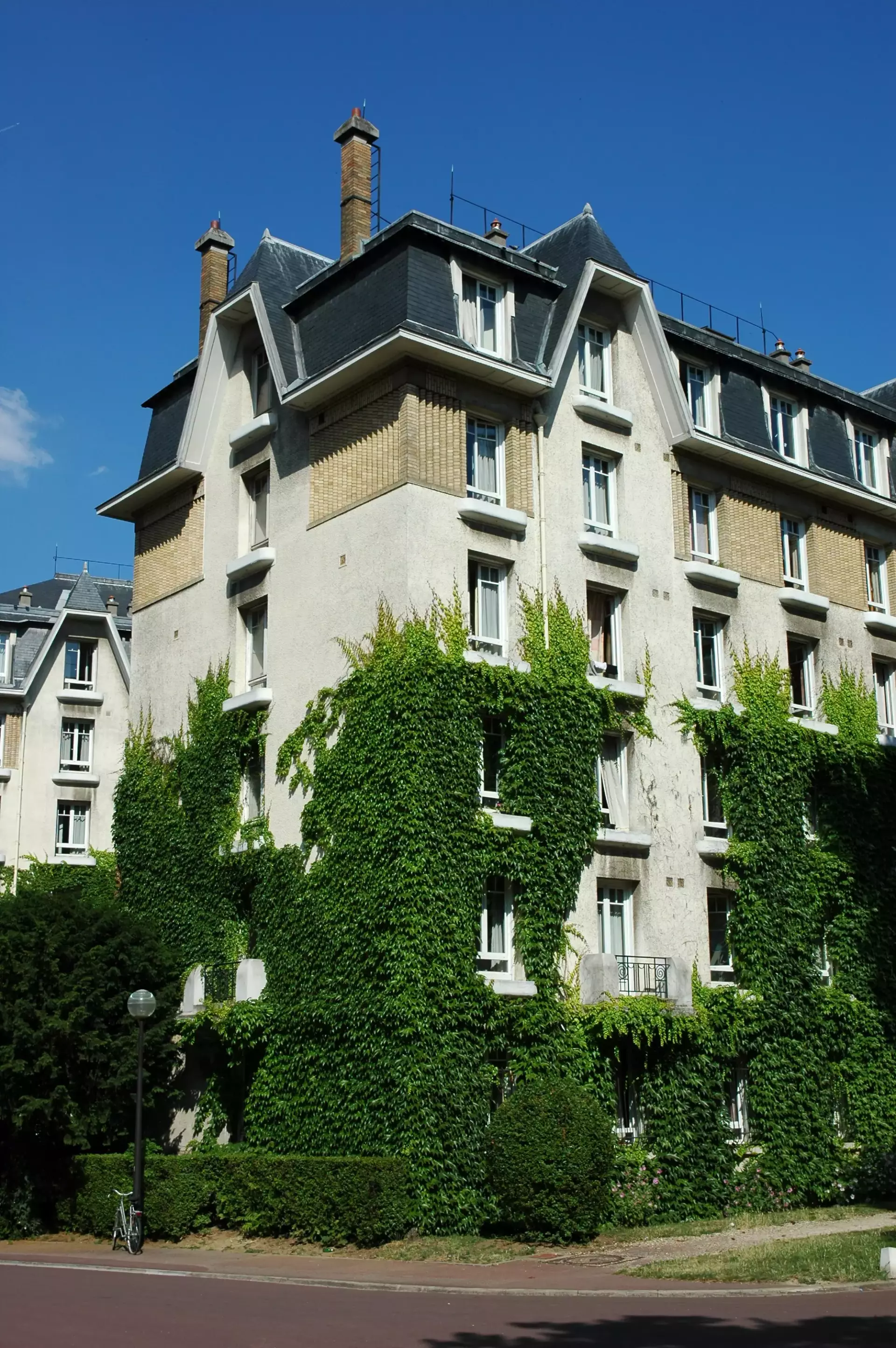
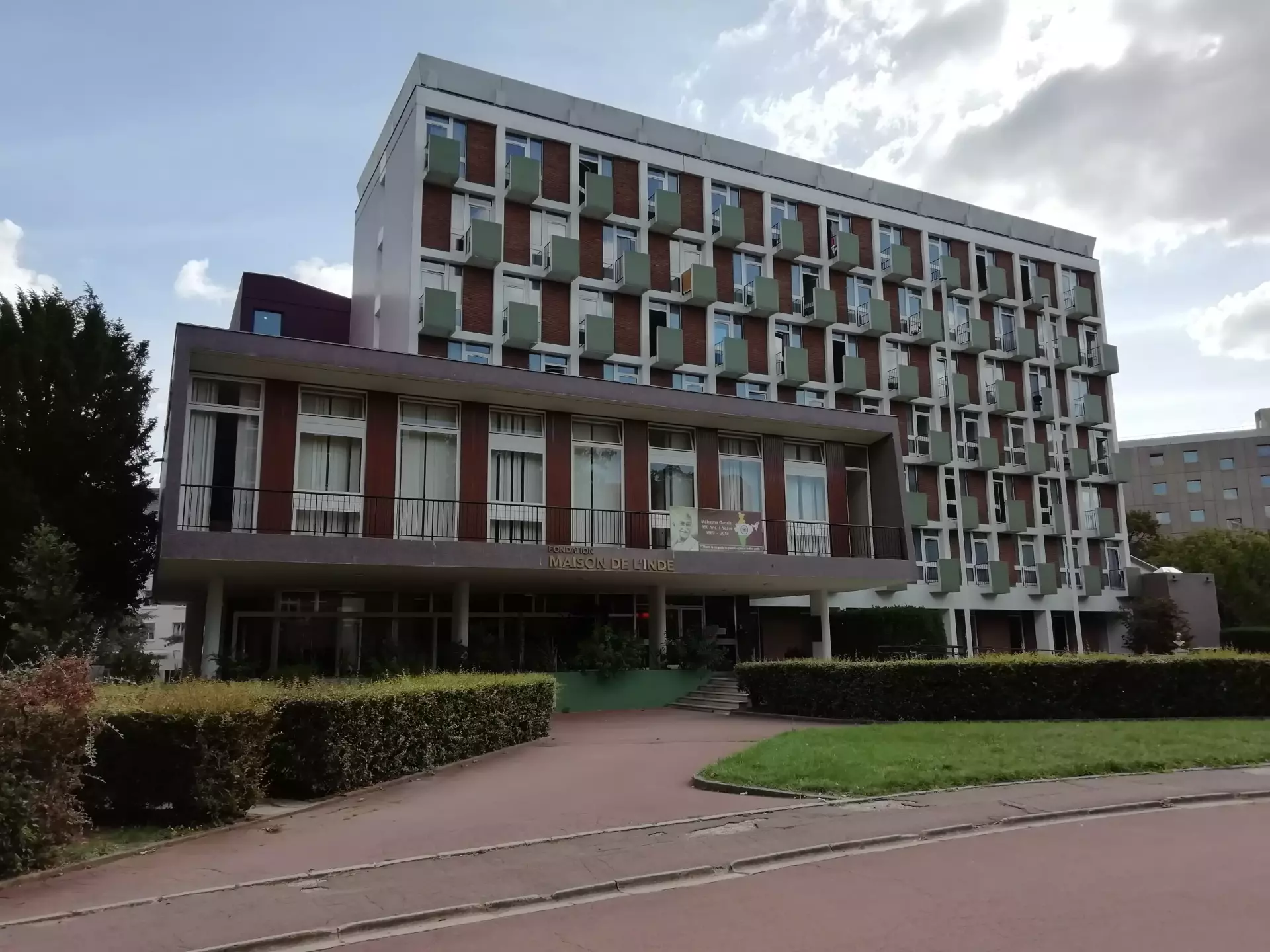
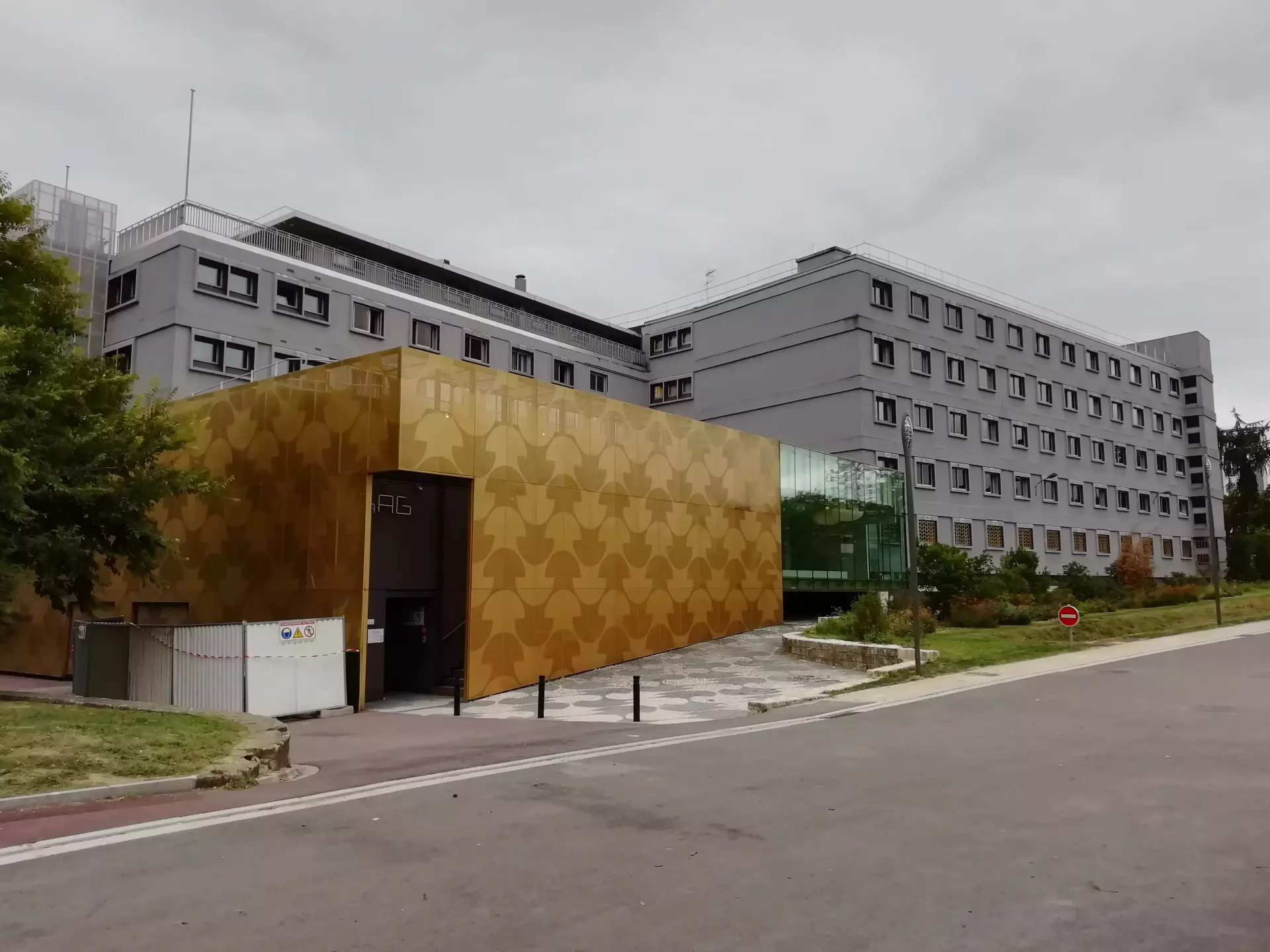
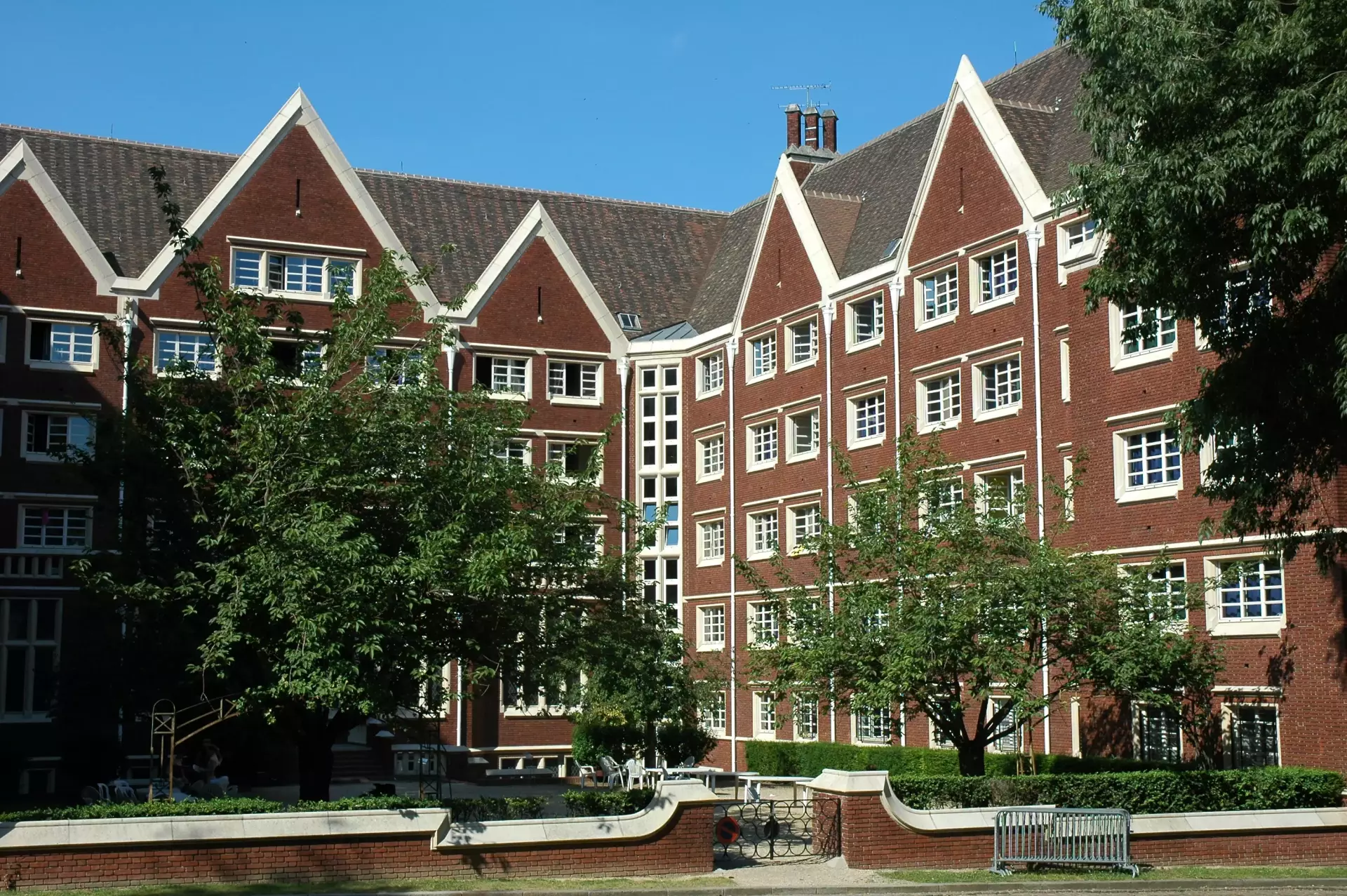
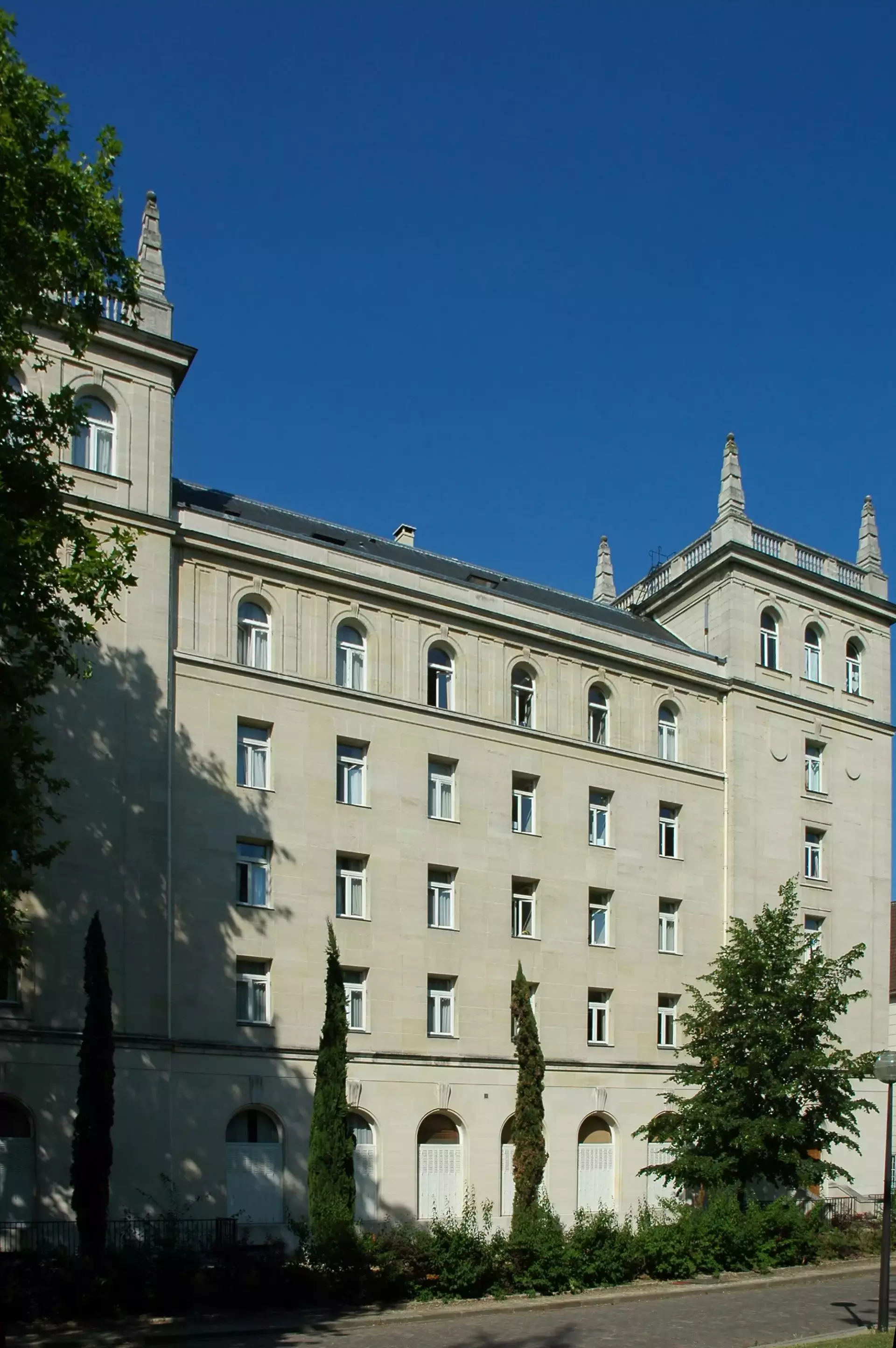
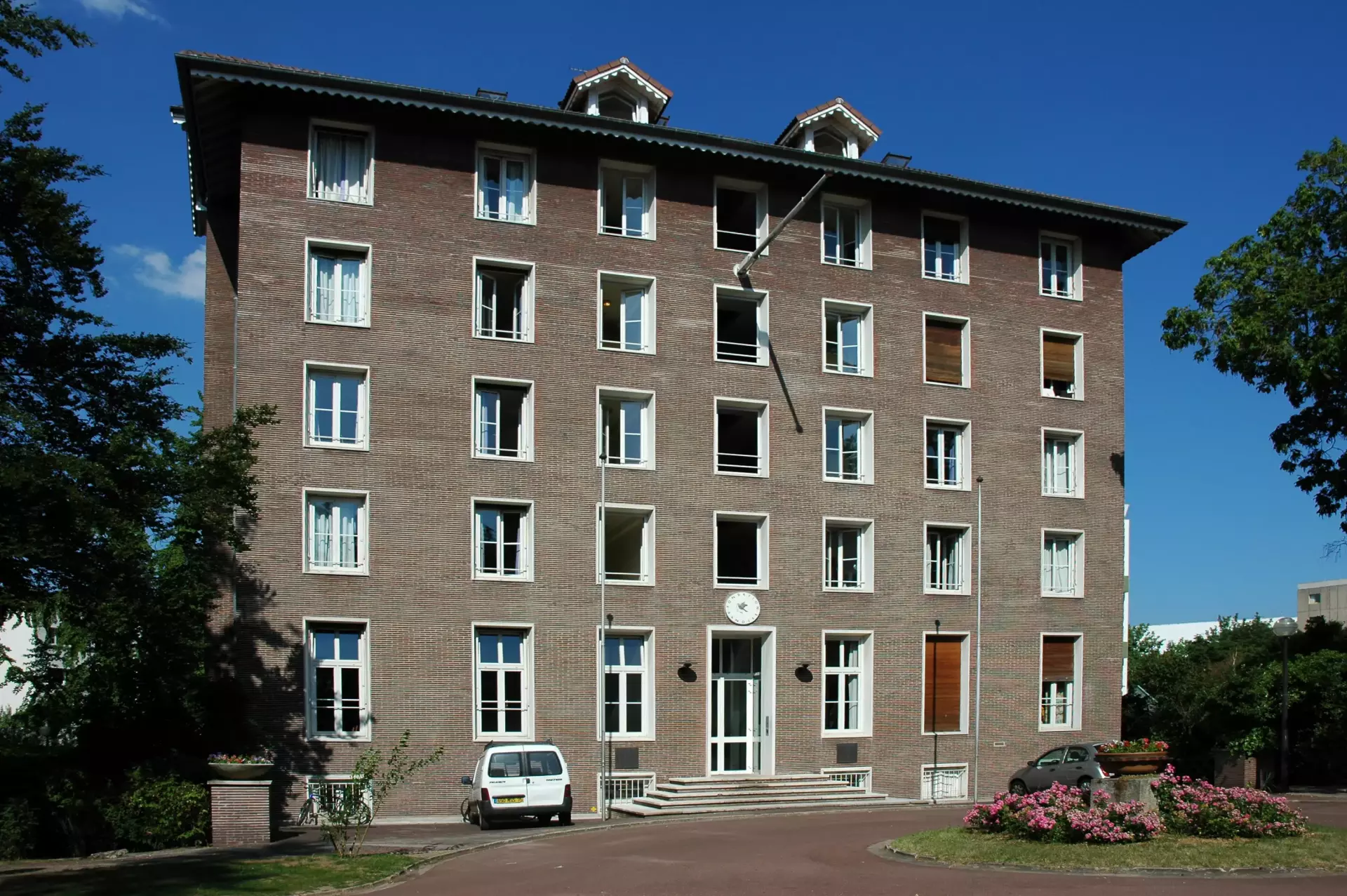
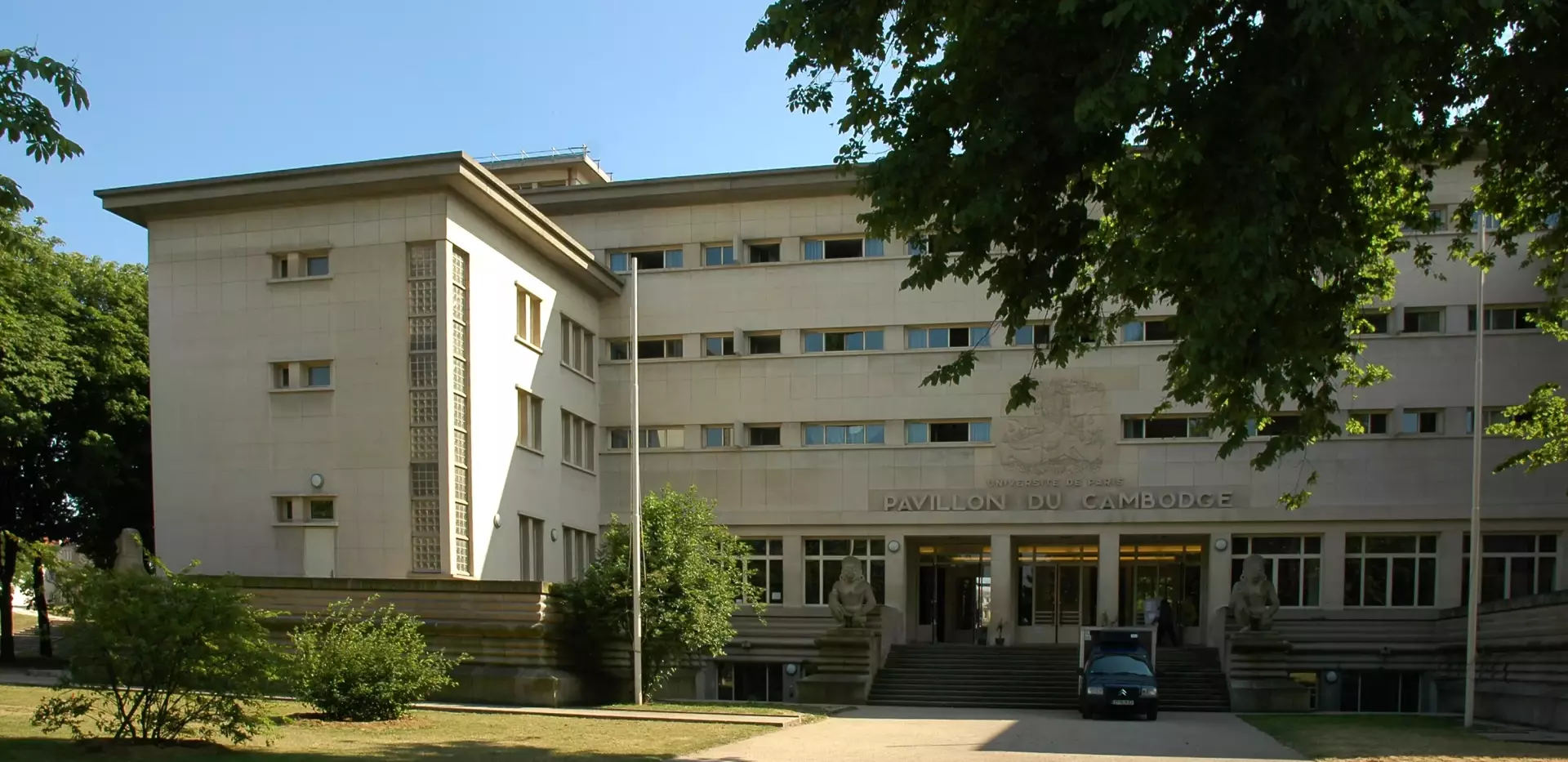
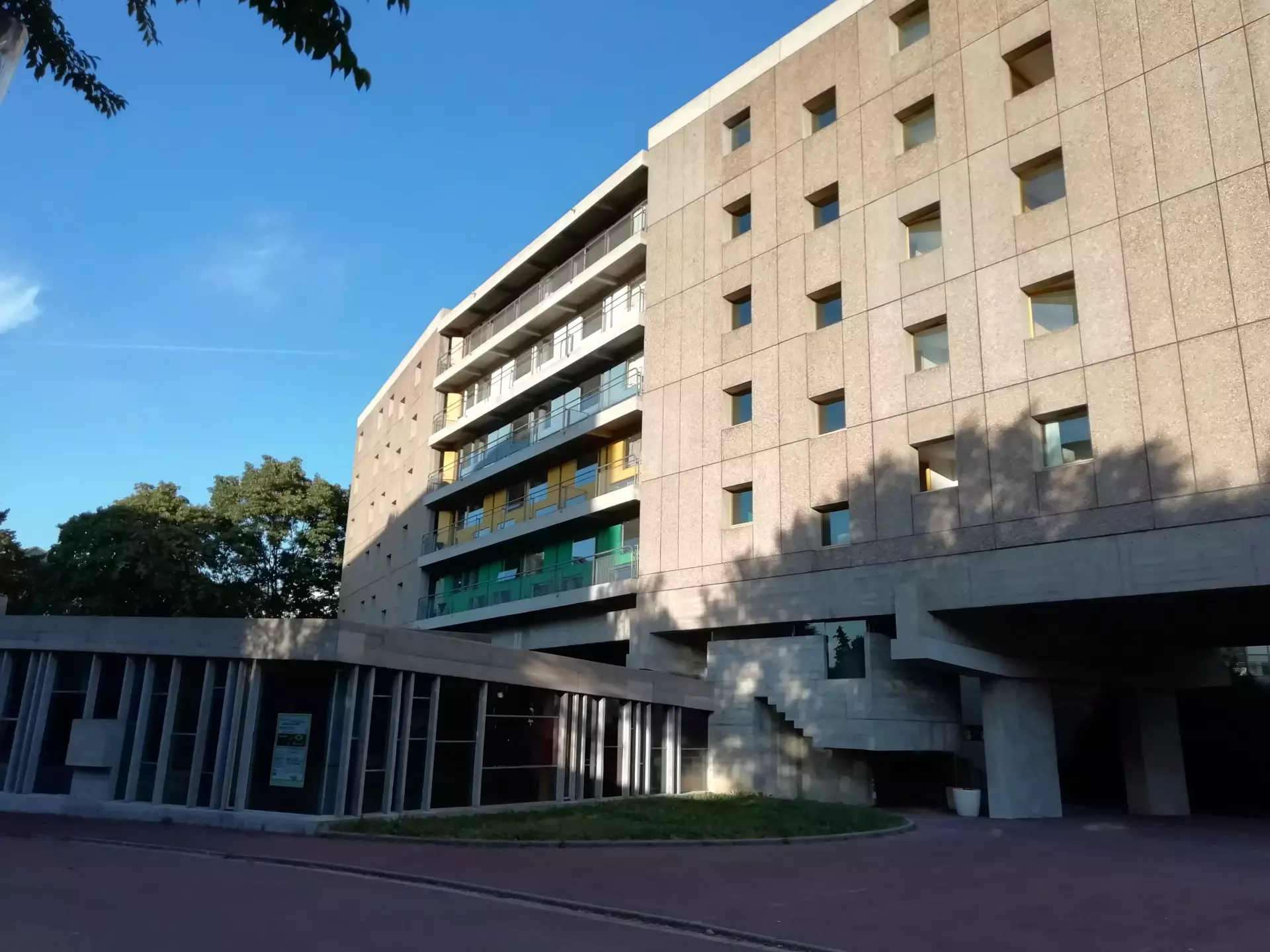
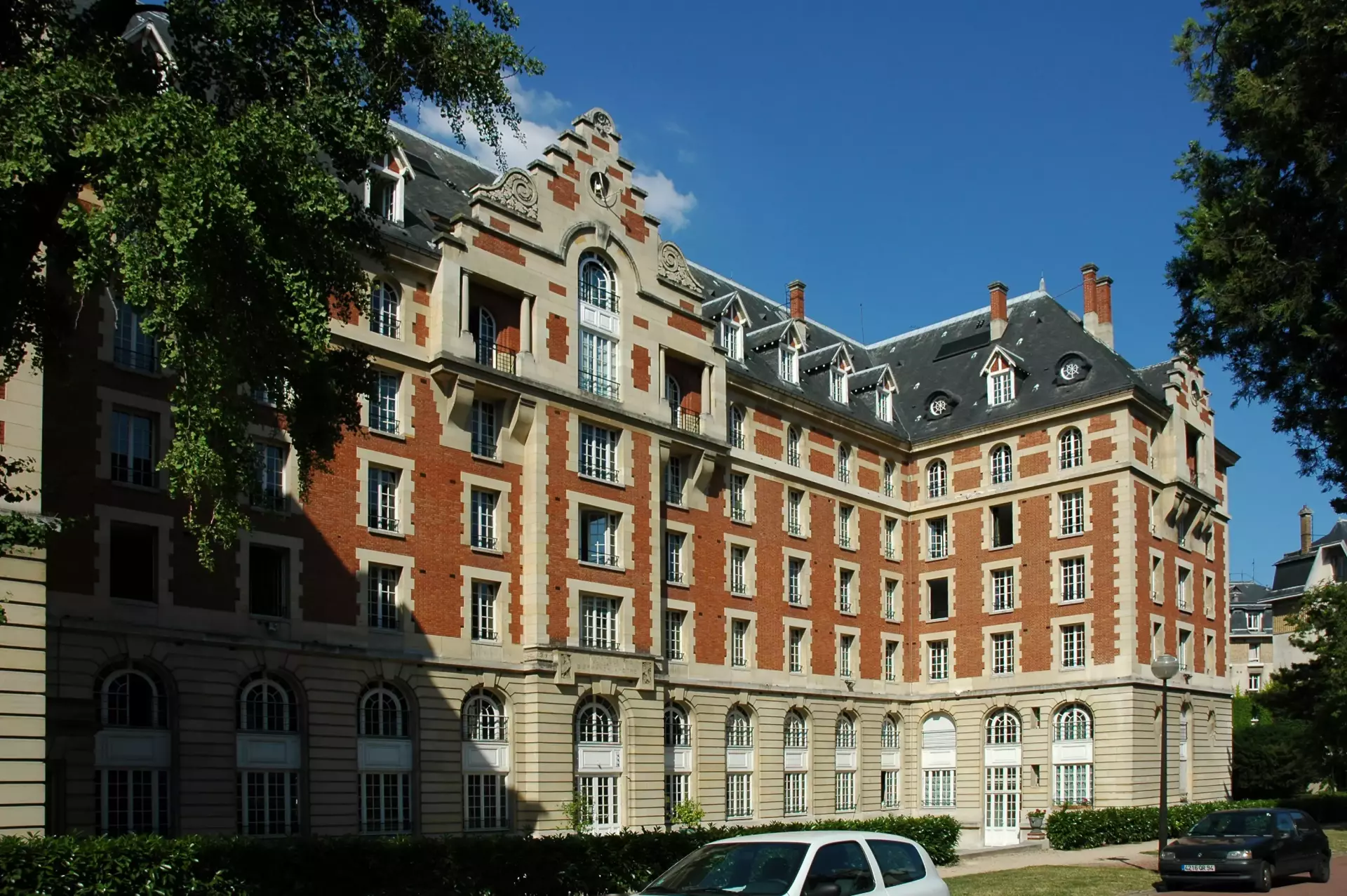
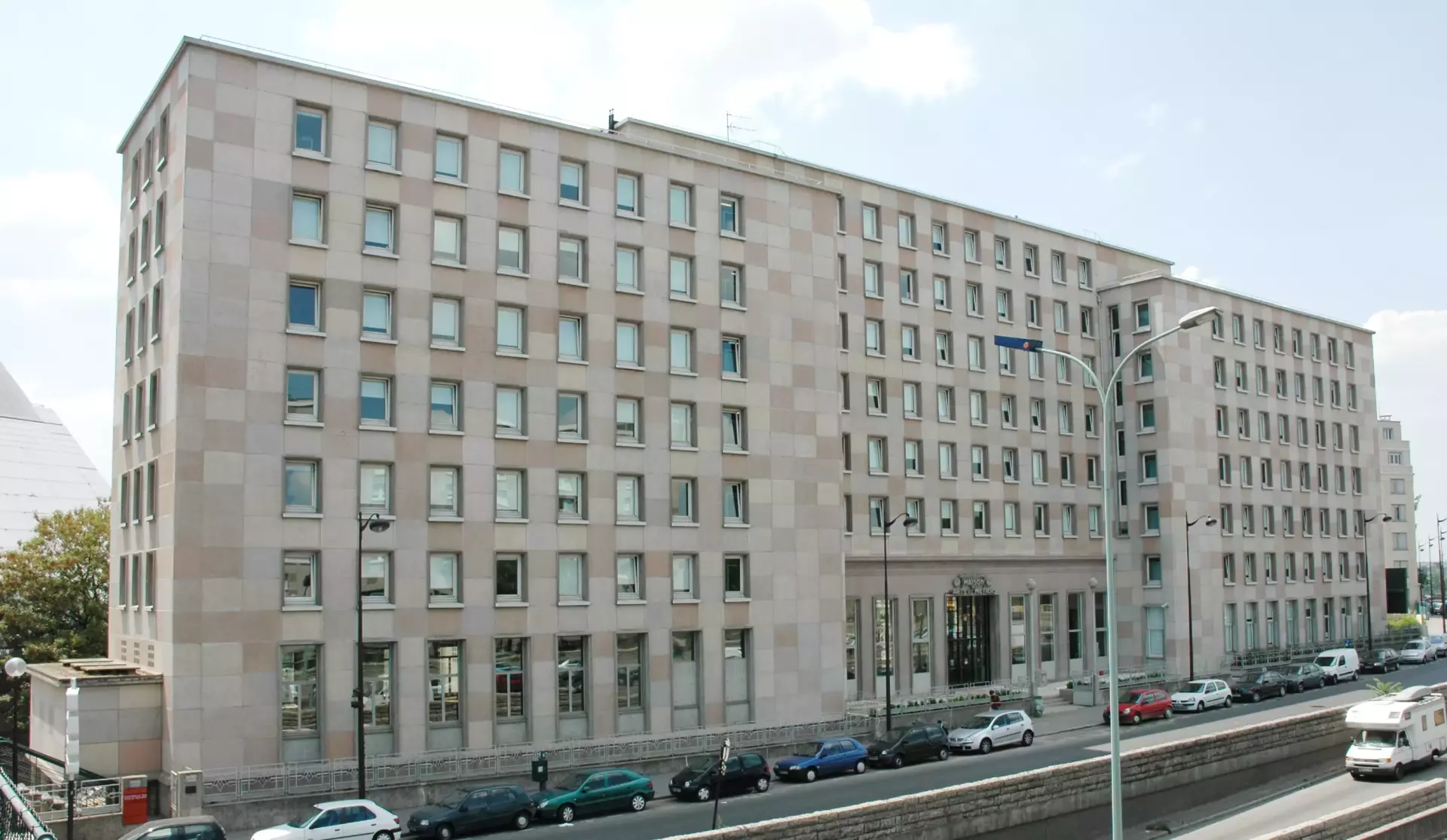
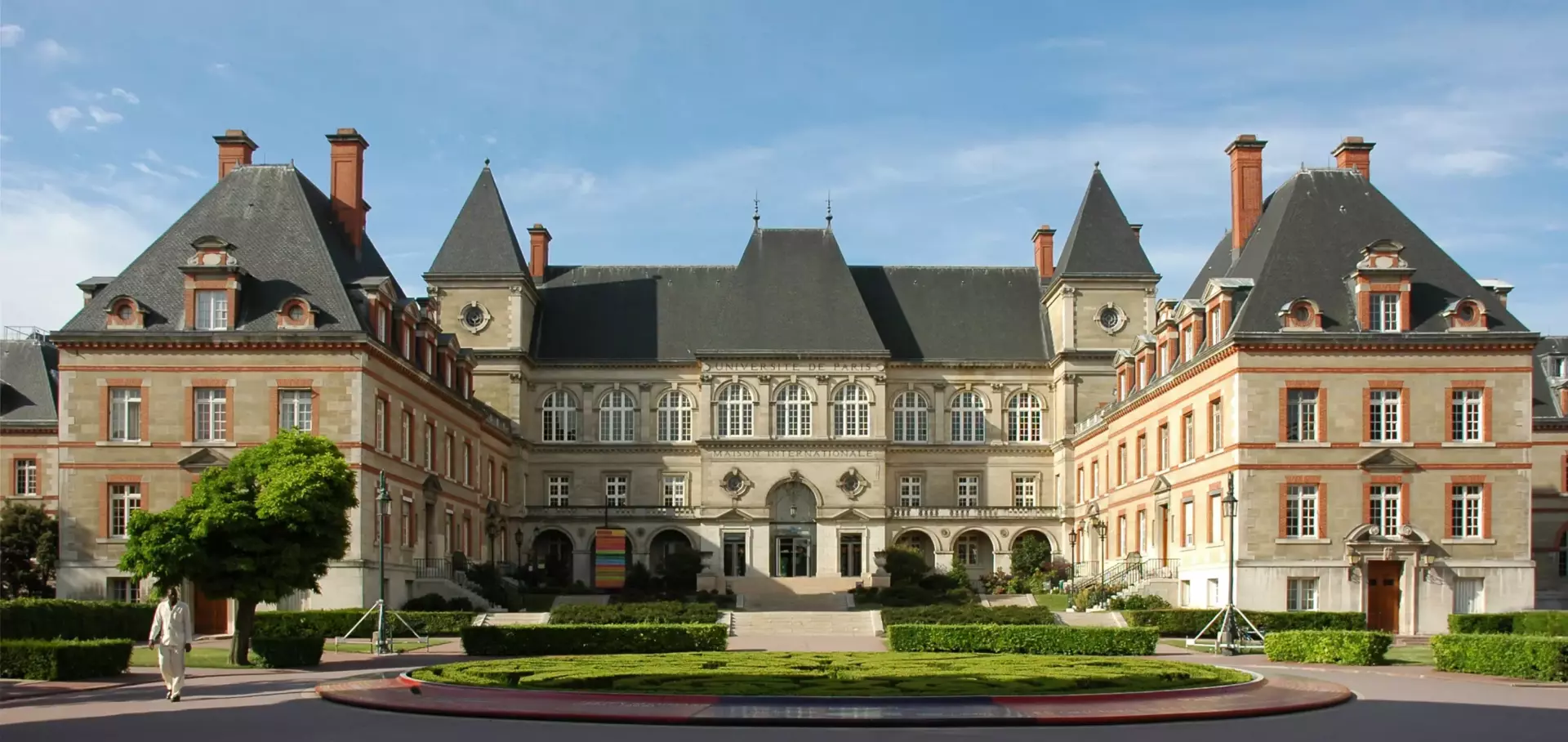
The Cité internationale universitaire de Paris (C.I.U.P.) is a unique student district that began in 1925. It offers accommodation to around 10,000 students, scholars, and artists from 120 different countries. This multicultural hub is home to 40 distinct residences, each representing a different nation.
Each residence, or "house", serves as a gathering place for its national group, while also welcoming the wider community. These houses regularly hold high-quality cultural and political events, helping to create strong international connections among residents. From concerts and art exhibitions to debates and lectures, the calendar is always full of opportunities for learning and exchange.
Some of the most notable buildings at C.I.U.P. reflect both historical and architectural significance. The Fondation Deutsch de la Meurthe is one of the oldest residences, while the Heinrich Heine House (Maison Heinrich Heine - Fondation de l'Allemagne) stands out for its elegant design. The Swedish Student House (Maison des Etudiants Suédois) is well-known for its welcoming atmosphere. The Swiss Pavilion (Pavillon Suisse), completed in 1933, was planned by the famous architect Le Corbusier, making it a landmark of modernist architecture within the campus.
Source - https://en.wikipedia.org/wiki/Cit%C3%A9_internationale_universitaire_de_Paris
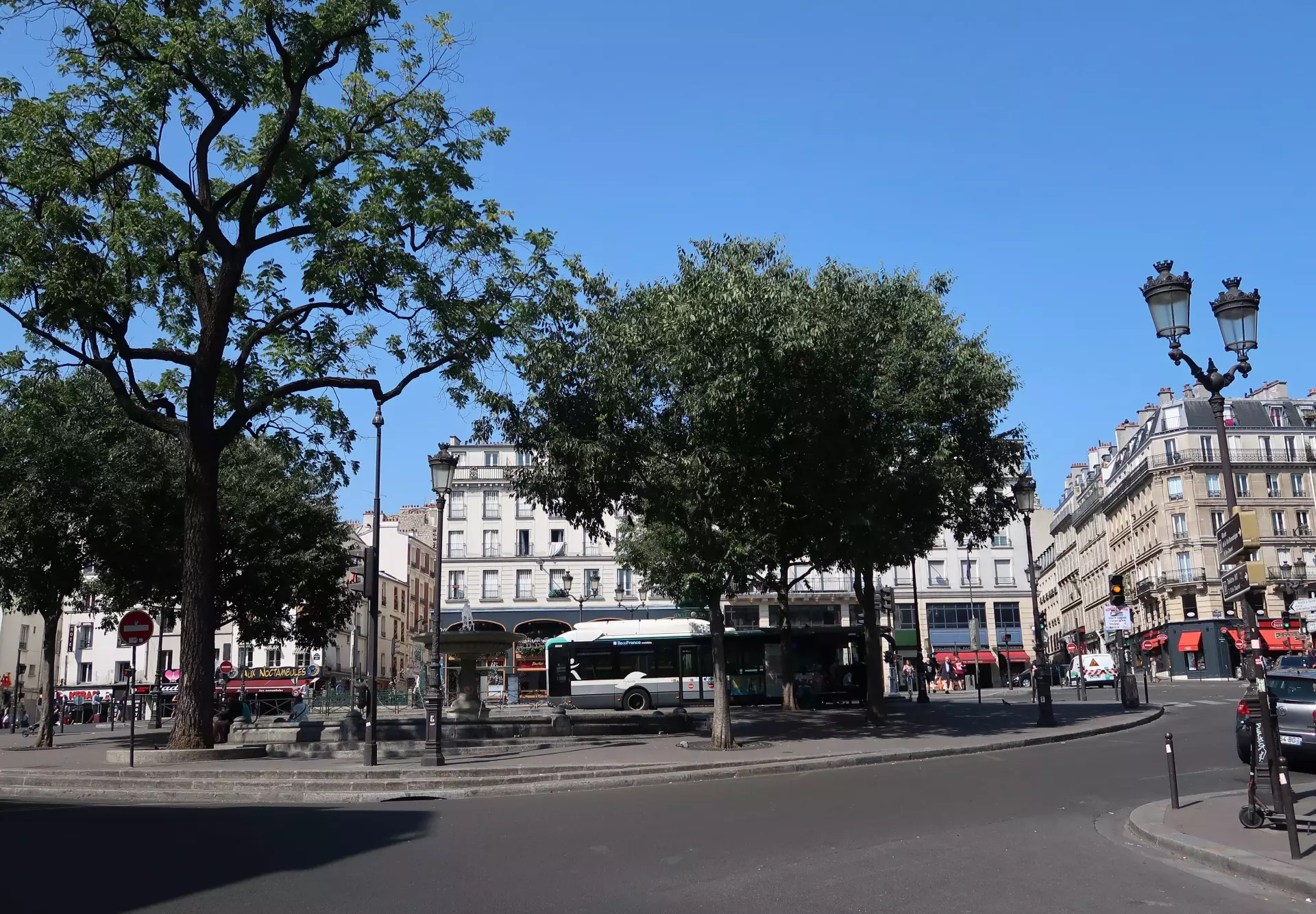
a Roman Catholic church on the east side of the Place Saint-Sulpice within the rue Bonaparte, in the Luxembourg Quarter of the VIe arrondissement. At 113 metres long, 58 metres in width and 34 metres tall, it is only slightly smaller than Notre-Dame and thus the second largest church in the city. It is dedicated to Sulpitius the Pious. During the 18th century, an elaborate gnomon, the Gnomon of Saint-Sulpice, was constructed in the church. In front of the church itself is the magnificent Place Saint-Sulpice which contains the 'Fountain of the Four Bishops'. The church has a long-standing tradition of talented organists that dates back to the eighteenth century. In 1862, Aristide Cavaillé-Coll reconstructed and improved the existing organ built by François-Henri Clicquot. Though using many materials from Clicquot's French Classical organ, it is considered to be Cavaillé-Coll's magnum opus, featuring 102 speaking stops, and is perhaps the most impressive instrument of the romantic French symphonic-organ era. Its organists have also been renowned, starting with Nicolas Séjan in the 18th century, and continuing with Charles-Marie Widor (organist 1870-1933) and Marcel Dupré (organist 1934-1971), both great organists and composers of organ music. The current organists are 'titulaire' Daniel Roth (since 1985) and 'assistant titulaire' Sophie-Véronique Cauchefer-Choplin. In Saint-Sulpice Sunday organ recitals are held on a regular basis (Auditions du Dimanche, following the High Mass, usually from 11:30am till 12:05pm, during the subsequent mass, a visit of the organ loft is possible).
The foundation opened its doors in May 2003. It preserves Henri Cartier-Bresson and Martine Franck’s archives. Exhibition of photographs, paintings, sculptings, and illustrations.
Mainly used as a concert hall and venue for fashion shows today, the Cirque d'Hiver was built in 1852, as the name would suggest, as a winter venue for circuses.
Opened in 2006, this is the newest and the most modern of Paris' great museums, housing an outstanding collection of tribal art, with a particular emphasis on France's former (and present) territories in Oceania and Africa. The museum is large and you can easily spend half a day browsing, especially if you pause to explore the multimedia presentations.
The magnificent setting of The Phantom of the Opera, the inside is as opulent as the outside. However, since the opening of the Opera Bastille (12th) in 1989, the Palais Garnier has been reserved mostly for dance performances, particularly ballet.
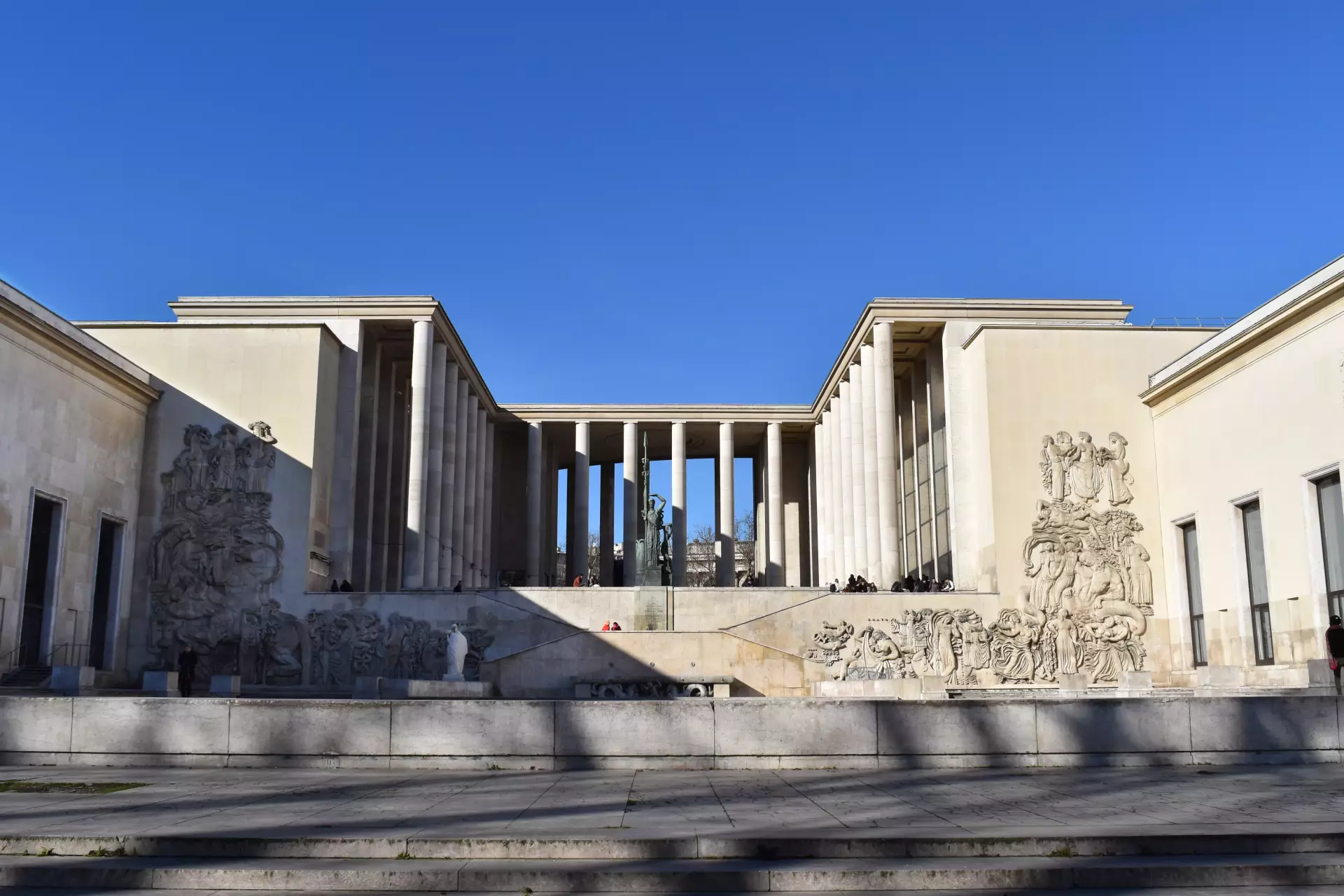
The Museum of Mankind, accommodated in the Palais du Chaillot, is an anthropological museum covering the history of mankind and human societies.
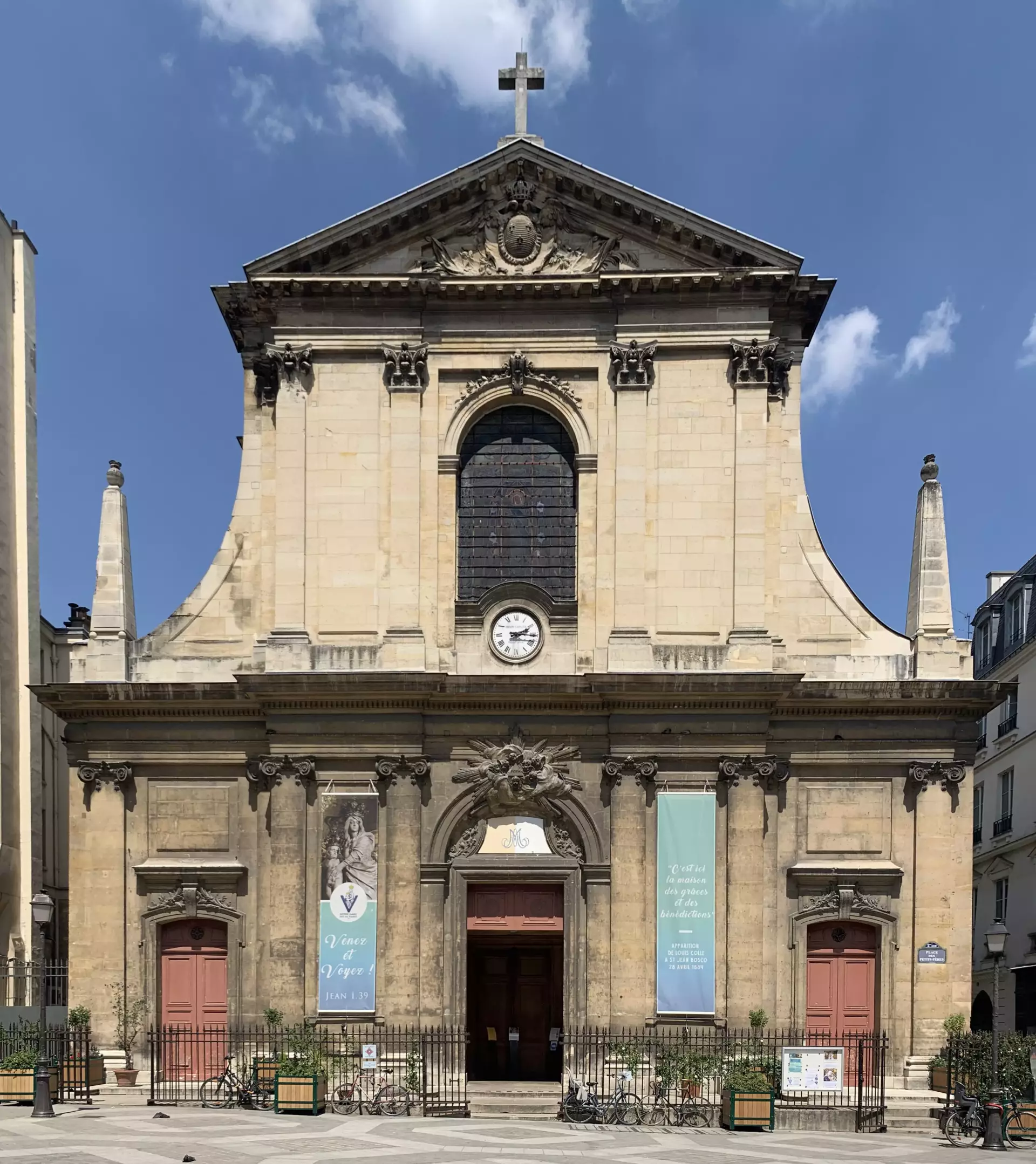
A controversial church serving as de facto headquarters of the arch-traditionalist Society of Saint Pius X, who occupied the church in 1977 and have ignored subsequent eviction orders.
The City of Architecture and Heritage, accommodated in the Palais du Chaillot, is a museum and gallery of French architecture. The centrepiece is the spectacular Hall of Casts, a collection of full-size plaster casts of facades, towers, doorways and windows of great buildings from all over France. Architecture of the late 19th, 20th, and 21st centuries is represented by additional galleries of models and images.
One of the truly great venues for the performing arts anywhere in the world, Paris' new opera house actually managed to inspire some neighborhood protest during its planning and construction. Pretty much everybody is a believer nowadays though. Check out the website for upcoming shows, it might even make sense to plan a trip to Paris around one.
The house in which the famous French novelist Victor Hugo once lived.
There are a number of famous occupants, but the real reason to visit this cemetery is to see the ornate tombstones, sculptures, and other sometimes macabre, sometimes touching memorials Parisians have left here for their dead.
The official residence of the President of France since 1848. Dating to the early 18th century, it contains the office of the President and the meeting place of the Council of Ministers. It is located near the Champs-Élysées in the 8th arrondissement of Paris, the name Élysée deriving from Elysian Fields, the place of the blessed dead in Greek mythology. Not open to the public, except occasionally during the annual National Heritage Days (usually a weekend in mid-September). Important foreign visitors are hosted at the nearby Hôtel de Marigny, a palatial residence.
Built adjoining the now-lost royal palace of the Tuileries, these gardens lying immediately west of the Louvre offer a central open space for Parisians and visitors with semi-formal gardens (an outdoor gallery for modern sculpture), various cafés, ice cream and crépe stalls, and a summer fun fair. The gardens are frequently home to a giant Ferris wheel and enclose the Musée de la Orangerie and the Jeu de Paume.
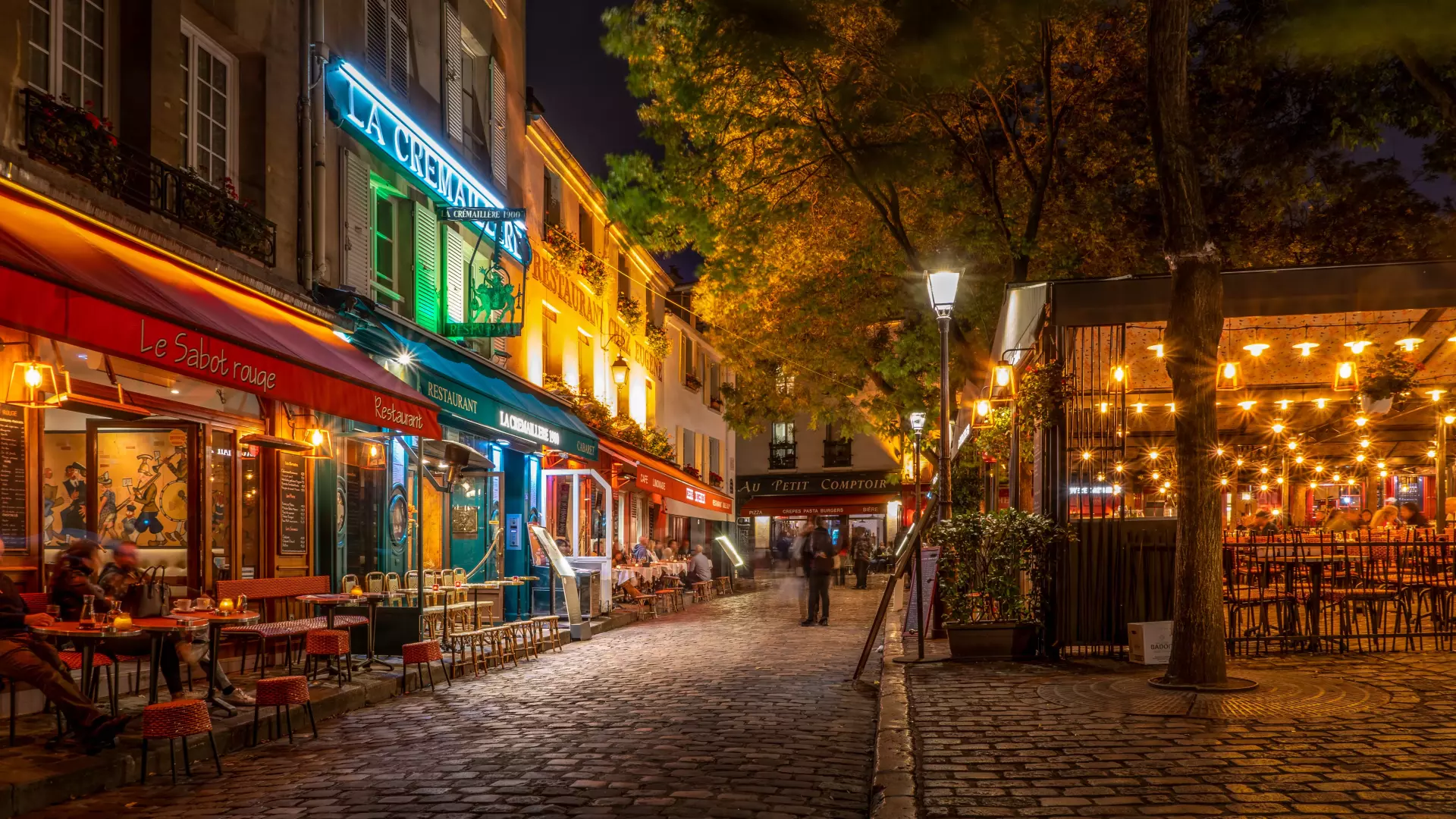
A little district within the district. Very charming little streets on a hill on the west end of the 13 district. Nice for lunching/dining activities. This is the place where the band "Mano Negra" was hanging around.
One of the largest collections outside Asia of Southeast Asian, Indian, Afghan, Chinese, Japanese, and Korean art.
Suspended above the train tracks this garden is surprisingly calm and chilled-out.
Part gallery - part restaurant - part nightclub, La Cite (Les Docks) is a modern building that is instantly recognisable due to being draped on one side with a large neon green shell covering the stairwells and roof the building. Roughly translated in English as The City of Fashion and Design, this is a trendy spot at the weekends and is used for event like Paris Design Week. The restaurant in the building is open all year round.
This street is named in honor for Nicolas Appert, a French businessman who invented airtight food preservation. On January 7th, 2015, it was the site of the Charlie Hebdo terrorist attack, which resulted in the deaths of 12 people. A plaque in front of a former office building memorializes the victims of the satirical magazine's staff.