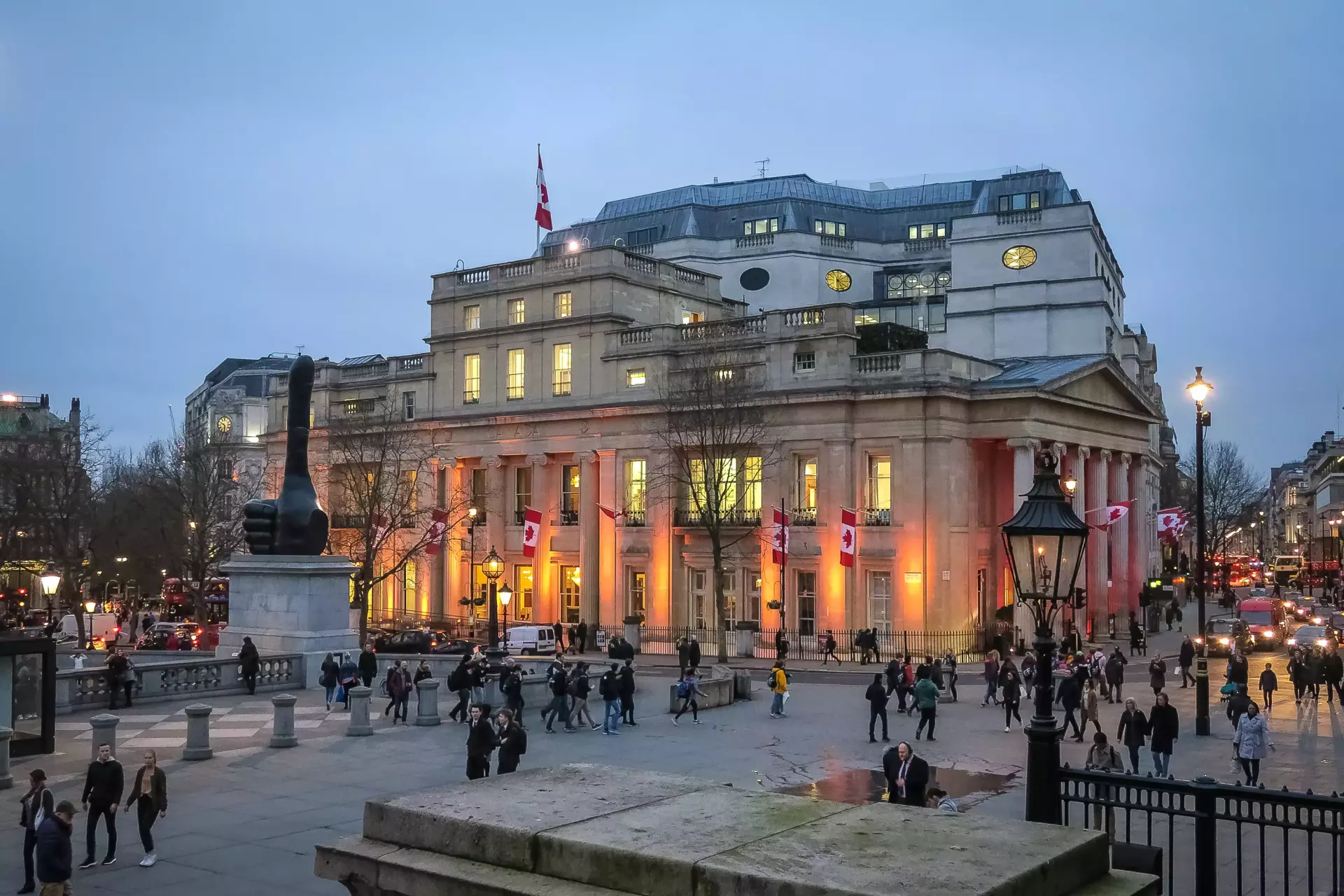
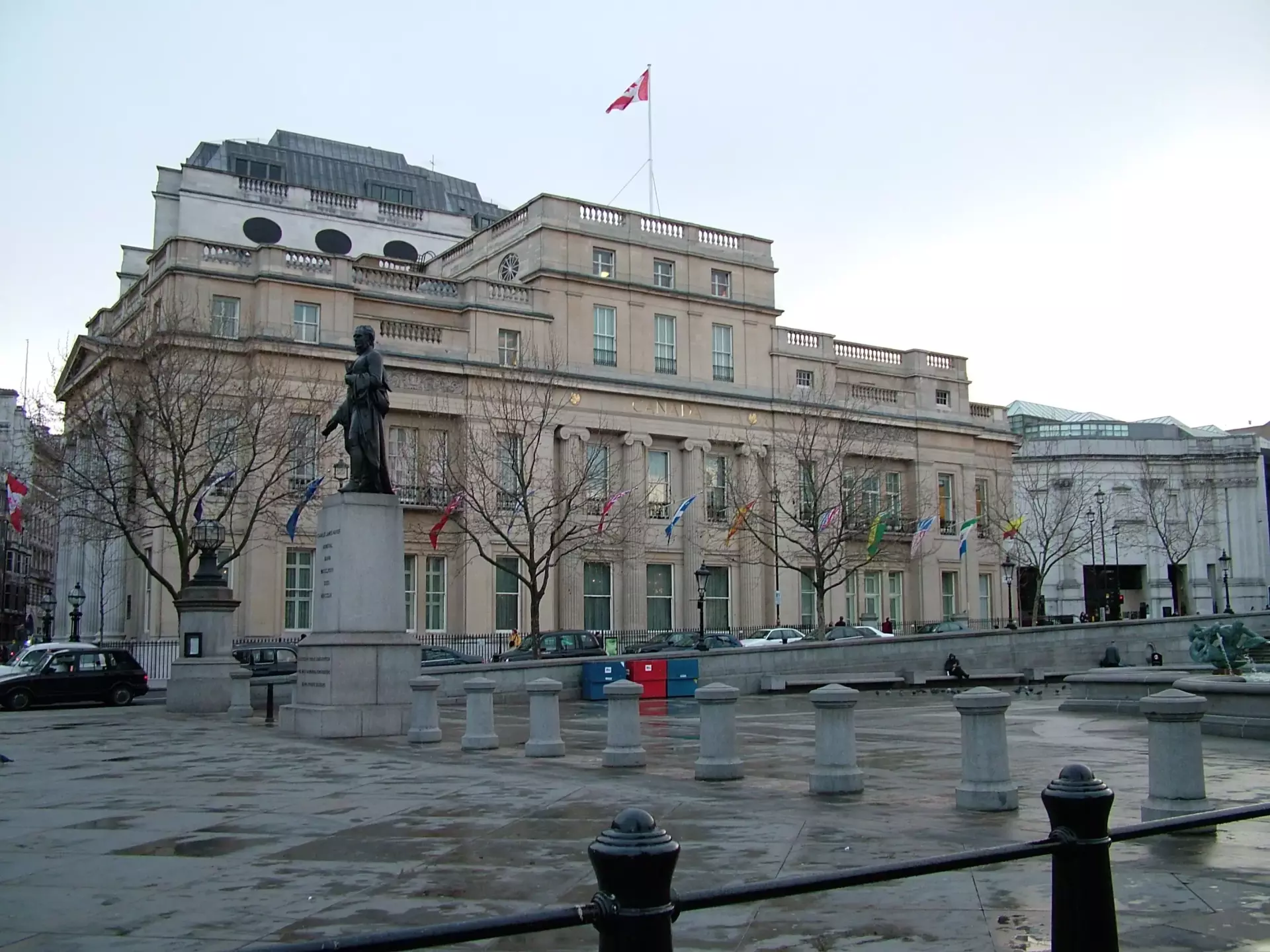
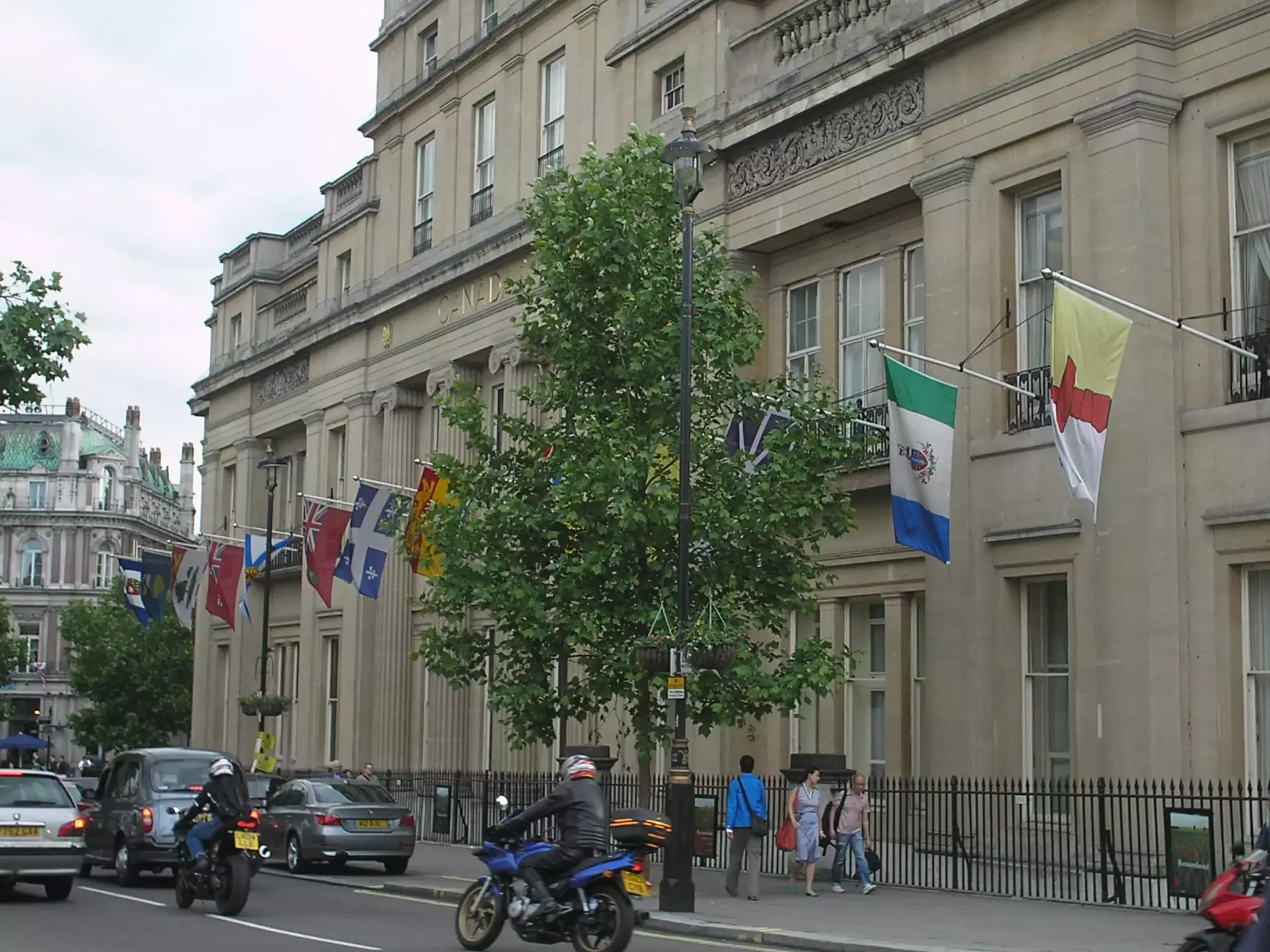
The High Commission of Canada, located directly across from Trafalgar Square, hosts an ongoing art exhibition. This vibrant display showcases the works of talented Canadian artists. Visitors can enjoy a variety of artistic expressions that highlight Canada's diverse cultural landscape.
Source - https://en.wikipedia.org/wiki/High_Commission_of_Canada,_London
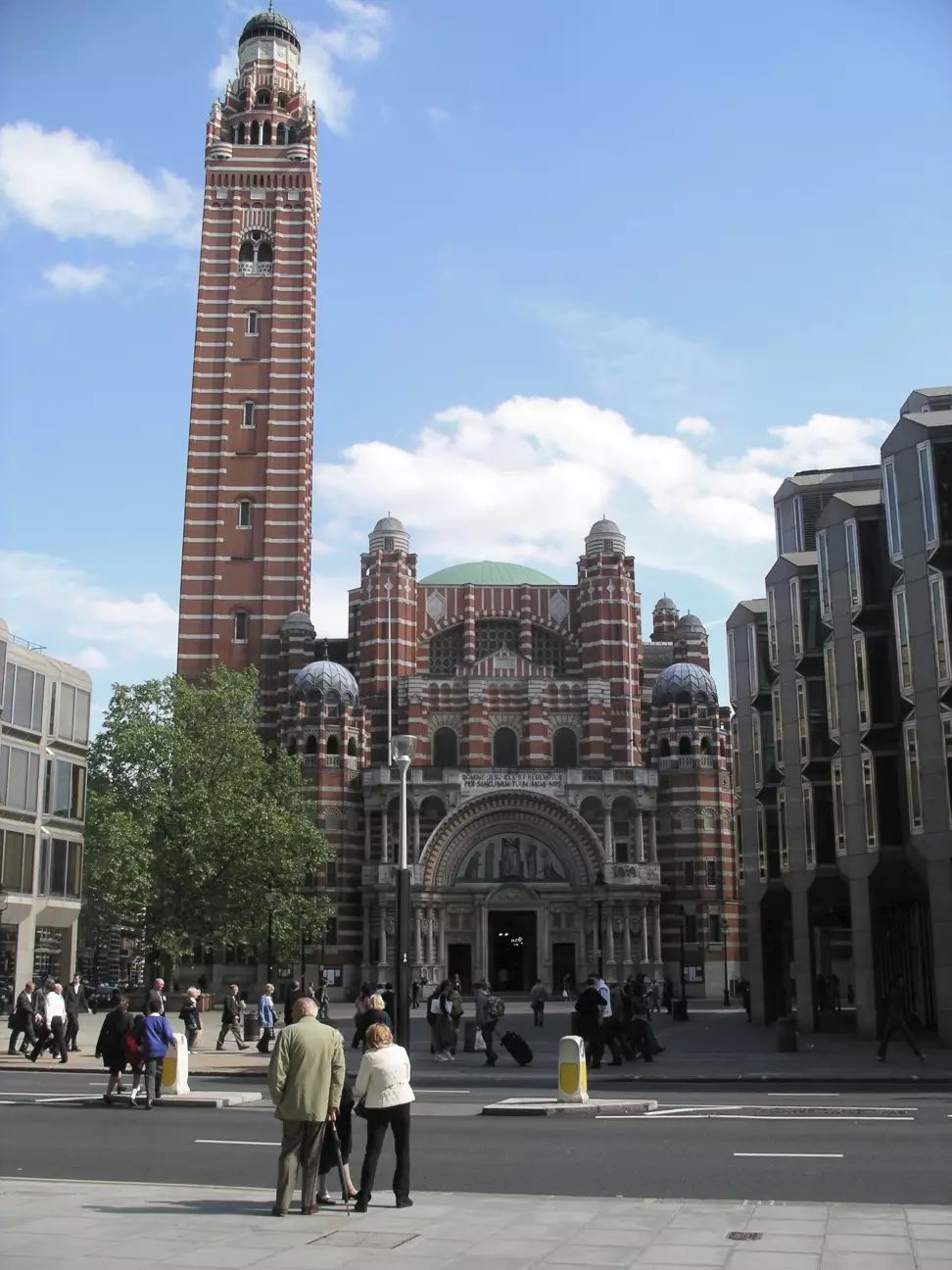
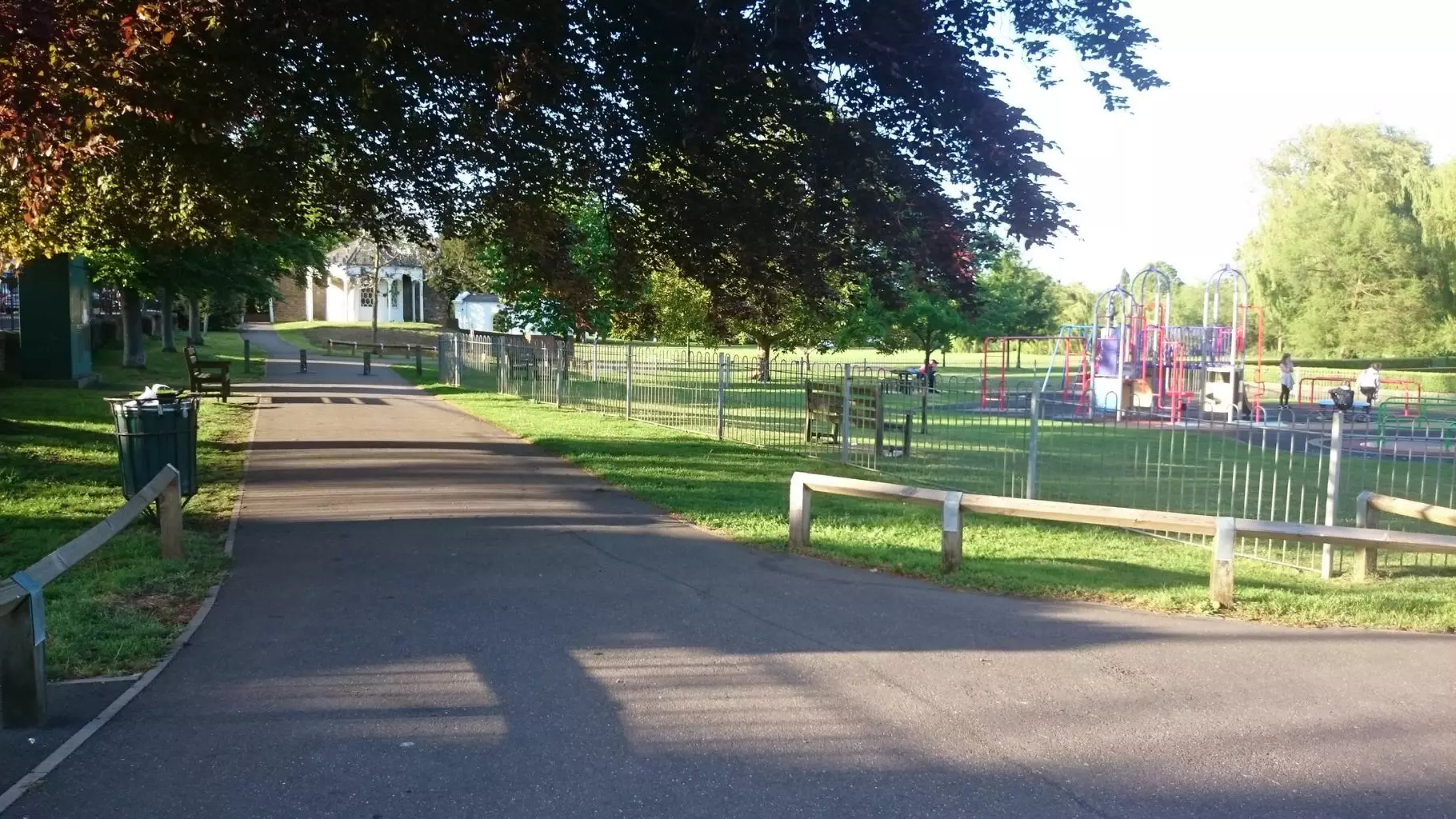
Worth a quick visit if you are passing. The brick and stone neo-Byzantine Catholic Cathedral (not to be confused with the much more famous Westminster Abbey) is near Victoria Station, just off Victoria Street. Construction started in 1895, and some of the interior is still unfinished. The Treasures of Westminster Cathedral exhibition is inexpensive and worthwhile for learning the history of the cathedral, there are interesting exhibits including a 1:28 wooden scale model uses by the architects. Has a café and gift shop.
Park overlooking the river, with the local war memorial. Be careful at high tide, as it may flood.
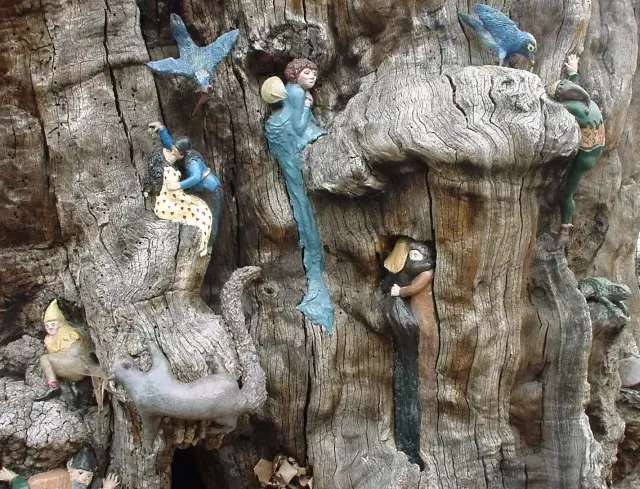
A 900-year-old tree stump carved and painted to feature elves and small animals.
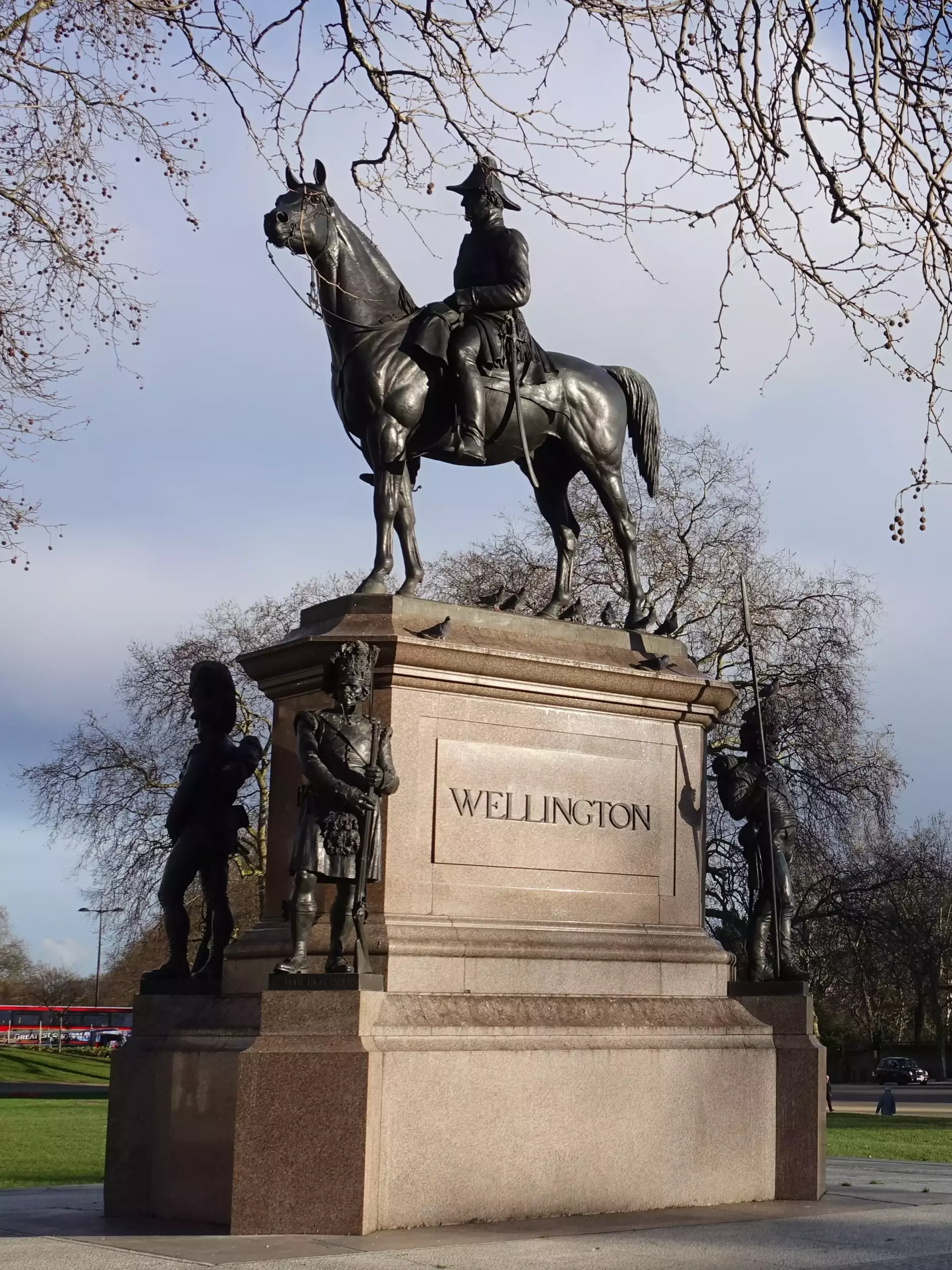
Equestrian statue of the Iron Duke, with four soldiers at each corner of the pedestal, representing regiments that fought under him: a Grenadier, Scottish Highlander, Irish Dragoon, and Welsh Fusilier. The bronze came from melting down captured French cannons.
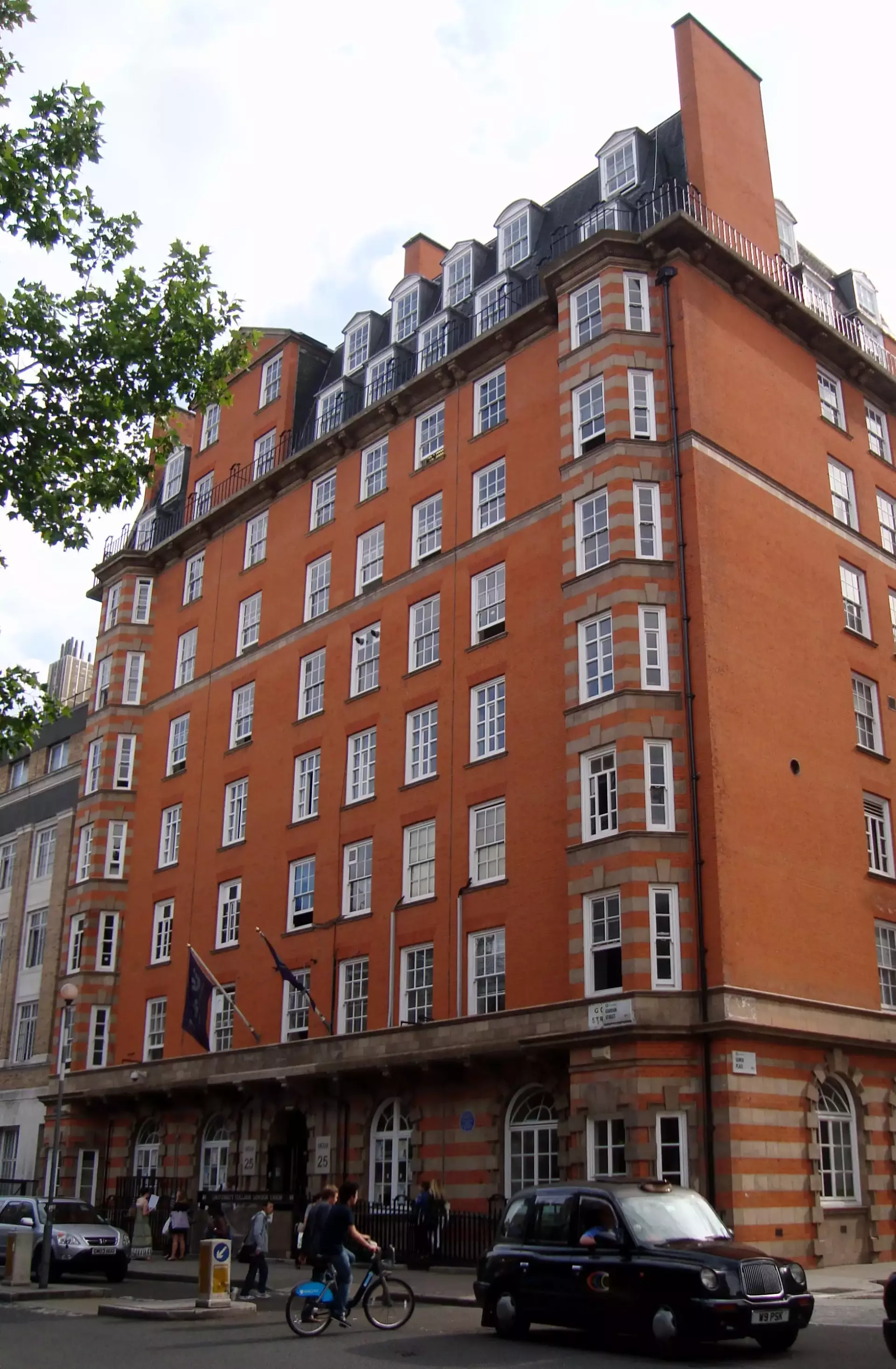
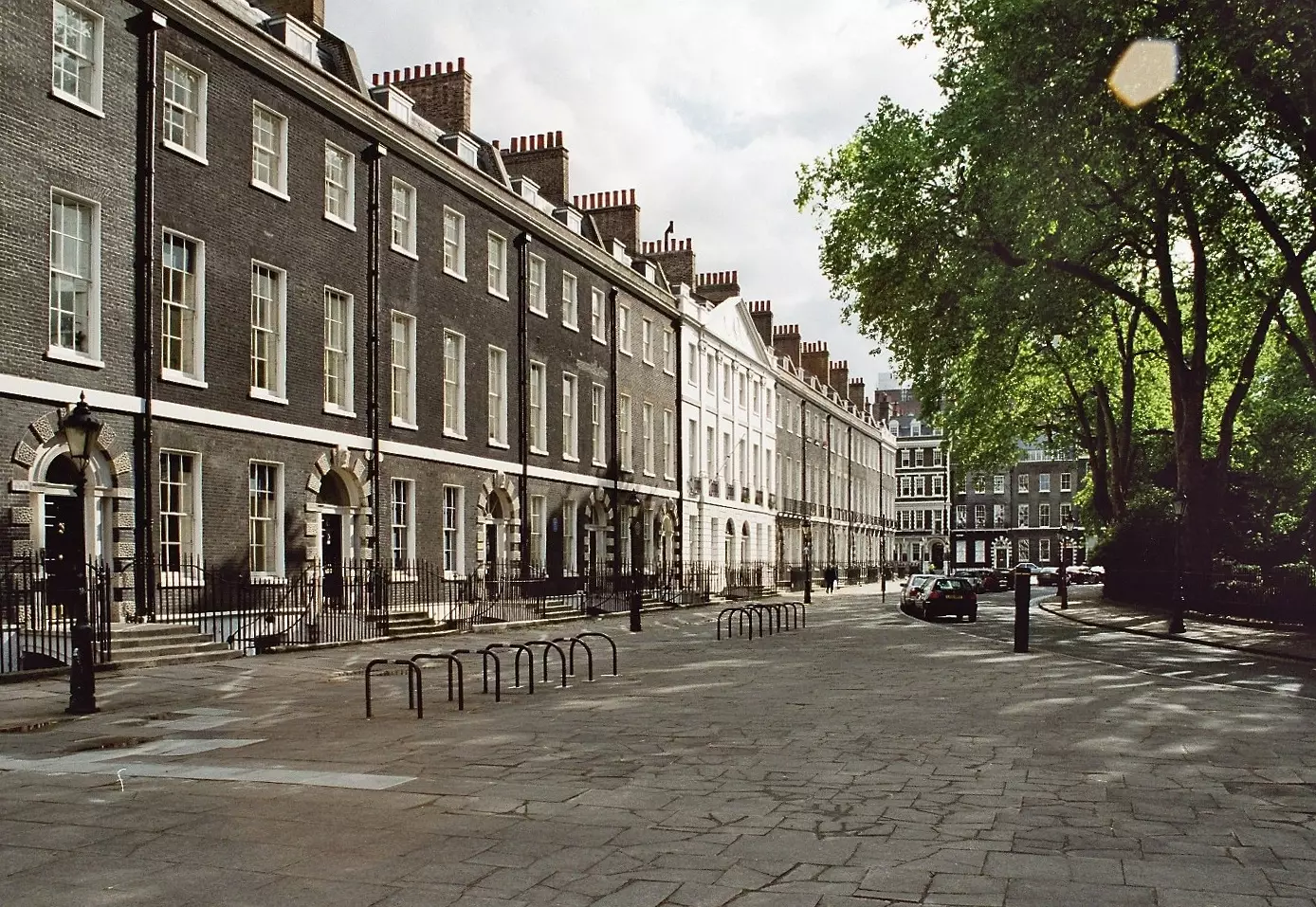
Includes a small but beautiful quad and an interesting Neo-Classical facade. The core buildings of UCL were built after the university's foundation in 1826.
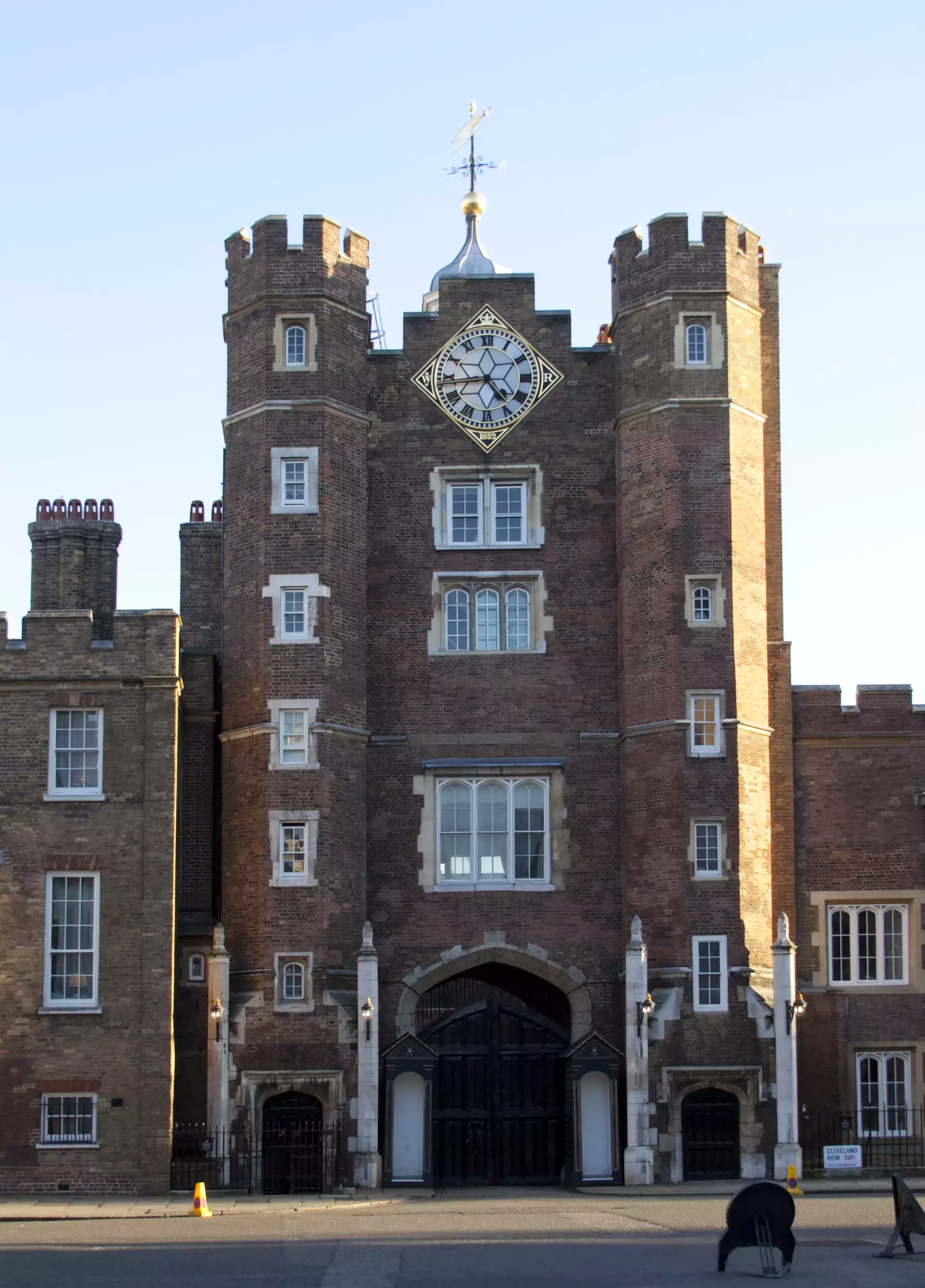
The most senior of the Royal palaces in London (built between 1531 and 1536) and the official seat of the monarch.
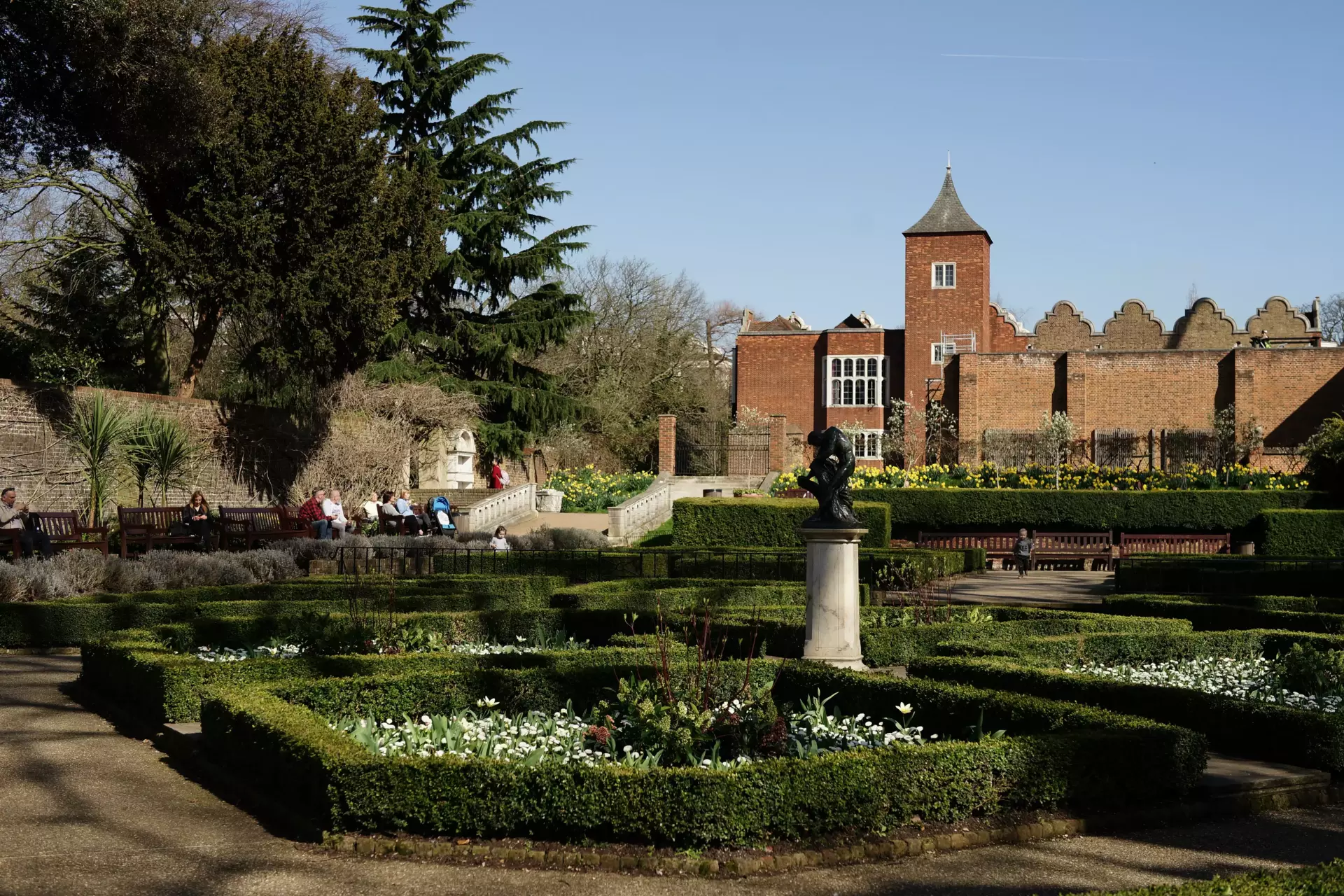
Originally the private garden of Holland House, much of which was destroyed in the London Blitz, Holland Park is a mixture of woodland, European and Japanese-style formal gardens and leisure facilities. It includes a large field dedicated to football and cricket, as well as tennis courts. As you walk around the park, you can see bits of the house dotted around the place which give you some idea of how grand it used to be. In the summer this is a great place to catch outdoor opera. An ecology centre near the police station provides information about the ecology of the park and arranges various activities for children. There is a café in the park that sells ice creams and hot food. The park is a popular way to walk from Notting Hill to Kensington High Street.
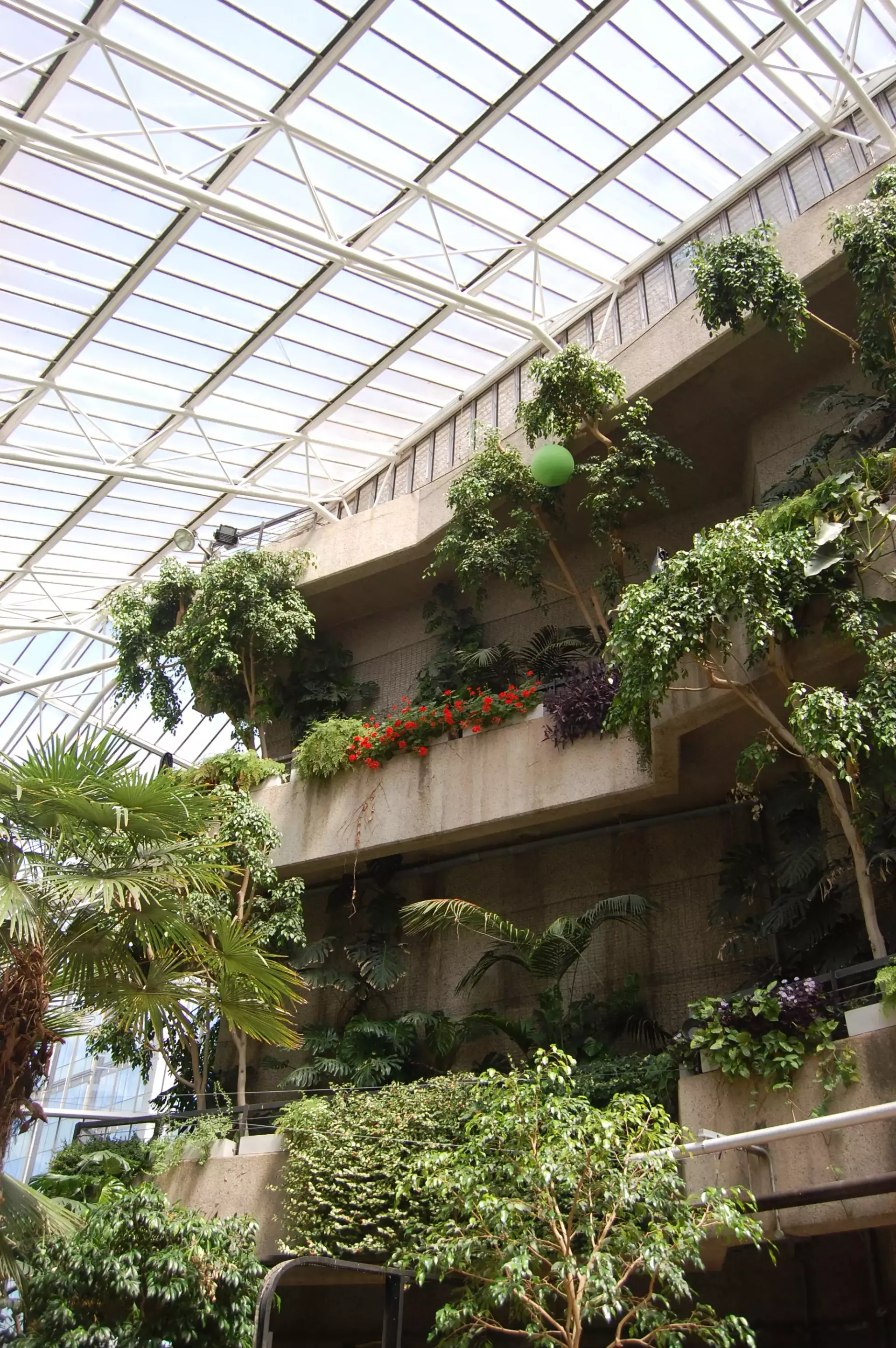
The second biggest greenhouse in London, containing over 2,000 species of tropical plants as well as birds and fish.
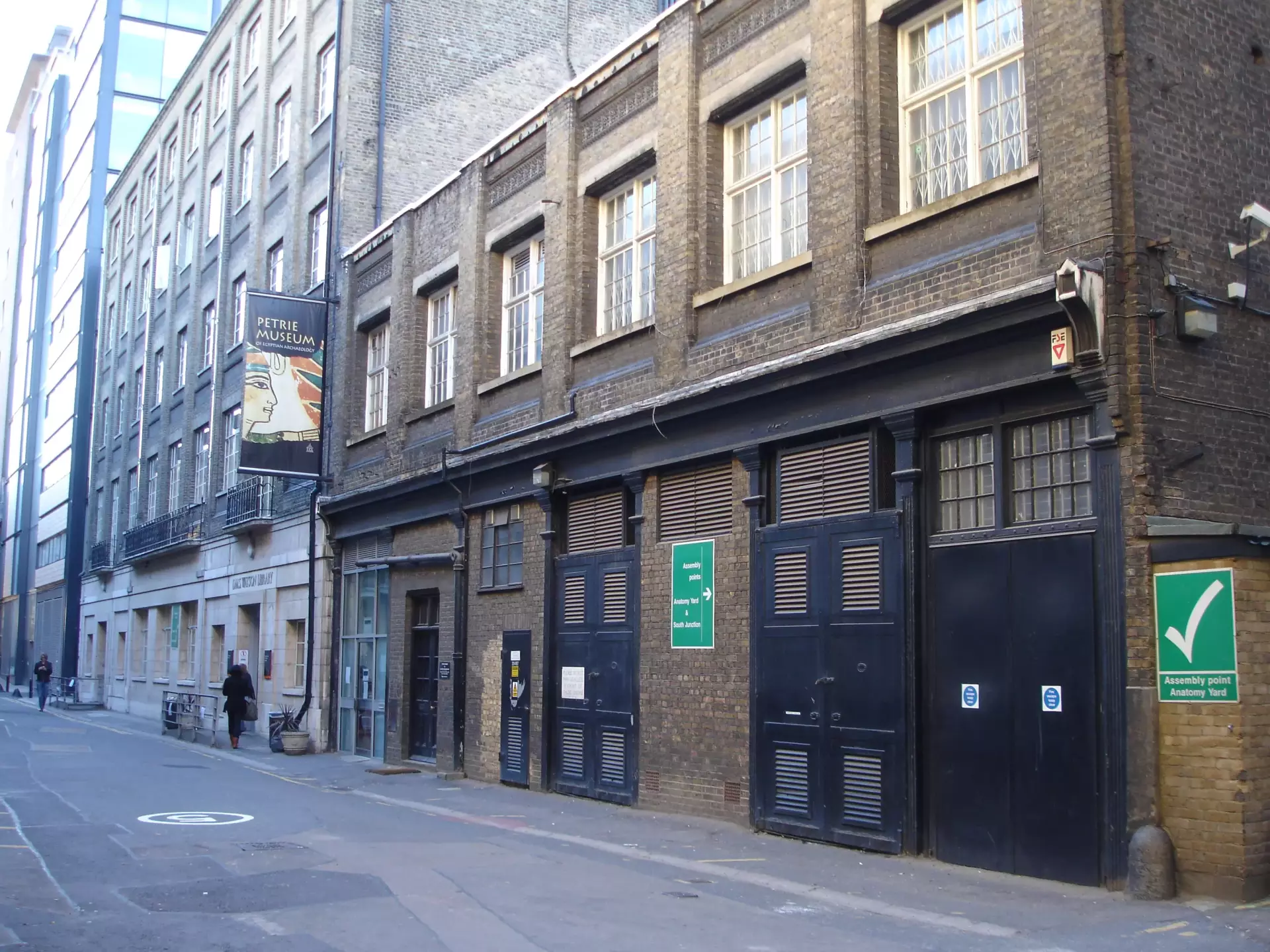
Formerly the teaching collection of Sir Flinders Petrie, one of Britain's greatest archaeologists, now preserved by University College London. Exhibits include beaded dresses, sculpture and wall reliefs, items of everyday use, papyri, cartonnage and pottery. Fascinating!
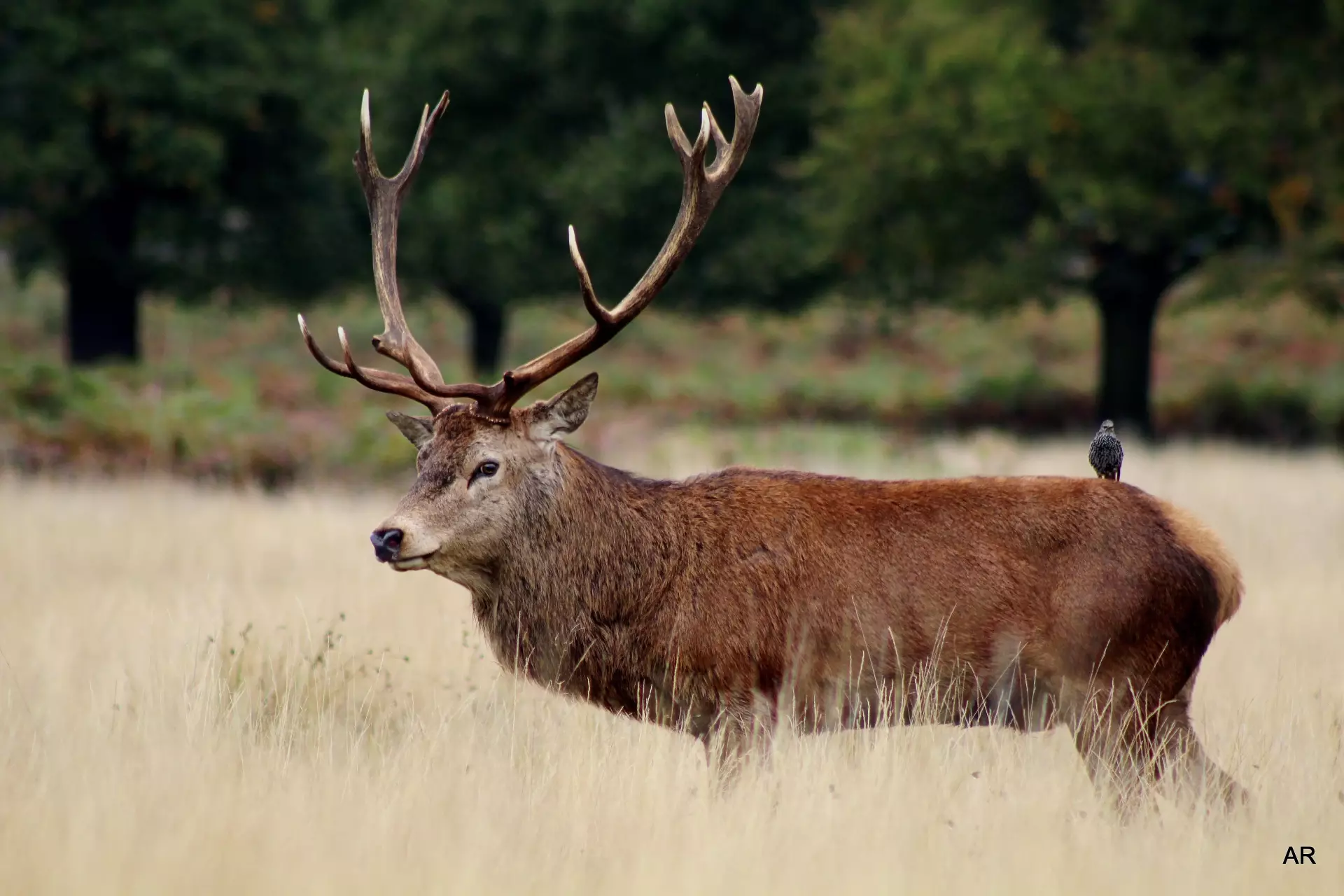
The largest open space in London, covering almost 1,000 hectares (2,500 acres) and home to a huge array of wildlife, including 400 wild deer. Also contains the lush Isabella Plantation, which is full of trees and flowers, and the Royal Ballet School, seen in the film Billy Elliot. Popular with cyclists, both for the on-road perimeter circuit and the off-road trails. There are several car parks for walkers and picnickers.
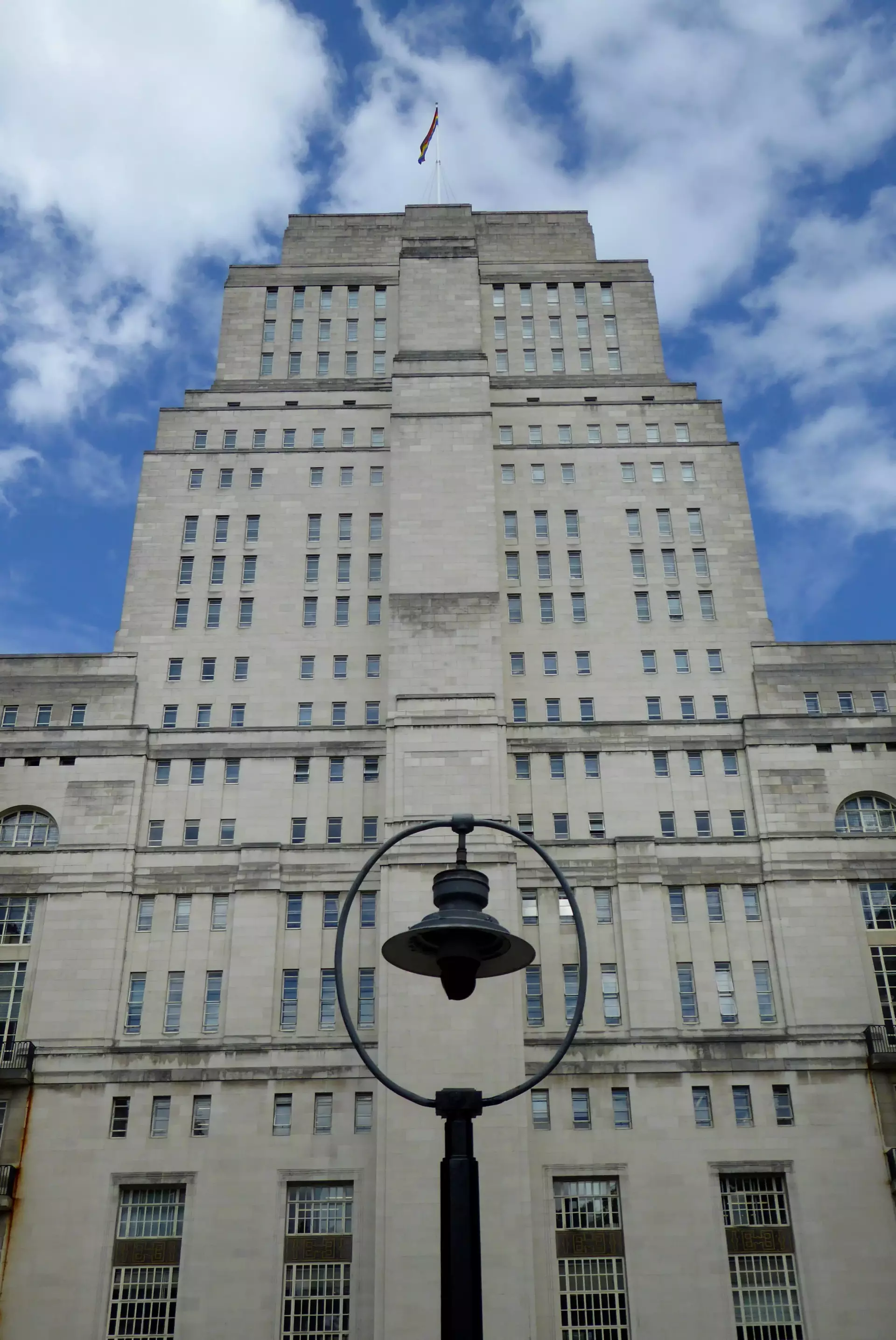
Art deco headquarters of University of London featured in the film Nineteen Eighty-Four.
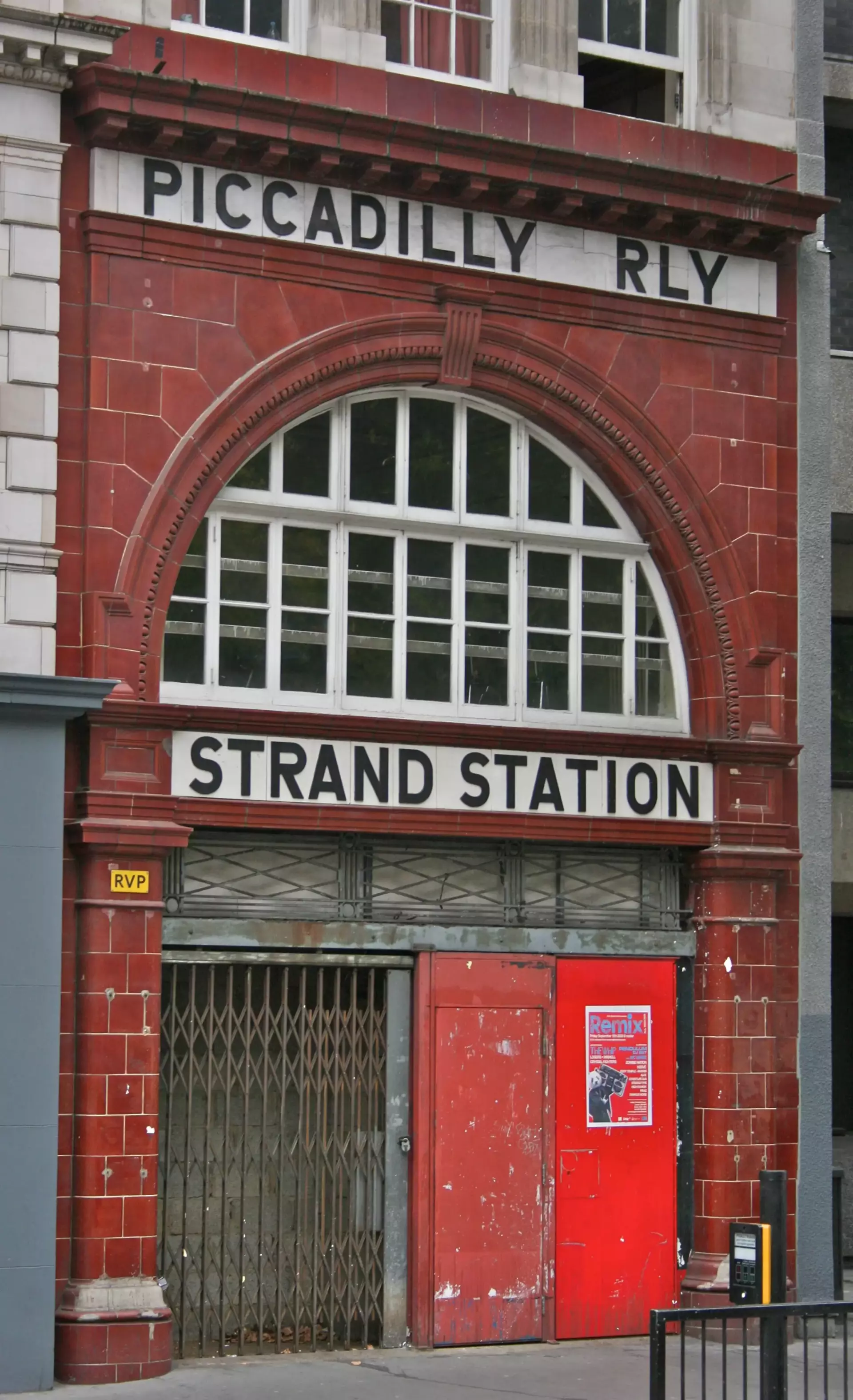
The TfL-backed Hidden London offers tours around the disused Aldwych tube station which had its own branch on the Piccadilly line. The tour explains the station's unusual history including its use for protection (for both people and historical artefacts held by the British Museum) from the Blitz during WWII. More recently, it was used as a filming location and for testing station equipment and decor. Of note, it was used for filming James Bond: Die Another Day, V for Vendetta and the Prodigy music video for Firestarter. Tours are roughly an 1 hour and 15 minutes long, wear sturdy shoes (not sandals).
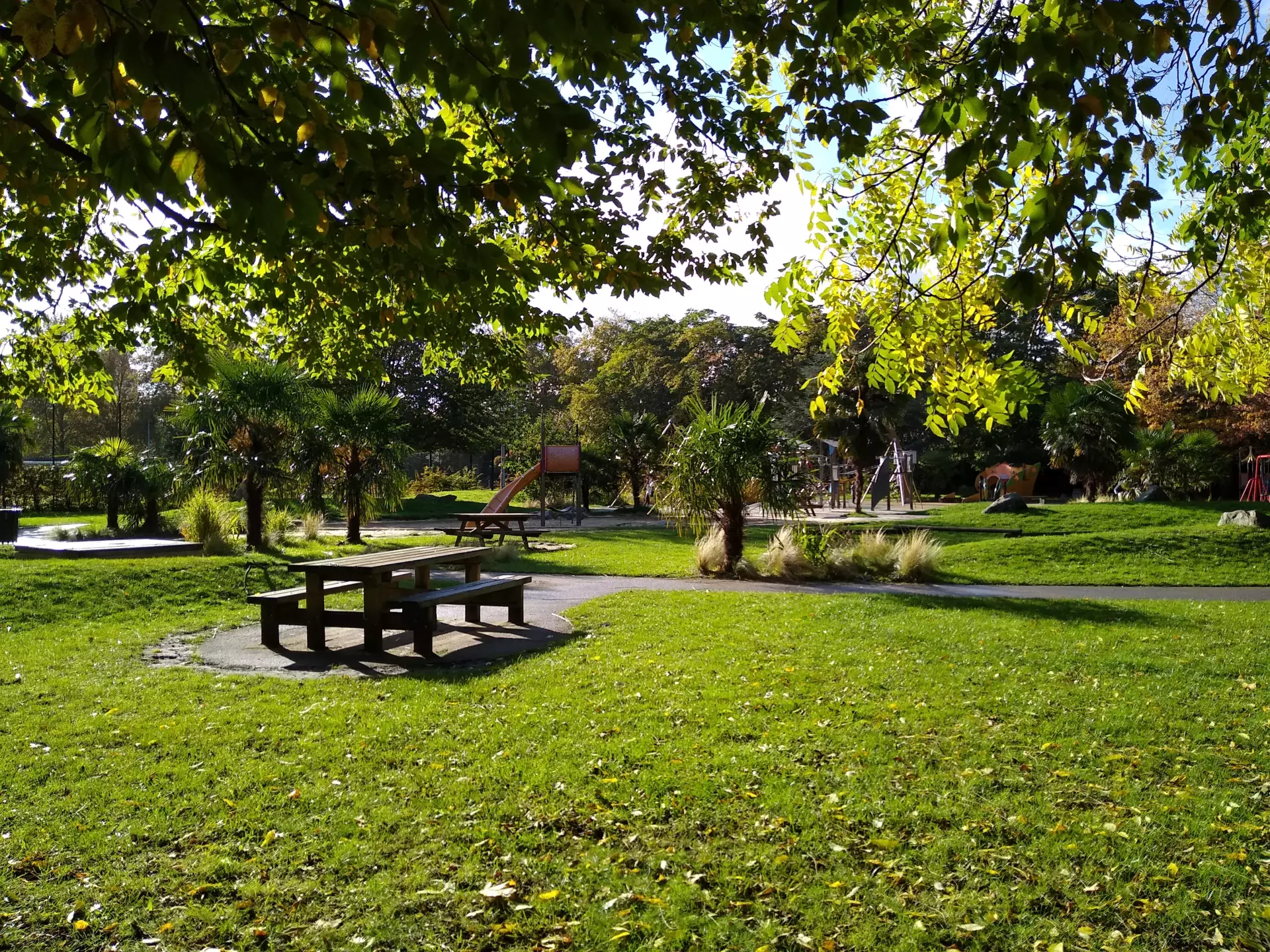
This park used to be the grounds of Lambeth Palace but has been a public park since 1901. In addition to the green space it provides, it contains a range of sports facilities (booking required, except for the cricket nets) and a playground.
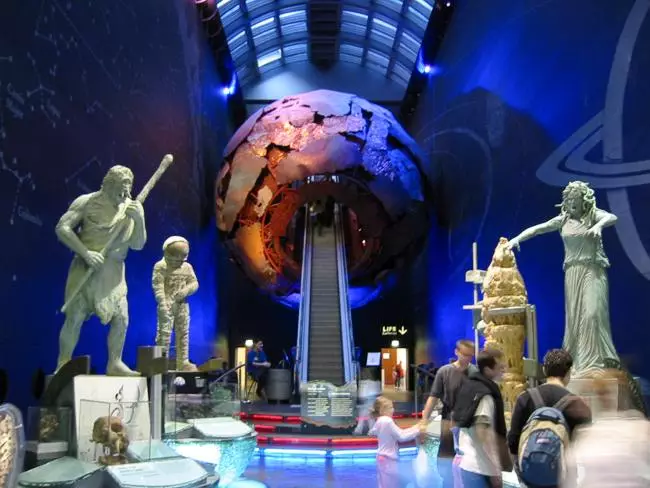
This venerable old institution was absorbed by the neighbouring Natural History Museum in 1985 but still has something of a separate identity. Unsurprisingly, devoted to all things geological with especially popular exhibits on vulcanology and earthquakes and fossils of all types. Very popular with kids and often underrated.
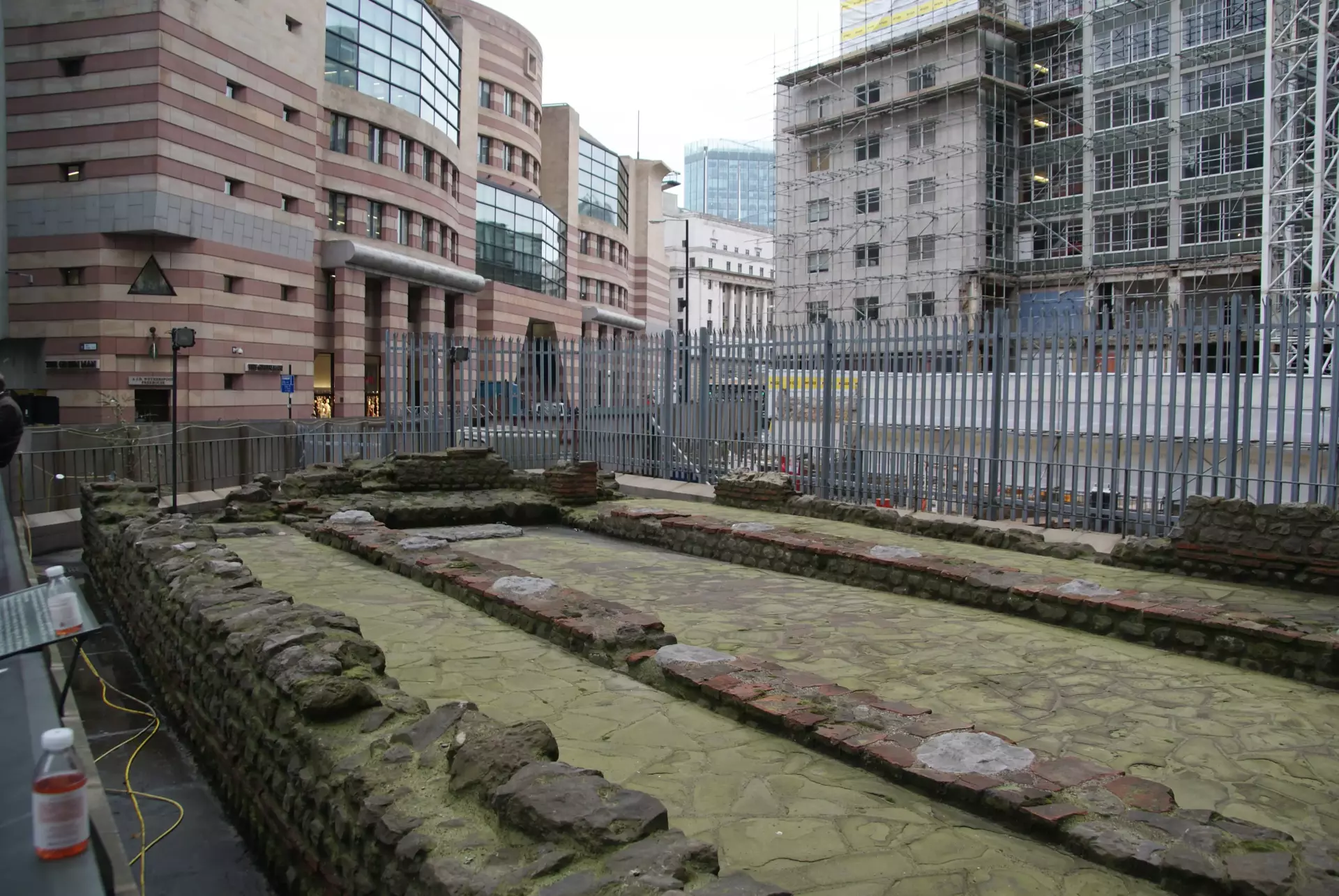
The London Mithraeum is a 3rd century Roman mithraeum that was discovered in Walbrook during construction work in 1954. The entire site was relocated several times before being returned to its original site as part of the new Bloomberg building. This temple of the mystery god Mithras became perhaps the most famous 20th-century Roman discovery in London. In addition to the temple structure, there is a display of Roman artefacts found on the site and a contemporary art exhibit responding to the site. Visitor numbers are limited and timed slots are often fully booked up several weeks into the future so plan well ahead.
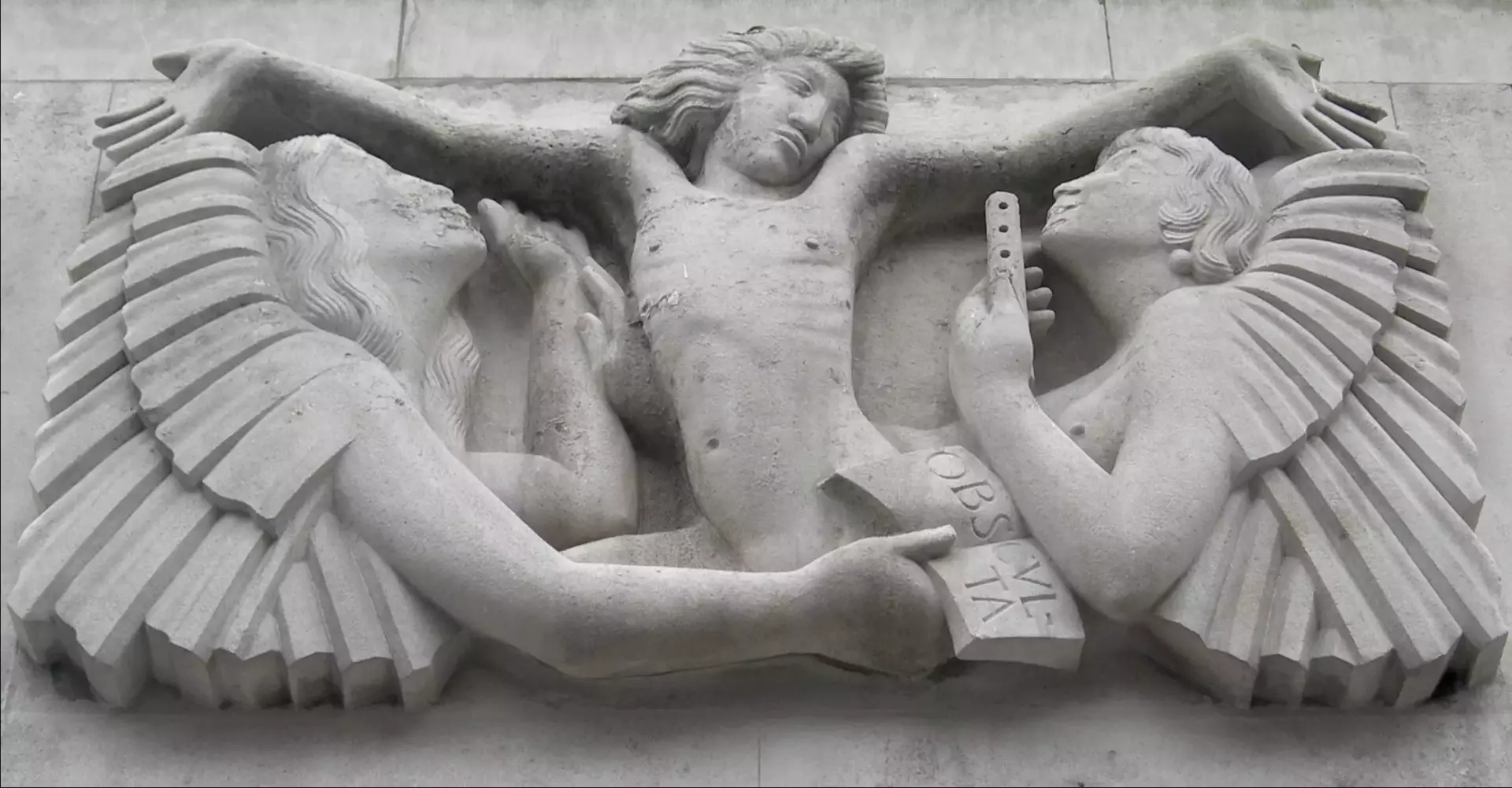
The complex incorporates the Old Broad House built in 1930s. The façades of which feature the famous sculpture of Prospero and Ariel and the Ariel friezes by Eric Gill and Gilbert Bayes. BBC's The One Show is transmitted from the studio at the ground floor every weeknight starting from 7PM. The studio is quite visible from the plaza outside and some parts of the show are performed from outside of the studio – in the plaza.
A vast repository of the world's cultures, controversially including hundreds of items that were looted from their places of origin. Entire sections are devoted to Egyptian, Greek, and Middle Eastern artifacts, as well as the piece which united them all, the Rosetta Stone. Other items on everyone's list are the largest collection of mummies outside Egypt and the Elgin Marbles. The collection also includes some of the world's finest collections of Chinese and Sub-Saharan African art; perhaps the most famous of the latter are the Benin bronzes. A definite highlight of a trip to London. Temporary exhibitions are invariably excellent and meticulously researched, but can be expensive. It has a fine store, mainly selling replicas of items in the collection.