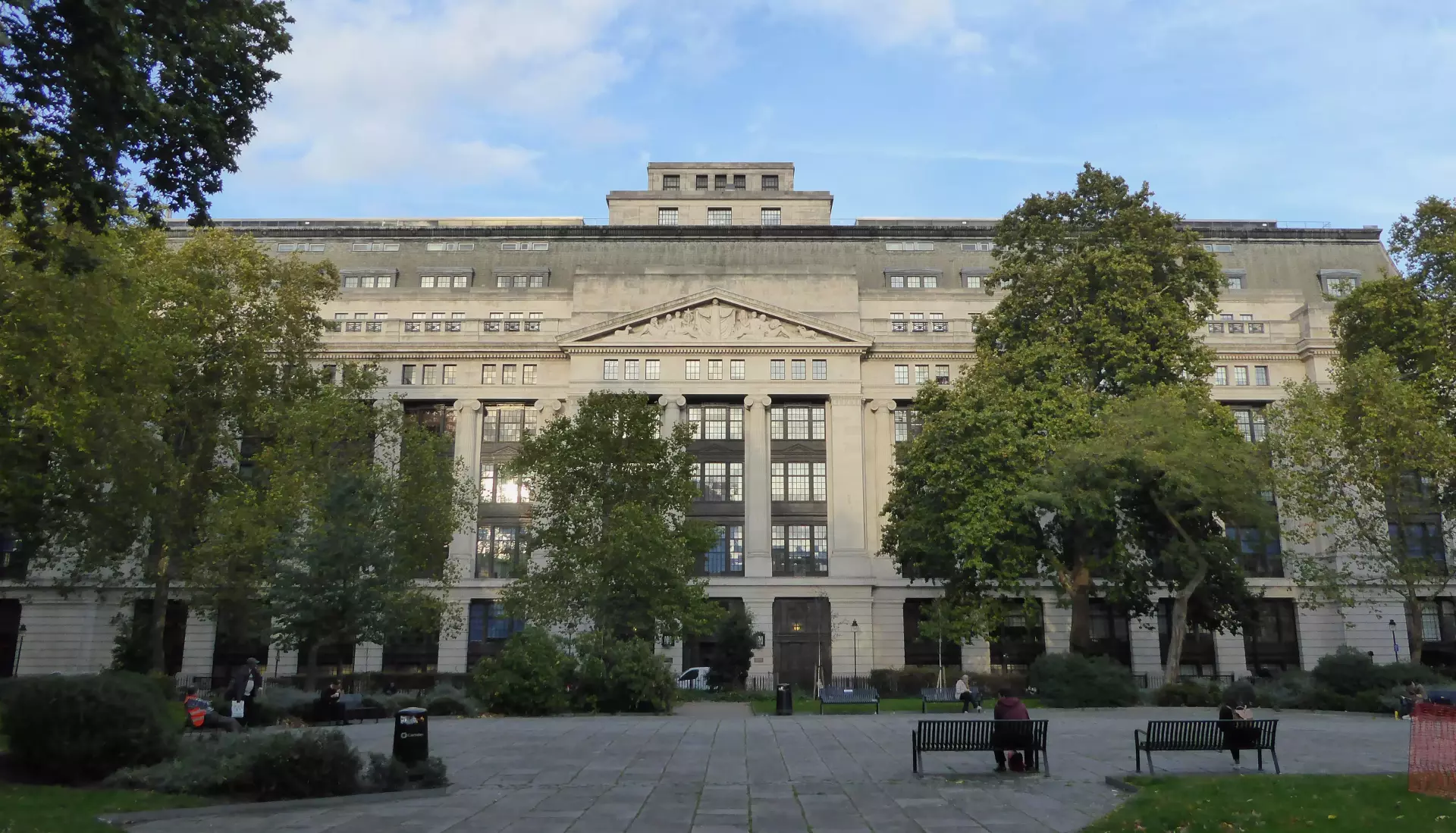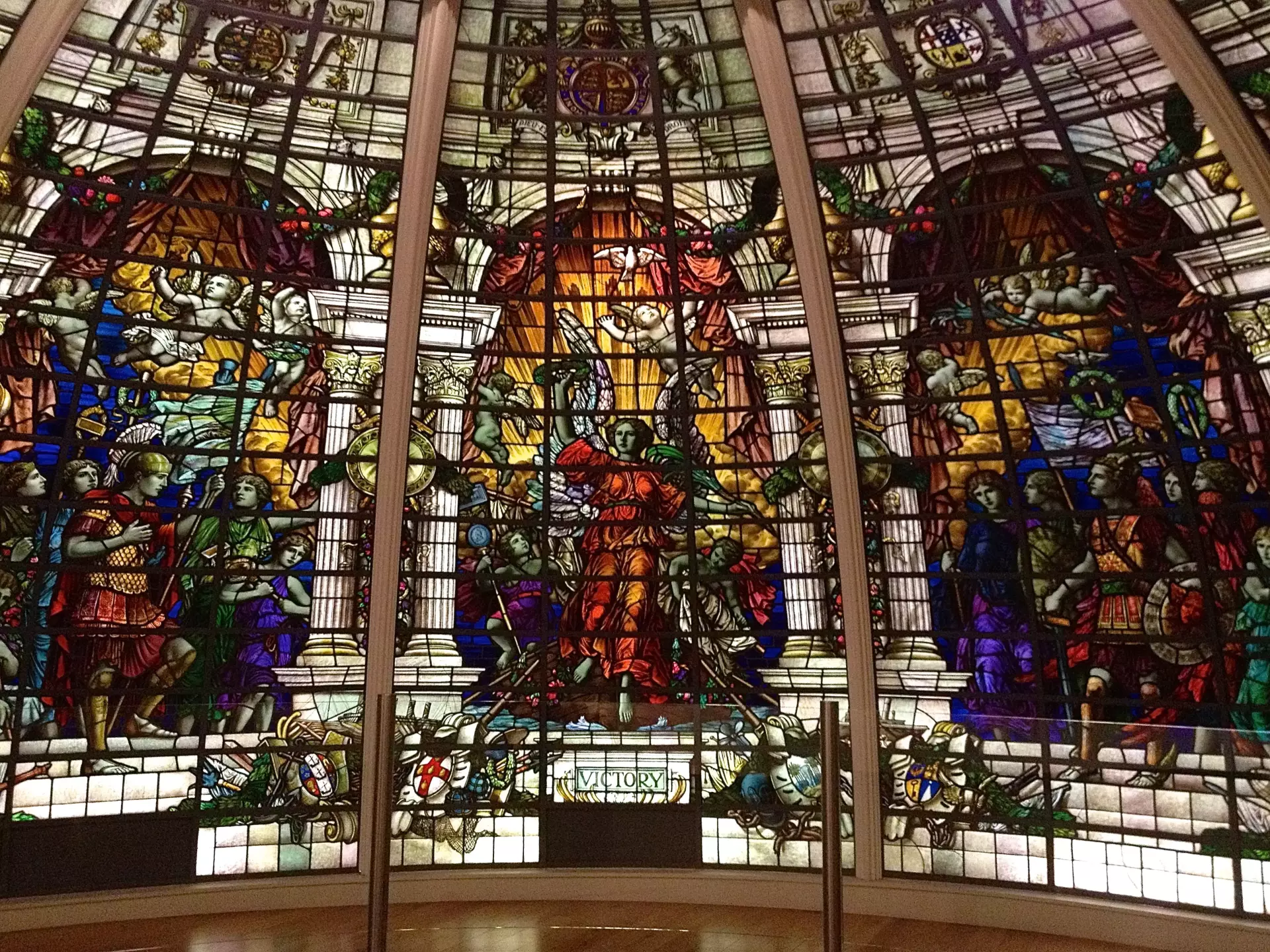
The Baltic Exchange in London stands as the central hub for ship broking across the globe. It serves as the primary marketplace where shipping professionals converge to negotiate and conduct business. Established with a rich history, the exchange has become essential for those involved in the maritime industry.
At the heart of the shipping world, the Baltic Exchange plays a crucial role by providing daily information on maritime freight rates. This data is vital for ship owners, brokers, and charterers. It ensures that all parties involved have access to transparent and reliable market information. This transparency helps in setting fair freight costs, thus facilitating smoother transactions.
Beyond freight rates, the Baltic Exchange offers a range of services. These include indices that track shipping costs across different routes and vessel types, helping stakeholders make informed decisions. The exchange also provides a forum for dispute resolution, ensuring conflicts are managed effectively and efficiently.
Founded in the 18th century, the Baltic Exchange has evolved alongside the shipping industry. Its long-standing presence and adaptation to modern demands highlight its importance. Even as digital advancements transform global trade, the exchange remains a vital part of maritime commerce.
With its influence extending far beyond London's boundaries, the Baltic Exchange connects international markets. It plays a pivotal role in facilitating global trade by ensuring smooth communication and transactions between different countries and shipping entities. The exchange's impact on the shipping industry is profound, affecting how goods move across the world.
Source - https://en.wikipedia.org/wiki/Baltic_Exchange_(building)
London Stone is a historic landmark housed in a public display case at 111 Cannon Street in the City of London. It is an irregular block of oolitic limestone measuring 53 × 43 × 30 cm (21″ × 17″ × 12″), the remnant of a once much larger object that had stood for many centuries on the south side of the street.
Not as popular with tourists as St Paul's north of the river, Southwark Cathedral has been the site of worship since the year 852. Literally in the shadow of London Bridge, the Cathedral is a shelter from the noise of the city. Next to the Cathedral is the Borough Market open Th-Sa with a wide range of speciality food to buy, a good area for lunch.
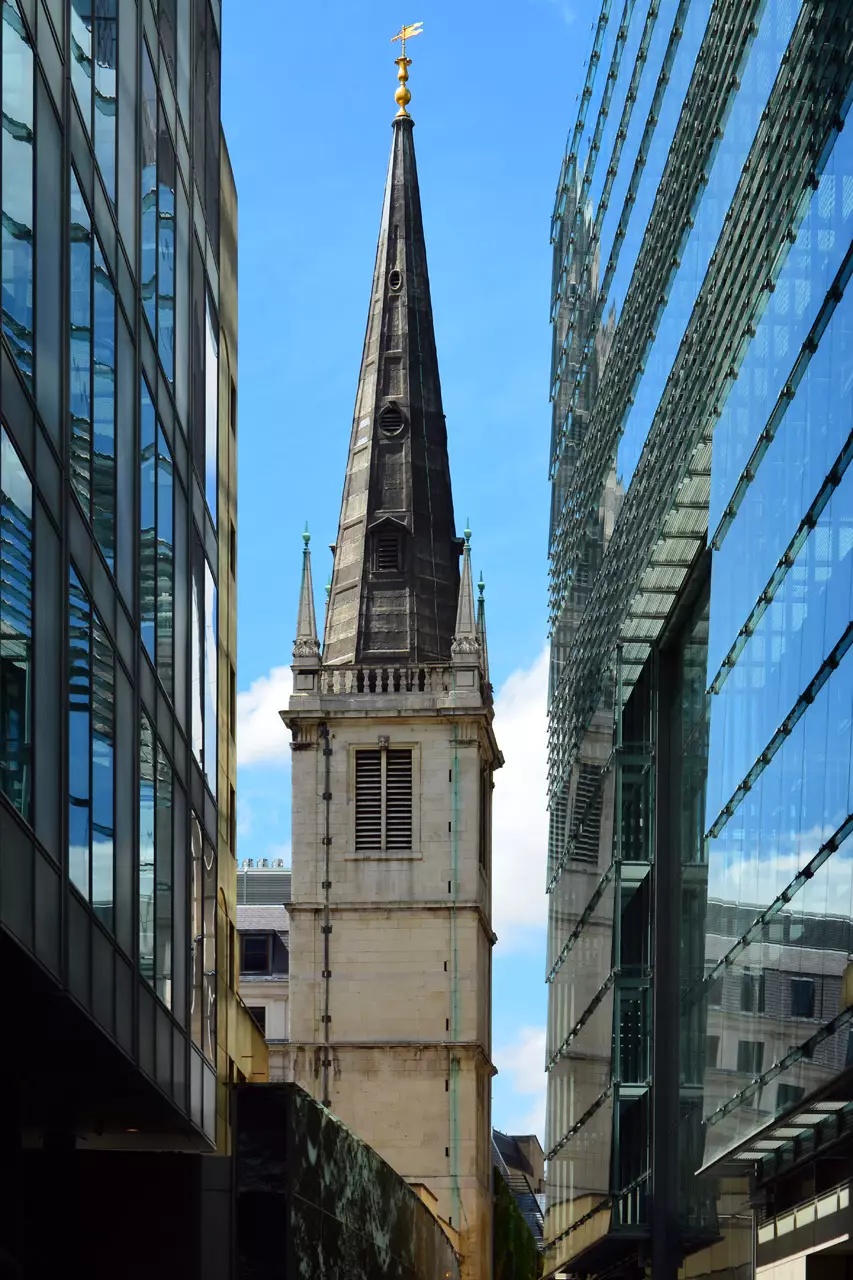
Properly St Lawrence Jewry next Guildhall, it is the official church of the Lord Mayor of London.
The second largest of the London Royal Parks, covering an area of 450 hectares (1,099 acres). Lying north of Hampton Court Palace, the history of the park is inextricably linked to the palace, yet it has always had its own distinct rural character. There are herds of both Red Deer and Fallow Deer, they are wild but usually safe, just don't go too close or get between a hind and its calf. The D-Day linked bits are easiest found from the Teddington side. Go through SHAEF gate and there is an information board. You should be able to spot a flagpole a hundred yards into the park, this marks the spot where General Eisenhower had his office, if you have time, or children who are up for a challenge, there are bronze markers with combined British and Canadian and US flags at the corners where the main buildings of Camp Griffiss were. The partially restored early 18th-century baroque water gardens are a short walk from the Hampton Hill gate. The park is subdivided by Chestnut Avenue, Christopher Wren's grand approach to Hampton Court Palace which runs from Teddington Gate to Hampton Court Gate and with the gilded Diana fountain closer to the Palace end (you may have seen it as location for the finish line of some of the cycling events at the 2012 Olympics).
An enormous, 135-metre-high observation wheel with 32 exterior glass-walled capsules. It offers incomparable views over central London and up to 40 km (25 mi) away on a good day. Tickets are sold for specific times, so if visitors wish to go on the London Eye at a specific time, they are strongly advised to book in advance, particularly in the summer. On a busy day, you can easily spend 1-3 hr queuing just to buy a ticket. However, you can also purchase tickets in advance online. Then you can collect your tickets at the London Eye in a separate queue, which takes a few minutes or less.
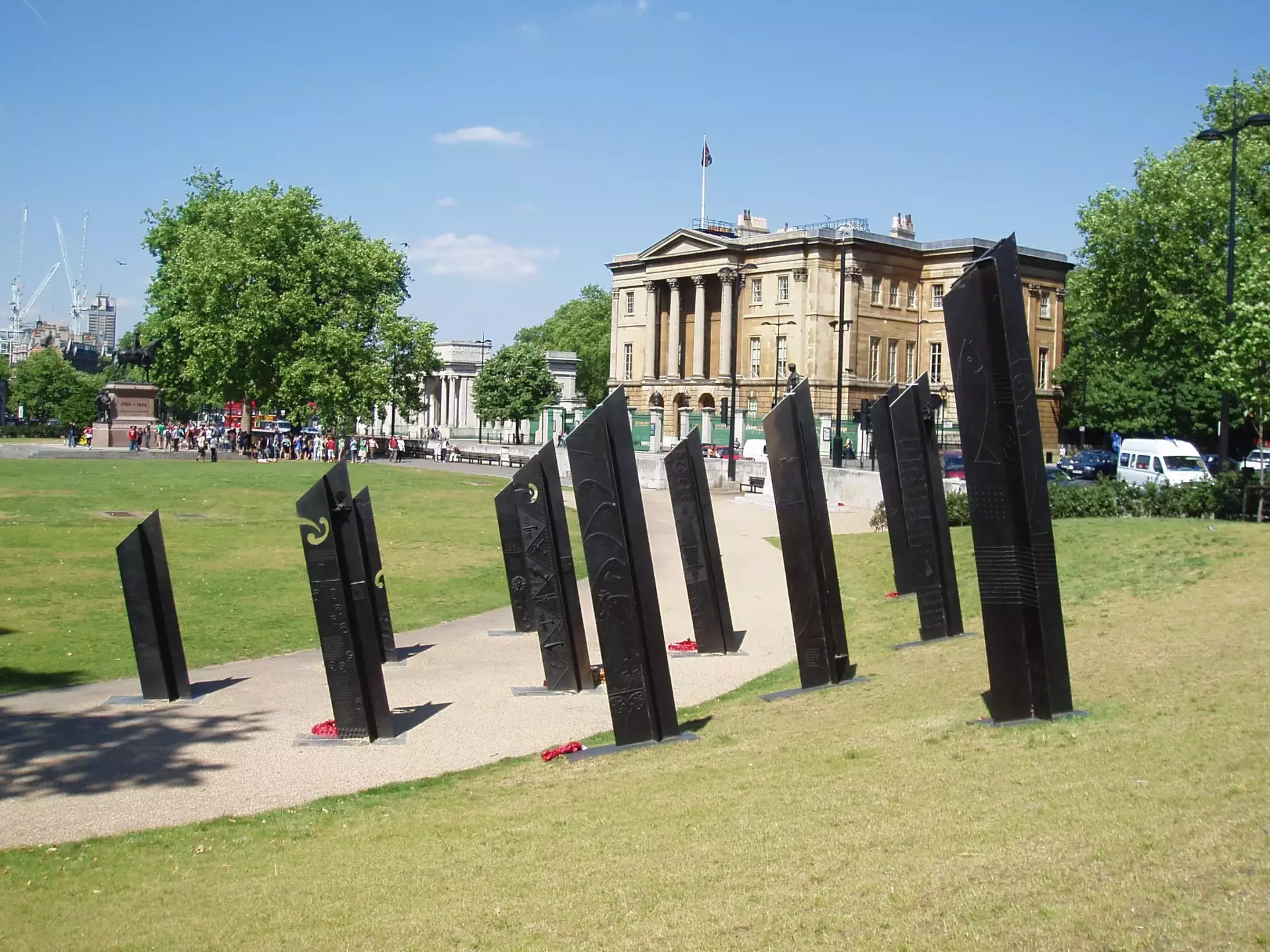
Created by Tonkin Zulaikha Greer and Janet Laurence to remember the Australians who died in both world wars. Made from Australian granite.
This gallery houses the Tate collection of British art from 1500 through to contemporary art. A side wing collects together the gallery's collection of paintings by Turner, including some stunning seascapes. Temporary exhibitions are exceedingly varied: examples include exhibitions of Turner's paintings of Venice and the work of photographer Wolfgang Tillmans. The best known exhibition is the Turner Prize, consists of works by four artists shortlisted for the annual contemporary art prize, which runs from late October to January each year.
The remains of the once-magnificent palace, home to English kings since Edward I, adjoin Richmond Green, a pleasant open green space and historic cricket ground. Only the Gate House and Wardrobe, now converted into flats, remain.
Probably the most popular of all the museums here and a must see for many visitors to London. Home to at least 70 million specimens from across all the life sciences. It's difficult to say what the most popular exhibit here is; the blue whale which towers over the entrance hall, the (now slightly tacky-looking) animatronic Tyrannosaurus rex in the dinosaur gallery, or the life-size model blue whale in the mammals gallery. Also well worth a check are the Darwin Centre (book on a free tour to see some of the most interesting, and sometimes gruesome, specimens not on public display); and the studio dedicated to BBC wildlife personality extraordinaire, David Attenborough. The NHM's "Earth Galleries" were once the adjacent Geological Museum, an independent institution until the 1980s, and still located in a separate building with a separate entrance.
The London Mithraeum is a 3rd century Roman mithraeum that was discovered in Walbrook during construction work in 1954. The entire site was relocated several times before being returned to its original site as part of the new Bloomberg building. This temple of the mystery god Mithras became perhaps the most famous 20th-century Roman discovery in London. In addition to the temple structure, there is a display of Roman artefacts found on the site and a contemporary art exhibit responding to the site. Visitor numbers are limited and timed slots are often fully booked up several weeks into the future so plan well ahead.
Completed in 1823, this attractive church near Broadcasting House is one of John Nash's masterpieces, with a prominent spire and circular vestibule. As of May 2025, it accessible only for worship.
191-m (627-ft) skyscraper can be seen from far away and is the sixth highest building in UK.
The largest square in London. It was established in 1806 by the 5th Duke of Bedford and his statue can still be seen in the square. There is also a café.
A small realm of serenity in the midst of the typical turmoil. It used to be the court of the Knights Templar. You can still visit the beautiful Romanesque church, which is one of the oldest ones in London (opened in 1185) and has connections to the order of Templars. The chancel of the church was built by Henry III. The church still serves the members of Gray's Inn and Lincoln's Inn and has frequent services open to the public. Fans of Dan Brown's The Da Vinci Code will recognise the church from both the novel and the film.