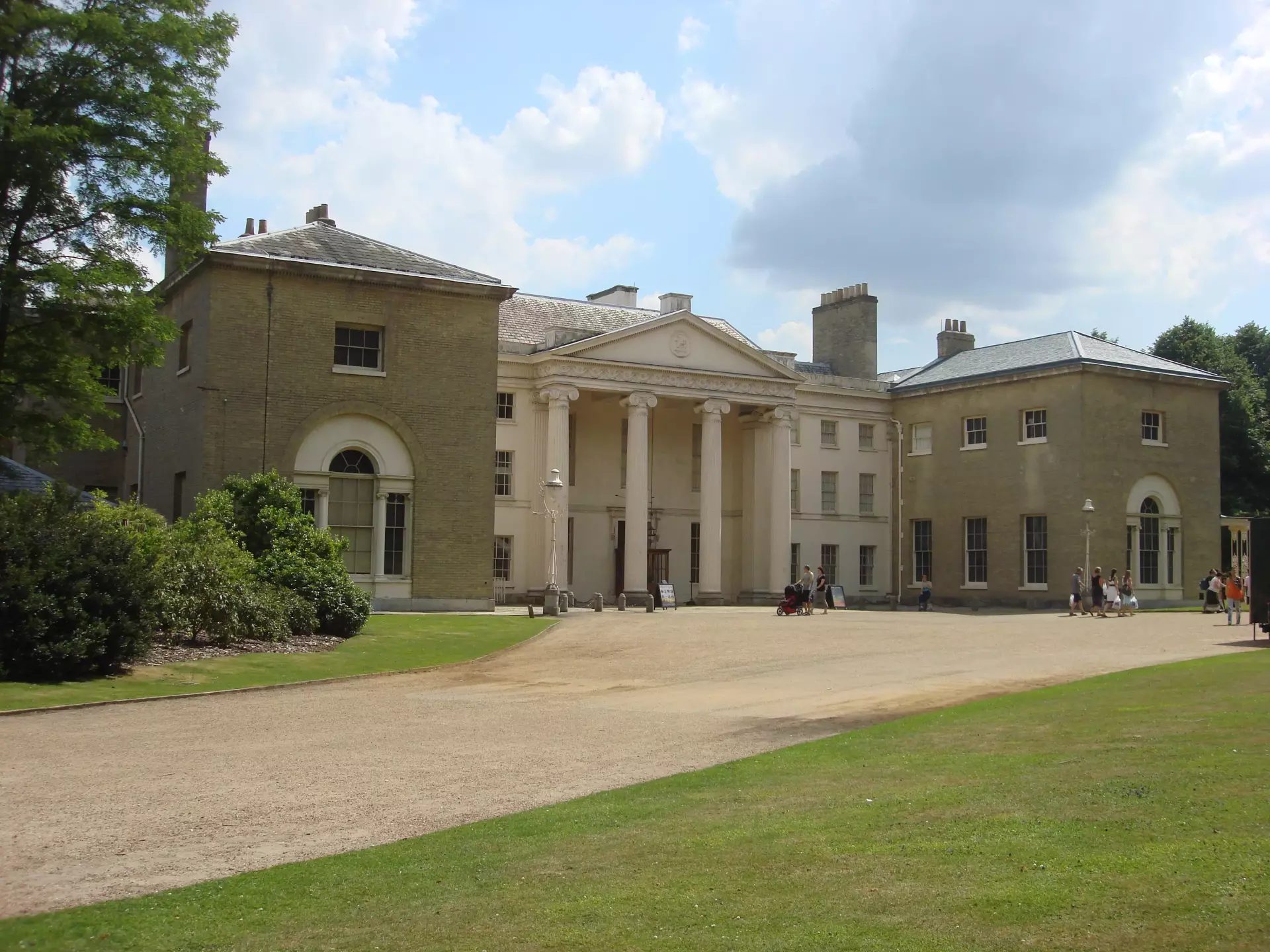
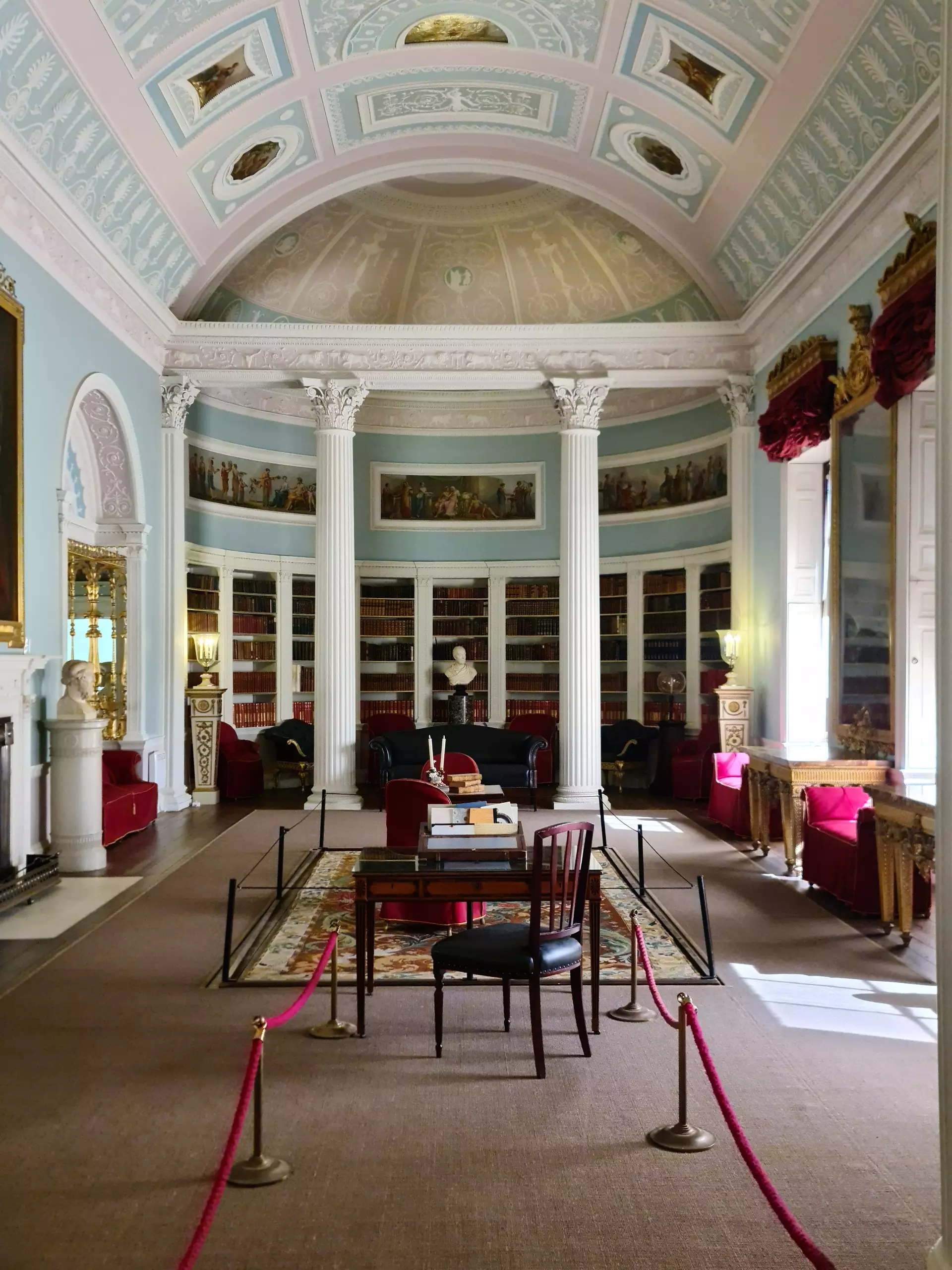
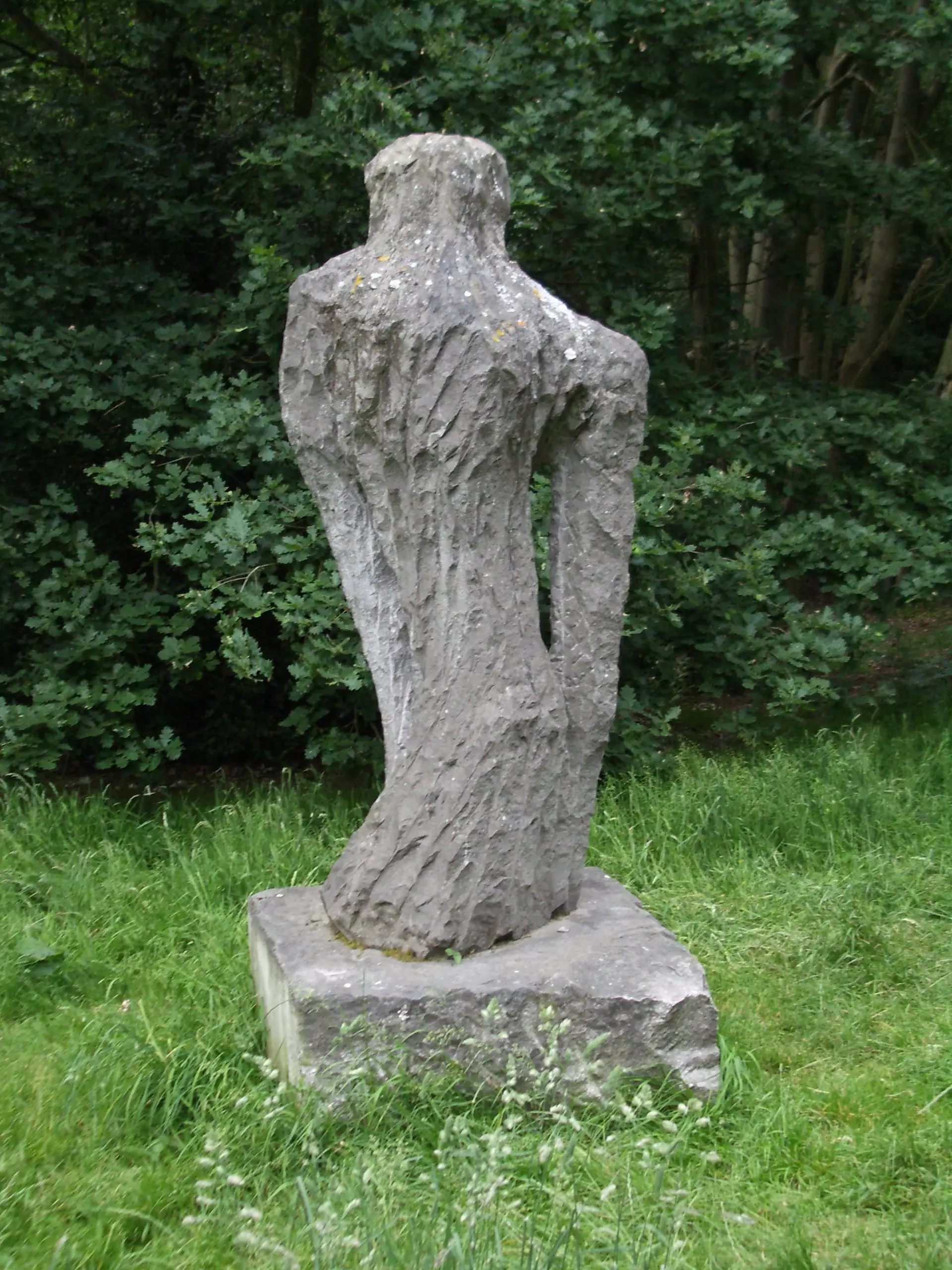
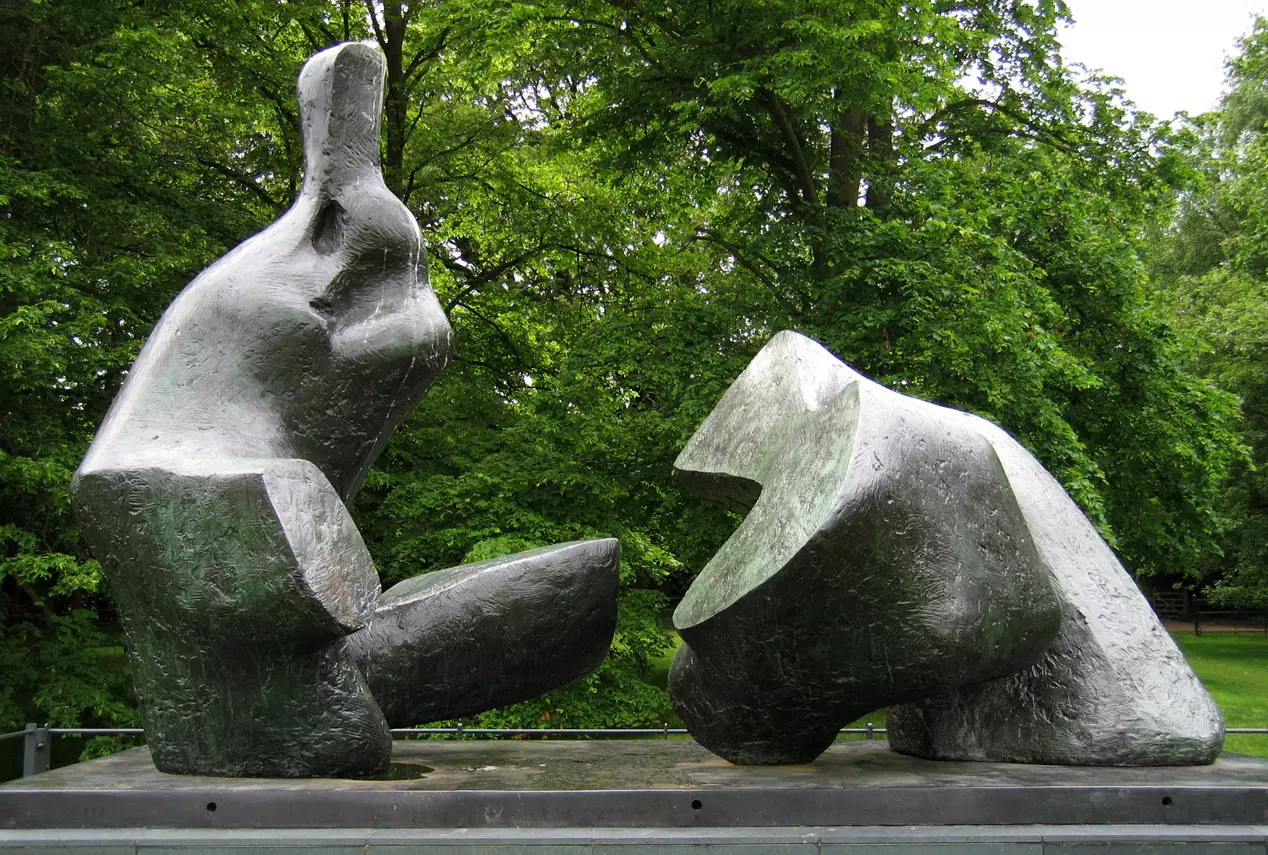
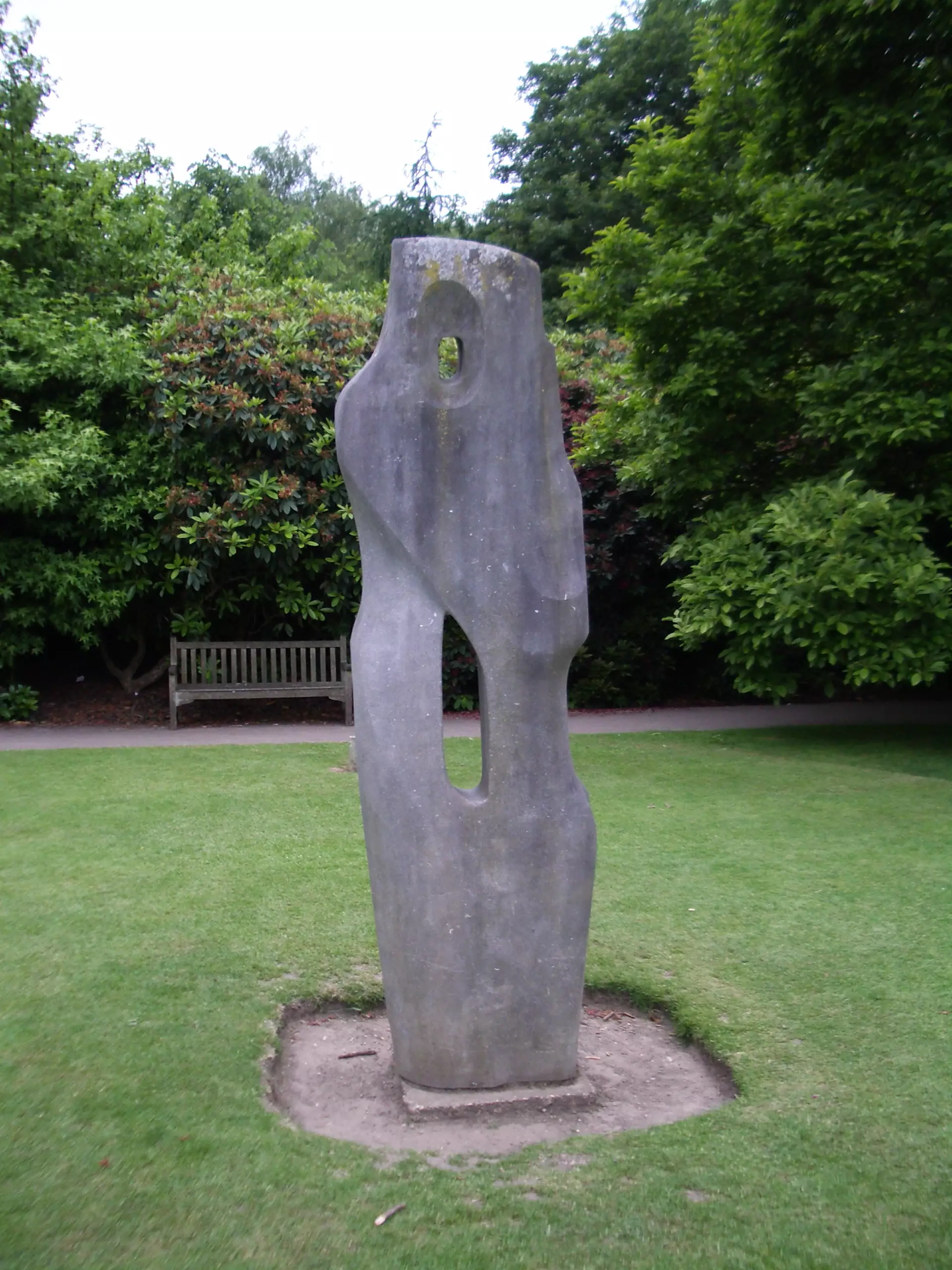



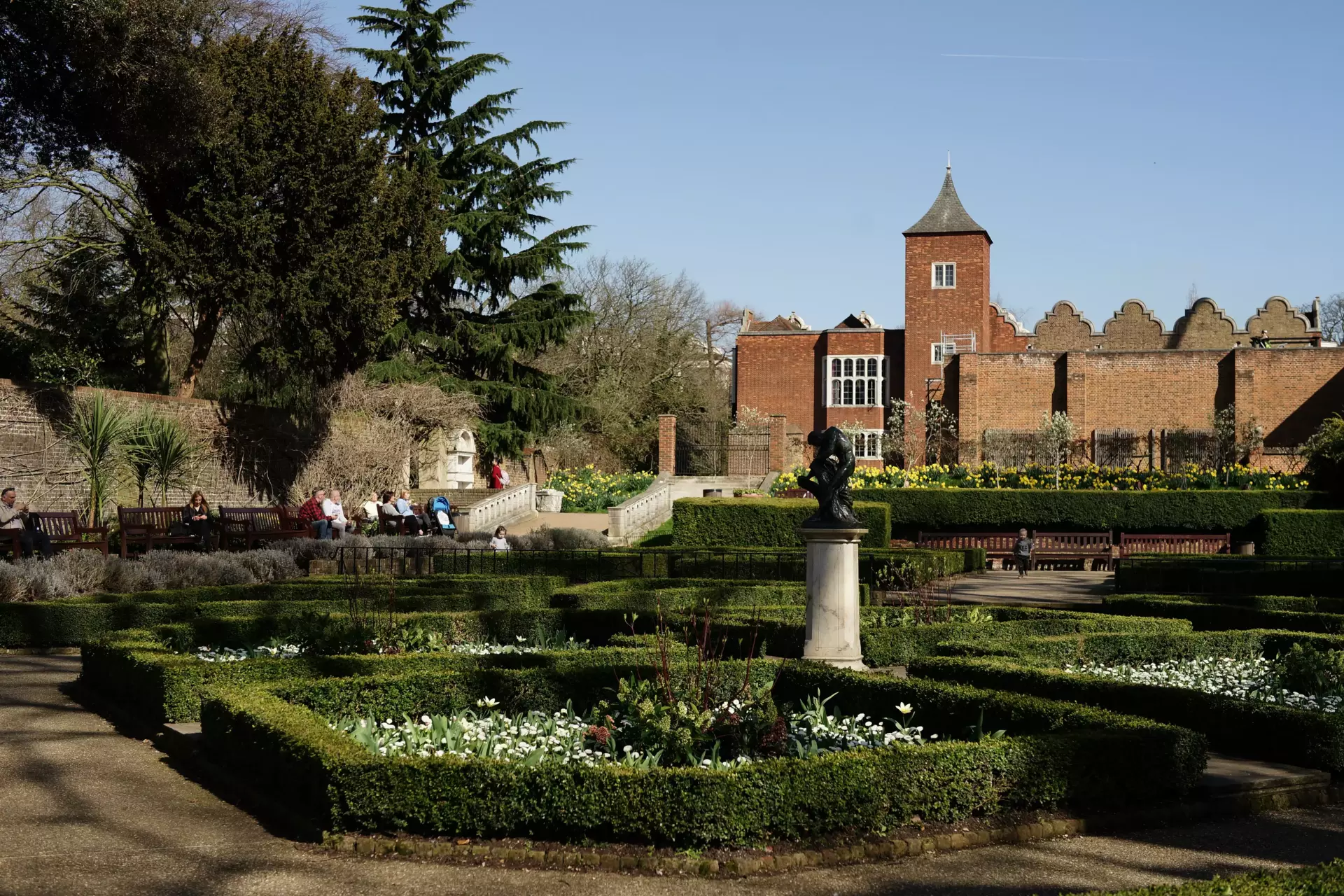
Kenwood House is a stunning Regency mansion surrounded by vast gardens and woodlands. The gardens themselves are a magnificent example of 18th-century landscape design, making them a must-see for any visitor. As you explore the grounds, you’ll discover a remarkable sculpture by Henry Moore, adding to the artistic charm of the estate.
Inside Kenwood House, an impressive collection of artwork awaits. The walls are adorned with masterpieces by renowned artists such as Rembrandt, Turner, Reynolds, and Vermeer. This collection offers a glimpse into the rich history and artistic heritage preserved within the house.
Every summer, Kenwood House becomes a stage for outdoor opera performances, attracting audiences with its unique blend of music and nature. These events provide a delightful experience, combining cultural enrichment with the beauty of the outdoors.
Movie enthusiasts may recognize Kenwood House from its appearances in films like "Mansfield Park," among other notable productions. Its striking architecture and picturesque setting make it a popular choice for filmmakers seeking an elegant backdrop.
Managed by English Heritage, Kenwood House stands apart from the rest of Hampstead Heath, offering a distinct experience for those who venture to explore its historical and artistic treasures.
Source - https://en.wikipedia.org/wiki/Kenwood_House
Built of Portland stone and dedicated to the aircrews of Allied nations under Bomber Command during World War II.
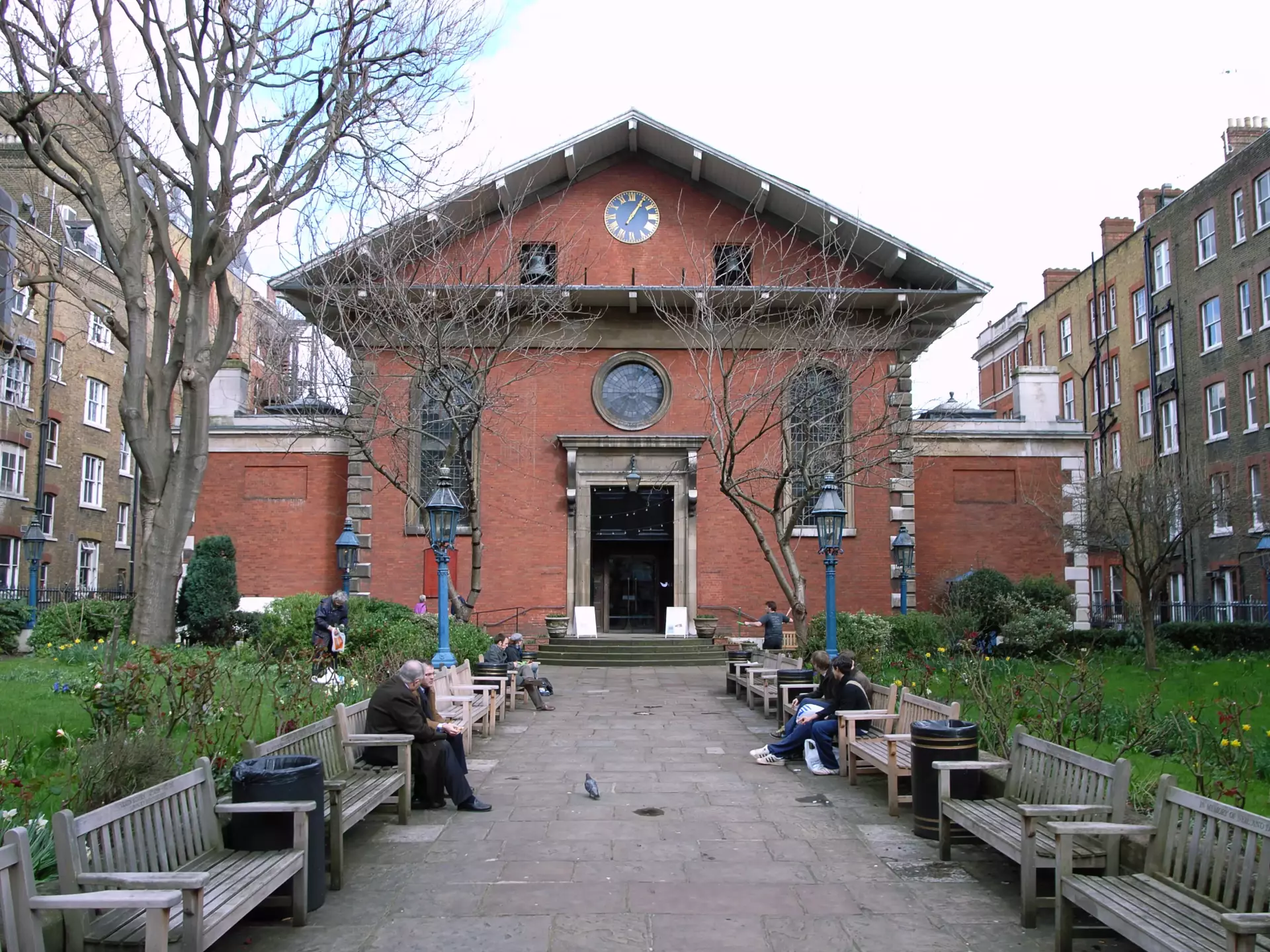
A small realm of serenity in the midst of the typical turmoil. It used to be the court of the Knights Templar. You can still visit the beautiful Romanesque church, which is one of the oldest ones in London (opened in 1185) and has connections to the order of Templars. The chancel of the church was built by Henry III. The church still serves the members of Gray's Inn and Lincoln's Inn and has frequent services open to the public. Fans of Dan Brown's The Da Vinci Code will recognise the church from both the novel and the film.
A 900-year-old tree stump carved and painted to feature elves and small animals.
This small tower across the road from the Houses of Parliament is the only part of the original Palace of Westminster still standing. While it is overshadowed in splendour by the surrounding buildings, it's well worth a visit, and has good displays about the early history of Westminster.
A vast repository of the world's cultures, controversially including hundreds of items that were looted from their places of origin. Entire sections are devoted to Egyptian, Greek, and Middle Eastern artifacts, as well as the piece which united them all, the Rosetta Stone. Other items on everyone's list are the largest collection of mummies outside Egypt and the Elgin Marbles. The collection also includes some of the world's finest collections of Chinese and Sub-Saharan African art; perhaps the most famous of the latter are the Benin bronzes. A definite highlight of a trip to London. Temporary exhibitions are invariably excellent and meticulously researched, but can be expensive. It has a fine store, mainly selling replicas of items in the collection.
Garden founded by apothecaries in the 17th century to the medicinal properties of plants. It was only opened to the public in the 1980s, when it became a charity. The heat-sink caused by its thick walls, combined with the general waste heat of London itself, keeps the garden much warmer than it would otherwise be at this latitude. Due to this, the garden contains the world's most northerly example of a grapefruit outside of a greenhouse, and the largest fruiting olive tree in the country. The collection contains thousands of different plant species.
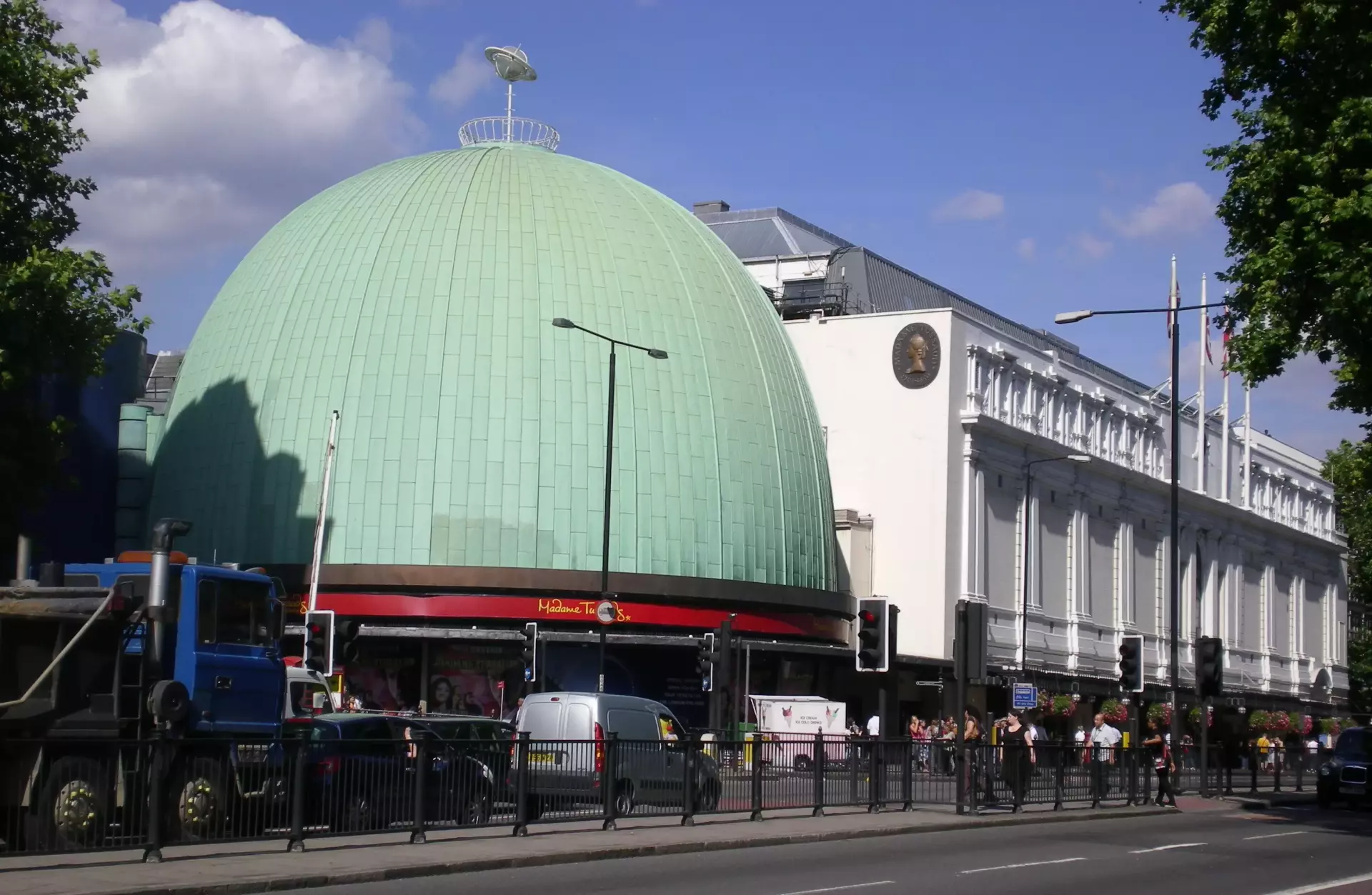
Madame Tussauds is a world-famous waxwork museum, best known for its Grand Hall, with a collection of international royalty, statesmen and world leaders. Visitors generally report that the entrance fee does not warrant the selection of waxworks on show, which rarely resemble celebrities. Also, there is usually a long queue stretching down the road.
An attractive Gothic Revival church, completed in 1859 to a design by William Butterfield.
An enormous art gallery converted from the former Bankside Power Station, a visit to Tate Modern could easily take half a day. The gallery collects together contemporary and modern art from around the world, arranged thematically. The most stunning aspect of the building, is the enormous Turbine Hall, which plays host to a single piece of work commissioned for the space each year. An extension of the gallery has opened in a ten-storey building behind the existing power station.
The former home of Sigmund Freud. A wide range of exhibits, most famously including the psycho-analytic couch that all of his patients used. Freud was an avid collector of antiquities and there is a fine collection of Greek, Roman and Oriental pieces on show.
Fine stone bridge linking Twickenham/St Margarets with Richmond. It is the oldest surviving Thames bridge in London, dating from 1777.
This enormous arch was built in front of Buckingham Palace. In 1851 the expansion of the palace meant the arch could no longer remain where it was, so it was moved to this point on Hyde Park. It now stands rather sadly on a large traffic island, but the subway beneath the roads means you can stop off at the Marble Arch on your way from Oxford St to Hyde Park.
A memorial made out of 52 stainless steel columns representing each of the 52 victims who died in a series of terrorist attacks in the London bombings on July 7th, 2005.
The Serpentine is a long, thin artificial lake within Hyde Park which contains a range of waterfowl and fish. It was first made by damming the River Westbourne but it is now fed by three boreholes. The western end of the lake is actually in Kensington Gardens, in which it is called The Long Water. Swimming and boating are popular activities on the Serpentine; see 'Do' section.