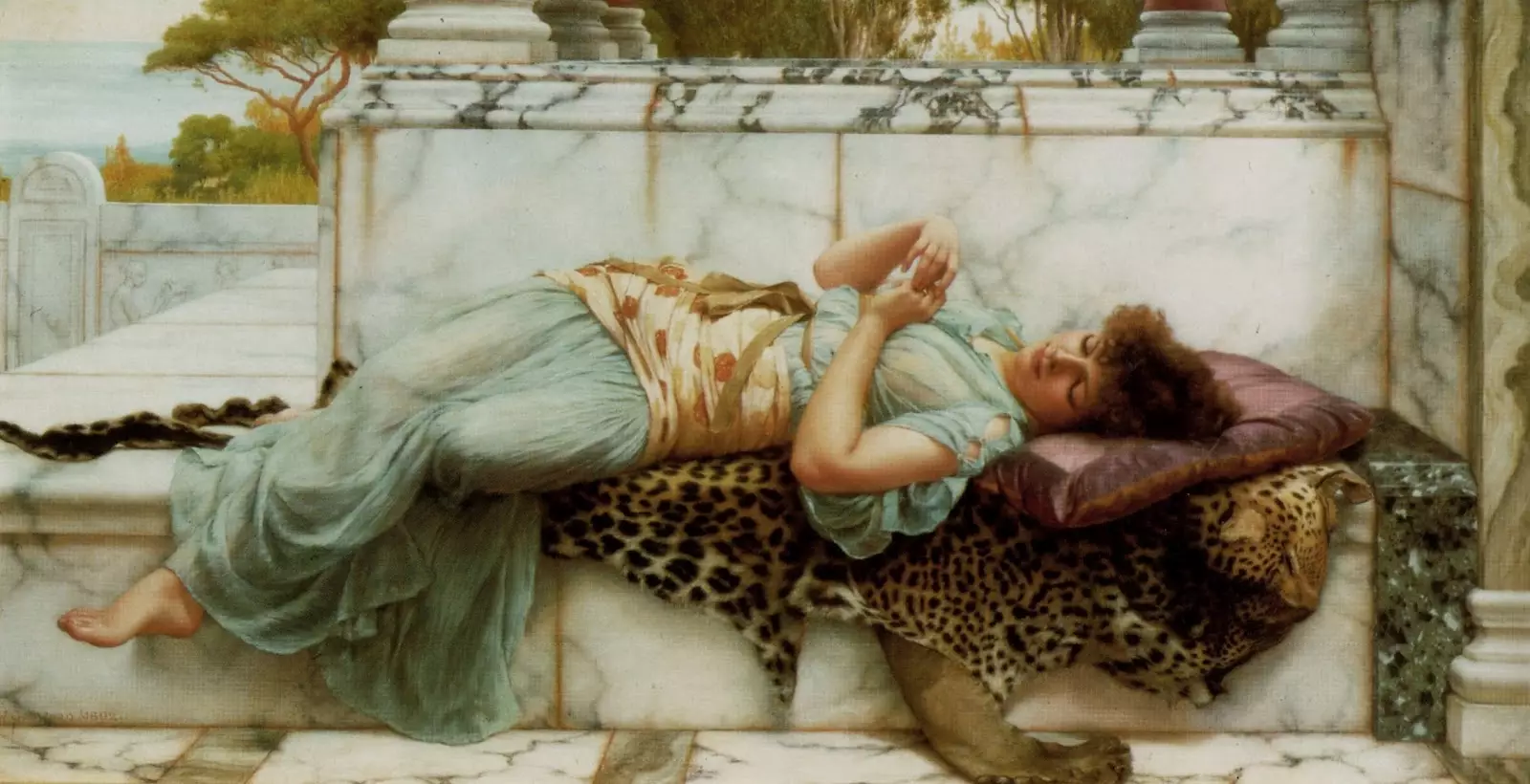
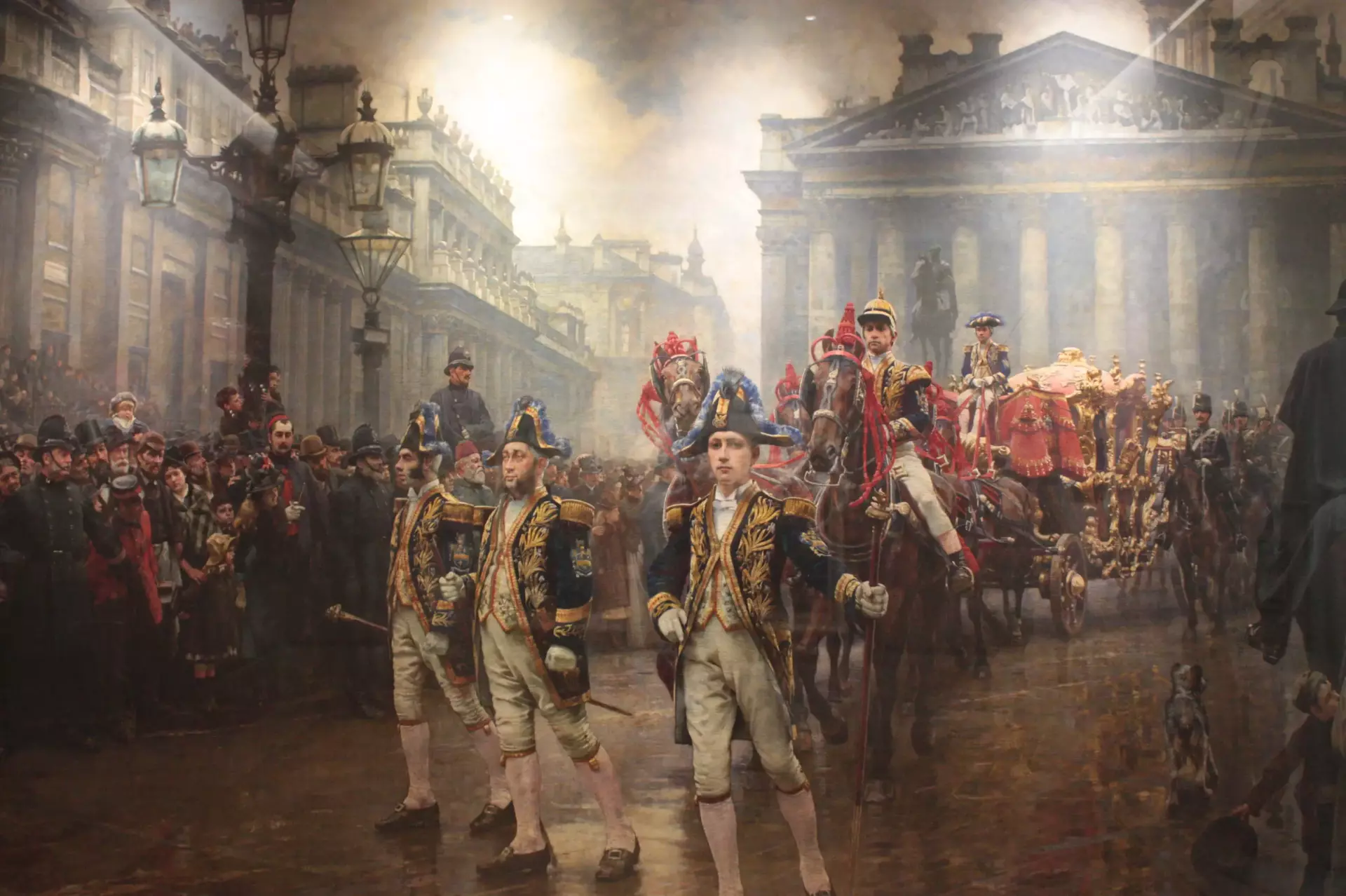
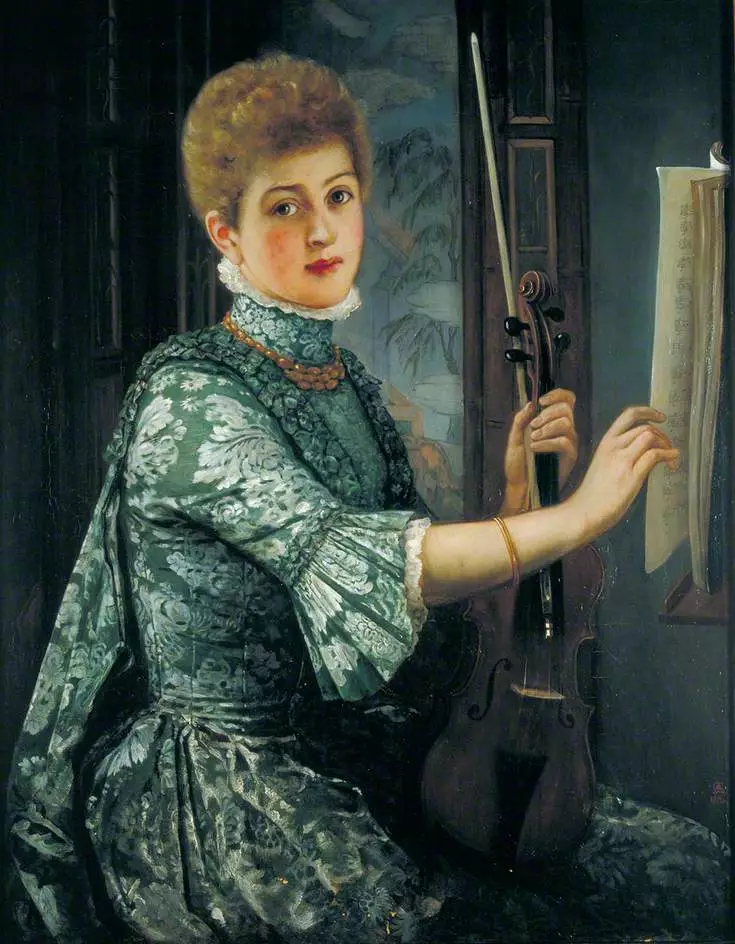
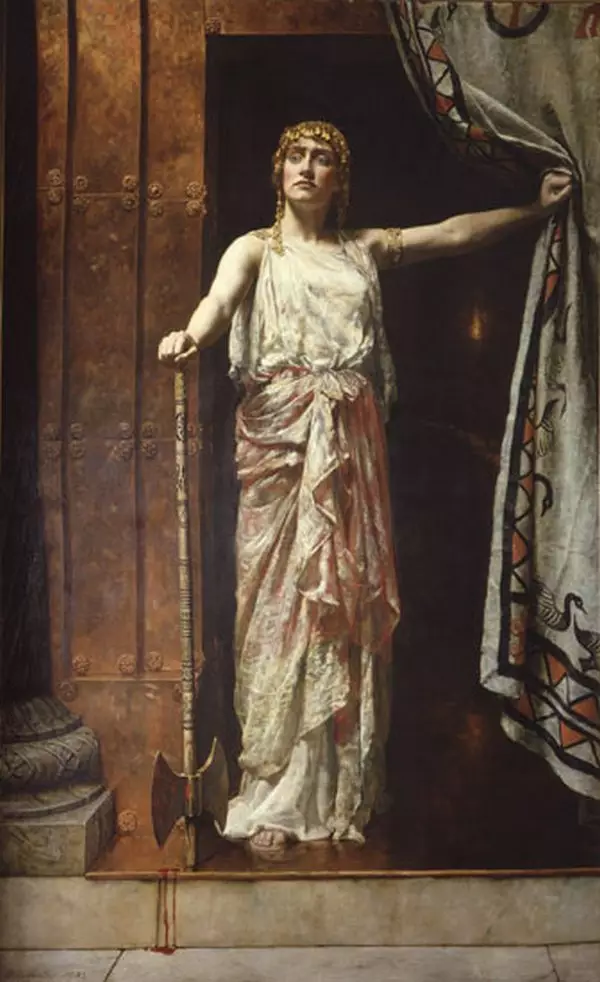
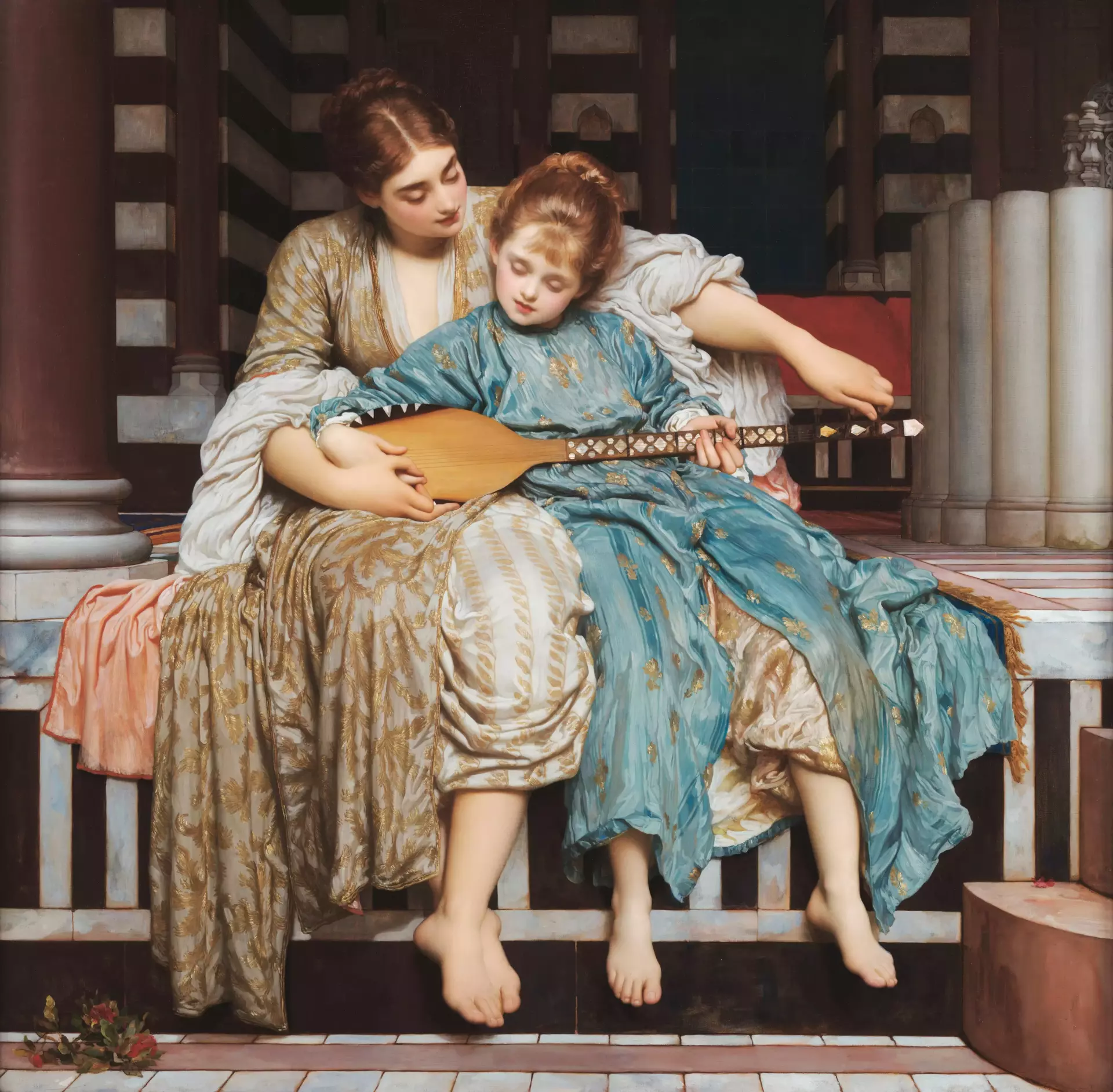
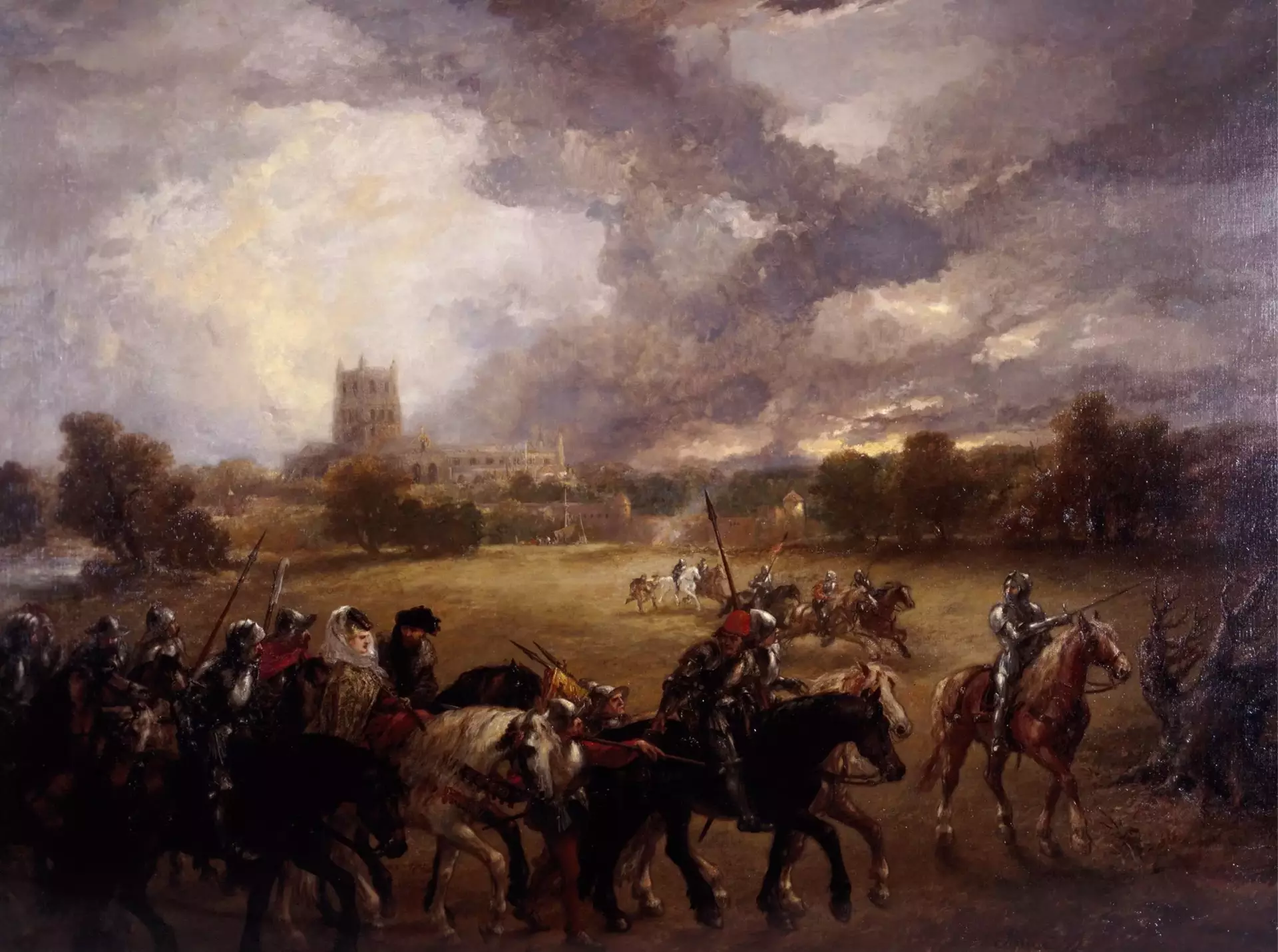
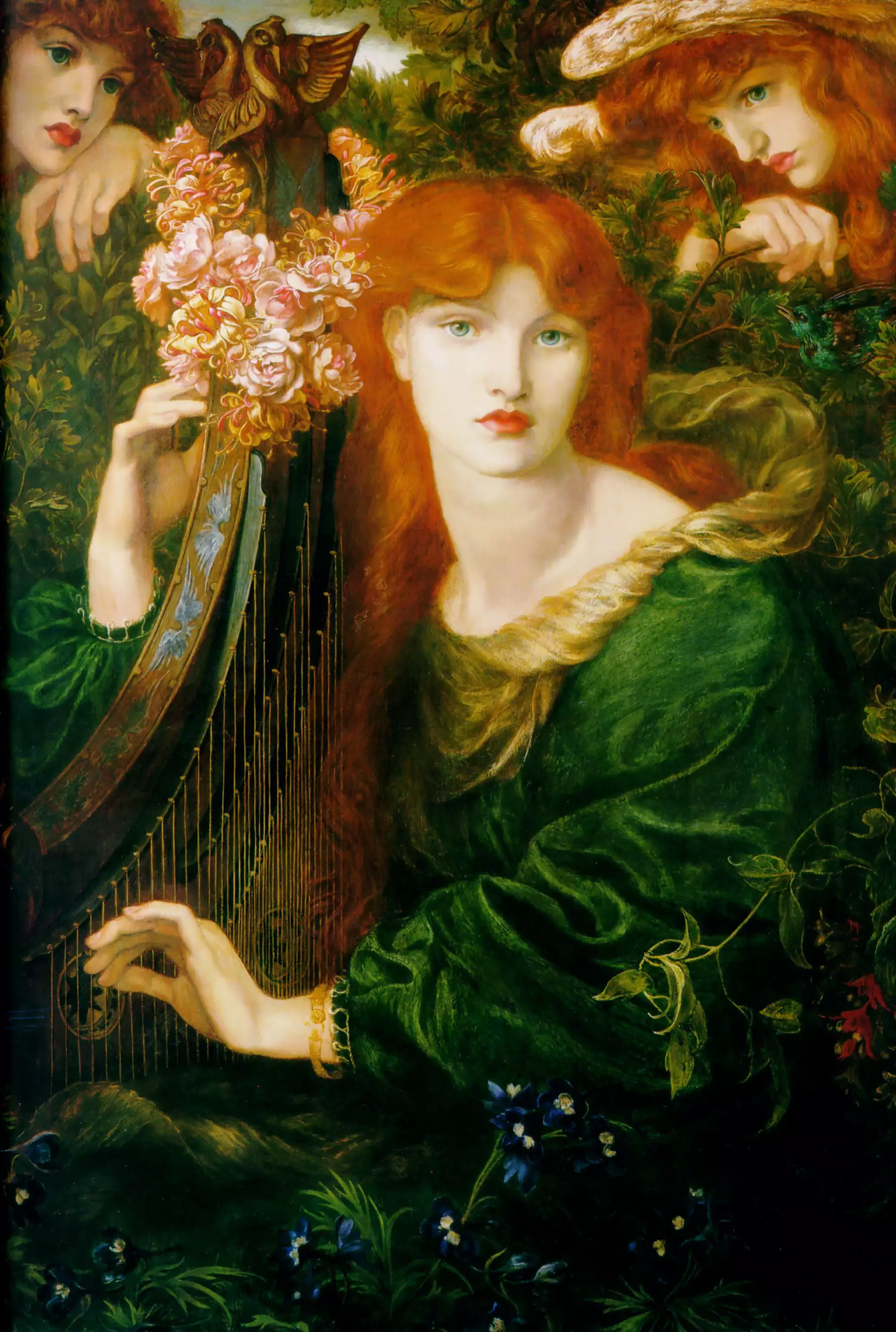
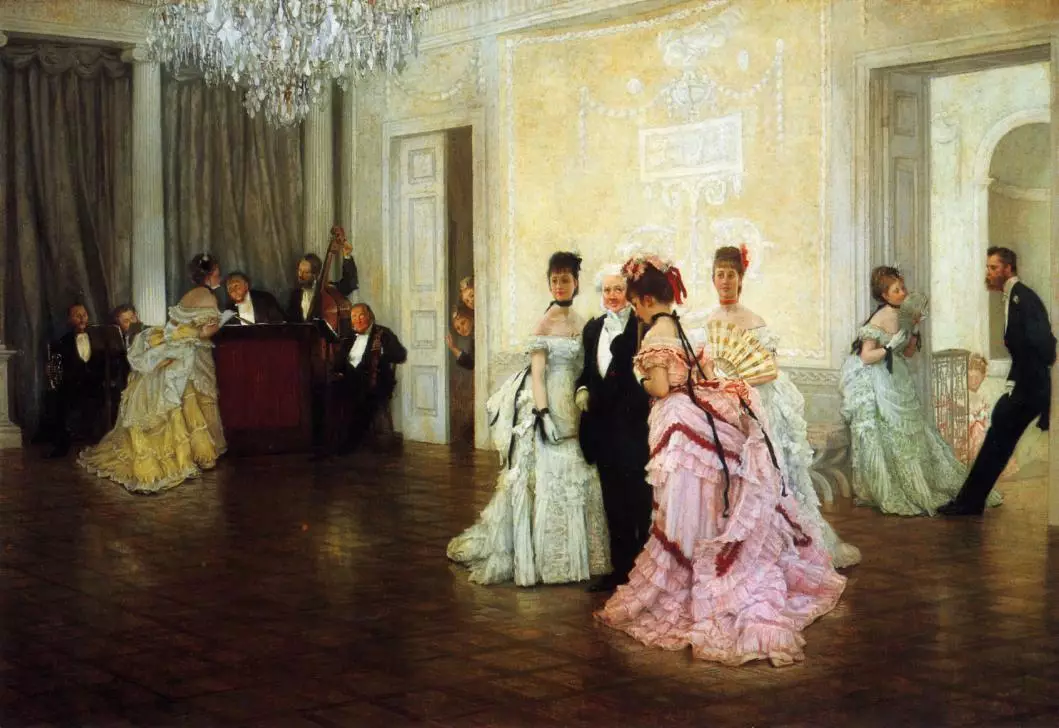
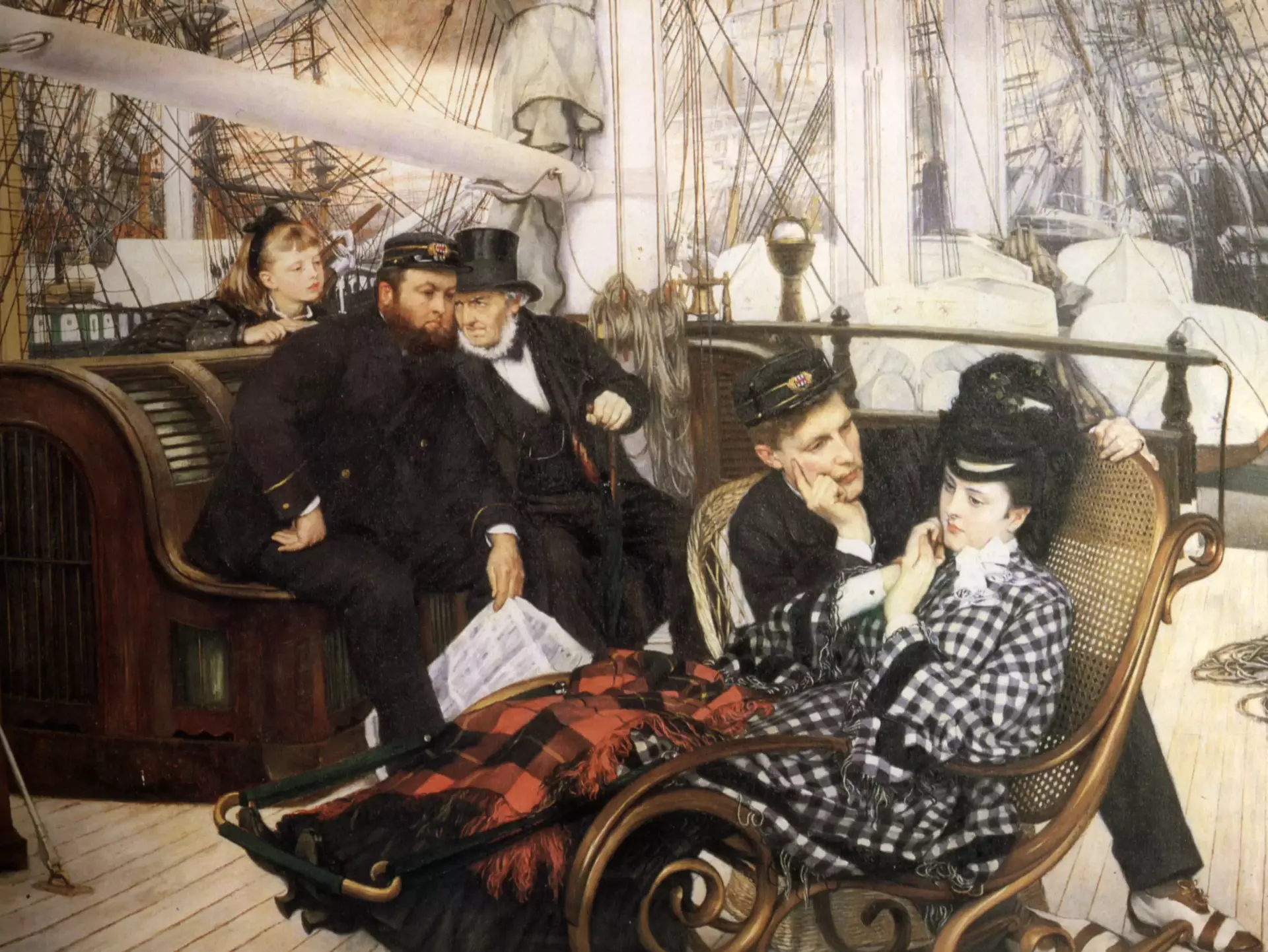

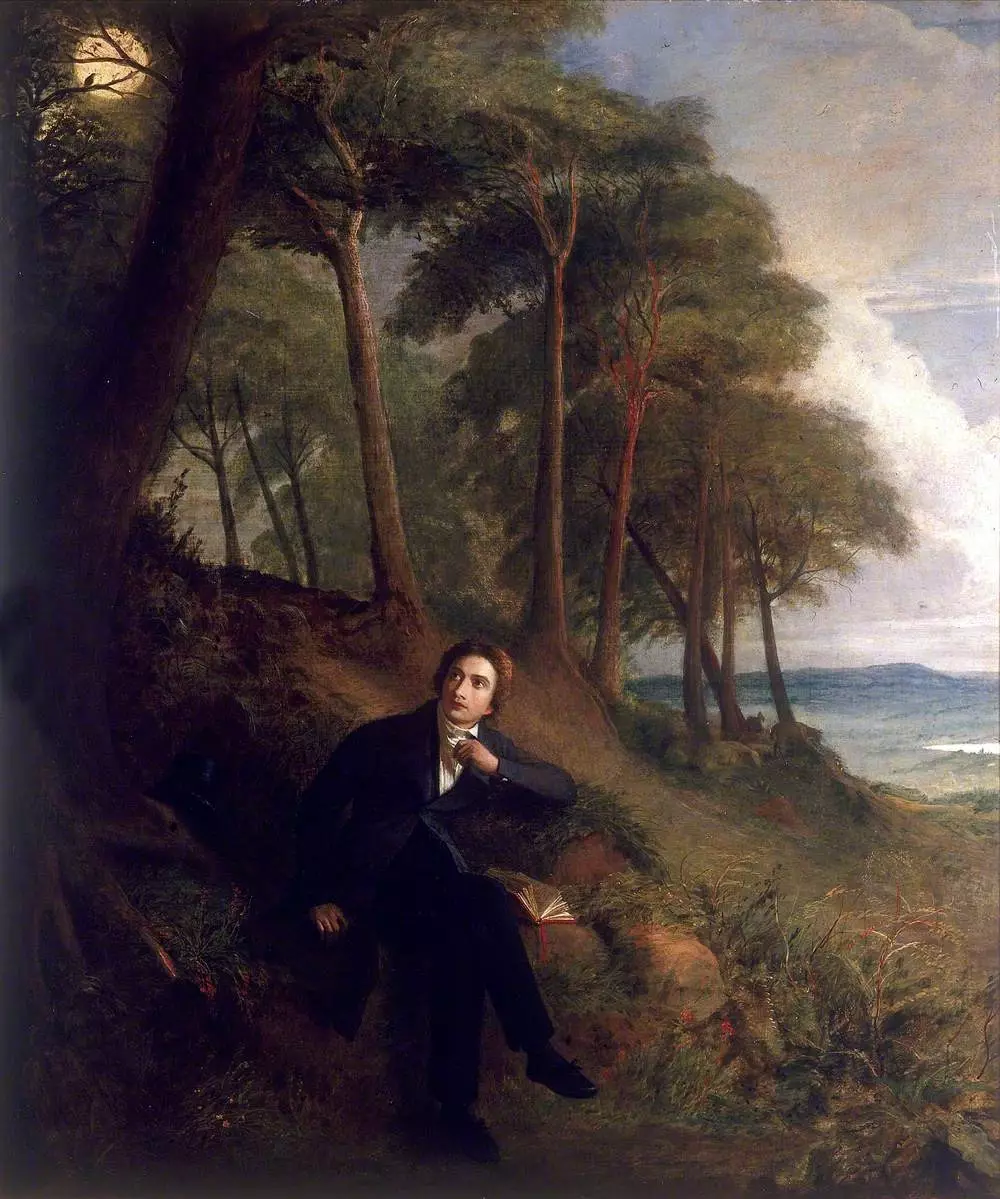
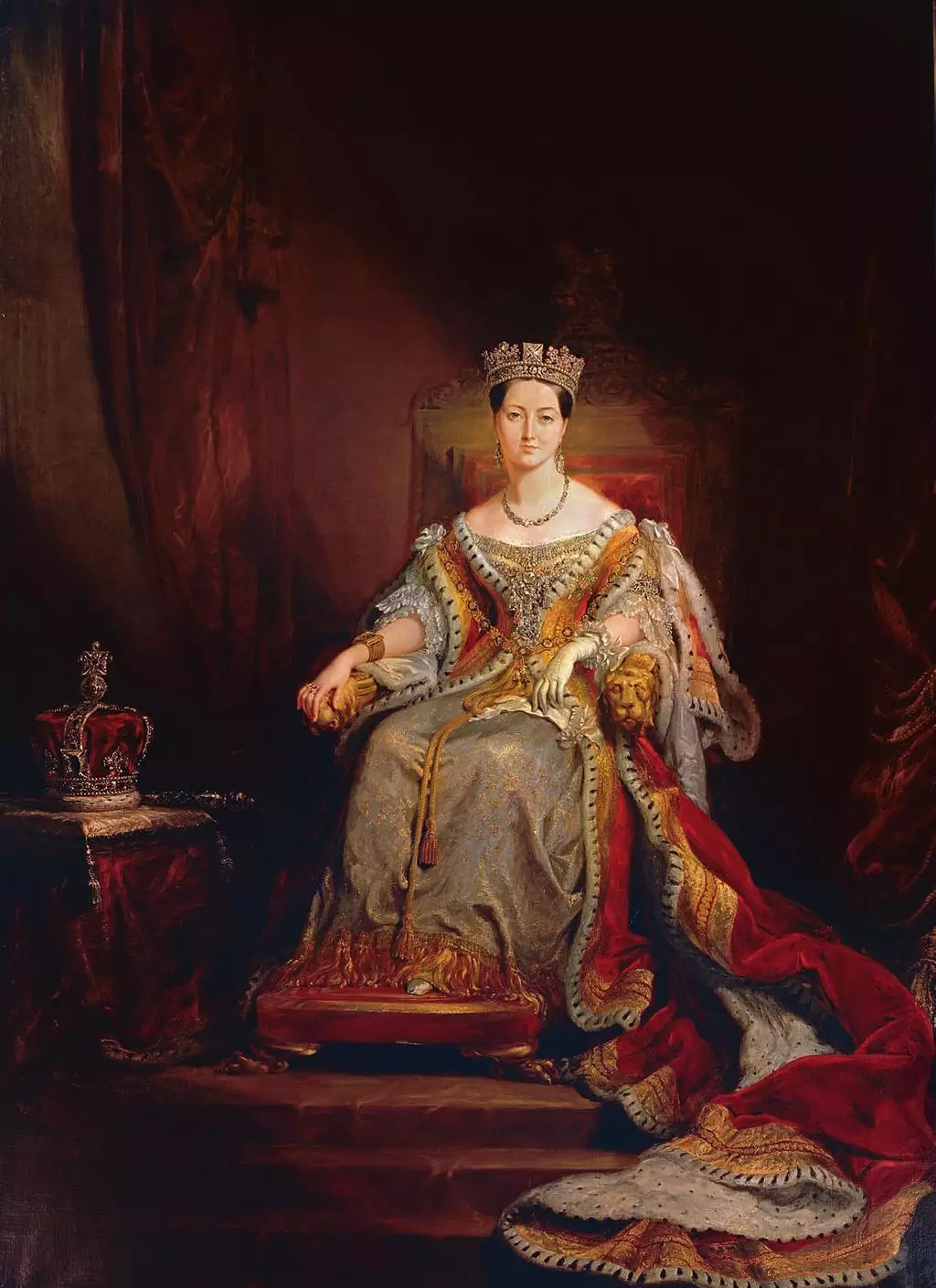
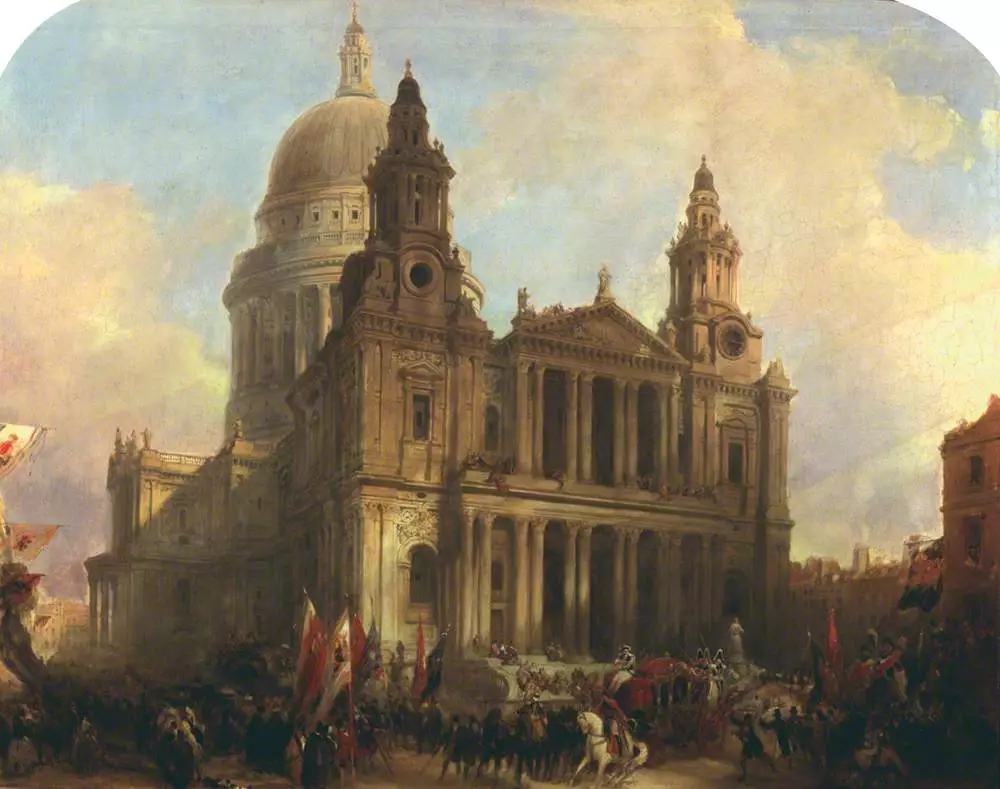

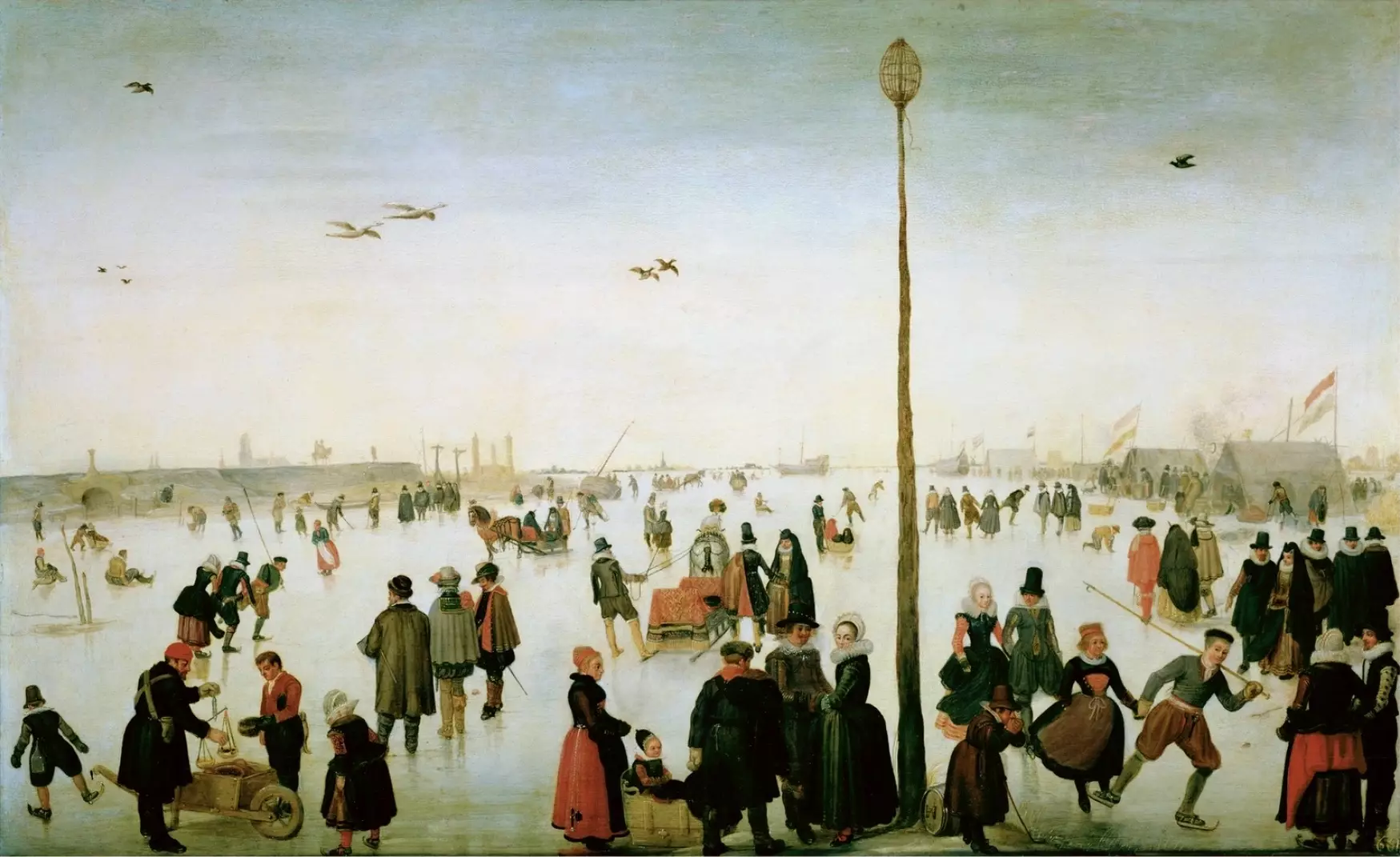
The Guildhall Art Gallery is home to the City Corporation's impressive art collection. Throughout the year, it hosts special exhibitions that draw art enthusiasts from near and far. But there's more to this gallery than just its captivating artwork.
While constructing the modern gallery, workers stumbled upon an incredible piece of history: the ruins of London's Roman amphitheatre. This unexpected find led to a major redesign of the gallery.
Today, visitors can explore the ancient amphitheatre, which is now seamlessly integrated into the Guildhall Art Gallery. This remarkable feature is open to the public and free of charge, offering a unique glimpse into London’s Roman past alongside its rich art collection.
Source - https://en.wikipedia.org/wiki/Guildhall_Art_Gallery
Completed in 1823, this attractive church near Broadcasting House is one of John Nash's masterpieces, with a prominent spire and circular vestibule. As of May 2025, it accessible only for worship.
Church in Piccadilly designed by Sir Christopher Wren in 1684. It has a magnificent organ case and baptismal font by Grinling Gibbons.
A splendid Regency house with enormous gardens and woodlands. The gardens alone are worth the visit and are a superb example of 18th-century landscaping. On show at the house is art by masters such as Rembrandt, Turner, Reynolds and Vermeer, and the gardens have a very notable sculpture by Henry Moore. A regular program of outdoor opera takes place here every summer. Movie buffs will recognise Kenwood from Mansfield Park among other famous films. Administered by English Heritage, separately from the rest of Hampstead Heath.
Formerly the teaching collection of Sir Flinders Petrie, one of Britain's greatest archaeologists, now preserved by University College London. Exhibits include beaded dresses, sculpture and wall reliefs, items of everyday use, papyri, cartonnage and pottery. Fascinating!
A small realm of serenity in the midst of the typical turmoil. It used to be the court of the Knights Templar. You can still visit the beautiful Romanesque church, which is one of the oldest ones in London (opened in 1185) and has connections to the order of Templars. The chancel of the church was built by Henry III. The church still serves the members of Gray's Inn and Lincoln's Inn and has frequent services open to the public. Fans of Dan Brown's The Da Vinci Code will recognise the church from both the novel and the film.
Includes a small but beautiful quad and an interesting Neo-Classical facade. The core buildings of UCL were built after the university's foundation in 1826.
Islamic Cultural Centre and the main mosque in London. Visitors are welcome but must be suitably attired. The Mosque runs classes, prayers, talks and events.
Historic home to English kings such as Henry VIII, now open to the public. There are many attractions which can occupy a whole day visit, including 60 acres of gardens with the famous maze, the Tudor kitchens, the Chapel Royal, the Great Hall, Mantegna's Triumphs of Caesar paintings, and various exhibitions about Henry VIII.
A neoclassical triumphal arch, designed by Decimus Burton and first erected in 1826 as a grand entrance to Buckingham Palace. From 1846 onwards, the arch was topped with a massive equestrian statue of the Duke of Wellington - a major road widening of Piccadilly in 1882 was the opportunity to finally remove the over sized statue to Aldershot. The present magnificent statue Peace Descending on the Quadriga of War was placed on top of the Arch in 1912, and remains today the largest bronze sculpture in the United Kingdom, spectacularly lit at night. During the 1950s, the arch served as the smallest police station in the city, when it was occupied by ten constables, two sergeants and a cat! The arch was opened to the public for the first time in 2001 after a £1.5 million restoration by English Heritage. (Wellington Arch is also available for corporate and private events, with dramatic views down Constitution Hill and across central London from the Arch's spacious balconies, Wellington Arch is a novel and unique place to impress your guests).
A 900-year-old tree stump carved and painted to feature elves and small animals.
A stone howitzer by World War I veteran Charles Sargeant Jagger
The western half of the twin parks and the half that is often forgotten in public consciousness. It tends to be more formal than its neighbouring park. Highly detailed, Gothic-style monument to commemorate Prince Albert, husband of Queen Victoria. Opposite the Royal Albert Hall. Diana, Princess of Wales Memorial Playground A 900-year-old tree stump carved and painted to feature elves and small animals. A royal residence which is still used by Prince William, Kate and their young family. Much of it is however open to the public and it is a very popular tourist attraction perhaps due as much to its association with Princess Diana as anything else. The King's Gallery here is a magnificent Regency period court drawing room and contains some impressive paintings including a Van Dyke. Also a nice restaurant on site called The Orangery. Full of swans, geese, gulls, and other birds. Deckchairs can be hired for £1.50. The park benches and grassy areas are free. A nice modern art gallery, near to the Serpentine. Too small to host a permanent collection, instead hosts temporary exhibitions which can last anything from a few weeks to over a year. Each summer a pavilion next to the gallery is designed by a different architect, which then houses various cultural events.
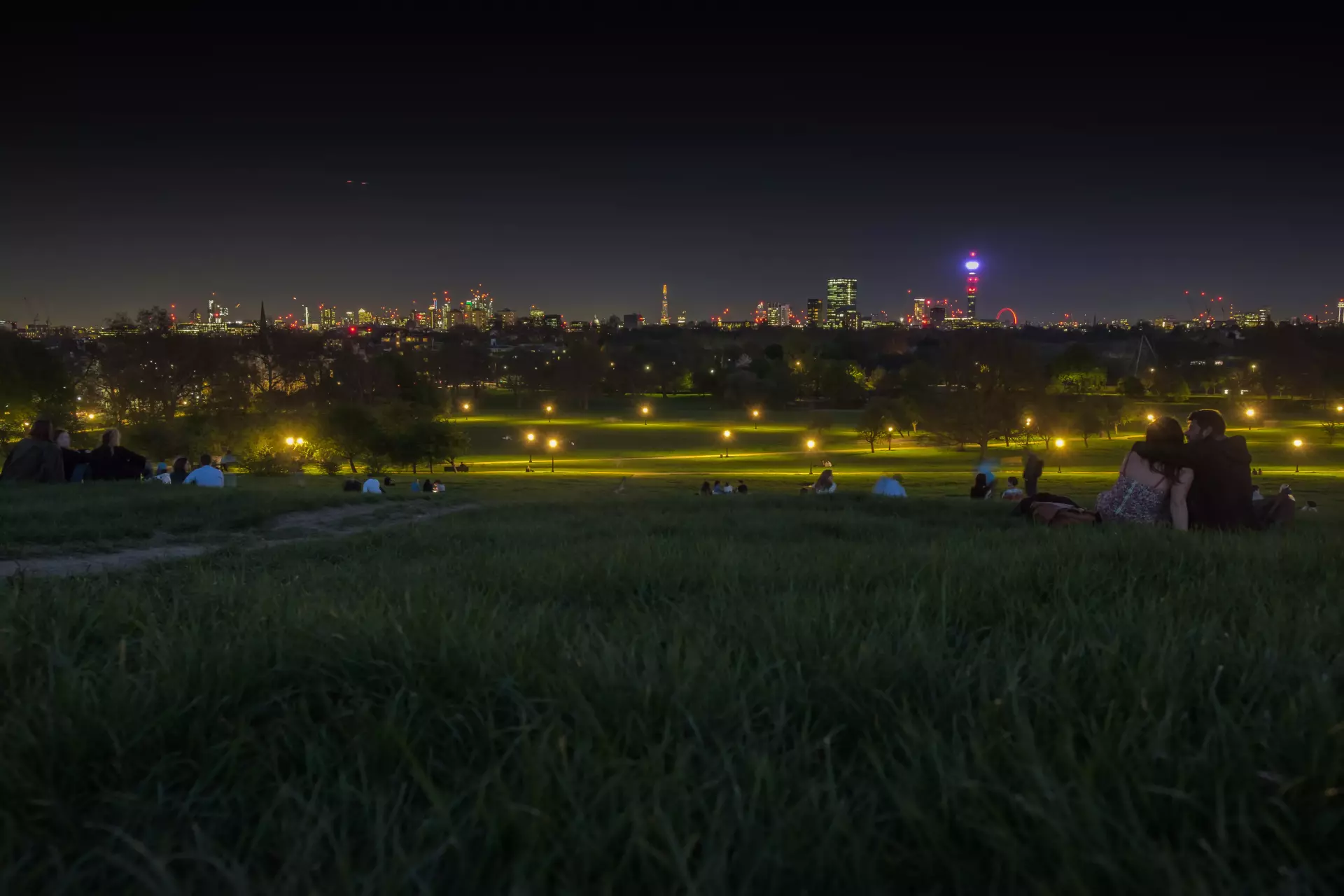
This is a high part of the Heath with clear open vistas, and the views looking south over the city are quite wonderful. Highly recommended on a clear morning, when you can see from Canary Wharf in the east all the way to Battersea Power Station in the west.