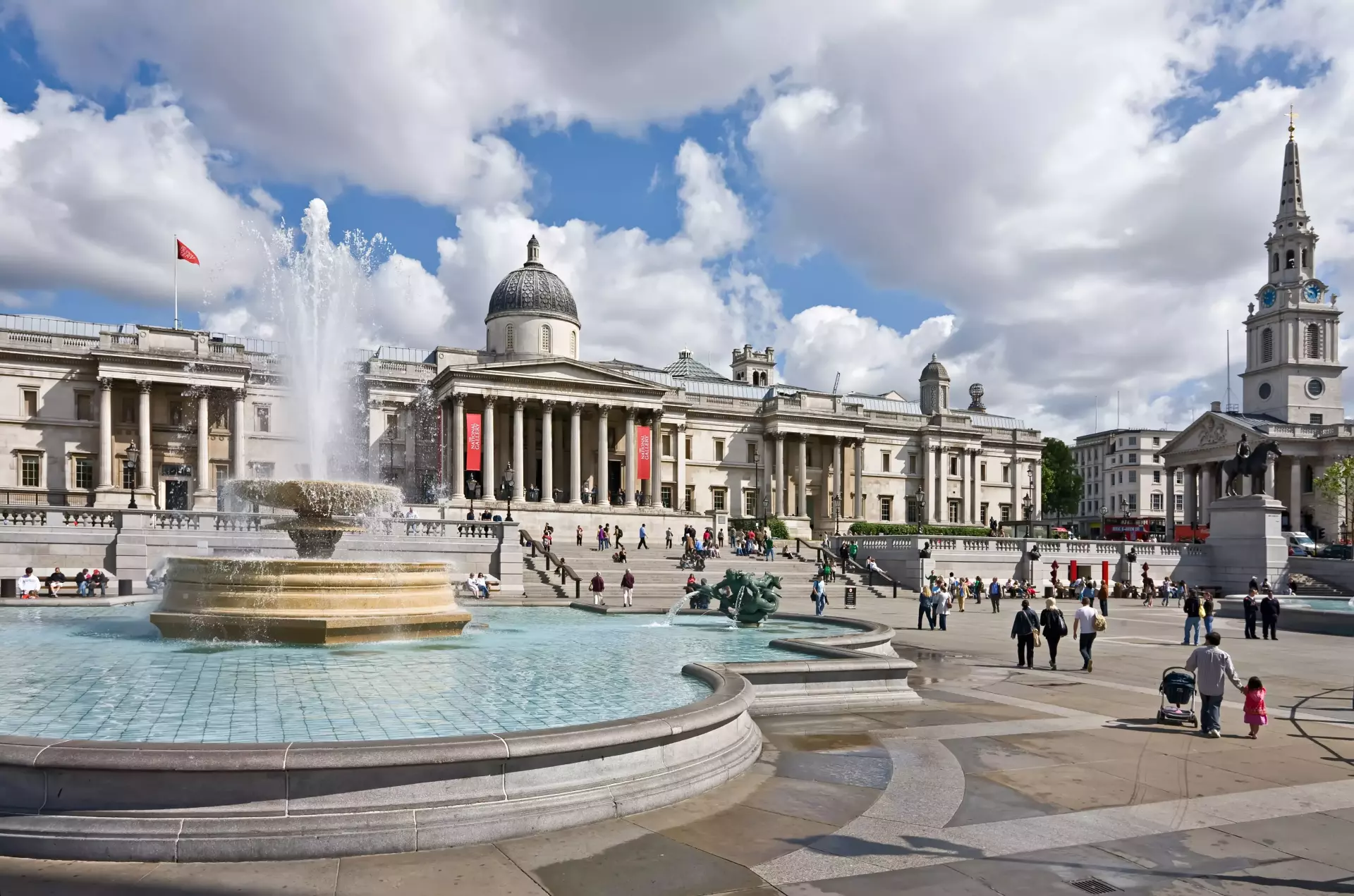
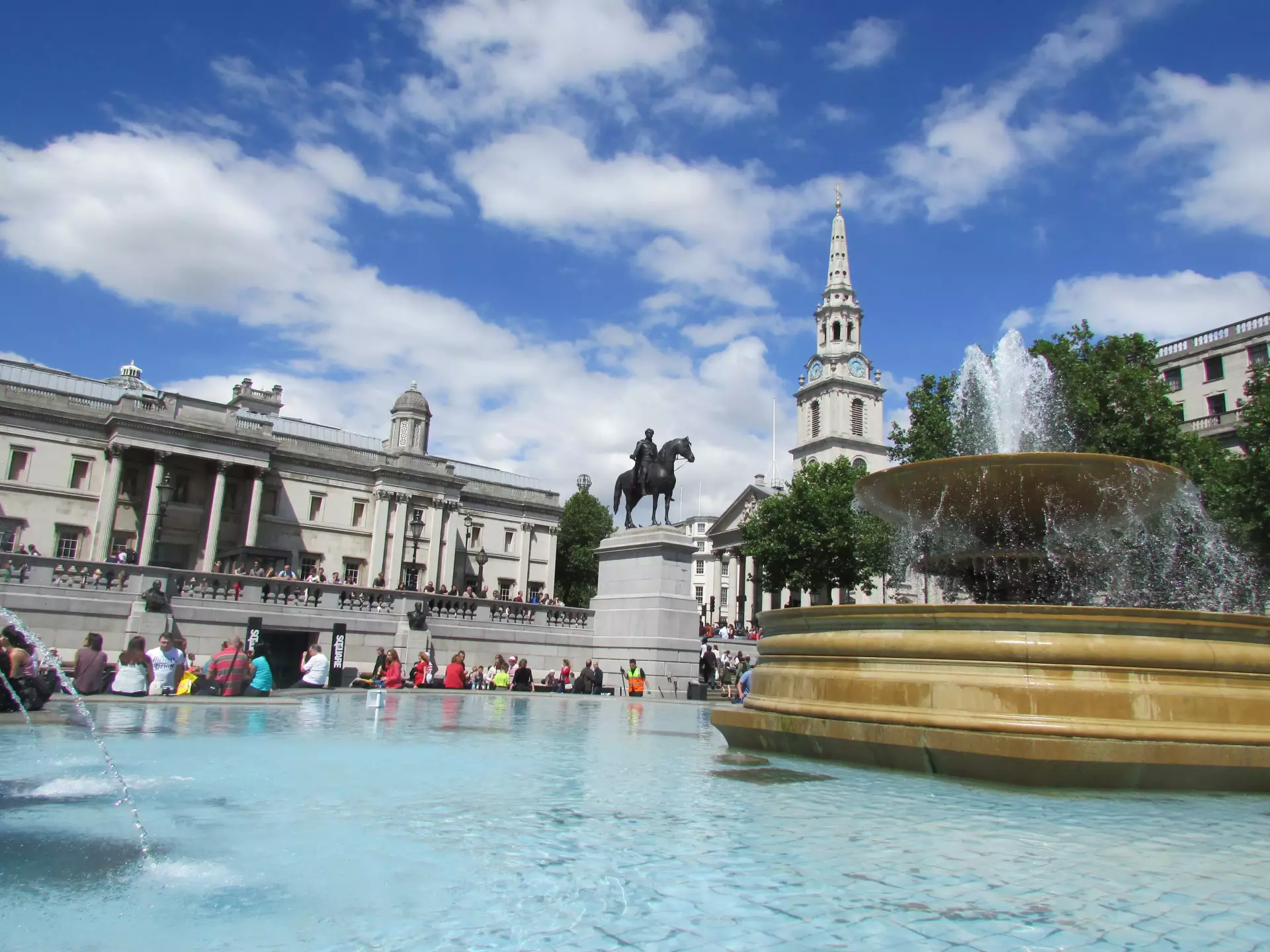
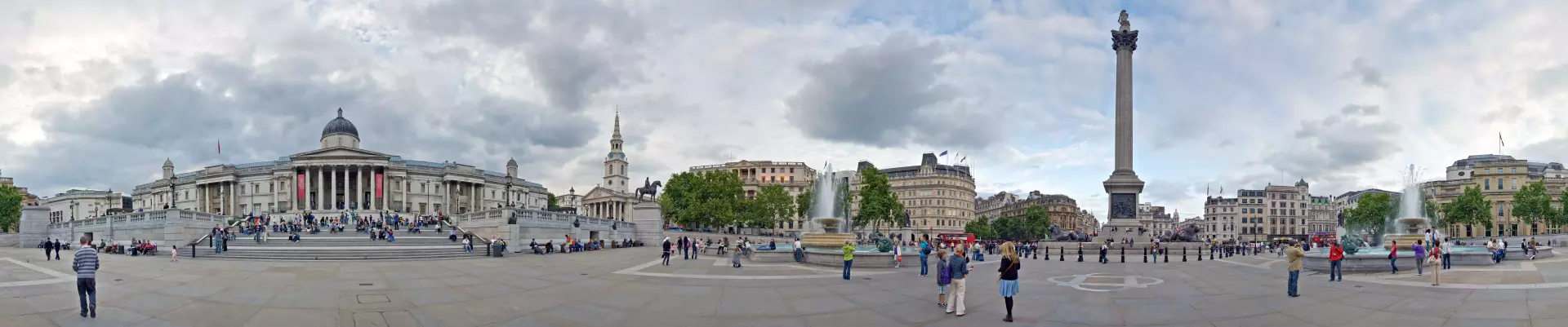
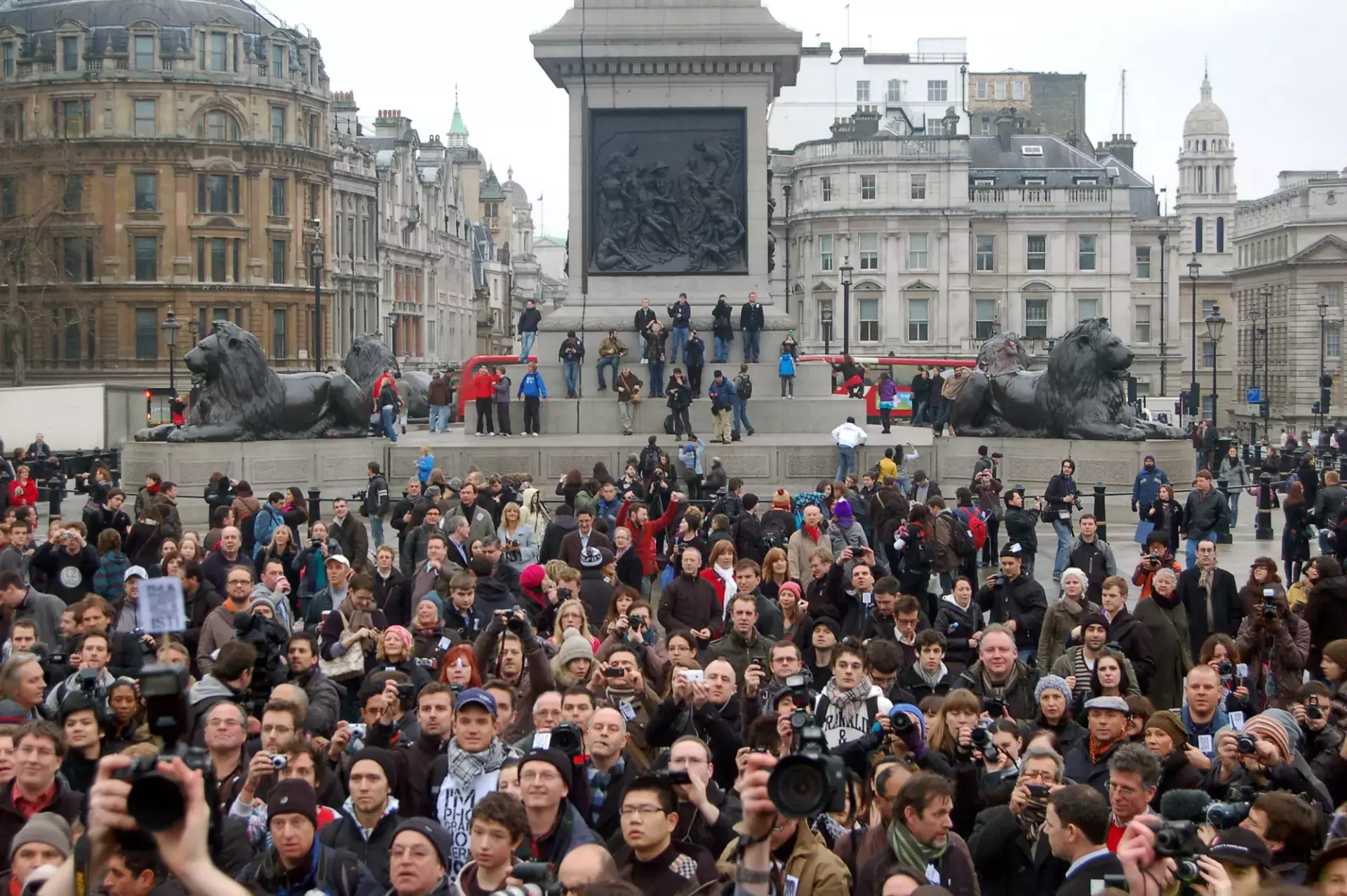
Trafalgar Square is a central hub in London, known for its vibrant atmosphere and historical significance. It's often the stage for both celebrations and demonstrations. In 2003, it witnessed the jubilant return of the British Rugby team after their World Cup victory, and it has frequently been a focal point for protests, including those against Britain's involvement in the Iraq War.
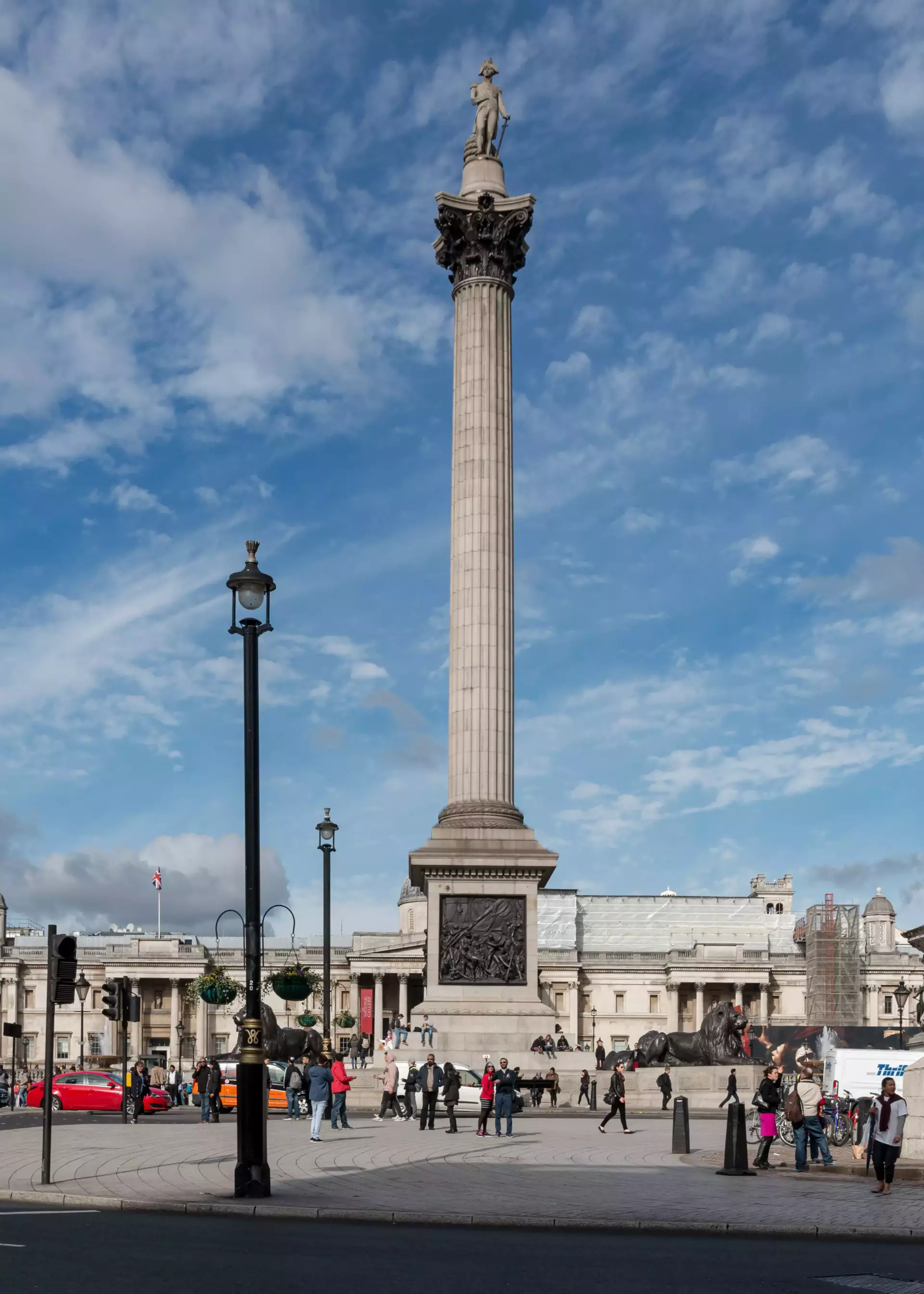
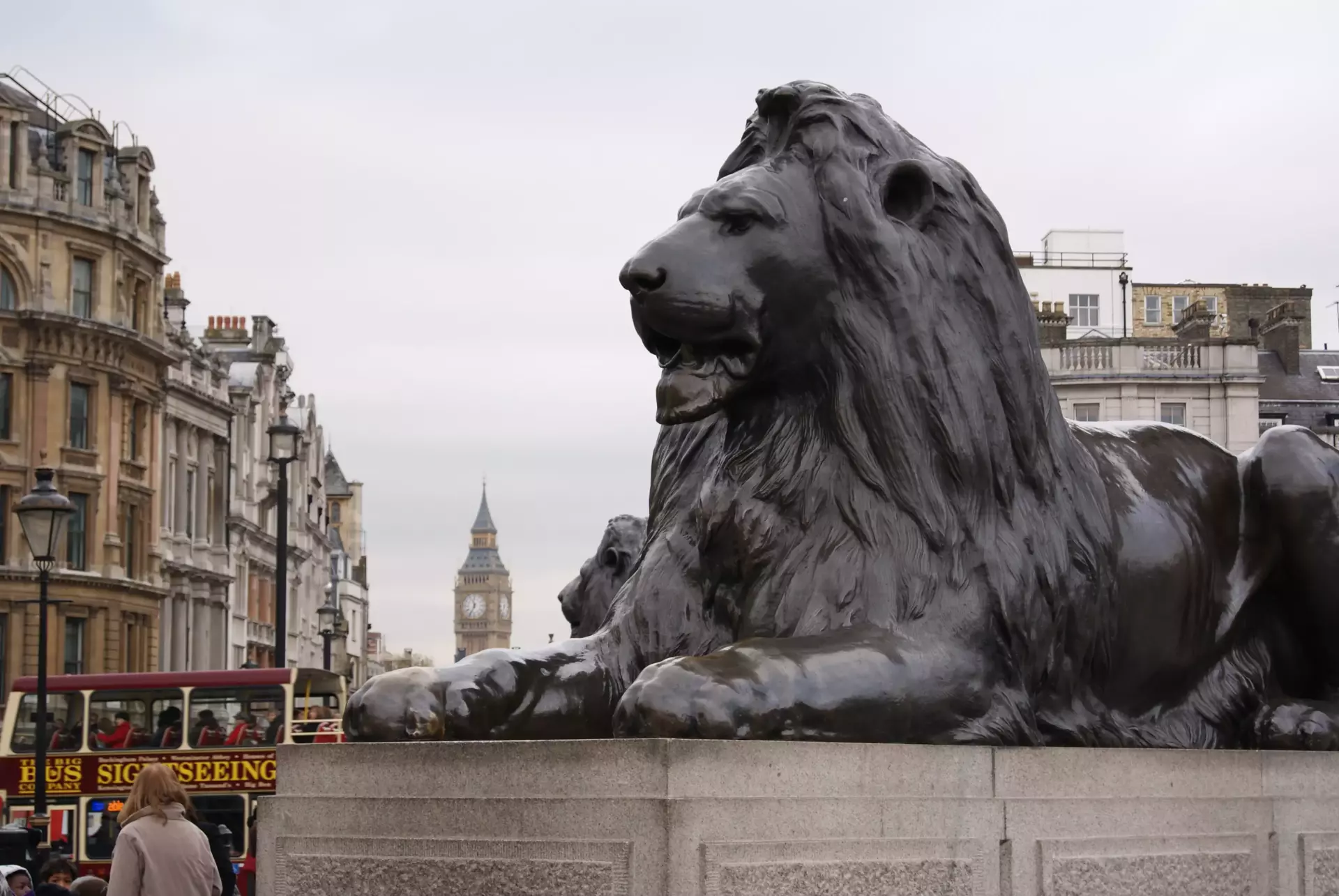
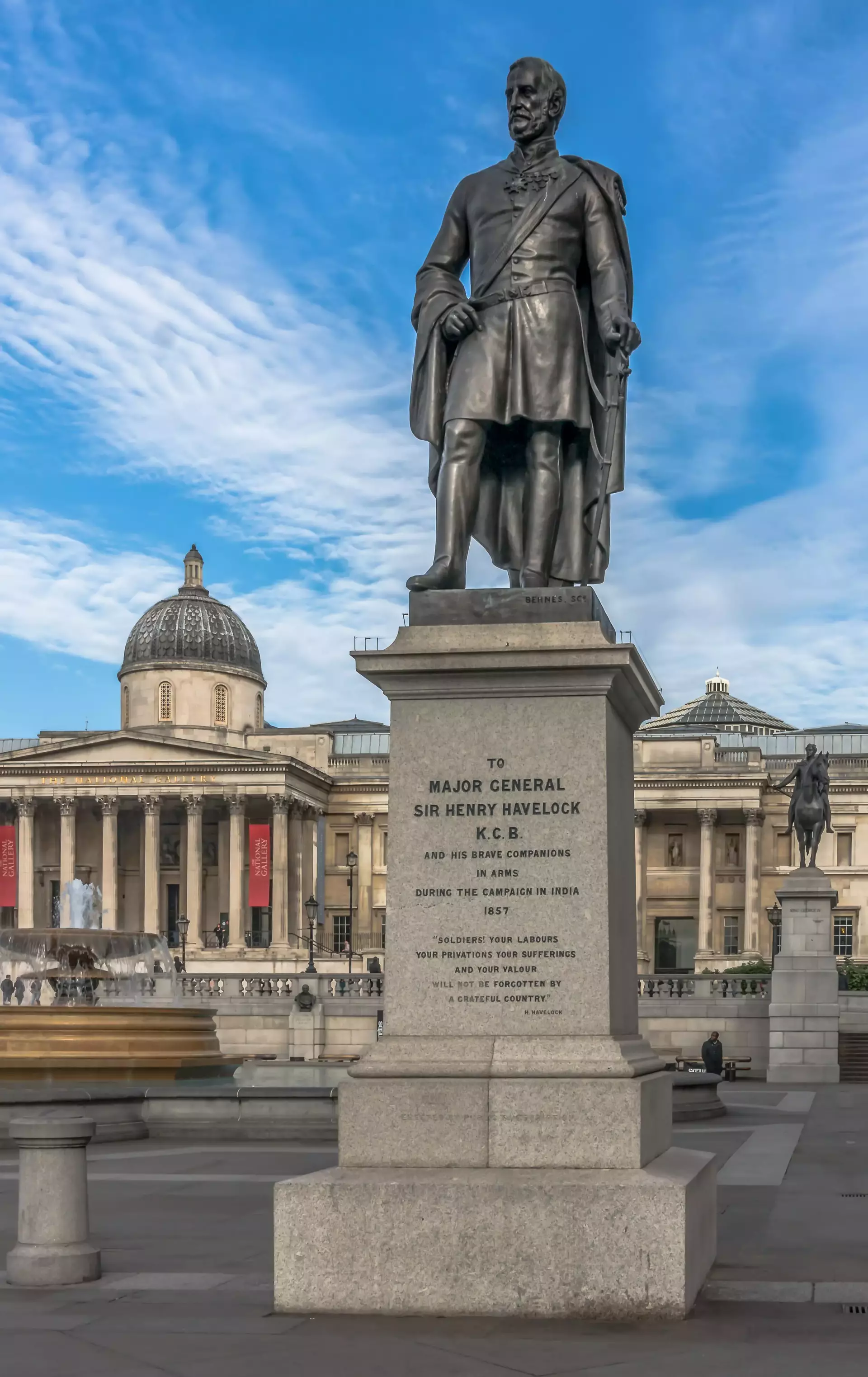
For years, the square was overrun with pigeons, but a 2003 bylaw made feeding them illegal. Today, visitors can admire Nelson's Column, guarded by four bronze lions, on the south side of the square. The northwest plinth, which lay bare since 1841 due to lack of funds for a planned statue, now showcases contemporary sculptures, often stirring debate.
This grand gallery is home to an extensive collection of Western European art from the 13th to the 19th centuries. Masterpieces by artists like Hans Holbein, with his exquisite "The Ambassadors", Van Gogh's vibrant "Sunflowers", and Constable's serene "The Haywain" are just a few highlights.
While most of the art on display can be viewed for free, special exhibitions come with a fee but are known for their depth and quality. Comprehensive audioguides provide insights into most paintings and are available without charge, though donations are appreciated. The gallery also offers daily free talks and tours, alongside workshops and lectures.
Just a short stroll from the National Gallery, the National Portrait Gallery offers a fascinating look at British history through portraits. Visitors journey through time, starting with Tudor portraits like those of Henry VII by Hans Holbein, and progressing to modern figures such as the band Blur, depicted by Julian Opie. It's an engaging way to explore history through the faces of those who shaped it.
Opposite Trafalgar Square, Canada House stands as a cultural beacon, regularly hosting art exhibitions by Canadian artists. This adds a touch of international flair to the already diverse cultural offerings in the area.
Source - https://en.wikipedia.org/wiki/Trafalgar_Square
The complex incorporates the Old Broad House built in 1930s. The façades of which feature the famous sculpture of Prospero and Ariel and the Ariel friezes by Eric Gill and Gilbert Bayes. BBC's The One Show is transmitted from the studio at the ground floor every weeknight starting from 7PM. The studio is quite visible from the plaza outside and some parts of the show are performed from outside of the studio – in the plaza.
An enormous, 135-metre-high observation wheel with 32 exterior glass-walled capsules. It offers incomparable views over central London and up to 40 km (25 mi) away on a good day. Tickets are sold for specific times, so if visitors wish to go on the London Eye at a specific time, they are strongly advised to book in advance, particularly in the summer. On a busy day, you can easily spend 1-3 hr queuing just to buy a ticket. However, you can also purchase tickets in advance online. Then you can collect your tickets at the London Eye in a separate queue, which takes a few minutes or less.
A vast collection of cartoons and comics on display with special, often topical, exhibitions.
Islamic Cultural Centre and the main mosque in London. Visitors are welcome but must be suitably attired. The Mosque runs classes, prayers, talks and events.
Historic home to English kings such as Henry VIII, now open to the public. There are many attractions which can occupy a whole day visit, including 60 acres of gardens with the famous maze, the Tudor kitchens, the Chapel Royal, the Great Hall, Mantegna's Triumphs of Caesar paintings, and various exhibitions about Henry VIII.
The main sights to see in London's Chinatown are the expressions of Chinese culture and Eastern ambience in Chinatown, and for a good Chinese meal. There are few souvenir shops for tourists and no museums or temples. The three ornamental Chinese arches are worth a look. Chinatown does incorporate some entertaining combinations of British and Chinese culture, such as the phone booths with pagoda-style sloping roofs.
Magnificent 19th-century bridge, decorated with high towers and featuring a drawbridge. The bridge opens several times each day to permit ships to pass through – timings are dependent on demand, and are not regularly scheduled. When Tower Bridge was built, the area to the west of it was a bustling port – necessitating a bridge that could permit tall boats to pass. Now the South Bank area sits to its west, and the regenerated Butler's Wharf area of shops and riverside restaurants lie to its east. You can get the lift to the top level of the bridge and admire the view. Glass floors provide an interesting perspective for the brave. The museum highlights the bridge's history and engineering, and there are photographic exhibitions along the walkways between the towers.
Now permanently closed, will be replaced by new museum at the former Smithfield market site in 2026. The Museum of London Docklands remains open.
Designed by Sir Christopher Wren, this tall column (which can be ascended to get a great view) marks the alleged site where the Great Fire of London broke out in September 1666.
Charts the history of the bank from 1694 to the present day. A highlight is the opportunity to handle a genuine bar of gold. Photography allowed, but no flash.
A small museum is set in a Victorian house near the infamous Battle of Cable Street. There are 5 floors including the basement, each dedicated to several aspects of famous murders starting with a recreation of Mitre Square on the first floor, Jack the Ripper's sitting room on the second floor, the police station on the third, a victim's bedroom on the fourth and the mortuary in the basement. There is also a walking tour. Book tickets online to save money, there is also a Halloween special deal.
This garden square was established by Lord Southampton in 1665 and is the oldest square in London. It was opened to the public in the 1950s. The square is surrounded by a number of beautiful 18th- and 19th-century buildings and terraces.
Another Richard Rogers creation, nicknamed the Cheesegrater. Completed in 2014. Also opposite Lloyd's.
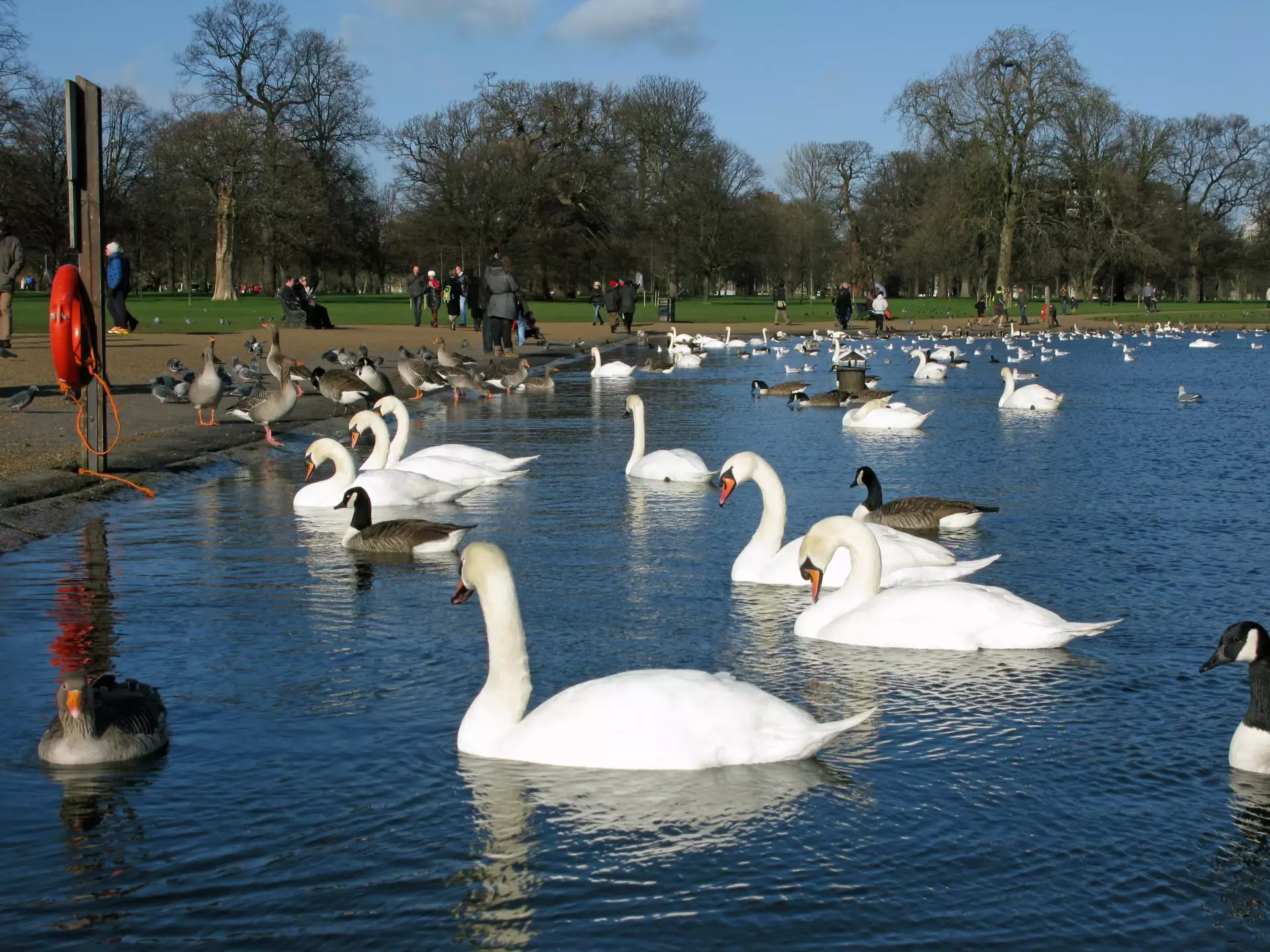
A lovely park on the southern banks of the Thames known or its wildlife and some splendid examples of mature trees.
Eccentric Gothic home of 18th-century poet and author, Horace Walpole, son of England's first prime minister.
Beautiful Italianate church created during the Catholic revival of the 19th century.