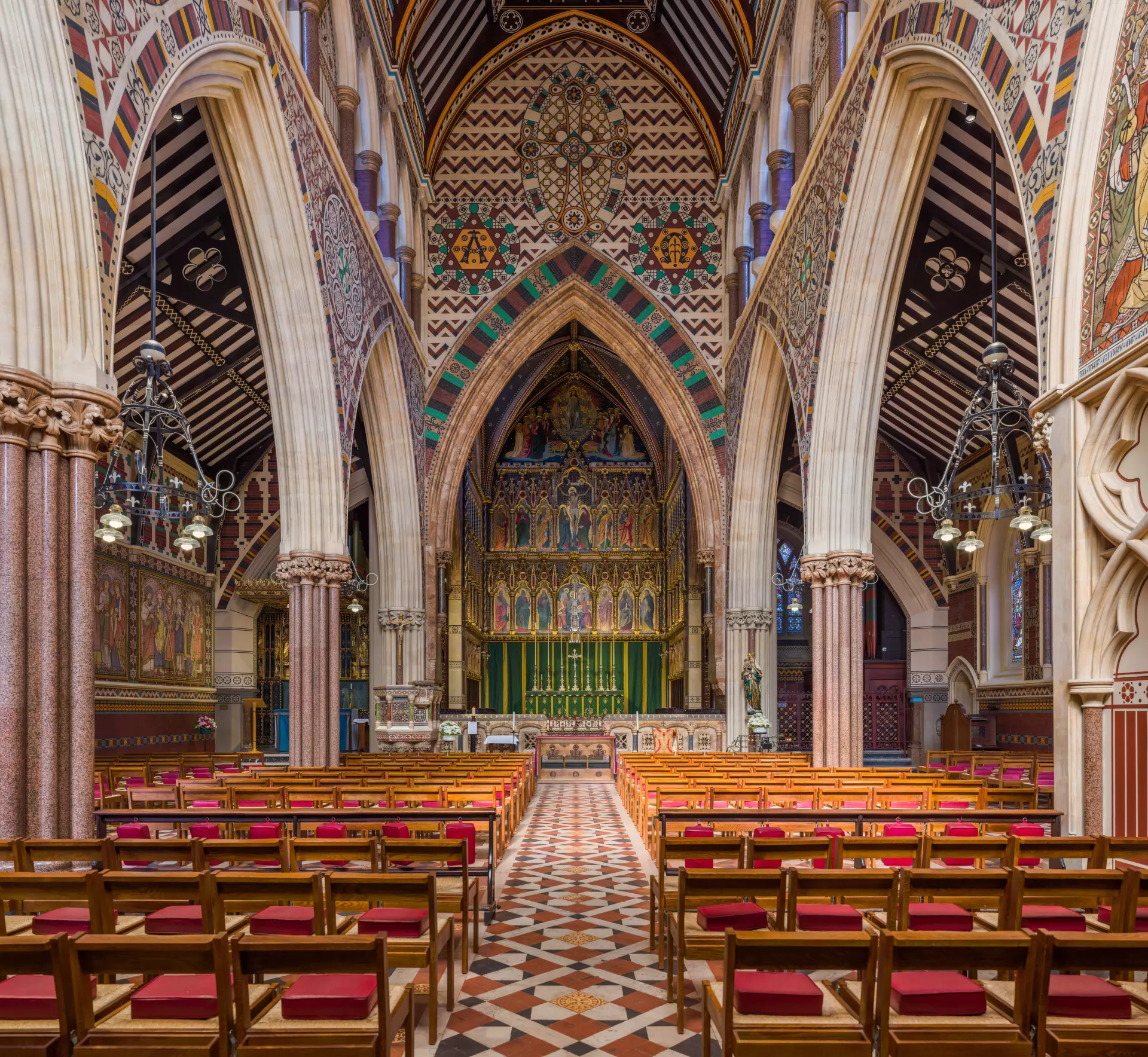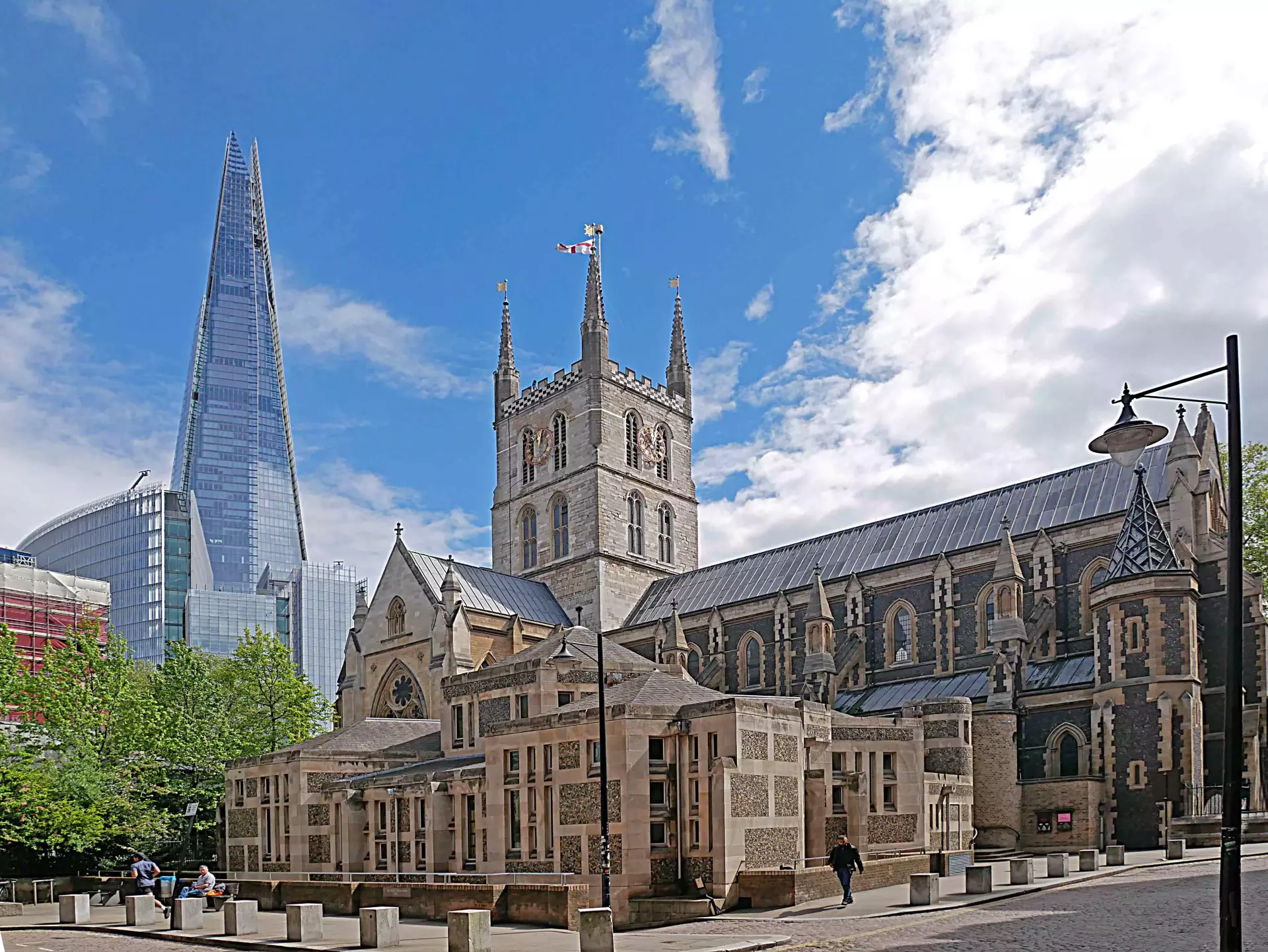
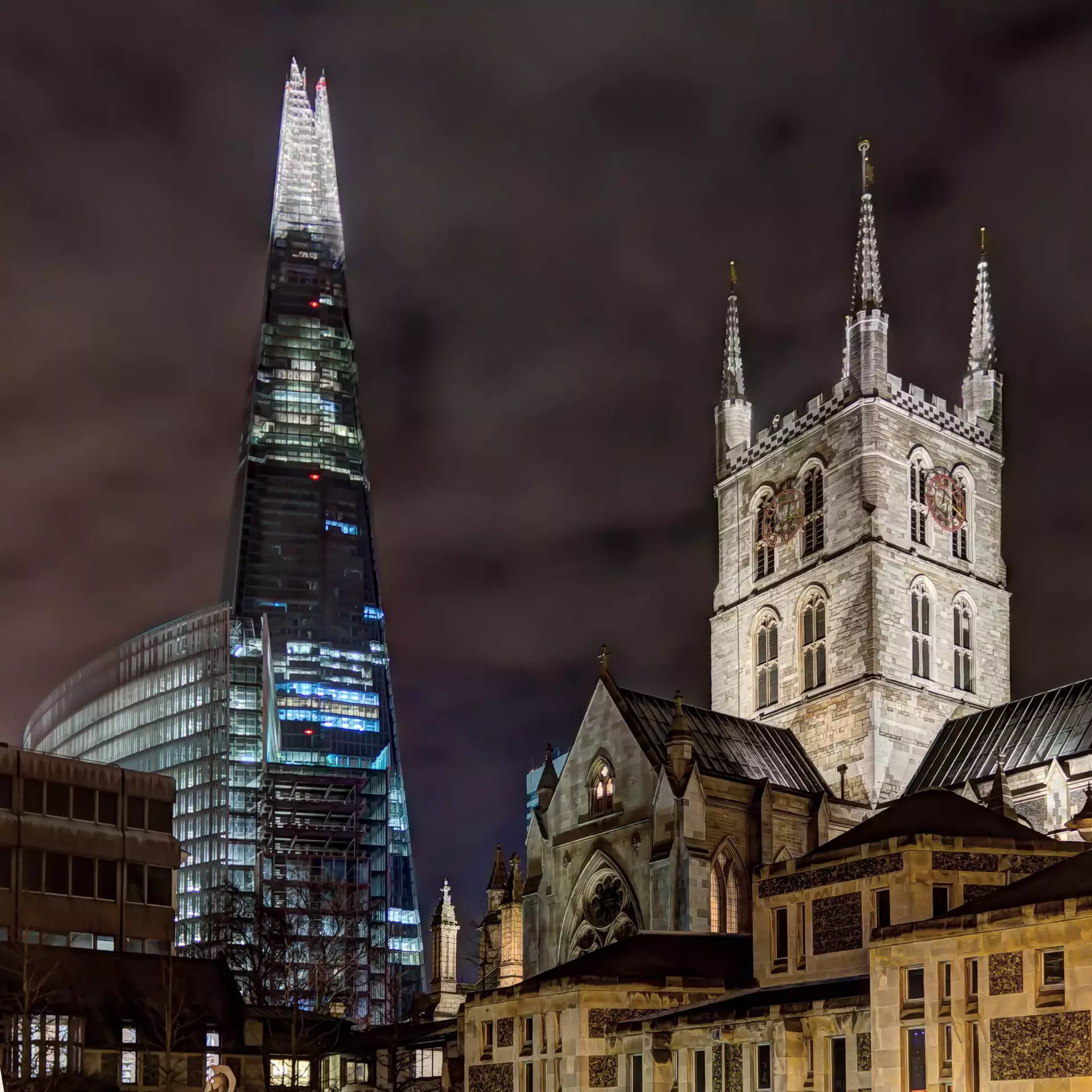
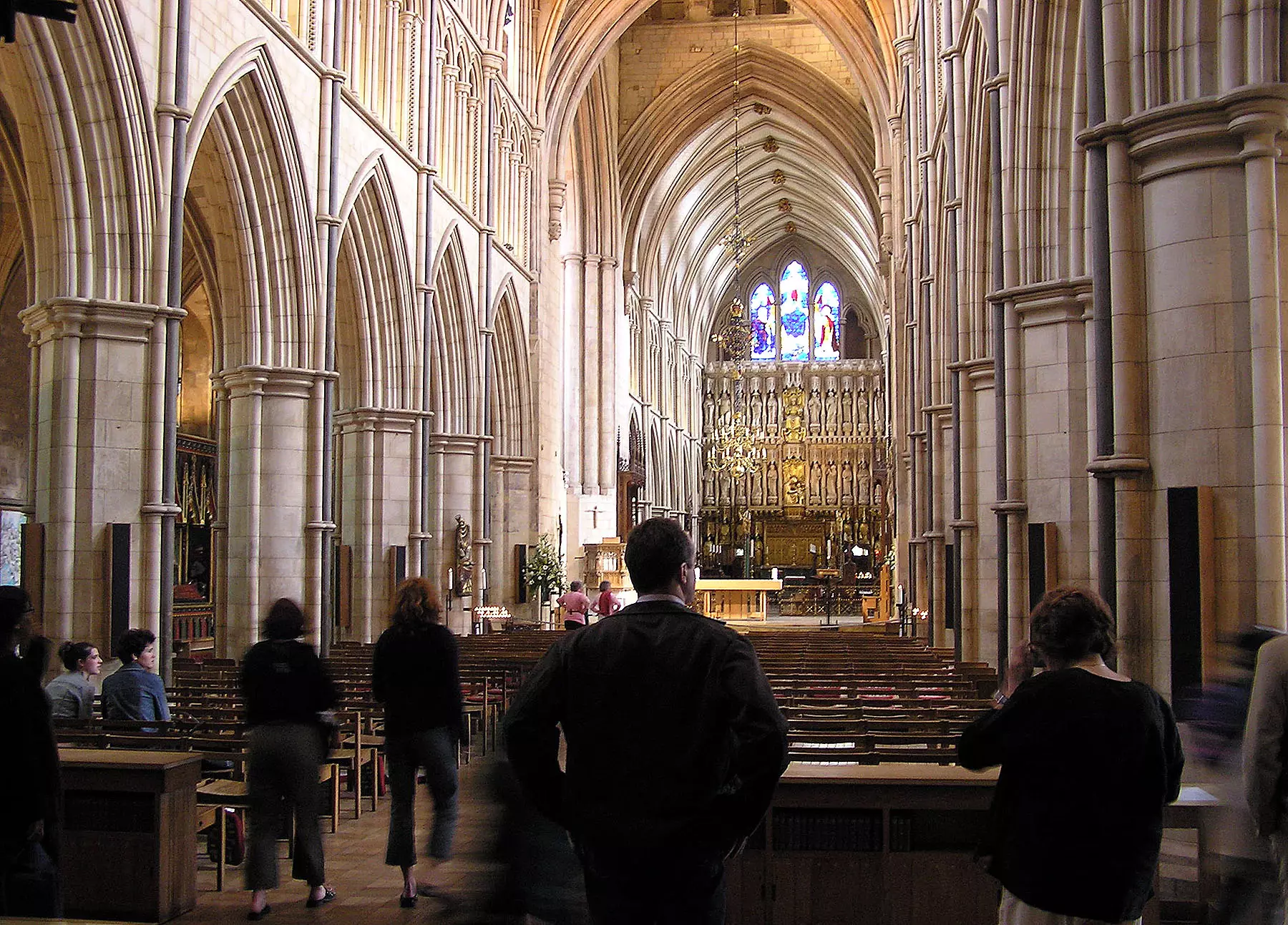
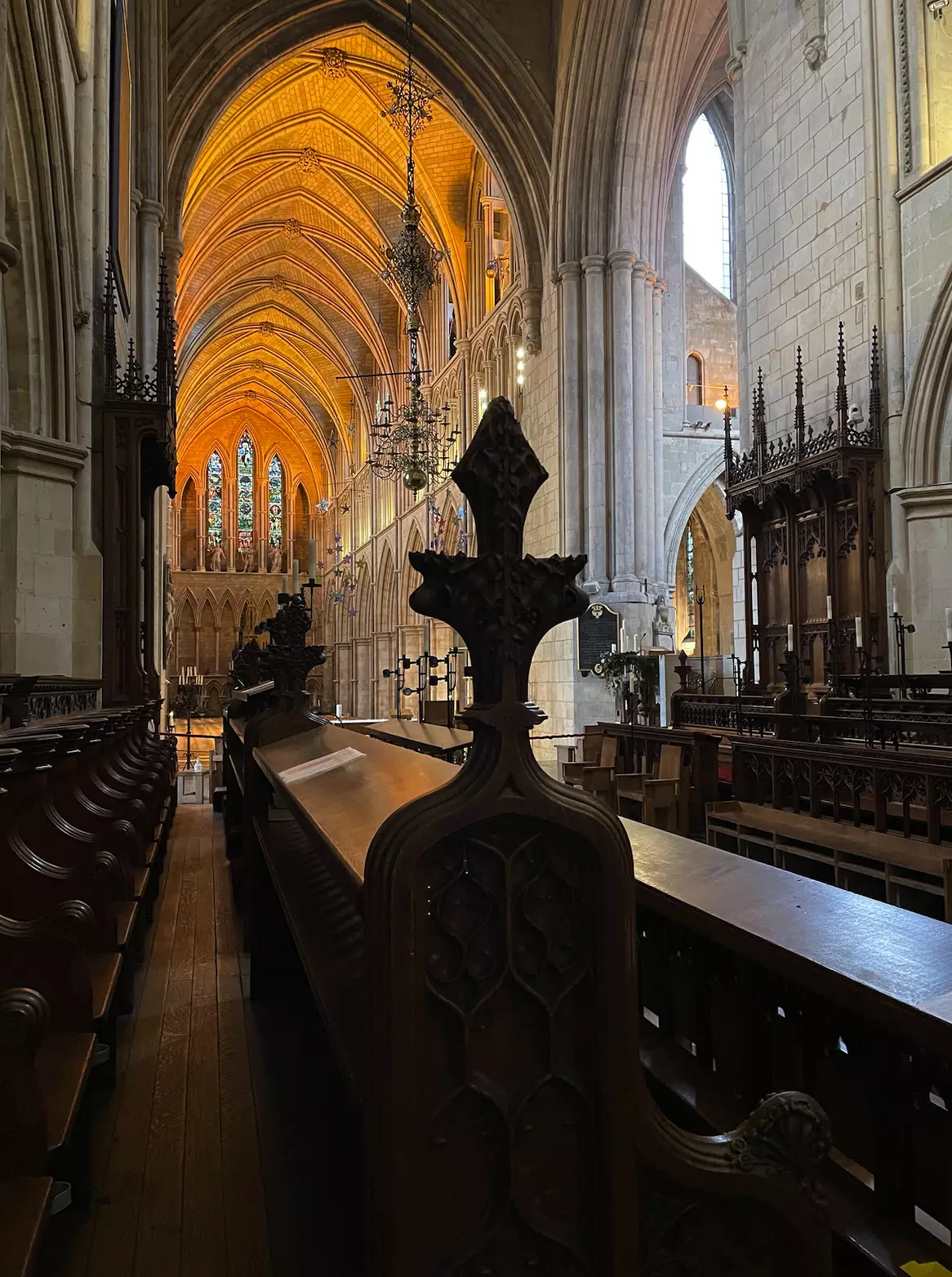
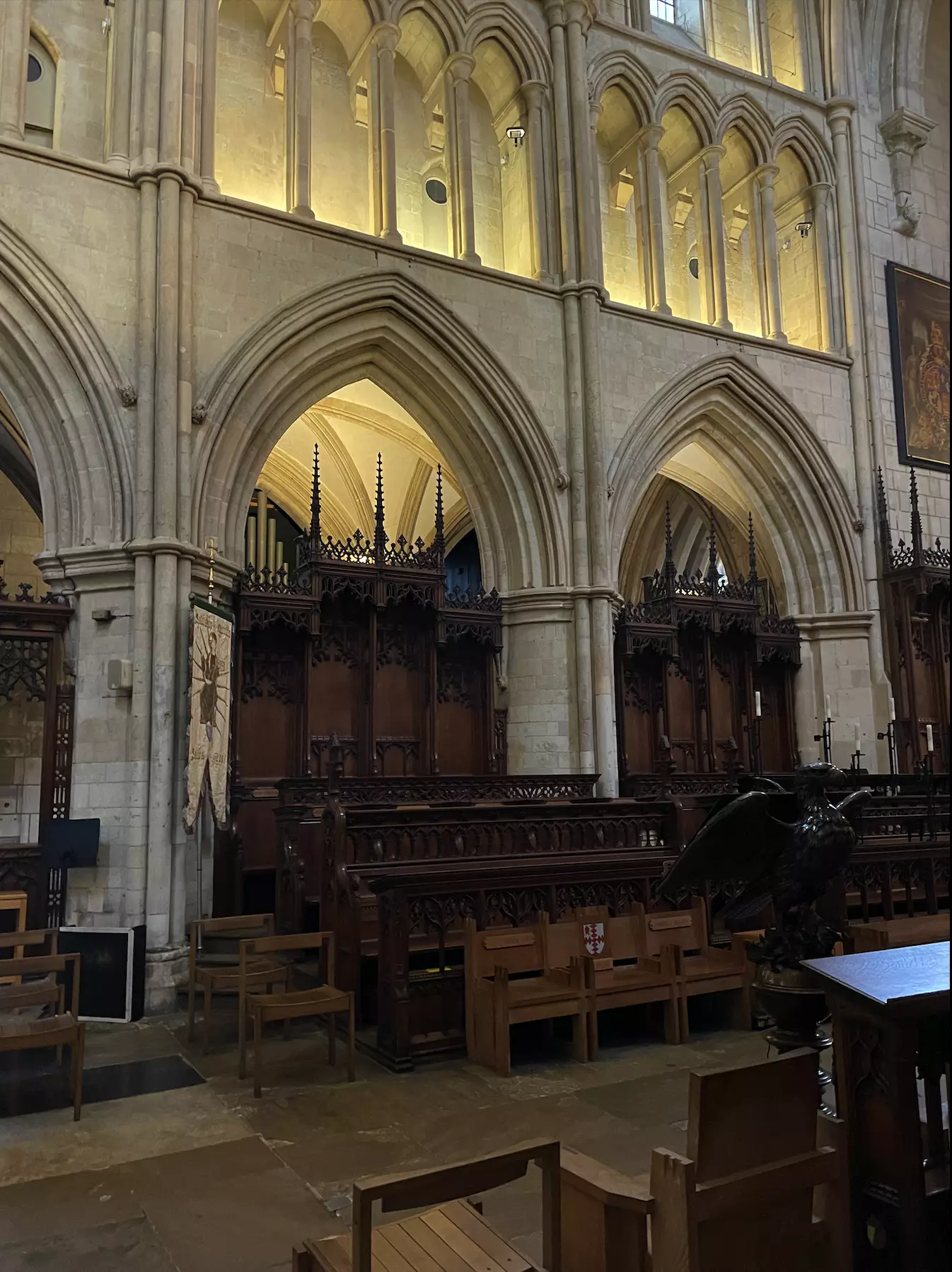
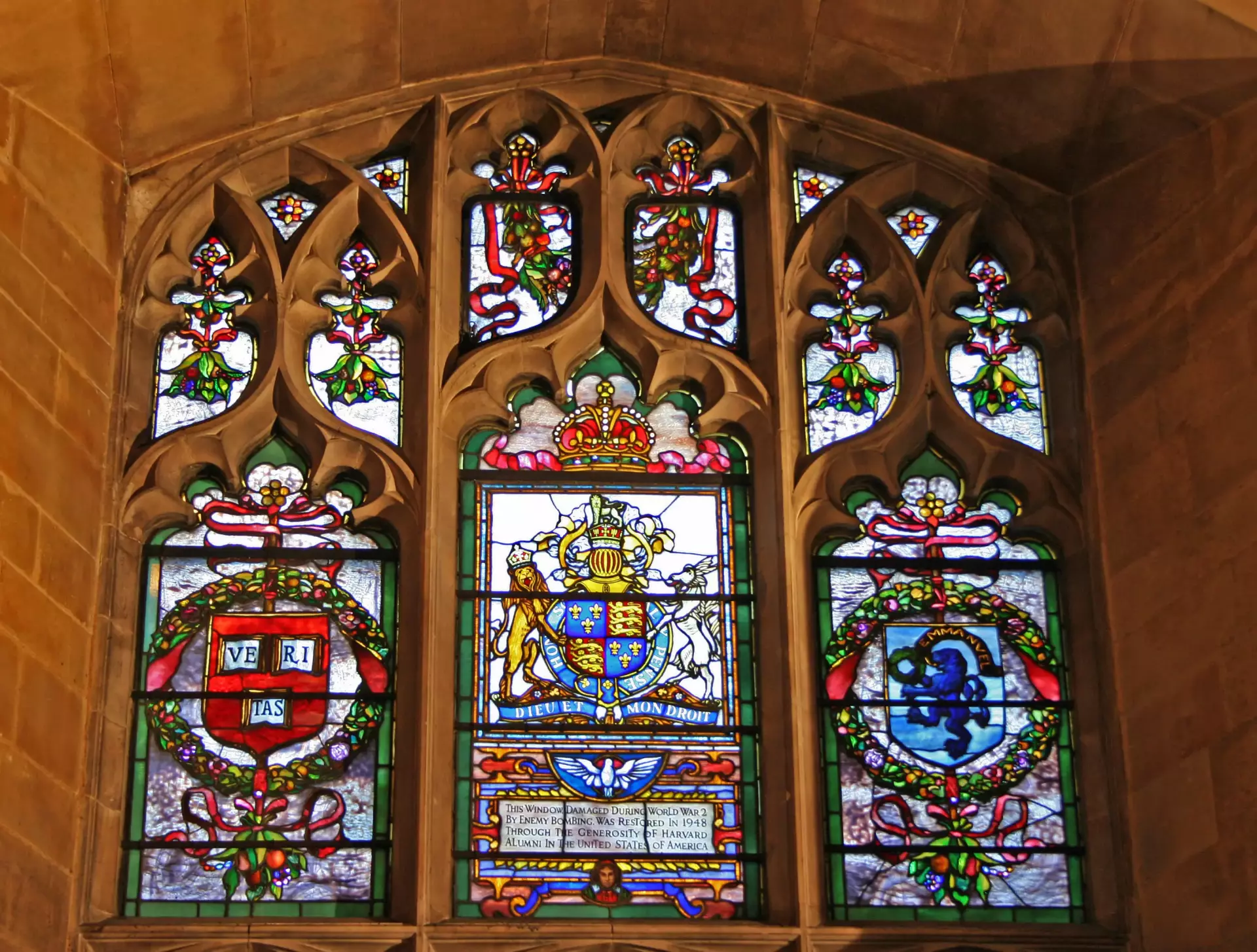
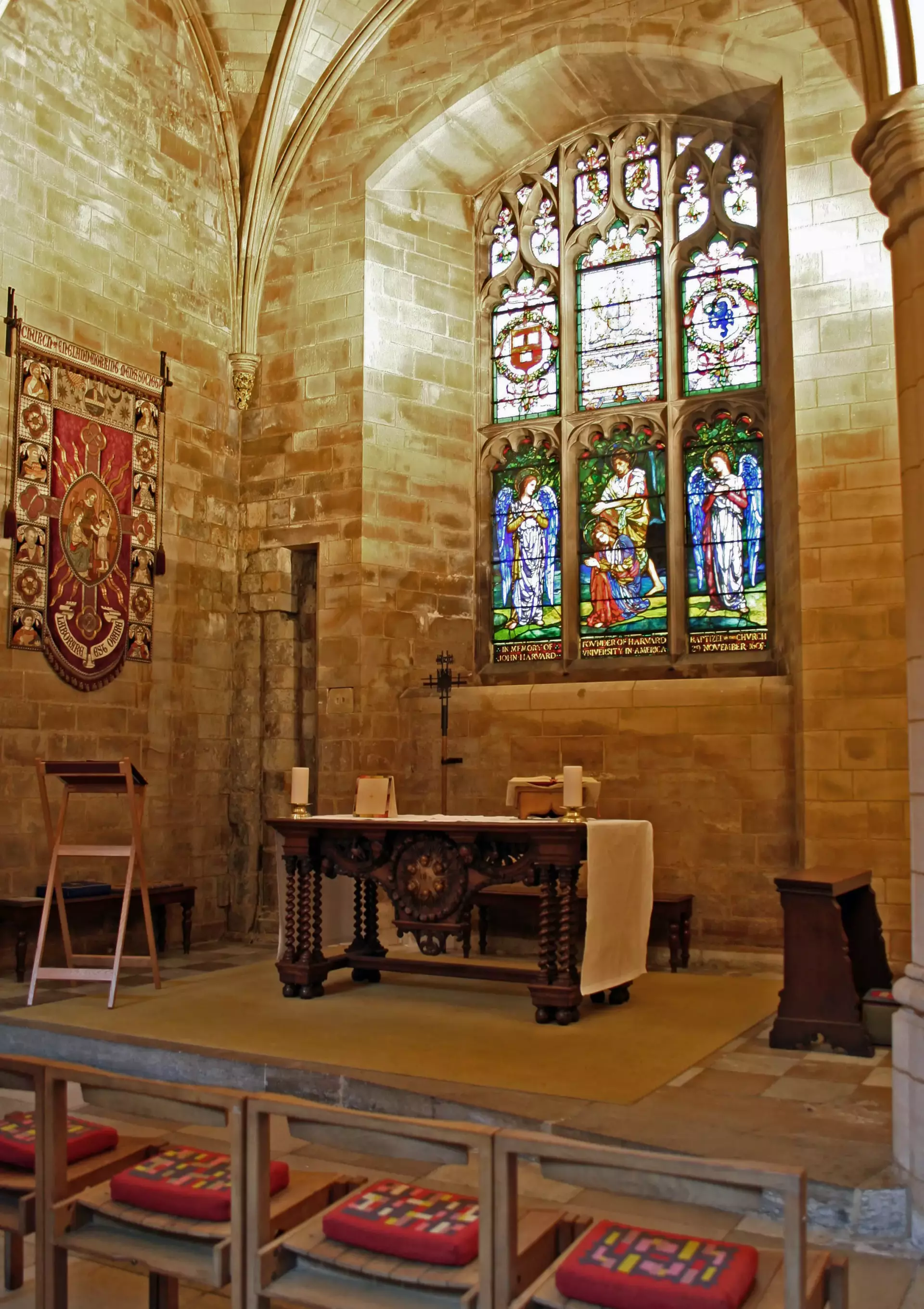
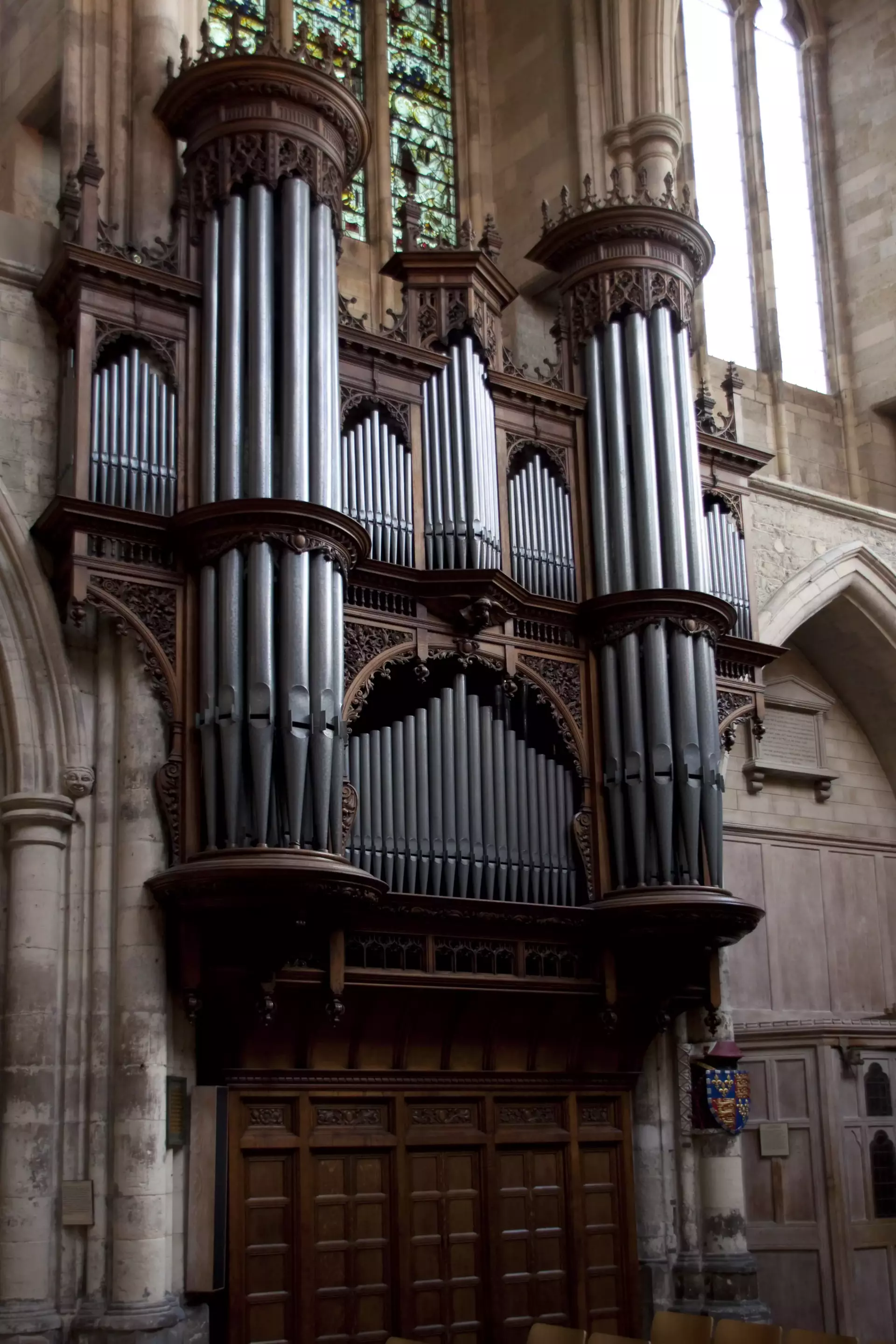
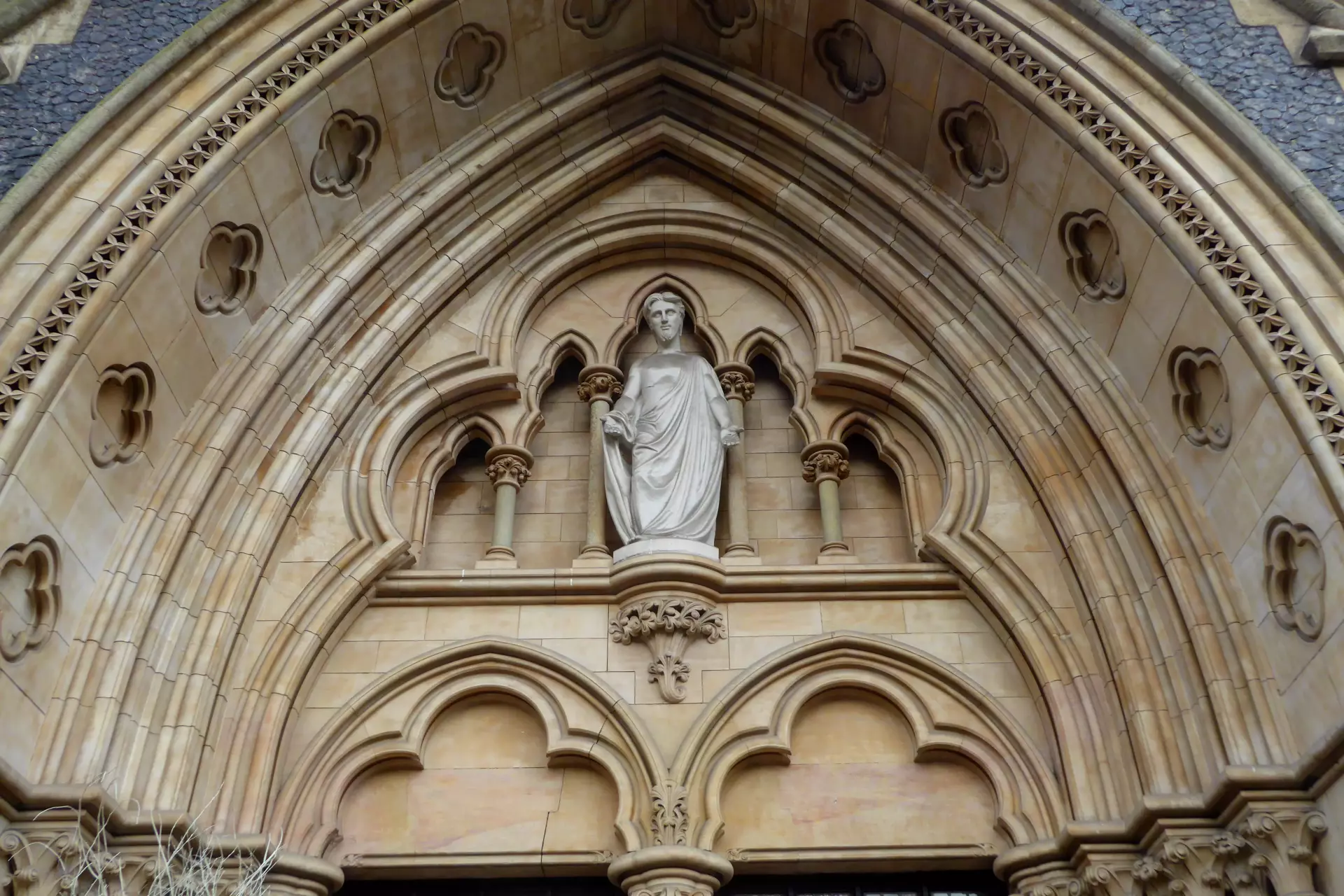
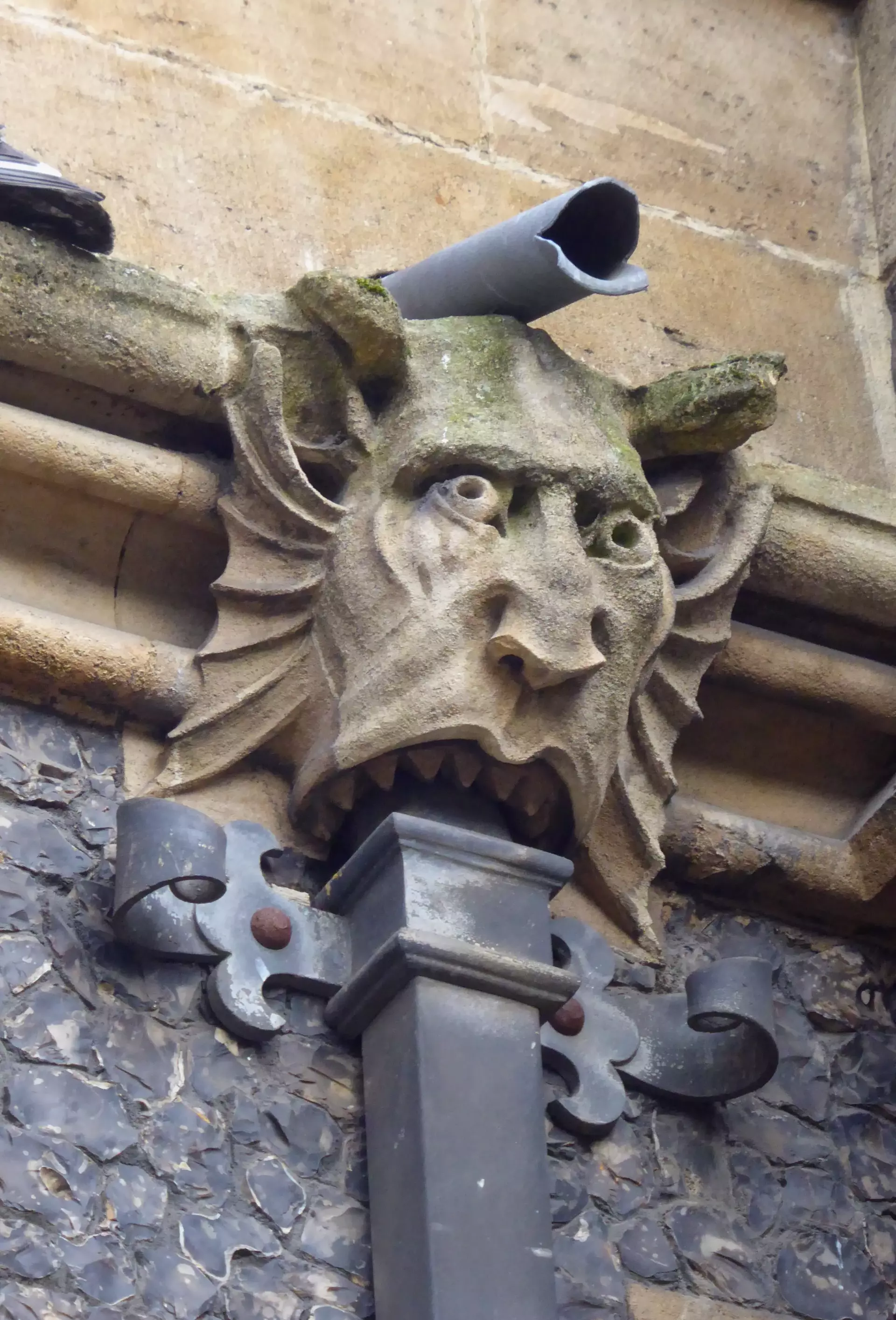
Southwark Cathedral, unlike its more famous counterpart St Paul's Cathedral across the river, offers a tranquil escape from the bustling city life. This site has been a place of worship since the year 852 and stands quietly in the shadow of London Bridge.
The cathedral provides a serene atmosphere, a perfect spot for those looking to find a moment of peace amidst the urban noise. Its historical significance and architectural beauty make it a remarkable place to explore.
Adjacent to the cathedral lies Borough Market, a lively spot open from Thursday to Saturday. Visitors can indulge in a variety of specialty foods, making it an excellent choice for a lunchtime break.
Source - https://en.wikipedia.org/wiki/Southwark_Cathedral
This enormous arch was built in front of Buckingham Palace. In 1851 the expansion of the palace meant the arch could no longer remain where it was, so it was moved to this point on Hyde Park. It now stands rather sadly on a large traffic island, but the subway beneath the roads means you can stop off at the Marble Arch on your way from Oxford St to Hyde Park.
The London Mithraeum is a 3rd century Roman mithraeum that was discovered in Walbrook during construction work in 1954. The entire site was relocated several times before being returned to its original site as part of the new Bloomberg building. This temple of the mystery god Mithras became perhaps the most famous 20th-century Roman discovery in London. In addition to the temple structure, there is a display of Roman artefacts found on the site and a contemporary art exhibit responding to the site. Visitor numbers are limited and timed slots are often fully booked up several weeks into the future so plan well ahead.
Remains of the wall that surrounded the City of London for almost two thousand years. The parts around the Barbican are mostly Tudor due to maintenance (Roman remains can be seen in and around the Tower of London). Other local remains are the 51.5169-0.095833 Noble St wall fragment and the 51.5177-0.092234 St Alphage Gdns wall fragment.
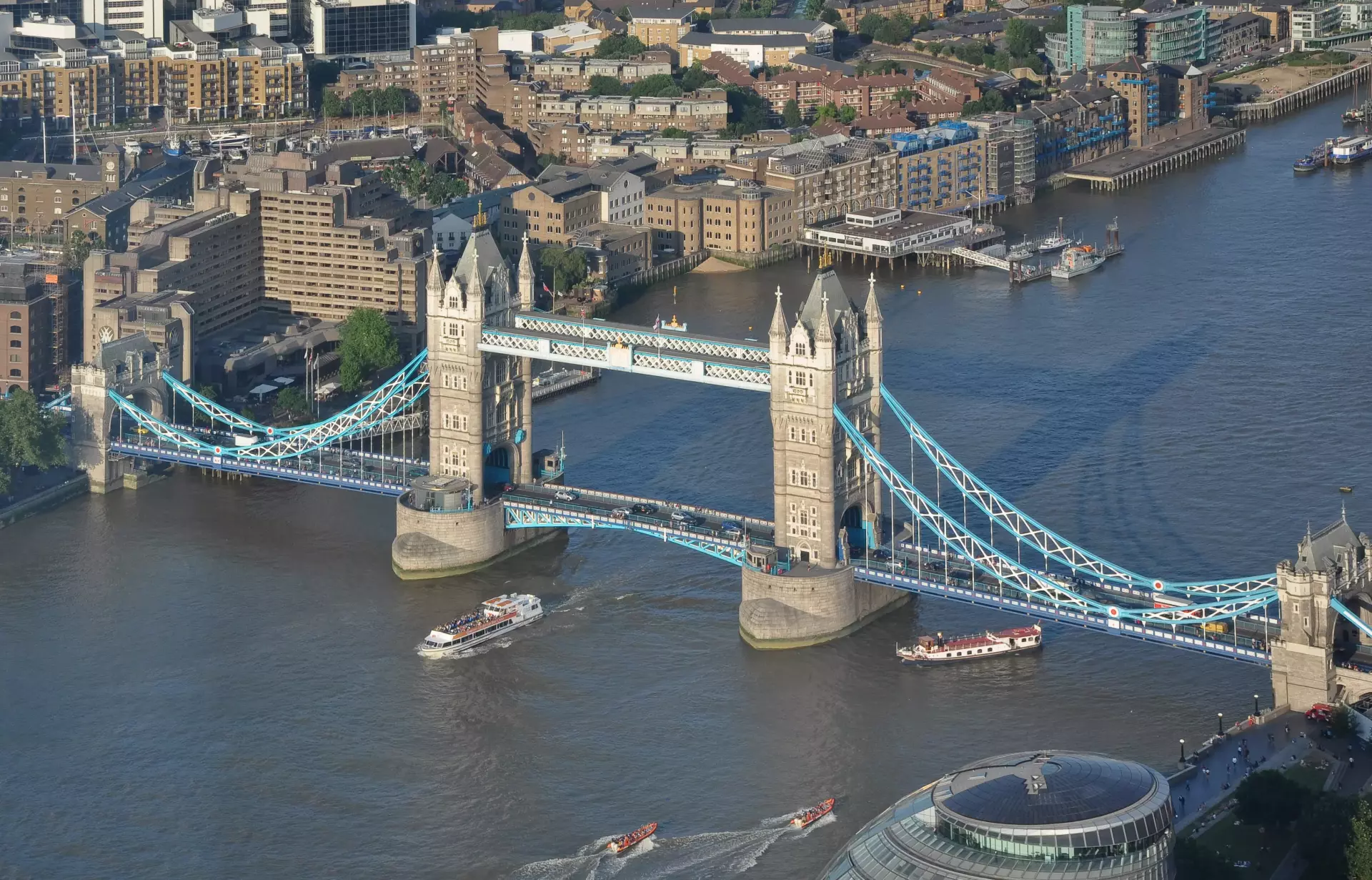
Magnificent 19th-century bridge, decorated with high towers and featuring a drawbridge. The bridge opens several times each day to permit ships to pass through – timings are dependent on demand, and are not regularly scheduled. When Tower Bridge was built, the area to the west of it was a bustling port – necessitating a bridge that could permit tall boats to pass. Now the South Bank area sits to its west, and the regenerated Butler's Wharf area of shops and riverside restaurants lie to its east. You can get the lift to the top level of the bridge and admire the view. Glass floors provide an interesting perspective for the brave. The museum highlights the bridge's history and engineering, and there are photographic exhibitions along the walkways between the towers.
Now permanently closed, will be replaced by new museum at the former Smithfield market site in 2026. The Museum of London Docklands remains open.
A memorial made out of 52 stainless steel columns representing each of the 52 victims who died in a series of terrorist attacks in the London bombings on July 7th, 2005.
Properly St Lawrence Jewry next Guildhall, it is the official church of the Lord Mayor of London.
The ruins of a church dating back to Saxon times, rebuilt by St Dunstan in 950, destroyed in the Great Fire of London, and then rebuilt by Sir Christopher Wren in 1697. Most of the church was destroyed during the blitz, leaving only the tower (dating from Wren's time) and hollowed-out walls (from an 1817 reconstruction). The ruins are now overgrown with picturesque vines and trees, and were converted into a public garden in 1967, complete with benches.
In contrast to the other Royal Parks in the area, Green Park can seem a little plain. It has no lakes or buildings and few monuments. It is still a pleasant green, lightly wooded, area in the centre of London, neighbouring two other parks and Buckingham Palace.
Founded by William the Conqueror in 1066, enlarged and modified by successive sovereigns, the Tower is today one of the world's most famous and spectacular fortresses and a UNESCO World Heritage Site. Discover its 900-year history as a royal palace and fortress, prison and place of execution, mint, arsenal, menagerie and jewel house. In the winter you can skate on the dry moat. The Tower contains enough buildings and exhibits to keep a family busy for a full day, with plenty of both warlike and domestic contents. Some areas, such as the St John's Chapel in the White Tower, do not allow photography, but these are clearly signposted. Beefeaters, who are all retired sergeant majors from the British Army, provide guided tours for free as well as ceremonial security. See history come alive – go to the Ceremony of the Keys at the Tower of London. This ceremony, the locking up of the Tower, has been performed every night at 10PM for 800 years. Tickets for the ceremony are £5 and must be prebooked.
London Stone is a historic landmark housed in a public display case at 111 Cannon Street in the City of London. It is an irregular block of oolitic limestone measuring 53 × 43 × 30 cm (21″ × 17″ × 12″), the remnant of a once much larger object that had stood for many centuries on the south side of the street.
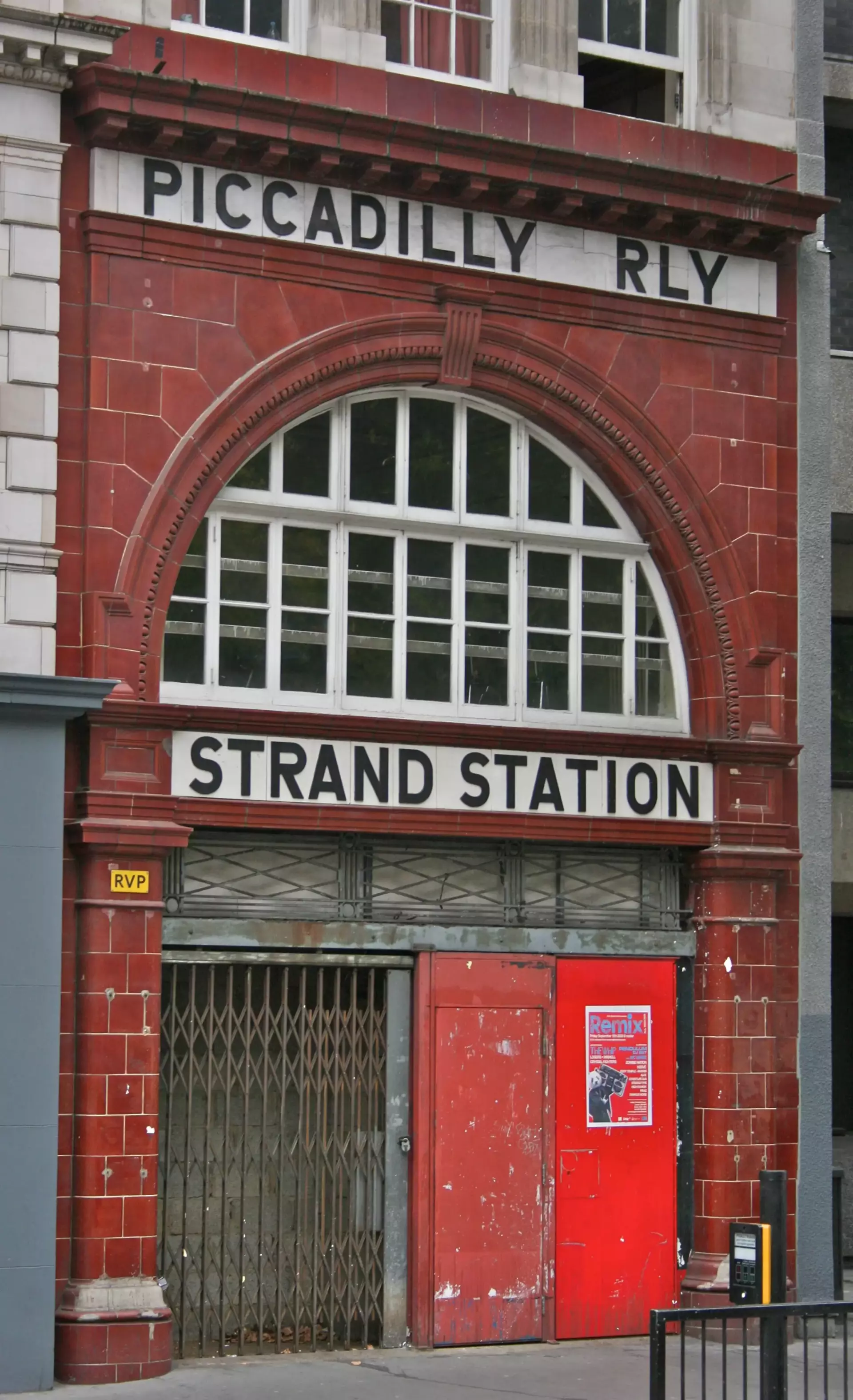
The TfL-backed Hidden London offers tours around the disused Aldwych tube station which had its own branch on the Piccadilly line. The tour explains the station's unusual history including its use for protection (for both people and historical artefacts held by the British Museum) from the Blitz during WWII. More recently, it was used as a filming location and for testing station equipment and decor. Of note, it was used for filming James Bond: Die Another Day, V for Vendetta and the Prodigy music video for Firestarter. Tours are roughly an 1 hour and 15 minutes long, wear sturdy shoes (not sandals).
The restoration of the nave was completed in September 2004, and this church is still a striking building designed by Sir Nicholas Hawksmoor with a particularly tall, pointed spire. Hawksmoor's design was significantly altered in the 19th century, and present continuing restoration is intended to restore it to Hawksmoor's original vision. Christ Church was built as part of the 50 Churches for London project.