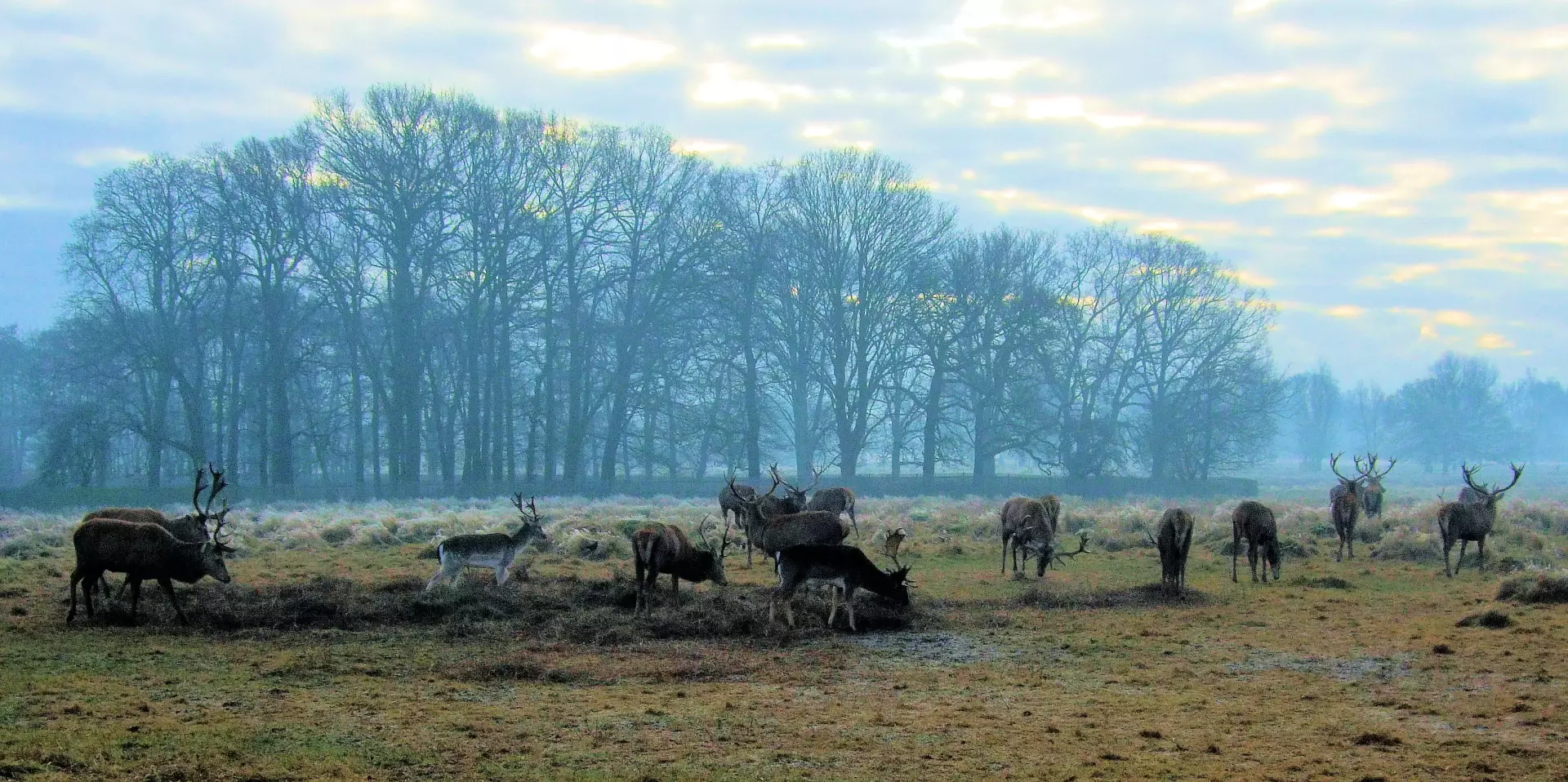
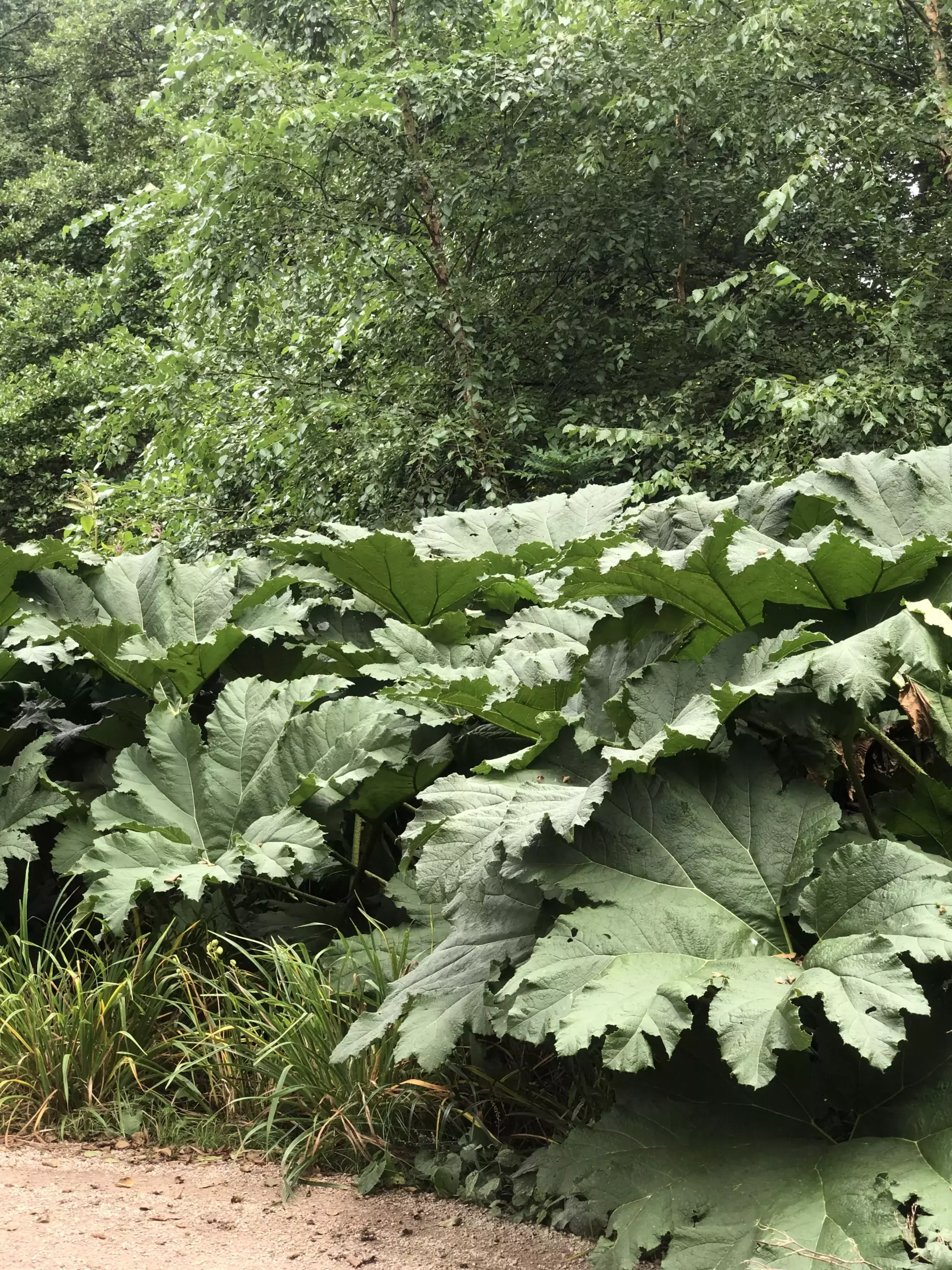
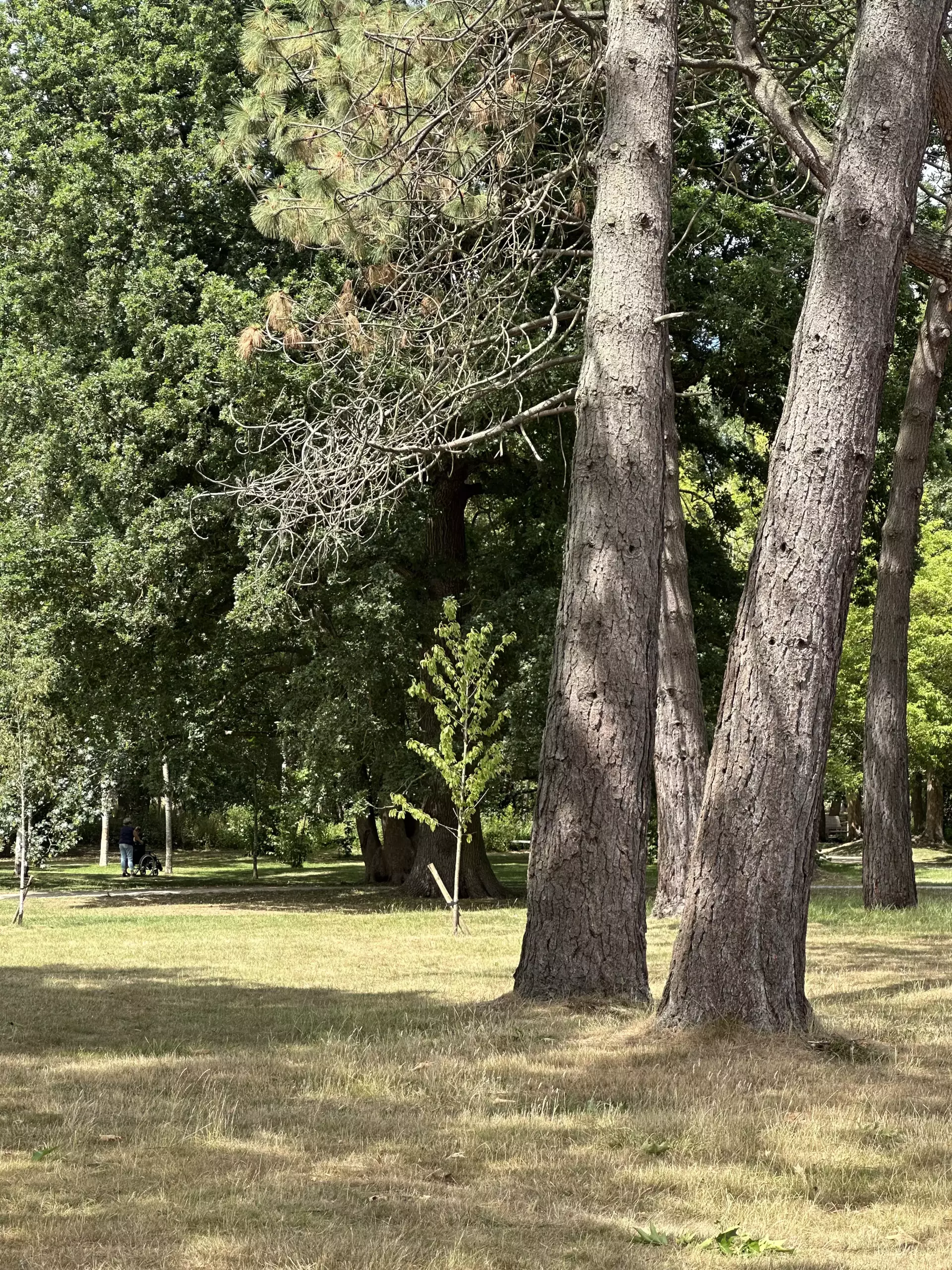
Bushy Park, the second largest of London's Royal Parks, spans an impressive 450 hectares (1,099 acres). Located just north of Hampton Court Palace, this park's history is deeply intertwined with the palace, yet it remains a unique rural escape with its own identity. Visitors can experience the park's wild side by observing the resident herds of Red Deer and Fallow Deer. While these animals roam freely, it's important to maintain a respectful distance, especially from a hind and its calf.
History enthusiasts will find Bushy Park's connection to World War II intriguing, especially from the Teddington side. Enter through the SHAEF gate, where an information board provides context. A flagpole situated about a hundred yards into the park marks the spot where General Eisenhower once had his office. For those interested in a bit of exploration, bronze markers adorned with British, Canadian, and US flags indicate the corners of the former Camp Griffiss, a key site during the war.
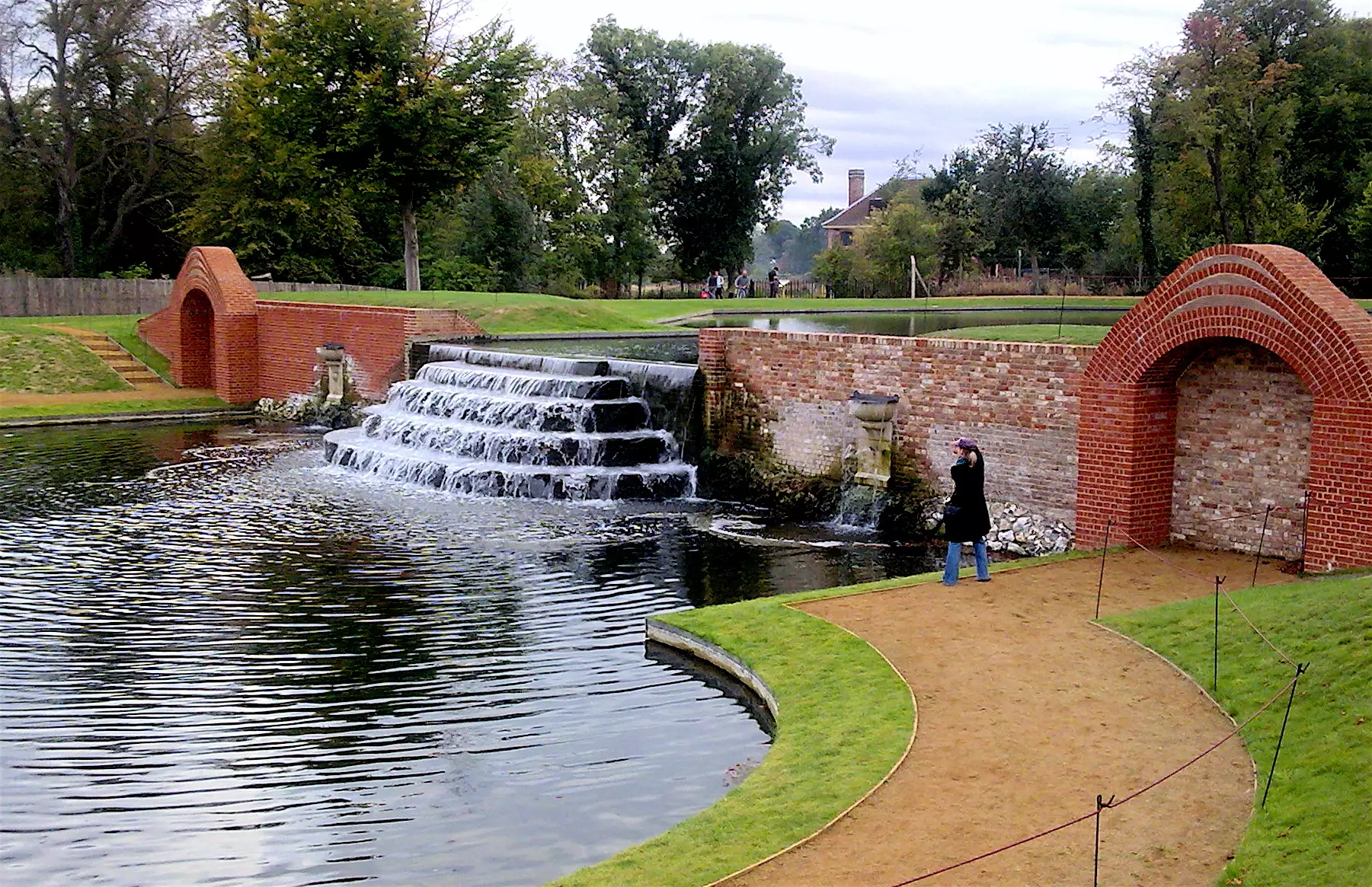
For a peaceful and picturesque walk, the partially restored early 18th-century baroque water gardens are just a short distance from the Hampton Hill gate. These gardens offer a tranquil setting for a leisurely stroll.
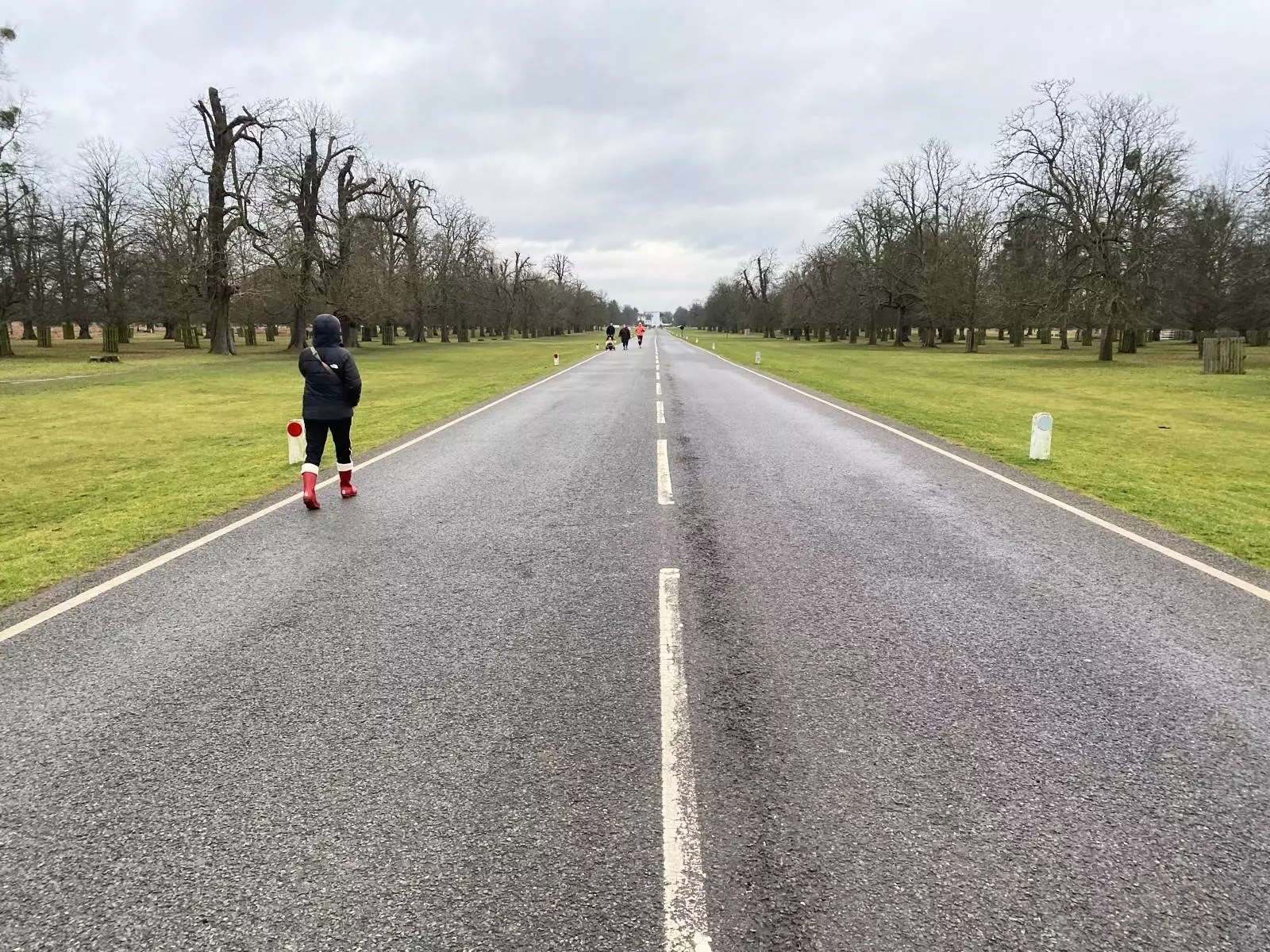
Chestnut Avenue divides the park, serving as Christopher Wren's majestic approach to Hampton Court Palace. This grand avenue runs from Teddington Gate to Hampton Court Gate, culminating in the gilded Diana Fountain near the palace end. This iconic fountain may be familiar to some as it was featured as the finish line for cycling events during the 2012 Olympics.
Source - https://en.wikipedia.org/wiki/Bushy_Park
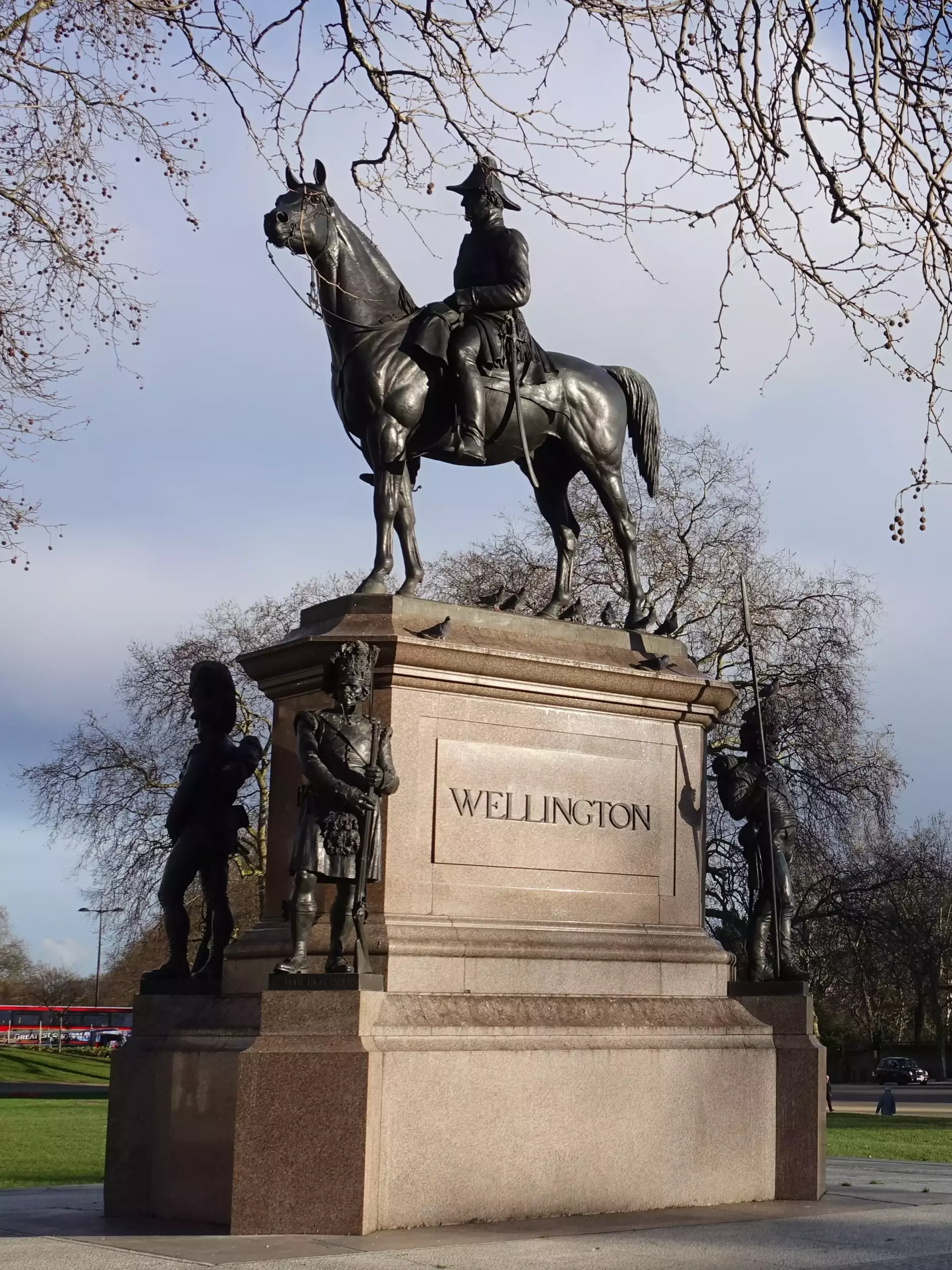
Equestrian statue of the Iron Duke, with four soldiers at each corner of the pedestal, representing regiments that fought under him: a Grenadier, Scottish Highlander, Irish Dragoon, and Welsh Fusilier. The bronze came from melting down captured French cannons.
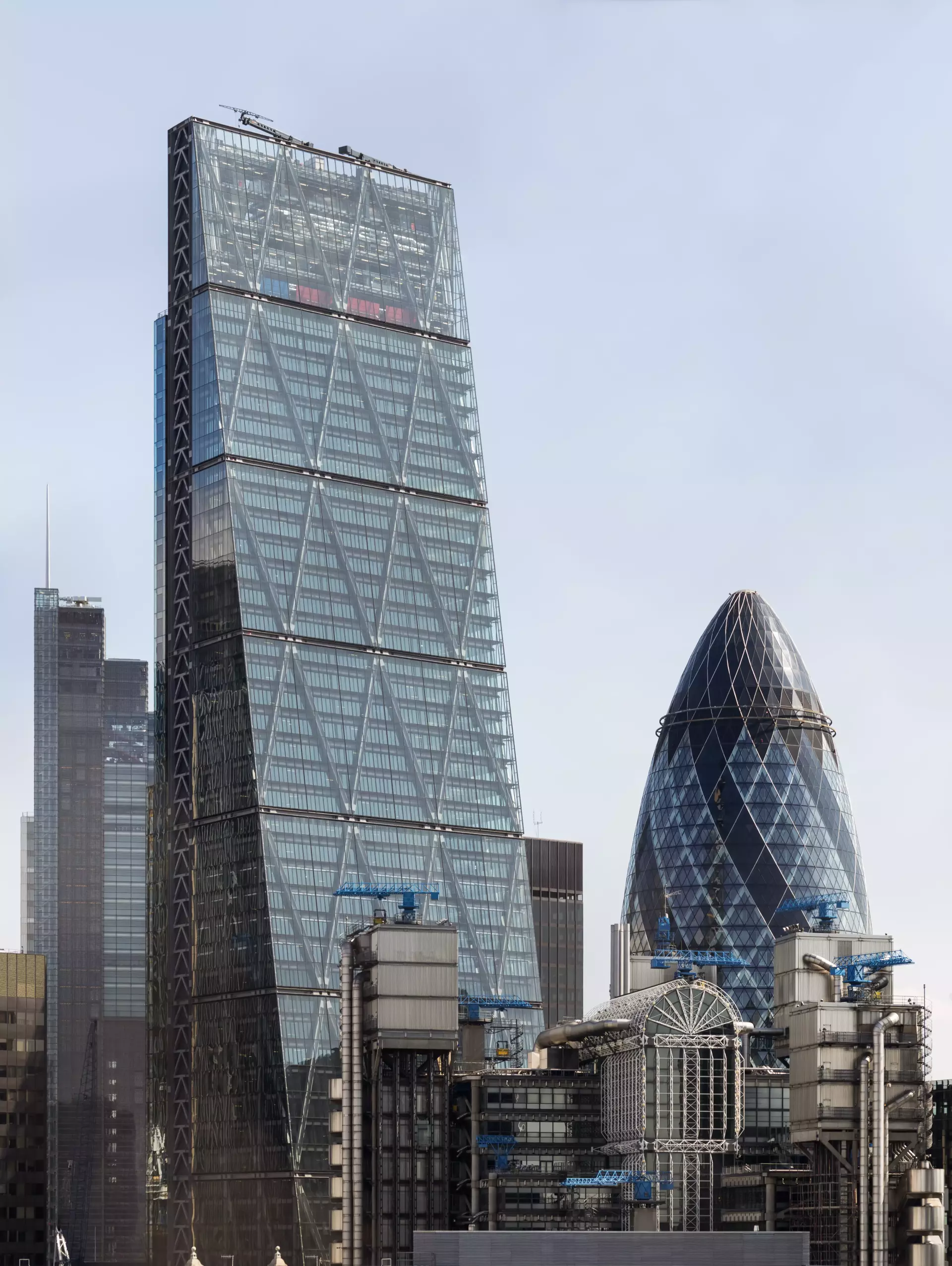
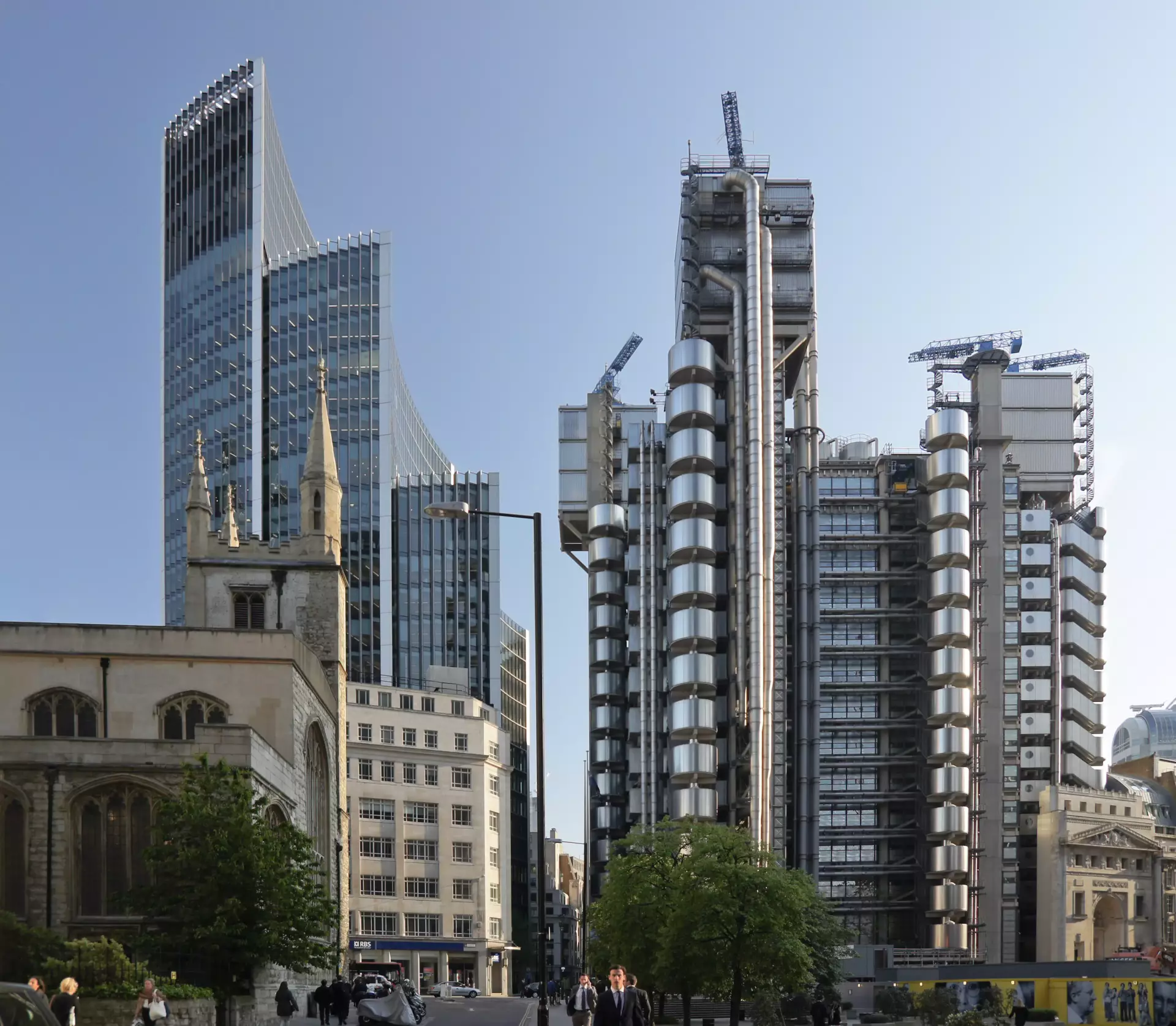
Another Richard Rogers creation, nicknamed the Cheesegrater. Completed in 2014. Also opposite Lloyd's.
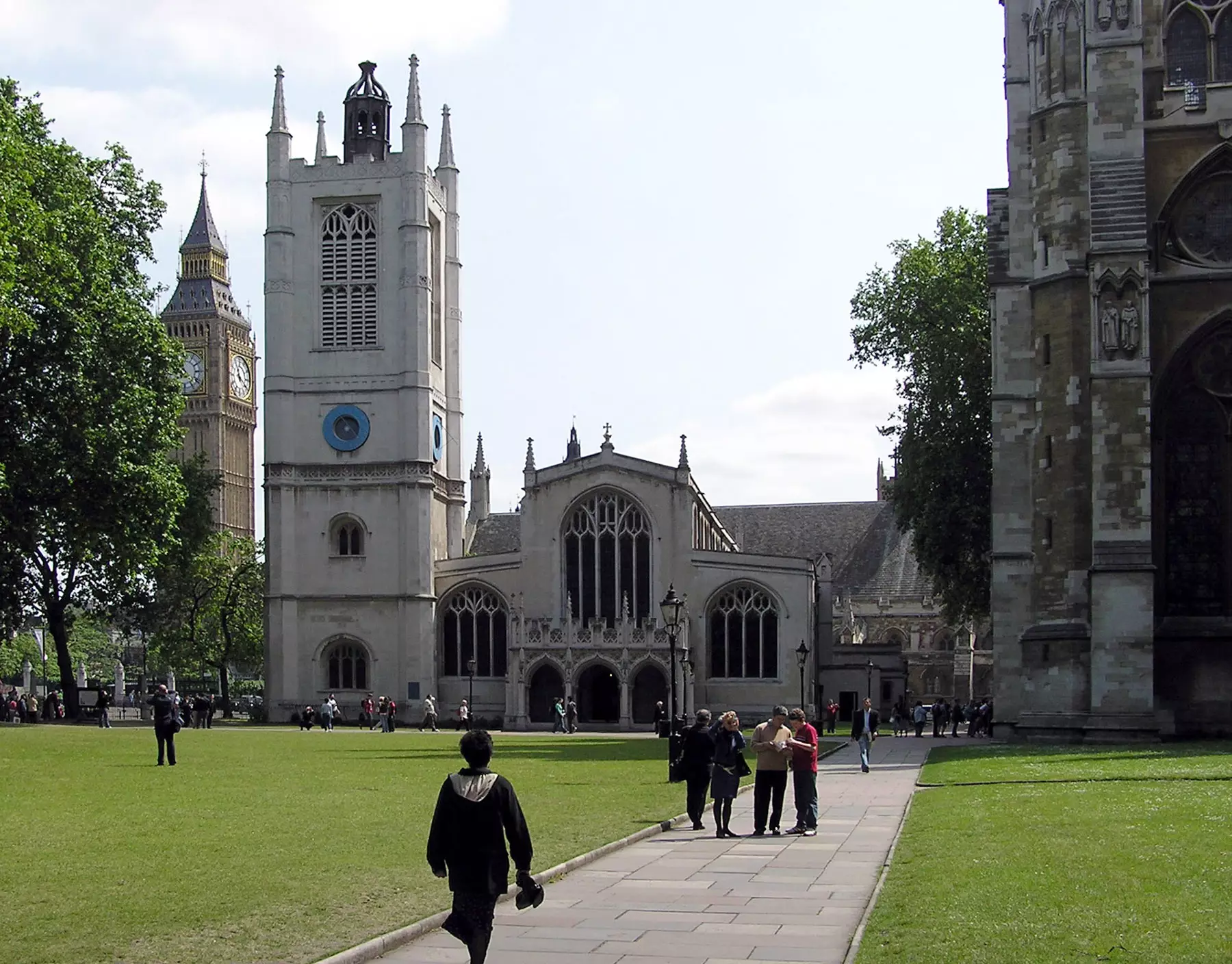
St. Margaret's is the church of the British Parliament, more specifically, the parish church of the House of Commons.
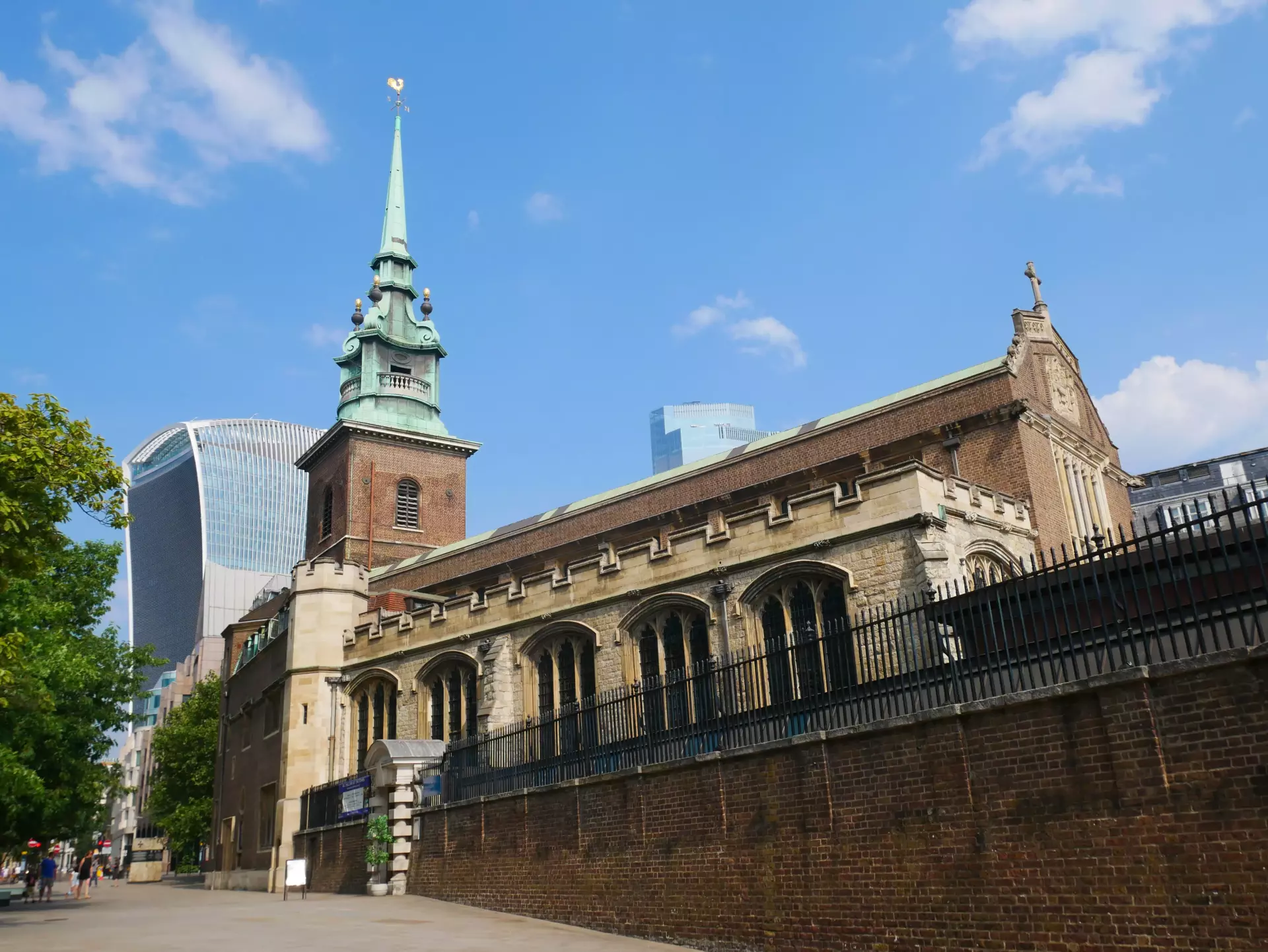
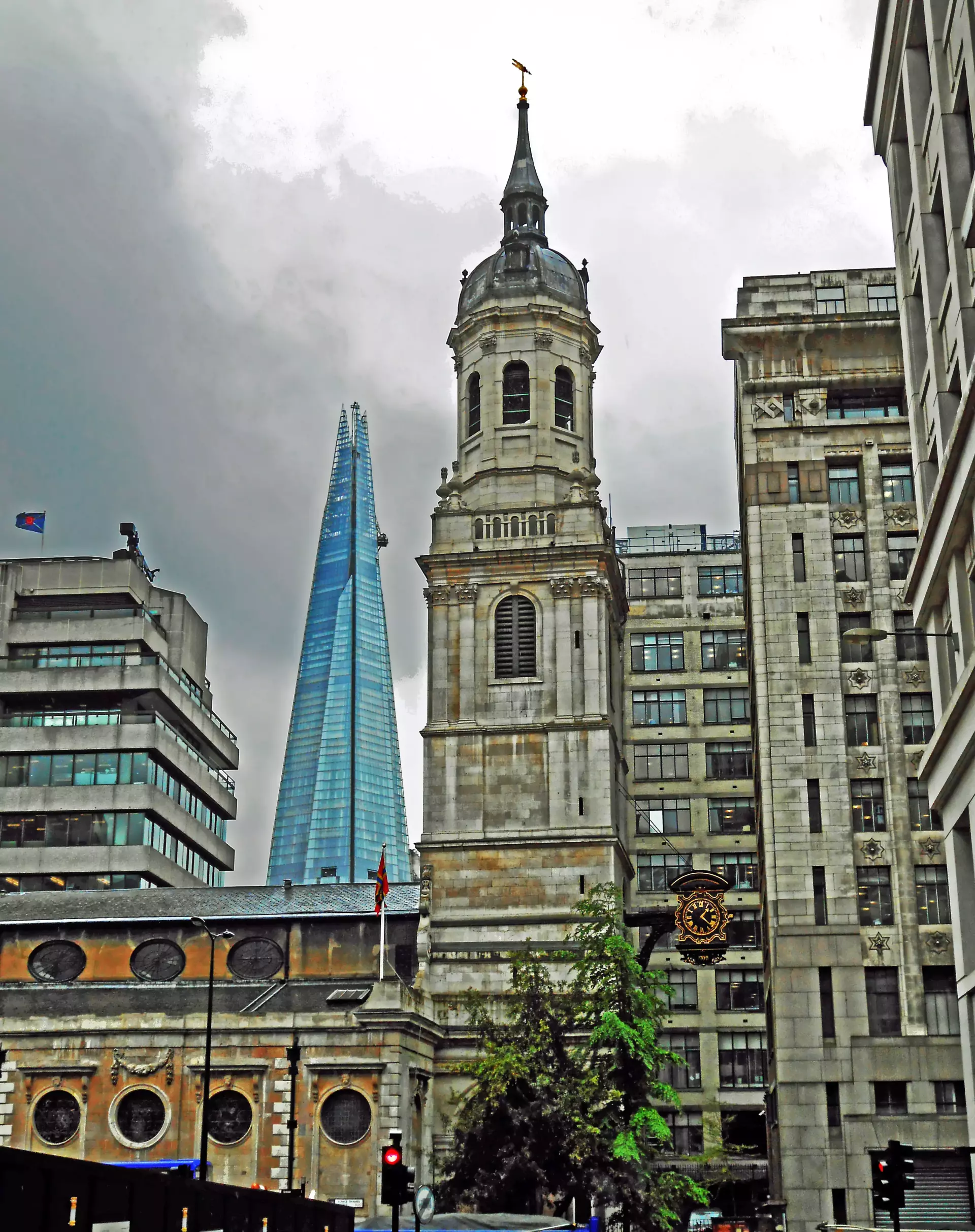
The oldest church in the City, founded by Saxon abbots in 675 AD.
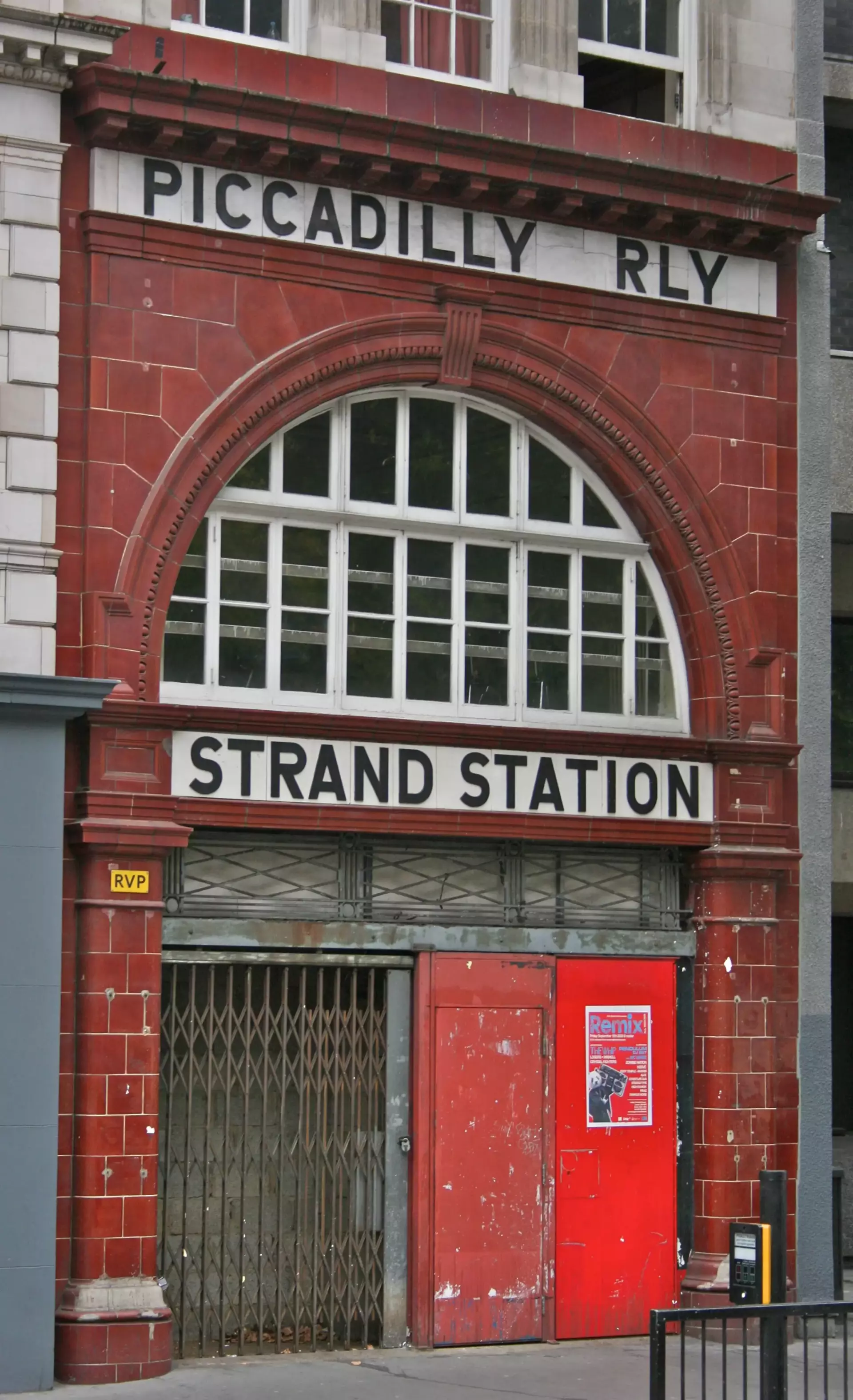
The TfL-backed Hidden London offers tours around the disused Aldwych tube station which had its own branch on the Piccadilly line. The tour explains the station's unusual history including its use for protection (for both people and historical artefacts held by the British Museum) from the Blitz during WWII. More recently, it was used as a filming location and for testing station equipment and decor. Of note, it was used for filming James Bond: Die Another Day, V for Vendetta and the Prodigy music video for Firestarter. Tours are roughly an 1 hour and 15 minutes long, wear sturdy shoes (not sandals).
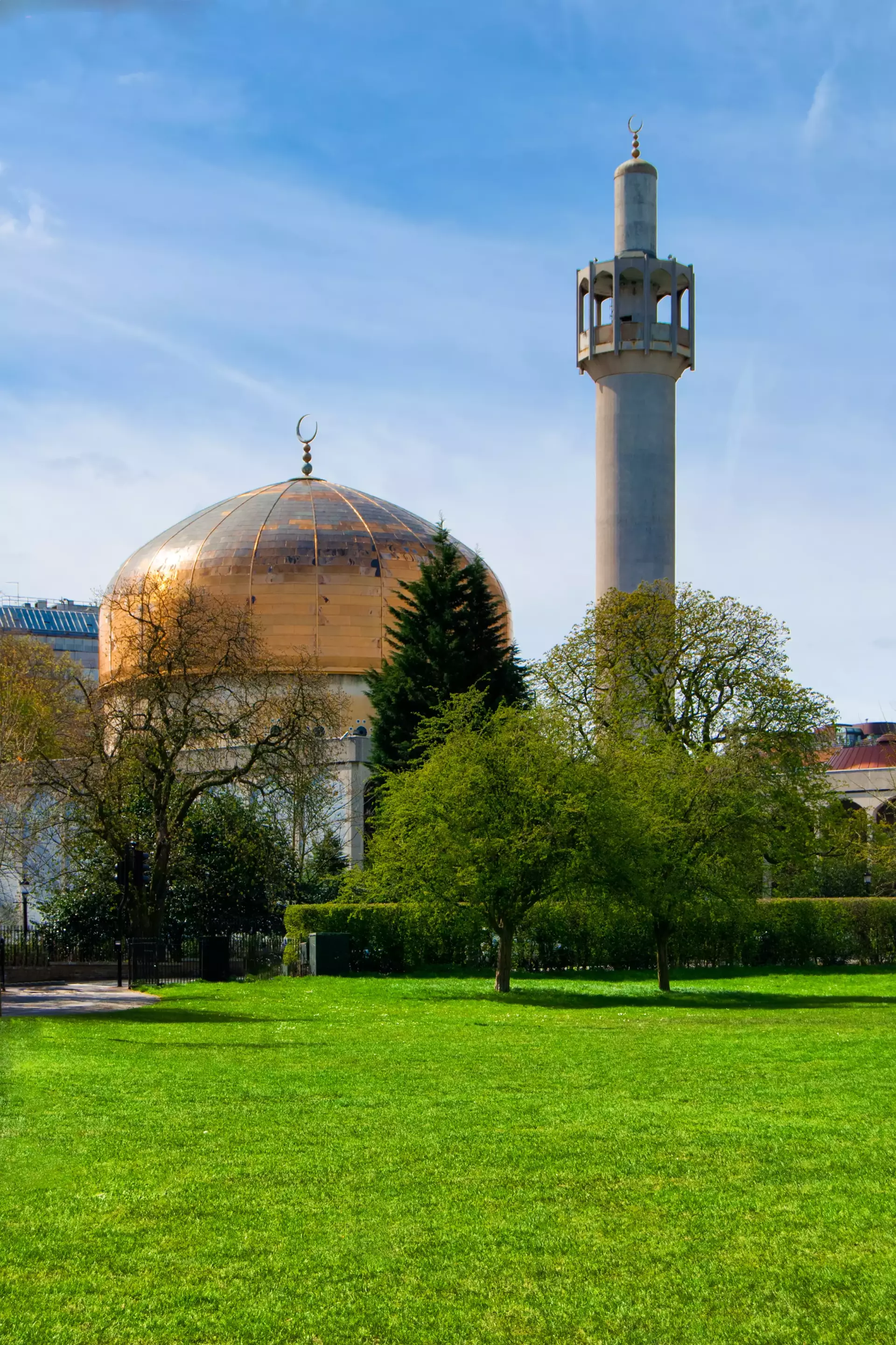
Islamic Cultural Centre and the main mosque in London. Visitors are welcome but must be suitably attired. The Mosque runs classes, prayers, talks and events.
The headquarters of world's most famous insurance market, housed in a revolutionary (at the time) bizarre, Matrix-like glass-and-steel building designed by Richard Rogers, with all support services (lifts, ventilation, etc.) suspended outside. Recognised as a masterpiece of exoskeleton architecture.
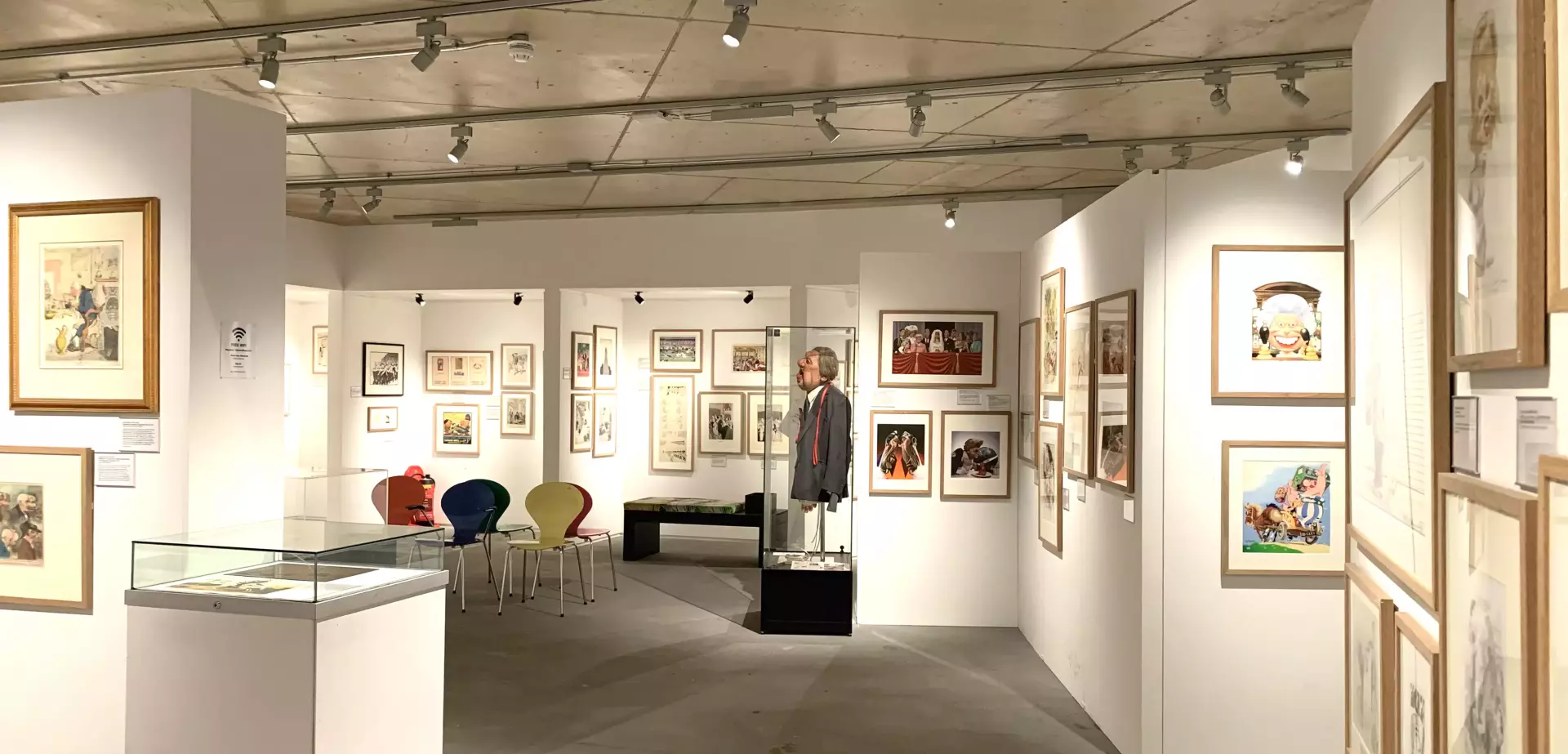
A vast collection of cartoons and comics on display with special, often topical, exhibitions.
Su Catholic Church of England with bells and smells (incense). There is an impressive model of the old London Bridge.
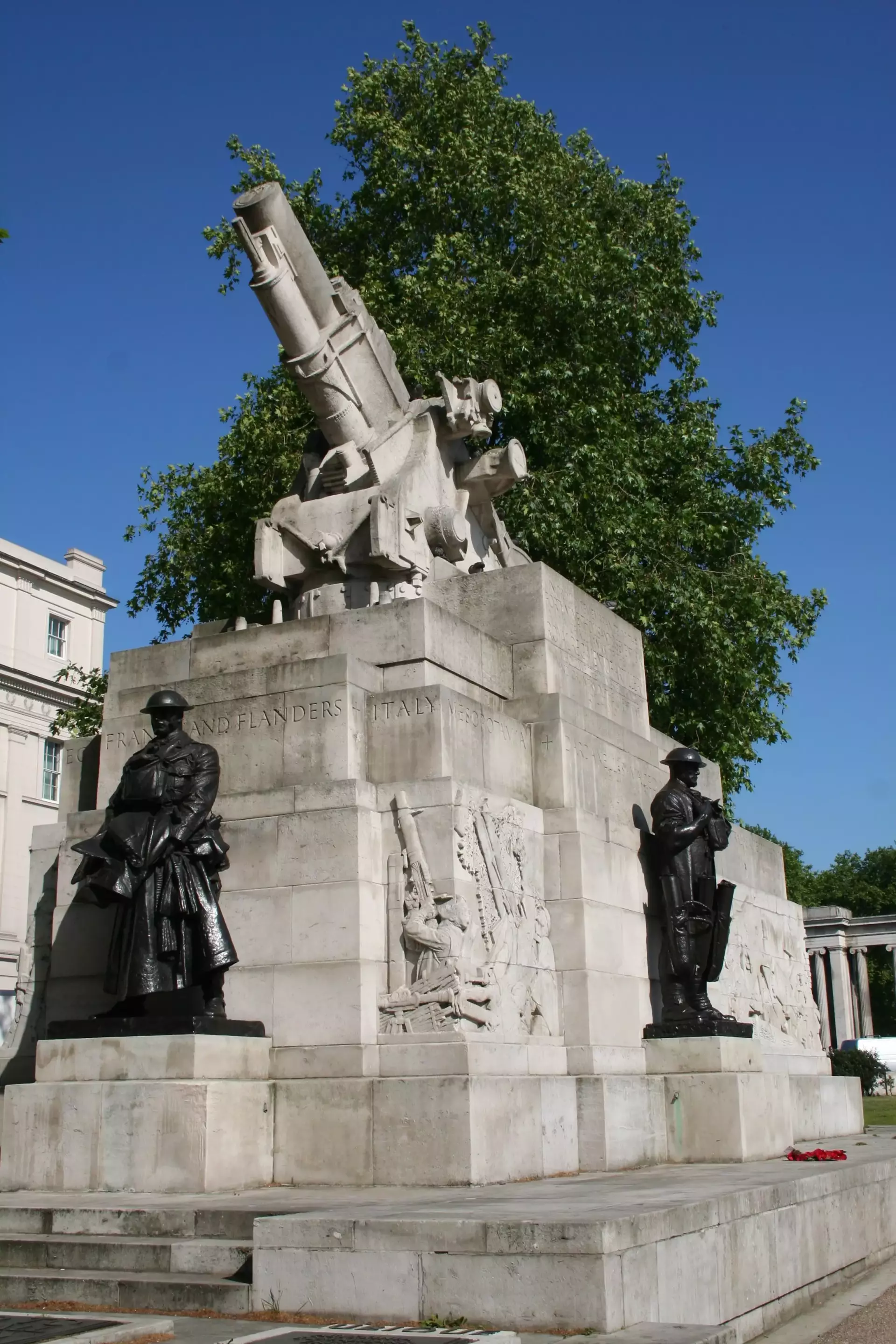
A stone howitzer by World War I veteran Charles Sargeant Jagger
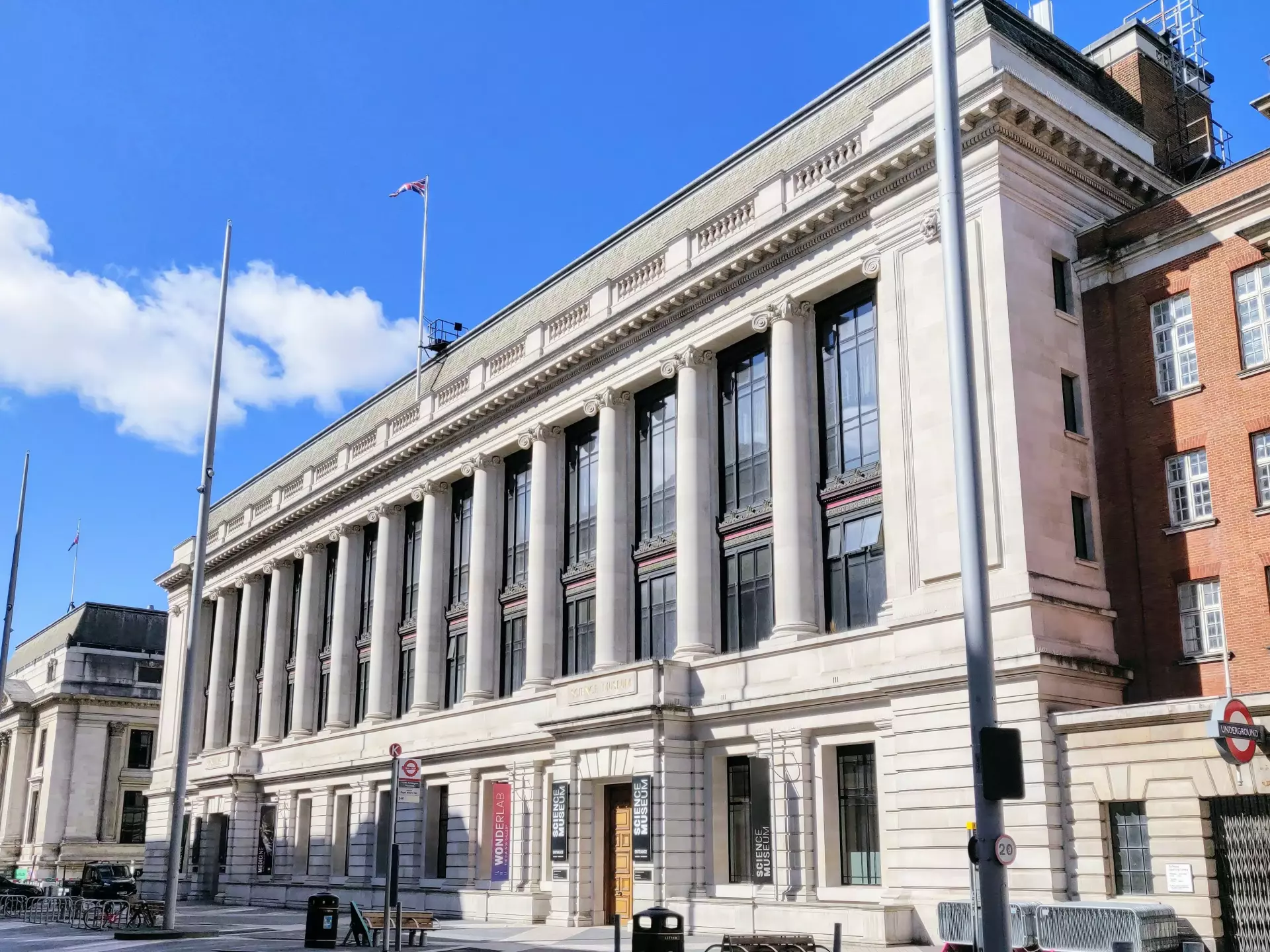
Dedicated to scientific exhibitions and collections bar those related to the life sciences. A number of famous historical machines and inventions are housed here, from steam locomotives to the Apollo 10 command module. The space exhibits are especially popular. Exhibitions tend to concentrate on explaining scientific principles with working models and there is a strong emphasis on education and attracting children. The Science Museum opened a "Children's Gallery" in the 1930s and it continues to lead the way in this area; now, there are three separate galleries aimed at all ages of younger visitor, from 5 to 16. The museum also runs "Science Nights" whereby children spend an evening learning principles and participating in experiments before spending the night sleeping in the museum with the exhibits. Also houses a vast library of scientific and medical books and journals.
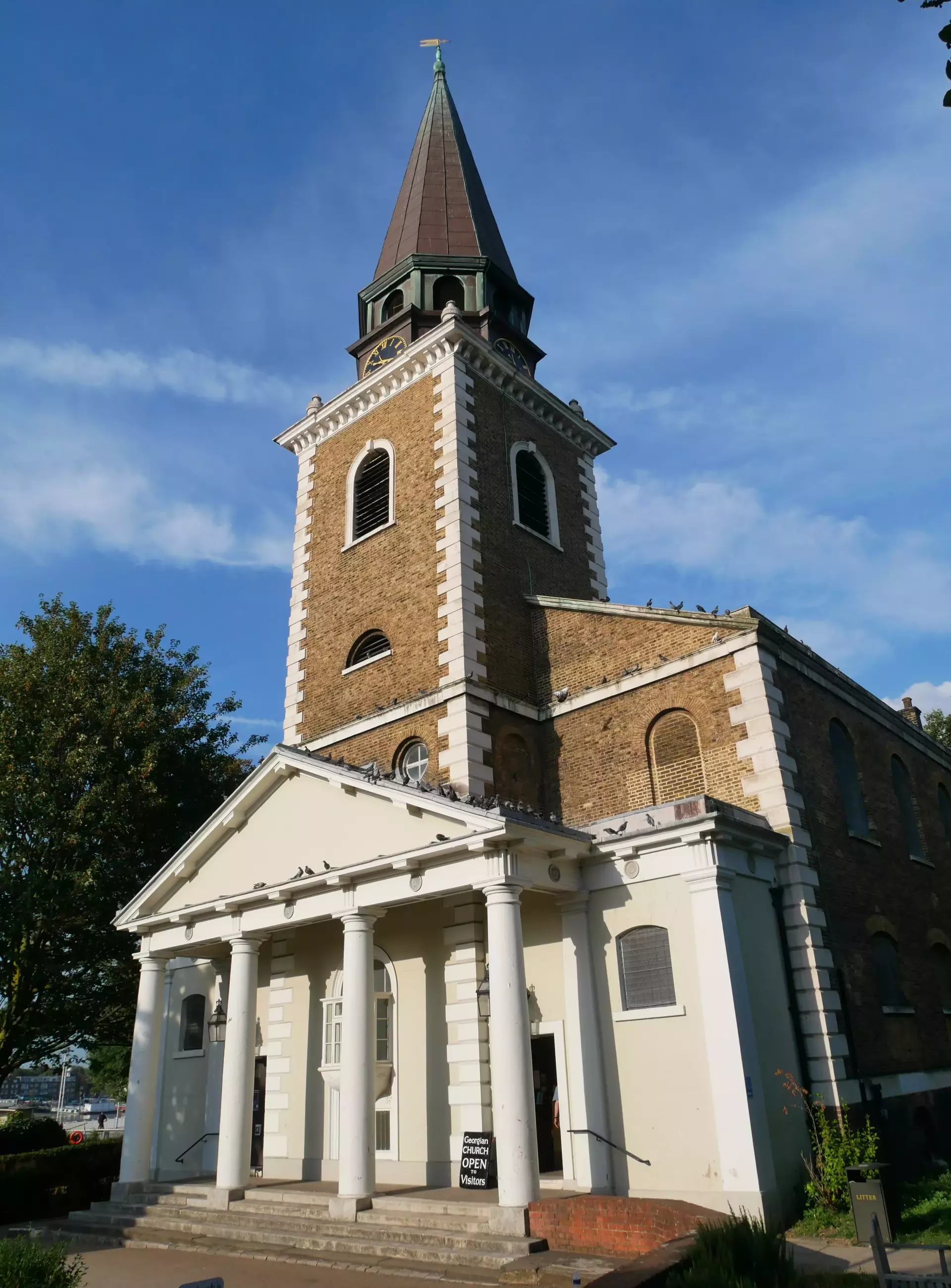
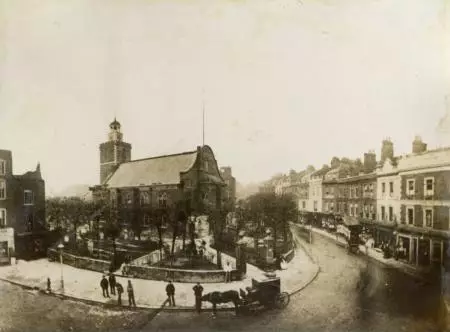
One of the oldest churches in Battersea, this church is where Christians have worshiped at the same site since 800 AD. It is protected as a Grade I listed building with its combination of heritage and architectural merit.
This is probably the most famous criminal court in the world, and has been London's principal criminal court for centuries. It hears cases remitted to it from all over England and Wales as well as the Greater London area. The present building dates largely from 1907 (a new block was added from 1970 for more modern facilities) and stands on the site of the infamous medieval Newgate Gaol. The Central Criminal Court is of course best known today for its association with John Mortimer's Rumpole of the Bailey character, novels and television series. Daily case listings are available at The law pages. No bags, cameras, drinks, food or mobile phones—no facilities for safekeeping. Children under 14 are not admitted.
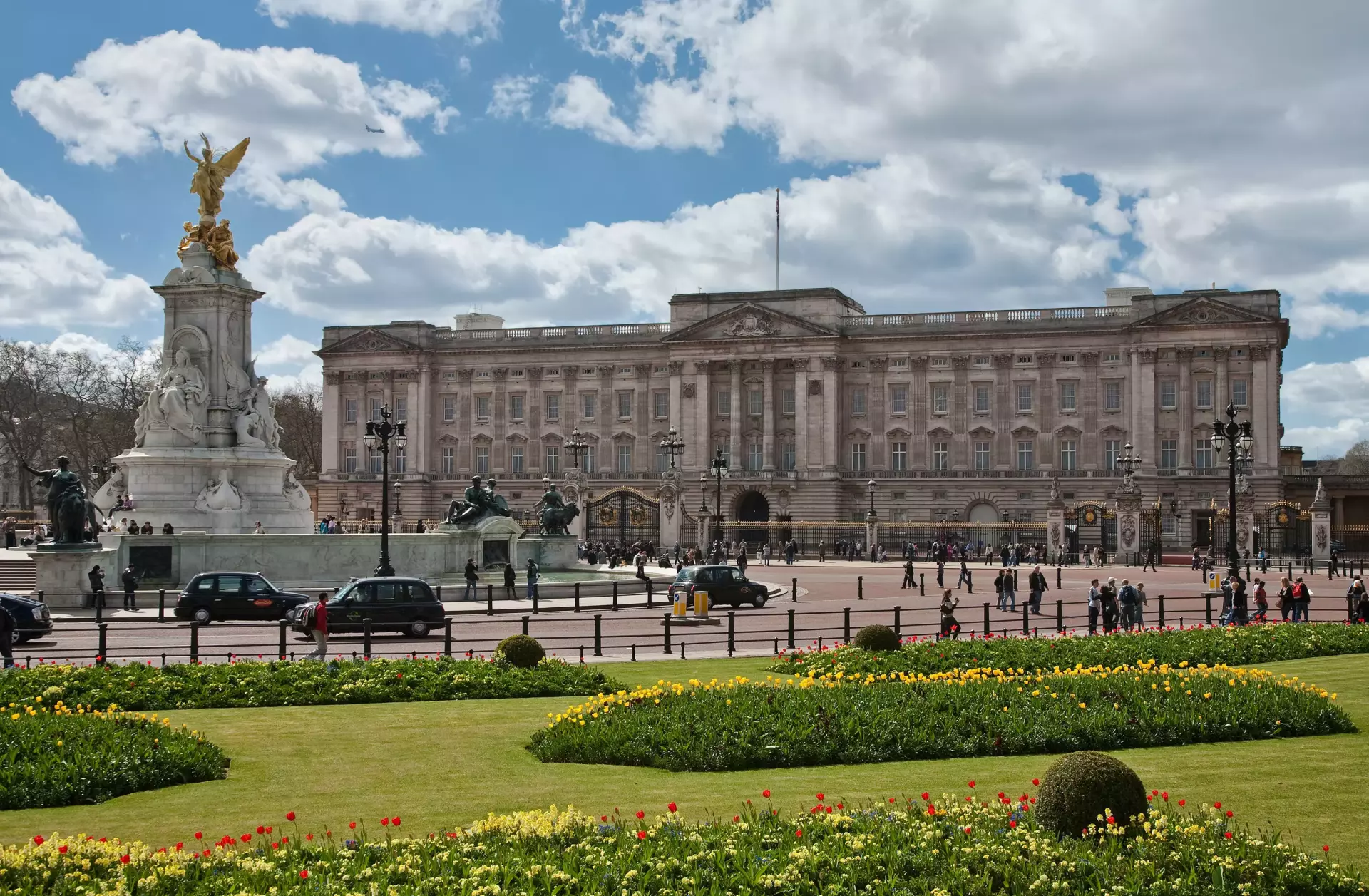
The main residence of His Majesty King Charles III, Her Royal Highness Queen Camilla, and latterly of HM Queen Elizabeth II. In the summer, 19 State Rooms are open to the public. Places are strictly limited, and it might not be possible to just turn up and get a ticket for a specific entry time, visitors should book in advance to ensure admission.