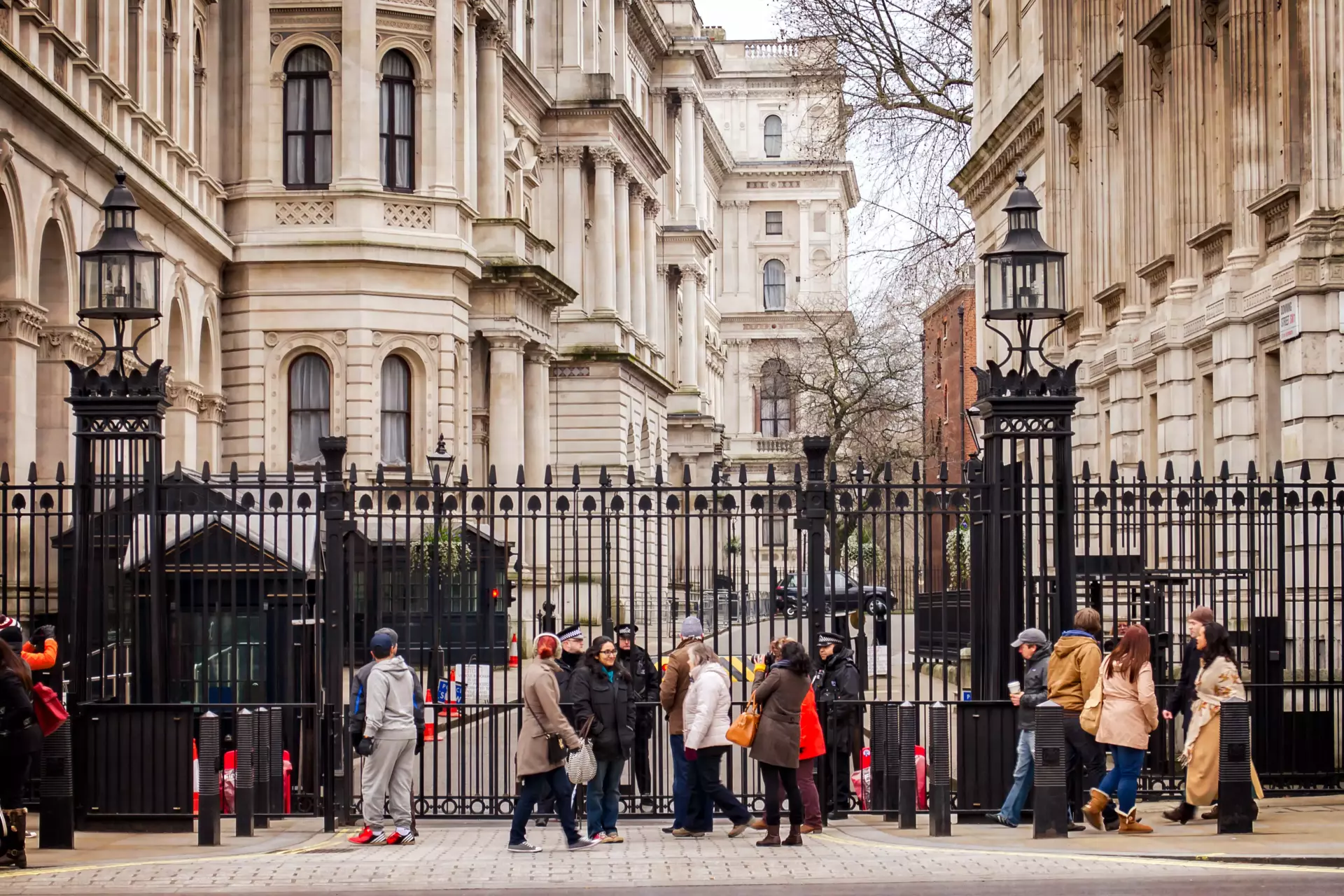
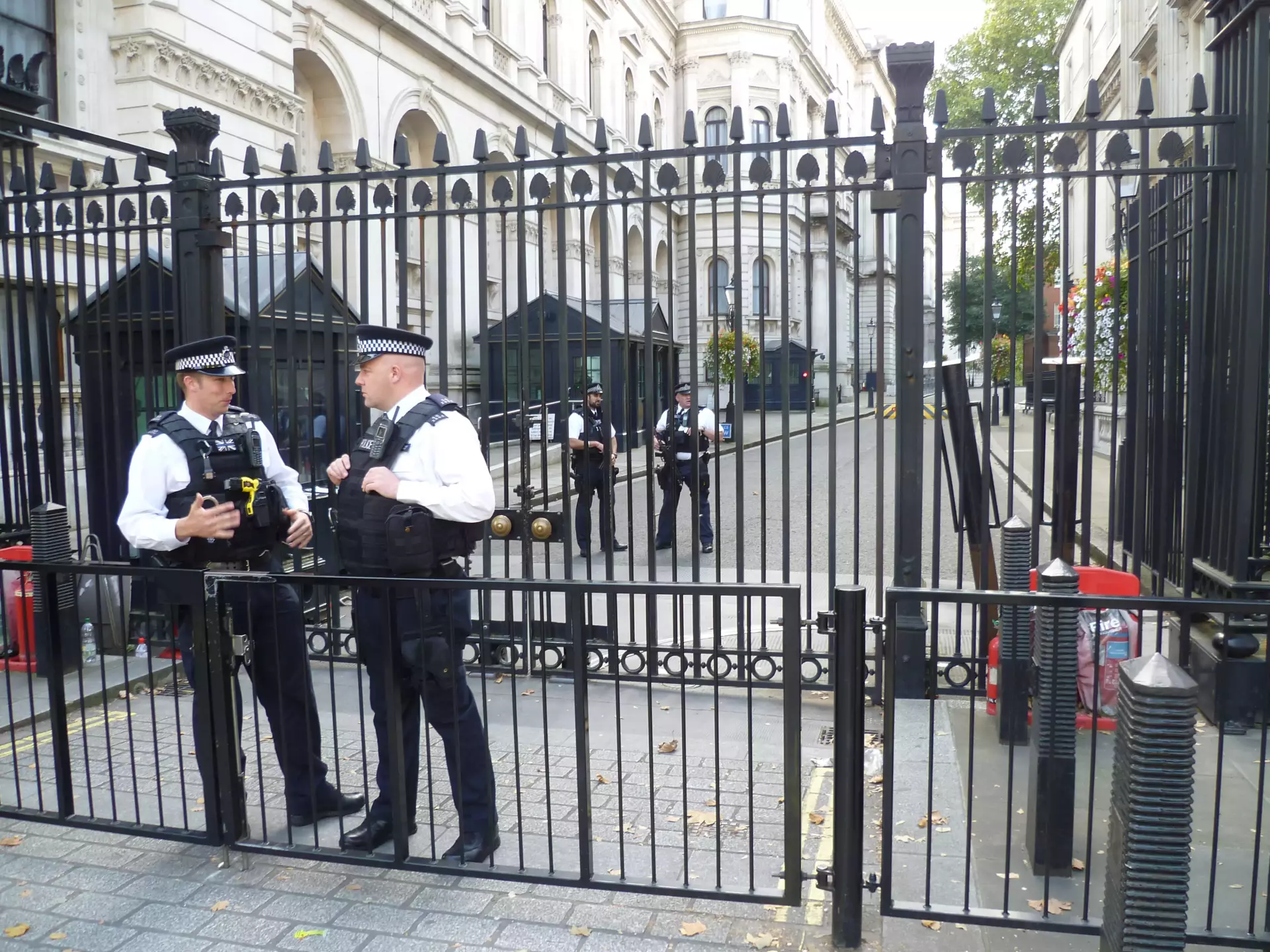
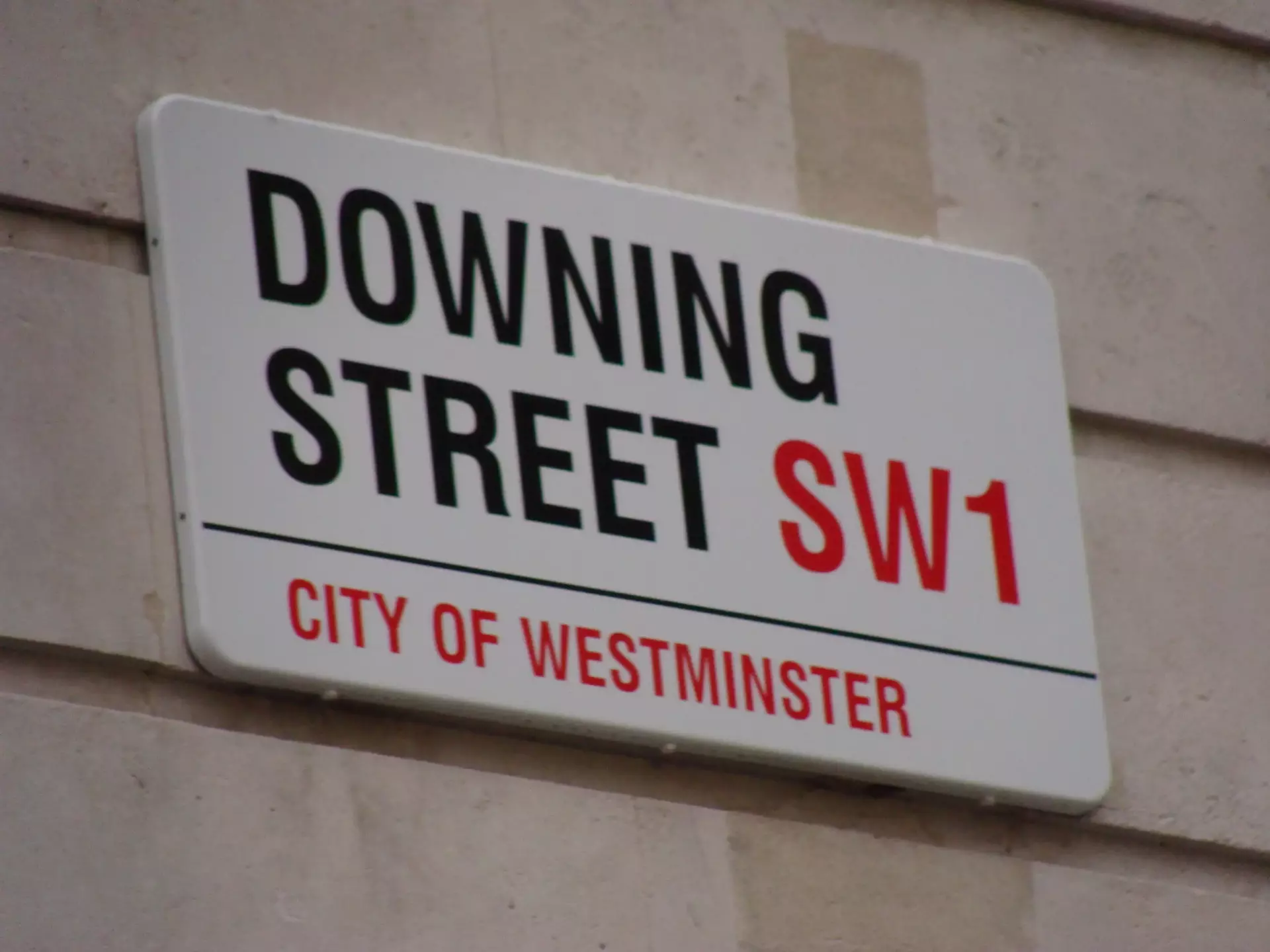
Downing Street, a name synonymous with British political power, is home to the residences of the country's most prominent leaders. At No. 10, the Prime Minister resides, managing affairs of state and welcoming distinguished guests from around the world. Just next door, at No. 11, the Chancellor of the Exchequer oversees the nation's finances.
Source - https://en.wikipedia.org/wiki/Downing_Street
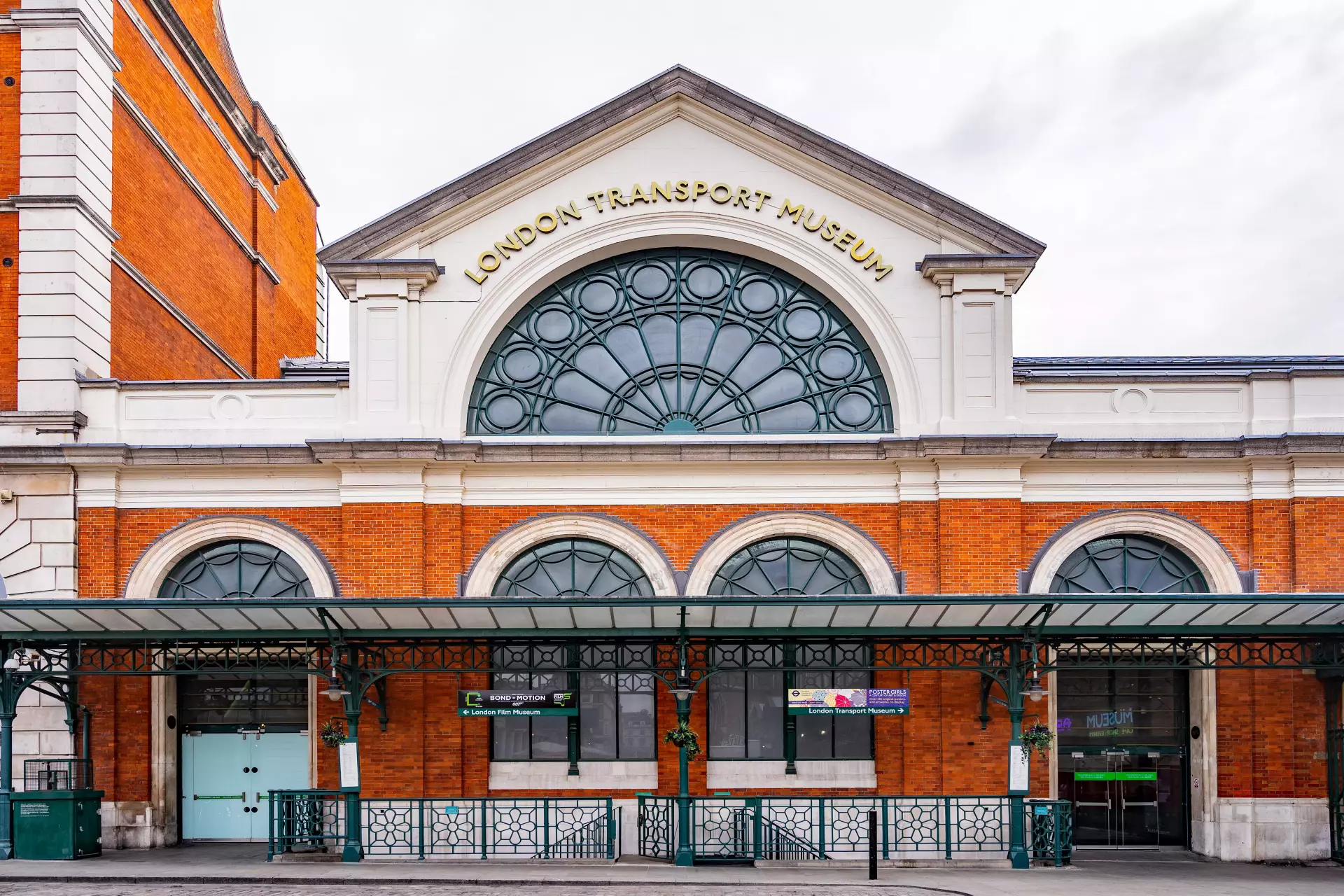
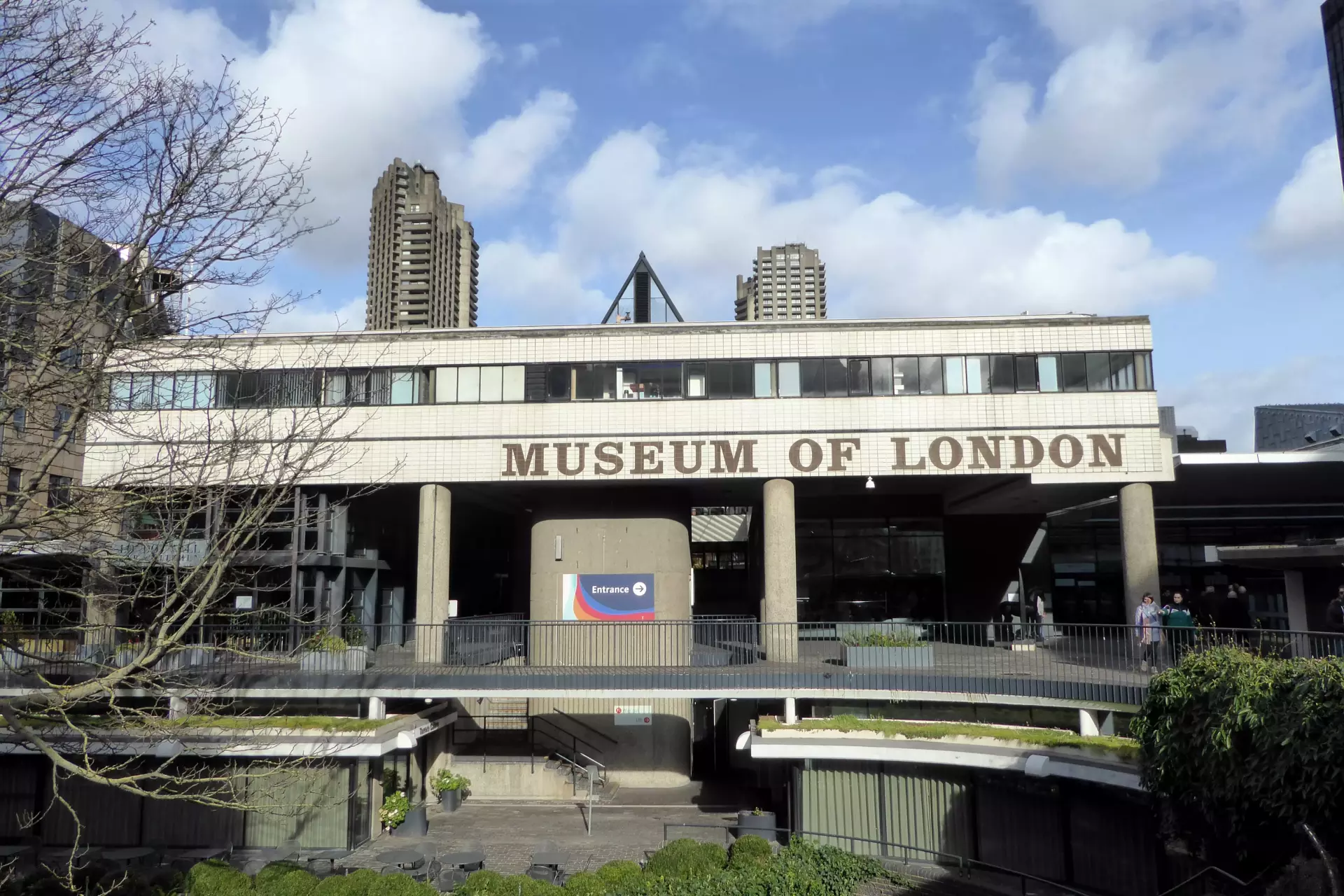
Now permanently closed, will be replaced by new museum at the former Smithfield market site in 2026. The Museum of London Docklands remains open.
Official residence of the Lord Mayor of the City of London, completed in 1753.
A branch of the Imperial War Museum, the Cabinet War Rooms preserves the underground corridors and rooms from which Churchill and the cabinet directed the war against Hitler and the Nazis, maintained almost exactly as they were left in 1945. In 1984, IWM opened the rooms to the public for the first time. In 2005, the attached Churchill Museum was opened as the world's first permanent museum dedicated to the life and wartime achievements of Sir Winston Churchill. Audio guides are included in your admission. No cloakroom, no rucksacks, no suitcases. Café is open daily from 10am to 5pm. Hot food is served until 3pm.
On the UNESCO World Heritage List, the Palace of Westminster is the seat of Parliament in the United Kingdom. It's often termed the "Mother of All Parliaments" - an exaggeration, but perhaps only a slight one. The present building largely dates from the 19th century when it was rebuilt following a fire in a splendid example of Victorian neo-Gothic architecture. The House of Commons (elected Members of Parliament or MPs) is located to the north of the building and is decorated with green leather upholstery, and the House of Lords (unelected Lords) is located to the south and decorated with red leather upholstery.
A treasure trove of antique toys exhibited in a warren of 6 rooms above the toy shop of the same name. A very charming place indeed, though the doll rooms are a bit gruesome.
Islamic Cultural Centre and the main mosque in London. Visitors are welcome but must be suitably attired. The Mosque runs classes, prayers, talks and events.
Admission by guided tour only, which must be booked in advance. The museum is housed in part of a Victorian fire station and its collections include fire engines and historical equipment.
A small realm of serenity in the midst of the typical turmoil. It used to be the court of the Knights Templar. You can still visit the beautiful Romanesque church, which is one of the oldest ones in London (opened in 1185) and has connections to the order of Templars. The chancel of the church was built by Henry III. The church still serves the members of Gray's Inn and Lincoln's Inn and has frequent services open to the public. Fans of Dan Brown's The Da Vinci Code will recognise the church from both the novel and the film.
A splendid Regency house with enormous gardens and woodlands. The gardens alone are worth the visit and are a superb example of 18th-century landscaping. On show at the house is art by masters such as Rembrandt, Turner, Reynolds and Vermeer, and the gardens have a very notable sculpture by Henry Moore. A regular program of outdoor opera takes place here every summer. Movie buffs will recognise Kenwood from Mansfield Park among other famous films. Administered by English Heritage, separately from the rest of Hampstead Heath.
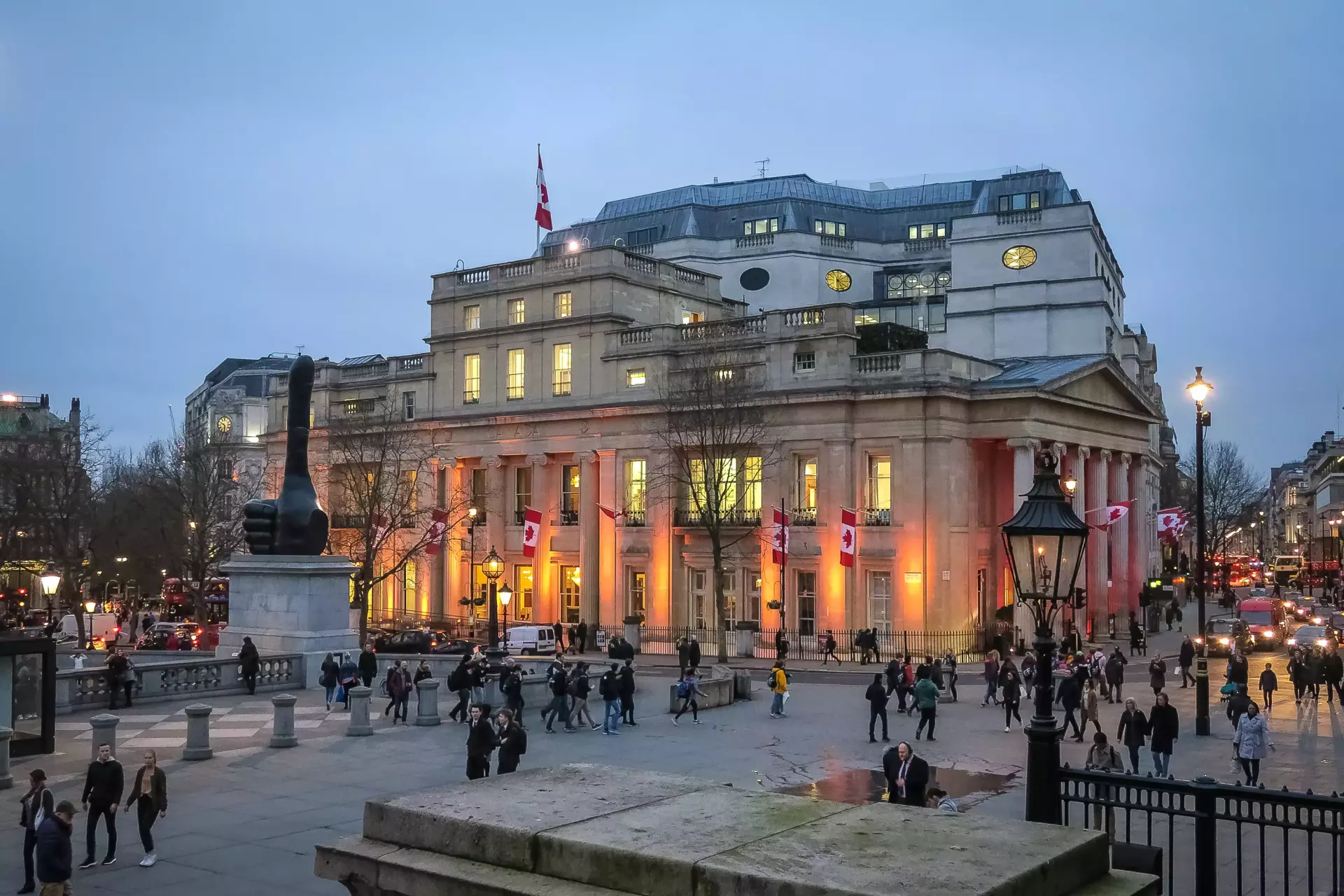
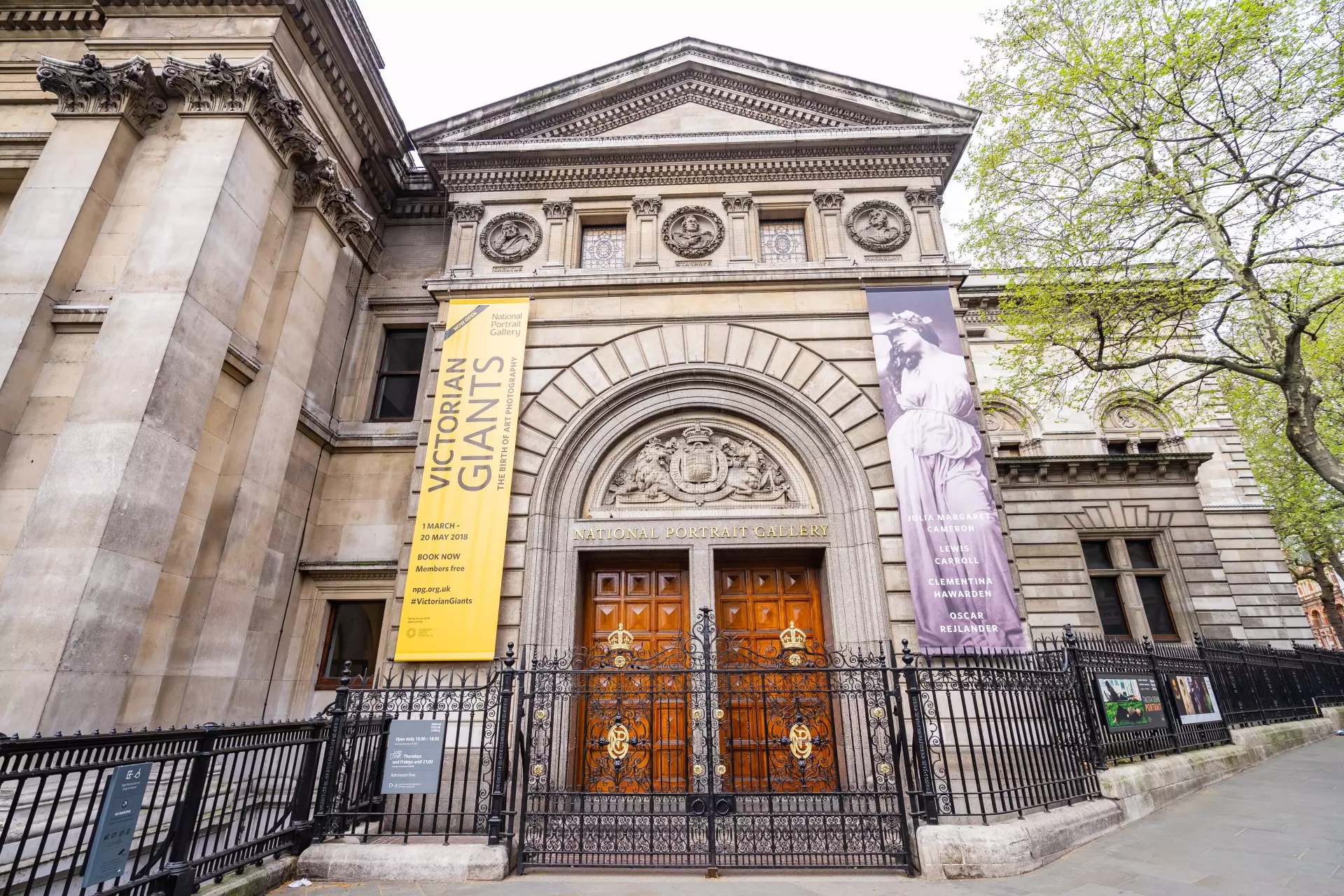
The main, central square of London, Trafalgar Square is associated with celebration and demonstration - it is the site of London's lacklustre New Year celebrations, and in 2003 was the site of the triumphant homecoming of the British Rugby team from the World Cup, and a centre for demonstration against Britain's involvement in the Iraq War. The square has been associated with the many hundreds of pigeons that used to be found here, but in 2003 a bylaw was passed to make it illegal to feed them. Nelson's Column, surrounded by the four bronze lions can be found here, on the south side of the square. The north-west plinth in the square was intended to hold an equestrian statue of William IV, but remained bare since 1841 due to insufficient funds. Since 1999, it has been used to display controversial contemporary sculpture. Houses the British national collection of western European art dating from the 13th to 19th centuries. A truly awe-inspiring collection, notable works include Hans Holbein's The Ambassadors, Van Gogh's Sunflowers and Constable's The Haywain. The vast majority of art is free of charge to visit. Temporary exhibitions are generally fairly costly, but invariably well researched and presented. The audioguides are very comprehensive, have comments on most of the paintings in the museum, and are free though this fact is not advertised. A donation is suggested. In addition to courses, workshops, lectures and other events, the National Gallery has free talks and tours every day. The National Portrait Gallery is just around the corner from the National Gallery and is an entertaining way to learn about British history since the Tudors. Visitors walk around the gallery chronologically, viewing portraits of notable figures from British history - from Henry VII, painted by Hans Holbein, to Blur, painted by Julian Opie. The High Commission of Canada immediately opposite to Trafalgar Square maintains a regular art exhibition featuring Canadian artists.
The National Portrait Gallery is just around the corner from the National Gallery and is an entertaining way to learn about British history since the Tudors. Visitors walk around the gallery chronologically, viewing portraits of notable figures from British history - from Henry VII, painted by Hans Holbein, to Blur, painted by Julian Opie.
Charts the history of the bank from 1694 to the present day. A highlight is the opportunity to handle a genuine bar of gold. Photography allowed, but no flash.
At 87 hectares this is the largest open green space in the district.
All non-classified government documents can be read and photographed here, with a (free) reader's card having been obtained. There is also a small museum, which does not require the card to access.