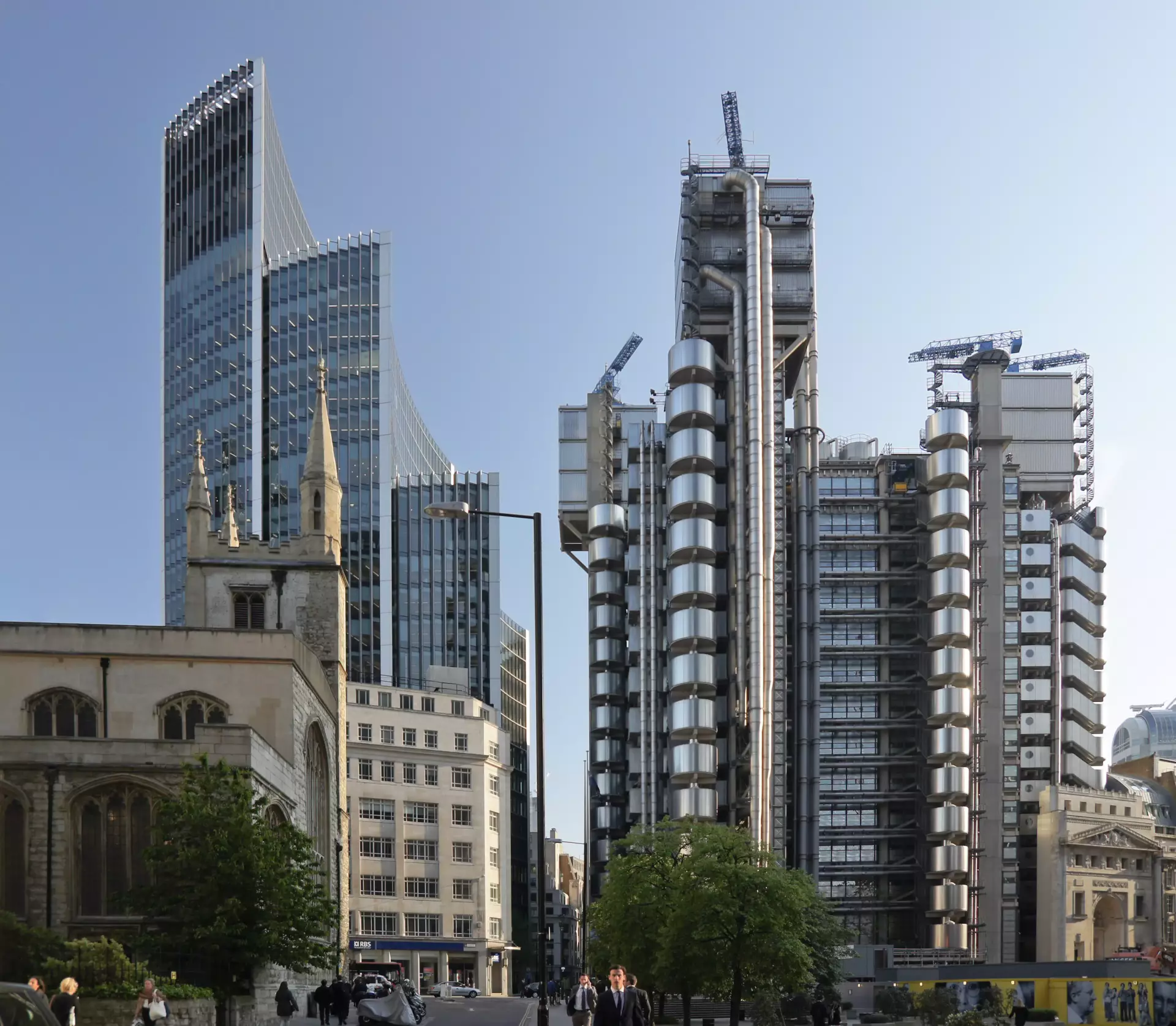
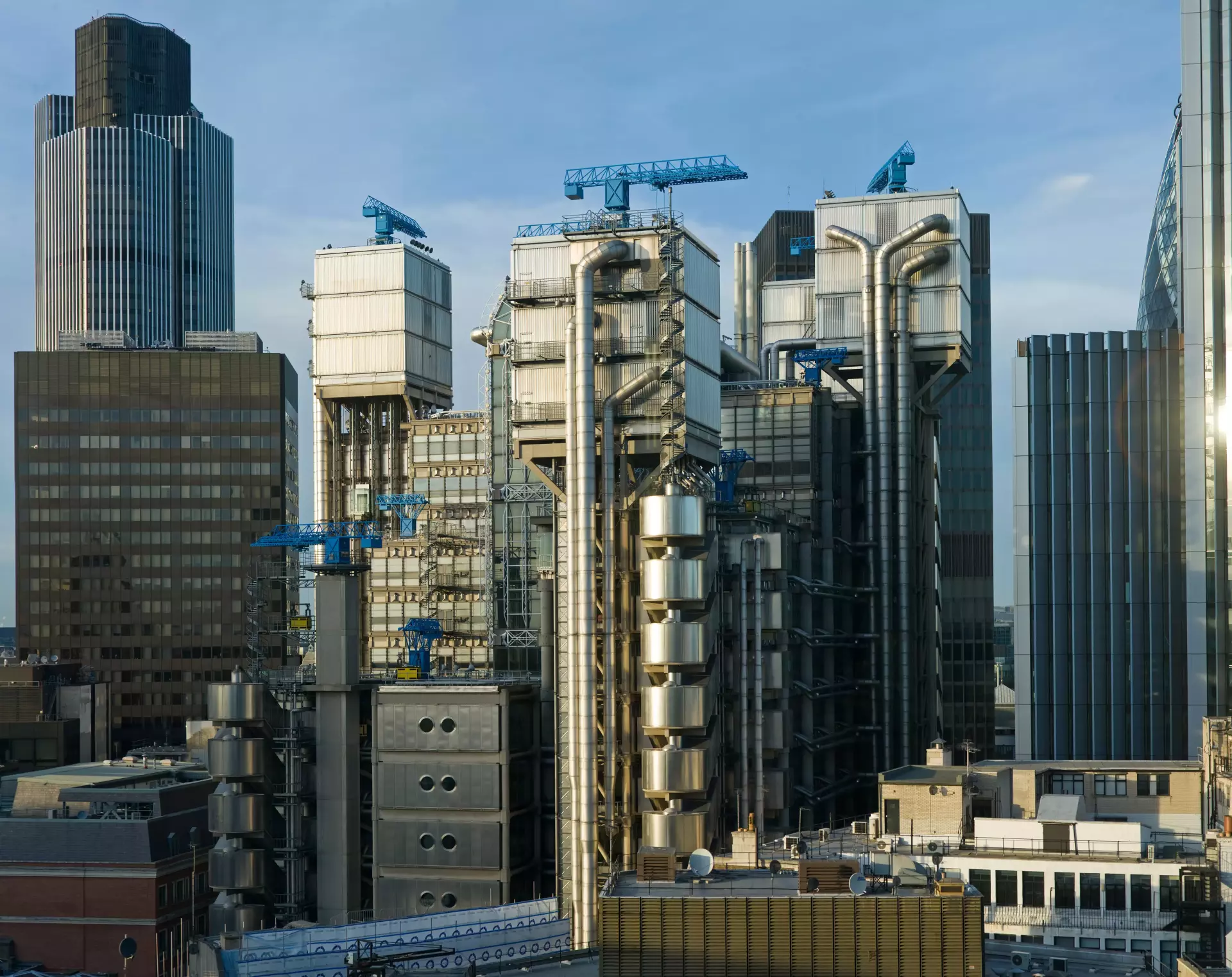
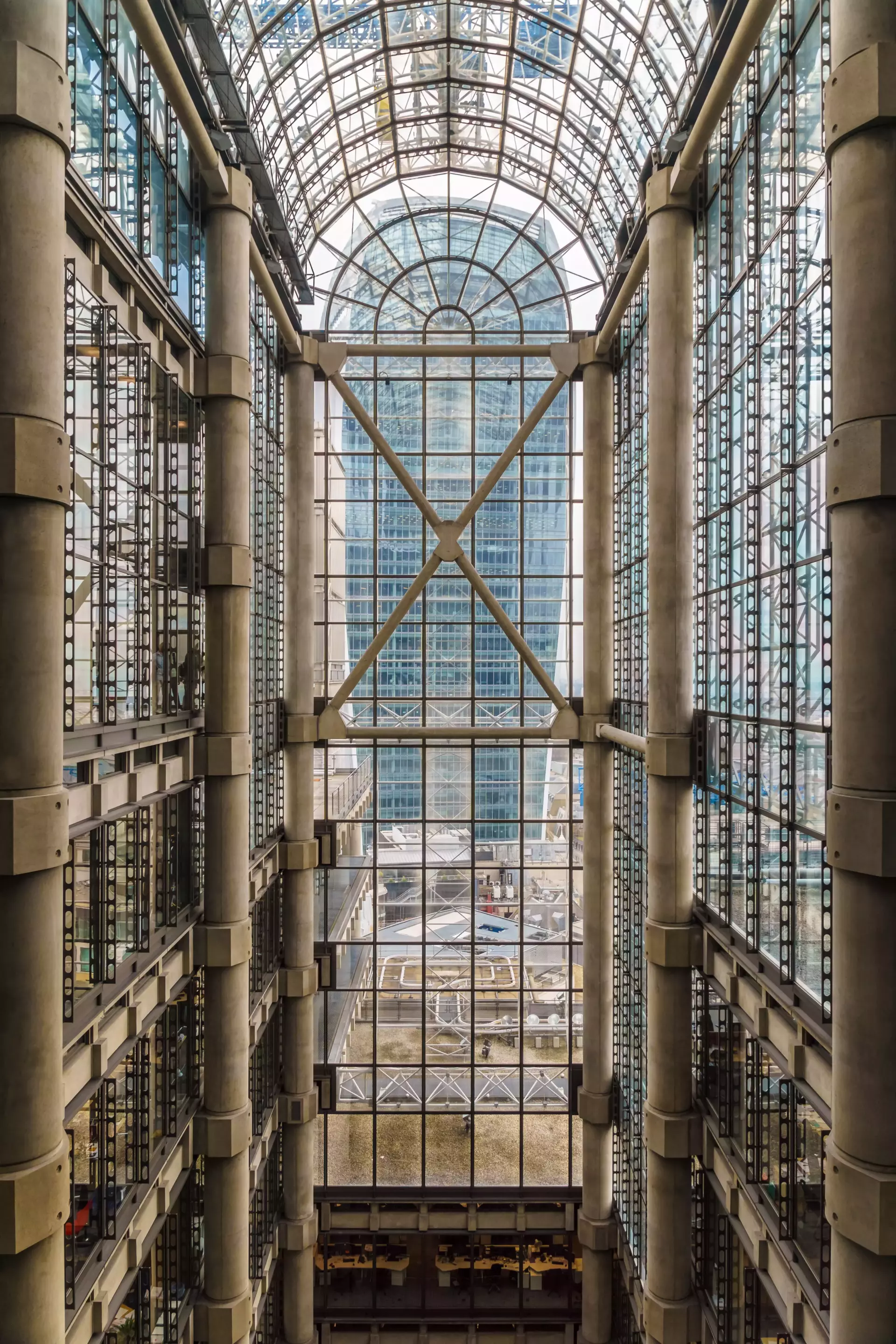
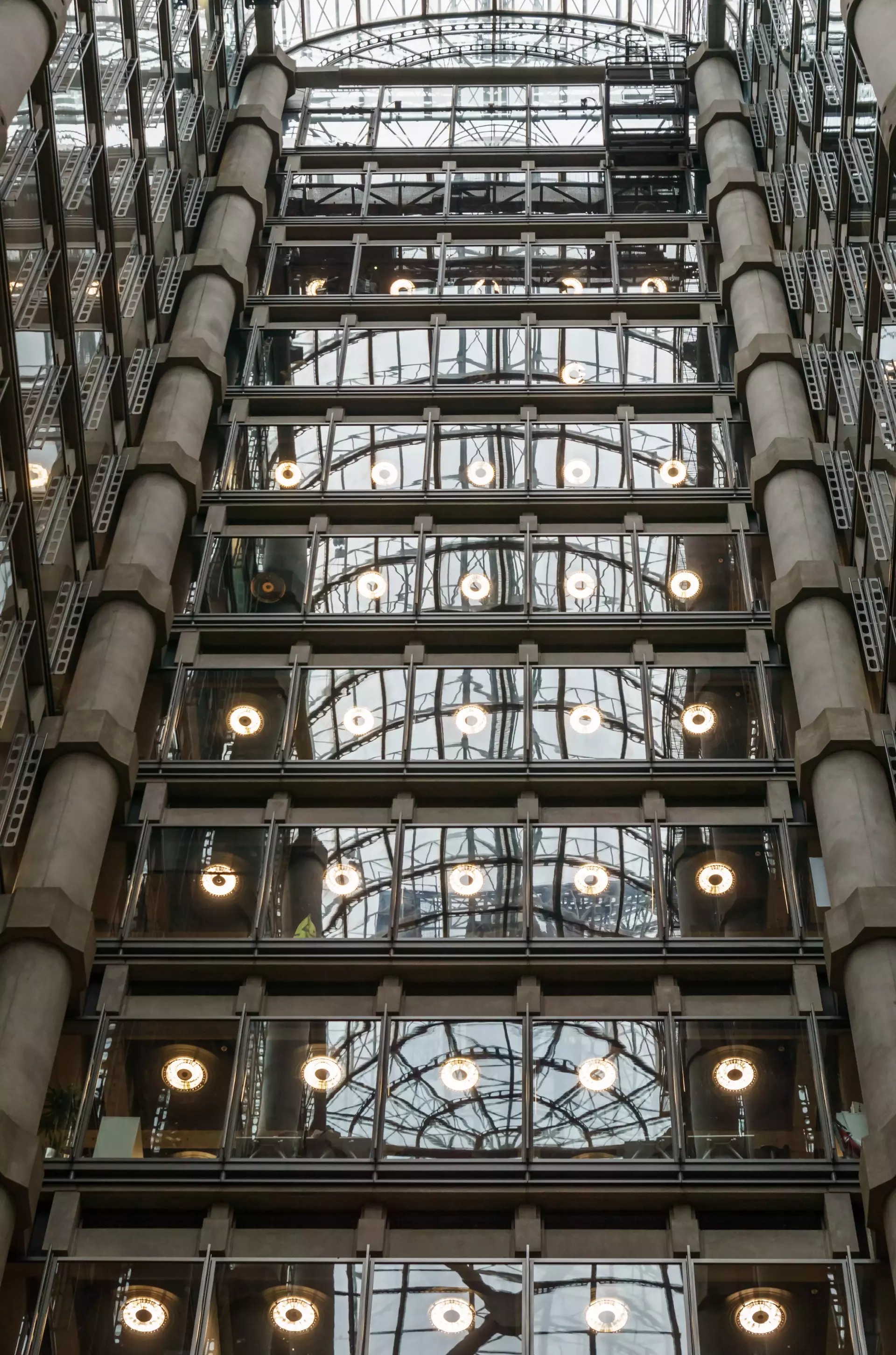
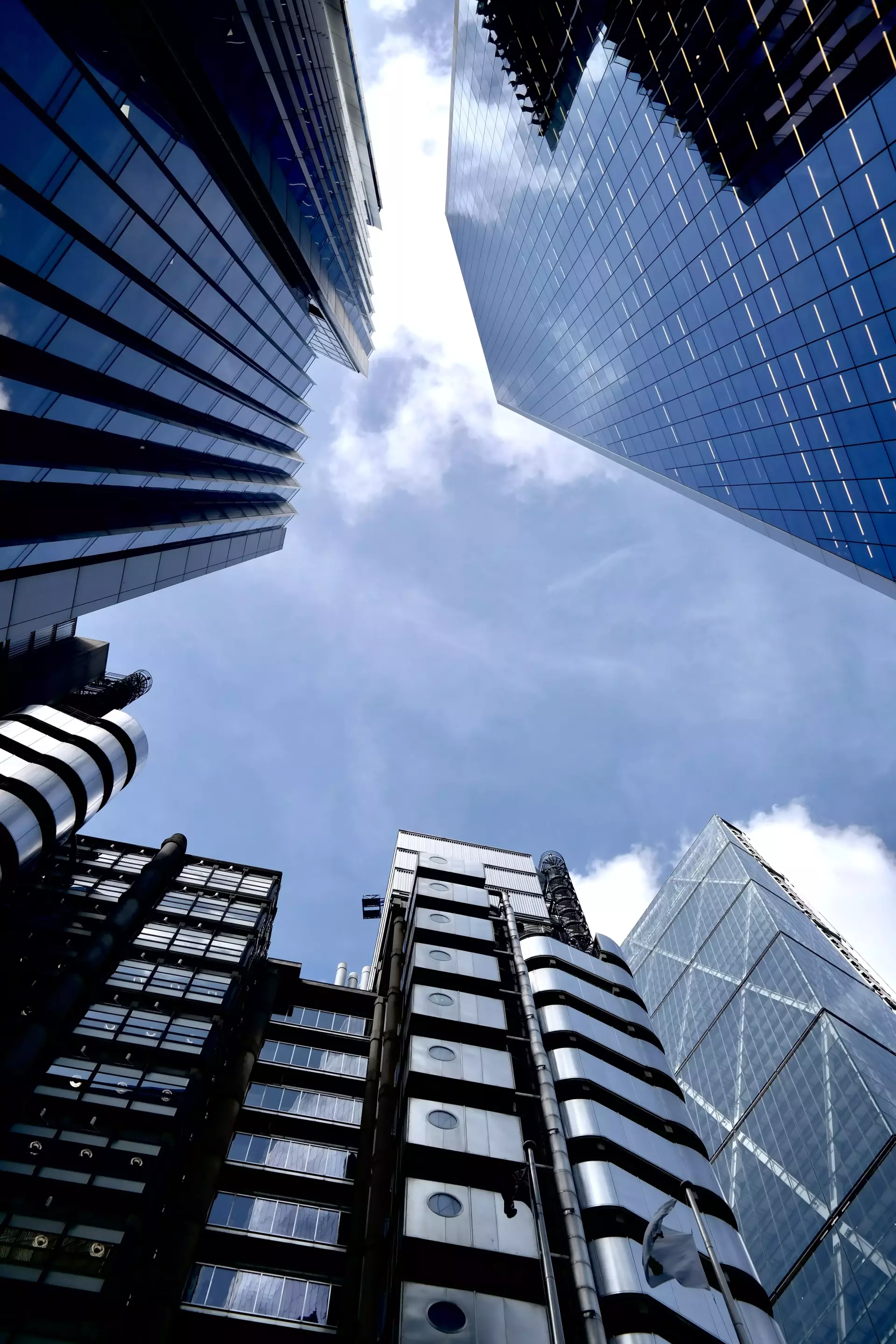
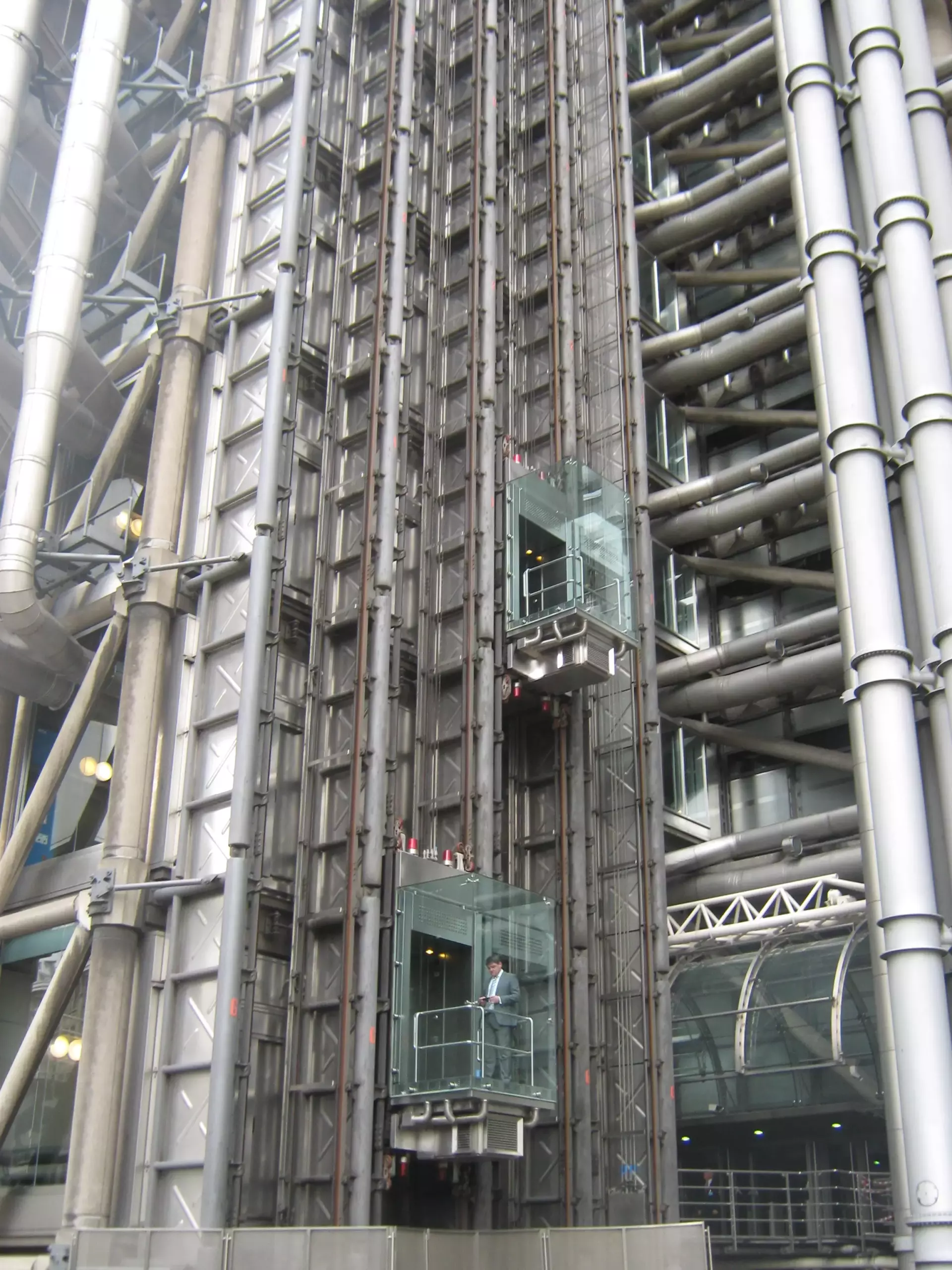
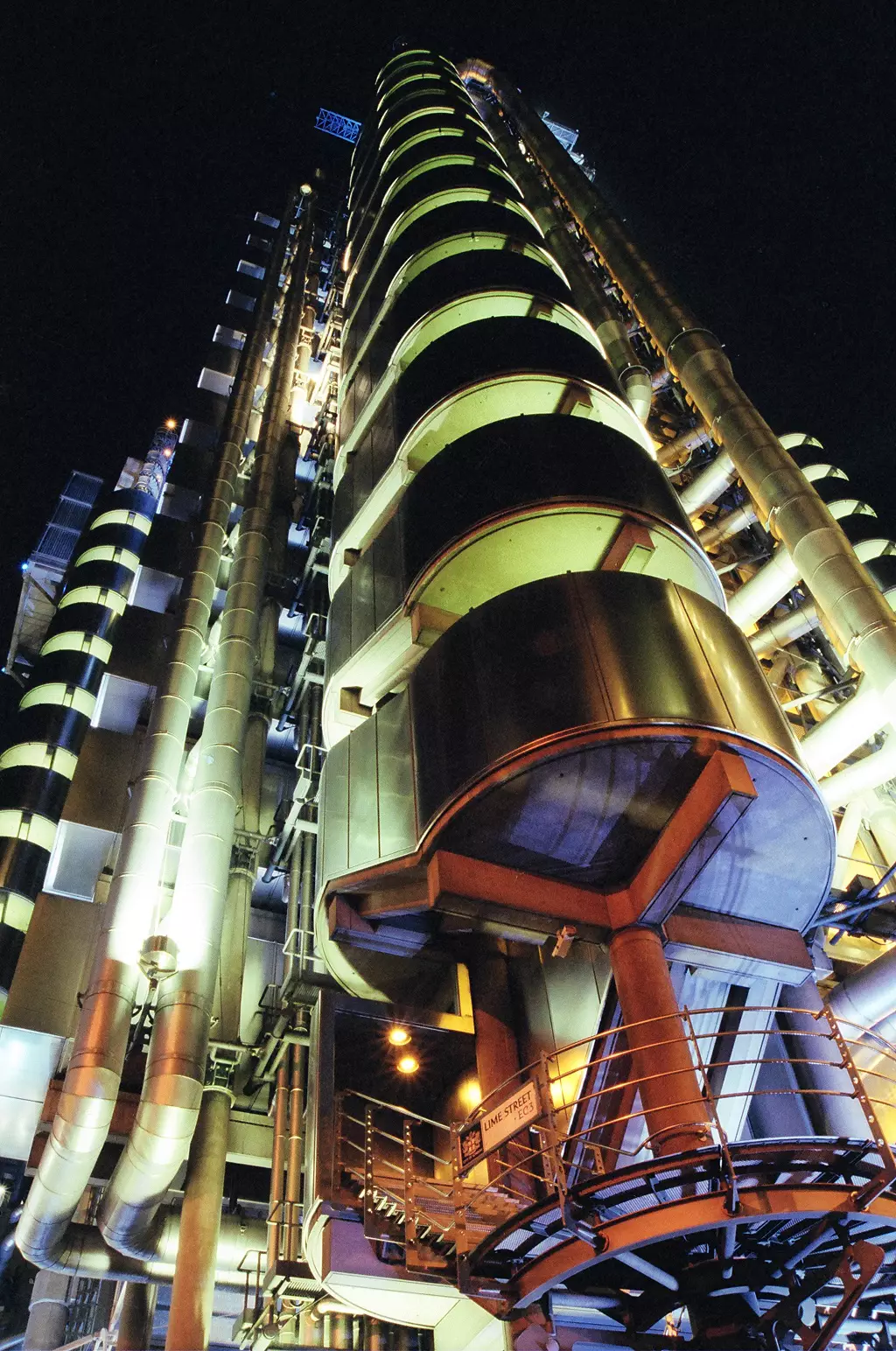
In the bustling landscape of London's financial district stands the headquarters of the world's most renowned insurance market. This remarkable building, designed by the visionary architect Richard Rogers, showcases a futuristic glass-and-steel design that was groundbreaking at the time of its construction.
The building's striking appearance is often compared to the digital landscapes of "The Matrix". Its innovative architecture features an exoskeleton design, with all support services such as lifts and ventilation prominently displayed on the exterior. This approach not only creates a unique visual impact but also maximizes the interior space for functional use.
Widely recognized as a masterpiece, the building's design has earned it a place in architectural history. It challenges traditional architectural norms and stands as a testament to Richard Rogers' bold vision and creativity. Visitors and locals alike are captivated by its unconventional style and the way it redefines the skyline.
Source - https://en.wikipedia.org/wiki/Lloyd%27s_building
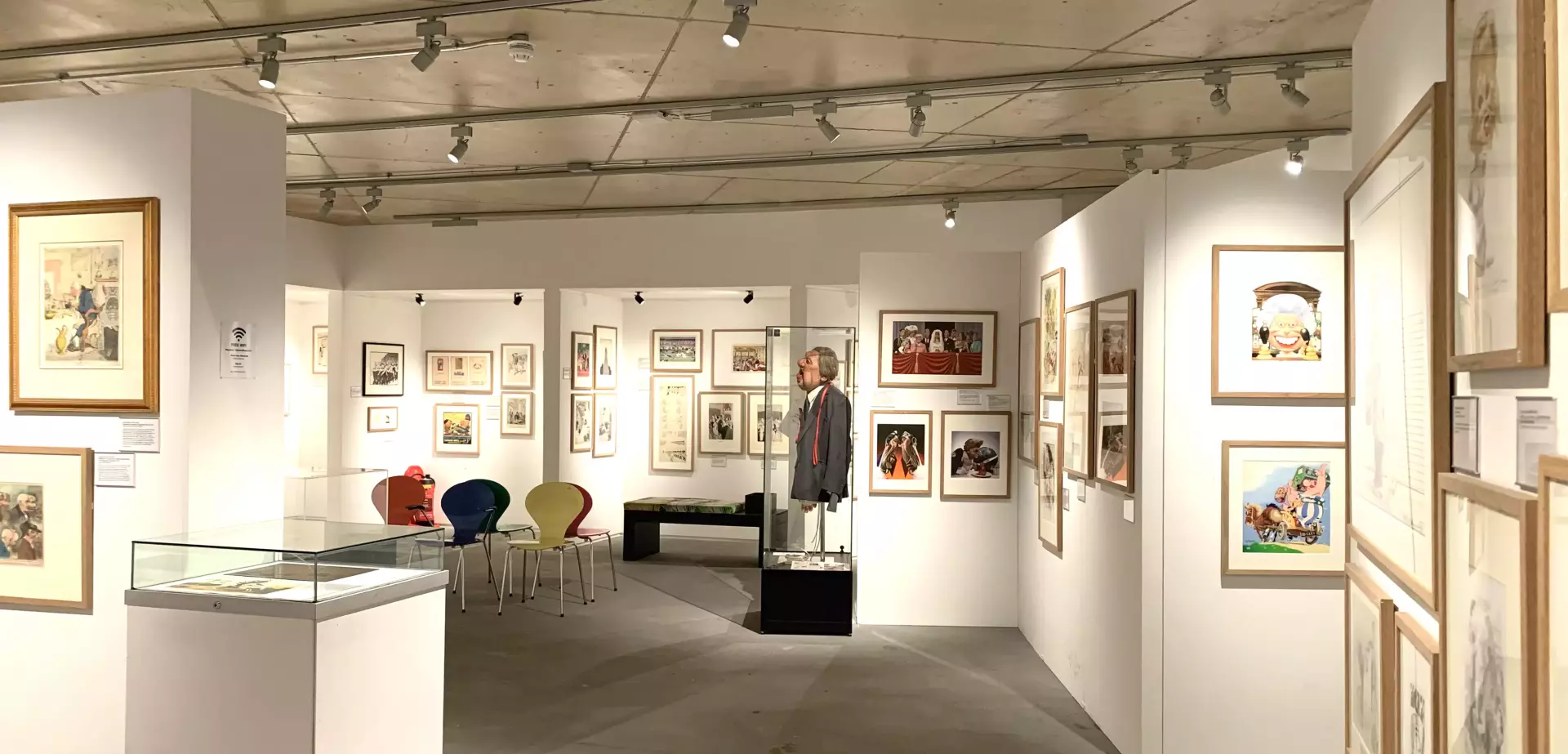
The Royal Academy no longer has a permanent exhibition space, instead hosting art exhibitions. Notable exhibitions have included the paintings of Monet, contemporary art associated with the theme of apocalypse, and Aztec art. Each Summer, the Royal Academy plays host to a Summer Exhibition, displaying 1,200 new works by established and new artists selected by the academy, most of which are available for visitors to buy. Each member has to donate a work of art, so over the years, the academy has built a sizable collection. Exhibitions are invariably excellent, and it is worth paying for audio guides, if they are not included. Visitors should book tickets in advance, as exhibitions are often very popular – particularly shortly after opening.
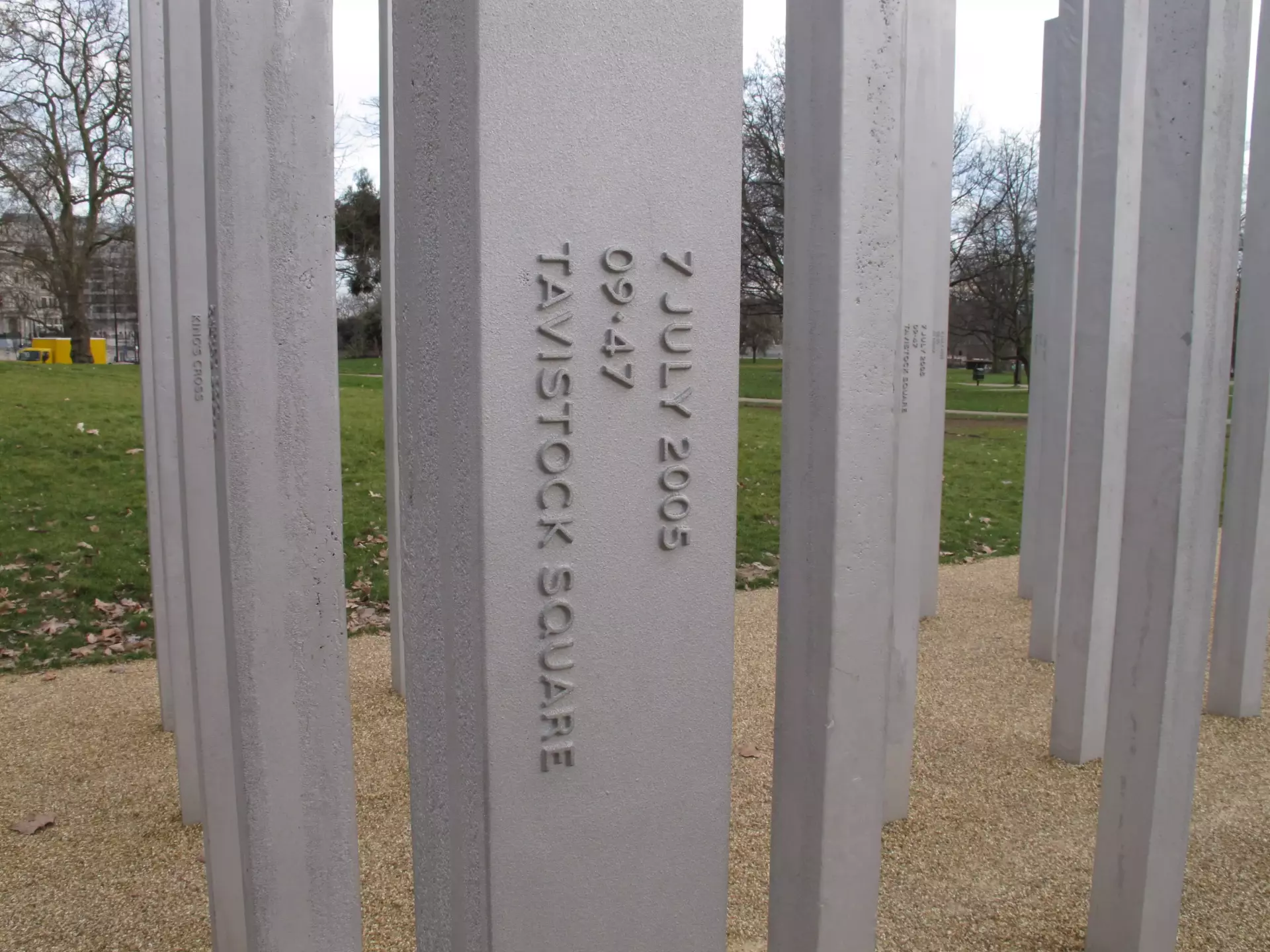
A memorial made out of 52 stainless steel columns representing each of the 52 victims who died in a series of terrorist attacks in the London bombings on July 7th, 2005.
A private residence which can only be seen from the street. Designed and built in a French neo-Gothic style by William Burges, it features a handsome cone-roofed tower. Legendary guitarist Jimmy Page has been the house's proud owner since he bought it from actor Richard Harris in 1972.
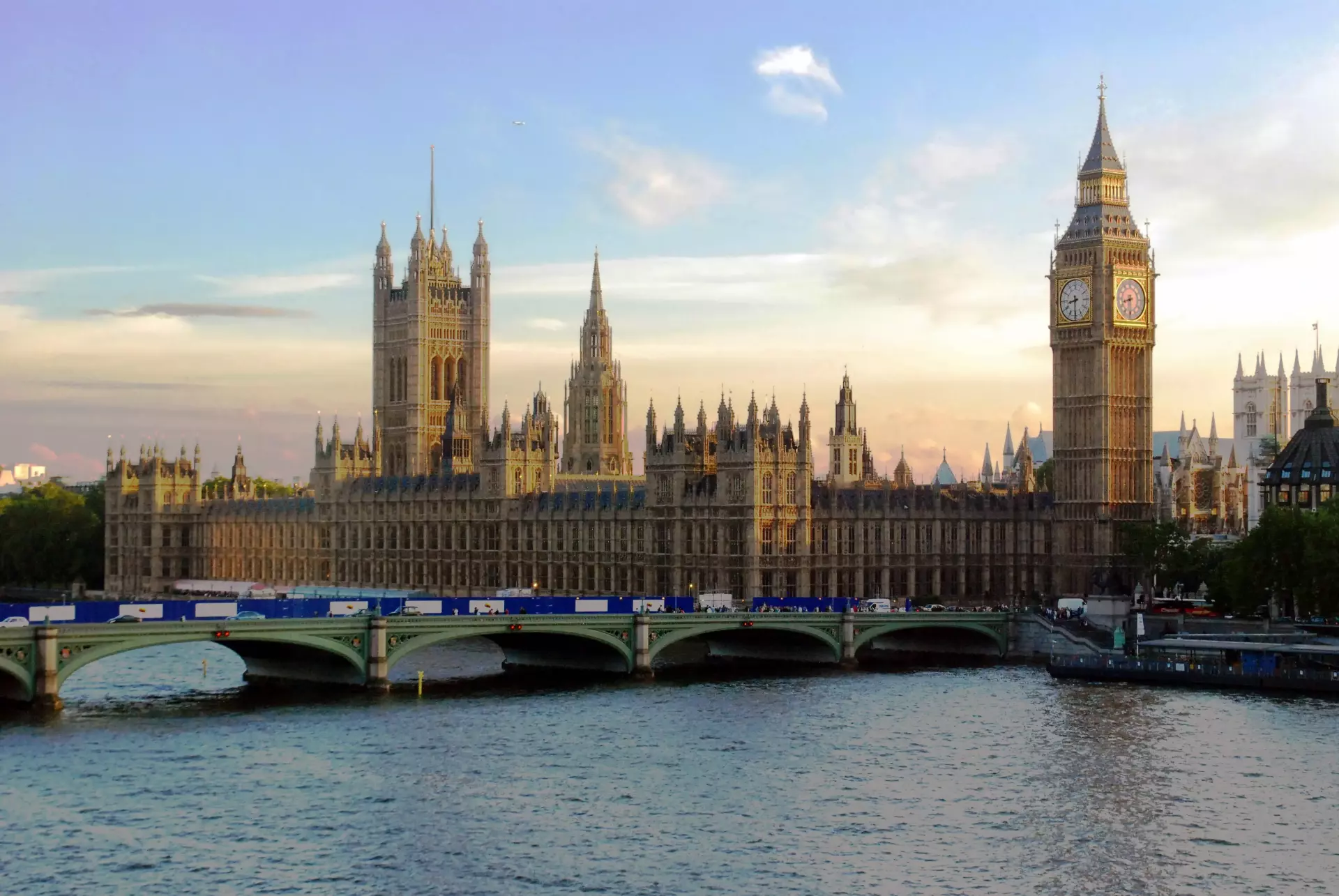
St. Margaret's is the church of the British Parliament, more specifically, the parish church of the House of Commons.
The remains of the once-magnificent palace, home to English kings since Edward I, adjoin Richmond Green, a pleasant open green space and historic cricket ground. Only the Gate House and Wardrobe, now converted into flats, remain.
Designed and built in 1619-1622 by the Neo-Classical architect Inigo Jones, The Banqueting House is now all that remains of Whitehall Palace, the sovereign's principal residence from 1530-1698 when most of it was destroyed by fire. Renowned for its architecture and paintings (by Rubens, among others), the building is also famous for being the scene of Charles I's execution in 1649 at the end of the English Civil War.
A neoclassical church that stands opposite the National Gallery. Since World War I, the homeless have sought shelter at this church, a tradition that continues to this day.
The second biggest greenhouse in London, containing over 2,000 species of tropical plants as well as birds and fish.
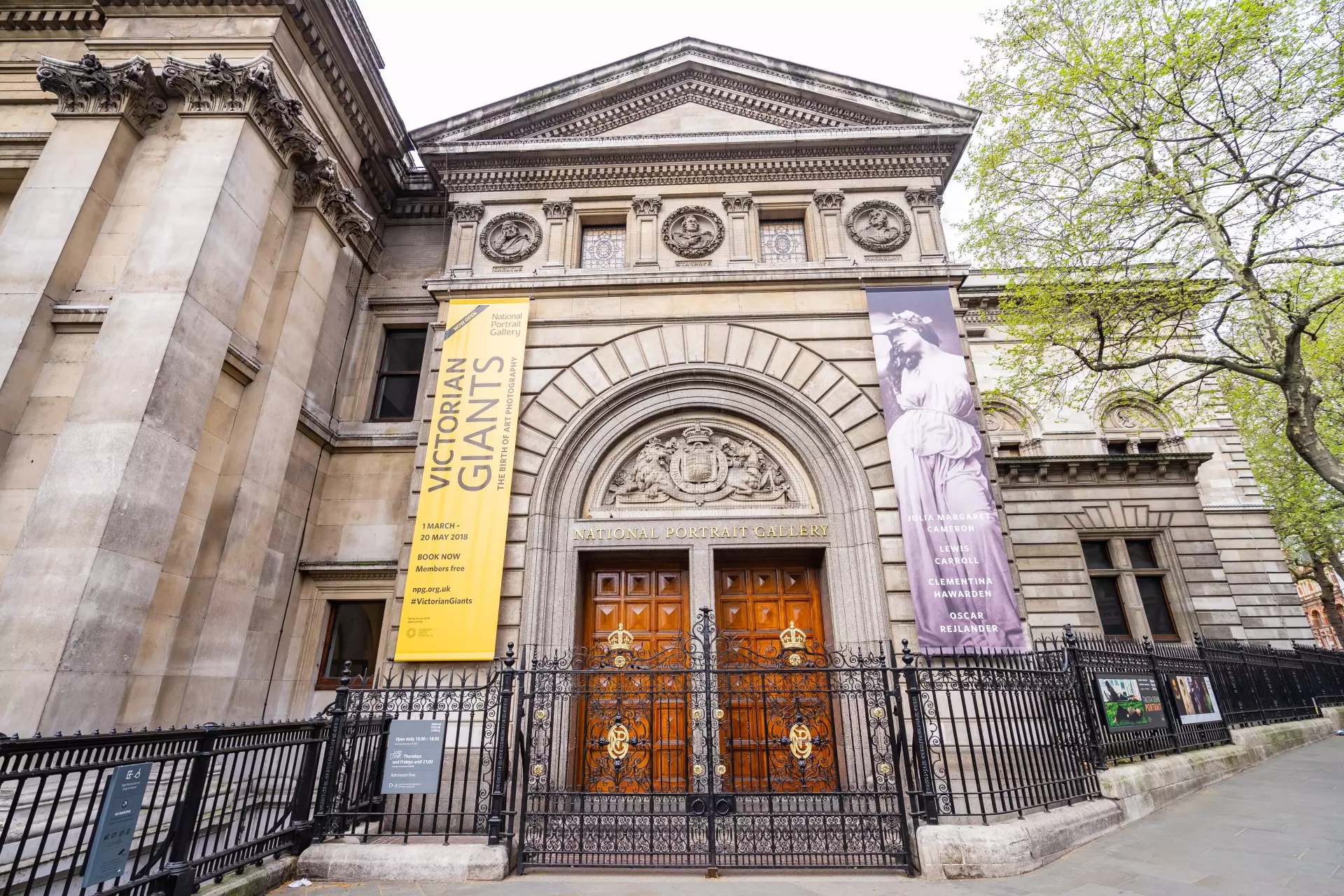
The main, central square of London, Trafalgar Square is associated with celebration and demonstration - it is the site of London's lacklustre New Year celebrations, and in 2003 was the site of the triumphant homecoming of the British Rugby team from the World Cup, and a centre for demonstration against Britain's involvement in the Iraq War. The square has been associated with the many hundreds of pigeons that used to be found here, but in 2003 a bylaw was passed to make it illegal to feed them. Nelson's Column, surrounded by the four bronze lions can be found here, on the south side of the square. The north-west plinth in the square was intended to hold an equestrian statue of William IV, but remained bare since 1841 due to insufficient funds. Since 1999, it has been used to display controversial contemporary sculpture. Houses the British national collection of western European art dating from the 13th to 19th centuries. A truly awe-inspiring collection, notable works include Hans Holbein's The Ambassadors, Van Gogh's Sunflowers and Constable's The Haywain. The vast majority of art is free of charge to visit. Temporary exhibitions are generally fairly costly, but invariably well researched and presented. The audioguides are very comprehensive, have comments on most of the paintings in the museum, and are free though this fact is not advertised. A donation is suggested. In addition to courses, workshops, lectures and other events, the National Gallery has free talks and tours every day. The National Portrait Gallery is just around the corner from the National Gallery and is an entertaining way to learn about British history since the Tudors. Visitors walk around the gallery chronologically, viewing portraits of notable figures from British history - from Henry VII, painted by Hans Holbein, to Blur, painted by Julian Opie. The High Commission of Canada immediately opposite to Trafalgar Square maintains a regular art exhibition featuring Canadian artists.
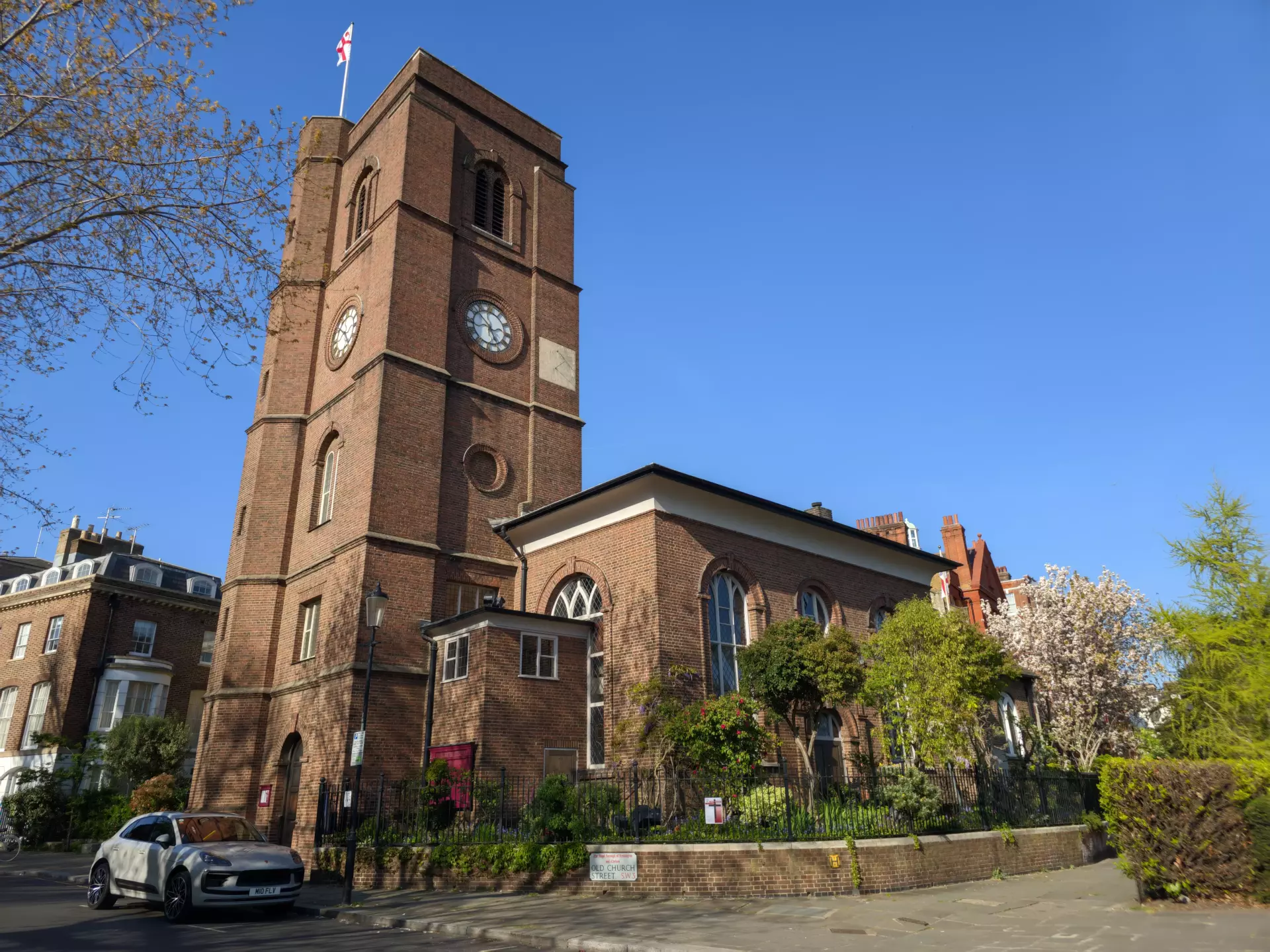
Peaceful gardens and interesting monuments including the daughter of Richard Cromwell, son of Oliver Cromwell.
The most senior of the Royal palaces in London (built between 1531 and 1536) and the official seat of the monarch.
Admission by guided tour only, which must be booked in advance. The museum is housed in part of a Victorian fire station and its collections include fire engines and historical equipment.
A branch of the Imperial War Museum, the Cabinet War Rooms preserves the underground corridors and rooms from which Churchill and the cabinet directed the war against Hitler and the Nazis, maintained almost exactly as they were left in 1945. In 1984, IWM opened the rooms to the public for the first time. In 2005, the attached Churchill Museum was opened as the world's first permanent museum dedicated to the life and wartime achievements of Sir Winston Churchill. Audio guides are included in your admission. No cloakroom, no rucksacks, no suitcases. Café is open daily from 10am to 5pm. Hot food is served until 3pm.
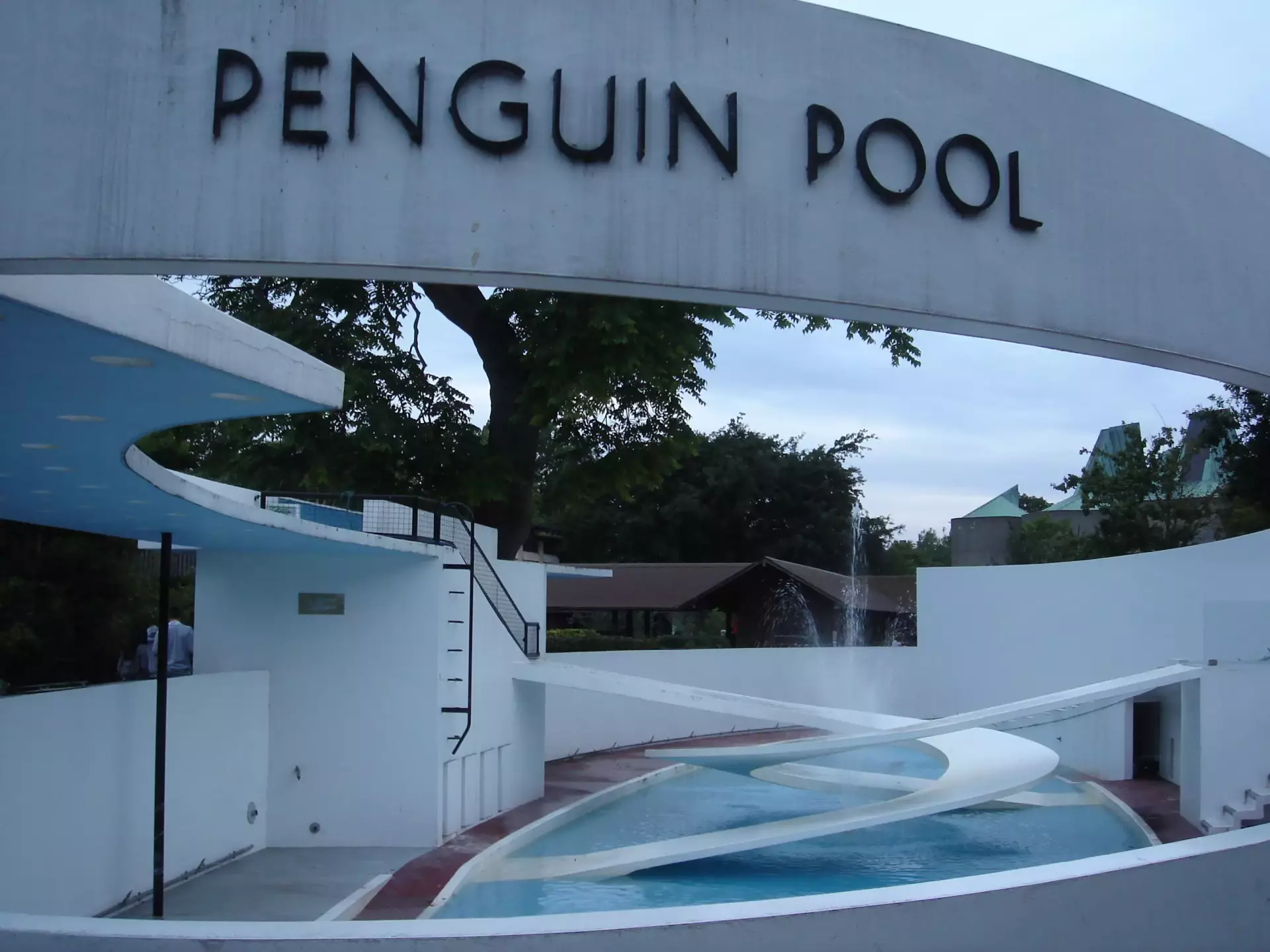
Large open space very popular with Londoners and less visited by tourists than the other great city parks. A number of lovely lakes, an open air theatre, regular puppet shows, various sporting activities and some splendid ancient trees. There is also a cafe and play area next to the boating pond. London's main zoo is in the northern reaches of Regent's Park. Takes a very conservation-driven approach these days and always has great exhibits aimed at children. Opened in 1828 for scientific study, then to the public in 1847. Islamic Cultural Centre and the main mosque in London. Visitors are welcome but must be suitably attired. The Mosque runs classes, prayers, talks and events.
Substantial nature reserve on the old disused Barn Elms Reservoirs. A major wetland habitat for wintering wildfowl and an excellent choice for any keen birders visiting London, and an entertaining place for kids to learn about nature