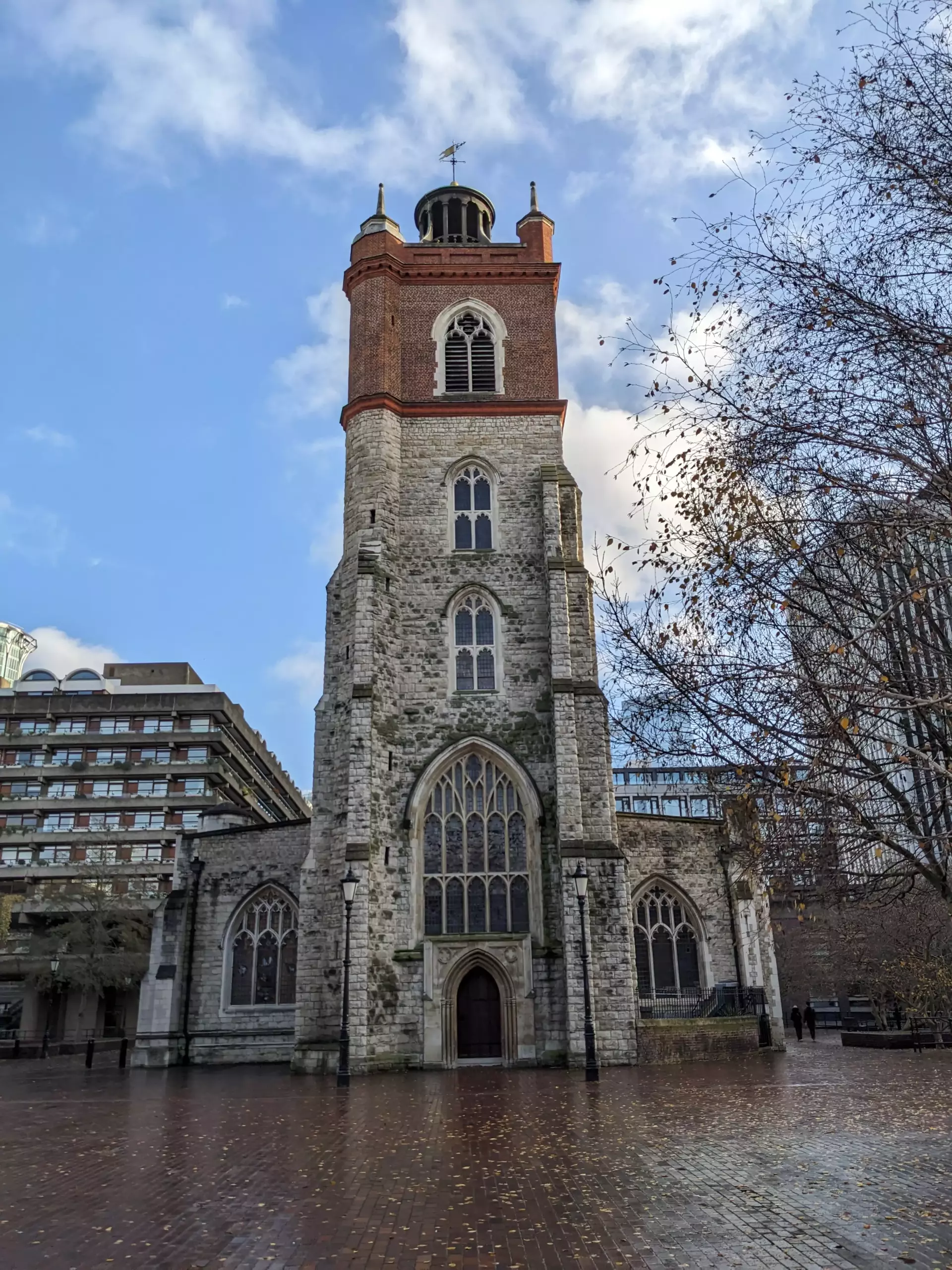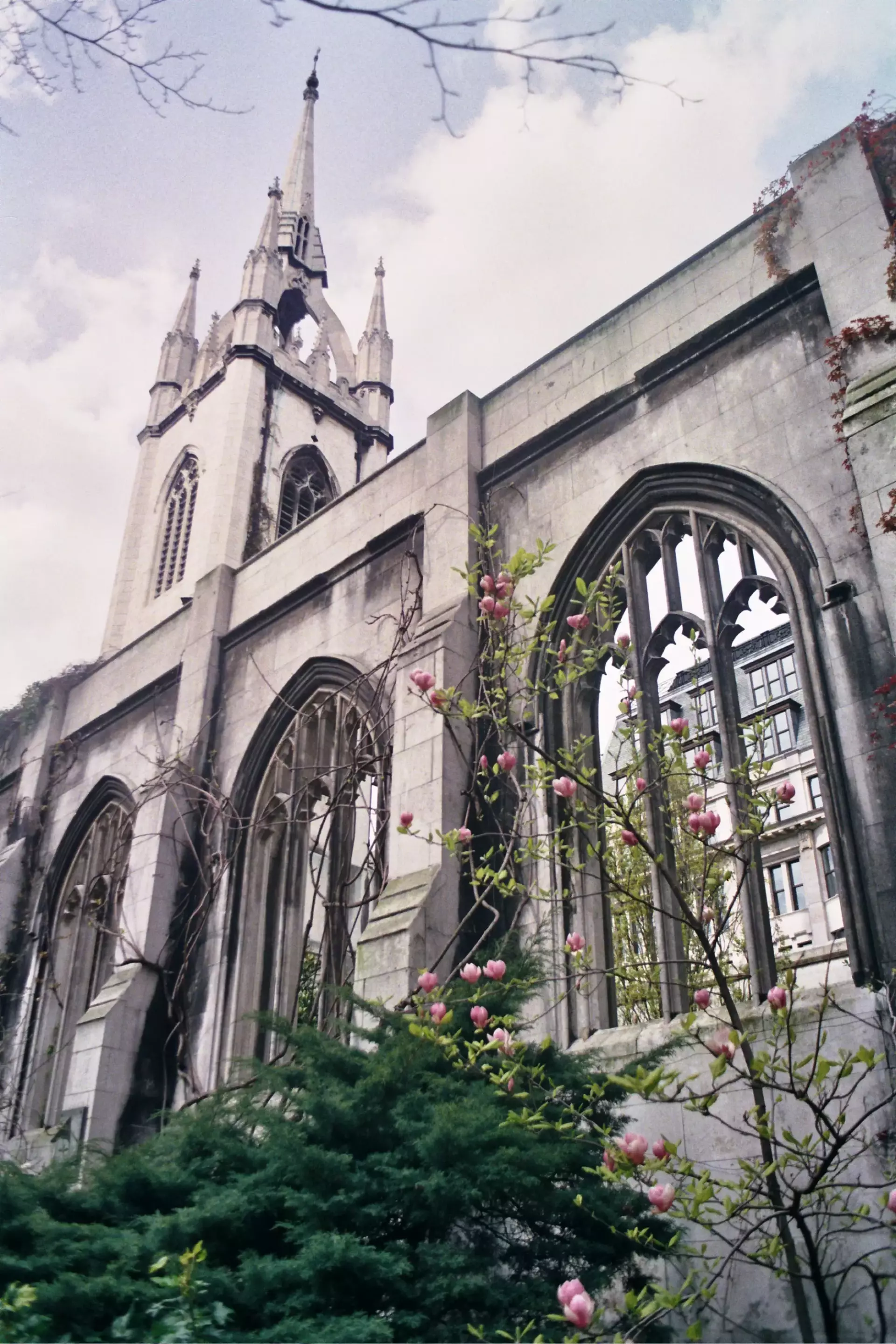
In the heart of London, the ruins of a historic church offer a peaceful escape. Originally built in Saxon times, St Dunstan in the East underwent several transformations. Rebuilt by St Dunstan himself in 950, it faced destruction in the Great Fire of London. The renowned architect Sir Christopher Wren took on the task of rebuilding it in 1697.
During the Blitz in World War II, most of the church was again destroyed. However, the tower from Wren's era and the hollowed-out walls from an 1817 reconstruction survived. These remnants stand as a testament to the church's enduring legacy.
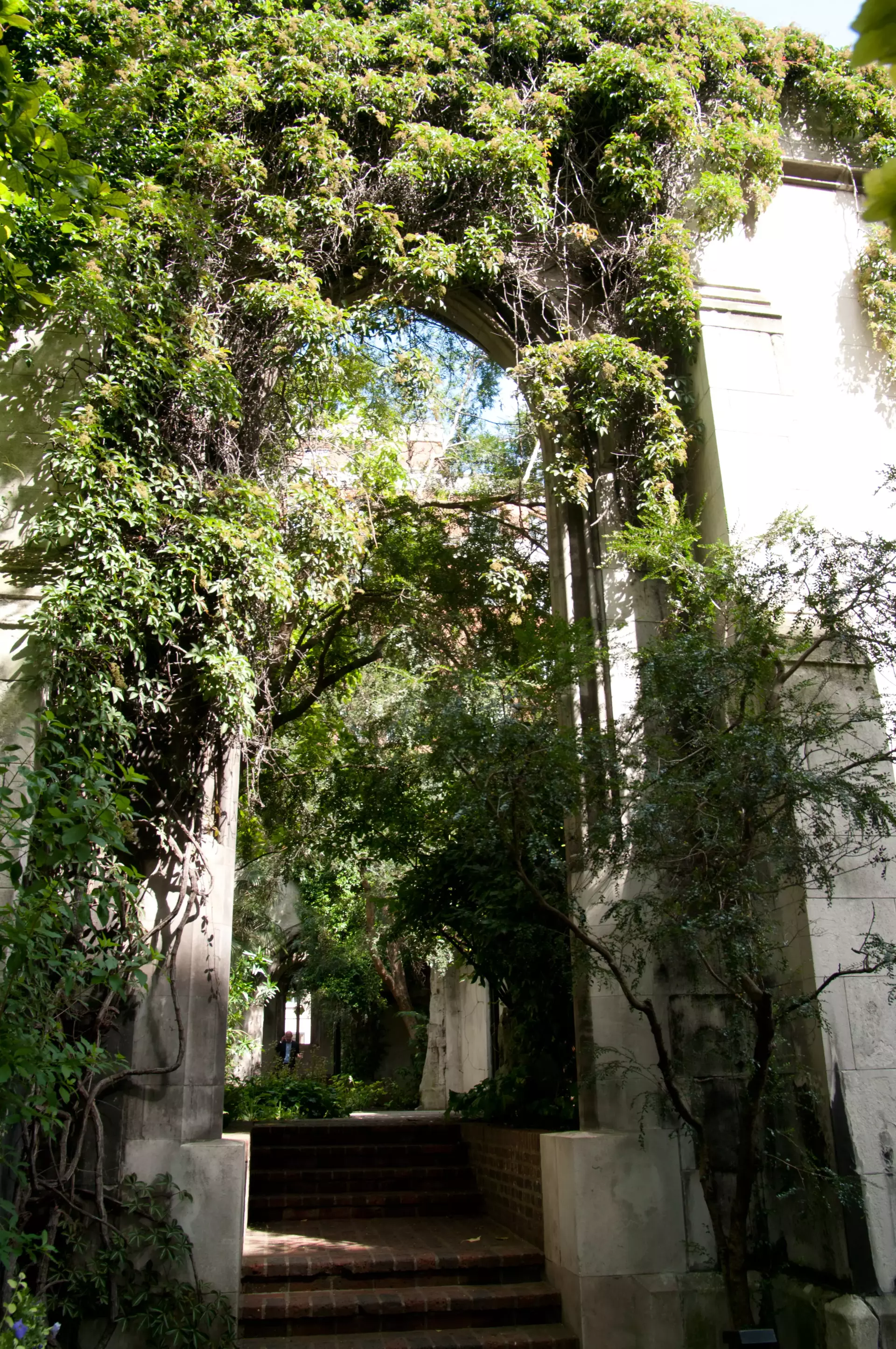
Today, the ruins are embraced by nature, with vines and trees weaving through the structures. This enchanting greenery creates a serene atmosphere, making it a perfect spot for reflection and tranquility.
In 1967, this historical site was transformed into a public garden, welcoming visitors with its peaceful charm. Benches are scattered throughout, inviting people to sit and enjoy the unique blend of history and nature that defines St Dunstan in the East.
Source - https://en.wikipedia.org/wiki/St_Dunstan-in-the-East
Art deco headquarters of University of London featured in the film Nineteen Eighty-Four.
Admission by guided tour only, which must be booked in advance. The museum is housed in part of a Victorian fire station and its collections include fire engines and historical equipment.
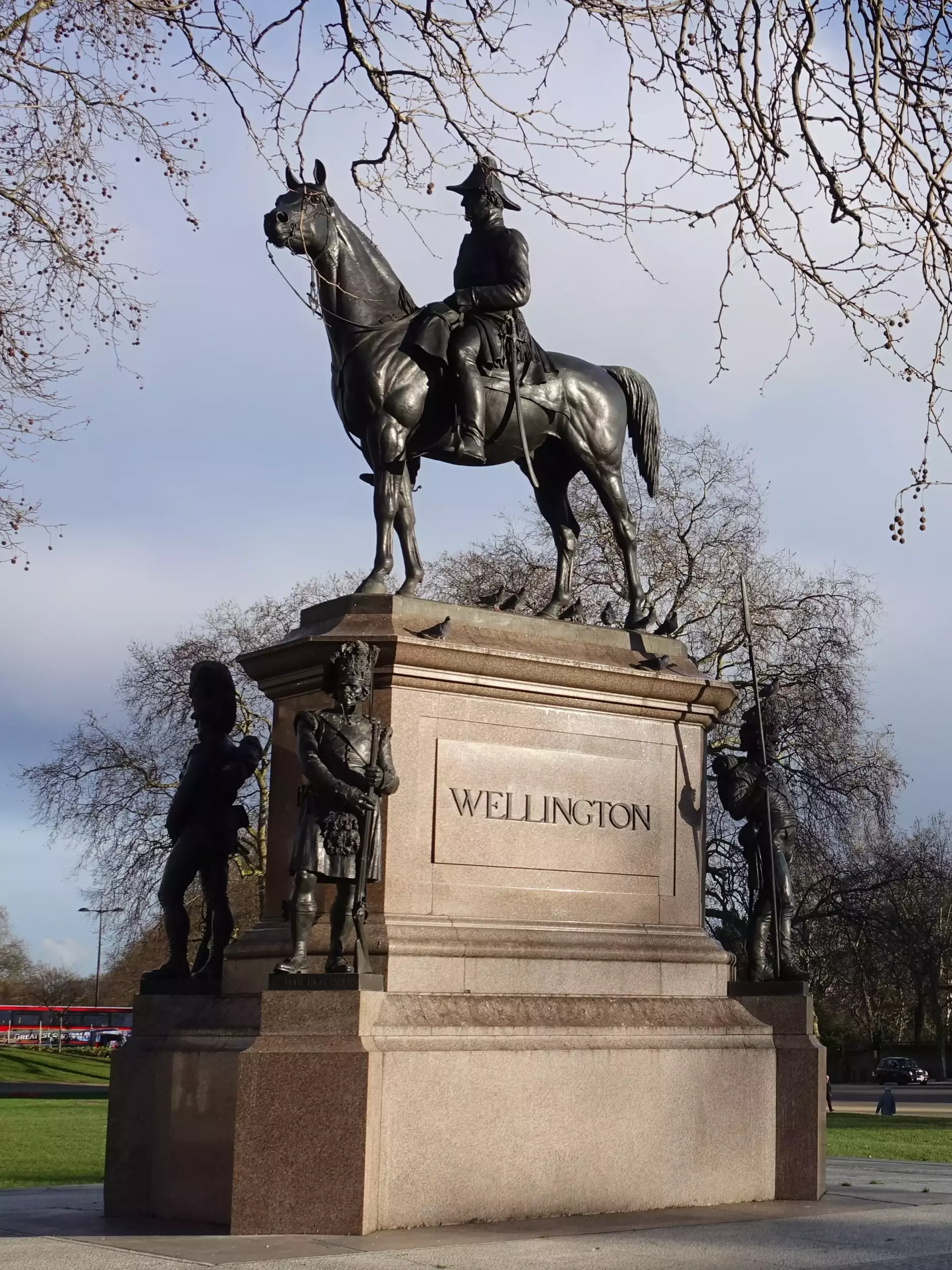
A neoclassical triumphal arch, designed by Decimus Burton and first erected in 1826 as a grand entrance to Buckingham Palace. From 1846 onwards, the arch was topped with a massive equestrian statue of the Duke of Wellington - a major road widening of Piccadilly in 1882 was the opportunity to finally remove the over sized statue to Aldershot. The present magnificent statue Peace Descending on the Quadriga of War was placed on top of the Arch in 1912, and remains today the largest bronze sculpture in the United Kingdom, spectacularly lit at night. During the 1950s, the arch served as the smallest police station in the city, when it was occupied by ten constables, two sergeants and a cat! The arch was opened to the public for the first time in 2001 after a £1.5 million restoration by English Heritage. (Wellington Arch is also available for corporate and private events, with dramatic views down Constitution Hill and across central London from the Arch's spacious balconies, Wellington Arch is a novel and unique place to impress your guests).
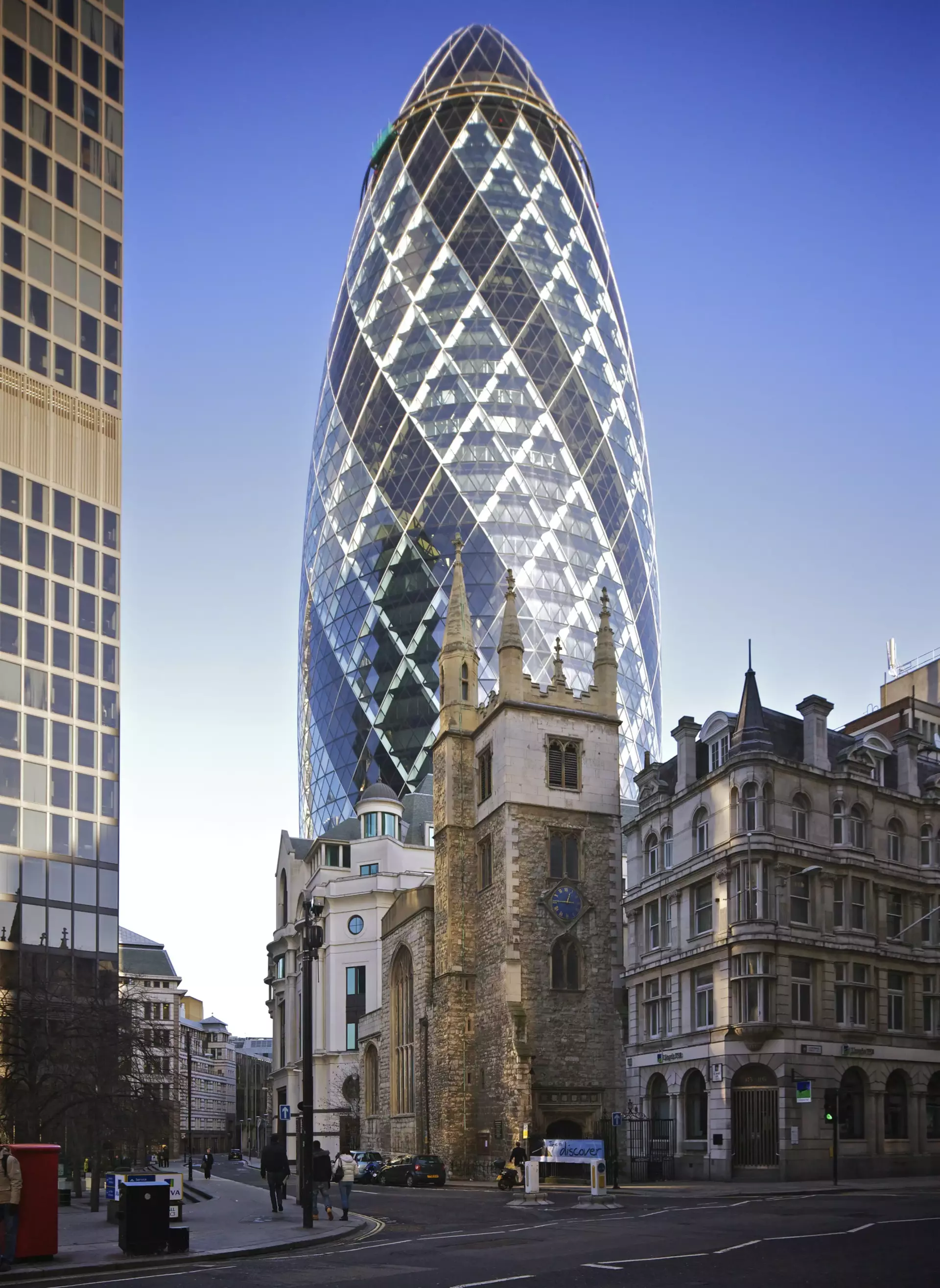
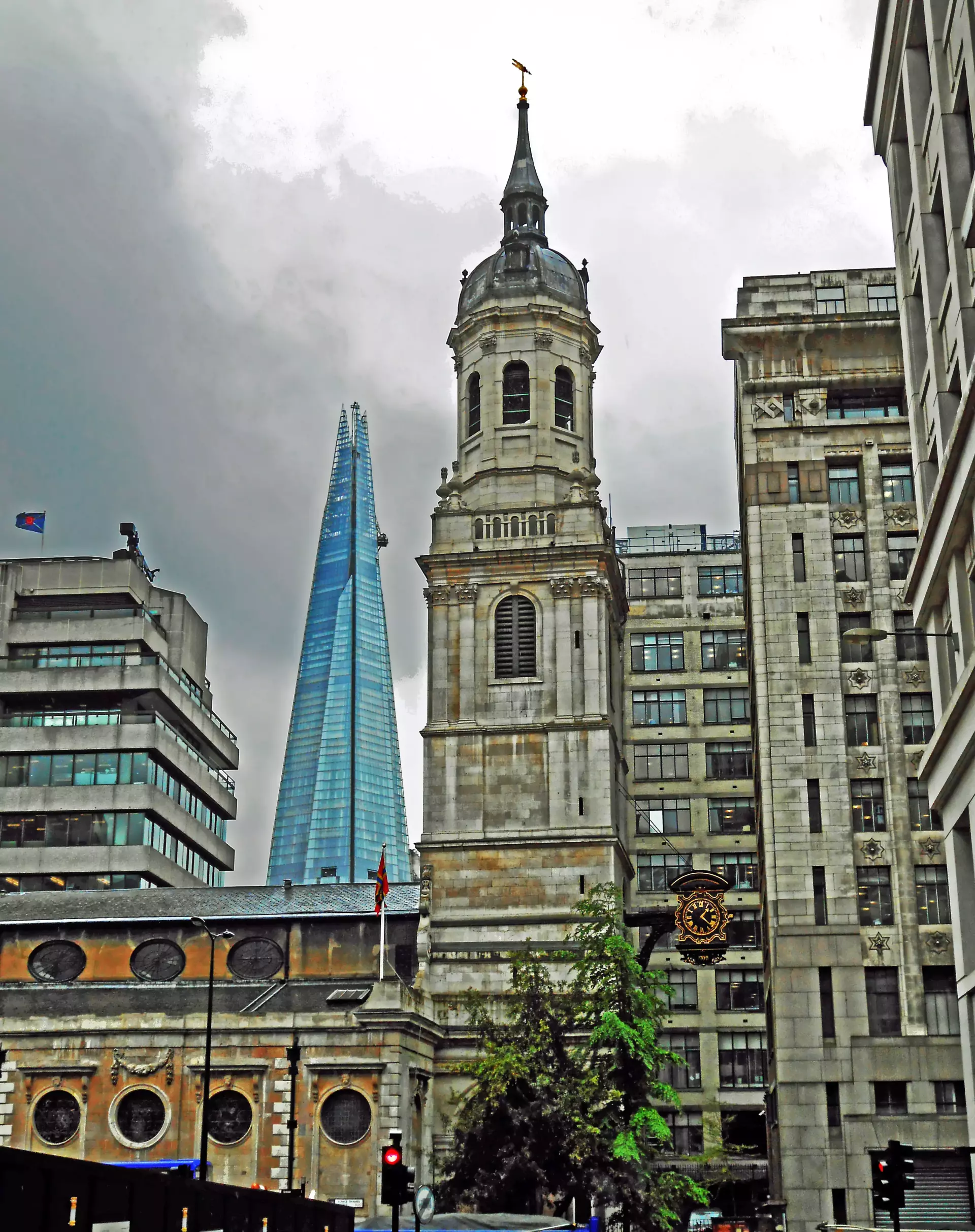
The unusual "walkie scorchie" profile of this skyscraper by Rafael Vinoly has seen it grab the headlines, as did the "death rays" caused by the sun's heat reflecting off the building onto the street below when it was first completed; car tyres melted and burst, and at least one man fried an egg using only the heat from the walkie talkie. Visitors can access the sky garden to see a magnificent view over the City and beyond; it's the only place you can't see the tower from! Online booking to visit during the day is essential. Alternatively, you can eat at one of the restaurants in the evening.
All non-classified government documents can be read and photographed here, with a (free) reader's card having been obtained. There is also a small museum, which does not require the card to access.
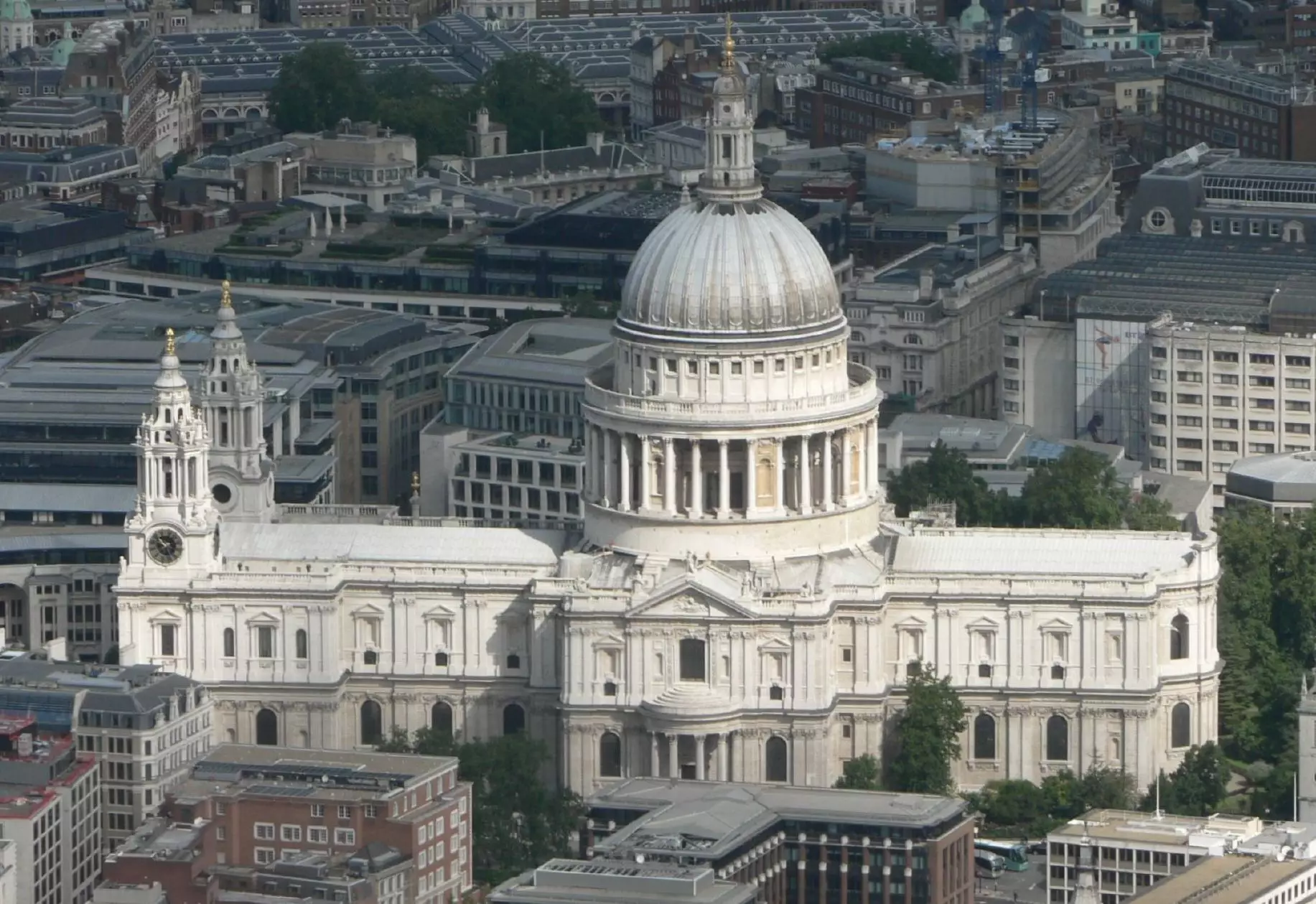
Properly St Lawrence Jewry next Guildhall, it is the official church of the Lord Mayor of London.
Charts the history of the bank from 1694 to the present day. A highlight is the opportunity to handle a genuine bar of gold. Photography allowed, but no flash.
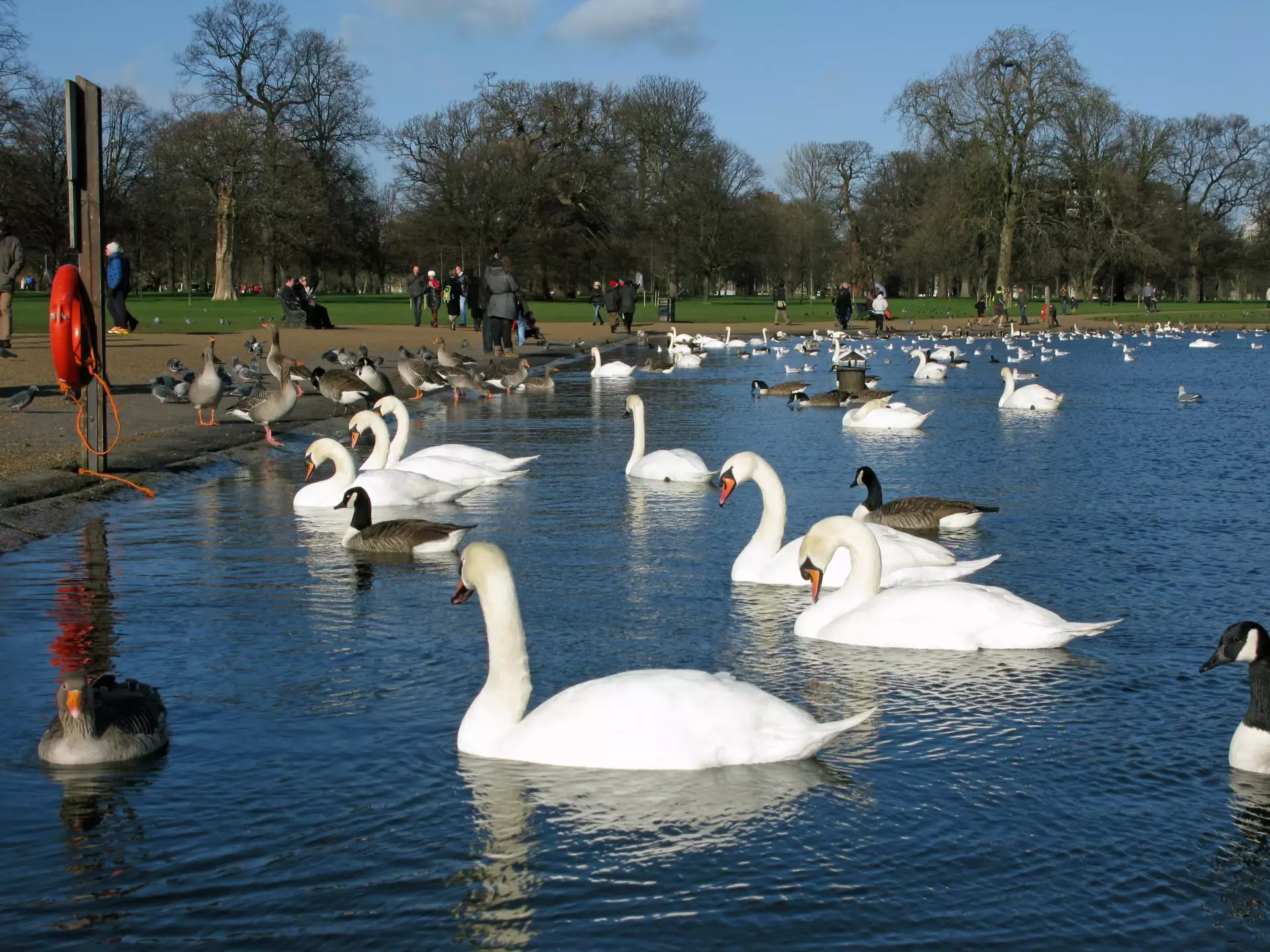
The largest open space in London, covering almost 1,000 hectares (2,500 acres) and home to a huge array of wildlife, including 400 wild deer. Also contains the lush Isabella Plantation, which is full of trees and flowers, and the Royal Ballet School, seen in the film Billy Elliot. Popular with cyclists, both for the on-road perimeter circuit and the off-road trails. There are several car parks for walkers and picnickers.
The Royal Academy no longer has a permanent exhibition space, instead hosting art exhibitions. Notable exhibitions have included the paintings of Monet, contemporary art associated with the theme of apocalypse, and Aztec art. Each Summer, the Royal Academy plays host to a Summer Exhibition, displaying 1,200 new works by established and new artists selected by the academy, most of which are available for visitors to buy. Each member has to donate a work of art, so over the years, the academy has built a sizable collection. Exhibitions are invariably excellent, and it is worth paying for audio guides, if they are not included. Visitors should book tickets in advance, as exhibitions are often very popular – particularly shortly after opening.
A vast collection of cartoons and comics on display with special, often topical, exhibitions.
Substantial nature reserve on the old disused Barn Elms Reservoirs. A major wetland habitat for wintering wildfowl and an excellent choice for any keen birders visiting London, and an entertaining place for kids to learn about nature
A vast shopping, eating, entertainment and (primarily) business complex, home to Britain's second tallest skyscraper, One Canada Square. Now increasingly lively at weekends as well, but still at its most impressive during the week. Spectacular main exit from the Jubilee line Tube station. There is a substantial amount of information about the history and the architecture of the development on the website of Canary Wharf Group, the company that owns the development.
Houses the British national collection of western European art dating from the 13th to 19th centuries. A truly awe-inspiring collection, notable works include Hans Holbein's The Ambassadors, Van Gogh's Sunflowers and Constable's The Haywain. The vast majority of art is free of charge to visit. Temporary exhibitions are generally fairly costly, but invariably well researched and presented. The audioguides are very comprehensive, have comments on most of the paintings in the museum, and are free though this fact is not advertised. A donation is suggested. In addition to courses, workshops, lectures and other events, the National Gallery has free talks and tours every day.
The National Portrait Gallery is just around the corner from the National Gallery and is an entertaining way to learn about British history since the Tudors. Visitors walk around the gallery chronologically, viewing portraits of notable figures from British history - from Henry VII, painted by Hans Holbein, to Blur, painted by Julian Opie.
A royal residence which is still used by Prince William, Kate and their young family. Much of it is however open to the public and it is a very popular tourist attraction perhaps due as much to its association with Princess Diana as anything else. The King's Gallery here is a magnificent Regency period court drawing room and contains some impressive paintings including a Van Dyke. Also a nice restaurant on site called The Orangery.