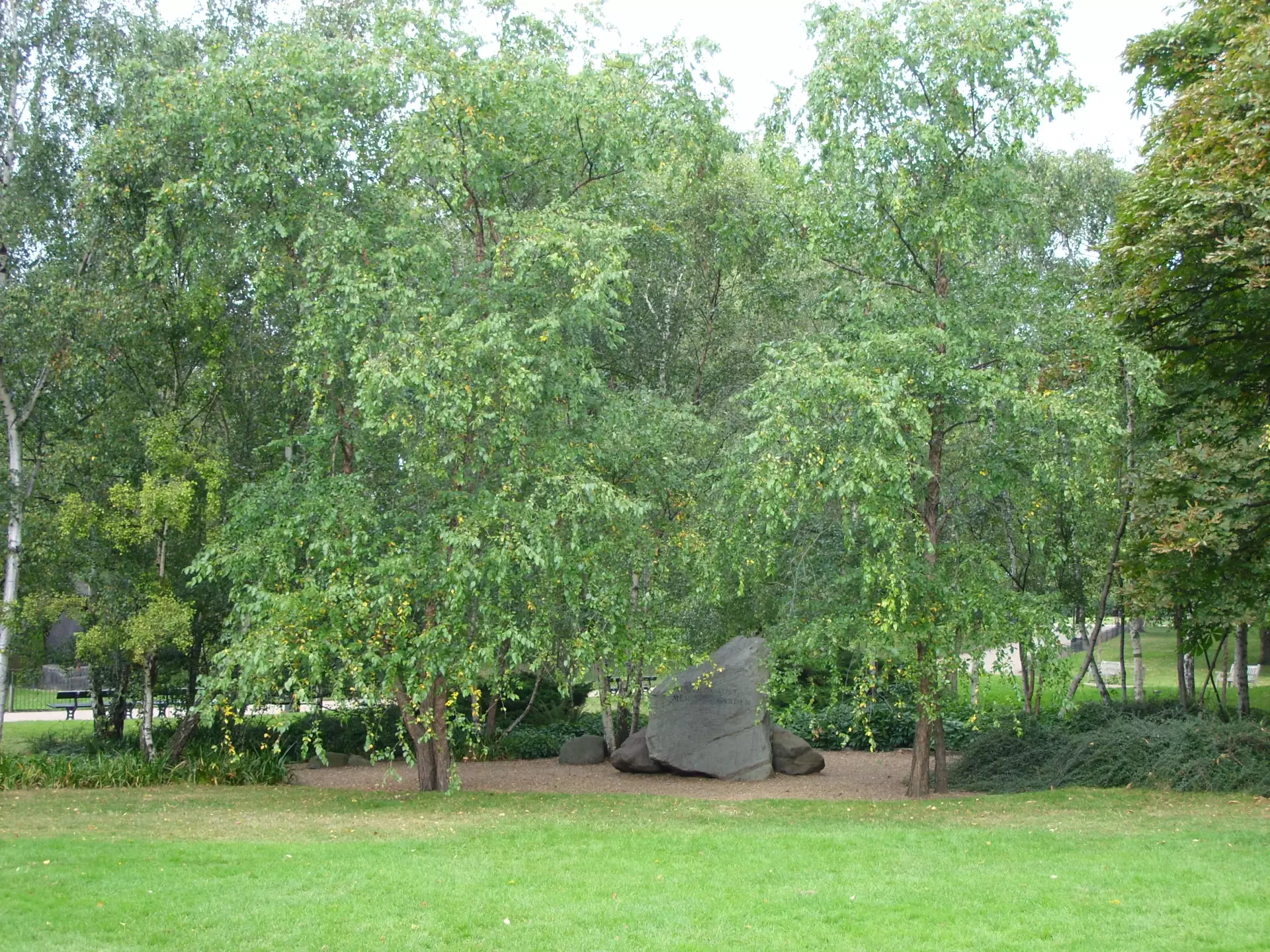

A serene birch forest envelops a simple, yet poignant, memorial stone. This stone carries a heartfelt inscription from the Book of Lamentation: "For these I weep. Streams of tears flow from my eyes because of the destruction of my people." The peaceful setting provides a contemplative space, allowing visitors to reflect on the weight of history and the enduring impact of loss and remembrance.
Source - https://en.wikipedia.org/wiki/Hyde_Park_Holocaust_Memorial
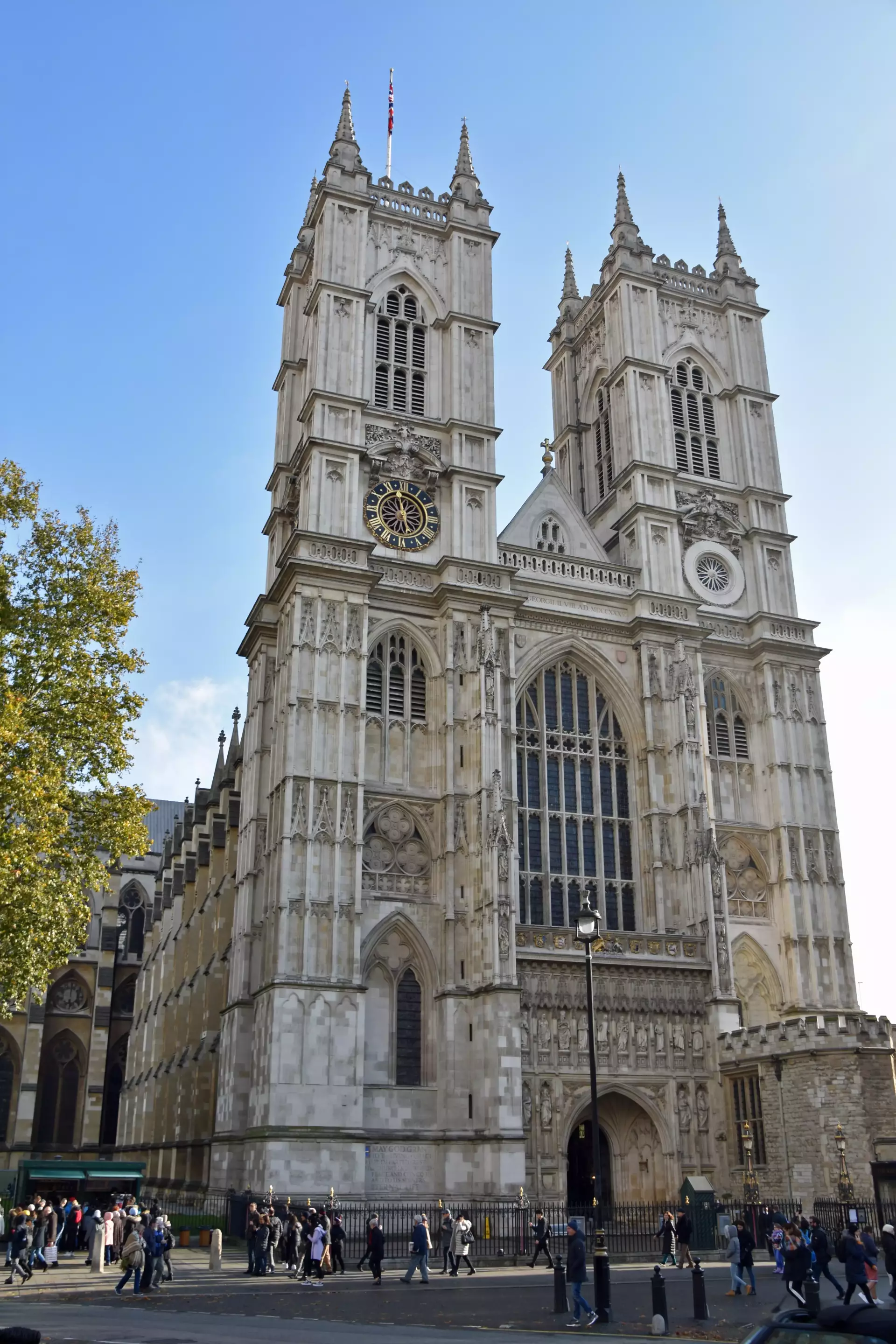
The Abbey charges tourists for entry, but not for worshippers. Attend a church service for free and enjoy some of the finest choral music in London from the choir. Choral Evensong at 3pm (Sa Su) or 5pm (weekdays), depending on time of year, is an especially good bet. The Abbey is the traditional scene for the coronation of British monarchs and the burial place of many past kings and queens. The Abbey contains a good gift shop and the Cellarium Café, which traces its history to the 14th century, is a good place to buy a noontime meal. Westminster Abbey is usually open to visitors from Monday to Saturday throughout the year. On Sundays and religious holidays such as Easter and Christmas, the Abbey is open for worship only. All are welcome and it is free to attend services. Visitor access to the Abbey is via the West Gate of the North Green.
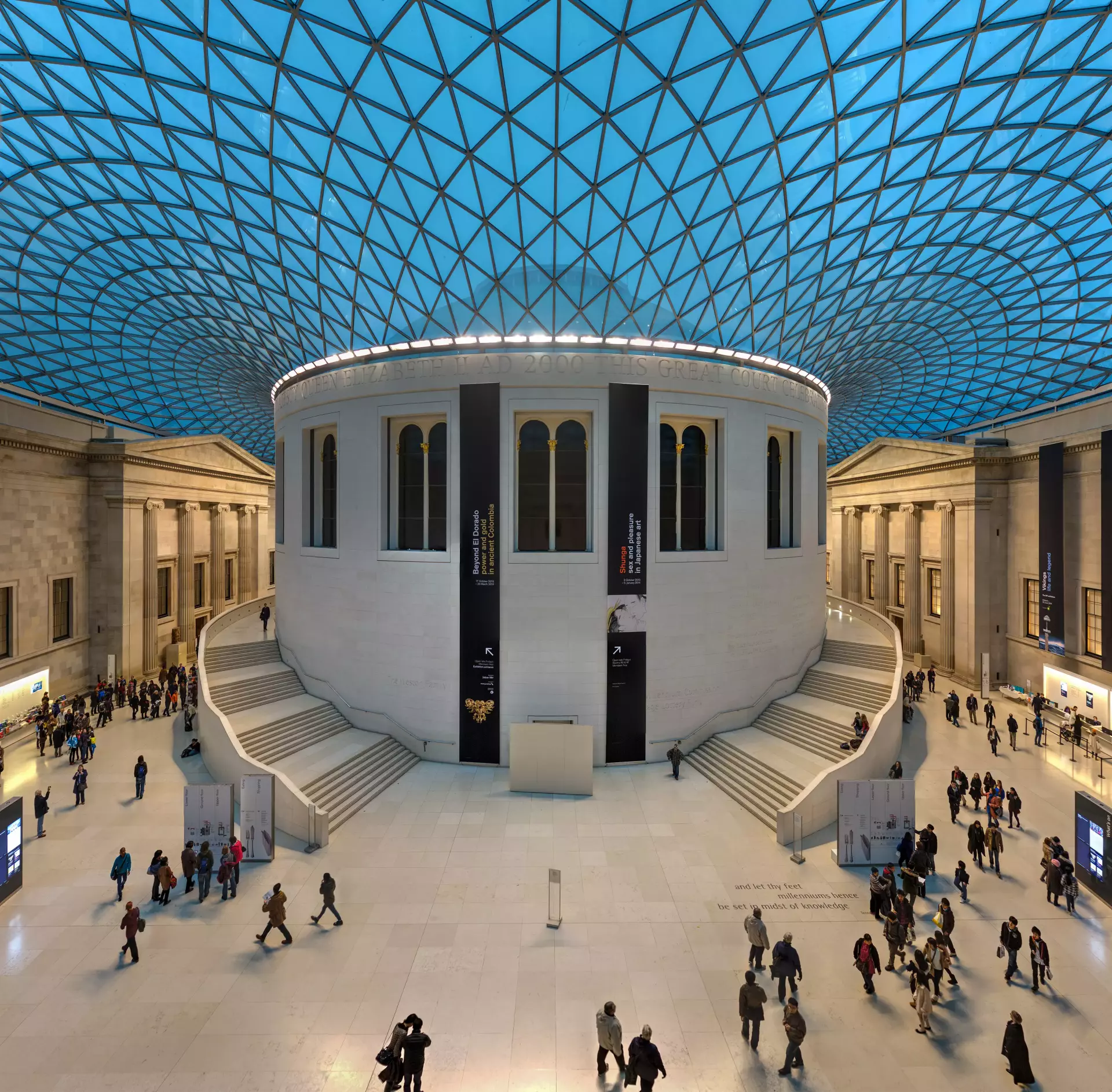
A vast repository of the world's cultures, controversially including hundreds of items that were looted from their places of origin. Entire sections are devoted to Egyptian, Greek, and Middle Eastern artifacts, as well as the piece which united them all, the Rosetta Stone. Other items on everyone's list are the largest collection of mummies outside Egypt and the Elgin Marbles. The collection also includes some of the world's finest collections of Chinese and Sub-Saharan African art; perhaps the most famous of the latter are the Benin bronzes. A definite highlight of a trip to London. Temporary exhibitions are invariably excellent and meticulously researched, but can be expensive. It has a fine store, mainly selling replicas of items in the collection.
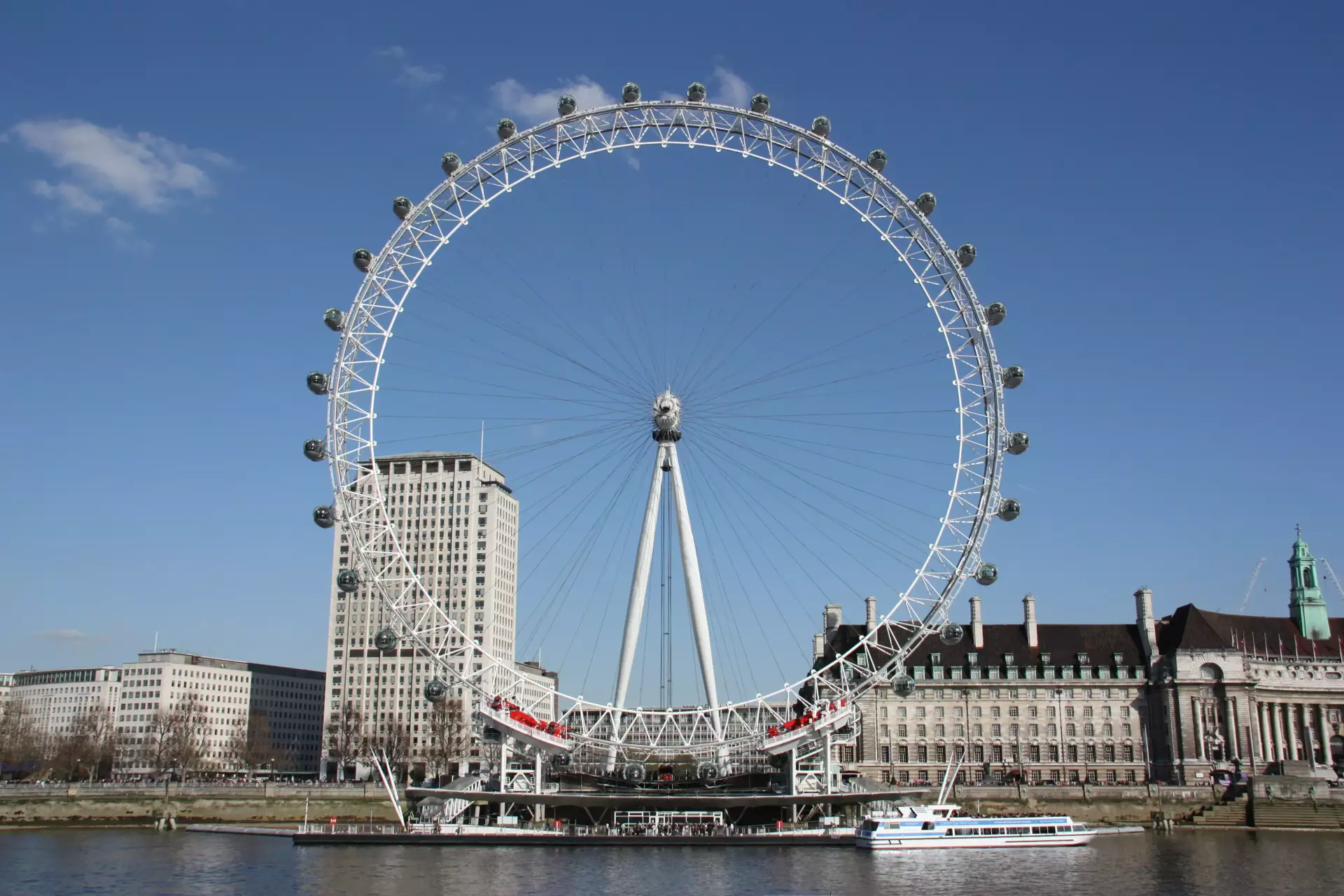
An enormous, 135-metre-high observation wheel with 32 exterior glass-walled capsules. It offers incomparable views over central London and up to 40 km (25 mi) away on a good day. Tickets are sold for specific times, so if visitors wish to go on the London Eye at a specific time, they are strongly advised to book in advance, particularly in the summer. On a busy day, you can easily spend 1-3 hr queuing just to buy a ticket. However, you can also purchase tickets in advance online. Then you can collect your tickets at the London Eye in a separate queue, which takes a few minutes or less.
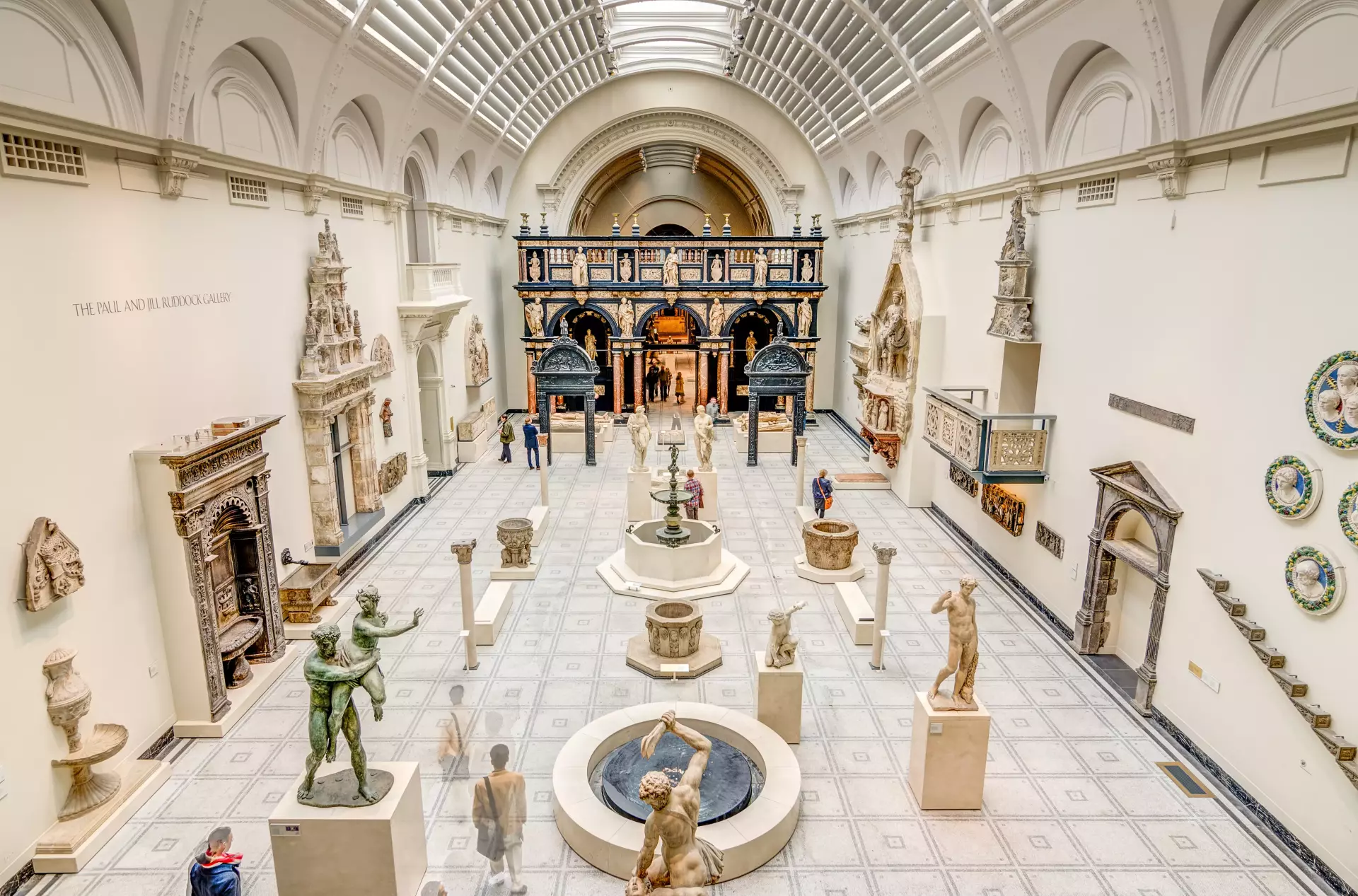
Named in honour of Queen Victoria and her consort Prince Albert, this museum has existed for over 150 years. It contains a huge collection of decorative arts from all over the world and far back in time. Trying to see everything in one day would be exhausting, so use the excellent maps the V&A provides to plan where you want to go. There are regular exhibitions concentrating on a particular theme from Chinese art to fashion designers. Frequently they put on children's activities and late DJ nights.
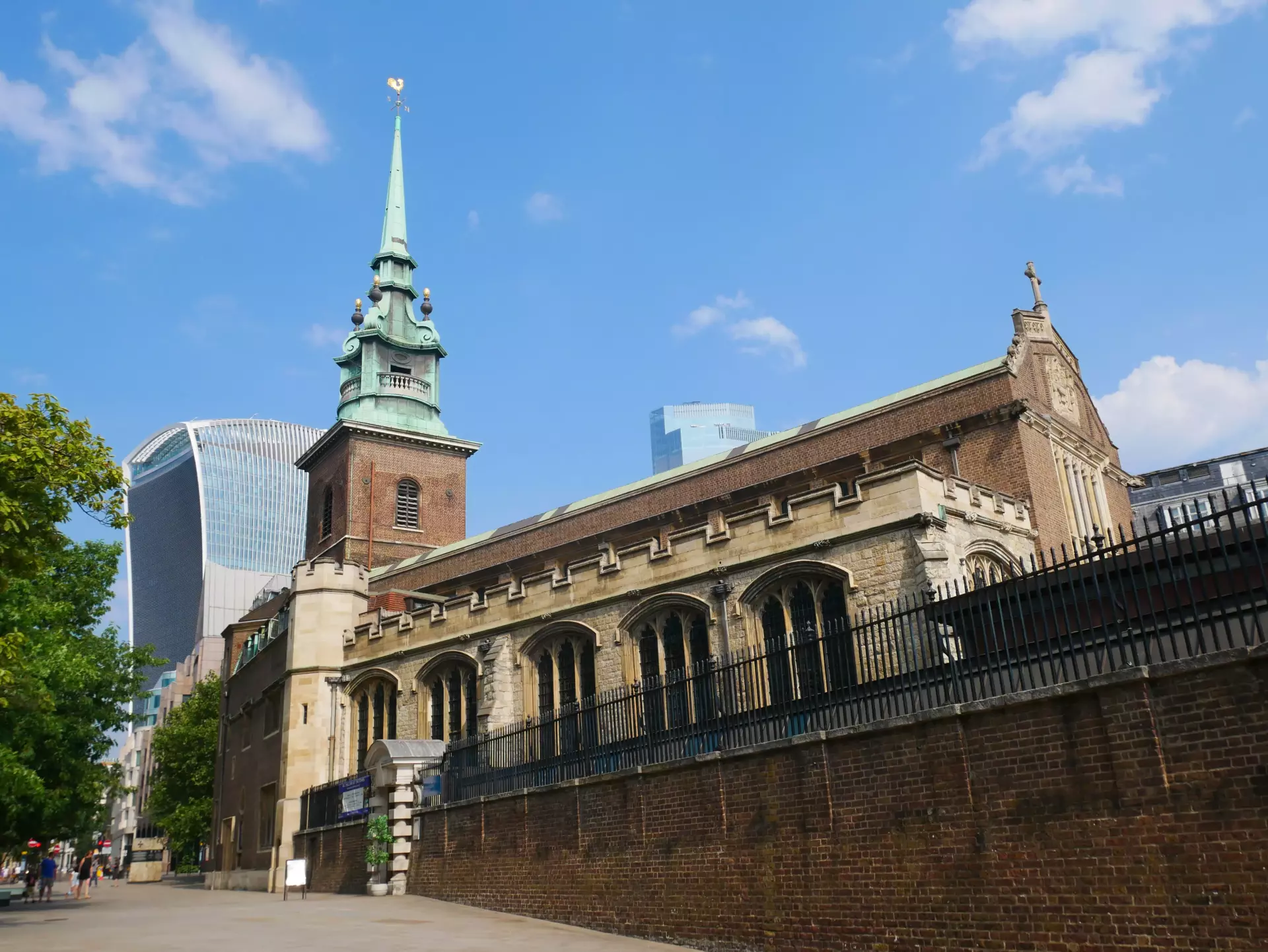
The oldest church in the City, founded by Saxon abbots in 675 AD.
This enormous arch was built in front of Buckingham Palace. In 1851 the expansion of the palace meant the arch could no longer remain where it was, so it was moved to this point on Hyde Park. It now stands rather sadly on a large traffic island, but the subway beneath the roads means you can stop off at the Marble Arch on your way from Oxford St to Hyde Park.
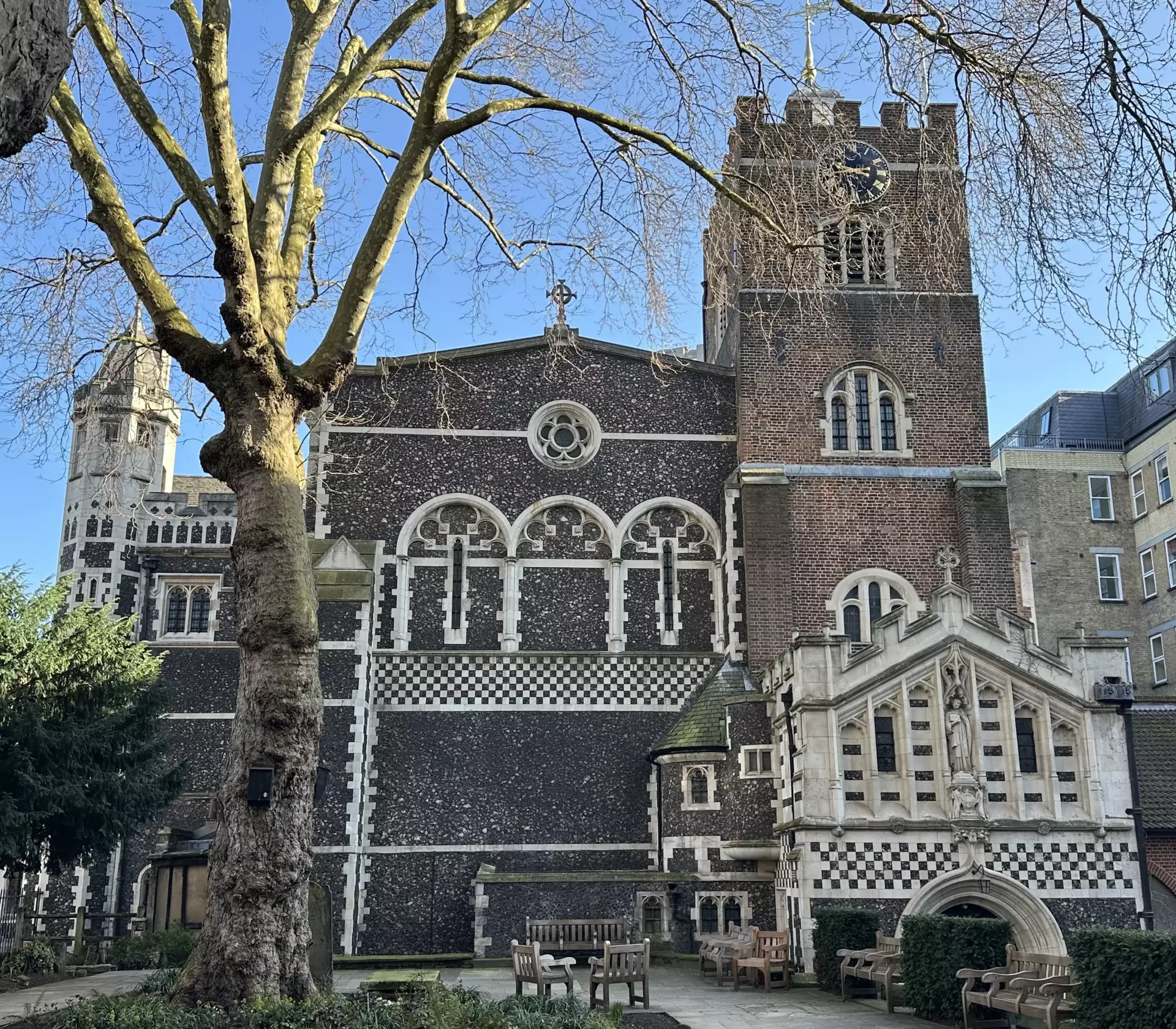
Founded in 1123, by jester-turned-monk Rahere, this Norman church is one of the oldest in London. It was damaged in the Dissolution but managed to escape both the Great Fire and the Blitz. This is a Grade I listed building. Tourists are welcome when services are not in progress and are charged an admission fee (which does not apply to those coming to pray or use the café).
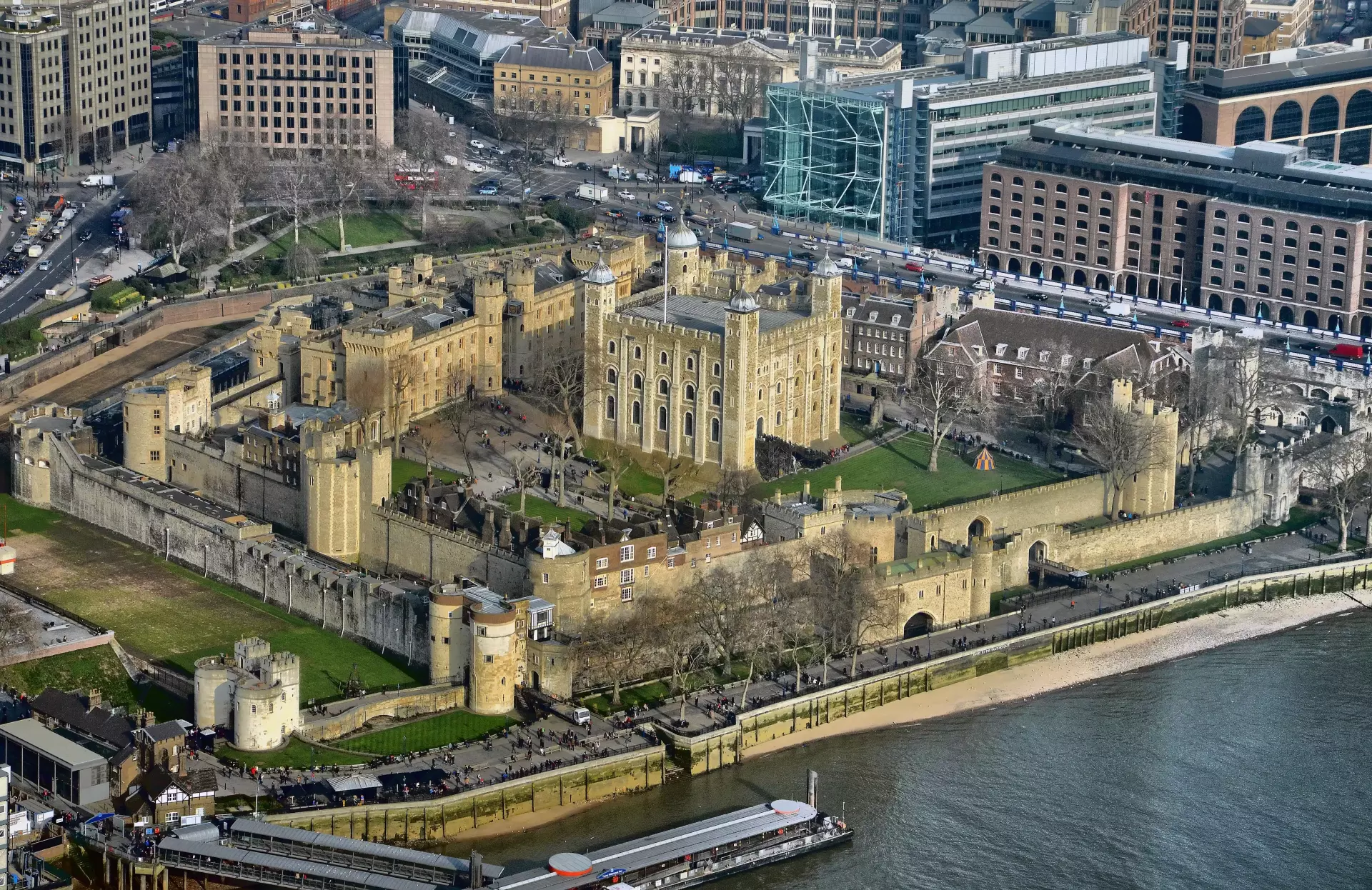
Founded by William the Conqueror in 1066, enlarged and modified by successive sovereigns, the Tower is today one of the world's most famous and spectacular fortresses and a UNESCO World Heritage Site. Discover its 900-year history as a royal palace and fortress, prison and place of execution, mint, arsenal, menagerie and jewel house. In the winter you can skate on the dry moat. The Tower contains enough buildings and exhibits to keep a family busy for a full day, with plenty of both warlike and domestic contents. Some areas, such as the St John's Chapel in the White Tower, do not allow photography, but these are clearly signposted. Beefeaters, who are all retired sergeant majors from the British Army, provide guided tours for free as well as ceremonial security. See history come alive – go to the Ceremony of the Keys at the Tower of London. This ceremony, the locking up of the Tower, has been performed every night at 10PM for 800 years. Tickets for the ceremony are £5 and must be prebooked.
This is probably the most famous criminal court in the world, and has been London's principal criminal court for centuries. It hears cases remitted to it from all over England and Wales as well as the Greater London area. The present building dates largely from 1907 (a new block was added from 1970 for more modern facilities) and stands on the site of the infamous medieval Newgate Gaol. The Central Criminal Court is of course best known today for its association with John Mortimer's Rumpole of the Bailey character, novels and television series. Daily case listings are available at The law pages. No bags, cameras, drinks, food or mobile phones—no facilities for safekeeping. Children under 14 are not admitted.
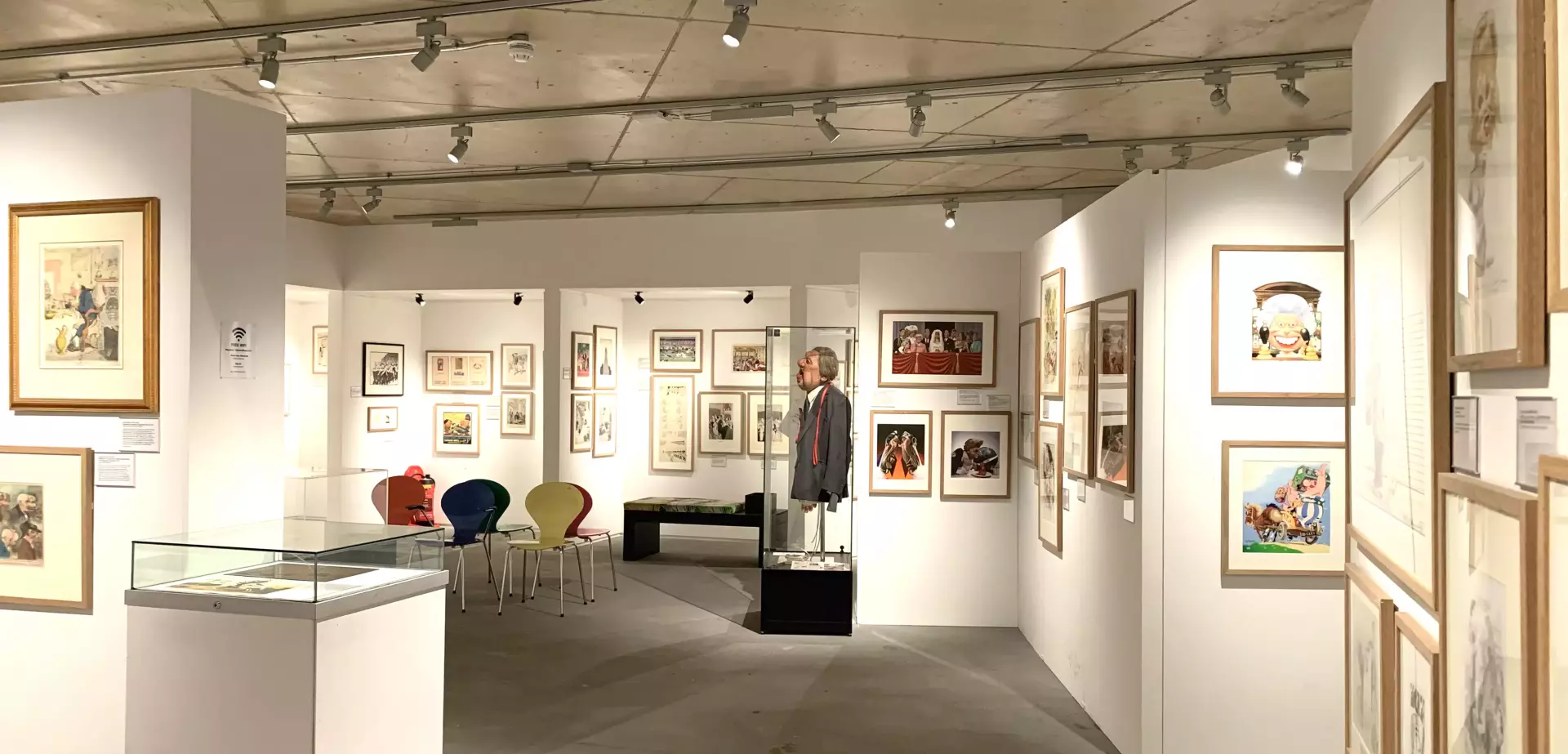
A vast collection of cartoons and comics on display with special, often topical, exhibitions.
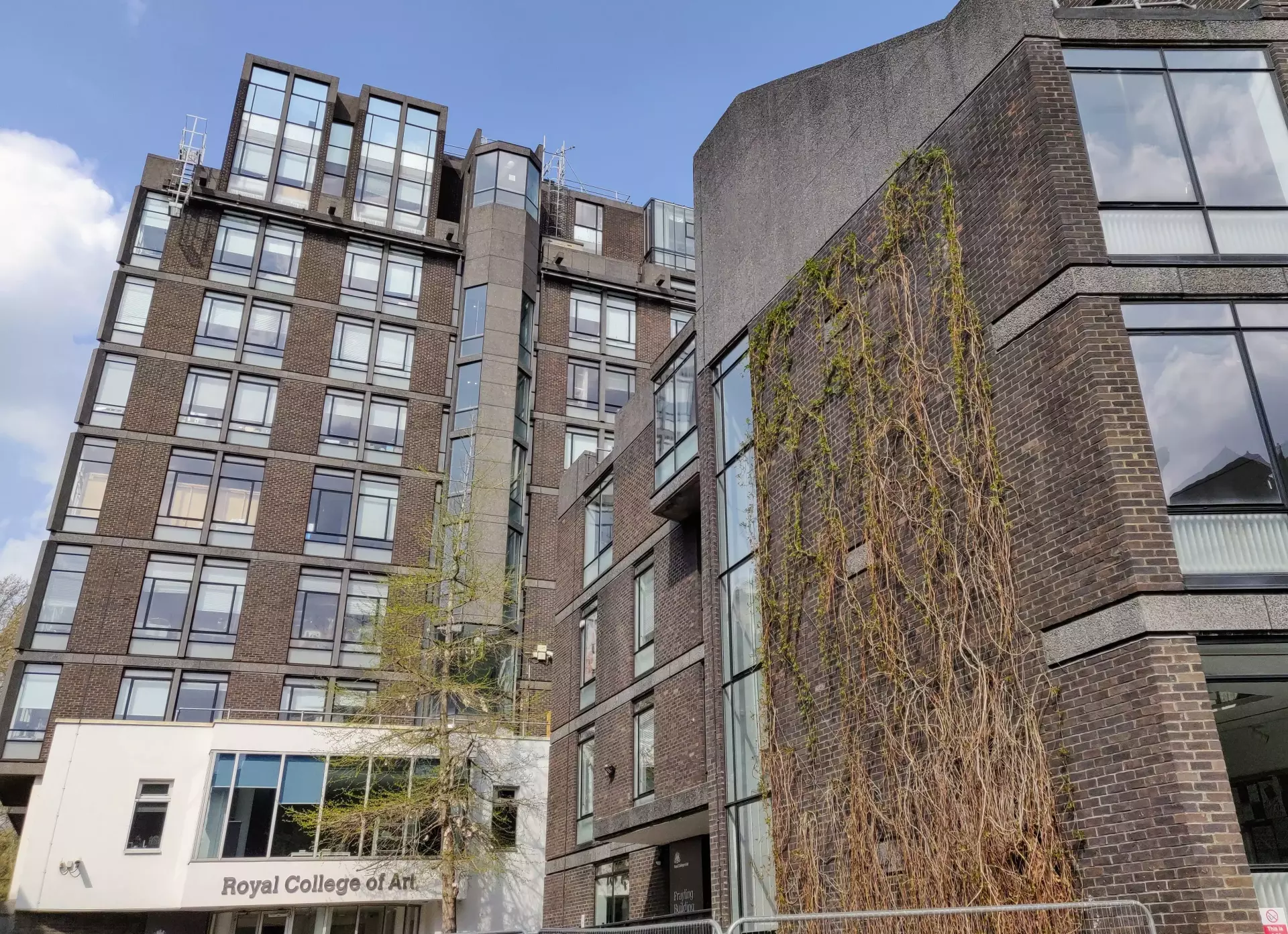
A Victorian school, now a university with a mission to advance knowledge of the fine arts. Exhibitions are common. Times and admission charges vary but can often be free, although visitors may need to book tickets to certain events.
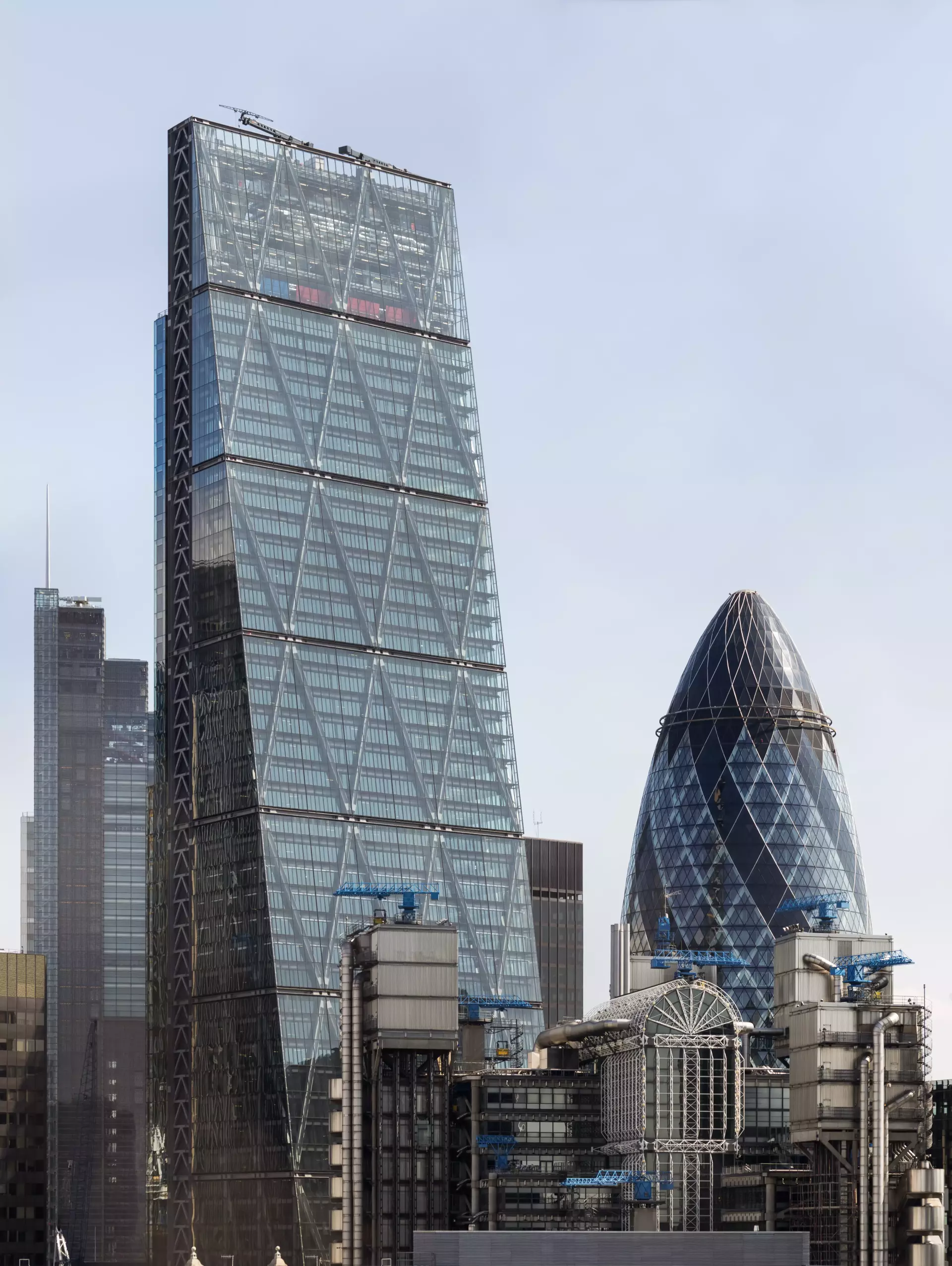
Another Richard Rogers creation, nicknamed the Cheesegrater. Completed in 2014. Also opposite Lloyd's.
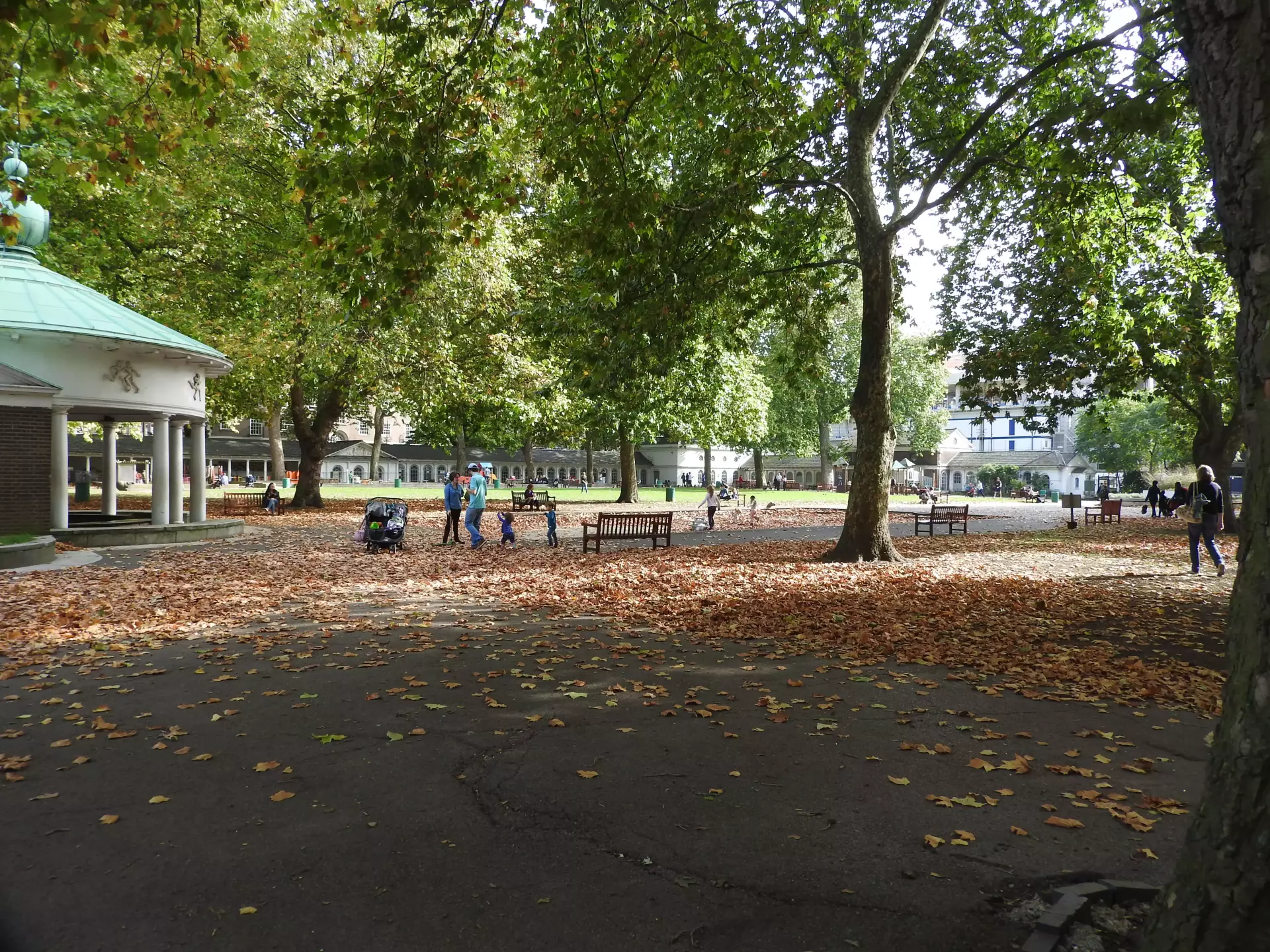
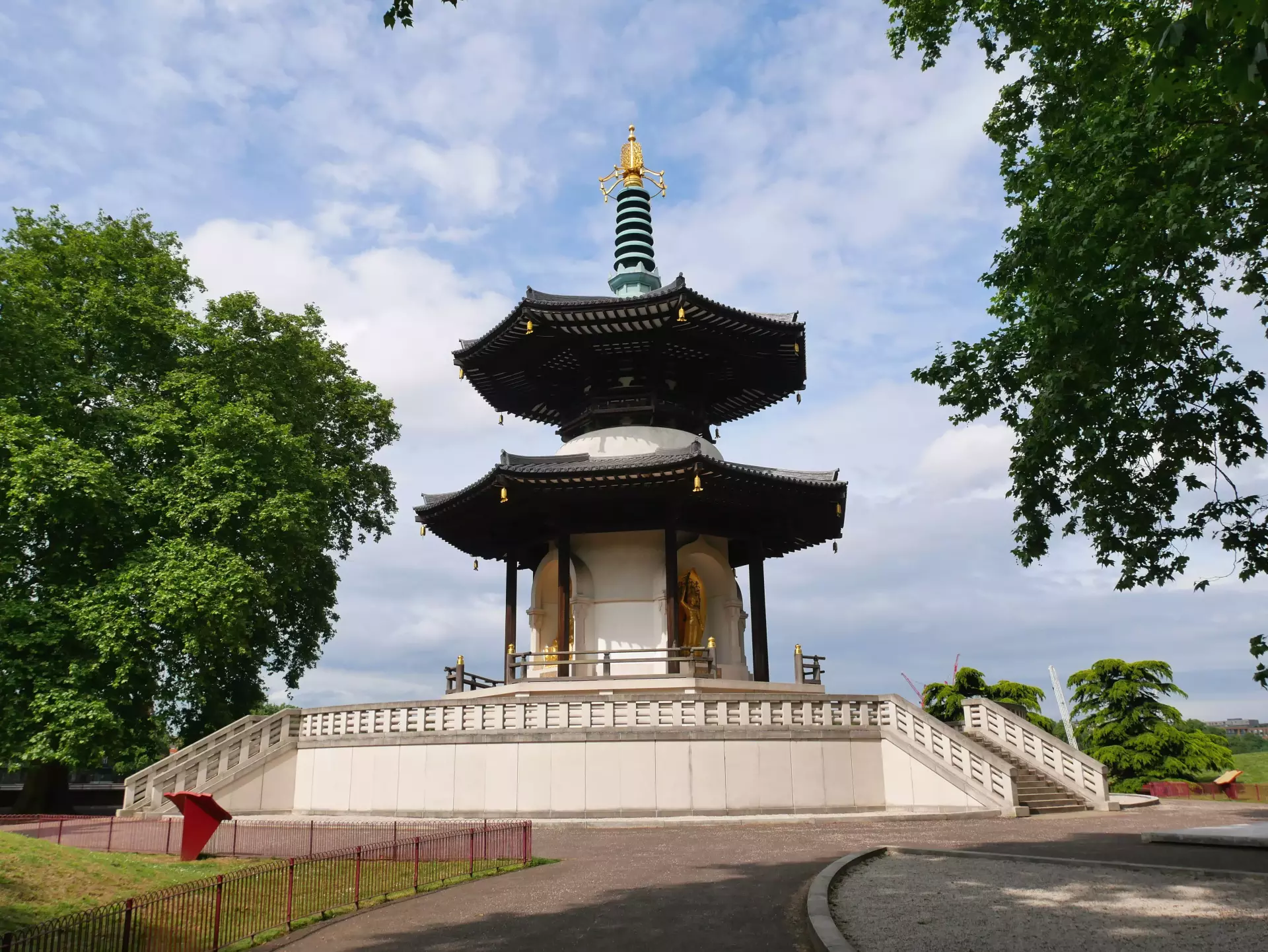
A lovely park on the southern banks of the Thames known or its wildlife and some splendid examples of mature trees.
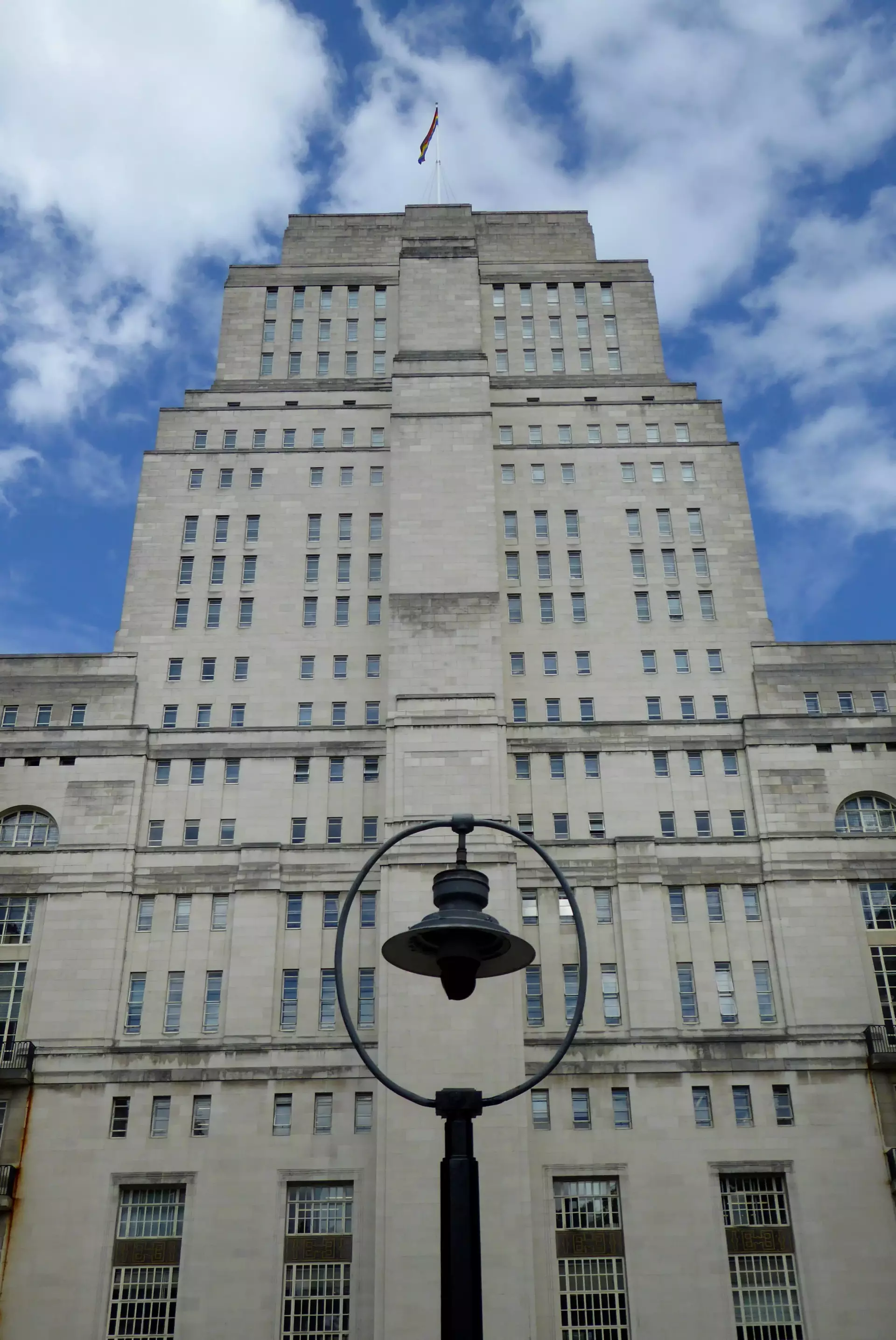
Art deco headquarters of University of London featured in the film Nineteen Eighty-Four.
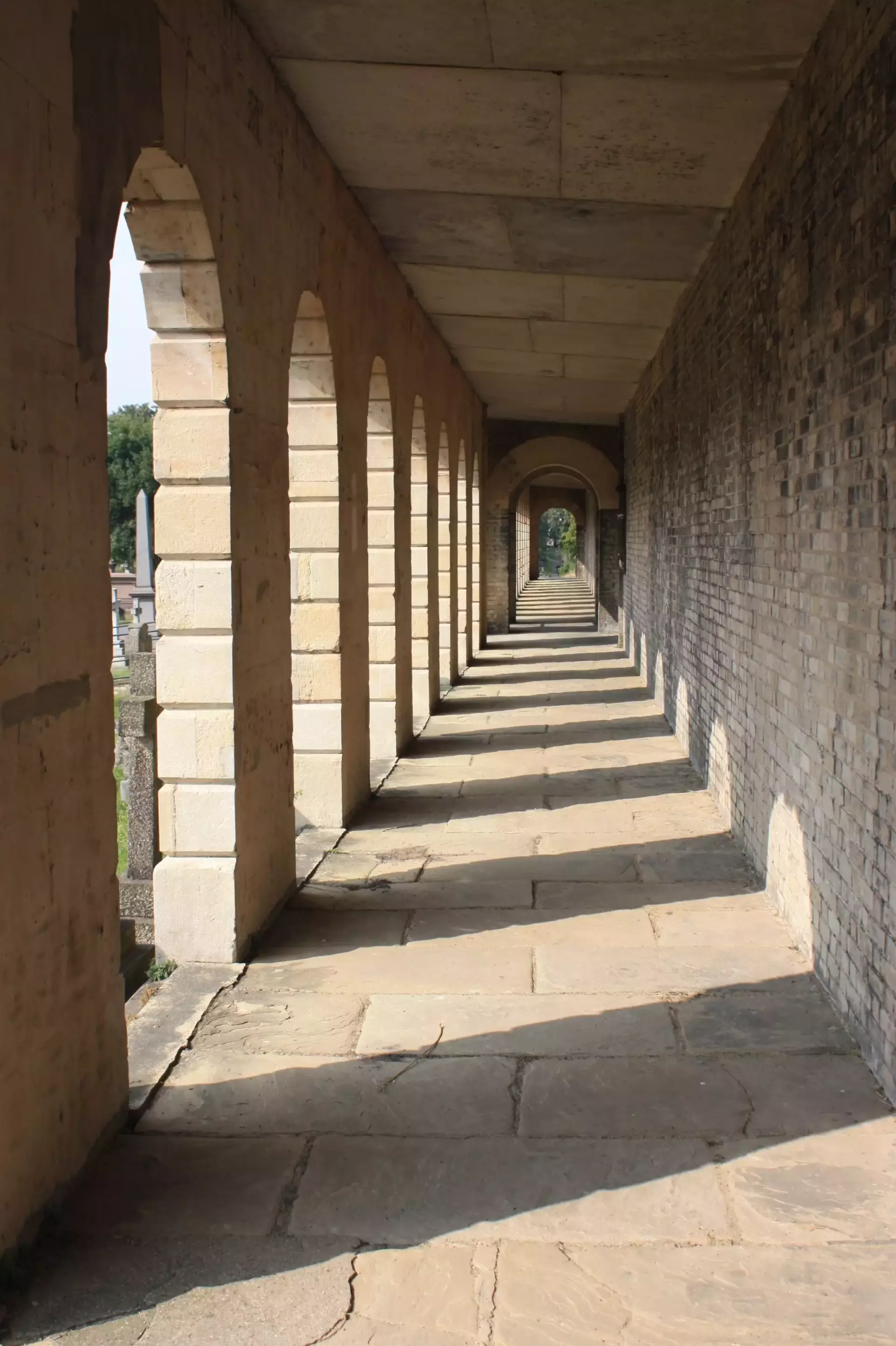
One of the "Magnificent Seven" old cemeteries in London. Graves range from plain to ornate and the site can be a tranquil place to walk amid the bustle of the city. It was opened in 1840 and is still a working cemetery, although it was closed for some time in the late 20th century. Can be nice, if morbid, for an afternoon stroll, especially as a route (and cycle route) between Old Brompton Road and Fulham Road.
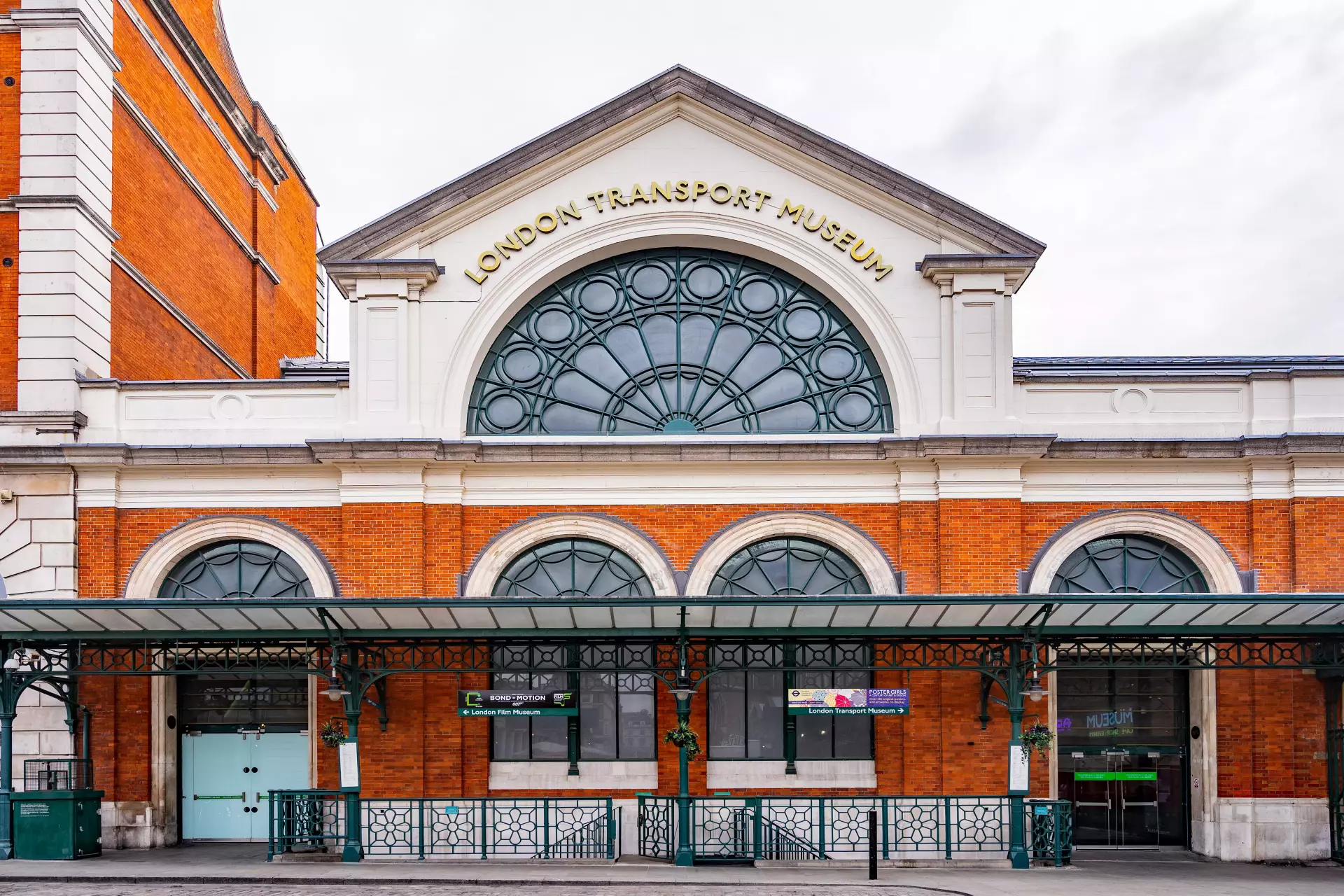
In many cities a local transport museum would be of very narrow interest - not London, however! London's public transport is iconic, and the story of how it developed from horse and cart through early buses, Tube trains and trolleybuses to the present day is well worth coming to find out about. There is plenty of opportunity to clamber aboard the historic buses and Tube trains on display. Also, because London's transport is so well known, the museum shop contains plenty of items that make interesting and original gifts and souvenirs.