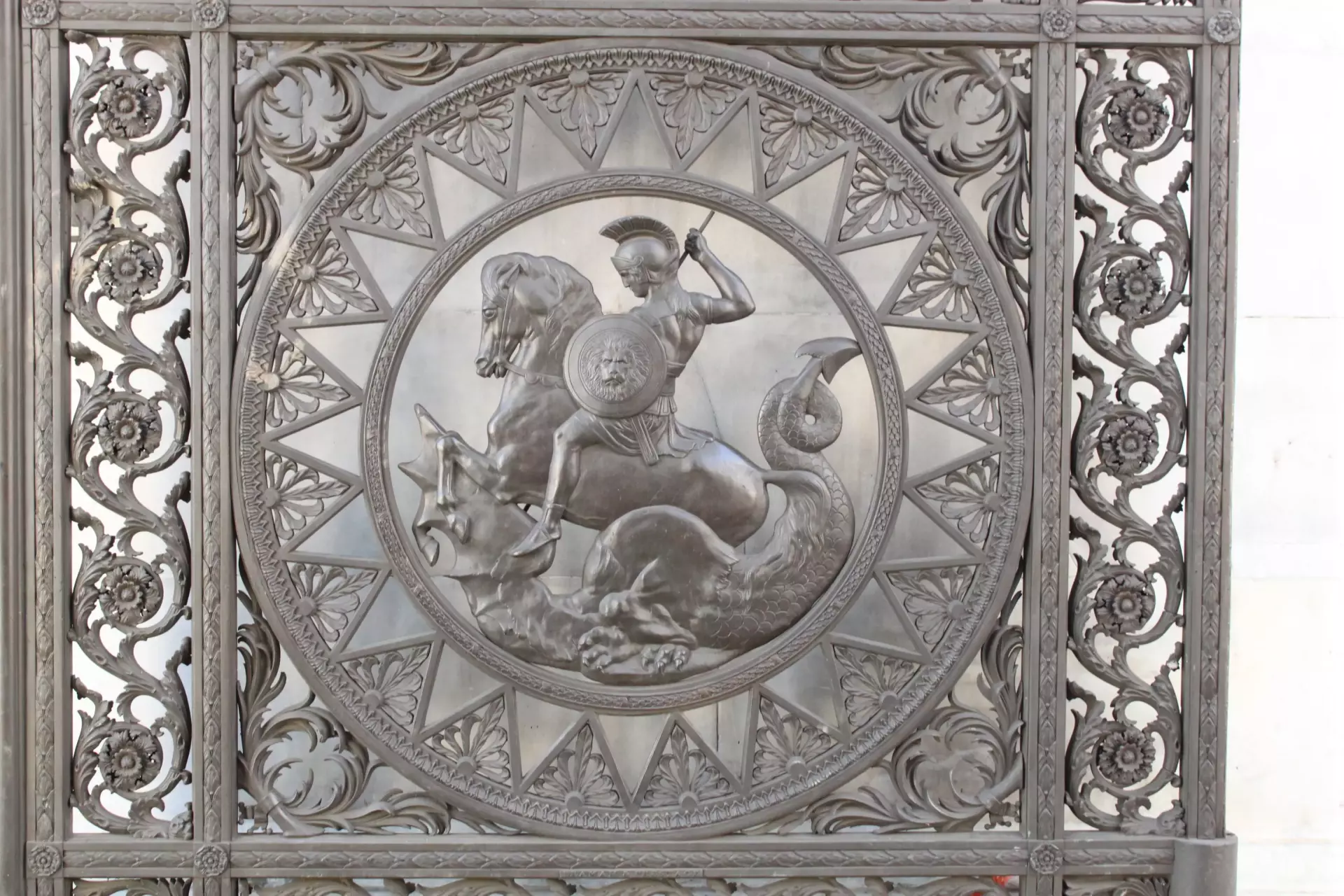
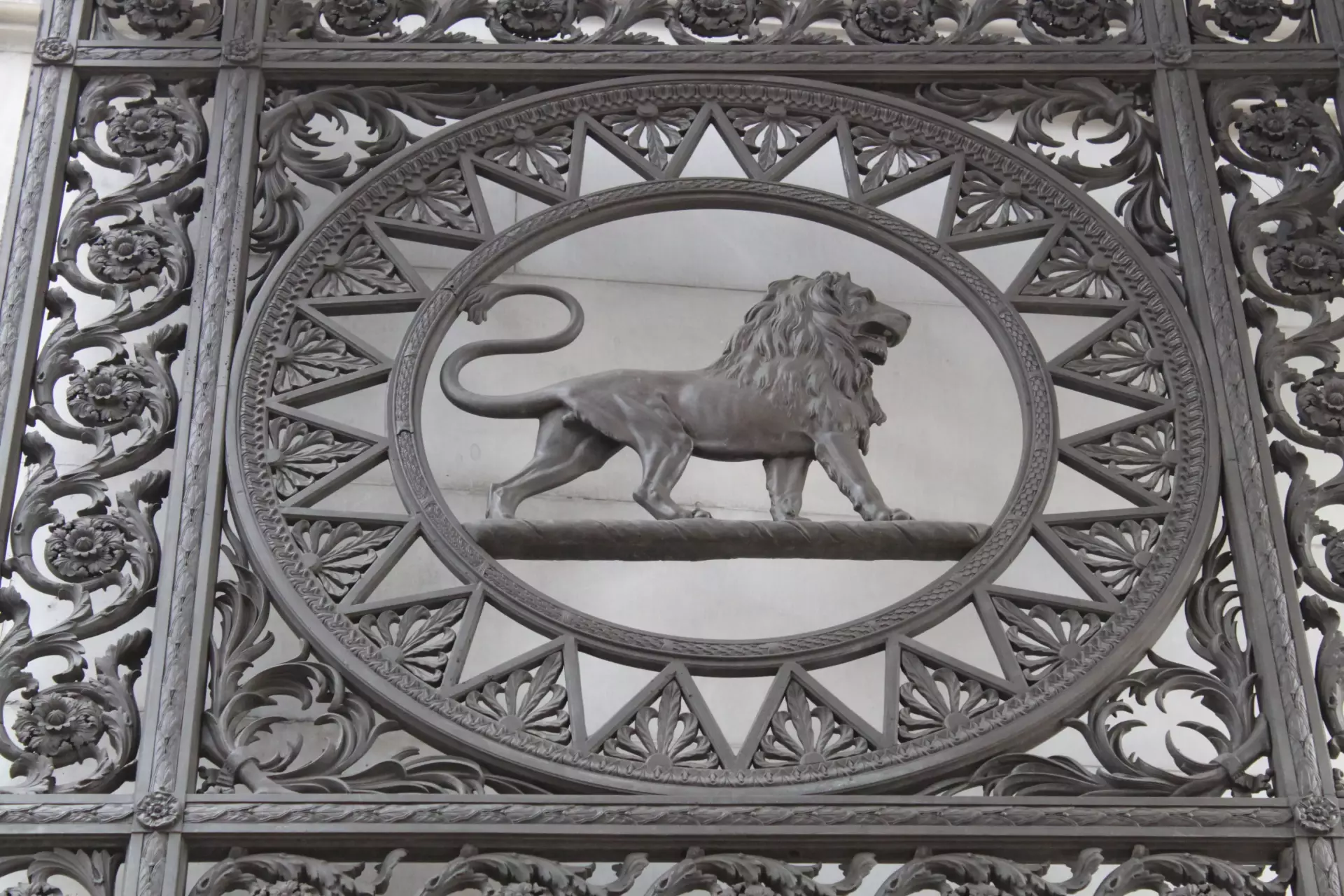
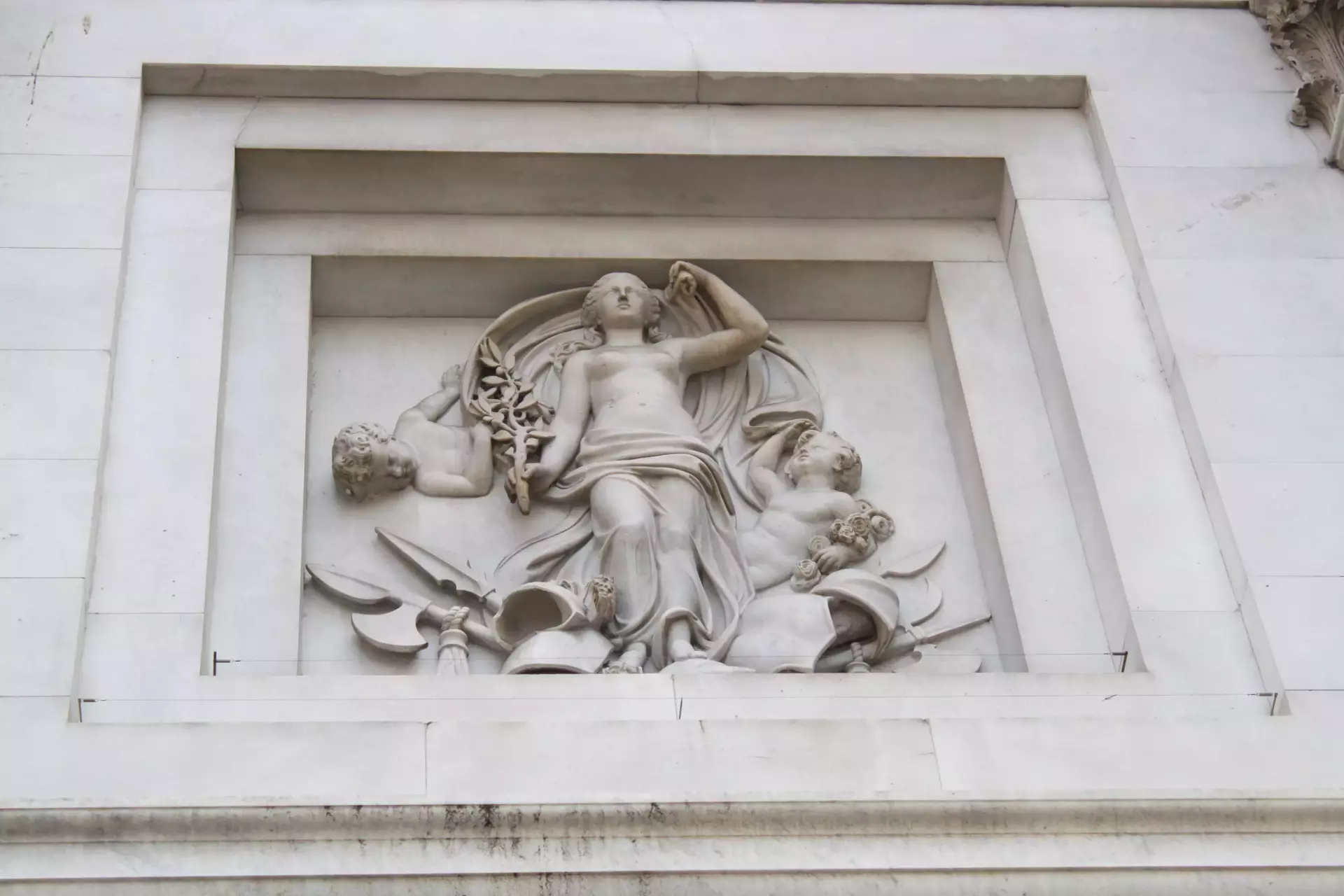
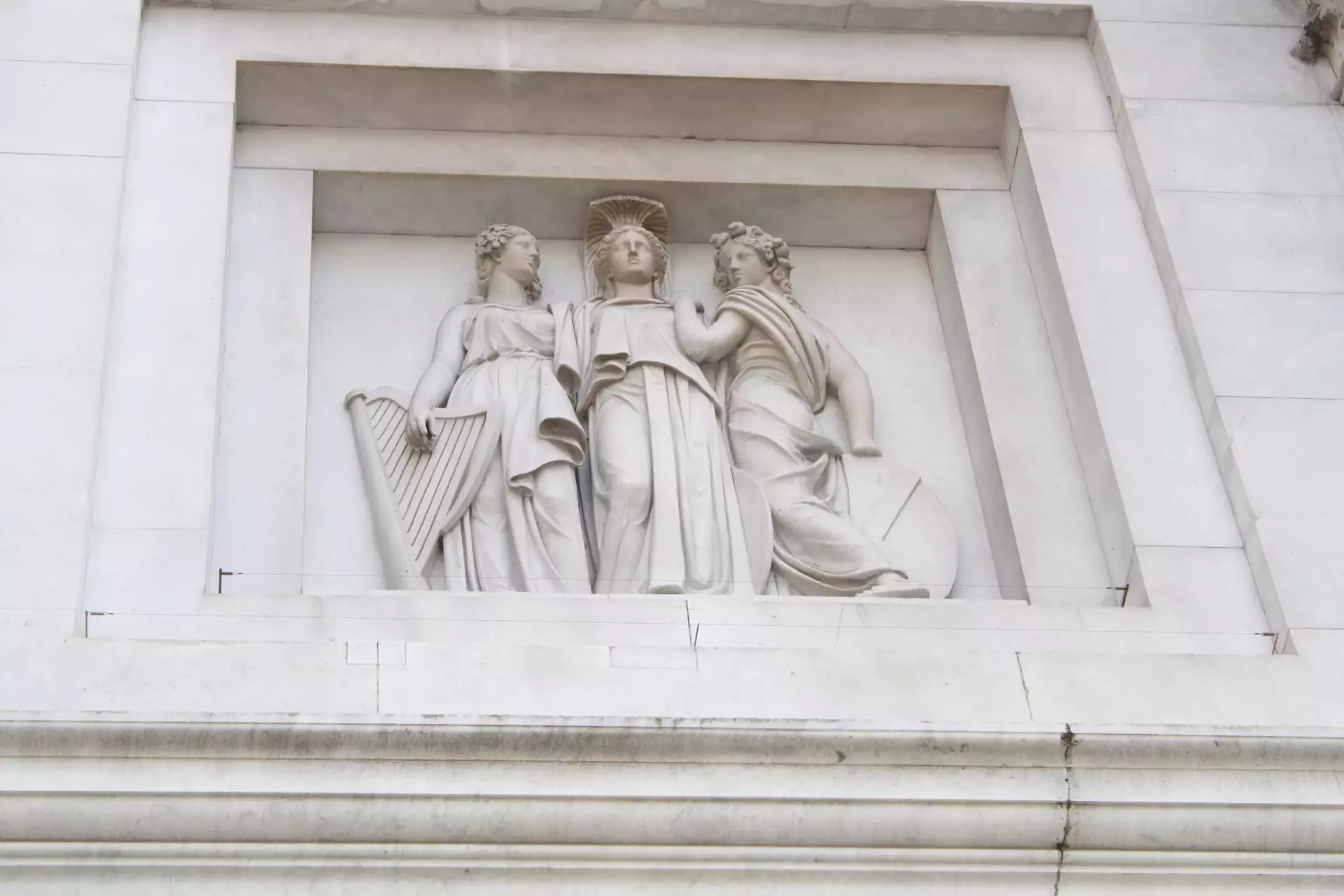
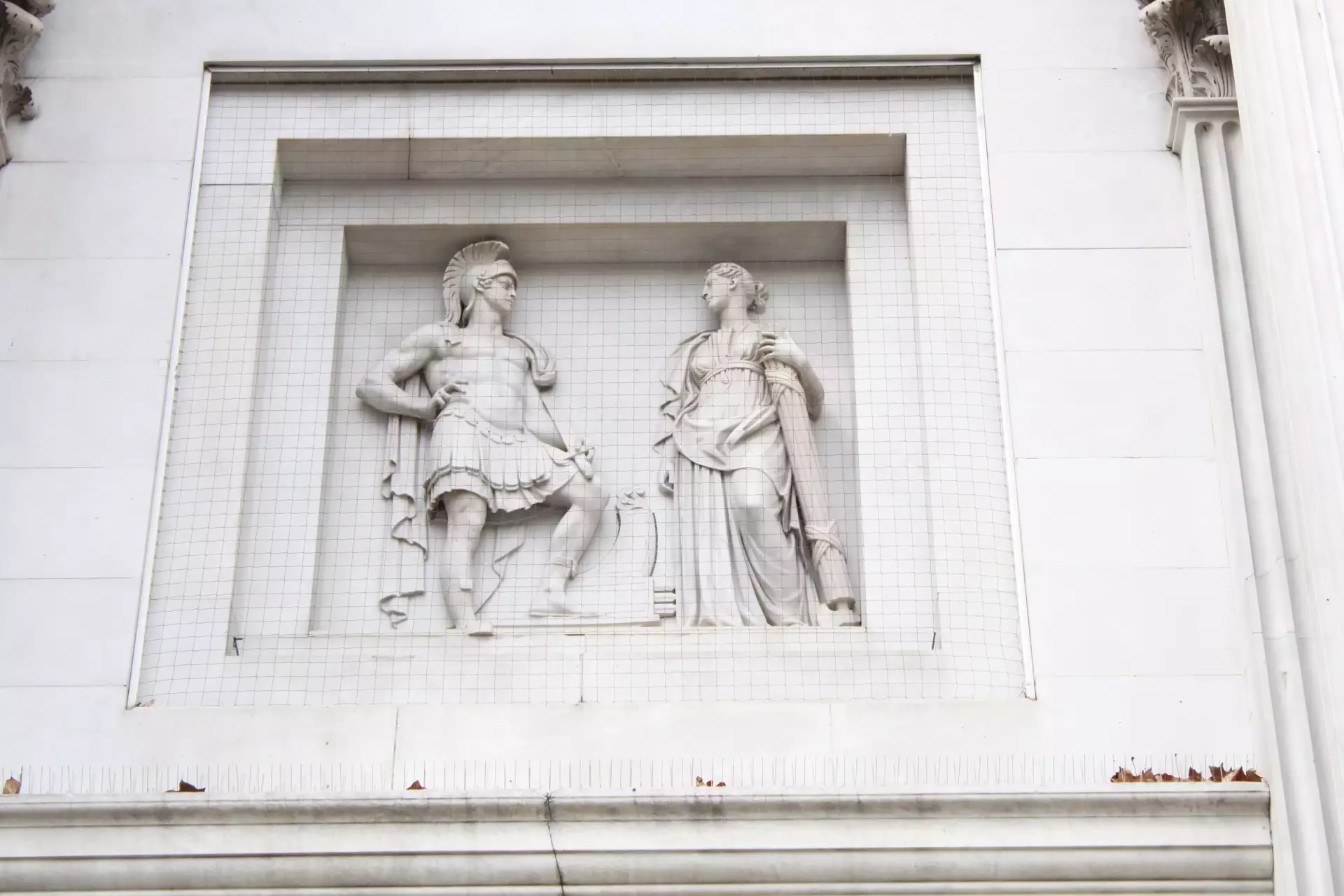
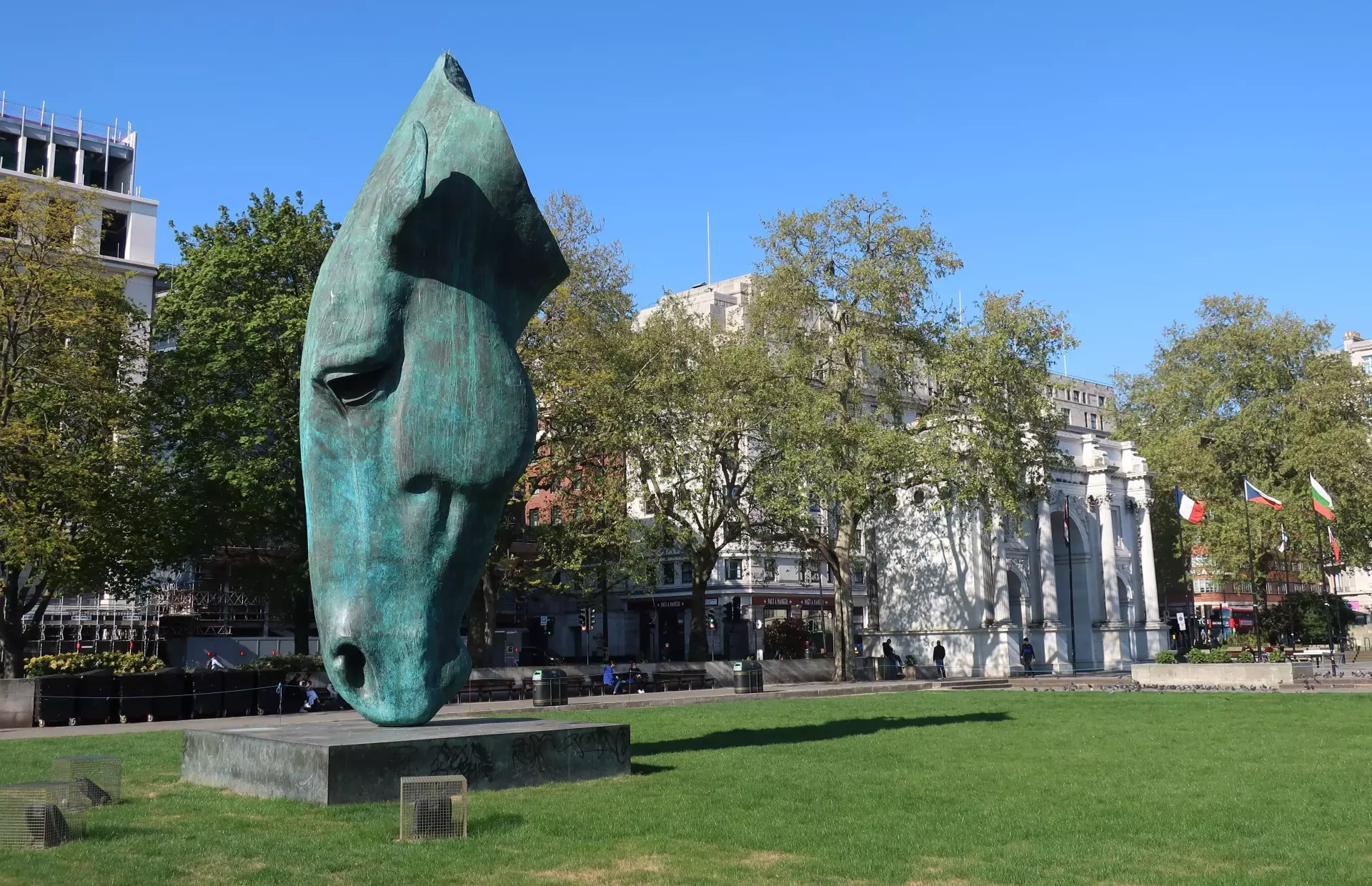
The Marble Arch was originally constructed to stand proudly in front of Buckingham Palace. However, in 1851, when the palace expanded, the arch needed to find a new home. It was relocated to its current spot at Hyde Park, where it stands today.
Though it now sits on a bustling traffic island, Marble Arch is still a notable landmark. Its location might seem a bit isolated, surrounded by the constant flow of vehicles, but modern conveniences make it easily accessible. A subway beneath the busy roads allows pedestrians to visit the arch effortlessly.
For those journeying from Oxford Street to Hyde Park, a stop at Marble Arch provides a moment to appreciate this historical structure. Despite its journey from palace grounds to its current setting, the arch remains an interesting piece of London's architectural heritage.
Source - https://en.wikipedia.org/wiki/Marble_Arch
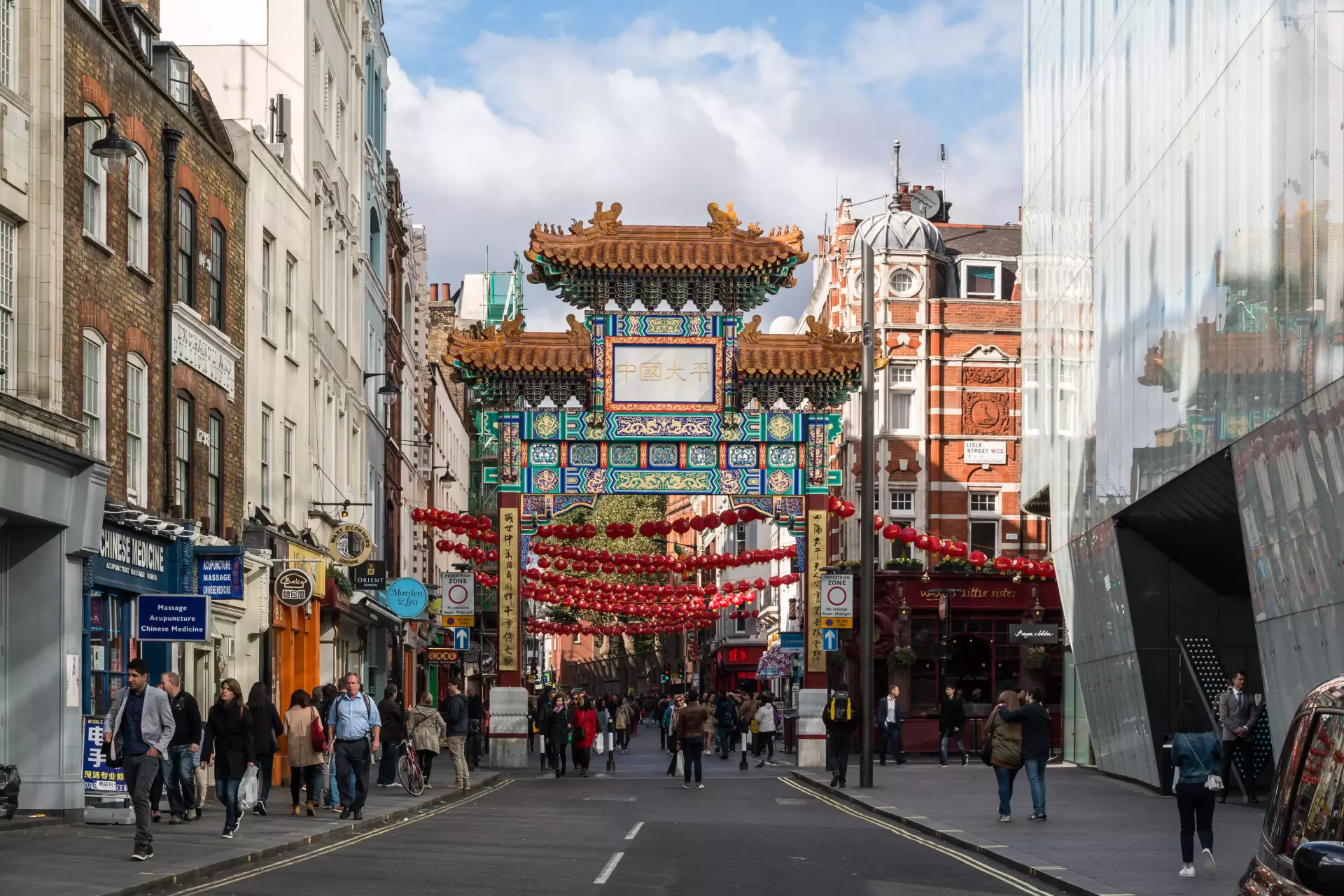
The main sights to see in London's Chinatown are the expressions of Chinese culture and Eastern ambience in Chinatown, and for a good Chinese meal. There are few souvenir shops for tourists and no museums or temples. The three ornamental Chinese arches are worth a look. Chinatown does incorporate some entertaining combinations of British and Chinese culture, such as the phone booths with pagoda-style sloping roofs.
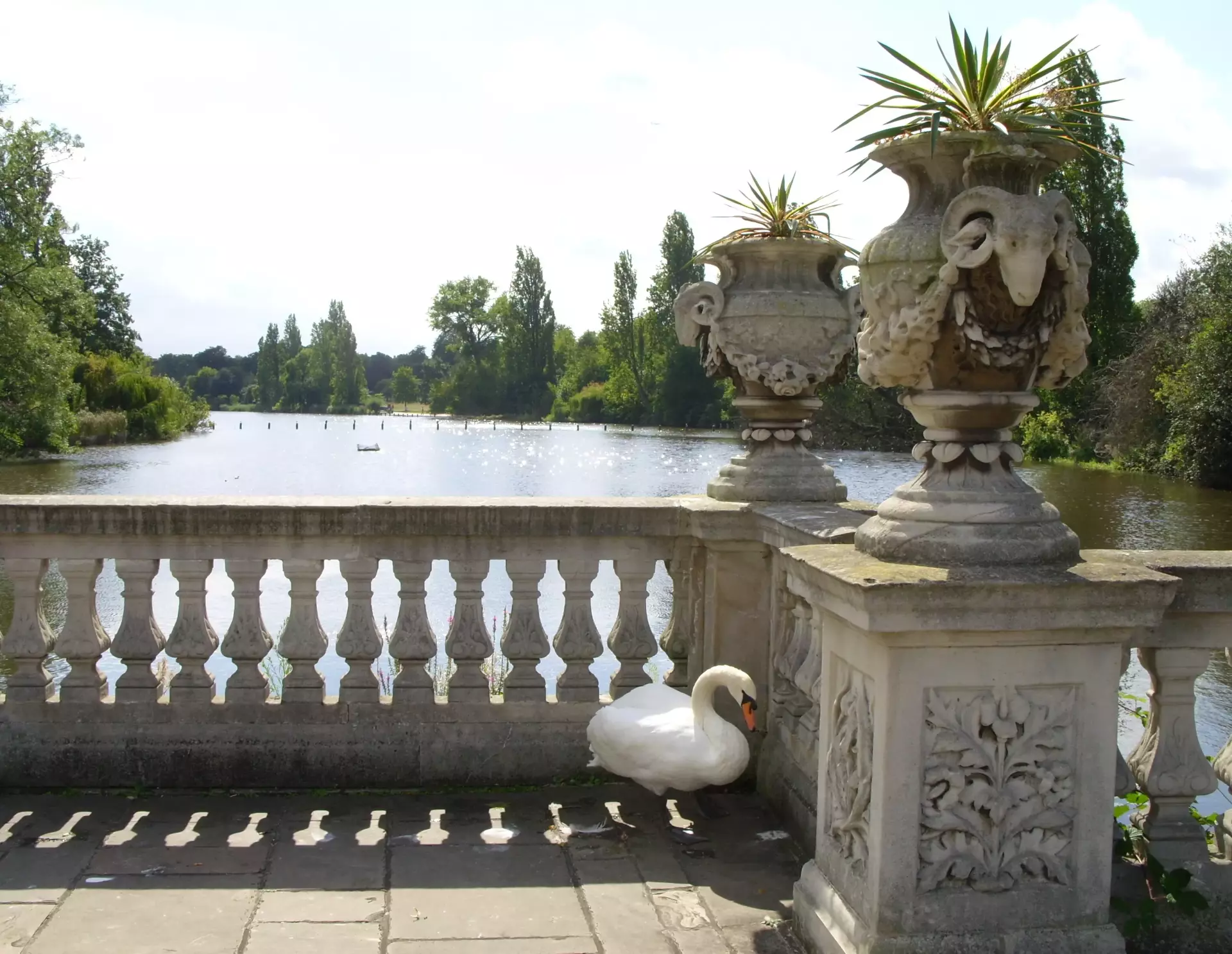
The western half of the twin parks and the half that is often forgotten in public consciousness. It tends to be more formal than its neighbouring park. Highly detailed, Gothic-style monument to commemorate Prince Albert, husband of Queen Victoria. Opposite the Royal Albert Hall. Diana, Princess of Wales Memorial Playground A 900-year-old tree stump carved and painted to feature elves and small animals. A royal residence which is still used by Prince William, Kate and their young family. Much of it is however open to the public and it is a very popular tourist attraction perhaps due as much to its association with Princess Diana as anything else. The King's Gallery here is a magnificent Regency period court drawing room and contains some impressive paintings including a Van Dyke. Also a nice restaurant on site called The Orangery. Full of swans, geese, gulls, and other birds. Deckchairs can be hired for £1.50. The park benches and grassy areas are free. A nice modern art gallery, near to the Serpentine. Too small to host a permanent collection, instead hosts temporary exhibitions which can last anything from a few weeks to over a year. Each summer a pavilion next to the gallery is designed by a different architect, which then houses various cultural events.
Built of Portland stone and dedicated to the aircrews of Allied nations under Bomber Command during World War II.
Admission by guided tour only, which must be booked in advance. The museum is housed in part of a Victorian fire station and its collections include fire engines and historical equipment.
One of the "Magnificent Seven" old cemeteries in London. Graves range from plain to ornate and the site can be a tranquil place to walk amid the bustle of the city. It was opened in 1840 and is still a working cemetery, although it was closed for some time in the late 20th century. Can be nice, if morbid, for an afternoon stroll, especially as a route (and cycle route) between Old Brompton Road and Fulham Road.
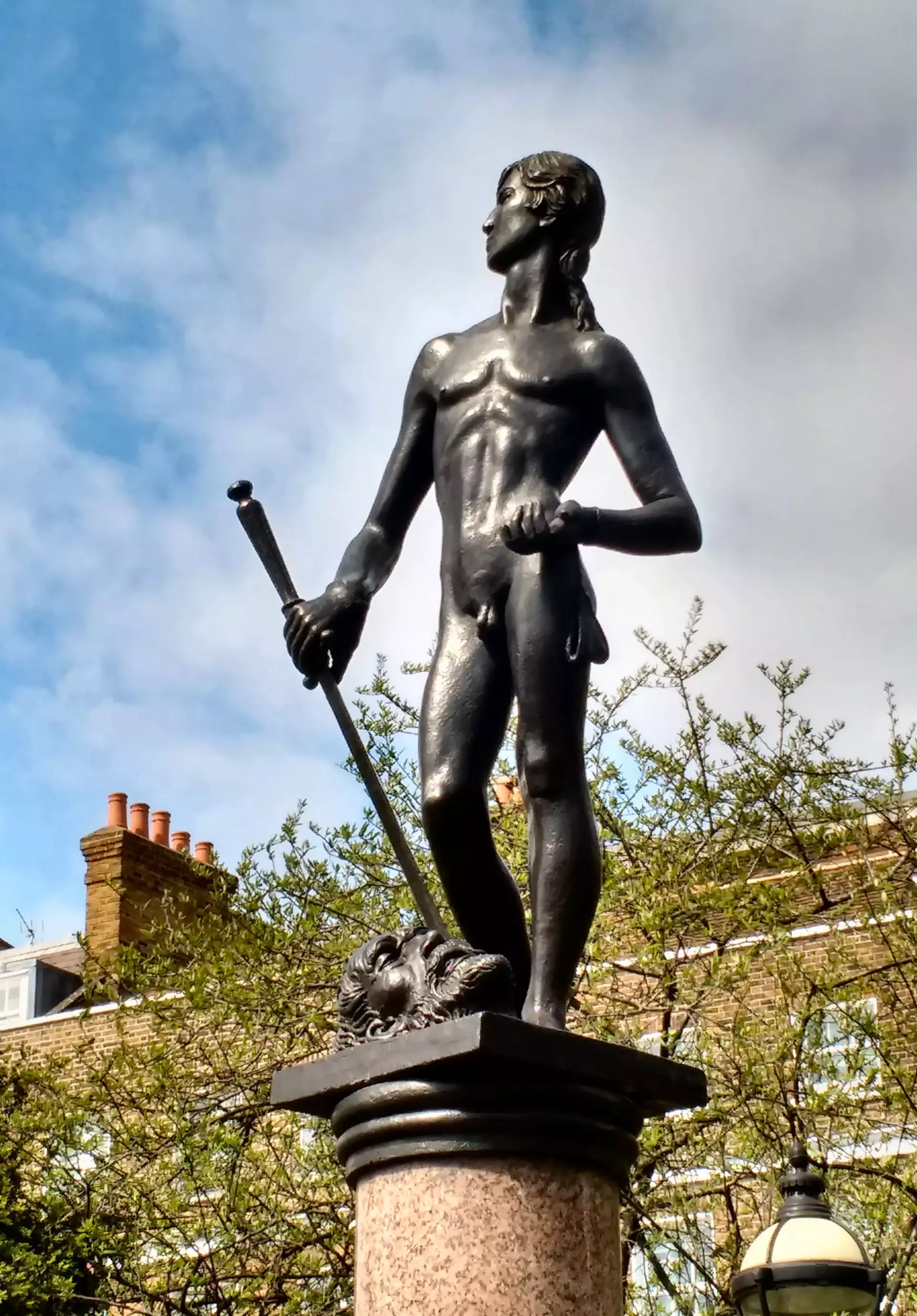
At the junction of five major roads, Piccadilly Circus is the home of the famous aluminum statue of Eros, which sits atop a fountain. The monument is officially known as Shaftesbury Memorial Fountain and initially wasn't supposed to depict Eros, but different god Anteros. The north side of Piccadilly Circus holds an enormous display board of electric advertisements, including Britain's biggest illuminated display (the widest in the world), advertising Coca-Cola.
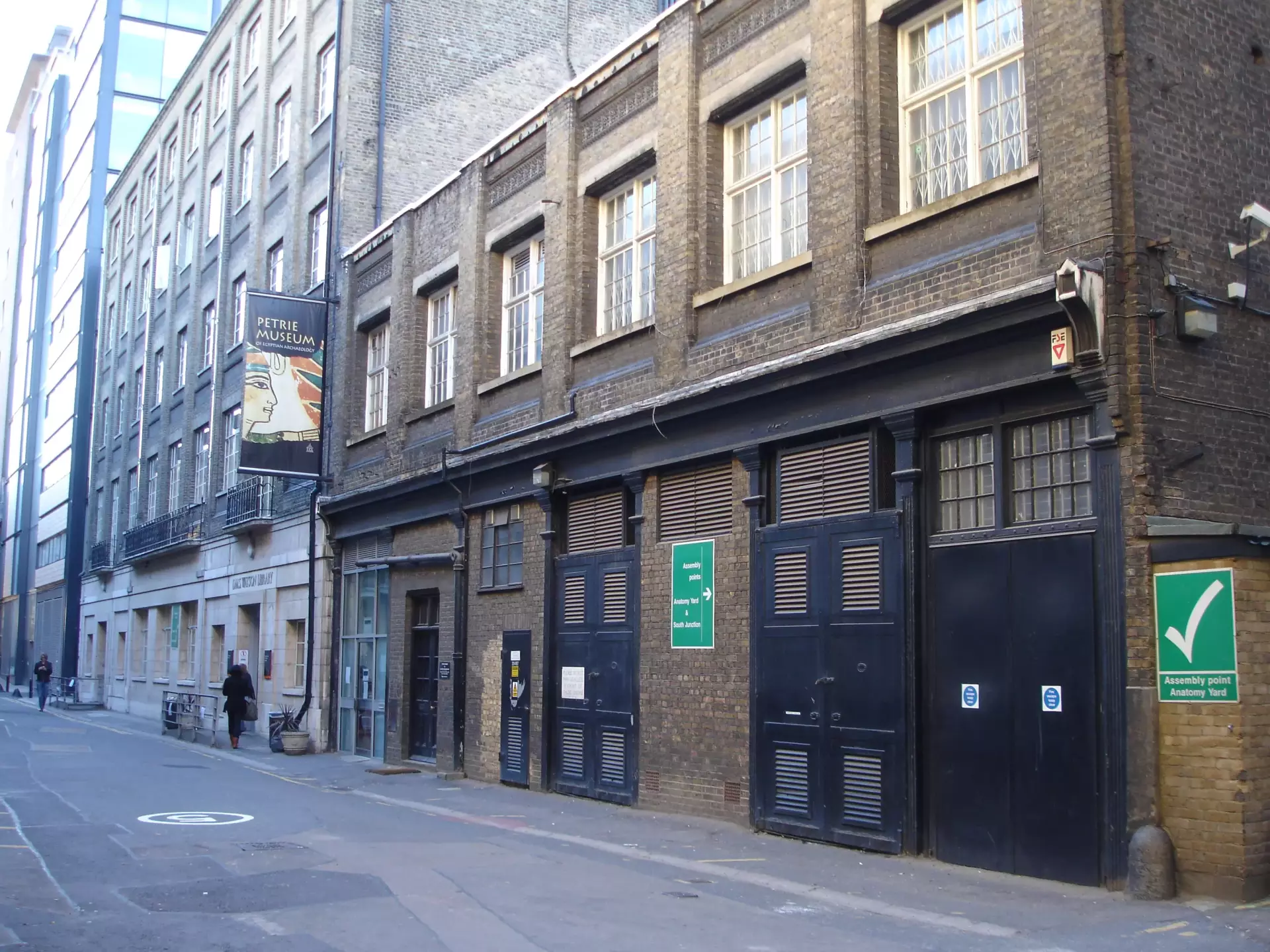
Formerly the teaching collection of Sir Flinders Petrie, one of Britain's greatest archaeologists, now preserved by University College London. Exhibits include beaded dresses, sculpture and wall reliefs, items of everyday use, papyri, cartonnage and pottery. Fascinating!
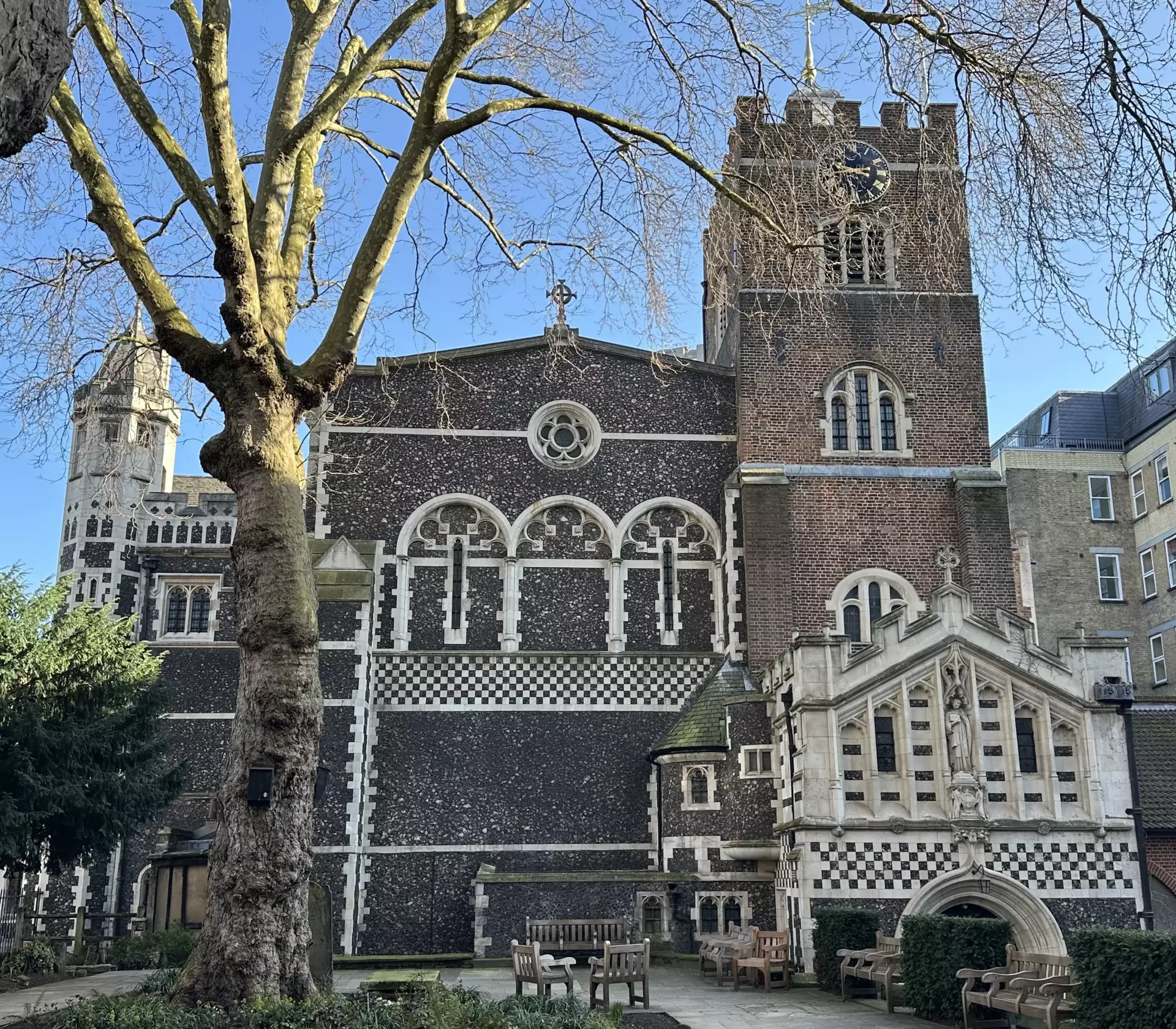
An attractive Gothic Revival church, completed in 1859 to a design by William Butterfield.
The Guildhall Art Gallery houses the City Corporation's art collection, and also runs special exhibitions throughout the year. During construction of the modern gallery, workers discovered the ruins of London's Roman amphitheatre. The gallery was redesigned, and now the Amphitheatre is open to the public within the Guildhall Art Gallery itself and also free of charge.
Madame Tussauds is a world-famous waxwork museum, best known for its Grand Hall, with a collection of international royalty, statesmen and world leaders. Visitors generally report that the entrance fee does not warrant the selection of waxworks on show, which rarely resemble celebrities. Also, there is usually a long queue stretching down the road.
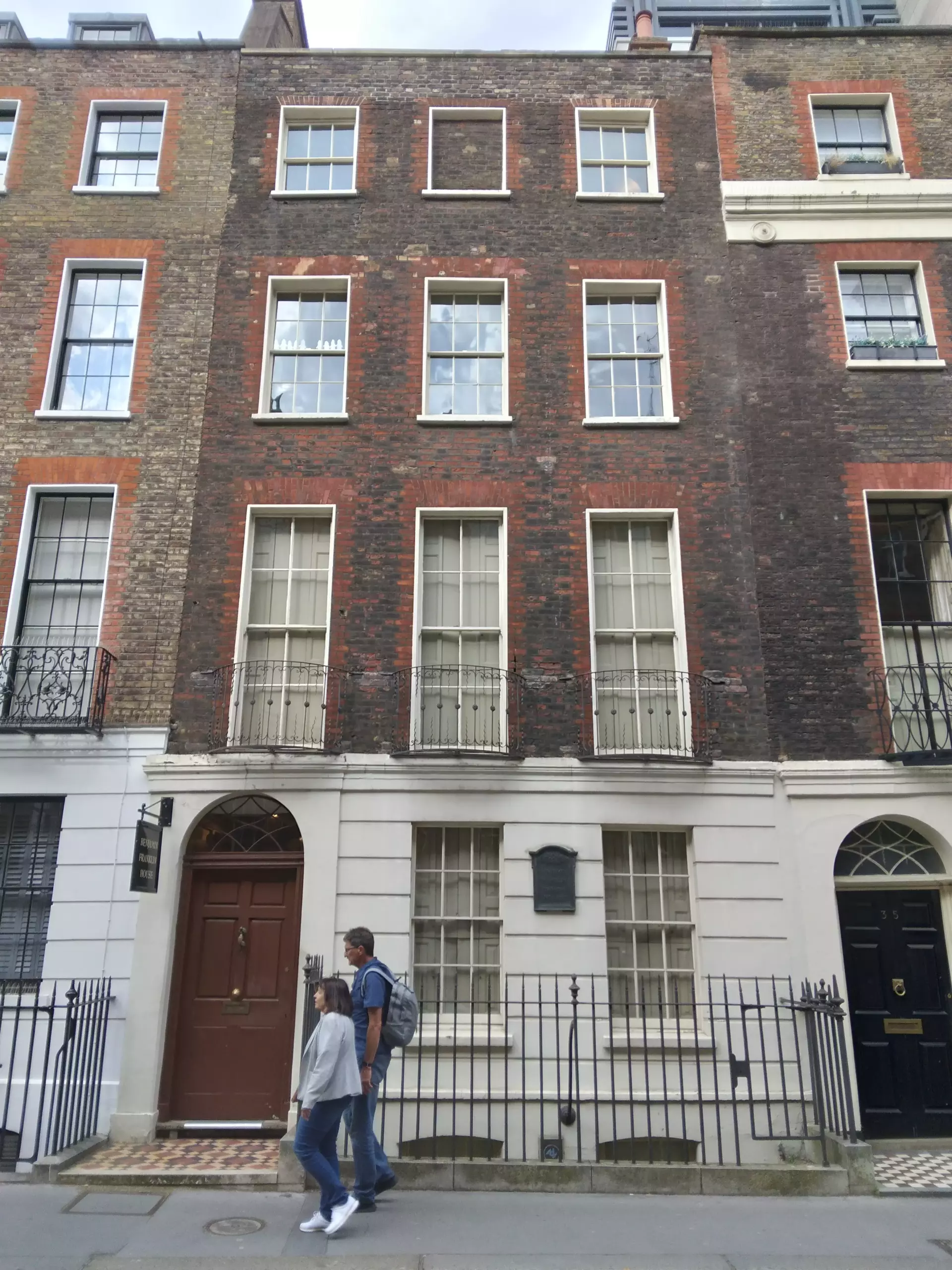
Home to the baroque composer George Frideric Handel from 1723 until his death in 1759. Some of the greatest classical music ever composed was done so at this address. The museum charts Handel's life and works and offers recitals of music in the magnificent setting of the period rooms. By contrast, next door was home to Jimi Hendrix when he lived in London in 1969, and entry to this top-floor flat is included.
The second biggest greenhouse in London, containing over 2,000 species of tropical plants as well as birds and fish.
St. Margaret's is the church of the British Parliament, more specifically, the parish church of the House of Commons.
A medieval church that was rebuilt in the late 18th century, noted for its well-preserved interior. The former churchyard was converted into a public space in 1880, called Postman's Park as it was frequented by workers from the nearby Post Office headquarters.
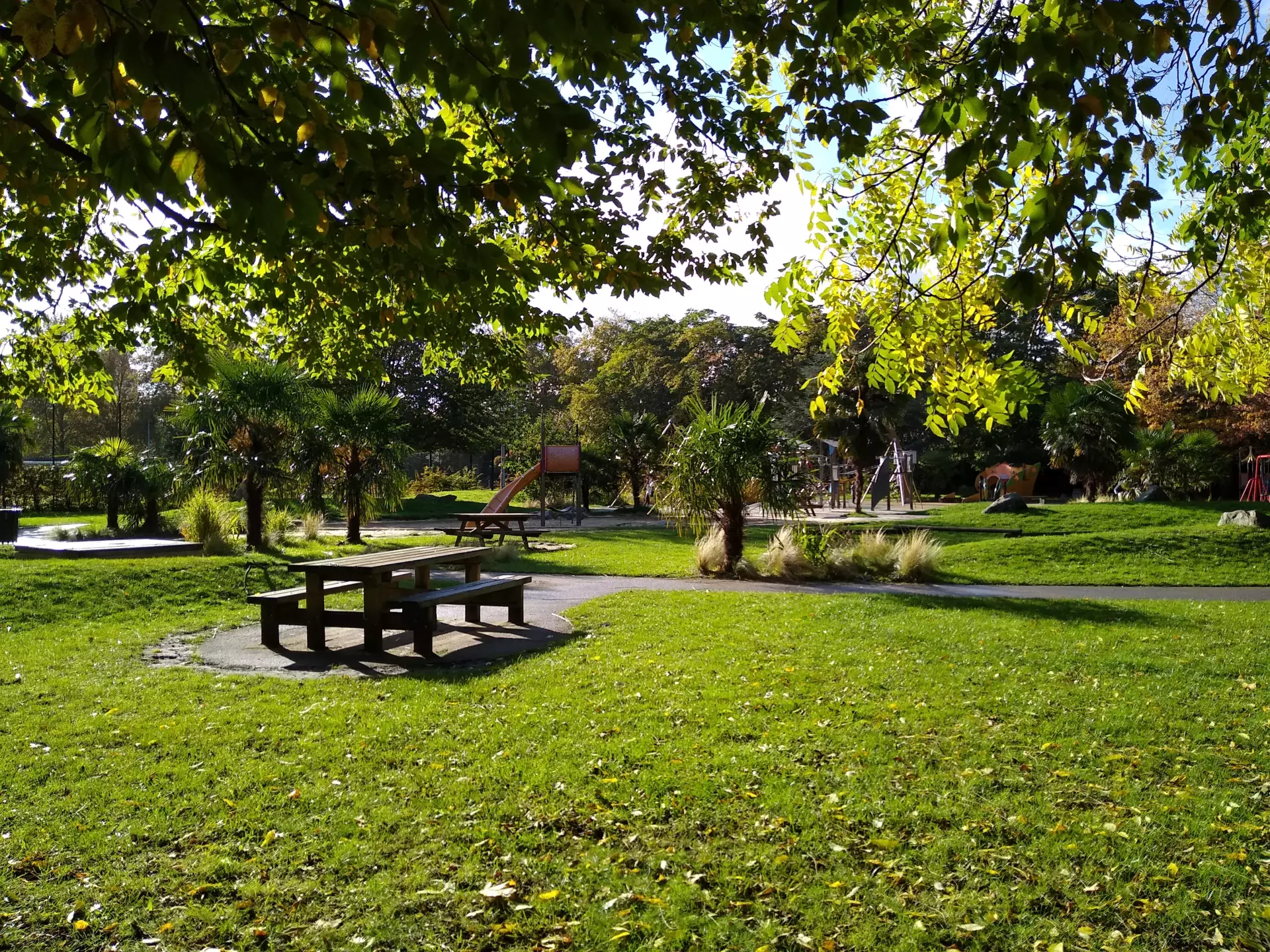
At 87 hectares this is the largest open green space in the district.