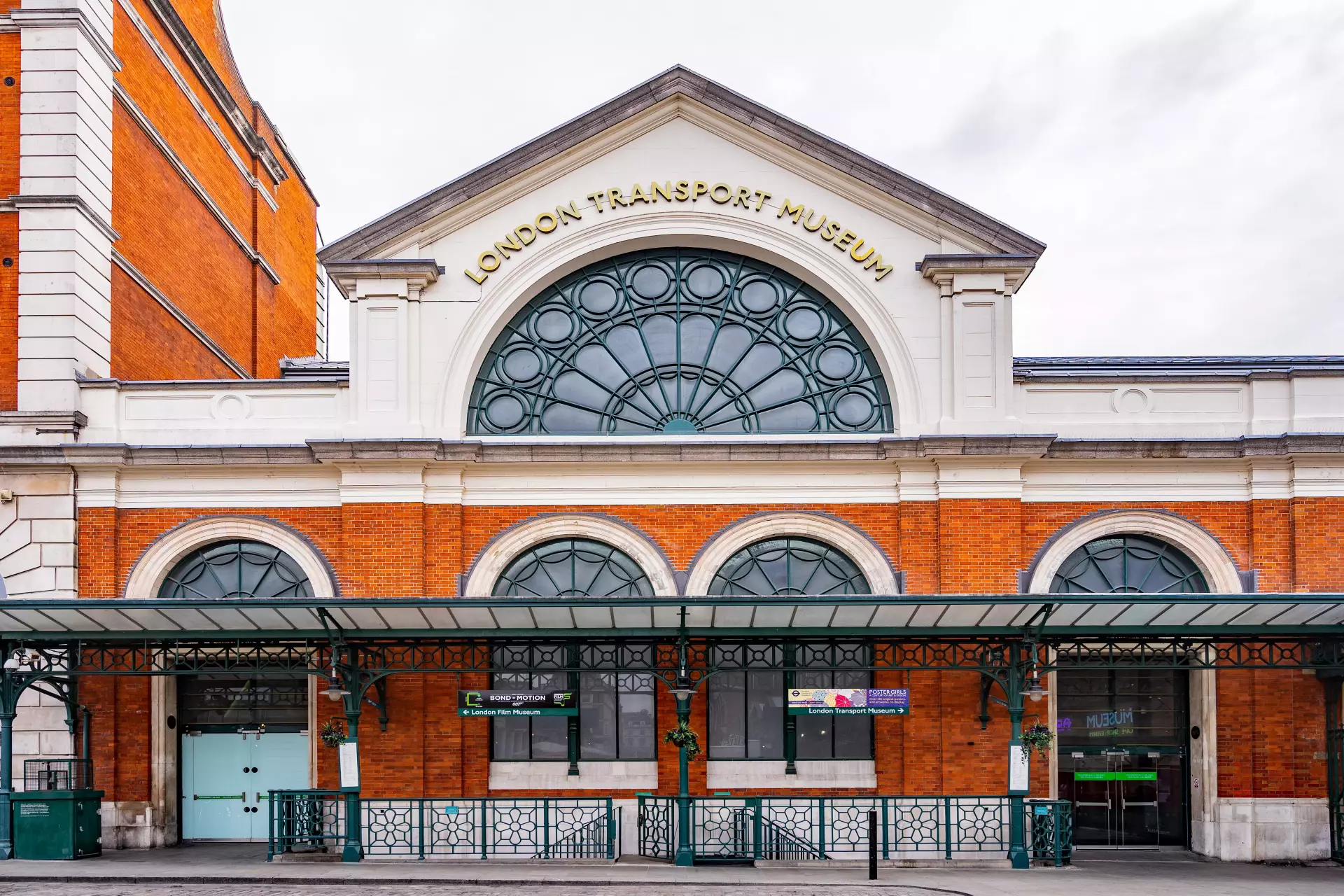
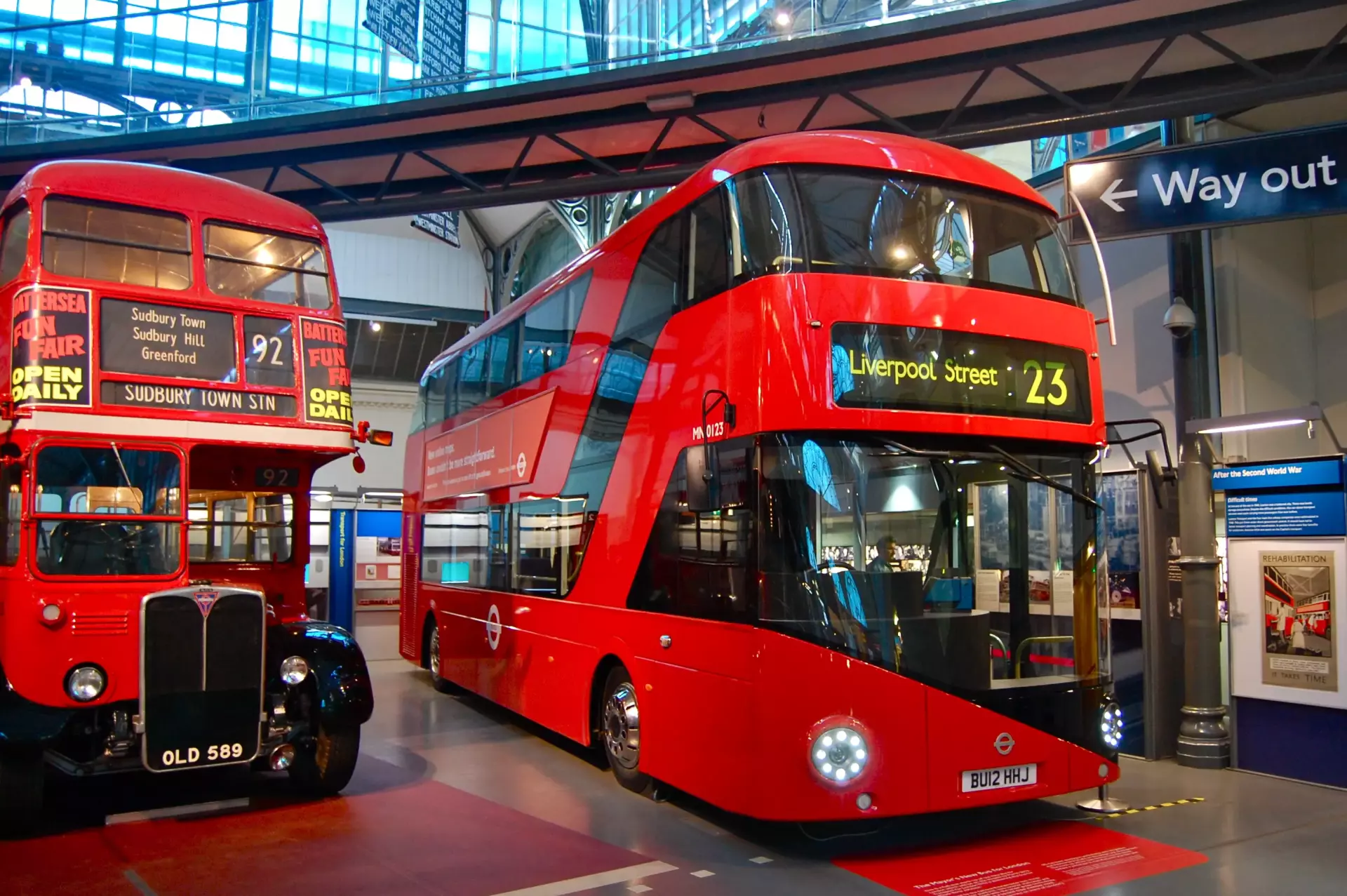
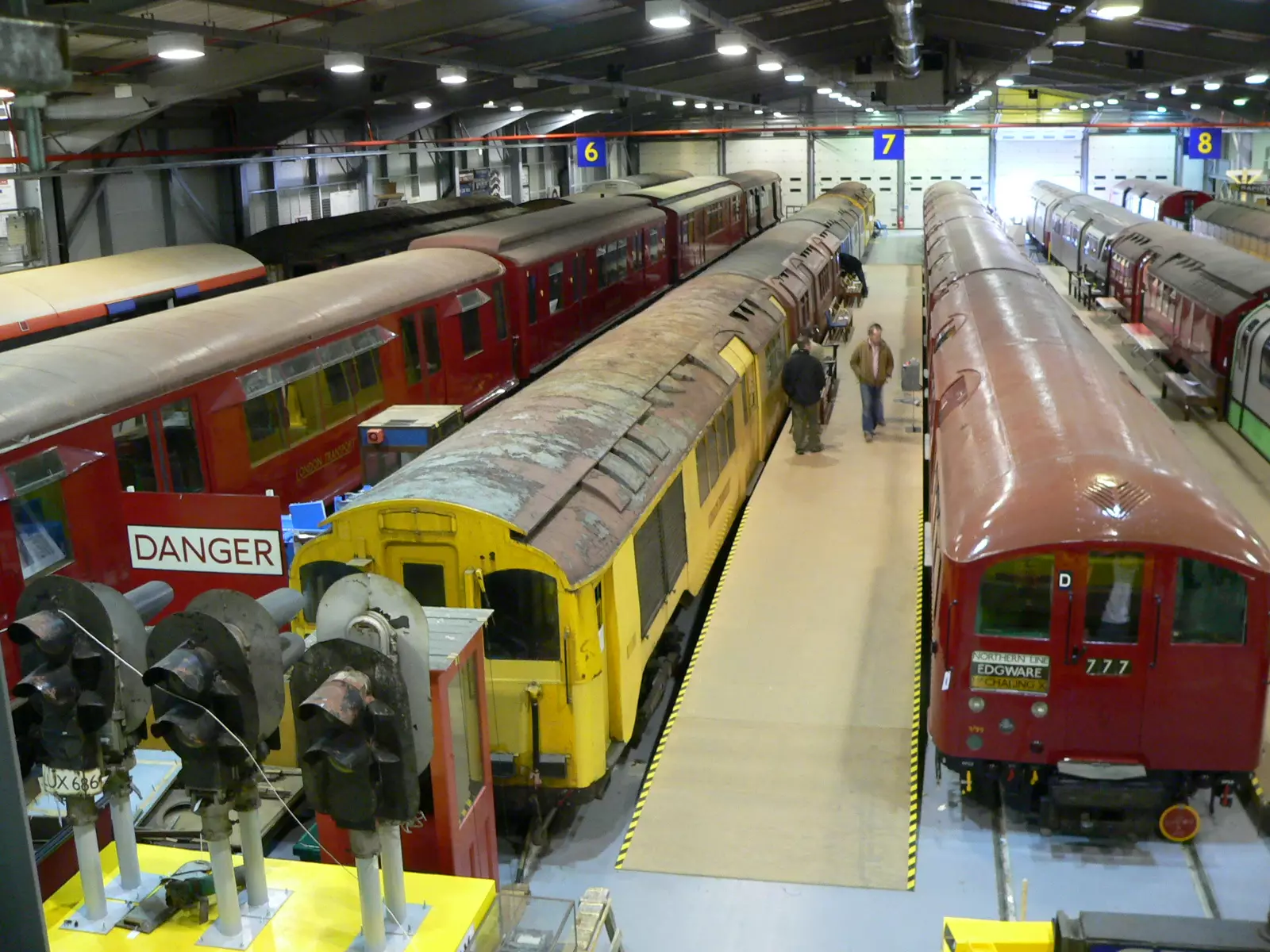
In most cities, a local transport museum might attract only a few enthusiasts. But London is different. The story of its public transport is a captivating journey through time. From the days of horse-drawn carriages to the iconic Tube trains and buses of today, this tale of innovation and evolution is a fascinating one.
Visitors can step aboard historic buses and Tube trains, experiencing firsthand what it was like to travel through the city in earlier times. Each exhibit paints a vivid picture of London's transport history, showcasing the technological advancements that have shaped the city's unique public transportation system.
The museum shop offers a variety of intriguing items that make for perfect gifts and souvenirs. The well-known London transport symbols grace many of these products, adding a touch of the city's charm to everyday items. Whether you're looking for something special to remember your visit or a unique present for someone back home, the shop has something for everyone.
Source - https://en.wikipedia.org/wiki/London_Transport_Museum
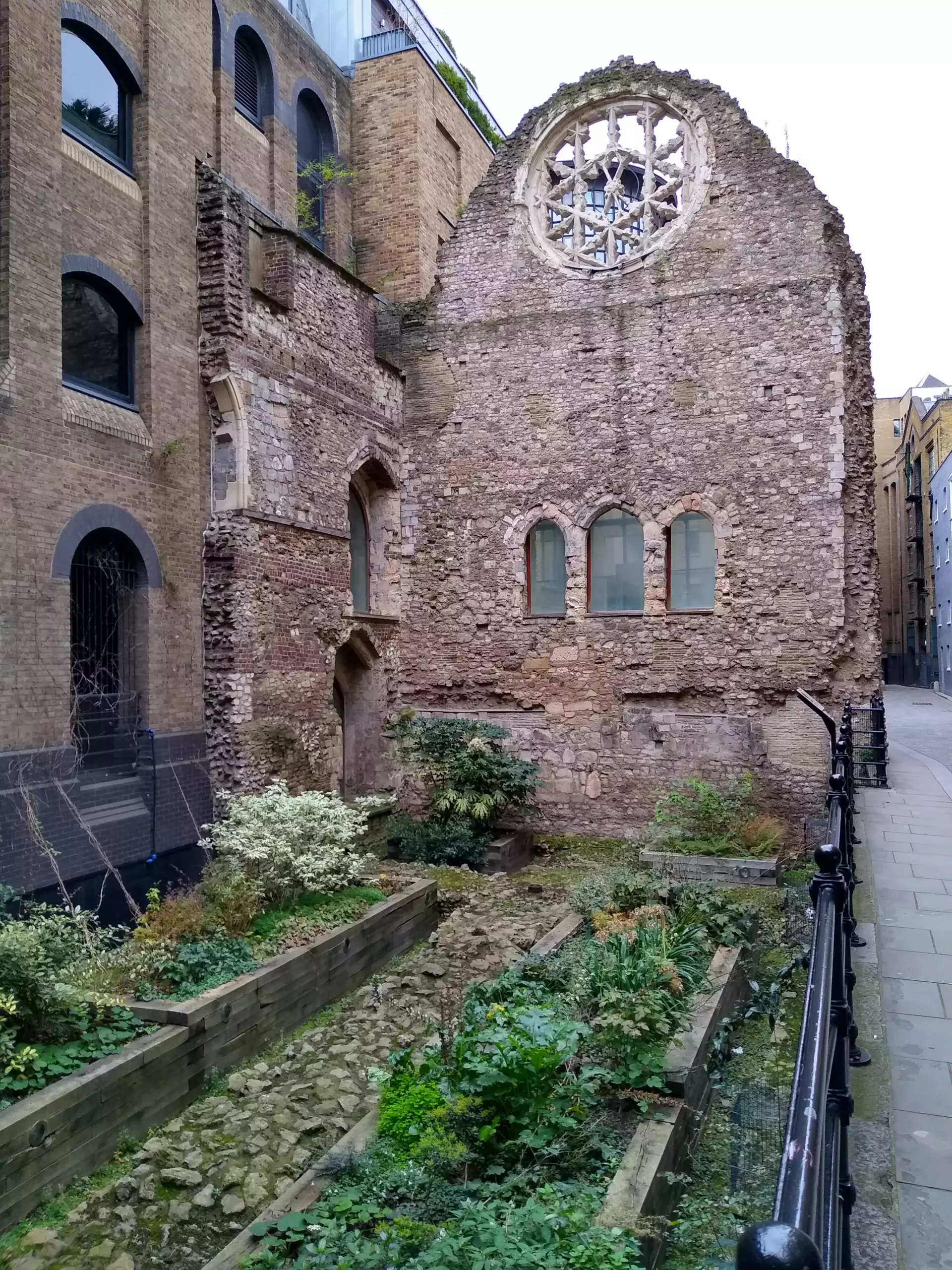
The ruins of a church dating back to Saxon times, rebuilt by St Dunstan in 950, destroyed in the Great Fire of London, and then rebuilt by Sir Christopher Wren in 1697. Most of the church was destroyed during the blitz, leaving only the tower (dating from Wren's time) and hollowed-out walls (from an 1817 reconstruction). The ruins are now overgrown with picturesque vines and trees, and were converted into a public garden in 1967, complete with benches.
A small realm of serenity in the midst of the typical turmoil. It used to be the court of the Knights Templar. You can still visit the beautiful Romanesque church, which is one of the oldest ones in London (opened in 1185) and has connections to the order of Templars. The chancel of the church was built by Henry III. The church still serves the members of Gray's Inn and Lincoln's Inn and has frequent services open to the public. Fans of Dan Brown's The Da Vinci Code will recognise the church from both the novel and the film.
Now permanently closed, will be replaced by new museum at the former Smithfield market site in 2026. The Museum of London Docklands remains open.
Large open space very popular with Londoners and less visited by tourists than the other great city parks. A number of lovely lakes, an open air theatre, regular puppet shows, various sporting activities and some splendid ancient trees. There is also a cafe and play area next to the boating pond. London's main zoo is in the northern reaches of Regent's Park. Takes a very conservation-driven approach these days and always has great exhibits aimed at children. Opened in 1828 for scientific study, then to the public in 1847. Islamic Cultural Centre and the main mosque in London. Visitors are welcome but must be suitably attired. The Mosque runs classes, prayers, talks and events.
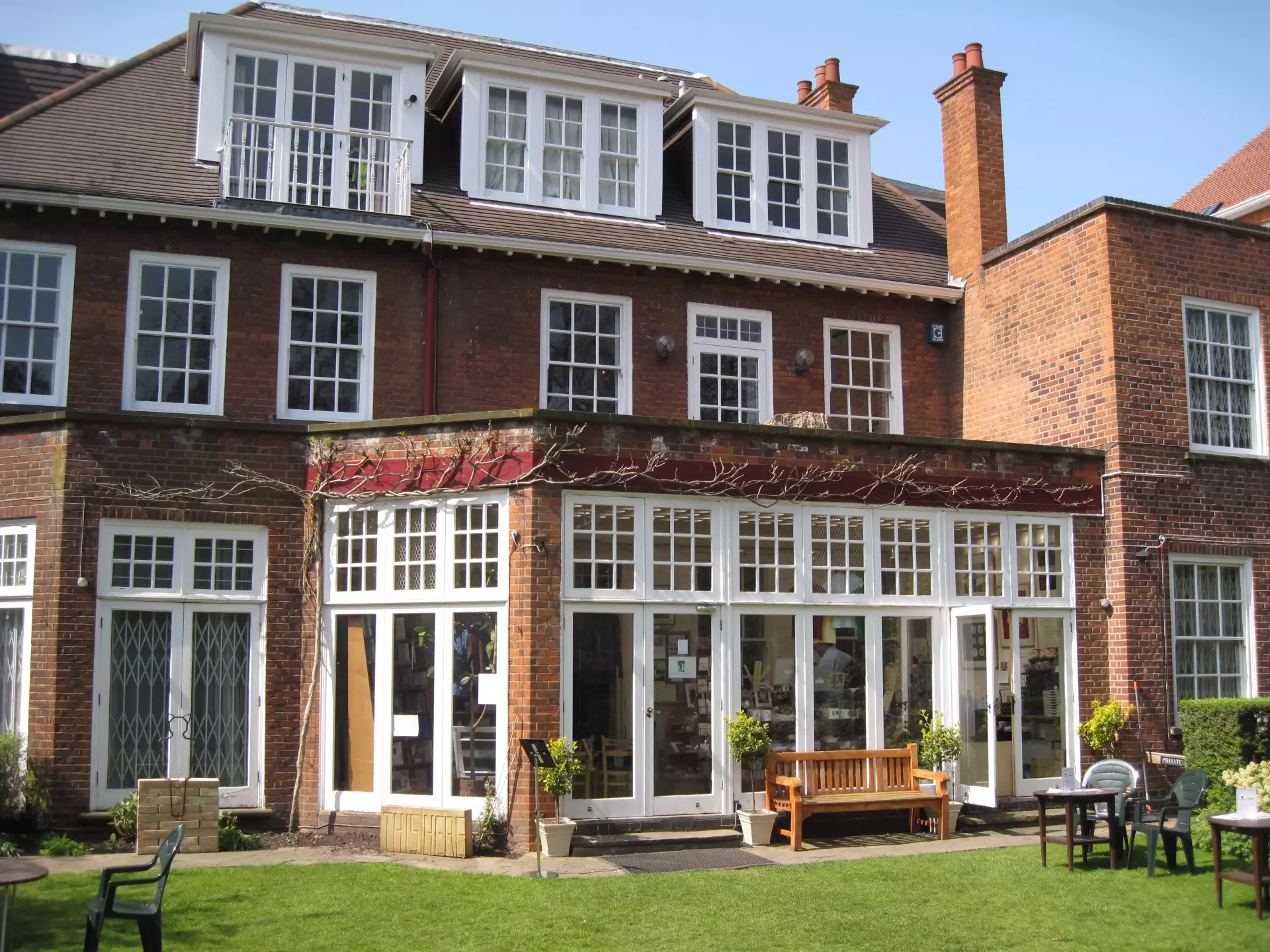
Museum at the former home of Dickens exhibiting writings, paintings, furniture and other items relating to the writer.
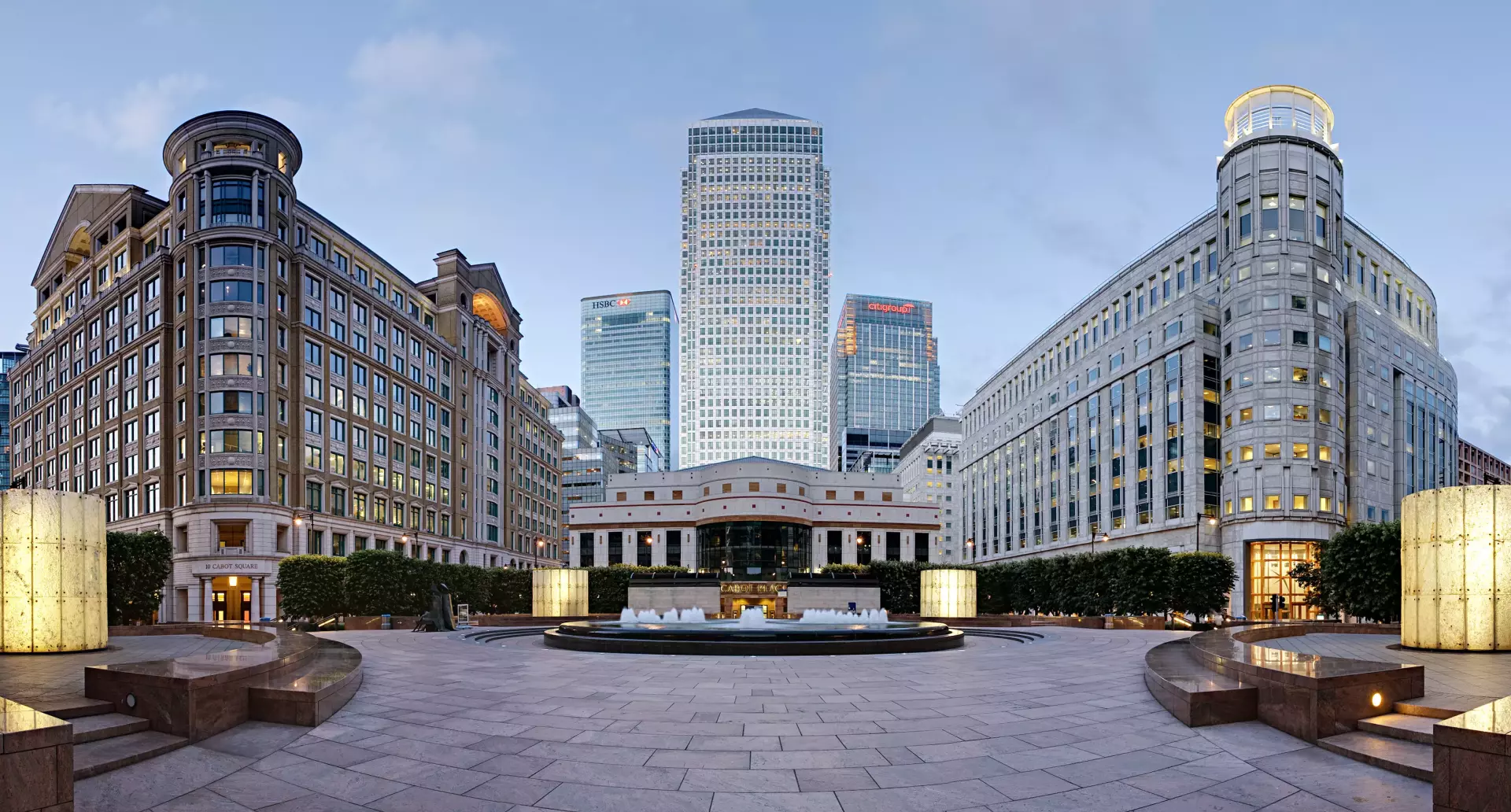
A vast shopping, eating, entertainment and (primarily) business complex, home to Britain's second tallest skyscraper, One Canada Square. Now increasingly lively at weekends as well, but still at its most impressive during the week. Spectacular main exit from the Jubilee line Tube station. There is a substantial amount of information about the history and the architecture of the development on the website of Canary Wharf Group, the company that owns the development.
An attractive Gothic Revival church, completed in 1859 to a design by William Butterfield.
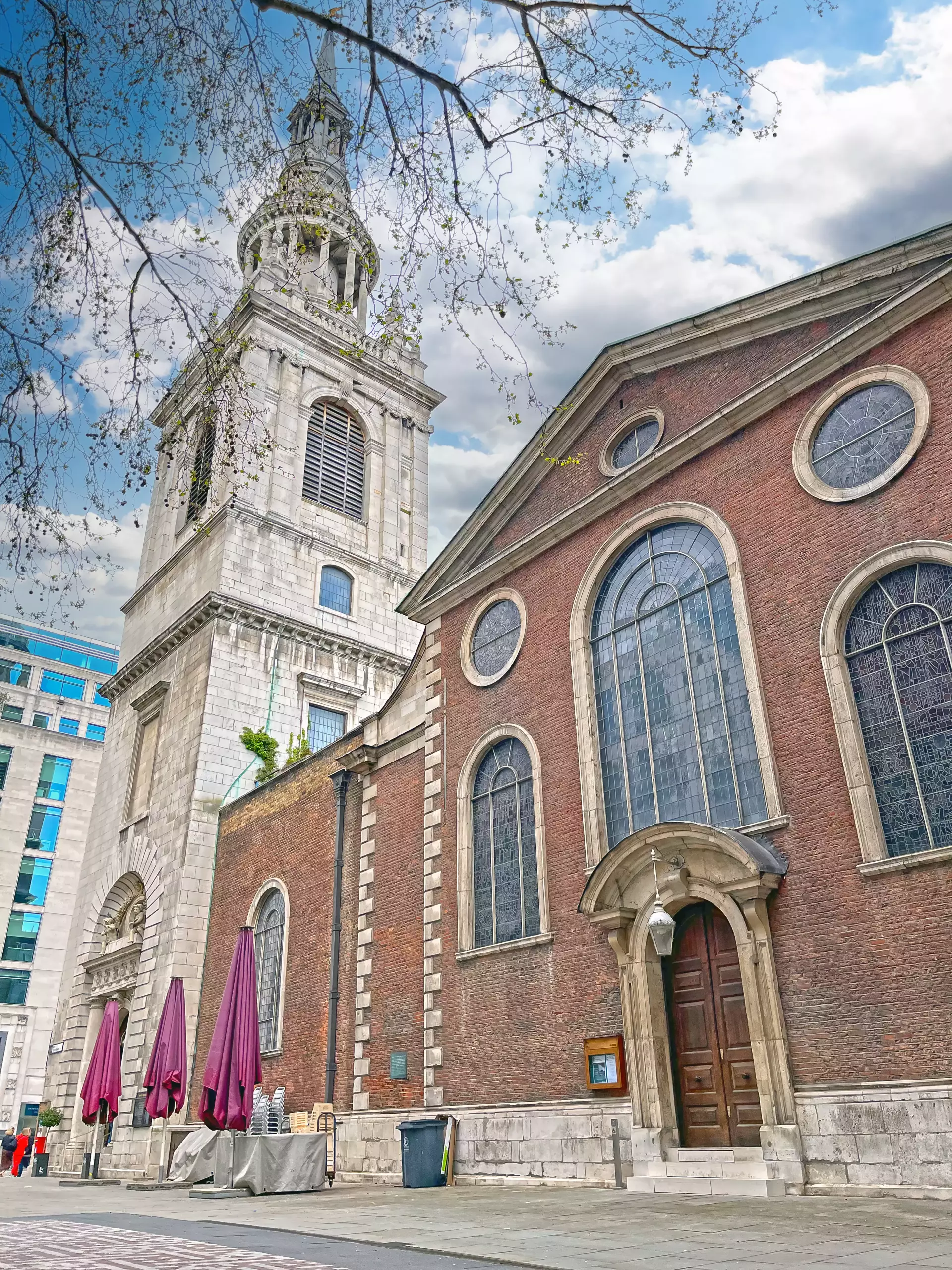
Properly St Lawrence Jewry next Guildhall, it is the official church of the Lord Mayor of London.
Dedicated to scientific exhibitions and collections bar those related to the life sciences. A number of famous historical machines and inventions are housed here, from steam locomotives to the Apollo 10 command module. The space exhibits are especially popular. Exhibitions tend to concentrate on explaining scientific principles with working models and there is a strong emphasis on education and attracting children. The Science Museum opened a "Children's Gallery" in the 1930s and it continues to lead the way in this area; now, there are three separate galleries aimed at all ages of younger visitor, from 5 to 16. The museum also runs "Science Nights" whereby children spend an evening learning principles and participating in experiments before spending the night sleeping in the museum with the exhibits. Also houses a vast library of scientific and medical books and journals.
A branch of the Imperial War Museum, the Cabinet War Rooms preserves the underground corridors and rooms from which Churchill and the cabinet directed the war against Hitler and the Nazis, maintained almost exactly as they were left in 1945. In 1984, IWM opened the rooms to the public for the first time. In 2005, the attached Churchill Museum was opened as the world's first permanent museum dedicated to the life and wartime achievements of Sir Winston Churchill. Audio guides are included in your admission. No cloakroom, no rucksacks, no suitcases. Café is open daily from 10am to 5pm. Hot food is served until 3pm.
Created by Tonkin Zulaikha Greer and Janet Laurence to remember the Australians who died in both world wars. Made from Australian granite.
The Guildhall Art Gallery houses the City Corporation's art collection, and also runs special exhibitions throughout the year. During construction of the modern gallery, workers discovered the ruins of London's Roman amphitheatre. The gallery was redesigned, and now the Amphitheatre is open to the public within the Guildhall Art Gallery itself and also free of charge.
As with any Merlin attraction, it is arguably overpriced for what it is. Brings to life the gorier elements of London's past both real life and fictional. Including the execution of Charles I after the English Civil War, the bubonic plague, Jack the Ripper, Mrs. Lovett's pie shop and Sweeney Todd's barber shop with faithful recreations of disaster, disease, and torture using live actors. Younger children may be scared.
Built of Portland stone and dedicated to the aircrews of Allied nations under Bomber Command during World War II.