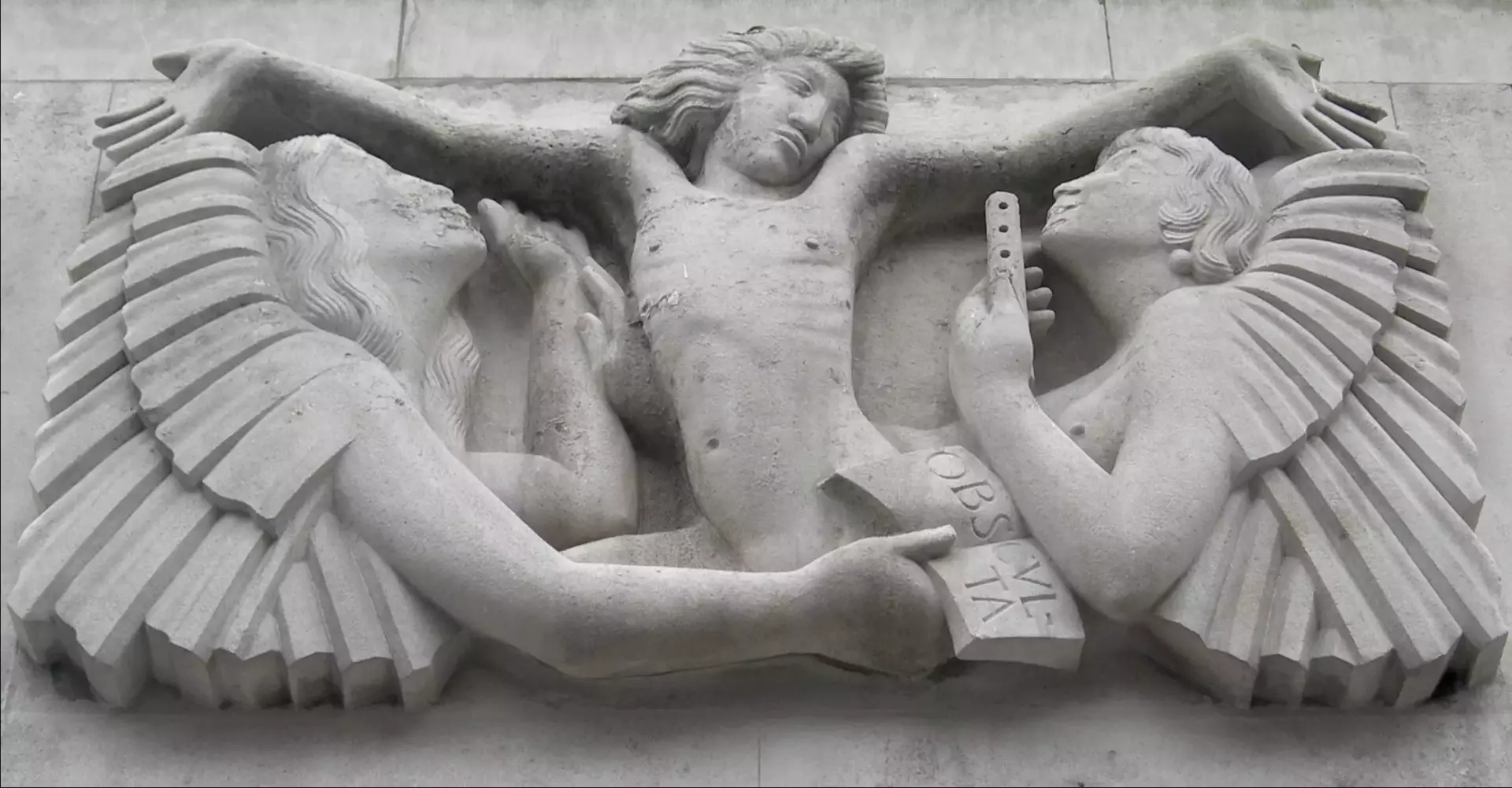
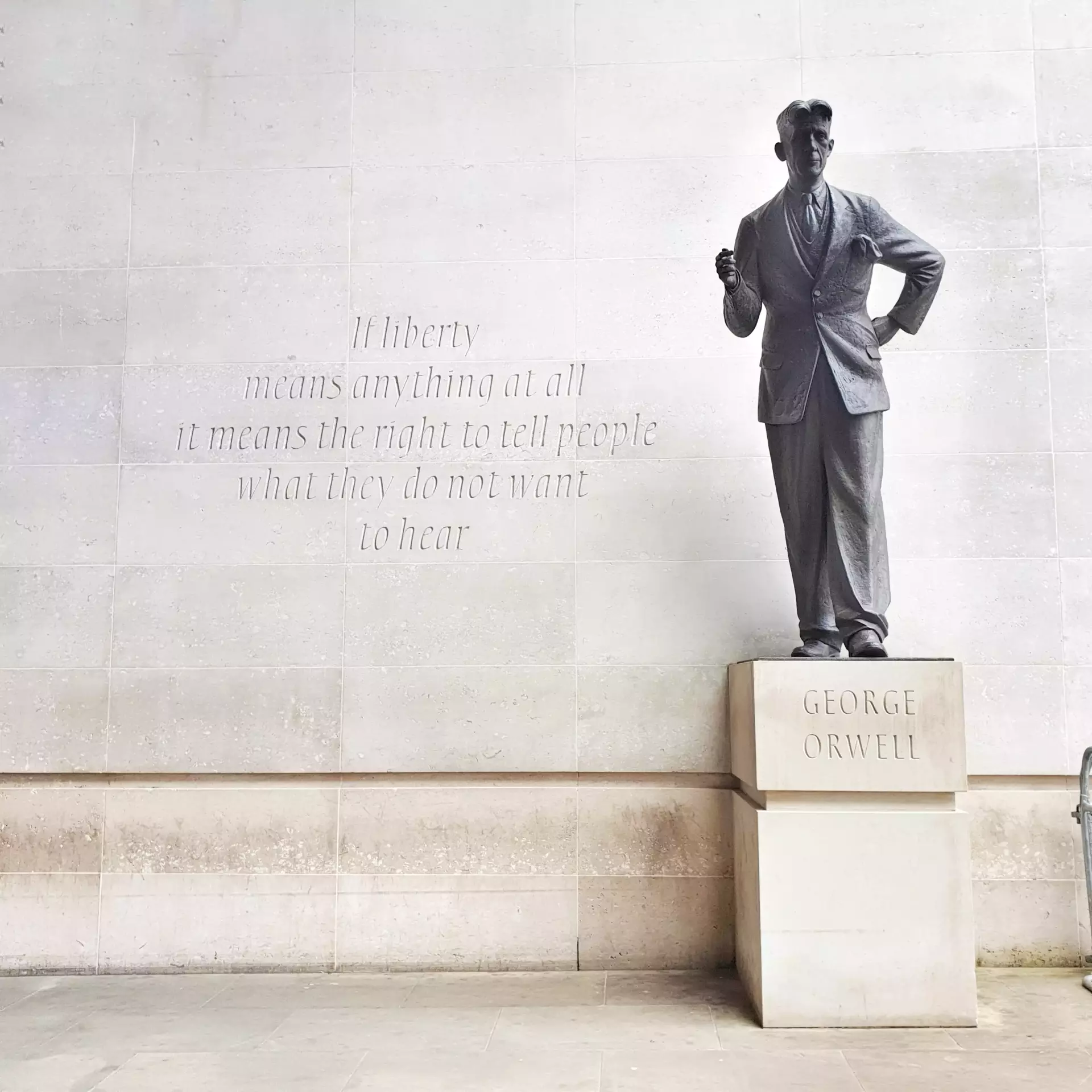
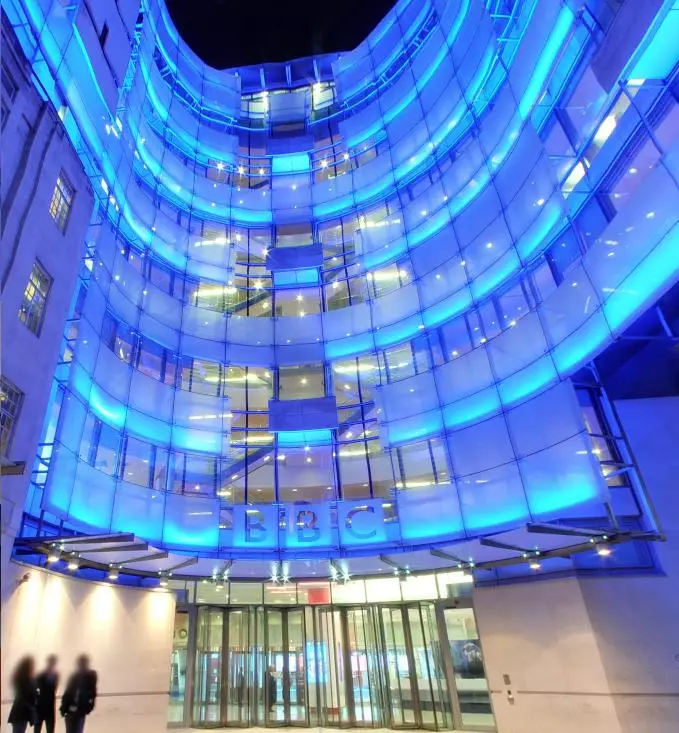
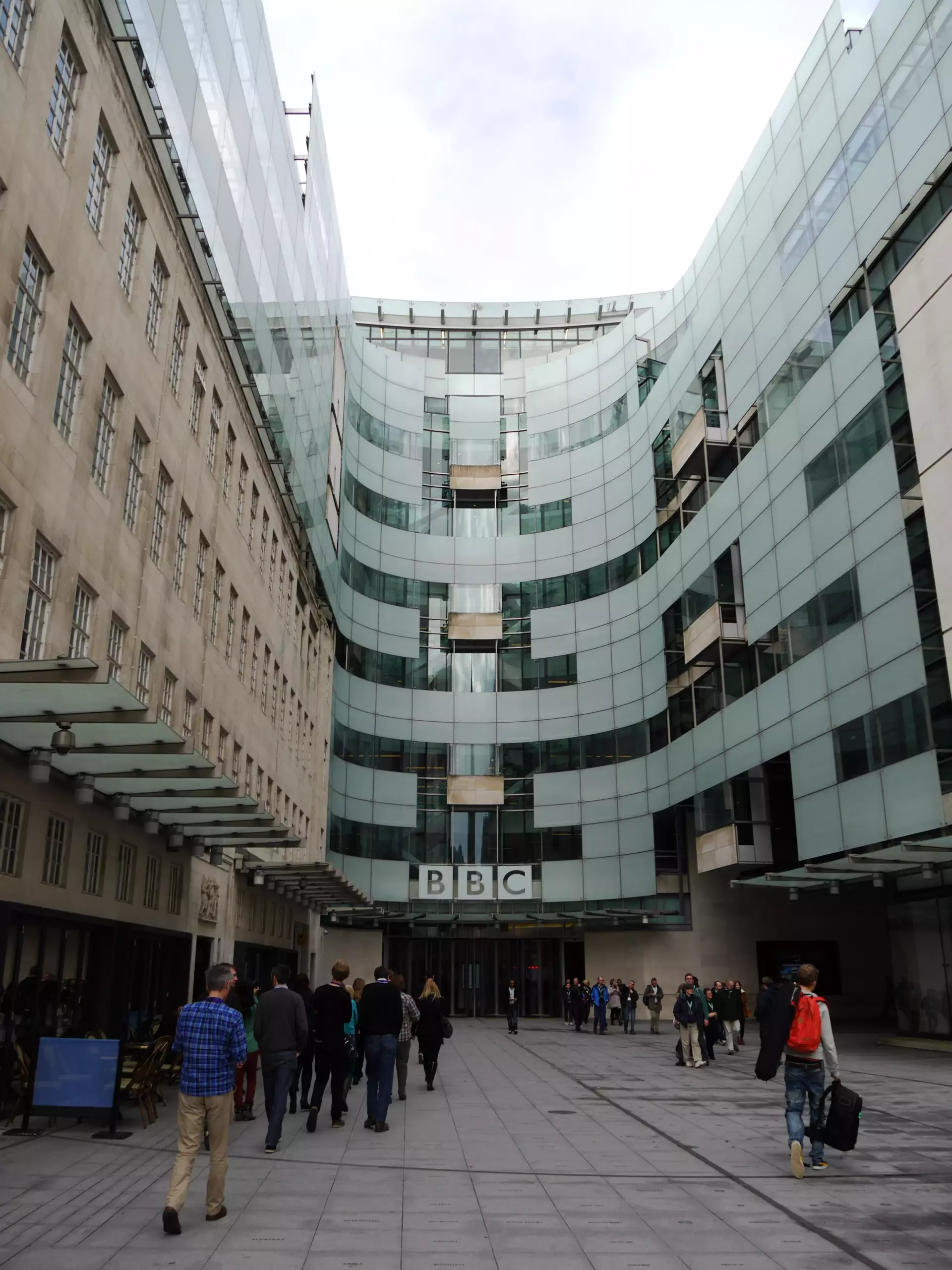
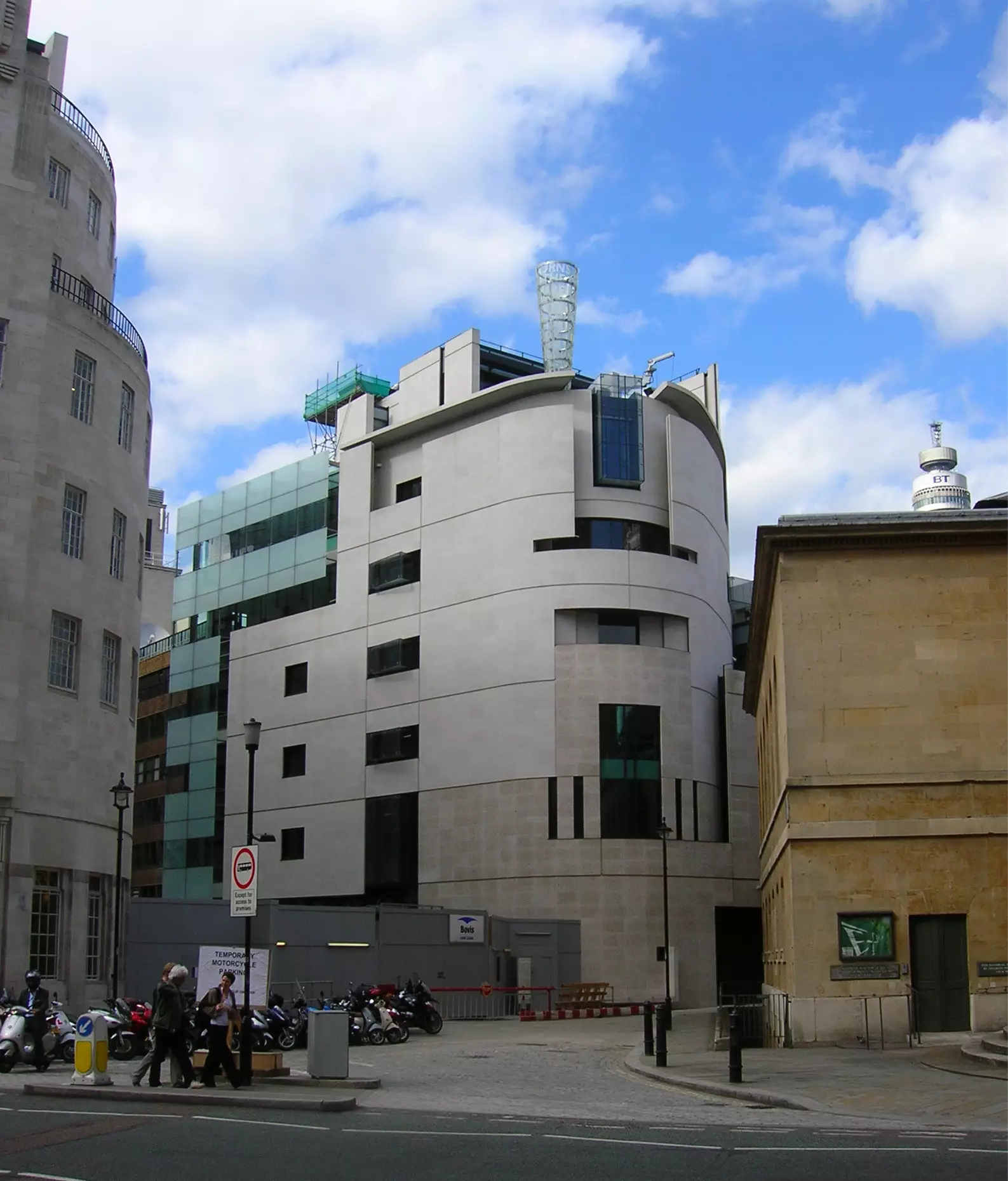
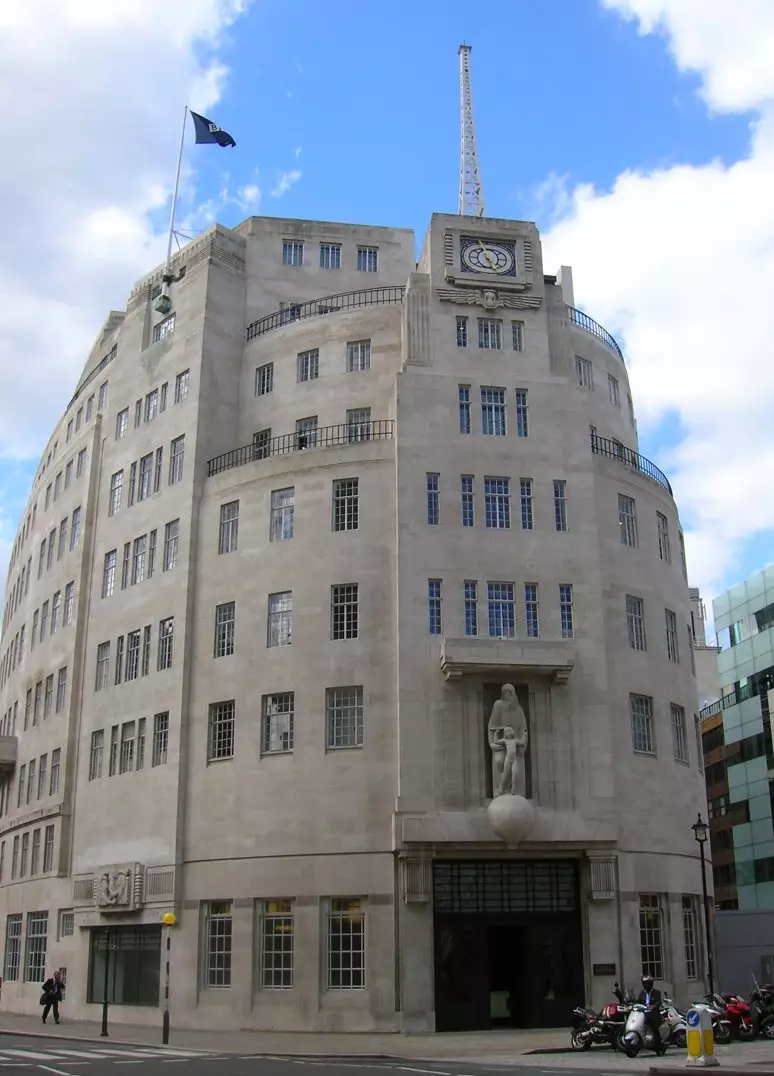
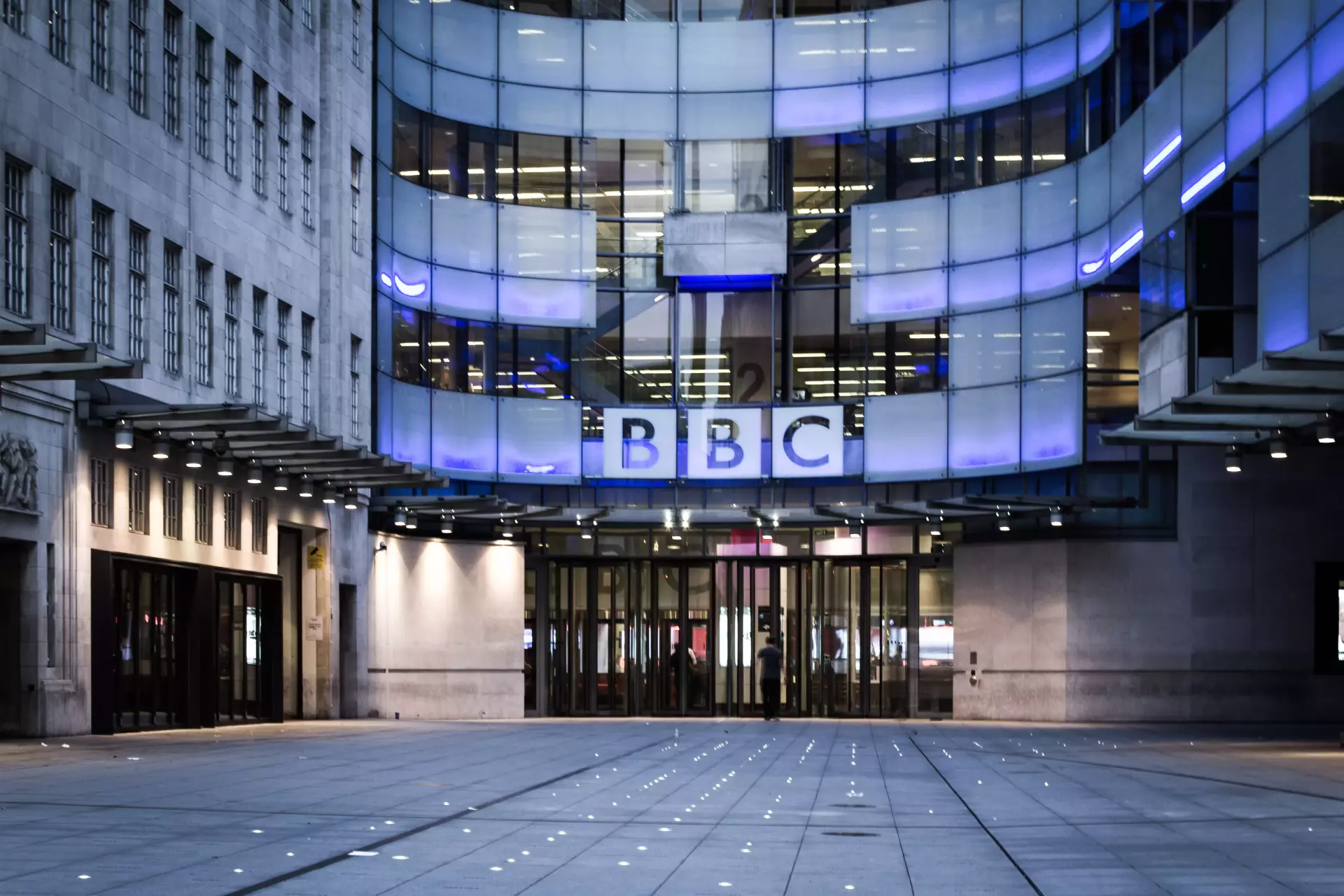
BBC Broadcasting House is a fascinating blend of history and modernity. It includes the Old Broad House, which dates back to the 1930s. This historic building is known for its remarkable façades, adorned with the renowned sculpture of Prospero and Ariel, as well as the Ariel friezes created by artists Eric Gill and Gilbert Bayes.
Every weeknight, the iconic BBC program, The One Show, is broadcast from a studio located on the ground floor of Broadcasting House. The show starts at 7PM and is known for its interactive format. Viewers can catch a glimpse of the action from the outside, as the studio's glass design offers a clear view from the plaza.
In an engaging twist, parts of the show often take place outside the studio, right in the plaza. This unique feature allows for a dynamic connection with the audience, both inside the studio and those passing by outside.
Source - https://en.wikipedia.org/wiki/Broadcasting_House
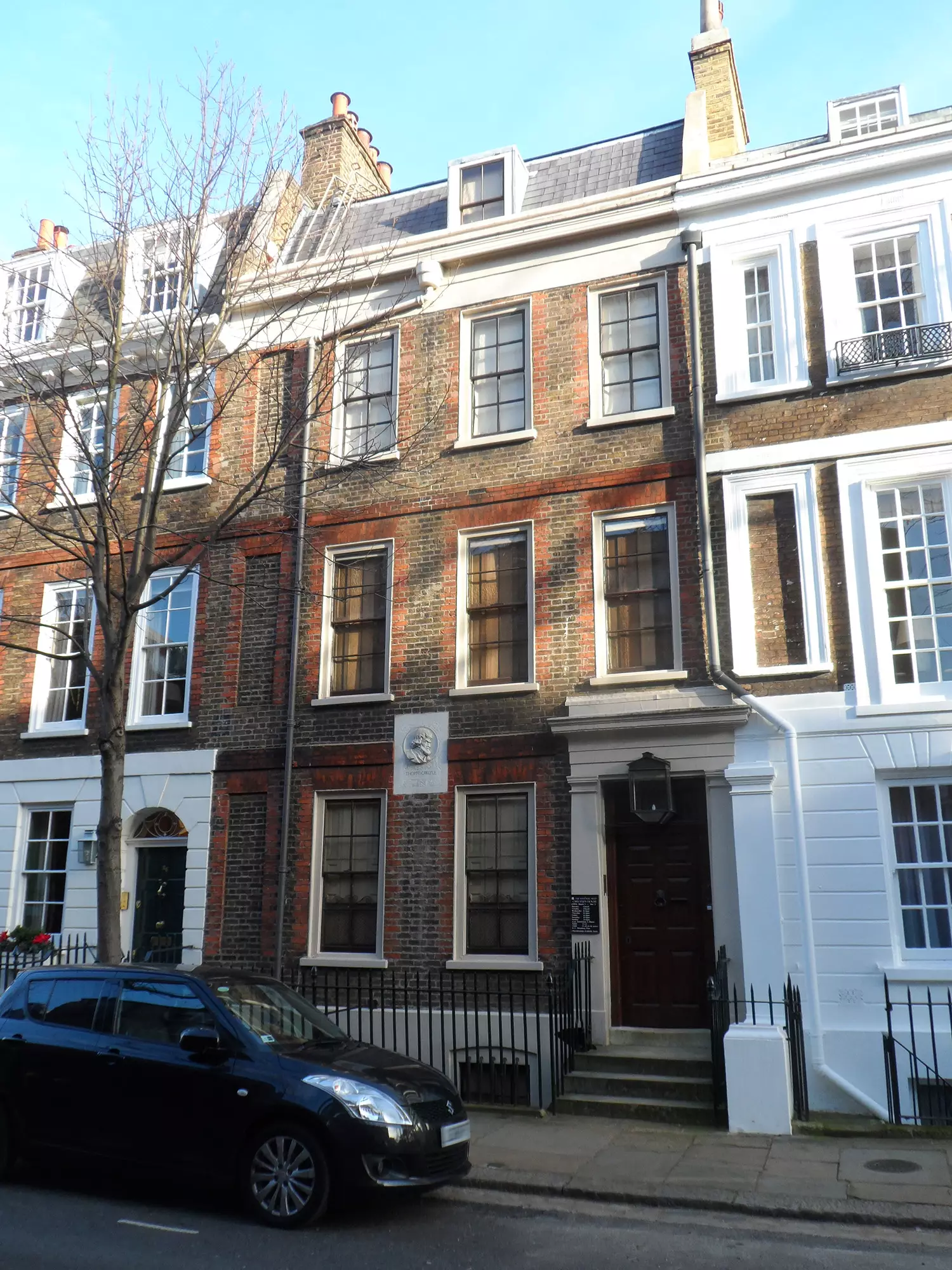
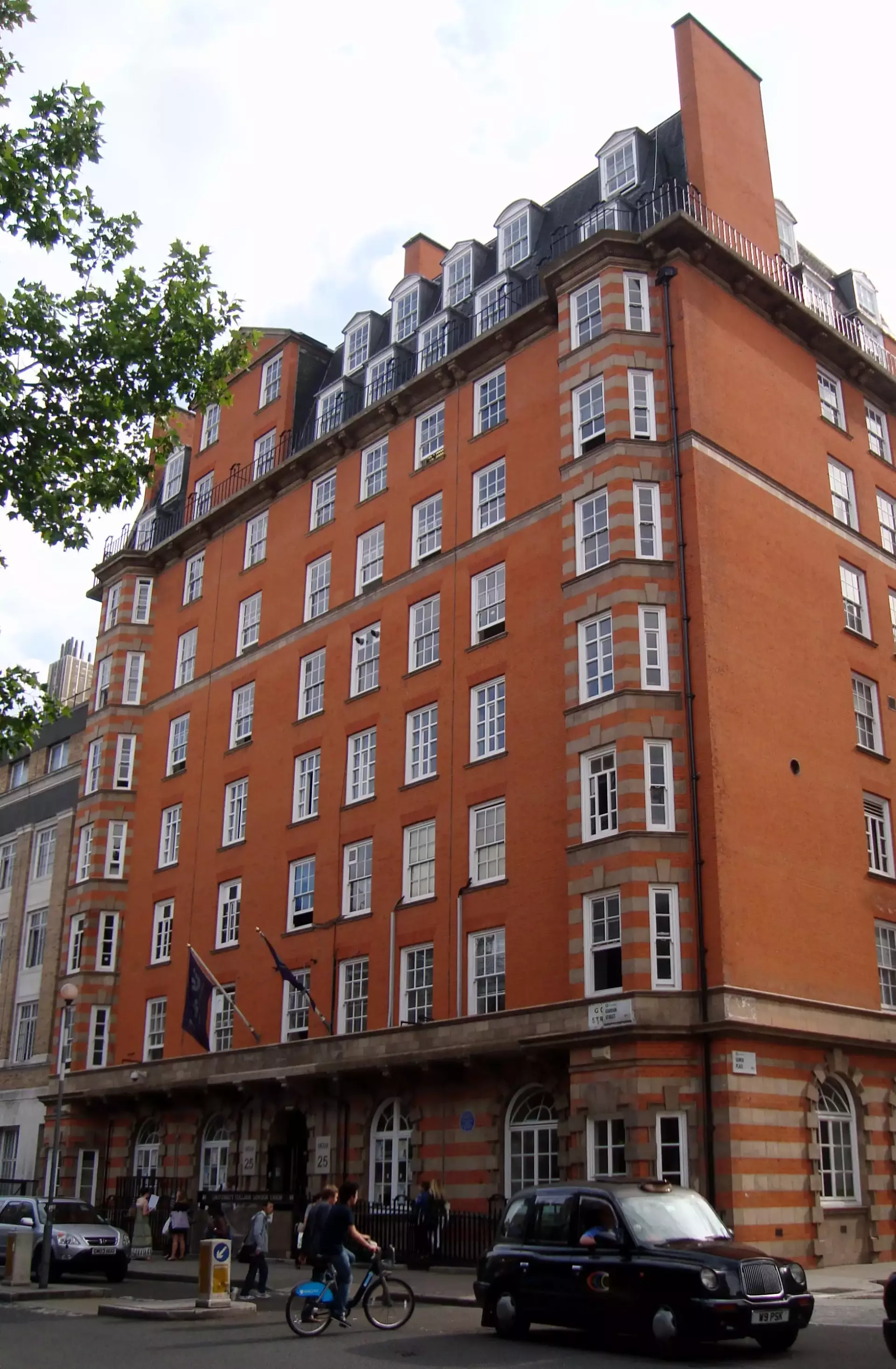
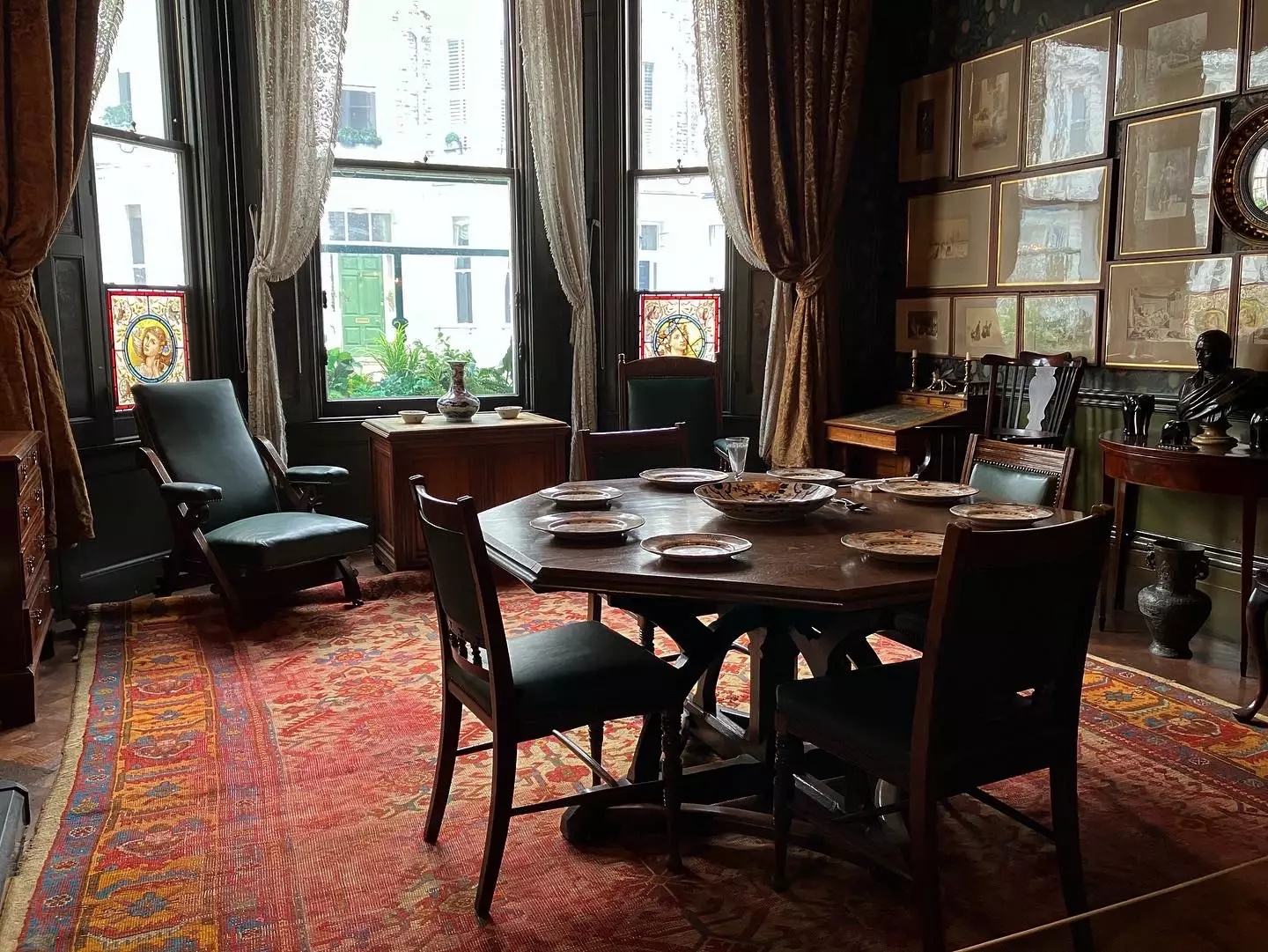
Now preserved by the National Trust, this 18th-century house was the home of the historian Thomas Carlyle from 1834 and now houses a museum dedicated to his life and work.
Includes a small but beautiful quad and an interesting Neo-Classical facade. The core buildings of UCL were built after the university's foundation in 1826.
This enormous arch was built in front of Buckingham Palace. In 1851 the expansion of the palace meant the arch could no longer remain where it was, so it was moved to this point on Hyde Park. It now stands rather sadly on a large traffic island, but the subway beneath the roads means you can stop off at the Marble Arch on your way from Oxford St to Hyde Park.
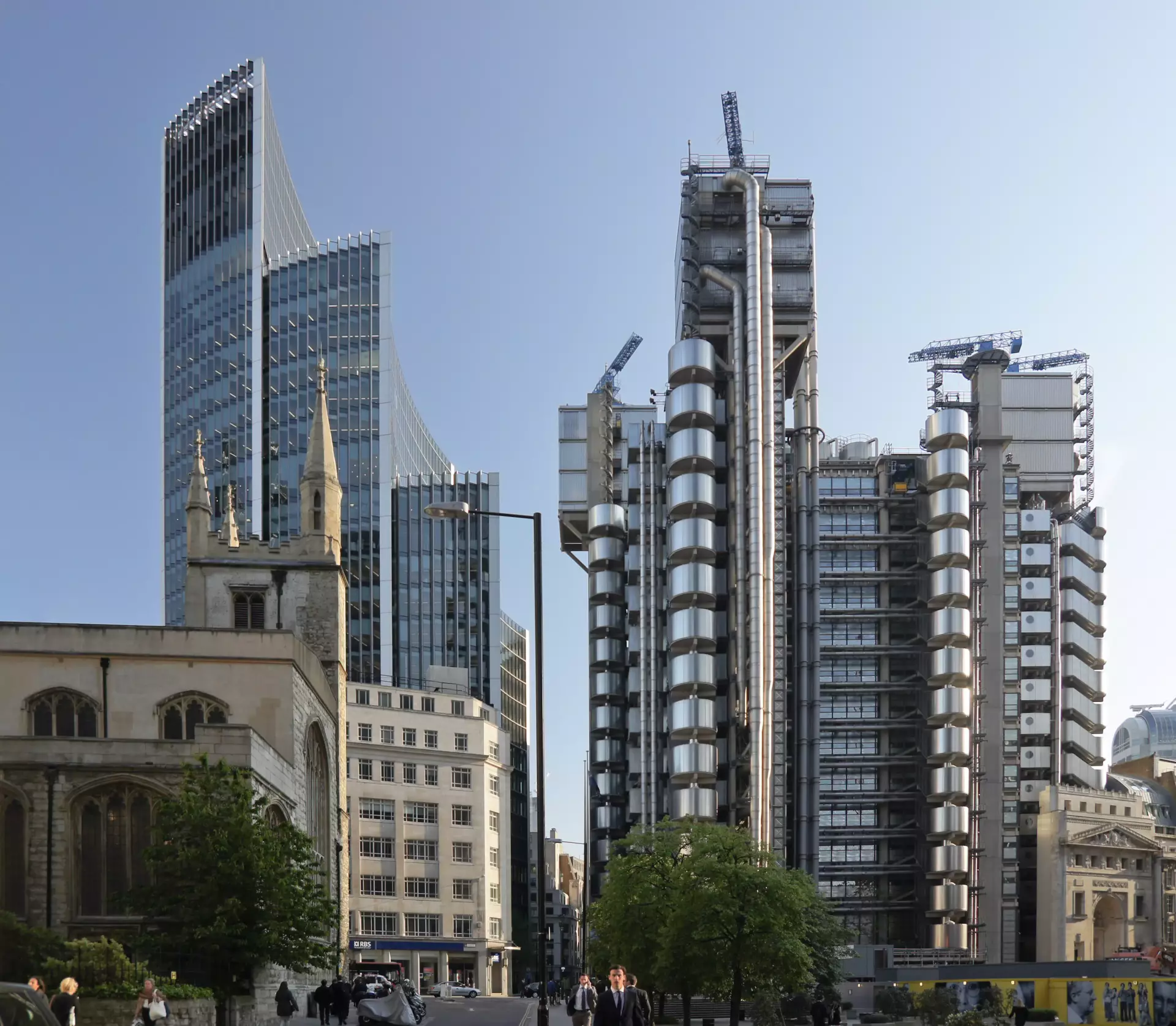
The headquarters of world's most famous insurance market, housed in a revolutionary (at the time) bizarre, Matrix-like glass-and-steel building designed by Richard Rogers, with all support services (lifts, ventilation, etc.) suspended outside. Recognised as a masterpiece of exoskeleton architecture.
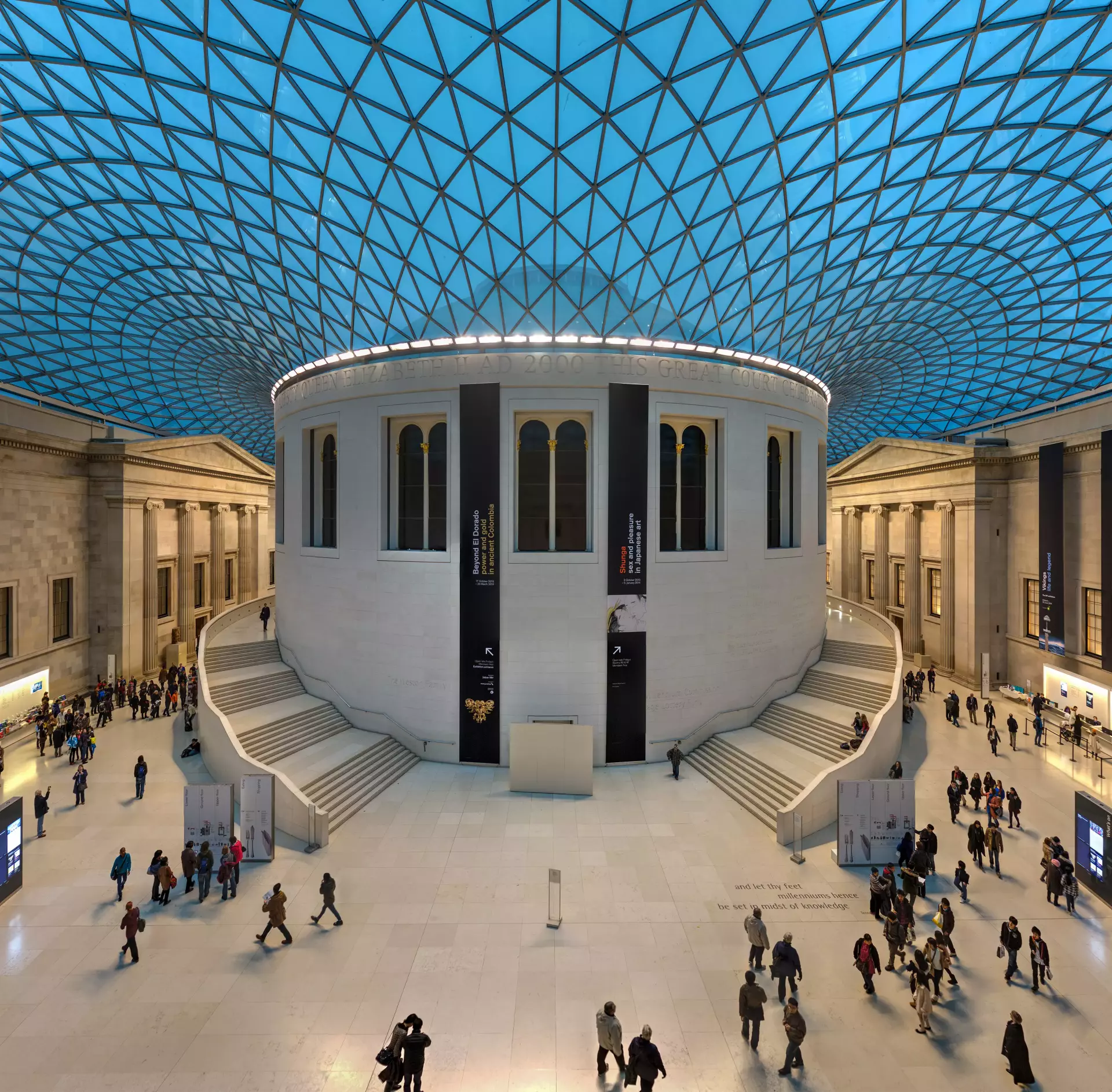
A vast repository of the world's cultures, controversially including hundreds of items that were looted from their places of origin. Entire sections are devoted to Egyptian, Greek, and Middle Eastern artifacts, as well as the piece which united them all, the Rosetta Stone. Other items on everyone's list are the largest collection of mummies outside Egypt and the Elgin Marbles. The collection also includes some of the world's finest collections of Chinese and Sub-Saharan African art; perhaps the most famous of the latter are the Benin bronzes. A definite highlight of a trip to London. Temporary exhibitions are invariably excellent and meticulously researched, but can be expensive. It has a fine store, mainly selling replicas of items in the collection.
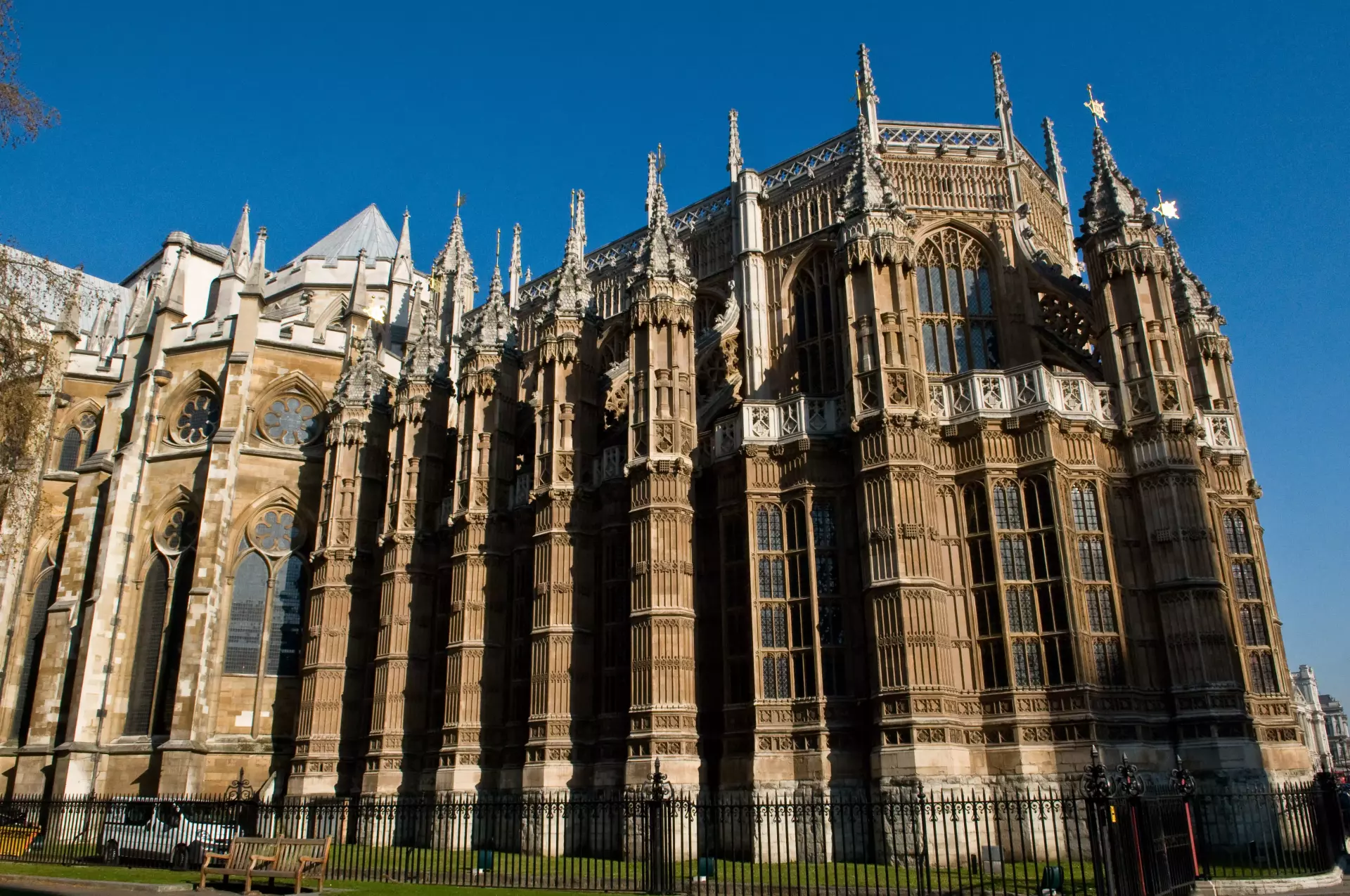
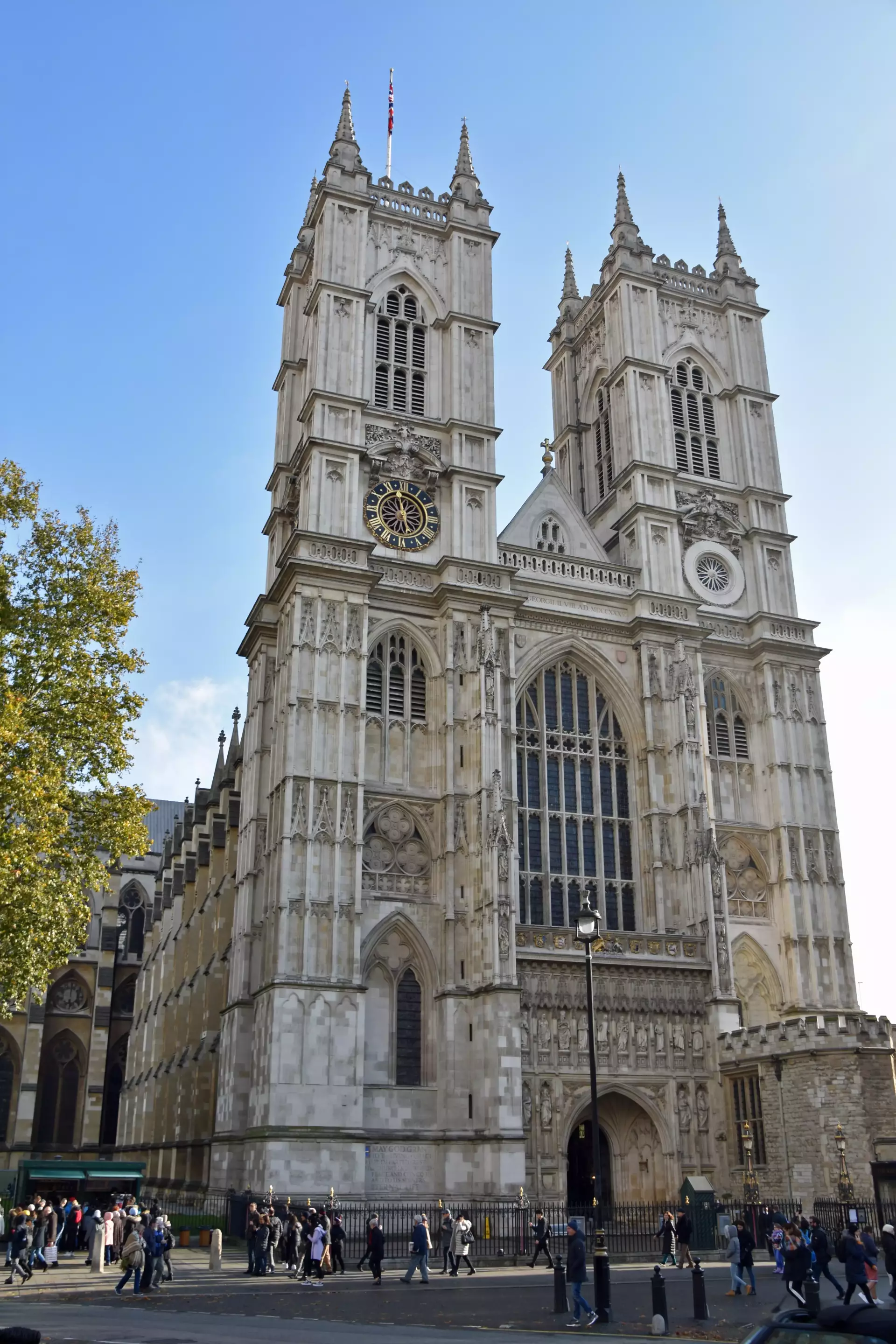
The Abbey charges tourists for entry, but not for worshippers. Attend a church service for free and enjoy some of the finest choral music in London from the choir. Choral Evensong at 3pm (Sa Su) or 5pm (weekdays), depending on time of year, is an especially good bet. The Abbey is the traditional scene for the coronation of British monarchs and the burial place of many past kings and queens. The Abbey contains a good gift shop and the Cellarium Café, which traces its history to the 14th century, is a good place to buy a noontime meal. Westminster Abbey is usually open to visitors from Monday to Saturday throughout the year. On Sundays and religious holidays such as Easter and Christmas, the Abbey is open for worship only. All are welcome and it is free to attend services. Visitor access to the Abbey is via the West Gate of the North Green.
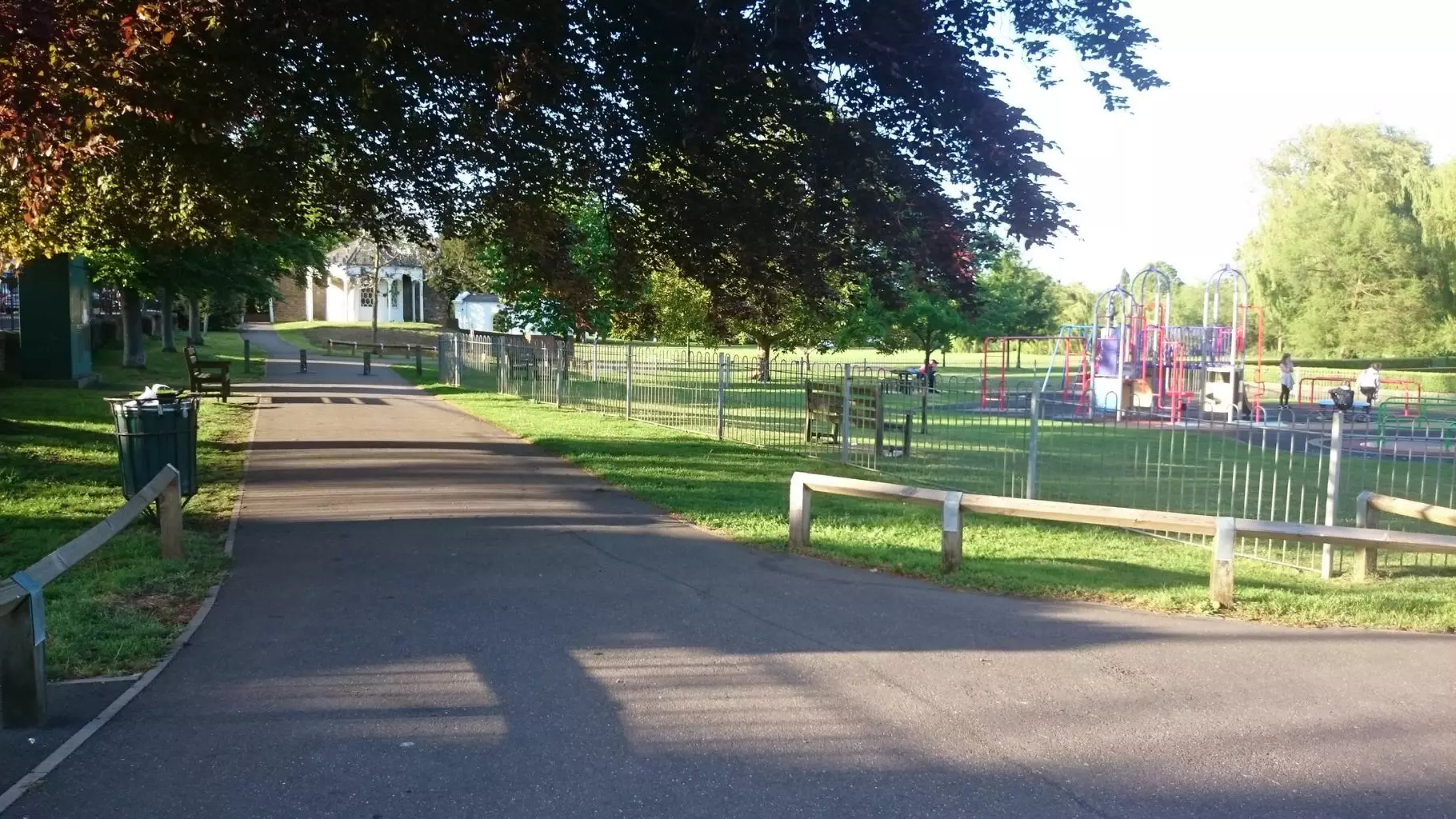
Park overlooking the river, with the local war memorial. Be careful at high tide, as it may flood.
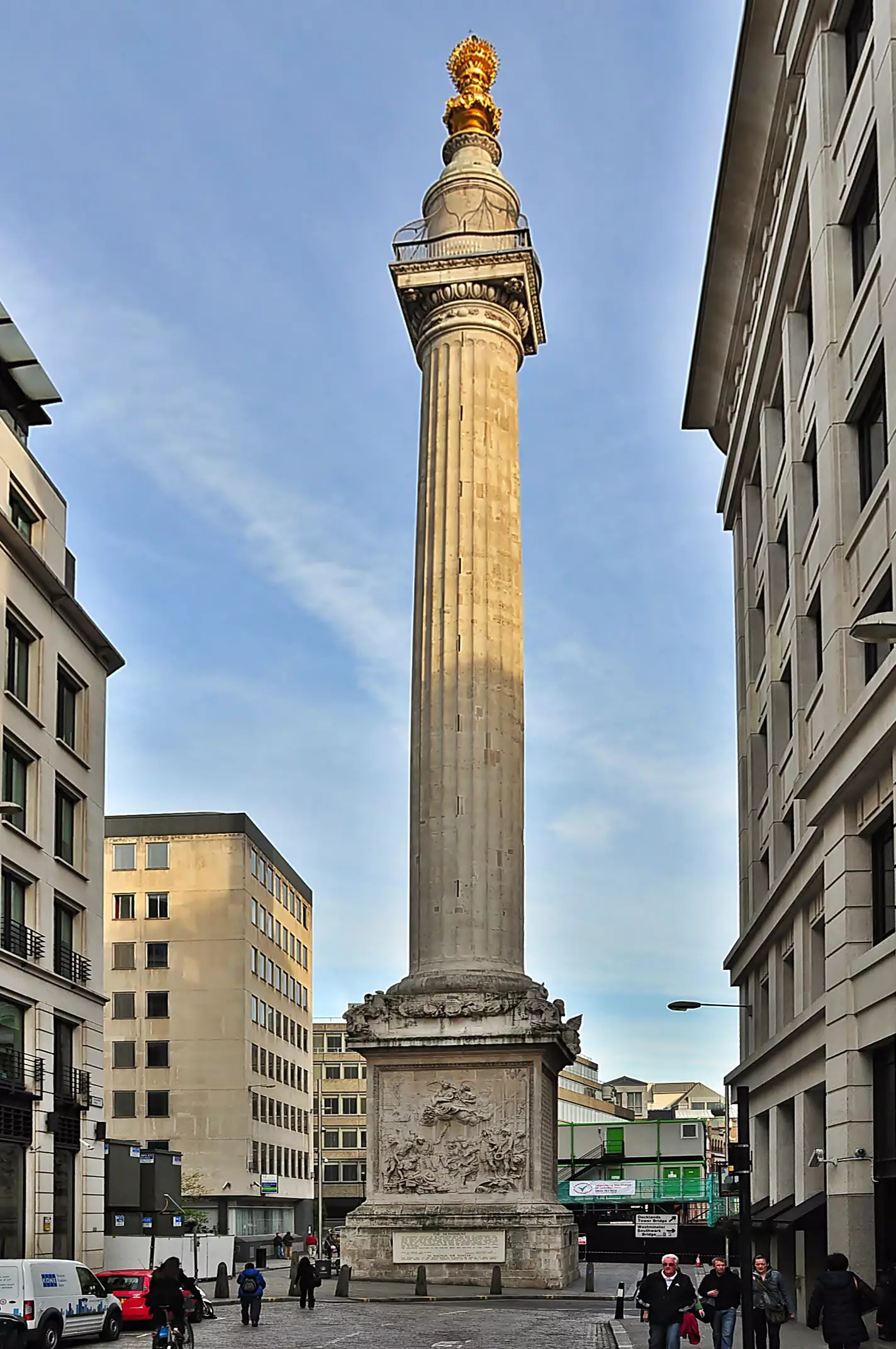
Designed by Sir Christopher Wren, this tall column (which can be ascended to get a great view) marks the alleged site where the Great Fire of London broke out in September 1666.
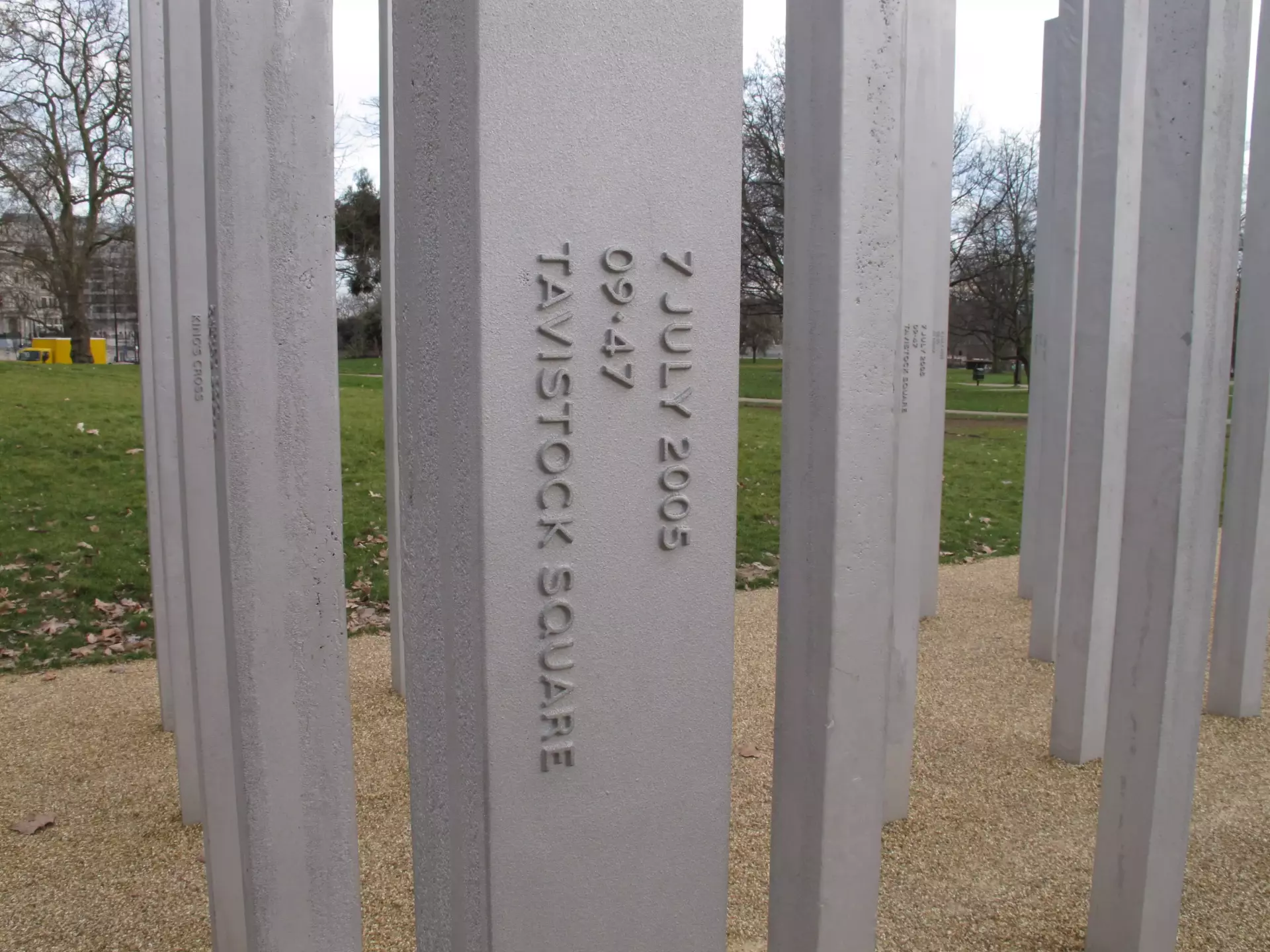
A memorial made out of 52 stainless steel columns representing each of the 52 victims who died in a series of terrorist attacks in the London bombings on July 7th, 2005.
Peaceful gardens and interesting monuments including the daughter of Richard Cromwell, son of Oliver Cromwell.