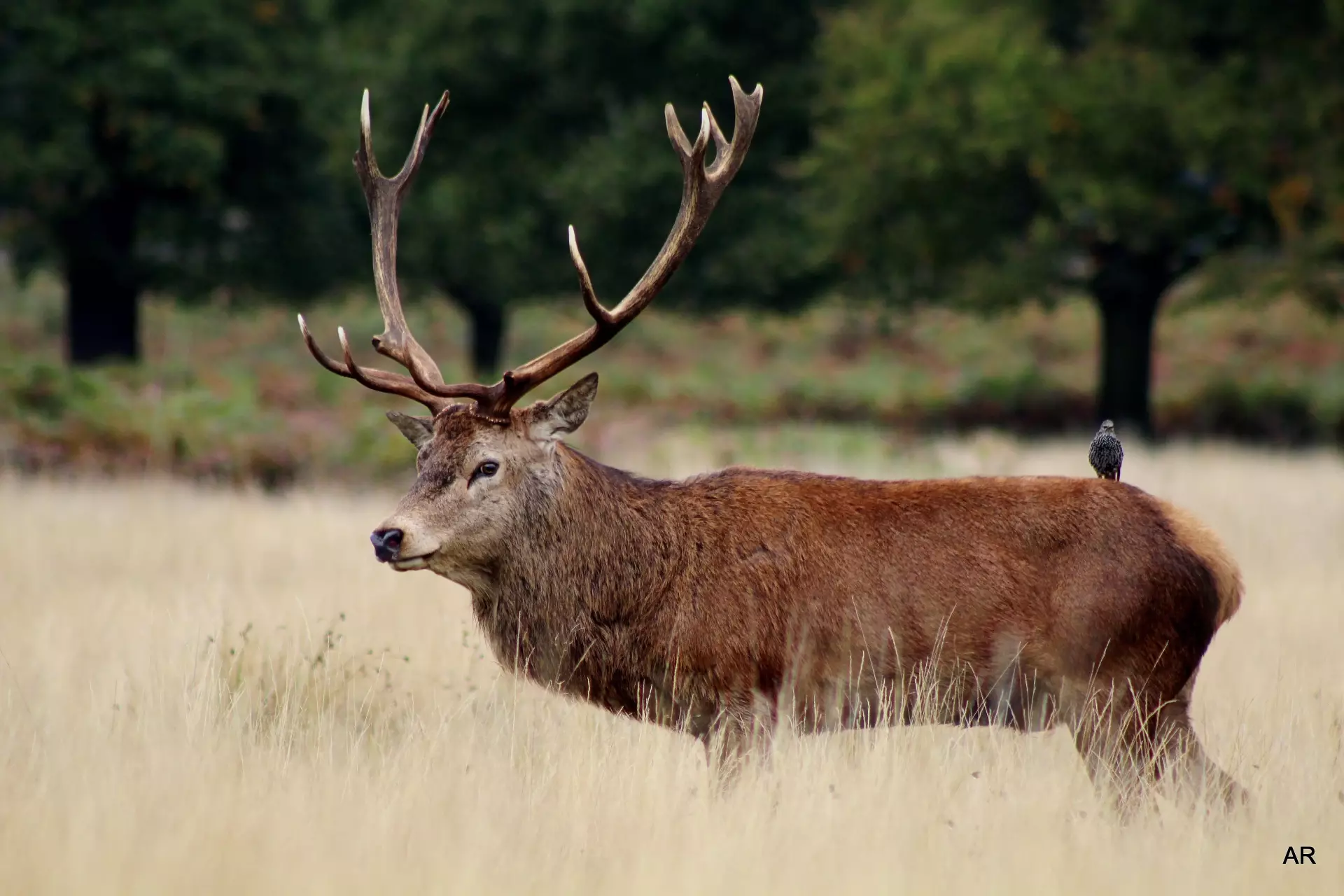
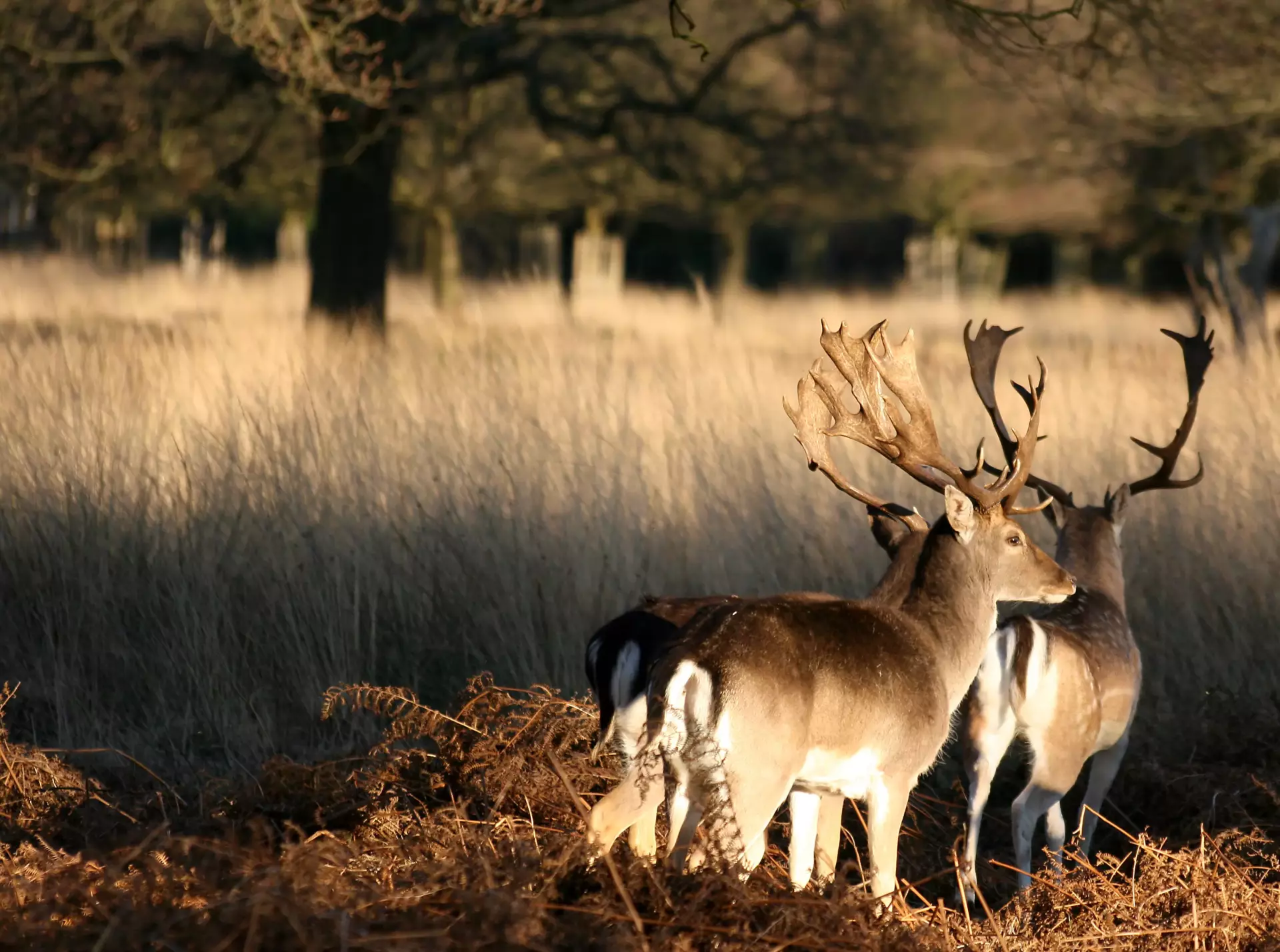
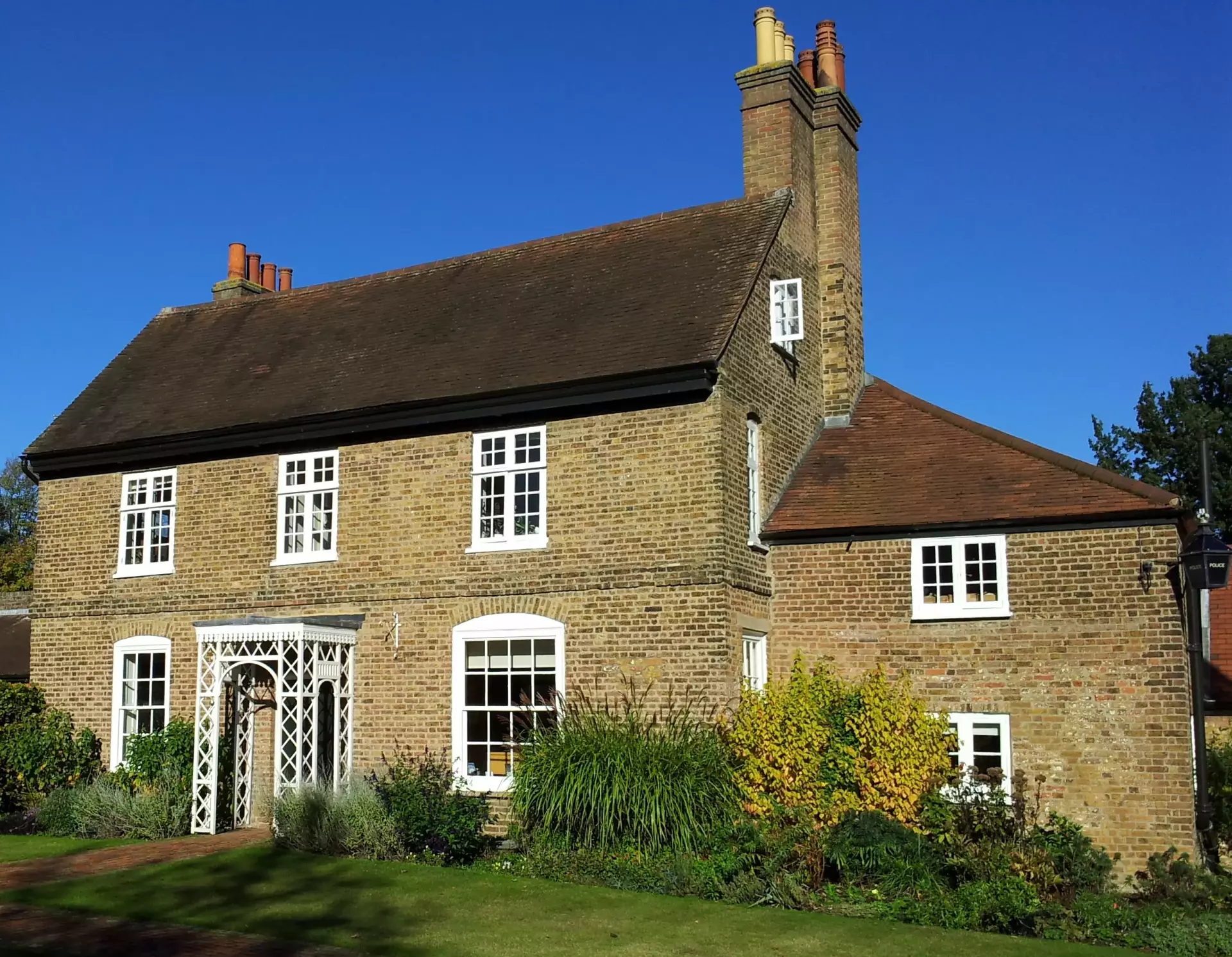
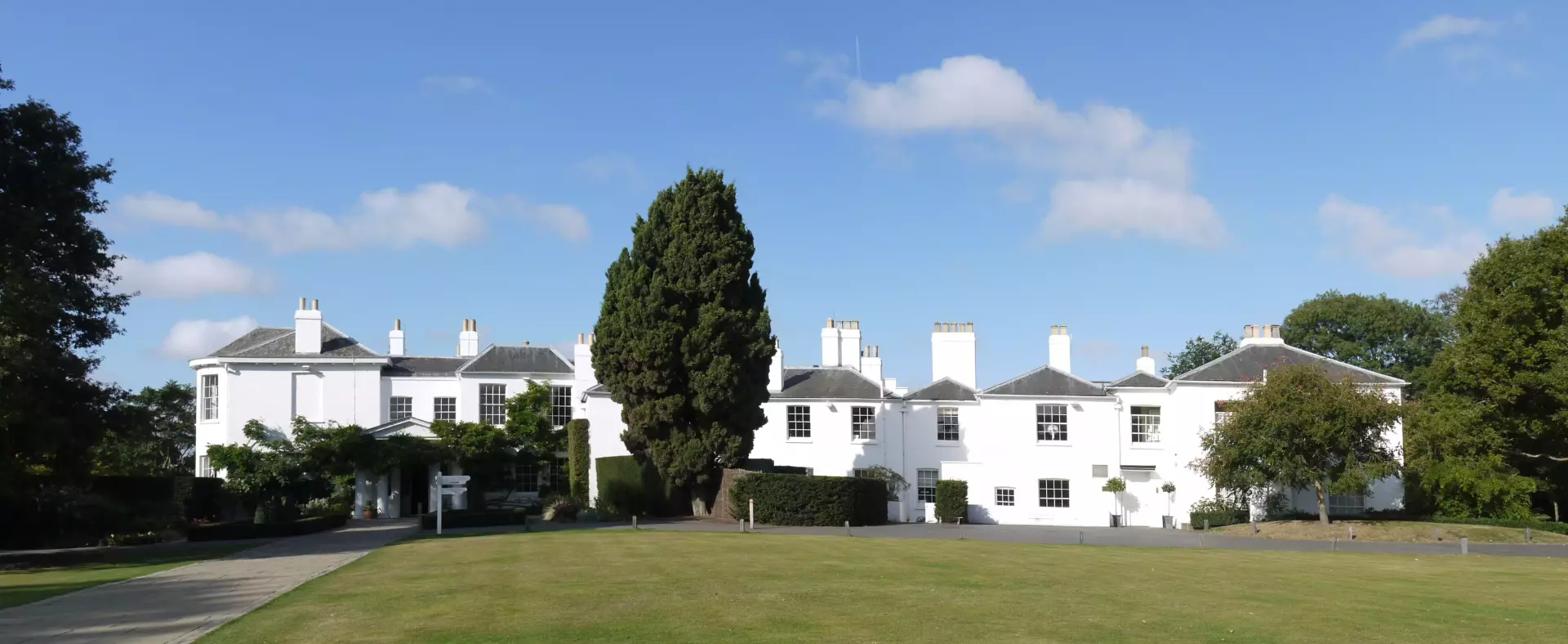
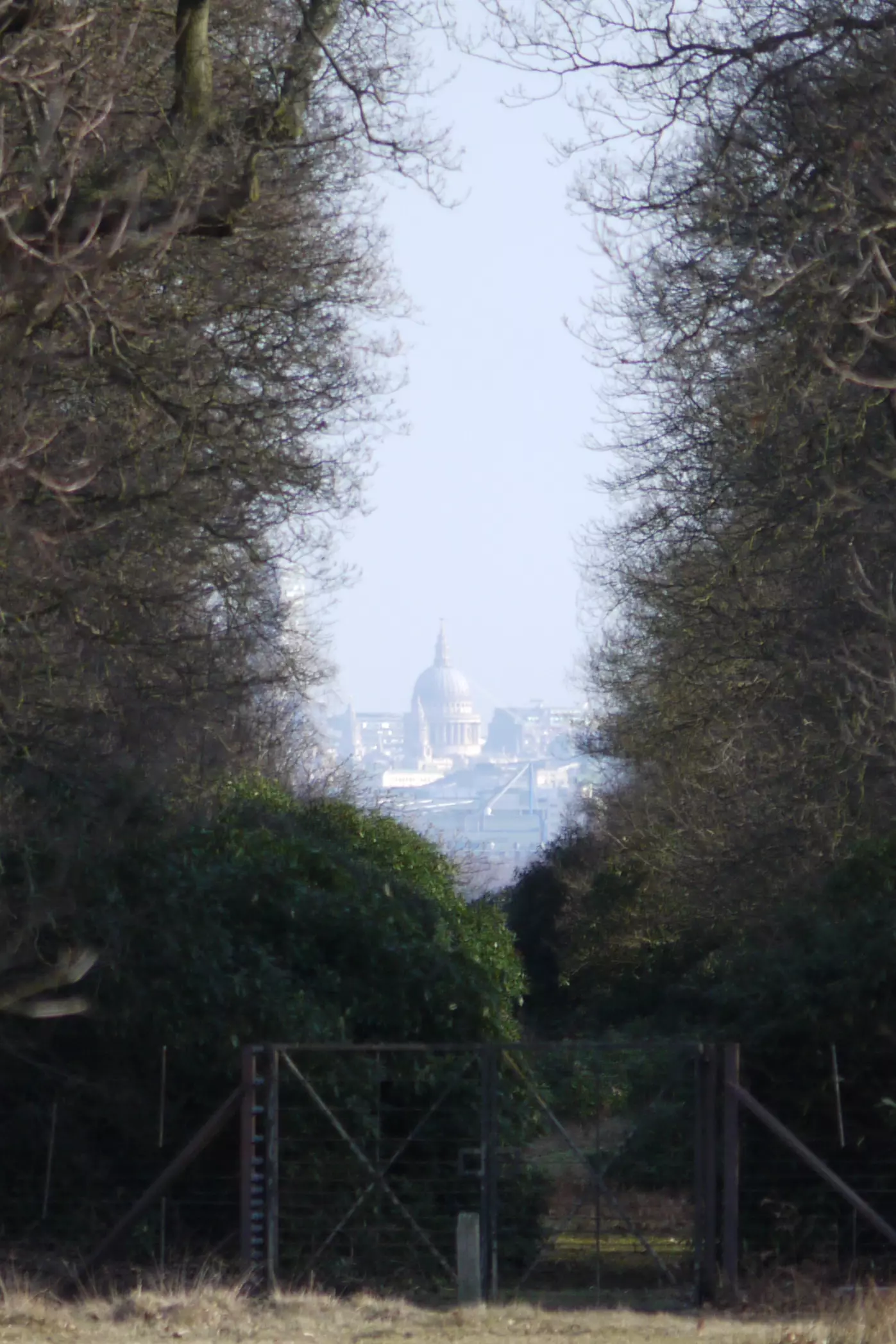
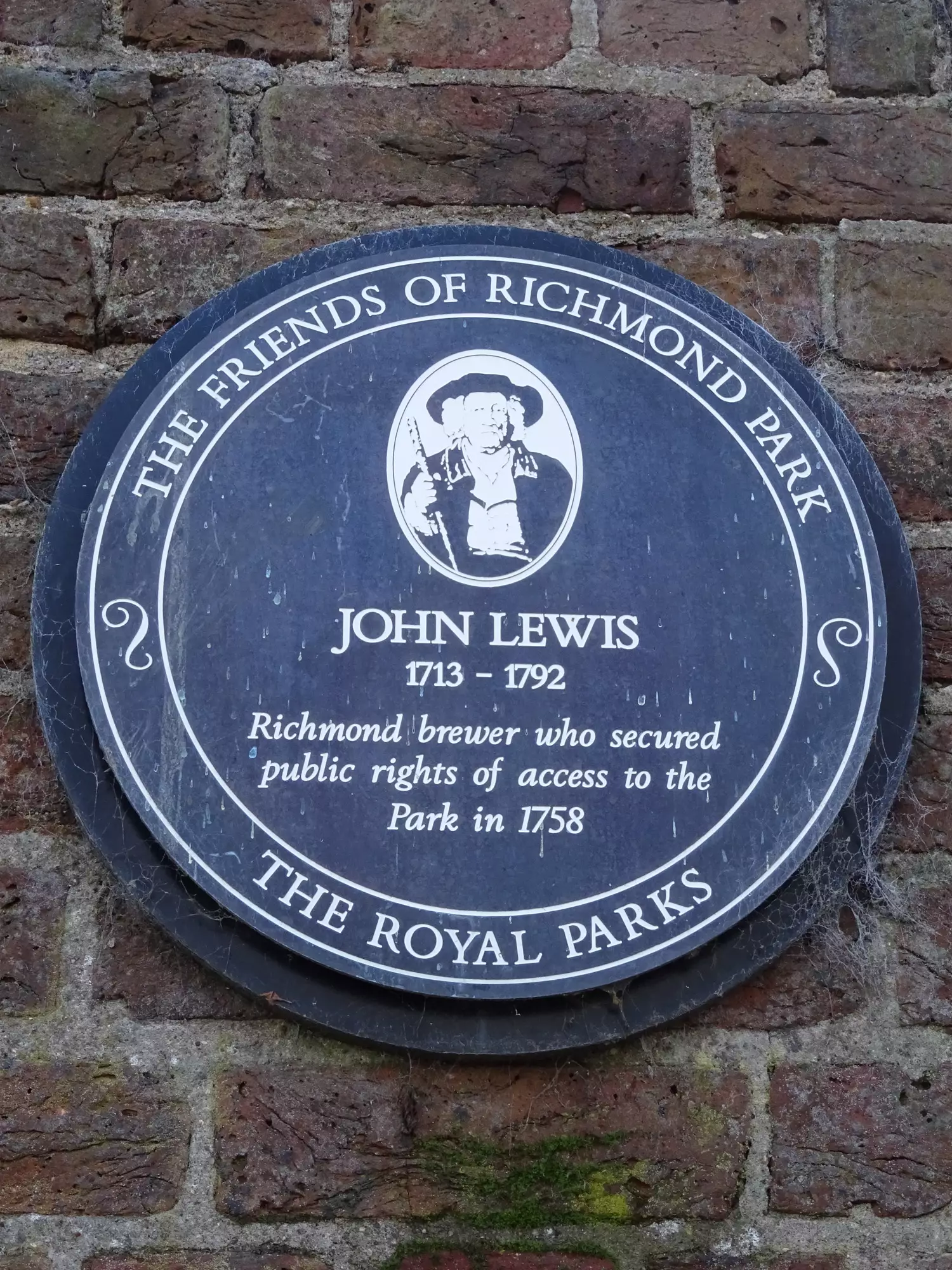
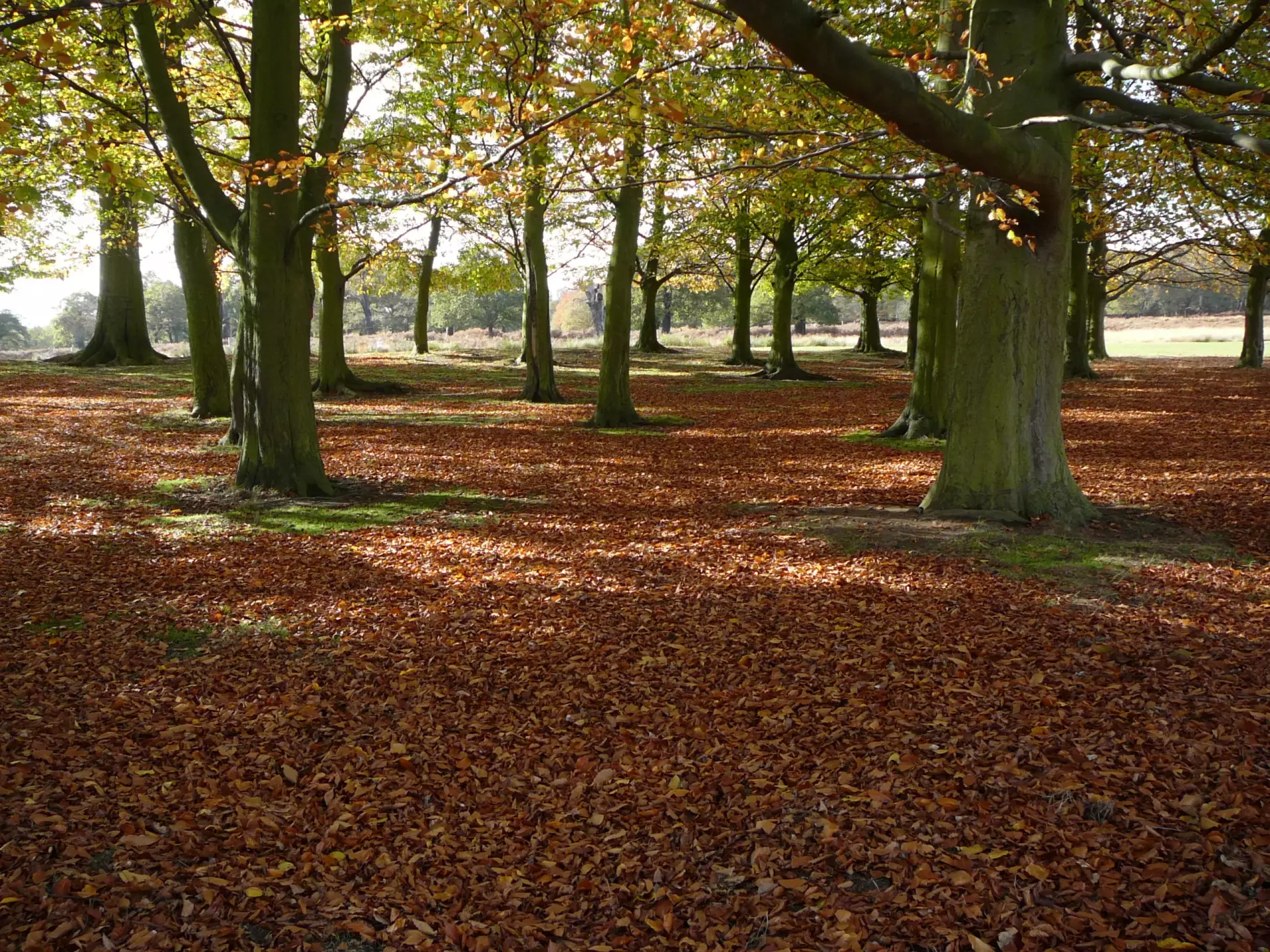
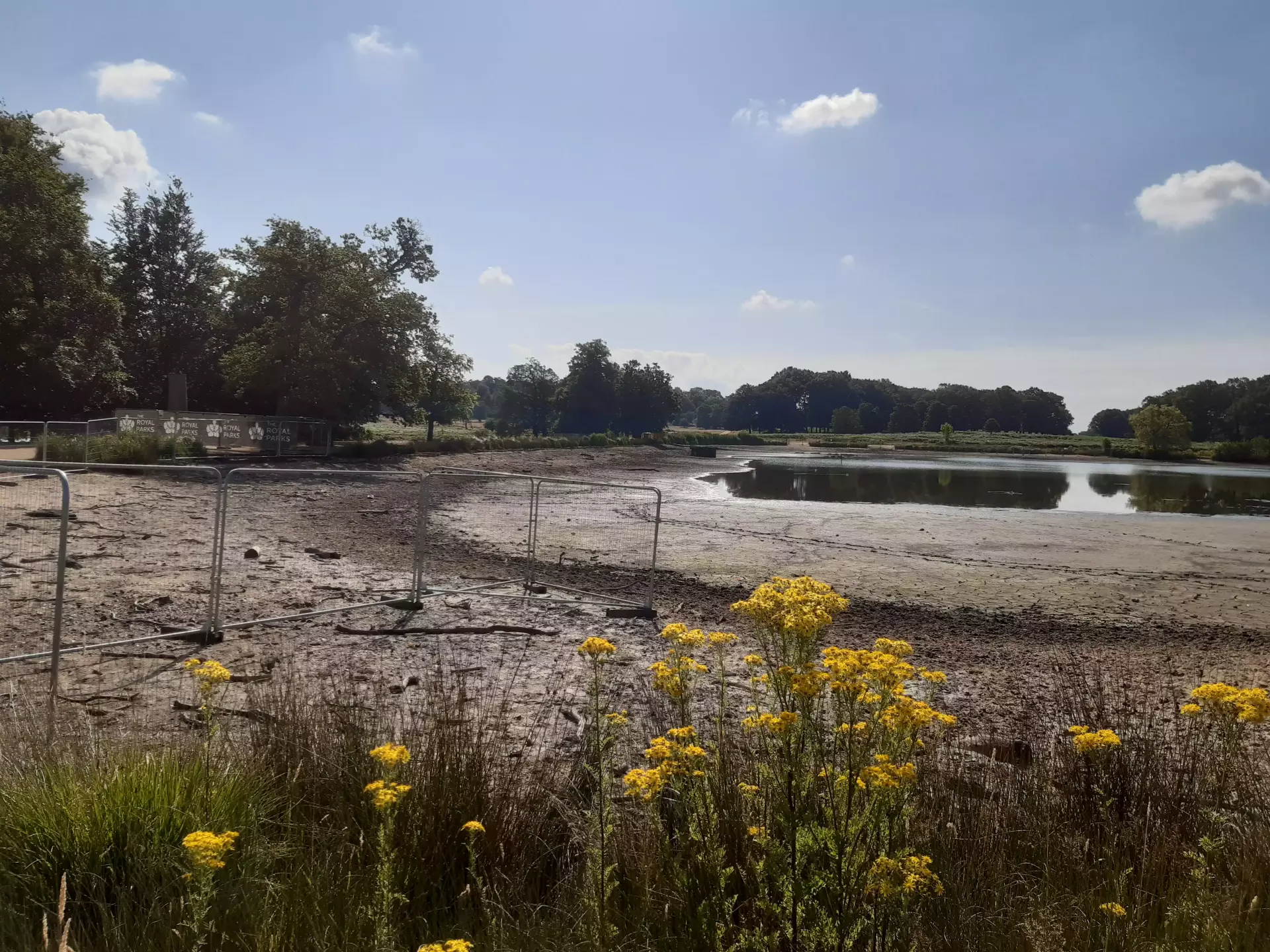
Richmond Park is the largest open space in London, spanning nearly 1,000 hectares (2,500 acres). This vast area is a sanctuary for a diverse array of wildlife, including a herd of 400 wild deer that roam freely.
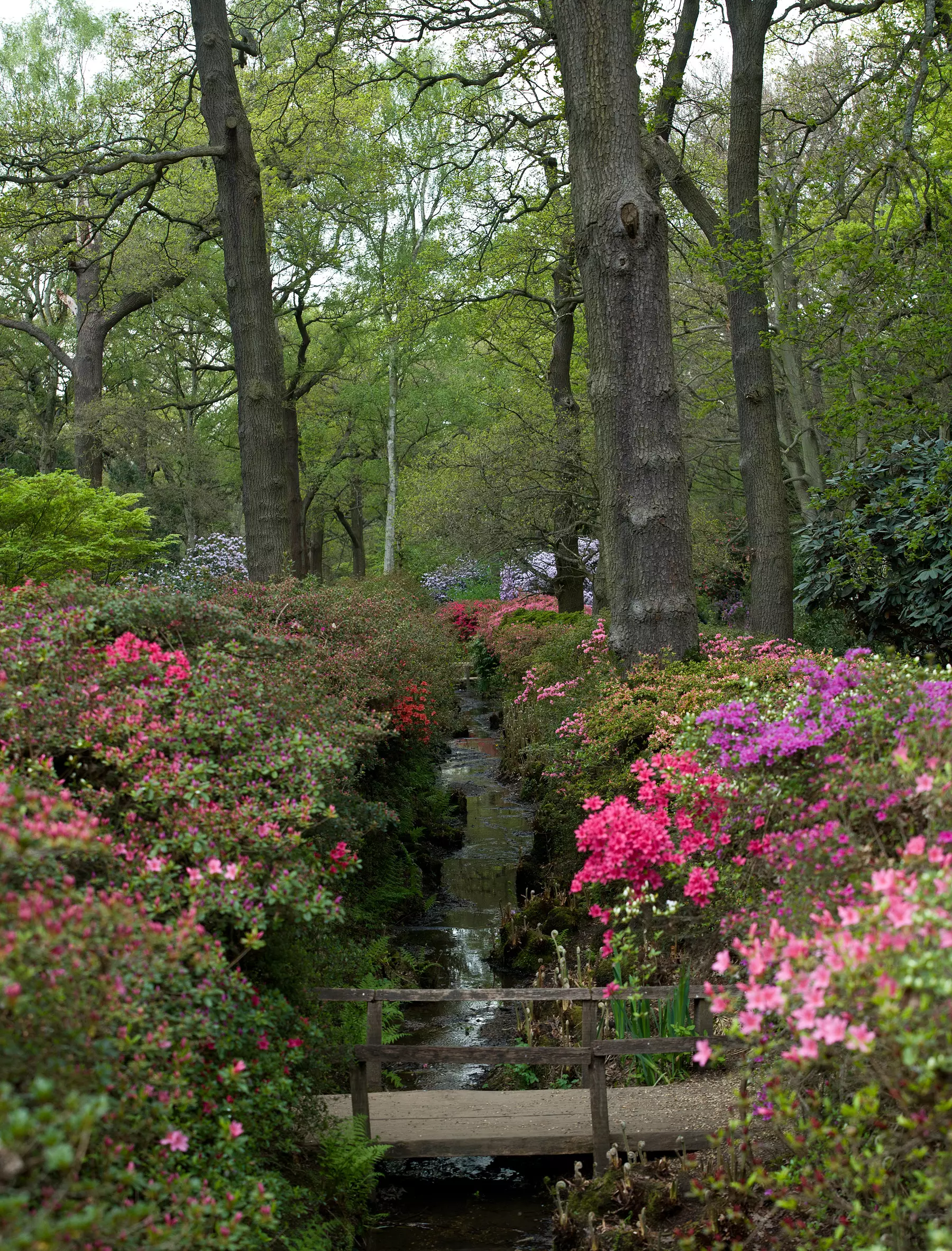
Within the park's sprawling grounds lies the lush Isabella Plantation, a haven filled with an impressive variety of trees and vibrant flowers. This picturesque spot is perfect for a peaceful stroll amidst nature's colorful tapestry.
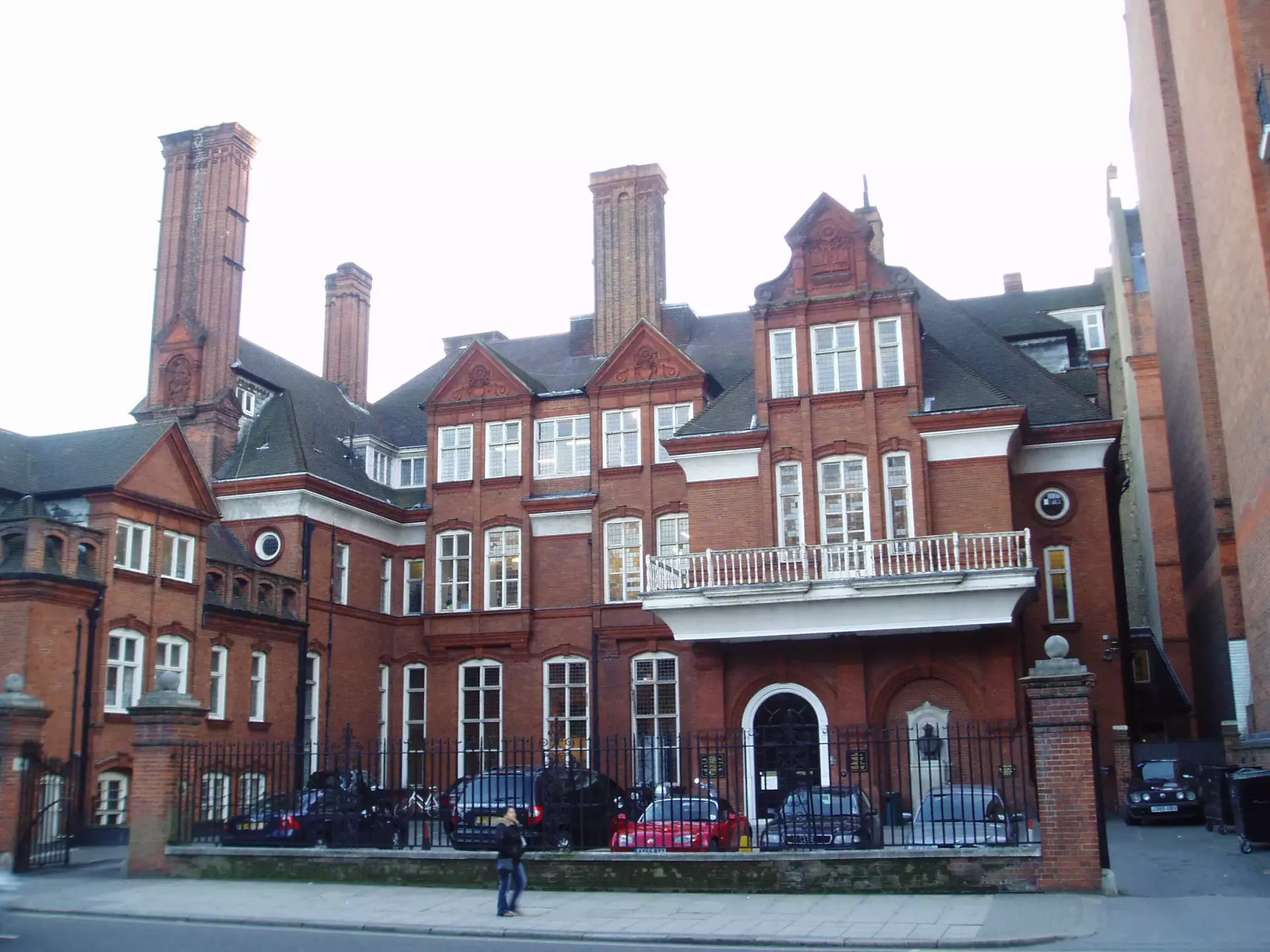
Richmond Park is also home to the Royal Ballet School, a prestigious institution that gained fame from its appearance in the film "Billy Elliot". This adds a touch of cultural charm to the park's natural beauty.
Cyclists find Richmond Park particularly appealing, with options for both on-road perimeter circuits and off-road trails. The park's roads and paths offer varied terrain for riders of all skill levels.
For those who prefer walking or picnicking, there are several car parks available, making it easy to access different areas of the park. Whether exploring on foot or enjoying a leisurely meal outdoors, visitors have ample opportunities to connect with nature.
Source - https://en.wikipedia.org/wiki/Richmond_Park
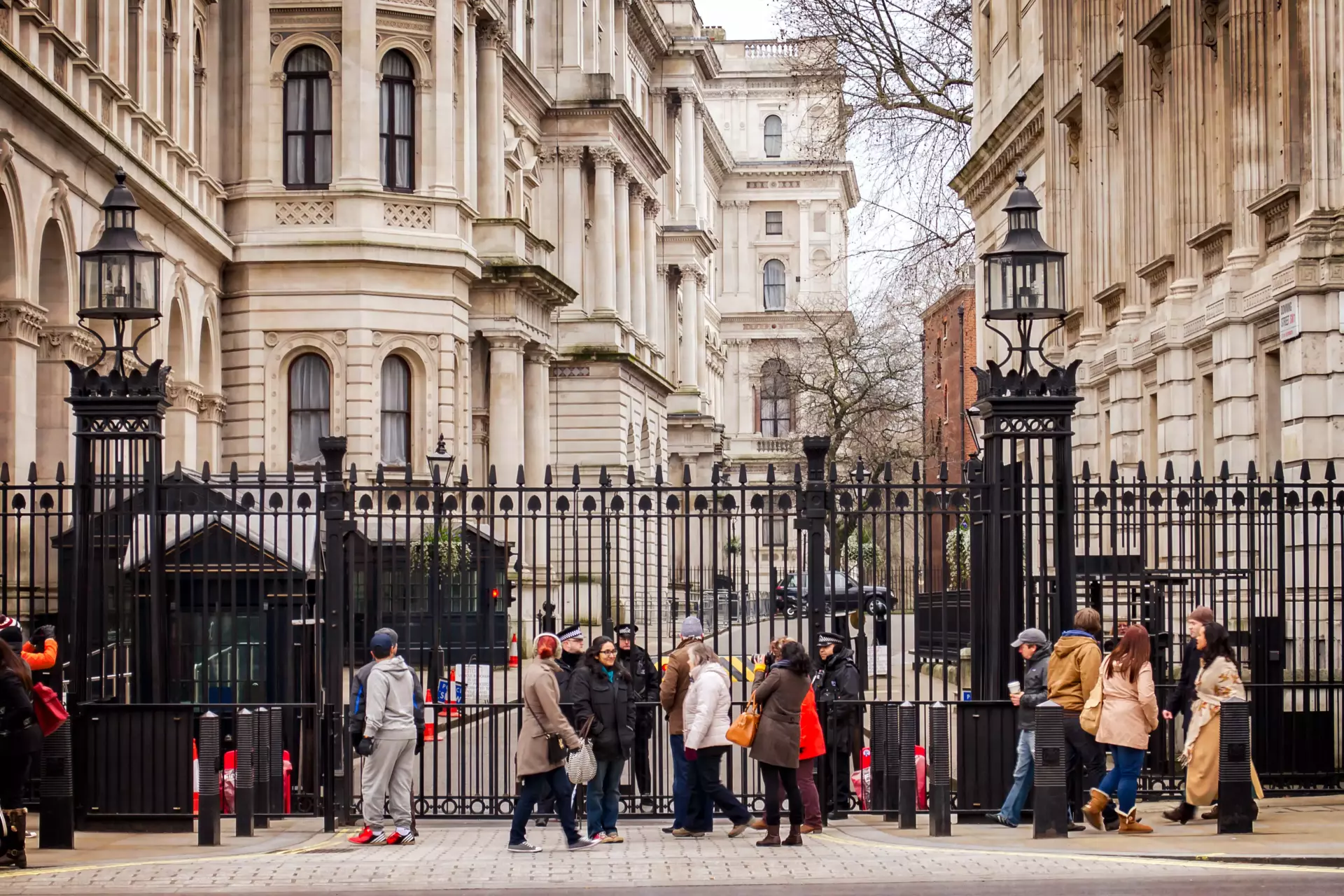
Site of the London residences for the Prime Minister (No. 10) and the Chancellor (No. 11).
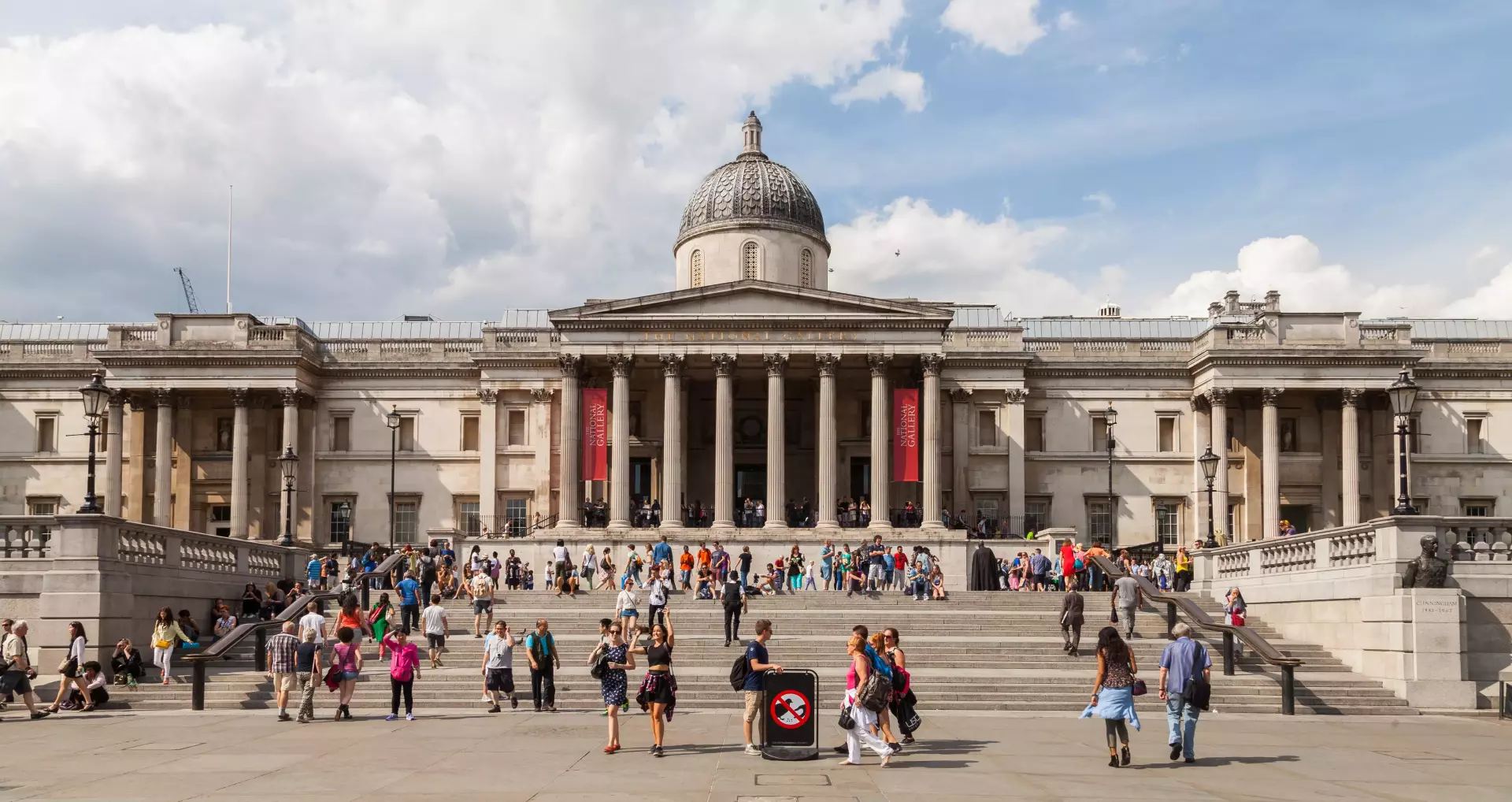
Houses the British national collection of western European art dating from the 13th to 19th centuries. A truly awe-inspiring collection, notable works include Hans Holbein's The Ambassadors, Van Gogh's Sunflowers and Constable's The Haywain. The vast majority of art is free of charge to visit. Temporary exhibitions are generally fairly costly, but invariably well researched and presented. The audioguides are very comprehensive, have comments on most of the paintings in the museum, and are free though this fact is not advertised. A donation is suggested. In addition to courses, workshops, lectures and other events, the National Gallery has free talks and tours every day.
At 87 hectares this is the largest open green space in the district.
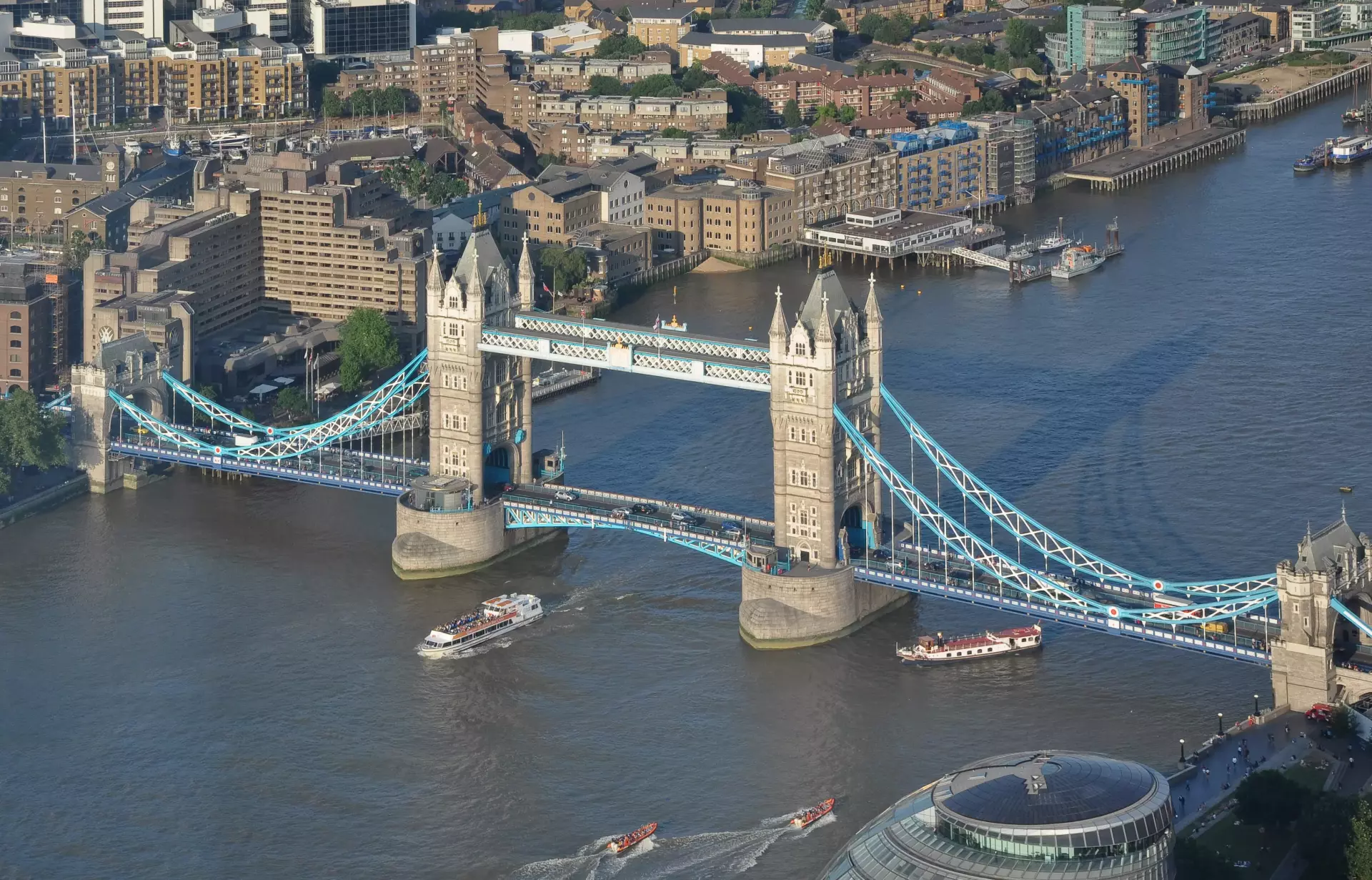
Magnificent 19th-century bridge, decorated with high towers and featuring a drawbridge. The bridge opens several times each day to permit ships to pass through – timings are dependent on demand, and are not regularly scheduled. When Tower Bridge was built, the area to the west of it was a bustling port – necessitating a bridge that could permit tall boats to pass. Now the South Bank area sits to its west, and the regenerated Butler's Wharf area of shops and riverside restaurants lie to its east. You can get the lift to the top level of the bridge and admire the view. Glass floors provide an interesting perspective for the brave. The museum highlights the bridge's history and engineering, and there are photographic exhibitions along the walkways between the towers.
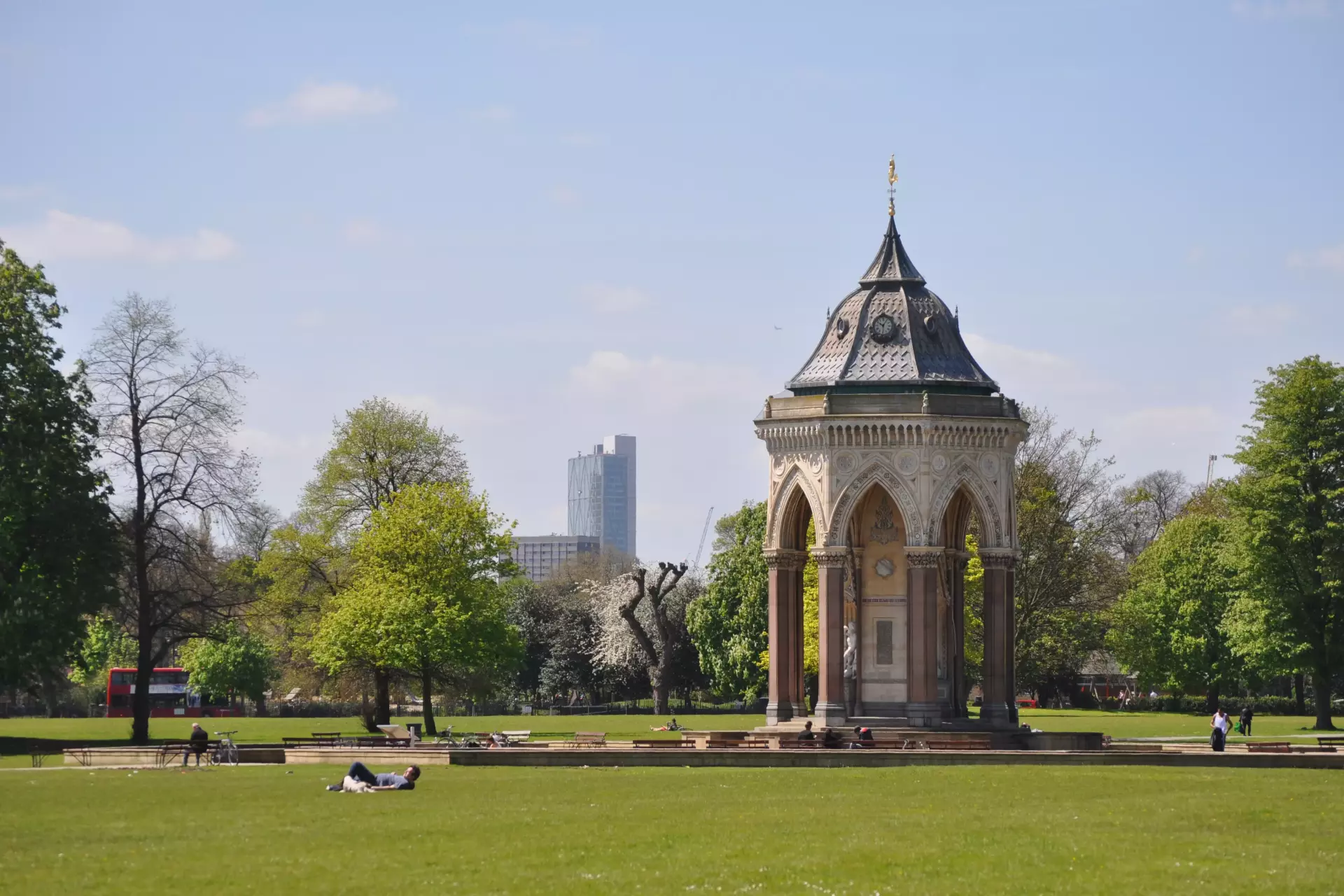
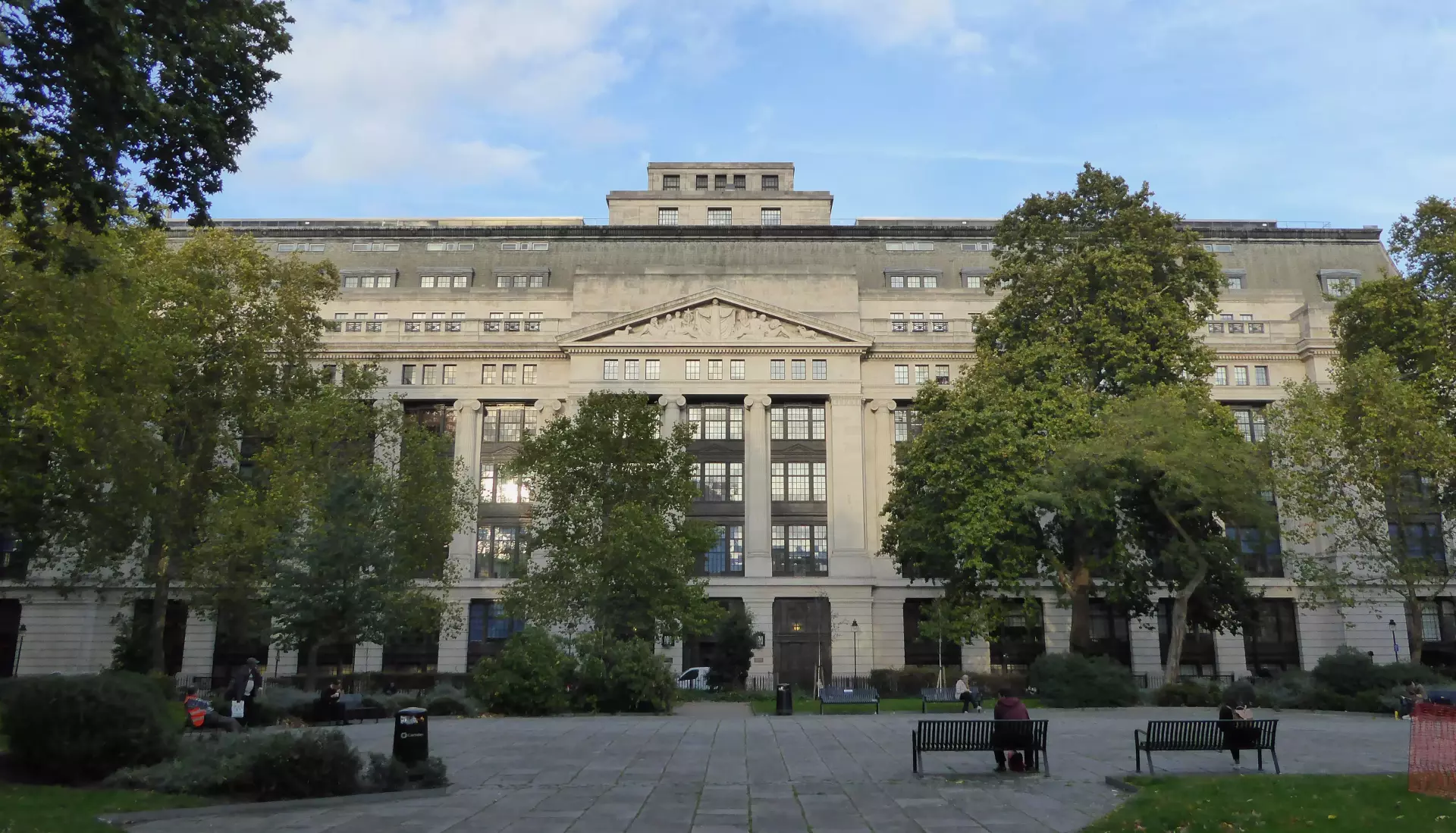
This garden square was established by Lord Southampton in 1665 and is the oldest square in London. It was opened to the public in the 1950s. The square is surrounded by a number of beautiful 18th- and 19th-century buildings and terraces.
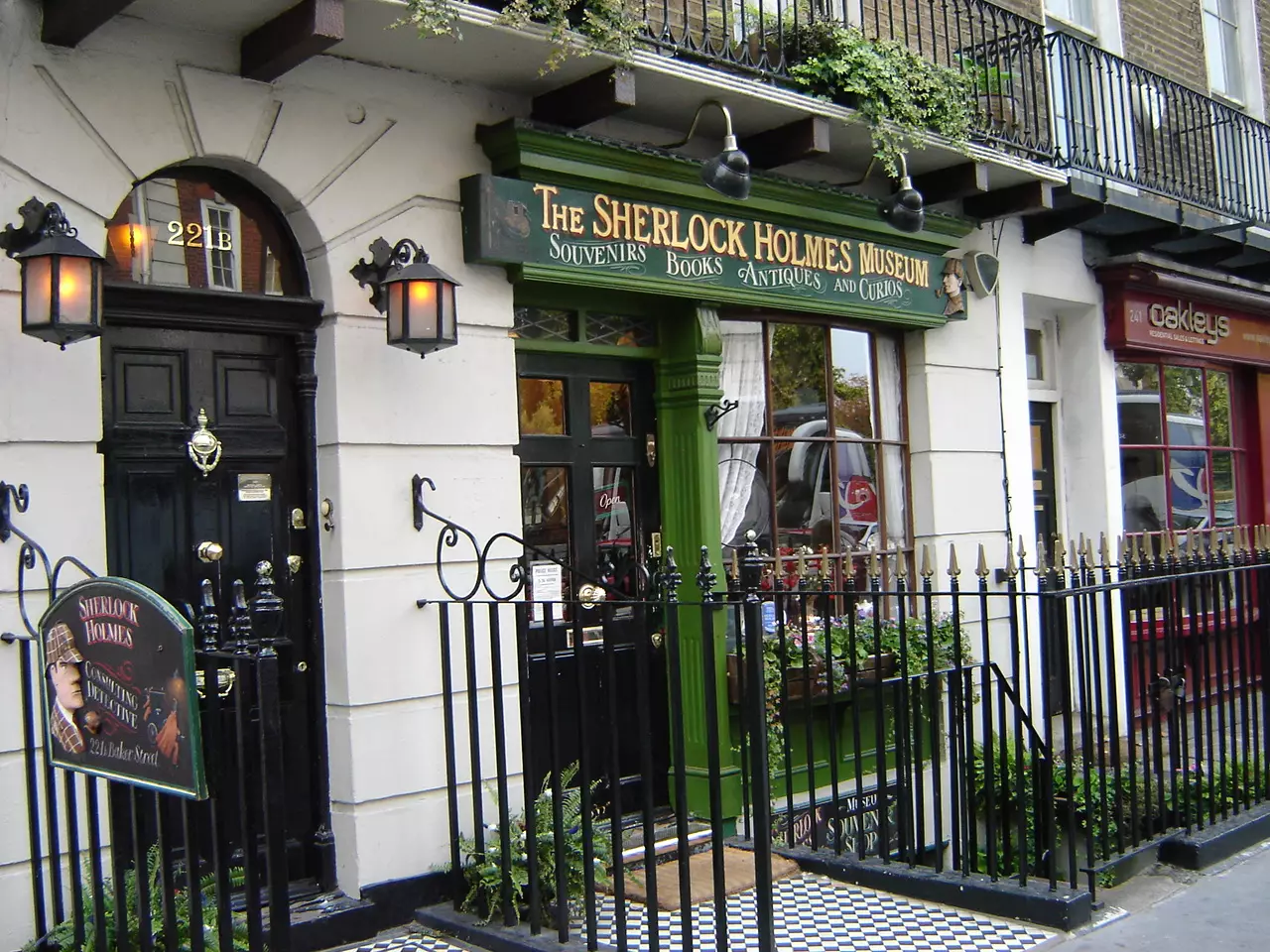
Discover mementoes of the famous fictional detective. In reality, this was a lodging house used in the late 1800s and has three floors. The first floor contains Sherlock Holmes' study with Watson's desk, and has bullet holes spelling the initials VR (for Victoria Regina, Latin for Queen Victoria) much to the chagrin of the landlady Mrs. Hudson. Next to that is Holmes' bedroom with a rogues' gallery containing photographs of several notable Victorian-era murderers including Lizzy Bourdain. The remaining rooms upstairs have waxwork figures and artefacts referencing the novels, as well as their adaptations to stage and screen. Photography allowed, though filming requires permission. Prebooking is recommended to circumvent long queues.
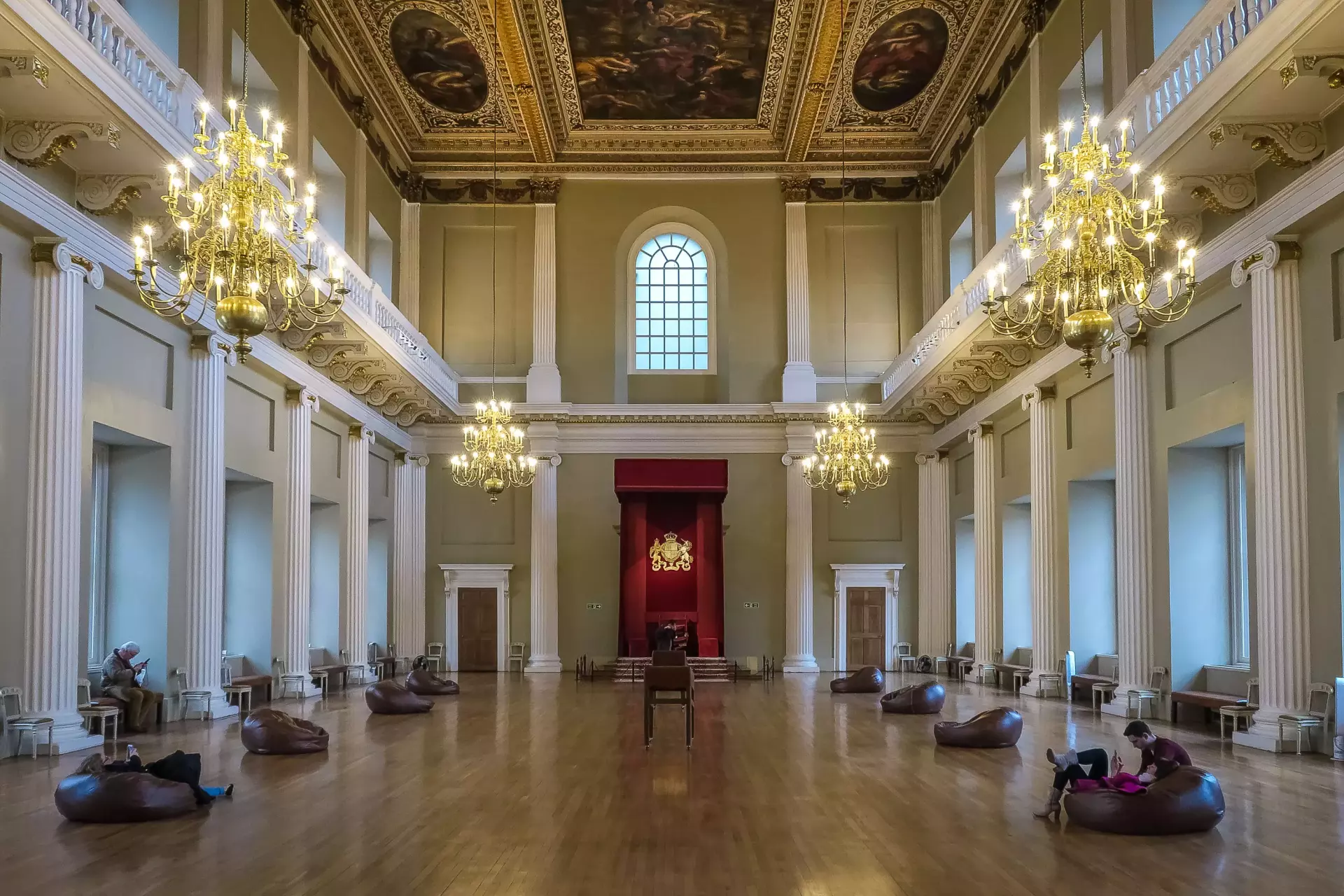
Designed and built in 1619-1622 by the Neo-Classical architect Inigo Jones, The Banqueting House is now all that remains of Whitehall Palace, the sovereign's principal residence from 1530-1698 when most of it was destroyed by fire. Renowned for its architecture and paintings (by Rubens, among others), the building is also famous for being the scene of Charles I's execution in 1649 at the end of the English Civil War.
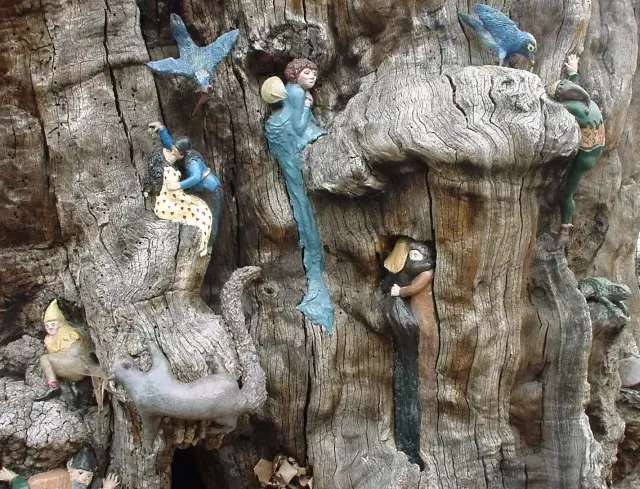
A 900-year-old tree stump carved and painted to feature elves and small animals.
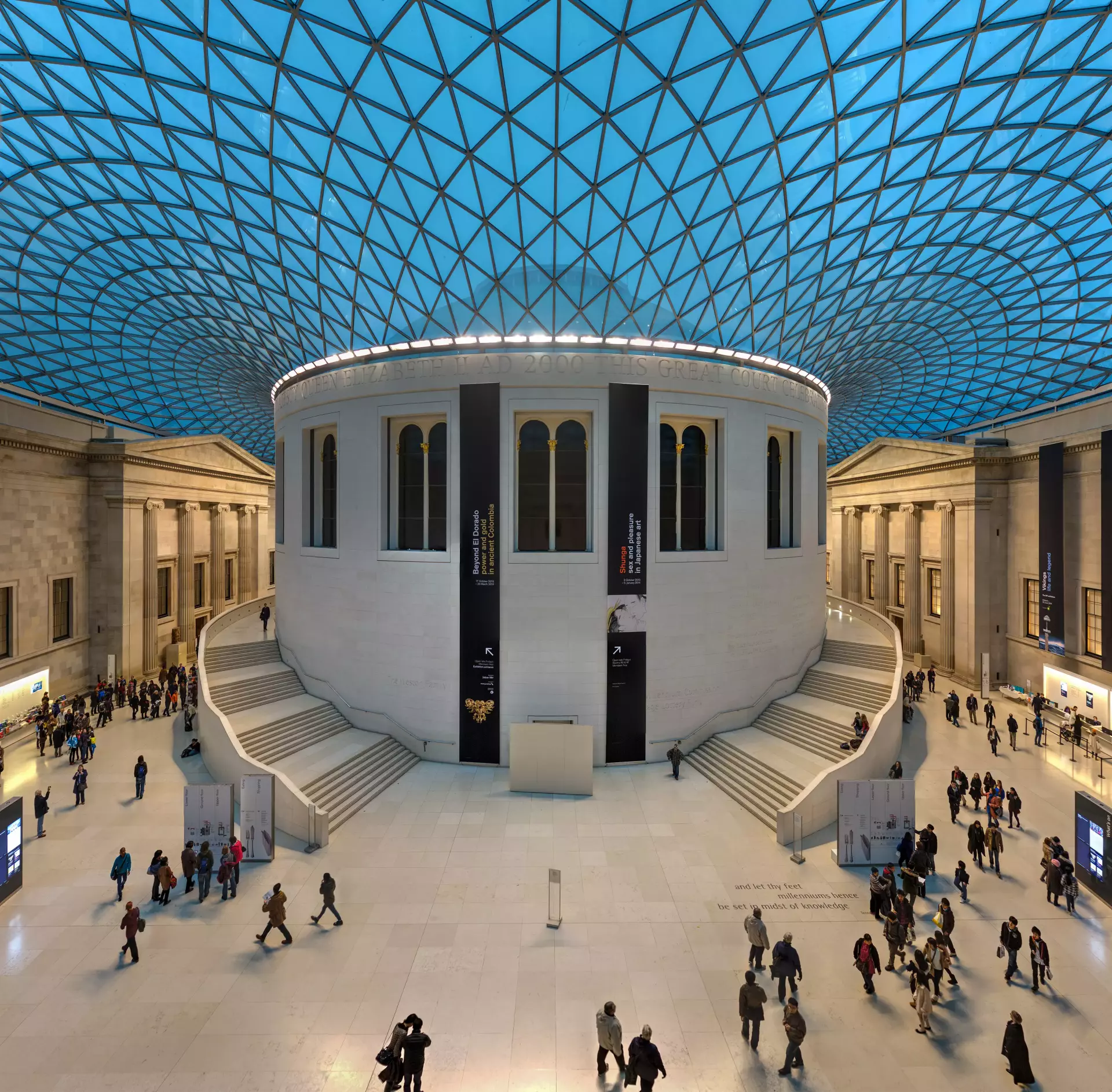
A vast repository of the world's cultures, controversially including hundreds of items that were looted from their places of origin. Entire sections are devoted to Egyptian, Greek, and Middle Eastern artifacts, as well as the piece which united them all, the Rosetta Stone. Other items on everyone's list are the largest collection of mummies outside Egypt and the Elgin Marbles. The collection also includes some of the world's finest collections of Chinese and Sub-Saharan African art; perhaps the most famous of the latter are the Benin bronzes. A definite highlight of a trip to London. Temporary exhibitions are invariably excellent and meticulously researched, but can be expensive. It has a fine store, mainly selling replicas of items in the collection.
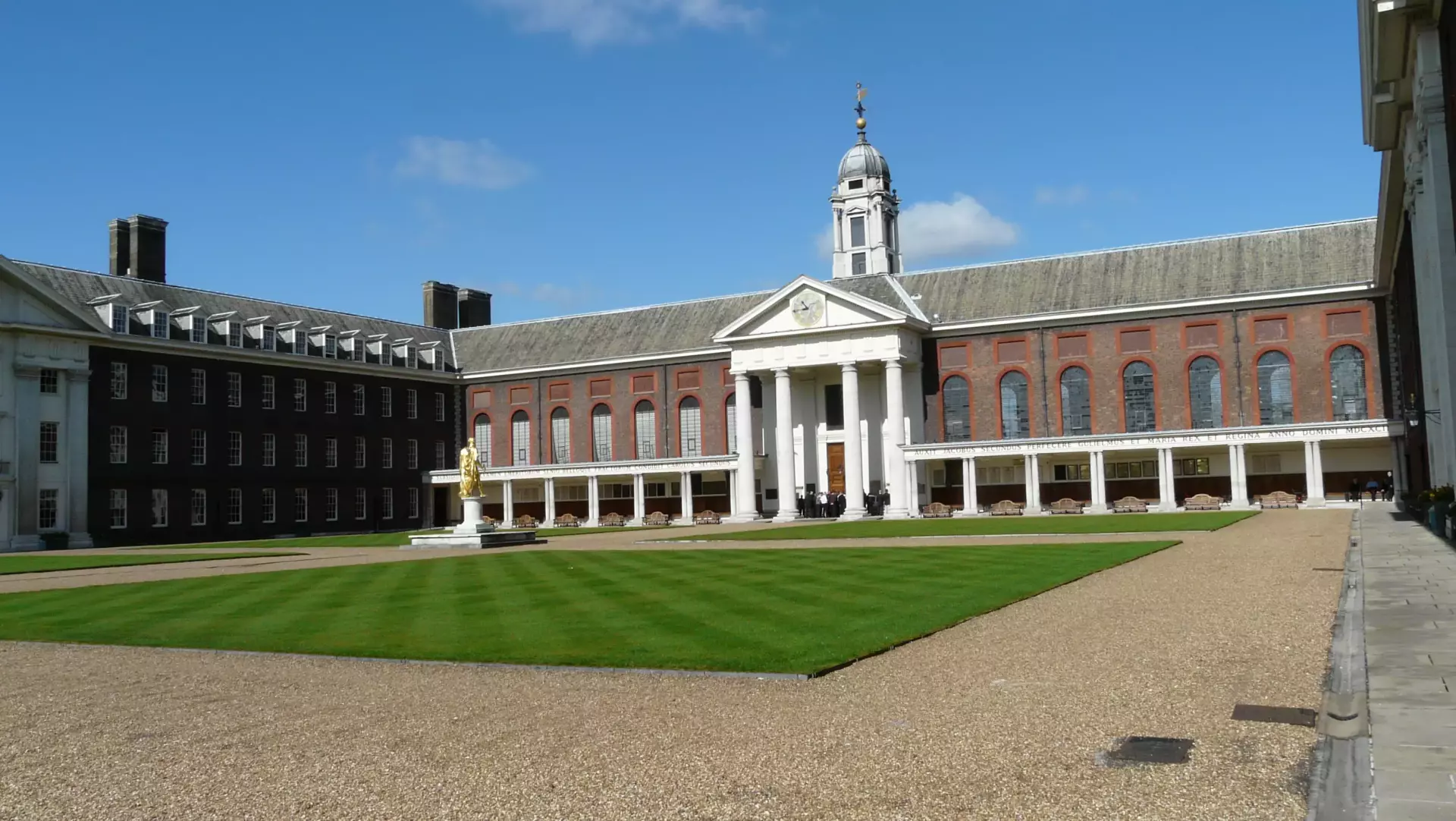
A retirement home for soldiers created by King Charles II. Tours around the listed building and grounds are regular and include the museum (which can be visited separately) whose exhibits contain military memorabilia donated by Chelsea Pensioners over the years.
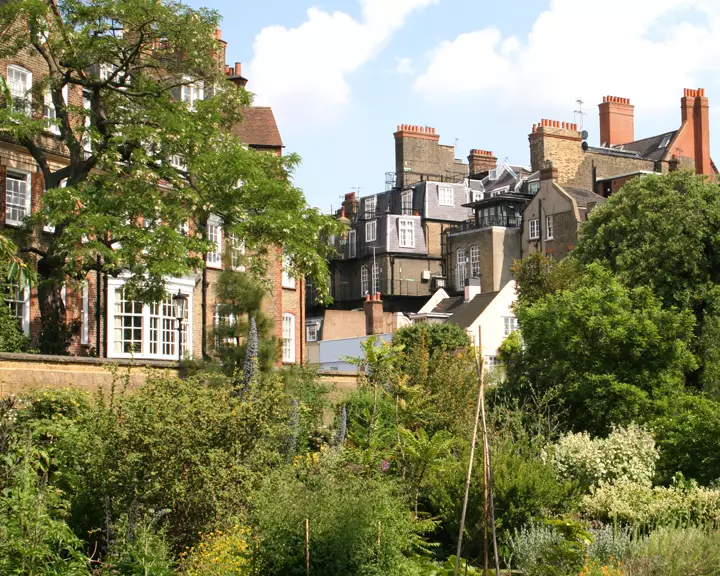
Garden founded by apothecaries in the 17th century to the medicinal properties of plants. It was only opened to the public in the 1980s, when it became a charity. The heat-sink caused by its thick walls, combined with the general waste heat of London itself, keeps the garden much warmer than it would otherwise be at this latitude. Due to this, the garden contains the world's most northerly example of a grapefruit outside of a greenhouse, and the largest fruiting olive tree in the country. The collection contains thousands of different plant species.
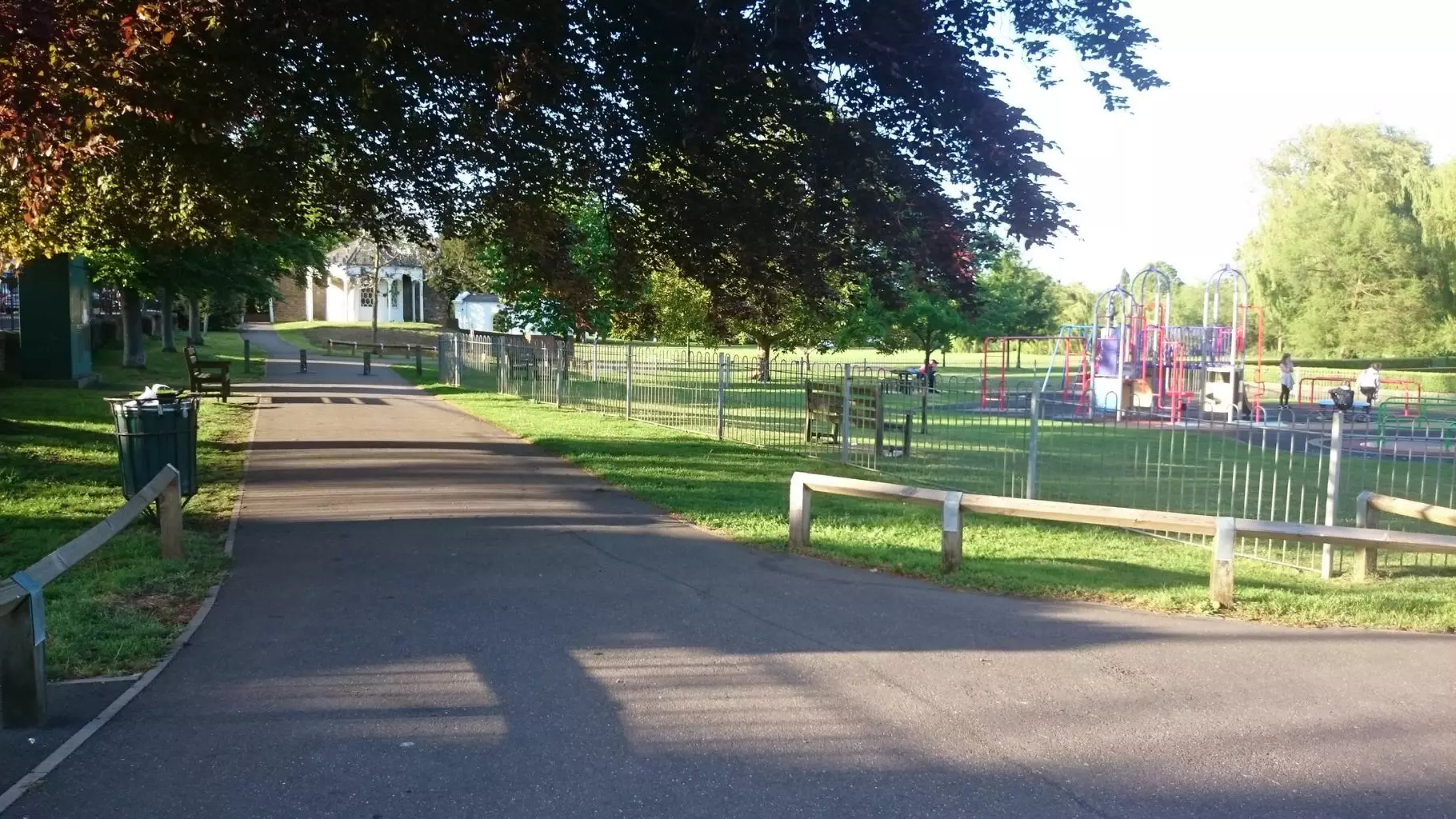
Park overlooking the river, with the local war memorial. Be careful at high tide, as it may flood.
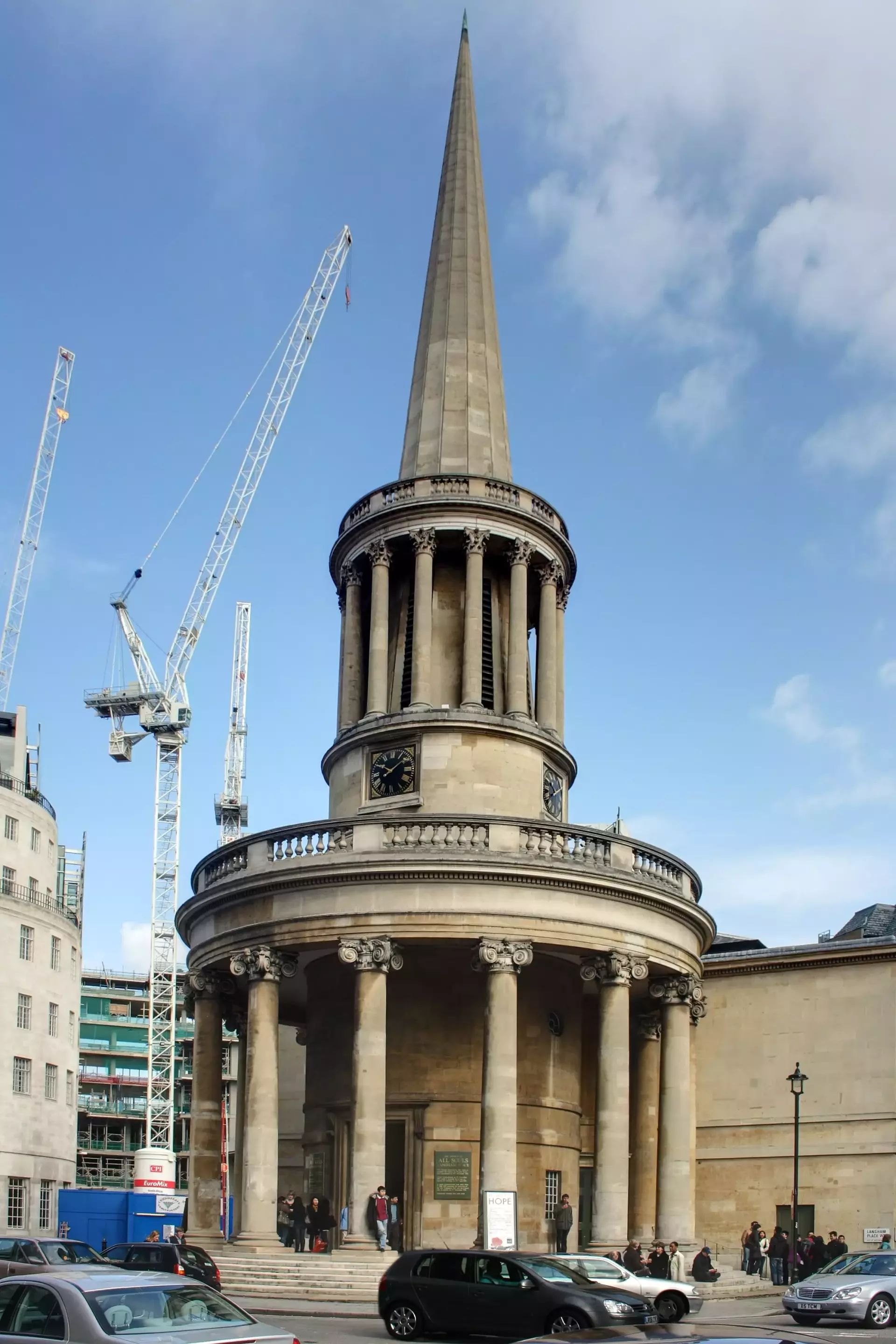
Completed in 1823, this attractive church near Broadcasting House is one of John Nash's masterpieces, with a prominent spire and circular vestibule. As of May 2025, it accessible only for worship.
This is probably the most famous criminal court in the world, and has been London's principal criminal court for centuries. It hears cases remitted to it from all over England and Wales as well as the Greater London area. The present building dates largely from 1907 (a new block was added from 1970 for more modern facilities) and stands on the site of the infamous medieval Newgate Gaol. The Central Criminal Court is of course best known today for its association with John Mortimer's Rumpole of the Bailey character, novels and television series. Daily case listings are available at The law pages. No bags, cameras, drinks, food or mobile phones—no facilities for safekeeping. Children under 14 are not admitted.