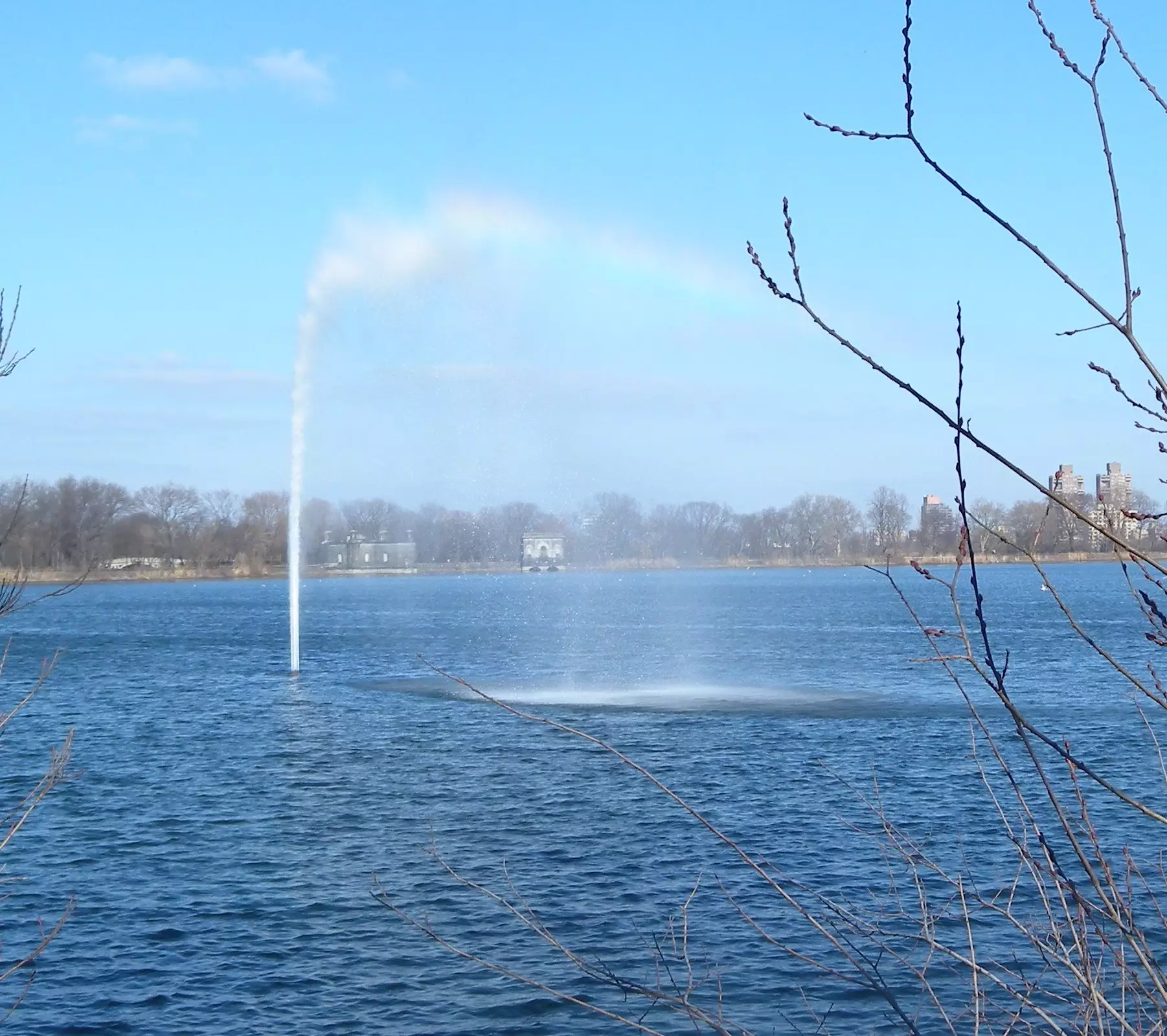
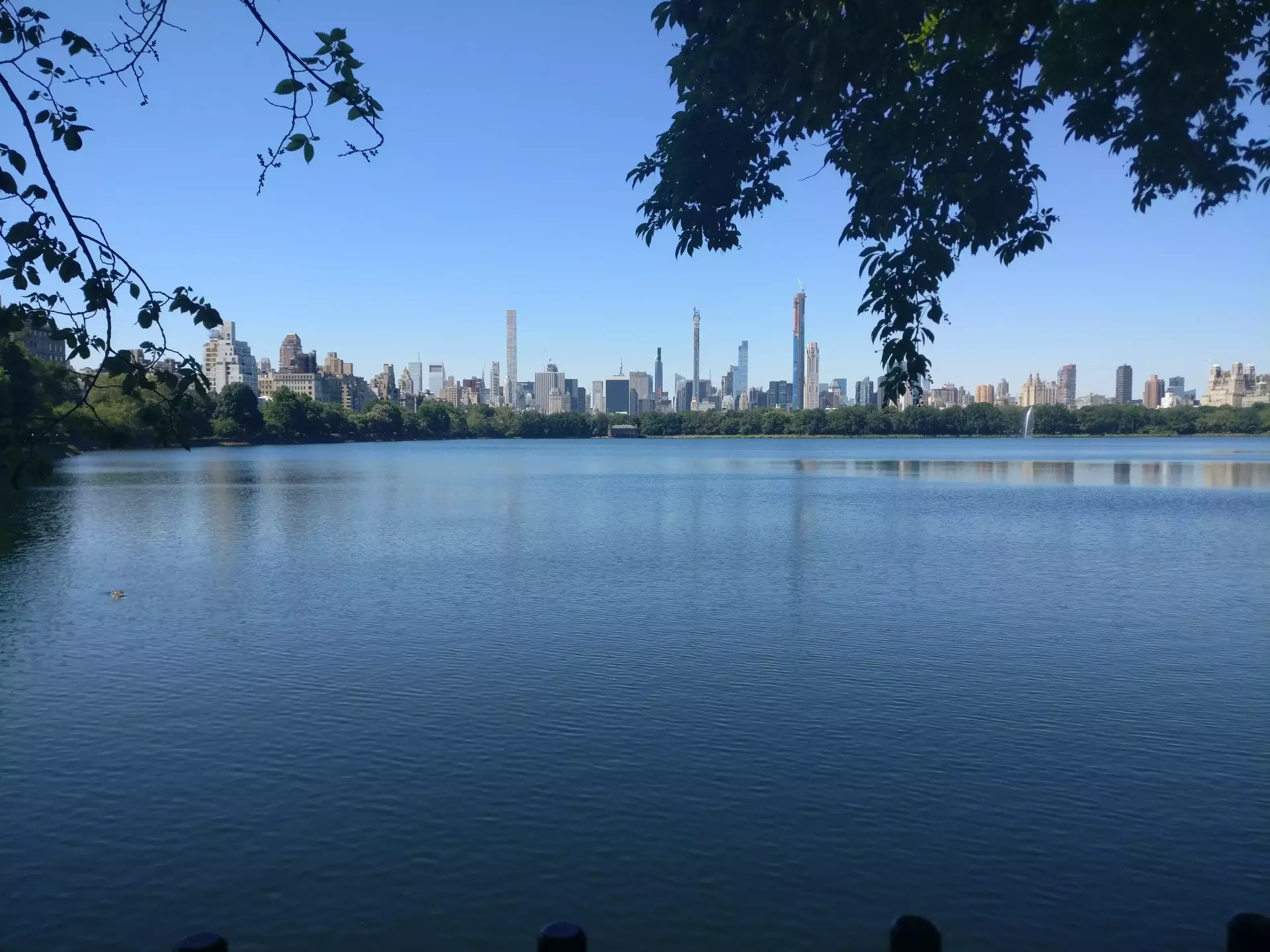
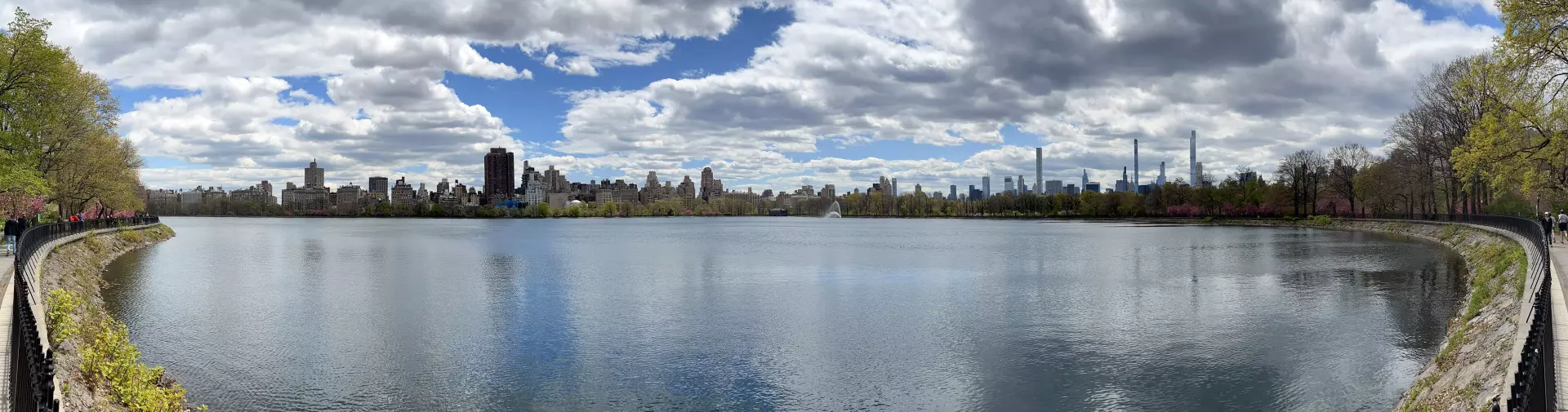
Constructed between 1858 and 1862, the Reservoir is a vast urban lake that spans 106 acres within Central Park. It holds the title of the largest body of water in Manhattan. In 1994, it was renamed the "Jacqueline Kennedy Onassis Reservoir" in honor of the former First Lady.
The Reservoir is particularly famous for its 1.58-mile track circling its edge. This path attracts numerous joggers who relish the chance to exercise while soaking in the breathtaking city skyline views. The scenic route offers a perfect blend of nature and urban landscape, making it a beloved spot for both locals and visitors.
Source - https://en.wikipedia.org/wiki/Jacqueline_Kennedy_Onassis_Reservoir
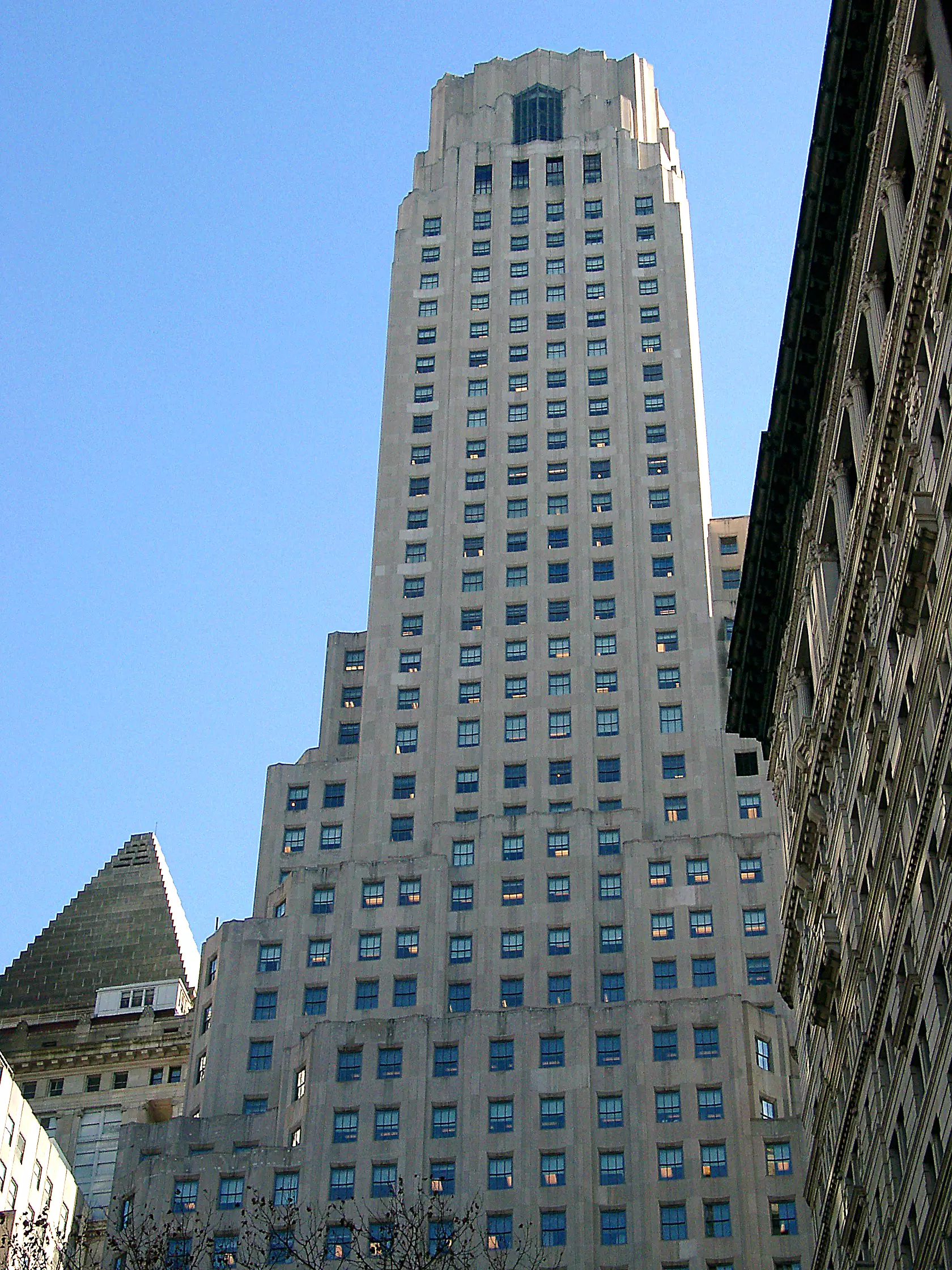
Affiliated with Columbia, Teacher's College is an architectural gem with its block length Beaux Arts and neo-Gothic façades.
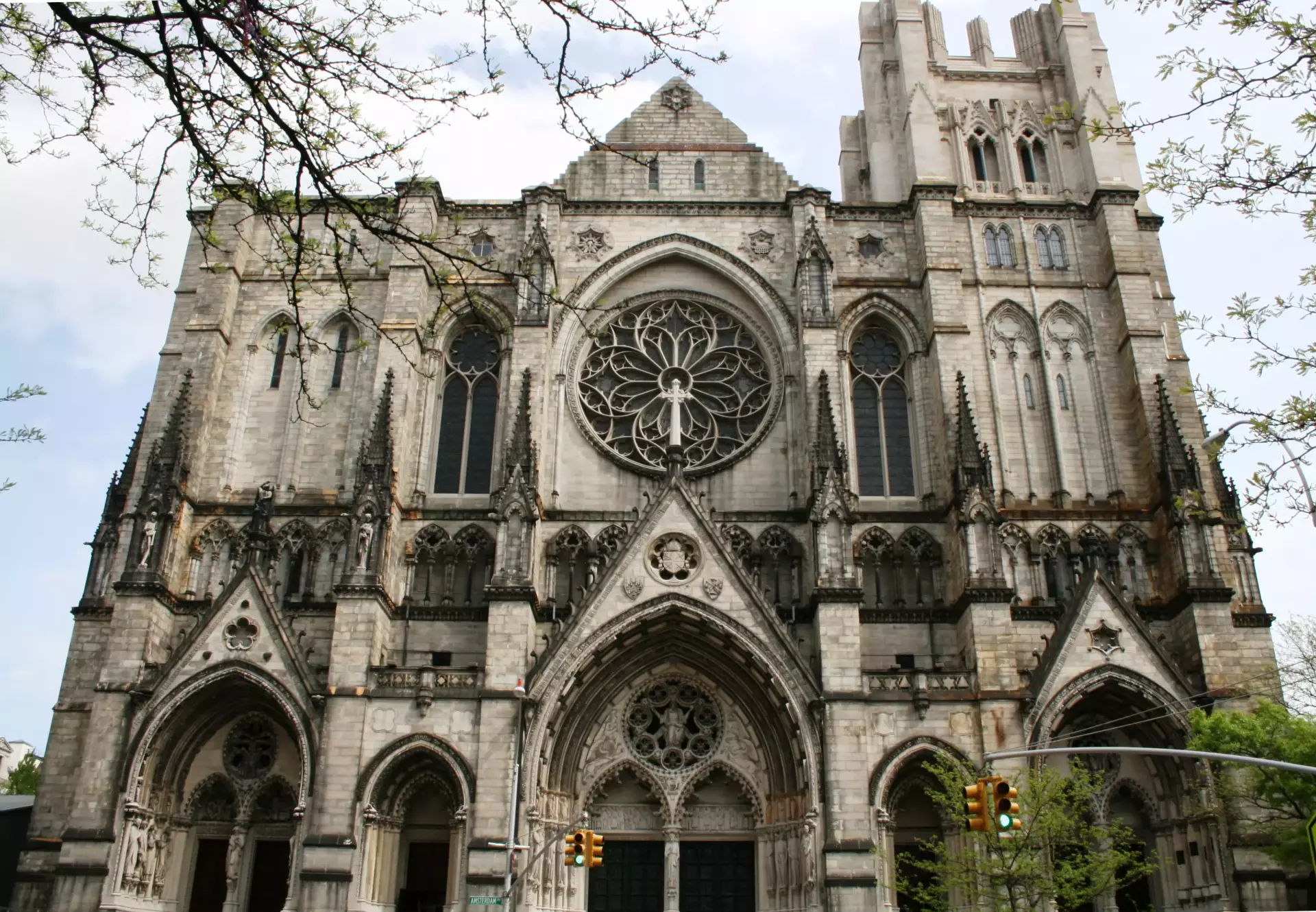
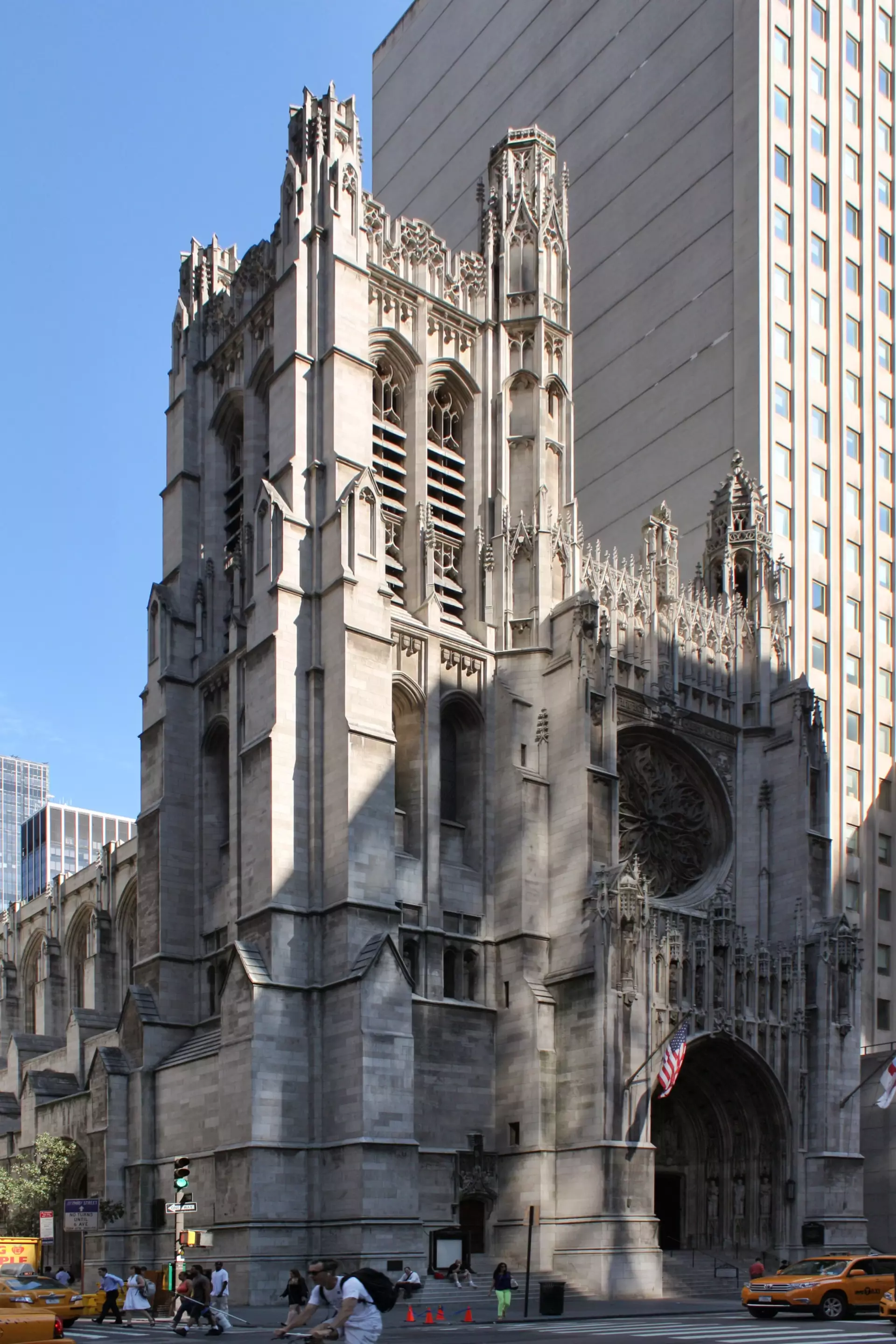
The interior of this Episcopal church is a peaceful place, and both the exterior and interior are architecturally harmonious and worth looking at if you are walking nearby.
Opened on November 15, 2022, this interactive museum utilizes technology to convey the history of Broadway, complete with props from past shows, costumes, and other artifacts. You can learn about how a Broadway show is made, and there is a gift shop selling not only their own merch, but also products from current Broadway shows and Broadway in general.
The Society of Illustrators is one of the many off the beaten path museums in New York City, and while it may not have as many visitors, it certainly isn't a place to miss. Certainly don't miss the art of illustration featured here, with countless historical galleries since the museum's opening in 1901. It's even the origin of the famous "I Want You For U.S. Army" poster of World War I and II.
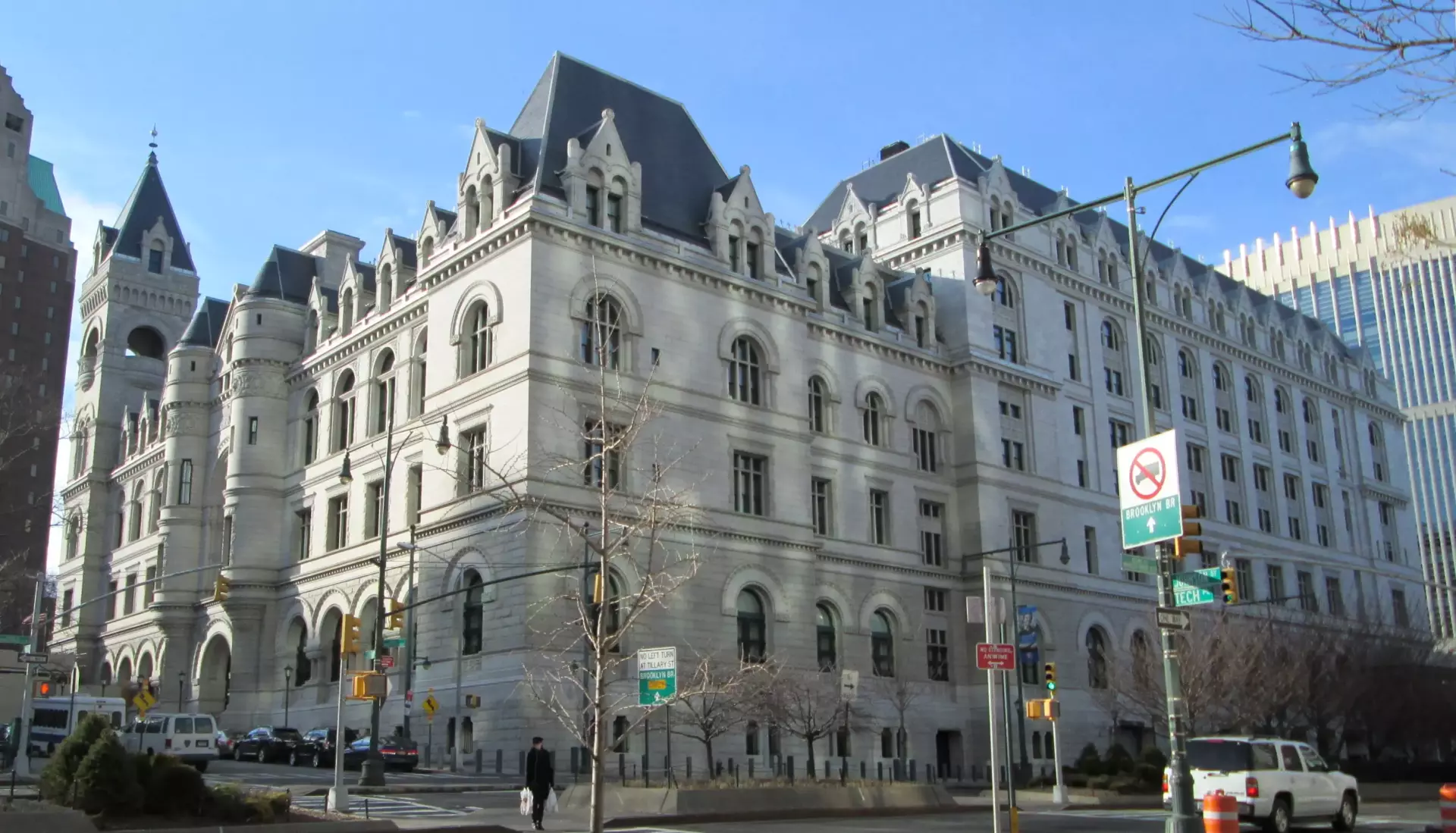
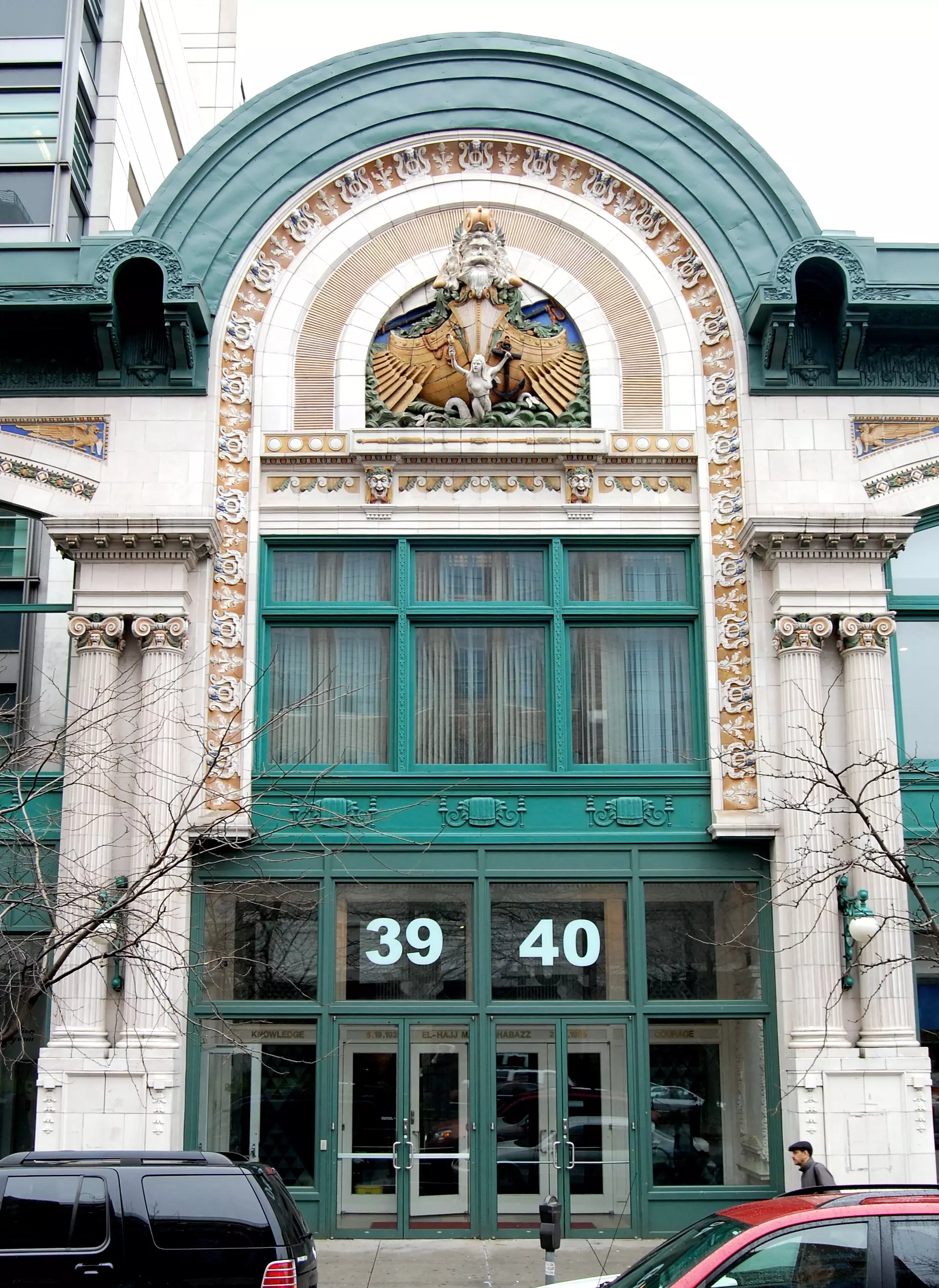
This pretty building was built as Brooklyn's city hall in 1851 and is still a very significant official building in very active use.
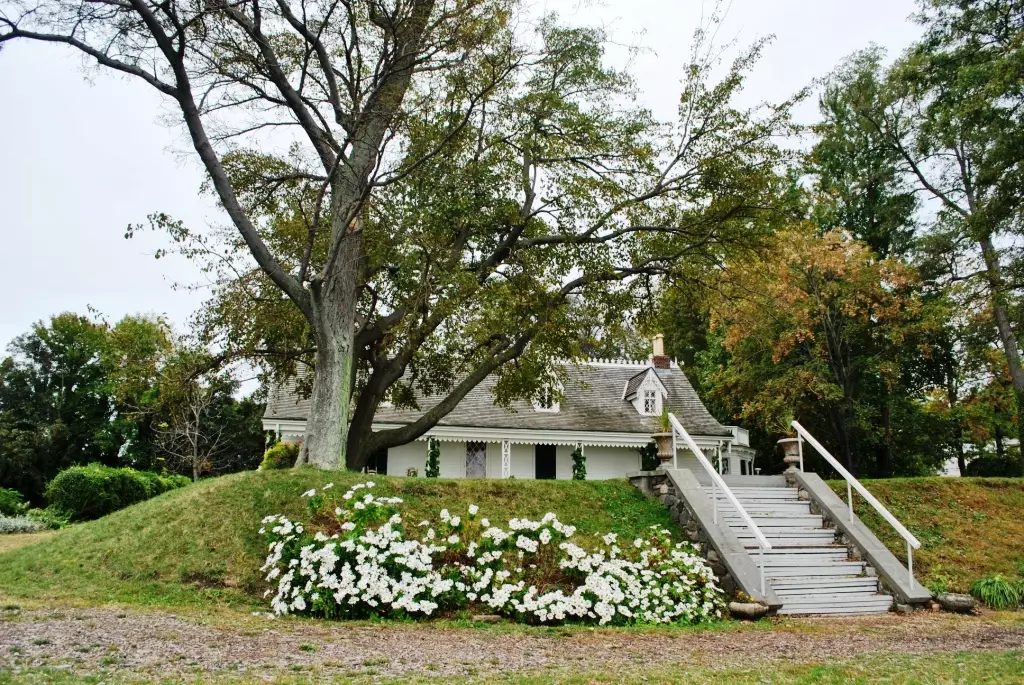
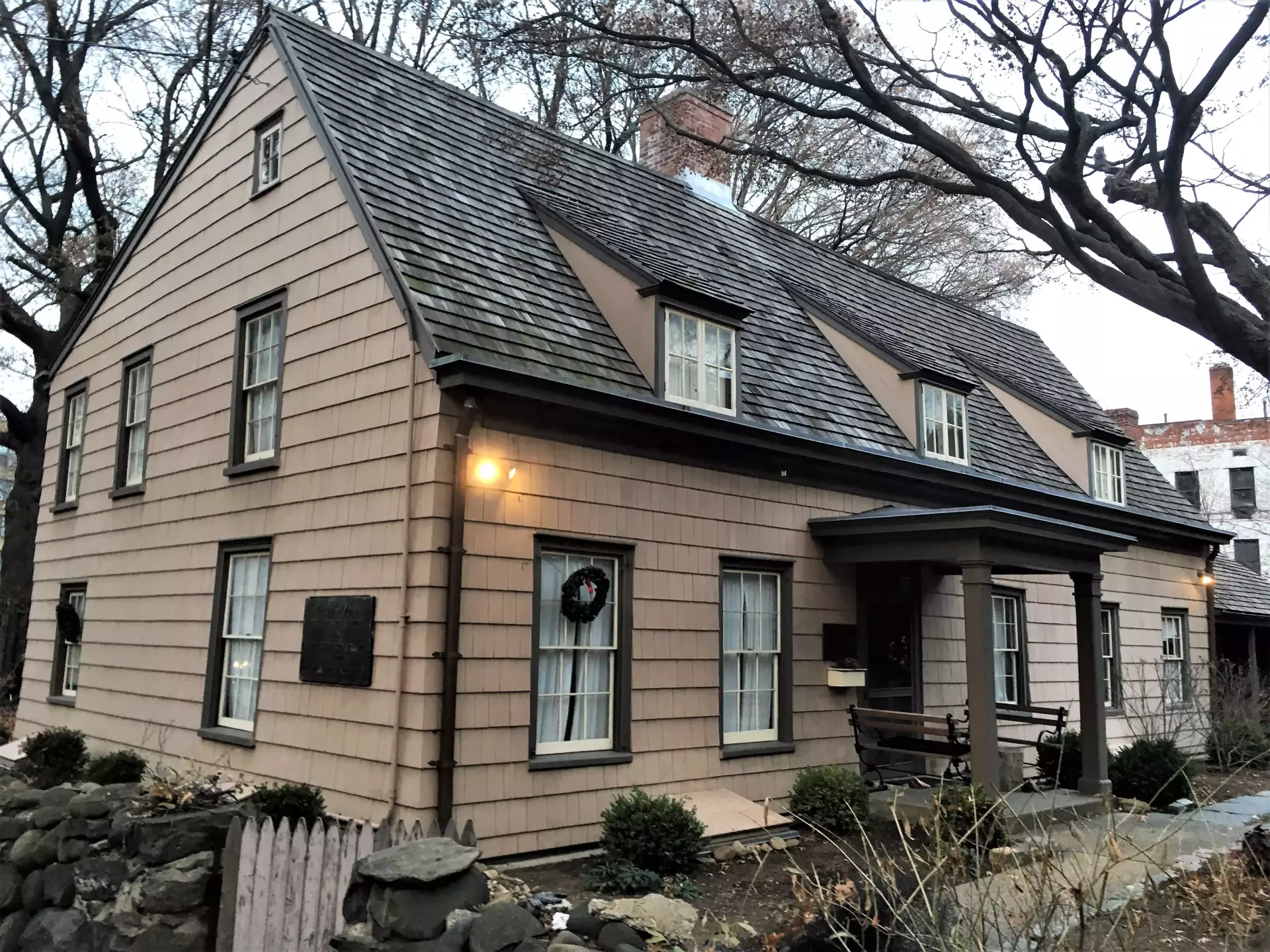
The John Bowne House was built by John Bowne in 1661. It is the oldest building in Queens, and it is one of the oldest buildings in New York City. John Bowne was a Quaker who advocated religious freedom, which was later written into the Bill of Rights. John Bowne's great-grandson, Robert Bowne, strongly advocated for the end of slavery in America. The house was the home of several generations of the Bowne House until 1945, when it was donated and converted into a museum.
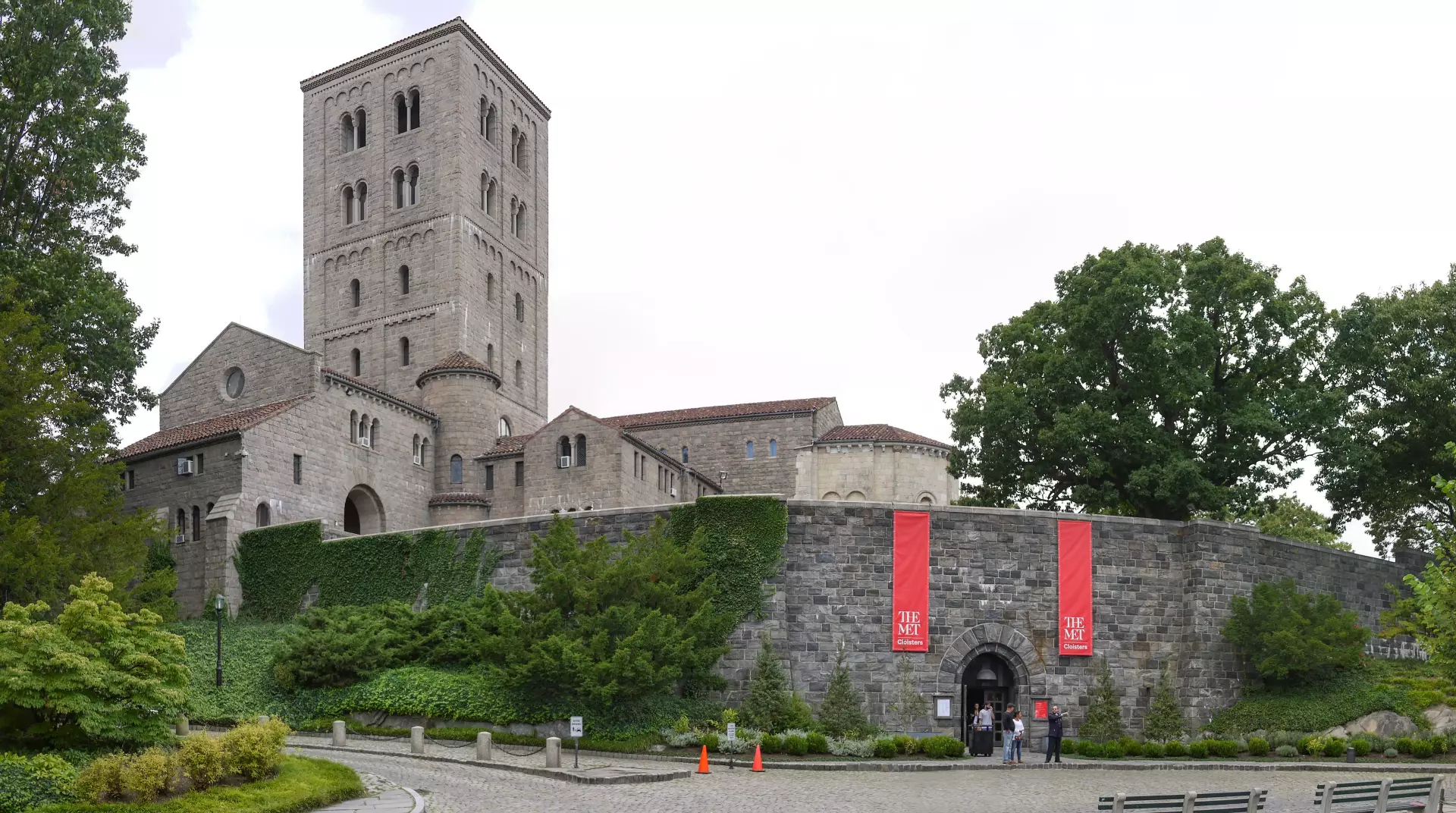
Located on four acres overlooking the Hudson River in Fort Tryon Park, the building incorporates elements from five medieval French cloisters – quadrangles enclosed by a roofed or vaulted passageway, or arcade – and from other monastic sites in southern France. There are various artworks on display in the museum, with the Unicorn Tapestries being the most famous.
This is historic home that was built by local businessman James Bouton in 1891. Eight years later, Conrad Voelcker bought the house, and the Voelcker family lived in the house for three generations. Today, it is a museum, and there is a Victorian garden and a bird sanctuary outside.
One of the foremost conservatories of those disciplines in the United States.
The first museum in the U.S. devoted to artists of African descent. Temporarily relocated from 144 W 125th St building for construction of new museum building.
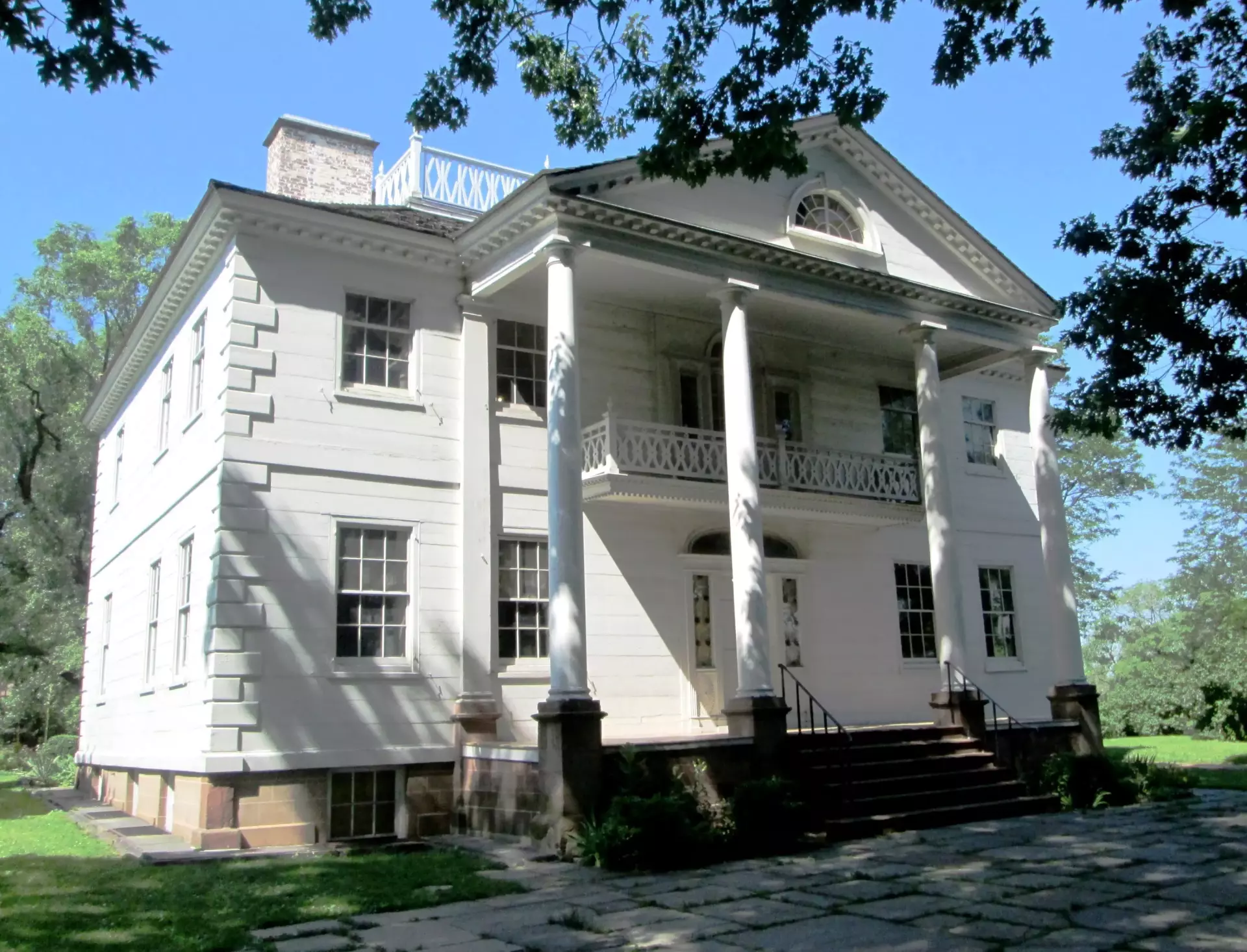
Built in 1765, this is the oldest house on Manhattan Island. It served as George Washington's headquarters in 1776. Now a museum set on a 1.5-acre park, it features a decorative-arts collection representing the colonial and Revolutionary War periods. Washington's office is among the 12 restored rooms.
A famous Ivy League college that has existed since British colonial times, when it was called King's College.
A place filled with video screens, LED signs, and flashing lights; a world wonder or a tourist nightmare depending on your perspective, the "new" Times Square is a family-friendly theme park of themed restaurants, theaters and hotels, as well as a developing business district. The lights and signs can be viewed anytime, but the most enchanting experience comes when one visits Times Square at night, as all the signs and screens are ablaze with color. Times Square is also well known for its famous New Year's Eve ball drop. Those looking for the seedy Times Square of years past will find it around the Port Authority Bus Terminal, and on Eighth Avenue to the west. A ticket booth selling discounted Broadway and off-Broadway shows. However, the cheaper tickets aren't the only attraction, as the back of the booth is a large, red-lit glass staircase facing Times Square, which serves as a set of bleachers and offers an excellent opportunity to get above the street and just watch the crowds and flashing signs. Above the booth is a video screen with a live feed of the top step, giving you a chance to appear (if only briefly) on one of the many signs in Times Square. Originally the second-tallest building in the world when it opened in 1905, One Times Square was constructed to be the headquarters for The New York Times, a function it would serve for less than ten years. The annual Times Square ball drop is performed from the roof of this building. And you can't miss the famous Dow Jones news and sports zipper (the first news ticker in the world) attached to its lower facade.
Near Grand Army Plaza, the Pond offers a tranquil setting just within the boundaries of the park. A rustic wood structure, "Cop Cot," overlooks the pond from an outcrop near the Sixth Avenue entrance.
See the Rockettes, another show, or just tour the famous Art Deco masterpiece.
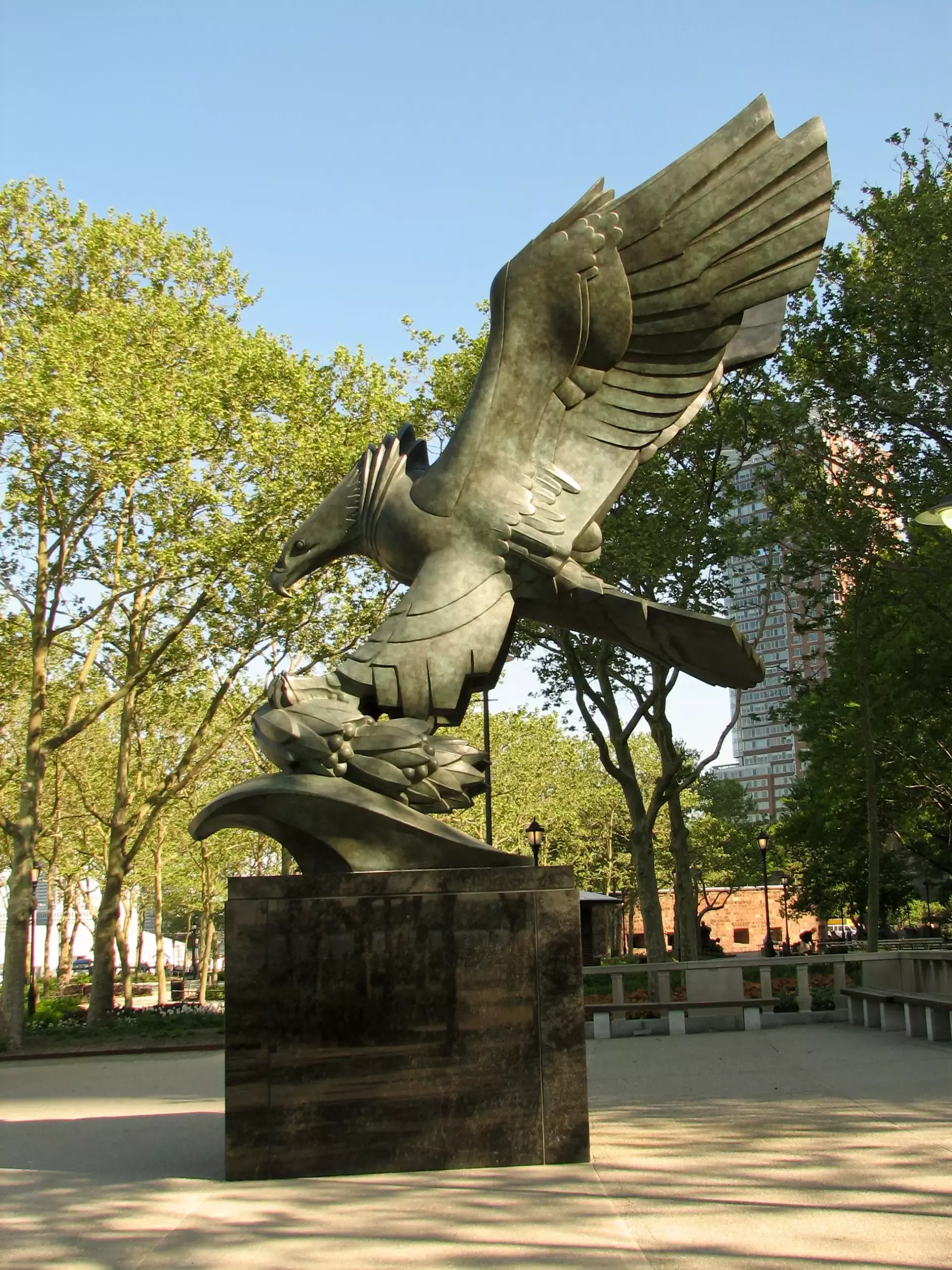
Dating back to 1663, this fort was used during both the American Revolution and the War of 1812. It remained active until 1995. It is now semi-active, with its main use being local headquarters for the United States Coast Guard. Tours are available.
Housed in the Alexander Hamilton US Custom House, this Smithsonian museum is the New York branch of the National Museum of the American Indian (the other branches are in Washington, D.C. and Maryland).