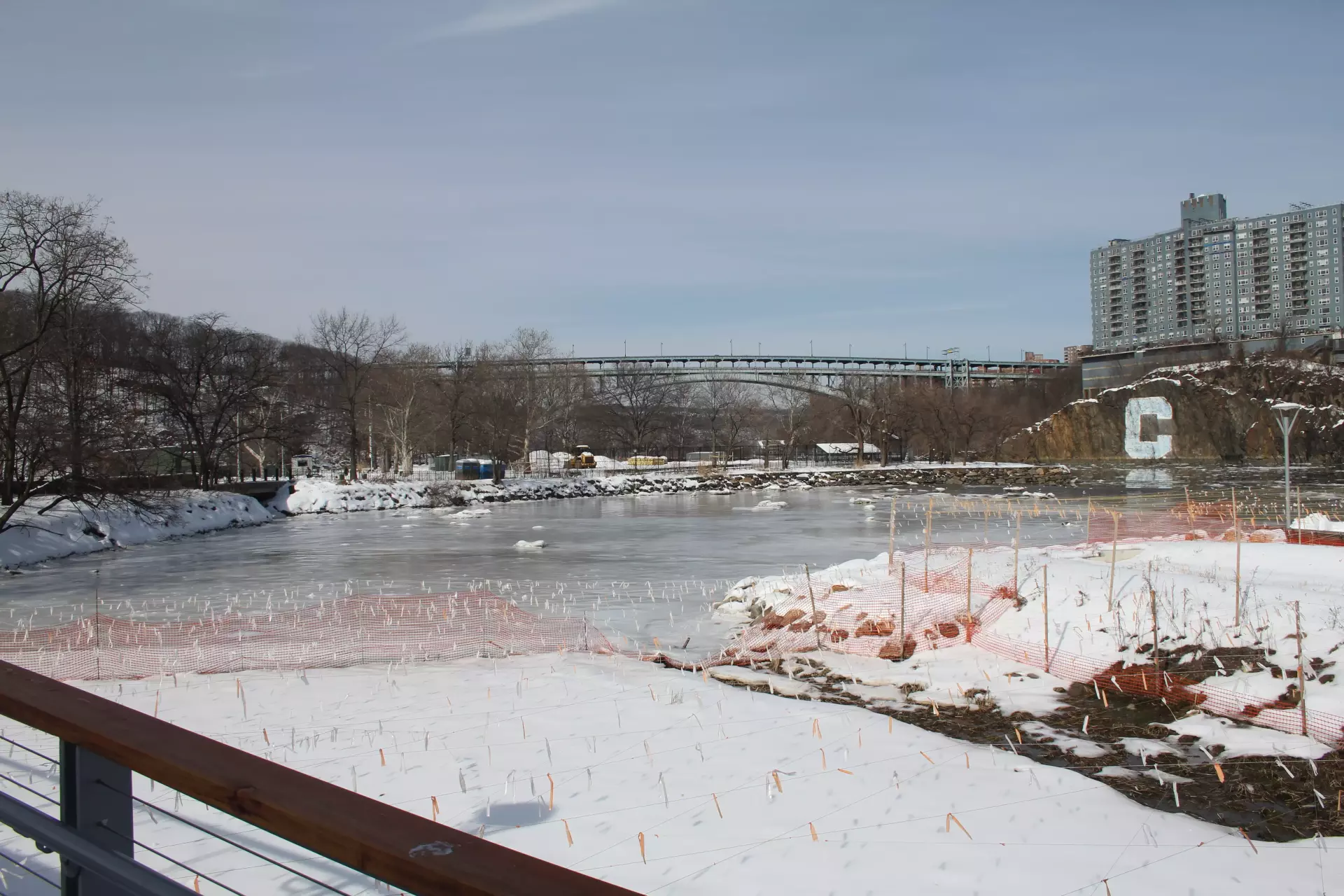
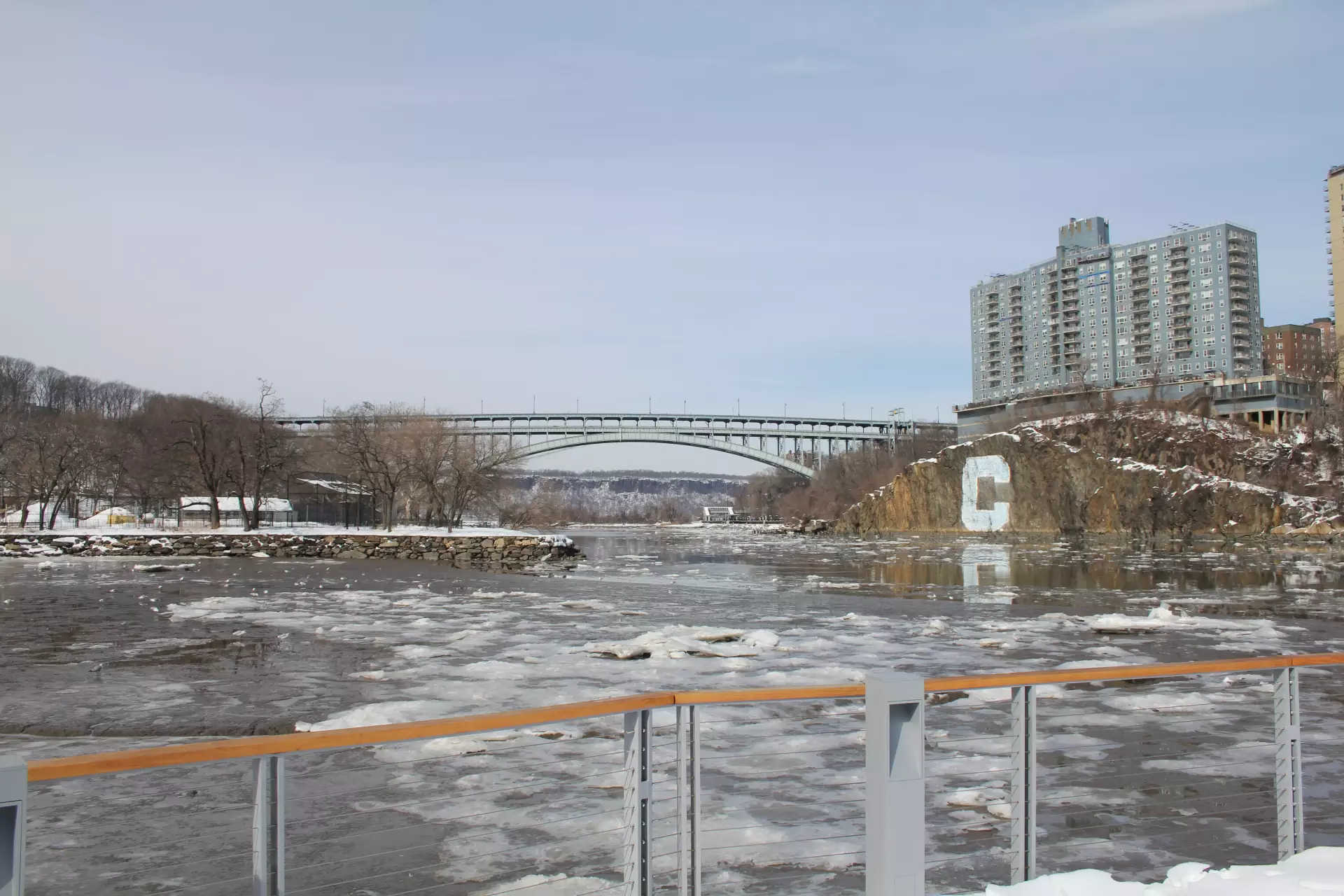
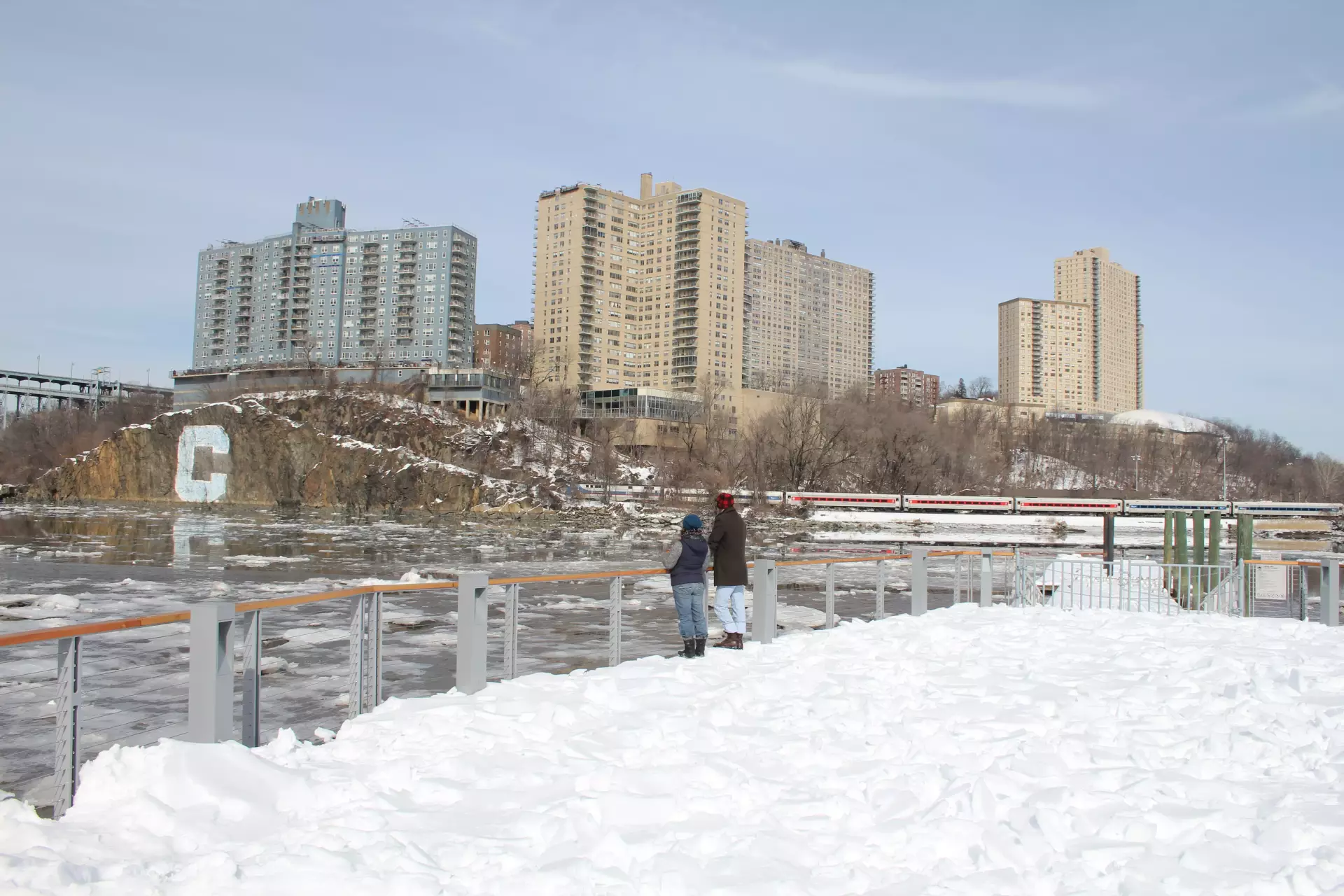
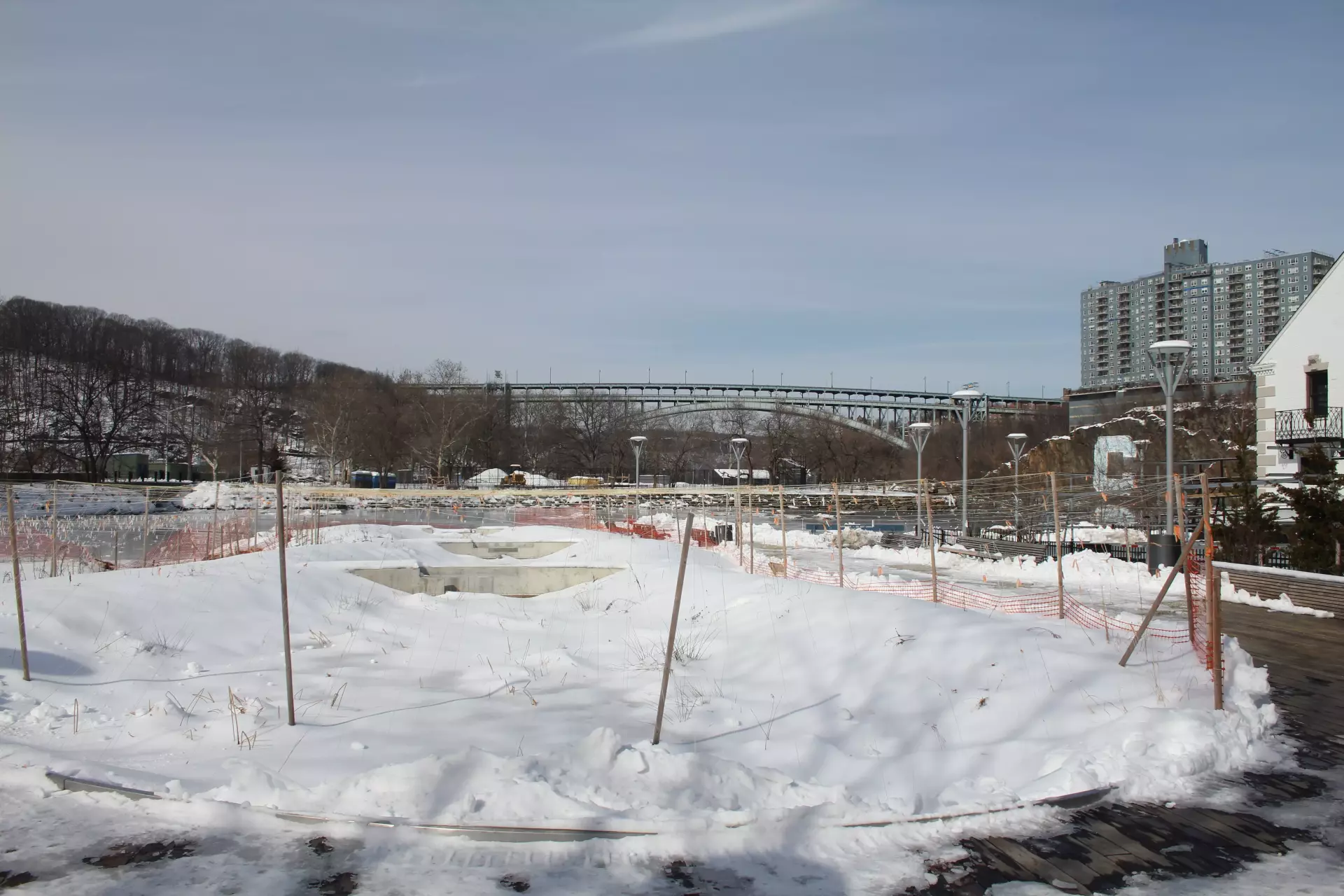
Discover an elevated walkway and jetty leading to the last natural salt marsh in Manhattan. This unique spot offers breathtaking views of the Hudson River and the dramatic cliffs of Spuyten Duyvil in the Bronx, right across the water.
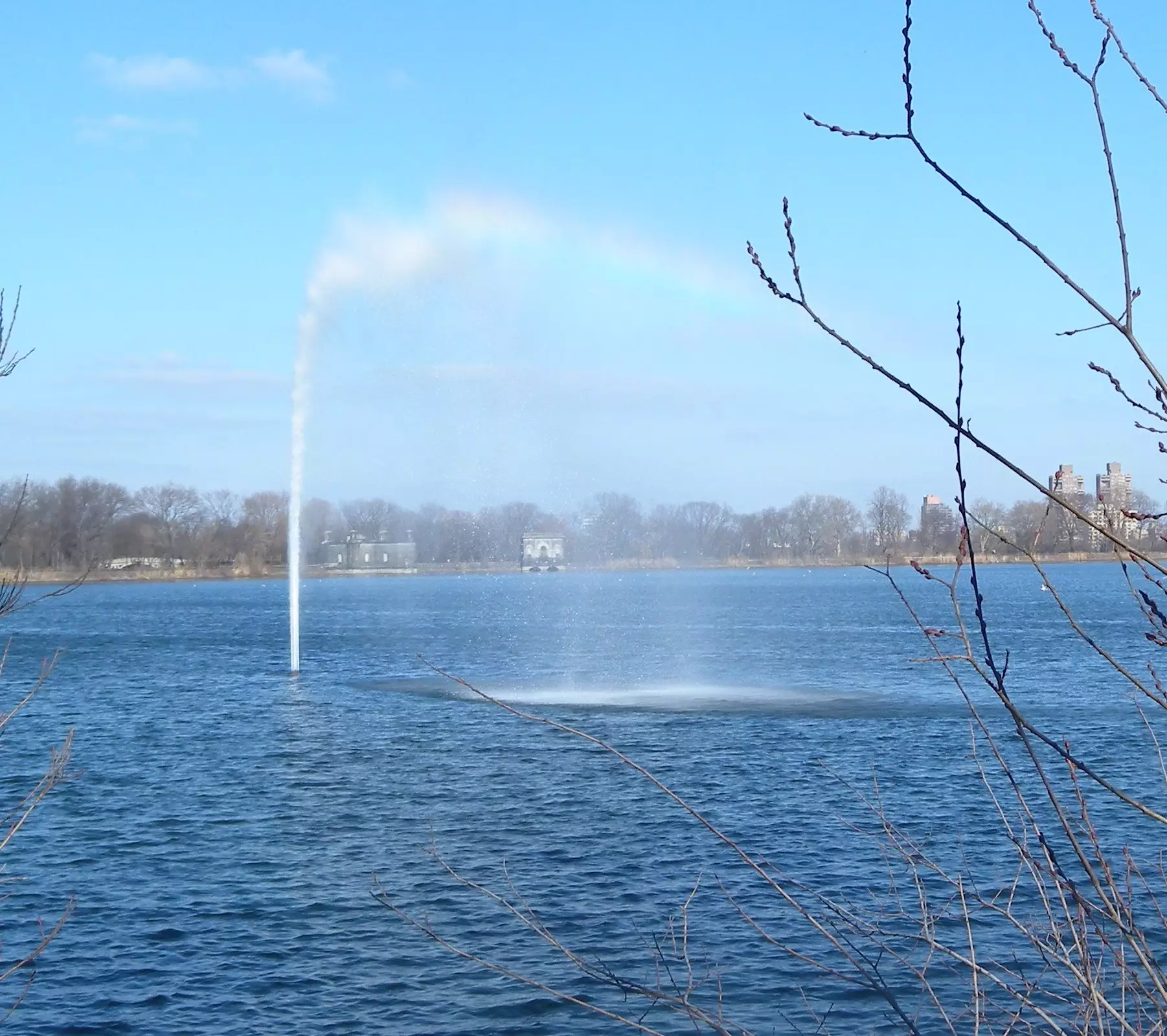
Constructed between 1858 and 1862, the Reservoir is a vast urban lake that covers 106 acres of Central Park and is the largest body of water within Manhattan. Renamed the "Jacqueline Kennedy Onassis Reservoir" in 1994, the Reservoir is probably best known for the 1.58 mile track that runs around its edge and which is a favorite for joggers, who can both run and enjoy the spectacular views of the city skyline.
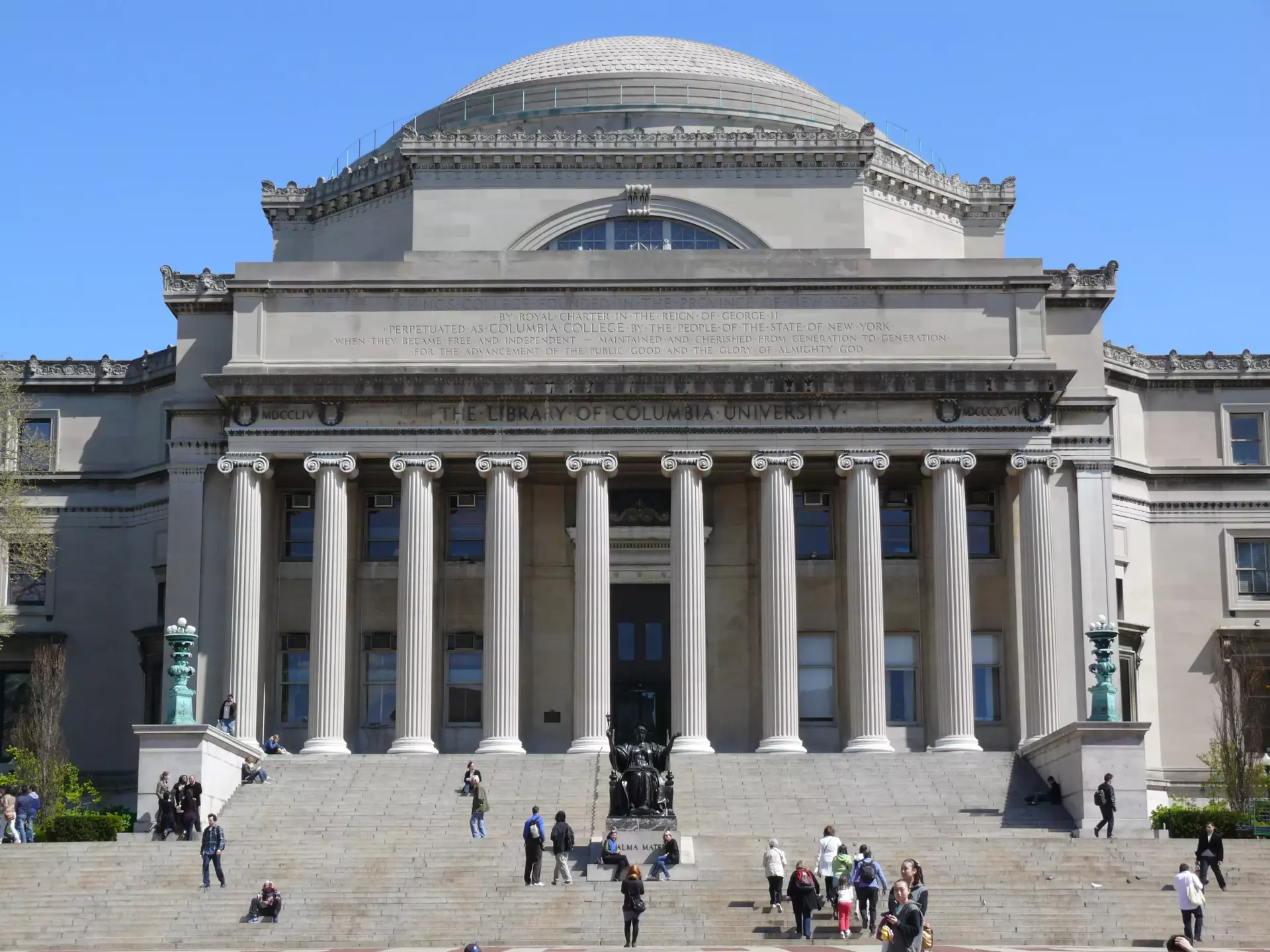
A famous Ivy League college that has existed since British colonial times, when it was called King's College.
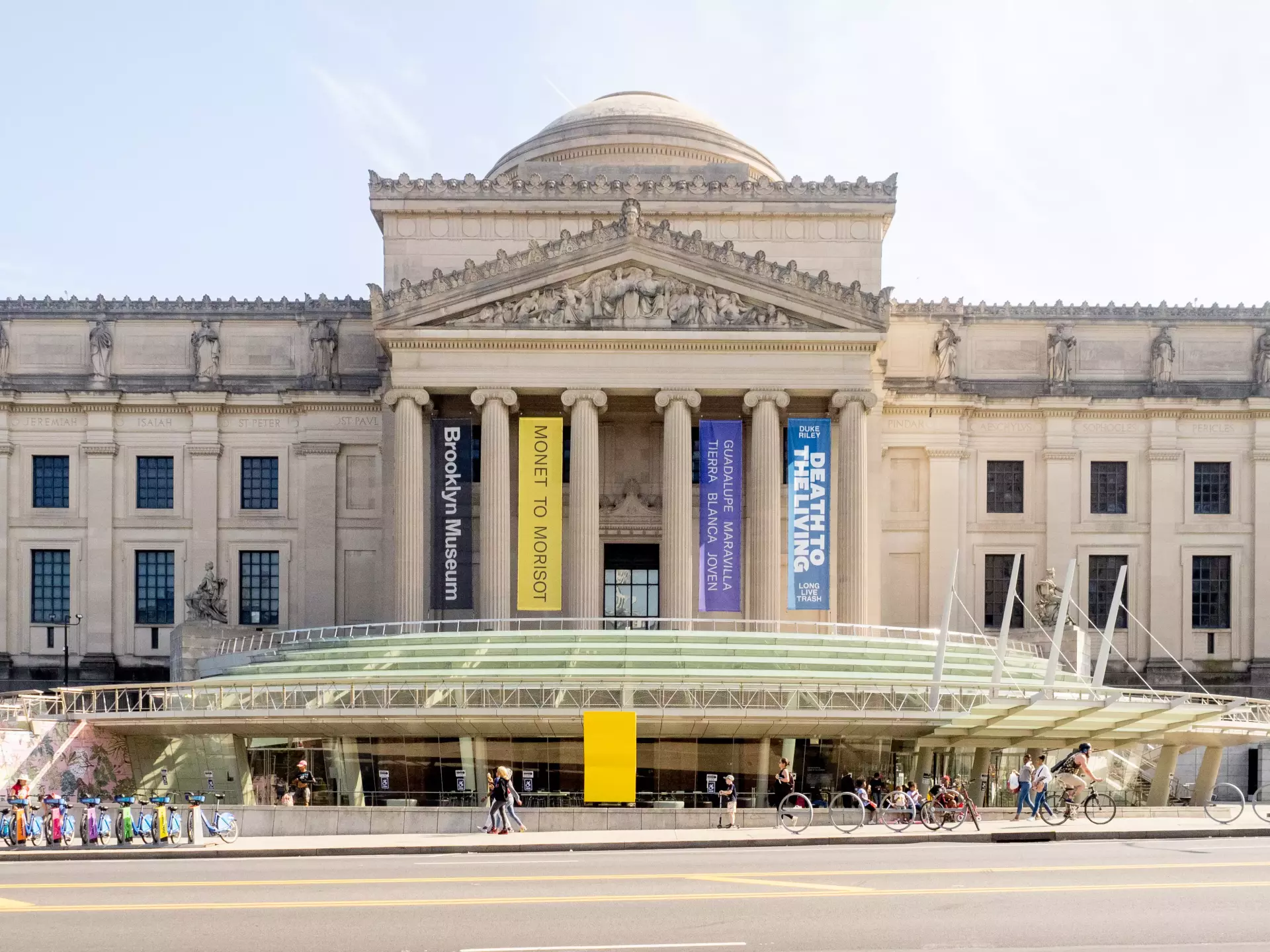
Housed in a 560,000-square-foot, Beaux-Arts building, the Brooklyn is the 2nd largest art museum in New York City and one of the largest in the USA. Its world-renowned permanent collections include more than one million objects, from ancient Egyptian masterpieces to contemporary art, and represent a wide range of cultures. It is a 30-minute subway ride from Midtown Manhattan, and has its own subway station (renovated in 2019-20), the museum is part of a complex of 19th-century parks and gardens that also includes Prospect Park, the Brooklyn Botanic Garden, and the Prospect Park Zoo. On the first Saturday of each month, the museum is open until 11PM with free admission and special events.
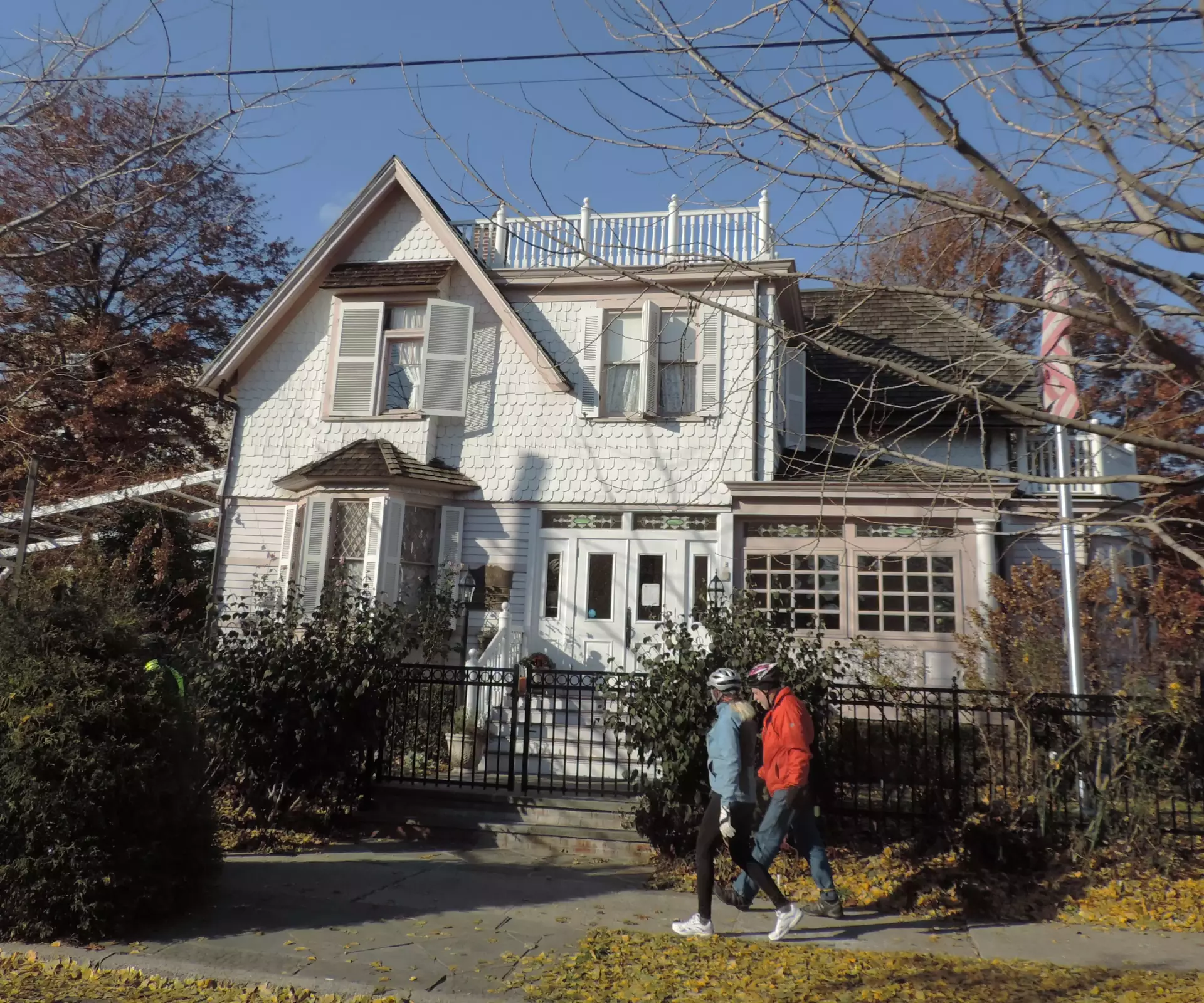
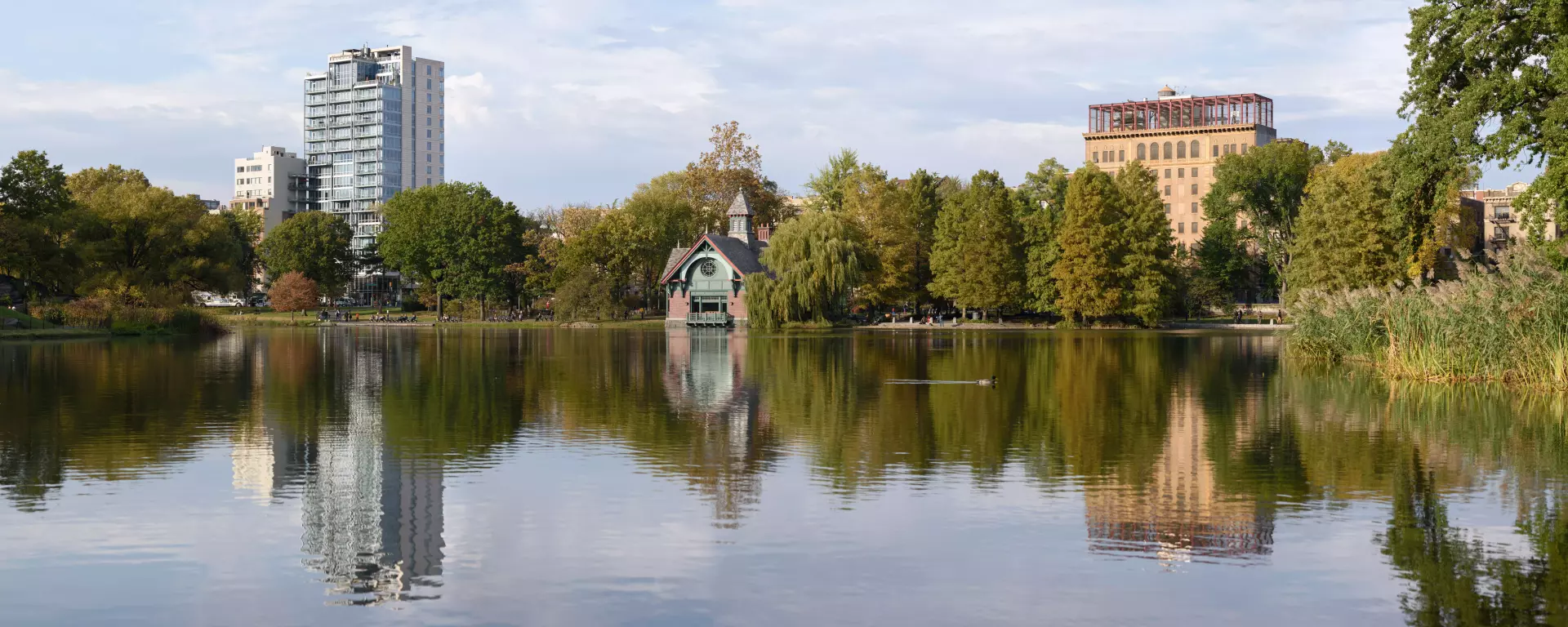
This is historic home that was built by local businessman James Bouton in 1891. Eight years later, Conrad Voelcker bought the house, and the Voelcker family lived in the house for three generations. Today, it is a museum, and there is a Victorian garden and a bird sanctuary outside.
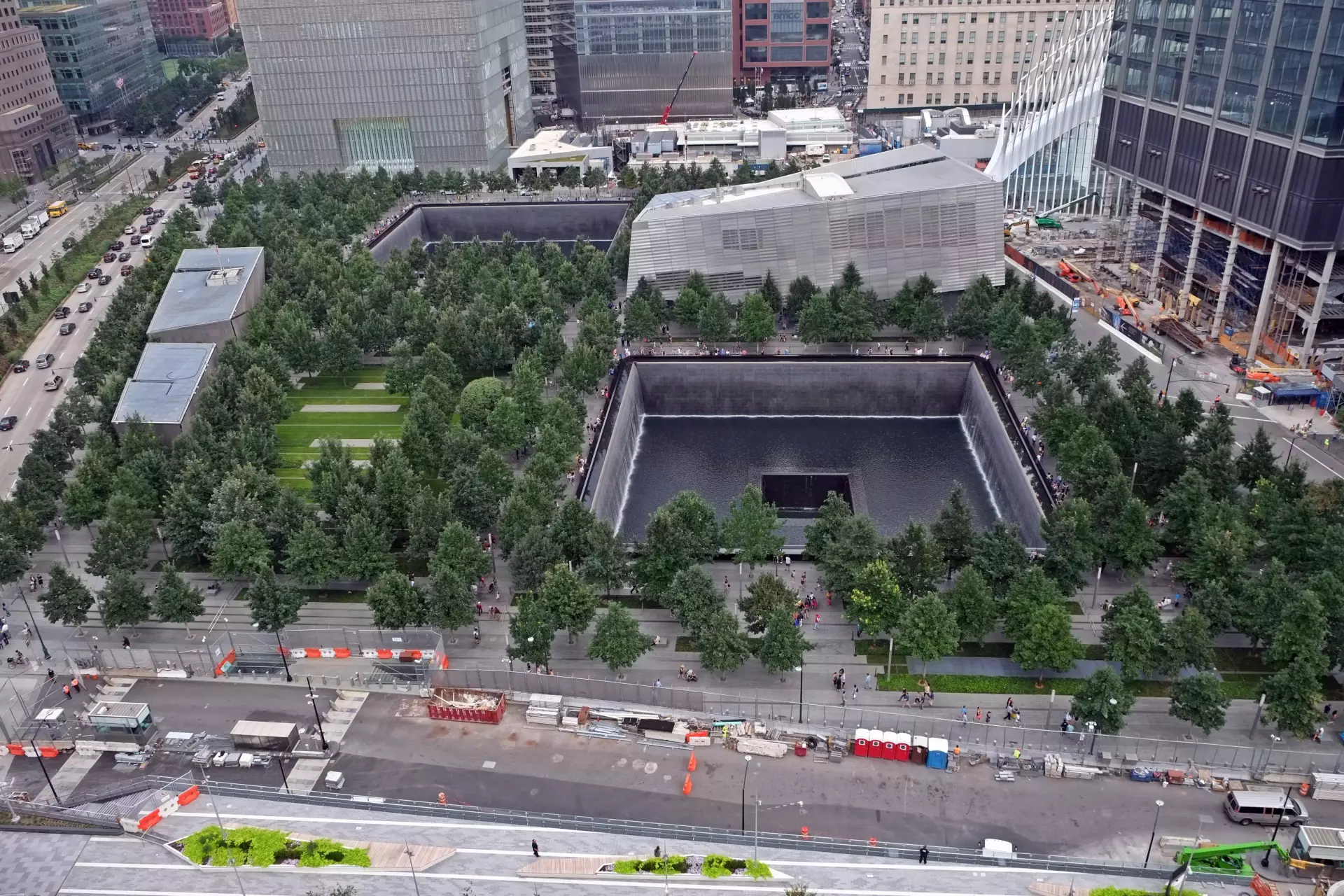
On the site of the former World Trade Center towers, the memorial consists of two enormous waterfalls and reflecting pools set within the footprints of the twin towers, lined with bronze panels with the names of the nearly 3,000 victims of that fateful day inscribed. The surrounding plaza holds a grove of trees. The museum, which sits underground right next to the memorial, contains exhibits which explain the events of 9/11 and their aftermath, with remnants of the original towers and artifacts from that day. If you see a white rose on one of the names, it's because today is that victim's birthday.
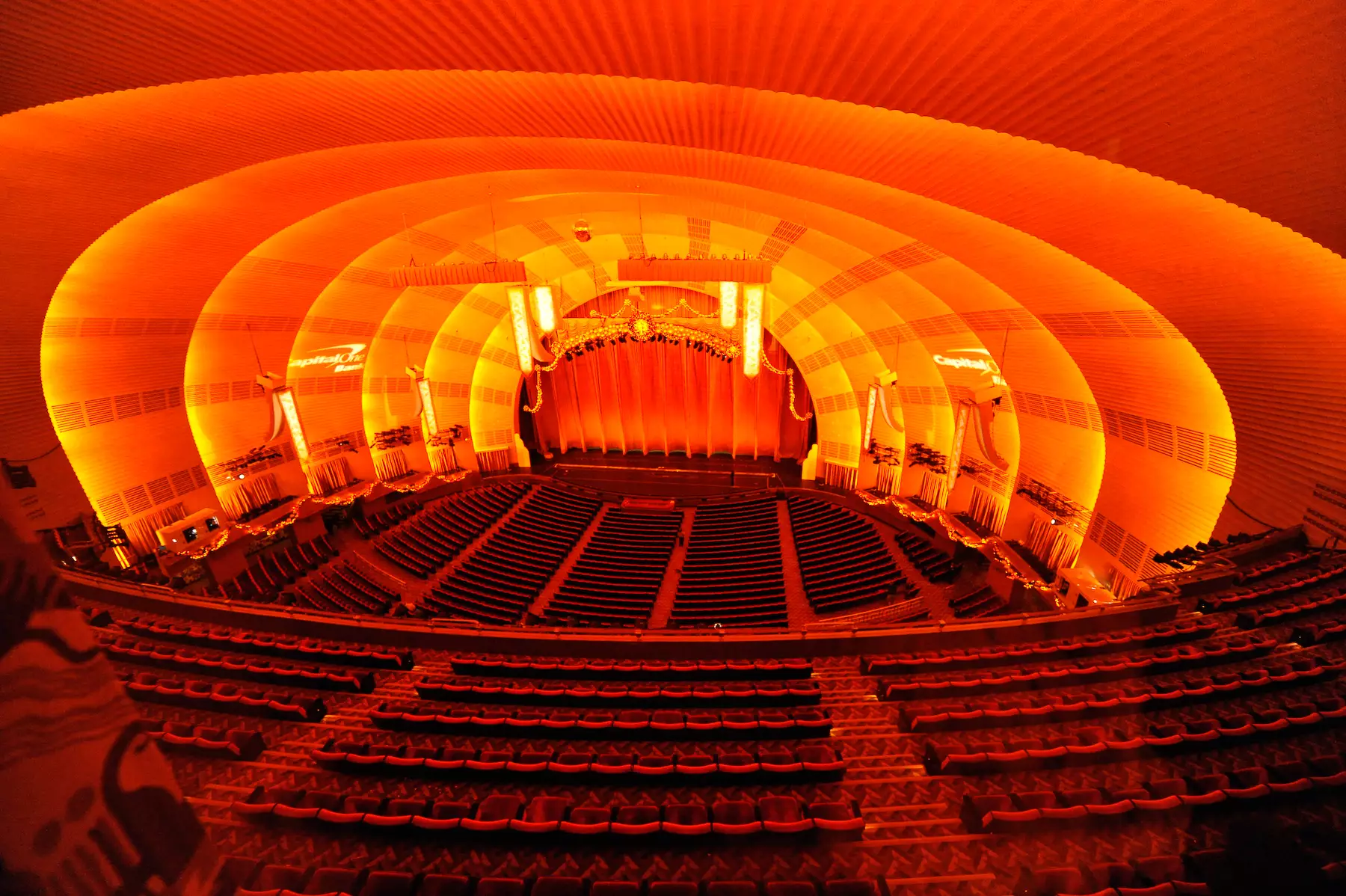
See the Rockettes, another show, or just tour the famous Art Deco masterpiece.
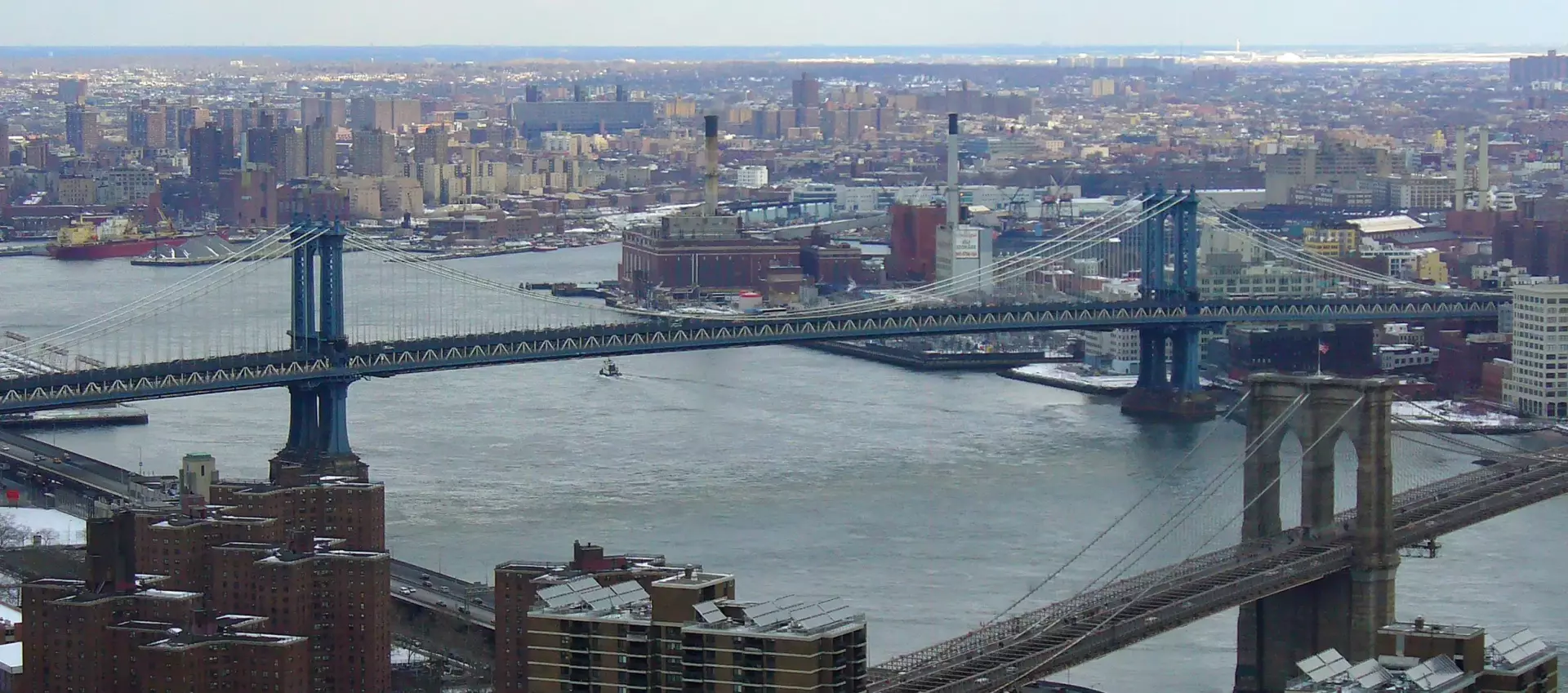
The Manhattan Bridge, just a bit to the east of the Brooklyn Bridge, with signposted access from Jay St. slightly over 4 blocks north (toward the river) of Tillary St., can also be crossed by pedestrians and cyclists, but if you do so, you will be rattled by passing subway trains that traverse the bridge, your view will be partly obstructed by mesh, and you won't be in a position to see much to the north of the bridge (so no great views of the Midtown skyline like you get from the Brooklyn Bridge walkway). It's still worth doing if you have enough time, though, partly because of the views of the Brooklyn Bridge that you can see from the Manhattan Bridge. As of November 2021, construction is taking place on the bridge; it narrows the path pedestrians and cyclists share in places, but access is otherwise unimpeded.

A riverfront park providing pleasant views of New Jersey and sometimes breezes off the river. Summer brings al fresco movies and music to the park.
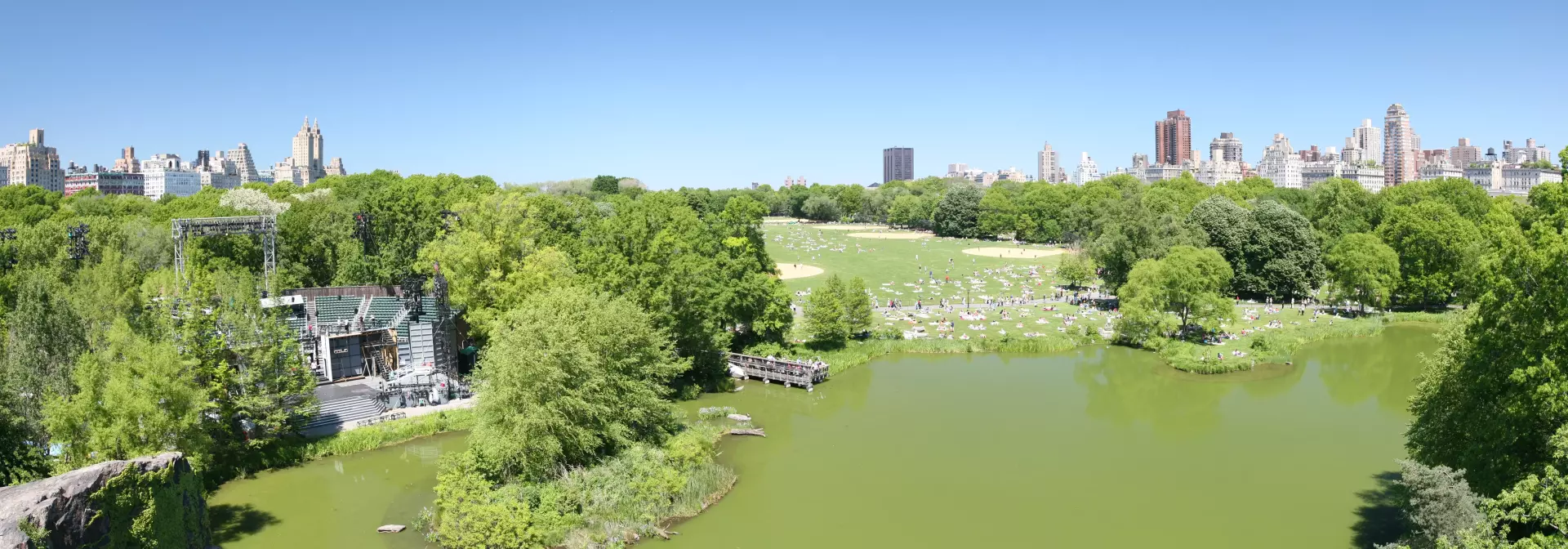
At the center of Central Park, the Great Lawn is a large clearing with lawns and ballfields, perfect for ballgames, sunbathing, and picnicking. Just to the east of the Lawn is the Obelisk, a 71-foot tall structure which is the oldest man-made object in the park, having been erected in Heliopolis, Egypt, around 1500 BC.
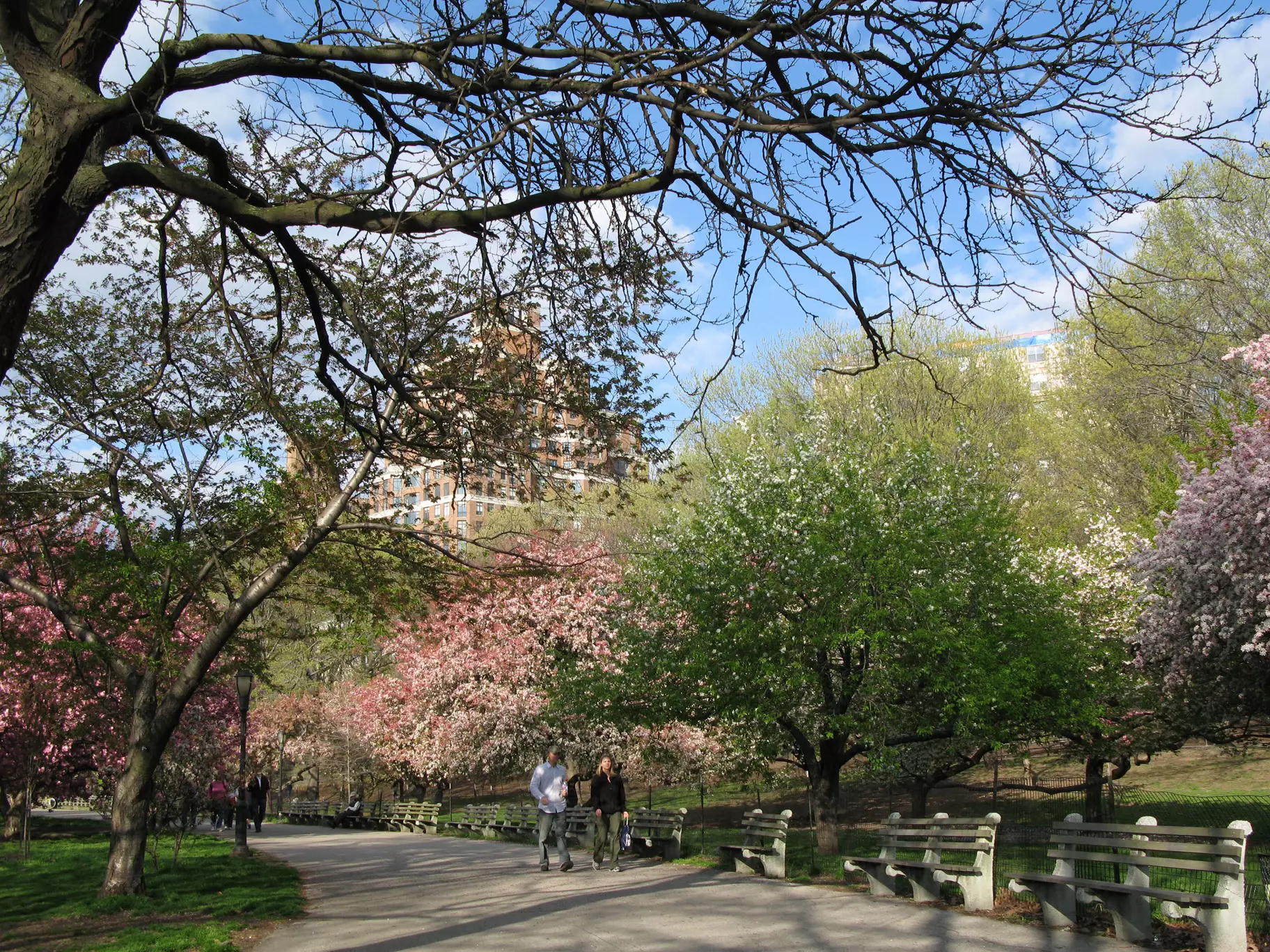
This 11 acre lake is one of Central Park's finest spots; surrounded by flowering trees and inhabited by several fish and turtle species.
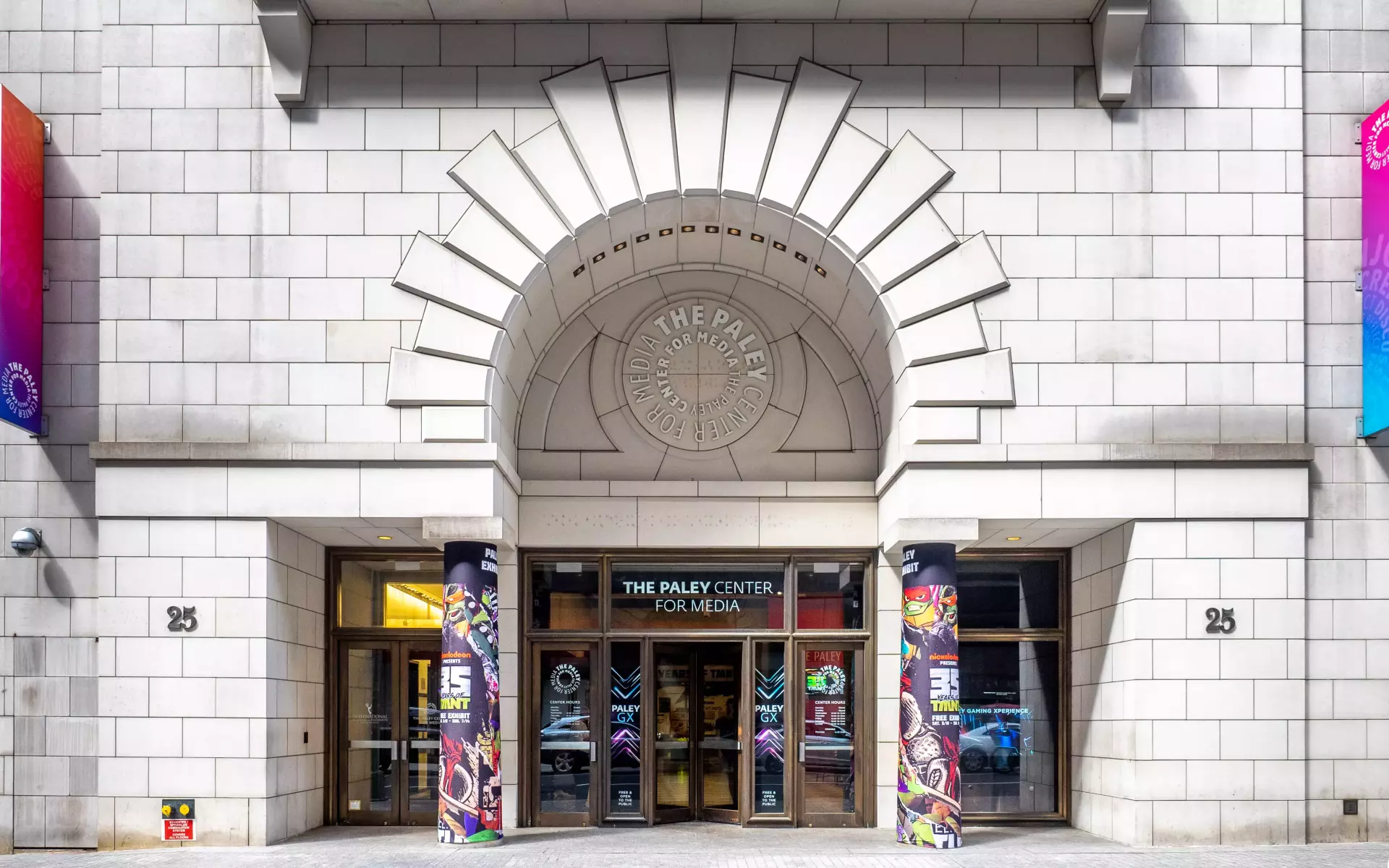
Dedicated to preserving and collecting television programs as a service to the public, the museum consists of two museum branches in Los Angeles and New York City; combined they hold over 100,000 television programs that are available to the public, providing a historical, artistic and cultural perspective to television and radio. You may use their library here for the price of admission. They have lots of old shows and a database so you can see if they have what you want.
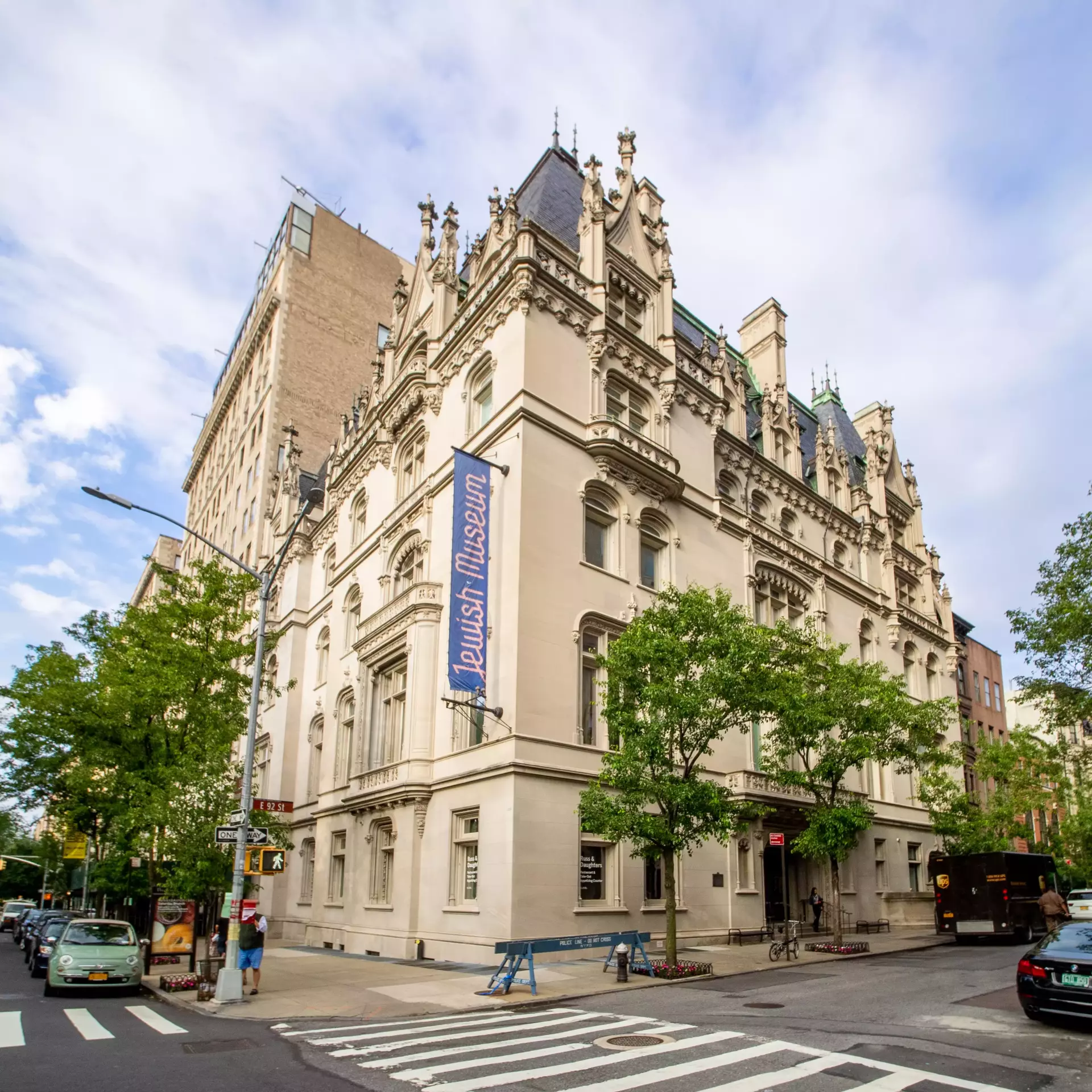
Containing artifacts spanning 4,000 years of art and Jewish culture, with a collection of 26,000 objects – paintings, sculpture, works on paper, photographs, archaeological artifacts, ceremonial objects and broadcast media. The museum also hosts the annual SummerNights concert series and the annual New York Jewish Film Festival.
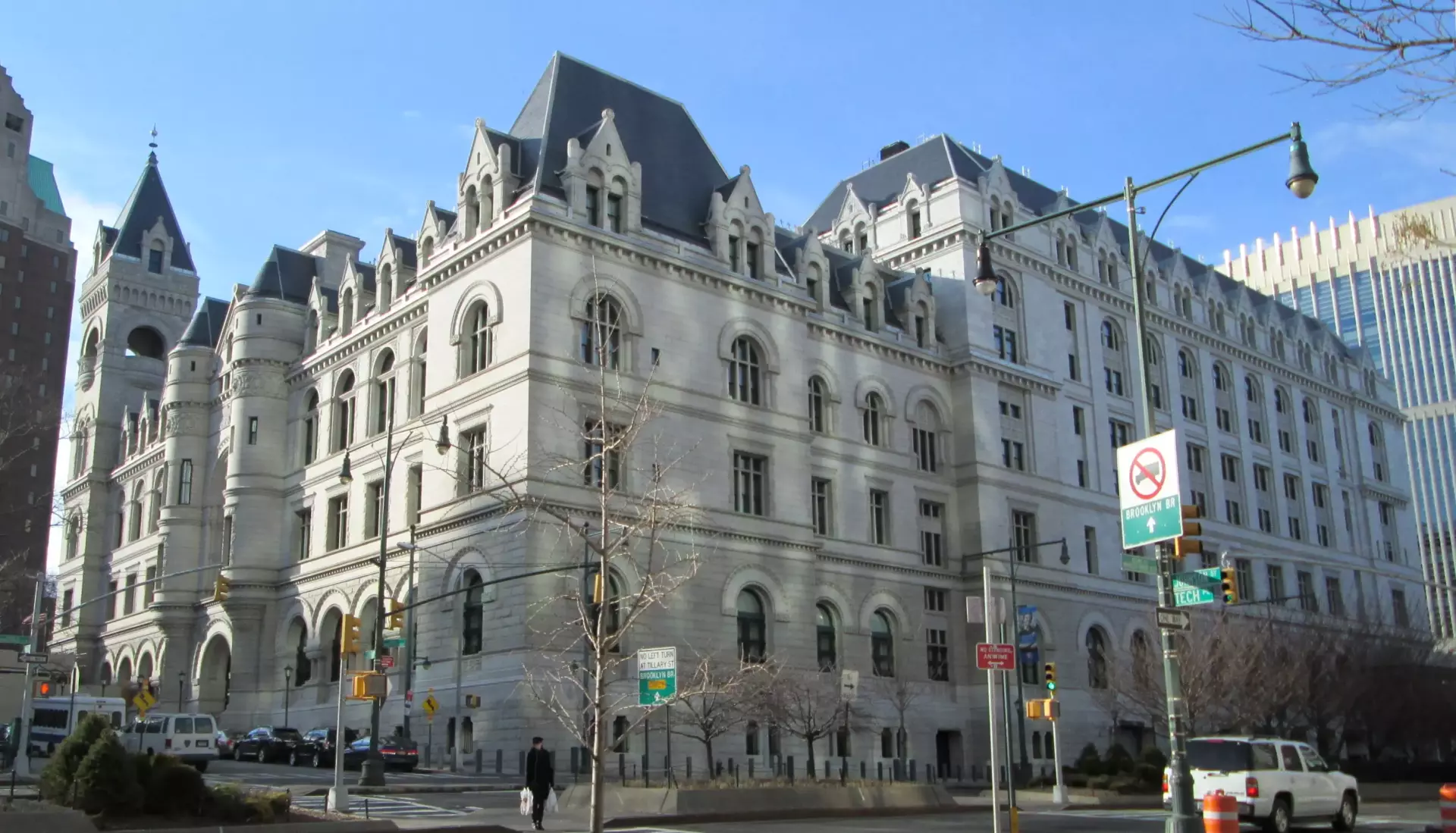
This neo-Romanesque fairy castle was built in 1891, and a northern addition in very similar style was built in 1933. The older building is a busy post office serving Downtown Brooklyn and the northern addition houses the United States Bankruptcy Court for the Eastern District of New York.
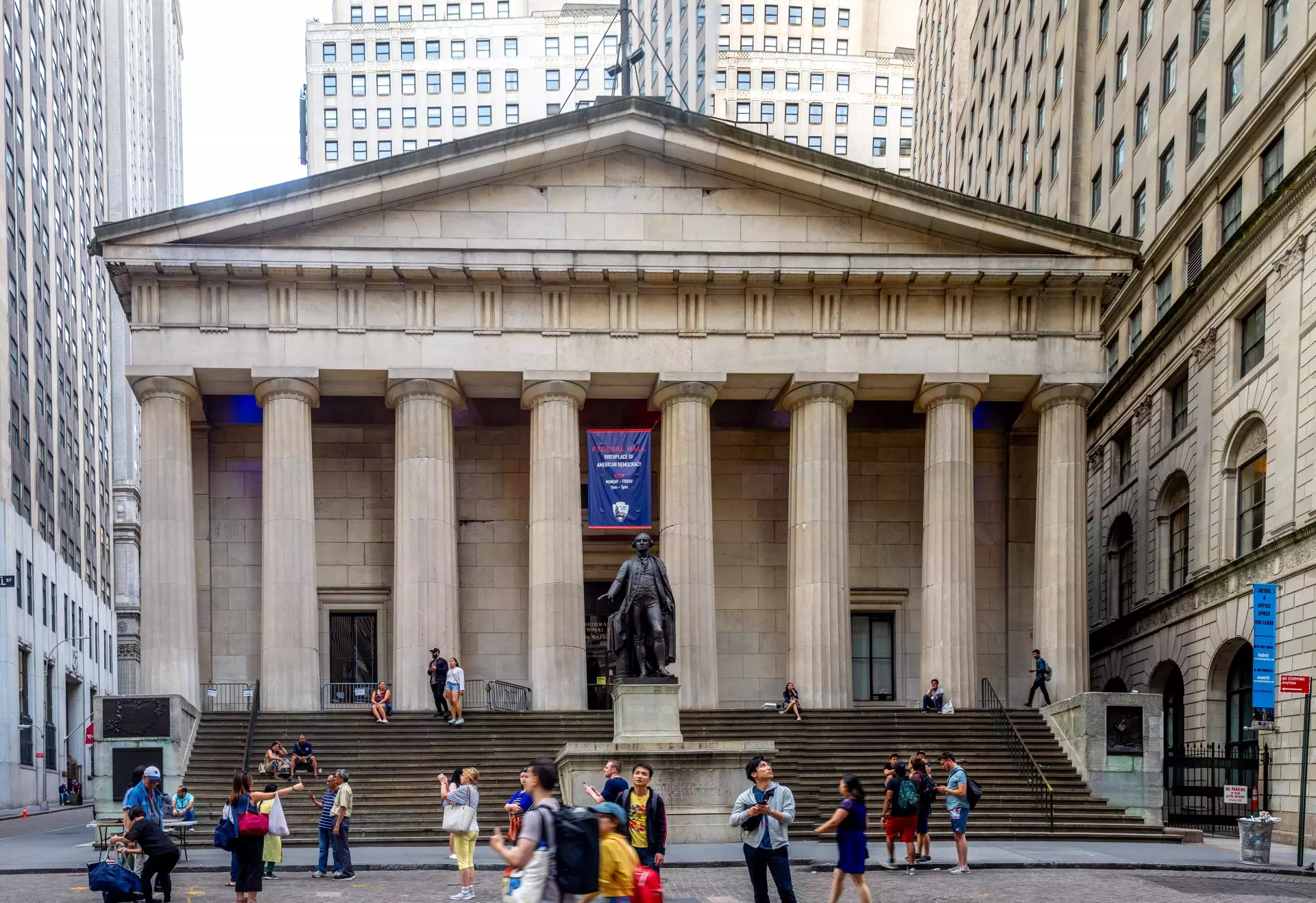
On this site on April 30, 1789, George Washington stood on a balcony overlooking Wall Street and was inaugurated as the first president of the United States. The old building on the site had been used as New York's city hall and had hosted some of the first congregations of the colonies in the lead-up to the American Revolution, such as the Stamp Act Congress. After the revolution the building, now Federal Hall, briefly housed Congress, the Supreme Court, and Executive Branch offices before the national capital moved to Philadelphia. The current building dates to 1842 and was used first as a Customs House, then later the US Sub-Treasury (millions of dollars of gold and silver were kept in the basement vaults). Today the building is maintained by the National Park Service as a museum dedicated to the history of the site. Guided tours of the building are available, or you can just walk in and look up at the rotunda and view some of the artifacts, such as the bible Washington used in his inauguration ceremony.
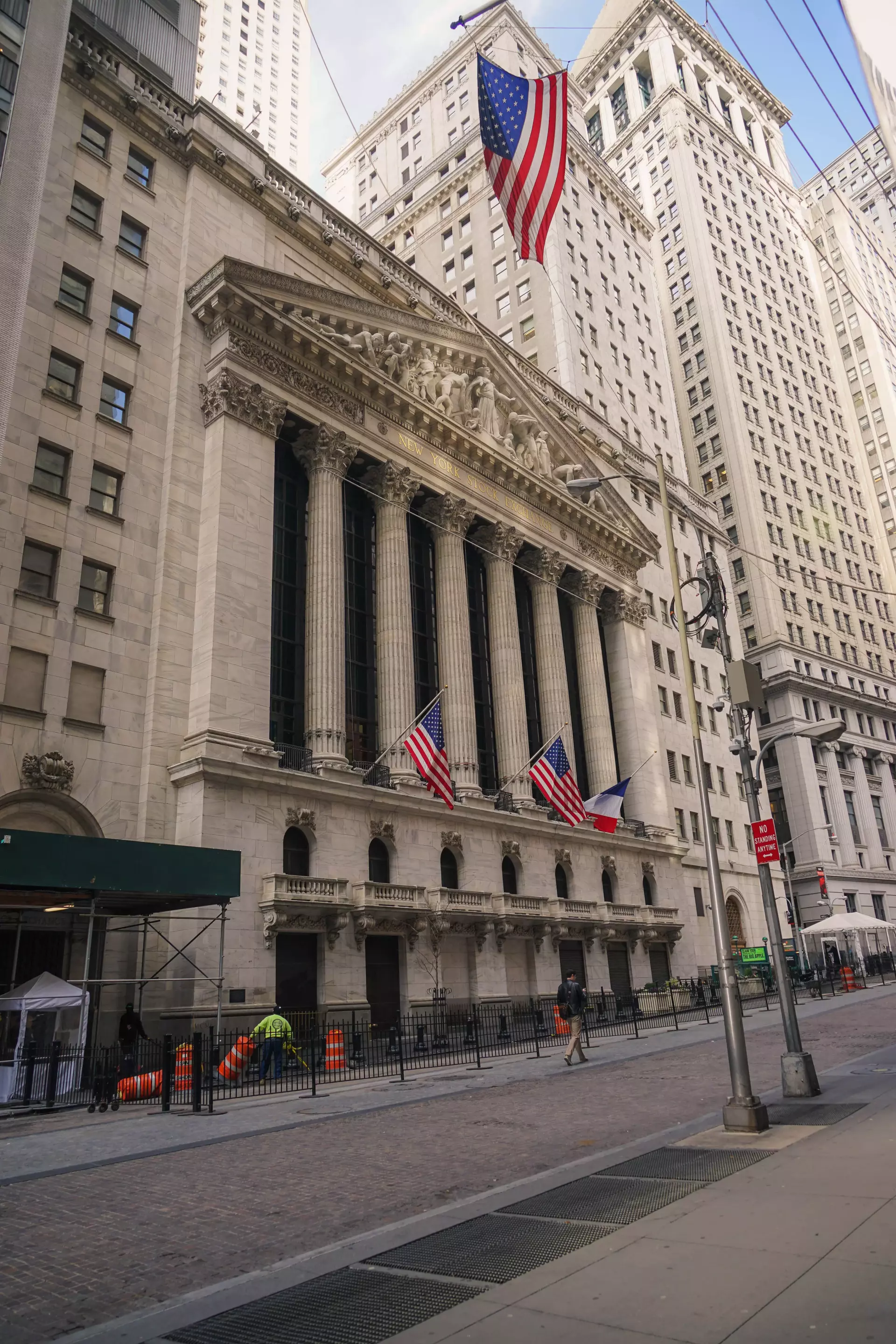
A historic site, not least because of the Black Thursday crash of the Exchange on 24 October 1929 and the subsequent sell-off panic which started on Black Tuesday, 29 October, precipitating the worldwide Great Depression of the early 1930s. The present Exchange building opened in 1903, recognized from the first as an example of masterful architecture, with the six massive Corinthian columns across its Broad Street facade imparting a feeling of substance and stability and, to many, seeming the very embodiment of America’s growth and prosperity. The building has been closed to the public since 9/11.
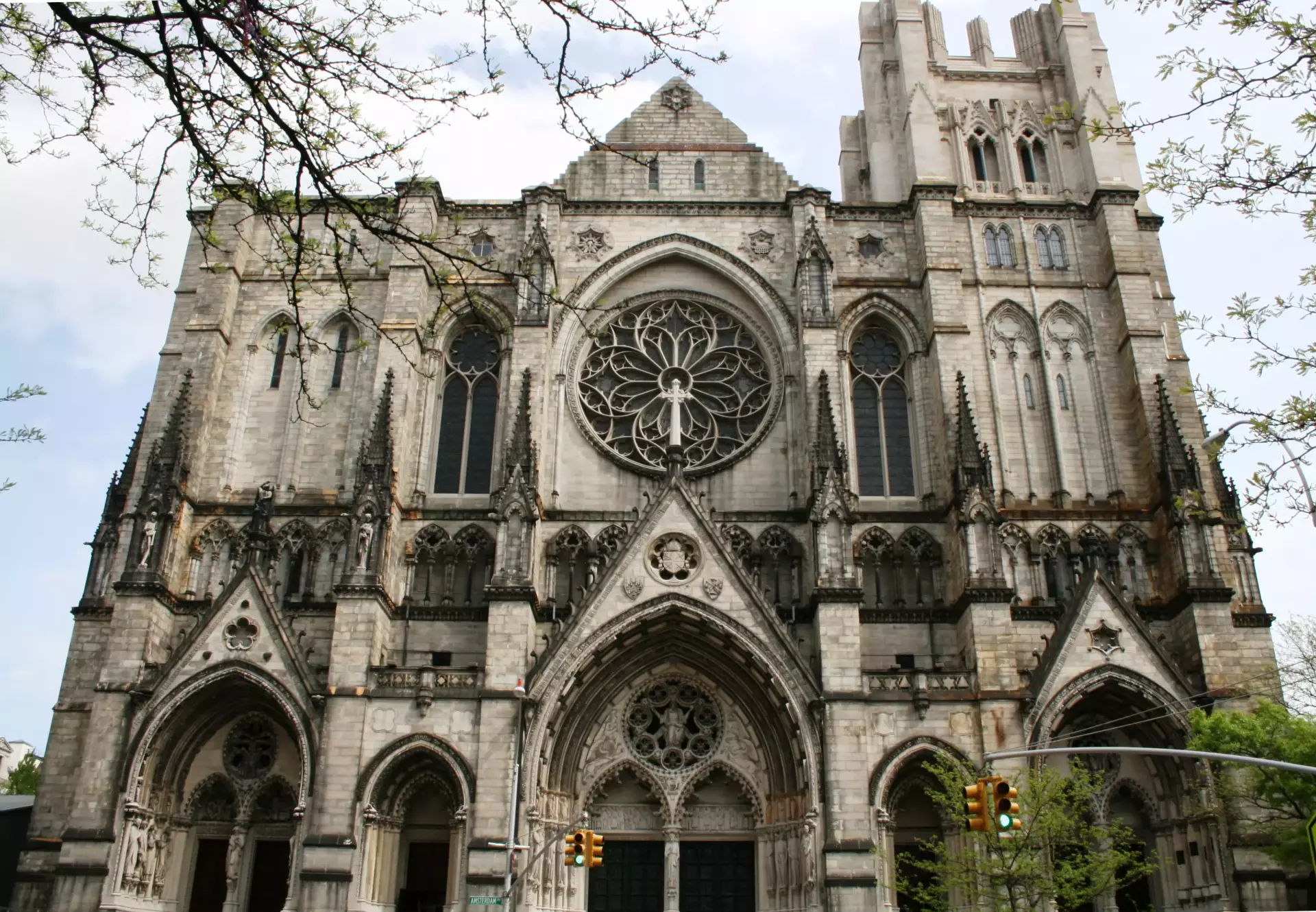
The world's largest neo-Gothic cathedral, the place has been a work in progress for over a century! There are also resident peacocks on campus, and many songbirds stop by during their seasonal migrations.
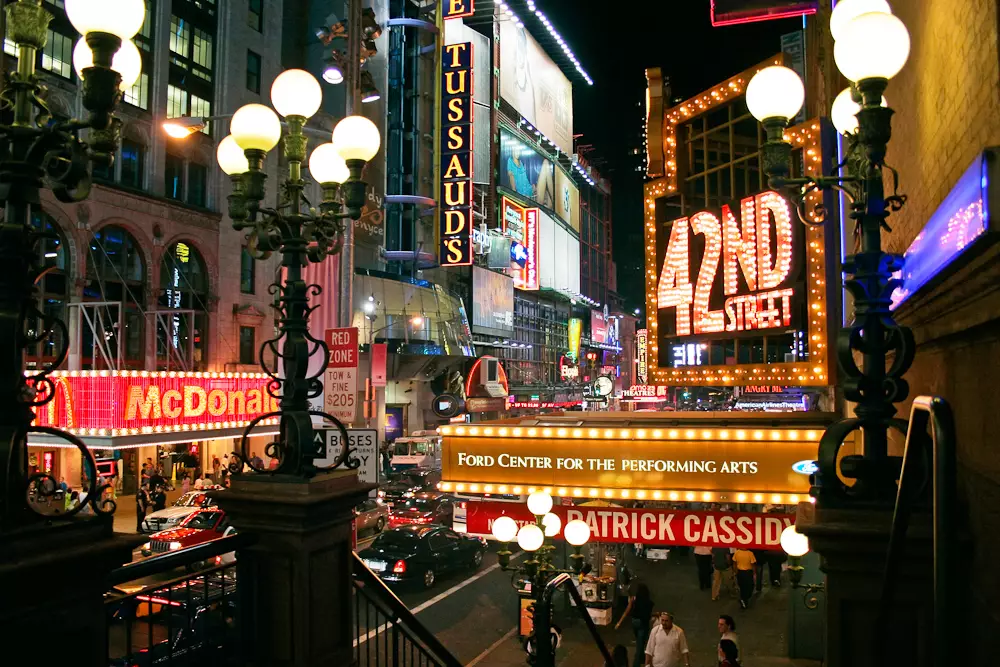
Get up close to over 200 lifelike wax figures of the biggest stars and icons in entertainment, sports and history.