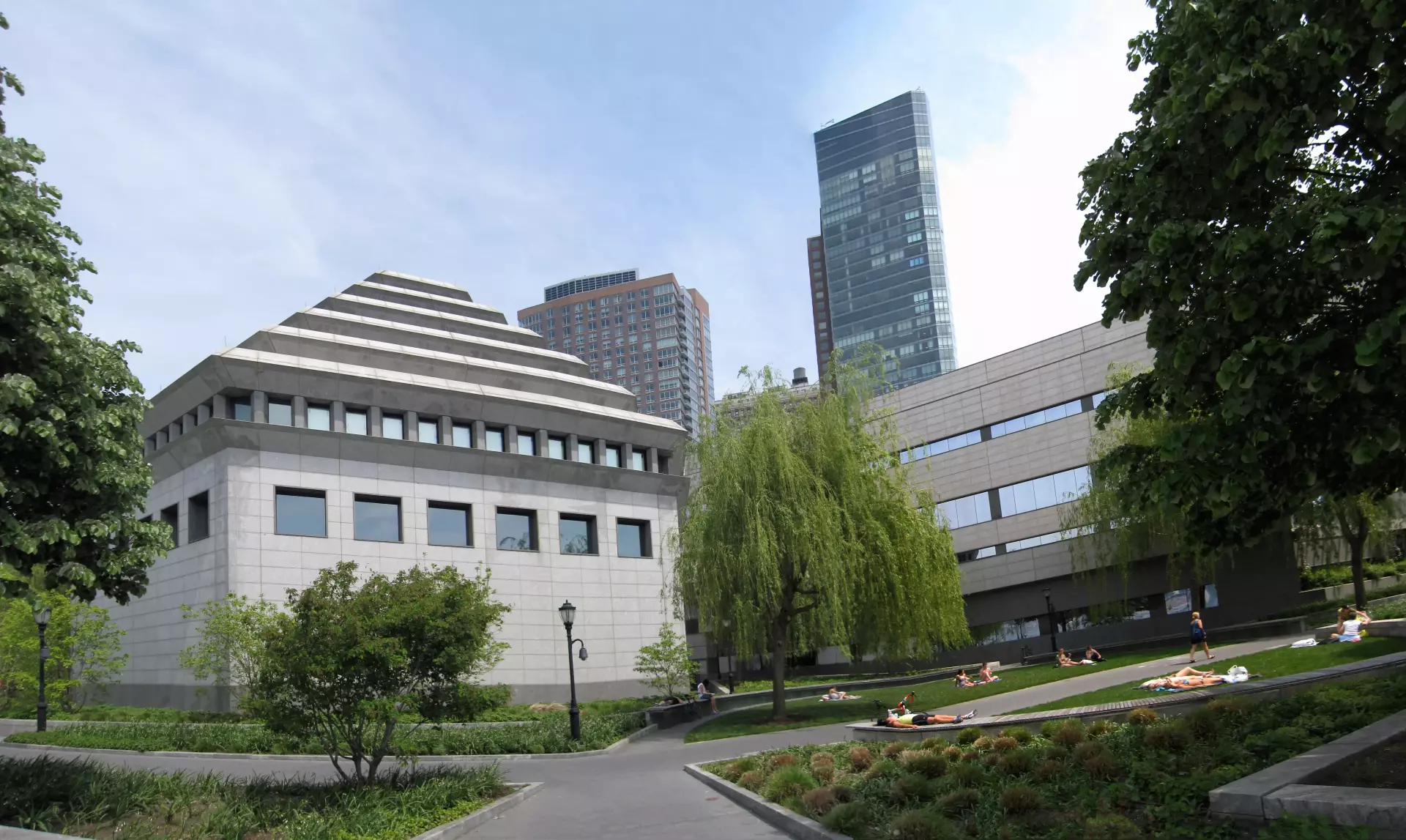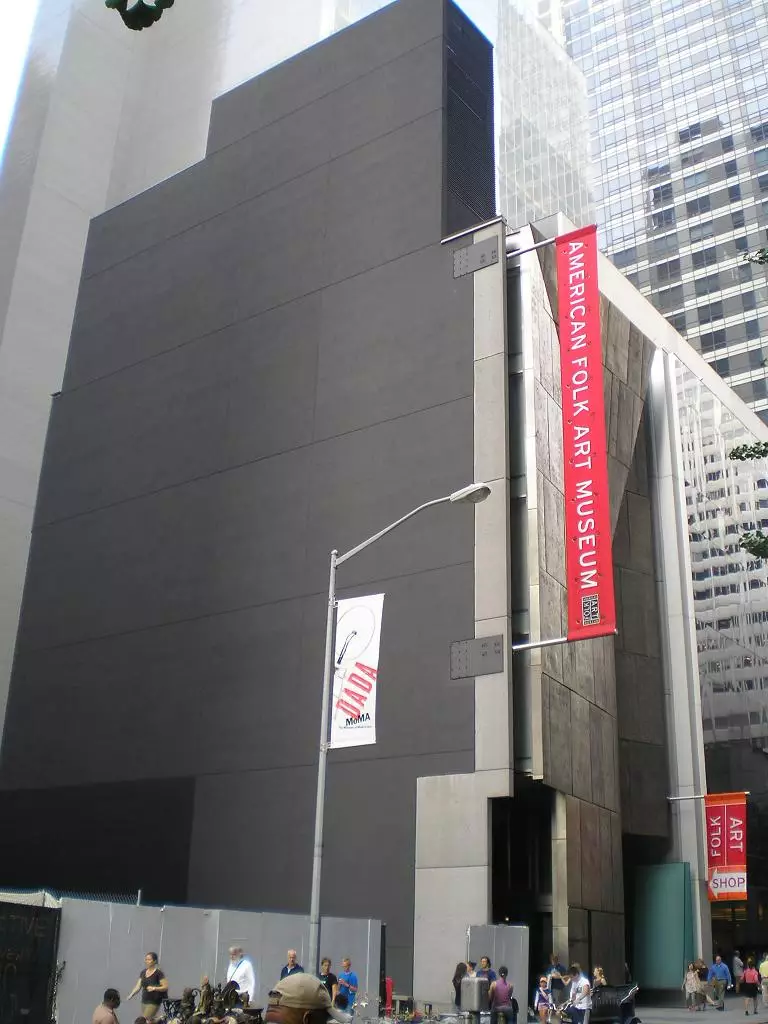
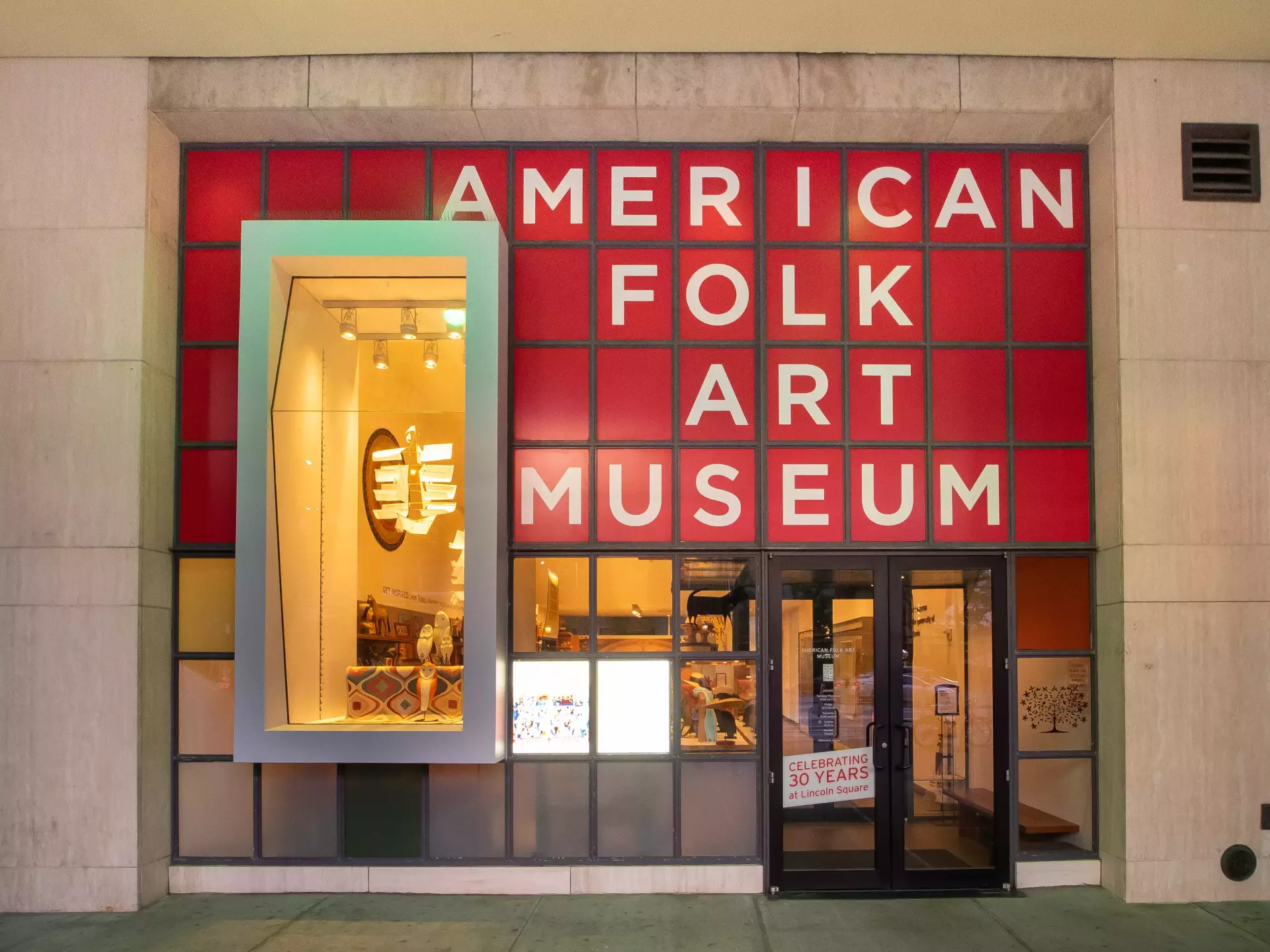

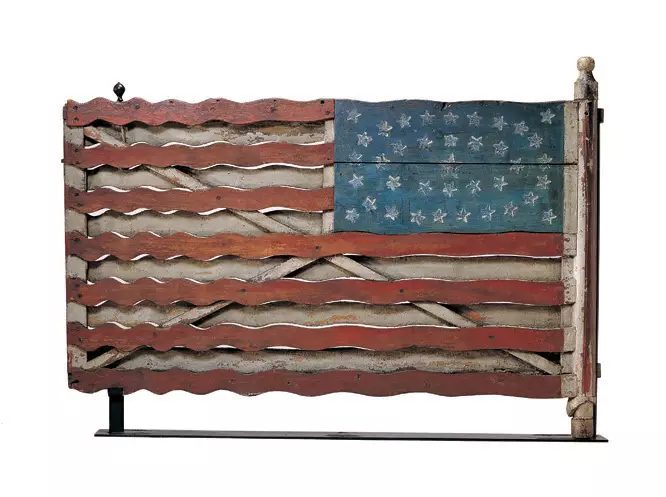
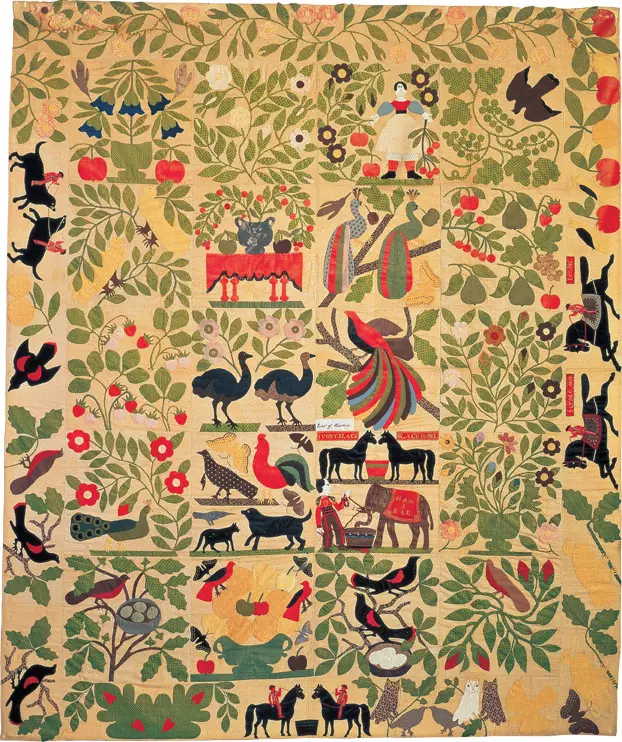

The American Folk Art Museum celebrates the creativity and ingenuity of folk and self-taught artists. Located in New York City, the museum showcases a vibrant collection of artworks that reflect the diverse cultural fabric of America. With pieces that range from traditional crafts to contemporary art, the museum offers a unique glimpse into the imaginative world of artists who work outside the conventional art scene.
Visitors can wander through exhibits that highlight the rich tapestry of American folk art. The museum's collection includes paintings, sculptures, textiles, and more, each telling a story of individual expression and cultural heritage. These works are created by artists who have not followed formal training yet possess a distinct vision and skill.
The museum not only displays art but also delves into the fascinating stories of the artists themselves. Many of these creators come from diverse backgrounds and have unique life experiences that deeply influence their work. Through video interviews and informative plaques, visitors can learn about the personal journeys that led these artists to produce such captivating pieces.
The American Folk Art Museum is known for its dynamic exhibitions that change regularly, keeping the experience fresh and engaging. Past exhibits have explored themes such as visionary art, cultural traditions, and the use of recycled materials in art. Each exhibition offers a new perspective and encourages visitors to think about art in innovative ways.
The museum's welcoming atmosphere invites visitors of all ages to explore and engage with the art. Educational programs and workshops are available, providing hands-on experiences that inspire creativity and appreciation for folk art. The museum's friendly staff is always ready to guide and assist, ensuring a memorable visit for everyone.
Conveniently located in the bustling area of Manhattan, the American Folk Art Museum is easily accessible by public transportation. Its location makes it an ideal stop for those exploring the cultural and artistic offerings of New York City. The museum is open to all, providing an inclusive space where art enthusiasts and curious minds can connect with the fascinating world of folk art.
Source - https://en.wikipedia.org/wiki/American_Folk_Art_Museum
A small park at the foot of Broadway which is the oldest public park in the city and is the site of the Charging Bull sculpture created after the 1987 stock market crash. Bowling Green is also the origin point for the Broadway ticker-tape parades; if you walk up Broadway, you can view plaques in the sidewalk honoring the people or events celebrated in these parades.
A place filled with video screens, LED signs, and flashing lights; a world wonder or a tourist nightmare depending on your perspective, the "new" Times Square is a family-friendly theme park of themed restaurants, theaters and hotels, as well as a developing business district. The lights and signs can be viewed anytime, but the most enchanting experience comes when one visits Times Square at night, as all the signs and screens are ablaze with color. Times Square is also well known for its famous New Year's Eve ball drop. Those looking for the seedy Times Square of years past will find it around the Port Authority Bus Terminal, and on Eighth Avenue to the west. A ticket booth selling discounted Broadway and off-Broadway shows. However, the cheaper tickets aren't the only attraction, as the back of the booth is a large, red-lit glass staircase facing Times Square, which serves as a set of bleachers and offers an excellent opportunity to get above the street and just watch the crowds and flashing signs. Above the booth is a video screen with a live feed of the top step, giving you a chance to appear (if only briefly) on one of the many signs in Times Square. Originally the second-tallest building in the world when it opened in 1905, One Times Square was constructed to be the headquarters for The New York Times, a function it would serve for less than ten years. The annual Times Square ball drop is performed from the roof of this building. And you can't miss the famous Dow Jones news and sports zipper (the first news ticker in the world) attached to its lower facade.
This beach is a pleasant place to relax. The water is safe enough to swim in, but it's not the best you can get (you'd get a better deal down the Jersey Shore or on Long Island). The boardwalk, one of the longest in the United States, is great for running or biking.
Dates back to 1680, and held an abortive peace conference during the Revolutionary War.
Housed in the Alexander Hamilton US Custom House, this Smithsonian museum is the New York branch of the National Museum of the American Indian (the other branches are in Washington, D.C. and Maryland).
For most of the 18th century, Africans in New York City were buried in a graveyard outside the city. The graveyard was eventually forgotten and was rediscovered in 1991. This museum and memorial site commemorate the estimated 15,000 Africans that were interred on the site of the memorial. Note that the museum is located inside of a Federal building so airport-style security should be expected.
A self supporting arm of the MTA, it is housed in the Subway's former Court Street Station, on a spur line from the current A and C lines. Closed to passengers in 1946, it was reopened in 1976 as the New York Transit Exhibit and was popular enough to be made permanent. The museum is made up of two underground levels: the Mezzanine, which hosts exhibits on the construction of the subway, surface transportation in New York, fare collection and rotating exhibits on various transit-related subjects; and the station platform, which houses about 20 retired subway cars dating as far back as 1903 and a working signal tower. The museum sponsors events throughout the year, including simple art projects, walking tours on the subway, and rides on the museums' fleet of retired trains. There is also an annex of the museum in Grand Central Station in Midtown Manhattan.
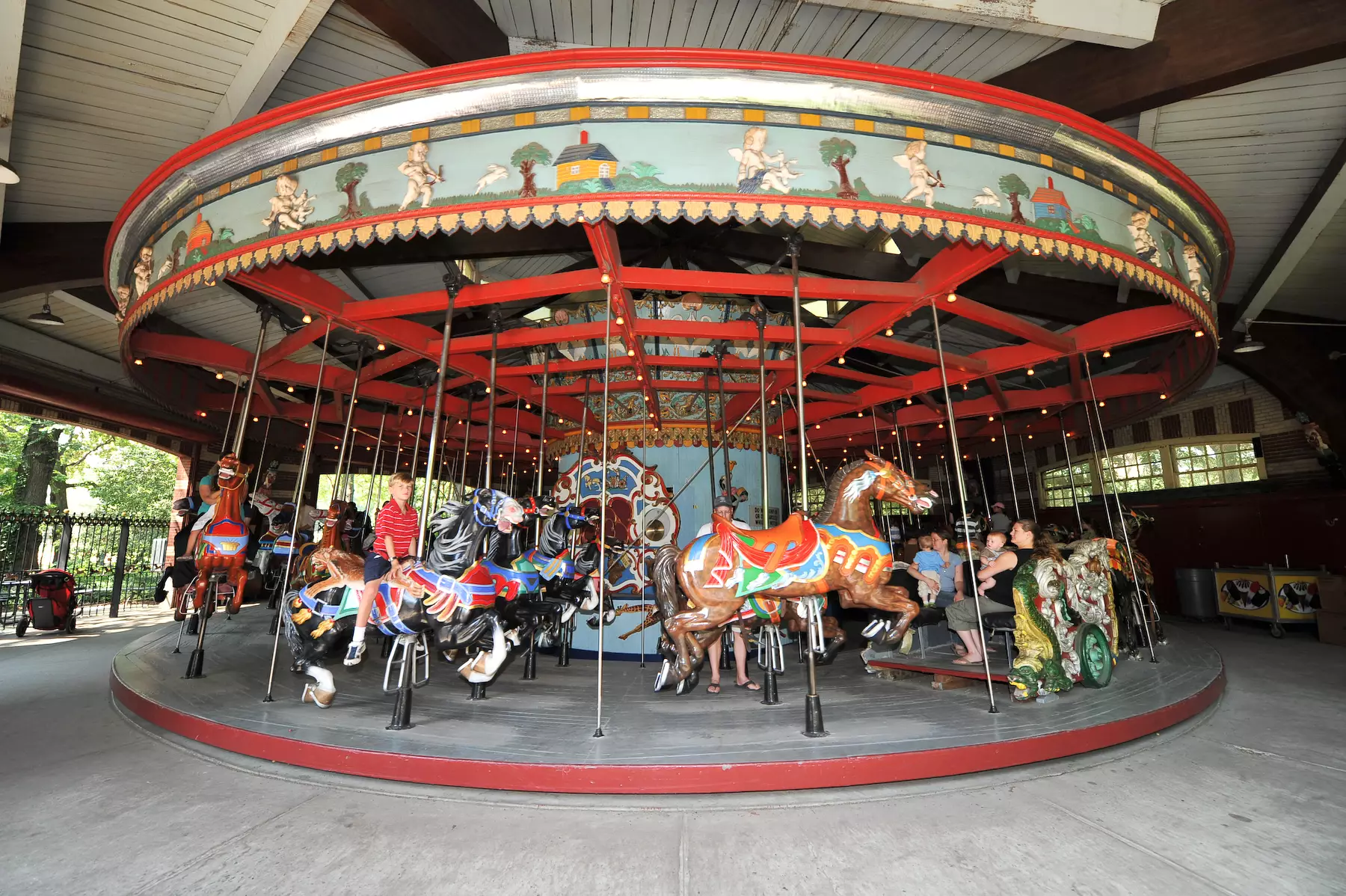
A vintage carousel built in 1908 and situated on this spot since the 1950s, it's the fourth carousel to inhabit this location and is beautifully painted.
A children's museum home to exhibits featuring Adventures with Dora & Diego.
A museum and library devoted to Spanish, Portuguese, and Latin American art and culture.
Built in 1802 (and physically shifted from its original location), this was the home of Alexander Hamilton, one of the founding fathers and the first Secretary of Treasury.
This pretty building was built as Brooklyn's city hall in 1851 and is still a very significant official building in very active use.
Ellis Island was home to the nation's primary federal immigration station, with over 12 million immigrant steamship passengers passing through from its opening in 1892 to its closing in 1954. Today, over 40 percent of America's population can trace their ancestry through Ellis Island. The island is home to the American Family Immigration History Center, which contains manifests of 25 million immigrants, passengers, and crew members who entered New York Harbor. The Immigration museum at Ellis Islands has details about "Peopling of America" and if you are an avid history lover, this museum will need at least 3-4 hrs of your time. Since the ferry ride takes you to both Ellis Island as well as the Liberty Island, you will have to plan your day well.
The former home of steel baron Henry Clay Frick, this sprawling mansion is filled with Frick's enormous personal art collection, displayed as he left it. It's worth a visit for the house alone, which is explained nicely in the audio tour. The collection is impressive, including works by Whistler, Corot, El Greco, Turner, Renoir and Rembrandt.
Dedicated to preserving and collecting television programs as a service to the public, the museum consists of two museum branches in Los Angeles and New York City; combined they hold over 100,000 television programs that are available to the public, providing a historical, artistic and cultural perspective to television and radio. You may use their library here for the price of admission. They have lots of old shows and a database so you can see if they have what you want.
On the 70th floor of the Comcast Building (better known by some as "30 Rock") is this narrow observation deck, built to resemble the deck of a cruise ship. The deck affords uninterrupted views over Central Park to the north and across Midtown to the south.
A famous Ivy League college that has existed since British colonial times, when it was called King's College.
Built in 1765, this is the oldest house on Manhattan Island. It served as George Washington's headquarters in 1776. Now a museum set on a 1.5-acre park, it features a decorative-arts collection representing the colonial and Revolutionary War periods. Washington's office is among the 12 restored rooms.