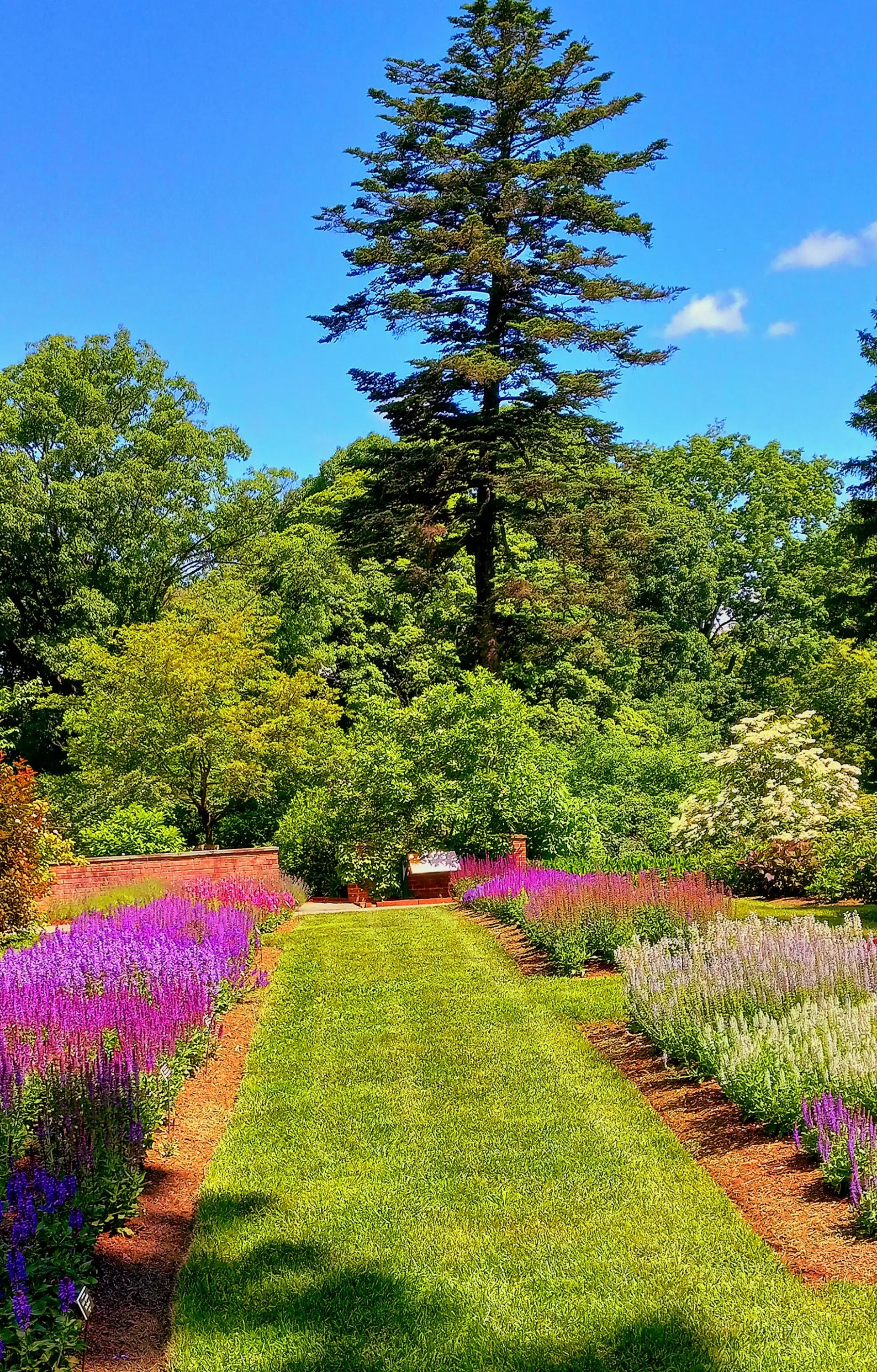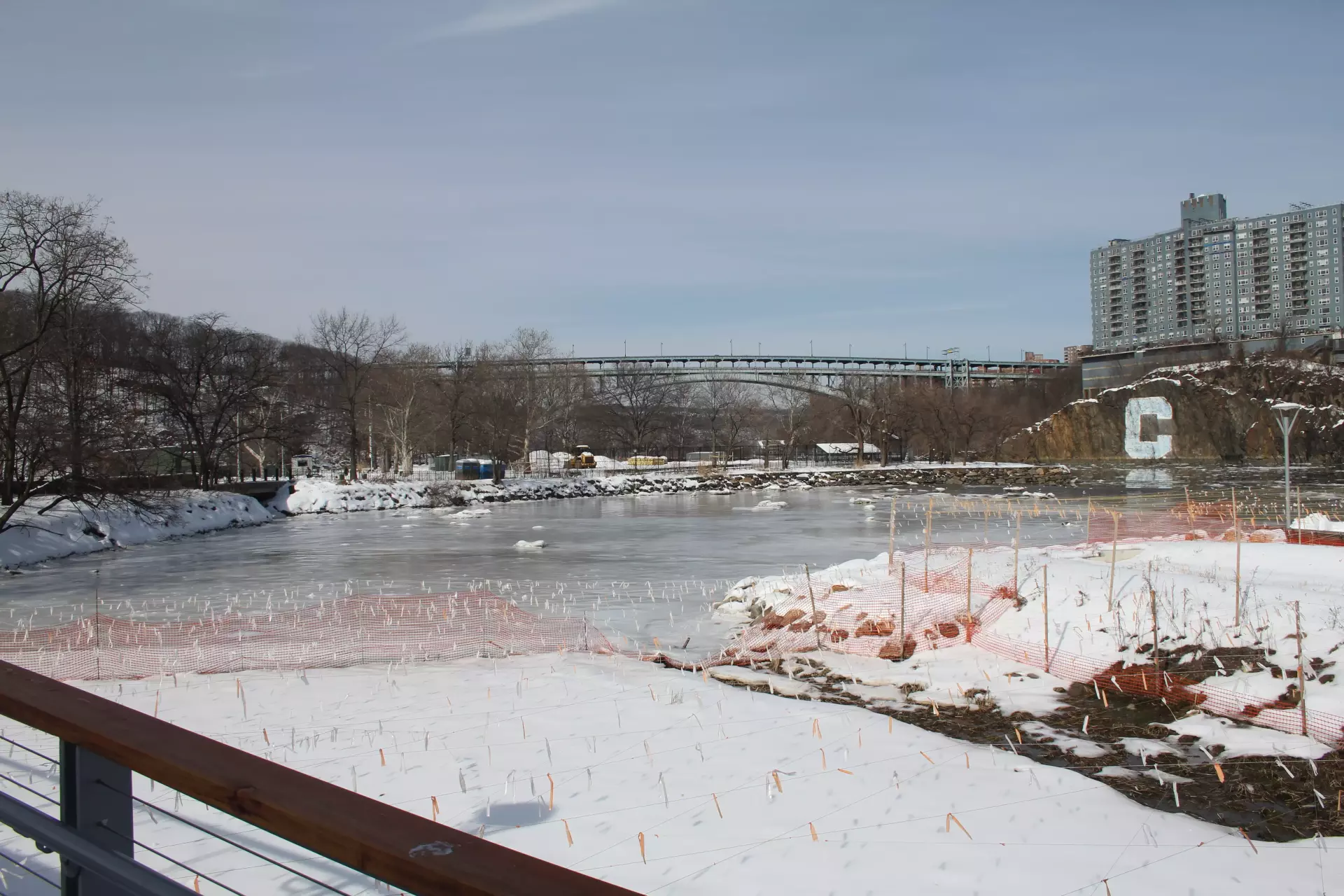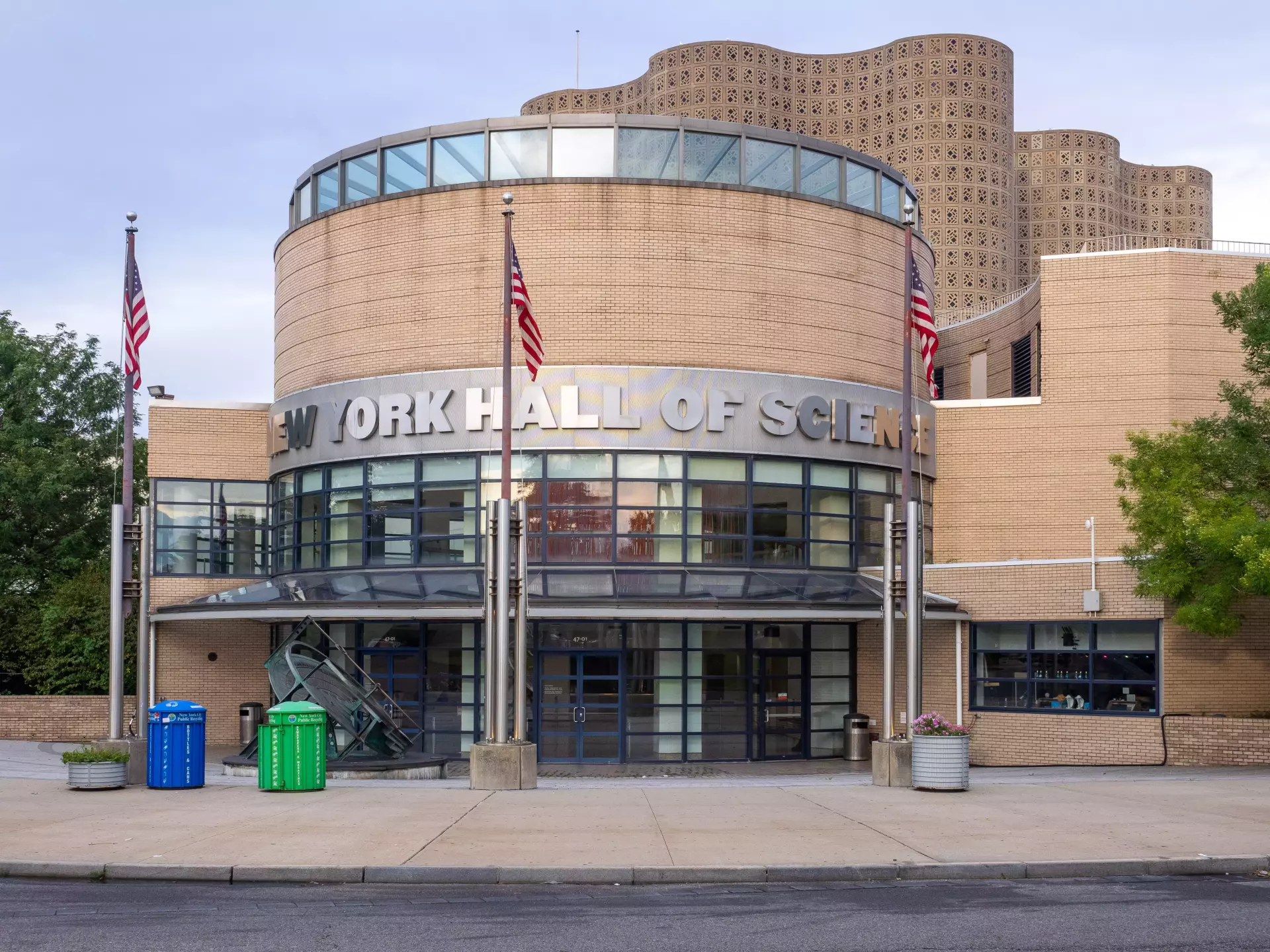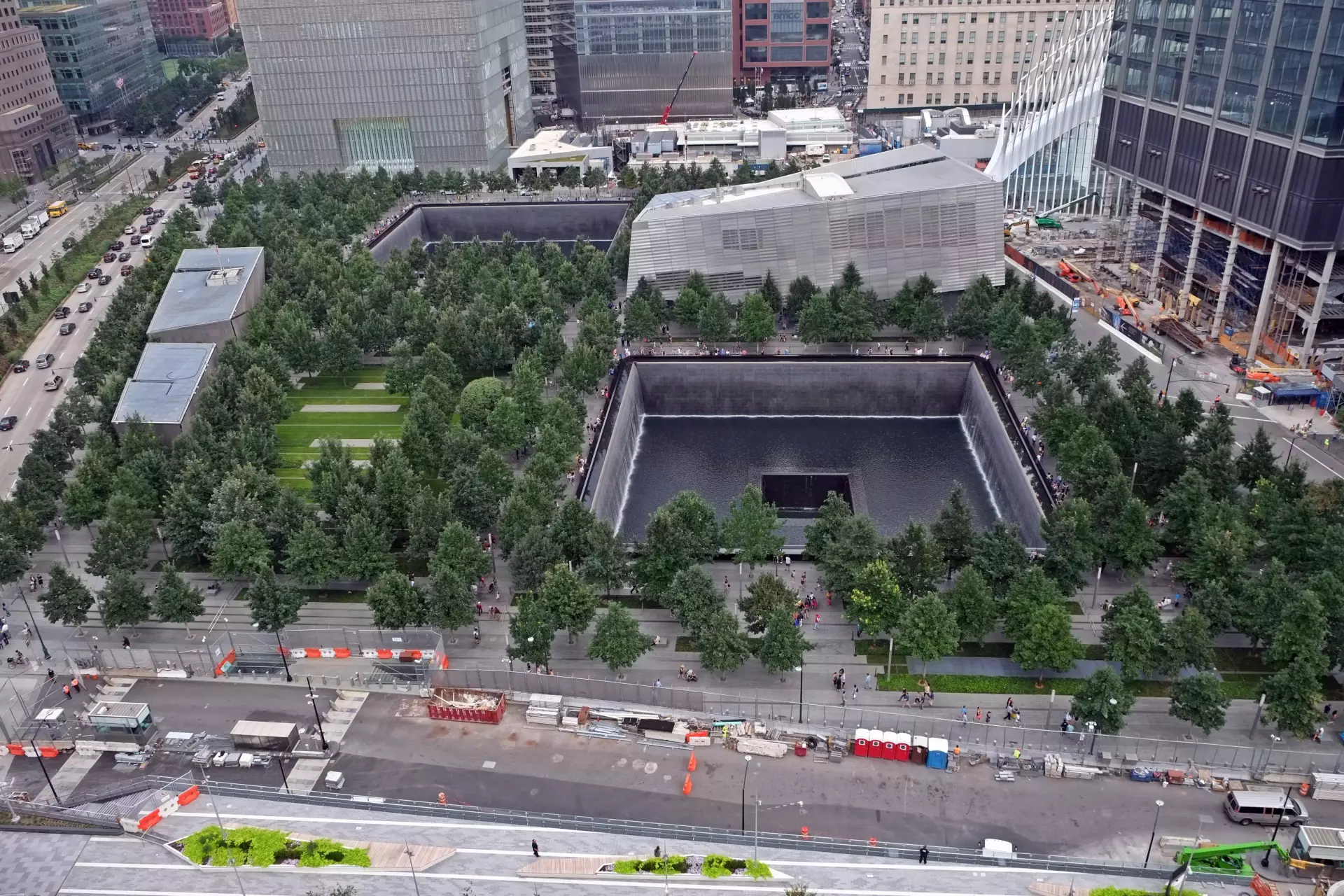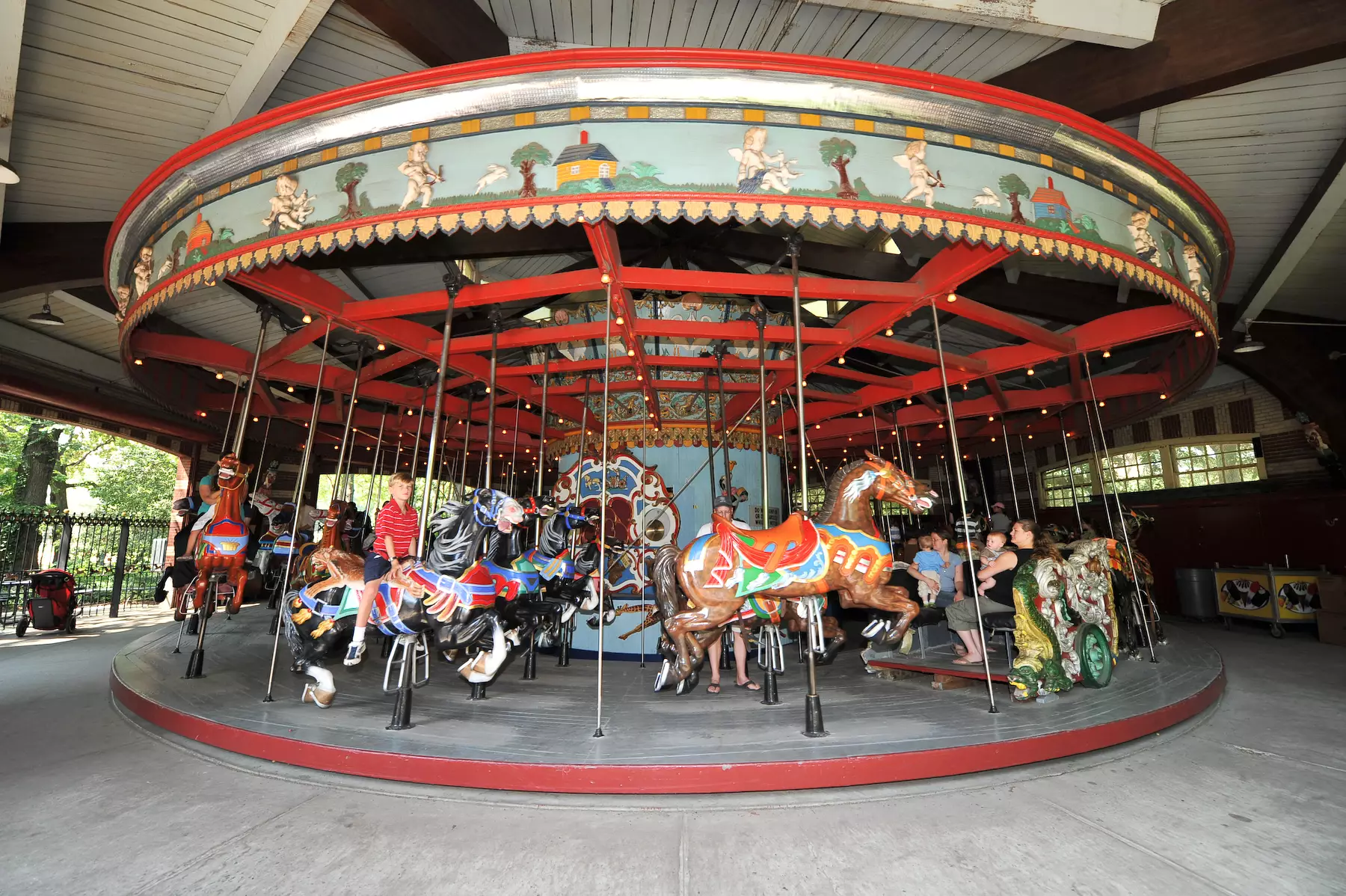
A vintage carousel with a rich history, this charming attraction was built in 1908. It has been delighting visitors at its current location since the 1950s. This carousel is the fourth to grace this particular spot, each bringing a unique charm and story.
The carousel is a stunning example of early 20th-century craftsmanship. Each component is beautifully painted, showcasing intricate designs and vibrant colors. The detail in the artwork reflects the dedication and skill of the artisans who created it, making it as much a work of art as it is a ride.
Over the years, the carousel has become a beloved feature of the area. It has seen generations of families enjoy its gentle spins, creating countless memories. This enduring legacy highlights the timeless appeal of such traditional amusements.
Source - https://en.wikipedia.org/wiki/Central_Park_Carousel
One of the Seven Sisters colleges, and is affiliated with Columbia University.
The only US museum devoted to Puerto Rican culture.
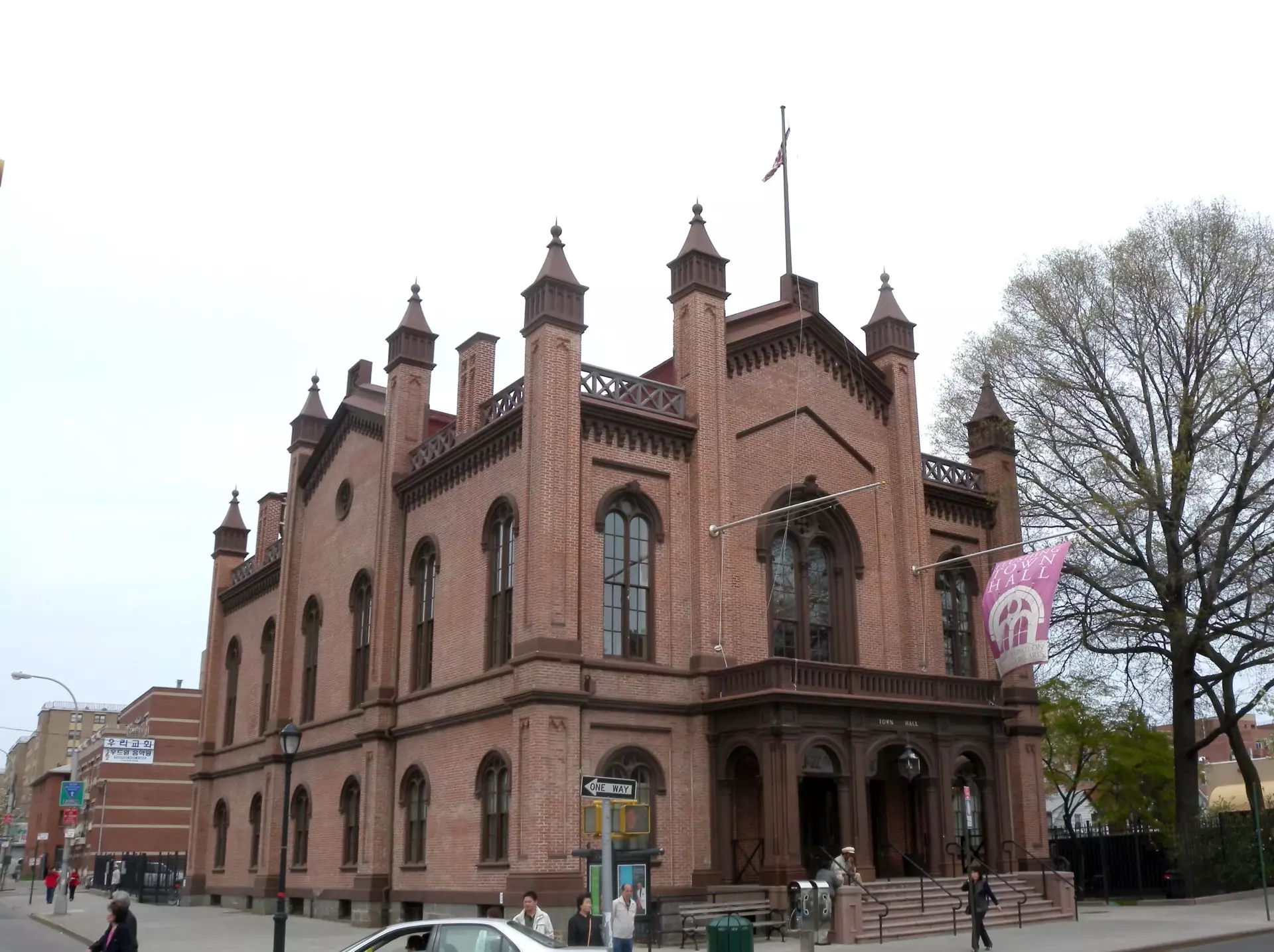
Kingsland Homestead is a historic home, built by Charles Doughty around 1774. It is now a museum with exhibits about the Victorian era, the slavery in Queens, and how Queens was affected by World War II.
The former home of steel baron Henry Clay Frick, this sprawling mansion is filled with Frick's enormous personal art collection, displayed as he left it. It's worth a visit for the house alone, which is explained nicely in the audio tour. The collection is impressive, including works by Whistler, Corot, El Greco, Turner, Renoir and Rembrandt.
A sort of mini forest, described by its designer as a "wild garden," the Ramble is sculpted out of a wooded hillside, with winding paths, rocky outcrops, secluded glades, and a tumbling stream. If one travels through the ramble when the trees are full, it is easy to lose sight of the city's skyscrapers; it's as if you're no longer in Manhattan. The Ramble is also an excellent place to bird watch, with over 250 species of birds that stop here on their migration.
The One World Trade Center skyscraper rises 1,776 feet above the street and is the tallest building in the United States (and for that matter, the Western Hemisphere). Despite its colossal size, its simple design allows it to blend remarkably well into the Lower Manhattan skyline. An observation deck on the top floors offers 360-degree views of the city.
Containing artifacts spanning 4,000 years of art and Jewish culture, with a collection of 26,000 objects – paintings, sculpture, works on paper, photographs, archaeological artifacts, ceremonial objects and broadcast media. The museum also hosts the annual SummerNights concert series and the annual New York Jewish Film Festival.
The former residence of William Dyckman, who owned several hundred acres of farmland covering much of what is now Inwood and Washington heights. Nestled incongruously at the otherwise unremarkable corner of 204th and Broadway, the farmhouse has been converted into a small museum of life in early Manhattan and hosts various programs for the neighborhood. The "Hessian Huts" in the back yard are a leftover from the British occupation of Manhattan during the Revolutionary War!
Nature preserve on the South Shore with hiking trails and shoreline access. Fishing is permitted along the beach or the freshwater pond inside the area. Most of the land is minimally developed, and is an excellent place to observe wildlife. An abandoned orphanage on-site, after which the area was named, burnt down in 2000.
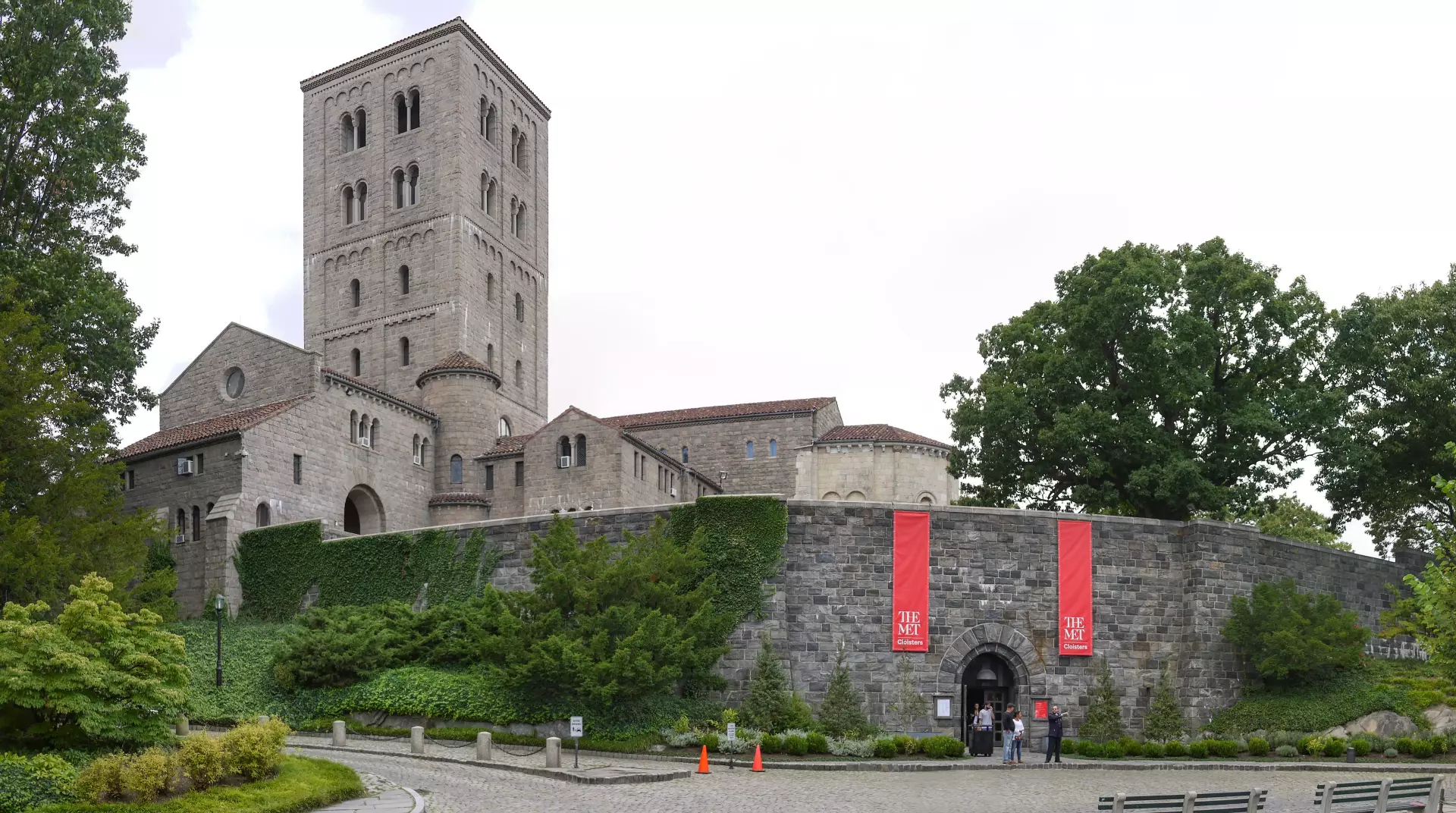
Located on four acres overlooking the Hudson River in Fort Tryon Park, the building incorporates elements from five medieval French cloisters – quadrangles enclosed by a roofed or vaulted passageway, or arcade – and from other monastic sites in southern France. There are various artworks on display in the museum, with the Unicorn Tapestries being the most famous.
A small museum dedicated to finance and the markets, with exhibits that change periodically. Closed to find a new location as of Mar 2024.
A small park at the foot of Broadway which is the oldest public park in the city and is the site of the Charging Bull sculpture created after the 1987 stock market crash. Bowling Green is also the origin point for the Broadway ticker-tape parades; if you walk up Broadway, you can view plaques in the sidewalk honoring the people or events celebrated in these parades.
So named in 1981 in memory of John Lennon, the former Beatle, who was murdered close by outside his home in the Dakota building. Lennon's widow Yoko Ono, who still lives in the Dakota, subsequently donated $1 million to upgrade the area with hundreds of tree and flower species, including strawberries. The area serves as a Garden of Peace and includes a memorial floor mosaic (donated by the Italian city of Naples) that says simply "Imagine", referring to the title of one of Lennon's evocative songs.
A spacious green lawn that was originally home to a herd of sheep, which grazed in the meadow and tended to in their nearby pen - a Victorian style building which today is the Tavern on the Green restaurant (see Eat below).
This park was operated as a United States Army airfield from 1919-1969. Now, it is a large, mostly grass park with baseball fields, soccer fields, and a children's playground.
A picturesque brick building that actually predates the park. It was built in 1851 to serve as a munitions supply depot for the New York State National Guard, and was designed to look like a medieval fortress, with battlements overlooking the area. Today the building holds a refreshment stand and a small art gallery with rotating/seasonal exhibits.