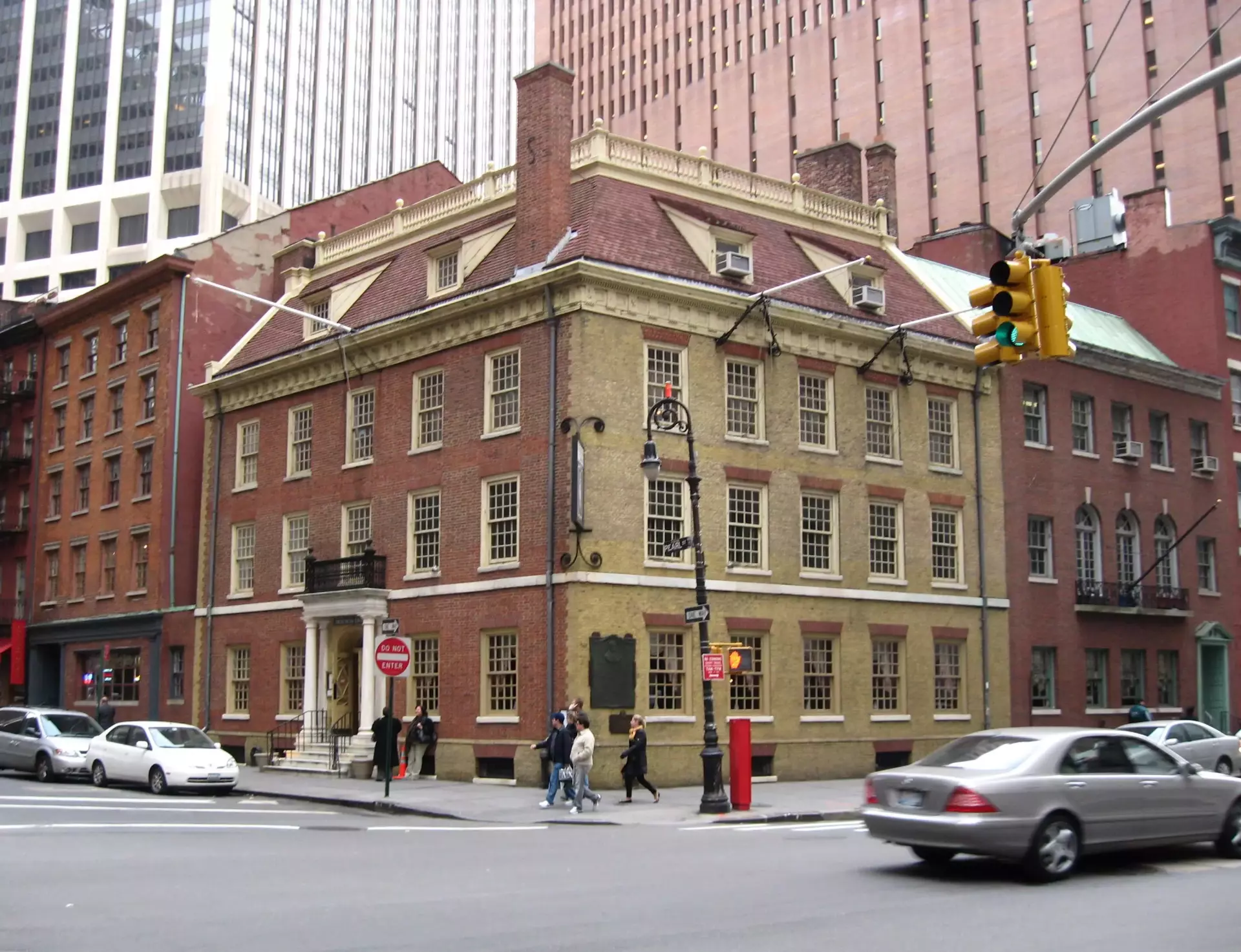
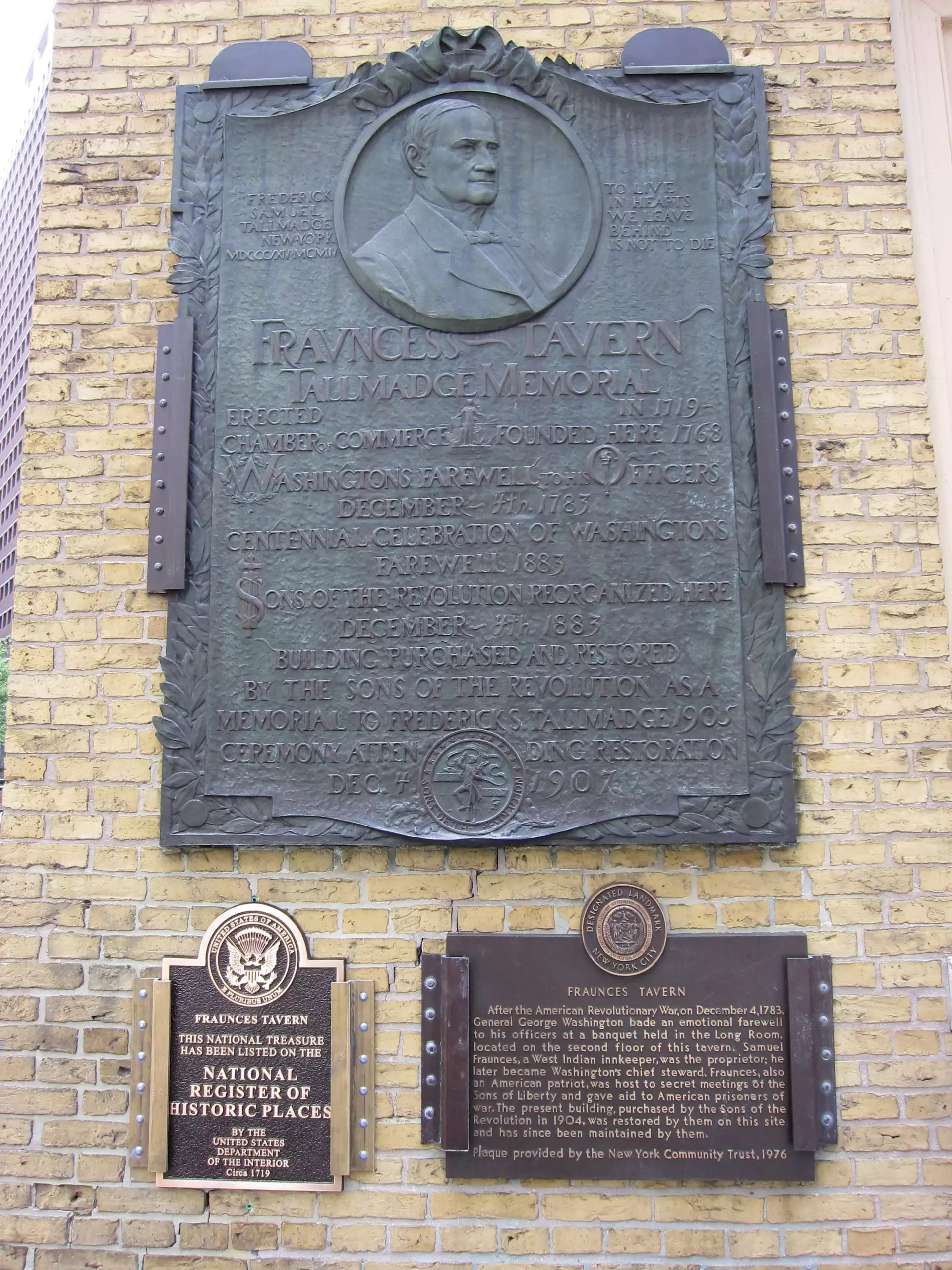
Fraunces Tavern stands as a historic landmark in the city of New York, tracing its origins back to 1762. This storied building served not only as a bustling tavern but also played significant roles during crucial moments in American history. Located in the Financial District, Fraunces Tavern is more than just a place to grab a drink; it's a portal to the past, offering a glimpse into the early days of the United States.
Originally built by Samuel Fraunces, the tavern quickly became a hub of activity during the American Revolution. It was here that George Washington bade farewell to his officers in 1783, marking the end of the war. The atmosphere within the tavern's walls echoes with stories of the founding fathers and pivotal meetings that helped shape the nation.
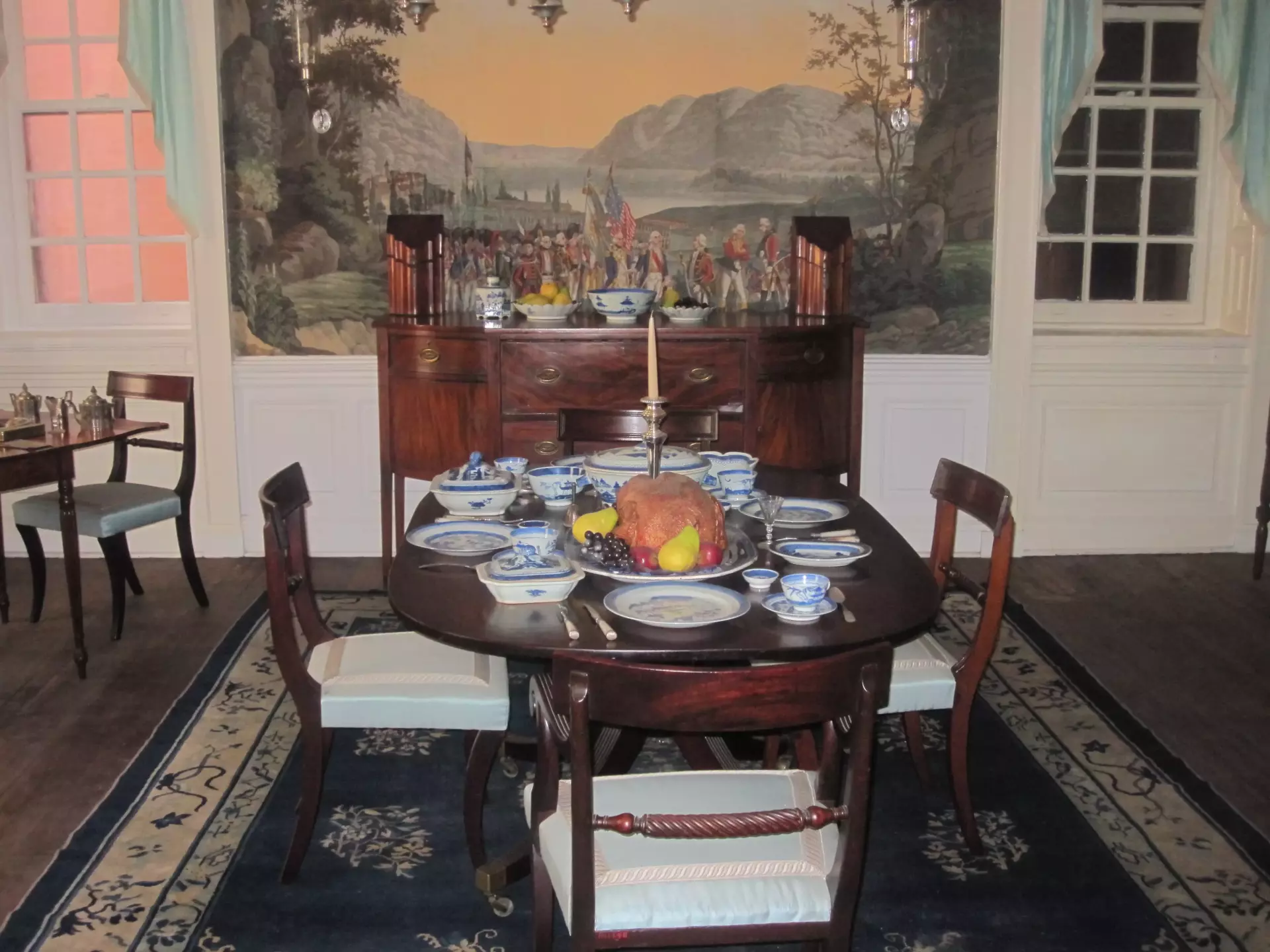
The building itself is a testament to colonial architecture, preserving much of its original charm. Visitors can stroll through rooms adorned with period furnishings and artifacts that transport them back to the 18th century. The tavern's exterior, with its distinctive brickwork and vintage windows, stands out amidst the modern skyscrapers of Manhattan, offering a striking contrast to the world outside.
Today, Fraunces Tavern operates as both a museum and a restaurant. The museum portion offers exhibits that detail its rich history, with displays ranging from Revolutionary War relics to stories about the people who frequented the tavern centuries ago. Meanwhile, the restaurant serves up a menu of classic American dishes, allowing guests to savor flavors that echo the past.
Throughout the year, Fraunces Tavern hosts a variety of events that celebrate its historical significance. These gatherings often include reenactments, lectures, and themed dinners that attract history enthusiasts from near and far. The tavern’s ambiance, combined with its engaging events, makes it a popular destination for both locals and tourists alike.
Fraunces Tavern remains a beloved fixture in New York City, offering a blend of history, culture, and cuisine. Whether exploring its museum exhibits or enjoying a meal in its historic setting, visitors can immerse themselves in the rich tapestry of America's past.
Source - https://en.wikipedia.org/wiki/Fraunces_Tavern
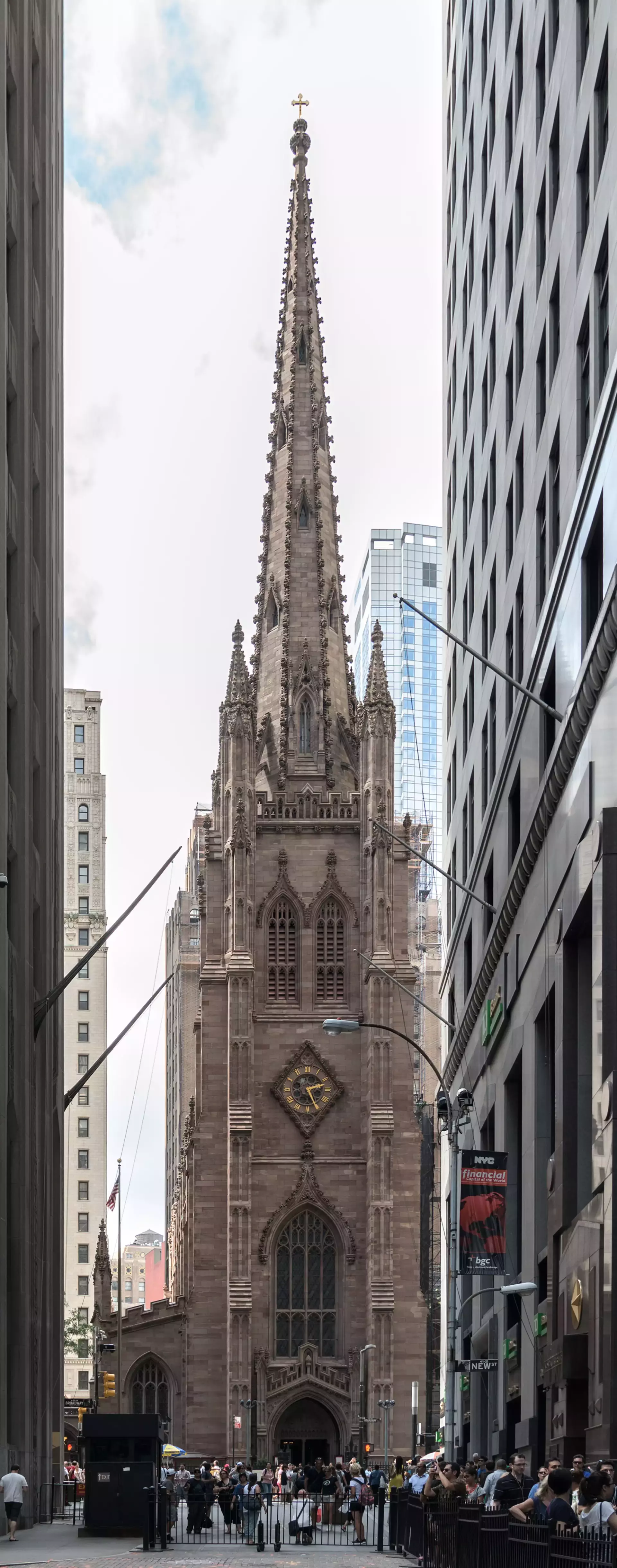
Built in 1802 (and physically shifted from its original location), this was the home of Alexander Hamilton, one of the founding fathers and the first Secretary of Treasury.
Housed in the Alexander Hamilton US Custom House, this Smithsonian museum is the New York branch of the National Museum of the American Indian (the other branches are in Washington, D.C. and Maryland).
Home of the US Open and also the largest public tennis facility in the world. It features 3 stadium courts, 9 indoor courts, and 14 outdoor courts that are available to the public year-round.
A visual arts center featuring the Panorama of the City of New York, a large architectural scale model of New York City. Originally built for the 1964 World’s Fair, the 9,335 ft² (867.2 m2) display depicts all 895,000 of the city's buildings (excluding Far Rockaway due to space limitations). It was last fully updated in 1992 and select newer buildings are added on an ongoing basis. The Twin Towers of the original World Trade Center remain in place. In addition to the Panorama, the museum has several other exhibits, including items related to the 1939 and 1964 World's Fairs, Tiffany glass, and various 20th-century artworks.
Dates back to 1680, and held an abortive peace conference during the Revolutionary War.
Inwood Hill Park contains the last tracts of virgin forest in Manhattan. Many arrowheads and other artifacts of the former Native American occupants of Manhattan Island have been found in this park.
At the southern tip of Manhattan, Battery Park is a waterfront green space, named for the artillery batteries which were installed here to protect the settlement of New York when it was under Dutch, then British rule. In the lead-up to the War of 1812, 40.70343-74.0168214 Castle Clinton was constructed as a fort to protect the city, and is now operated as a small museum. There are several memorials in the park, including 40.70387-74.0172715 The Sphere, a public art piece originally housed on the World Trade Center site which survived the events of September 11 and was moved to Battery Park. Ferries departing to the Statue of Liberty and Ellis Island (see below) depart from here.
A sort of mini forest, described by its designer as a "wild garden," the Ramble is sculpted out of a wooded hillside, with winding paths, rocky outcrops, secluded glades, and a tumbling stream. If one travels through the ramble when the trees are full, it is easy to lose sight of the city's skyscrapers; it's as if you're no longer in Manhattan. The Ramble is also an excellent place to bird watch, with over 250 species of birds that stop here on their migration.
A self supporting arm of the MTA, it is housed in the Subway's former Court Street Station, on a spur line from the current A and C lines. Closed to passengers in 1946, it was reopened in 1976 as the New York Transit Exhibit and was popular enough to be made permanent. The museum is made up of two underground levels: the Mezzanine, which hosts exhibits on the construction of the subway, surface transportation in New York, fare collection and rotating exhibits on various transit-related subjects; and the station platform, which houses about 20 retired subway cars dating as far back as 1903 and a working signal tower. The museum sponsors events throughout the year, including simple art projects, walking tours on the subway, and rides on the museums' fleet of retired trains. There is also an annex of the museum in Grand Central Station in Midtown Manhattan.
Housed in a 560,000-square-foot, Beaux-Arts building, the Brooklyn is the 2nd largest art museum in New York City and one of the largest in the USA. Its world-renowned permanent collections include more than one million objects, from ancient Egyptian masterpieces to contemporary art, and represent a wide range of cultures. It is a 30-minute subway ride from Midtown Manhattan, and has its own subway station (renovated in 2019-20), the museum is part of a complex of 19th-century parks and gardens that also includes Prospect Park, the Brooklyn Botanic Garden, and the Prospect Park Zoo. On the first Saturday of each month, the museum is open until 11PM with free admission and special events.
One of Manhattan's favorite meeting points, the centerpiece of this Terrace is the Angel of the Waters fountain, dedicated in 1873 and an enduring icon of the park.
Collection of more than 200 paintings of the artist, exhibited on three floors of a classic townhouse.
Built in 1765, this is the oldest house on Manhattan Island. It served as George Washington's headquarters in 1776. Now a museum set on a 1.5-acre park, it features a decorative-arts collection representing the colonial and Revolutionary War periods. Washington's office is among the 12 restored rooms.
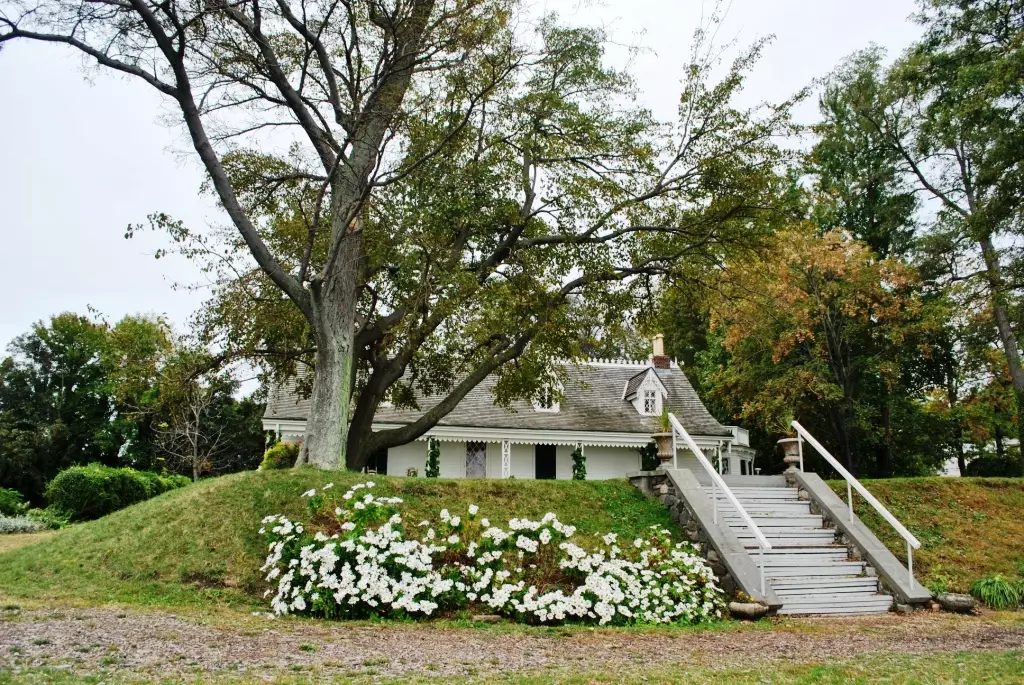
The former residence of William Dyckman, who owned several hundred acres of farmland covering much of what is now Inwood and Washington heights. Nestled incongruously at the otherwise unremarkable corner of 204th and Broadway, the farmhouse has been converted into a small museum of life in early Manhattan and hosts various programs for the neighborhood. The "Hessian Huts" in the back yard are a leftover from the British occupation of Manhattan during the Revolutionary War!
This beach is a pleasant place to relax. The water is safe enough to swim in, but it's not the best you can get (you'd get a better deal down the Jersey Shore or on Long Island). The boardwalk, one of the longest in the United States, is great for running or biking.
A children's museum home to exhibits featuring Adventures with Dora & Diego.