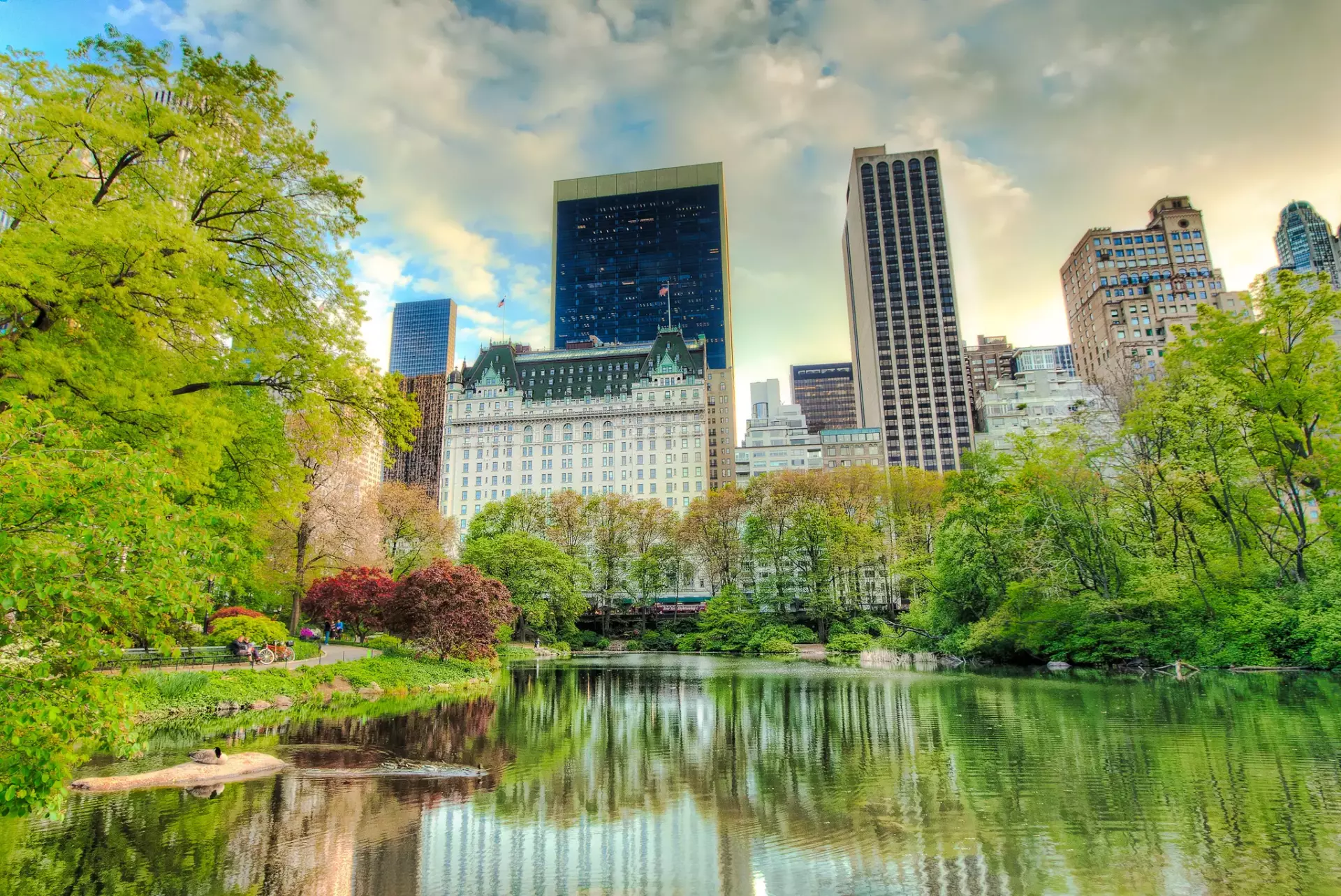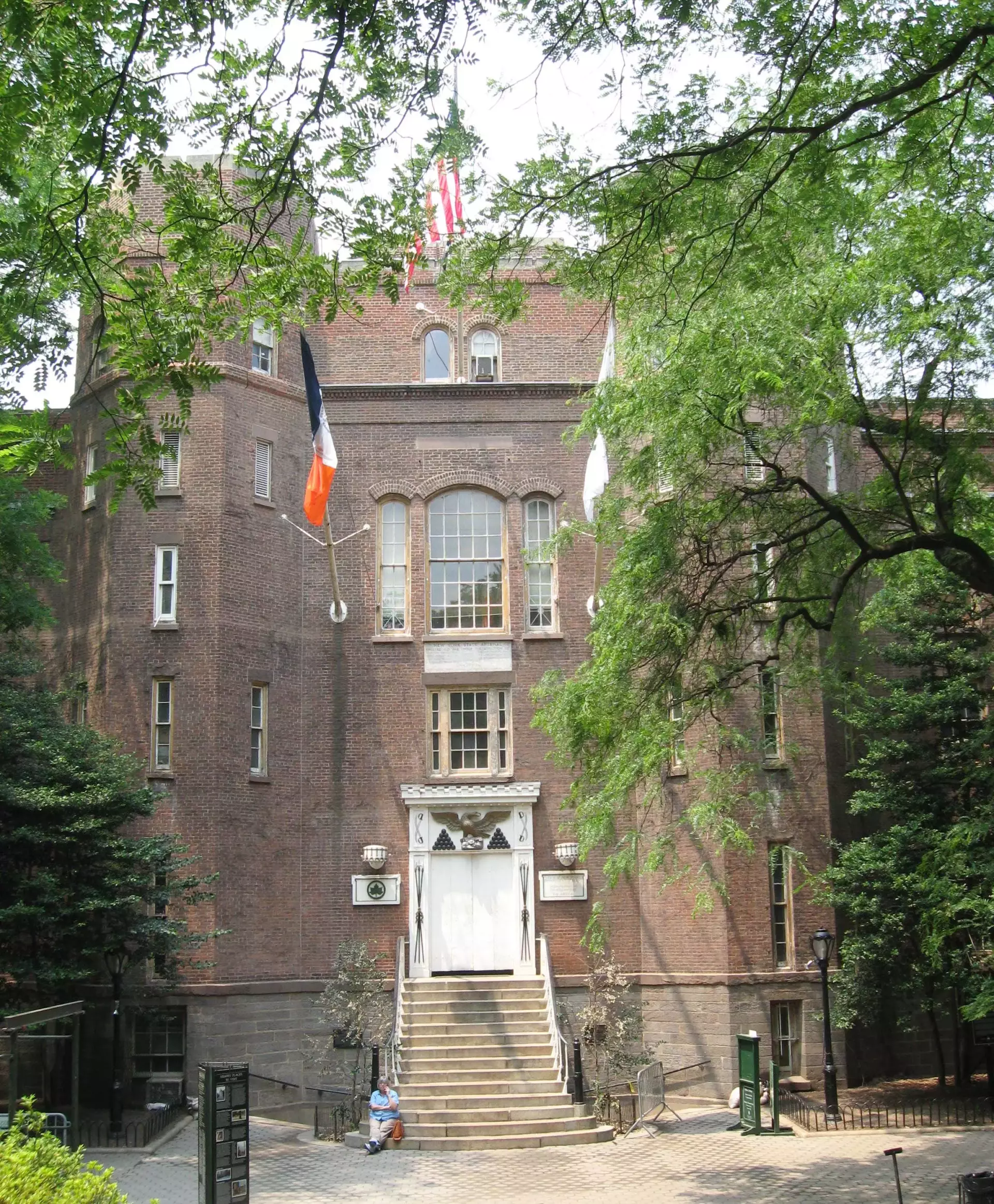
A picturesque brick building stands as a testament to history within the park, predating its surroundings. Constructed in 1851, this structure originally served as a munitions supply depot for the New York State National Guard. The design mimics a medieval fortress, complete with battlements that overlook the area, giving it a distinctive and charming appearance.
Today, the historic building has been repurposed for modern enjoyment. Visitors can find a refreshment stand inside, offering a convenient spot to grab a drink or a snack while exploring the park. Additionally, the building houses a small art gallery. This gallery hosts rotating and seasonal exhibits, providing a dynamic cultural experience for those who venture inside.
Source - https://en.wikipedia.org/wiki/Arsenal_(Central_Park)
This beach is a pleasant place to relax. The water is safe enough to swim in, but it's not the best you can get (you'd get a better deal down the Jersey Shore or on Long Island). The boardwalk, one of the longest in the United States, is great for running or biking.
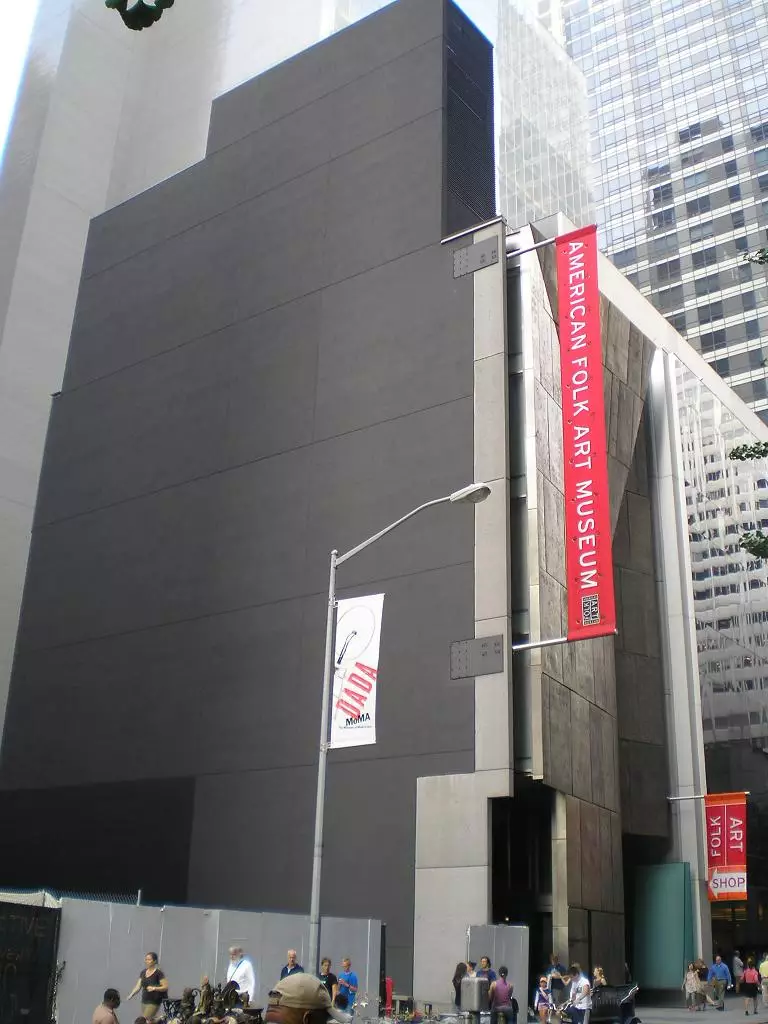
Americana including Audubon’s watercolors of birds.
Probably the most famous of the Guggenheim foundations (others found in Bilbao and Venice), which hold avant-garde modern art by artists such as Kandinsky and Mondrian, the New York branch is housed in a unique and famous building designed by Frank Lloyd Wright and rendered in a rounded, organic form and completed in 1959. Be sure to take the elevator to the top floor, then follow the spiral viewing floors downwards to the street level. One of eight buildings by Wright to be listed as a world heritage site.
On the 70th floor of the Comcast Building (better known by some as "30 Rock") is this narrow observation deck, built to resemble the deck of a cruise ship. The deck affords uninterrupted views over Central Park to the north and across Midtown to the south.
Dating back to 1663, this fort was used during both the American Revolution and the War of 1812. It remained active until 1995. It is now semi-active, with its main use being local headquarters for the United States Coast Guard. Tours are available.
Once the Audubon Ballroom where Malcolm X was assassinated with 21 gunshots. Only a part of the facade of the original building remains (Columbia University demolished the building in 1992). The location now houses a memorial to Malcolm X and Betty Shabazz, with a stated goal of advancing human rights and social justice. It also features a 63-foot mural depicting Malcolm X's life.
A sort of mini forest, described by its designer as a "wild garden," the Ramble is sculpted out of a wooded hillside, with winding paths, rocky outcrops, secluded glades, and a tumbling stream. If one travels through the ramble when the trees are full, it is easy to lose sight of the city's skyscrapers; it's as if you're no longer in Manhattan. The Ramble is also an excellent place to bird watch, with over 250 species of birds that stop here on their migration.
A children's museum home to exhibits featuring Adventures with Dora & Diego.
Containing artifacts spanning 4,000 years of art and Jewish culture, with a collection of 26,000 objects – paintings, sculpture, works on paper, photographs, archaeological artifacts, ceremonial objects and broadcast media. The museum also hosts the annual SummerNights concert series and the annual New York Jewish Film Festival.
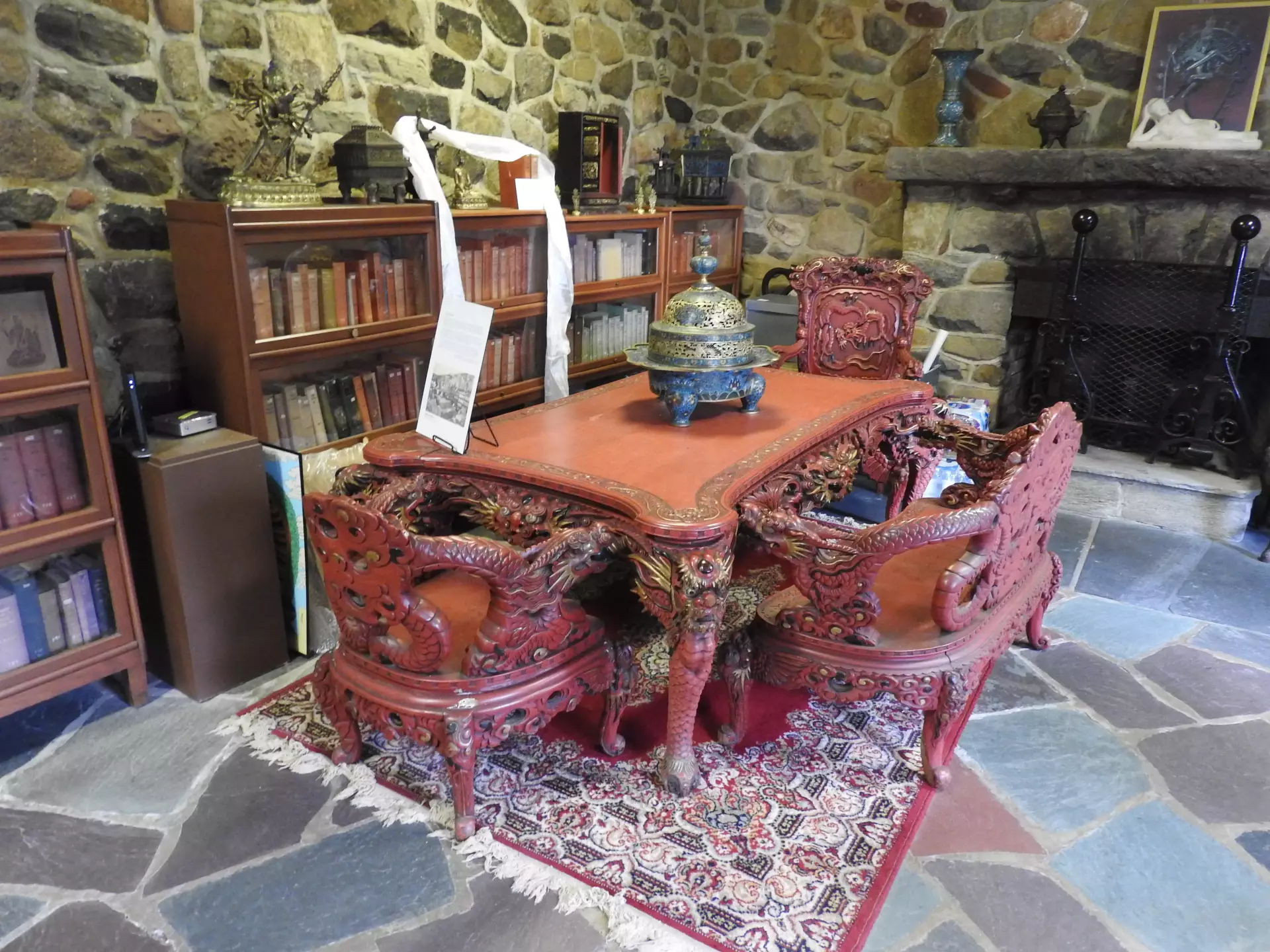
American woman Jacques Marchais had a dream of traveling to Tibet. While she never made it, her extensive collection of Tibetan artifacts was made into a museum in 1947. The museum now holds over 120 pieces of beautiful Tibetan art. The museum's authenticity was praised by the Dalai Lama.
The historic heart of the Financial District and the home of the New York Stock Exchange, Wall Street is a metonym for American big business, stock trading and the entire financial industry, although most New York financial firms are no longer headquartered on the street itself, but housed nearby in new offices, and some have moved to Jersey City. A narrow street running downhill from Broadway to the East River, Wall Street was named for the wall that was built here in 1652 to keep Manhattan's indigenous peoples out of the growing Dutch settlement. The wall was demolished by the British in 1699. By the late 18th century, traders and speculators would gather under a buttonwood tree at the foot of Wall Street to trade informally - this was the origin of the New York Stock Exchange that was established in 1817.
The historic building with the distinctive, iconic twin towers and a star-studded housing cooperative board. Built in 1930 in a vaguely Art Deco style to the design of Emery Roth, the San Remo actually has two separate addresses, lobbies and sets of shafts, each for a half of the building topped with a tower.
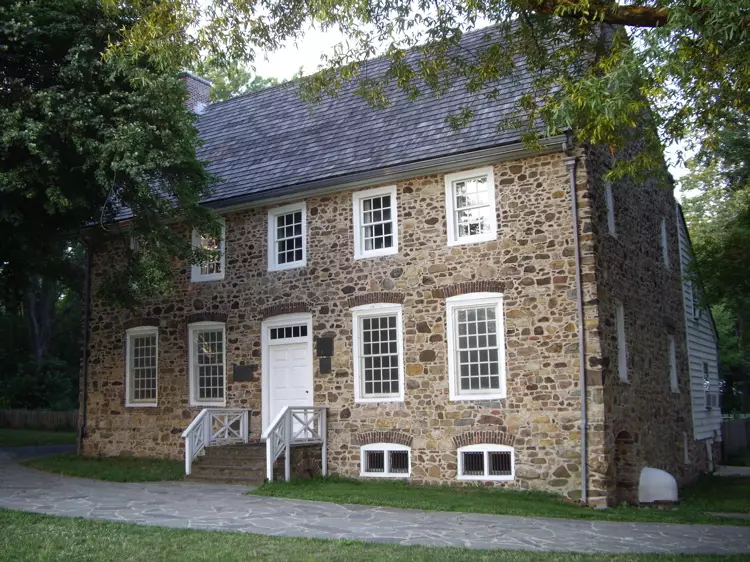
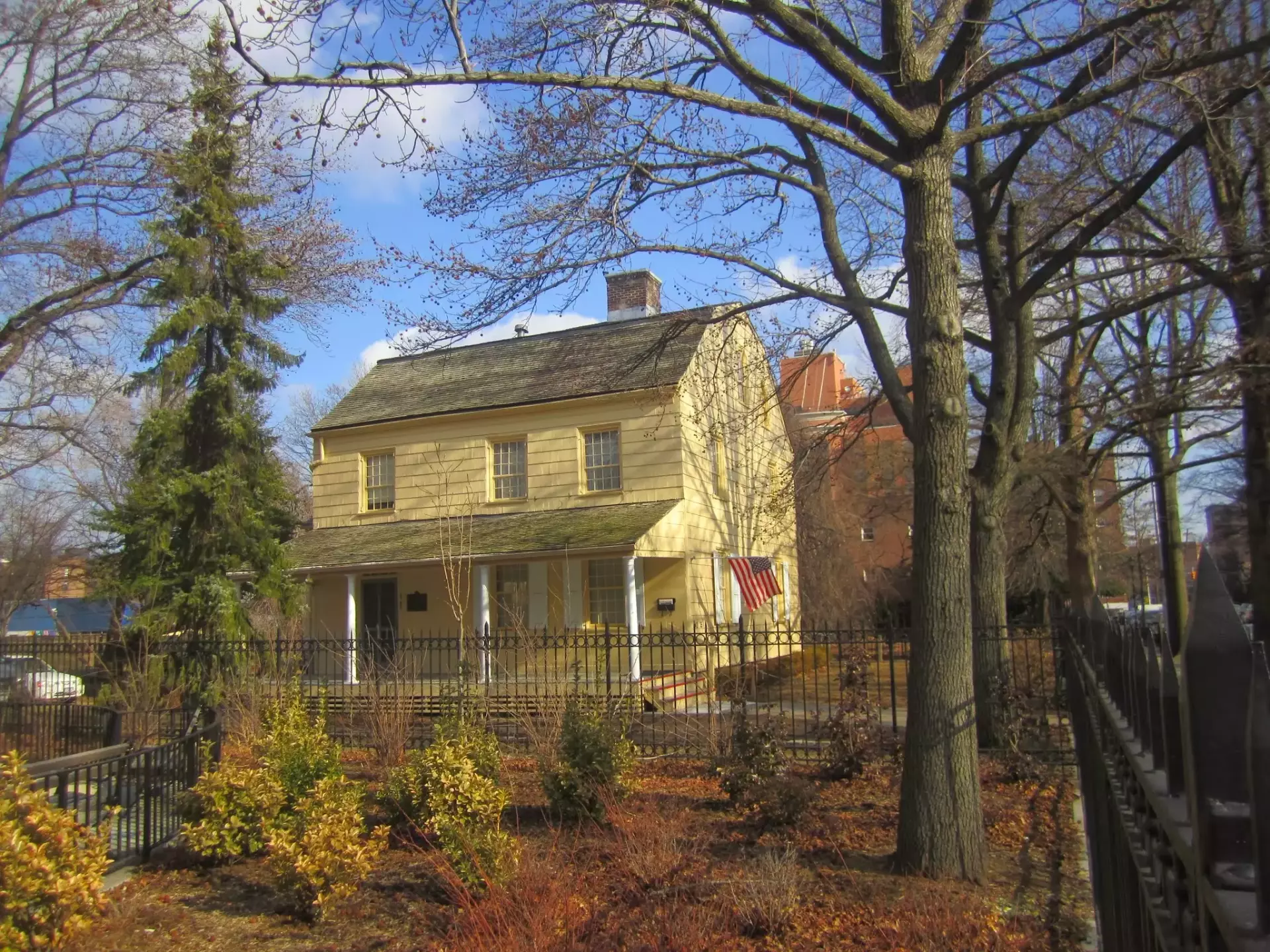
The John Bowne House was built by John Bowne in 1661. It is the oldest building in Queens, and it is one of the oldest buildings in New York City. John Bowne was a Quaker who advocated religious freedom, which was later written into the Bill of Rights. John Bowne's great-grandson, Robert Bowne, strongly advocated for the end of slavery in America. The house was the home of several generations of the Bowne House until 1945, when it was donated and converted into a museum.
The former residence of William Dyckman, who owned several hundred acres of farmland covering much of what is now Inwood and Washington heights. Nestled incongruously at the otherwise unremarkable corner of 204th and Broadway, the farmhouse has been converted into a small museum of life in early Manhattan and hosts various programs for the neighborhood. The "Hessian Huts" in the back yard are a leftover from the British occupation of Manhattan during the Revolutionary War!
Sitting on Vista Rock, one of the highest points in the park, the castle provides excellent views of Central Park, particularly to the north. It is a popular spot for photography and contains a visitor center and a nature conservatory. Just below the castle to the north is Turtle Pond, a small, swamp-like pond holding various fish, frogs, insects, and birds.