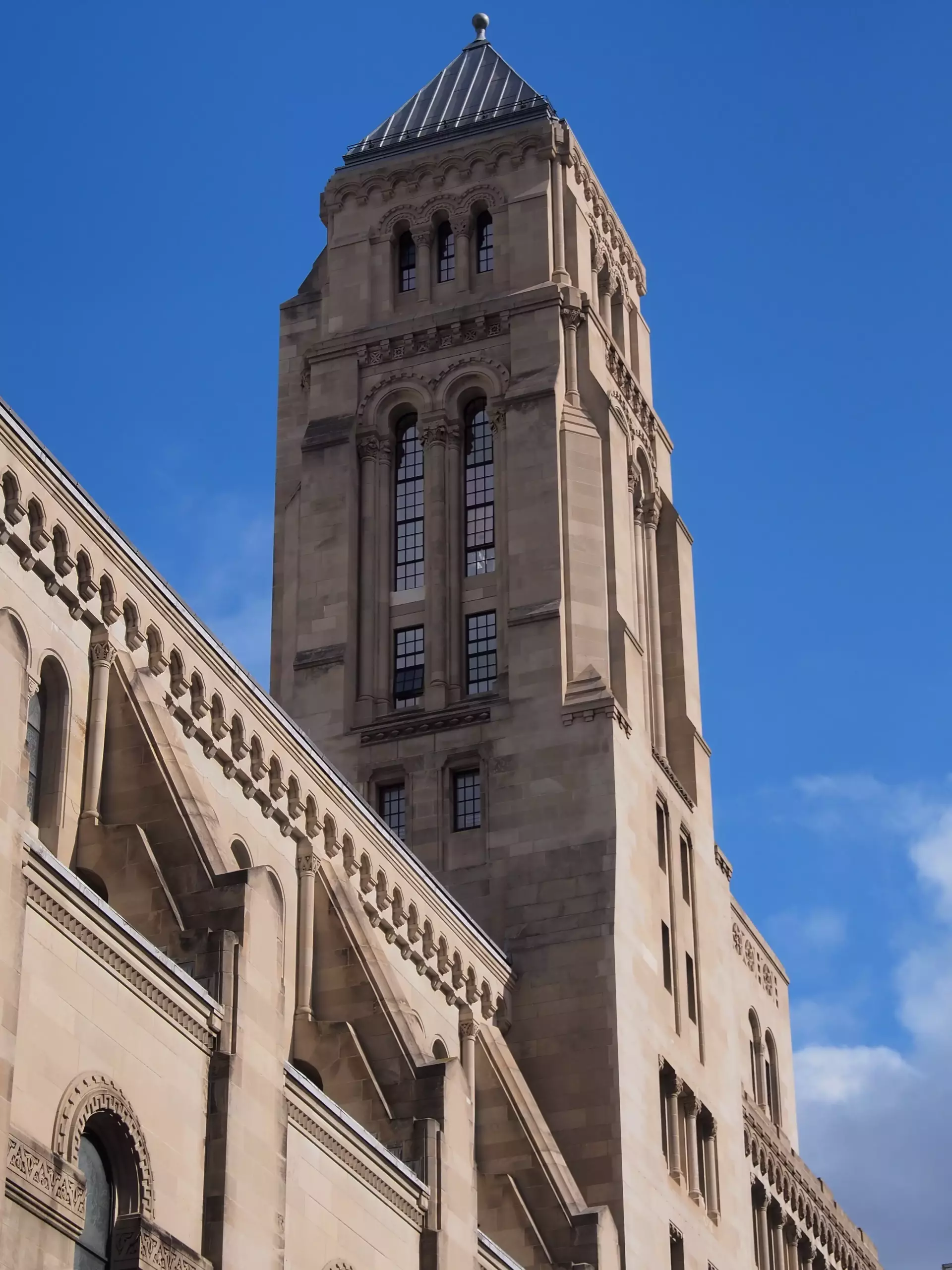
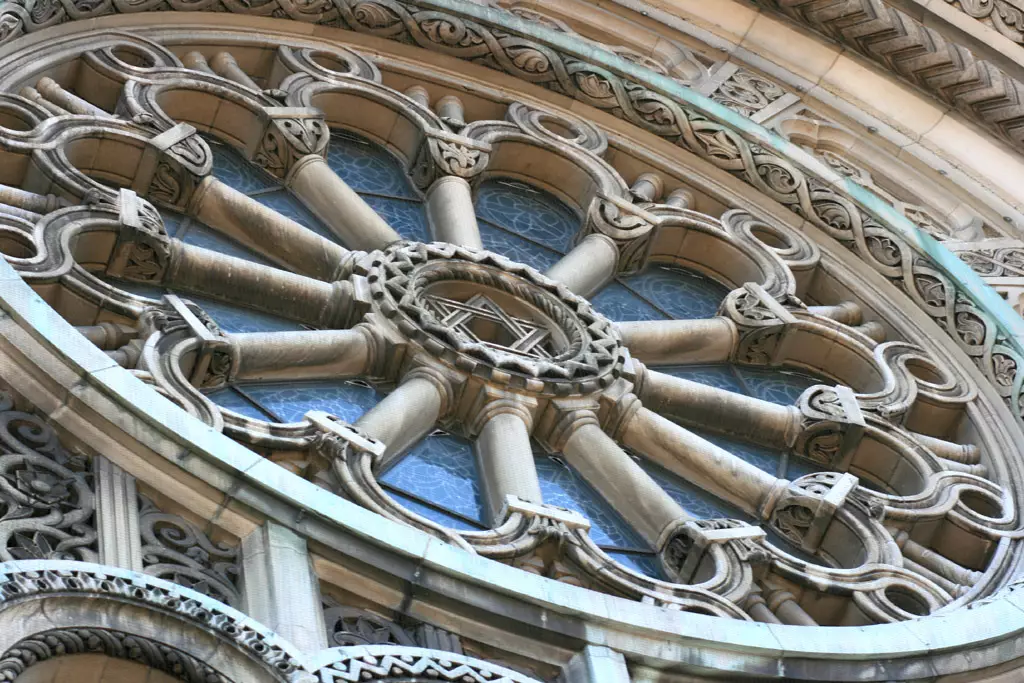
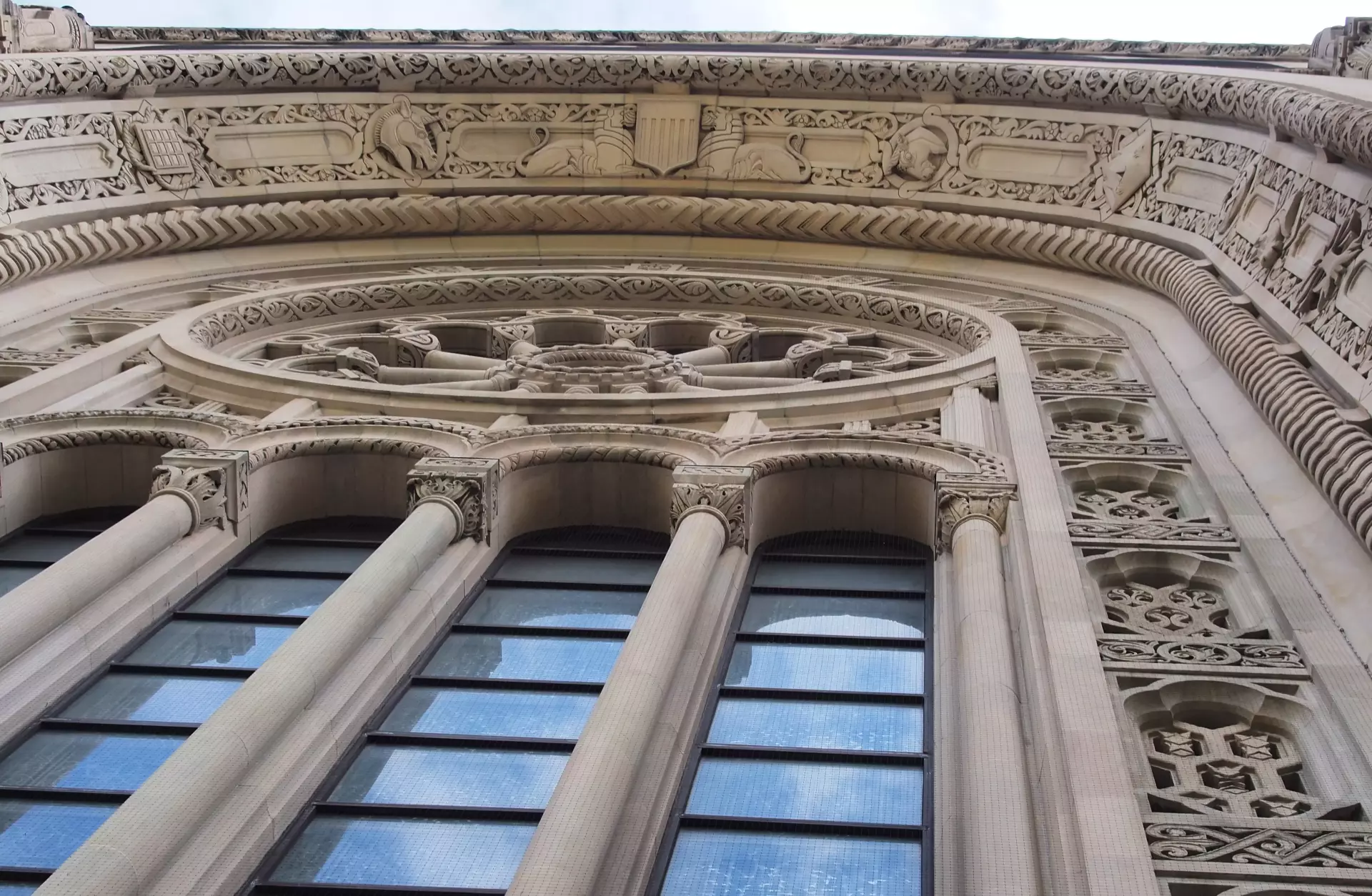
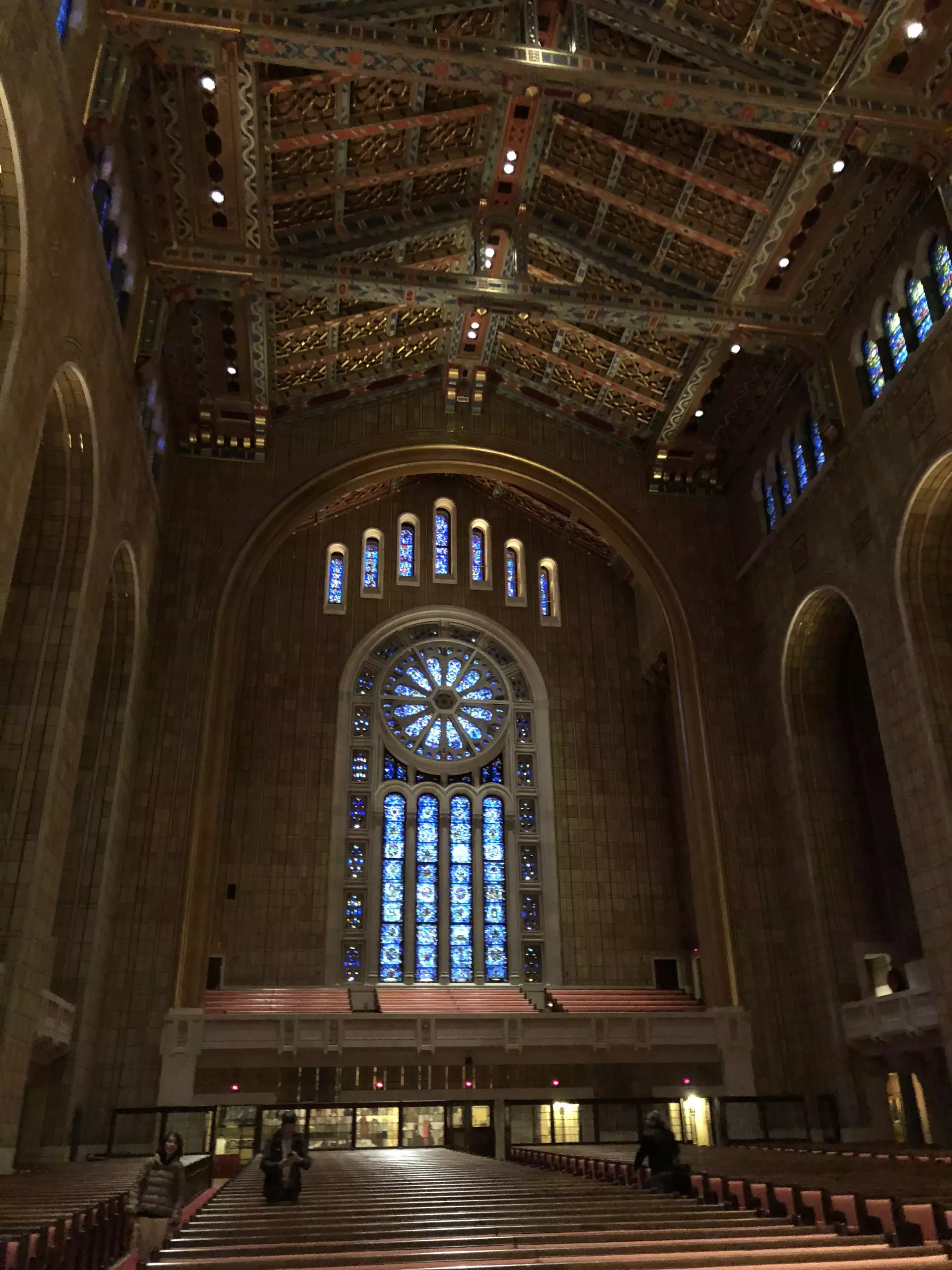
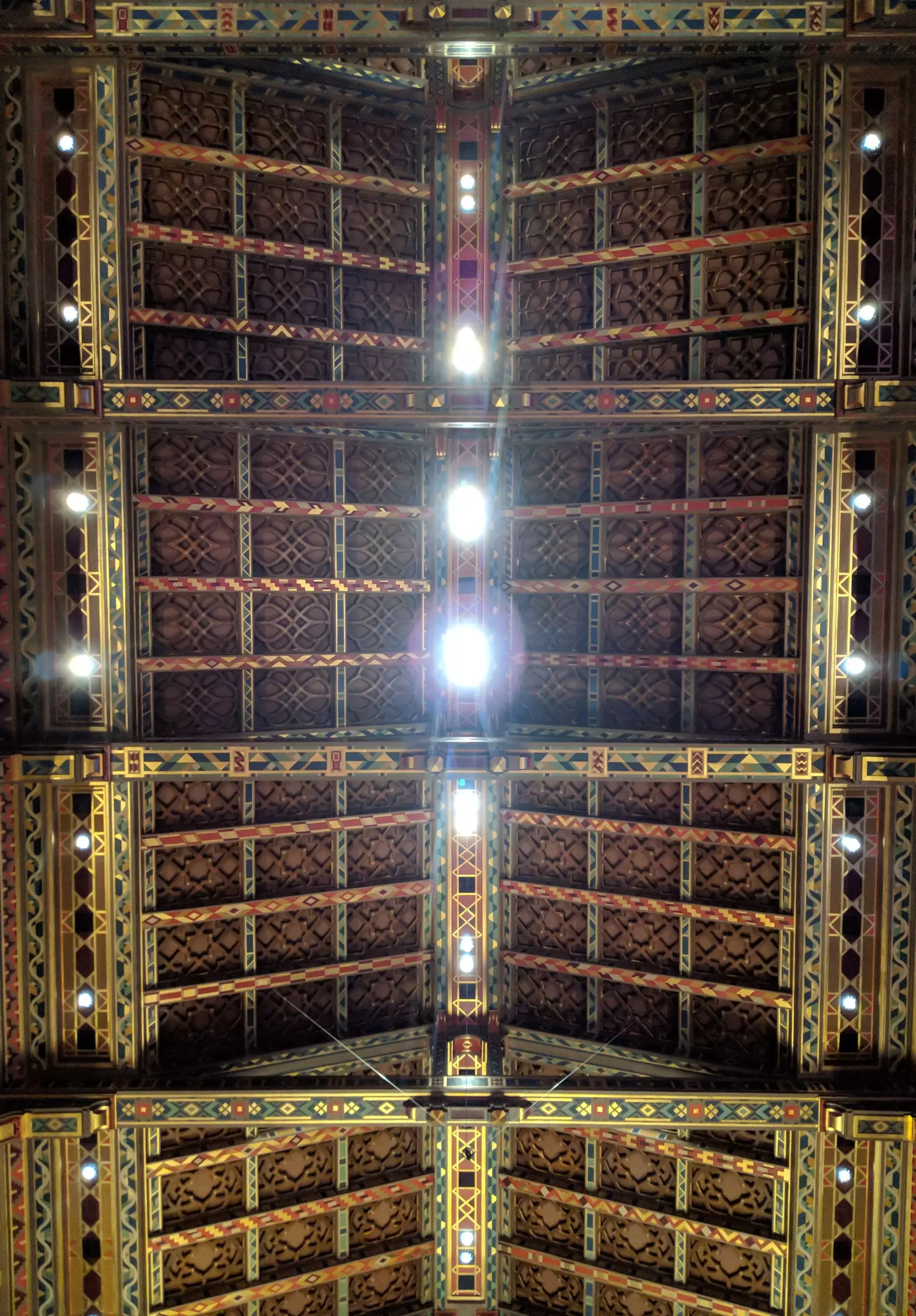
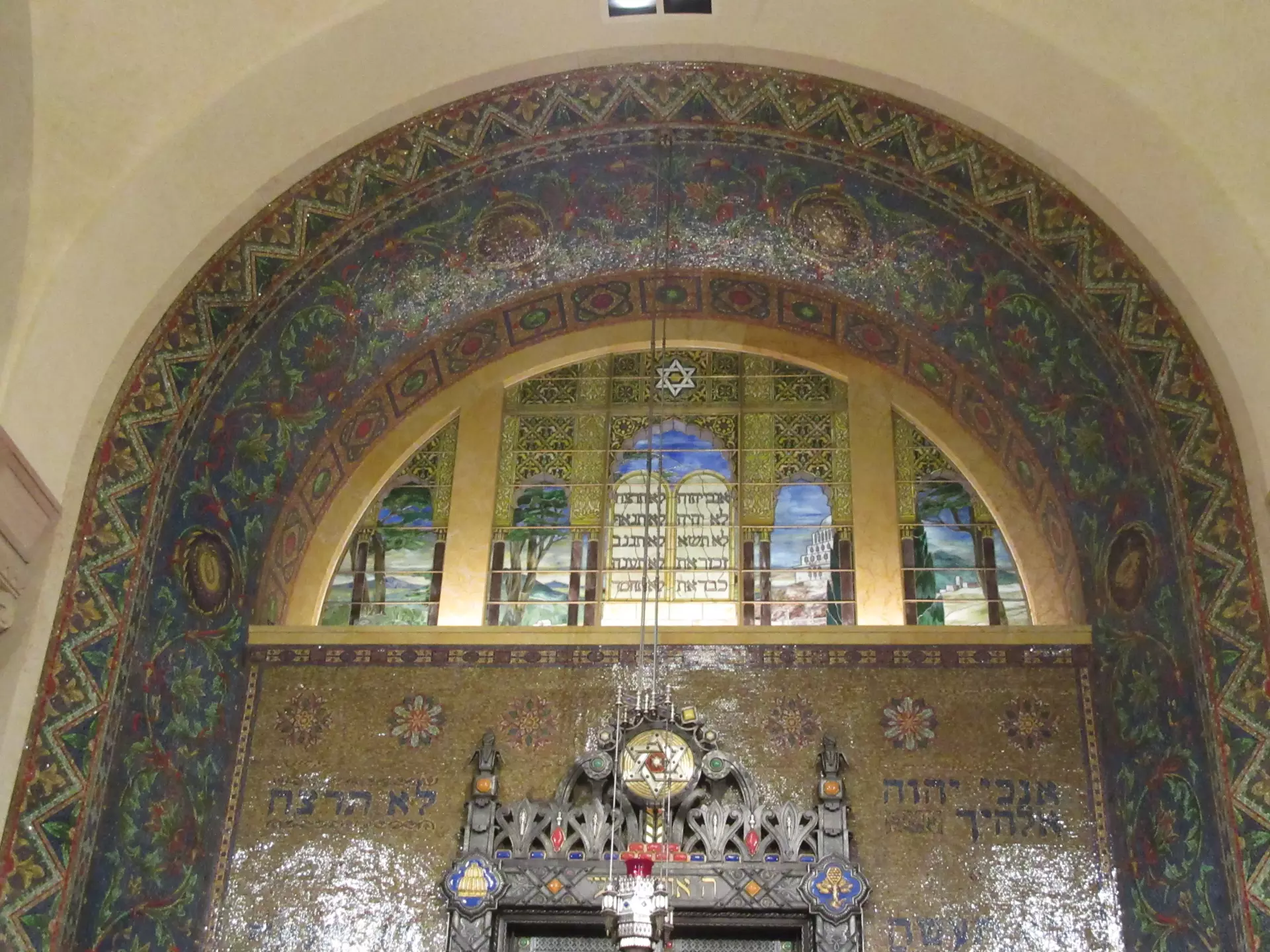
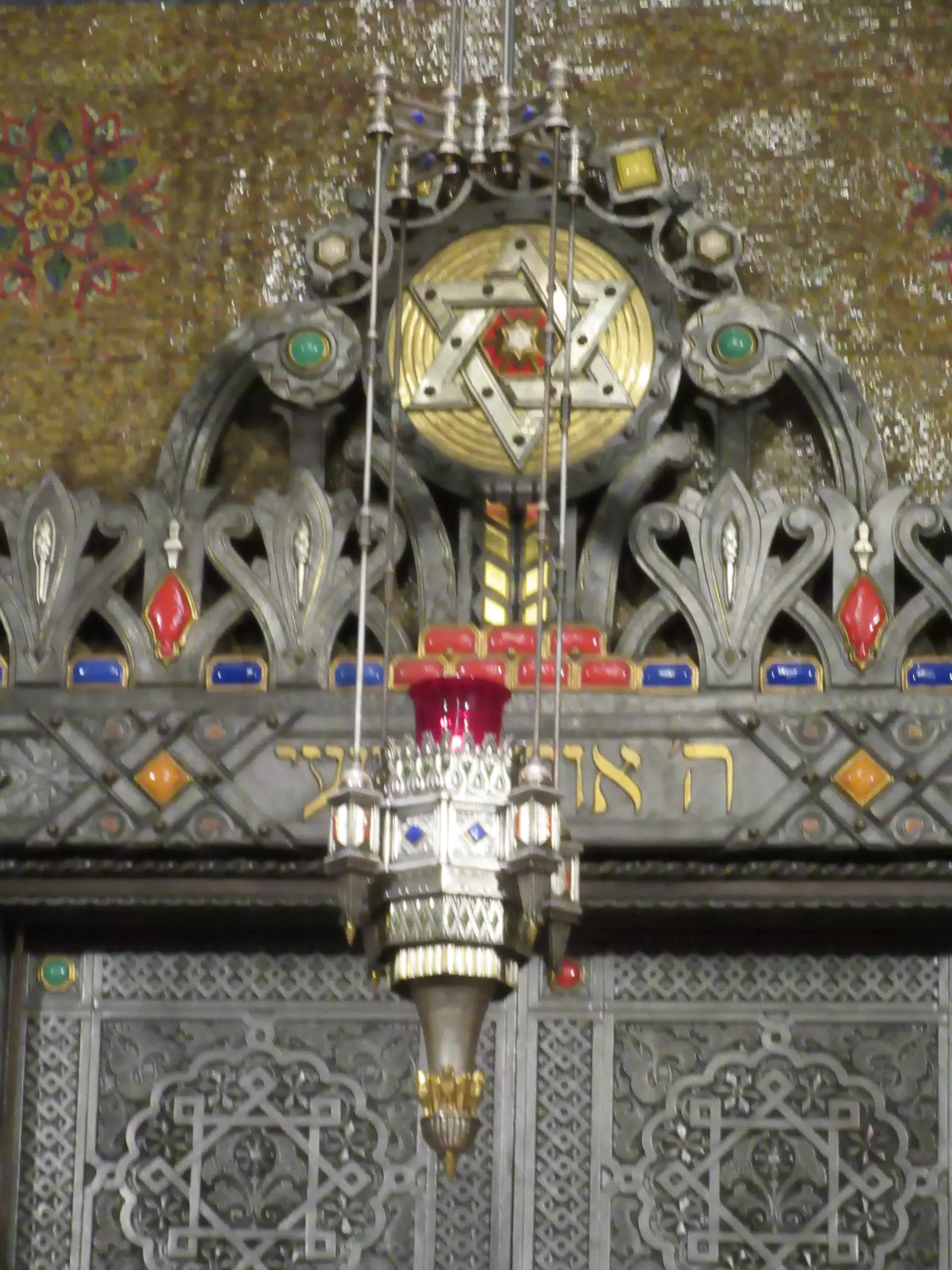
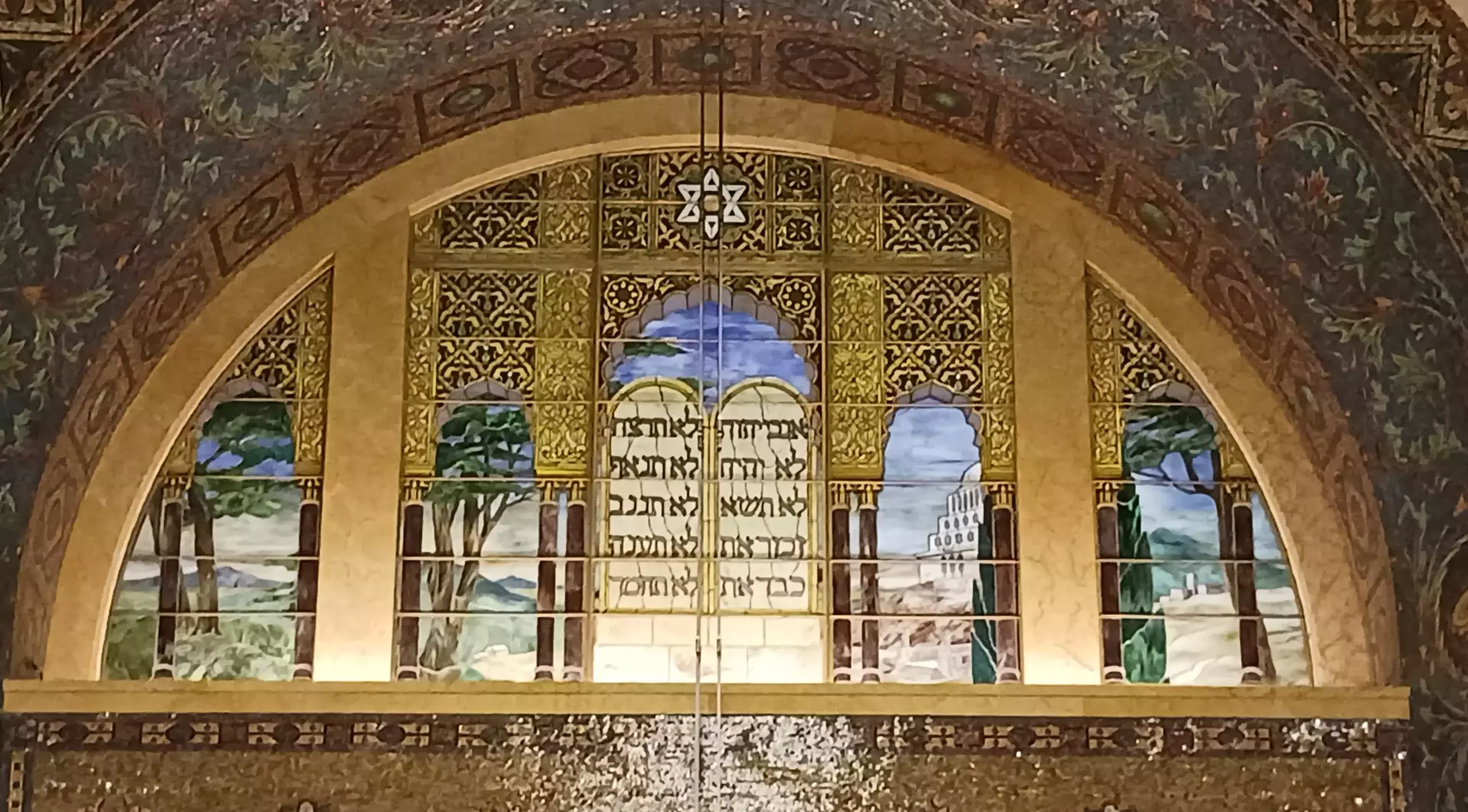
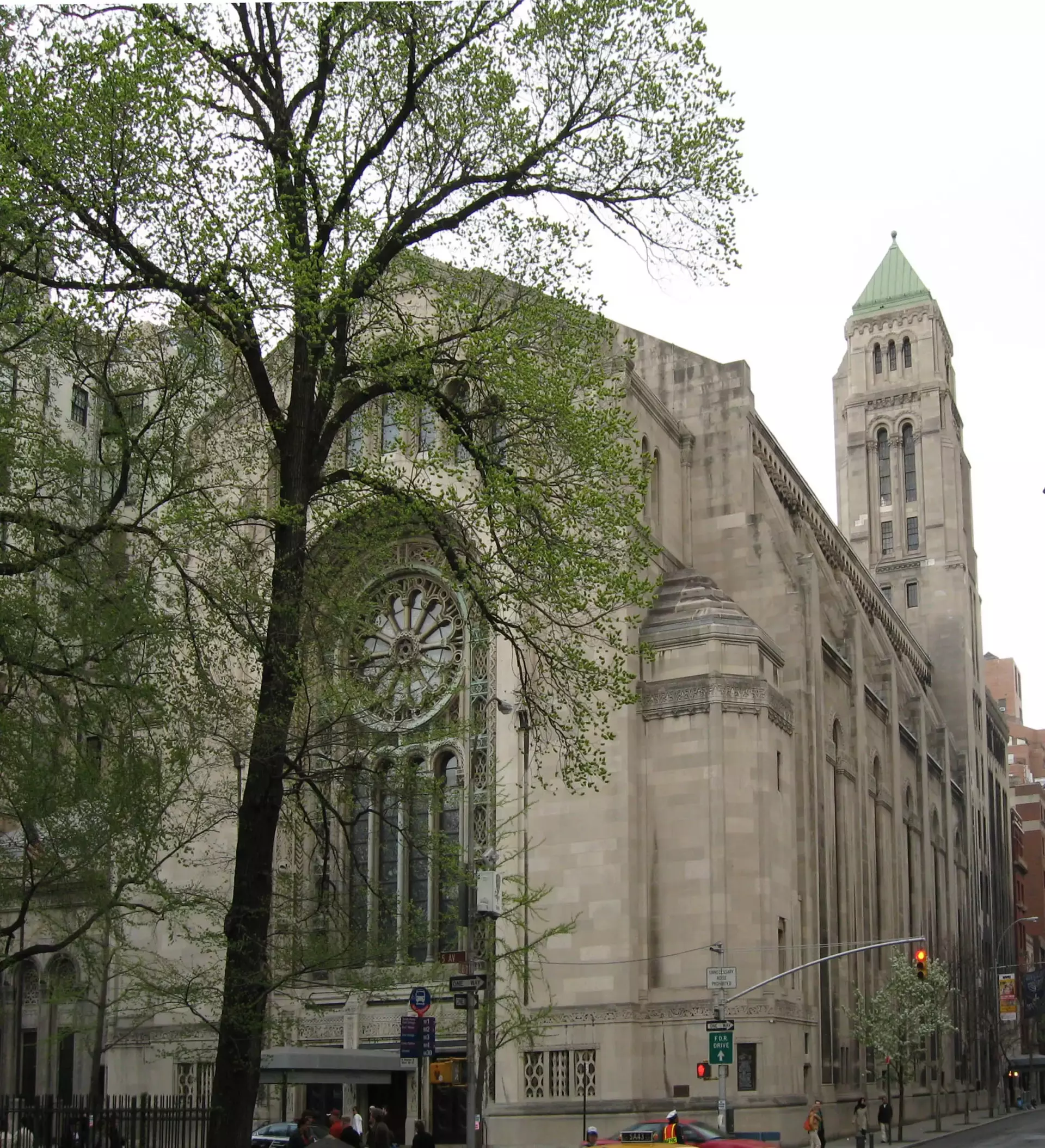
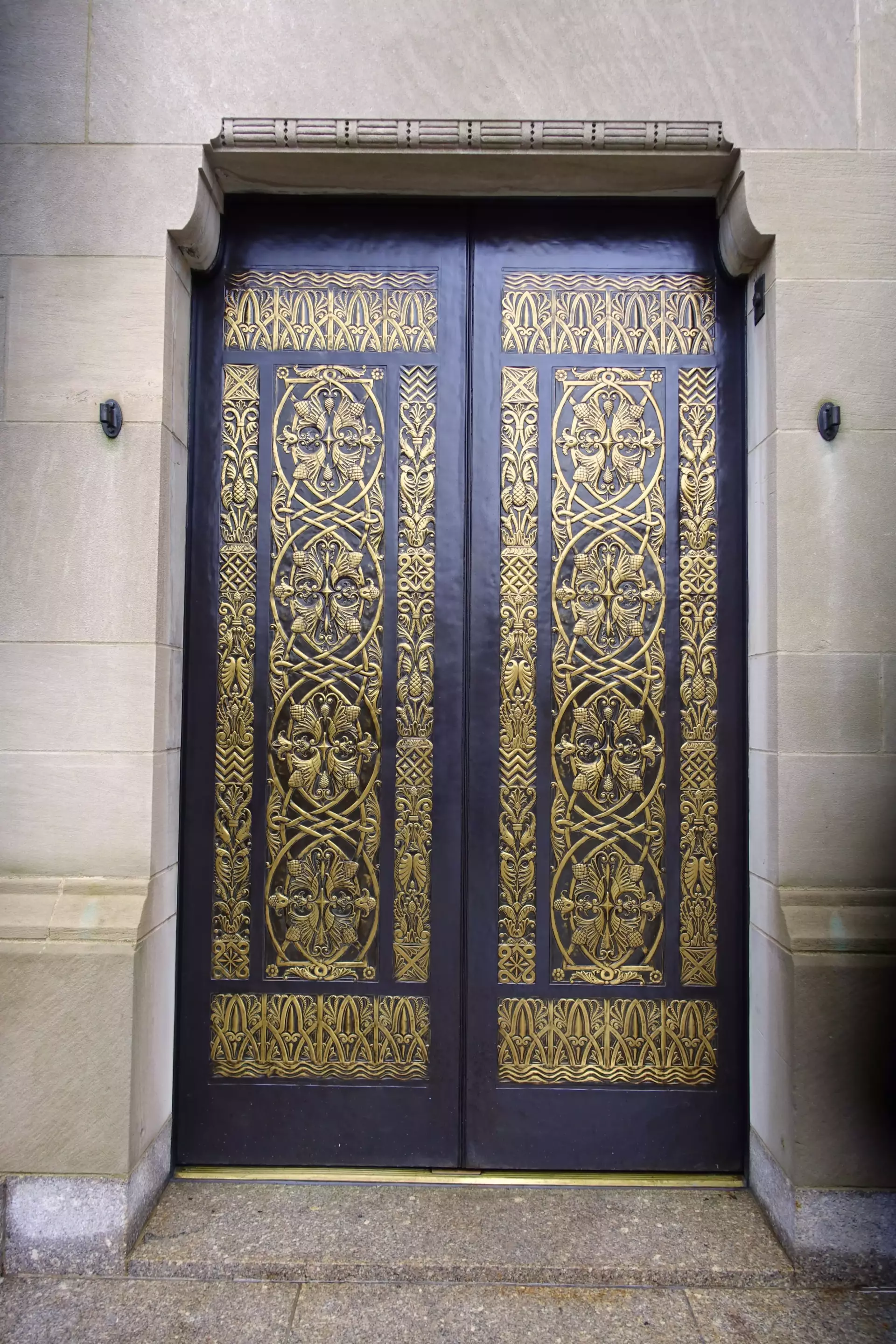
Temple Emanu-El in New York stands as a testament to the legacy of the Reform Jewish community, which began in the city in 1845. Although the current building was constructed in 1929, it continues to be an important symbol of history and faith. This temple is not just an architectural marvel; it also represents a vibrant congregation that includes many prominent figures from the Jewish community, such as philanthropists, business leaders, and politicians.
Even if you don't have the chance to go inside, a walk around the exterior of Temple Emanu-El is worthwhile. The building's decorations are intricate and beautifully crafted, offering a glimpse into the artistry and attention to detail that define this landmark. Its impressive structure and design make it a distinctive part of New York's cityscape, capturing the interest of passersby and visitors alike.
Source - https://en.wikipedia.org/wiki/Temple_Emanu-El_of_New_York_(1930)
One of Brooklyn's most prized brownstone neighborhoods. It is predominantly residential, characterized by late 19th- and early 20th-century rowhouses with architectural significance. Street signs in the Historic District are brown rather than green.
Holding a remarkably large collection, each of the 5 floors of this massive building has expansive and well-designed exhibits devoted to astronomy, biology, geology, anthropology, climatology, and paleontology. You will want to allow a full day if you hope to see the entirety of the museum. Some of the highlights are the Rose Center for Earth and Space on the northeast corner of the building, which contains a seven-story glass cube holding the Hayden Planetarium, a huge sphere suspended above the exhibit halls below and holding a "cosmic pathway" exhibit; the numerous habitat diorama halls on the first, second and third floors, with recreations of African, Asian, North American, and ocean plants and animals, including a full-size model of a Blue Whale suspended above the Ocean Life Hall; a Hall of Minerals and Gems, which contains many rare and beautiful specimens, including the largest star sapphire in the world and a chunk of a massive meteorite; extensive anthropology halls on the first, second, and third floors, with exhibits devoted to people of Asia, Africa, Central America, the Pacific, and Native Americans; and the natural history halls on the fourth floor, with one of the largest collections of dinosaur skeletons in the world.
A museum and library devoted to Spanish, Portuguese, and Latin American art and culture.
Built as a pavilion for the 1964 World's Fair, this science center is now full of hands-on exhibits for the public. Highlights include Sports Challenge, Rocket Park (featuring full sized Atlas and Titan tickets), and a science playground.
A small museum dedicated to finance and the markets, with exhibits that change periodically. Closed to find a new location as of Mar 2024.
On this site on April 30, 1789, George Washington stood on a balcony overlooking Wall Street and was inaugurated as the first president of the United States. The old building on the site had been used as New York's city hall and had hosted some of the first congregations of the colonies in the lead-up to the American Revolution, such as the Stamp Act Congress. After the revolution the building, now Federal Hall, briefly housed Congress, the Supreme Court, and Executive Branch offices before the national capital moved to Philadelphia. The current building dates to 1842 and was used first as a Customs House, then later the US Sub-Treasury (millions of dollars of gold and silver were kept in the basement vaults). Today the building is maintained by the National Park Service as a museum dedicated to the history of the site. Guided tours of the building are available, or you can just walk in and look up at the rotunda and view some of the artifacts, such as the bible Washington used in his inauguration ceremony.
Nature preserve on the South Shore with hiking trails and shoreline access. Fishing is permitted along the beach or the freshwater pond inside the area. Most of the land is minimally developed, and is an excellent place to observe wildlife. An abandoned orphanage on-site, after which the area was named, burnt down in 2000.
The Asia Society is a unique educational organization like no other in the area promoting relationships and understanding among and of leaders, people, and organizations of Asia. It features a vast array of Asian art including art, business, culture, and education, promoting collaboration and a new, progressive understanding of Asian relations. The opportunities for discovery here are endless, with lessons about art, calligraphy, language, literature, politics, and religion.
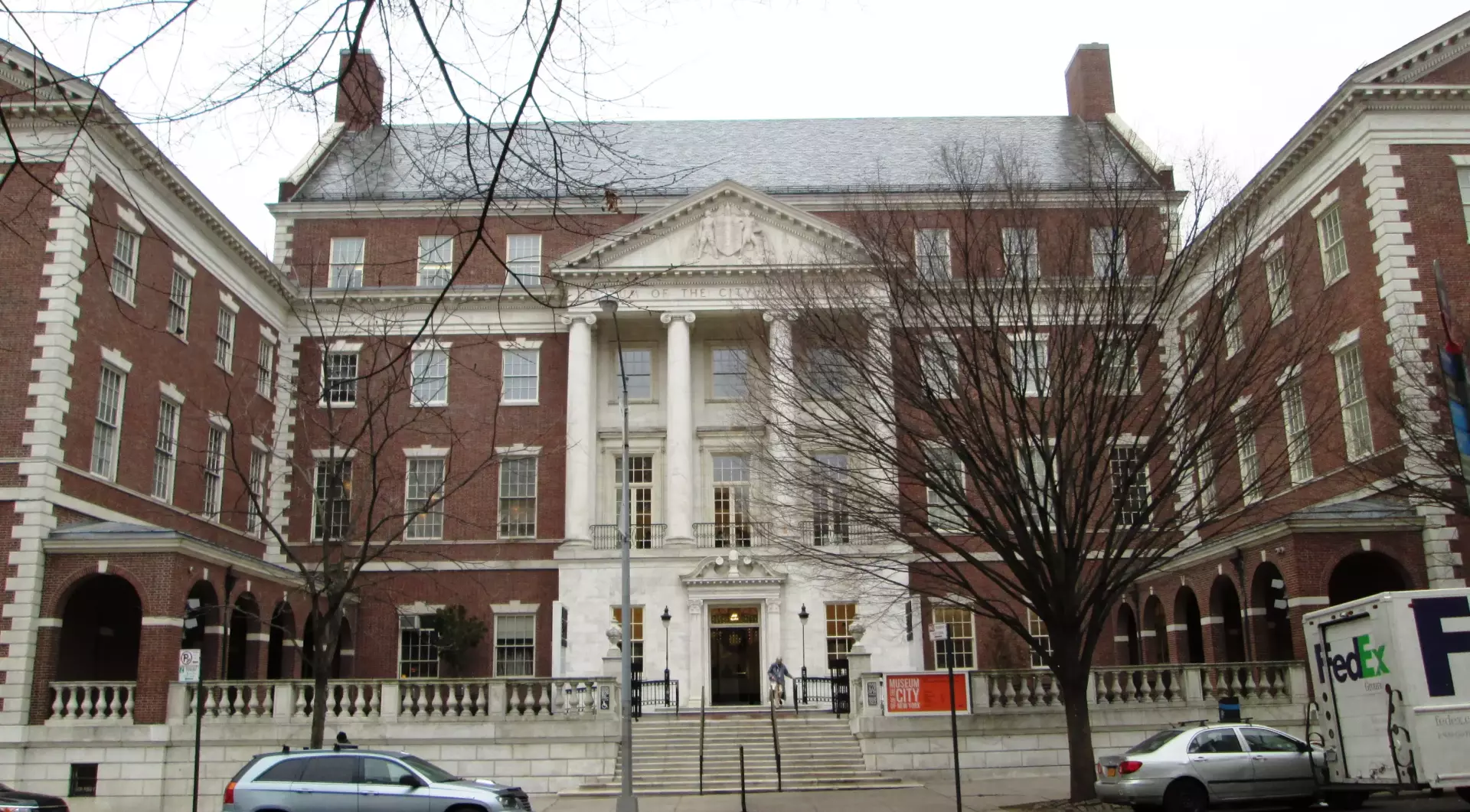
This pretty building was built as Brooklyn's city hall in 1851 and is still a very significant official building in very active use.
Home of the US Open and also the largest public tennis facility in the world. It features 3 stadium courts, 9 indoor courts, and 14 outdoor courts that are available to the public year-round.
Housed in a 560,000-square-foot, Beaux-Arts building, the Brooklyn is the 2nd largest art museum in New York City and one of the largest in the USA. Its world-renowned permanent collections include more than one million objects, from ancient Egyptian masterpieces to contemporary art, and represent a wide range of cultures. It is a 30-minute subway ride from Midtown Manhattan, and has its own subway station (renovated in 2019-20), the museum is part of a complex of 19th-century parks and gardens that also includes Prospect Park, the Brooklyn Botanic Garden, and the Prospect Park Zoo. On the first Saturday of each month, the museum is open until 11PM with free admission and special events.
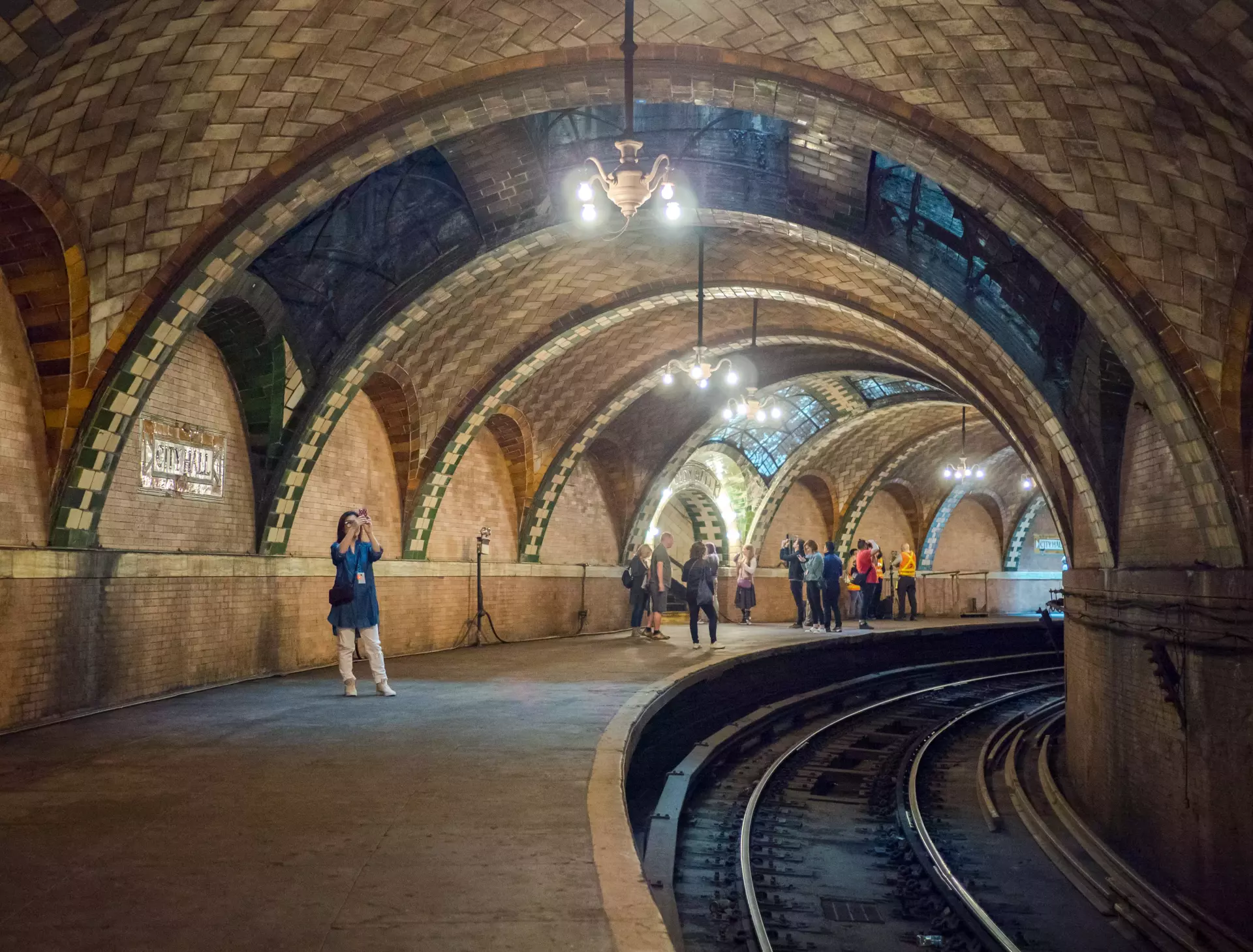
The original subway station, and quite a marvel to witness--the chandeliers and ornate tiling are a sharp contrast to the nearby Brooklyn Bridge-City Hall station. There's one catch, though: it's been closed since 1945. However, you can see it by staying on the downtown 6 train after its last stop Brooklyn Bridge-City Hall; it will turn around in the old station. This is the one place in the system where this is allowed, and the announcements reflect that. The Transit Museum (in Downtown Brooklyn) offers occasional tours as well, which allow you to actually walk around the station, but you must be a museum member and a US citizen, making this an impractical choice for most visitors.
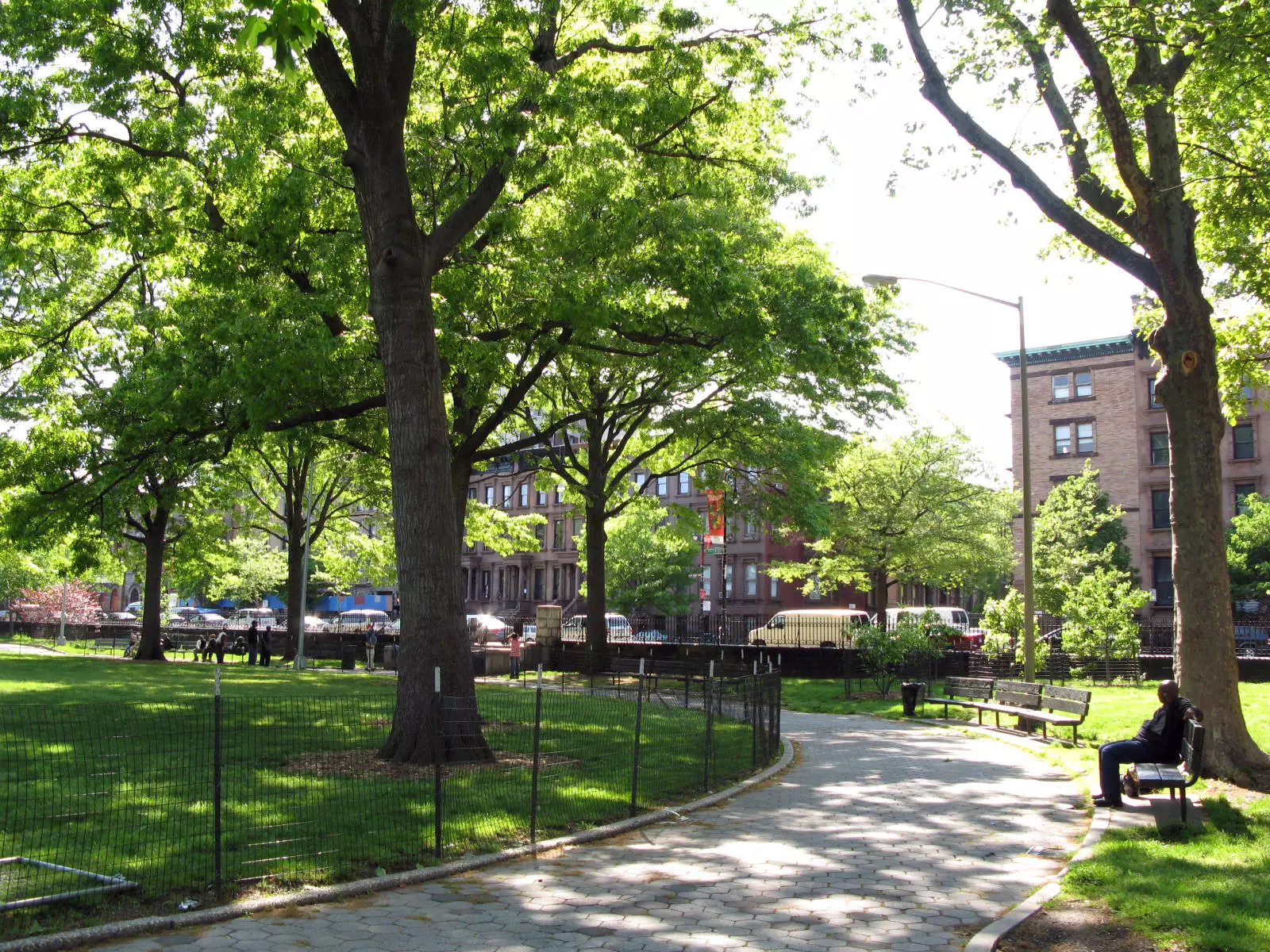
Inwood Hill Park contains the last tracts of virgin forest in Manhattan. Many arrowheads and other artifacts of the former Native American occupants of Manhattan Island have been found in this park.
The Manhattan Bridge, just a bit to the east of the Brooklyn Bridge, with signposted access from Jay St. slightly over 4 blocks north (toward the river) of Tillary St., can also be crossed by pedestrians and cyclists, but if you do so, you will be rattled by passing subway trains that traverse the bridge, your view will be partly obstructed by mesh, and you won't be in a position to see much to the north of the bridge (so no great views of the Midtown skyline like you get from the Brooklyn Bridge walkway). It's still worth doing if you have enough time, though, partly because of the views of the Brooklyn Bridge that you can see from the Manhattan Bridge. As of November 2021, construction is taking place on the bridge; it narrows the path pedestrians and cyclists share in places, but access is otherwise unimpeded.
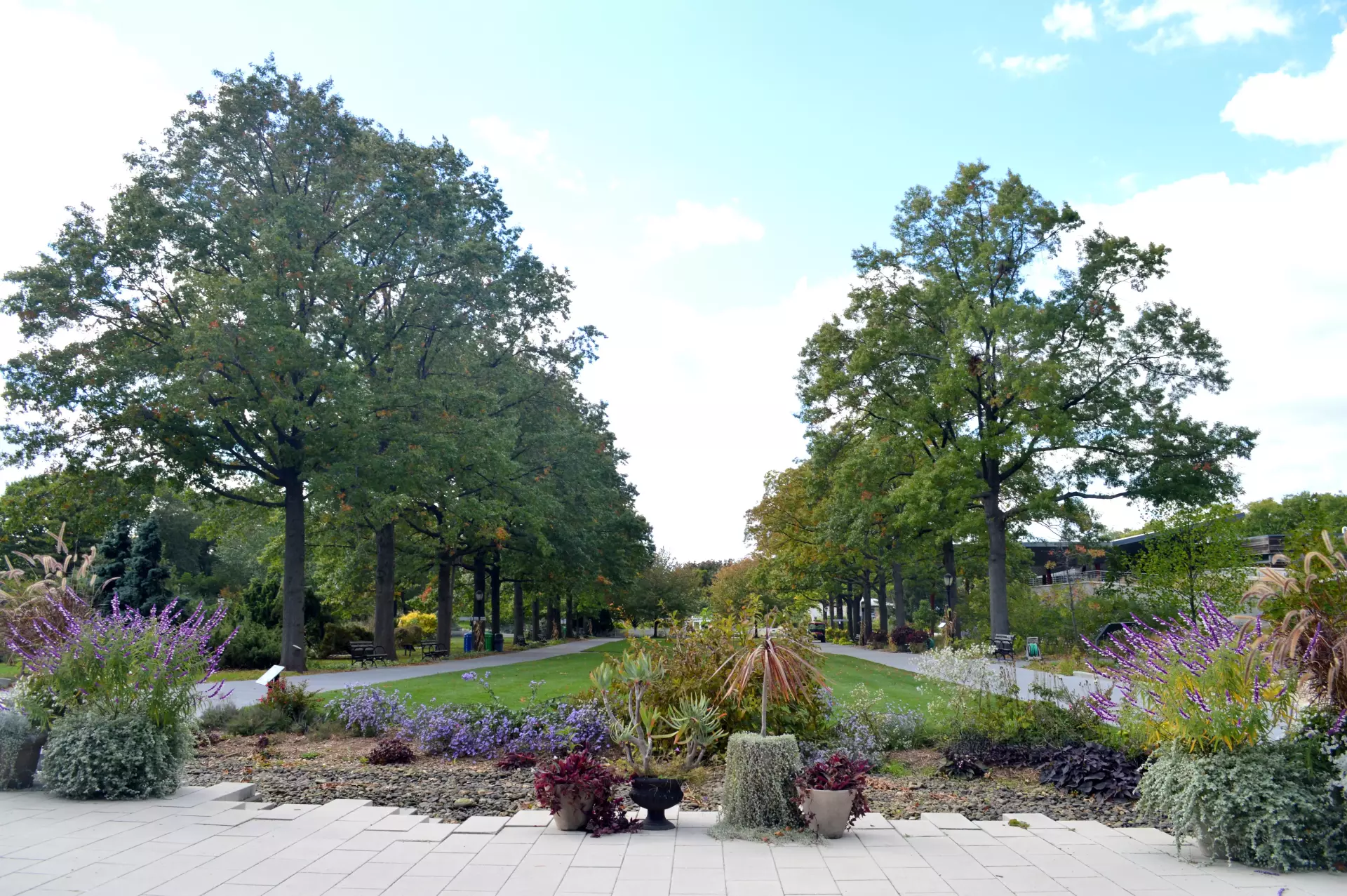
Large garden and arboretum featuring a variety of plants, and also a Victorian-style wedding garden.
A 2011 addition to the Lower Manhattan skyline, this 76-story residential skyscraper by the noted Frank Gehry has a distinctive rippled, "wavy" facade that is quite eye-catching. It is best viewed from City Hall Park and the Brooklyn Bridge.
The Christmas Tree, the Skating Rink, NBC Studios, the shops and hubbub - you can't miss it. The Christmas Tree and the Skating Rink are naturally not year round, but in the summer, the complex is a hub for touristy operations. Within the striking Art Deco buildings of the complex are several dining establishments overlooking the area and many stores. See the Rockettes, another show, or just tour the famous Art Deco masterpiece. On the 70th floor of the Comcast Building (better known by some as "30 Rock") is this narrow observation deck, built to resemble the deck of a cruise ship. The deck affords uninterrupted views over Central Park to the north and across Midtown to the south.
An Episcopalian (Anglican) church and parish was first established on this site in 1697 under charter by King William III. The present Neo-Gothic Revival church building (the third incarnation) dates from 1846 and remains a significant landmark within Downtown. The original burial ground at Trinity Church includes the graves and memorials of many historic figures, including Alexander Hamilton, William Bradford, Robert Fulton, and Albert Gallatin.