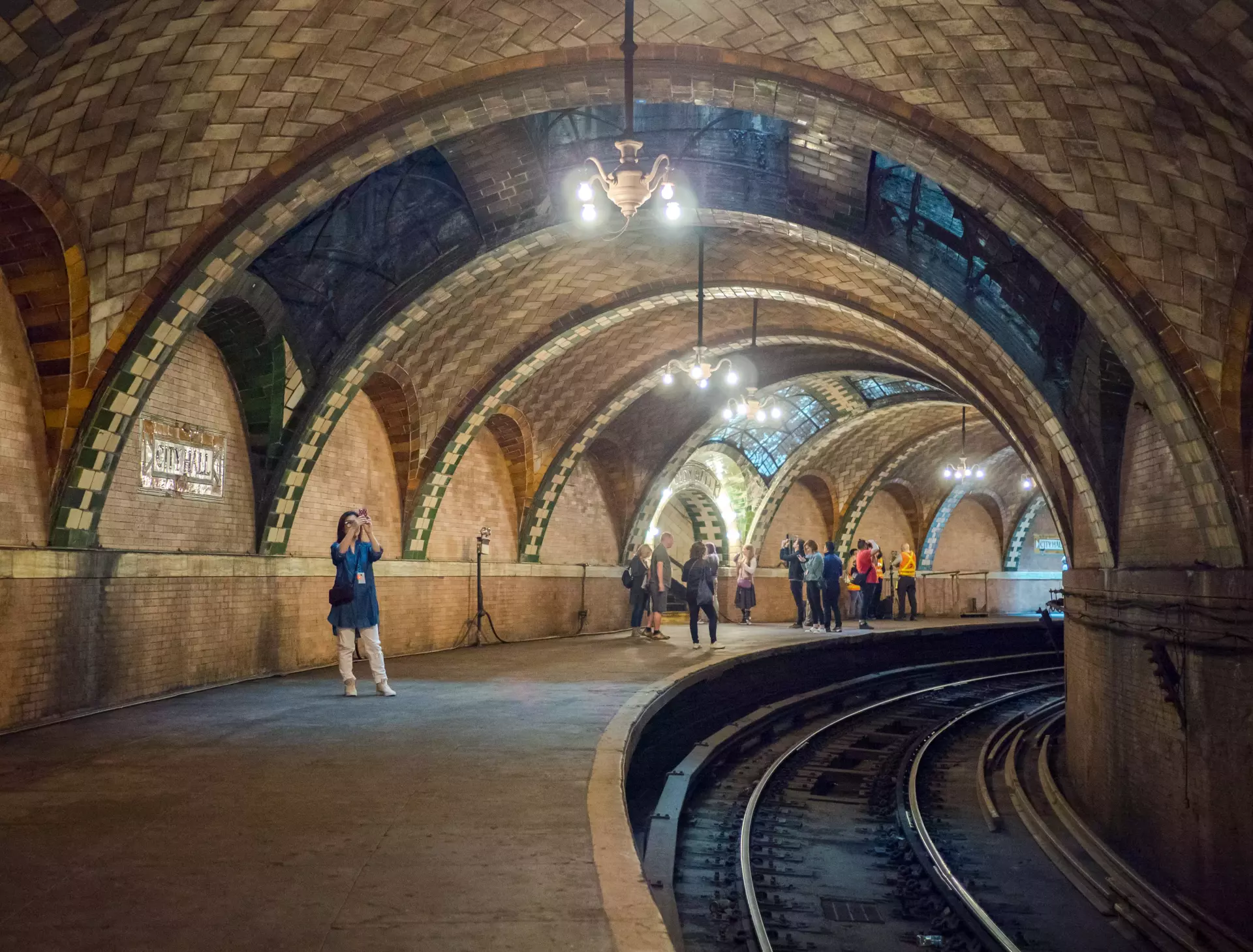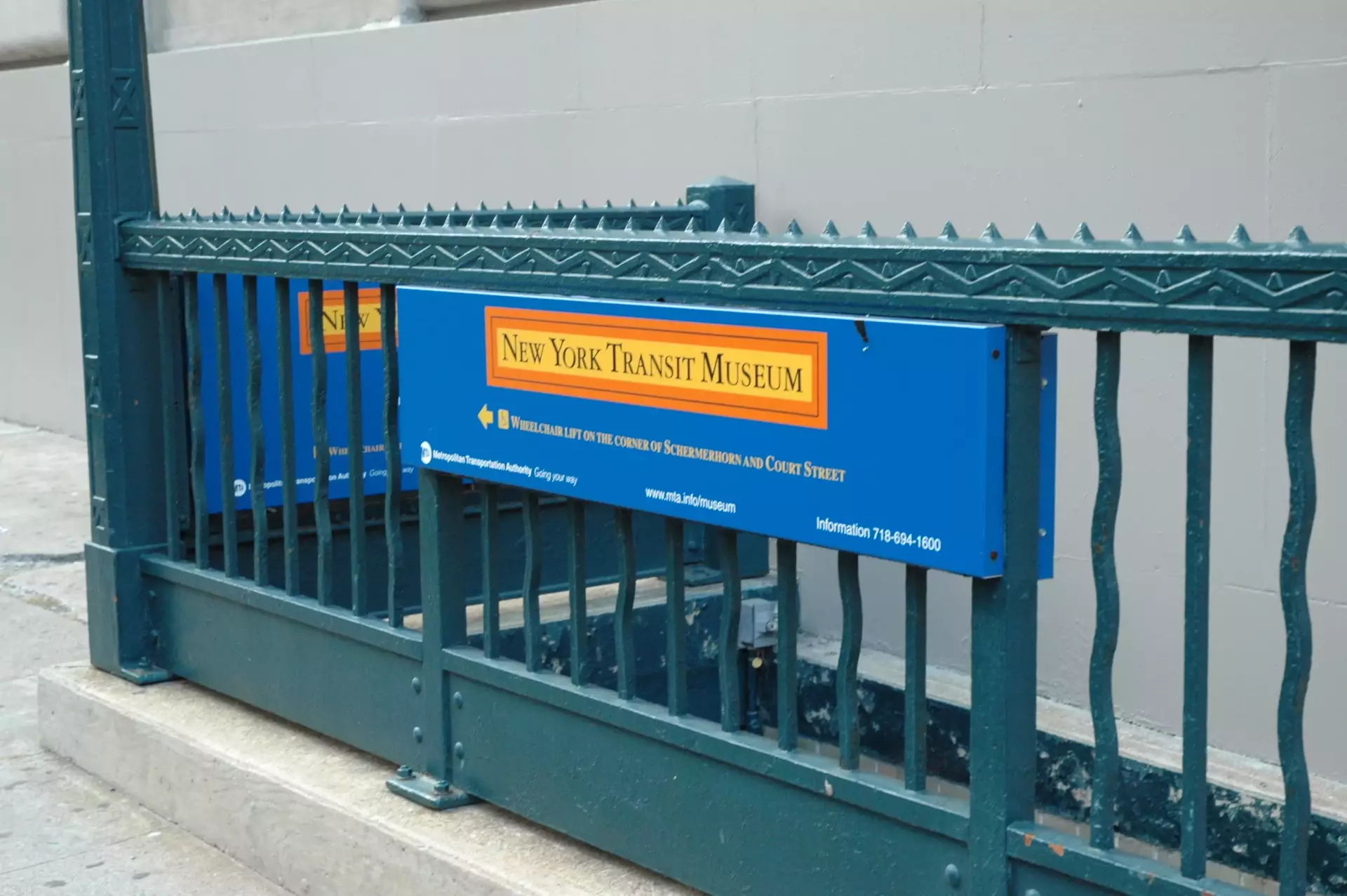
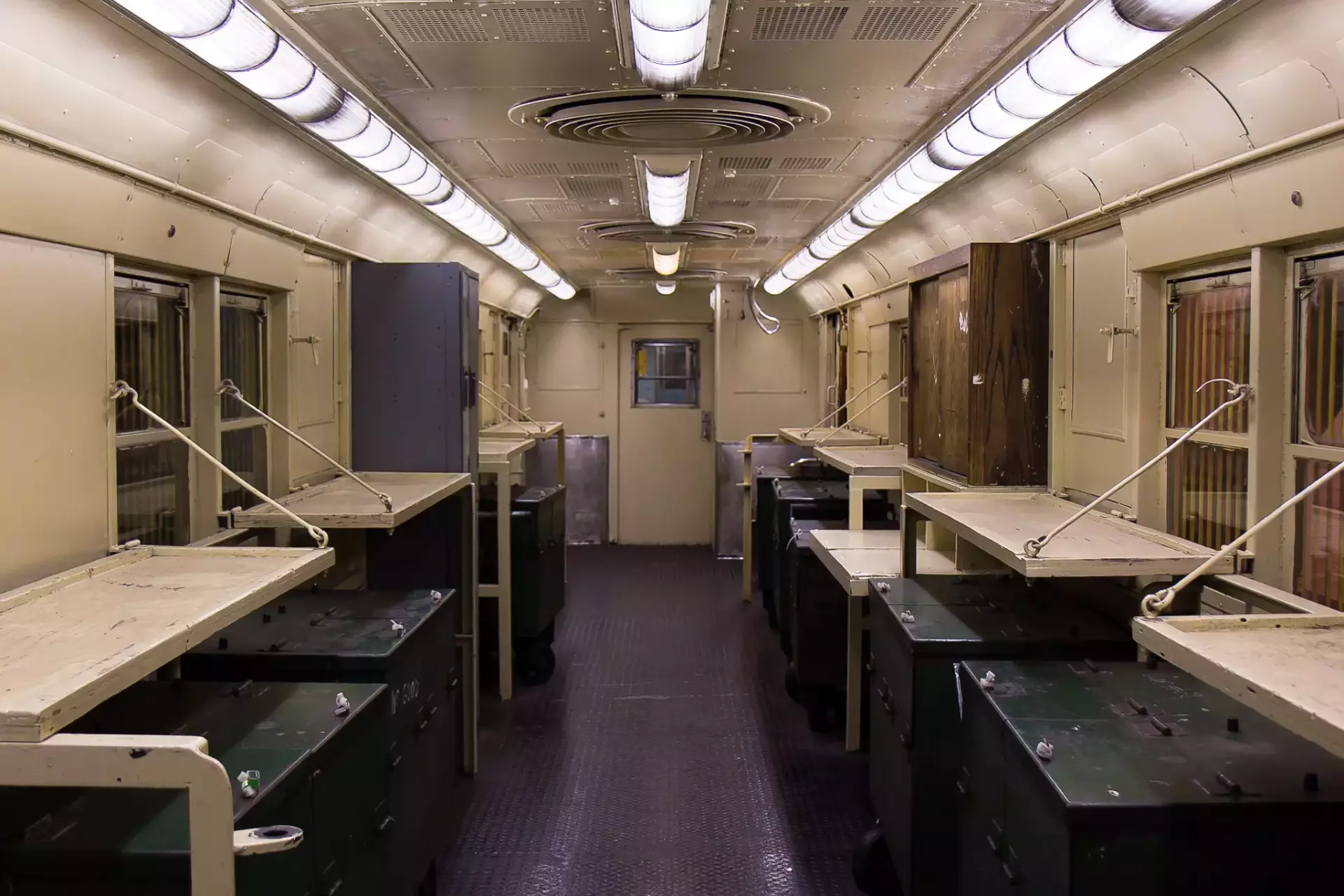
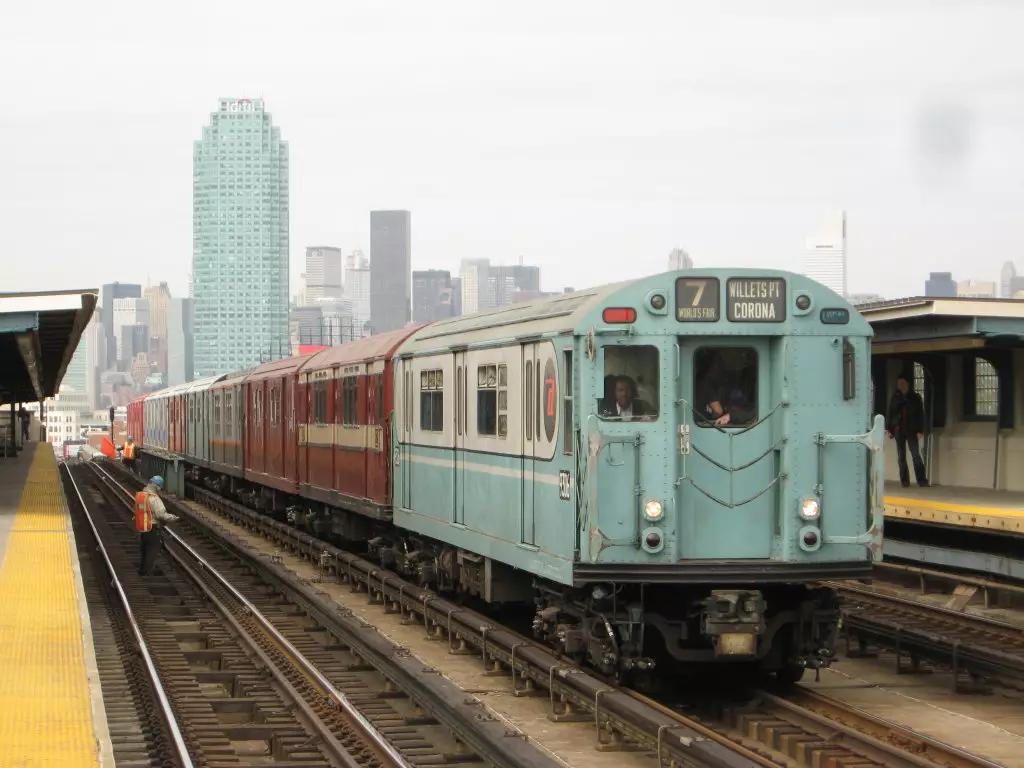
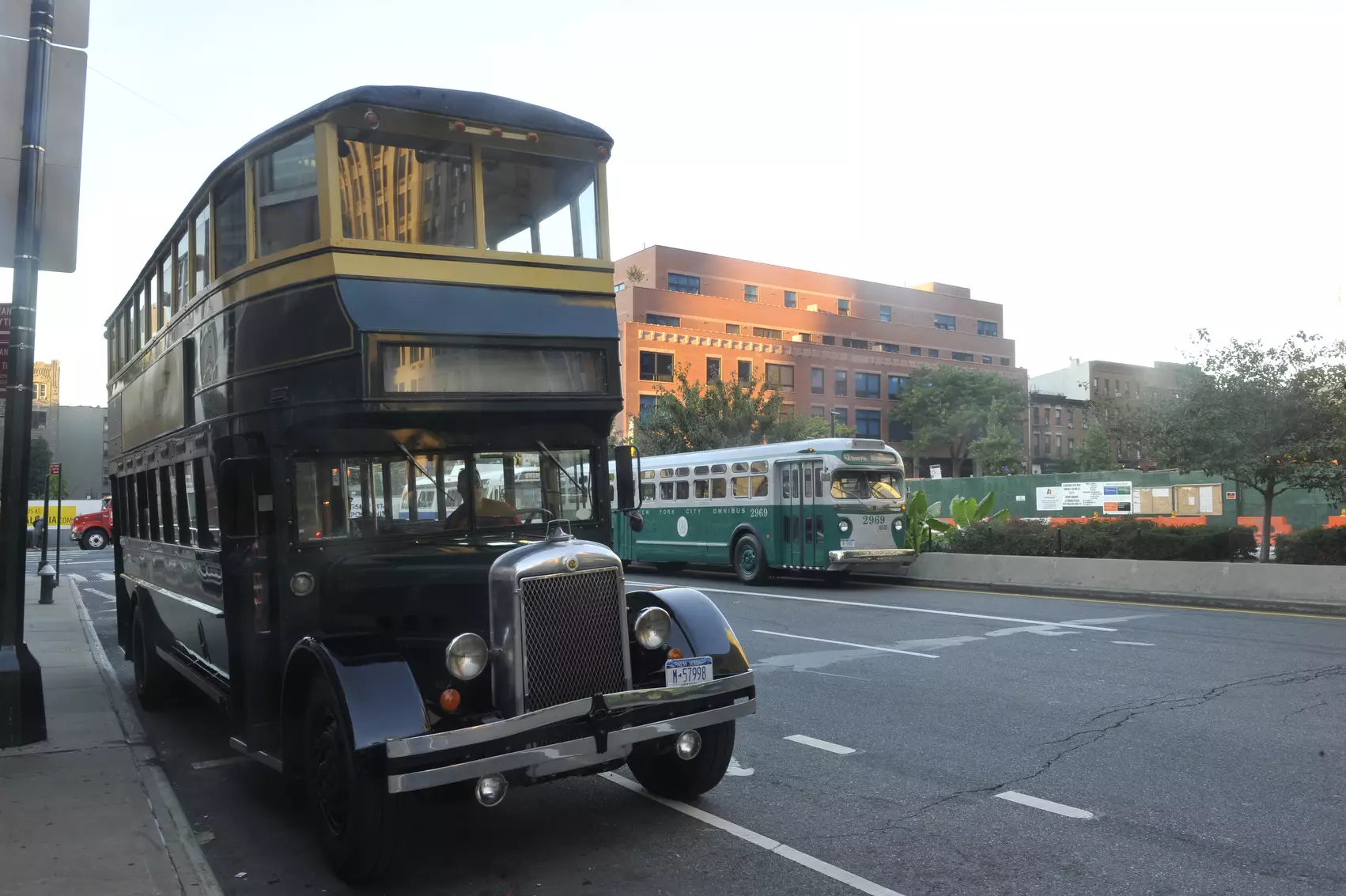
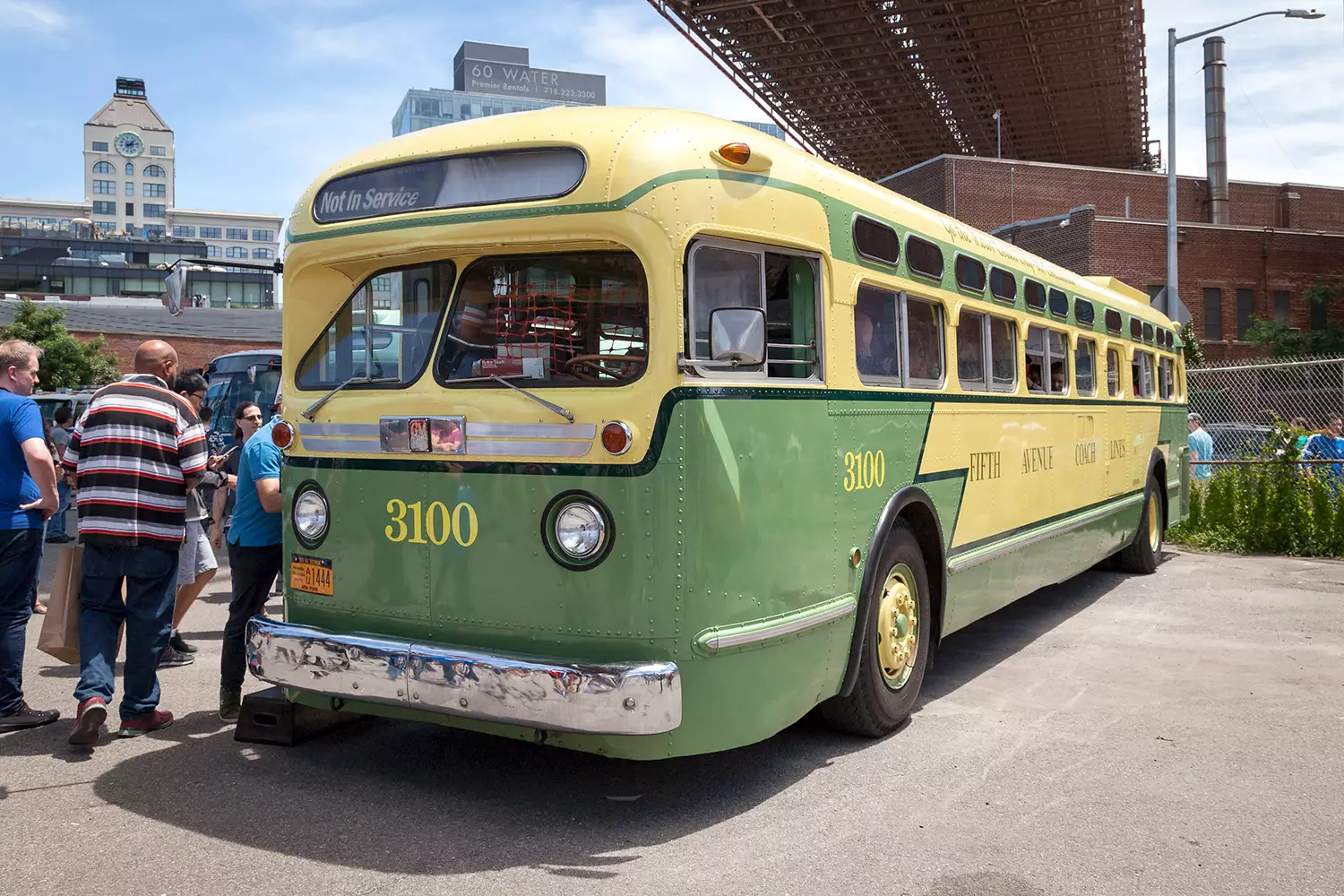
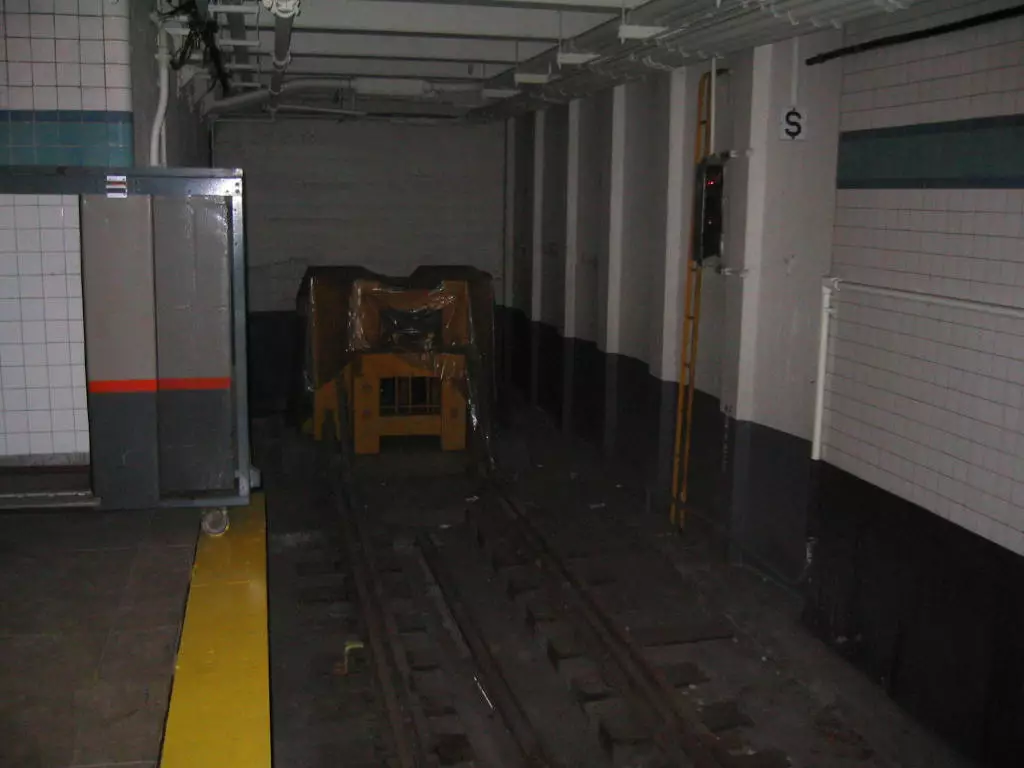
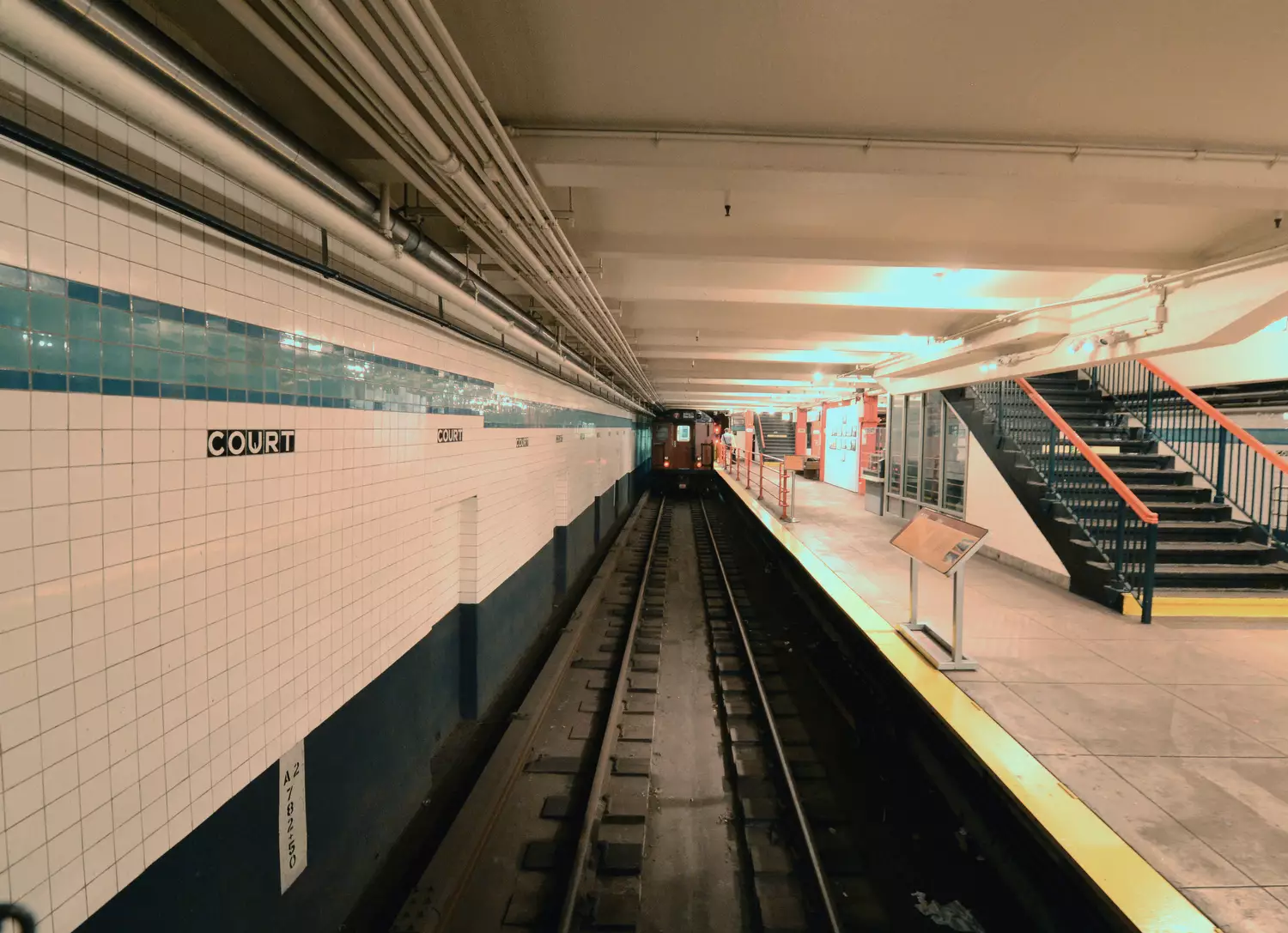
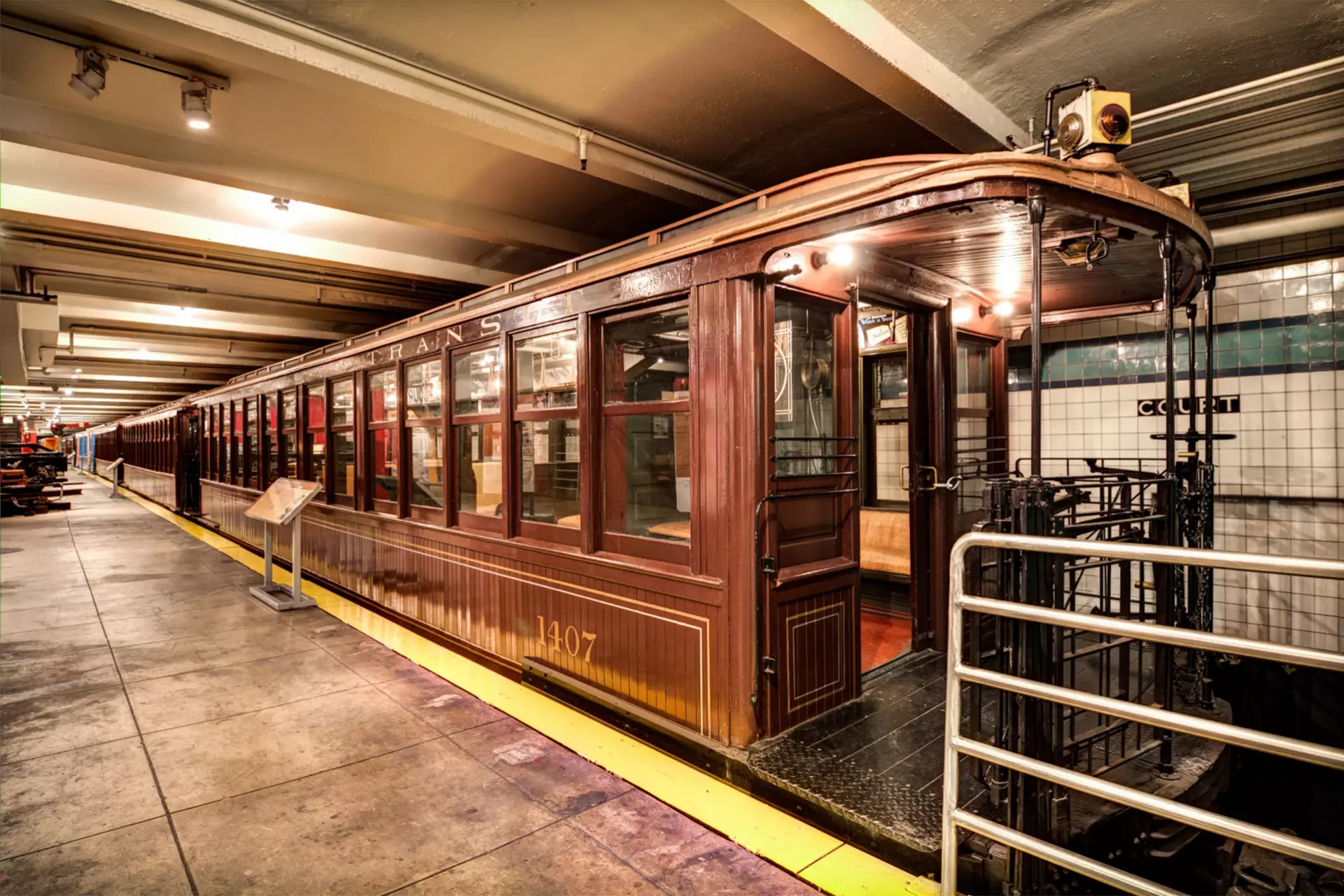
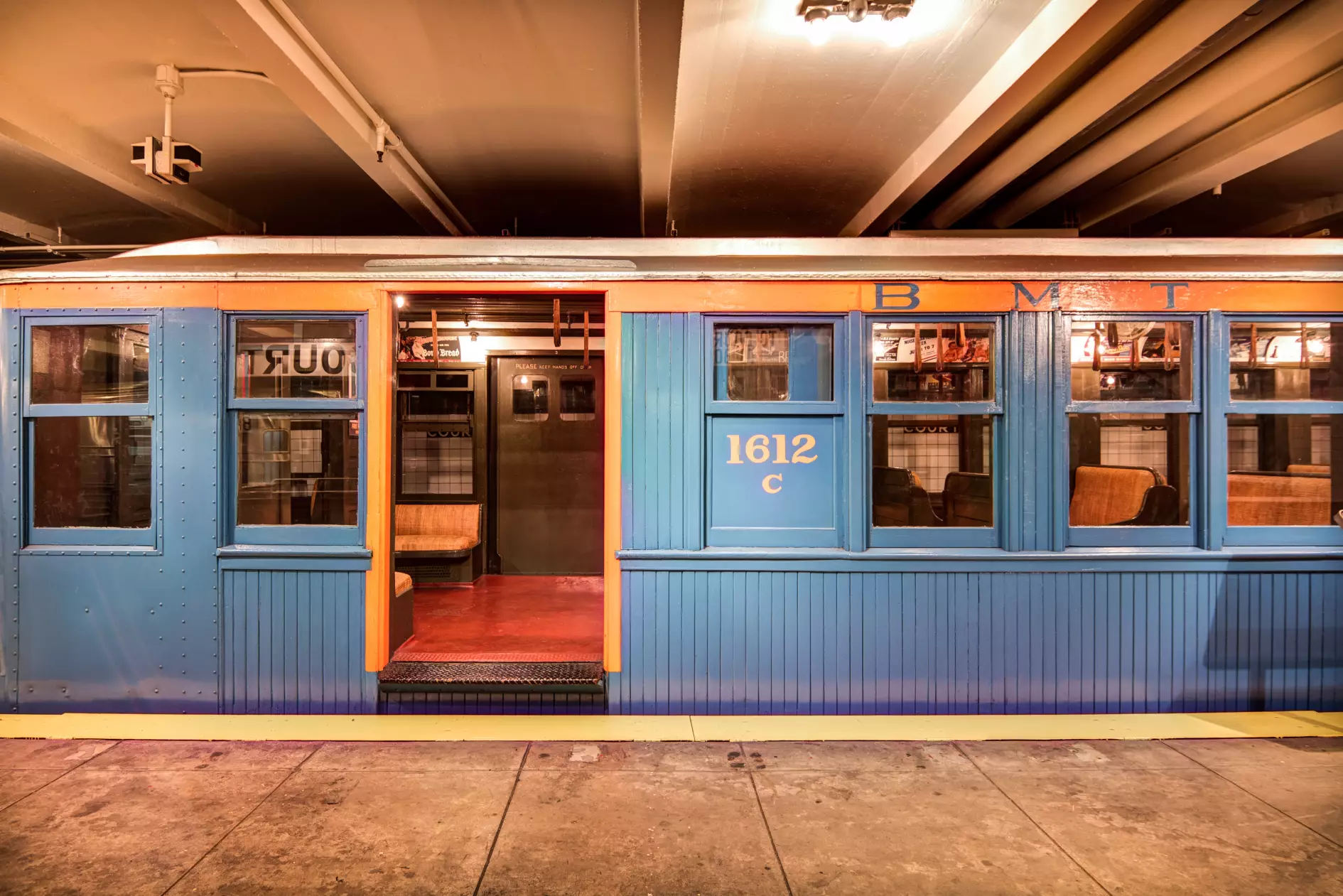
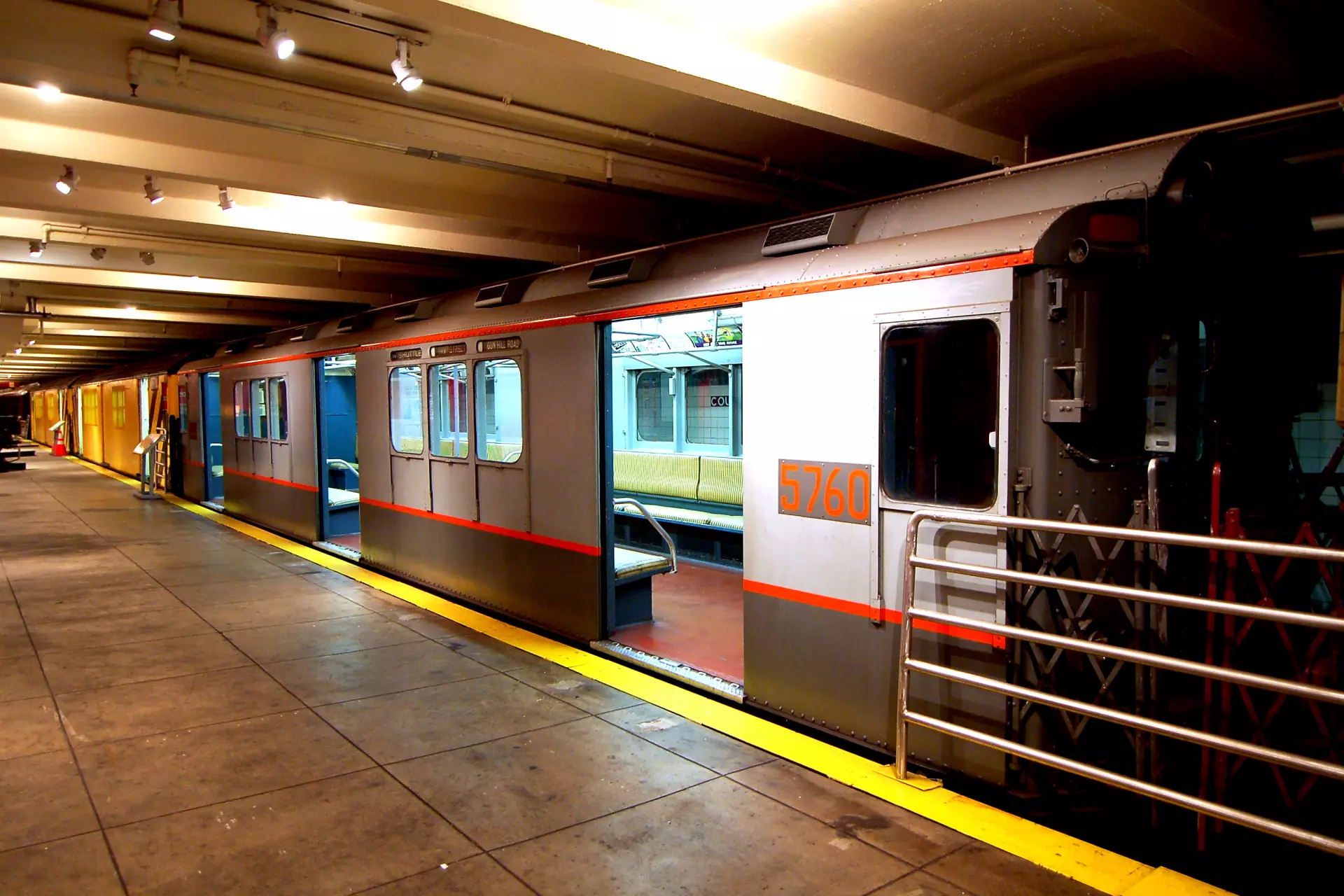
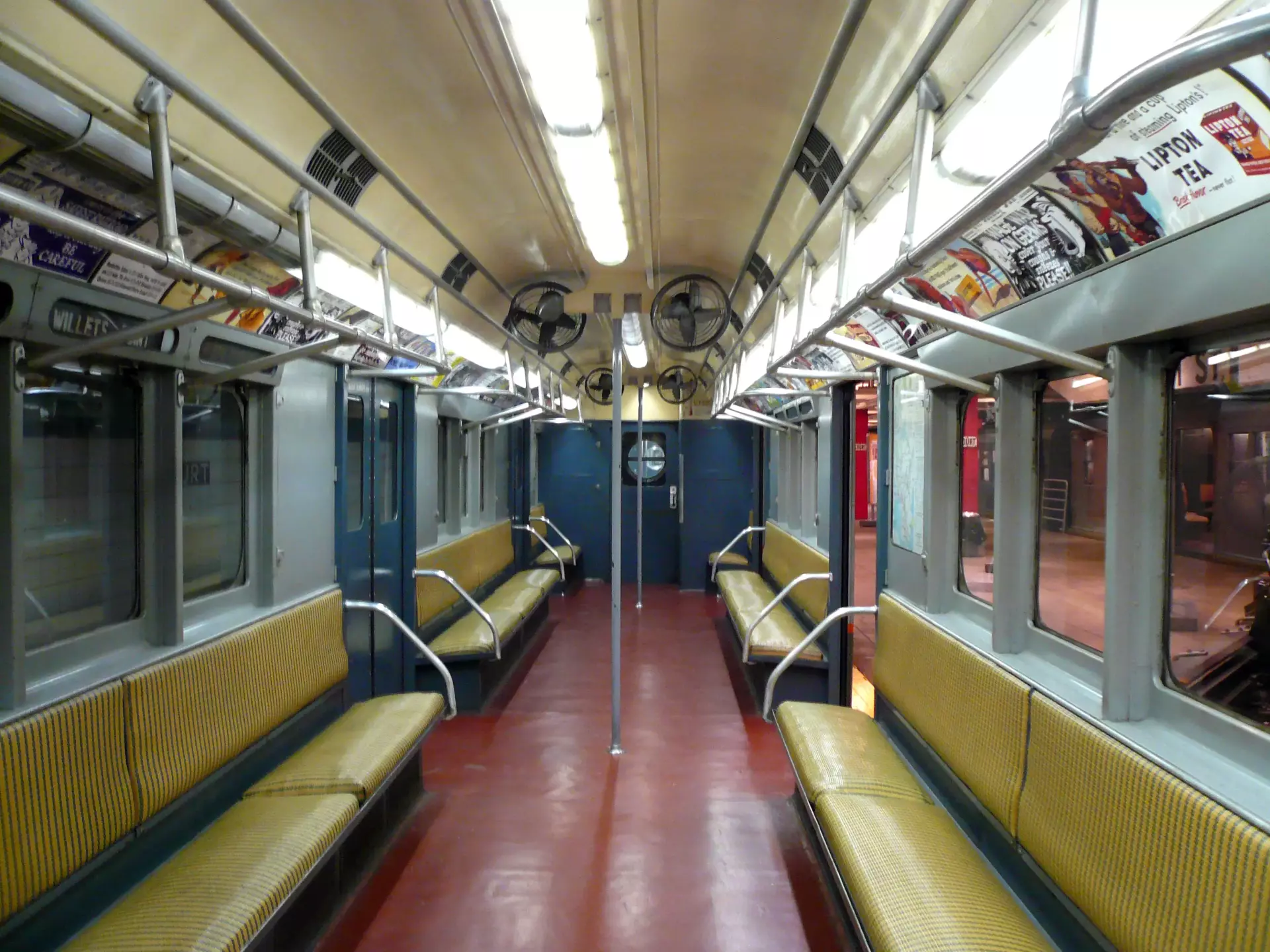
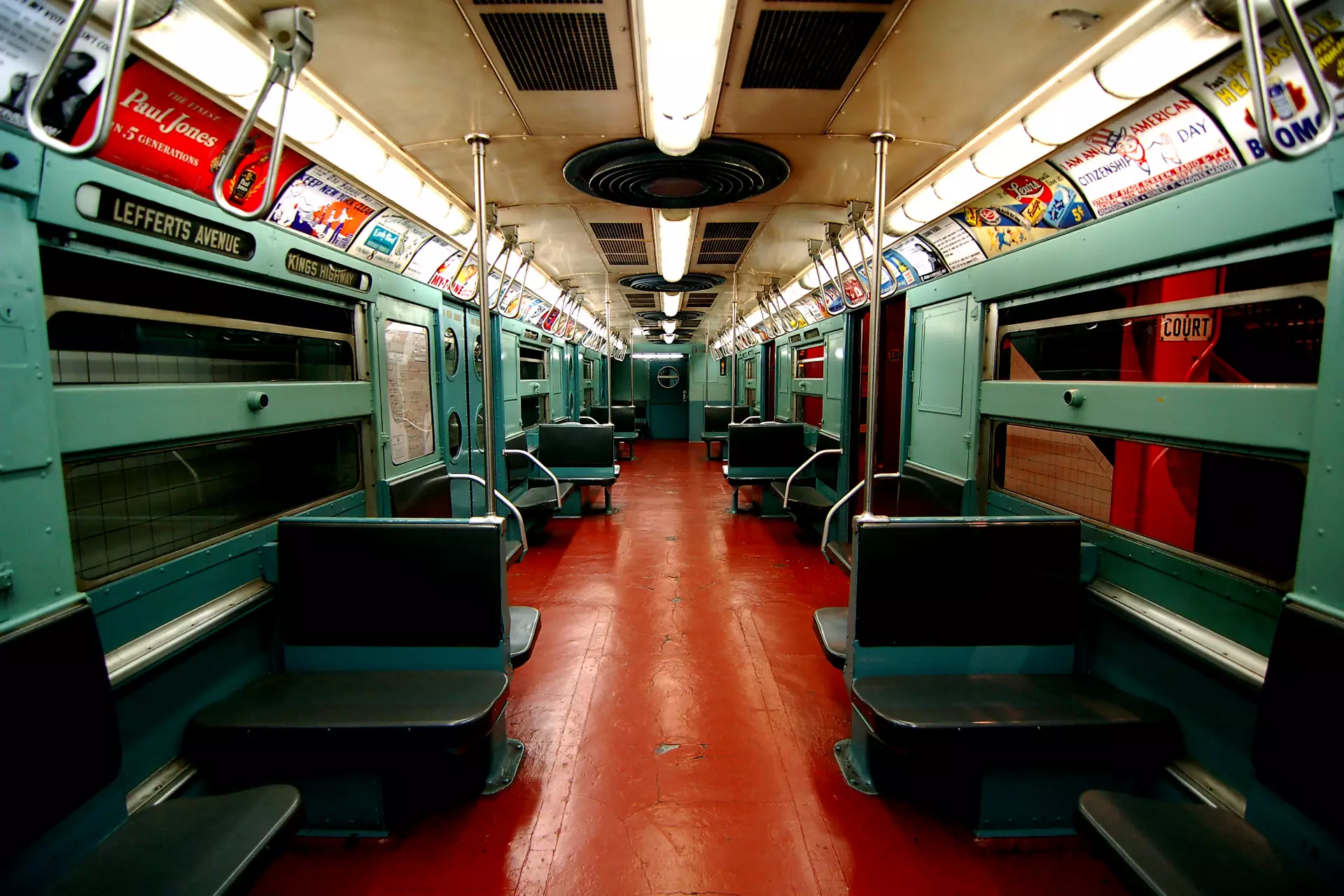
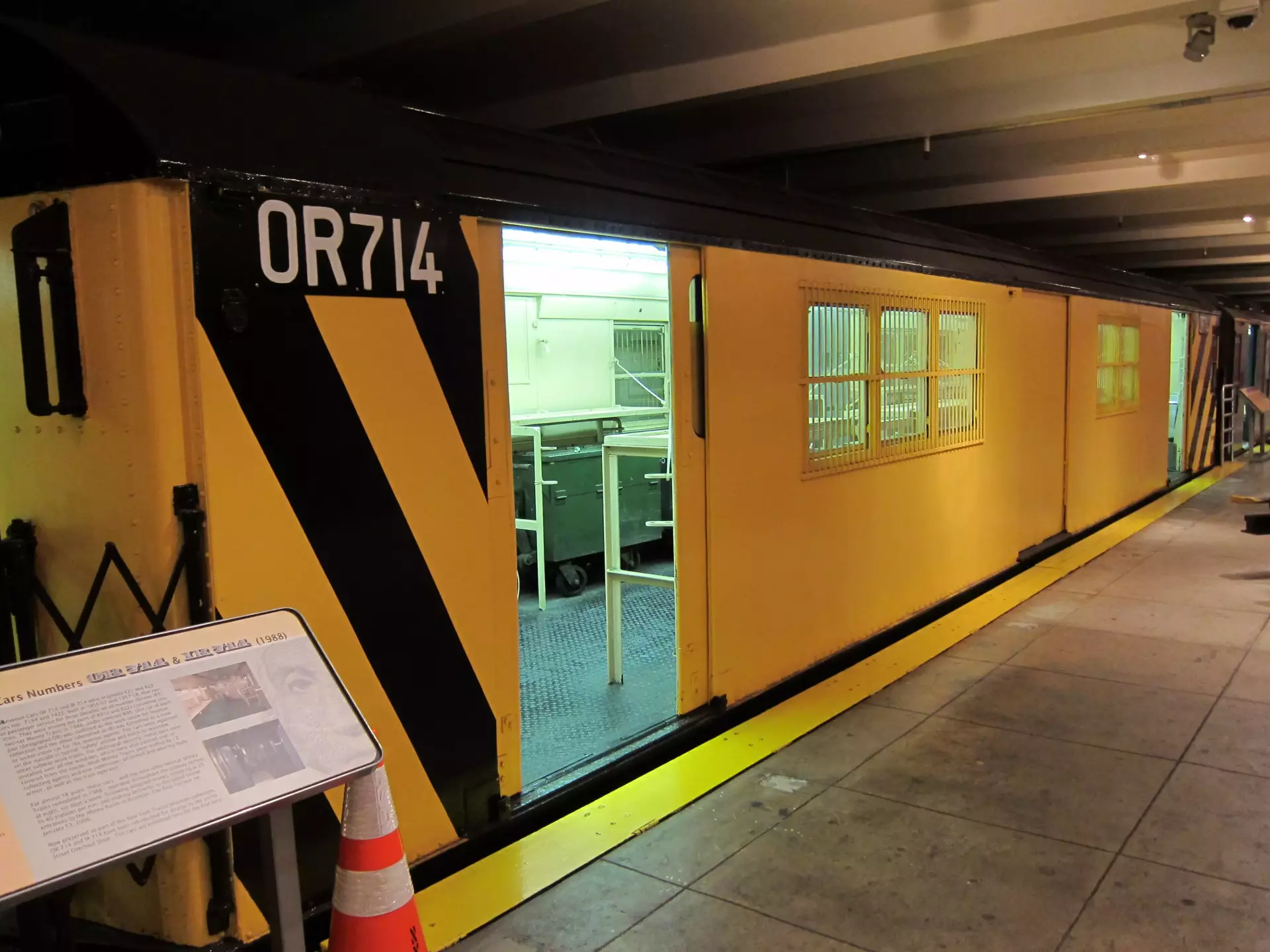
The New York Transit Museum is an intriguing destination for anyone curious about the history and workings of New York City's transit system. It is a self-supporting arm of the MTA, situated in the former Court Street Station of the subway. This station, which was initially closed to passengers in 1946, found new life as the New York Transit Exhibit in 1976 due to its popularity, eventually becoming a permanent museum.
The museum is spread across two underground levels. The Mezzanine showcases fascinating exhibits that dive into the construction of the subway, the evolution of surface transportation in New York, and the intricacies of fare collection. Visitors can also explore rotating exhibits that cover a variety of transit-related topics, keeping the experience fresh and engaging.
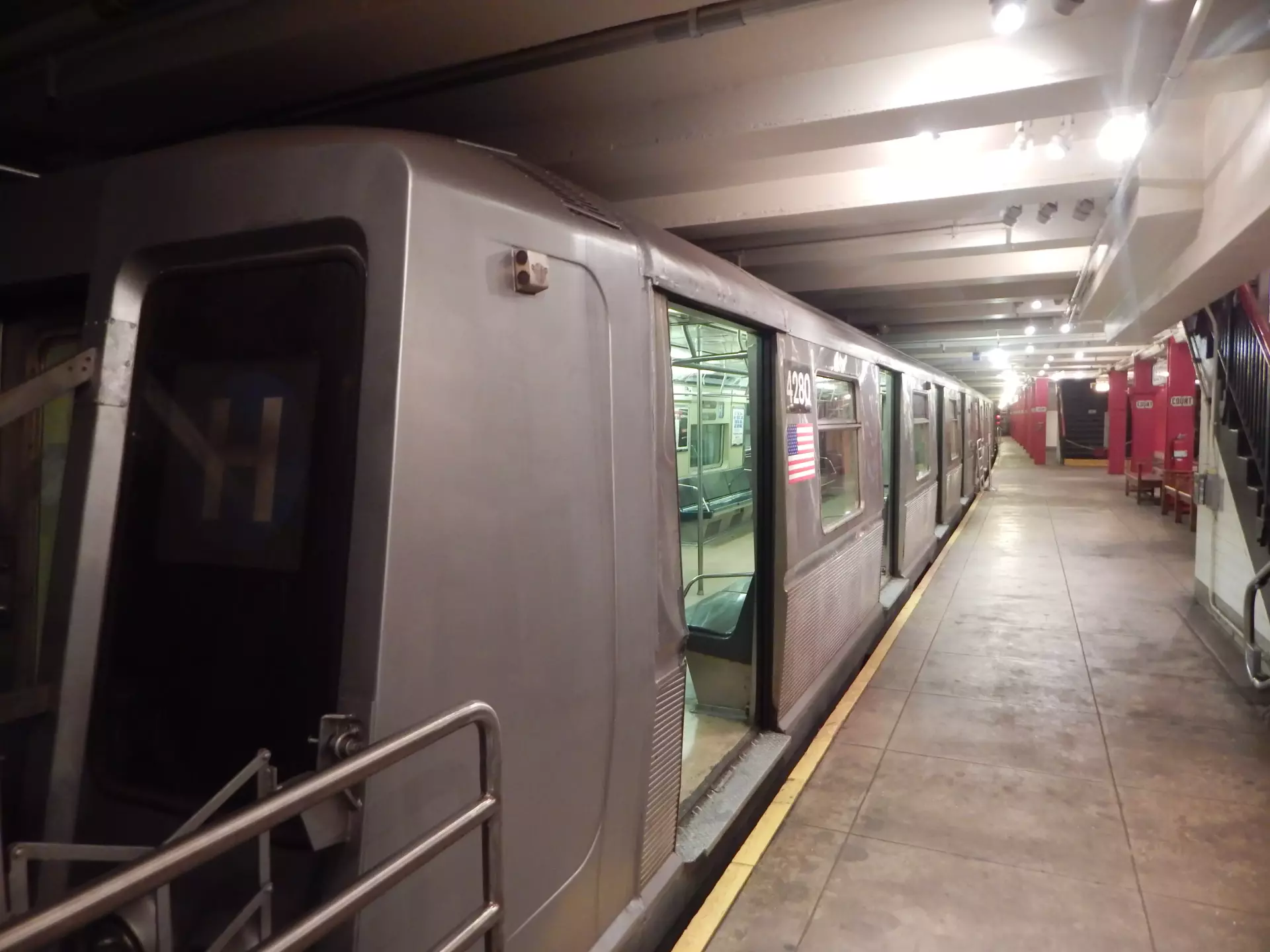
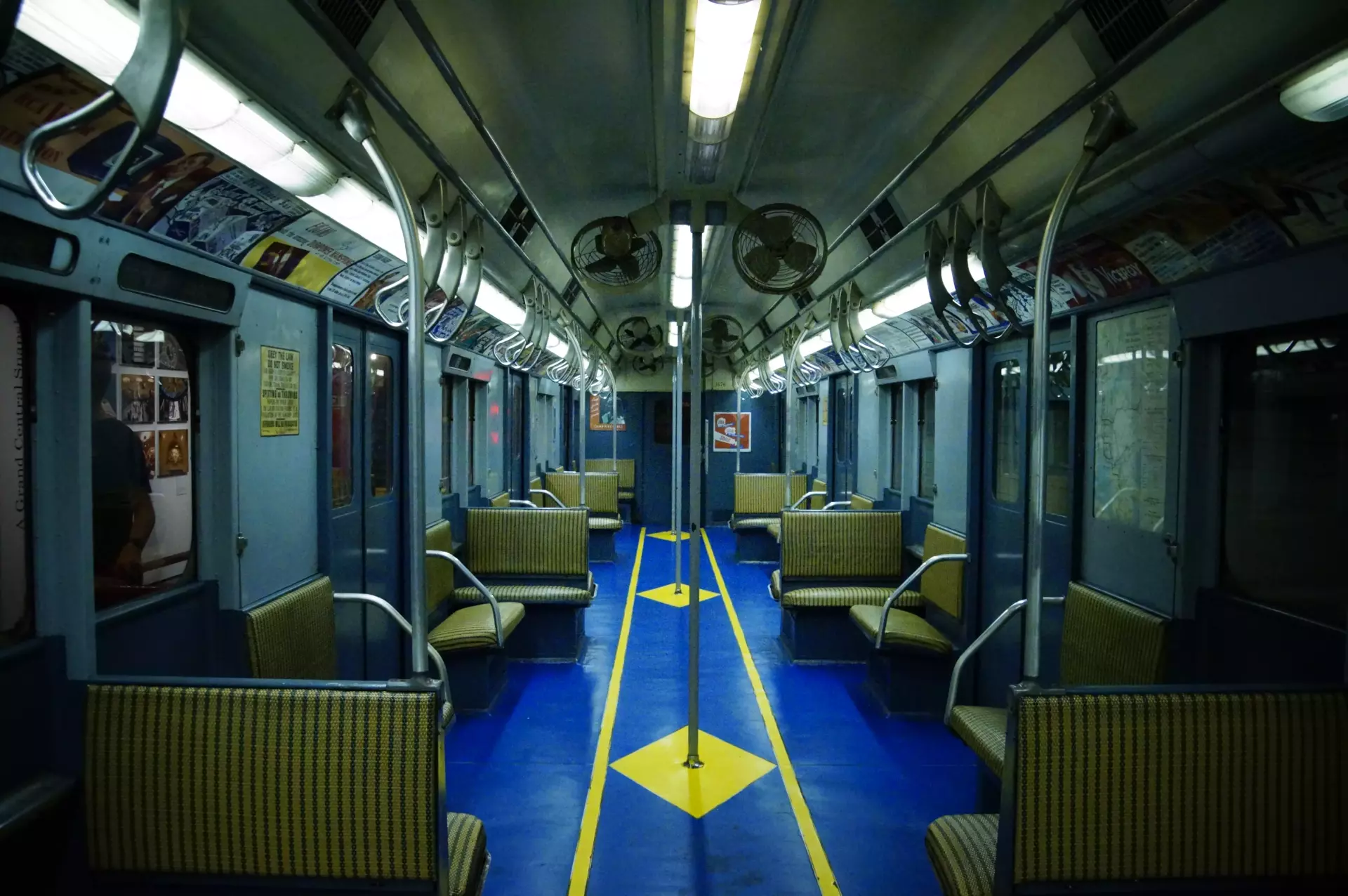
On the station platform, visitors can find about 20 retired subway cars, with some dating back to 1903. This unique collection offers a rare glimpse into the past, allowing visitors to see and experience the evolution of subway cars over the decades. Additionally, a working signal tower adds to the hands-on experience, illustrating the complex operations behind the transit system.
The museum is not just about static displays; it also hosts various events throughout the year. These include simple art projects that engage the younger visitors, walking tours that explore the subway system, and exciting rides on the museum's fleet of retired trains. These activities provide a dynamic way to learn about and appreciate the history and development of New York's transit system.
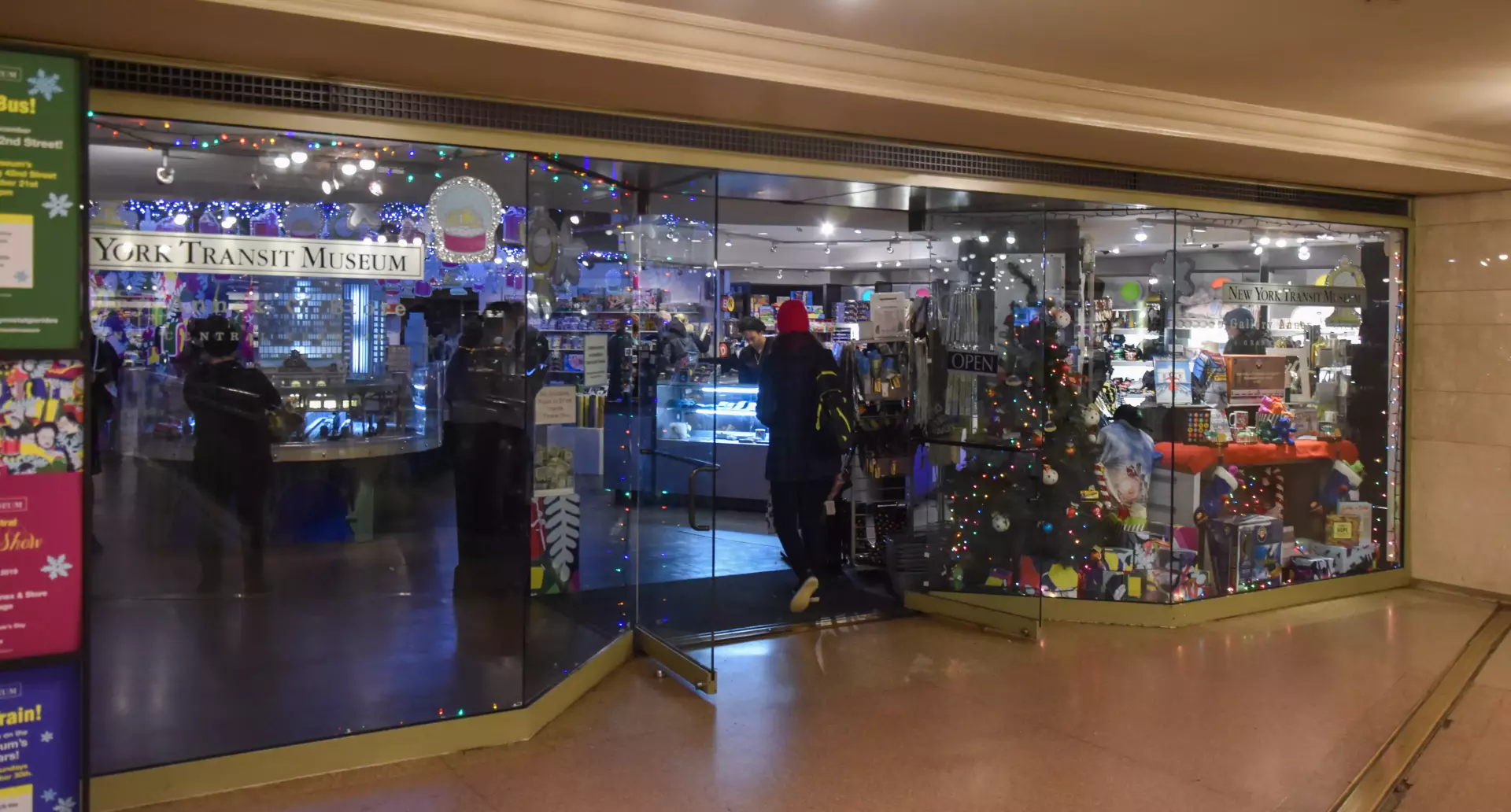
For those in Midtown Manhattan, the museum extends its reach with an annex located in the iconic Grand Central Station. This additional location offers more opportunities to explore and learn about the city's rich transit history in another landmark setting.
Most well known as the Model Boat Pond, visitors can often see a racing regatta between members of the Model Yacht Club, or rent a model boat from a boathouse and cafe on the pond. Just to the north of the pond is the Alice in Wonderland sculpture depicting the Tea Party scene, and on the west side of the pond is the Hans Christian Andersen sculpture, which shows the writer seated on a bench reading a book to his Ugly Duckling character.
Large garden and arboretum featuring a variety of plants, and also a Victorian-style wedding garden.
Dedicated to preserving and collecting television programs as a service to the public, the museum consists of two museum branches in Los Angeles and New York City; combined they hold over 100,000 television programs that are available to the public, providing a historical, artistic and cultural perspective to television and radio. You may use their library here for the price of admission. They have lots of old shows and a database so you can see if they have what you want.
The Christmas Tree, the Skating Rink, NBC Studios, the shops and hubbub - you can't miss it. The Christmas Tree and the Skating Rink are naturally not year round, but in the summer, the complex is a hub for touristy operations. Within the striking Art Deco buildings of the complex are several dining establishments overlooking the area and many stores. See the Rockettes, another show, or just tour the famous Art Deco masterpiece. On the 70th floor of the Comcast Building (better known by some as "30 Rock") is this narrow observation deck, built to resemble the deck of a cruise ship. The deck affords uninterrupted views over Central Park to the north and across Midtown to the south.
None of Central Park is actual virgin forest, but this is the closest any part of the park gets to feeling like genuine forest. It is beautiful and cool in hot weather. However, like a real forest, it is a mosquito habitat, so make sure to use insect repellent before walking through this part of the park.
Ellis Island was home to the nation's primary federal immigration station, with over 12 million immigrant steamship passengers passing through from its opening in 1892 to its closing in 1954. Today, over 40 percent of America's population can trace their ancestry through Ellis Island. The island is home to the American Family Immigration History Center, which contains manifests of 25 million immigrants, passengers, and crew members who entered New York Harbor. The Immigration museum at Ellis Islands has details about "Peopling of America" and if you are an avid history lover, this museum will need at least 3-4 hrs of your time. Since the ferry ride takes you to both Ellis Island as well as the Liberty Island, you will have to plan your day well.
At the center of Central Park, the Great Lawn is a large clearing with lawns and ballfields, perfect for ballgames, sunbathing, and picnicking. Just to the east of the Lawn is the Obelisk, a 71-foot tall structure which is the oldest man-made object in the park, having been erected in Heliopolis, Egypt, around 1500 BC.
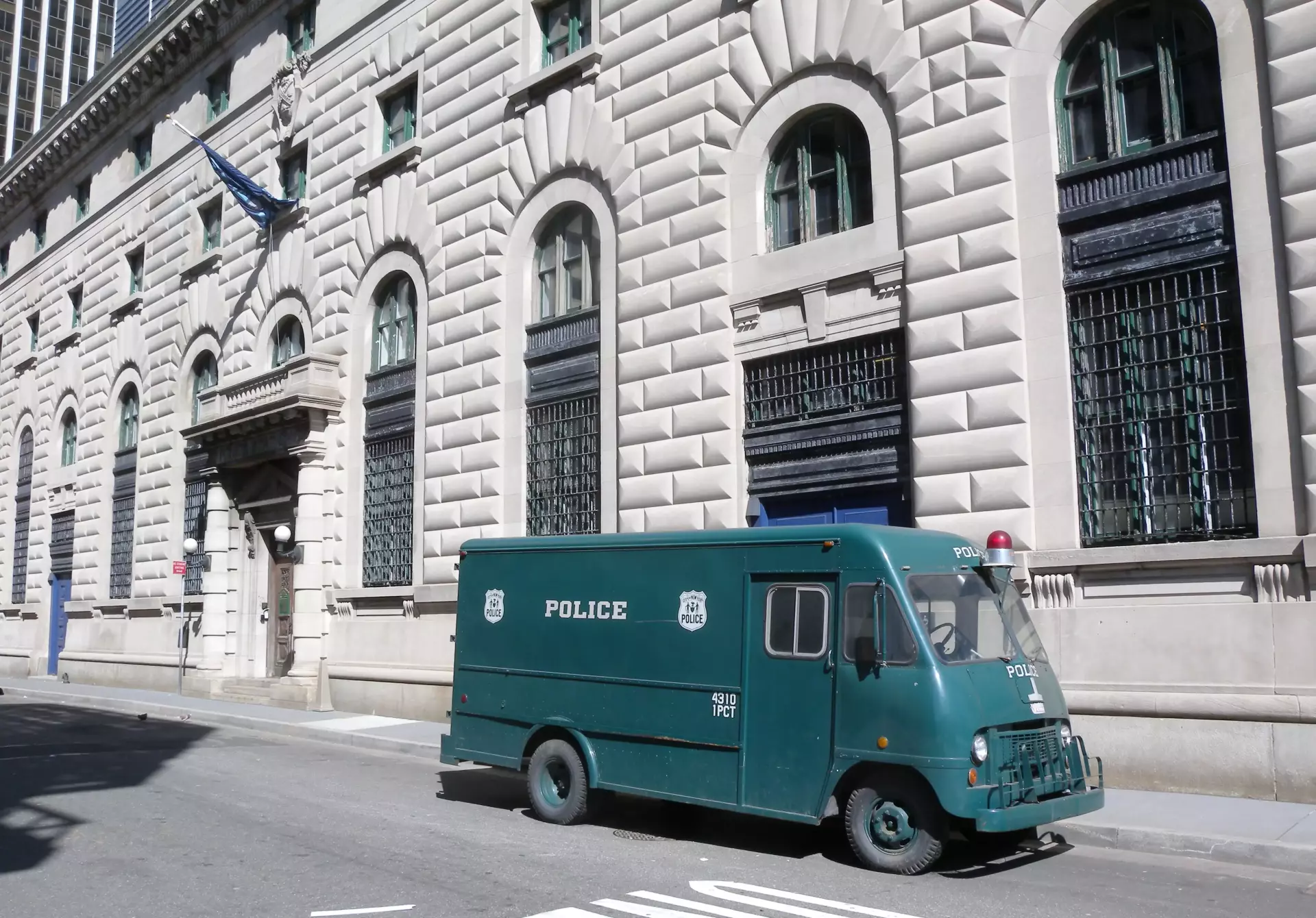
A museum dedicated to the history of the NYPD.
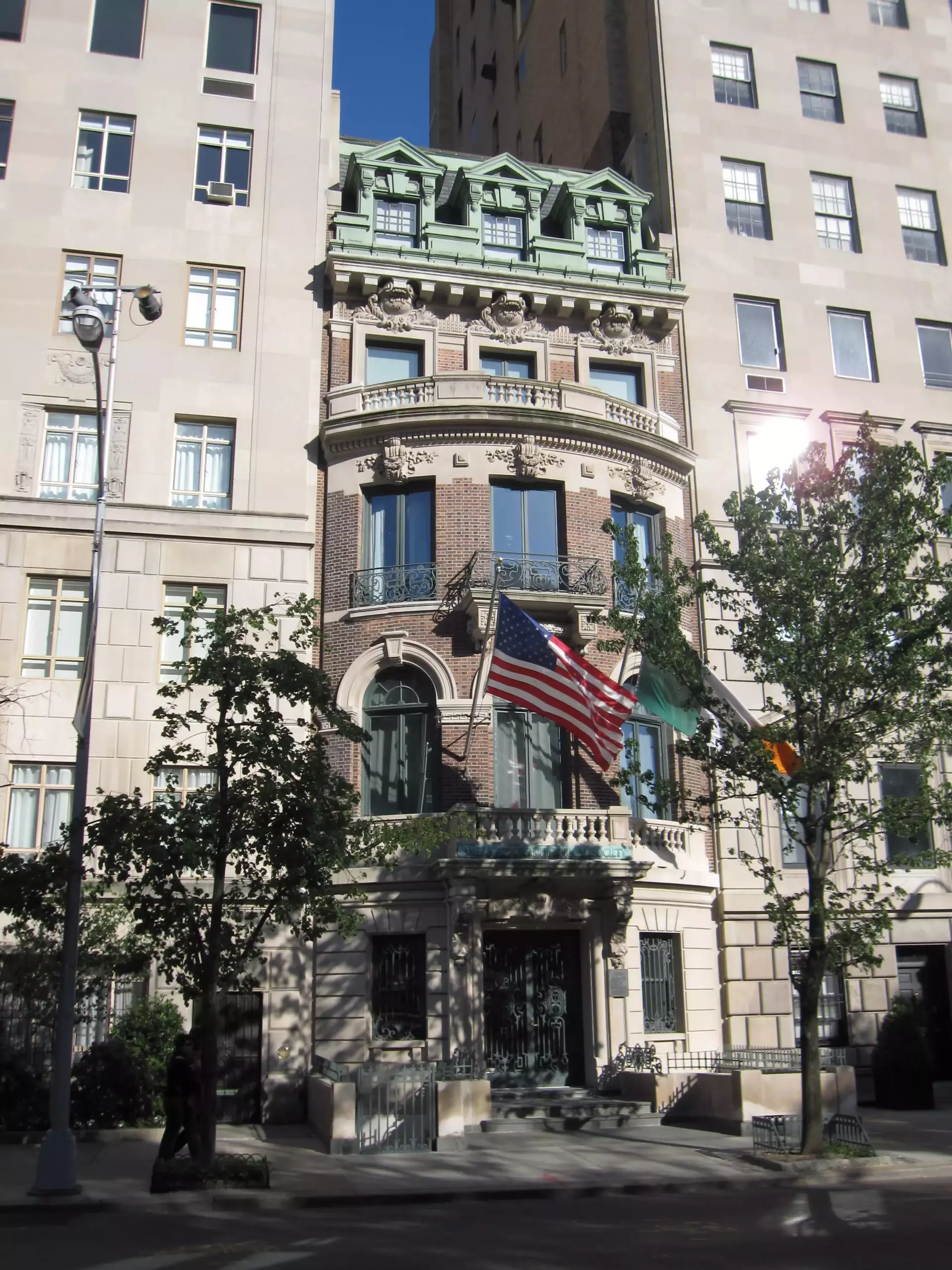
Yet another unique but rich treat on 5th Avenue, the AIHS is a non-profit organization that educates visitors on Irish American culture and history. Immersive and traditional events are held often along with exhibits showcasing the array of unique art and music. If performing and visual arts aren't your thing, you can visit the library instead with over 10,000 books, newsletters, newspapers, and pieces of literature dating back to the 1700s that feature a wide variety of otherwise unknown topics that are great for anyone interested in European culture and history.
One of the Seven Sisters colleges, and is affiliated with Columbia University.
Rather large, interesting museum with all kinds of documentation of events in the 400-year history of this city and delightful artifacts of life in earlier periods, such as the extensive collection of 19th-century dollhouses complete with miniature furniture.
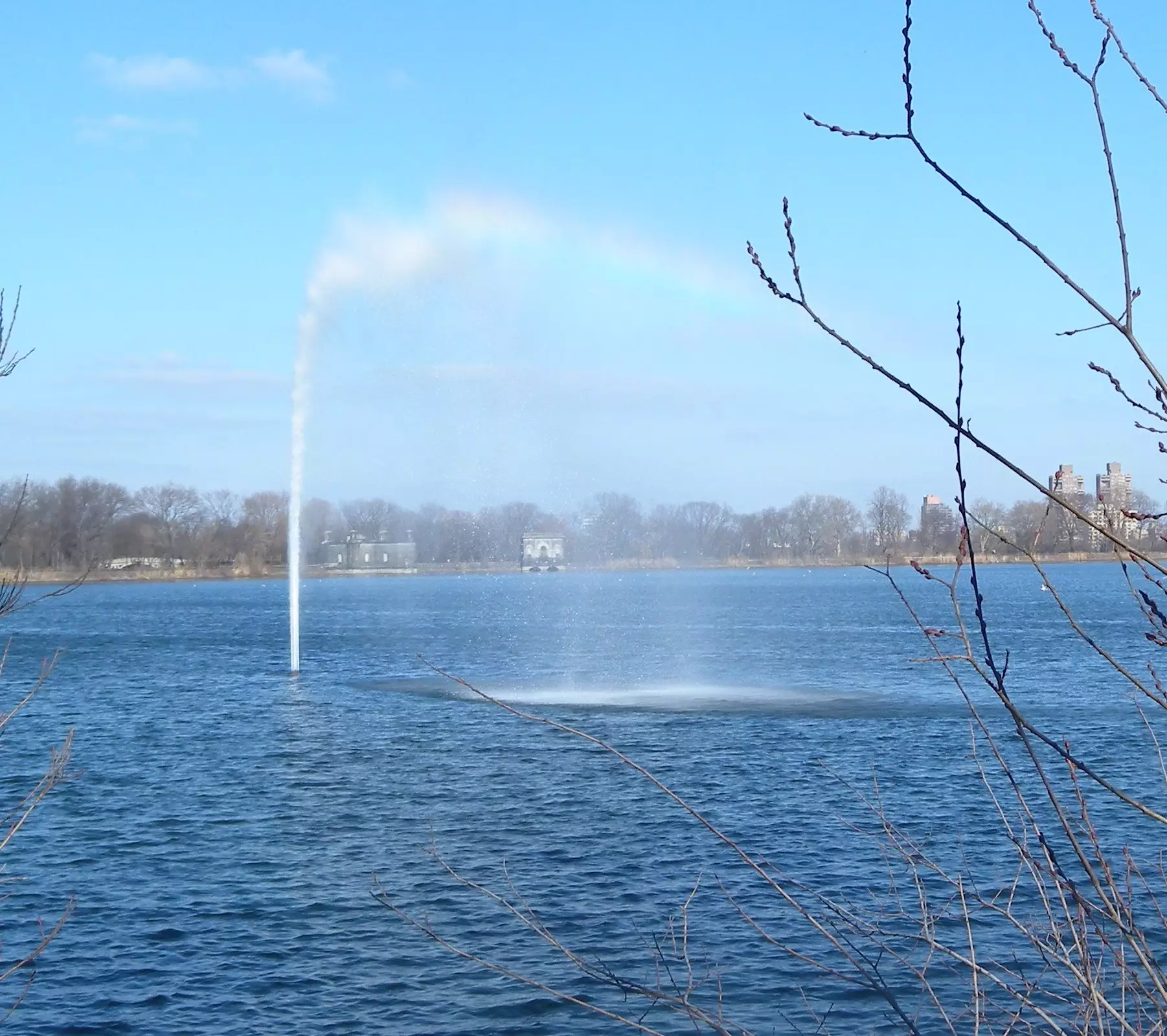
Constructed between 1858 and 1862, the Reservoir is a vast urban lake that covers 106 acres of Central Park and is the largest body of water within Manhattan. Renamed the "Jacqueline Kennedy Onassis Reservoir" in 1994, the Reservoir is probably best known for the 1.58 mile track that runs around its edge and which is a favorite for joggers, who can both run and enjoy the spectacular views of the city skyline.
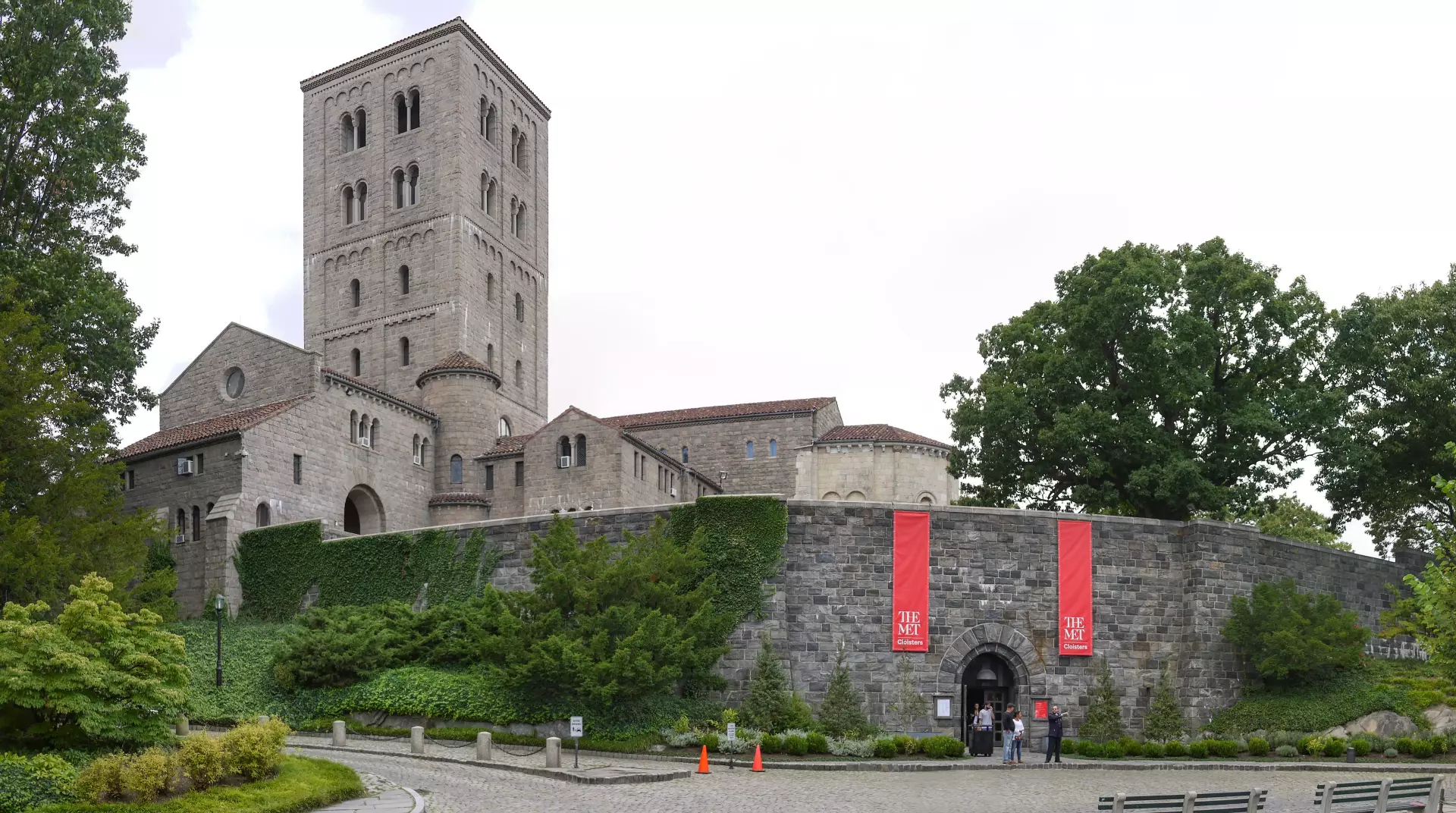
48 magnificent gardens and plant collections on a 250-acre historic site.
See the Rockettes, another show, or just tour the famous Art Deco masterpiece.
Supported by the Museum of Modern Art, this innovative (and cheap) contemporary art museum is in a former public school building. The conversion left most of the original features of the school - the large ex-classrooms are perfect for installations - and the bathrooms are a blast from the past. P.S.1 is a few blocks south on Jackson Avenue from the Citibank tower; the entrance is a concrete slab (how fitting) which occludes view of the school itself. P.S.1 also has a nice cafe and outdoor seats.