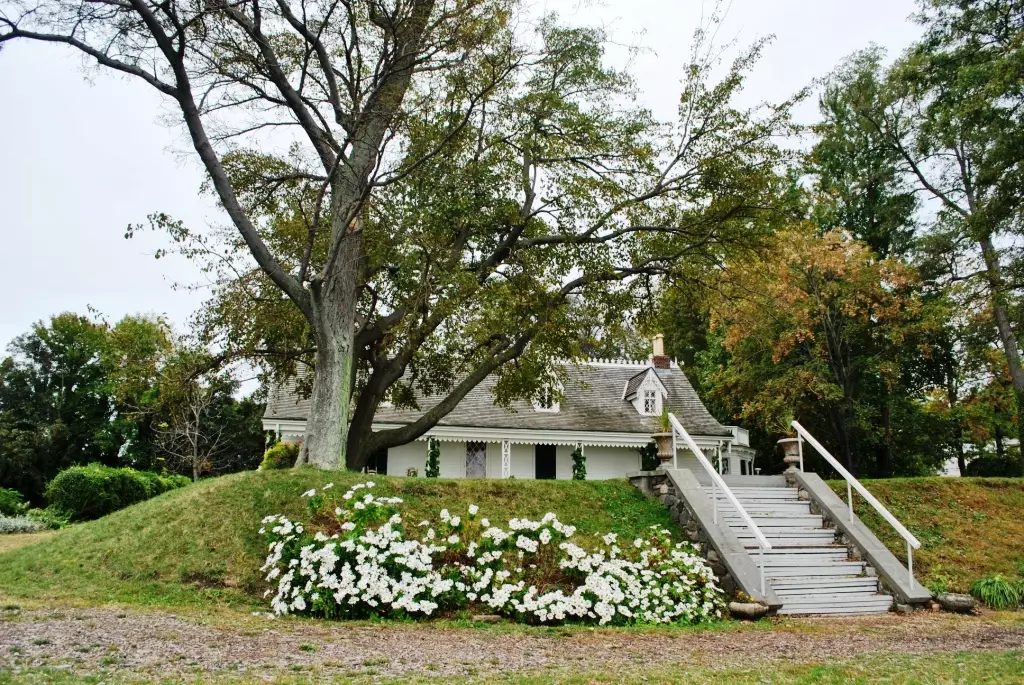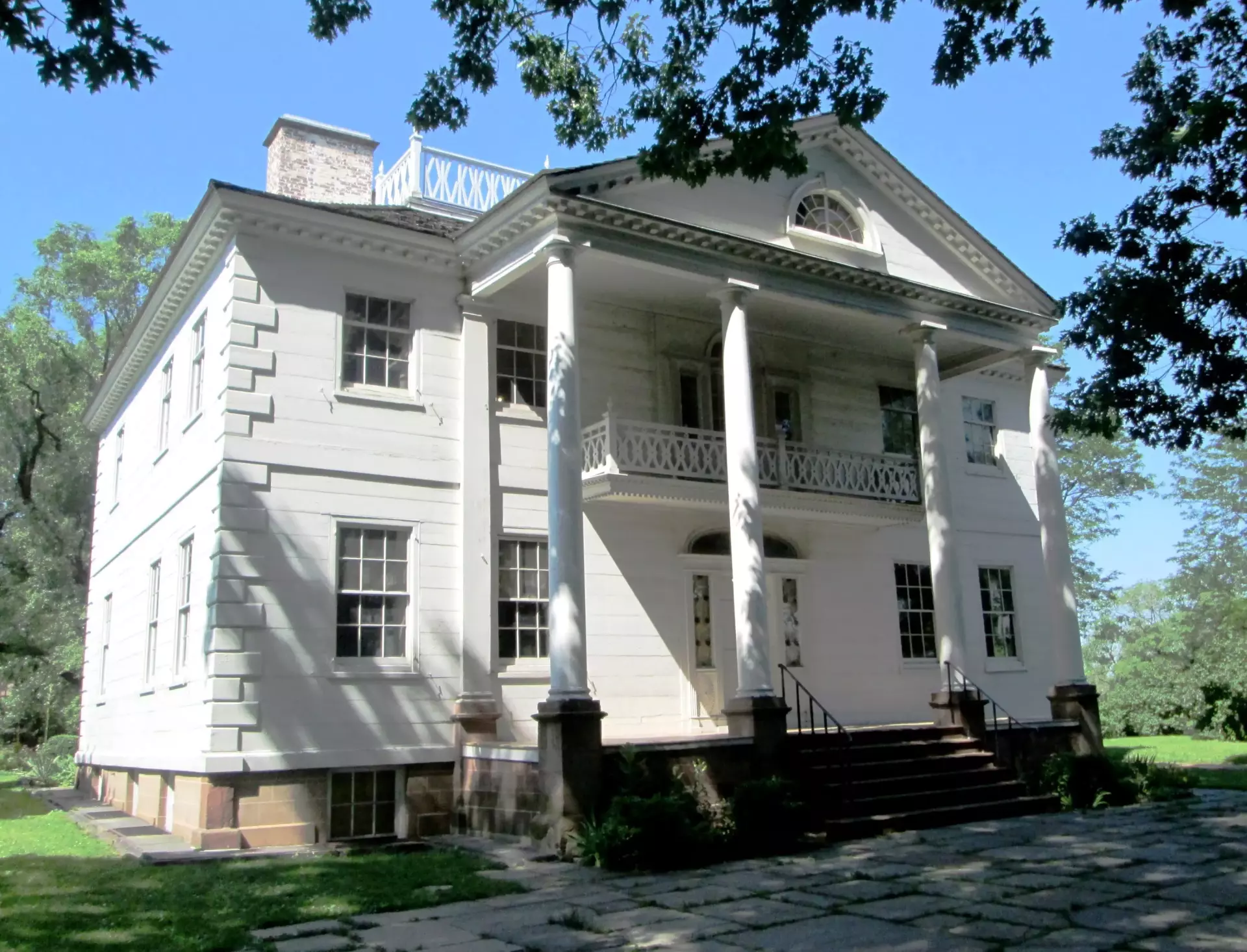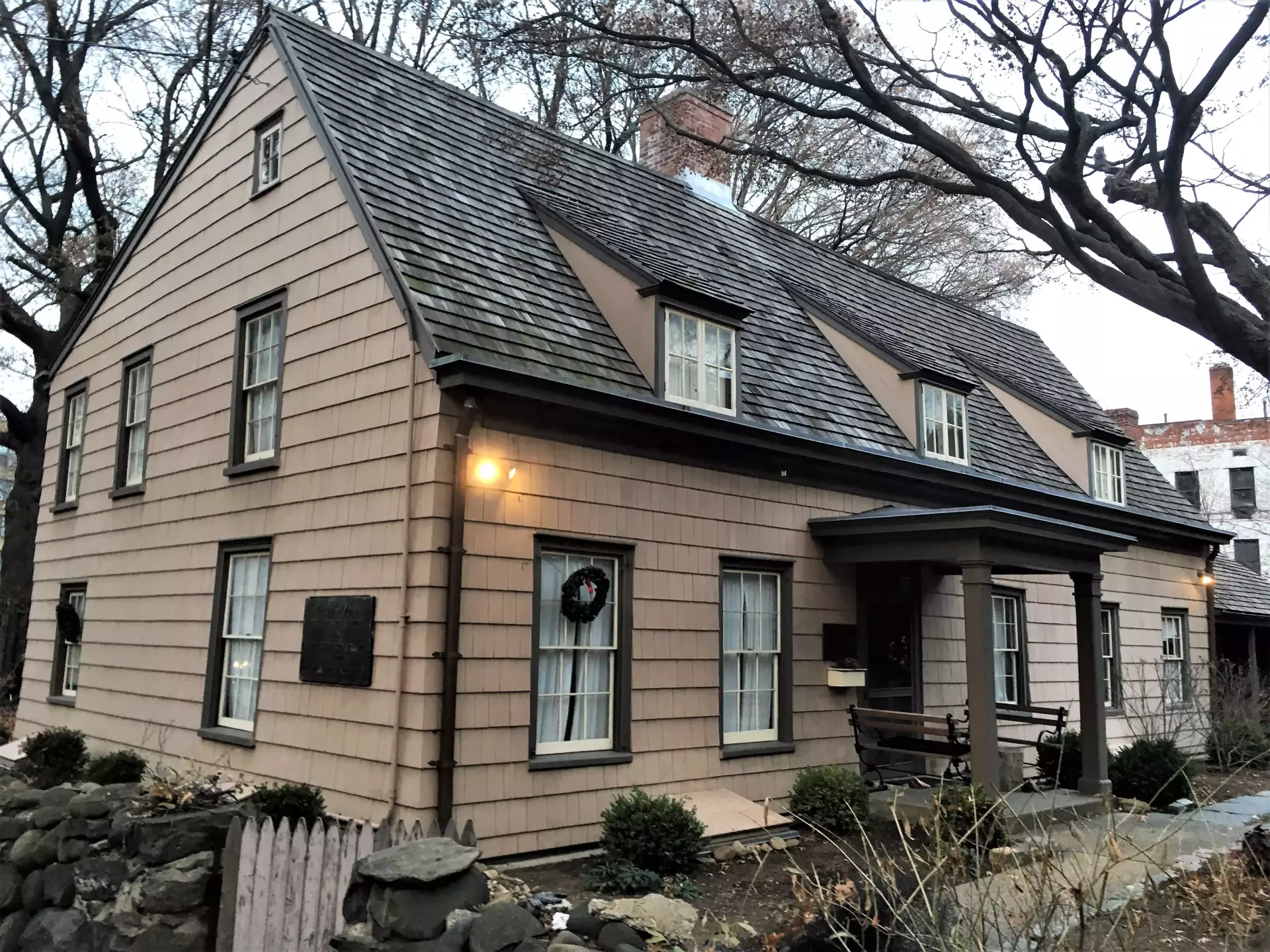
The John Bowne House, constructed in 1661, holds the title of the oldest building in Queens and stands as one of New York City's historic gems. Built by John Bowne, a Quaker, the house represents an important piece of American history connected to religious freedom and human rights. Bowne's commitment to advocating for religious tolerance would later be echoed in the Bill of Rights.
John Bowne wasn't the only family member committed to social causes. His great-grandson, Robert Bowne, played a crucial role in advocating for the abolition of slavery in America. This dedication to justice and equality continued through the generations, making the Bowne family a notable example of activism in American history.
The Bowne House served as the residence of many Bowne family generations up until 1945. At that point, it was donated and transformed into a museum. This conversion allowed for the preservation of its significant history and opened its doors to the public, offering visitors a unique glimpse into the past. The museum now serves as a testament to the Bowne family's enduring legacy and contributions to the nation's foundational principles.
Source - https://en.wikipedia.org/wiki/John_Bowne_House
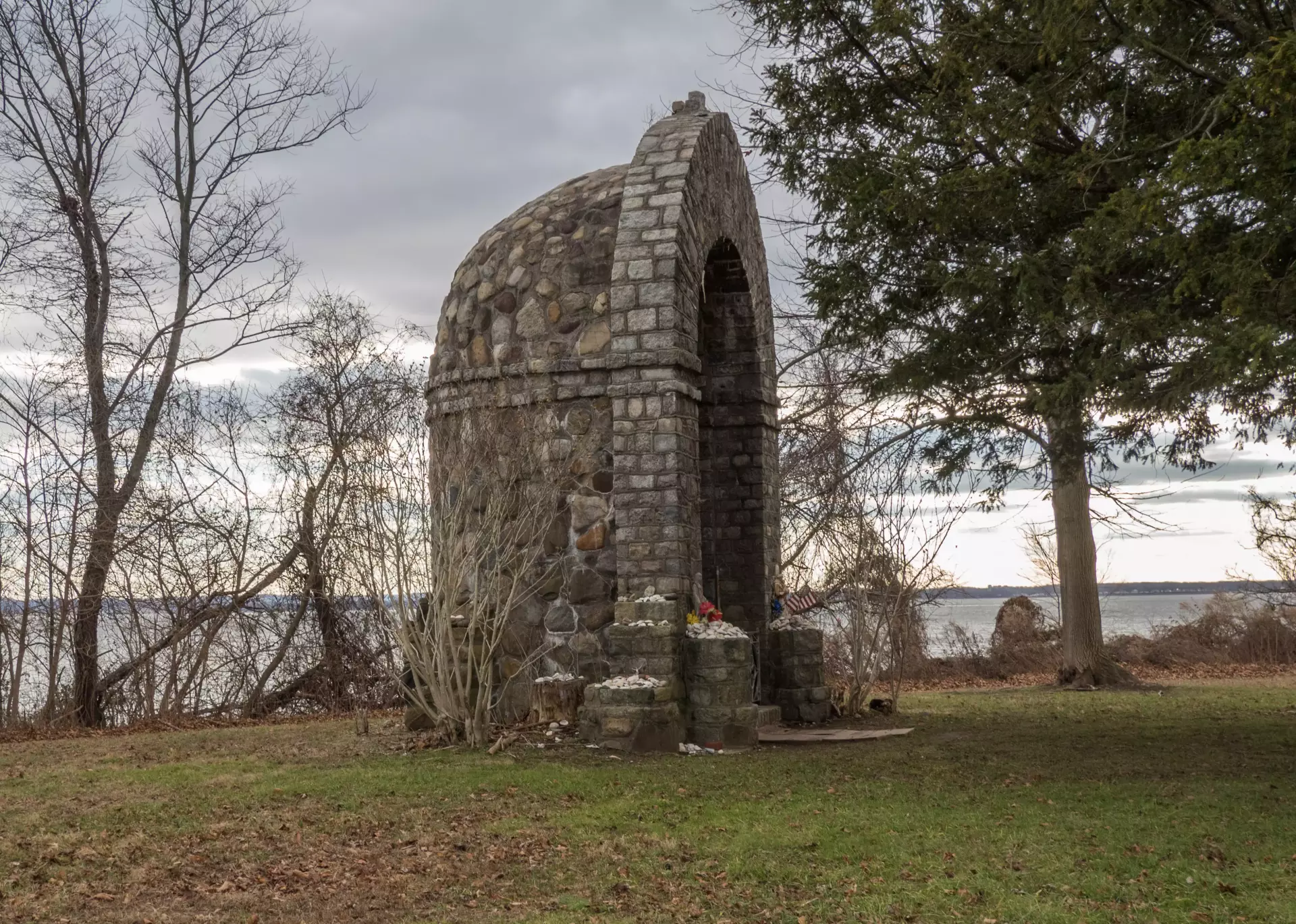
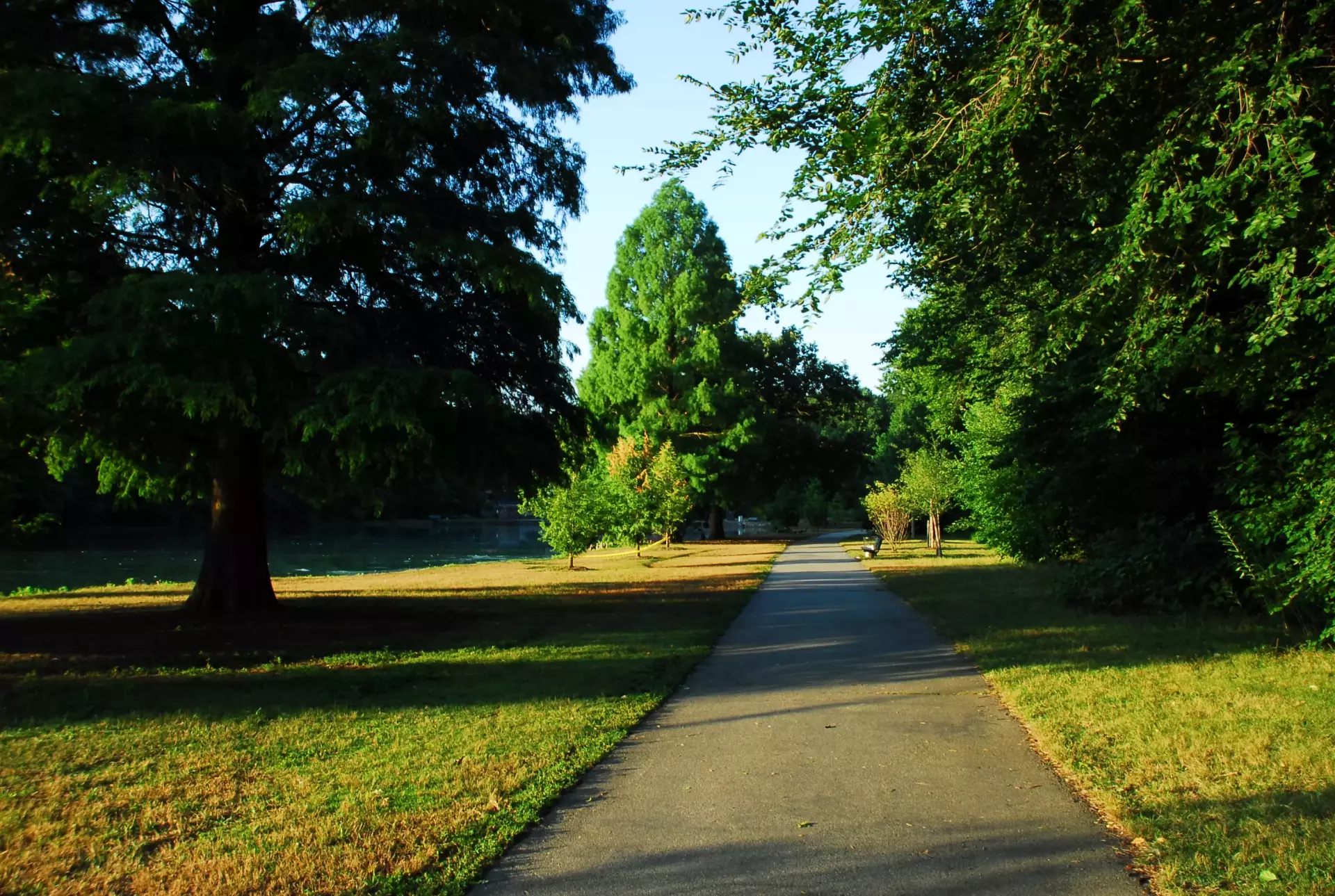
Inwood Hill Park contains the last tracts of virgin forest in Manhattan. Many arrowheads and other artifacts of the former Native American occupants of Manhattan Island have been found in this park.
The garden is 52 acres and the layout was well planned. It is definitely worth a visit. Designed by the Olmsted Brothers in 1910 and open to the public since 1911, the garden includes an authentic Japanese garden, a Children's Garden, and the Cranford Rose Garden. The garden has the largest cherry blossom trees in one place outside of Japan. There are 42 gorgeous varieties. The Brooklyn Botanic Garden hosts various festivities throughout the year, including Hanami Sakura in May and the Chile Pepper Festival in October.
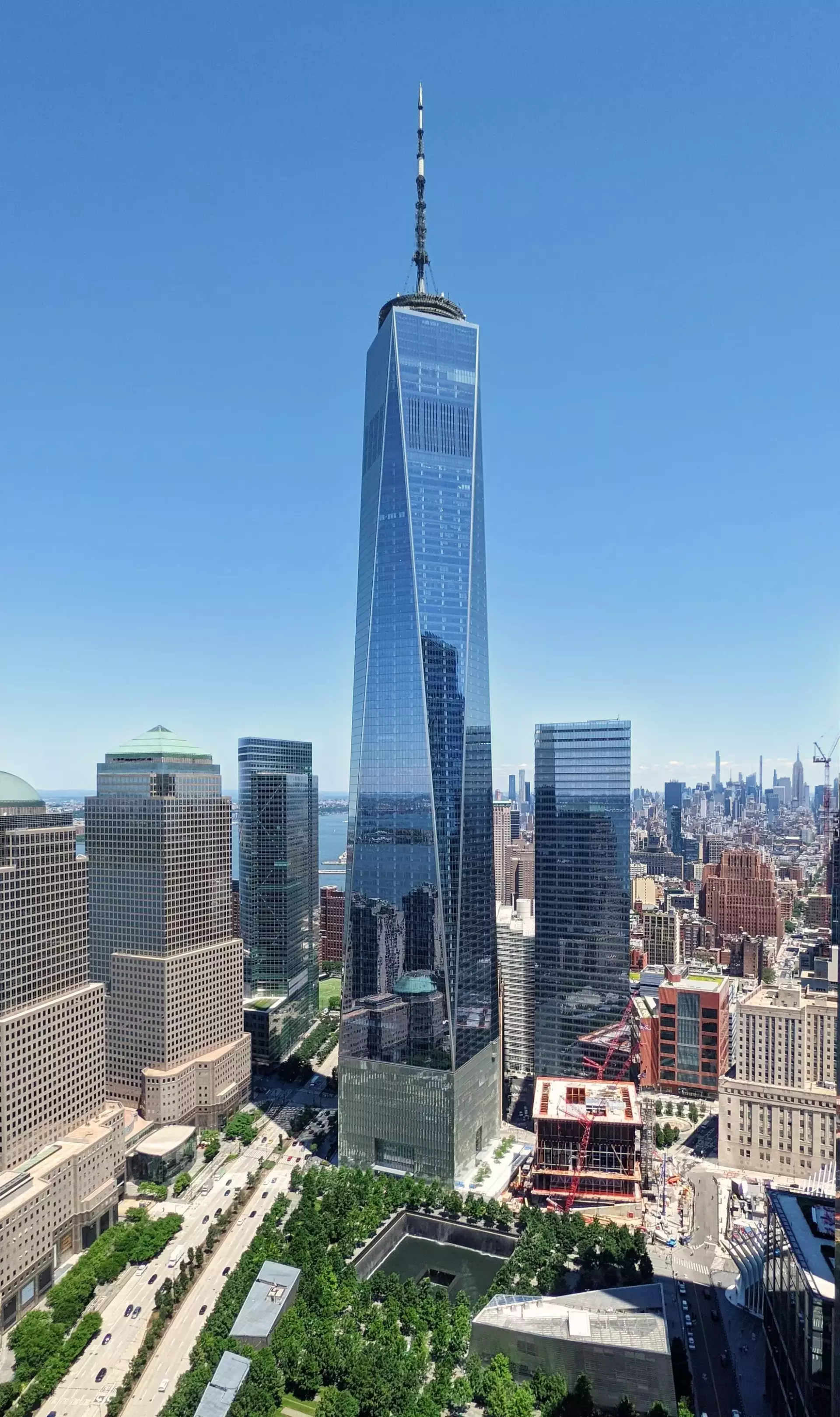
The One World Trade Center skyscraper rises 1,776 feet above the street and is the tallest building in the United States (and for that matter, the Western Hemisphere). Despite its colossal size, its simple design allows it to blend remarkably well into the Lower Manhattan skyline. An observation deck on the top floors offers 360-degree views of the city.
This pretty building was built as Brooklyn's city hall in 1851 and is still a very significant official building in very active use.
One of the most famous and iconic landmarks in the USA, if not the world. A gift from the people of France to celebrate the centennial of the United States, stands upon Liberty Island and is one of the most famous symbols of the nation and has been inscribed on the UNESCO World Heritage list. Upon departing the ferry, you can visit the Visitor Information Station, which has a schedule of the day's events. Visitors can also meet at the Liberty Island Flagpole (behind the statue) for a ranger-led tour of the island. You can also visit the monument lobby, museum (where you'll see various exhibits on the statue, the old torch, and the famous "New Colossus" sonnet), and outside to the promenade and Fort Wood (the 11-point star-shaped structure the statue stands upon). You can also take a trip to the pedestal observation deck (though not up into the statue itself, unless you have a Reserve with Crown ticket); visitors can look upward to view the interior of the statue (there are four marked viewing locations); and the pedestal observation deck provides a 360-degree view, which includes the New York City skyline. Security checks are rigorous, so travel as light as possible. Backpacks and other large bags are not permitted on the tours but can be stored in lockers for a fee. On busy days there may be long waits. Visitors with the Reserve with Crown ticket are allowed to climb up a circular staircase from the base of the statue to the crown, but tickets are very limited and should be reserved three or four months (up to one year) in advance. Children must be at least 4-feet tall, and must be able to walk up and down the stairs by themselves, and all ticket holders must show a photo ID to match the name on their tickets. The design of Lady Liberty's torch evokes the universal symbol of enlightenment, which lights the way to freedom, showing immigrants the path to liberty and justice.
Street built by architect Samuel Burrage Reed. A major mansion owned by circus entrepreneur Anthony Bailey - joined with showman Phineas T. Barnum in 1881 to form the Barnum & Bailey circus. Now Known to the children of Harlem as the Beauty and the Beast house.
A famous Ivy League college that has existed since British colonial times, when it was called King's College.
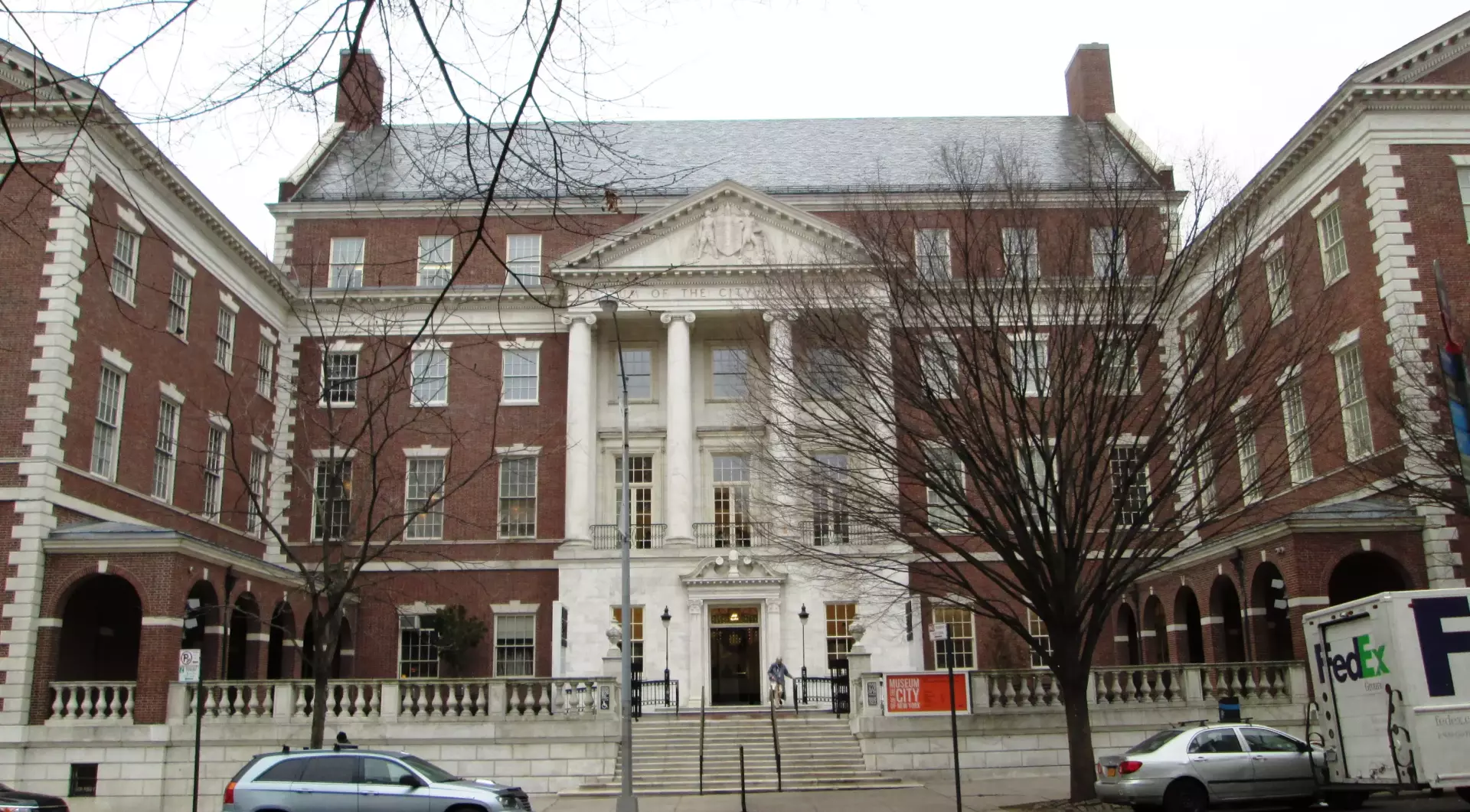
Containing artifacts spanning 4,000 years of art and Jewish culture, with a collection of 26,000 objects – paintings, sculpture, works on paper, photographs, archaeological artifacts, ceremonial objects and broadcast media. The museum also hosts the annual SummerNights concert series and the annual New York Jewish Film Festival.
On this site on April 30, 1789, George Washington stood on a balcony overlooking Wall Street and was inaugurated as the first president of the United States. The old building on the site had been used as New York's city hall and had hosted some of the first congregations of the colonies in the lead-up to the American Revolution, such as the Stamp Act Congress. After the revolution the building, now Federal Hall, briefly housed Congress, the Supreme Court, and Executive Branch offices before the national capital moved to Philadelphia. The current building dates to 1842 and was used first as a Customs House, then later the US Sub-Treasury (millions of dollars of gold and silver were kept in the basement vaults). Today the building is maintained by the National Park Service as a museum dedicated to the history of the site. Guided tours of the building are available, or you can just walk in and look up at the rotunda and view some of the artifacts, such as the bible Washington used in his inauguration ceremony.
is considered a symbol of Queens. It is a 140-foot (43-meter) tall globe with a fountain below. It is beautiful to look at. In 1939 and 1964, Flushing Meadows-Corona Park was the location of the World's Fair, and the Unisphere was built for the 1964 World's Fair.
Ellis Island was home to the nation's primary federal immigration station, with over 12 million immigrant steamship passengers passing through from its opening in 1892 to its closing in 1954. Today, over 40 percent of America's population can trace their ancestry through Ellis Island. The island is home to the American Family Immigration History Center, which contains manifests of 25 million immigrants, passengers, and crew members who entered New York Harbor. The Immigration museum at Ellis Islands has details about "Peopling of America" and if you are an avid history lover, this museum will need at least 3-4 hrs of your time. Since the ferry ride takes you to both Ellis Island as well as the Liberty Island, you will have to plan your day well.
Affiliated with Columbia, Teacher's College is an architectural gem with its block length Beaux Arts and neo-Gothic façades.
One of Brooklyn's most prized brownstone neighborhoods. It is predominantly residential, characterized by late 19th- and early 20th-century rowhouses with architectural significance. Street signs in the Historic District are brown rather than green.
Built in 1765, this is the oldest house on Manhattan Island. It served as George Washington's headquarters in 1776. Now a museum set on a 1.5-acre park, it features a decorative-arts collection representing the colonial and Revolutionary War periods. Washington's office is among the 12 restored rooms.
The only US museum devoted to Puerto Rican culture.