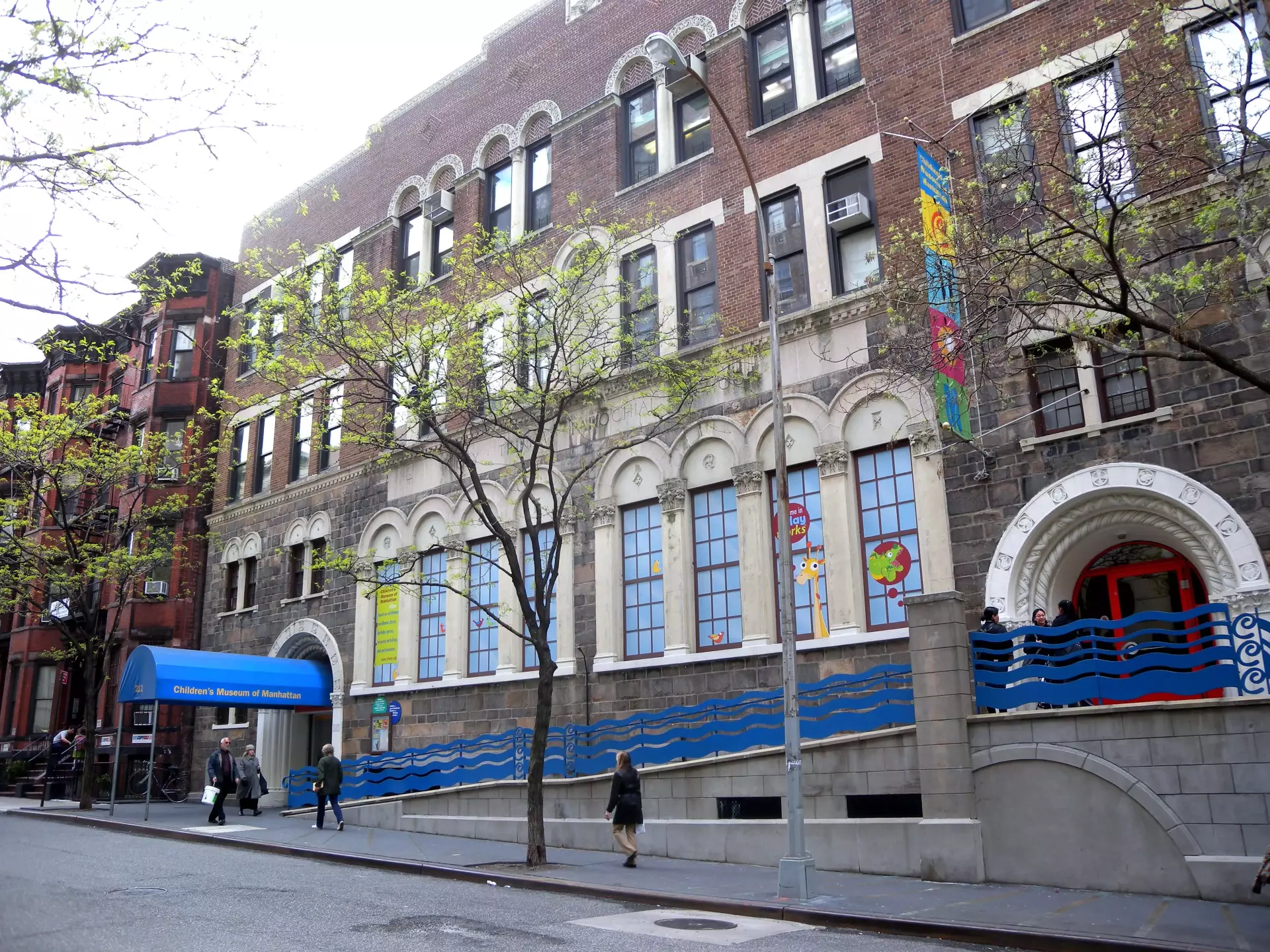
The Children's Museum of Manhattan is a place where young minds can explore and learn through play and imagination. One of the exciting features of this museum is its exhibits focused on popular characters like Dora the Explorer and Diego. These exhibits are designed to captivate children's attention and offer engaging, hands-on experiences.
Dora and Diego are well-known characters from children's television, beloved by kids for their adventurous spirit and problem-solving skills. At the museum, children have the opportunity to join Dora and Diego on their adventures, immersing themselves in interactive activities that encourage exploration and learning. The exhibits are thoughtfully crafted to provide educational experiences while keeping the fun factor high.
As children navigate through these exhibits, they are invited to solve puzzles, explore different environments, and use their creativity. The museum's goal is to create a space where learning feels like an exciting adventure, and with familiar faces like Dora and Diego, children are more likely to engage deeply with the activities.
Source - https://en.wikipedia.org/wiki/Children%27s_Museum_of_Manhattan
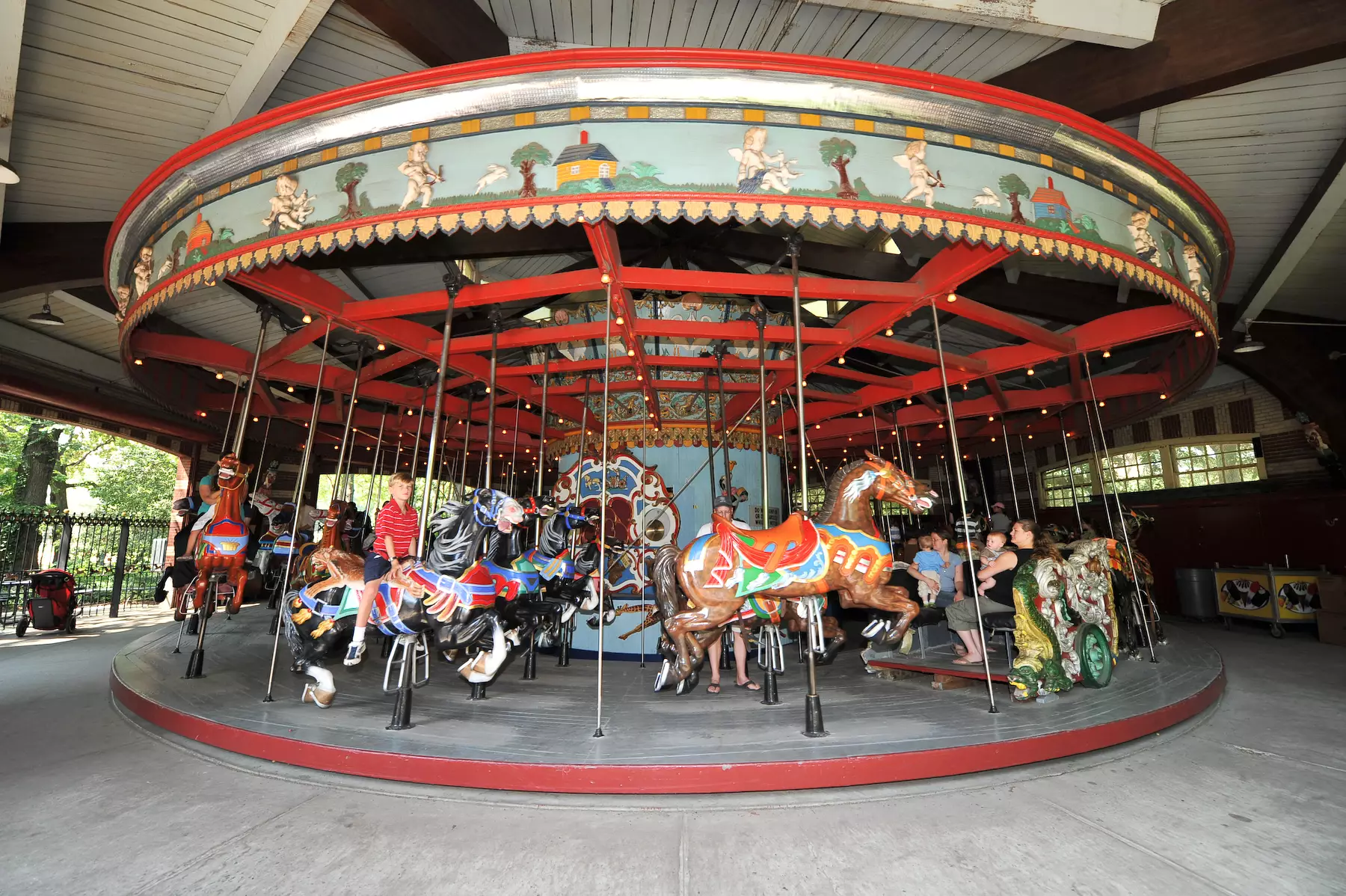
Established in 1867 and laid out by Olmsted and Vaux, the designers of Manhattan's Central Park.
A self supporting arm of the MTA, it is housed in the Subway's former Court Street Station, on a spur line from the current A and C lines. Closed to passengers in 1946, it was reopened in 1976 as the New York Transit Exhibit and was popular enough to be made permanent. The museum is made up of two underground levels: the Mezzanine, which hosts exhibits on the construction of the subway, surface transportation in New York, fare collection and rotating exhibits on various transit-related subjects; and the station platform, which houses about 20 retired subway cars dating as far back as 1903 and a working signal tower. The museum sponsors events throughout the year, including simple art projects, walking tours on the subway, and rides on the museums' fleet of retired trains. There is also an annex of the museum in Grand Central Station in Midtown Manhattan.
One of the foremost conservatories of those disciplines in the United States.
Large garden and arboretum featuring a variety of plants, and also a Victorian-style wedding garden.
Governors Island has a long military history, home to headquarters and military posts of the United States Army from 1794 until 1966, then a complex for the U.S. Coast Guard before becoming a historic district open to tours.
The garden is 52 acres and the layout was well planned. It is definitely worth a visit. Designed by the Olmsted Brothers in 1910 and open to the public since 1911, the garden includes an authentic Japanese garden, a Children's Garden, and the Cranford Rose Garden. The garden has the largest cherry blossom trees in one place outside of Japan. There are 42 gorgeous varieties. The Brooklyn Botanic Garden hosts various festivities throughout the year, including Hanami Sakura in May and the Chile Pepper Festival in October.
The former home of steel baron Henry Clay Frick, this sprawling mansion is filled with Frick's enormous personal art collection, displayed as he left it. It's worth a visit for the house alone, which is explained nicely in the audio tour. The collection is impressive, including works by Whistler, Corot, El Greco, Turner, Renoir and Rembrandt.
None of Central Park is actual virgin forest, but this is the closest any part of the park gets to feeling like genuine forest. It is beautiful and cool in hot weather. However, like a real forest, it is a mosquito habitat, so make sure to use insect repellent before walking through this part of the park.
One of New York's most beautiful parks, an expanse of rolling hills high above the Hudson, contains some of the highest natural elevations on the island and is a great place to picnic or stroll in good weather and look at the great views of the New Jersey Palisades across the river.
The first museum in the U.S. devoted to artists of African descent. Temporarily relocated from 144 W 125th St building for construction of new museum building.
Collection of more than 200 paintings of the artist, exhibited on three floors of a classic townhouse.
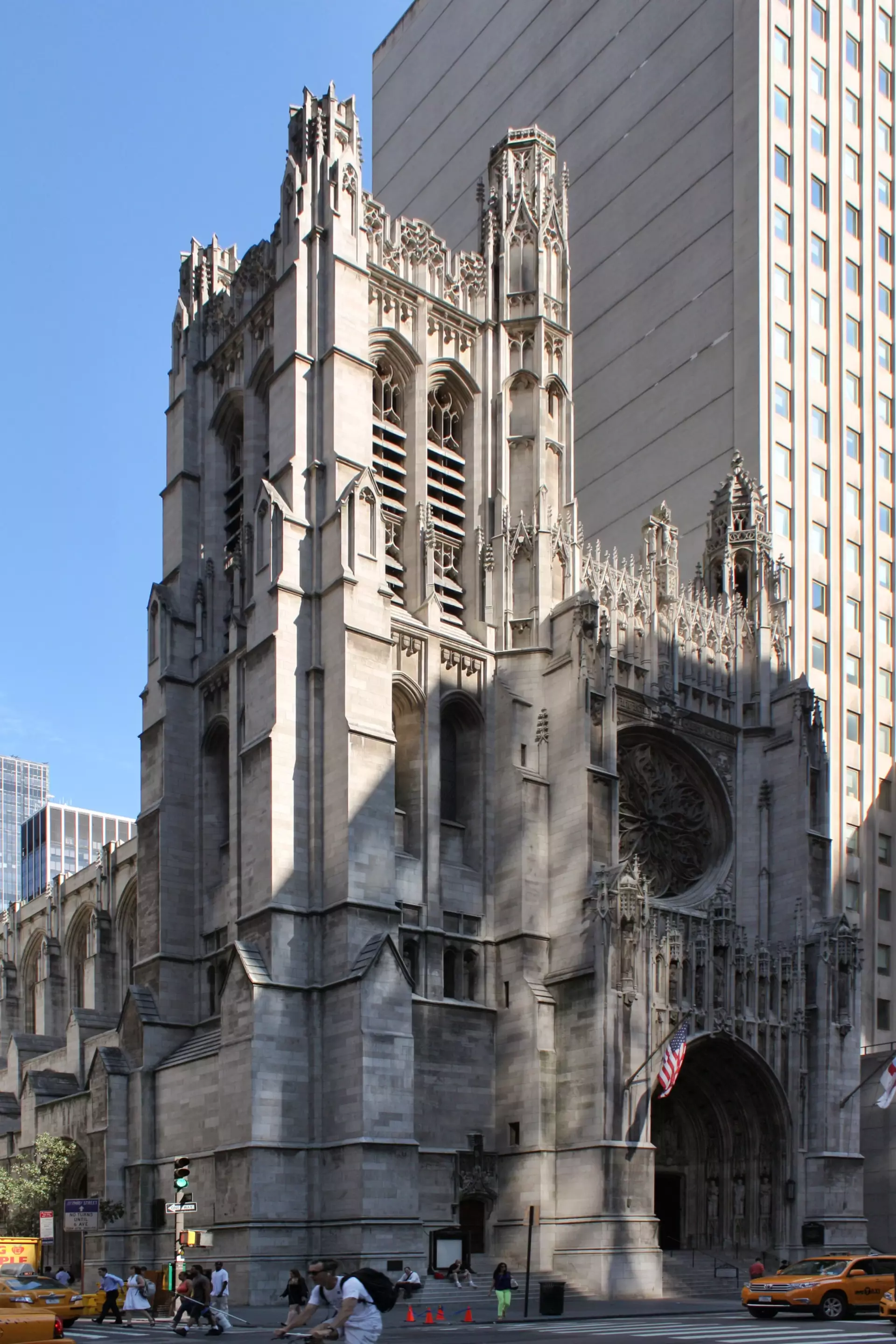
The interior of this Episcopal church is a peaceful place, and both the exterior and interior are architecturally harmonious and worth looking at if you are walking nearby.
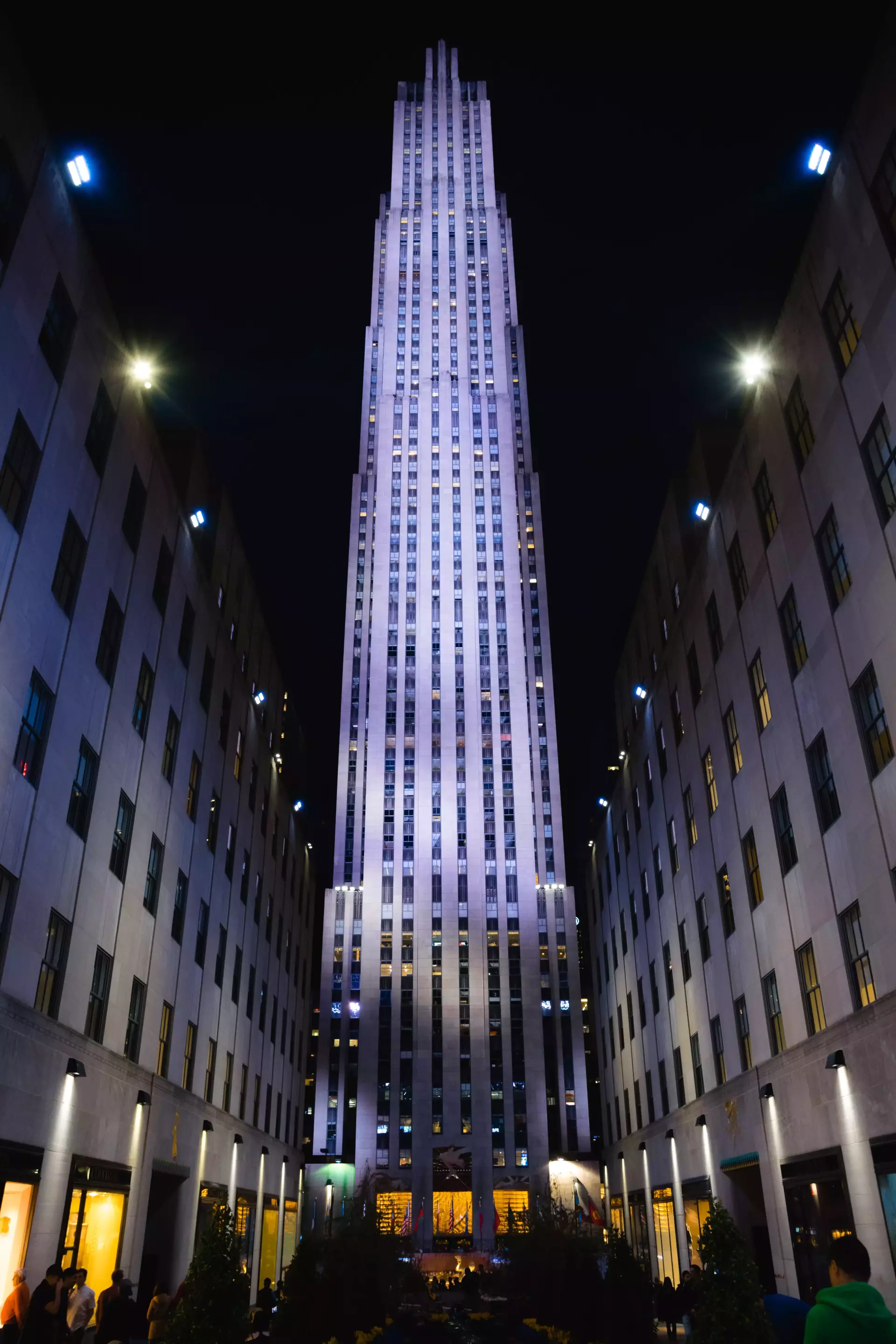
On the 70th floor of the Comcast Building (better known by some as "30 Rock") is this narrow observation deck, built to resemble the deck of a cruise ship. The deck affords uninterrupted views over Central Park to the north and across Midtown to the south.
The original subway station, and quite a marvel to witness--the chandeliers and ornate tiling are a sharp contrast to the nearby Brooklyn Bridge-City Hall station. There's one catch, though: it's been closed since 1945. However, you can see it by staying on the downtown 6 train after its last stop Brooklyn Bridge-City Hall; it will turn around in the old station. This is the one place in the system where this is allowed, and the announcements reflect that. The Transit Museum (in Downtown Brooklyn) offers occasional tours as well, which allow you to actually walk around the station, but you must be a museum member and a US citizen, making this an impractical choice for most visitors.
One of the most famous and iconic landmarks in the USA, if not the world. A gift from the people of France to celebrate the centennial of the United States, stands upon Liberty Island and is one of the most famous symbols of the nation and has been inscribed on the UNESCO World Heritage list. Upon departing the ferry, you can visit the Visitor Information Station, which has a schedule of the day's events. Visitors can also meet at the Liberty Island Flagpole (behind the statue) for a ranger-led tour of the island. You can also visit the monument lobby, museum (where you'll see various exhibits on the statue, the old torch, and the famous "New Colossus" sonnet), and outside to the promenade and Fort Wood (the 11-point star-shaped structure the statue stands upon). You can also take a trip to the pedestal observation deck (though not up into the statue itself, unless you have a Reserve with Crown ticket); visitors can look upward to view the interior of the statue (there are four marked viewing locations); and the pedestal observation deck provides a 360-degree view, which includes the New York City skyline. Security checks are rigorous, so travel as light as possible. Backpacks and other large bags are not permitted on the tours but can be stored in lockers for a fee. On busy days there may be long waits. Visitors with the Reserve with Crown ticket are allowed to climb up a circular staircase from the base of the statue to the crown, but tickets are very limited and should be reserved three or four months (up to one year) in advance. Children must be at least 4-feet tall, and must be able to walk up and down the stairs by themselves, and all ticket holders must show a photo ID to match the name on their tickets. The design of Lady Liberty's torch evokes the universal symbol of enlightenment, which lights the way to freedom, showing immigrants the path to liberty and justice.
An elevated walkway and jetty provides access to the only natural salt marsh remaining in Manhattan, and expansive views of the Hudson River and the cliffs of Spuyten Duyvil in the Bronx across the river.
With New York City growing and not enough space in the City Hall building, this 40-story structure was built to meet the space demands of the city government. Completed in 1915, it is a massive and very grand building with the gilded statue of a woman standing atop the building's spire.