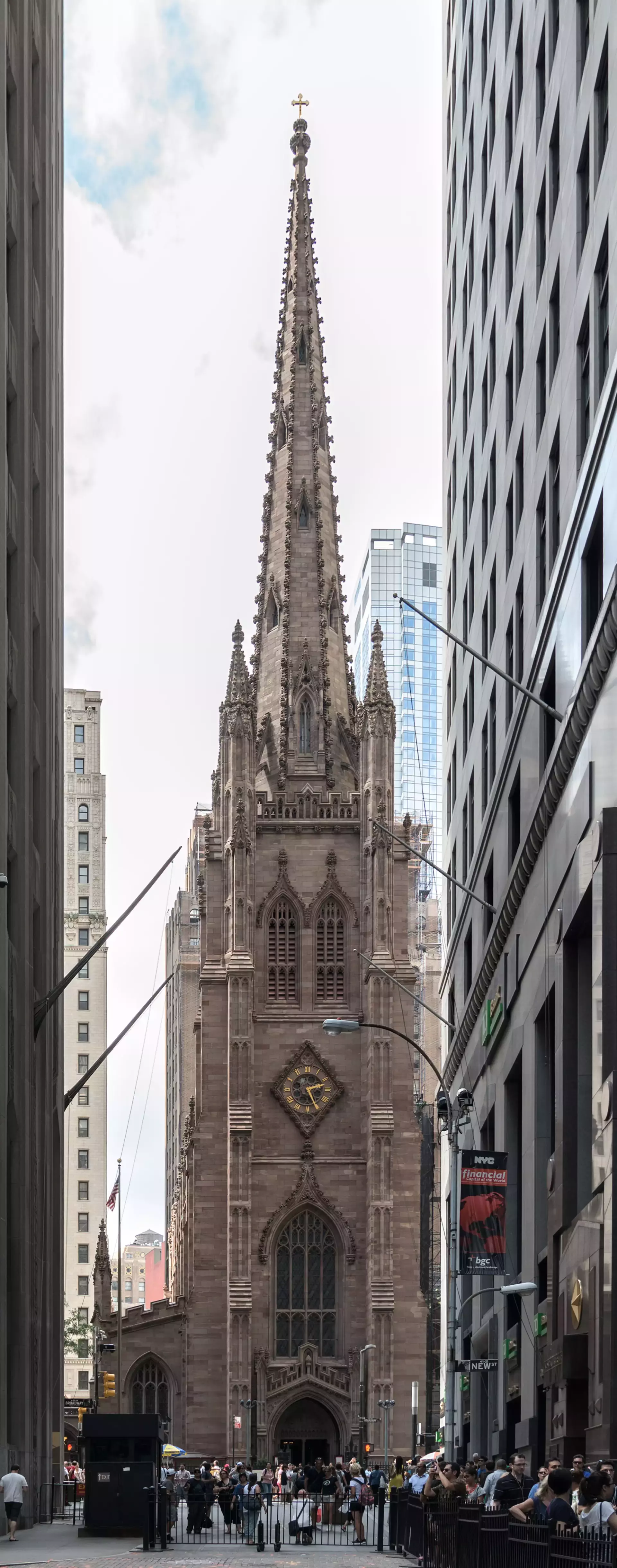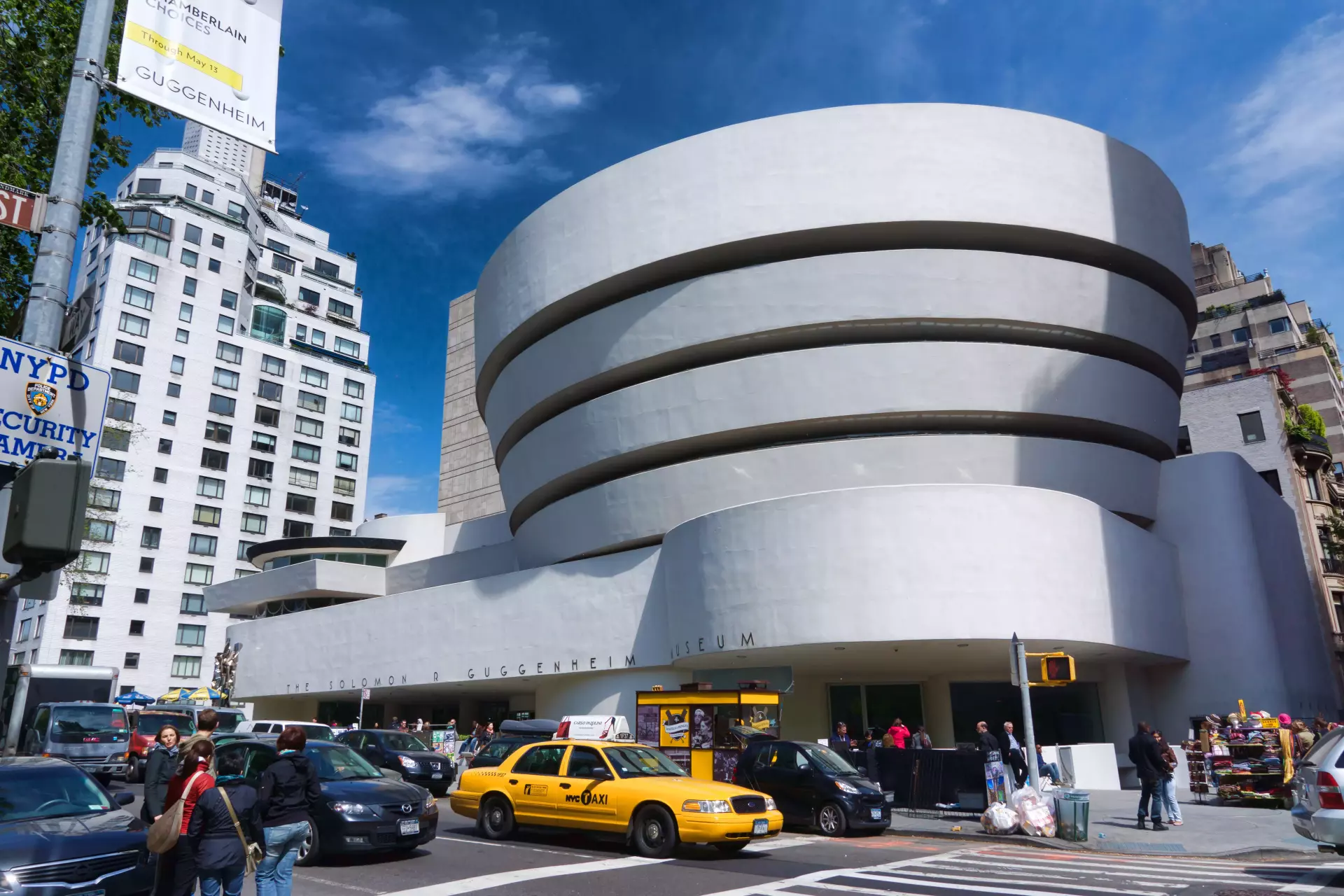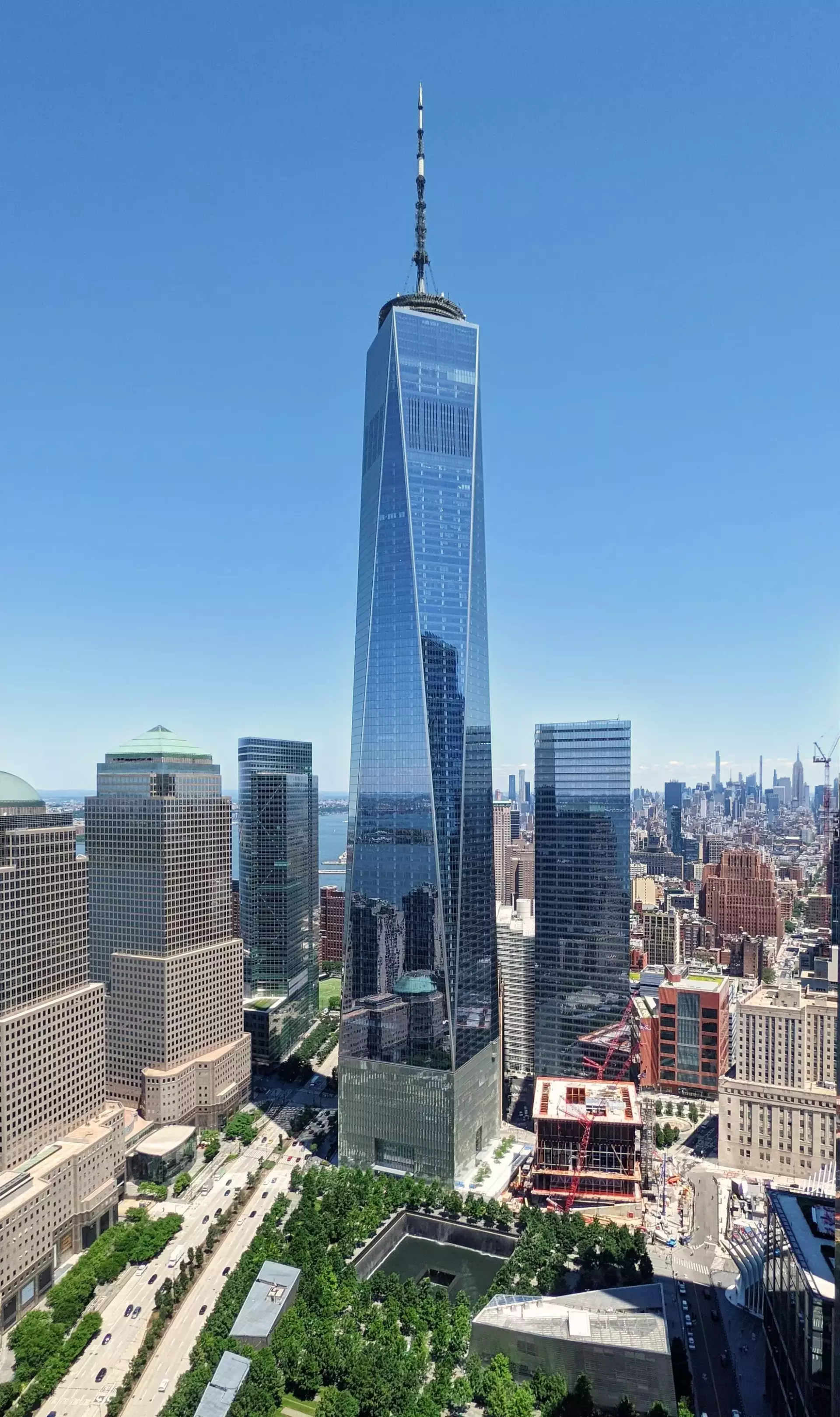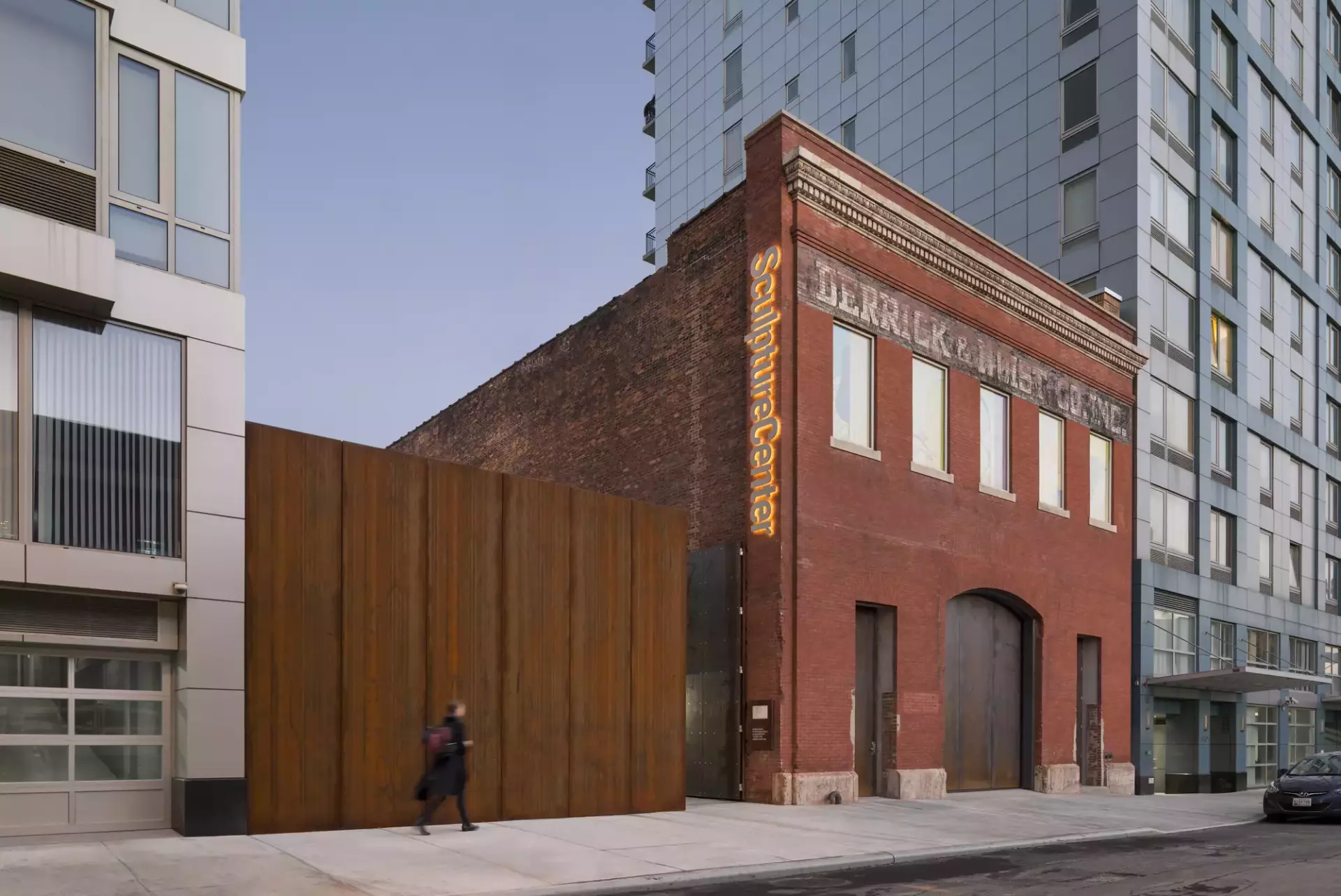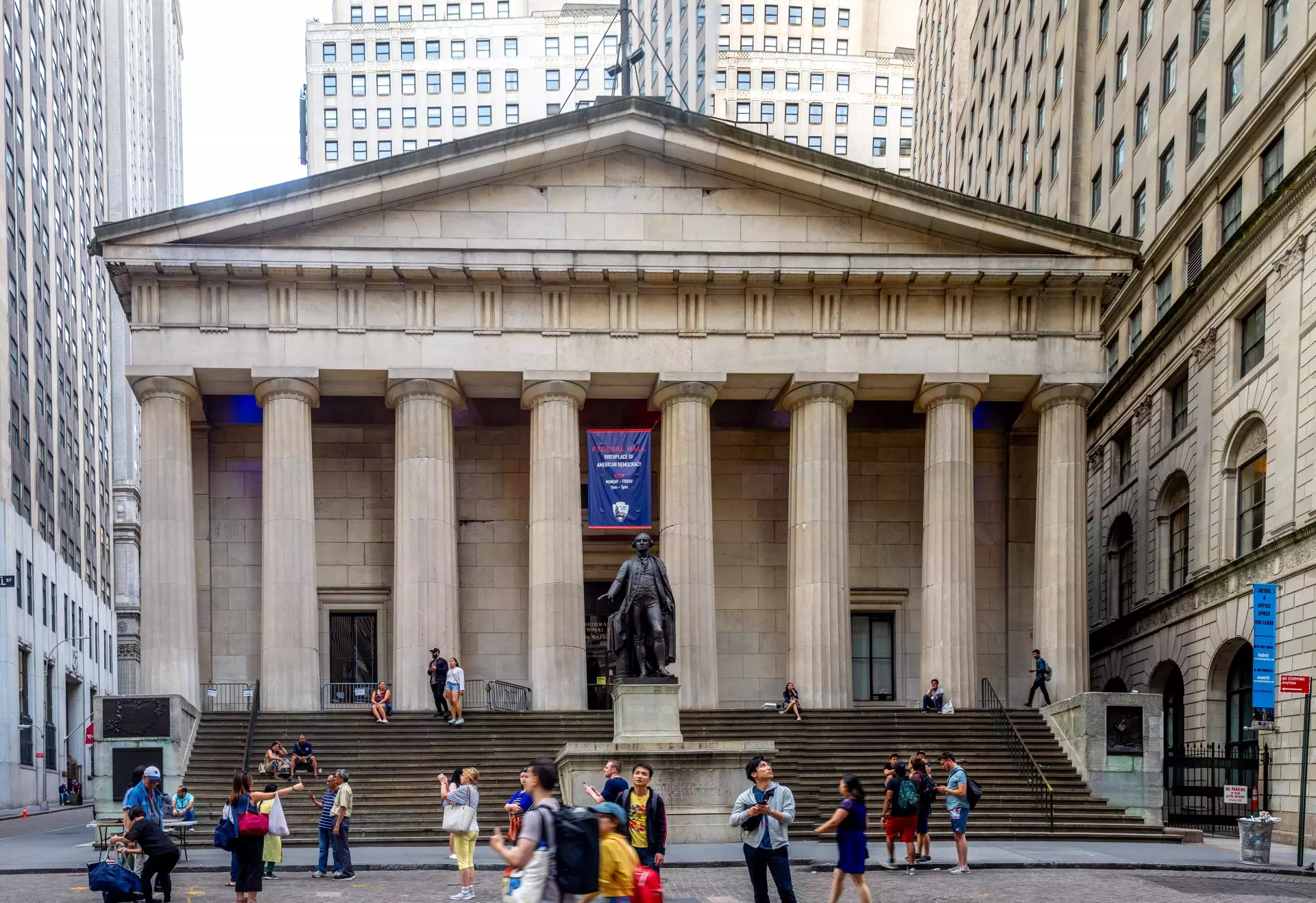
On April 30, 1789, a pivotal moment unfolded on Wall Street as George Washington took the oath of office, becoming the first President of the United States. This momentous event took place on a balcony of what was then New York's city hall, a building rich with historical significance. Before its transformation into Federal Hall, this structure played a crucial role in the early gatherings of colonial leaders, including the Stamp Act Congress, which paved the way for the American Revolution.
After the Revolution, the building took on new importance as Federal Hall. For a brief period, it was the heart of the newly established government, housing Congress, the Supreme Court, and Executive Branch offices. However, this era came to an end when the national capital was moved to Philadelphia, leaving behind a legacy of historical moments within its walls.
The present-day structure dates back to 1842 and has undergone several transformations. Initially serving as a Customs House, it later became the US Sub-Treasury, with its basement vaults safeguarding millions of dollars in gold and silver. Today, the building is under the care of the National Park Service and functions as a museum dedicated to preserving the rich history of the site.
Visitors to Federal Hall can step back in time by taking guided tours or simply wandering through the halls. One of the highlights is the rotunda, an architectural marvel that captivates all who enter. Among the artifacts on display is the Bible used by Washington during his inauguration, a tangible link to the past that offers insight into the birth of a nation.
Source - https://en.wikipedia.org/wiki/Federal_Hall
This beach is a pleasant place to relax. The water is safe enough to swim in, but it's not the best you can get (you'd get a better deal down the Jersey Shore or on Long Island). The boardwalk, one of the longest in the United States, is great for running or biking.
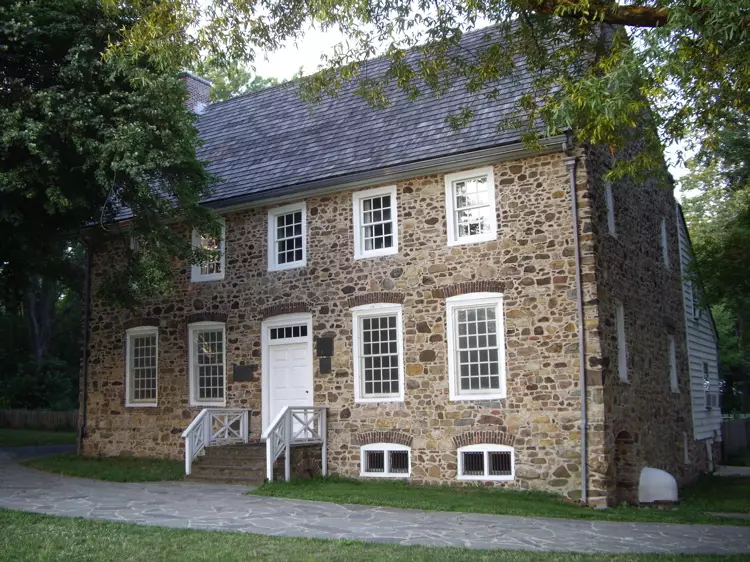
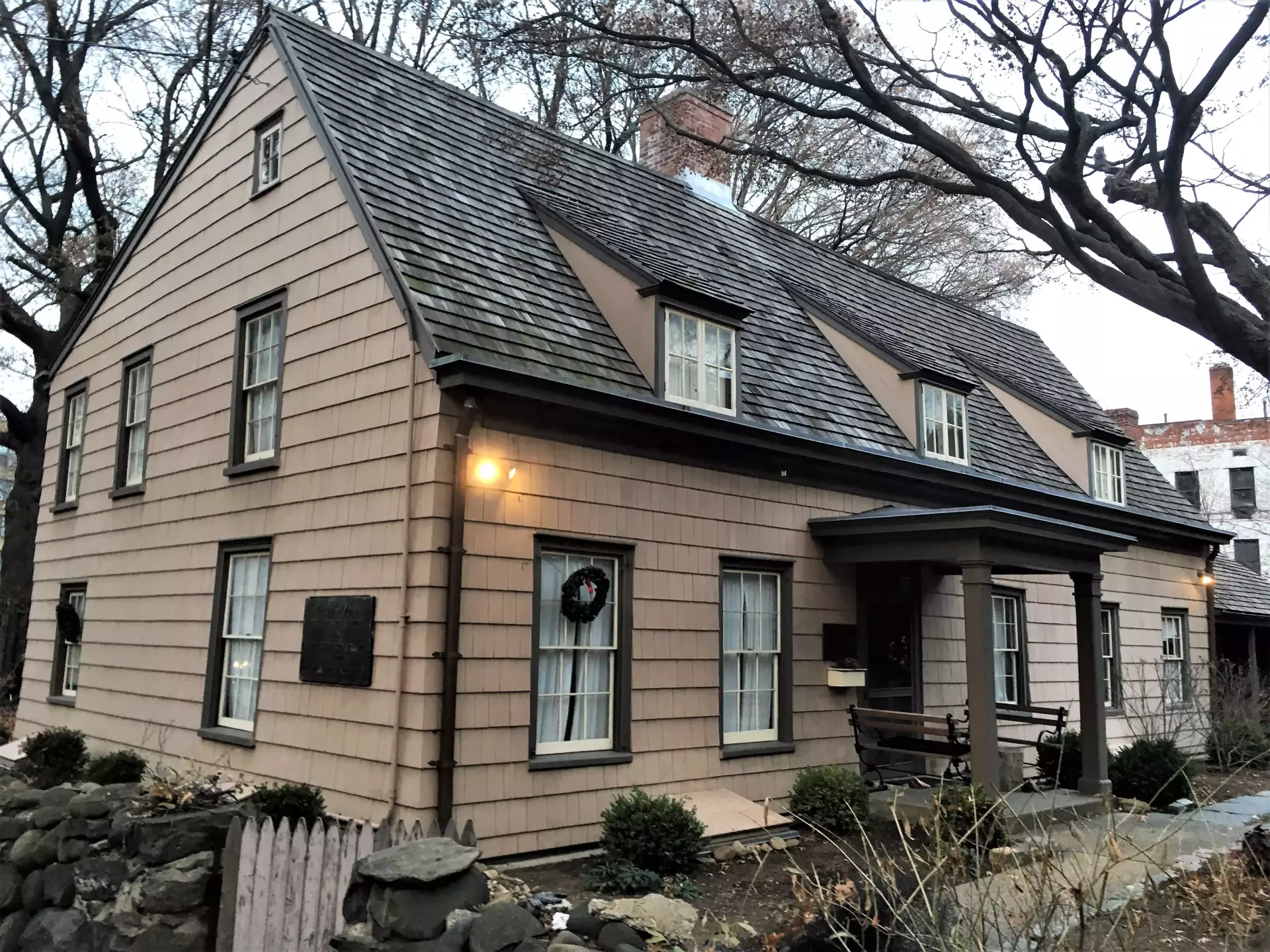
The former residence of William Dyckman, who owned several hundred acres of farmland covering much of what is now Inwood and Washington heights. Nestled incongruously at the otherwise unremarkable corner of 204th and Broadway, the farmhouse has been converted into a small museum of life in early Manhattan and hosts various programs for the neighborhood. The "Hessian Huts" in the back yard are a leftover from the British occupation of Manhattan during the Revolutionary War!
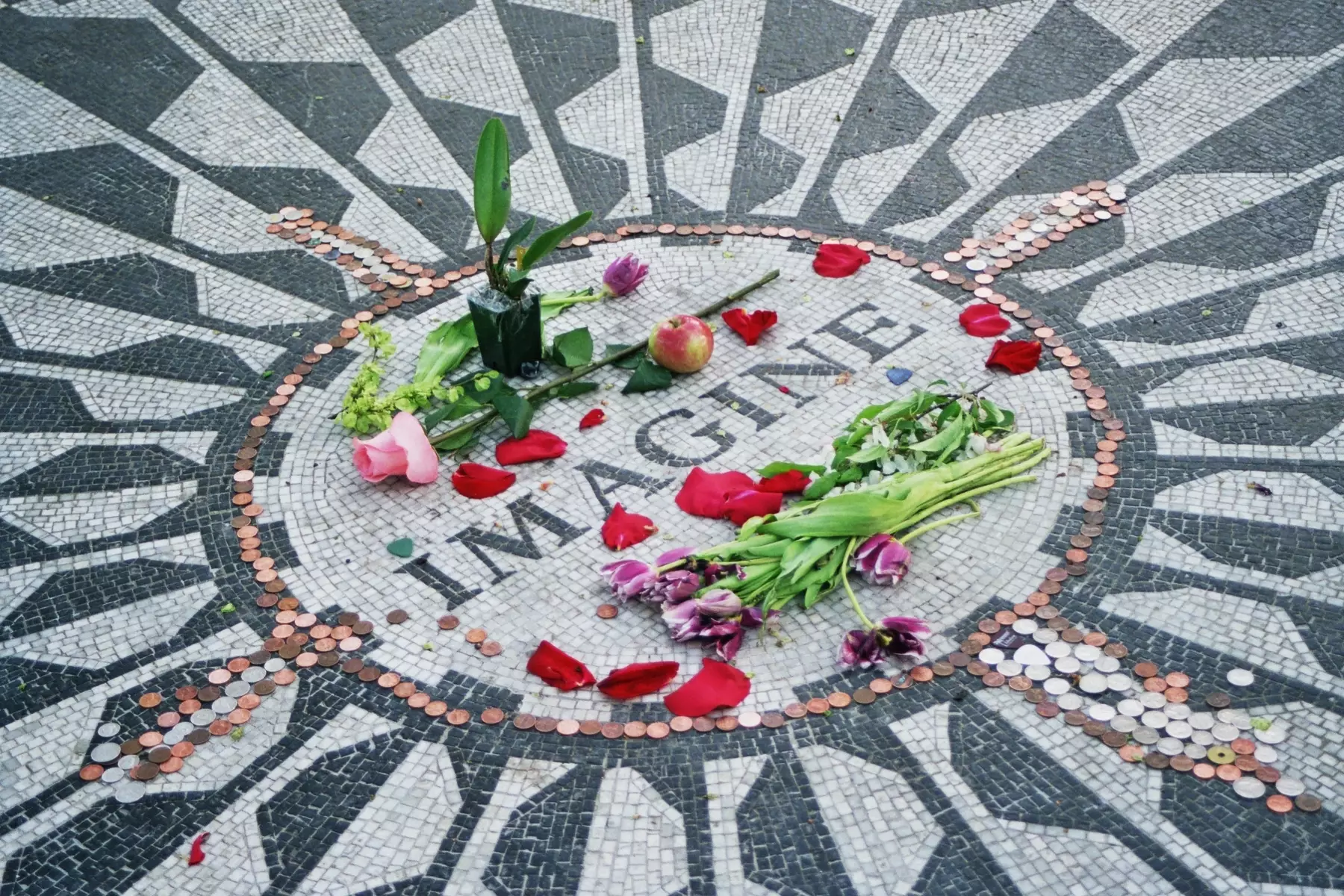
This massive apartment building has been (and is!) home to many celebrities. Probably best known was the former Beatle John Lennon, who was gunned down outside the building on December 8, 1980, by a crazed fan. Lennon had been living at the Dakota with his second wife, Yoko Ono, who still resides in the building. A memorial to the former Beatle exists nearby in Central Park. The building has become a popular place of pilgrimage for many who admire Lennon.
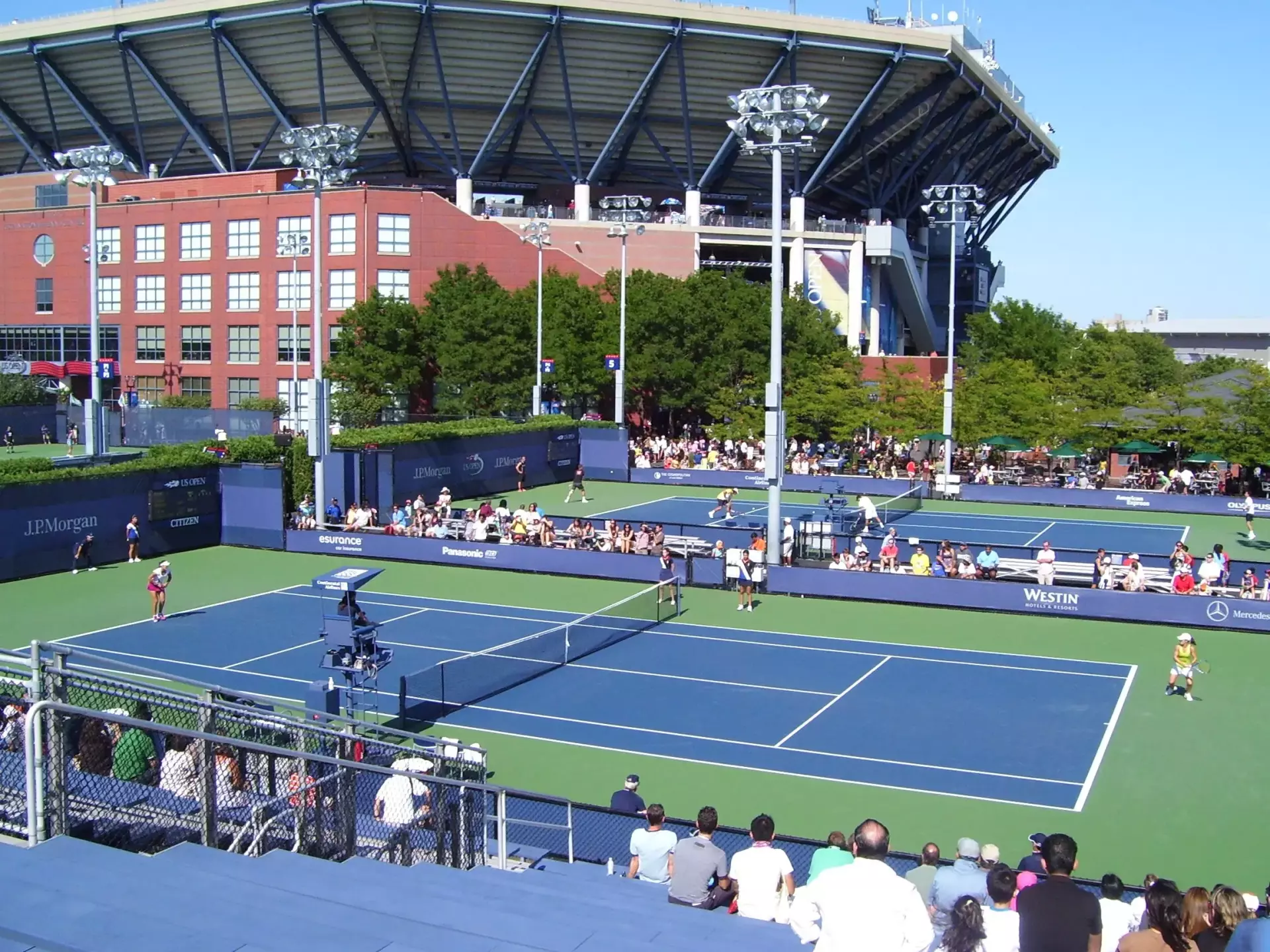
Home of the US Open and also the largest public tennis facility in the world. It features 3 stadium courts, 9 indoor courts, and 14 outdoor courts that are available to the public year-round.
The only US museum devoted to Puerto Rican culture.
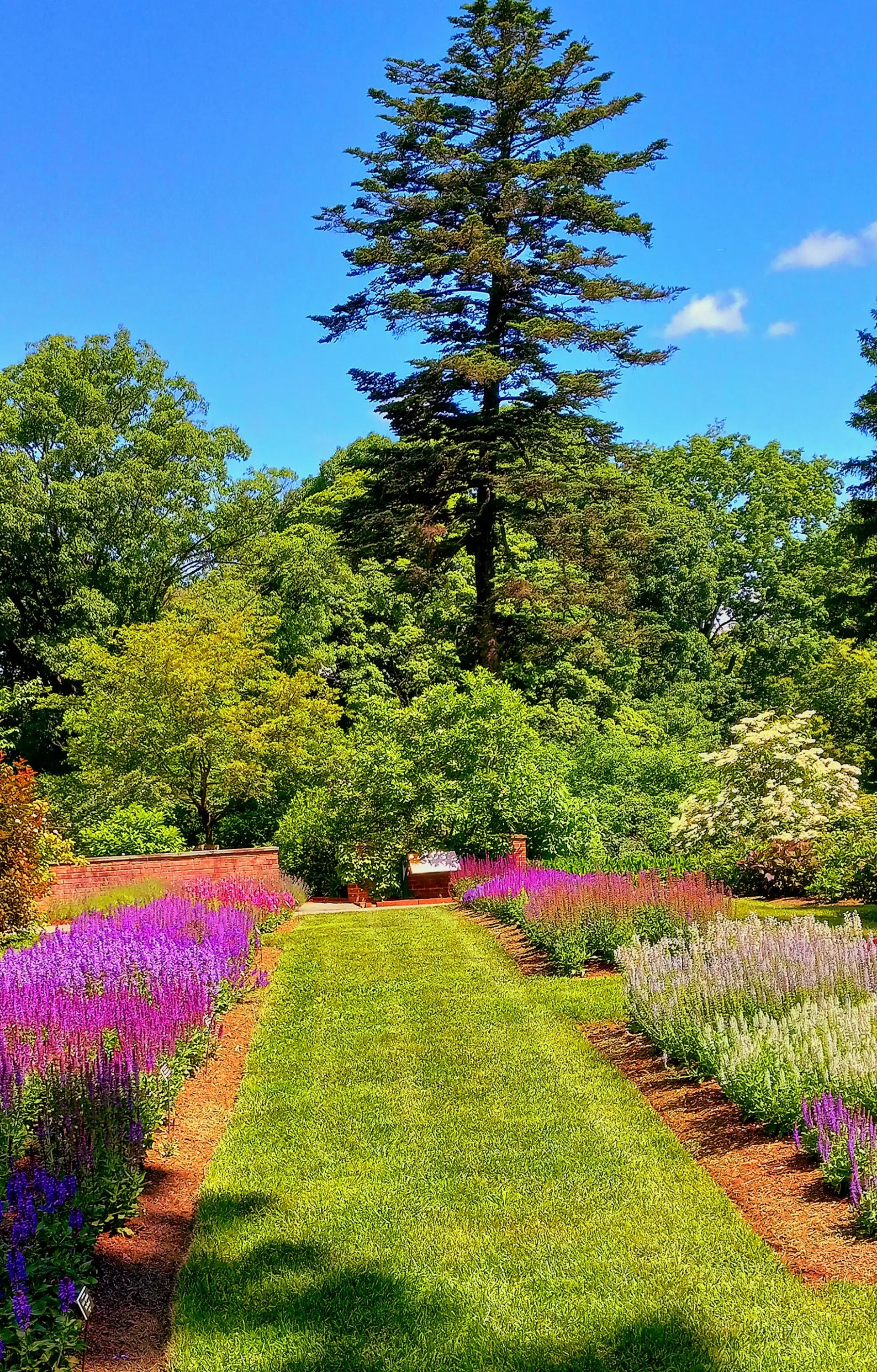
Large garden and arboretum featuring a variety of plants, and also a Victorian-style wedding garden.
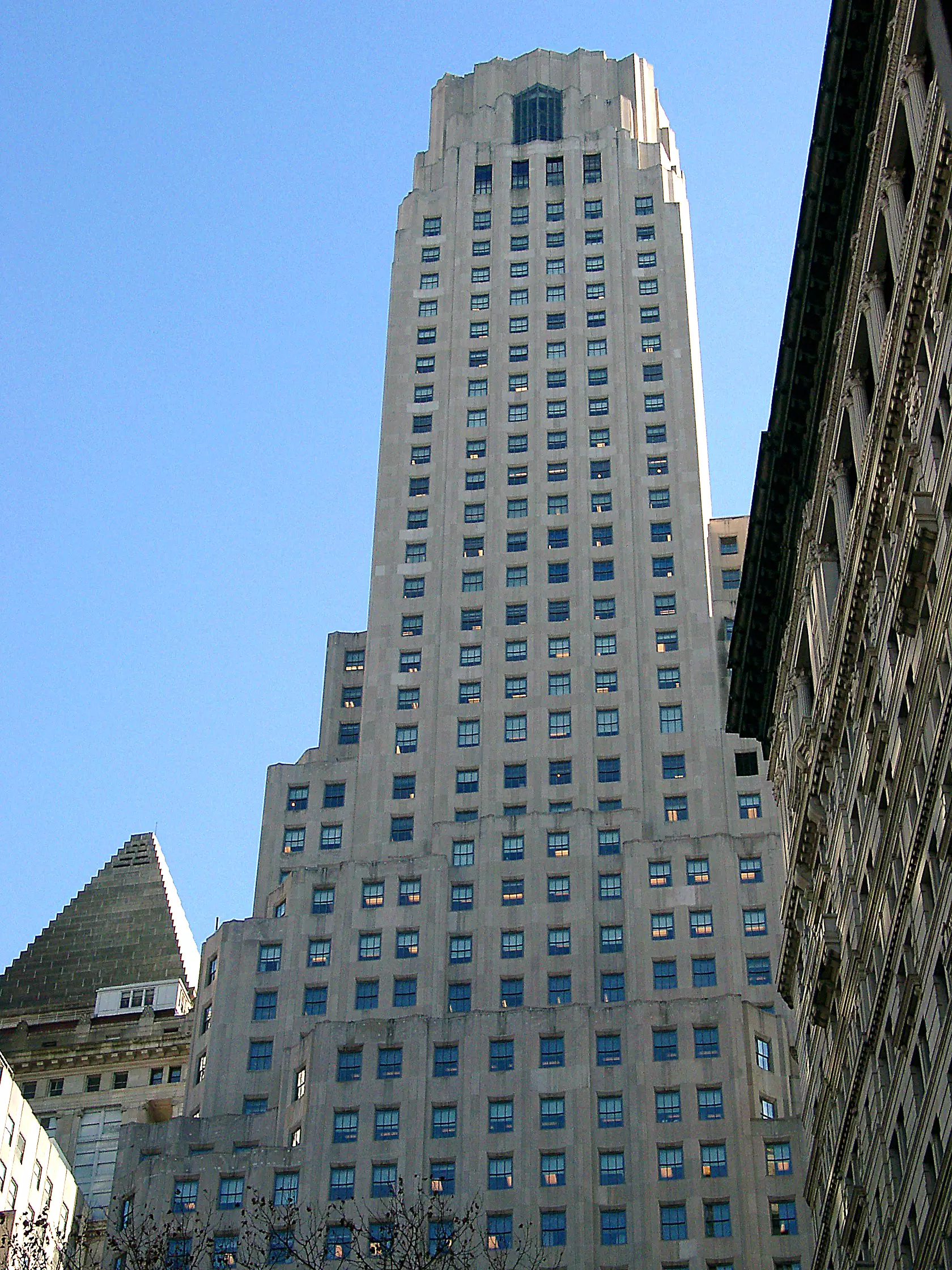
Exhibits on the history of highrise and skyscraper construction.
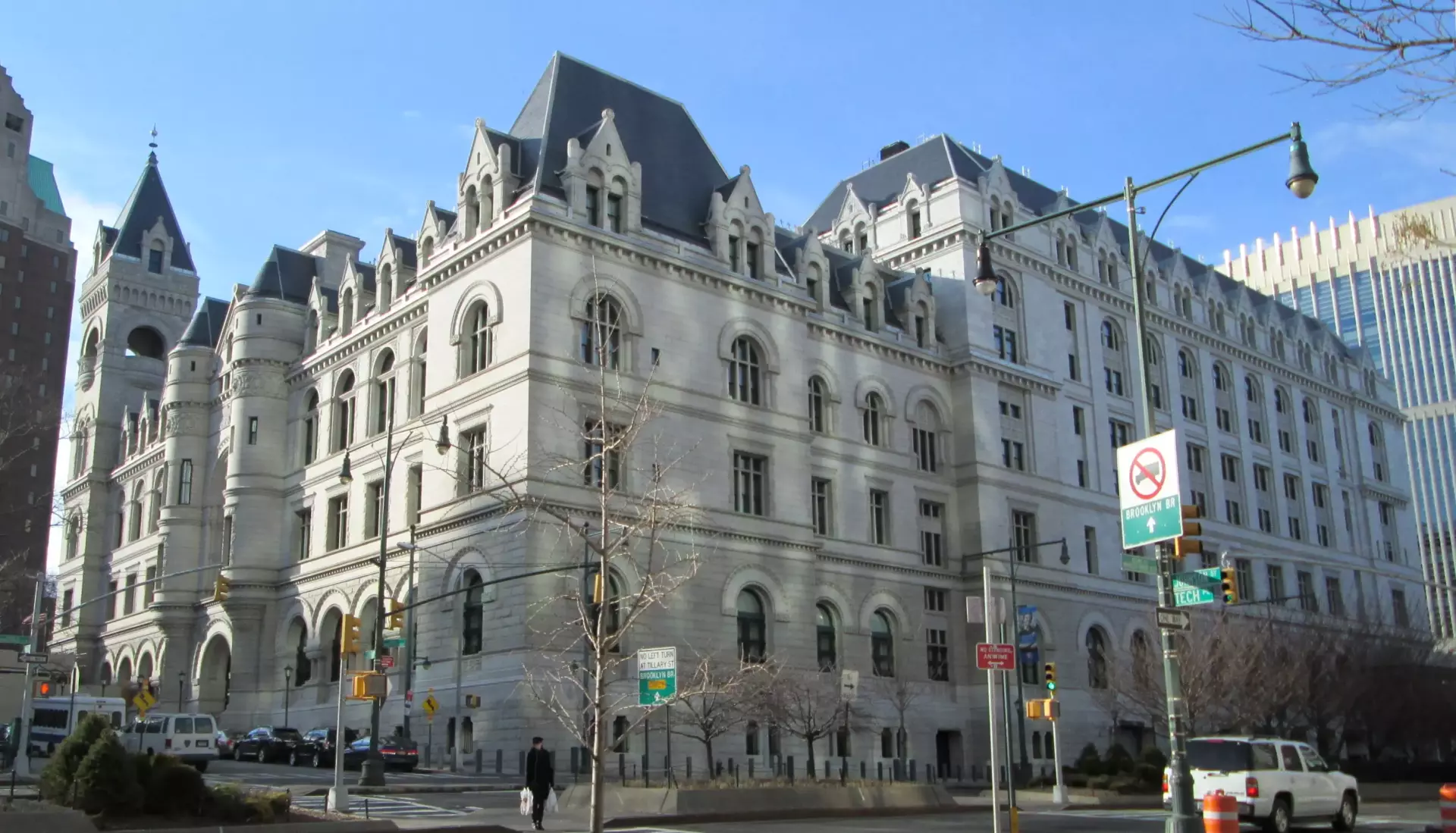
This pretty building was built as Brooklyn's city hall in 1851 and is still a very significant official building in very active use.
On the site of the former World Trade Center towers, the memorial consists of two enormous waterfalls and reflecting pools set within the footprints of the twin towers, lined with bronze panels with the names of the nearly 3,000 victims of that fateful day inscribed. The surrounding plaza holds a grove of trees. The museum, which sits underground right next to the memorial, contains exhibits which explain the events of 9/11 and their aftermath, with remnants of the original towers and artifacts from that day. If you see a white rose on one of the names, it's because today is that victim's birthday.
One of the most famous and iconic landmarks in the USA, if not the world. A gift from the people of France to celebrate the centennial of the United States, stands upon Liberty Island and is one of the most famous symbols of the nation and has been inscribed on the UNESCO World Heritage list. Upon departing the ferry, you can visit the Visitor Information Station, which has a schedule of the day's events. Visitors can also meet at the Liberty Island Flagpole (behind the statue) for a ranger-led tour of the island. You can also visit the monument lobby, museum (where you'll see various exhibits on the statue, the old torch, and the famous "New Colossus" sonnet), and outside to the promenade and Fort Wood (the 11-point star-shaped structure the statue stands upon). You can also take a trip to the pedestal observation deck (though not up into the statue itself, unless you have a Reserve with Crown ticket); visitors can look upward to view the interior of the statue (there are four marked viewing locations); and the pedestal observation deck provides a 360-degree view, which includes the New York City skyline. Security checks are rigorous, so travel as light as possible. Backpacks and other large bags are not permitted on the tours but can be stored in lockers for a fee. On busy days there may be long waits. Visitors with the Reserve with Crown ticket are allowed to climb up a circular staircase from the base of the statue to the crown, but tickets are very limited and should be reserved three or four months (up to one year) in advance. Children must be at least 4-feet tall, and must be able to walk up and down the stairs by themselves, and all ticket holders must show a photo ID to match the name on their tickets. The design of Lady Liberty's torch evokes the universal symbol of enlightenment, which lights the way to freedom, showing immigrants the path to liberty and justice.
Holding a remarkably large collection, each of the 5 floors of this massive building has expansive and well-designed exhibits devoted to astronomy, biology, geology, anthropology, climatology, and paleontology. You will want to allow a full day if you hope to see the entirety of the museum. Some of the highlights are the Rose Center for Earth and Space on the northeast corner of the building, which contains a seven-story glass cube holding the Hayden Planetarium, a huge sphere suspended above the exhibit halls below and holding a "cosmic pathway" exhibit; the numerous habitat diorama halls on the first, second and third floors, with recreations of African, Asian, North American, and ocean plants and animals, including a full-size model of a Blue Whale suspended above the Ocean Life Hall; a Hall of Minerals and Gems, which contains many rare and beautiful specimens, including the largest star sapphire in the world and a chunk of a massive meteorite; extensive anthropology halls on the first, second, and third floors, with exhibits devoted to people of Asia, Africa, Central America, the Pacific, and Native Americans; and the natural history halls on the fourth floor, with one of the largest collections of dinosaur skeletons in the world.
A place filled with video screens, LED signs, and flashing lights; a world wonder or a tourist nightmare depending on your perspective, the "new" Times Square is a family-friendly theme park of themed restaurants, theaters and hotels, as well as a developing business district. The lights and signs can be viewed anytime, but the most enchanting experience comes when one visits Times Square at night, as all the signs and screens are ablaze with color. Times Square is also well known for its famous New Year's Eve ball drop. Those looking for the seedy Times Square of years past will find it around the Port Authority Bus Terminal, and on Eighth Avenue to the west. A ticket booth selling discounted Broadway and off-Broadway shows. However, the cheaper tickets aren't the only attraction, as the back of the booth is a large, red-lit glass staircase facing Times Square, which serves as a set of bleachers and offers an excellent opportunity to get above the street and just watch the crowds and flashing signs. Above the booth is a video screen with a live feed of the top step, giving you a chance to appear (if only briefly) on one of the many signs in Times Square. Originally the second-tallest building in the world when it opened in 1905, One Times Square was constructed to be the headquarters for The New York Times, a function it would serve for less than ten years. The annual Times Square ball drop is performed from the roof of this building. And you can't miss the famous Dow Jones news and sports zipper (the first news ticker in the world) attached to its lower facade.
One of the foremost conservatories of those disciplines in the United States.
is considered a symbol of Queens. It is a 140-foot (43-meter) tall globe with a fountain below. It is beautiful to look at. In 1939 and 1964, Flushing Meadows-Corona Park was the location of the World's Fair, and the Unisphere was built for the 1964 World's Fair.
General Ulysses S. Grant and his wife are buried in this imposing mausoleum, the largest tomb in North America. If you come when it is closed, you can still see the impressive facade, but coming during open hours gives you the opportunity to view the murals, the tomb and various documentation inside. Across Riverside Drive, there is a viewpoint to look across the Hudson River, a museum, gift shop and restrooms.