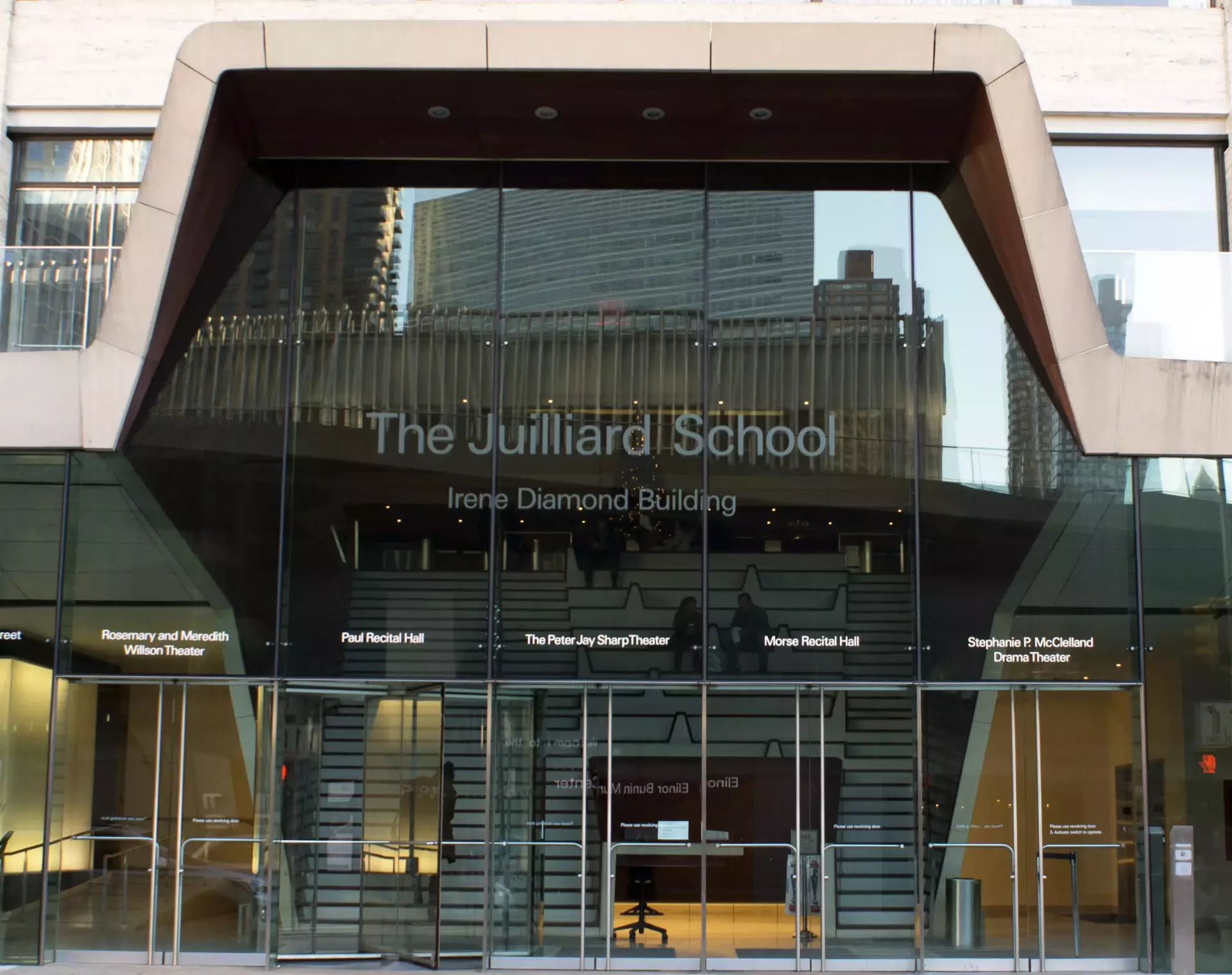
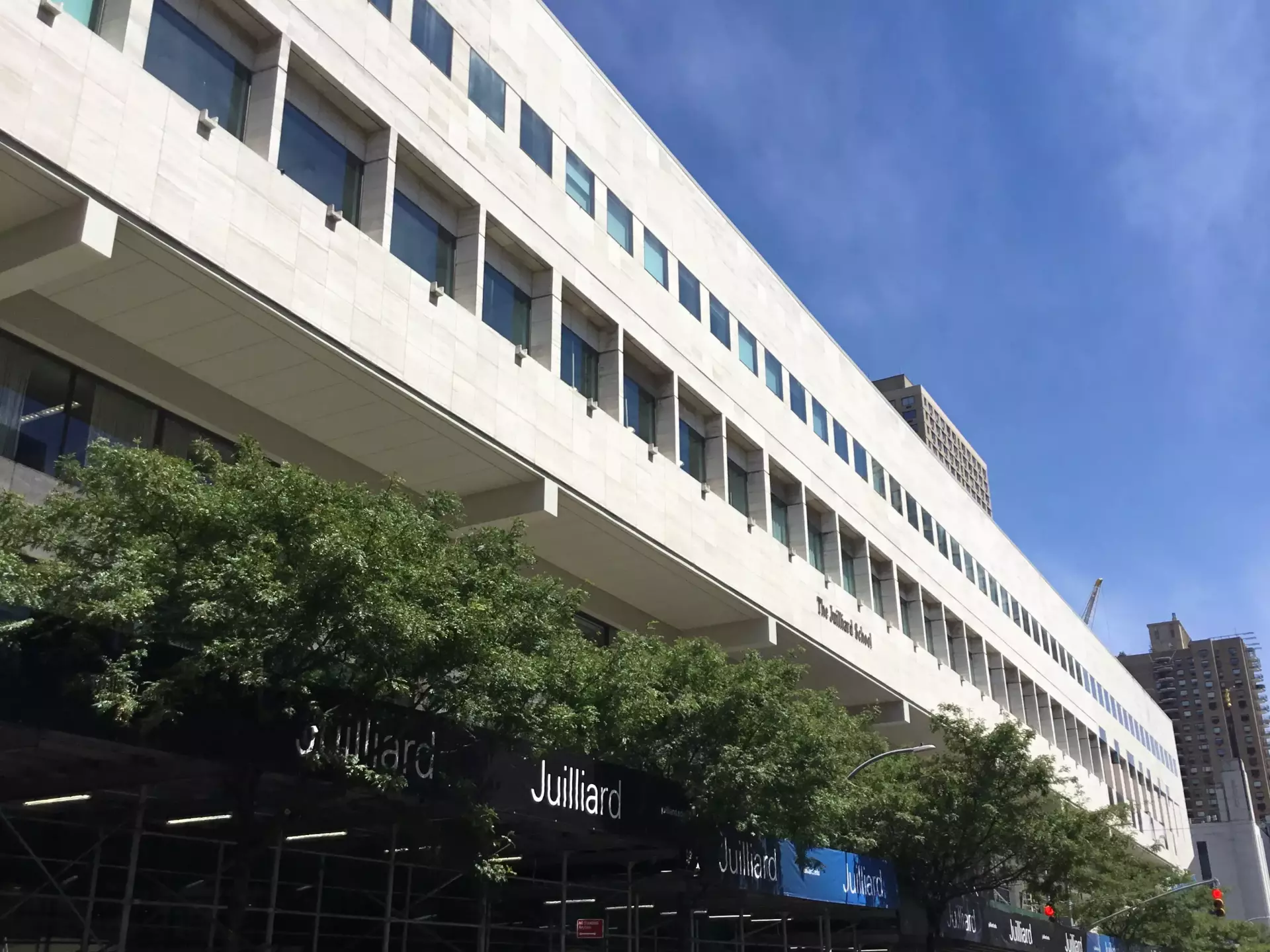
Juilliard School of Dance, Drama, and Music holds a prestigious place in the world of performing arts education. Renowned for its rigorous training and exceptional faculty, Juilliard has been shaping the future of talented artists since its founding.
Located in New York City, Juilliard is situated in the vibrant cultural hub of Lincoln Center. This prime location offers students access to an array of artistic venues and opportunities, enriching their educational experience. The campus itself is a blend of modern facilities equipped with state-of-the-art technology and traditional spaces that inspire creativity and innovation.
Juilliard offers a comprehensive curriculum in dance, drama, and music. Each program is designed to provide in-depth training and skill development. Students engage in rigorous coursework, receive personalized instruction from industry professionals, and participate in numerous performances. These programs focus on nurturing the artistic voice of each student while ensuring they develop a solid technical foundation.
The faculty at Juilliard consists of distinguished artists and educators who bring a wealth of experience and expertise. They mentor students not only in mastering their craft but also in understanding the nuances of the art world. This guidance helps students transition seamlessly into professional careers.
Graduates of Juilliard have gone on to achieve remarkable success in their respective fields. From Broadway stages to concert halls across the globe, Juilliard alumni are recognized for their excellence and influence in the arts. This legacy of success continues to inspire current students as they work toward their artistic goals.
The environment at Juilliard fosters a sense of community among its students. Collaborative projects and cross-disciplinary opportunities encourage the exchange of ideas and creativity. This collaborative spirit is a vital aspect of the Juilliard experience, preparing students for the dynamic nature of the performing arts industry.
Source - https://en.wikipedia.org/wiki/Juilliard_School
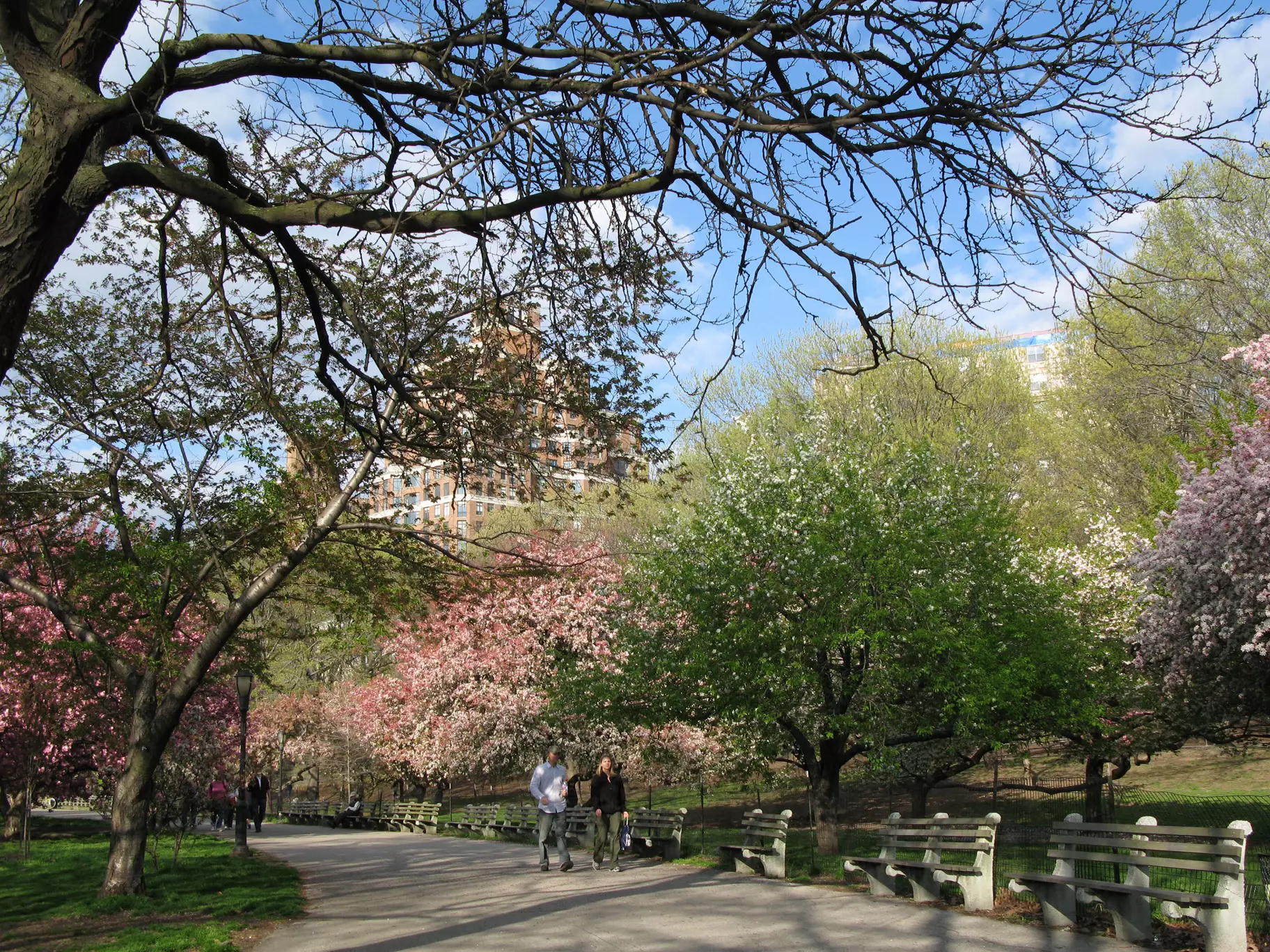
This 11 acre lake is one of Central Park's finest spots; surrounded by flowering trees and inhabited by several fish and turtle species.
Nature preserve on the South Shore with hiking trails and shoreline access. Fishing is permitted along the beach or the freshwater pond inside the area. Most of the land is minimally developed, and is an excellent place to observe wildlife. An abandoned orphanage on-site, after which the area was named, burnt down in 2000.
This beach is a pleasant place to relax. The water is safe enough to swim in, but it's not the best you can get (you'd get a better deal down the Jersey Shore or on Long Island). The boardwalk, one of the longest in the United States, is great for running or biking.
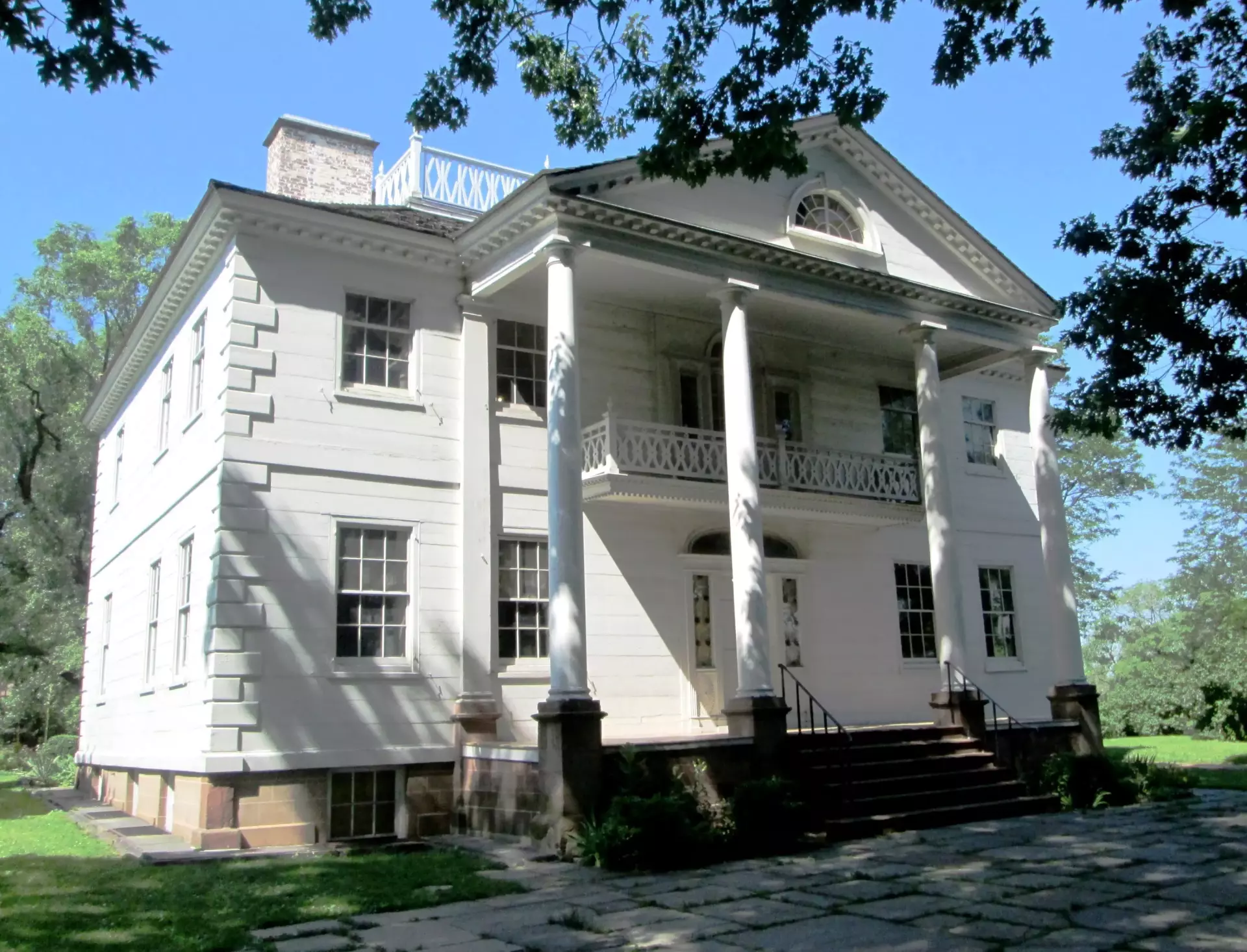
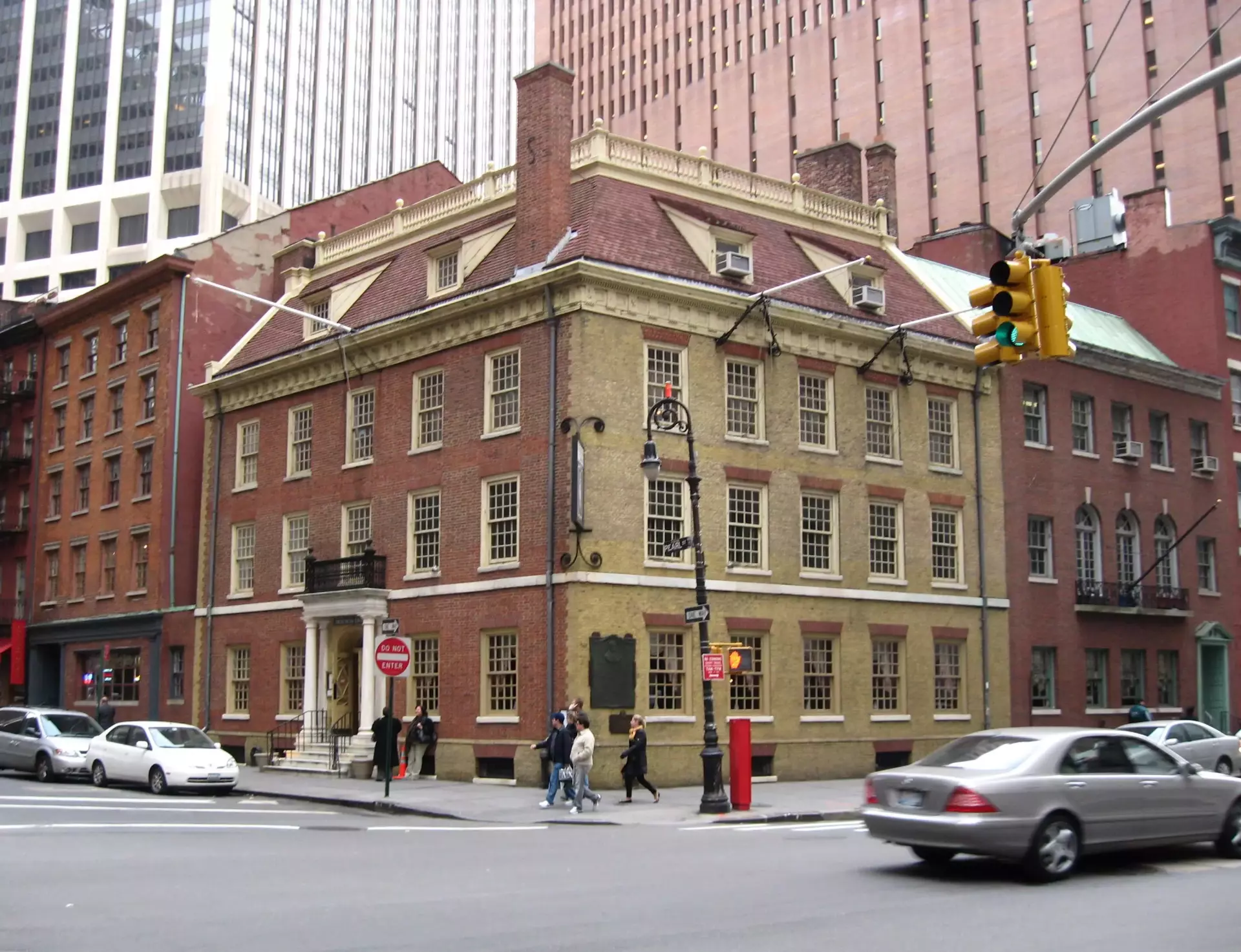
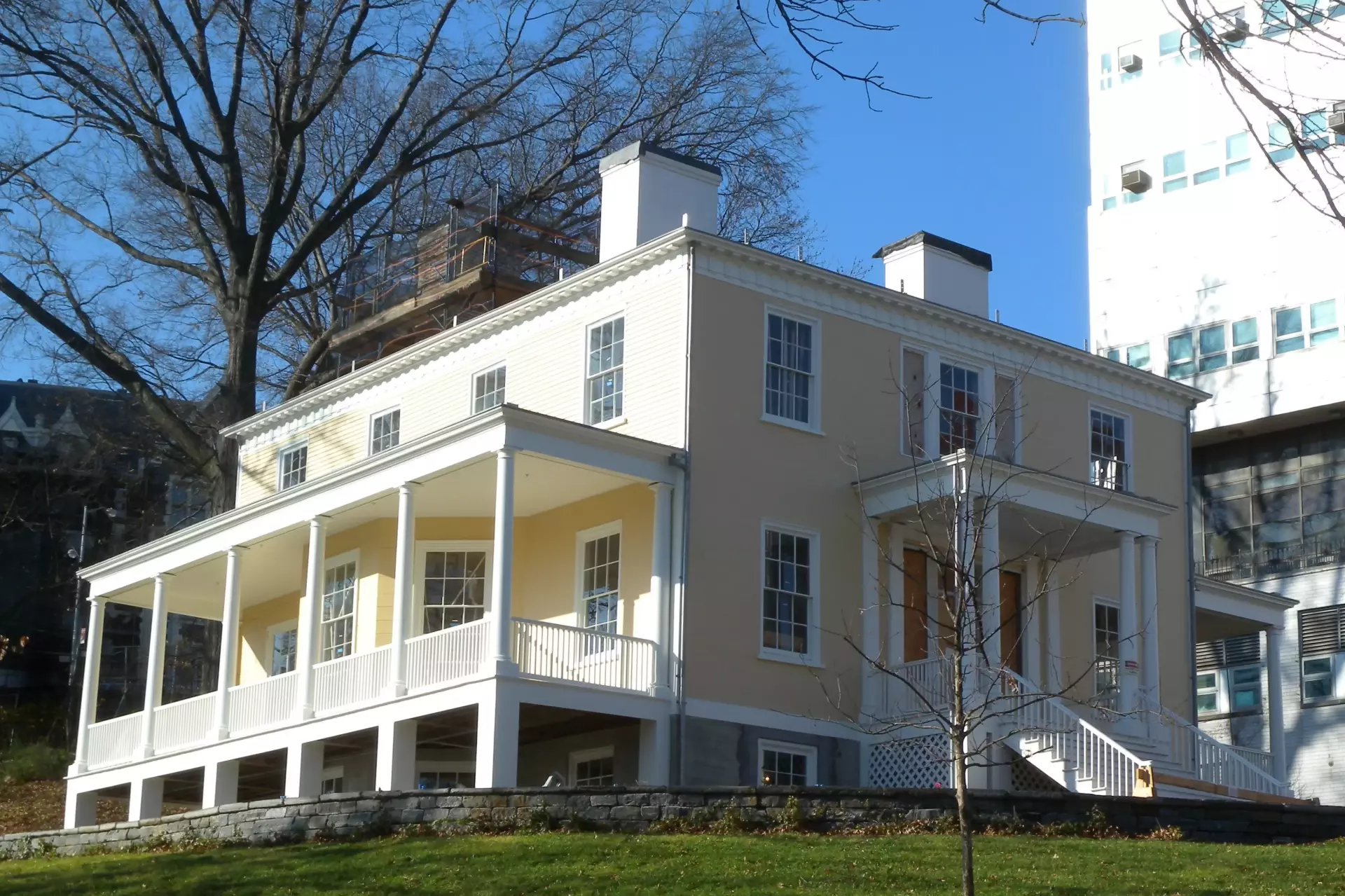
Built in 1765, this is the oldest house on Manhattan Island. It served as George Washington's headquarters in 1776. Now a museum set on a 1.5-acre park, it features a decorative-arts collection representing the colonial and Revolutionary War periods. Washington's office is among the 12 restored rooms.
The interior of this Episcopal church is a peaceful place, and both the exterior and interior are architecturally harmonious and worth looking at if you are walking nearby.
On this site on April 30, 1789, George Washington stood on a balcony overlooking Wall Street and was inaugurated as the first president of the United States. The old building on the site had been used as New York's city hall and had hosted some of the first congregations of the colonies in the lead-up to the American Revolution, such as the Stamp Act Congress. After the revolution the building, now Federal Hall, briefly housed Congress, the Supreme Court, and Executive Branch offices before the national capital moved to Philadelphia. The current building dates to 1842 and was used first as a Customs House, then later the US Sub-Treasury (millions of dollars of gold and silver were kept in the basement vaults). Today the building is maintained by the National Park Service as a museum dedicated to the history of the site. Guided tours of the building are available, or you can just walk in and look up at the rotunda and view some of the artifacts, such as the bible Washington used in his inauguration ceremony.
Americana including Audubon’s watercolors of birds.
The Society of Illustrators is one of the many off the beaten path museums in New York City, and while it may not have as many visitors, it certainly isn't a place to miss. Certainly don't miss the art of illustration featured here, with countless historical galleries since the museum's opening in 1901. It's even the origin of the famous "I Want You For U.S. Army" poster of World War I and II.
A museum dedicated to the history of the NYPD.
On the 70th floor of the Comcast Building (better known by some as "30 Rock") is this narrow observation deck, built to resemble the deck of a cruise ship. The deck affords uninterrupted views over Central Park to the north and across Midtown to the south.
This pretty 17-story Beaux Arts building was completed in 1904 and designed to be New York City's first air conditioned hotel. It was a residential hotel, and housed a number of very famous people, including the Hall of Fame baseball player, Babe Ruth; the Italian tenor, Enrico Caruso; the modernist composer, Igor Stravinsky; the Italian conductor of the NBC Symphony, Arturo Toscanini; and writers Theodore Dreiser and Isaac Bashevis Singer. The building is now a condominium.
Ellis Island was home to the nation's primary federal immigration station, with over 12 million immigrant steamship passengers passing through from its opening in 1892 to its closing in 1954. Today, over 40 percent of America's population can trace their ancestry through Ellis Island. The island is home to the American Family Immigration History Center, which contains manifests of 25 million immigrants, passengers, and crew members who entered New York Harbor. The Immigration museum at Ellis Islands has details about "Peopling of America" and if you are an avid history lover, this museum will need at least 3-4 hrs of your time. Since the ferry ride takes you to both Ellis Island as well as the Liberty Island, you will have to plan your day well.
Dedicated to preserving and collecting television programs as a service to the public, the museum consists of two museum branches in Los Angeles and New York City; combined they hold over 100,000 television programs that are available to the public, providing a historical, artistic and cultural perspective to television and radio. You may use their library here for the price of admission. They have lots of old shows and a database so you can see if they have what you want.
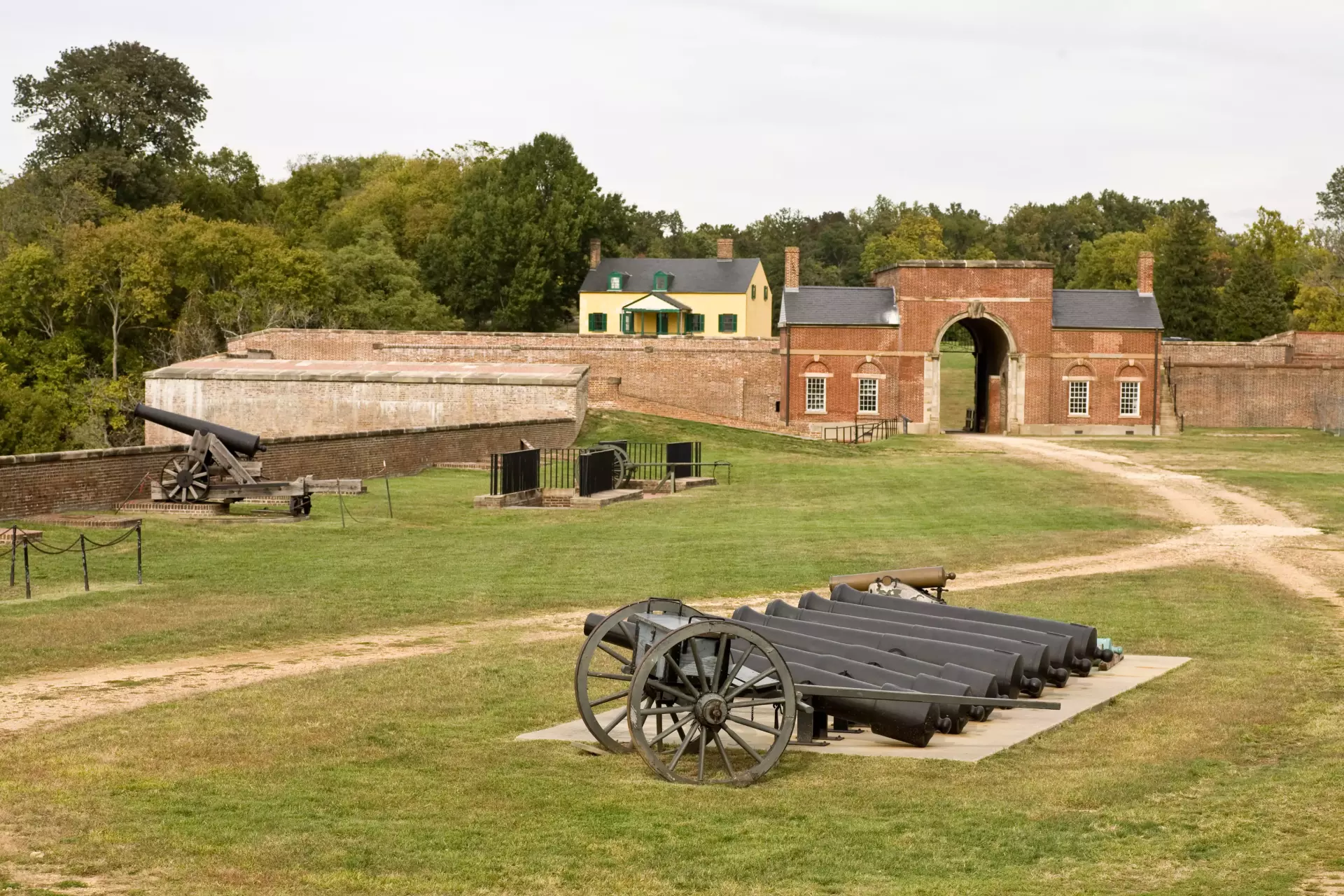
Governors Island has a long military history, home to headquarters and military posts of the United States Army from 1794 until 1966, then a complex for the U.S. Coast Guard before becoming a historic district open to tours.
The former home of steel baron Henry Clay Frick, this sprawling mansion is filled with Frick's enormous personal art collection, displayed as he left it. It's worth a visit for the house alone, which is explained nicely in the audio tour. The collection is impressive, including works by Whistler, Corot, El Greco, Turner, Renoir and Rembrandt.