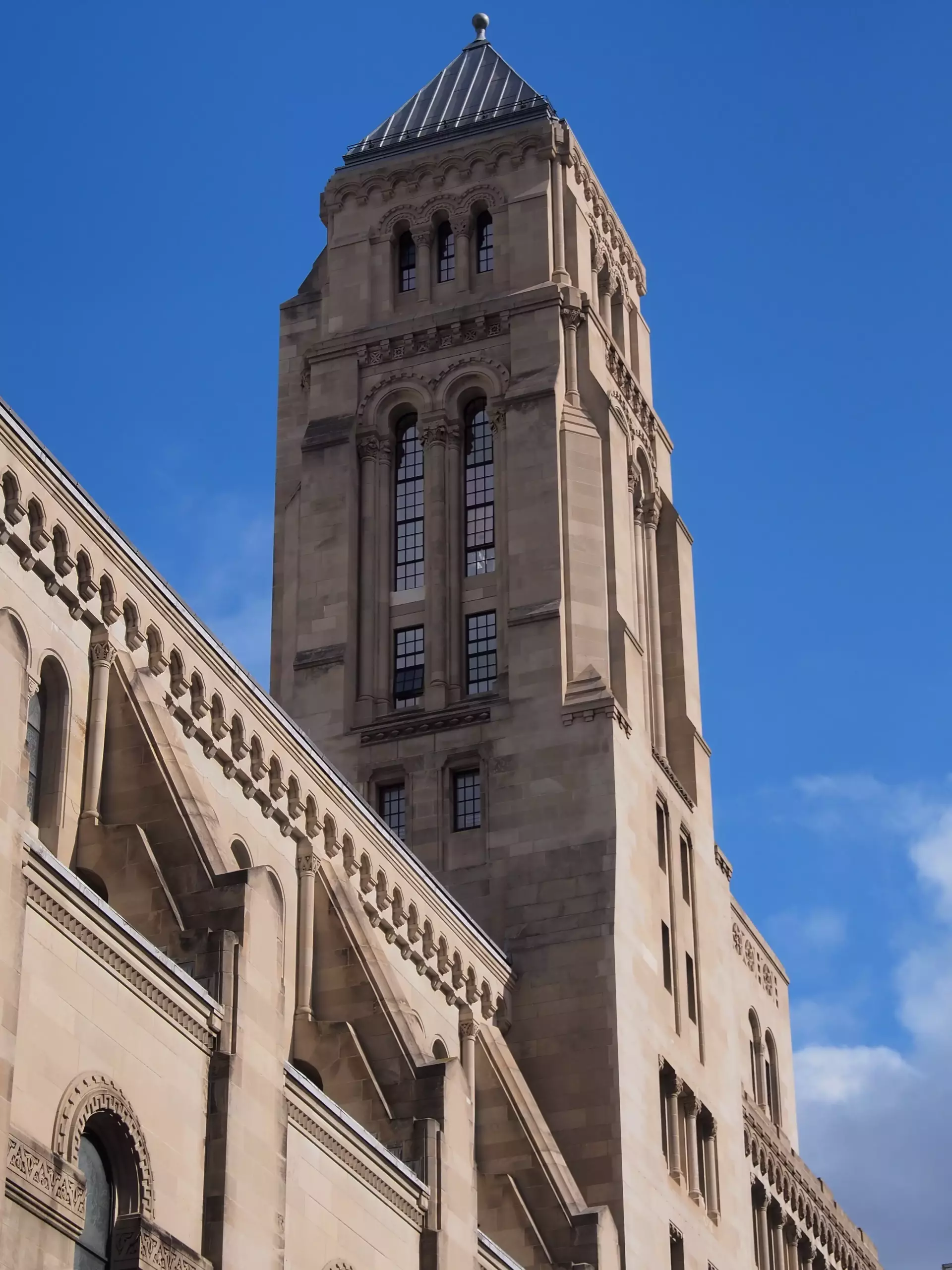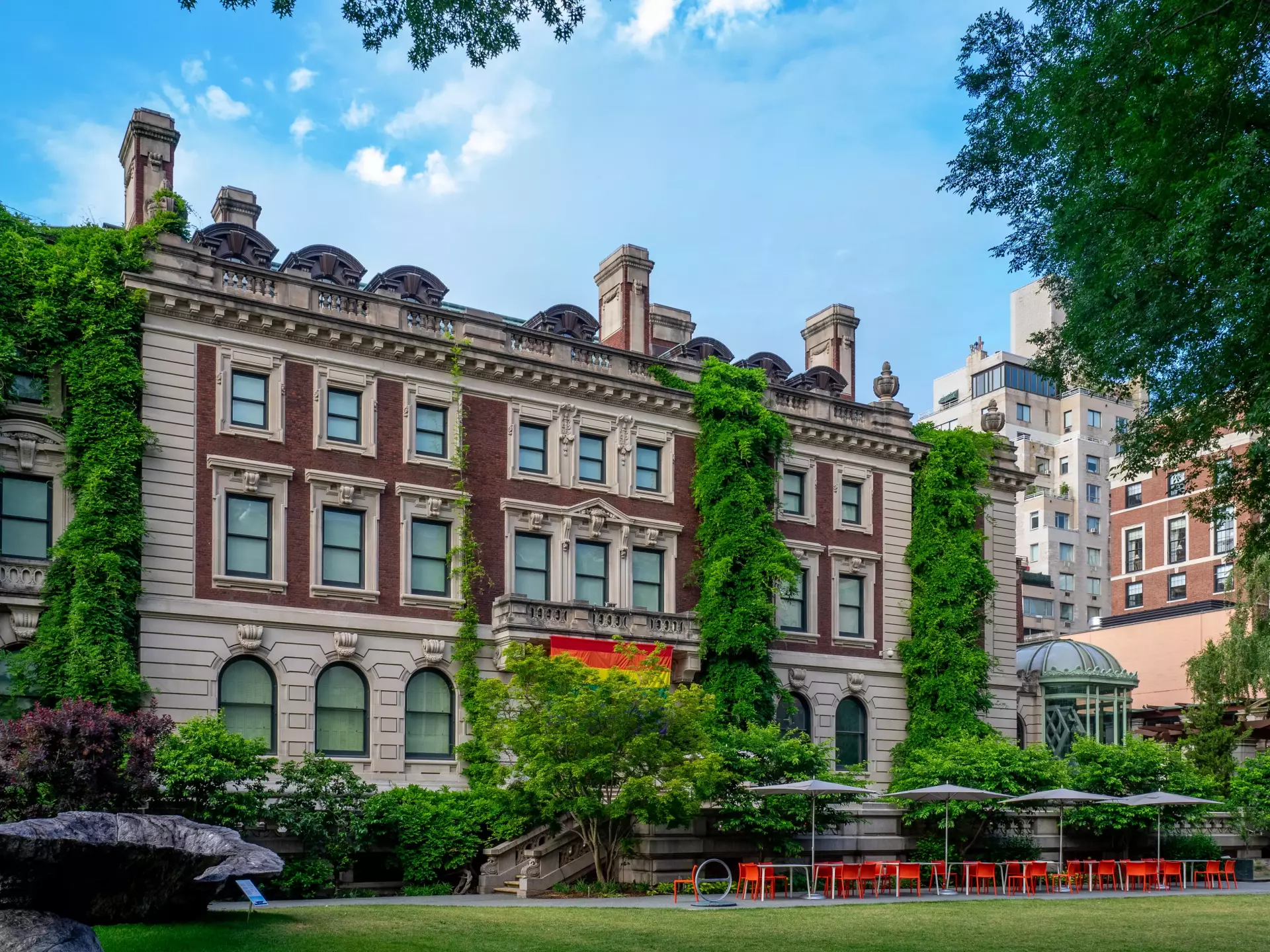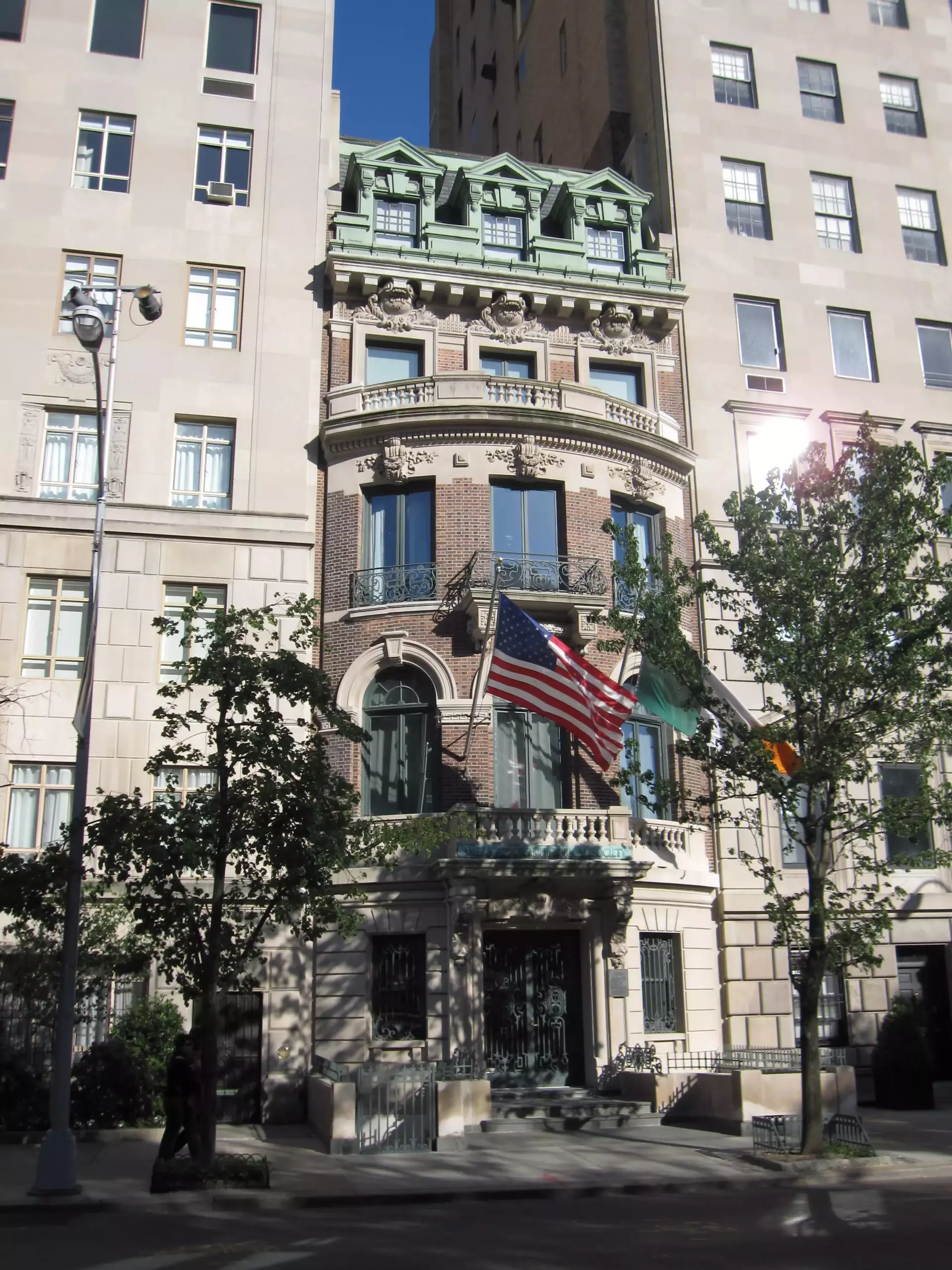
Located on the vibrant 5th Avenue, the American Irish Historical Society (AIHS) offers a fascinating dive into Irish American culture and history. This non-profit organization showcases a rich tapestry of cultural heritage through various engaging activities and displays.
AIHS hosts a variety of immersive and traditional events that bring Irish culture to life. Visitors can enjoy exhibits that highlight unique art and music, revealing the depth and diversity of Irish artistic expression. The society's programming often includes performances and visual art displays, providing a dynamic experience for attendees.
For those who prefer a quieter exploration, AIHS offers a library filled with over 10,000 books, newsletters, newspapers, and other literature. These collections date back to the 1700s, offering a window into a wide array of topics that pique the interest of anyone curious about European culture and history. The library is a haven for literary enthusiasts and history buffs alike.
Source - https://en.wikipedia.org/wiki/American_Irish_Historical_Society
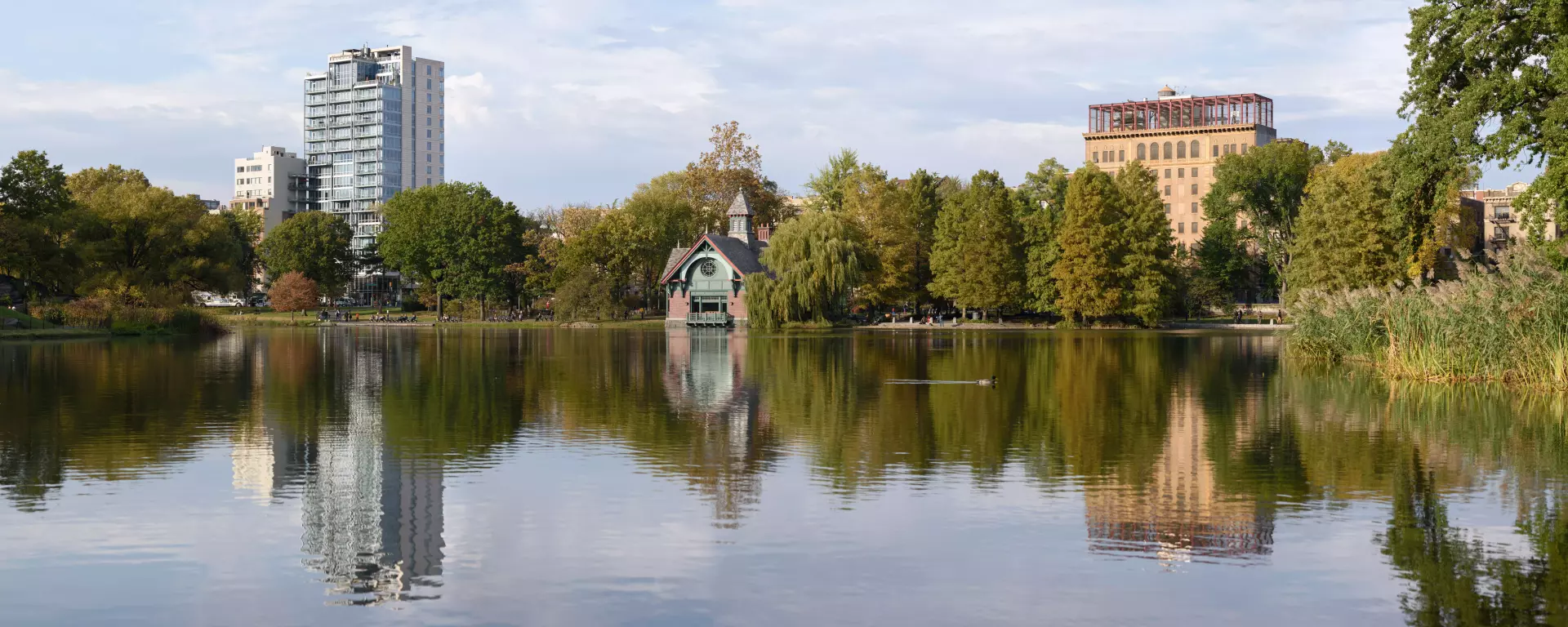
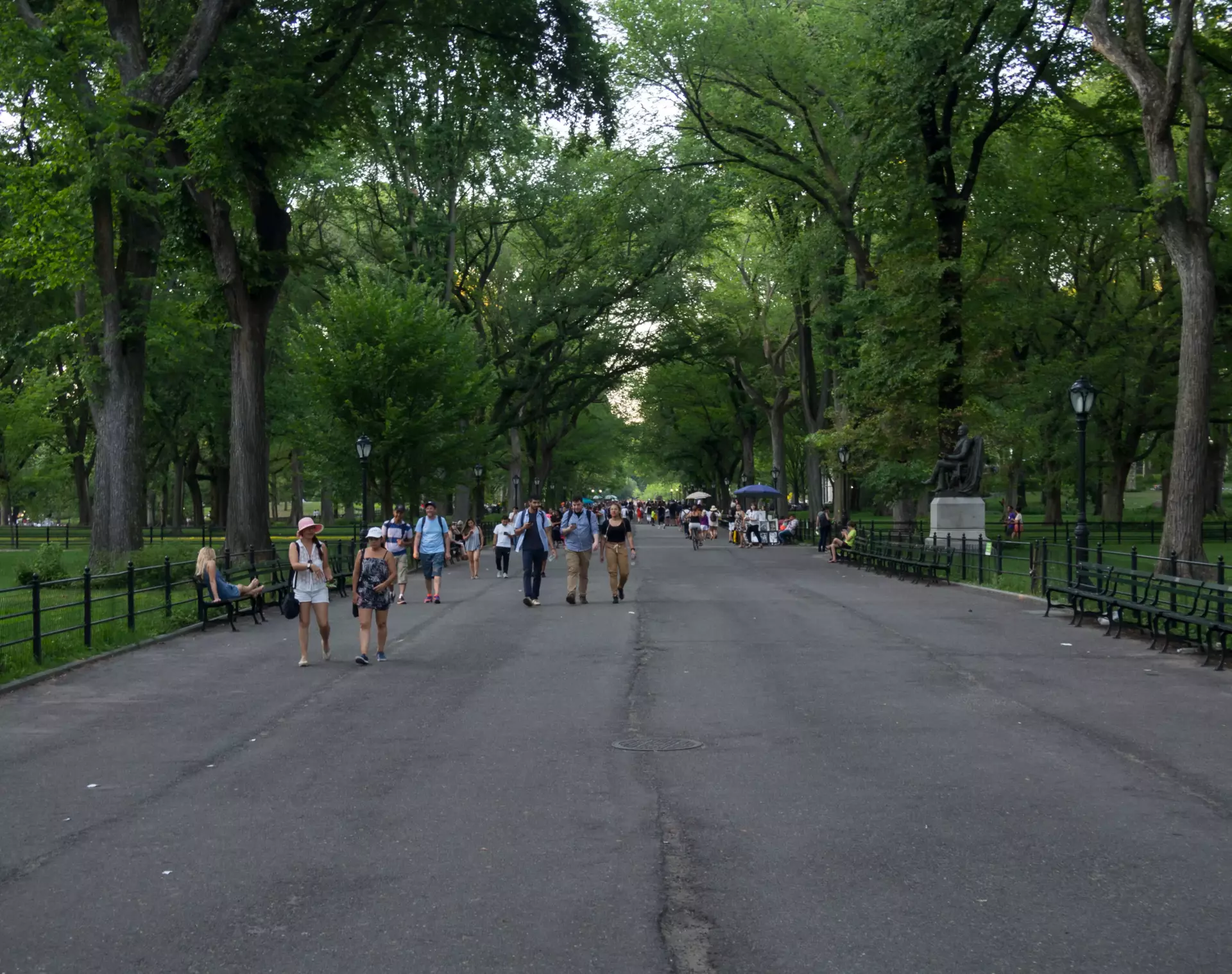
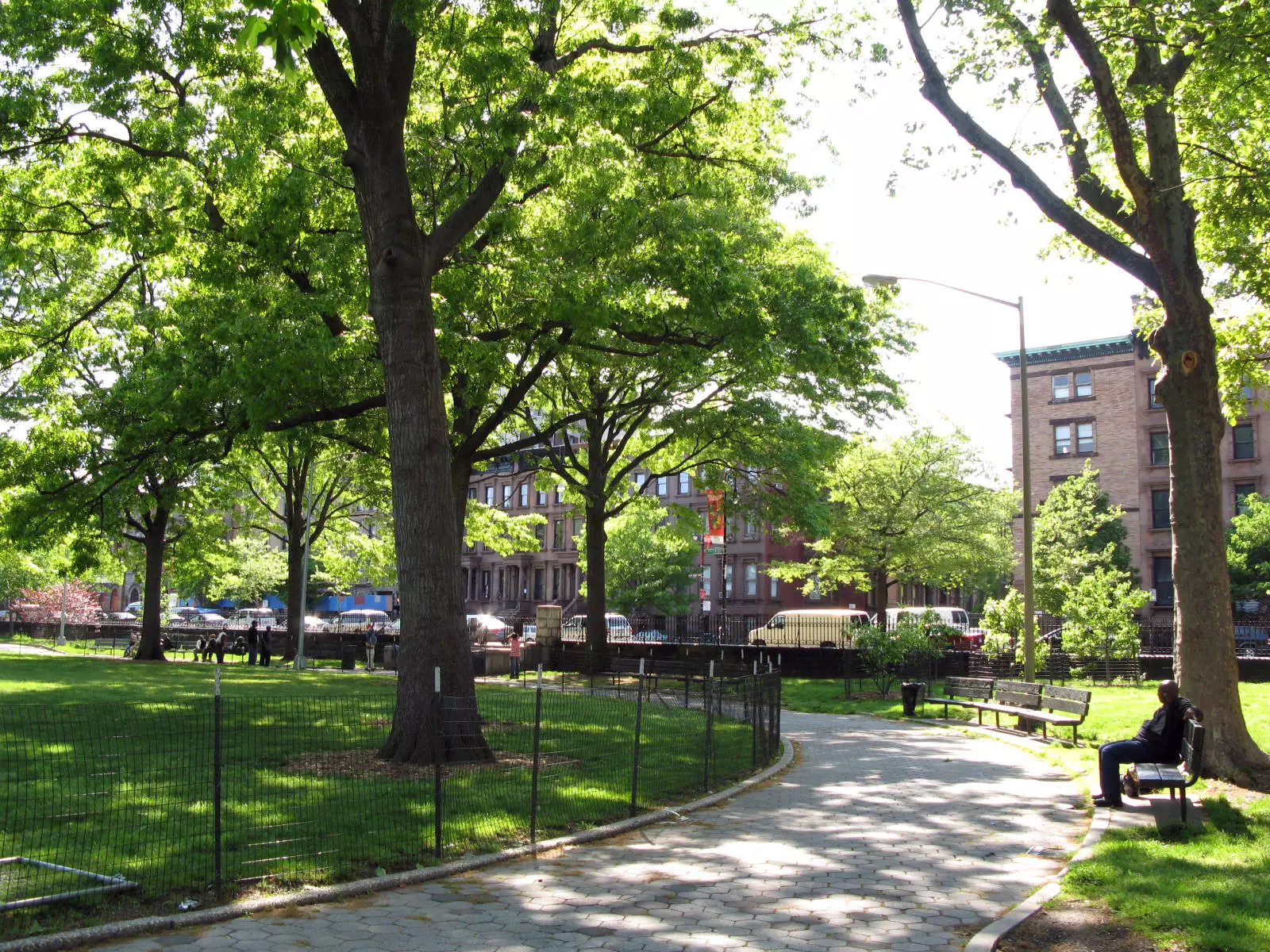
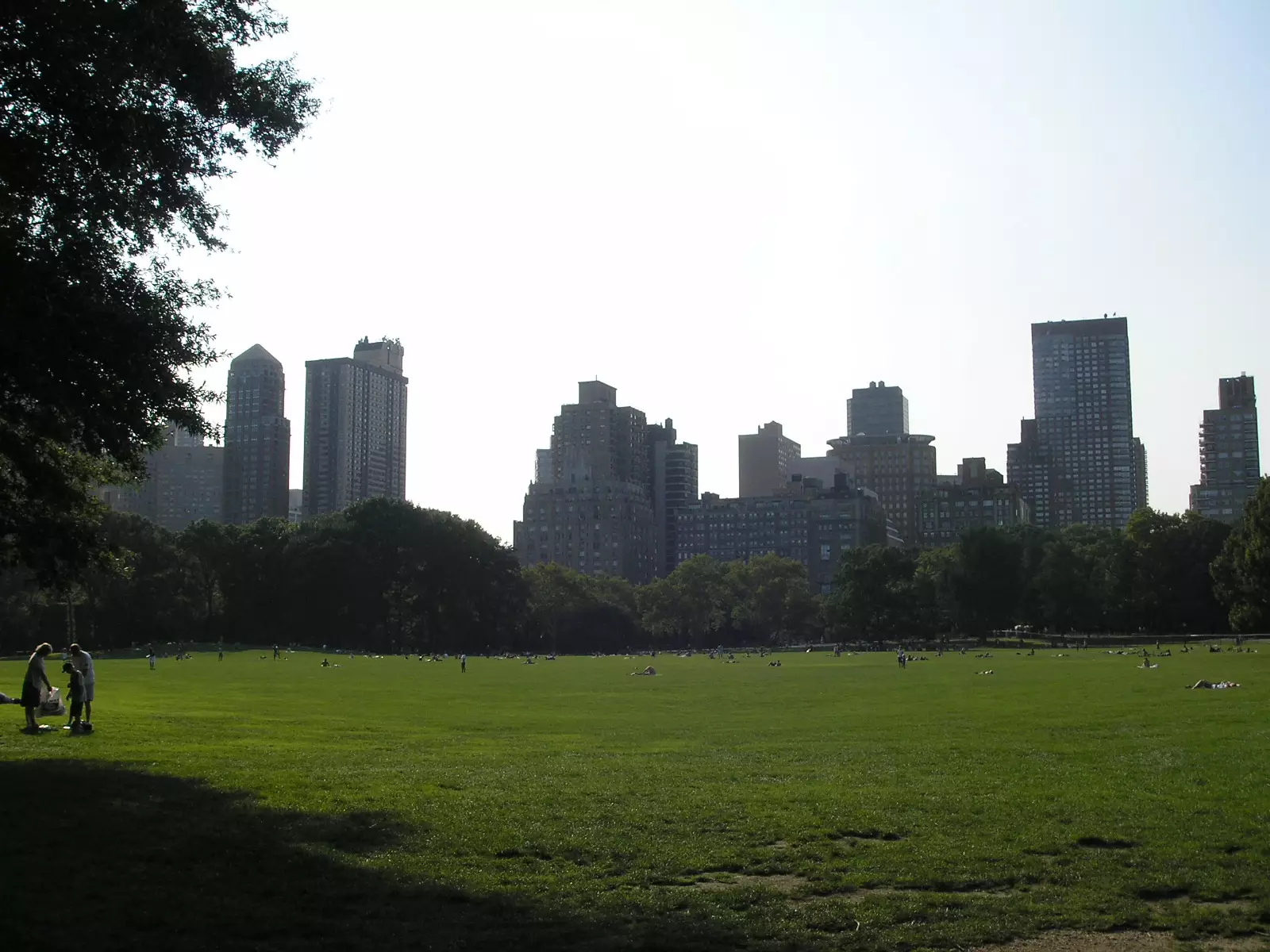
Established in 1867 and laid out by Olmsted and Vaux, the designers of Manhattan's Central Park.
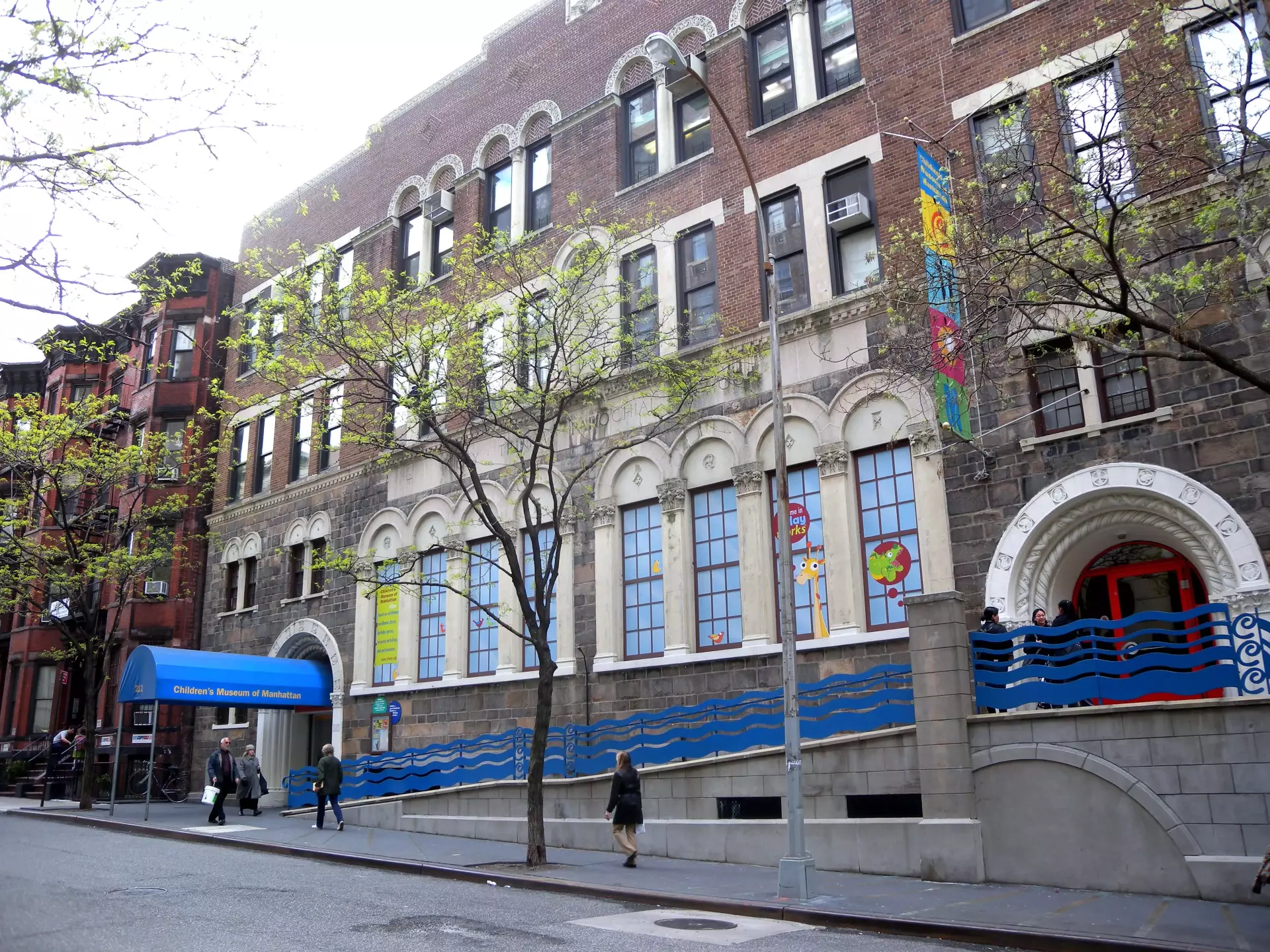
Rather large, interesting museum with all kinds of documentation of events in the 400-year history of this city and delightful artifacts of life in earlier periods, such as the extensive collection of 19th-century dollhouses complete with miniature furniture.
The world's largest neo-Gothic cathedral, the place has been a work in progress for over a century! There are also resident peacocks on campus, and many songbirds stop by during their seasonal migrations.
The former home of steel baron Henry Clay Frick, this sprawling mansion is filled with Frick's enormous personal art collection, displayed as he left it. It's worth a visit for the house alone, which is explained nicely in the audio tour. The collection is impressive, including works by Whistler, Corot, El Greco, Turner, Renoir and Rembrandt.
The historic building with the distinctive, iconic twin towers and a star-studded housing cooperative board. Built in 1930 in a vaguely Art Deco style to the design of Emery Roth, the San Remo actually has two separate addresses, lobbies and sets of shafts, each for a half of the building topped with a tower.
This is historic home that was built by local businessman James Bouton in 1891. Eight years later, Conrad Voelcker bought the house, and the Voelcker family lived in the house for three generations. Today, it is a museum, and there is a Victorian garden and a bird sanctuary outside.
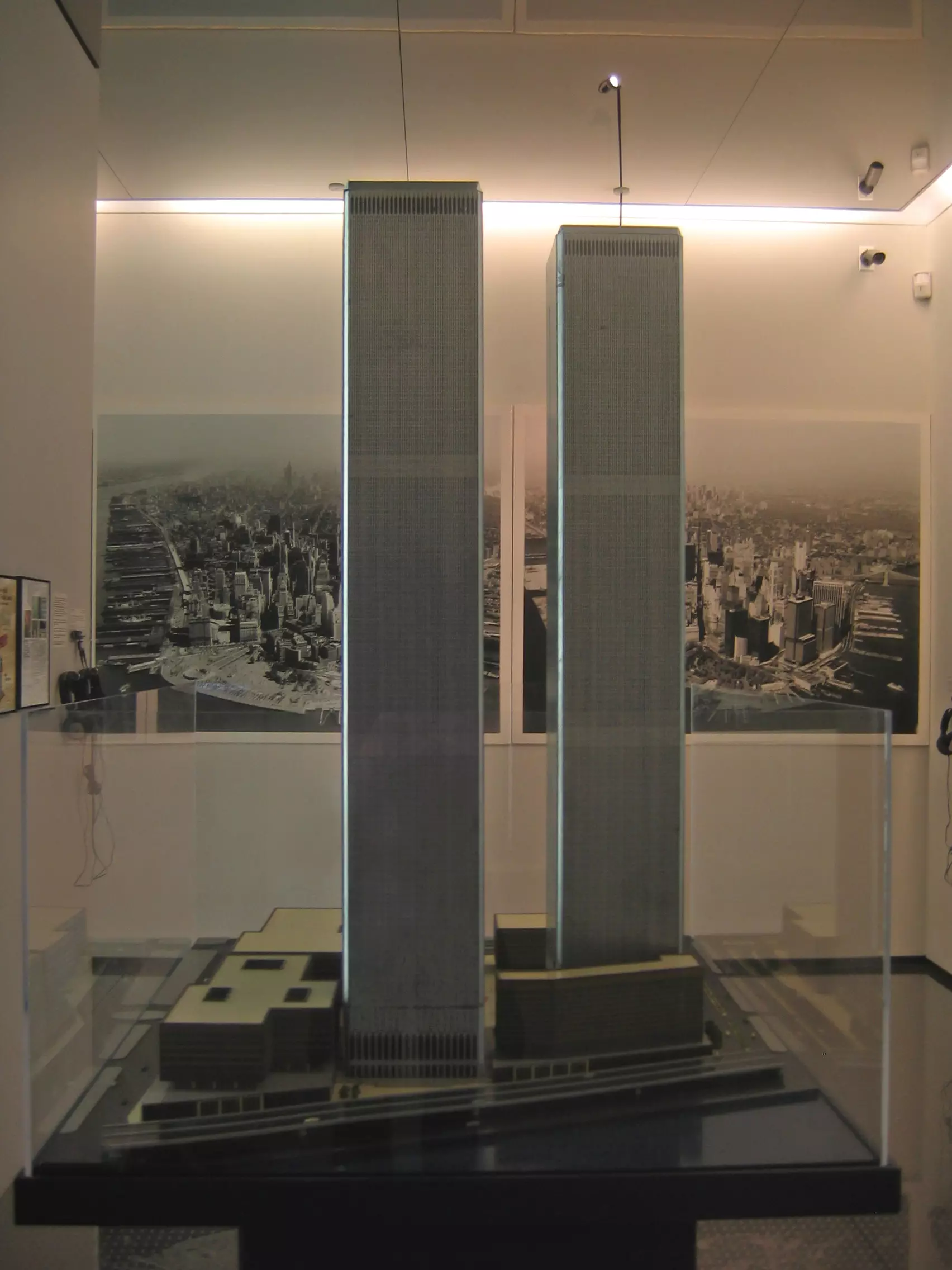
Exhibits on the history of highrise and skyscraper construction.
Get up close to over 200 lifelike wax figures of the biggest stars and icons in entertainment, sports and history.
A small museum dedicated to finance and the markets, with exhibits that change periodically. Closed to find a new location as of Mar 2024.
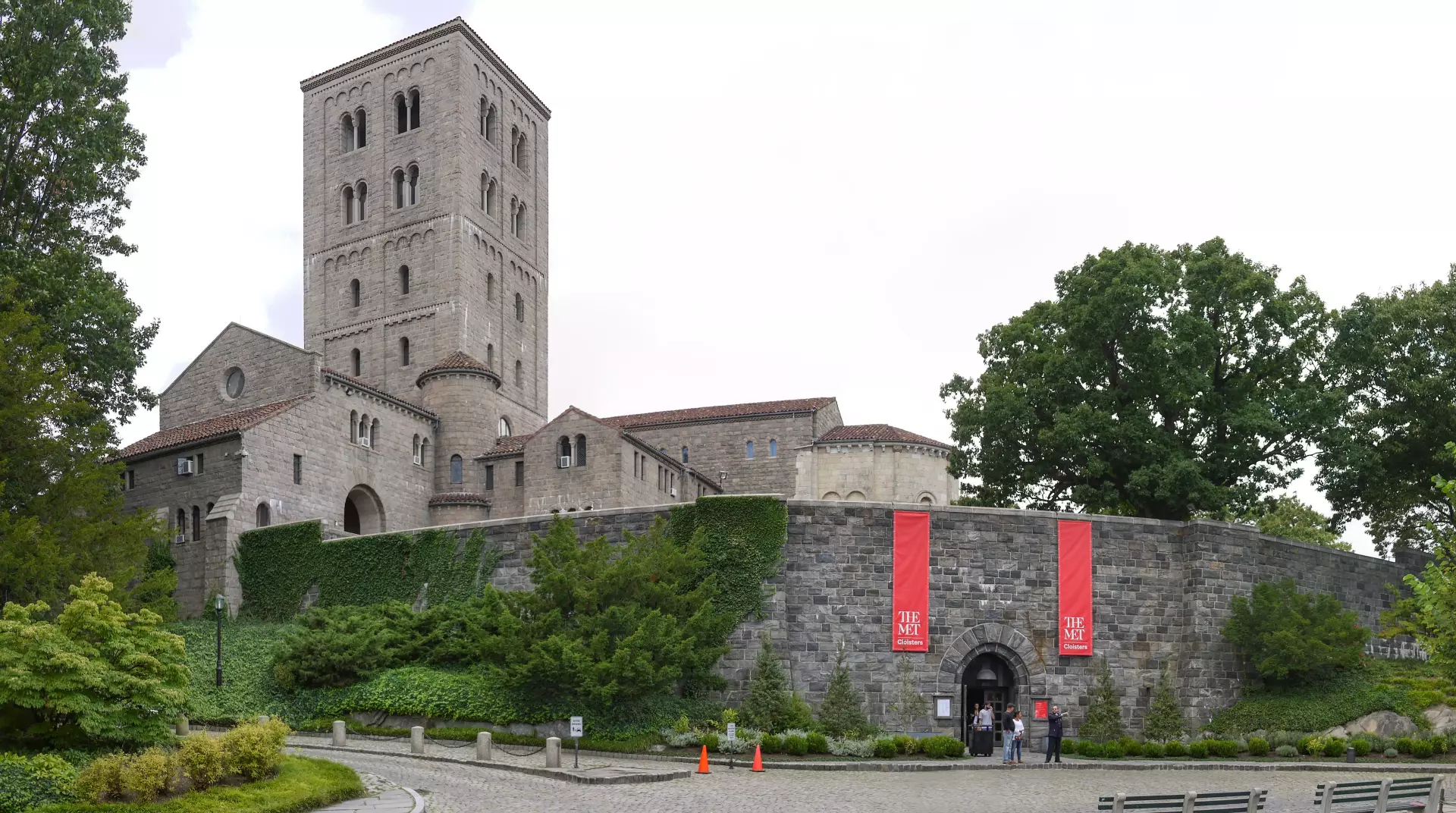
Located on four acres overlooking the Hudson River in Fort Tryon Park, the building incorporates elements from five medieval French cloisters – quadrangles enclosed by a roofed or vaulted passageway, or arcade – and from other monastic sites in southern France. There are various artworks on display in the museum, with the Unicorn Tapestries being the most famous.
The lesser-known historic district on the other side of the Park. It was developed at the turn of the 20th century by Dean Alvord as one of the first suburbs.
A picturesque brick building that actually predates the park. It was built in 1851 to serve as a munitions supply depot for the New York State National Guard, and was designed to look like a medieval fortress, with battlements overlooking the area. Today the building holds a refreshment stand and a small art gallery with rotating/seasonal exhibits.
A large and historically important Protestant church and center of progressive social activism. Also neo-Gothic.
An Episcopalian (Anglican) church and parish was first established on this site in 1697 under charter by King William III. The present Neo-Gothic Revival church building (the third incarnation) dates from 1846 and remains a significant landmark within Downtown. The original burial ground at Trinity Church includes the graves and memorials of many historic figures, including Alexander Hamilton, William Bradford, Robert Fulton, and Albert Gallatin.