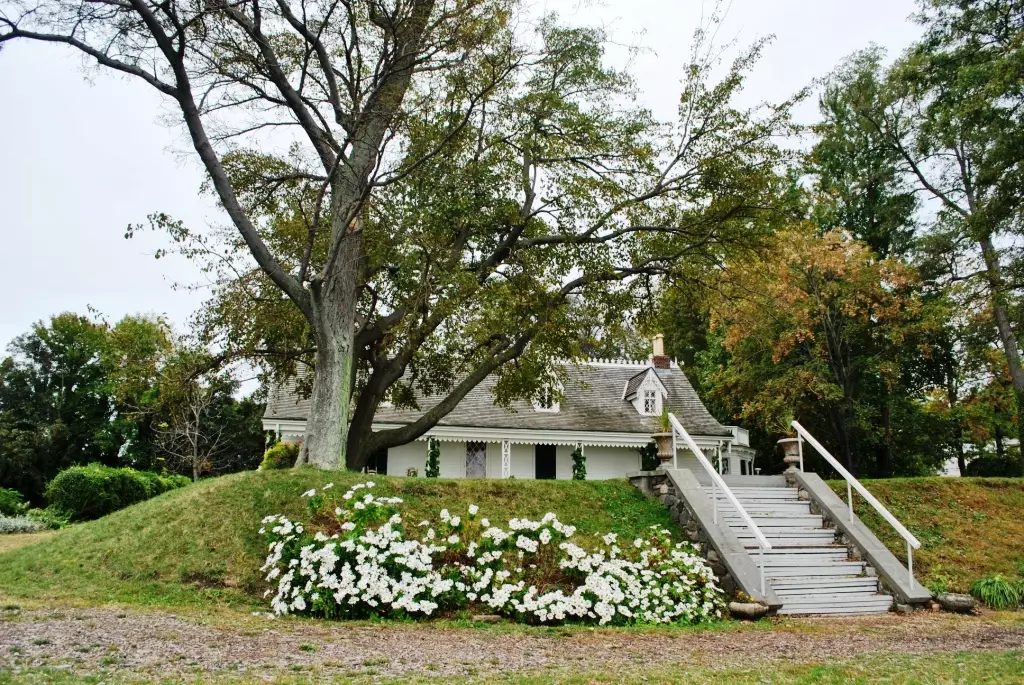
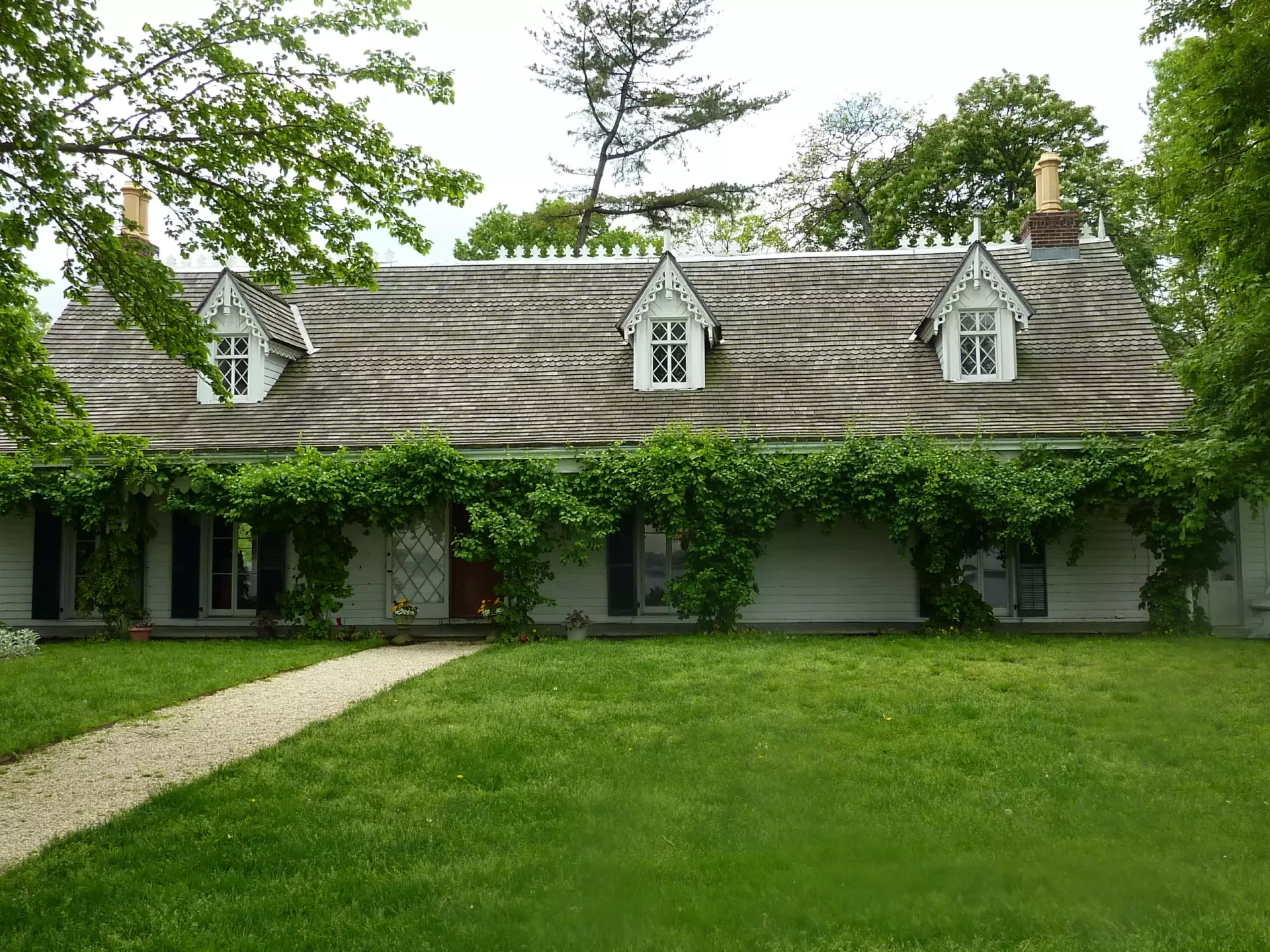
In the charming borough of Staten Island, the Alice Austen House stands as a testament to history and art. This beautiful landmark, once the home of pioneering photographer Alice Austen, offers visitors a glimpse into the past with its well-preserved architecture and stunning views of New York Harbor.
Built in the 1690s, the Alice Austen House, also known as Clear Comfort, has seen many transformations over the centuries. In the mid-19th century, the Austen family moved in, and young Alice began her lifelong journey in photography. Her work vividly captured the essence of everyday life in New York City during the late 19th and early 20th centuries.
Visitors to the Alice Austen House can explore its museum, which showcases a rich collection of Alice's photographs. These images provide an insightful look into history, capturing moments from various walks of life. The museum also offers rotating exhibitions and hosts art events, adding a dynamic touch to its historical charm.
Beyond its artistic allure, the house is set against the breathtaking backdrop of New York Harbor. Visitors can stroll through the surrounding gardens, enjoying the serene atmosphere and capturing their own photos of the picturesque scenery. The location offers a peaceful retreat from the bustling city, providing a unique perspective on New York's natural beauty.
The Alice Austen House is not just a museum; it is a vibrant cultural hub that hosts various educational programs. These programs aim to inspire photographers, history enthusiasts, and the general public. Workshops, lectures, and guided tours are regularly organized, offering enriching experiences for all ages.
Whether someone visits for the history, the art, or simply to enjoy the tranquil setting, the Alice Austen House remains an inviting destination that continues to tell the story of a remarkable woman and her timeless work.
Source - https://en.wikipedia.org/wiki/Alice_Austen_House
Small and gem-like, New York's "oldest, newest zoo" opened in its current guise in 1988, although animals in various zoo incarnations have resided here since the 1860s. This zoo is fairly small and doesn't have as many large animals as you might expect, but this zoo does include sea lions, snow leopards, penguins, polar bears, monkeys, red pandas and exotic birds in pleasant exhibits. Next door is a children's zoo, covered in the cost of admission, which has a barnyard animals you can pet, a duck pond, and lots of play areas for kids.
Rather large, interesting museum with all kinds of documentation of events in the 400-year history of this city and delightful artifacts of life in earlier periods, such as the extensive collection of 19th-century dollhouses complete with miniature furniture.
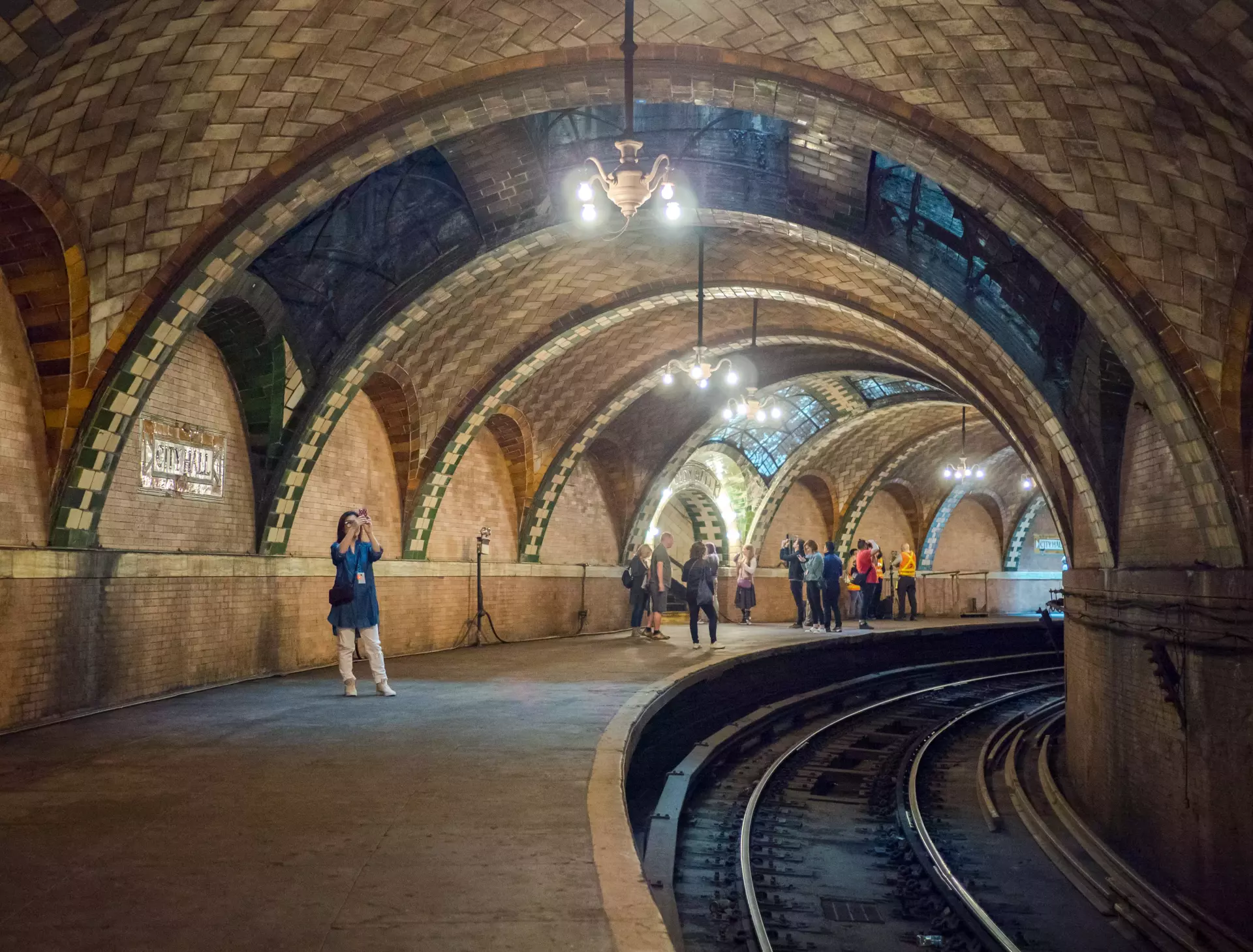
On a triangular city block between Broadway, Park Row and Chambers Street sits City Hall, a gorgeous gleaming white building completed in 1812, which still hosts the mayor's office and the New York City Council chambers. The building itself is fenced off and only accessible by tour, but there is a lovely park surrounding the building, with plenty of shady trees and a pleasant fountain just to the south of the building. Just north of City Hall and on the same block is the 40.71337-74.005552 Tweed Courthouse, a gorgeous government structure and the legacy of Tammany Hall boss William M. Tweed, who used the courthouse project to embezzle large sums of money from the city budget and was convicted in a courtroom in this building.
The historic building with the distinctive, iconic twin towers and a star-studded housing cooperative board. Built in 1930 in a vaguely Art Deco style to the design of Emery Roth, the San Remo actually has two separate addresses, lobbies and sets of shafts, each for a half of the building topped with a tower.
For most of the 18th century, Africans in New York City were buried in a graveyard outside the city. The graveyard was eventually forgotten and was rediscovered in 1991. This museum and memorial site commemorate the estimated 15,000 Africans that were interred on the site of the memorial. Note that the museum is located inside of a Federal building so airport-style security should be expected.
One of New York's most beautiful parks, an expanse of rolling hills high above the Hudson, contains some of the highest natural elevations on the island and is a great place to picnic or stroll in good weather and look at the great views of the New Jersey Palisades across the river.
The only US museum devoted to Puerto Rican culture.
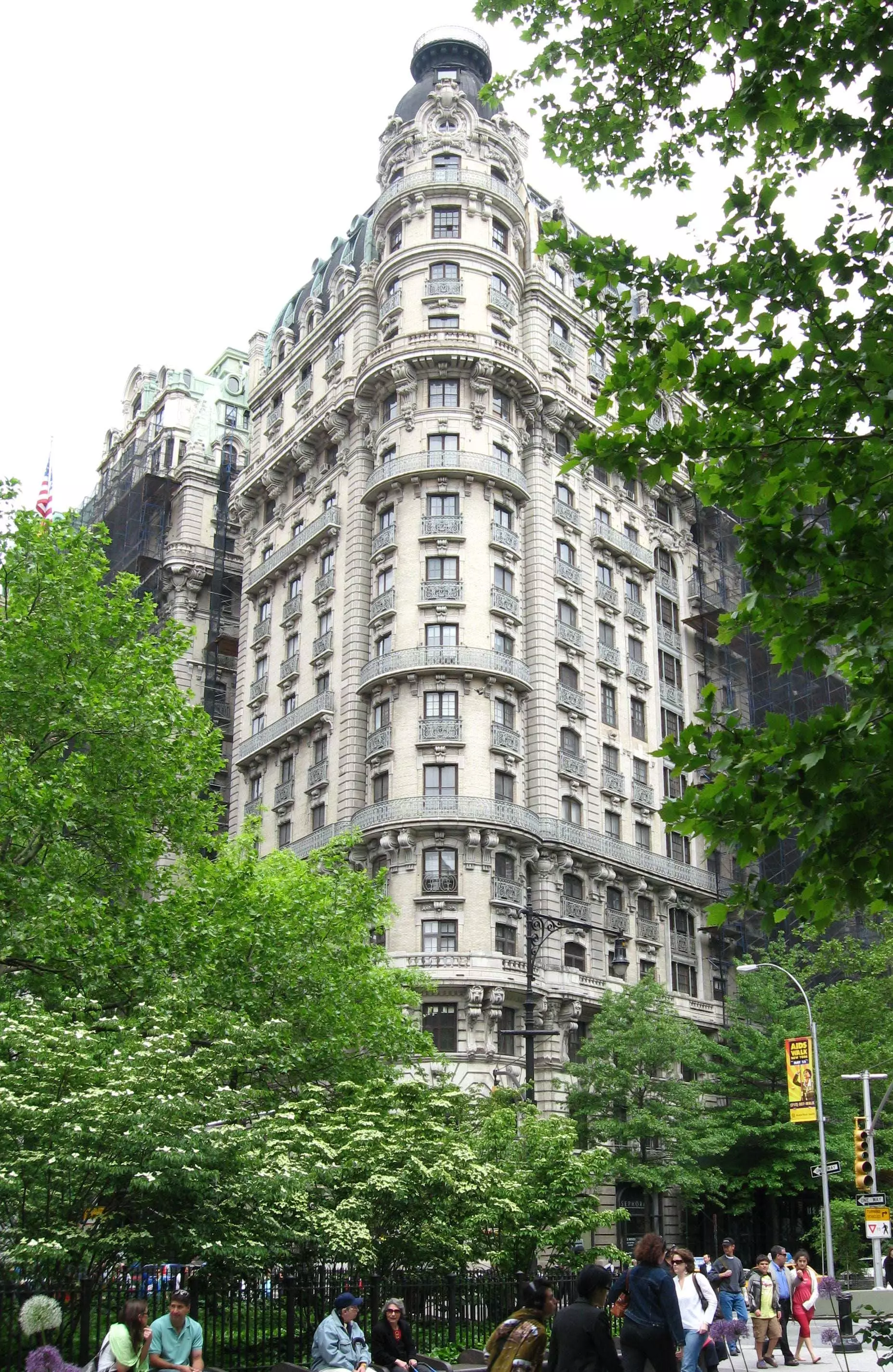
This massive apartment building has been (and is!) home to many celebrities. Probably best known was the former Beatle John Lennon, who was gunned down outside the building on December 8, 1980, by a crazed fan. Lennon had been living at the Dakota with his second wife, Yoko Ono, who still resides in the building. A memorial to the former Beatle exists nearby in Central Park. The building has become a popular place of pilgrimage for many who admire Lennon.
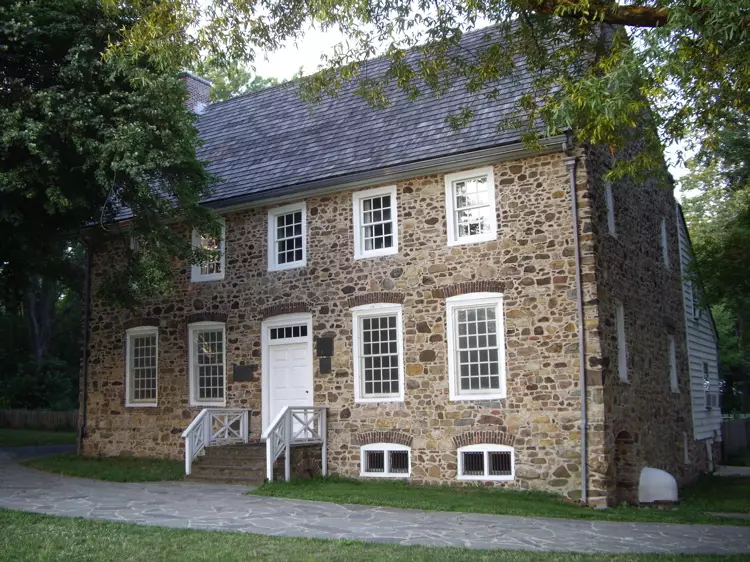
The former residence of William Dyckman, who owned several hundred acres of farmland covering much of what is now Inwood and Washington heights. Nestled incongruously at the otherwise unremarkable corner of 204th and Broadway, the farmhouse has been converted into a small museum of life in early Manhattan and hosts various programs for the neighborhood. The "Hessian Huts" in the back yard are a leftover from the British occupation of Manhattan during the Revolutionary War!
Dates back to 1680, and held an abortive peace conference during the Revolutionary War.
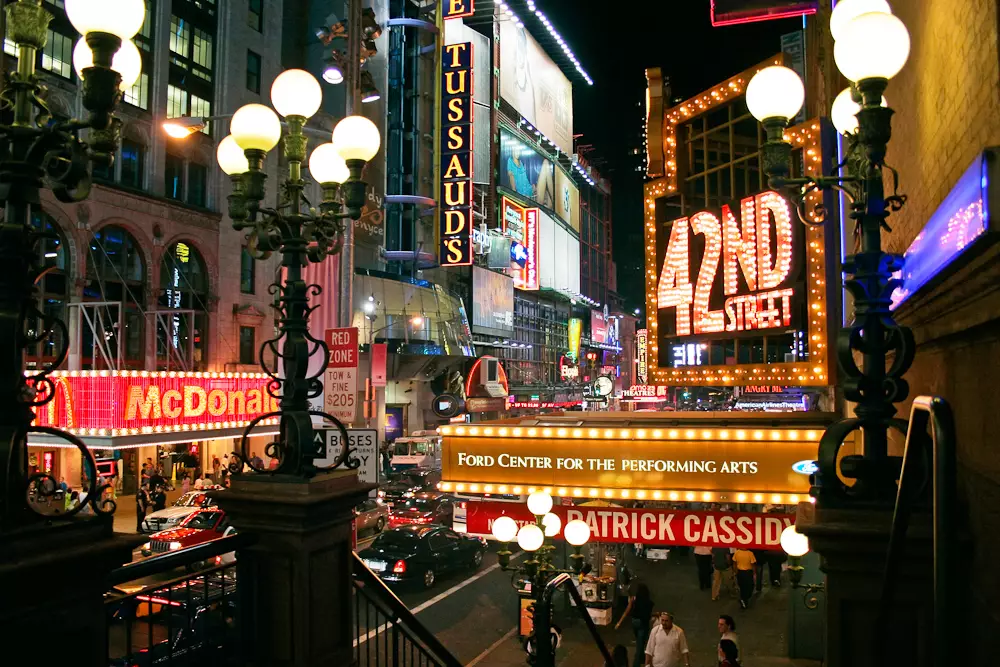
Opened on November 15, 2022, this interactive museum utilizes technology to convey the history of Broadway, complete with props from past shows, costumes, and other artifacts. You can learn about how a Broadway show is made, and there is a gift shop selling not only their own merch, but also products from current Broadway shows and Broadway in general.
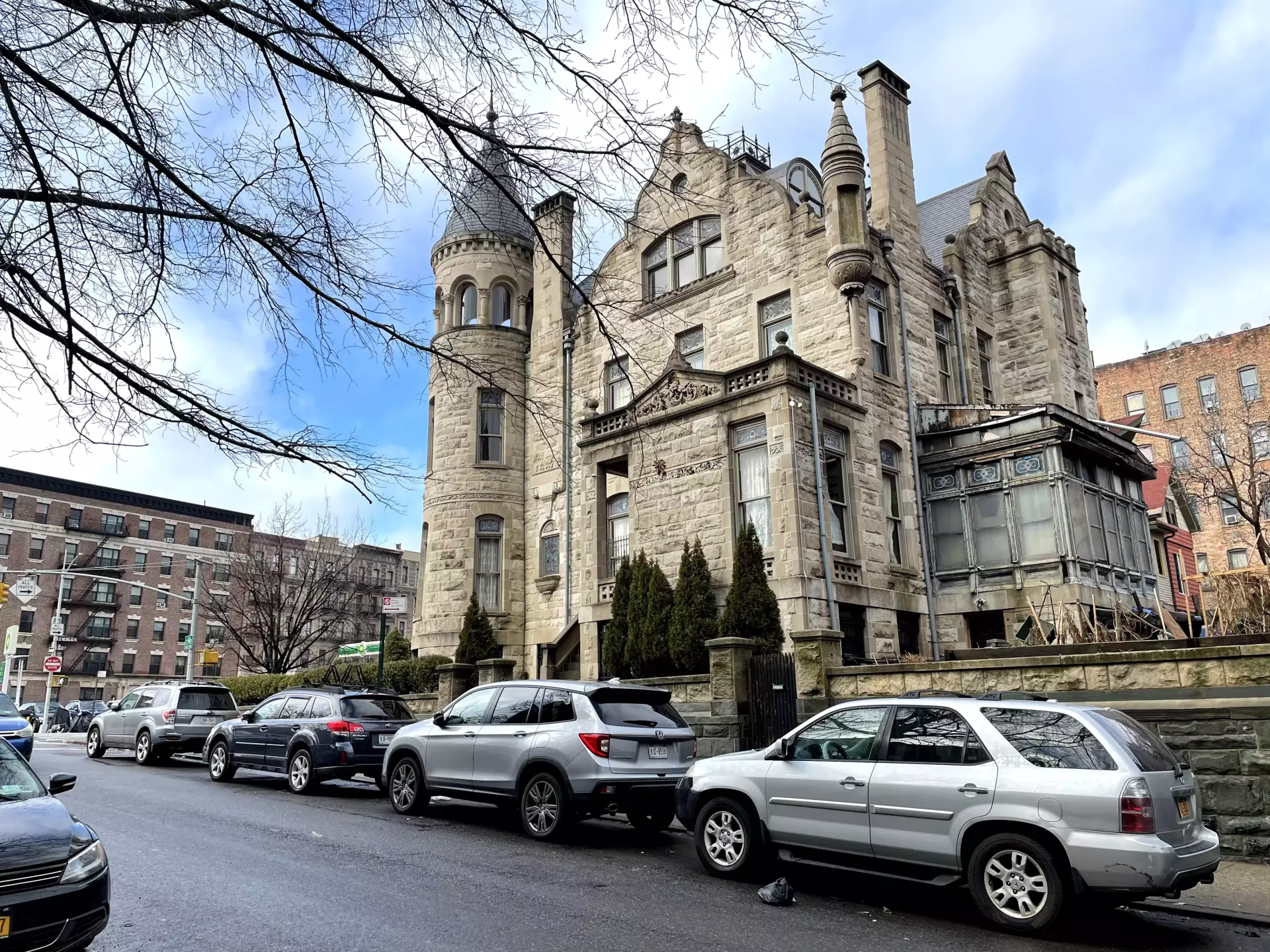
Street built by architect Samuel Burrage Reed. A major mansion owned by circus entrepreneur Anthony Bailey - joined with showman Phineas T. Barnum in 1881 to form the Barnum & Bailey circus. Now Known to the children of Harlem as the Beauty and the Beast house.
Collection of more than 200 paintings of the artist, exhibited on three floors of a classic townhouse.
Kingsland Homestead is a historic home, built by Charles Doughty around 1774. It is now a museum with exhibits about the Victorian era, the slavery in Queens, and how Queens was affected by World War II.
Built in 1802 (and physically shifted from its original location), this was the home of Alexander Hamilton, one of the founding fathers and the first Secretary of Treasury.
Inwood Hill Park contains the last tracts of virgin forest in Manhattan. Many arrowheads and other artifacts of the former Native American occupants of Manhattan Island have been found in this park.
A vintage carousel built in 1908 and situated on this spot since the 1950s, it's the fourth carousel to inhabit this location and is beautifully painted.