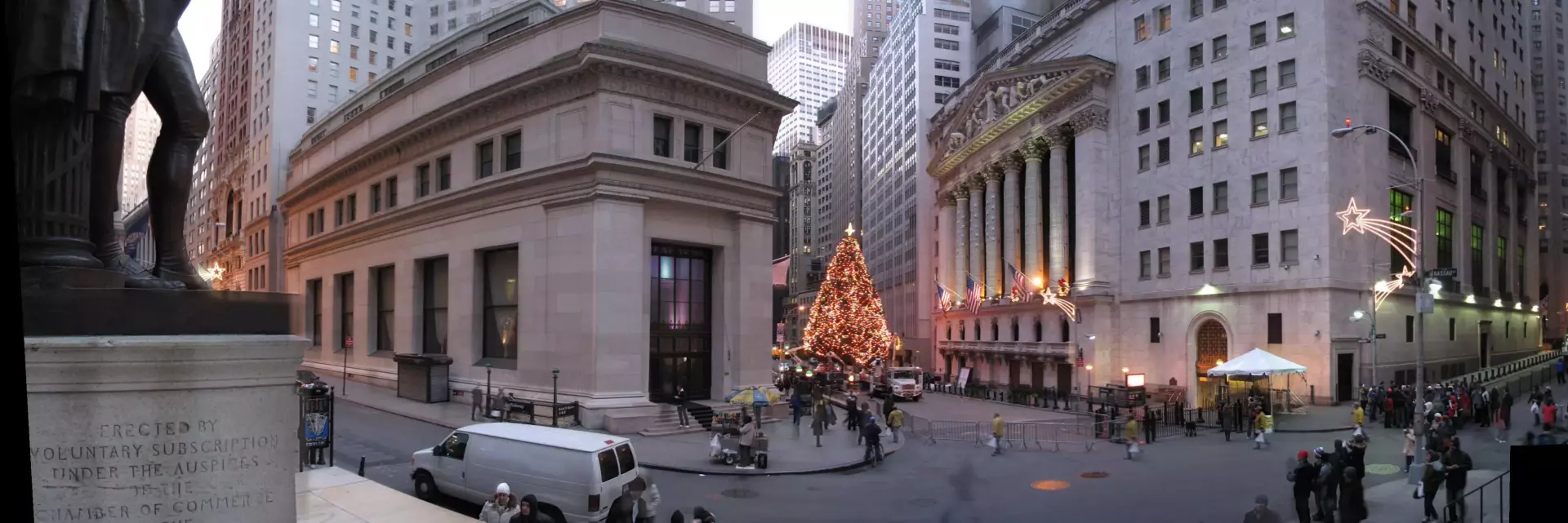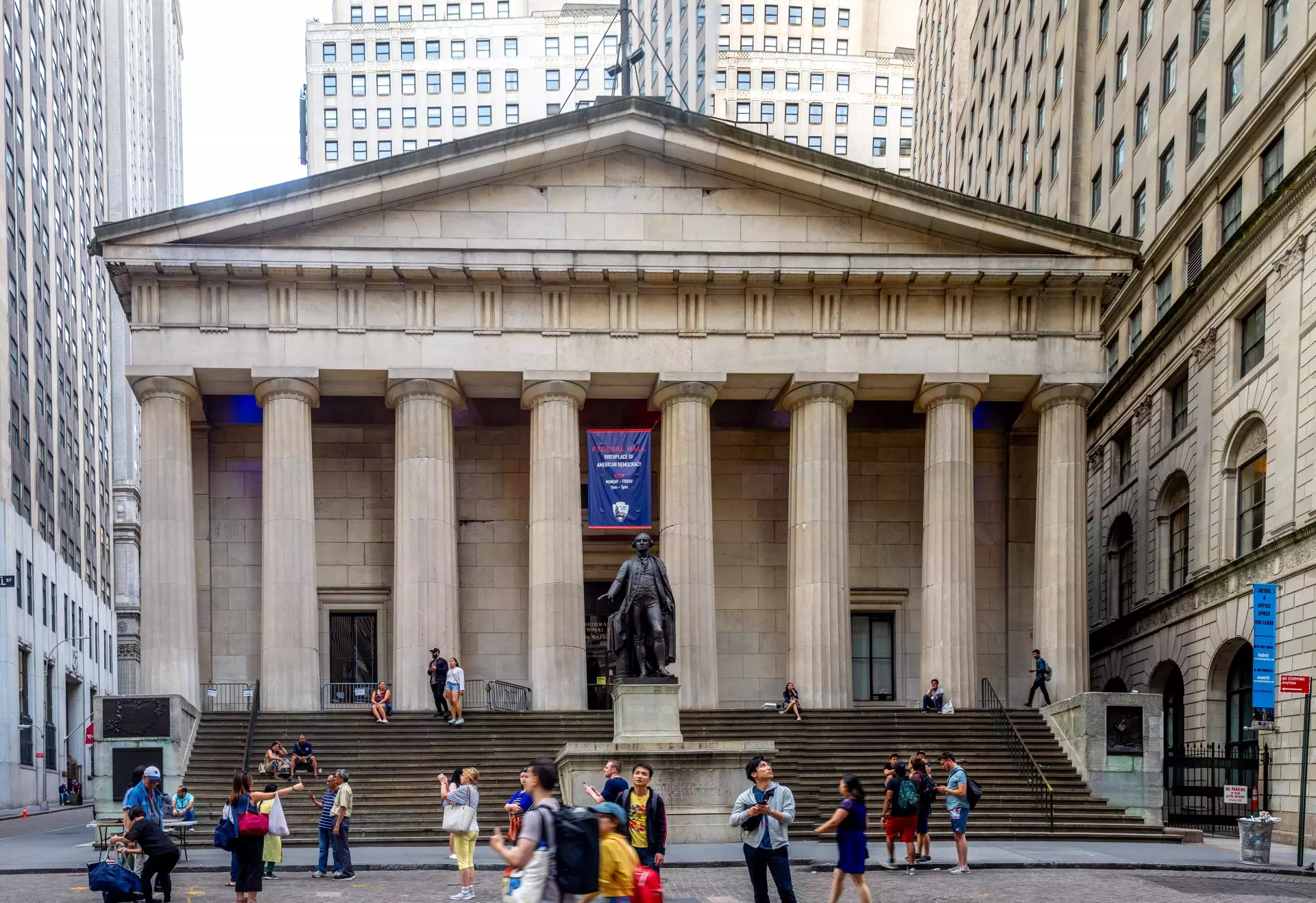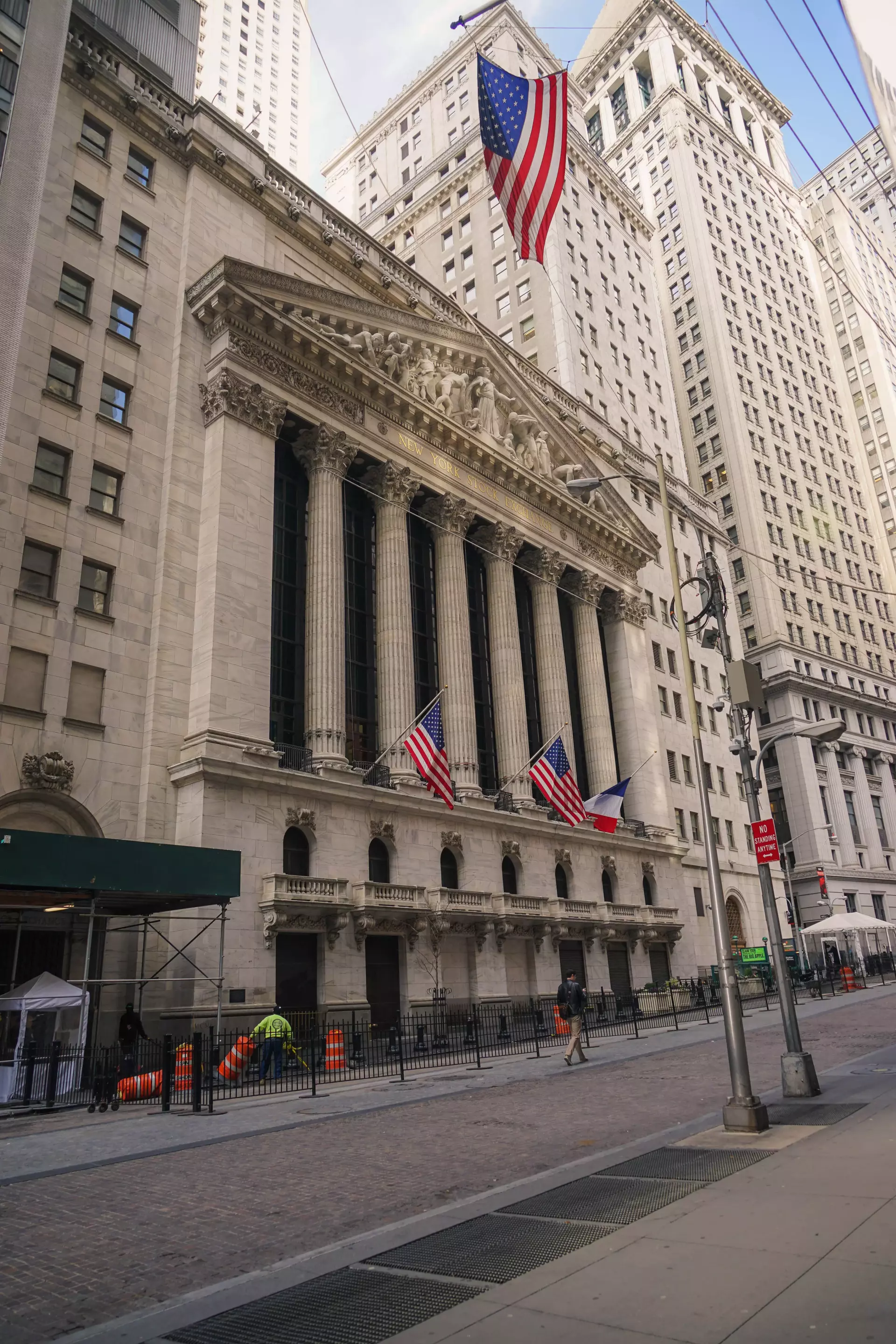
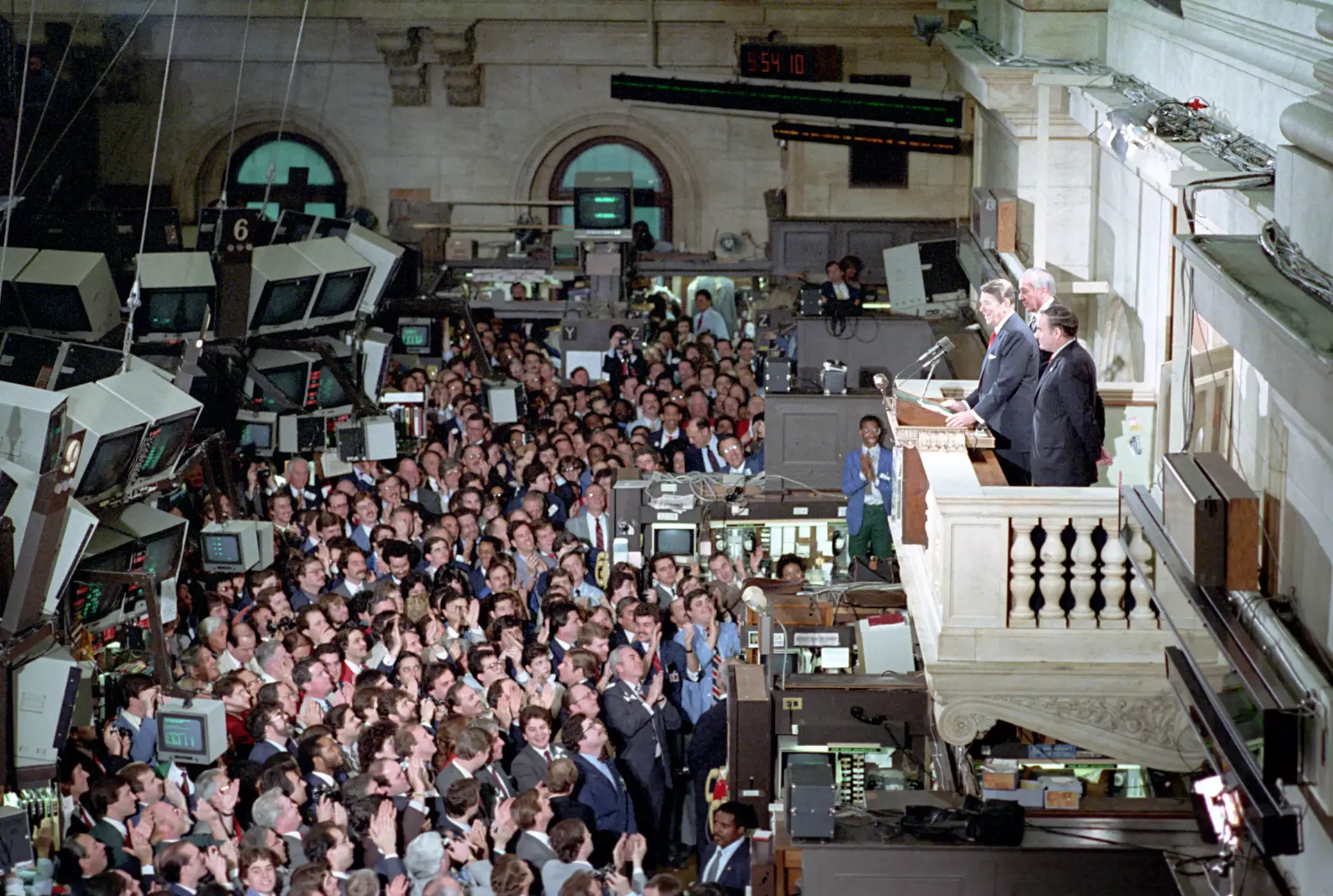
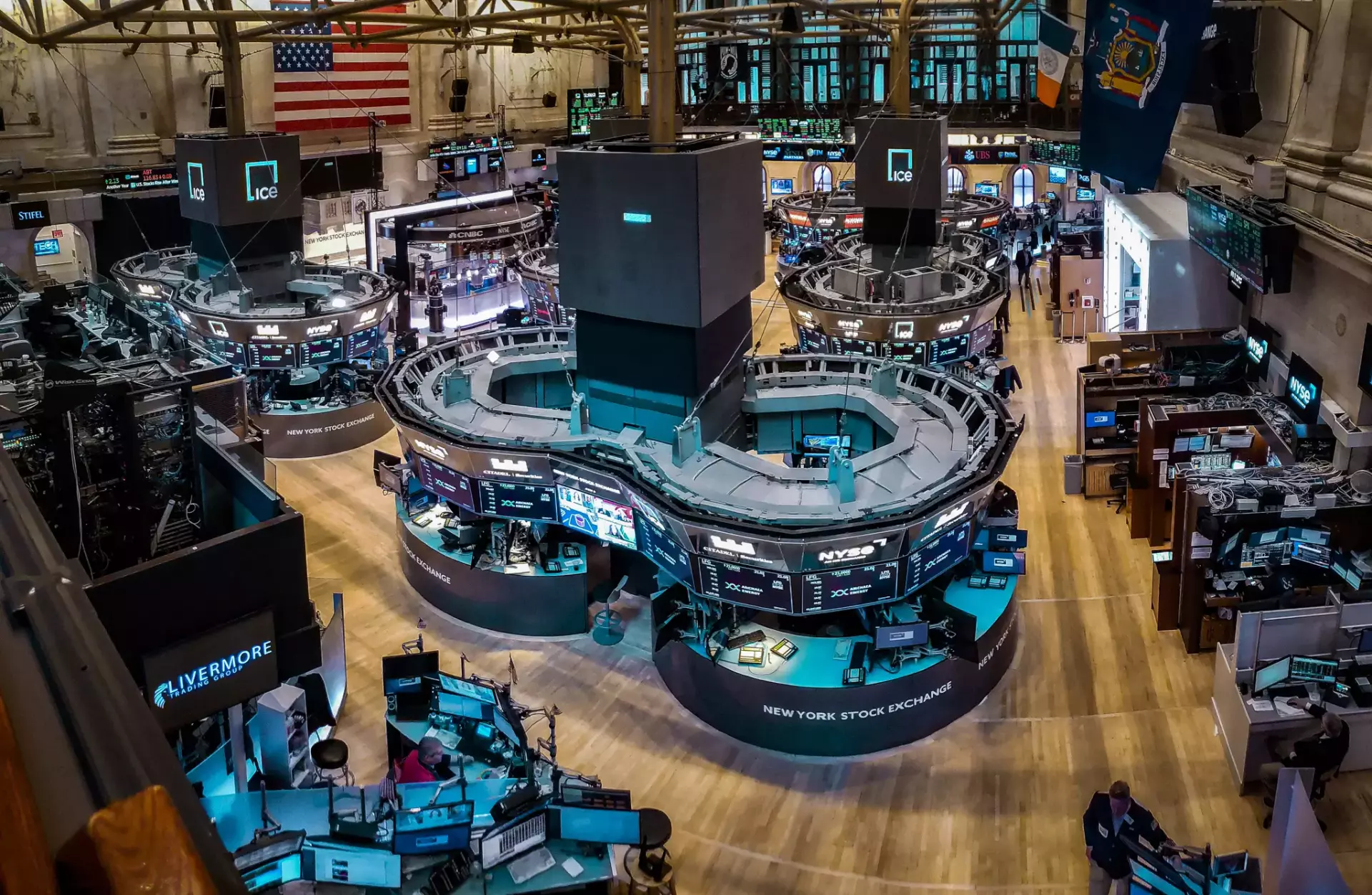
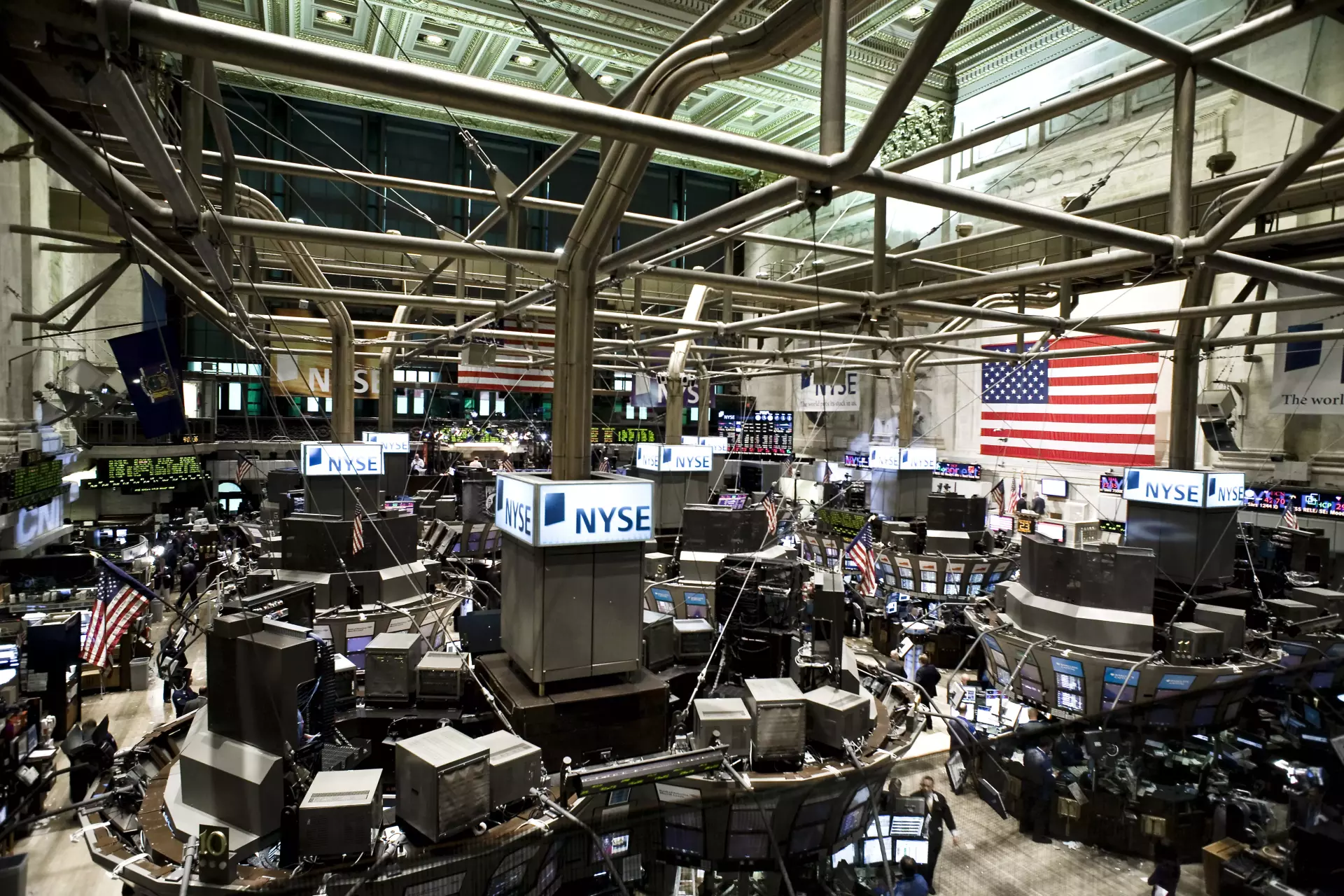
The New York Stock Exchange stands as a historic landmark, deeply intertwined with significant events in world history. Notably, it was at the center of the Black Thursday crash on October 24, 1929. This incident, along with the panic-induced sell-off that began on Black Tuesday, October 29, marked the onset of the Great Depression, a global economic crisis that defined the early 1930s.
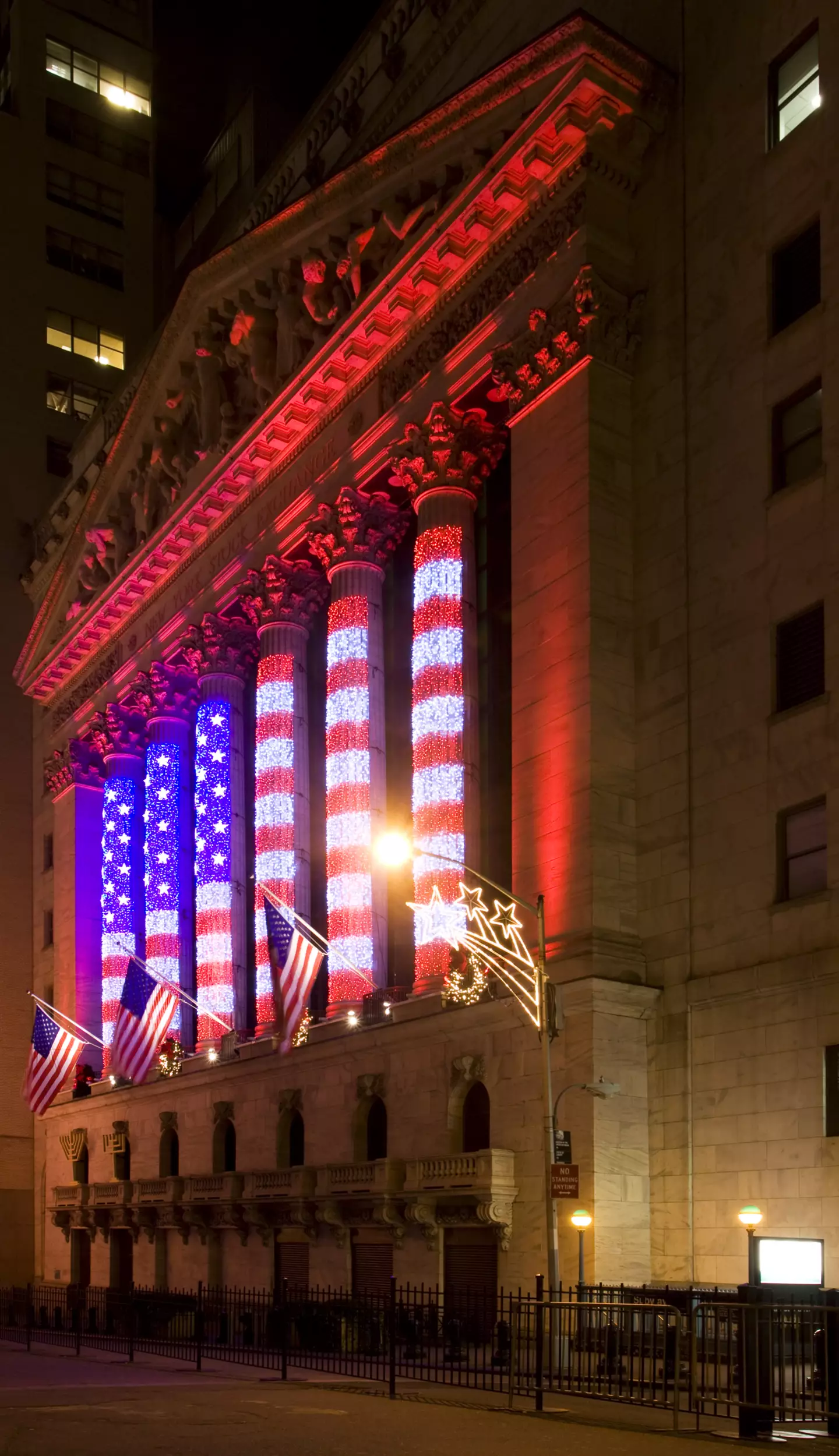
The present Exchange building, which opened its doors in 1903, is an architectural masterpiece. Its design is highlighted by six massive Corinthian columns that stretch across its Broad Street facade. These columns lend the building an air of substance and stability, symbolizing America's growth and prosperity to many who gaze upon it.
Since the events of September 11, 2001, the New York Stock Exchange building has been closed to the public. This measure was taken to ensure security and safety, making it a site now only accessible to those within the financial industry. Despite this, its historical and architectural significance continues to capture the imagination of many.
Source - https://en.wikipedia.org/wiki/New_York_Stock_Exchange
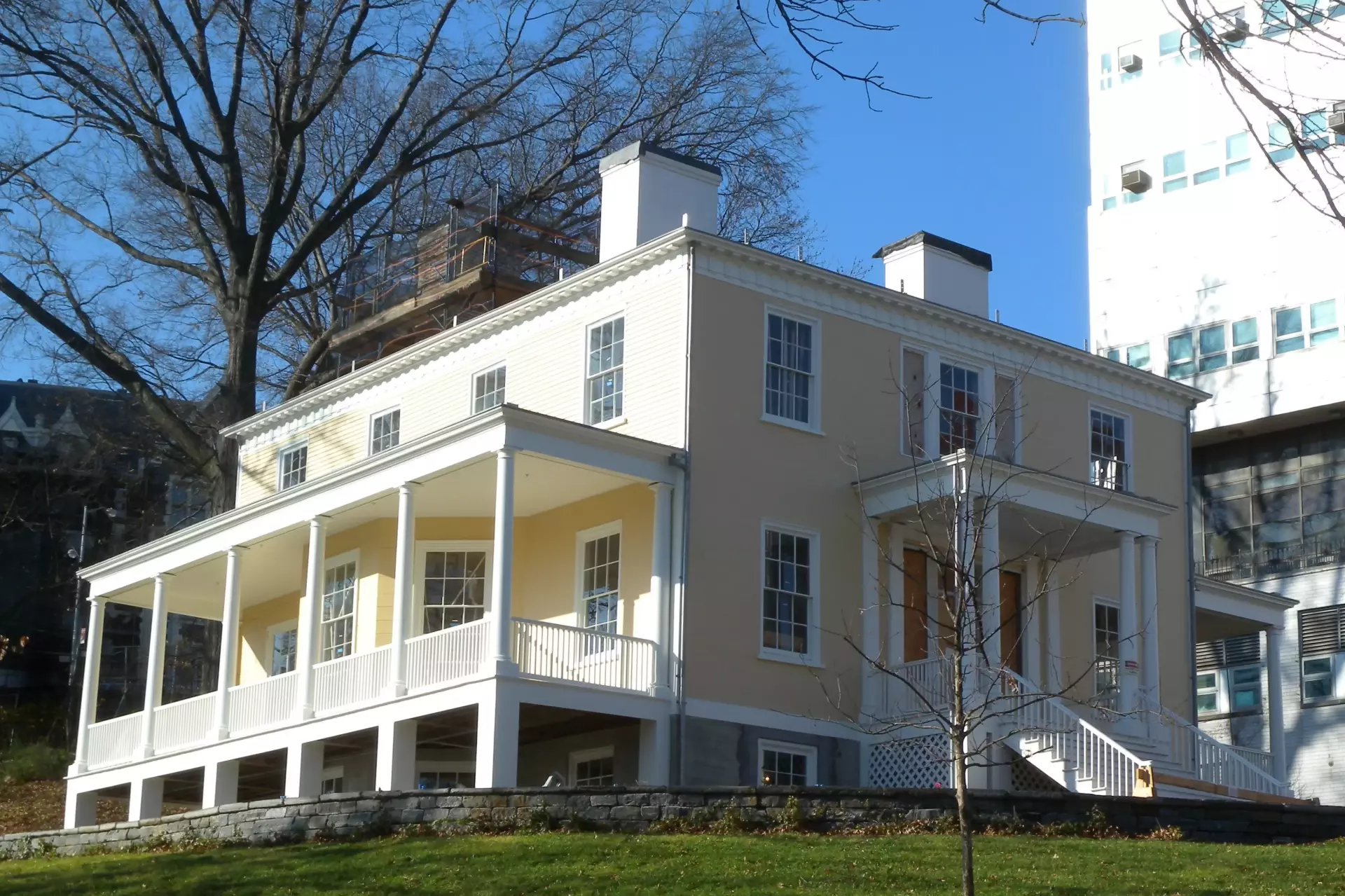
Built in 1802 (and physically shifted from its original location), this was the home of Alexander Hamilton, one of the founding fathers and the first Secretary of Treasury.
The world's largest neo-Gothic cathedral, the place has been a work in progress for over a century! There are also resident peacocks on campus, and many songbirds stop by during their seasonal migrations.
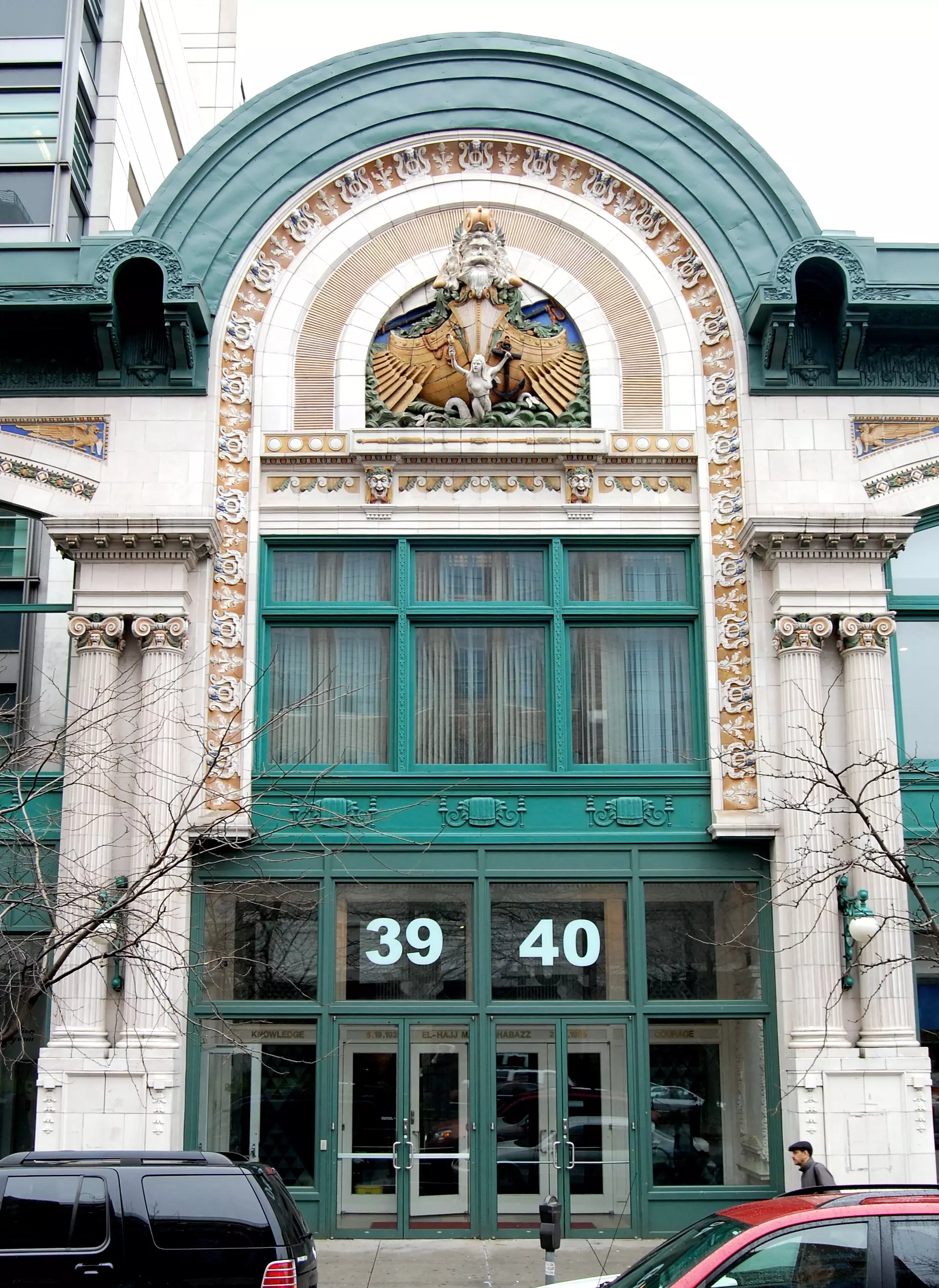
The first museum in the U.S. devoted to artists of African descent. Temporarily relocated from 144 W 125th St building for construction of new museum building.
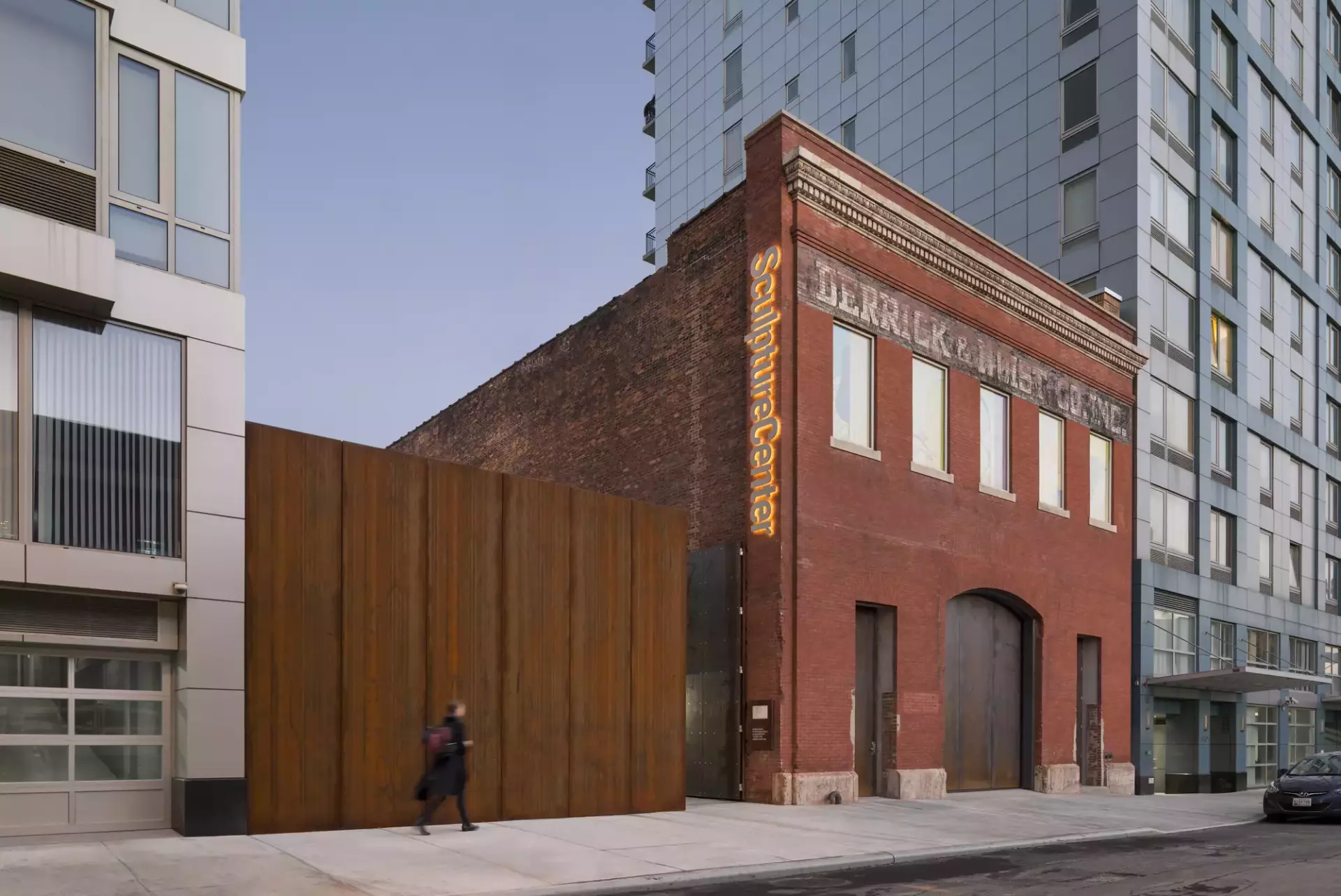
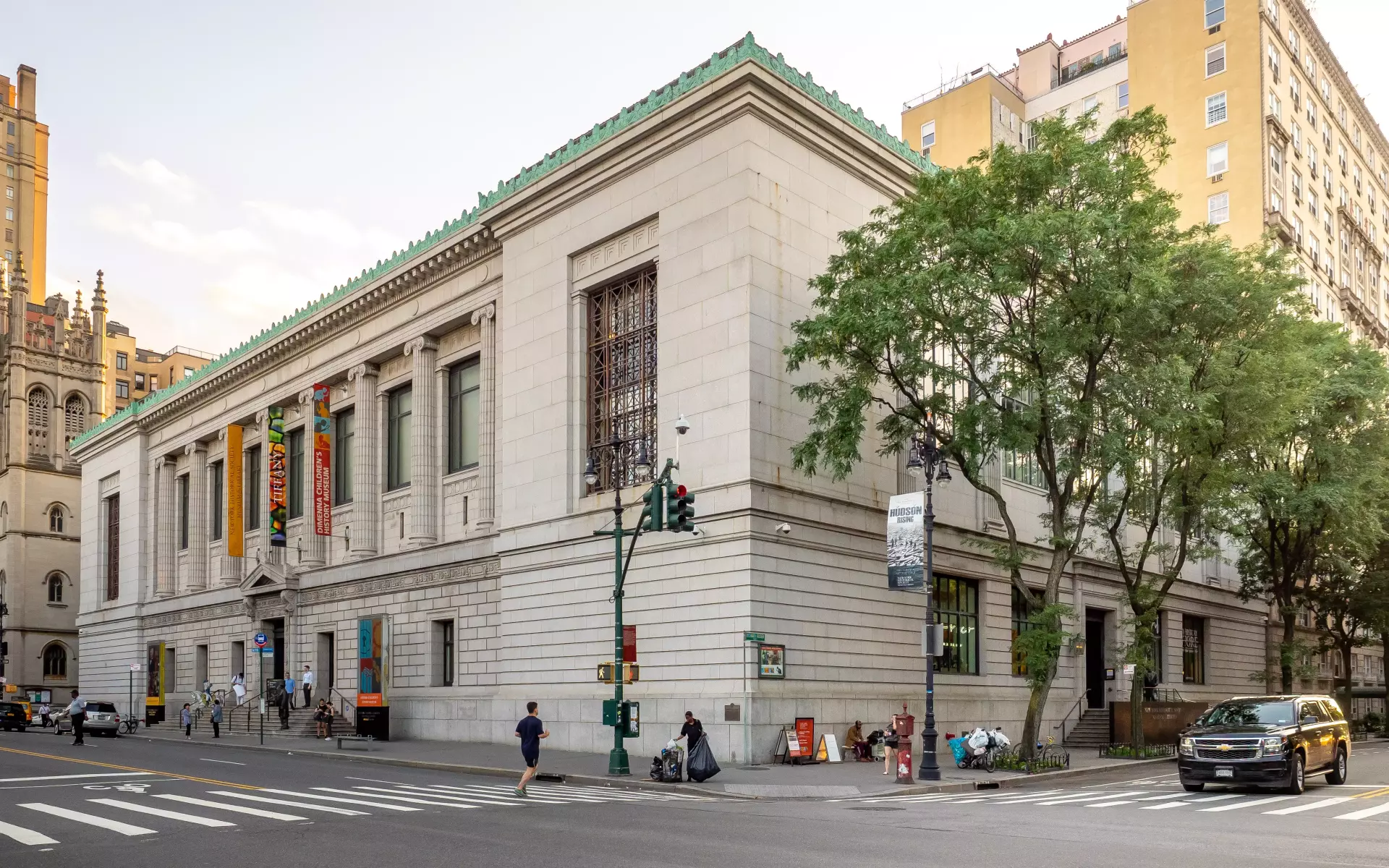
A visual arts center featuring the Panorama of the City of New York, a large architectural scale model of New York City. Originally built for the 1964 World’s Fair, the 9,335 ft² (867.2 m2) display depicts all 895,000 of the city's buildings (excluding Far Rockaway due to space limitations). It was last fully updated in 1992 and select newer buildings are added on an ongoing basis. The Twin Towers of the original World Trade Center remain in place. In addition to the Panorama, the museum has several other exhibits, including items related to the 1939 and 1964 World's Fairs, Tiffany glass, and various 20th-century artworks.
One of Manhattan's favorite meeting points, the centerpiece of this Terrace is the Angel of the Waters fountain, dedicated in 1873 and an enduring icon of the park.
Exhibits on the history of highrise and skyscraper construction.
On the 70th floor of the Comcast Building (better known by some as "30 Rock") is this narrow observation deck, built to resemble the deck of a cruise ship. The deck affords uninterrupted views over Central Park to the north and across Midtown to the south.
From its intersection with Park Row (just east of City Hall) you can walk (takes about 20-30 minutes each way), bike, or drive across the historic and iconic bridge to Brooklyn. The view from the bridge is quite lovely, with excellent views of Lower Manhattan and Downtown Brooklyn and good views of Midtown and the New York Harbor in the distance.
A small museum dedicated to finance and the markets, with exhibits that change periodically. Closed to find a new location as of Mar 2024.
Kingsland Homestead is a historic home, built by Charles Doughty around 1774. It is now a museum with exhibits about the Victorian era, the slavery in Queens, and how Queens was affected by World War II.
General Ulysses S. Grant and his wife are buried in this imposing mausoleum, the largest tomb in North America. If you come when it is closed, you can still see the impressive facade, but coming during open hours gives you the opportunity to view the murals, the tomb and various documentation inside. Across Riverside Drive, there is a viewpoint to look across the Hudson River, a museum, gift shop and restrooms.
This massive apartment building has been (and is!) home to many celebrities. Probably best known was the former Beatle John Lennon, who was gunned down outside the building on December 8, 1980, by a crazed fan. Lennon had been living at the Dakota with his second wife, Yoko Ono, who still resides in the building. A memorial to the former Beatle exists nearby in Central Park. The building has become a popular place of pilgrimage for many who admire Lennon.
Constructed between 1858 and 1862, the Reservoir is a vast urban lake that covers 106 acres of Central Park and is the largest body of water within Manhattan. Renamed the "Jacqueline Kennedy Onassis Reservoir" in 1994, the Reservoir is probably best known for the 1.58 mile track that runs around its edge and which is a favorite for joggers, who can both run and enjoy the spectacular views of the city skyline.
Housed in the Alexander Hamilton US Custom House, this Smithsonian museum is the New York branch of the National Museum of the American Indian (the other branches are in Washington, D.C. and Maryland).
Governors Island has a long military history, home to headquarters and military posts of the United States Army from 1794 until 1966, then a complex for the U.S. Coast Guard before becoming a historic district open to tours.
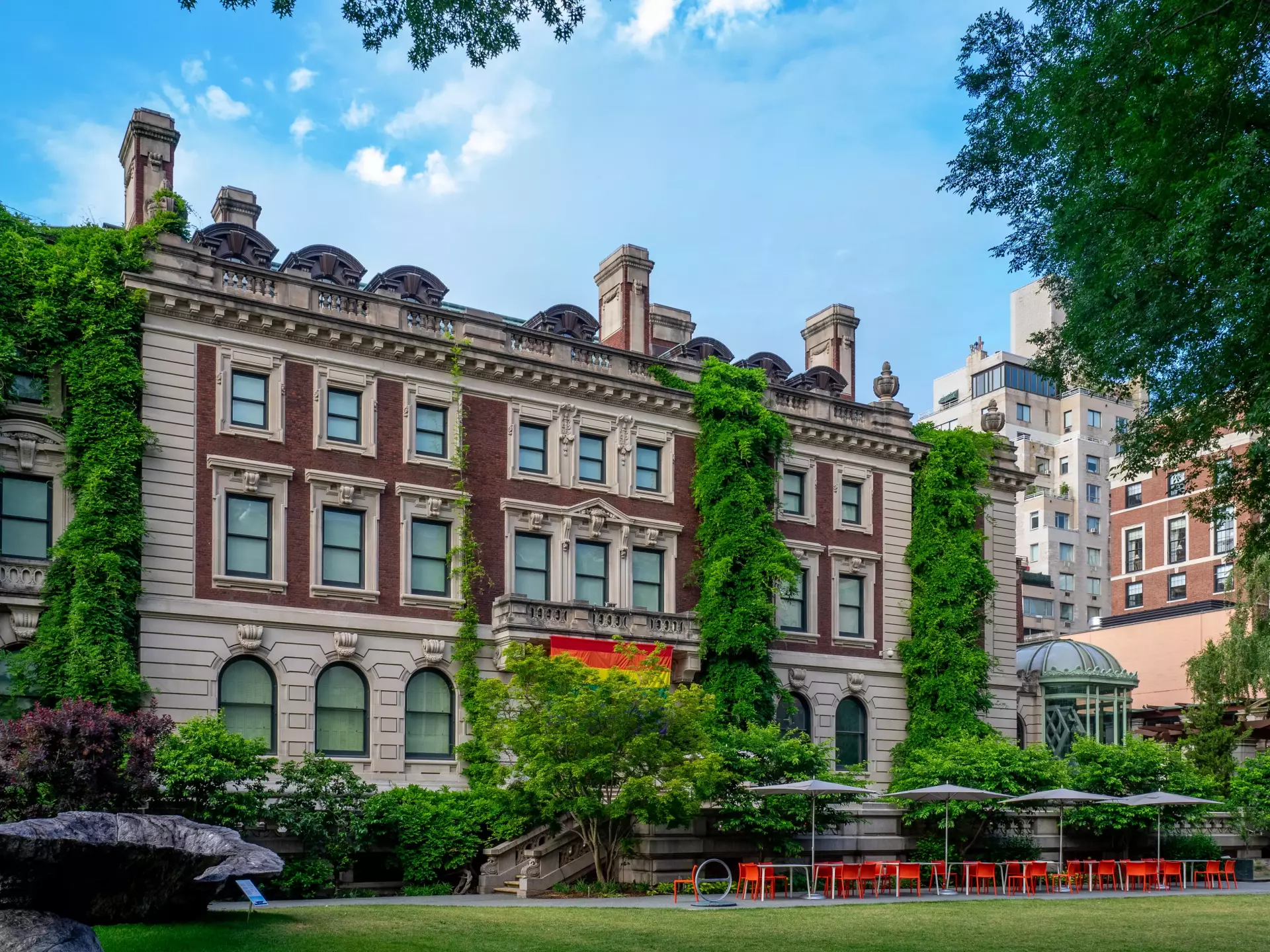
A branch of the Smithsonian Institution, the Cooper Hewitt is devoted to over 240 years of contemporary and historic design, with changing exhibits.
At the southern tip of Manhattan, Battery Park is a waterfront green space, named for the artillery batteries which were installed here to protect the settlement of New York when it was under Dutch, then British rule. In the lead-up to the War of 1812, 40.70343-74.0168214 Castle Clinton was constructed as a fort to protect the city, and is now operated as a small museum. There are several memorials in the park, including 40.70387-74.0172715 The Sphere, a public art piece originally housed on the World Trade Center site which survived the events of September 11 and was moved to Battery Park. Ferries departing to the Statue of Liberty and Ellis Island (see below) depart from here.
Dedicated to preserving and collecting television programs as a service to the public, the museum consists of two museum branches in Los Angeles and New York City; combined they hold over 100,000 television programs that are available to the public, providing a historical, artistic and cultural perspective to television and radio. You may use their library here for the price of admission. They have lots of old shows and a database so you can see if they have what you want.