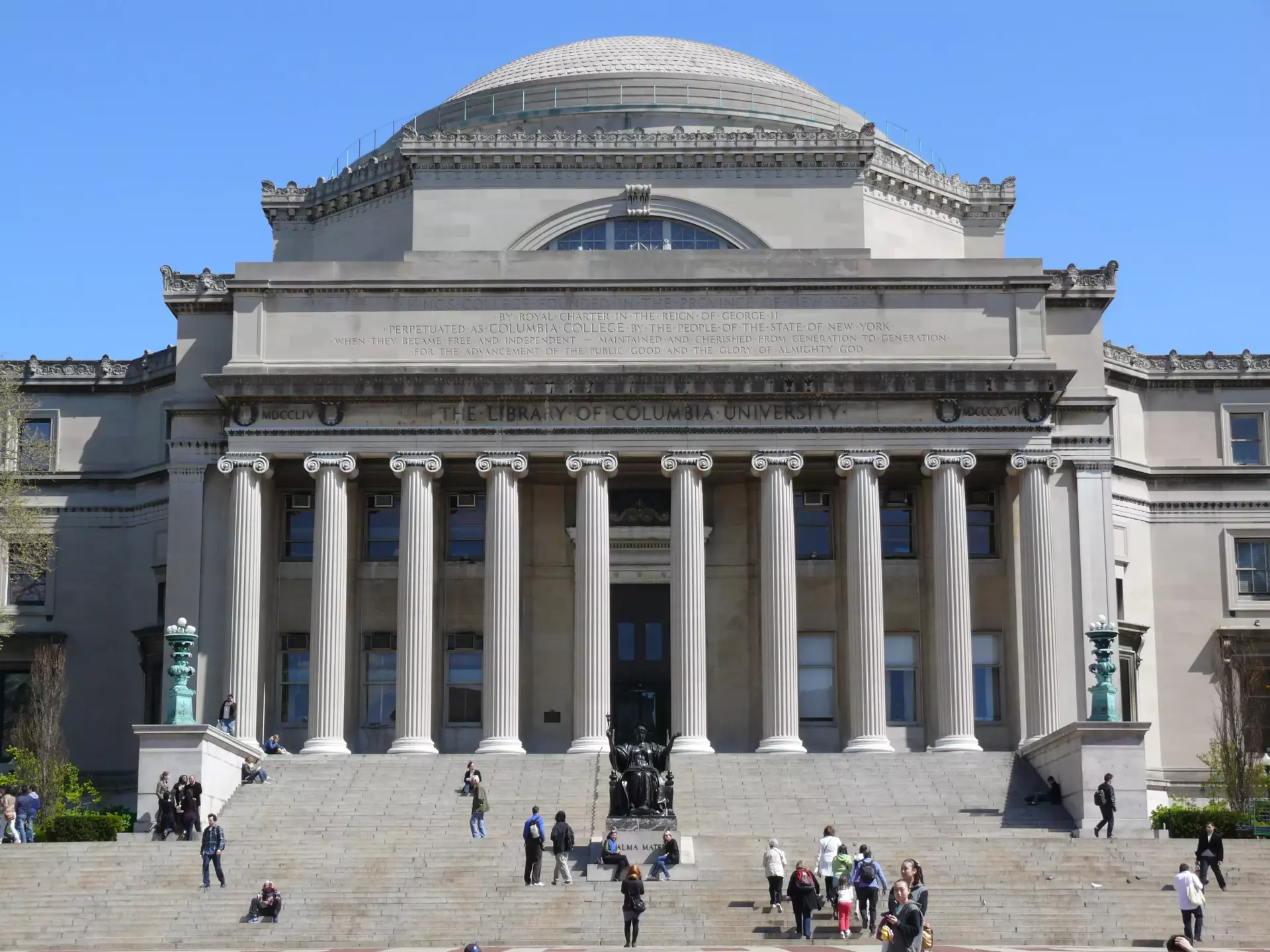
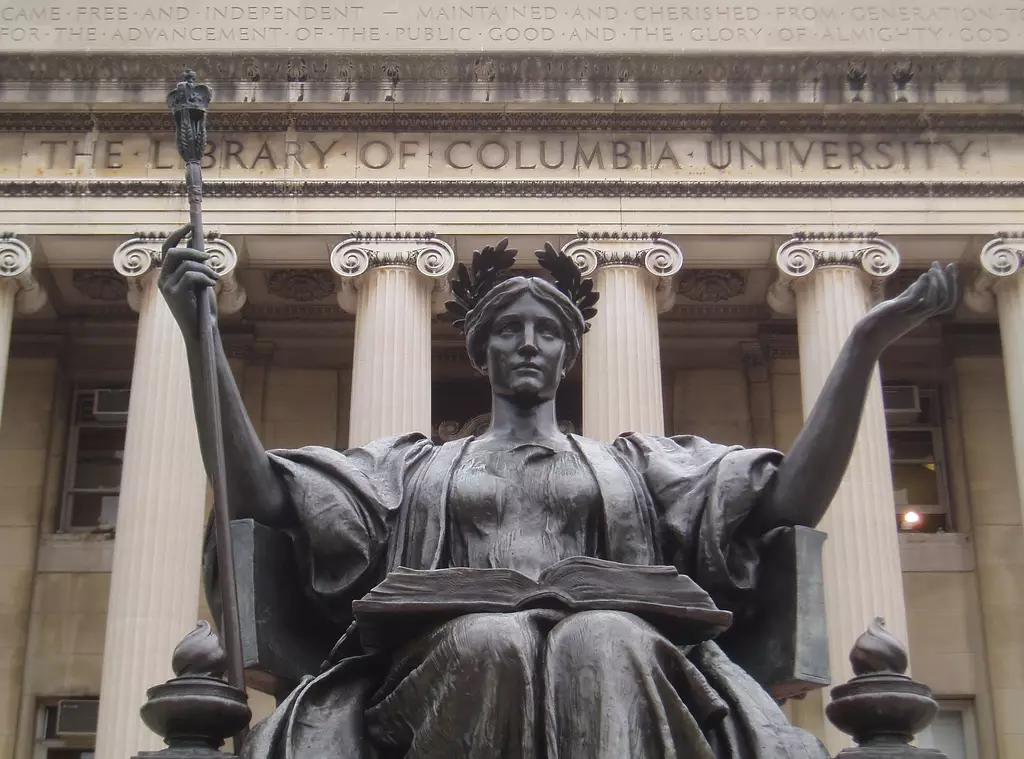
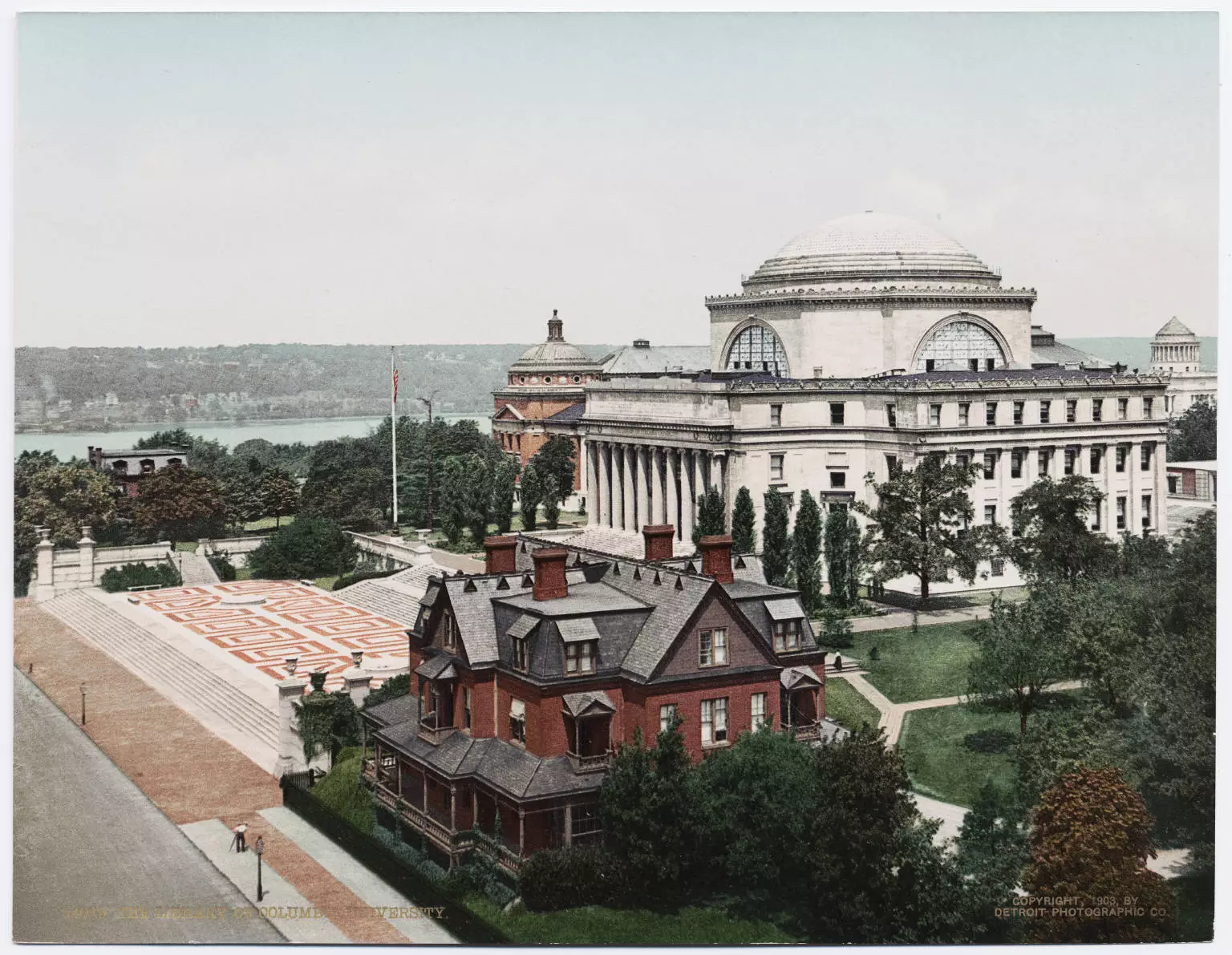
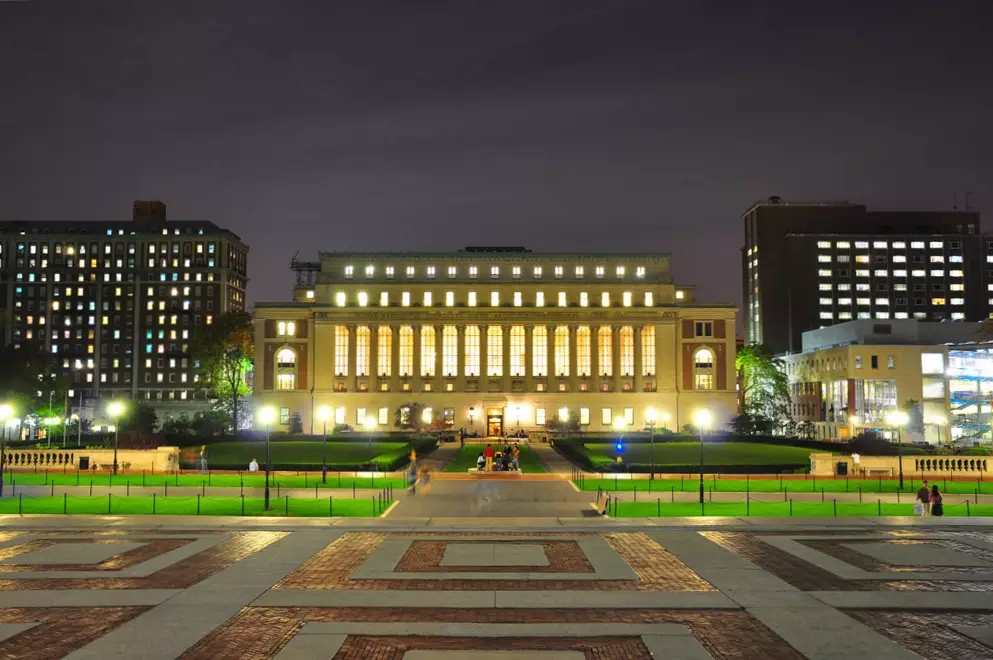
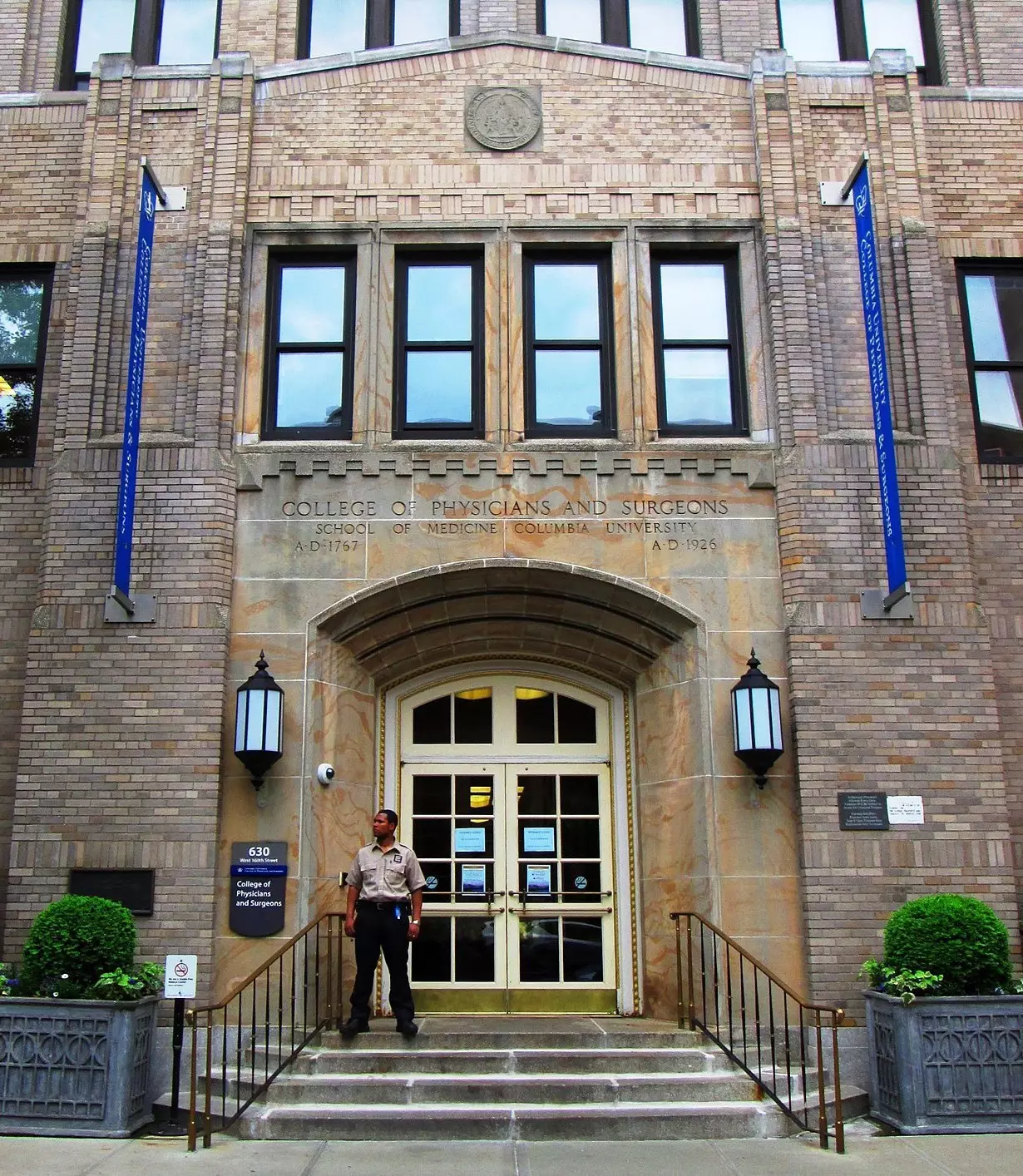

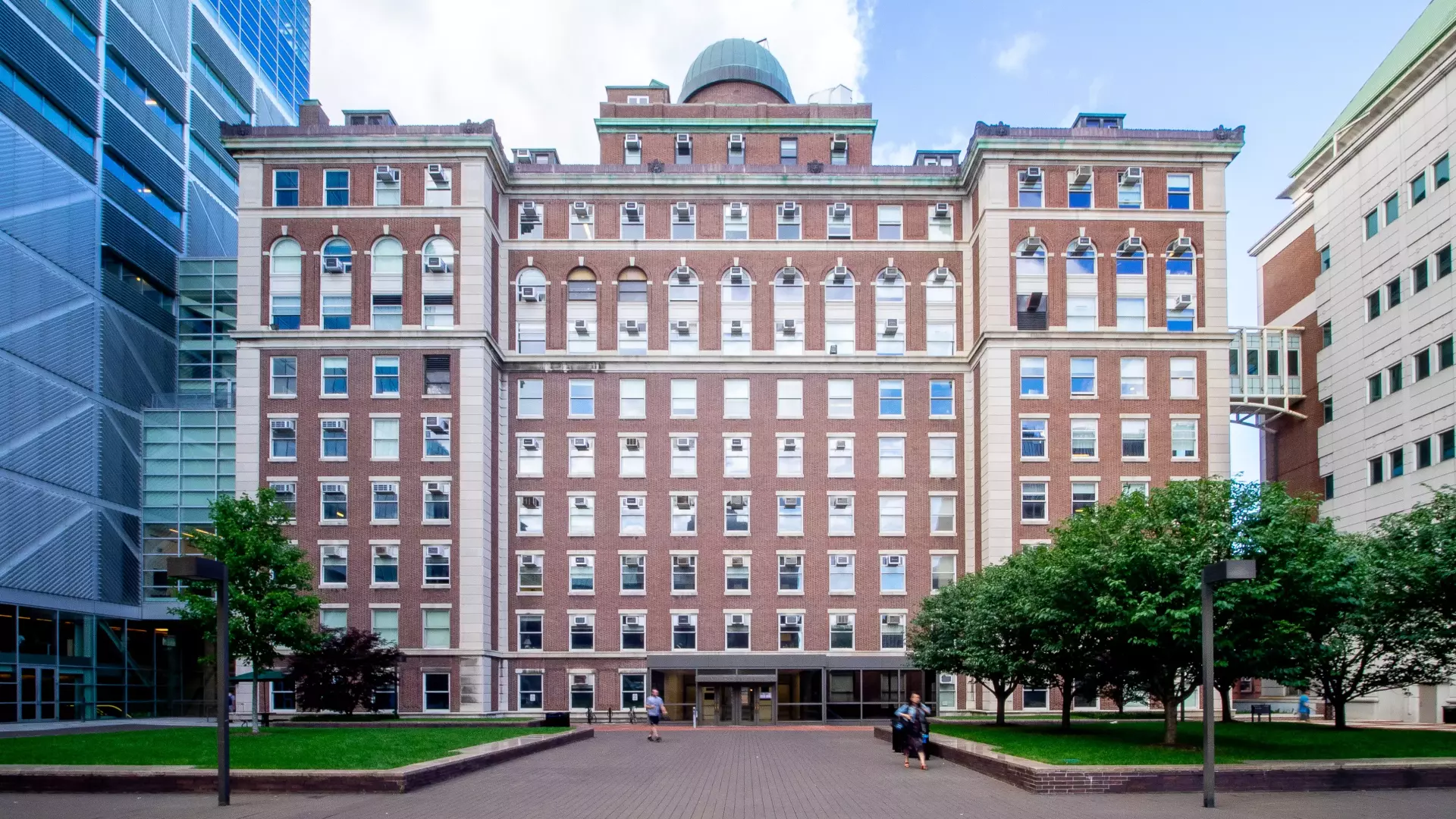
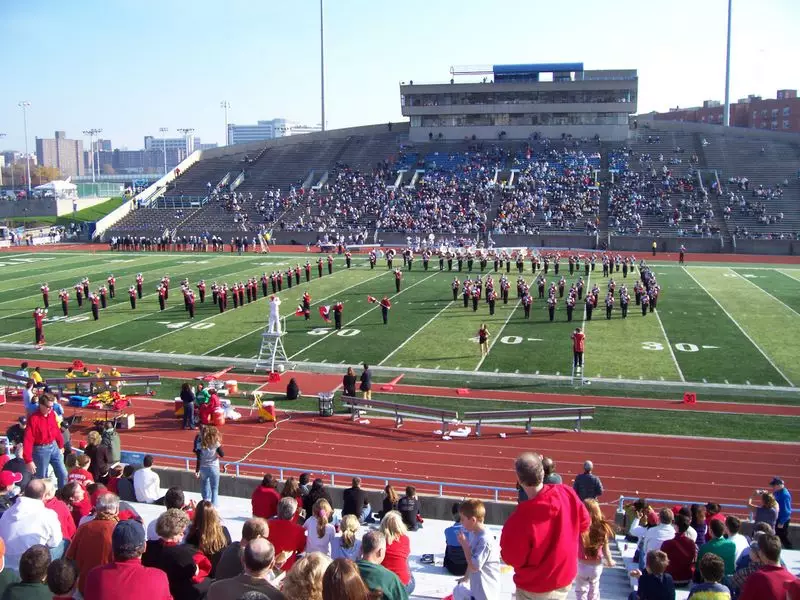
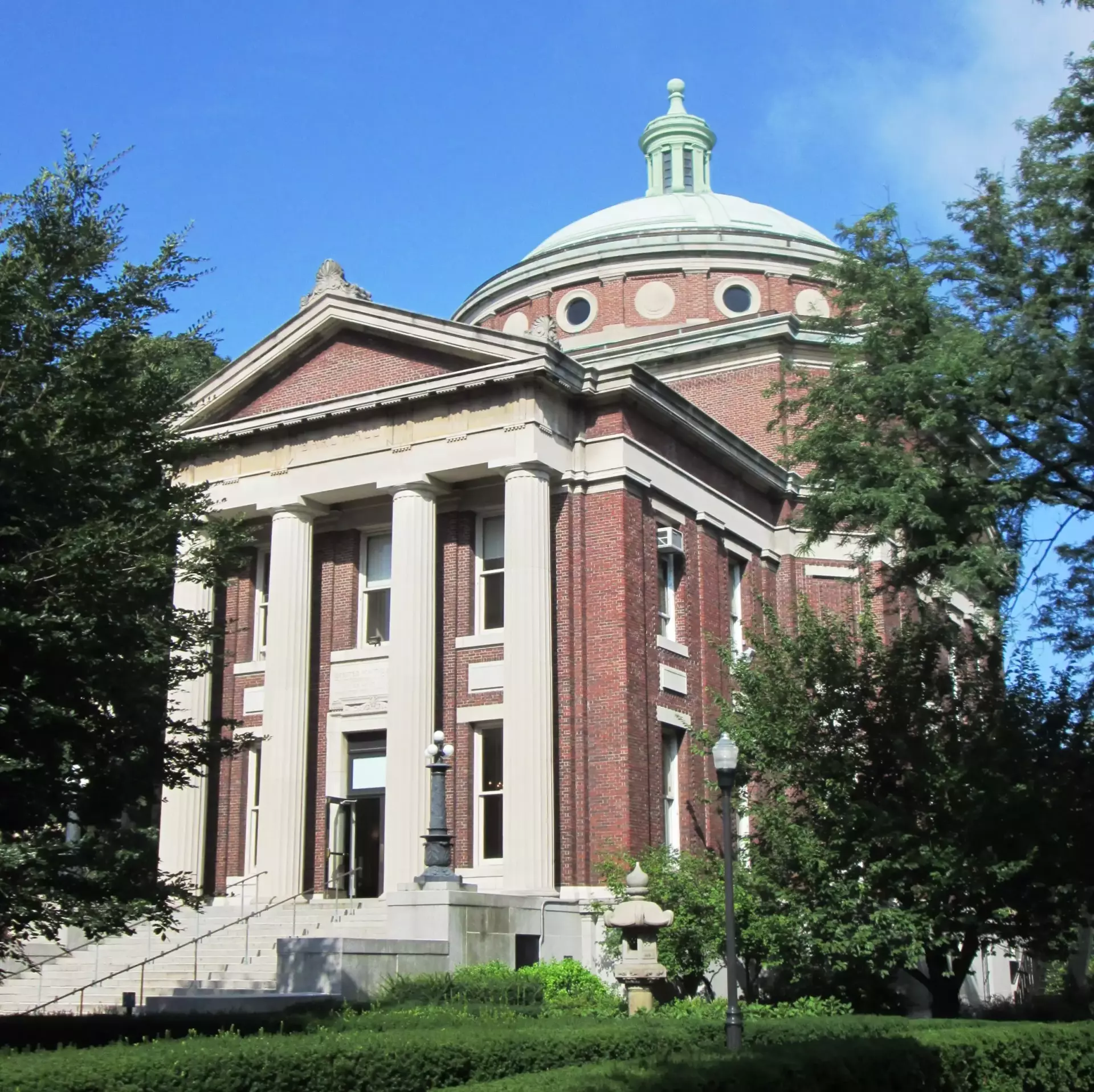
Columbia University is one of the oldest and most prestigious universities in the United States. Founded during the British colonial era, it was initially known as King's College. Over the years, Columbia has grown into a world-renowned institution, recognized for its rigorous academic programs and vibrant campus life.
The university's history is deeply intertwined with the development of New York City and the nation. Originally established in 1754 under a royal charter from King George II, it was renamed Columbia College after the American Revolution. This change reflected the new nation's spirit of independence and its shift away from colonial ties.
Located in the bustling city of New York, Columbia University offers a dynamic urban campus that blends historic architecture with modern facilities. Its academic departments are consistently ranked among the top in the world, catering to students from diverse backgrounds who come to study a wide range of disciplines.
Over the centuries, Columbia has produced an impressive roster of alumni, including U.S. Presidents, Nobel laureates, and influential leaders in various fields. The university's emphasis on fostering a community of thinkers and innovators is evident in the success and contributions of its graduates.
Source - https://en.wikipedia.org/wiki/Columbia_University
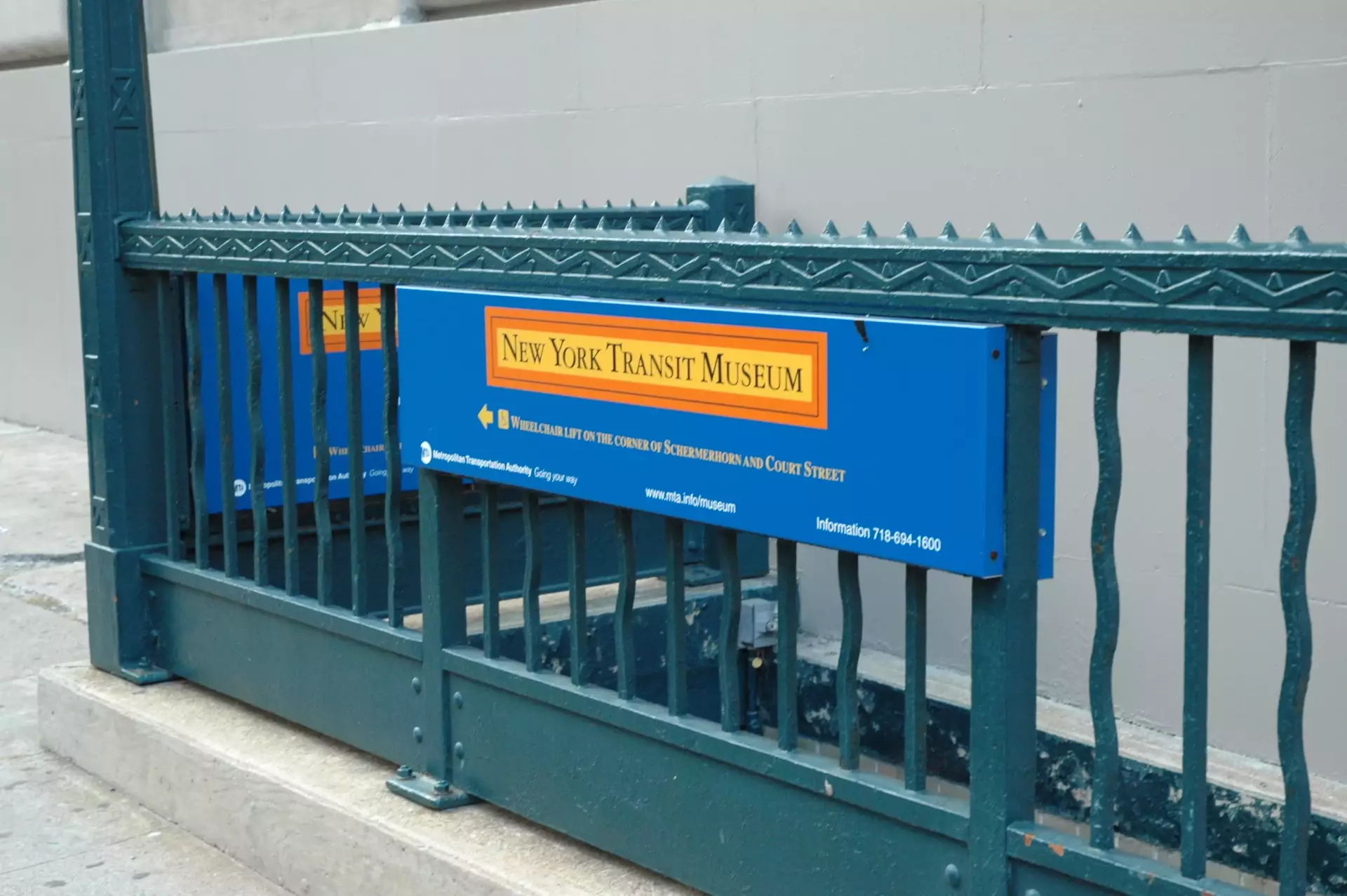
The original subway station, and quite a marvel to witness--the chandeliers and ornate tiling are a sharp contrast to the nearby Brooklyn Bridge-City Hall station. There's one catch, though: it's been closed since 1945. However, you can see it by staying on the downtown 6 train after its last stop Brooklyn Bridge-City Hall; it will turn around in the old station. This is the one place in the system where this is allowed, and the announcements reflect that. The Transit Museum (in Downtown Brooklyn) offers occasional tours as well, which allow you to actually walk around the station, but you must be a museum member and a US citizen, making this an impractical choice for most visitors.
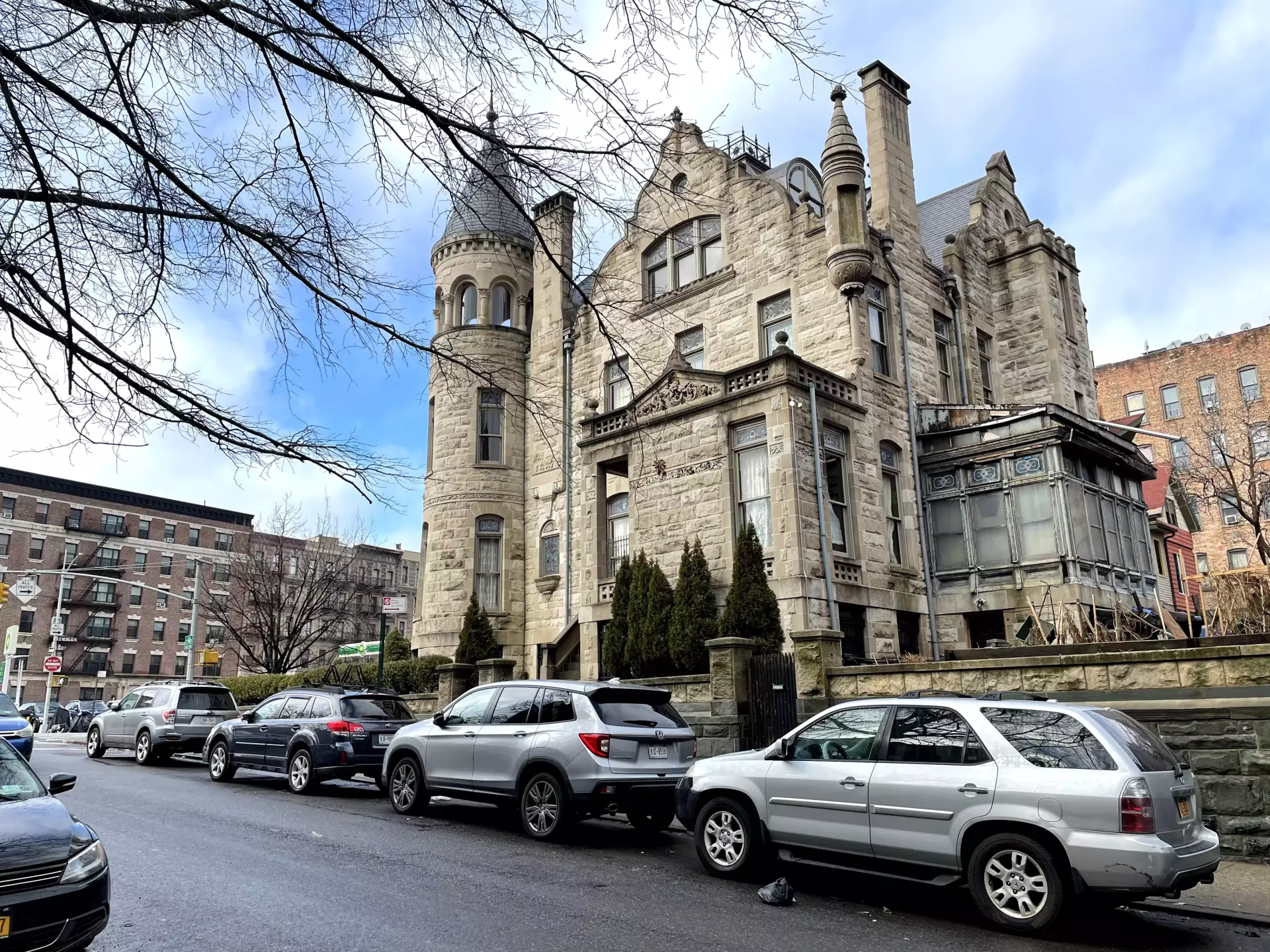
Street built by architect Samuel Burrage Reed. A major mansion owned by circus entrepreneur Anthony Bailey - joined with showman Phineas T. Barnum in 1881 to form the Barnum & Bailey circus. Now Known to the children of Harlem as the Beauty and the Beast house.
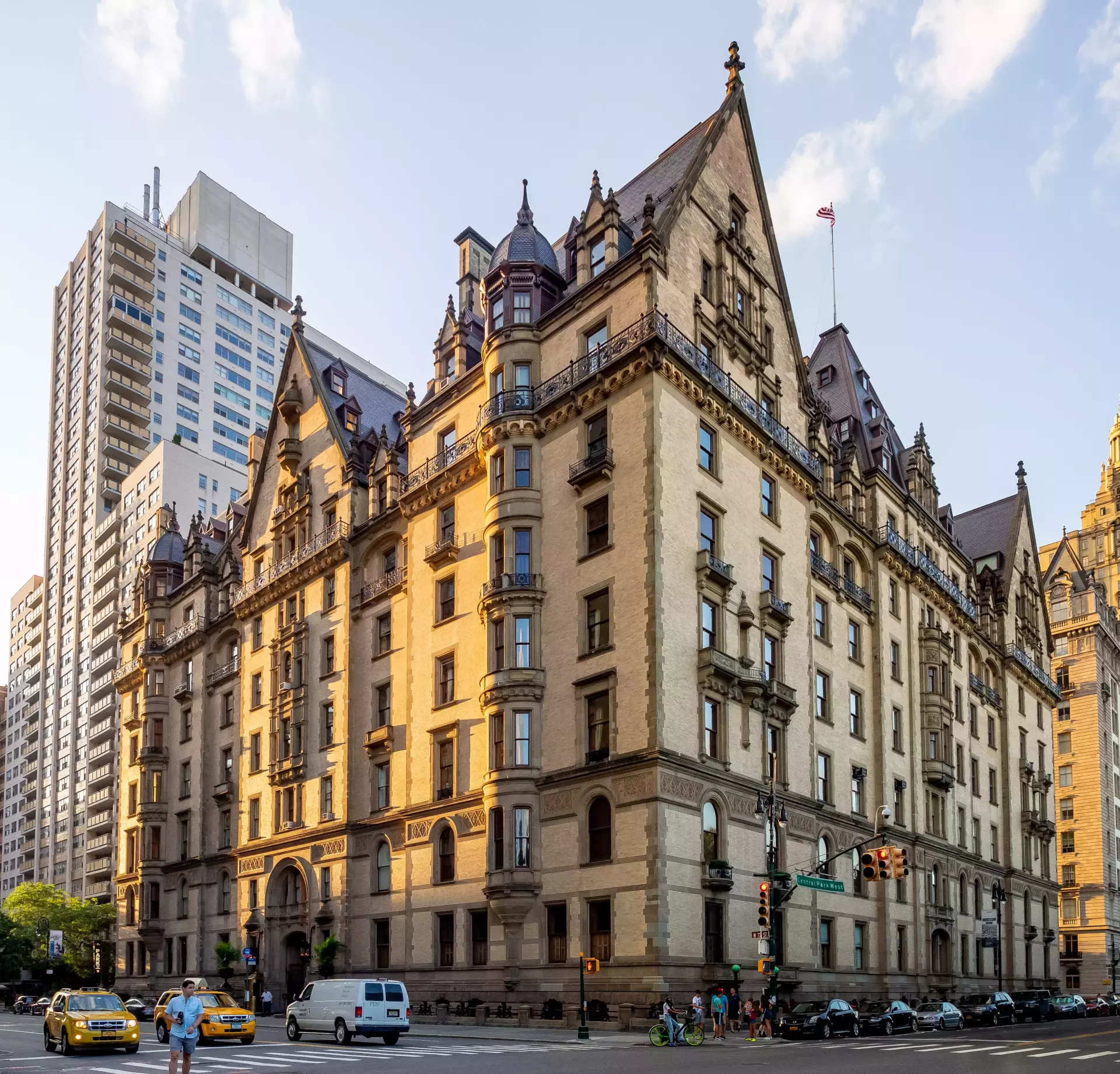
This massive apartment building has been (and is!) home to many celebrities. Probably best known was the former Beatle John Lennon, who was gunned down outside the building on December 8, 1980, by a crazed fan. Lennon had been living at the Dakota with his second wife, Yoko Ono, who still resides in the building. A memorial to the former Beatle exists nearby in Central Park. The building has become a popular place of pilgrimage for many who admire Lennon.
A historic site, not least because of the Black Thursday crash of the Exchange on 24 October 1929 and the subsequent sell-off panic which started on Black Tuesday, 29 October, precipitating the worldwide Great Depression of the early 1930s. The present Exchange building opened in 1903, recognized from the first as an example of masterful architecture, with the six massive Corinthian columns across its Broad Street facade imparting a feeling of substance and stability and, to many, seeming the very embodiment of America’s growth and prosperity. The building has been closed to the public since 9/11.
Sitting on Vista Rock, one of the highest points in the park, the castle provides excellent views of Central Park, particularly to the north. It is a popular spot for photography and contains a visitor center and a nature conservatory. Just below the castle to the north is Turtle Pond, a small, swamp-like pond holding various fish, frogs, insects, and birds.
A small museum dedicated to finance and the markets, with exhibits that change periodically. Closed to find a new location as of Mar 2024.
A branch of the Smithsonian Institution, the Cooper Hewitt is devoted to over 240 years of contemporary and historic design, with changing exhibits.
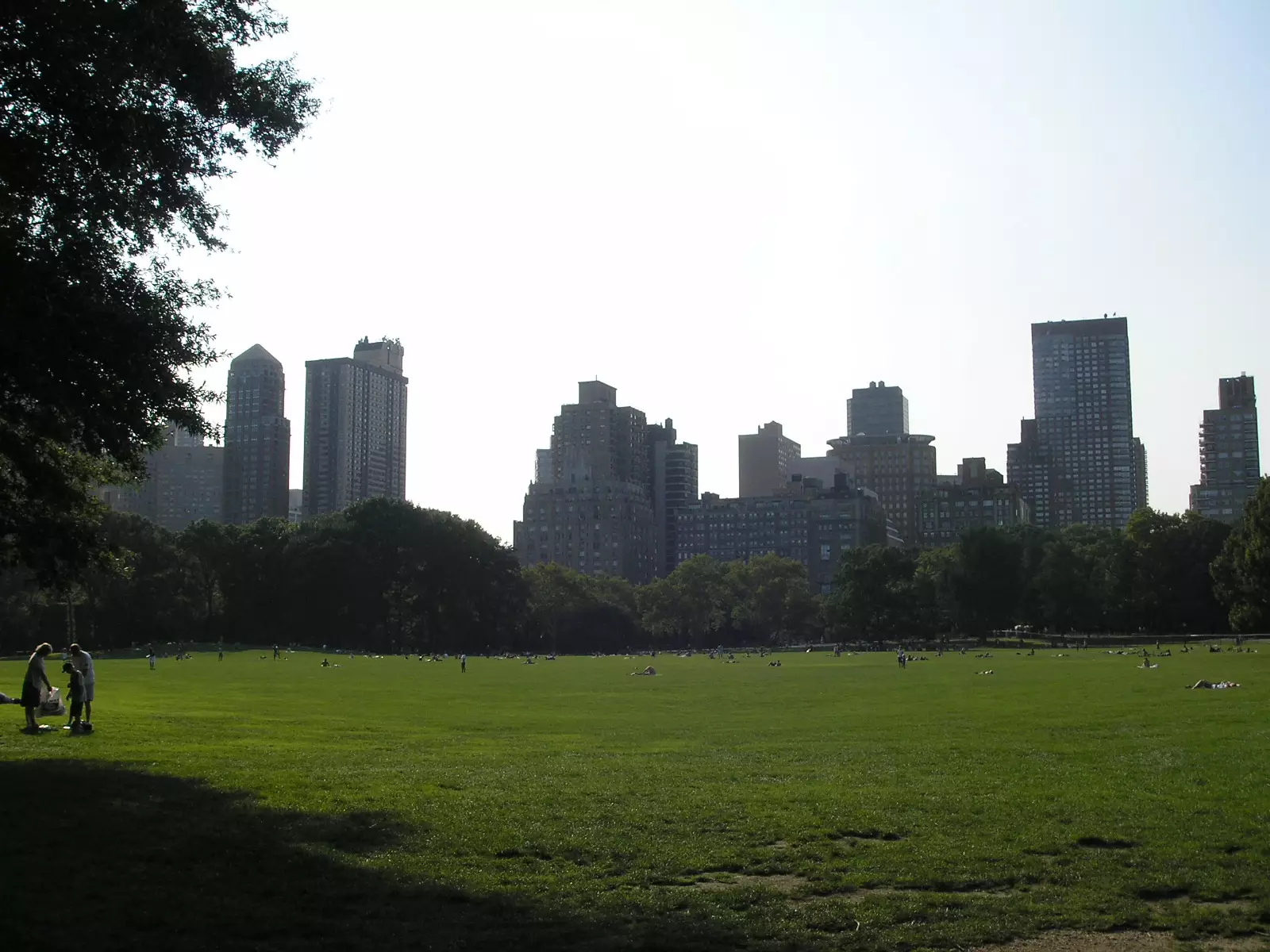
A spacious green lawn that was originally home to a herd of sheep, which grazed in the meadow and tended to in their nearby pen - a Victorian style building which today is the Tavern on the Green restaurant (see Eat below).
A museum dedicated to folk & self-taught artists.
Holding a remarkably large collection, each of the 5 floors of this massive building has expansive and well-designed exhibits devoted to astronomy, biology, geology, anthropology, climatology, and paleontology. You will want to allow a full day if you hope to see the entirety of the museum. Some of the highlights are the Rose Center for Earth and Space on the northeast corner of the building, which contains a seven-story glass cube holding the Hayden Planetarium, a huge sphere suspended above the exhibit halls below and holding a "cosmic pathway" exhibit; the numerous habitat diorama halls on the first, second and third floors, with recreations of African, Asian, North American, and ocean plants and animals, including a full-size model of a Blue Whale suspended above the Ocean Life Hall; a Hall of Minerals and Gems, which contains many rare and beautiful specimens, including the largest star sapphire in the world and a chunk of a massive meteorite; extensive anthropology halls on the first, second, and third floors, with exhibits devoted to people of Asia, Africa, Central America, the Pacific, and Native Americans; and the natural history halls on the fourth floor, with one of the largest collections of dinosaur skeletons in the world.
For most of the 18th century, Africans in New York City were buried in a graveyard outside the city. The graveyard was eventually forgotten and was rediscovered in 1991. This museum and memorial site commemorate the estimated 15,000 Africans that were interred on the site of the memorial. Note that the museum is located inside of a Federal building so airport-style security should be expected.
This beach is a pleasant place to relax. The water is safe enough to swim in, but it's not the best you can get (you'd get a better deal down the Jersey Shore or on Long Island). The boardwalk, one of the longest in the United States, is great for running or biking.
An elevated walkway and jetty provides access to the only natural salt marsh remaining in Manhattan, and expansive views of the Hudson River and the cliffs of Spuyten Duyvil in the Bronx across the river.
The former home of steel baron Henry Clay Frick, this sprawling mansion is filled with Frick's enormous personal art collection, displayed as he left it. It's worth a visit for the house alone, which is explained nicely in the audio tour. The collection is impressive, including works by Whistler, Corot, El Greco, Turner, Renoir and Rembrandt.
A vintage carousel built in 1908 and situated on this spot since the 1950s, it's the fourth carousel to inhabit this location and is beautifully painted.