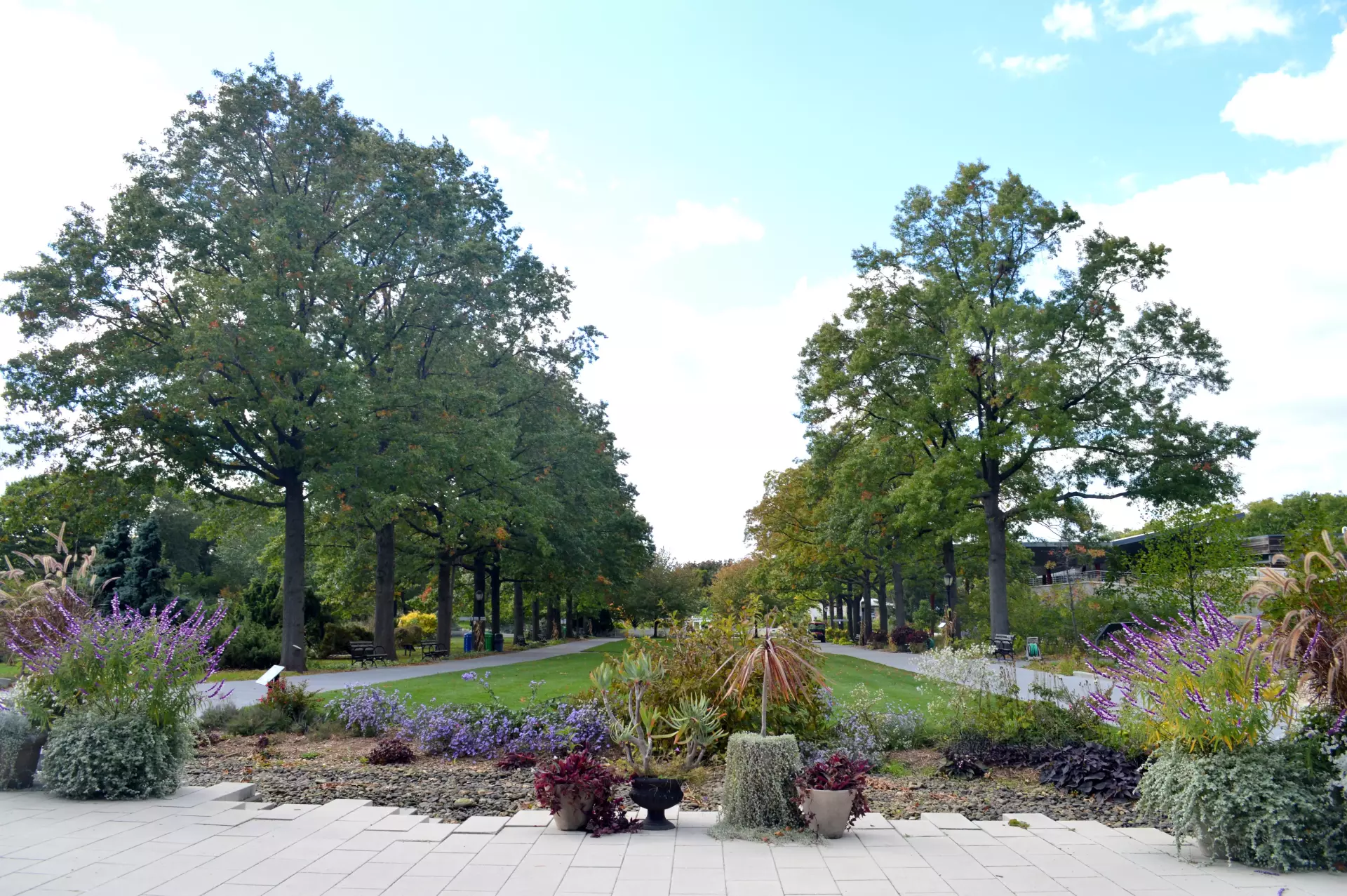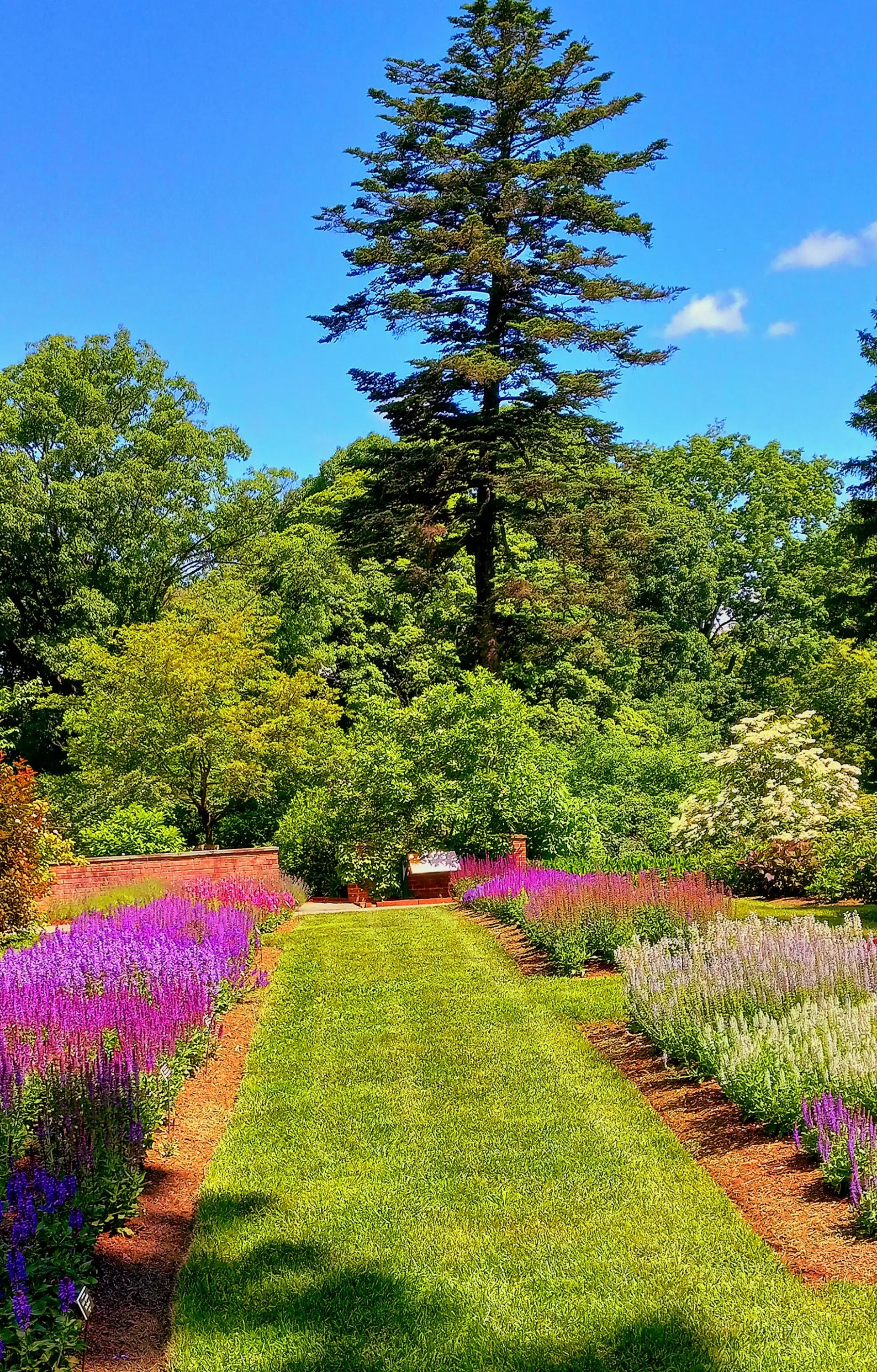
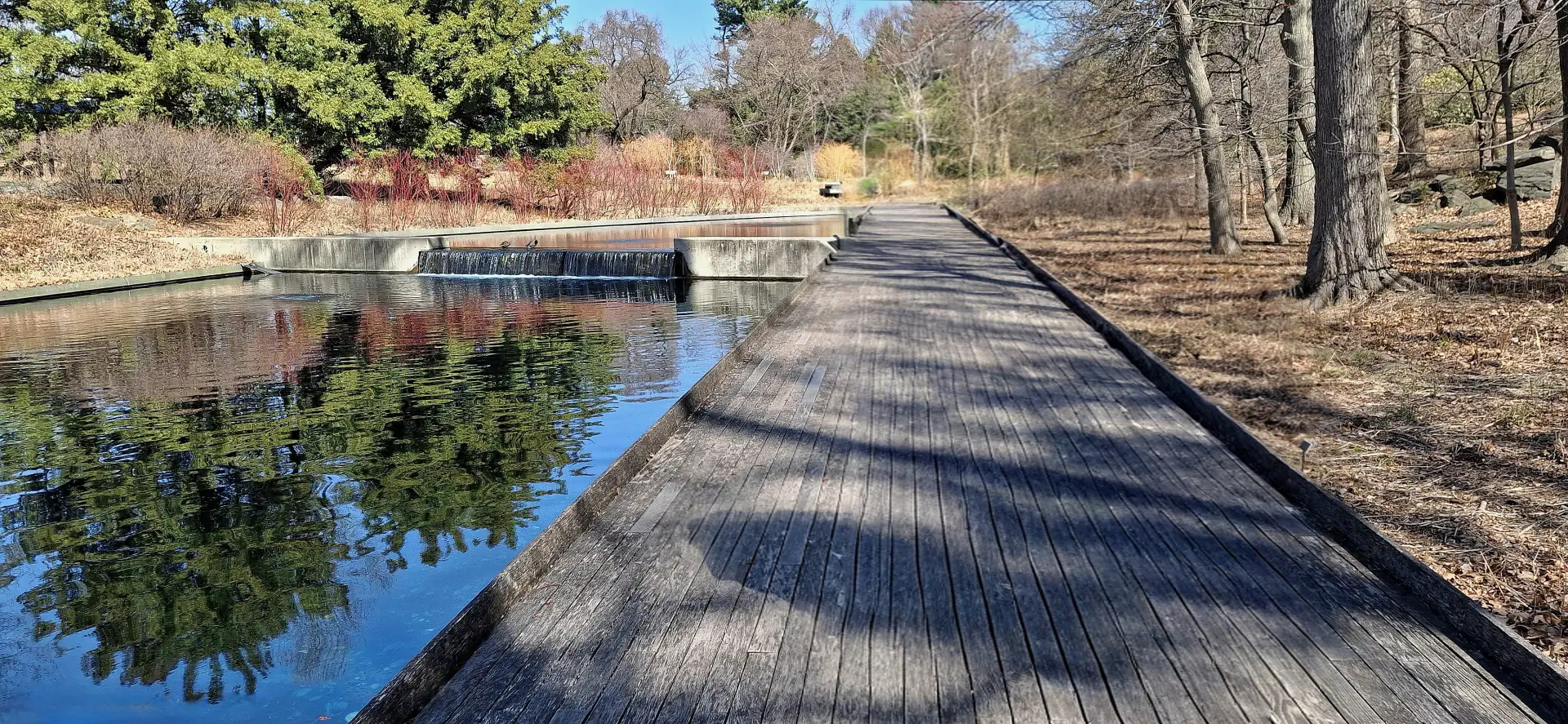
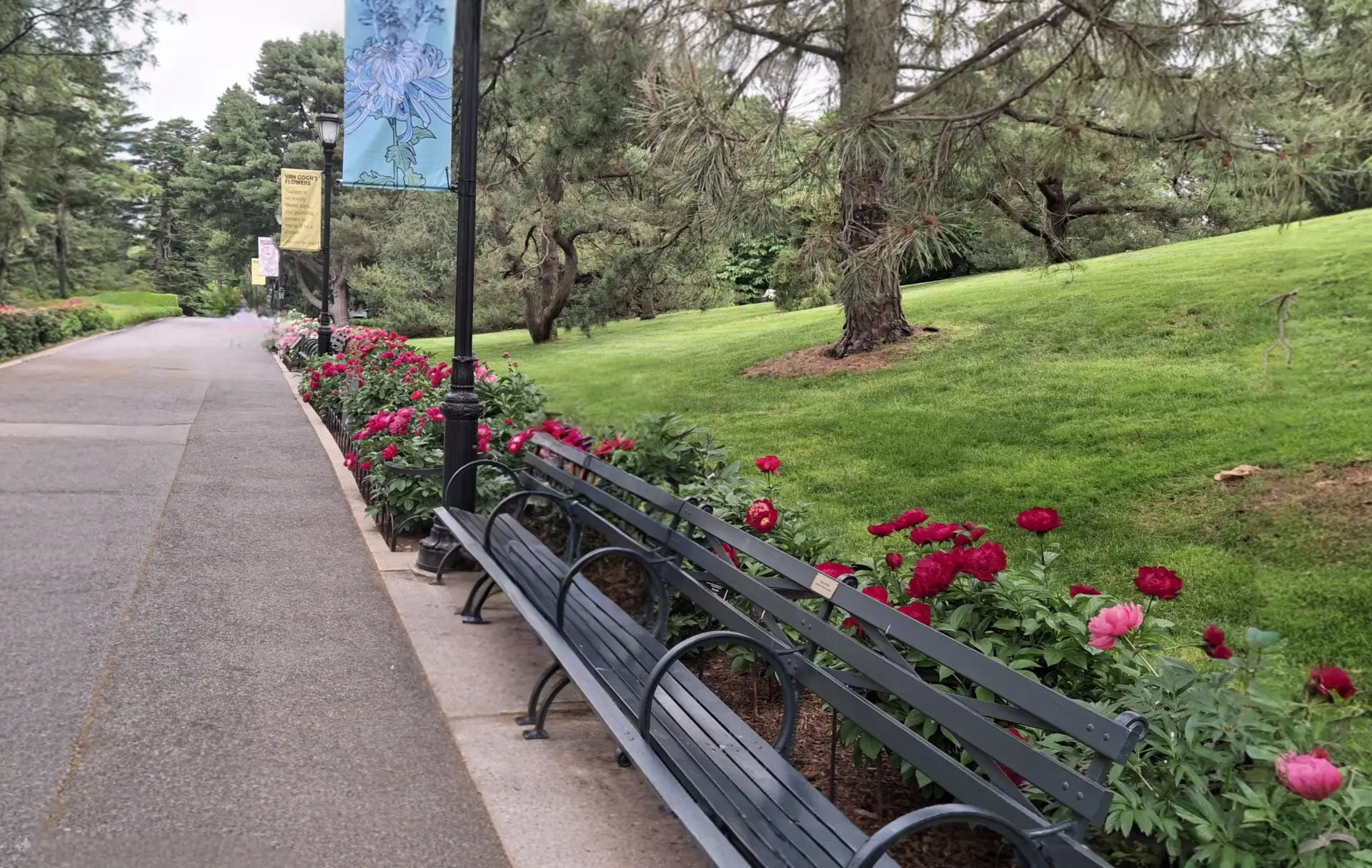
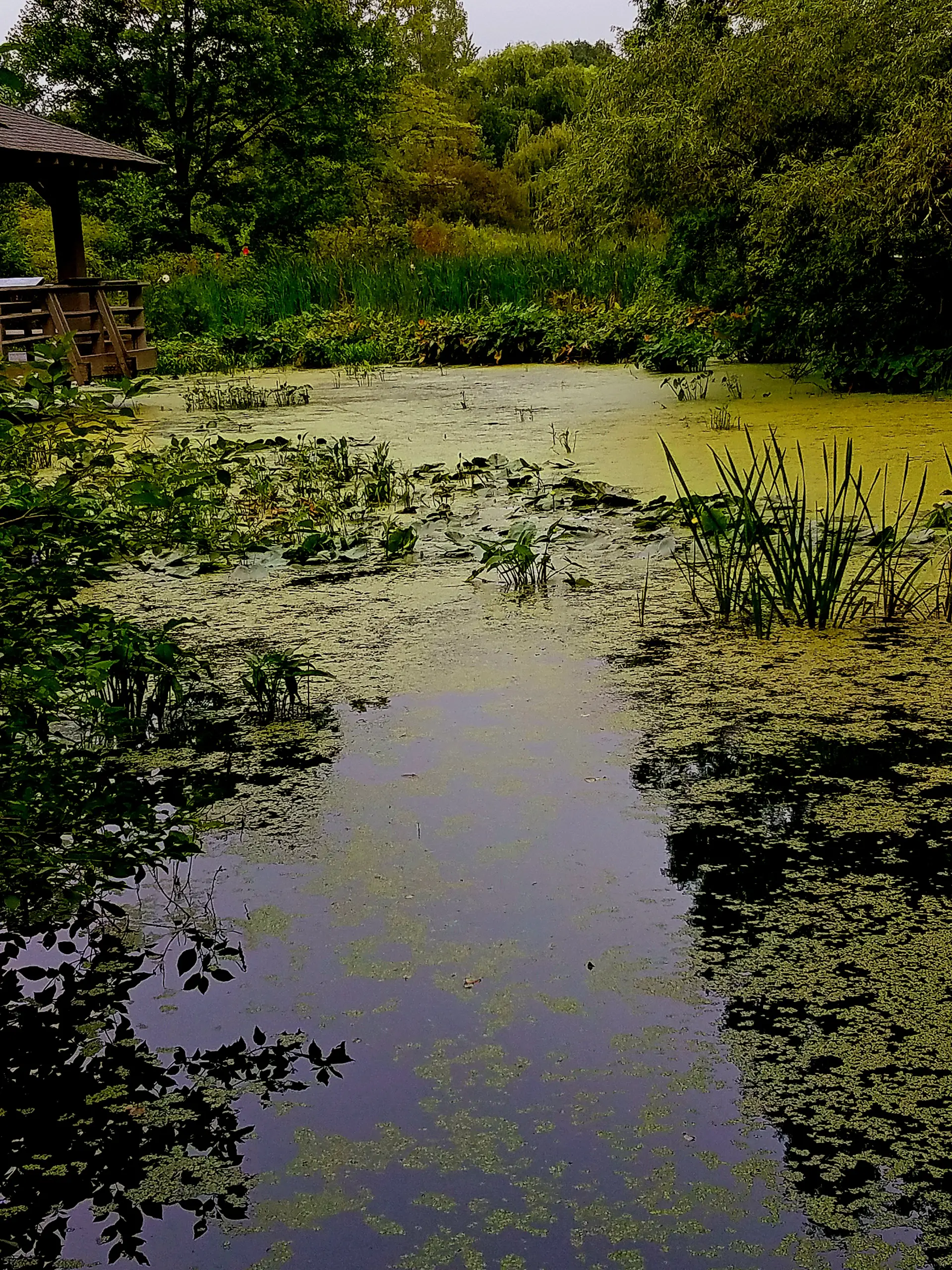
The New York Botanical Garden is a breathtaking escape located within a bustling city. Spanning a vast 250 acres, this historic site is home to an impressive array of 48 magnificent gardens and plant collections. Visitors can explore an ever-changing landscape that showcases the beauty and diversity of the natural world.
Each garden within the New York Botanical Garden offers a unique experience. From the vibrant hues of seasonal blooms to the tranquility of lush green spaces, there is something for everyone. The meticulously maintained gardens invite leisurely strolls and offer countless spots for reflection and inspiration.
The botanical garden is renowned for its extensive plant collections. These collections provide an opportunity to learn about an array of plant species from around the globe. Whether it's towering trees or delicate flowers, the diversity on display is both educational and awe-inspiring.
This green oasis in the city serves as a sanctuary for those seeking a connection with nature. The serene environment offers a perfect backdrop for relaxation and exploration. Nature enthusiasts can immerse themselves in the wonders of plant life, taking in the sights and scents that fill the air.
Throughout the year, the New York Botanical Garden hosts a variety of events and exhibitions that highlight different aspects of the plant world. These events offer visitors a chance to experience the gardens in new ways, with themed displays and interactive activities for all ages.
Source - https://en.wikipedia.org/wiki/New_York_Botanical_Garden
For most of the 18th century, Africans in New York City were buried in a graveyard outside the city. The graveyard was eventually forgotten and was rediscovered in 1991. This museum and memorial site commemorate the estimated 15,000 Africans that were interred on the site of the memorial. Note that the museum is located inside of a Federal building so airport-style security should be expected.
Governors Island has a long military history, home to headquarters and military posts of the United States Army from 1794 until 1966, then a complex for the U.S. Coast Guard before becoming a historic district open to tours.
Containing artifacts spanning 4,000 years of art and Jewish culture, with a collection of 26,000 objects – paintings, sculpture, works on paper, photographs, archaeological artifacts, ceremonial objects and broadcast media. The museum also hosts the annual SummerNights concert series and the annual New York Jewish Film Festival.
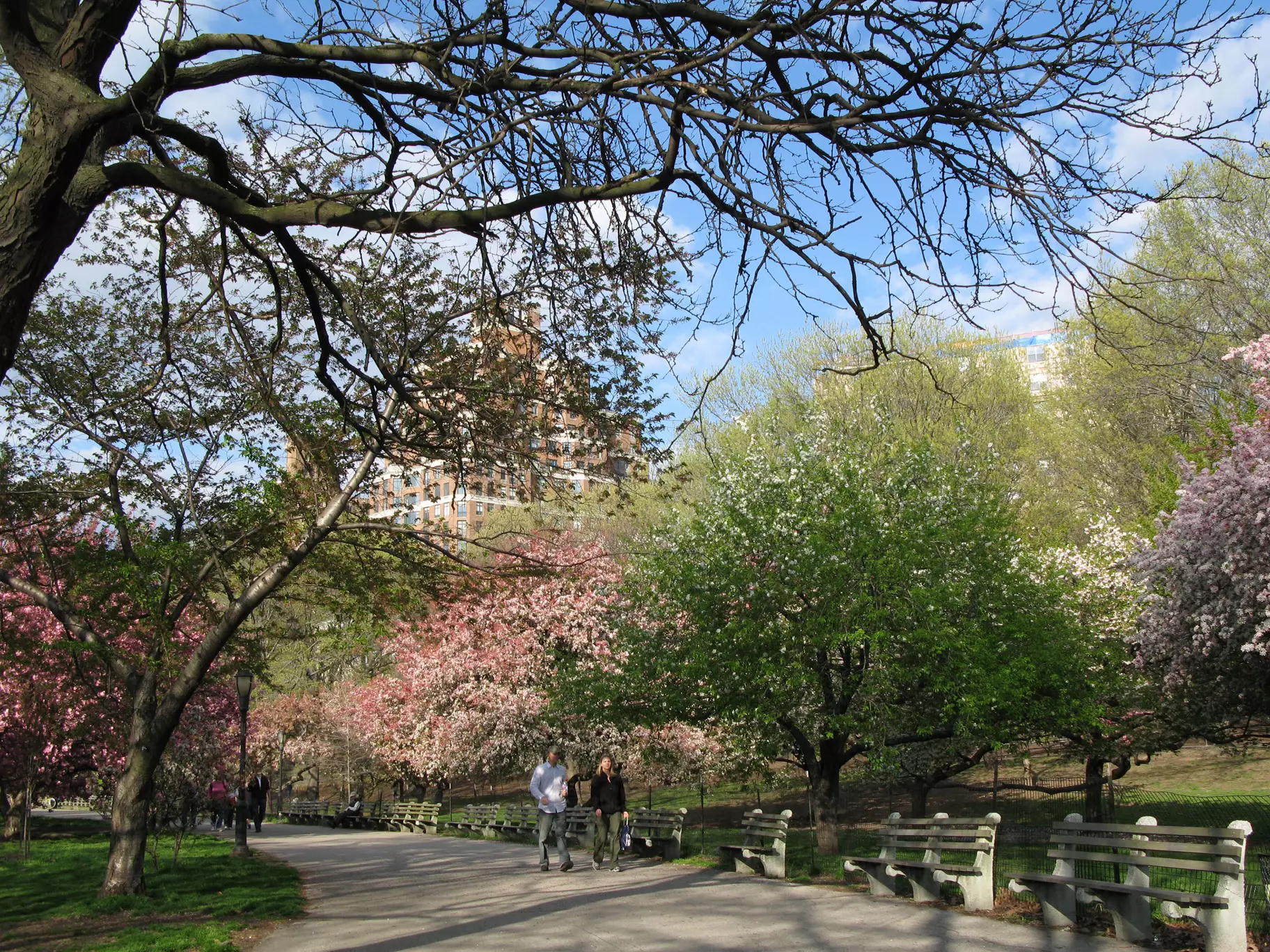
This 11 acre lake is one of Central Park's finest spots; surrounded by flowering trees and inhabited by several fish and turtle species.
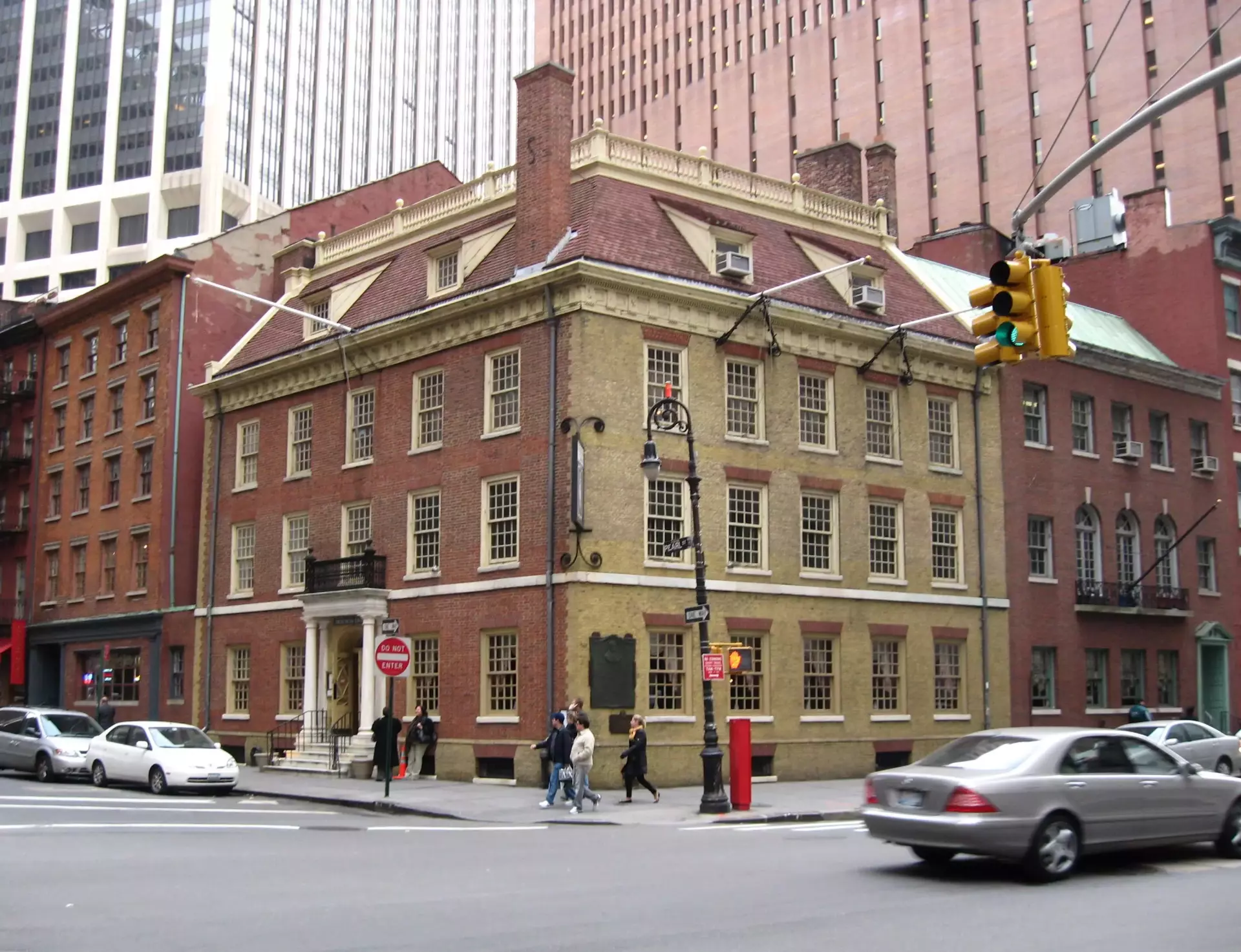
Dates back to 1680, and held an abortive peace conference during the Revolutionary War.
This park was operated as a United States Army airfield from 1919-1969. Now, it is a large, mostly grass park with baseball fields, soccer fields, and a children's playground.
A museum dedicated to folk & self-taught artists.
Yet another unique but rich treat on 5th Avenue, the AIHS is a non-profit organization that educates visitors on Irish American culture and history. Immersive and traditional events are held often along with exhibits showcasing the array of unique art and music. If performing and visual arts aren't your thing, you can visit the library instead with over 10,000 books, newsletters, newspapers, and pieces of literature dating back to the 1700s that feature a wide variety of otherwise unknown topics that are great for anyone interested in European culture and history.
At the center of Central Park, the Great Lawn is a large clearing with lawns and ballfields, perfect for ballgames, sunbathing, and picnicking. Just to the east of the Lawn is the Obelisk, a 71-foot tall structure which is the oldest man-made object in the park, having been erected in Heliopolis, Egypt, around 1500 BC.
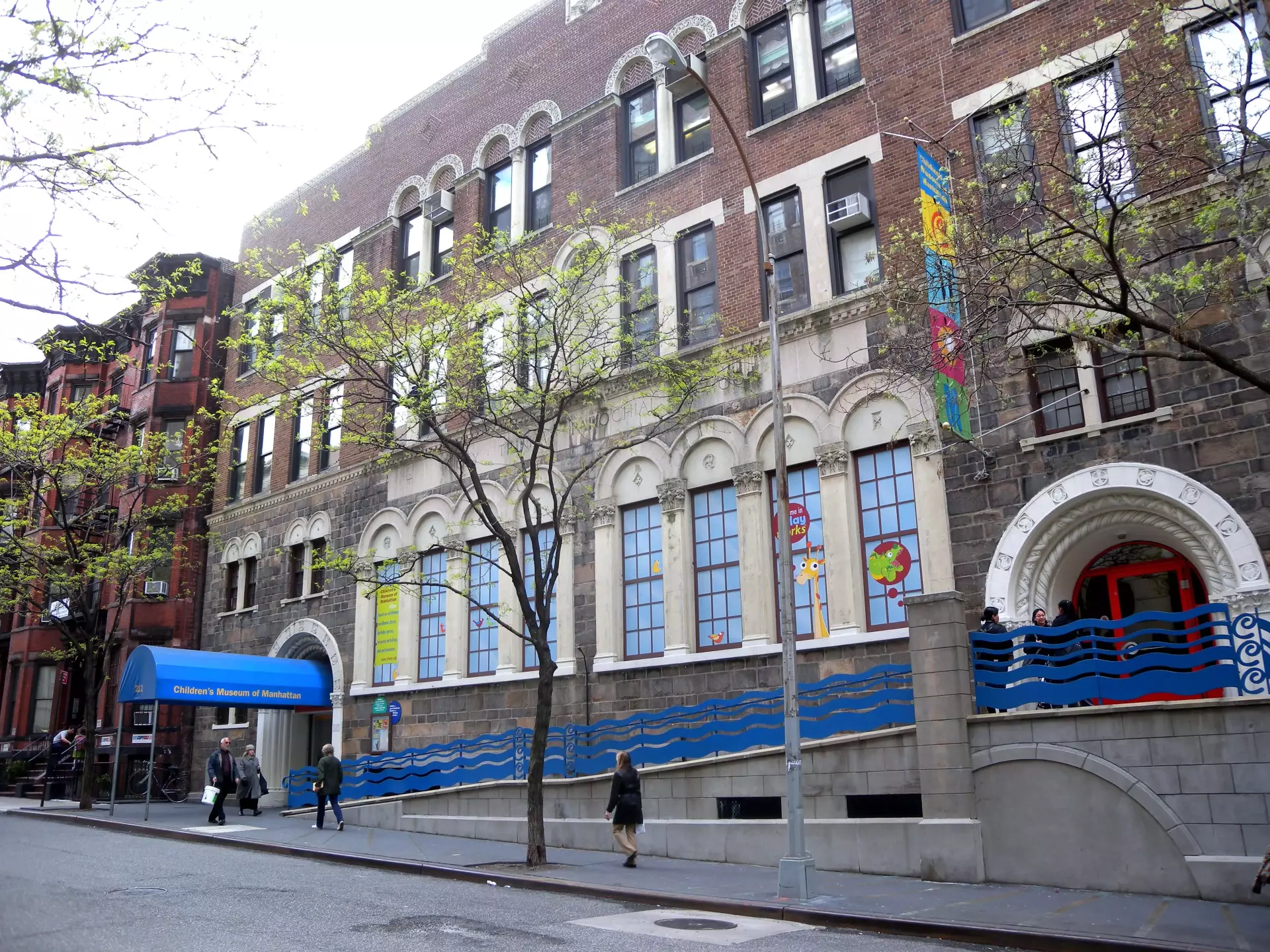
A children's museum home to exhibits featuring Adventures with Dora & Diego.
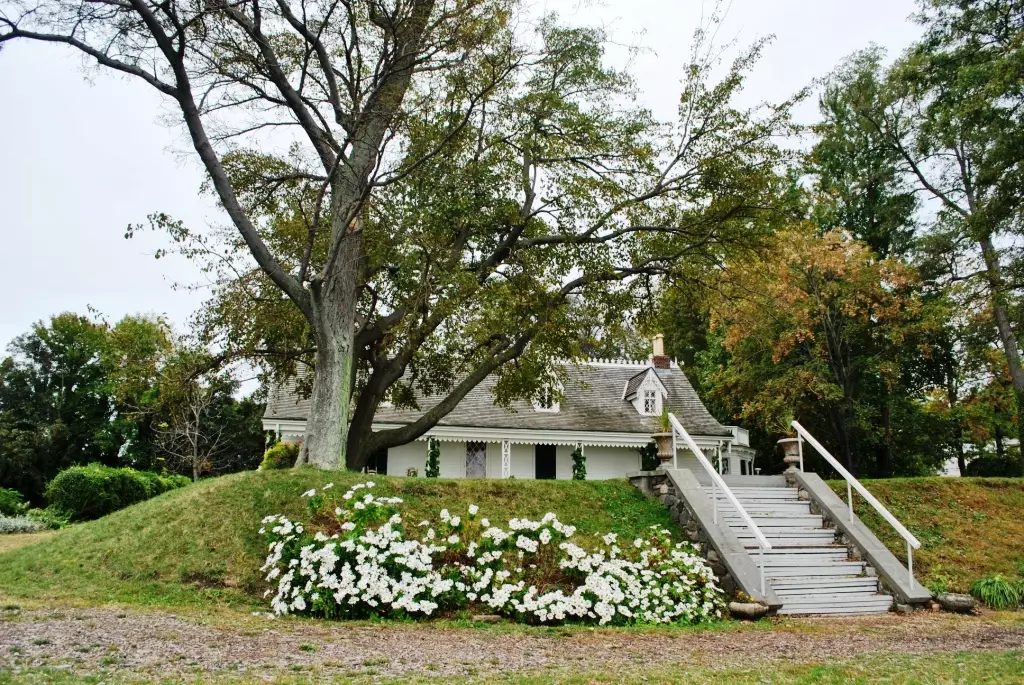
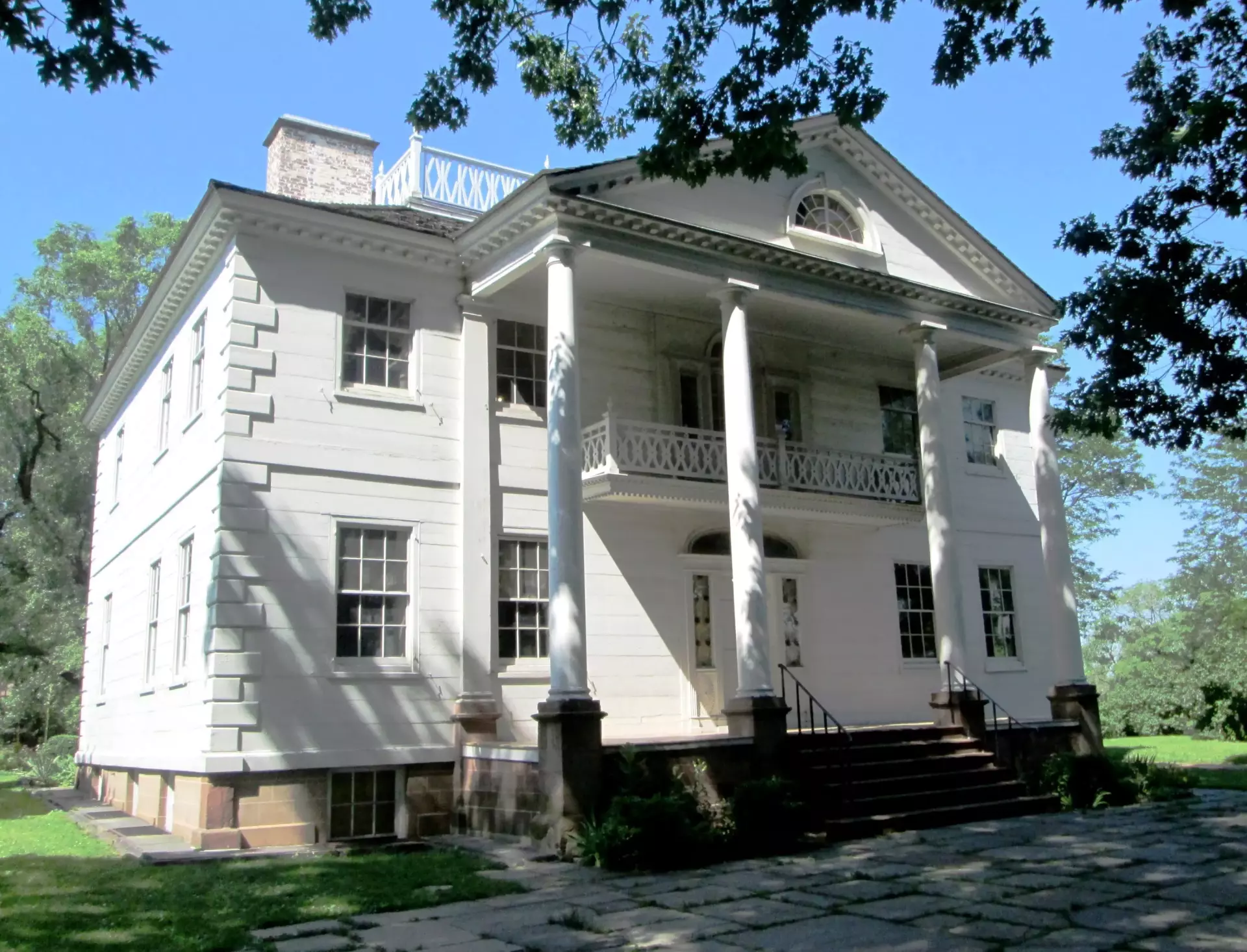
The John Bowne House was built by John Bowne in 1661. It is the oldest building in Queens, and it is one of the oldest buildings in New York City. John Bowne was a Quaker who advocated religious freedom, which was later written into the Bill of Rights. John Bowne's great-grandson, Robert Bowne, strongly advocated for the end of slavery in America. The house was the home of several generations of the Bowne House until 1945, when it was donated and converted into a museum.
A sort of mini forest, described by its designer as a "wild garden," the Ramble is sculpted out of a wooded hillside, with winding paths, rocky outcrops, secluded glades, and a tumbling stream. If one travels through the ramble when the trees are full, it is easy to lose sight of the city's skyscrapers; it's as if you're no longer in Manhattan. The Ramble is also an excellent place to bird watch, with over 250 species of birds that stop here on their migration.
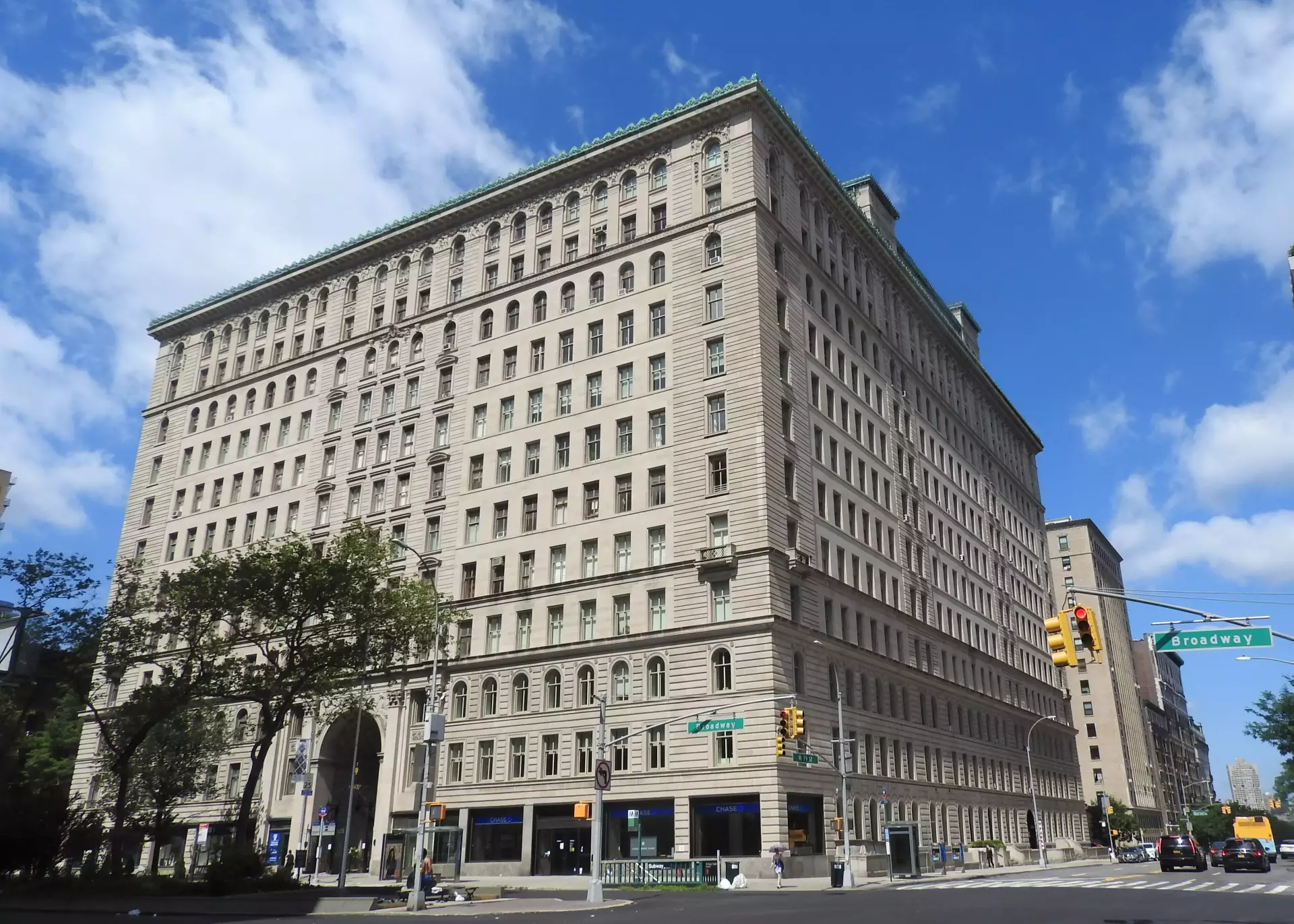
This pretty 17-story Beaux Arts building was completed in 1904 and designed to be New York City's first air conditioned hotel. It was a residential hotel, and housed a number of very famous people, including the Hall of Fame baseball player, Babe Ruth; the Italian tenor, Enrico Caruso; the modernist composer, Igor Stravinsky; the Italian conductor of the NBC Symphony, Arturo Toscanini; and writers Theodore Dreiser and Isaac Bashevis Singer. The building is now a condominium.
The first museum in the U.S. devoted to artists of African descent. Temporarily relocated from 144 W 125th St building for construction of new museum building.
On the 70th floor of the Comcast Building (better known by some as "30 Rock") is this narrow observation deck, built to resemble the deck of a cruise ship. The deck affords uninterrupted views over Central Park to the north and across Midtown to the south.