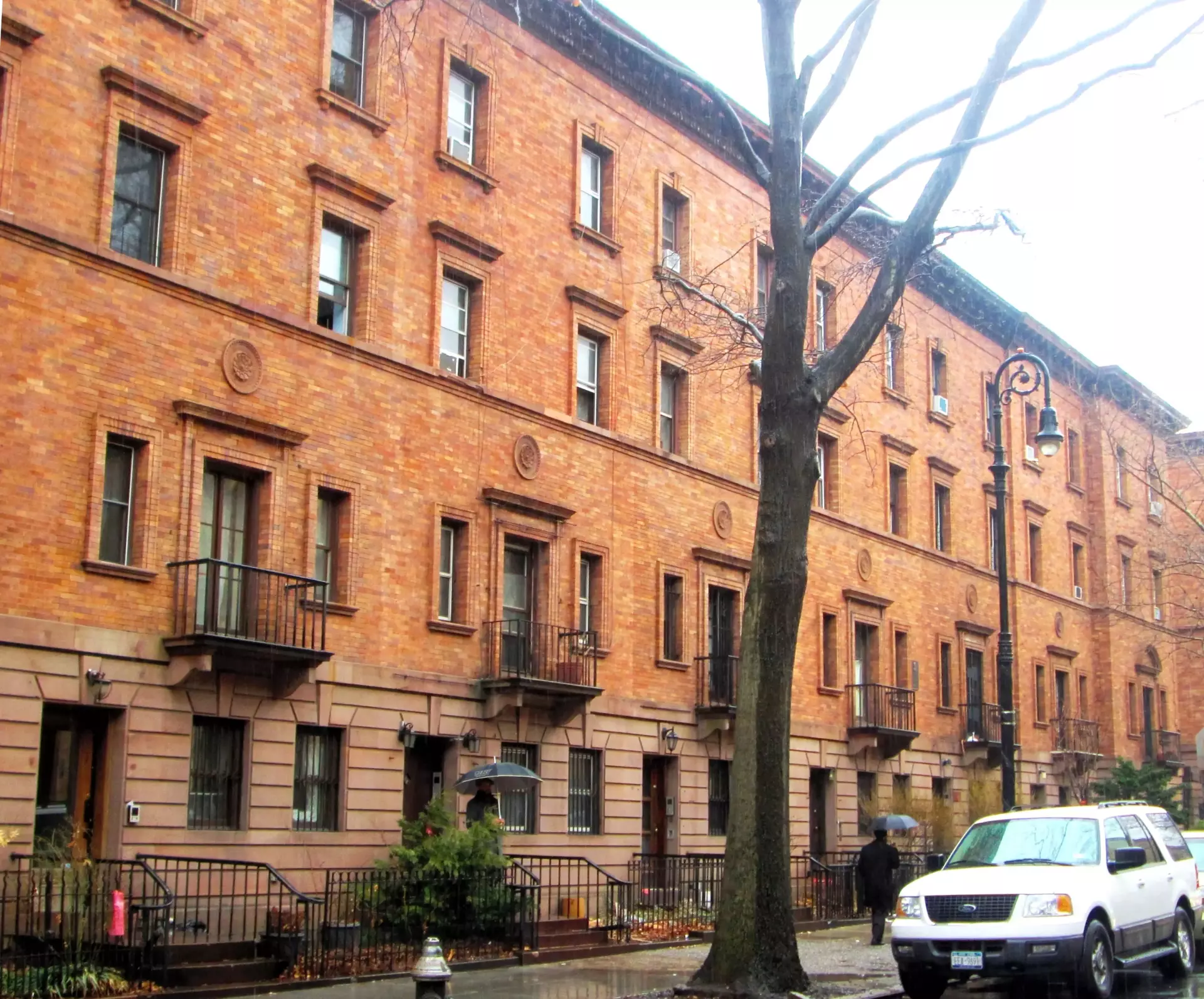
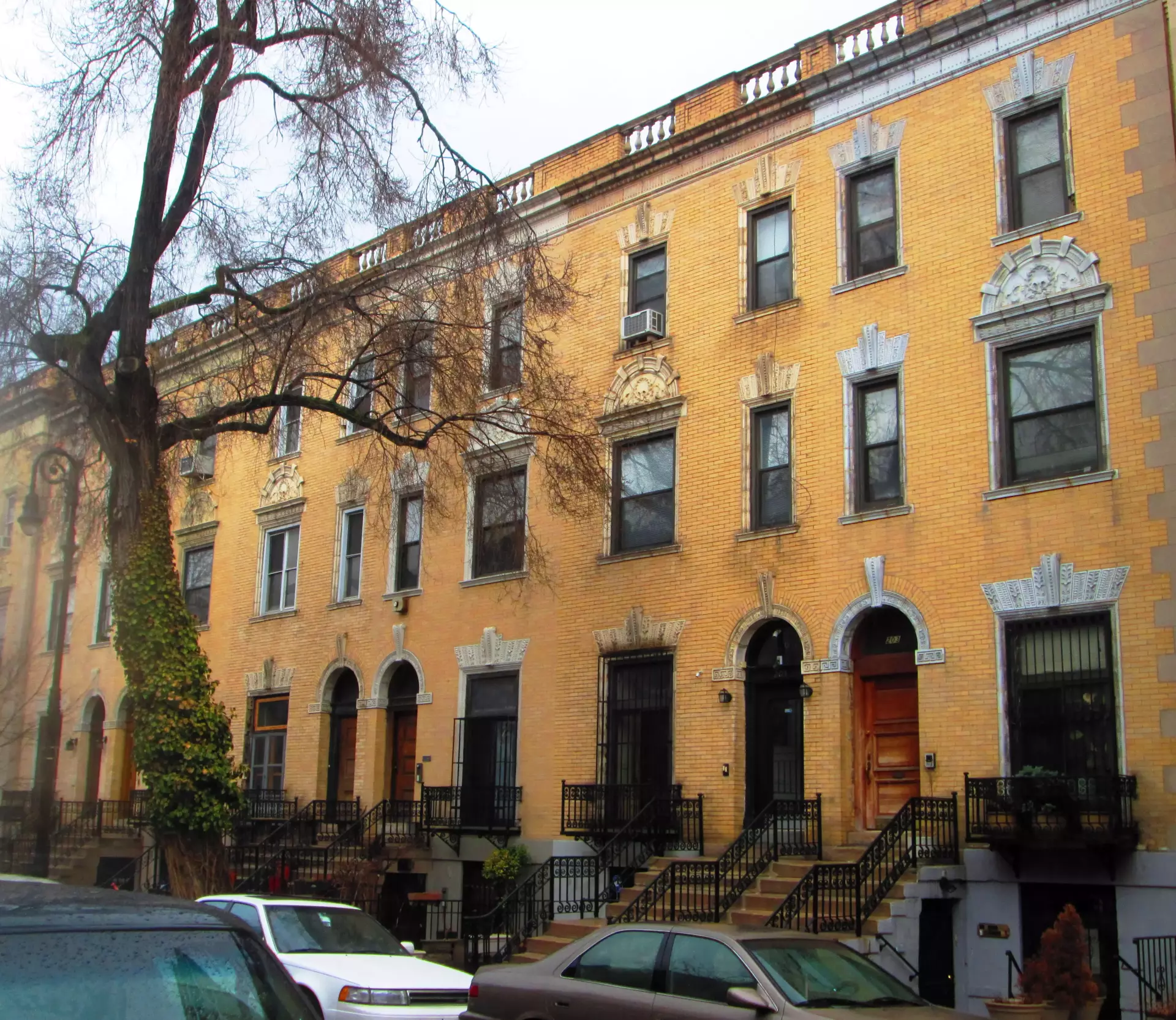
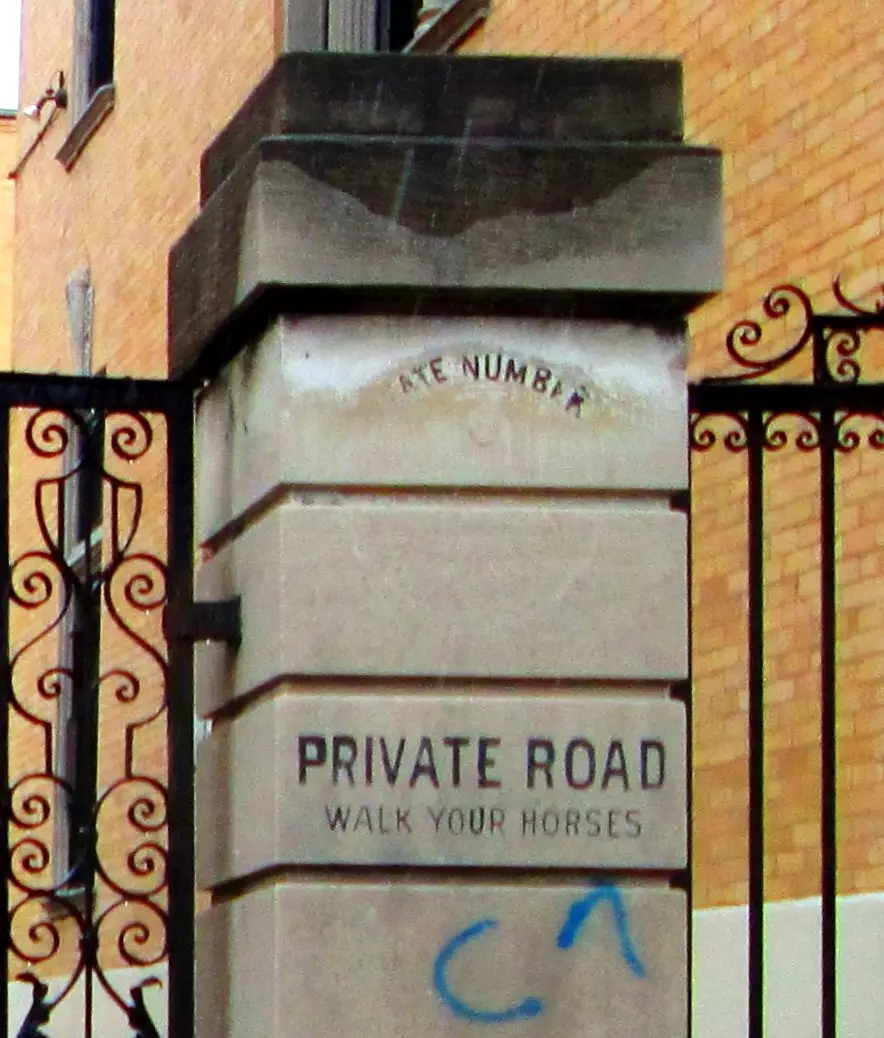
In the bustling city of New York, amidst the lively atmosphere of Harlem, lies a street that captures both history and splendor. Known as Strivers' Row, this unique area is a delight for those who appreciate architecture and a rich past. Originally built in the late 19th century, Strivers' Row was designed to house affluent families and professionals. Today, it continues to attract attention with its stunning rows of historic townhouses.
The architecture of Strivers' Row is nothing short of breathtaking. The homes here were designed by three renowned architects: James Brown Lord, Bruce Price, and Clarence S. Luce. Each townhouse boasts intricate brickwork and ornate details that reflect a blend of Italian and Georgian influences. Walking down the street, one can't help but admire the elegant facades and charming stoops that evoke a sense of timeless beauty.
Strivers' Row is not just about beautiful buildings; it holds a significant place in history. Throughout the years, this area has been home to notable figures, including artists, politicians, and civil rights leaders. It earned its name from the ambitious African American professionals who sought to make their mark in society during the early 20th century. Their legacy lives on, and the spirit of determination and success continues to resonate in this vibrant neighborhood.
Beyond its stunning architecture and historical significance, Strivers' Row remains a lively part of the Harlem community. The neighborhood is filled with the sounds of jazz, soul food aromas, and the warmth of its residents. It's a place where tradition meets modernity, offering a unique slice of New York life. The sense of community is strong, with locals gathering for events, cultural celebrations, and everyday interactions that reflect the area's rich heritage.
Source - https://en.wikipedia.org/wiki/St._Nicholas_Historic_District
Established in 1867 and laid out by Olmsted and Vaux, the designers of Manhattan's Central Park.
This beautiful park extends along the Hudson River north of Riverside Park and features wonderful views of the George Washington Bridge and New Jersey and a community feel.
Built as a pavilion for the 1964 World's Fair, this science center is now full of hands-on exhibits for the public. Highlights include Sports Challenge, Rocket Park (featuring full sized Atlas and Titan tickets), and a science playground.
A self supporting arm of the MTA, it is housed in the Subway's former Court Street Station, on a spur line from the current A and C lines. Closed to passengers in 1946, it was reopened in 1976 as the New York Transit Exhibit and was popular enough to be made permanent. The museum is made up of two underground levels: the Mezzanine, which hosts exhibits on the construction of the subway, surface transportation in New York, fare collection and rotating exhibits on various transit-related subjects; and the station platform, which houses about 20 retired subway cars dating as far back as 1903 and a working signal tower. The museum sponsors events throughout the year, including simple art projects, walking tours on the subway, and rides on the museums' fleet of retired trains. There is also an annex of the museum in Grand Central Station in Midtown Manhattan.
Containing artifacts spanning 4,000 years of art and Jewish culture, with a collection of 26,000 objects – paintings, sculpture, works on paper, photographs, archaeological artifacts, ceremonial objects and broadcast media. The museum also hosts the annual SummerNights concert series and the annual New York Jewish Film Festival.
Dating back to 1663, this fort was used during both the American Revolution and the War of 1812. It remained active until 1995. It is now semi-active, with its main use being local headquarters for the United States Coast Guard. Tours are available.
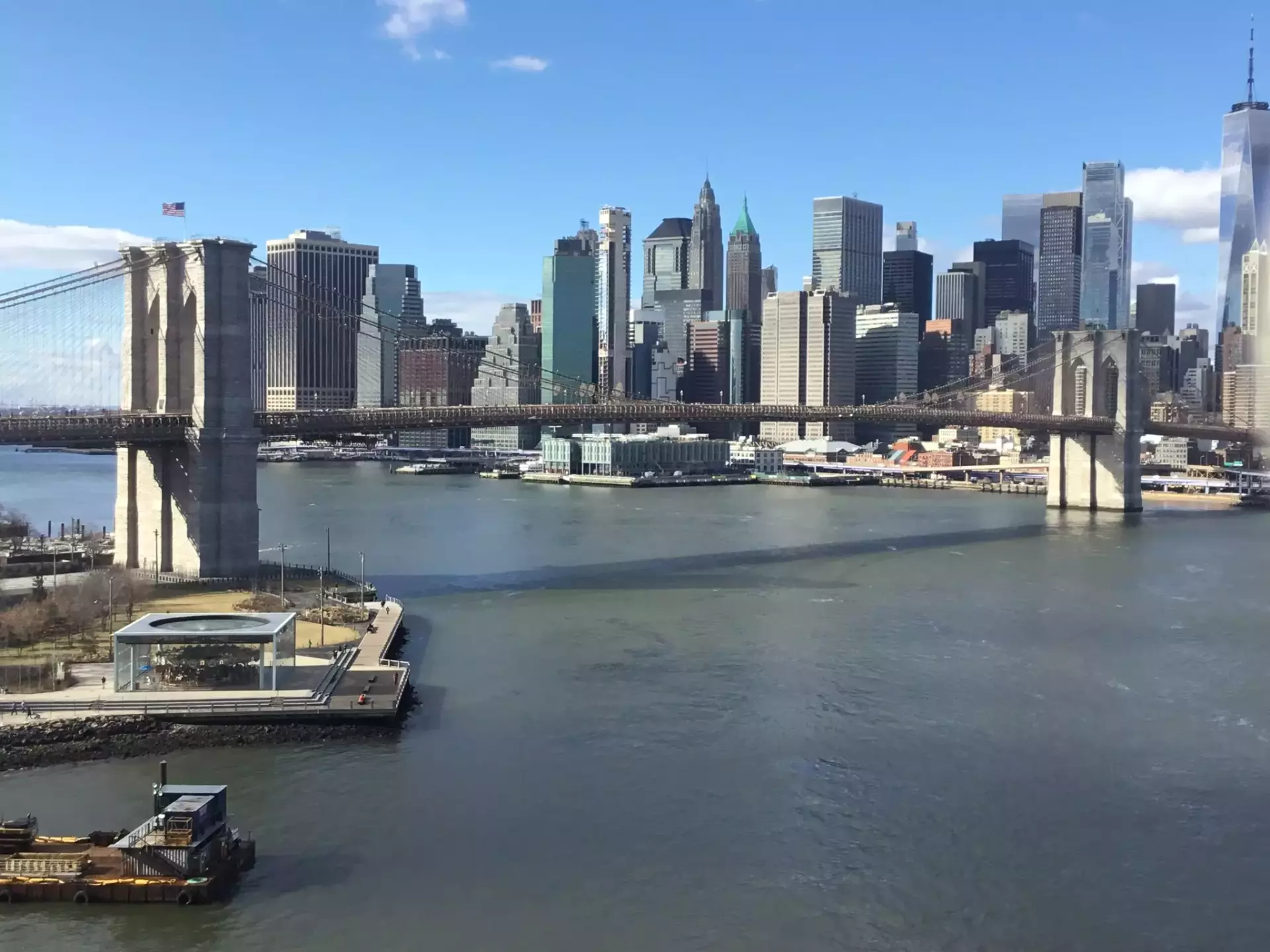
The Manhattan Bridge, just a bit to the east of the Brooklyn Bridge, with signposted access from Jay St. slightly over 4 blocks north (toward the river) of Tillary St., can also be crossed by pedestrians and cyclists, but if you do so, you will be rattled by passing subway trains that traverse the bridge, your view will be partly obstructed by mesh, and you won't be in a position to see much to the north of the bridge (so no great views of the Midtown skyline like you get from the Brooklyn Bridge walkway). It's still worth doing if you have enough time, though, partly because of the views of the Brooklyn Bridge that you can see from the Manhattan Bridge. As of November 2021, construction is taking place on the bridge; it narrows the path pedestrians and cyclists share in places, but access is otherwise unimpeded.
On a triangular city block between Broadway, Park Row and Chambers Street sits City Hall, a gorgeous gleaming white building completed in 1812, which still hosts the mayor's office and the New York City Council chambers. The building itself is fenced off and only accessible by tour, but there is a lovely park surrounding the building, with plenty of shady trees and a pleasant fountain just to the south of the building. Just north of City Hall and on the same block is the 40.71337-74.005552 Tweed Courthouse, a gorgeous government structure and the legacy of Tammany Hall boss William M. Tweed, who used the courthouse project to embezzle large sums of money from the city budget and was convicted in a courtroom in this building.
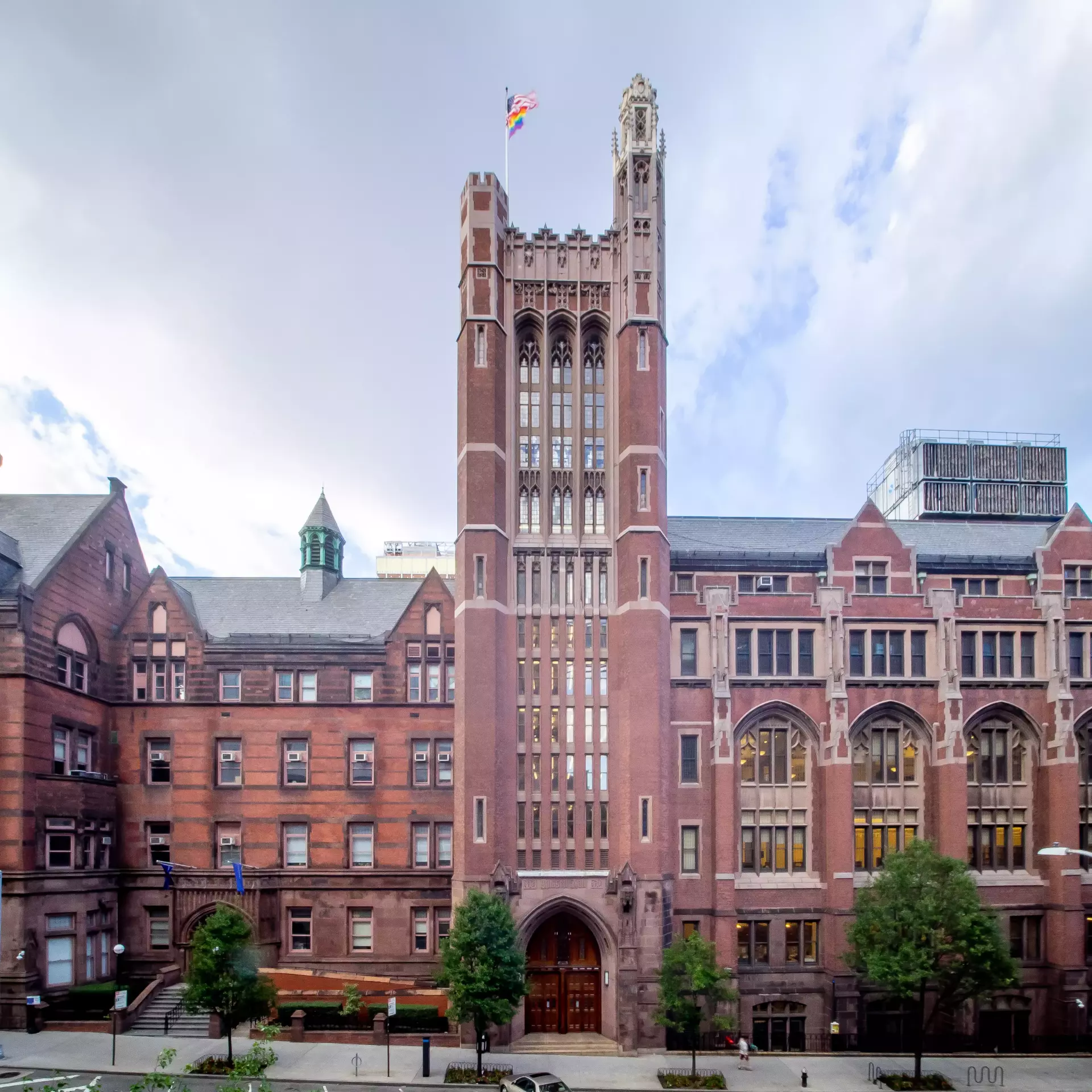
Affiliated with Columbia, Teacher's College is an architectural gem with its block length Beaux Arts and neo-Gothic façades.
This beach is a pleasant place to relax. The water is safe enough to swim in, but it's not the best you can get (you'd get a better deal down the Jersey Shore or on Long Island). The boardwalk, one of the longest in the United States, is great for running or biking.
On this site on April 30, 1789, George Washington stood on a balcony overlooking Wall Street and was inaugurated as the first president of the United States. The old building on the site had been used as New York's city hall and had hosted some of the first congregations of the colonies in the lead-up to the American Revolution, such as the Stamp Act Congress. After the revolution the building, now Federal Hall, briefly housed Congress, the Supreme Court, and Executive Branch offices before the national capital moved to Philadelphia. The current building dates to 1842 and was used first as a Customs House, then later the US Sub-Treasury (millions of dollars of gold and silver were kept in the basement vaults). Today the building is maintained by the National Park Service as a museum dedicated to the history of the site. Guided tours of the building are available, or you can just walk in and look up at the rotunda and view some of the artifacts, such as the bible Washington used in his inauguration ceremony.
One of the Seven Sisters colleges, and is affiliated with Columbia University.
One of the foremost conservatories of those disciplines in the United States.
Most well known as the Model Boat Pond, visitors can often see a racing regatta between members of the Model Yacht Club, or rent a model boat from a boathouse and cafe on the pond. Just to the north of the pond is the Alice in Wonderland sculpture depicting the Tea Party scene, and on the west side of the pond is the Hans Christian Andersen sculpture, which shows the writer seated on a bench reading a book to his Ugly Duckling character.
Street built by architect Samuel Burrage Reed. A major mansion owned by circus entrepreneur Anthony Bailey - joined with showman Phineas T. Barnum in 1881 to form the Barnum & Bailey circus. Now Known to the children of Harlem as the Beauty and the Beast house.
Constructed between 1858 and 1862, the Reservoir is a vast urban lake that covers 106 acres of Central Park and is the largest body of water within Manhattan. Renamed the "Jacqueline Kennedy Onassis Reservoir" in 1994, the Reservoir is probably best known for the 1.58 mile track that runs around its edge and which is a favorite for joggers, who can both run and enjoy the spectacular views of the city skyline.
An Episcopalian (Anglican) church and parish was first established on this site in 1697 under charter by King William III. The present Neo-Gothic Revival church building (the third incarnation) dates from 1846 and remains a significant landmark within Downtown. The original burial ground at Trinity Church includes the graves and memorials of many historic figures, including Alexander Hamilton, William Bradford, Robert Fulton, and Albert Gallatin.
A vintage carousel built in 1908 and situated on this spot since the 1950s, it's the fourth carousel to inhabit this location and is beautifully painted.