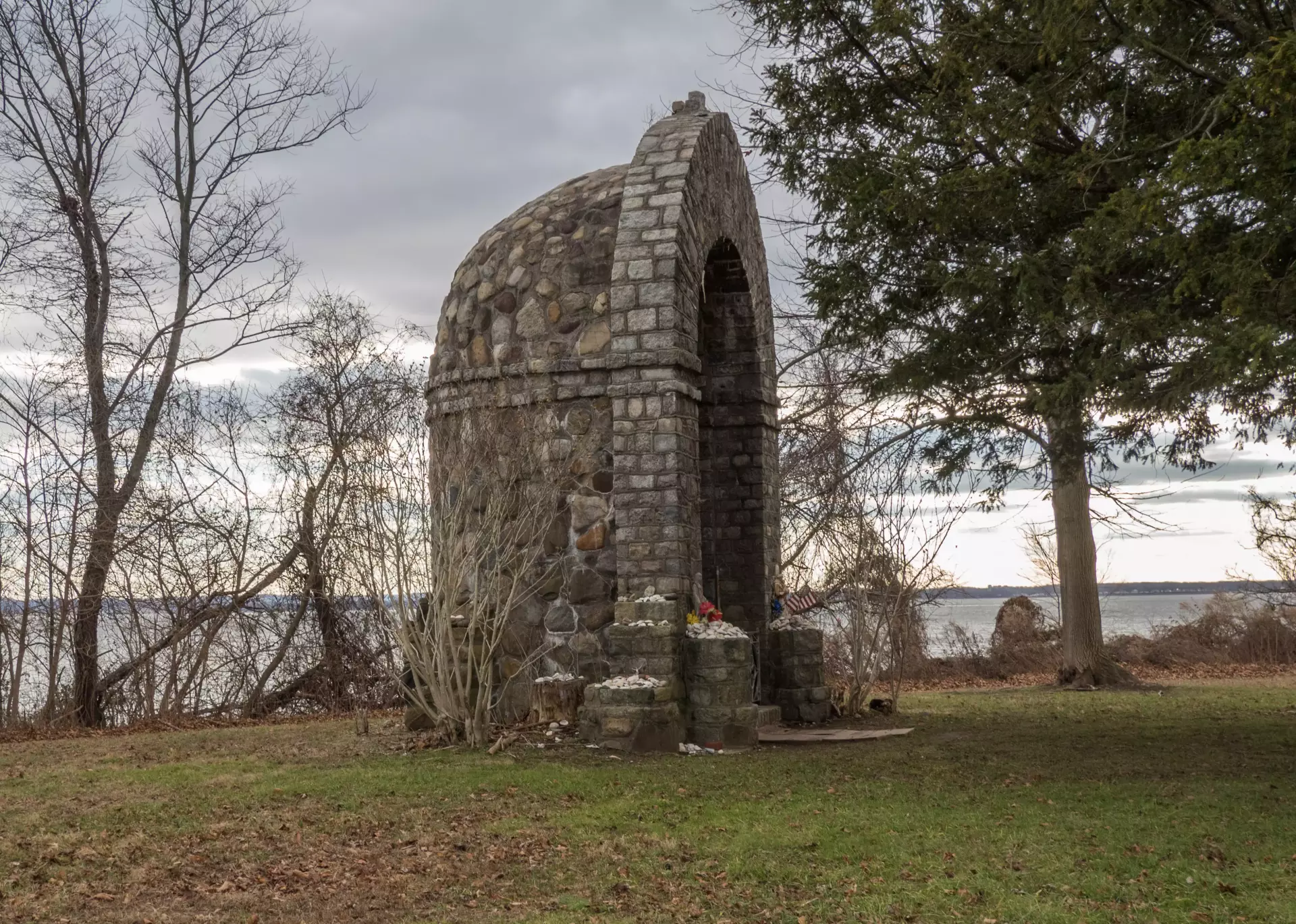
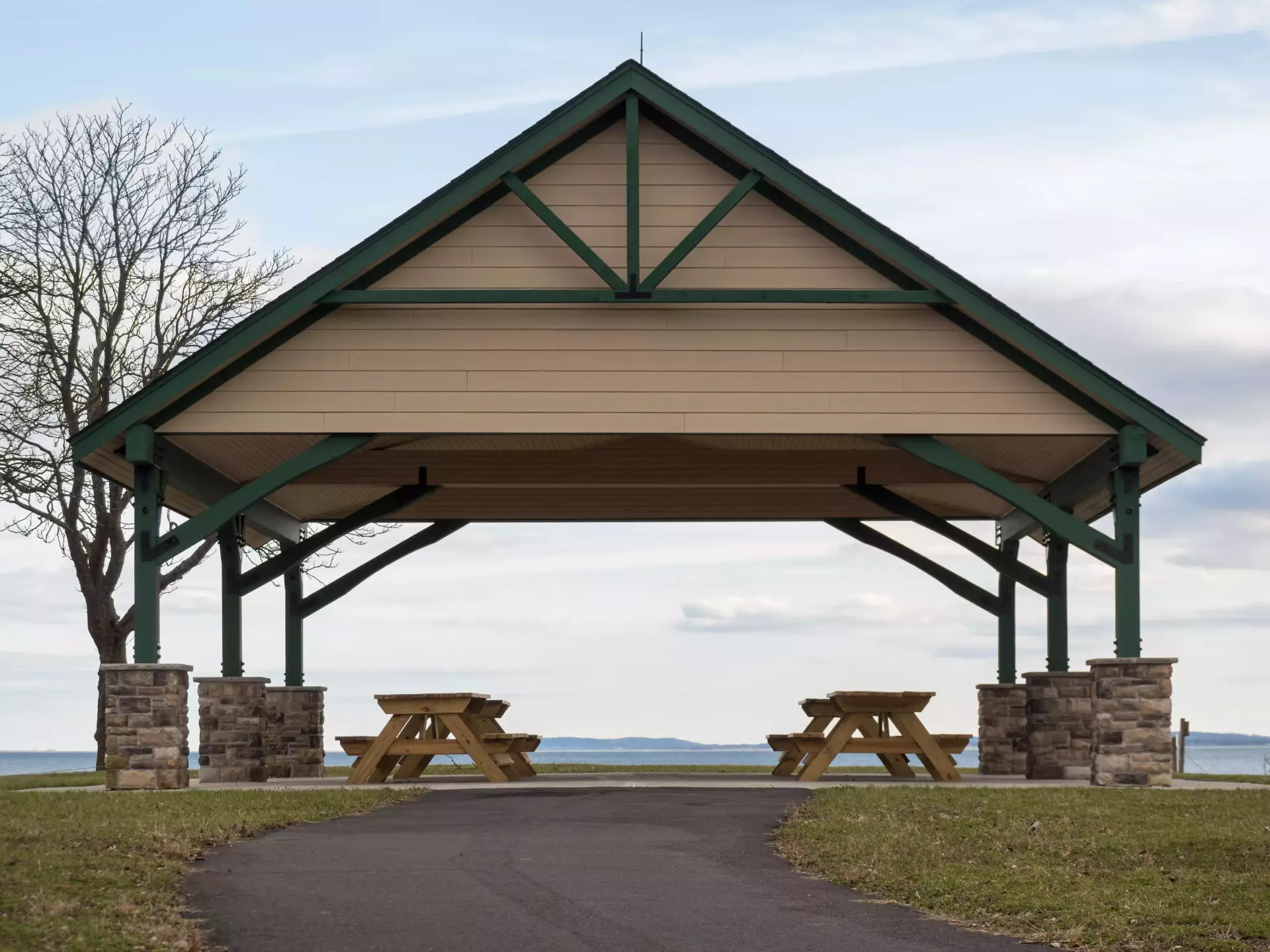
Mount Loretto Unique Area is a nature preserve located on the South Shore, offering visitors a chance to explore its scenic hiking trails and access the shoreline. This area is a haven for those who enjoy outdoor activities and the tranquility of nature.
Fishing enthusiasts will find ample opportunities along the beach or at the freshwater pond nestled within the preserve. The minimally developed landscape provides an excellent environment for observing local wildlife in their natural habitat.
The preserve holds a touch of history, with the remnants of an abandoned orphanage for which the area is named. Though the orphanage itself burned down in 2000, the site remains a point of interest for visitors curious about its storied past.
Source - https://en.wikipedia.org/wiki/Mount_Loretto_Unique_Area
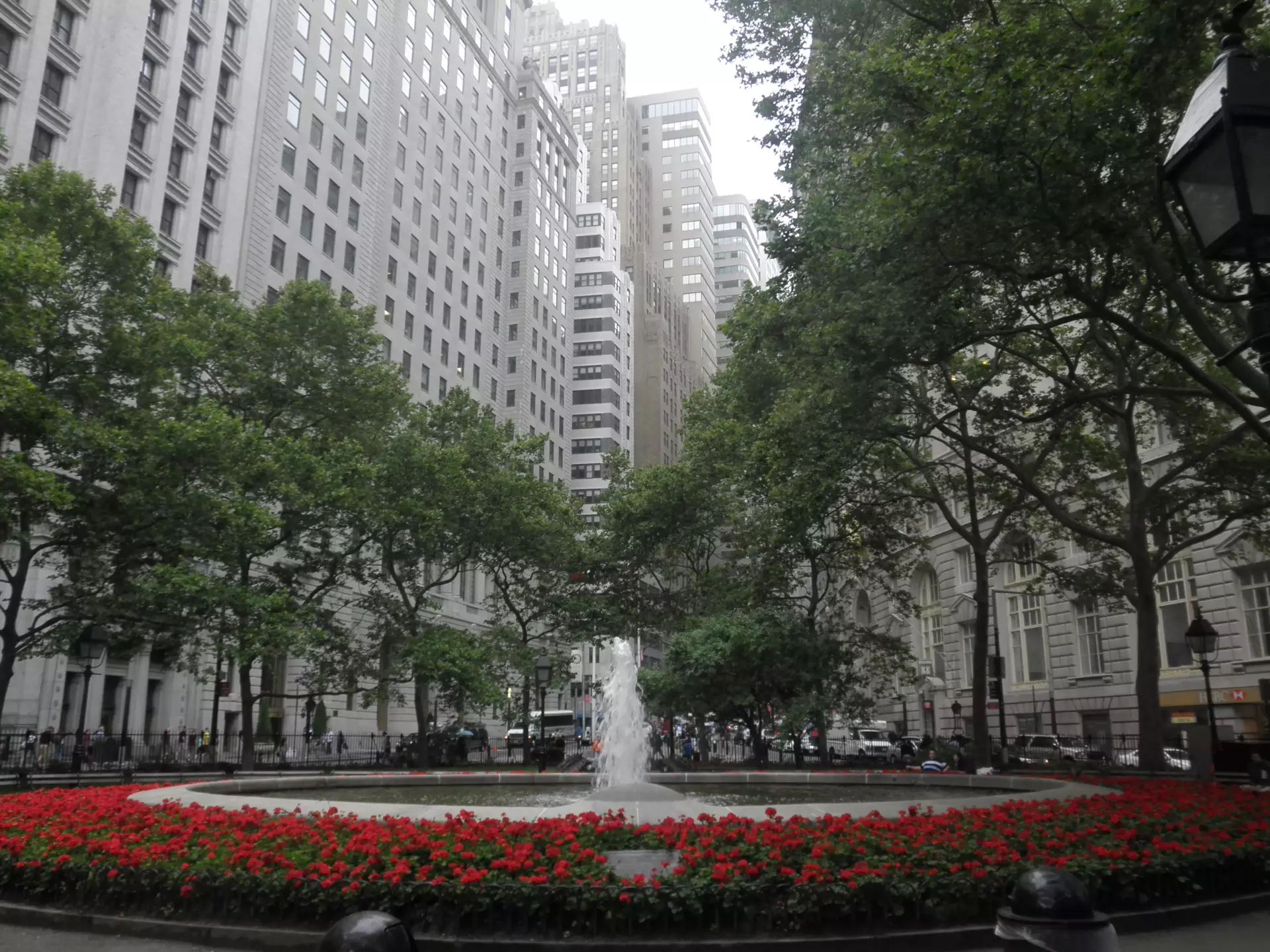
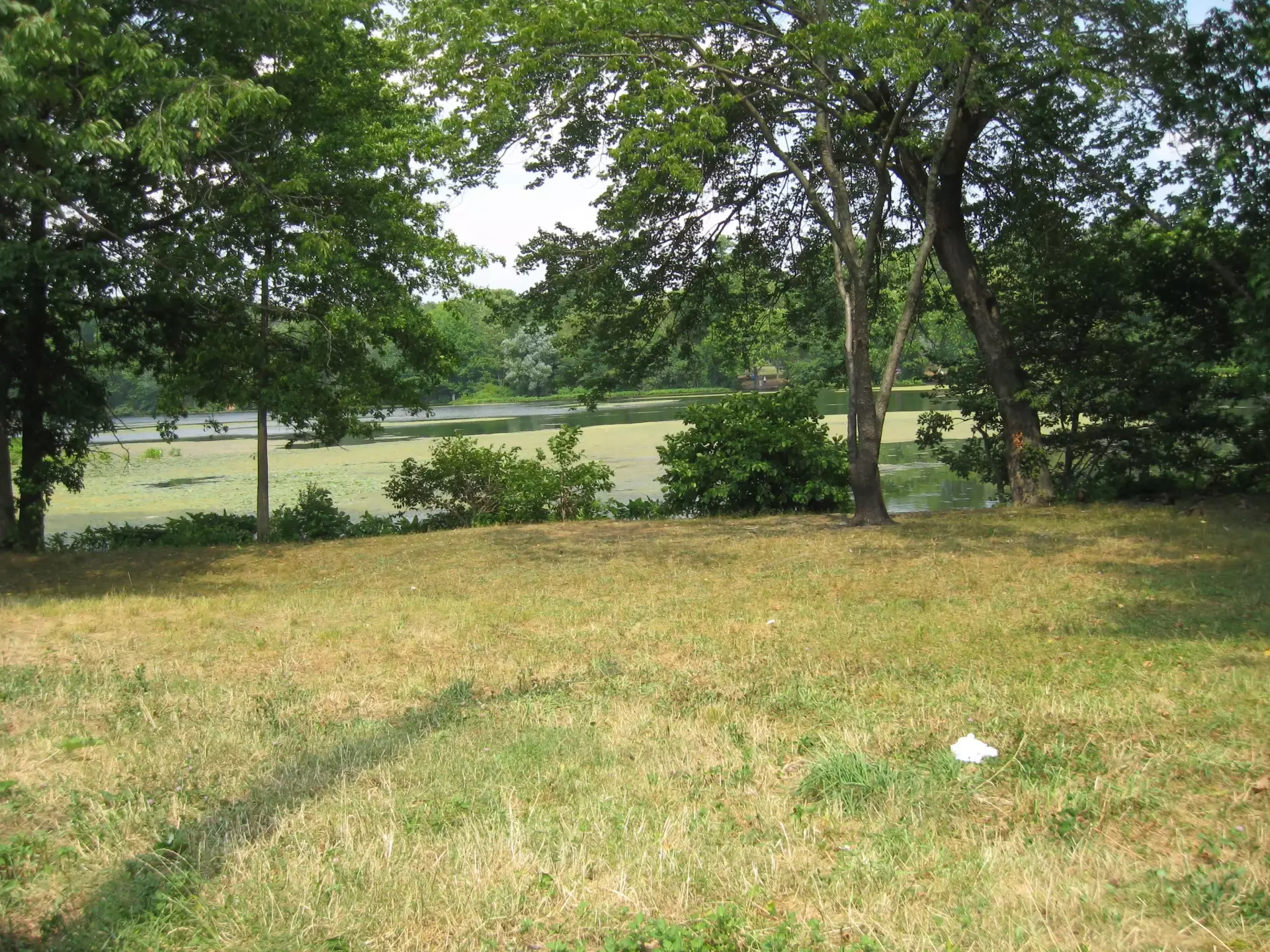
The former residence of William Dyckman, who owned several hundred acres of farmland covering much of what is now Inwood and Washington heights. Nestled incongruously at the otherwise unremarkable corner of 204th and Broadway, the farmhouse has been converted into a small museum of life in early Manhattan and hosts various programs for the neighborhood. The "Hessian Huts" in the back yard are a leftover from the British occupation of Manhattan during the Revolutionary War!
With New York City growing and not enough space in the City Hall building, this 40-story structure was built to meet the space demands of the city government. Completed in 1915, it is a massive and very grand building with the gilded statue of a woman standing atop the building's spire.
Most well known as the Model Boat Pond, visitors can often see a racing regatta between members of the Model Yacht Club, or rent a model boat from a boathouse and cafe on the pond. Just to the north of the pond is the Alice in Wonderland sculpture depicting the Tea Party scene, and on the west side of the pond is the Hans Christian Andersen sculpture, which shows the writer seated on a bench reading a book to his Ugly Duckling character.
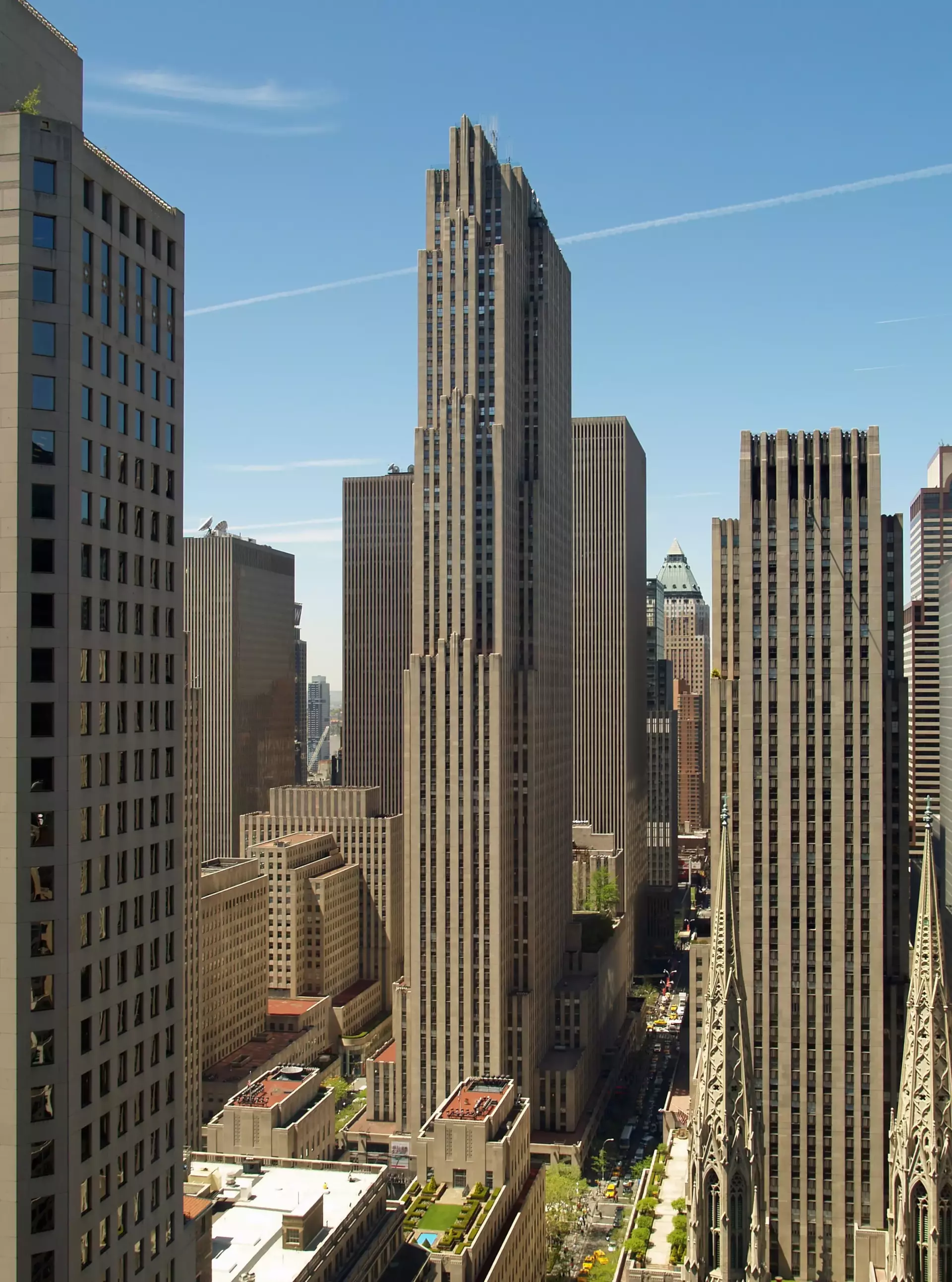
See the Rockettes, another show, or just tour the famous Art Deco masterpiece.
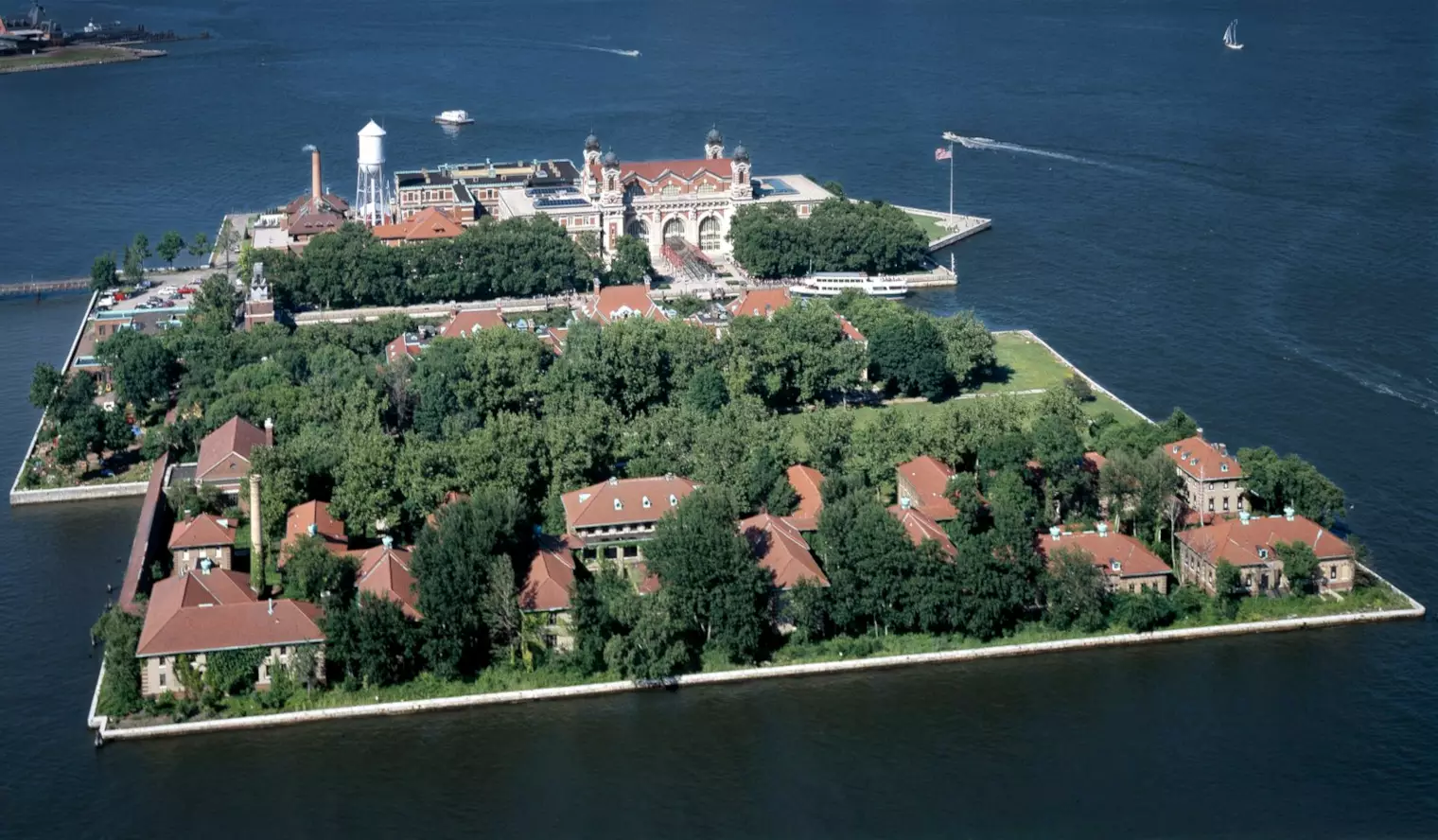
Governors Island has a long military history, home to headquarters and military posts of the United States Army from 1794 until 1966, then a complex for the U.S. Coast Guard before becoming a historic district open to tours.
A very impressive skyscraper with a green spire which was completed in 1930 and surpassed the height of the nearby Woolworth Building (see Manhattan/TriBeCa#See), making it the tallest building in the world until the Chrysler Building was completed just a month later (which in turn lost that title to the Empire State Building less than a year later). The building was leased by Donald Trump in 1995, hence its current name.
Probably the most famous of the Guggenheim foundations (others found in Bilbao and Venice), which hold avant-garde modern art by artists such as Kandinsky and Mondrian, the New York branch is housed in a unique and famous building designed by Frank Lloyd Wright and rendered in a rounded, organic form and completed in 1959. Be sure to take the elevator to the top floor, then follow the spiral viewing floors downwards to the street level. One of eight buildings by Wright to be listed as a world heritage site.
Exhibits on the history of highrise and skyscraper construction.
One of Brooklyn's most prized brownstone neighborhoods. It is predominantly residential, characterized by late 19th- and early 20th-century rowhouses with architectural significance. Street signs in the Historic District are brown rather than green.
Located on four acres overlooking the Hudson River in Fort Tryon Park, the building incorporates elements from five medieval French cloisters – quadrangles enclosed by a roofed or vaulted passageway, or arcade – and from other monastic sites in southern France. There are various artworks on display in the museum, with the Unicorn Tapestries being the most famous.
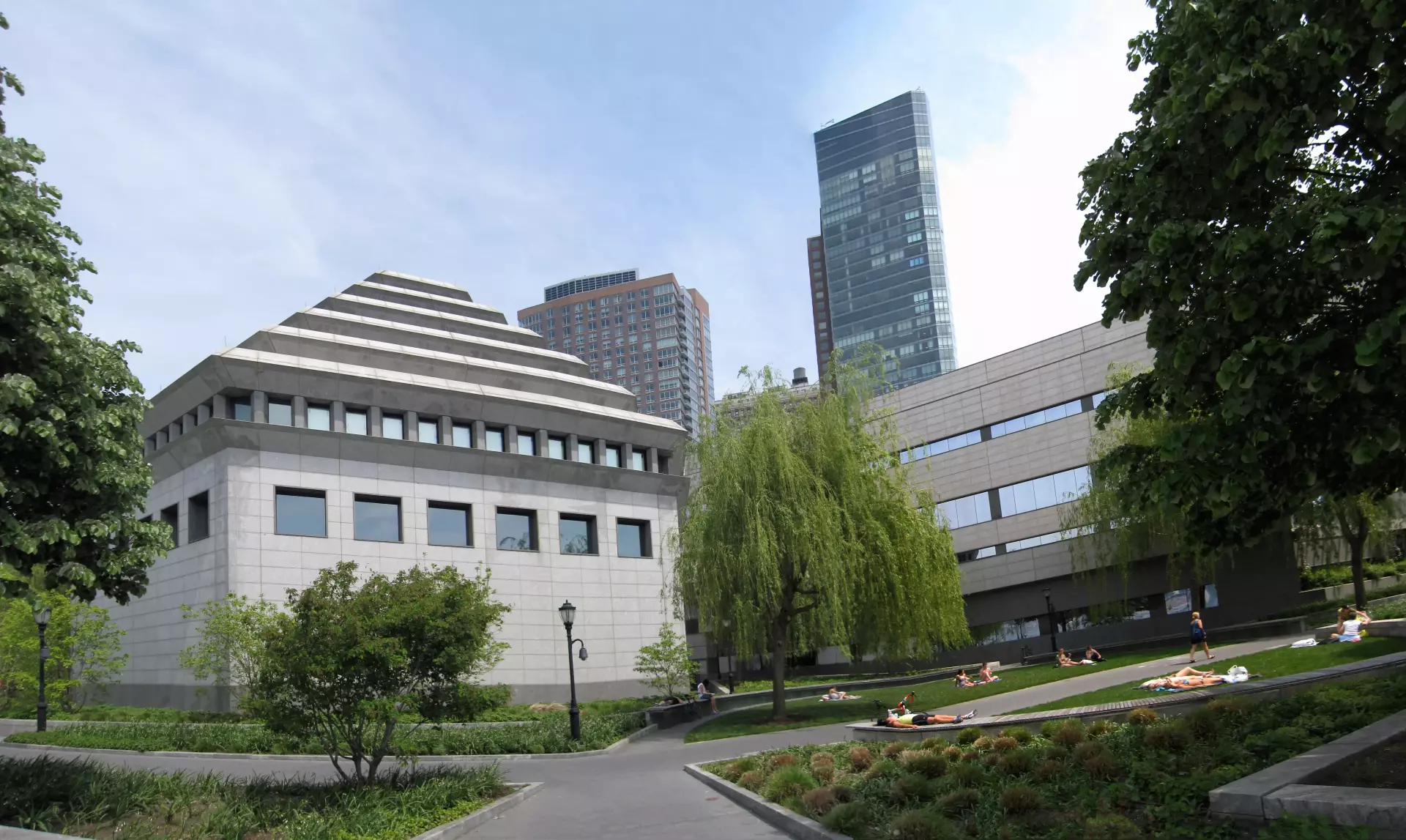
Containing artifacts spanning 4,000 years of art and Jewish culture, with a collection of 26,000 objects – paintings, sculpture, works on paper, photographs, archaeological artifacts, ceremonial objects and broadcast media. The museum also hosts the annual SummerNights concert series and the annual New York Jewish Film Festival.
The Asia Society is a unique educational organization like no other in the area promoting relationships and understanding among and of leaders, people, and organizations of Asia. It features a vast array of Asian art including art, business, culture, and education, promoting collaboration and a new, progressive understanding of Asian relations. The opportunities for discovery here are endless, with lessons about art, calligraphy, language, literature, politics, and religion.
A museum dedicated to folk & self-taught artists.
Built in 1765, this is the oldest house on Manhattan Island. It served as George Washington's headquarters in 1776. Now a museum set on a 1.5-acre park, it features a decorative-arts collection representing the colonial and Revolutionary War periods. Washington's office is among the 12 restored rooms.
Housed in a 560,000-square-foot, Beaux-Arts building, the Brooklyn is the 2nd largest art museum in New York City and one of the largest in the USA. Its world-renowned permanent collections include more than one million objects, from ancient Egyptian masterpieces to contemporary art, and represent a wide range of cultures. It is a 30-minute subway ride from Midtown Manhattan, and has its own subway station (renovated in 2019-20), the museum is part of a complex of 19th-century parks and gardens that also includes Prospect Park, the Brooklyn Botanic Garden, and the Prospect Park Zoo. On the first Saturday of each month, the museum is open until 11PM with free admission and special events.