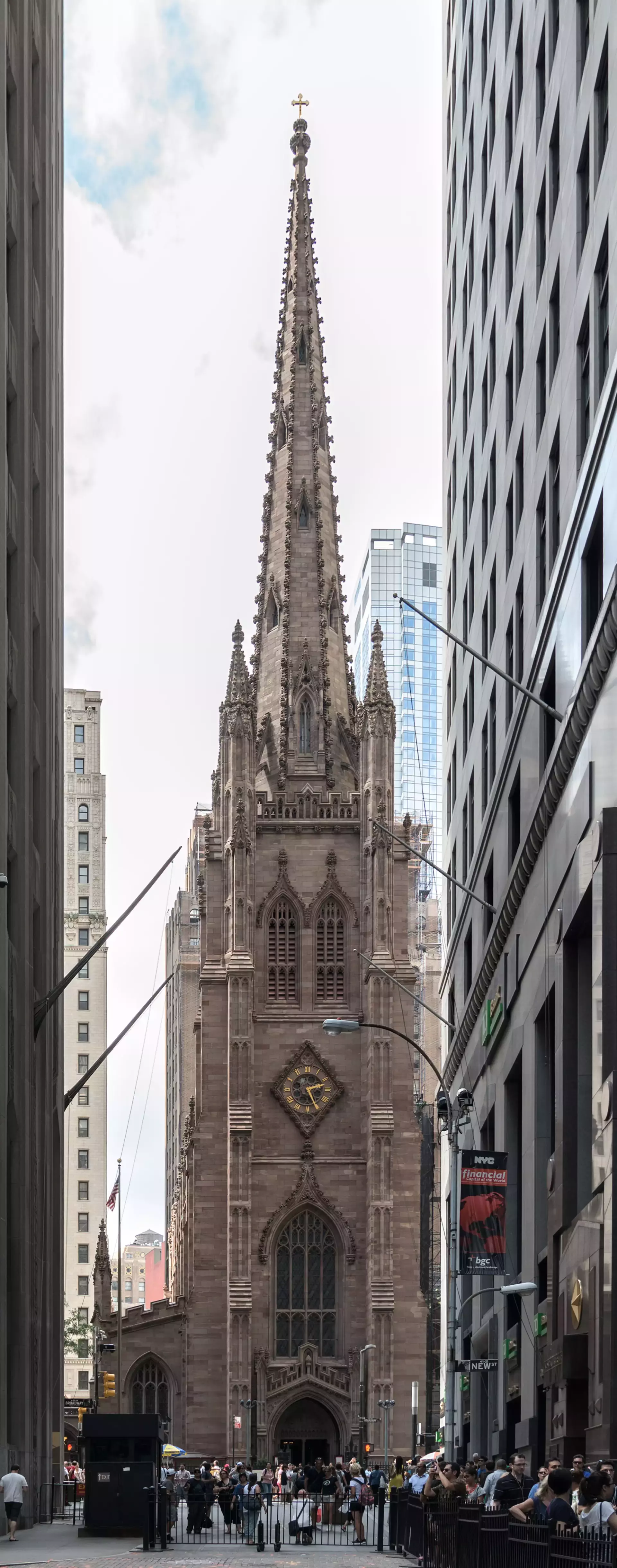
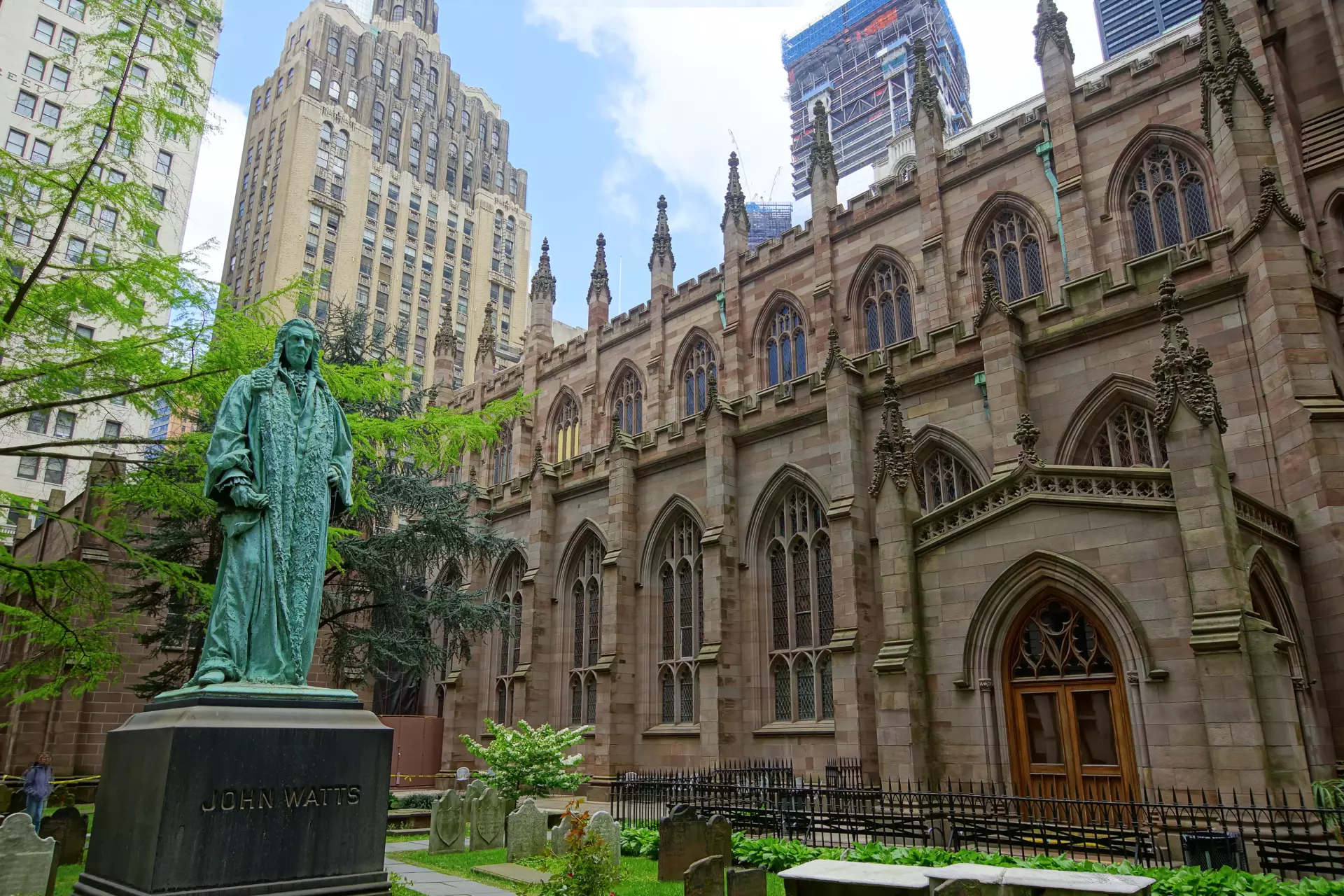
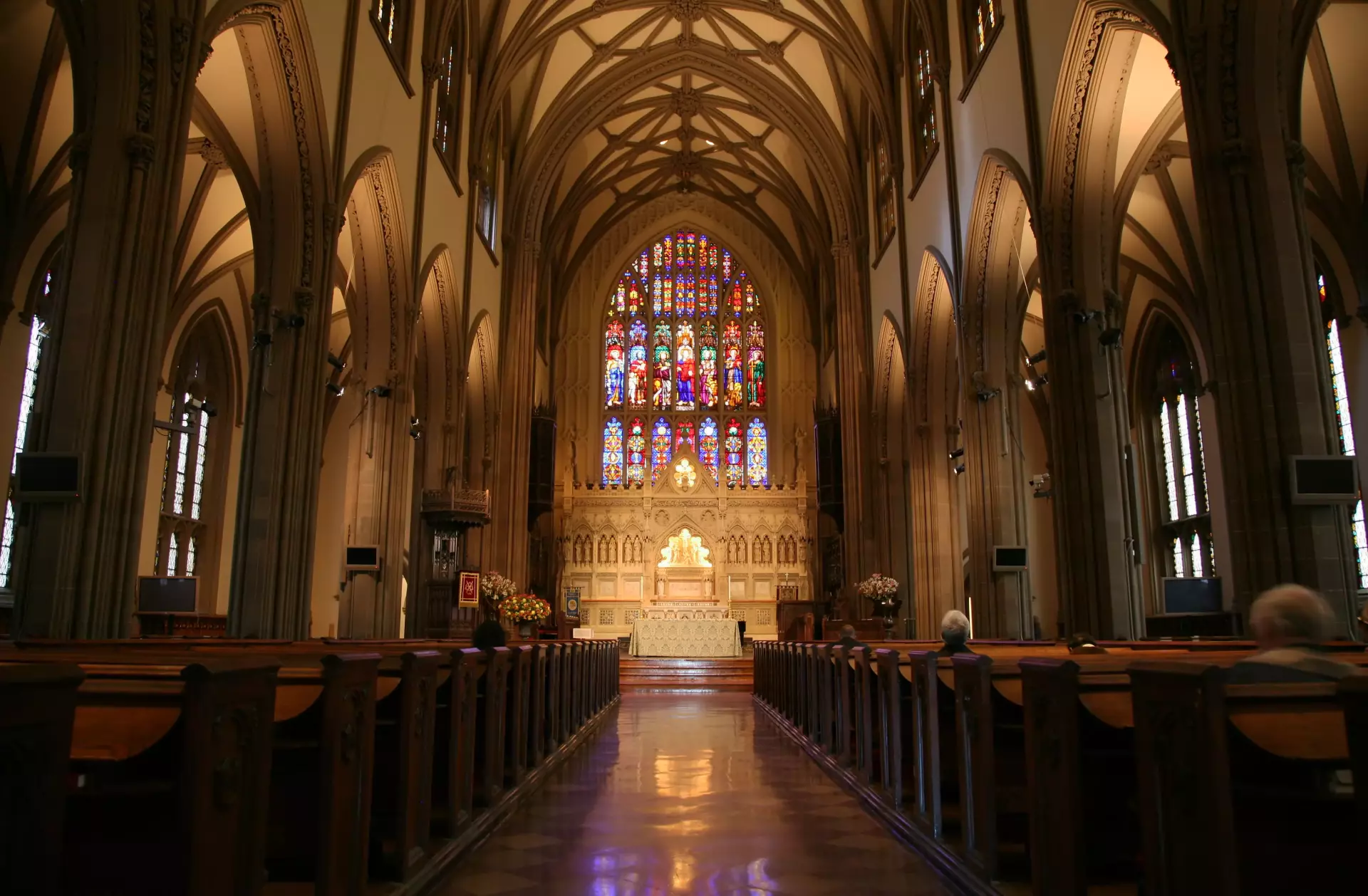
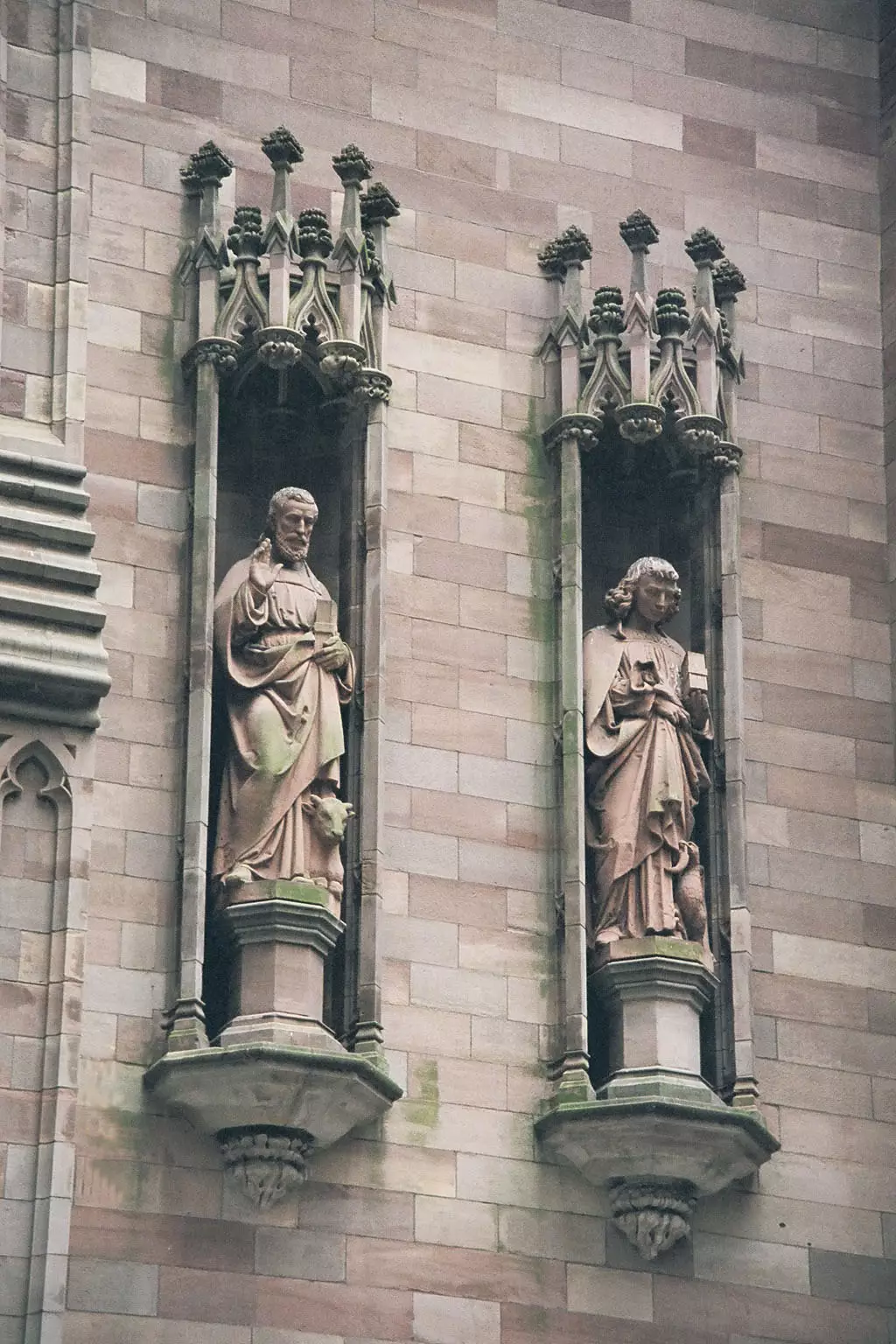
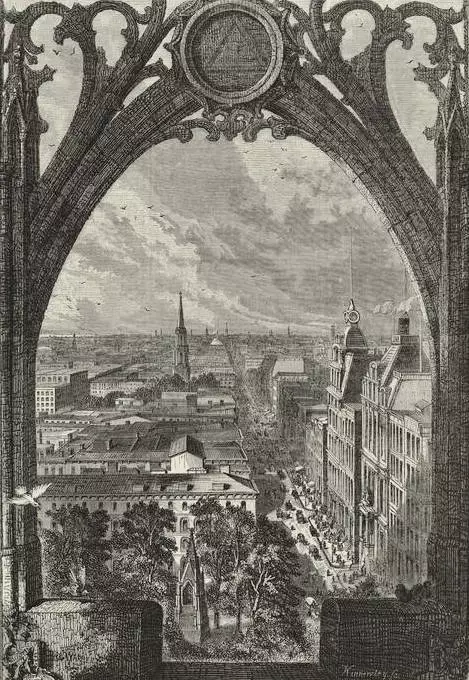
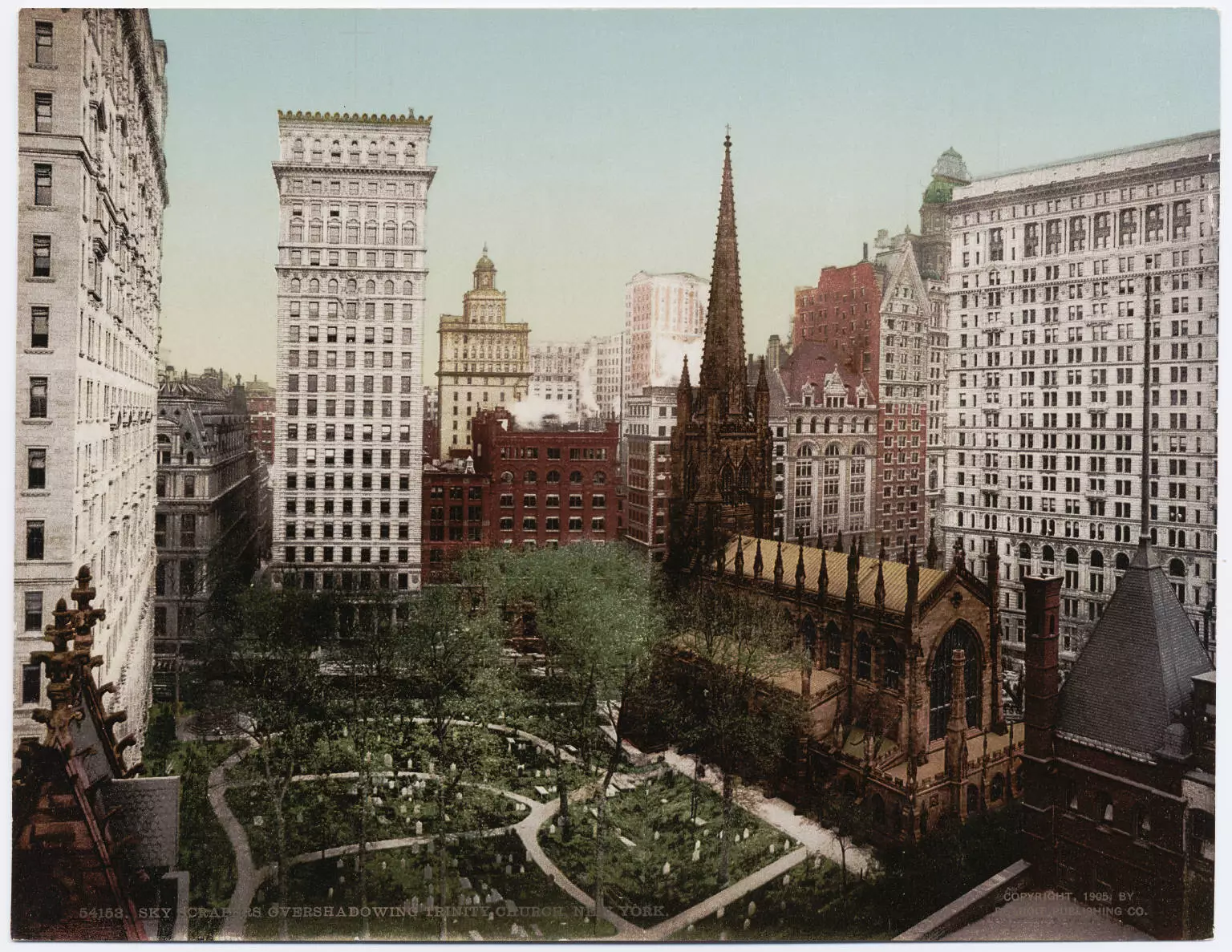
An Episcopalian (Anglican) church and parish found its beginnings on this site back in 1697, thanks to a charter by King William III. The church has seen several transformations, and the current Neo-Gothic Revival structure is the third incarnation, built in 1846. This elegant building stands as a significant landmark in Downtown.
The surrounding burial ground at Trinity Church holds great historical importance. It serves as the final resting place for many notable figures. Among them are Alexander Hamilton, an influential Founding Father, and William Bradford, a key figure in early American printing. Visitors can also find the graves of Robert Fulton, the inventor of the steamboat, and Albert Gallatin, a former Secretary of the Treasury.
Source - https://en.wikipedia.org/wiki/Trinity_Church_(Manhattan)
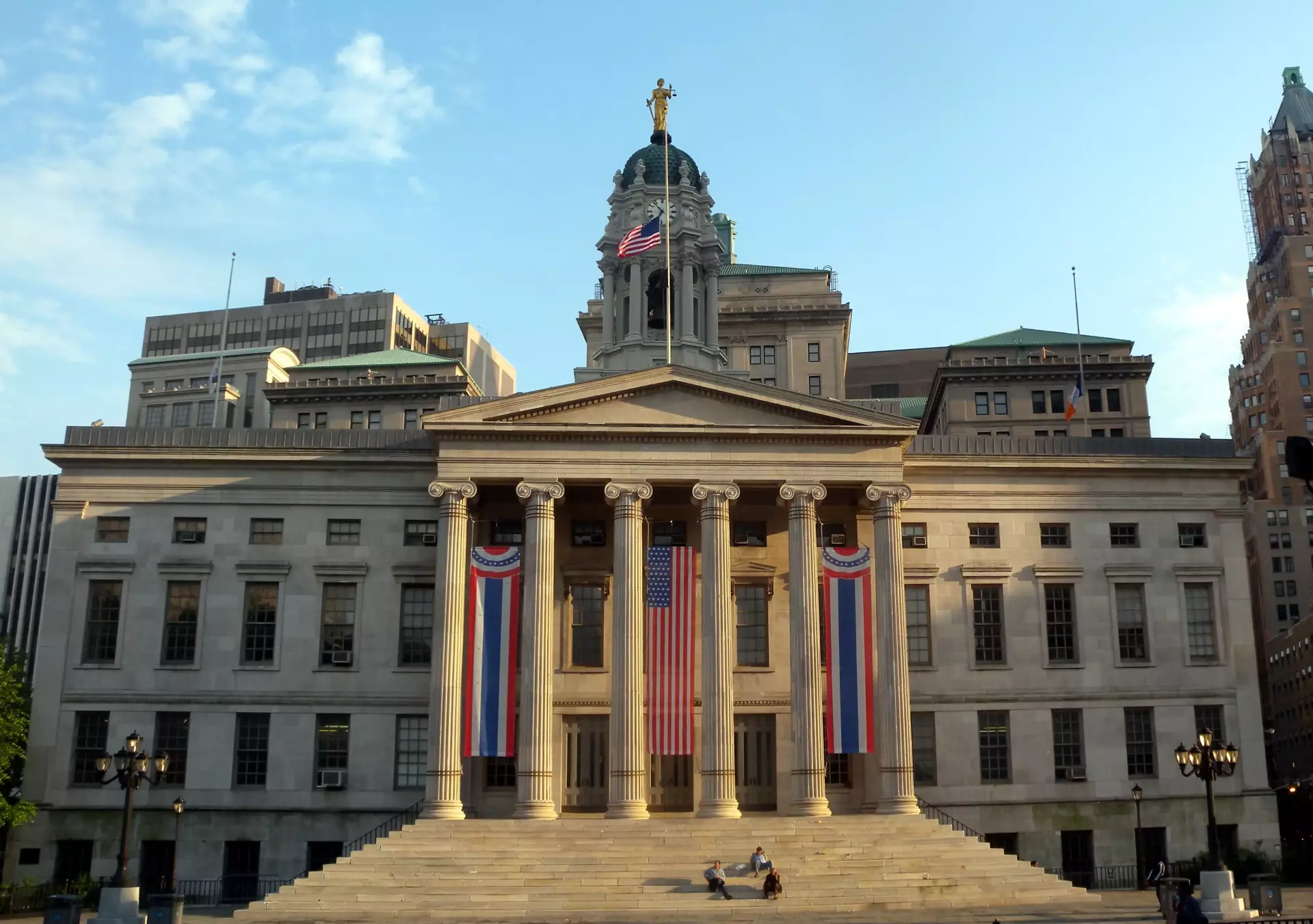
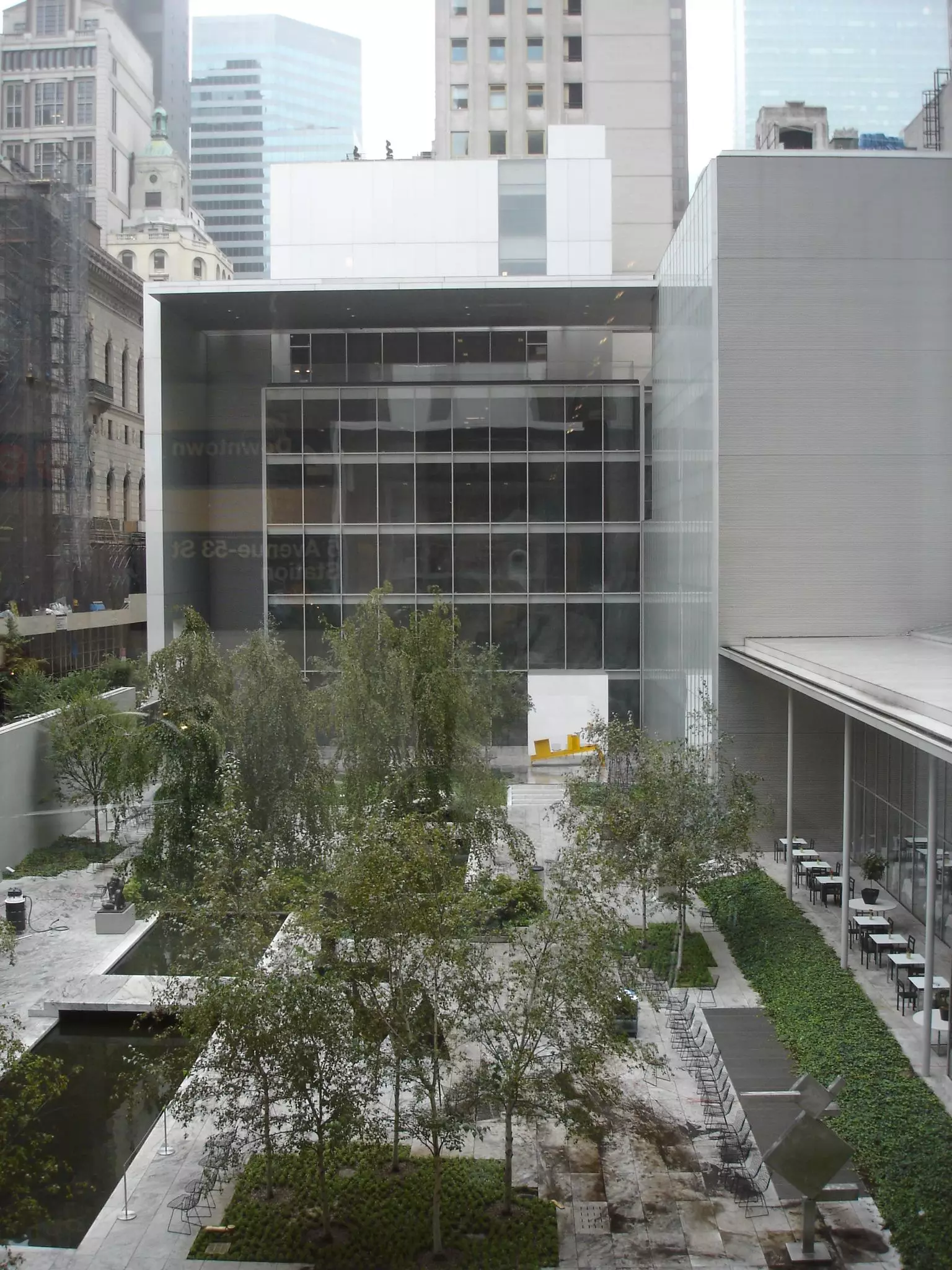
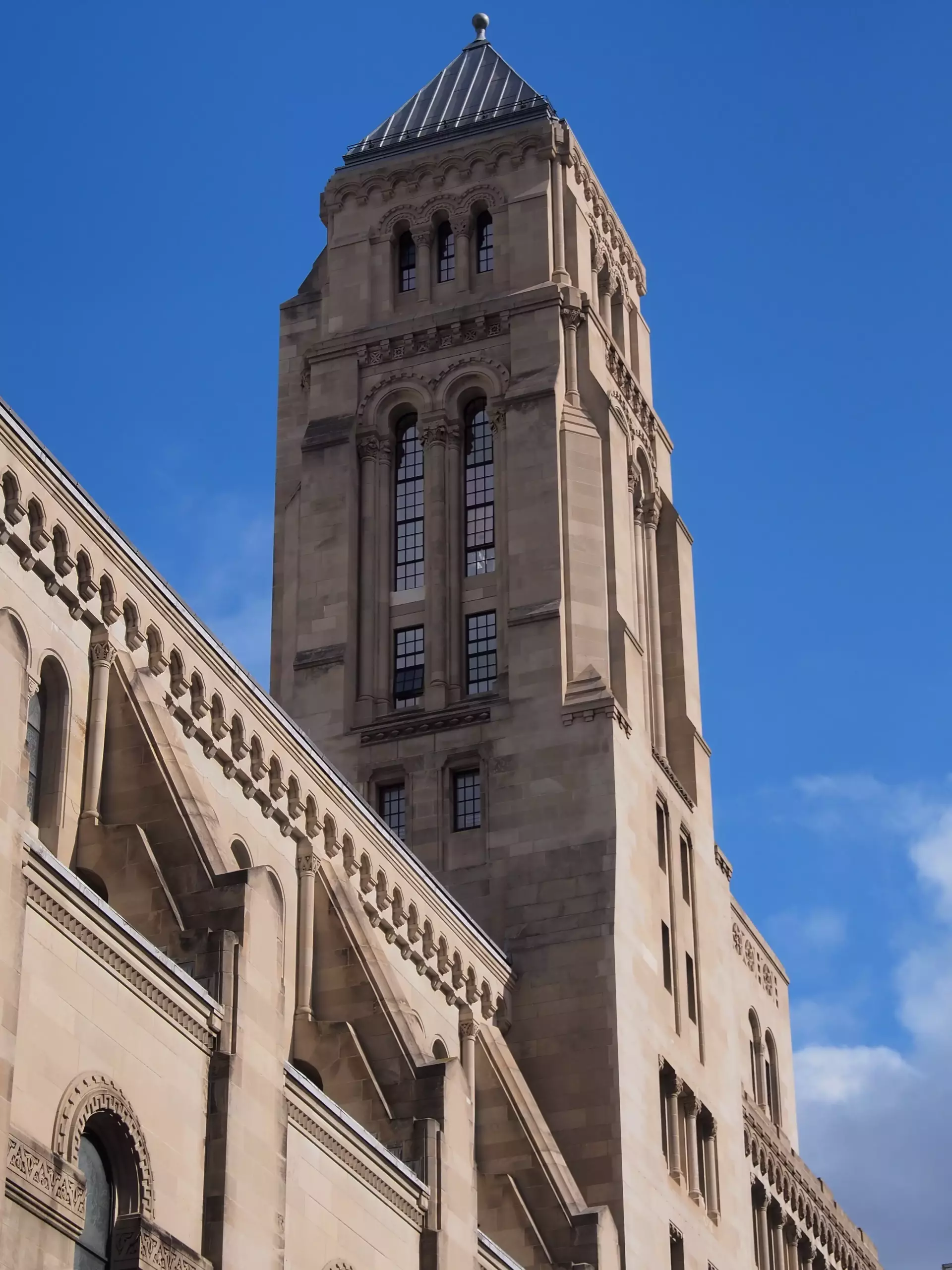
Affiliated with Columbia, Teacher's College is an architectural gem with its block length Beaux Arts and neo-Gothic façades.
A branch of the Smithsonian Institution, the Cooper Hewitt is devoted to over 240 years of contemporary and historic design, with changing exhibits.
Dedicated to preserving and collecting television programs as a service to the public, the museum consists of two museum branches in Los Angeles and New York City; combined they hold over 100,000 television programs that are available to the public, providing a historical, artistic and cultural perspective to television and radio. You may use their library here for the price of admission. They have lots of old shows and a database so you can see if they have what you want.
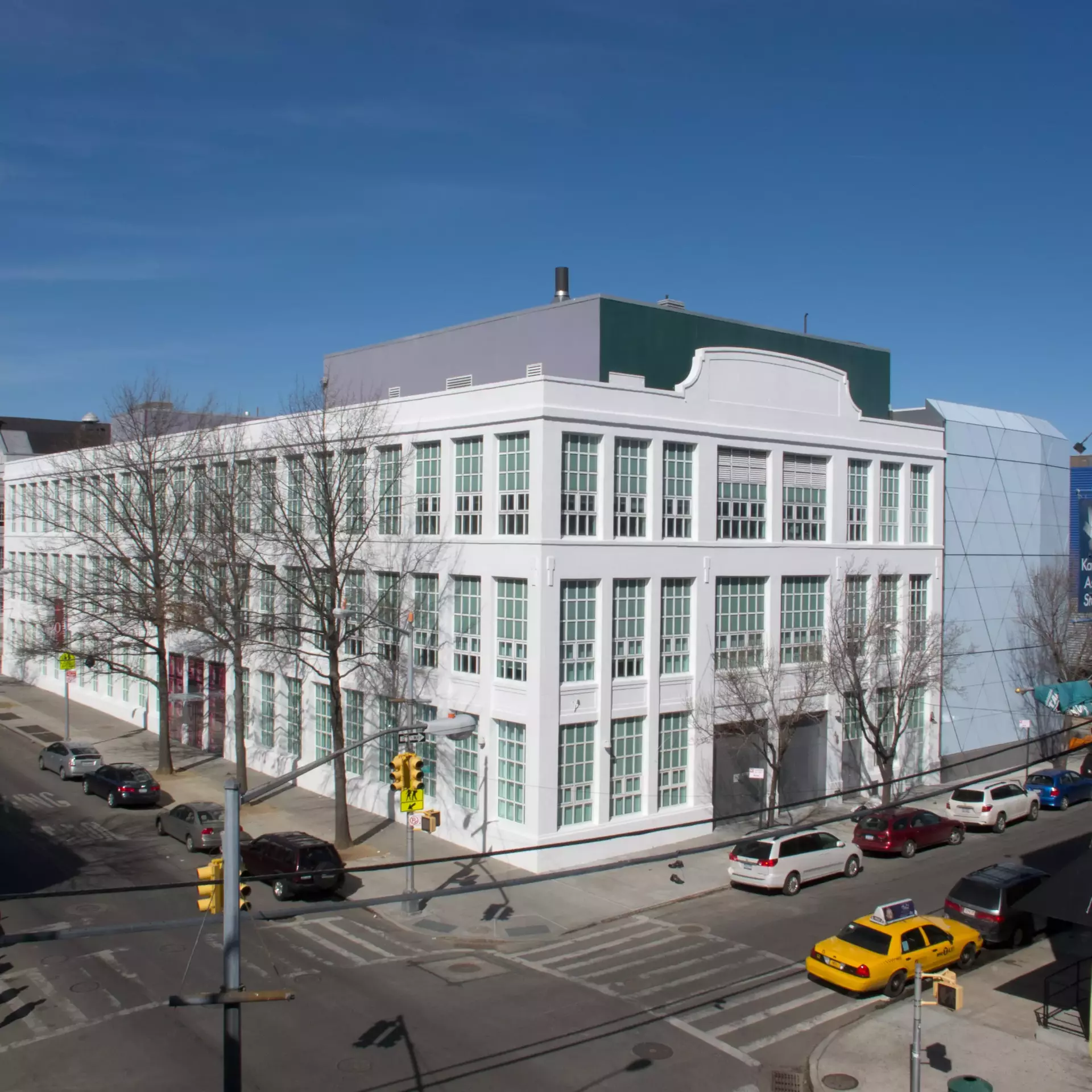
A children's museum home to exhibits featuring Adventures with Dora & Diego.
The Christmas Tree, the Skating Rink, NBC Studios, the shops and hubbub - you can't miss it. The Christmas Tree and the Skating Rink are naturally not year round, but in the summer, the complex is a hub for touristy operations. Within the striking Art Deco buildings of the complex are several dining establishments overlooking the area and many stores. See the Rockettes, another show, or just tour the famous Art Deco masterpiece. On the 70th floor of the Comcast Building (better known by some as "30 Rock") is this narrow observation deck, built to resemble the deck of a cruise ship. The deck affords uninterrupted views over Central Park to the north and across Midtown to the south.
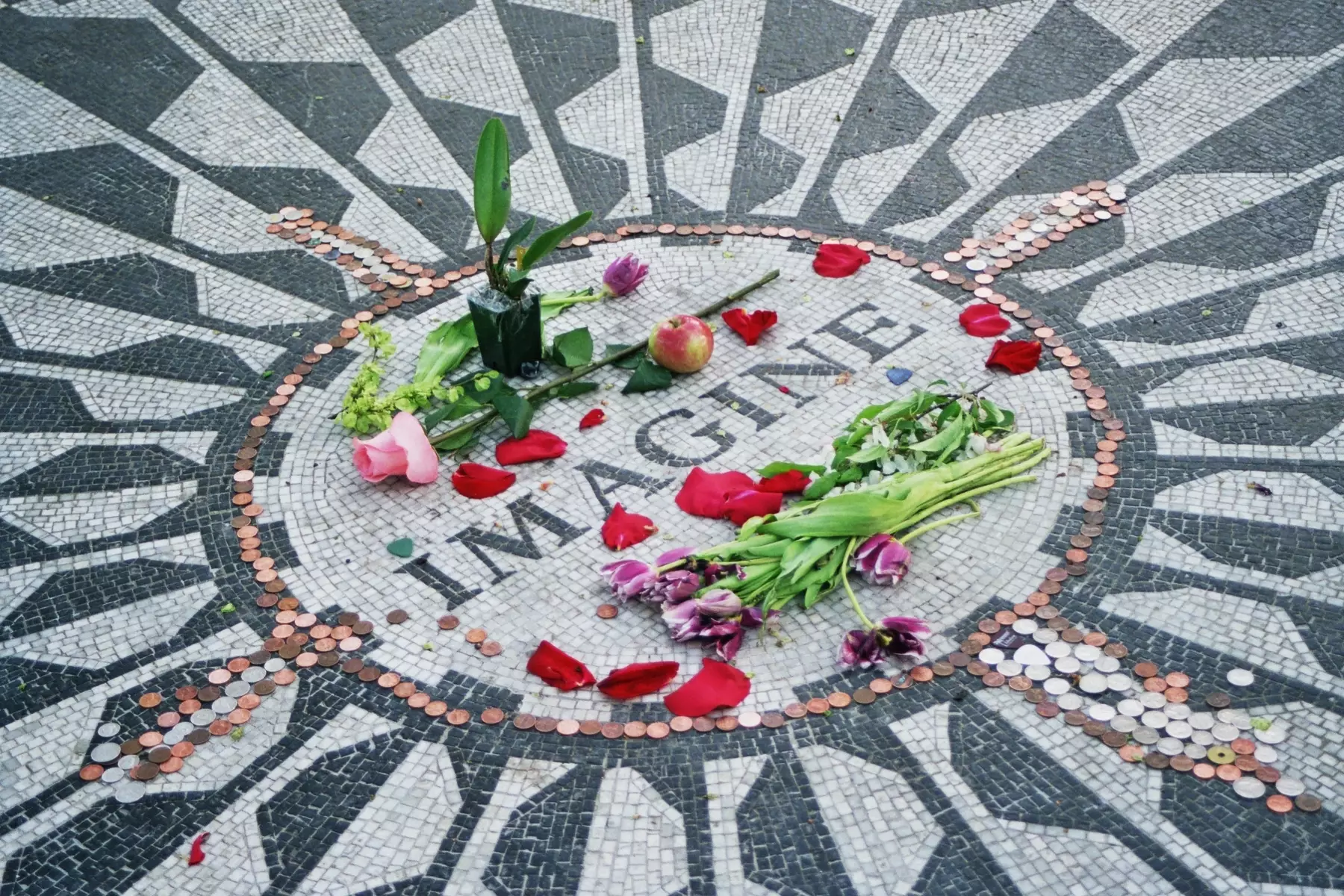
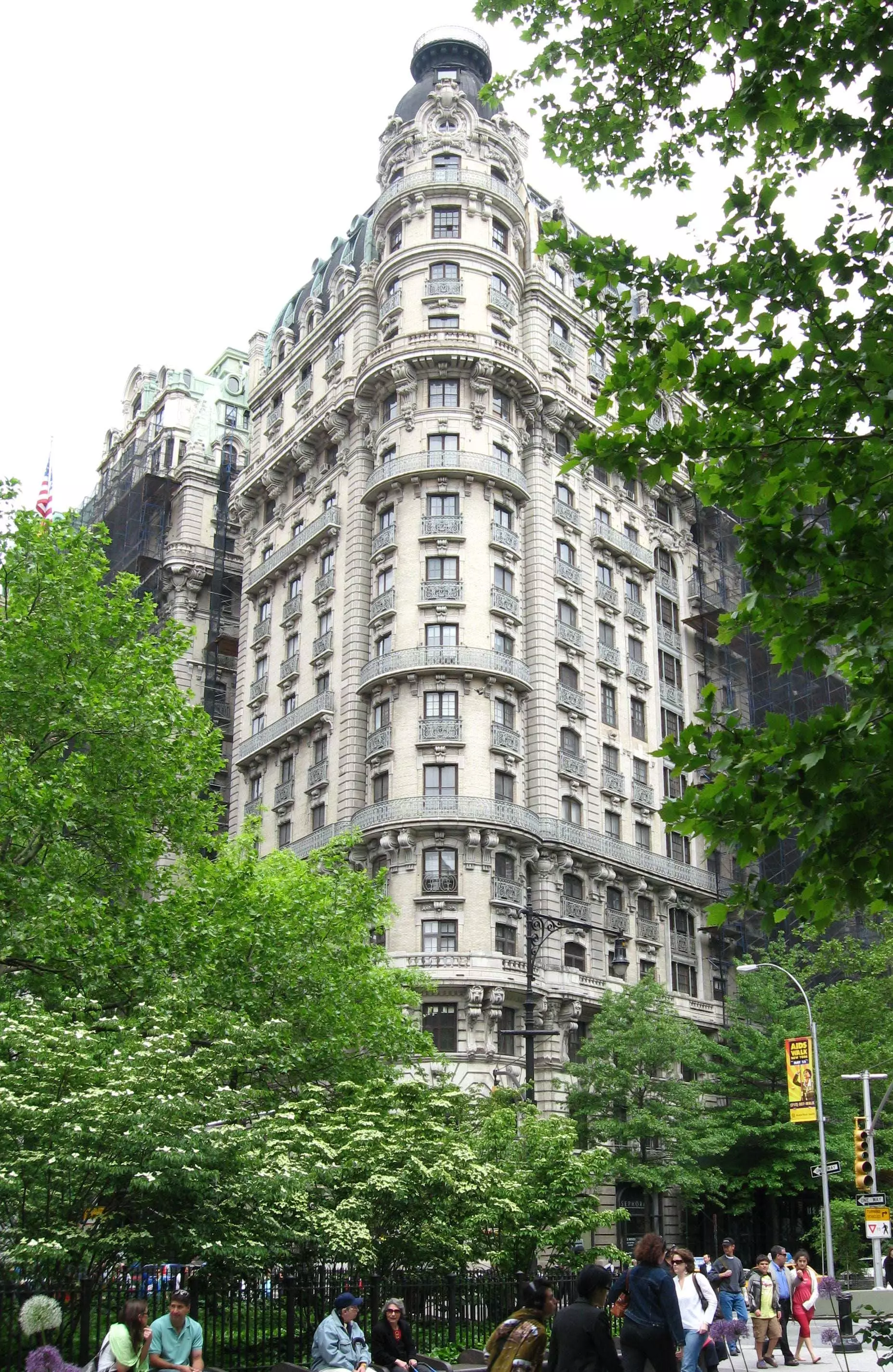
This massive apartment building has been (and is!) home to many celebrities. Probably best known was the former Beatle John Lennon, who was gunned down outside the building on December 8, 1980, by a crazed fan. Lennon had been living at the Dakota with his second wife, Yoko Ono, who still resides in the building. A memorial to the former Beatle exists nearby in Central Park. The building has become a popular place of pilgrimage for many who admire Lennon.
The original subway station, and quite a marvel to witness--the chandeliers and ornate tiling are a sharp contrast to the nearby Brooklyn Bridge-City Hall station. There's one catch, though: it's been closed since 1945. However, you can see it by staying on the downtown 6 train after its last stop Brooklyn Bridge-City Hall; it will turn around in the old station. This is the one place in the system where this is allowed, and the announcements reflect that. The Transit Museum (in Downtown Brooklyn) offers occasional tours as well, which allow you to actually walk around the station, but you must be a museum member and a US citizen, making this an impractical choice for most visitors.
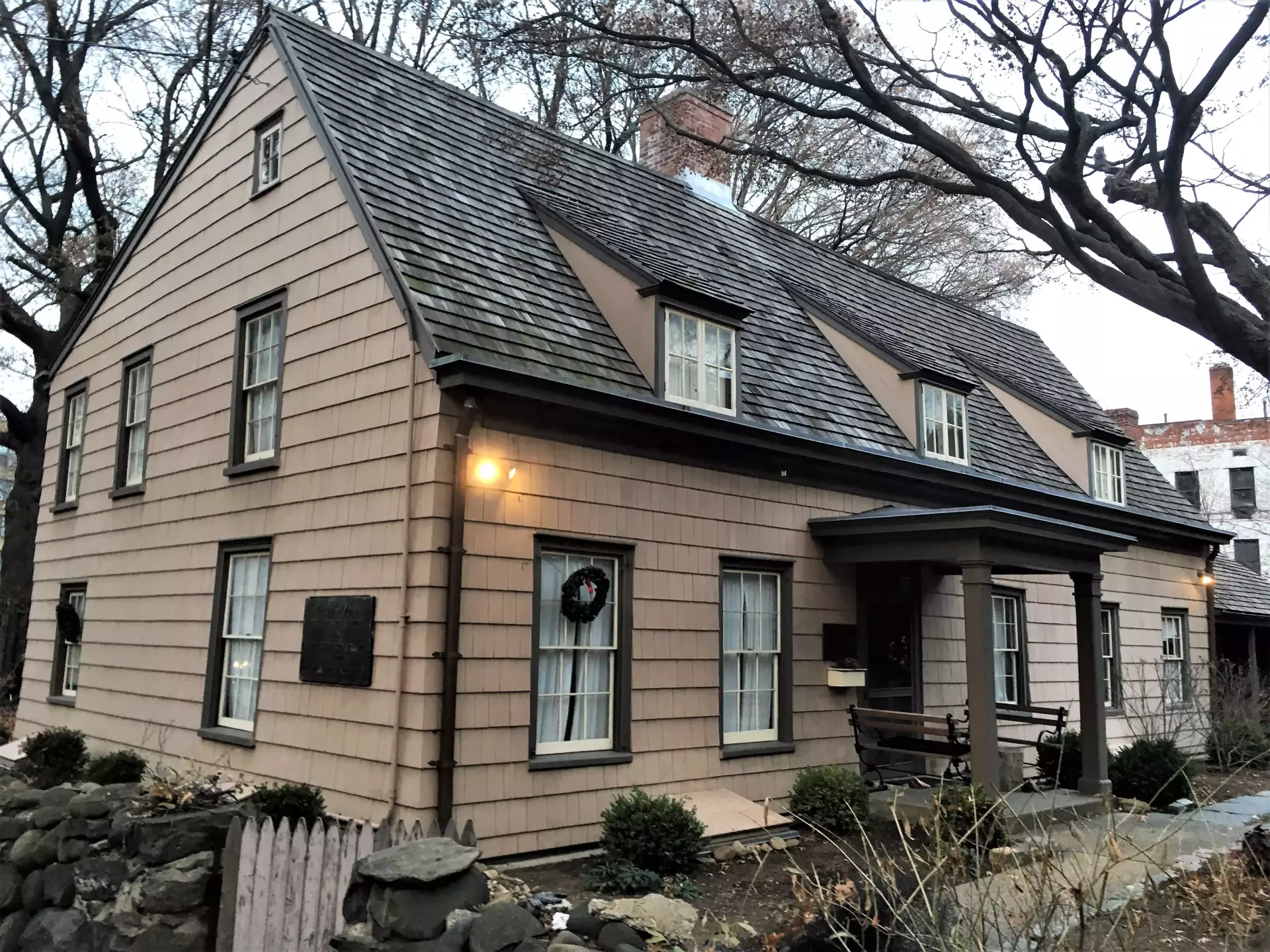
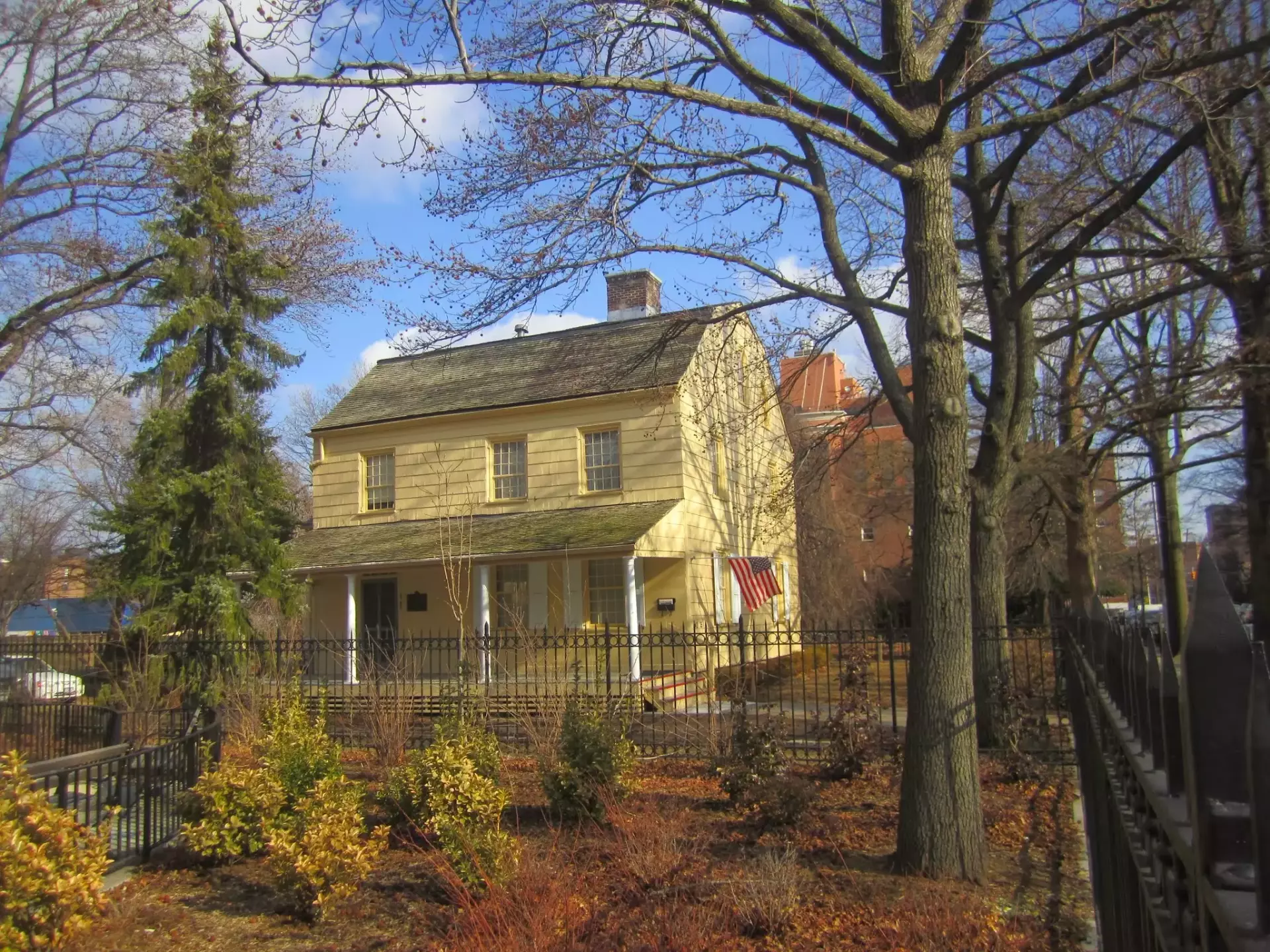
This is historic home that was built by local businessman James Bouton in 1891. Eight years later, Conrad Voelcker bought the house, and the Voelcker family lived in the house for three generations. Today, it is a museum, and there is a Victorian garden and a bird sanctuary outside.
The One World Trade Center skyscraper rises 1,776 feet above the street and is the tallest building in the United States (and for that matter, the Western Hemisphere). Despite its colossal size, its simple design allows it to blend remarkably well into the Lower Manhattan skyline. An observation deck on the top floors offers 360-degree views of the city.
The world's largest neo-Gothic cathedral, the place has been a work in progress for over a century! There are also resident peacocks on campus, and many songbirds stop by during their seasonal migrations.
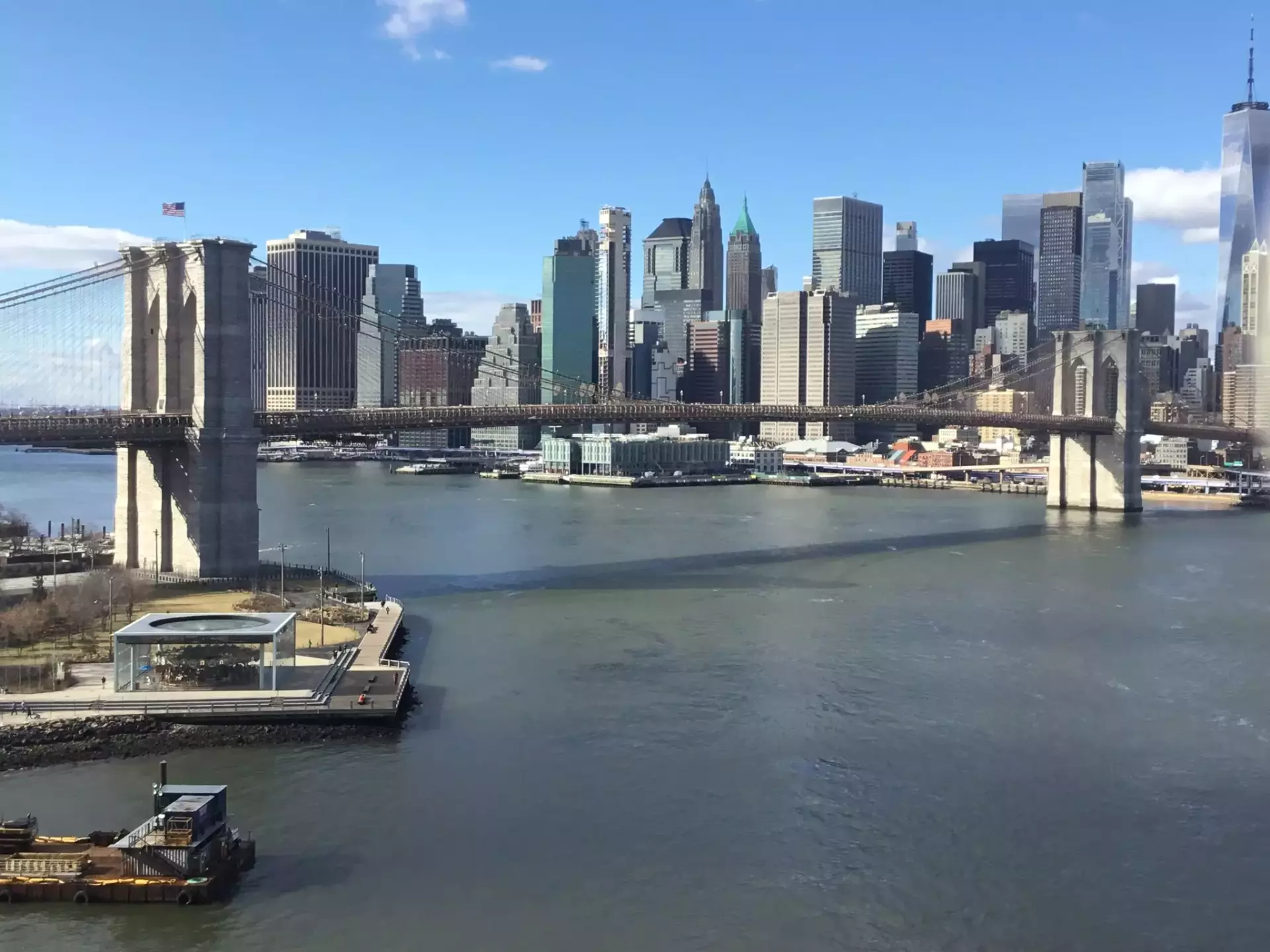
A 2011 addition to the Lower Manhattan skyline, this 76-story residential skyscraper by the noted Frank Gehry has a distinctive rippled, "wavy" facade that is quite eye-catching. It is best viewed from City Hall Park and the Brooklyn Bridge.
The historic building with the distinctive, iconic twin towers and a star-studded housing cooperative board. Built in 1930 in a vaguely Art Deco style to the design of Emery Roth, the San Remo actually has two separate addresses, lobbies and sets of shafts, each for a half of the building topped with a tower.
is considered a symbol of Queens. It is a 140-foot (43-meter) tall globe with a fountain below. It is beautiful to look at. In 1939 and 1964, Flushing Meadows-Corona Park was the location of the World's Fair, and the Unisphere was built for the 1964 World's Fair.
The only US museum devoted to Puerto Rican culture.
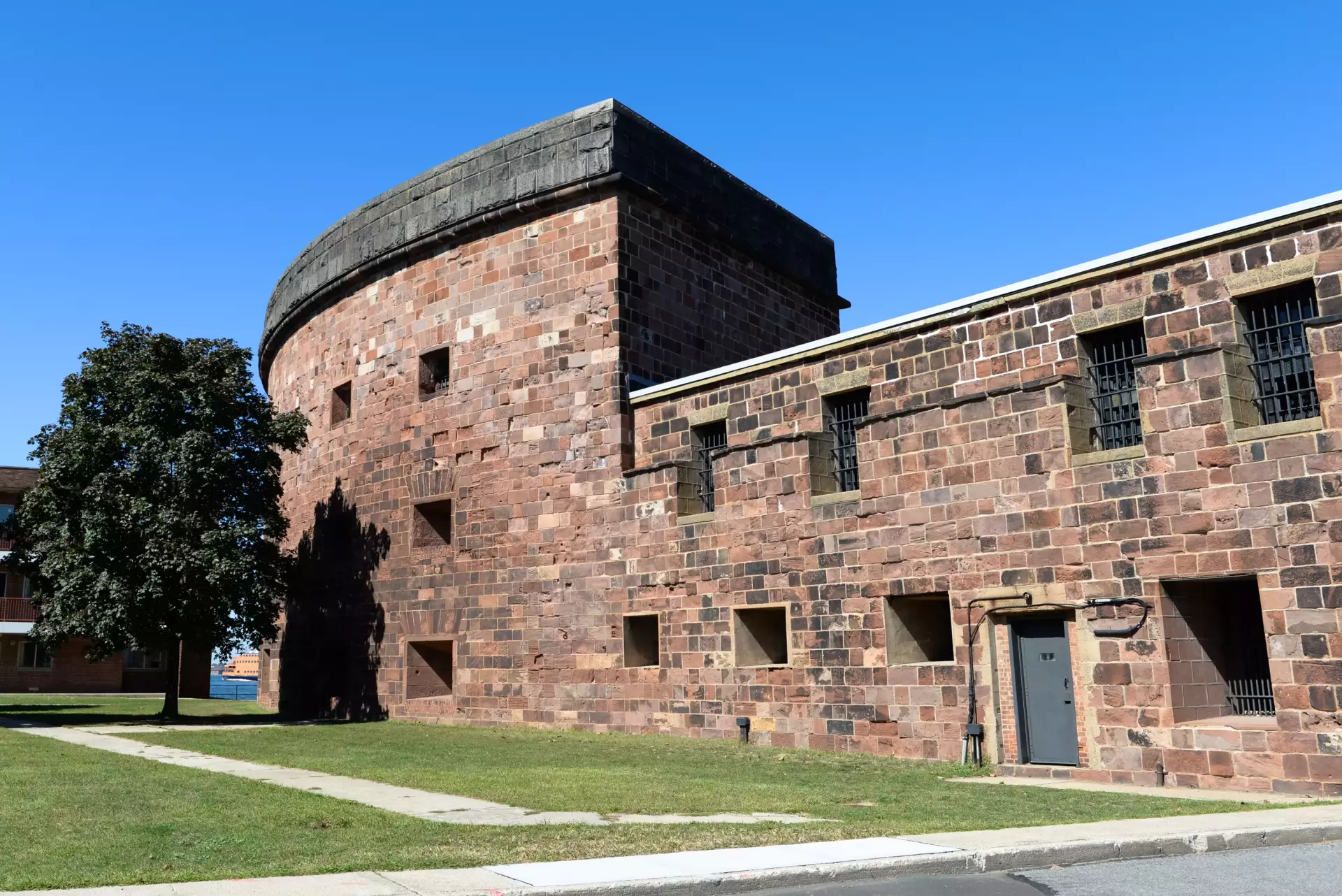
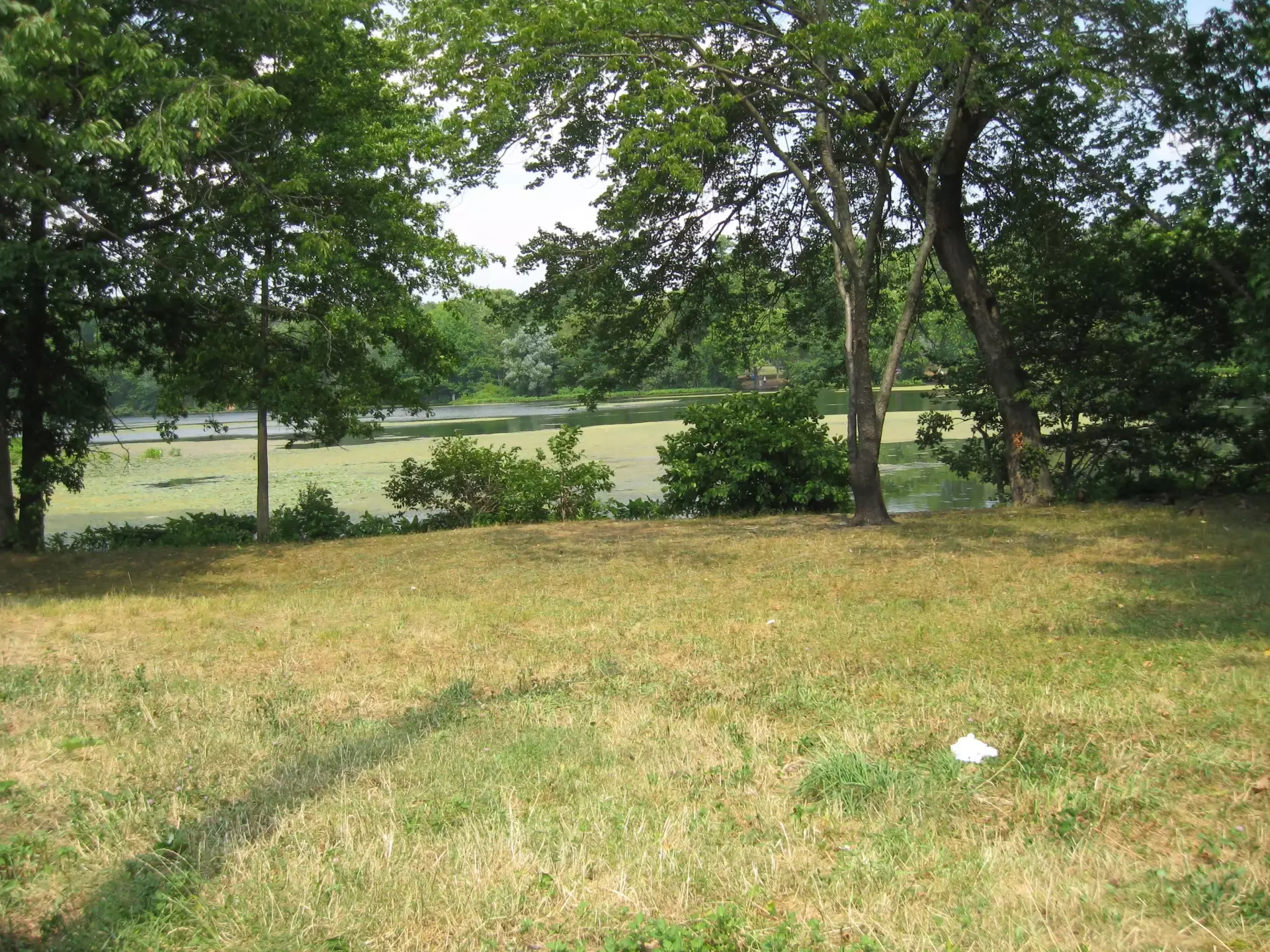
A picturesque brick building that actually predates the park. It was built in 1851 to serve as a munitions supply depot for the New York State National Guard, and was designed to look like a medieval fortress, with battlements overlooking the area. Today the building holds a refreshment stand and a small art gallery with rotating/seasonal exhibits.
A self supporting arm of the MTA, it is housed in the Subway's former Court Street Station, on a spur line from the current A and C lines. Closed to passengers in 1946, it was reopened in 1976 as the New York Transit Exhibit and was popular enough to be made permanent. The museum is made up of two underground levels: the Mezzanine, which hosts exhibits on the construction of the subway, surface transportation in New York, fare collection and rotating exhibits on various transit-related subjects; and the station platform, which houses about 20 retired subway cars dating as far back as 1903 and a working signal tower. The museum sponsors events throughout the year, including simple art projects, walking tours on the subway, and rides on the museums' fleet of retired trains. There is also an annex of the museum in Grand Central Station in Midtown Manhattan.
A very impressive skyscraper with a green spire which was completed in 1930 and surpassed the height of the nearby Woolworth Building (see Manhattan/TriBeCa#See), making it the tallest building in the world until the Chrysler Building was completed just a month later (which in turn lost that title to the Empire State Building less than a year later). The building was leased by Donald Trump in 1995, hence its current name.