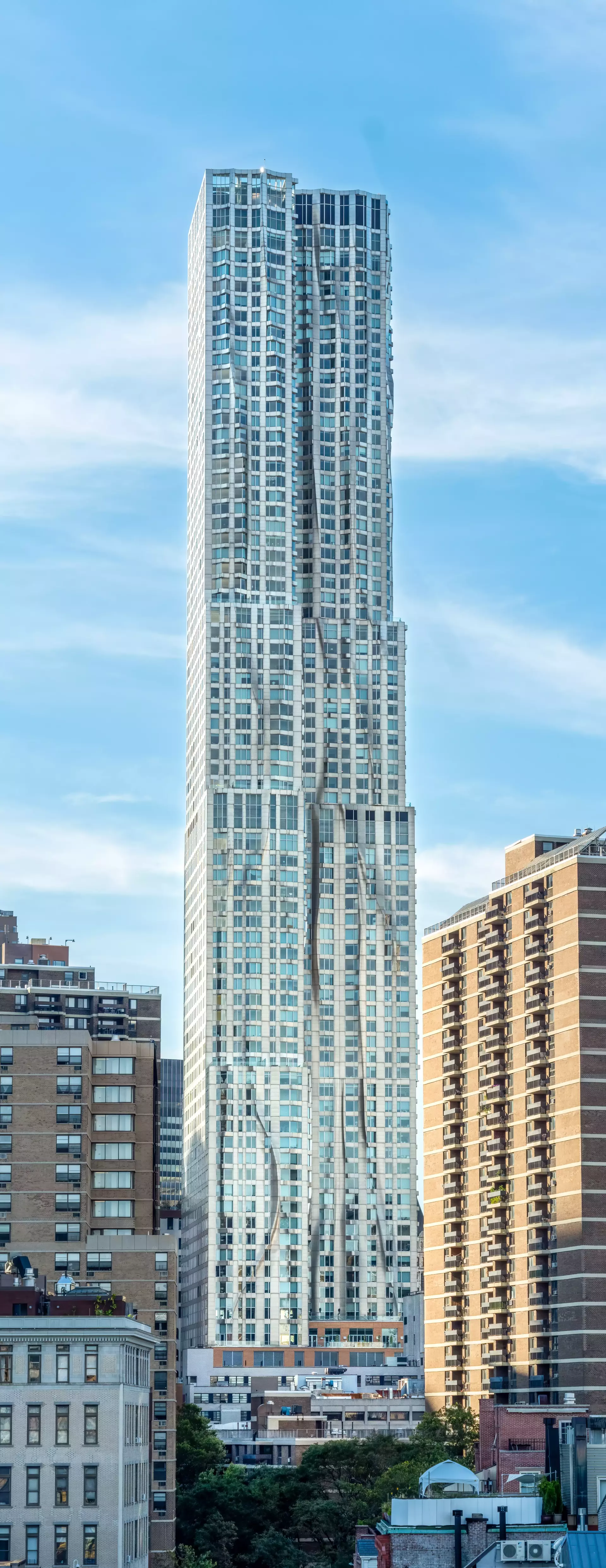
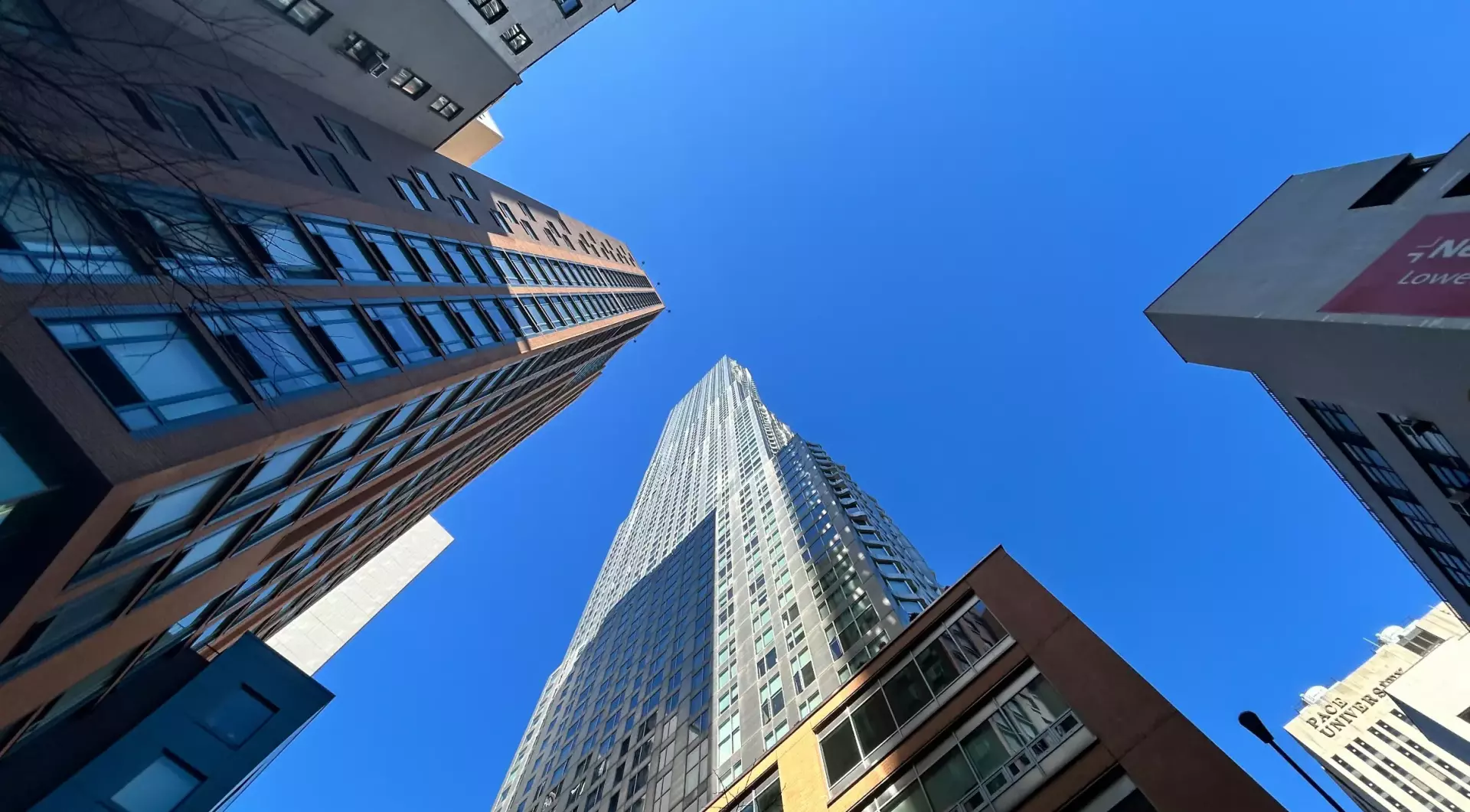
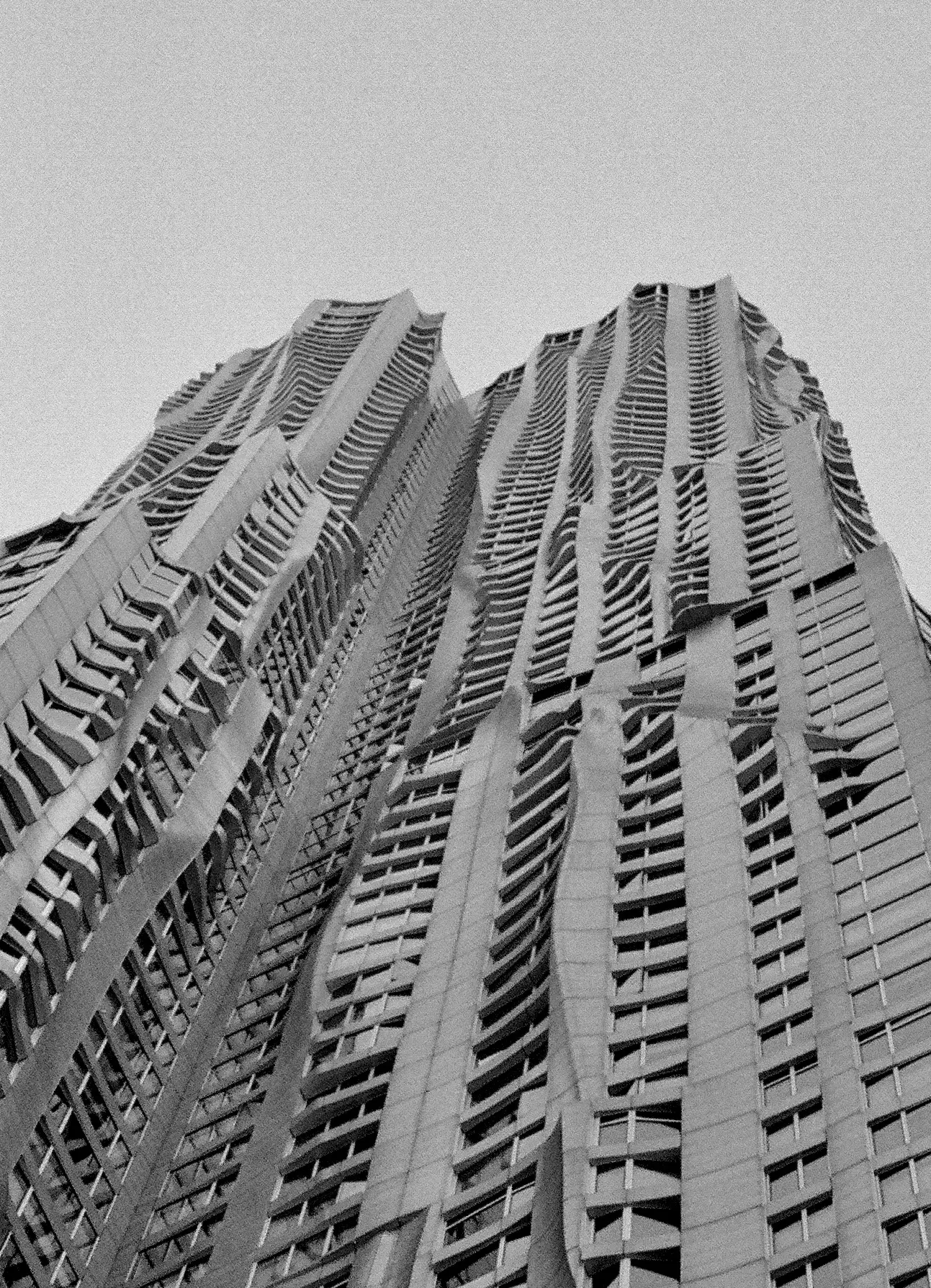
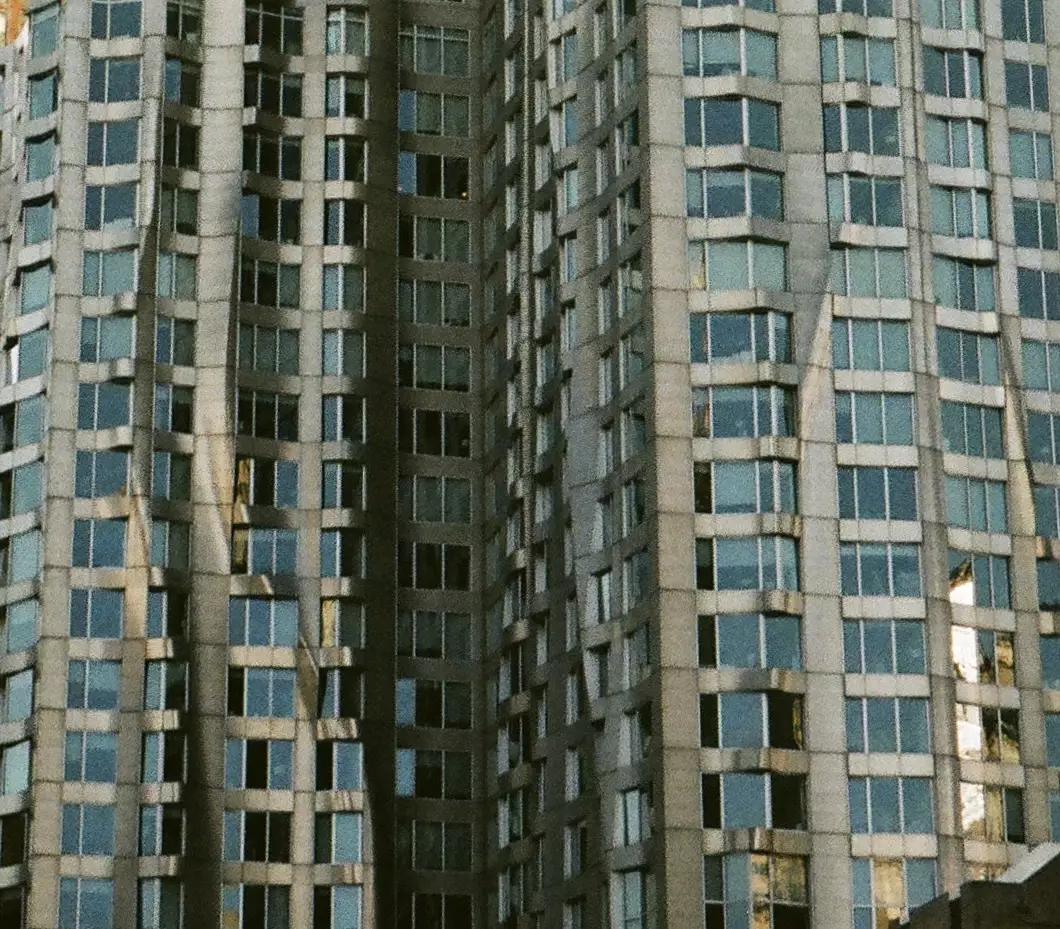
A striking feature of Lower Manhattan since 2011, this 76-story residential skyscraper, designed by the renowned Frank Gehry, stands out with its unique rippled facade. The building's "wavy" design creates a captivating visual effect, easily drawing the attention of both locals and visitors.
The building's standout feature is its innovative facade, which resembles flowing waves. This design not only adds aesthetic appeal but also gives the structure a dynamic presence on the skyline. The facade's movement-like quality makes it a distinctive element in the architecture of the area.
The skyscraper's eye-catching design is best appreciated from a distance. Some of the most recommended vantage points include City Hall Park and the iconic Brooklyn Bridge. These locations offer panoramic views where the building's unique architecture can be admired in contrast with the surrounding urban landscape.
Source - https://en.wikipedia.org/wiki/8_Spruce
Containing artifacts spanning 4,000 years of art and Jewish culture, with a collection of 26,000 objects – paintings, sculpture, works on paper, photographs, archaeological artifacts, ceremonial objects and broadcast media. The museum also hosts the annual SummerNights concert series and the annual New York Jewish Film Festival.
Governors Island has a long military history, home to headquarters and military posts of the United States Army from 1794 until 1966, then a complex for the U.S. Coast Guard before becoming a historic district open to tours.
An elevated walkway and jetty provides access to the only natural salt marsh remaining in Manhattan, and expansive views of the Hudson River and the cliffs of Spuyten Duyvil in the Bronx across the river.
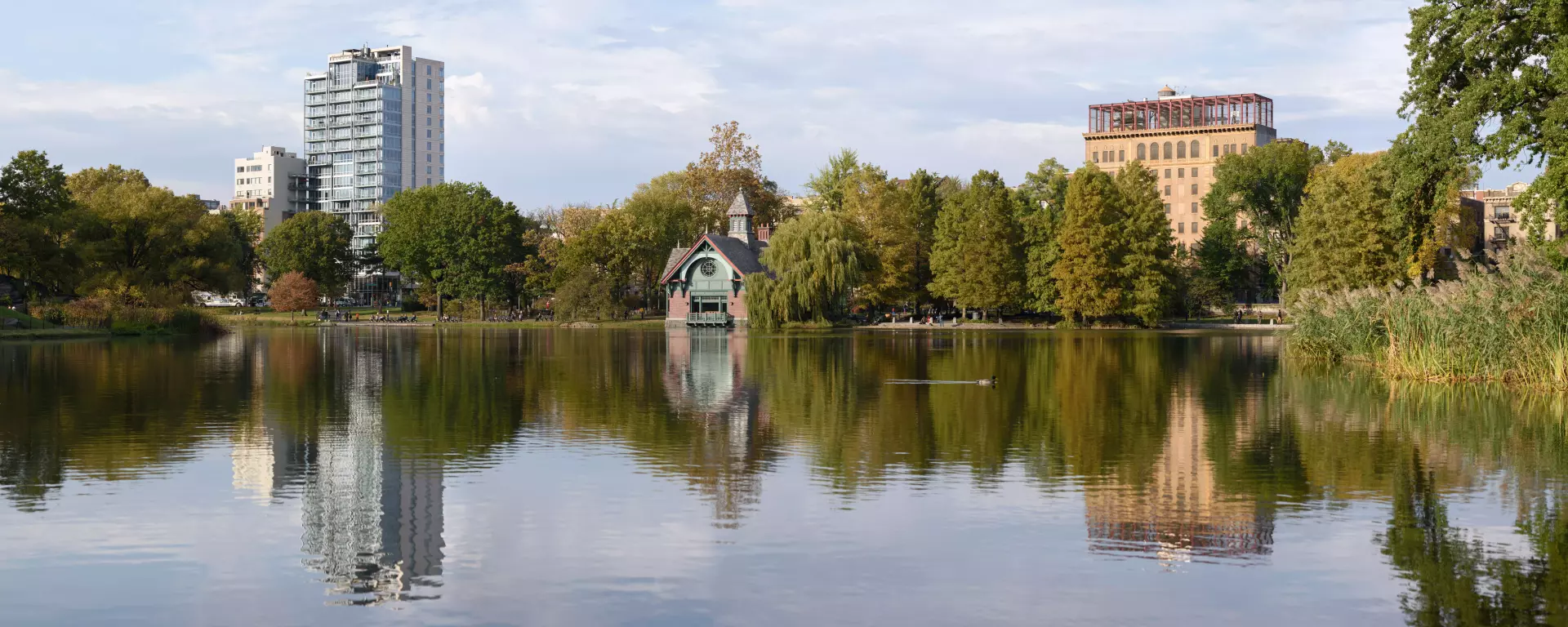
Most well known as the Model Boat Pond, visitors can often see a racing regatta between members of the Model Yacht Club, or rent a model boat from a boathouse and cafe on the pond. Just to the north of the pond is the Alice in Wonderland sculpture depicting the Tea Party scene, and on the west side of the pond is the Hans Christian Andersen sculpture, which shows the writer seated on a bench reading a book to his Ugly Duckling character.
48 magnificent gardens and plant collections on a 250-acre historic site.
The lesser-known historic district on the other side of the Park. It was developed at the turn of the 20th century by Dean Alvord as one of the first suburbs.
Once the Audubon Ballroom where Malcolm X was assassinated with 21 gunshots. Only a part of the facade of the original building remains (Columbia University demolished the building in 1992). The location now houses a memorial to Malcolm X and Betty Shabazz, with a stated goal of advancing human rights and social justice. It also features a 63-foot mural depicting Malcolm X's life.
Located on four acres overlooking the Hudson River in Fort Tryon Park, the building incorporates elements from five medieval French cloisters – quadrangles enclosed by a roofed or vaulted passageway, or arcade – and from other monastic sites in southern France. There are various artworks on display in the museum, with the Unicorn Tapestries being the most famous.
Built in 1765, this is the oldest house on Manhattan Island. It served as George Washington's headquarters in 1776. Now a museum set on a 1.5-acre park, it features a decorative-arts collection representing the colonial and Revolutionary War periods. Washington's office is among the 12 restored rooms.
A museum dedicated to the history of the NYPD.
For most of the 18th century, Africans in New York City were buried in a graveyard outside the city. The graveyard was eventually forgotten and was rediscovered in 1991. This museum and memorial site commemorate the estimated 15,000 Africans that were interred on the site of the memorial. Note that the museum is located inside of a Federal building so airport-style security should be expected.
American woman Jacques Marchais had a dream of traveling to Tibet. While she never made it, her extensive collection of Tibetan artifacts was made into a museum in 1947. The museum now holds over 120 pieces of beautiful Tibetan art. The museum's authenticity was praised by the Dalai Lama.
is considered a symbol of Queens. It is a 140-foot (43-meter) tall globe with a fountain below. It is beautiful to look at. In 1939 and 1964, Flushing Meadows-Corona Park was the location of the World's Fair, and the Unisphere was built for the 1964 World's Fair.