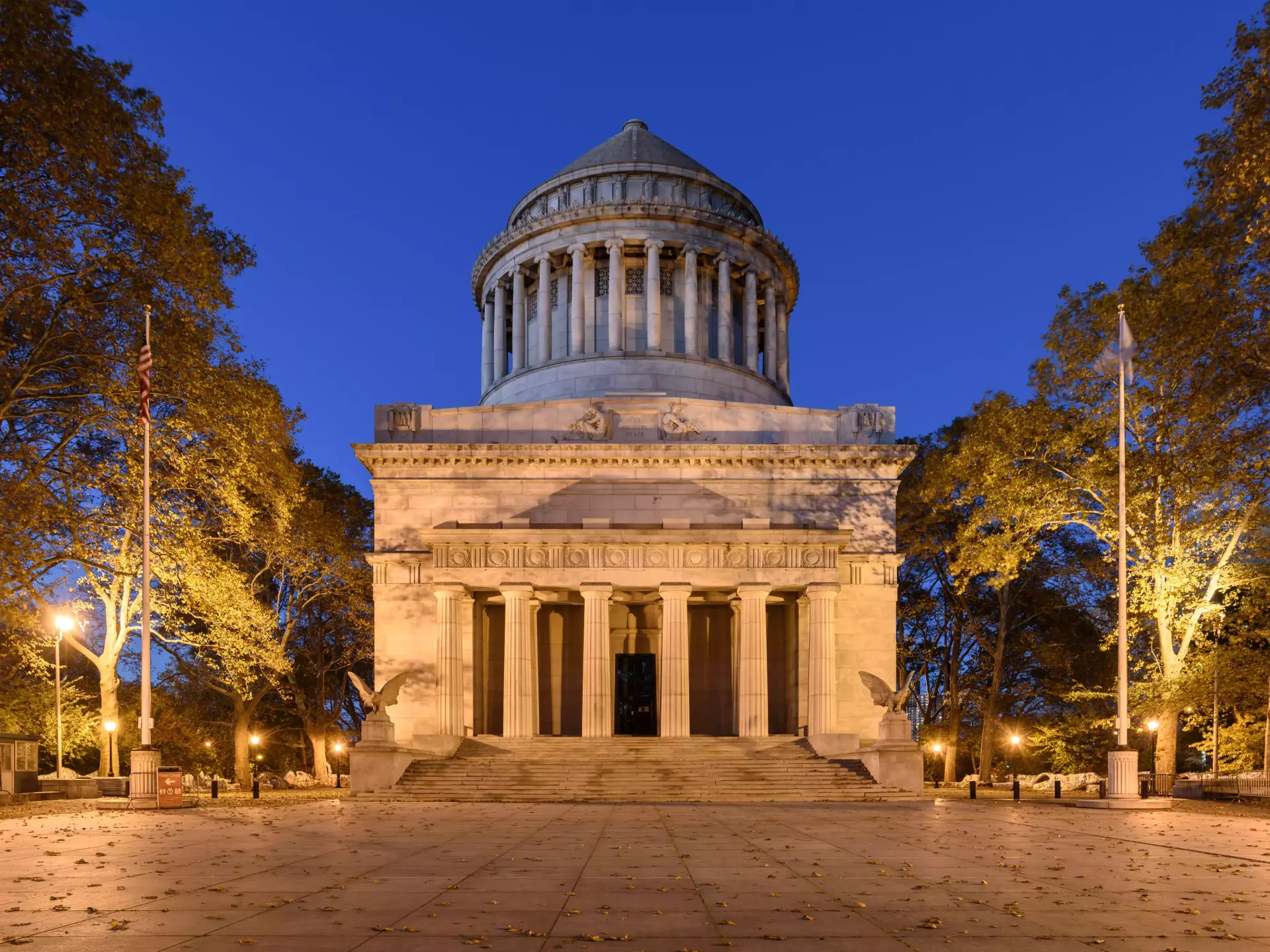
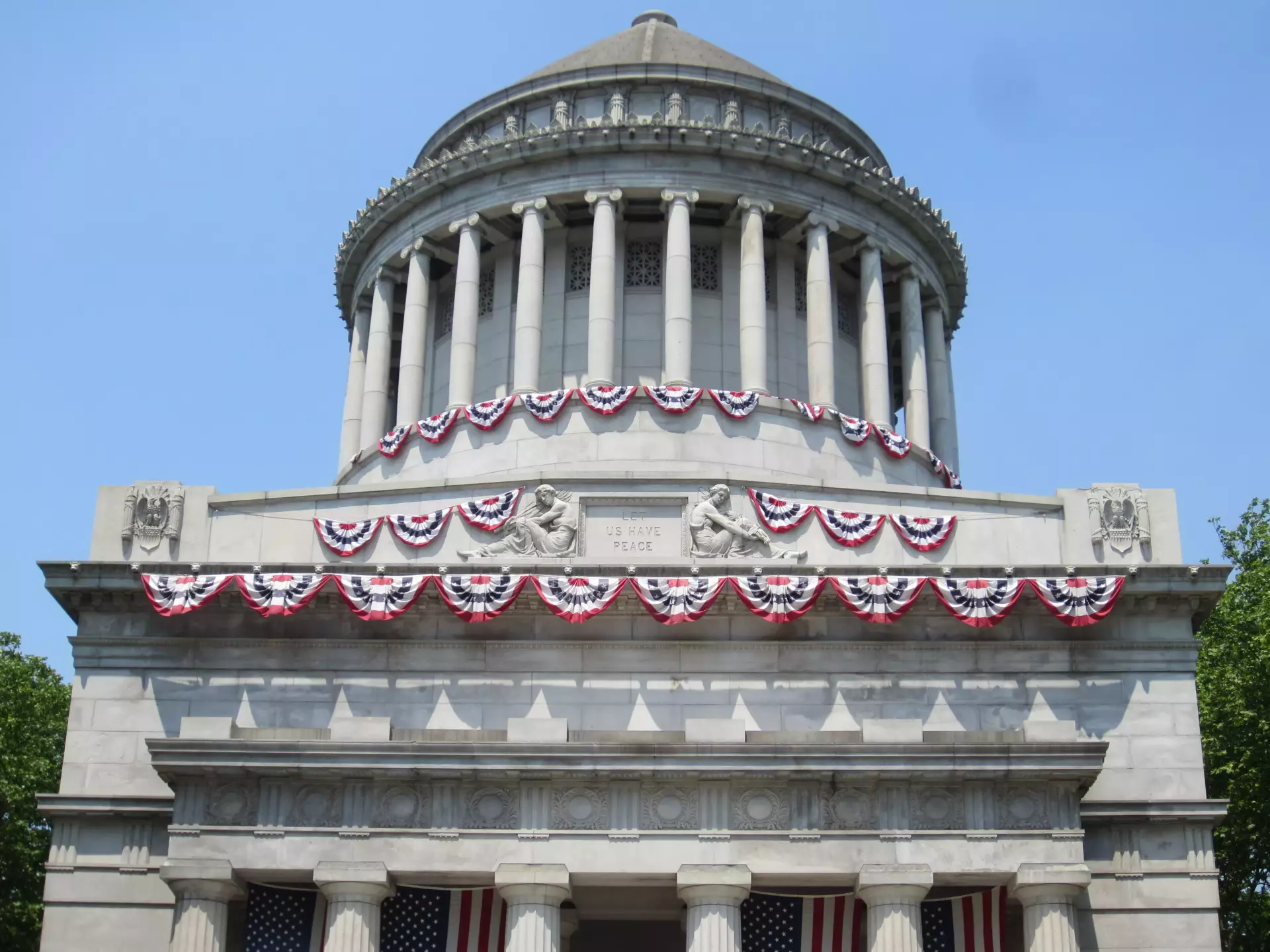
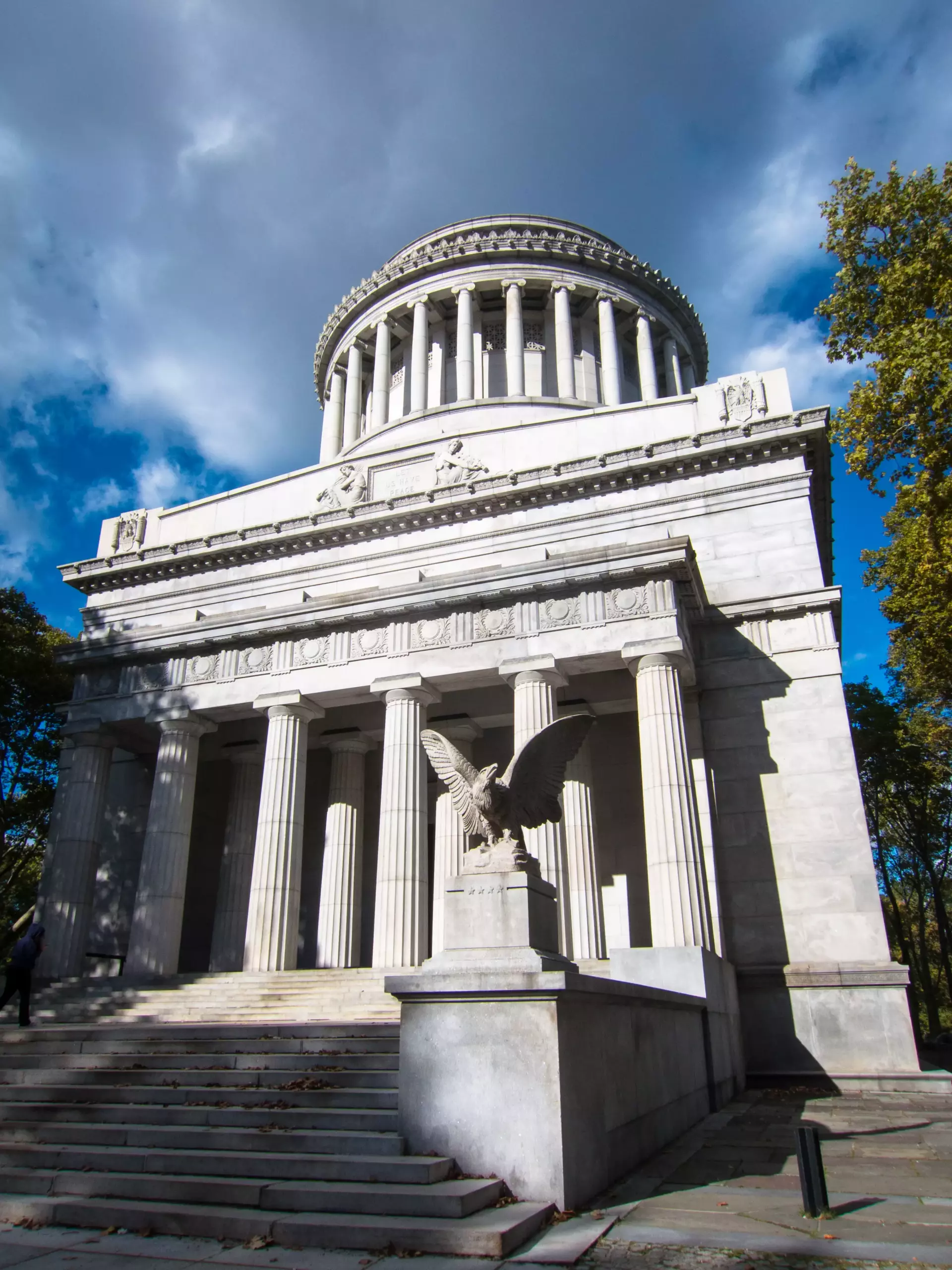
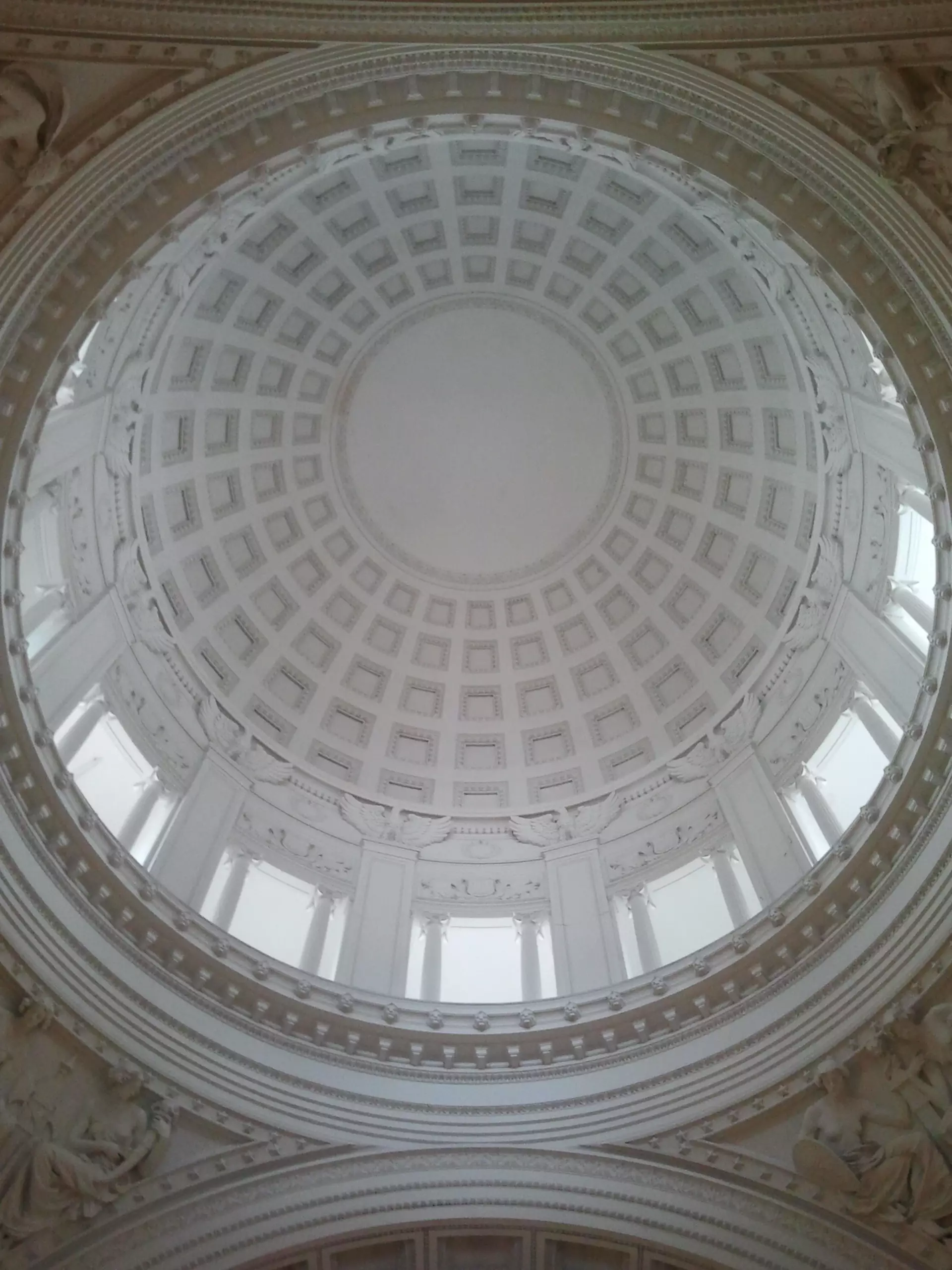
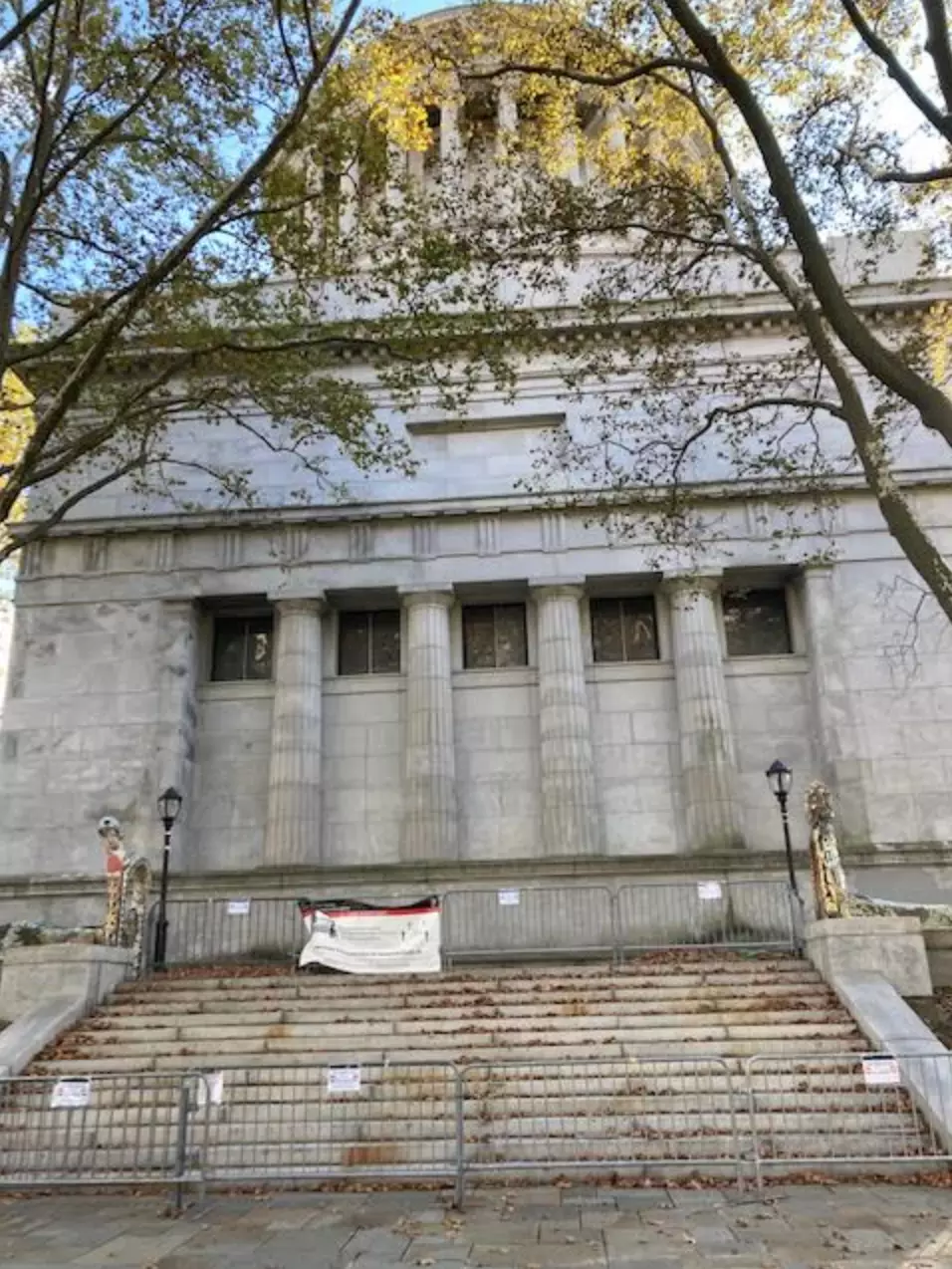
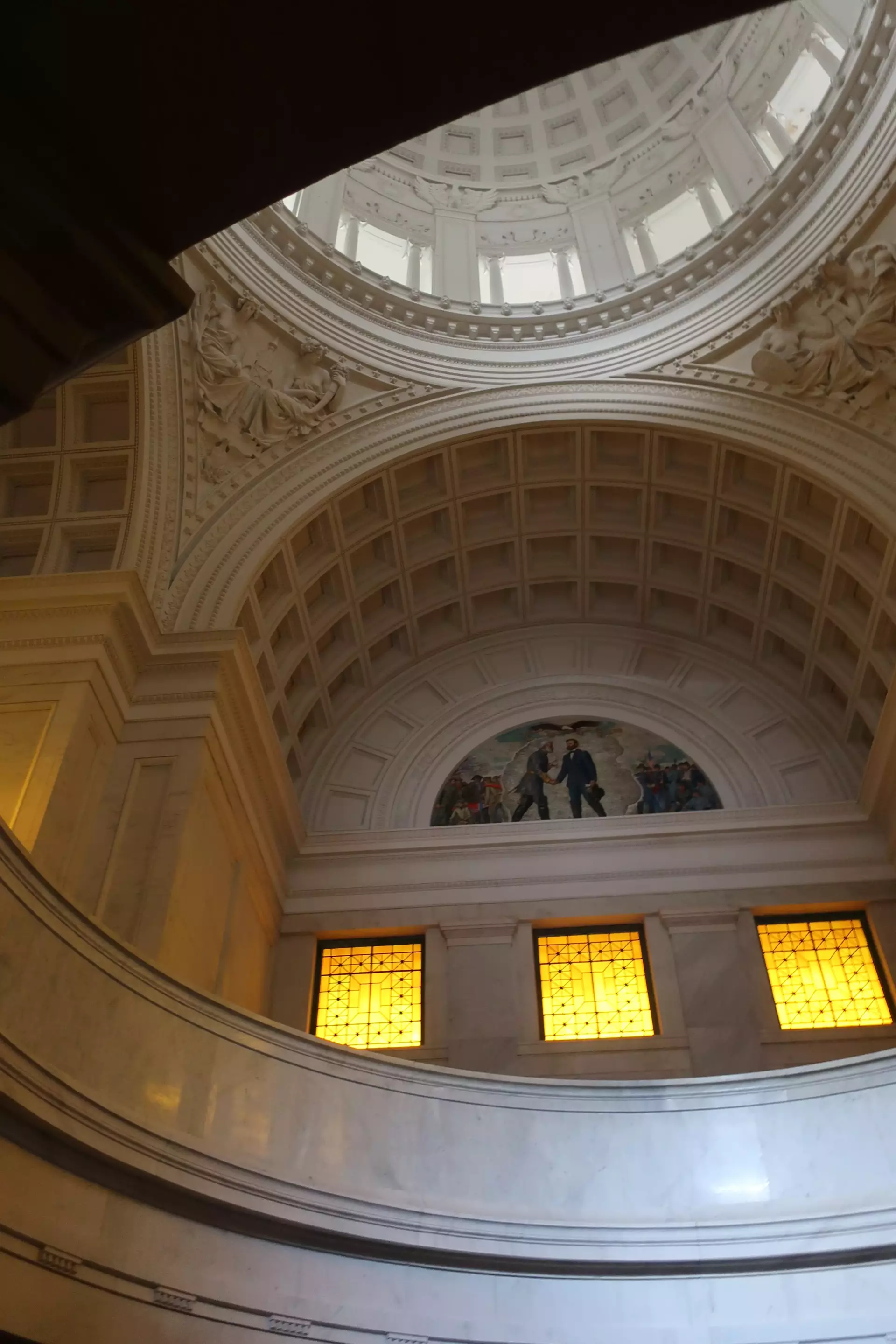
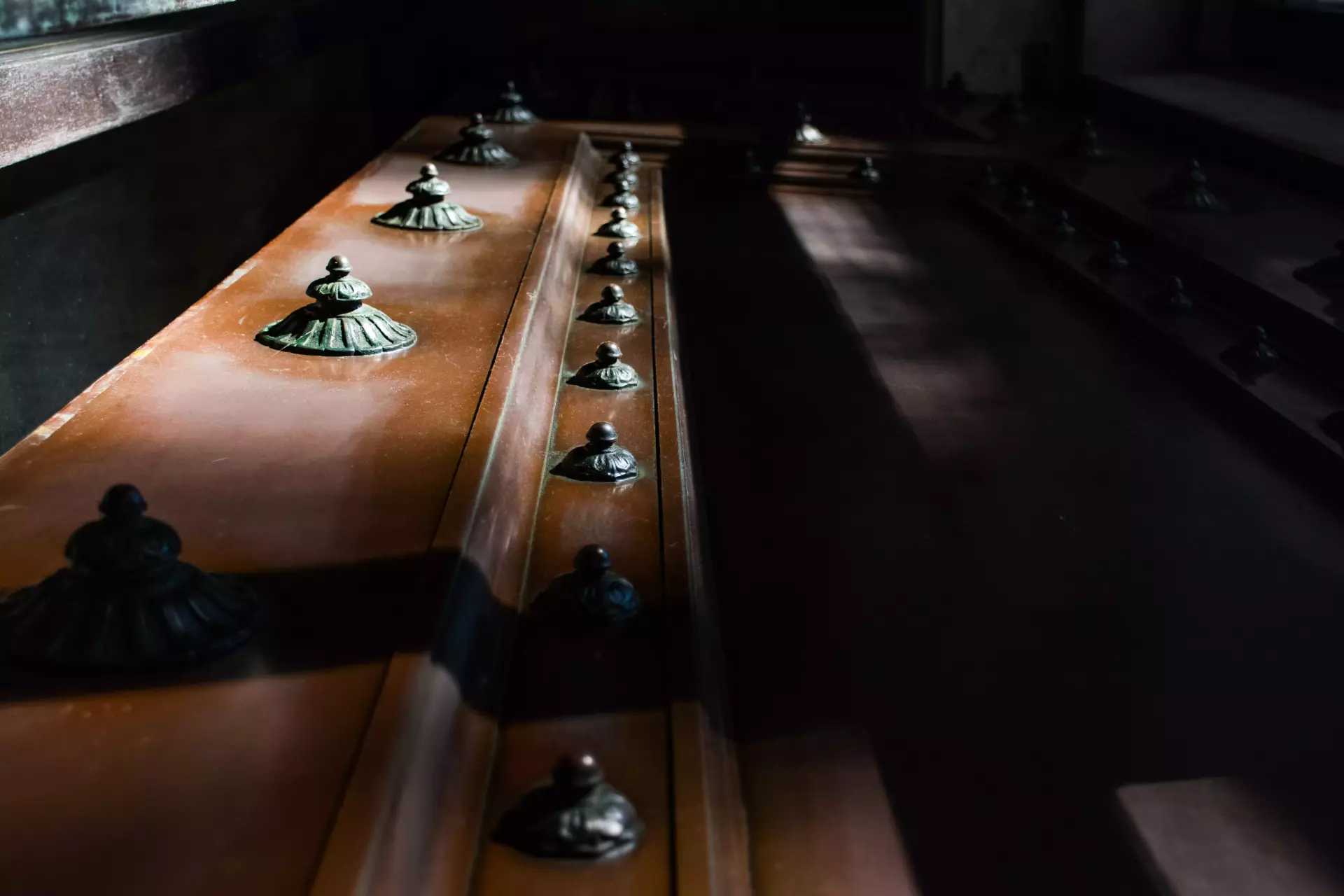
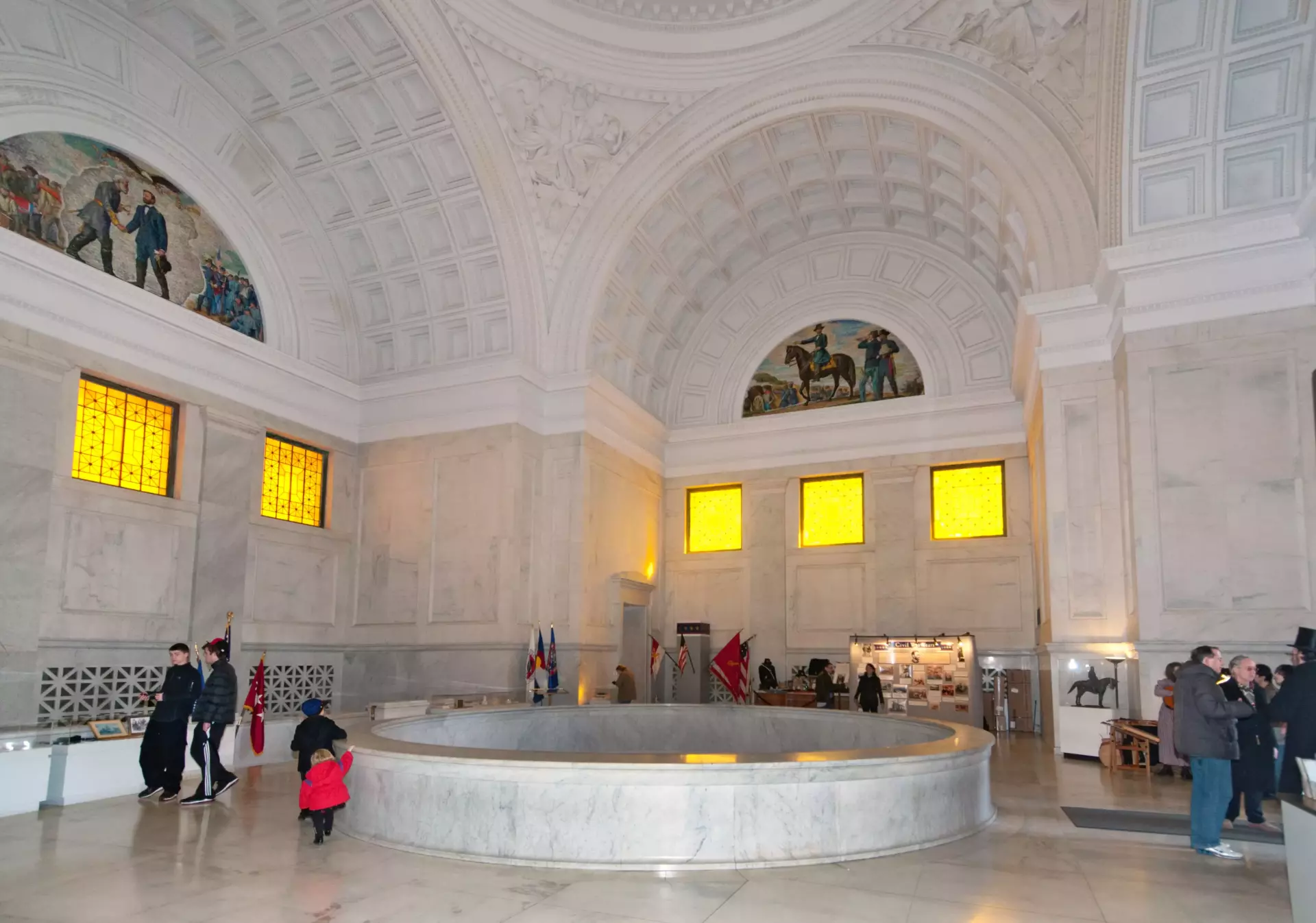
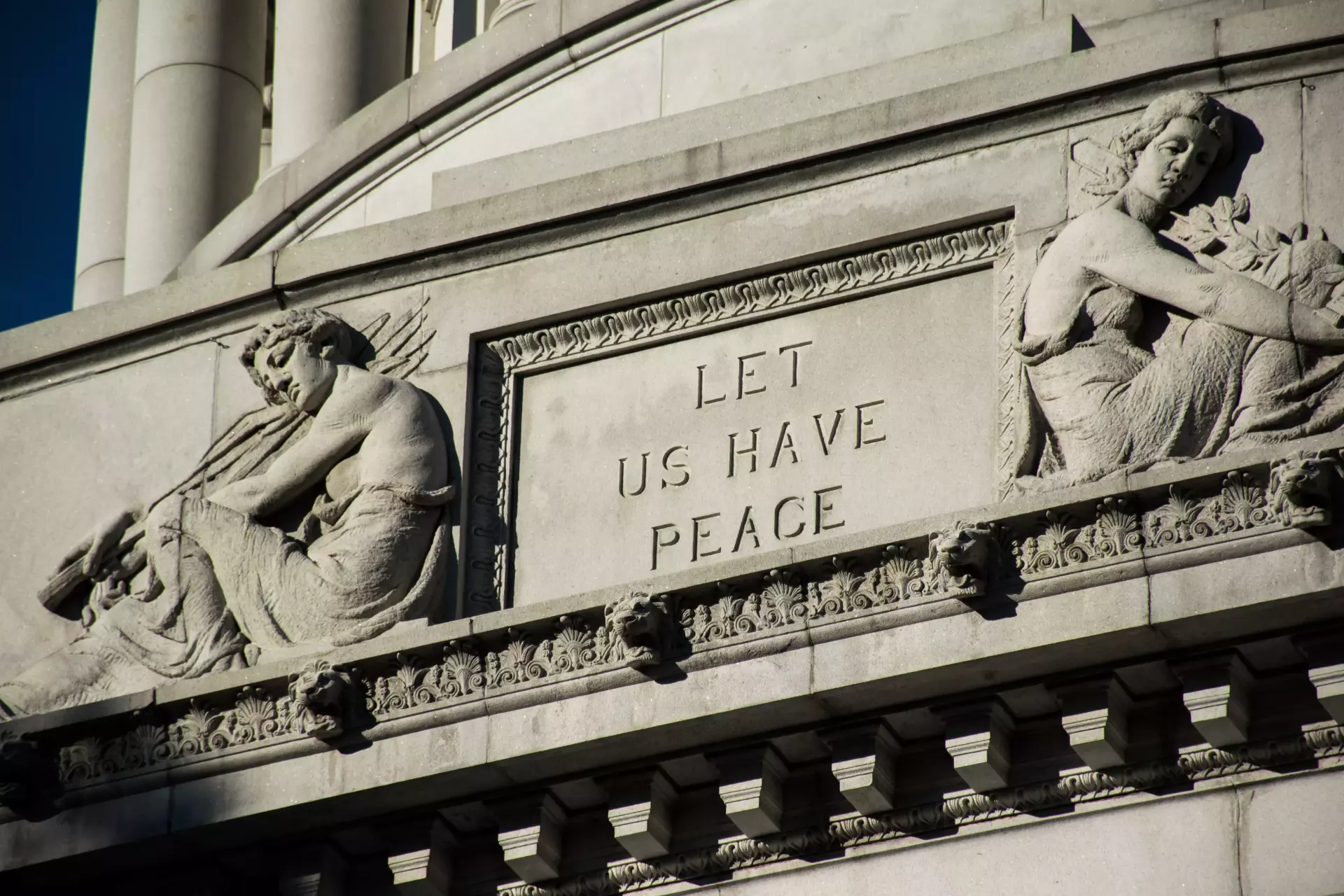
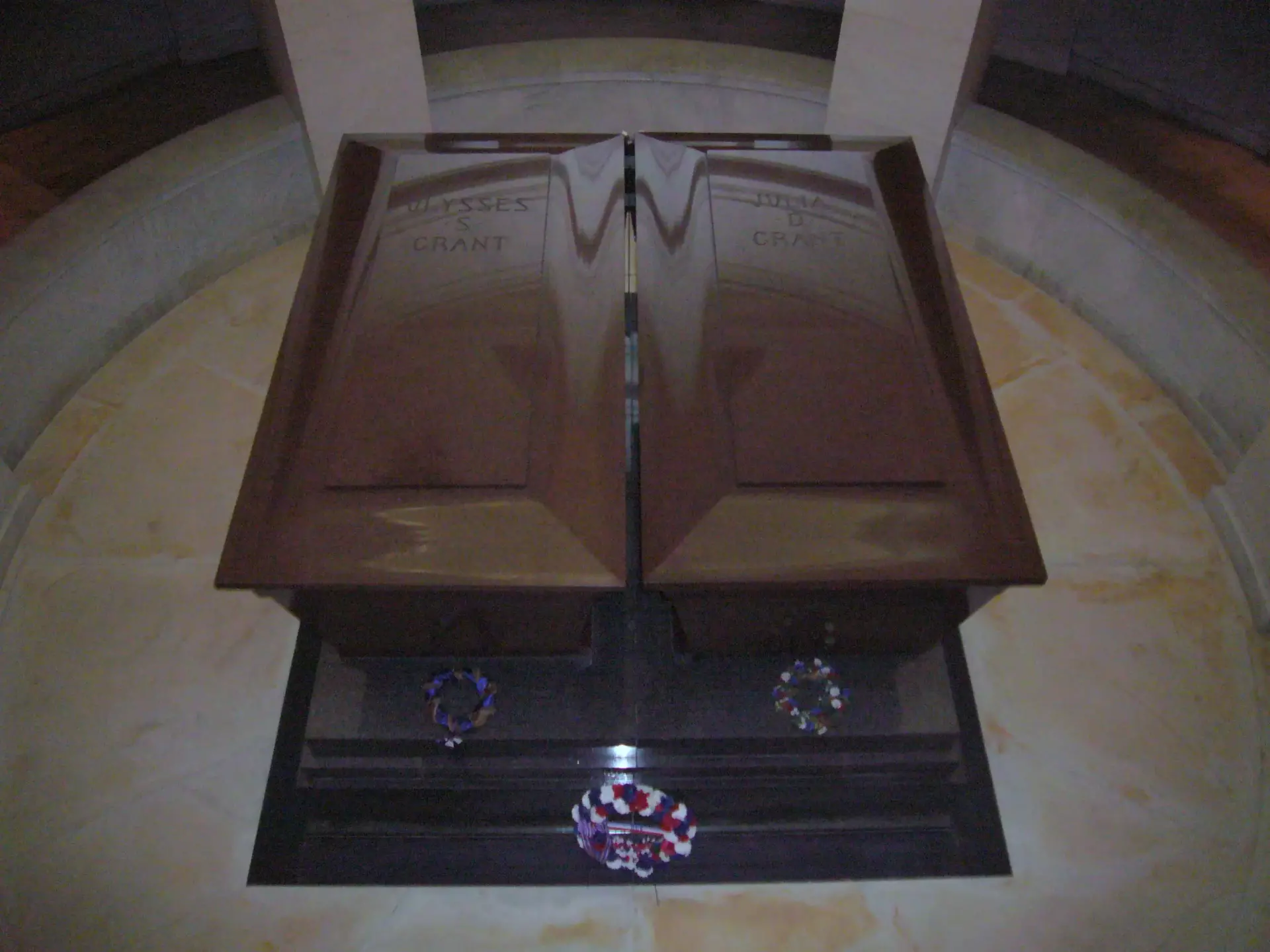
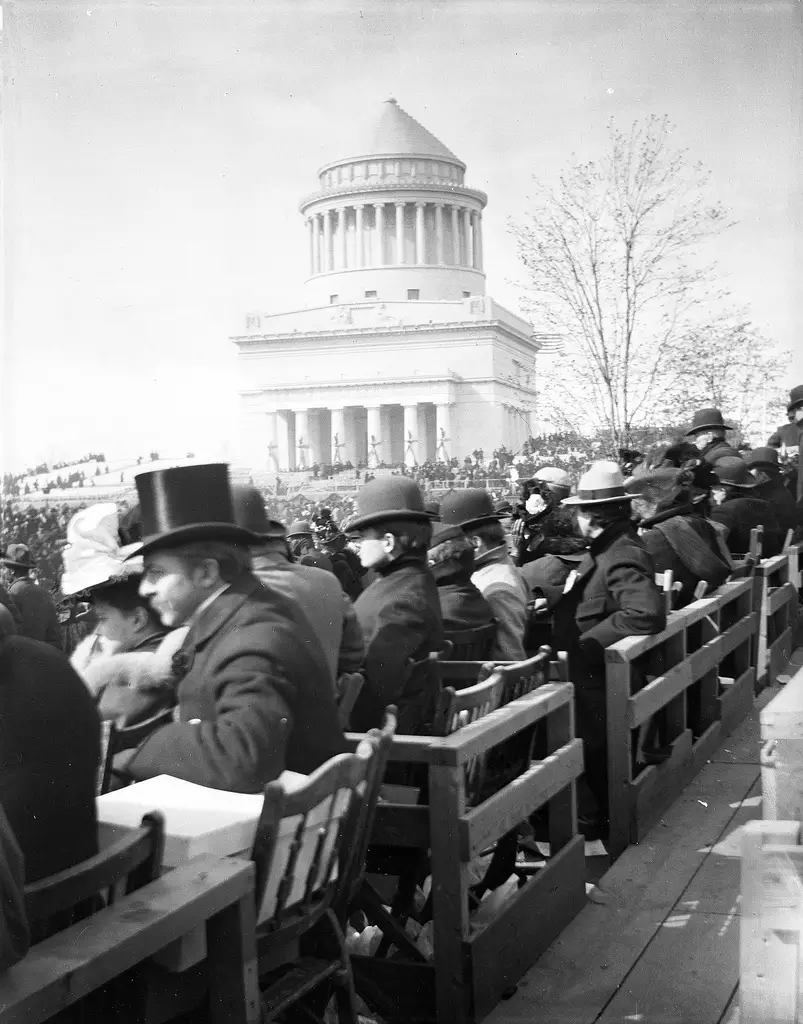
General Ulysses S. Grant, along with his wife, rests in this grand mausoleum, which holds the title of the largest tomb in North America. The exterior alone is a sight to behold, offering an impressive facade that can captivate visitors even when the site is closed. However, visiting during open hours reveals much more.
Stepping inside, one can explore the murals and the tomb itself, which are rich with history and artistry. The interior also houses various documents and exhibits that delve into the life and legacy of General Grant, offering a deeper understanding of this historical figure.
Just across Riverside Drive, there is a scenic viewpoint that provides a beautiful view of the Hudson River. This area also features a museum, a gift shop, and restrooms, making it a convenient stop for visitors wishing to learn more or take a short break during their visit.
Source - https://en.wikipedia.org/wiki/Grant%27s_Tomb
The world's largest neo-Gothic cathedral, the place has been a work in progress for over a century! There are also resident peacocks on campus, and many songbirds stop by during their seasonal migrations.
This park was operated as a United States Army airfield from 1919-1969. Now, it is a large, mostly grass park with baseball fields, soccer fields, and a children's playground.
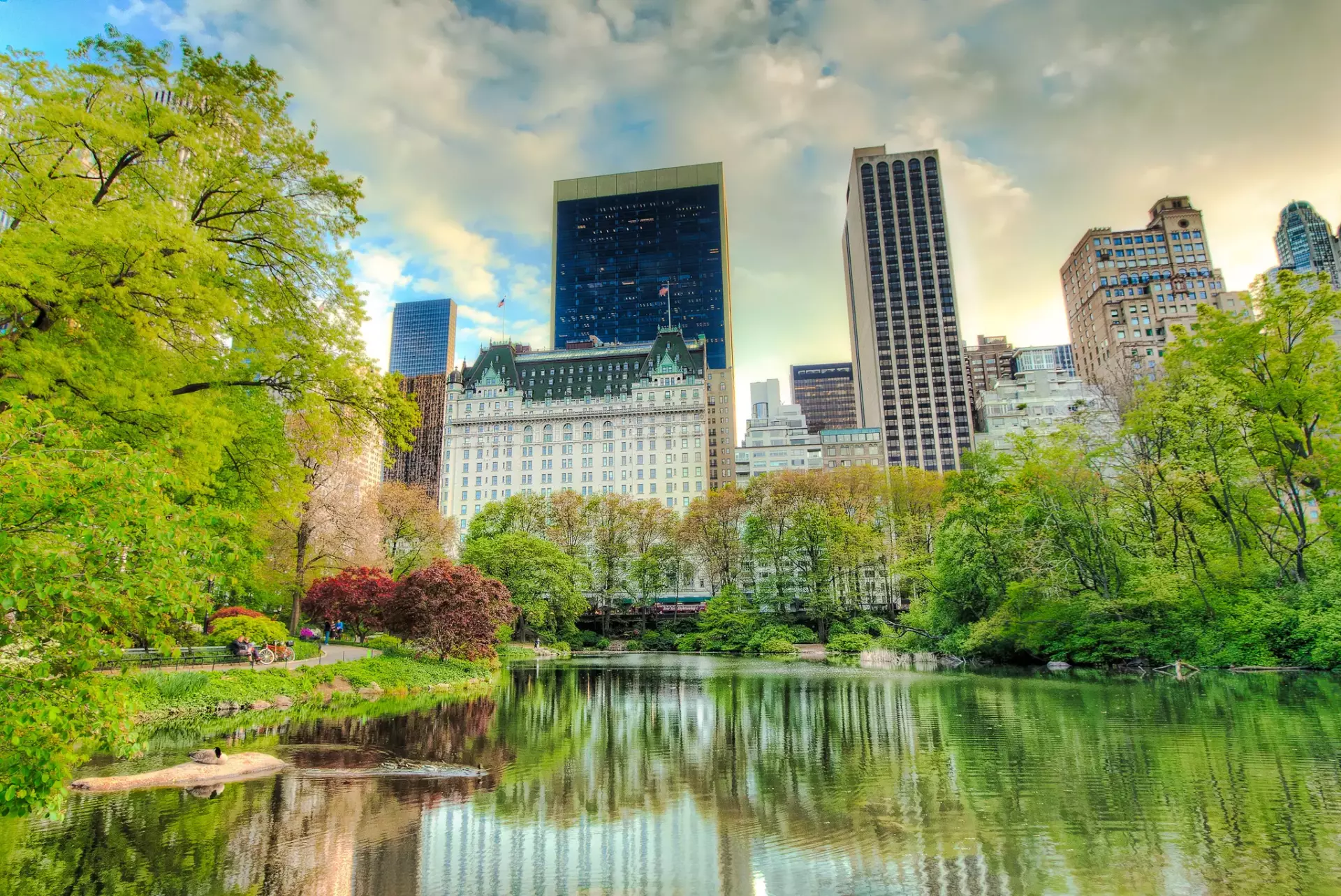
A spacious green lawn that was originally home to a herd of sheep, which grazed in the meadow and tended to in their nearby pen - a Victorian style building which today is the Tavern on the Green restaurant (see Eat below).
Get up close to over 200 lifelike wax figures of the biggest stars and icons in entertainment, sports and history.
American woman Jacques Marchais had a dream of traveling to Tibet. While she never made it, her extensive collection of Tibetan artifacts was made into a museum in 1947. The museum now holds over 120 pieces of beautiful Tibetan art. The museum's authenticity was praised by the Dalai Lama.
One of Manhattan's favorite meeting points, the centerpiece of this Terrace is the Angel of the Waters fountain, dedicated in 1873 and an enduring icon of the park.
The historic building with the distinctive, iconic twin towers and a star-studded housing cooperative board. Built in 1930 in a vaguely Art Deco style to the design of Emery Roth, the San Remo actually has two separate addresses, lobbies and sets of shafts, each for a half of the building topped with a tower.
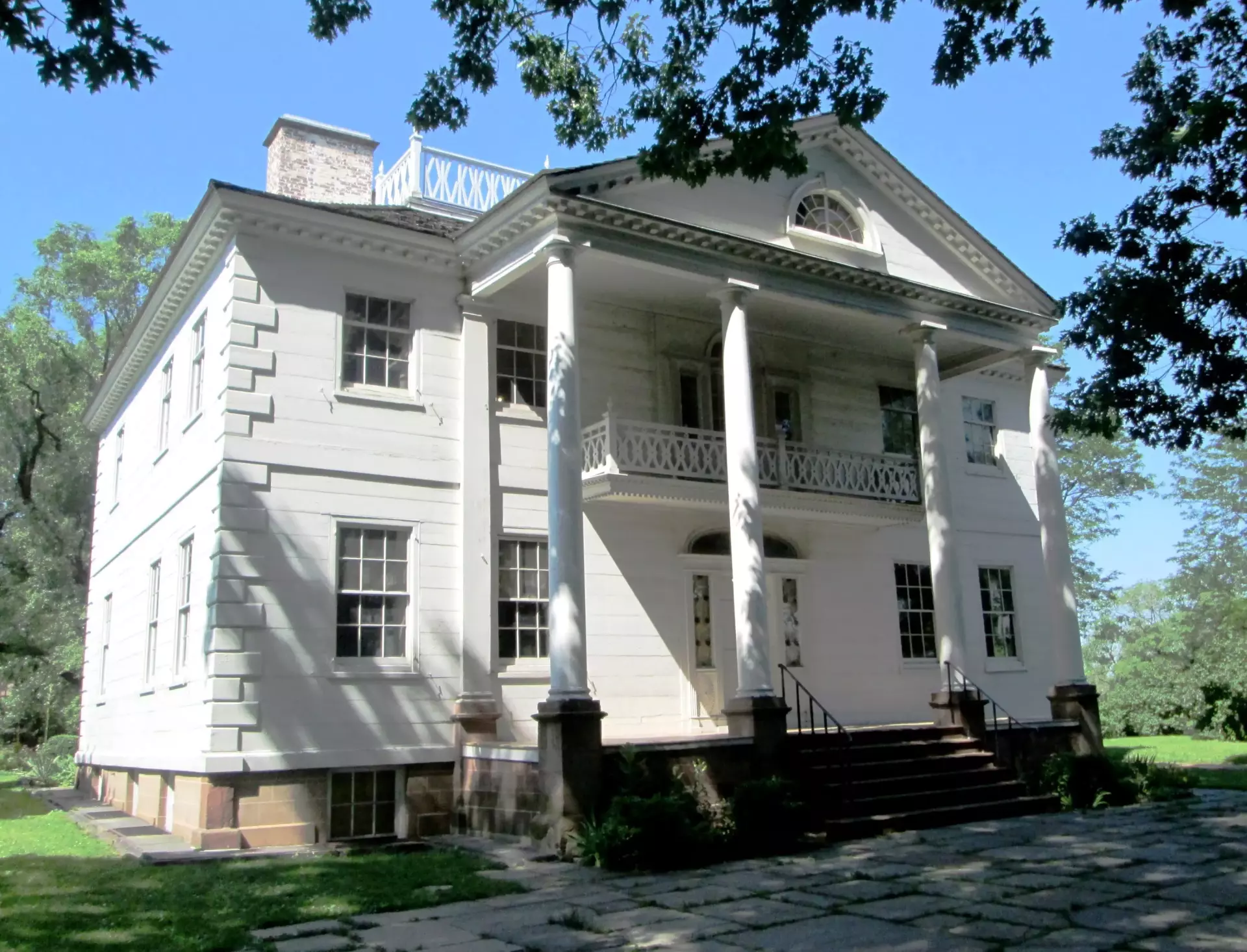
The former residence of William Dyckman, who owned several hundred acres of farmland covering much of what is now Inwood and Washington heights. Nestled incongruously at the otherwise unremarkable corner of 204th and Broadway, the farmhouse has been converted into a small museum of life in early Manhattan and hosts various programs for the neighborhood. The "Hessian Huts" in the back yard are a leftover from the British occupation of Manhattan during the Revolutionary War!
A small park at the foot of Broadway which is the oldest public park in the city and is the site of the Charging Bull sculpture created after the 1987 stock market crash. Bowling Green is also the origin point for the Broadway ticker-tape parades; if you walk up Broadway, you can view plaques in the sidewalk honoring the people or events celebrated in these parades.
On the 70th floor of the Comcast Building (better known by some as "30 Rock") is this narrow observation deck, built to resemble the deck of a cruise ship. The deck affords uninterrupted views over Central Park to the north and across Midtown to the south.
Established in 1867 and laid out by Olmsted and Vaux, the designers of Manhattan's Central Park.
This pretty building was built as Brooklyn's city hall in 1851 and is still a very significant official building in very active use.
Street built by architect Samuel Burrage Reed. A major mansion owned by circus entrepreneur Anthony Bailey - joined with showman Phineas T. Barnum in 1881 to form the Barnum & Bailey circus. Now Known to the children of Harlem as the Beauty and the Beast house.