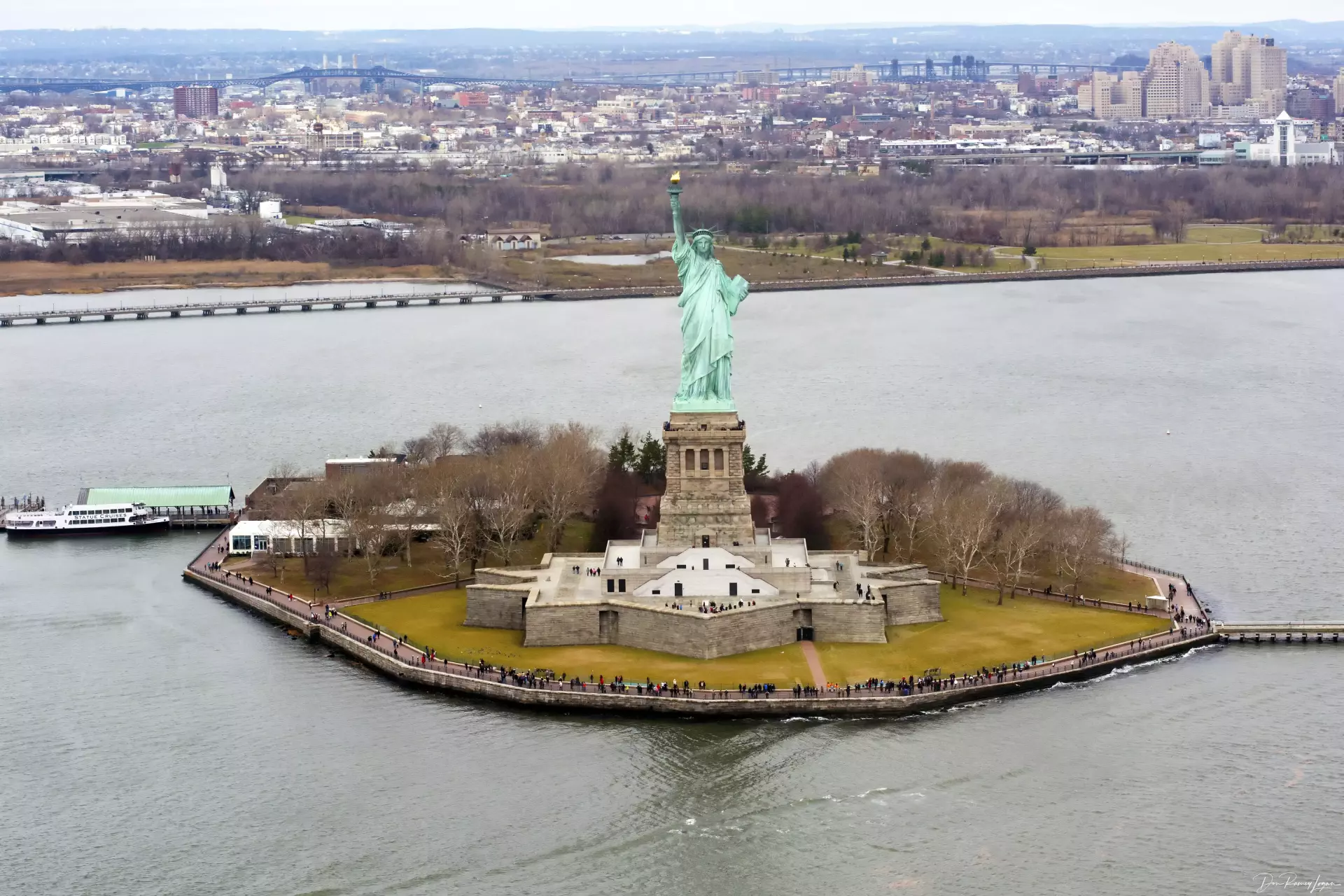
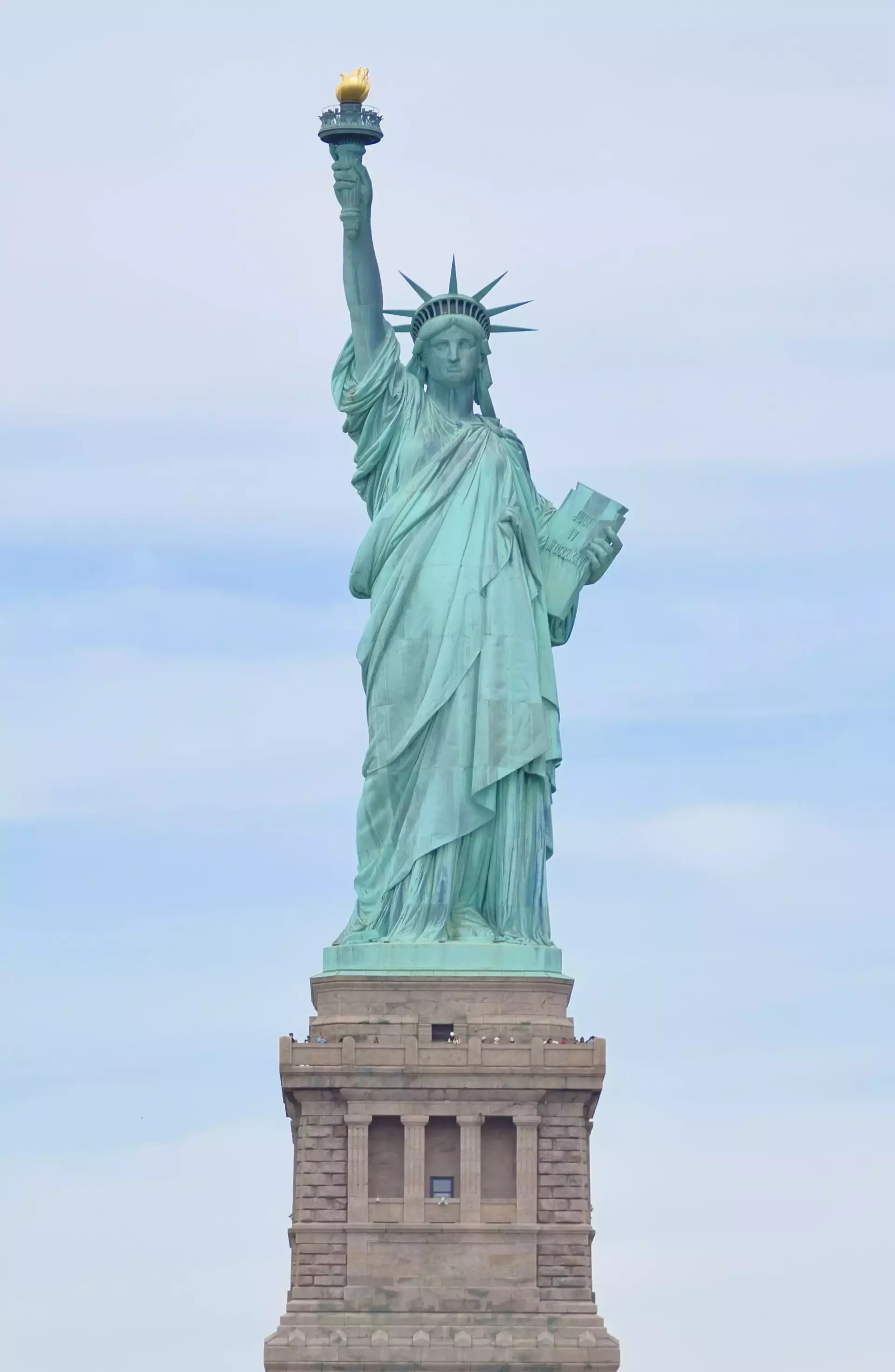
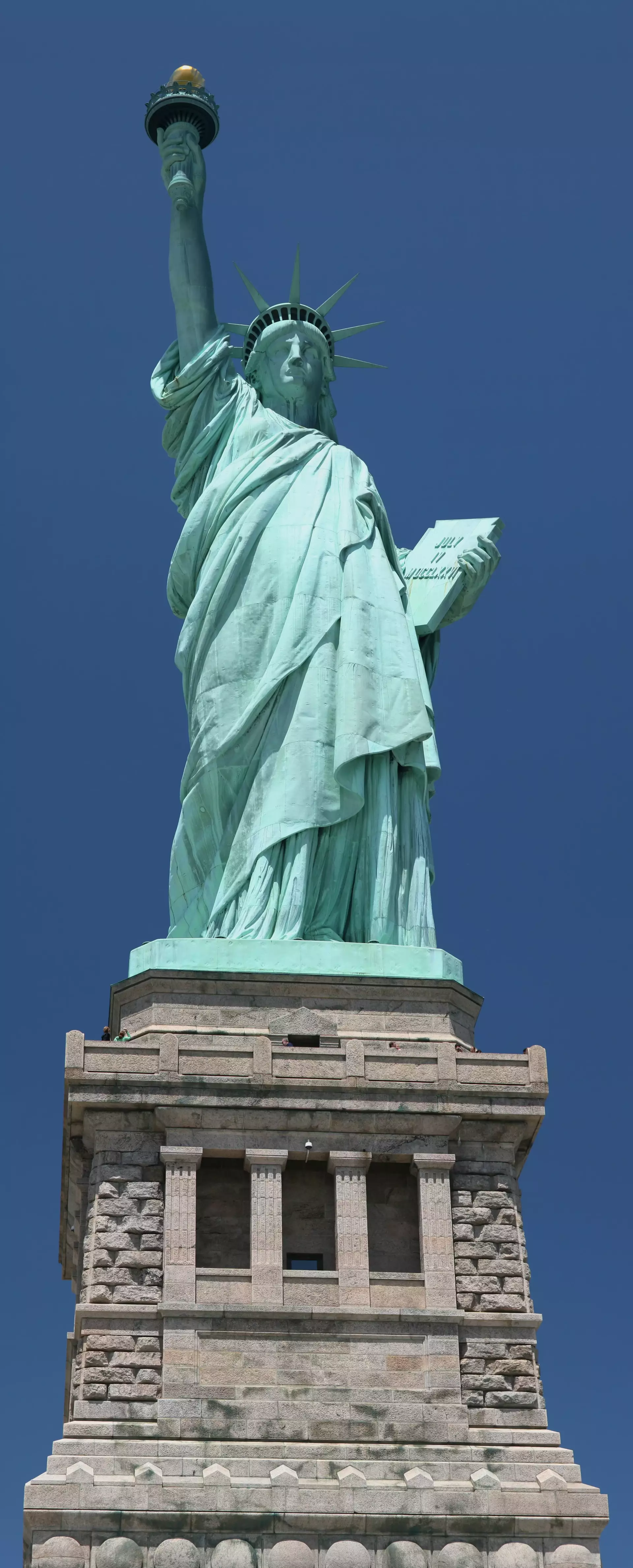
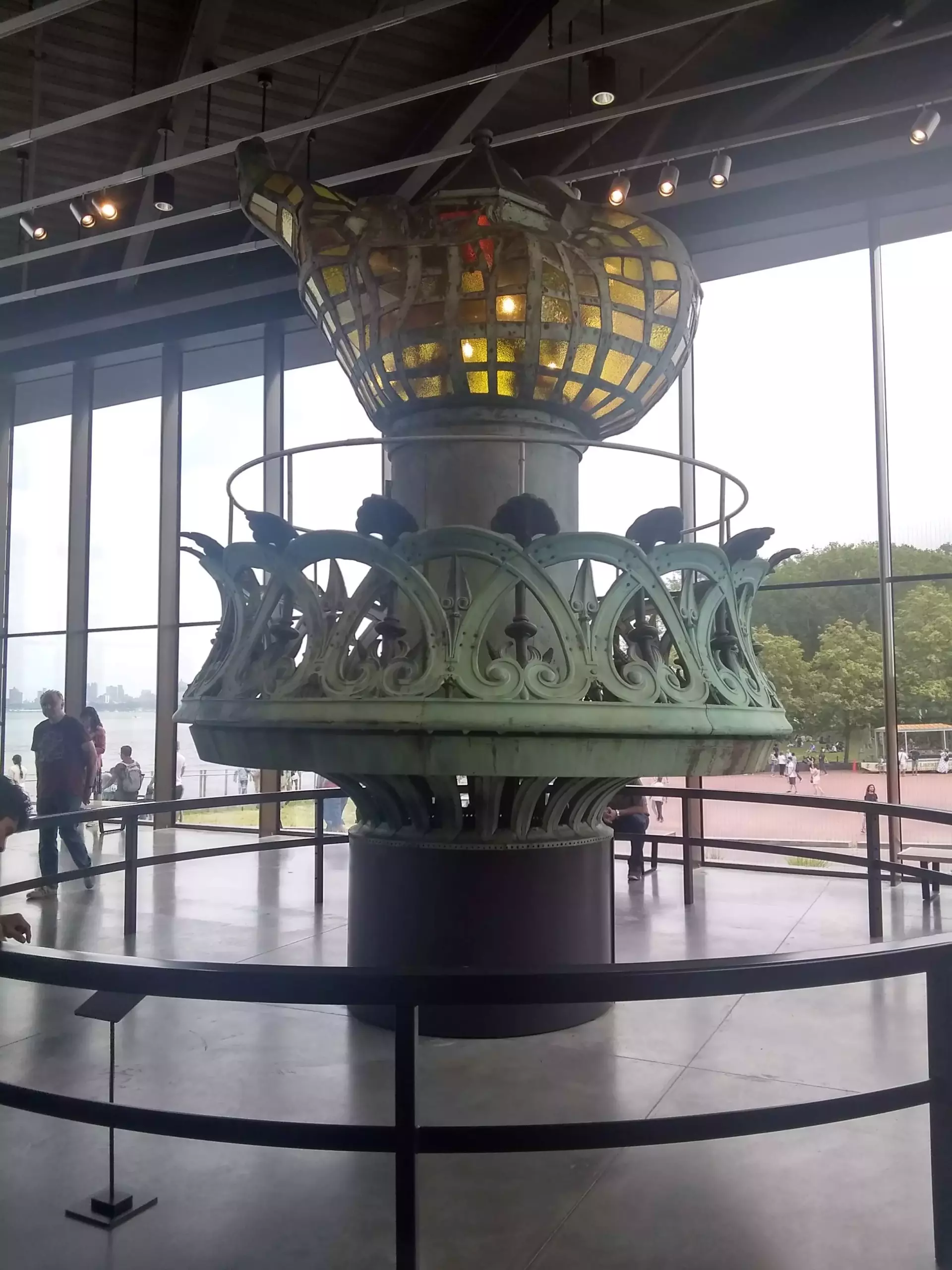
The Statue of Liberty stands as one of the most recognizable landmarks in the USA and across the globe. This iconic monument, gifted by France to mark the centennial of the United States, graces Liberty Island and is listed as a UNESCO World Heritage site. It has become a powerful symbol of freedom and democracy.
Visitors begin their journey by taking a ferry to Liberty Island. Upon arrival, it's a good idea to stop by the Visitor Information Station to check the schedule of daily events. For those interested in a guided experience, ranger-led tours meet at the Liberty Island Flagpole, located behind the statue.
Within the monument lobby, a museum showcases various exhibits, including the original torch and the renowned "New Colossus" sonnet. Outside, visitors can stroll along the promenade and explore Fort Wood, the star-shaped base of the statue. For a panoramic experience, the pedestal observation deck offers sweeping 360-degree views, including the breathtaking New York City skyline.
Due to strict security measures, visitors are advised to travel light. Backpacks and large bags are prohibited on tours but can be stored in lockers for a fee. On peak days, expect long wait times. For those wishing to ascend to the statue's crown, a special Reserve with Crown ticket is required. These tickets are scarce and should be booked well in advance—ideally three to four months ahead, or even a year if possible. It's important to note that children must be at least 4 feet tall and capable of climbing the stairs independently. Photo ID must match the name on the ticket for all visitors.
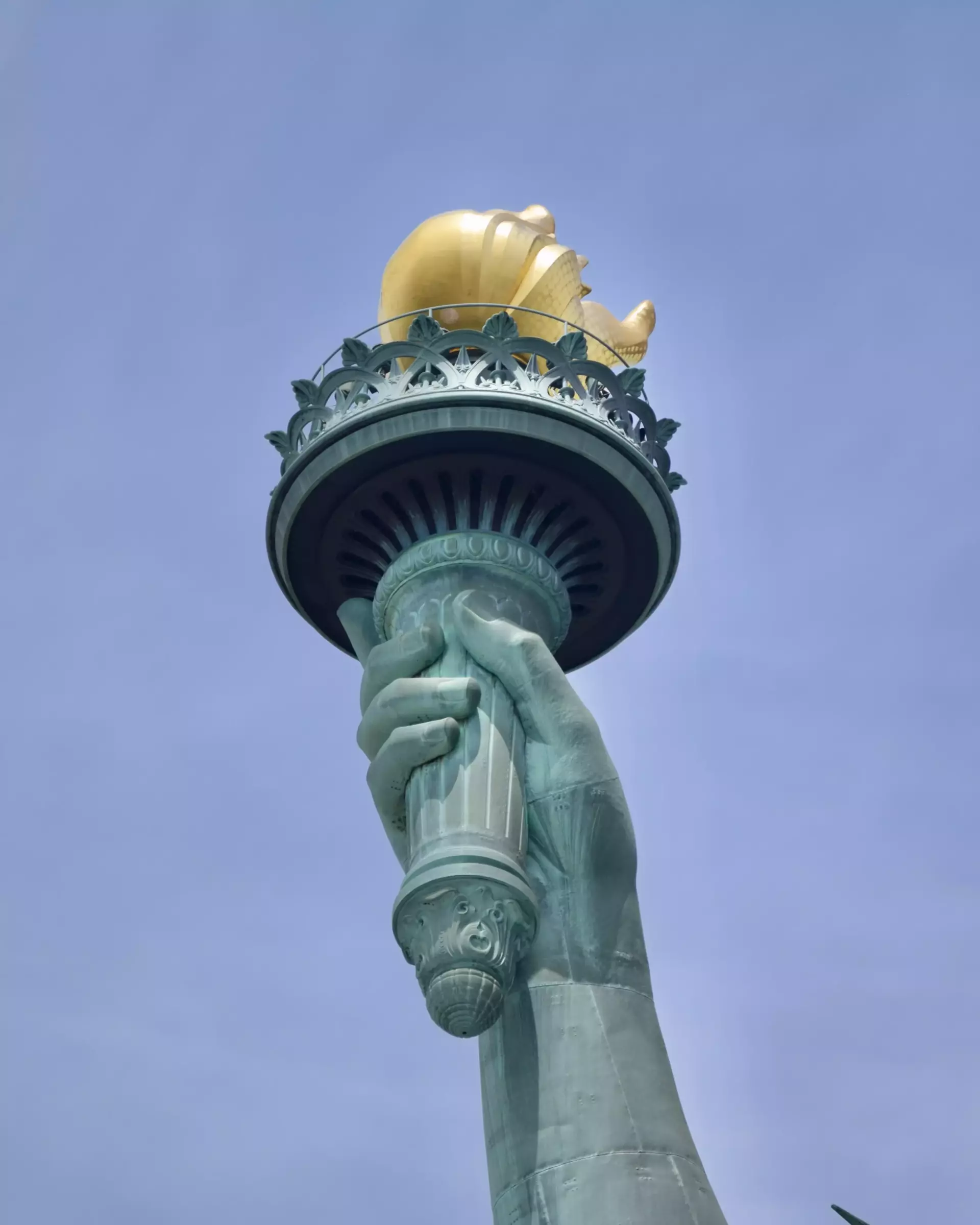
Lady Liberty's torch is designed to symbolize enlightenment, lighting the way to freedom. It is a beacon for immigrants, representing the ideals of liberty and justice. This powerful imagery continues to inspire countless visitors from around the world.
Source - https://en.wikipedia.org/wiki/Statue_of_Liberty
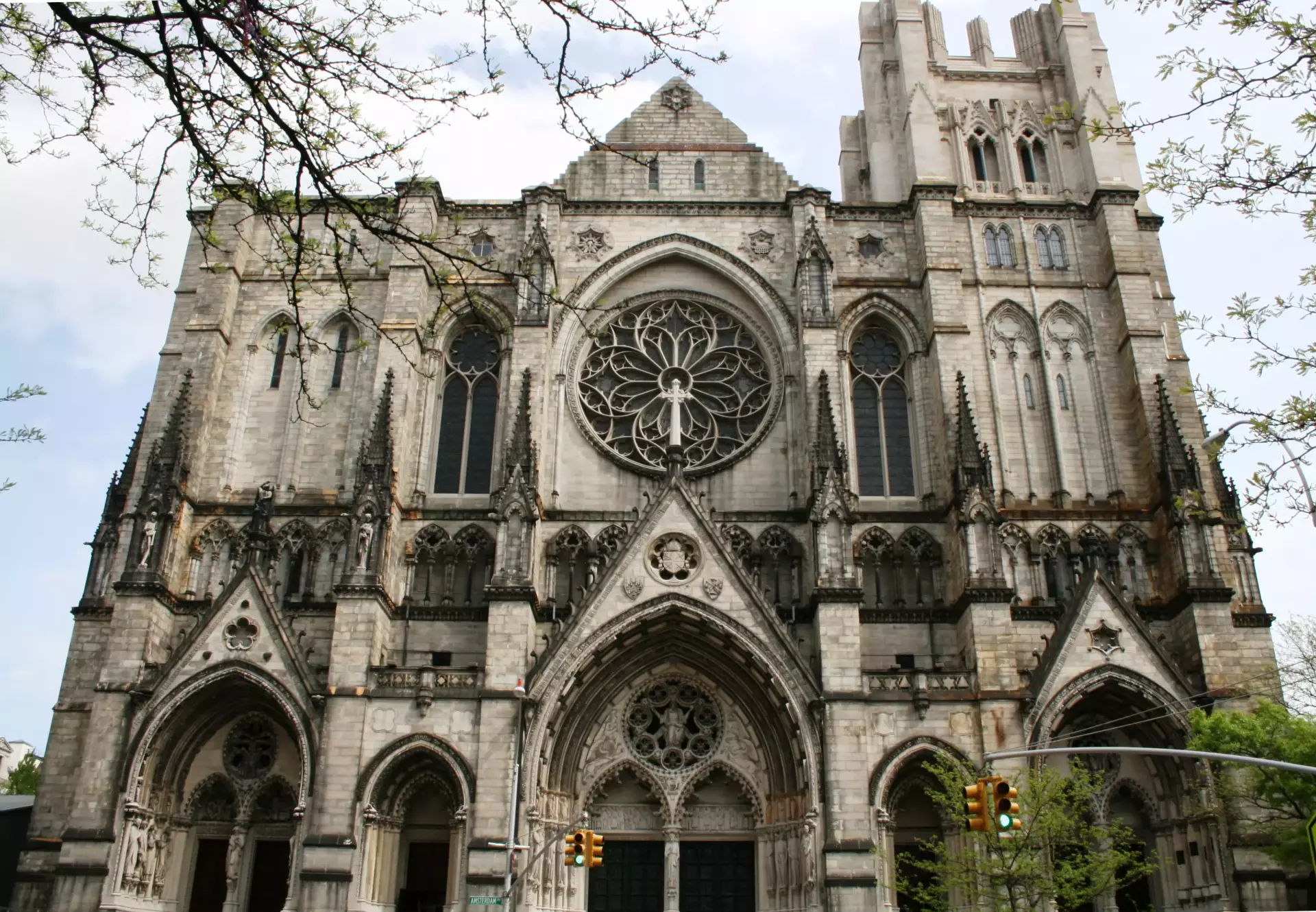
The world's largest neo-Gothic cathedral, the place has been a work in progress for over a century! There are also resident peacocks on campus, and many songbirds stop by during their seasonal migrations.
A branch of the Smithsonian Institution, the Cooper Hewitt is devoted to over 240 years of contemporary and historic design, with changing exhibits.
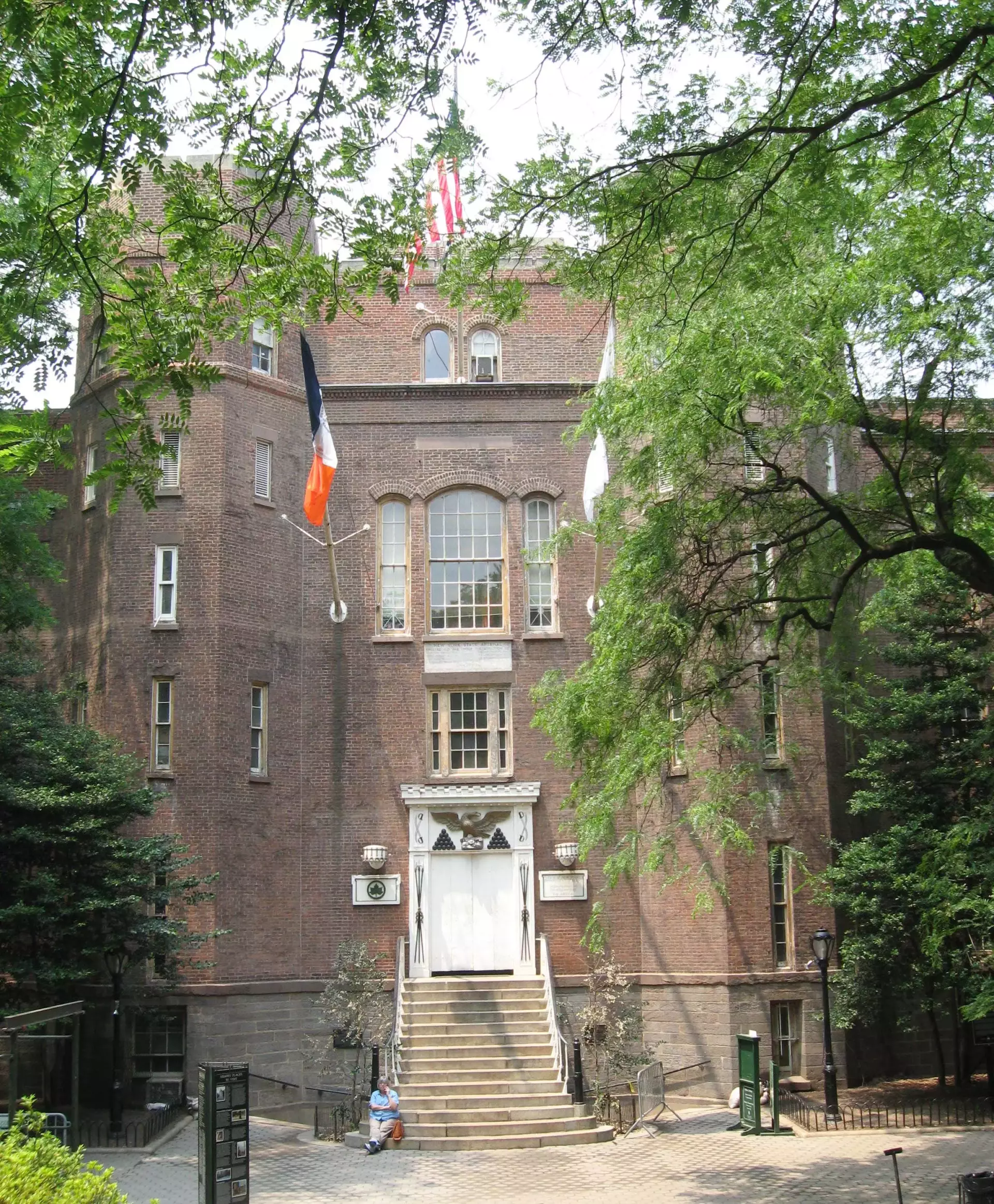
Dates back to 1680, and held an abortive peace conference during the Revolutionary War.
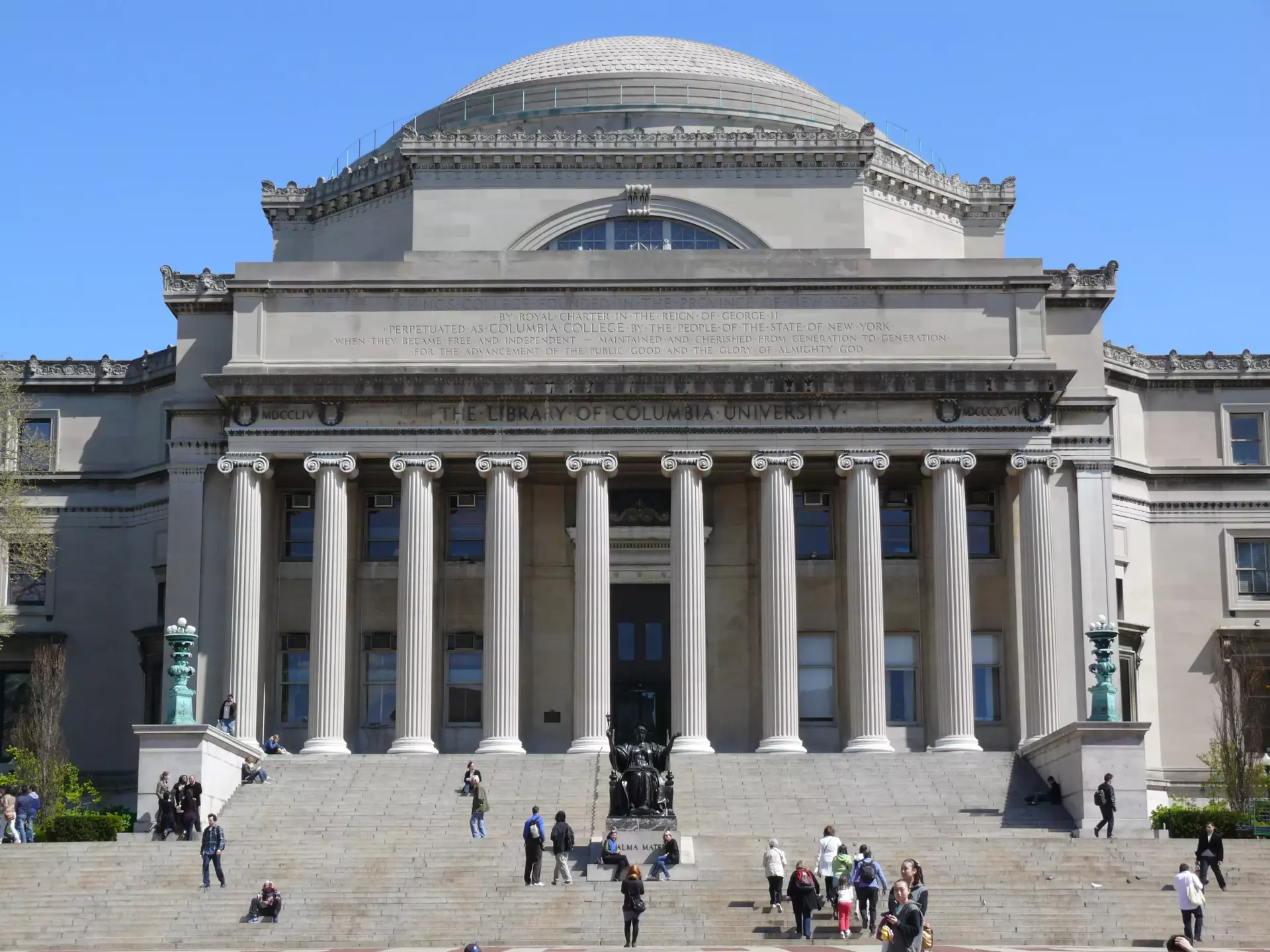
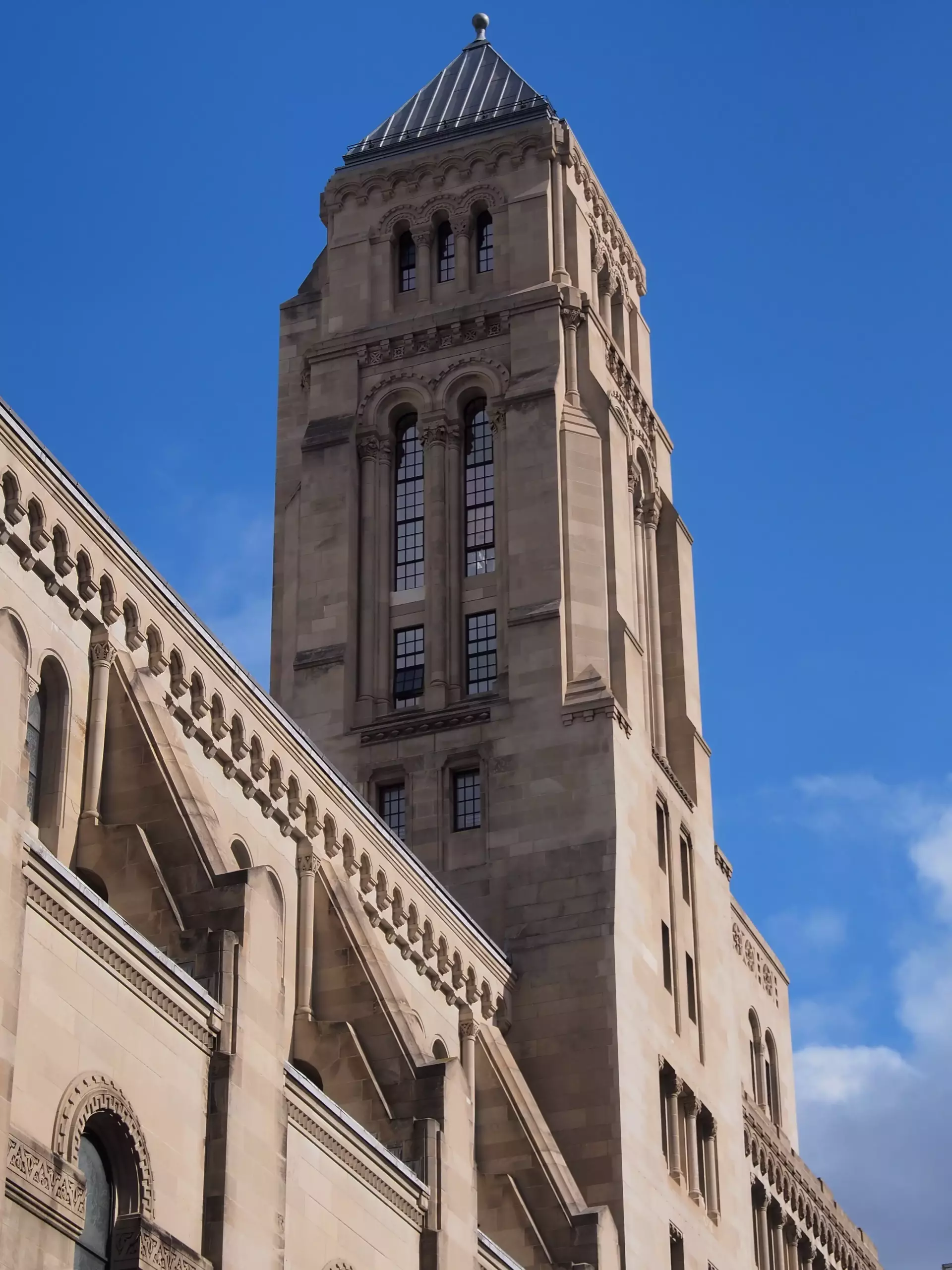
Affiliated with Columbia, Teacher's College is an architectural gem with its block length Beaux Arts and neo-Gothic façades.
From its intersection with Park Row (just east of City Hall) you can walk (takes about 20-30 minutes each way), bike, or drive across the historic and iconic bridge to Brooklyn. The view from the bridge is quite lovely, with excellent views of Lower Manhattan and Downtown Brooklyn and good views of Midtown and the New York Harbor in the distance.
At the center of Central Park, the Great Lawn is a large clearing with lawns and ballfields, perfect for ballgames, sunbathing, and picnicking. Just to the east of the Lawn is the Obelisk, a 71-foot tall structure which is the oldest man-made object in the park, having been erected in Heliopolis, Egypt, around 1500 BC.
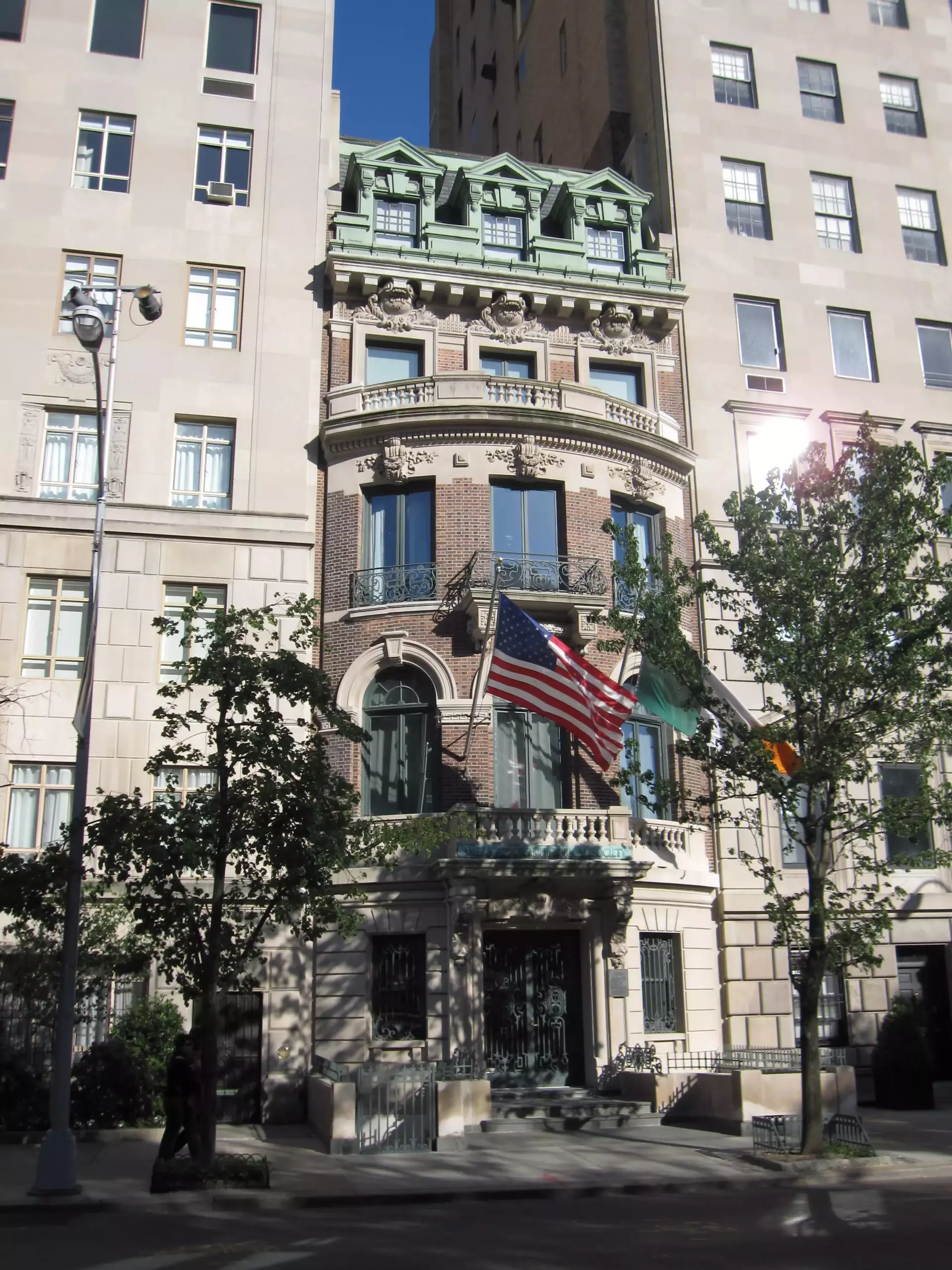
Yet another unique but rich treat on 5th Avenue, the AIHS is a non-profit organization that educates visitors on Irish American culture and history. Immersive and traditional events are held often along with exhibits showcasing the array of unique art and music. If performing and visual arts aren't your thing, you can visit the library instead with over 10,000 books, newsletters, newspapers, and pieces of literature dating back to the 1700s that feature a wide variety of otherwise unknown topics that are great for anyone interested in European culture and history.
This neo-Romanesque fairy castle was built in 1891, and a northern addition in very similar style was built in 1933. The older building is a busy post office serving Downtown Brooklyn and the northern addition houses the United States Bankruptcy Court for the Eastern District of New York.
The former home of steel baron Henry Clay Frick, this sprawling mansion is filled with Frick's enormous personal art collection, displayed as he left it. It's worth a visit for the house alone, which is explained nicely in the audio tour. The collection is impressive, including works by Whistler, Corot, El Greco, Turner, Renoir and Rembrandt.
A vintage carousel built in 1908 and situated on this spot since the 1950s, it's the fourth carousel to inhabit this location and is beautifully painted.
A museum dedicated to folk & self-taught artists.
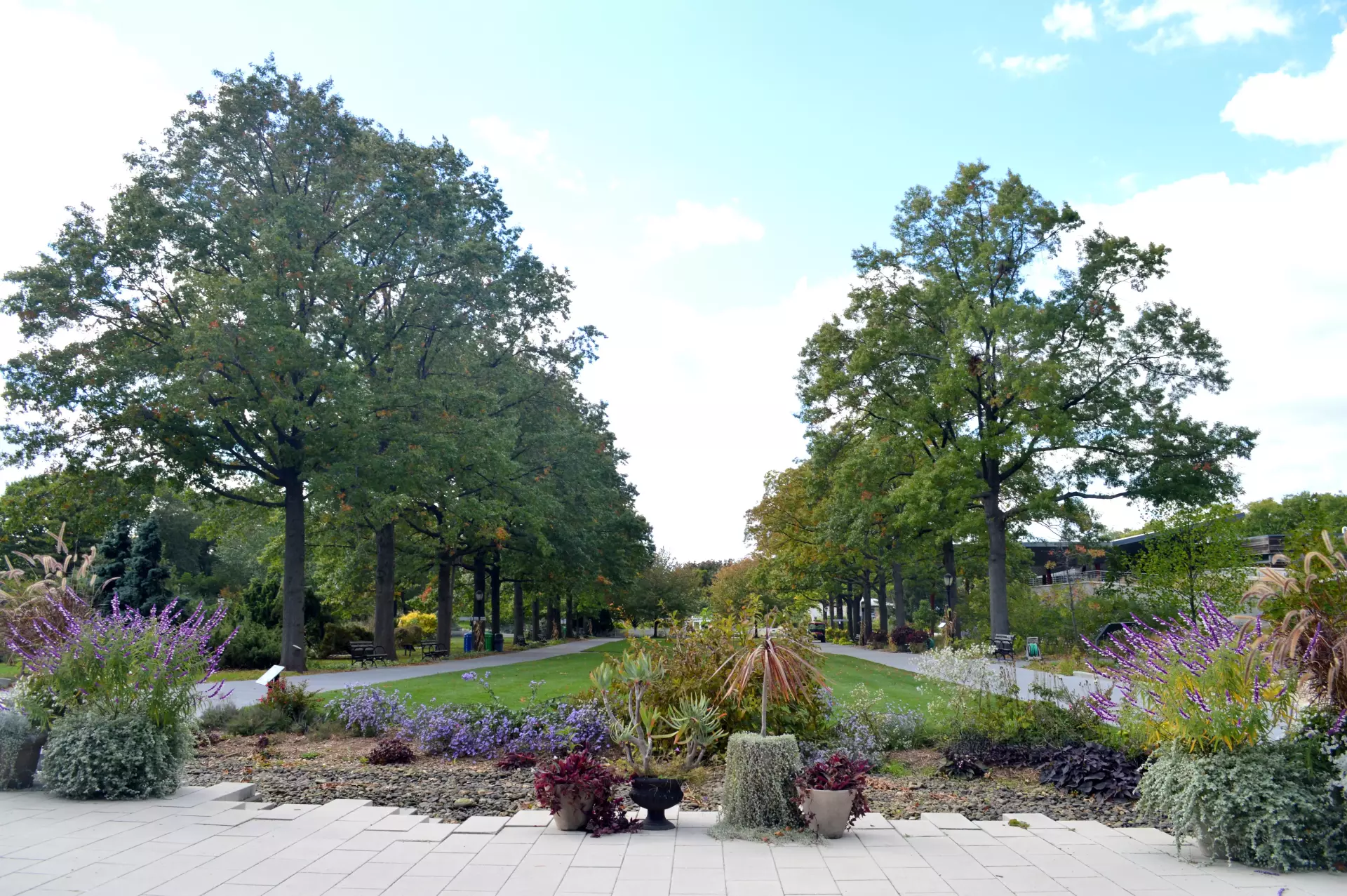
Established in 1867 and laid out by Olmsted and Vaux, the designers of Manhattan's Central Park.
American woman Jacques Marchais had a dream of traveling to Tibet. While she never made it, her extensive collection of Tibetan artifacts was made into a museum in 1947. The museum now holds over 120 pieces of beautiful Tibetan art. The museum's authenticity was praised by the Dalai Lama.
This beach is a pleasant place to relax. The water is safe enough to swim in, but it's not the best you can get (you'd get a better deal down the Jersey Shore or on Long Island). The boardwalk, one of the longest in the United States, is great for running or biking.
On the site of the former World Trade Center towers, the memorial consists of two enormous waterfalls and reflecting pools set within the footprints of the twin towers, lined with bronze panels with the names of the nearly 3,000 victims of that fateful day inscribed. The surrounding plaza holds a grove of trees. The museum, which sits underground right next to the memorial, contains exhibits which explain the events of 9/11 and their aftermath, with remnants of the original towers and artifacts from that day. If you see a white rose on one of the names, it's because today is that victim's birthday.
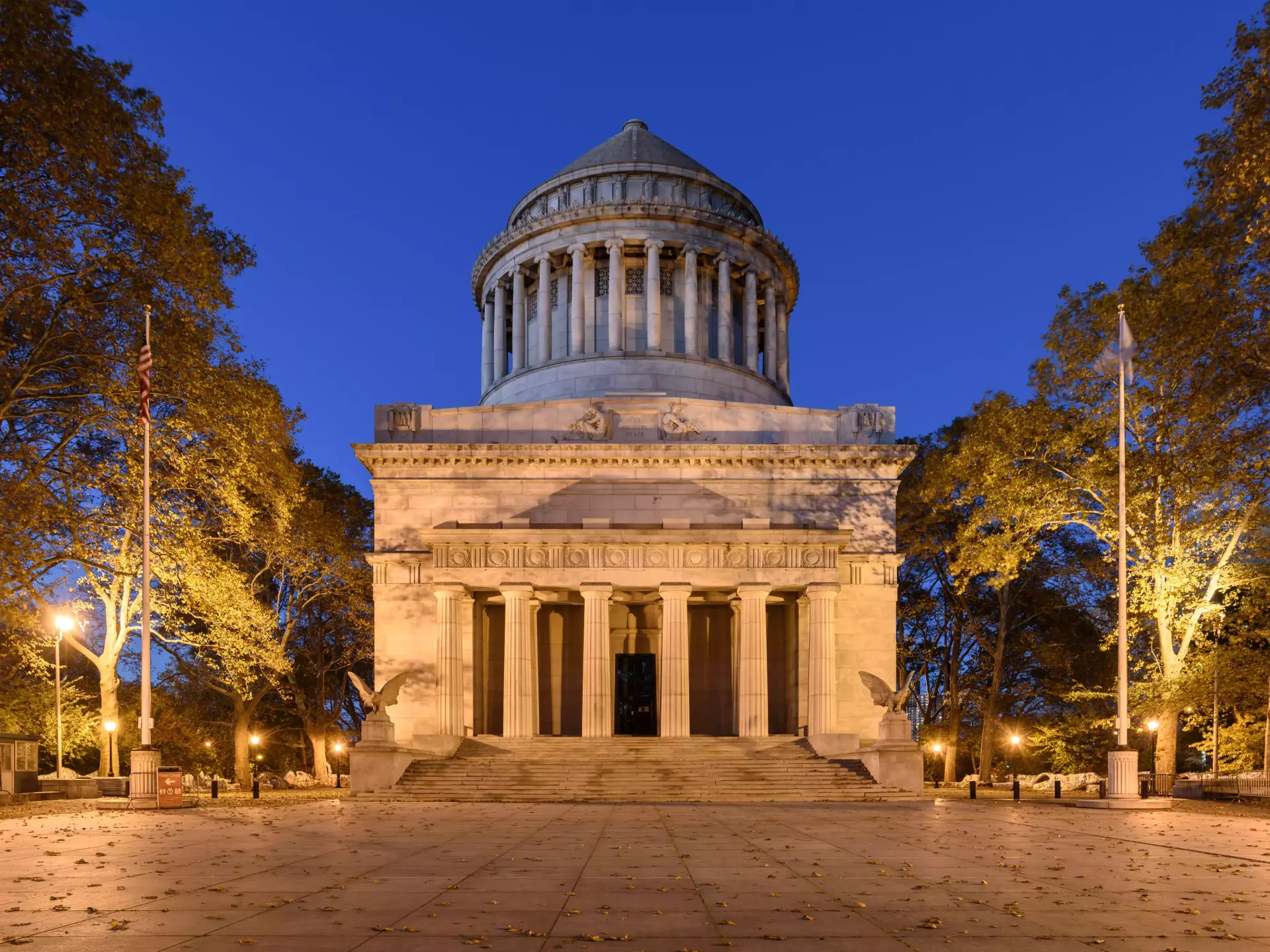
General Ulysses S. Grant and his wife are buried in this imposing mausoleum, the largest tomb in North America. If you come when it is closed, you can still see the impressive facade, but coming during open hours gives you the opportunity to view the murals, the tomb and various documentation inside. Across Riverside Drive, there is a viewpoint to look across the Hudson River, a museum, gift shop and restrooms.
Constructed between 1858 and 1862, the Reservoir is a vast urban lake that covers 106 acres of Central Park and is the largest body of water within Manhattan. Renamed the "Jacqueline Kennedy Onassis Reservoir" in 1994, the Reservoir is probably best known for the 1.58 mile track that runs around its edge and which is a favorite for joggers, who can both run and enjoy the spectacular views of the city skyline.