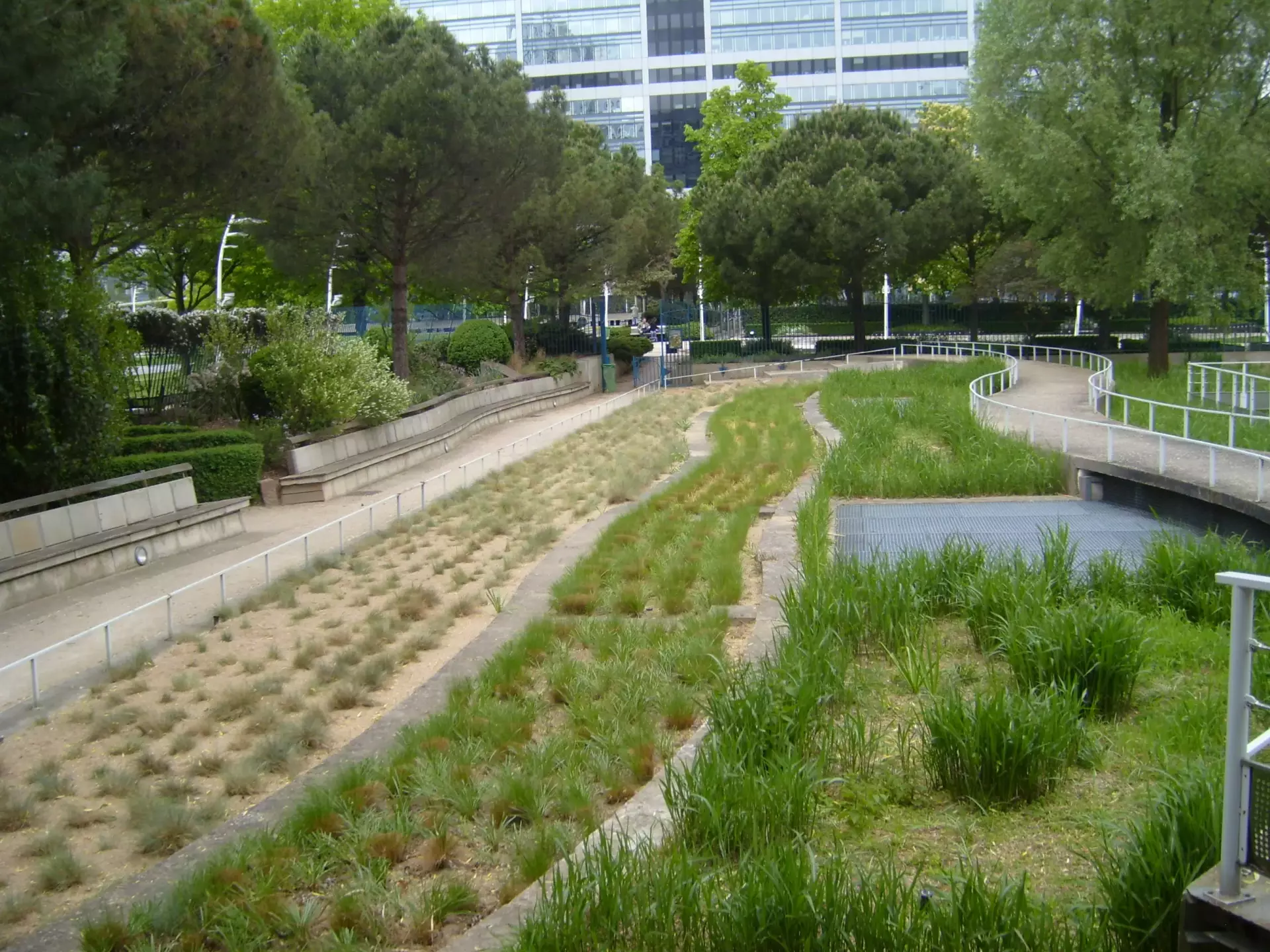
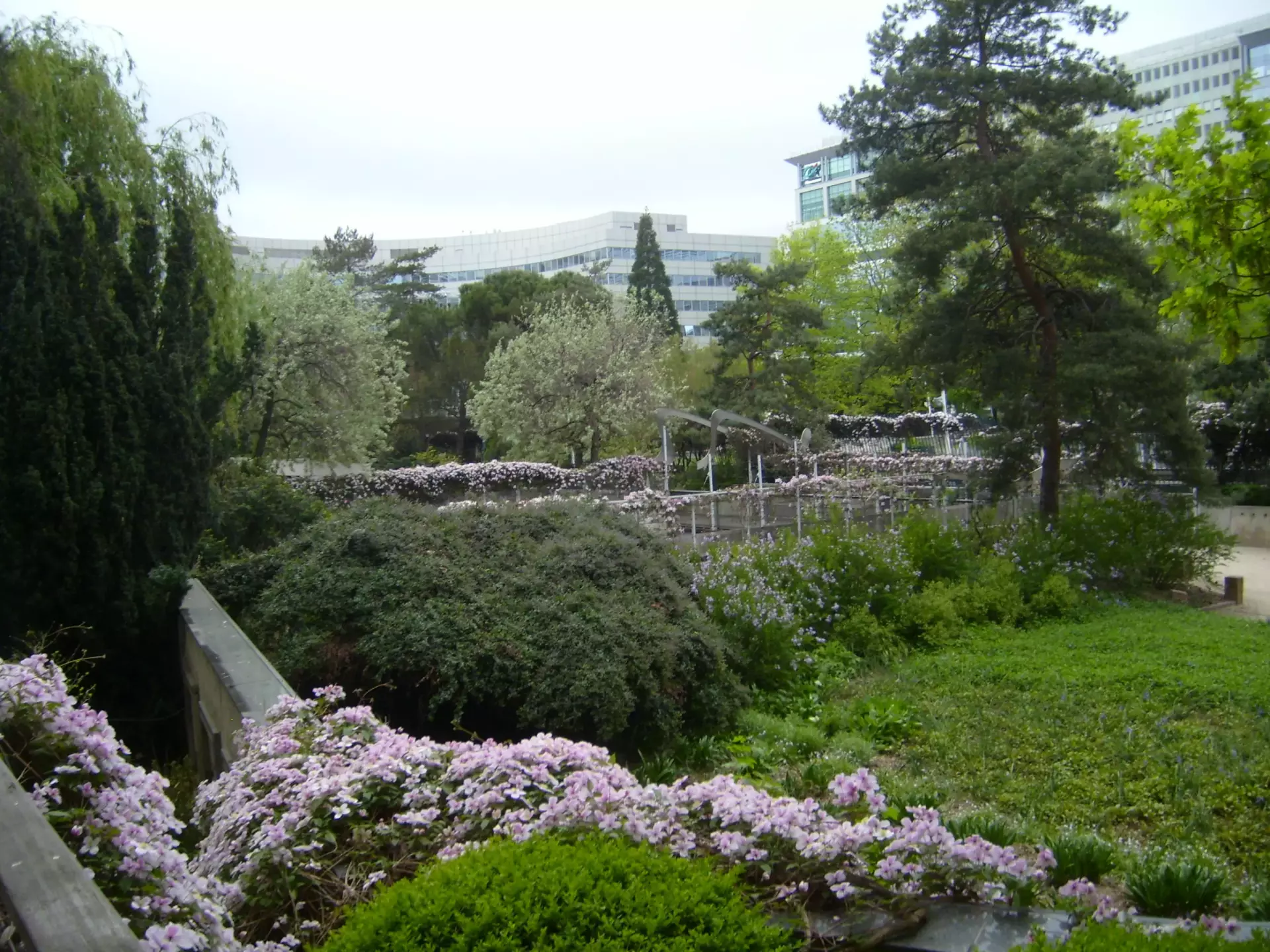
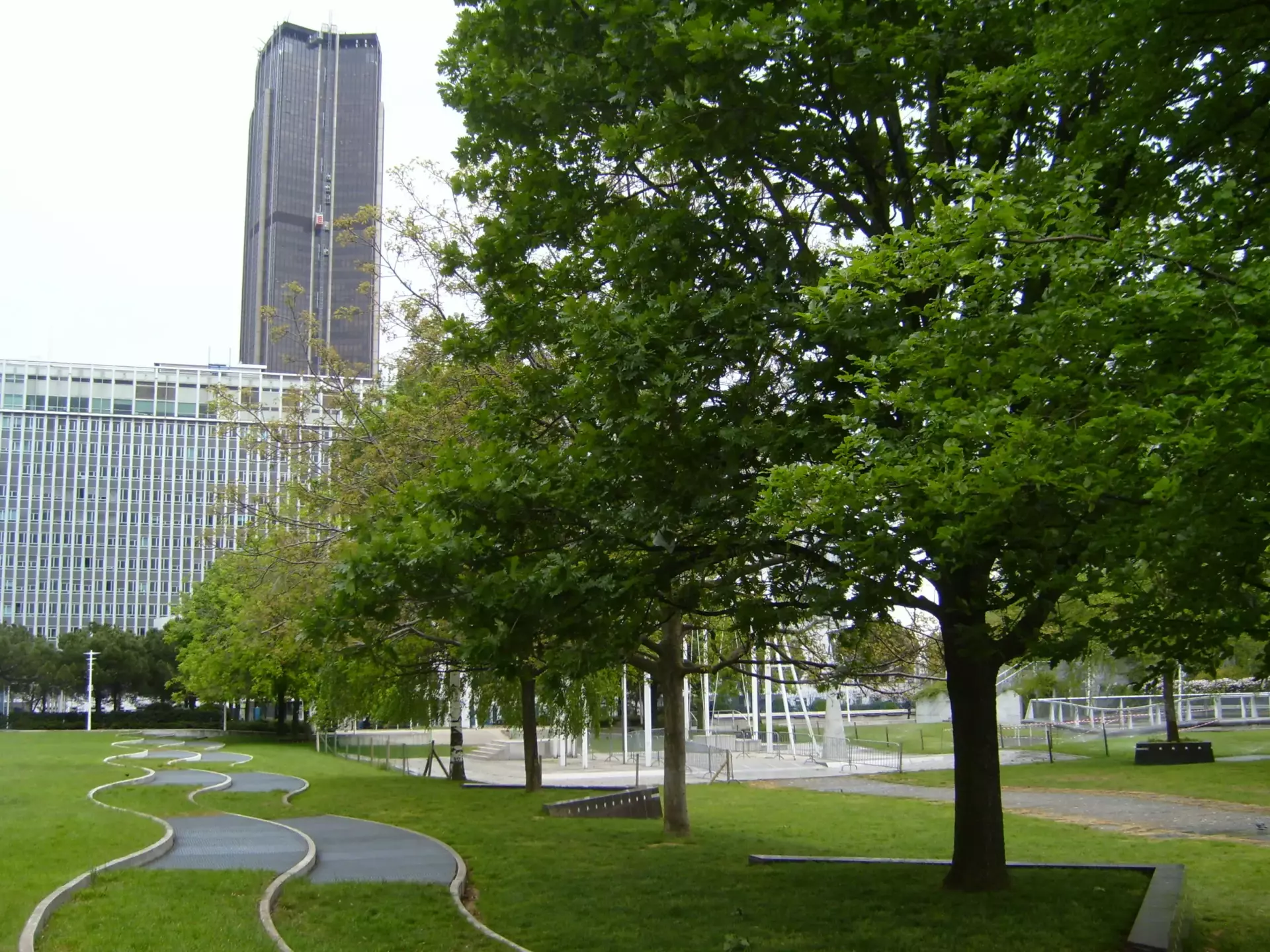
Jardin Atlantique is a peaceful garden that sits on a rooftop above the busy train tracks of Gare Montparnasse in Paris. Even though trains rush by underneath, the atmosphere here stays calm and relaxed. Visitors will find open green spaces, trees, and quiet corners where they can unwind, read a book, or watch the clouds drift by.
Source - https://en.wikipedia.org/wiki/Jardin_Atlantique
Housed in an amazing Art Deco building, purpose-built for the 1931 Colonial Exhibition, featuring an elaborate frieze across the front facade that depicts the achievement of French overseas territories. It houses an Aquarium and an Immigration Museum. The aquarium can be seen in about an hour and is popular with families with small children.
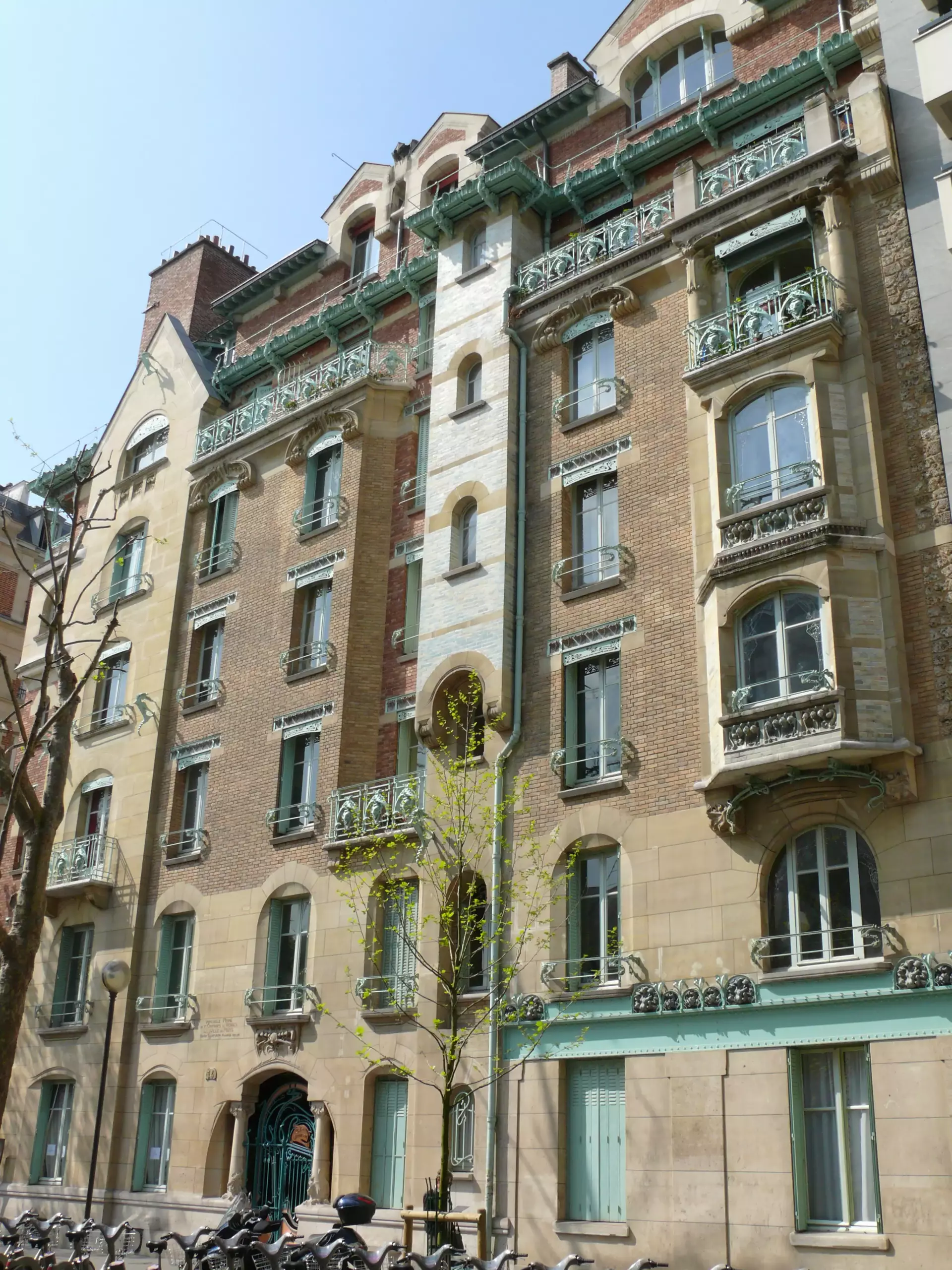
Guimard's own home, built in 1909-12. It is less decorated than Castel Béranger, but still beautifully shaped. Privately owned and not open to the public.
The oldest planned square in Paris, and what many tourists as well as locals consider the heart of the Marais area.
Built adjoining the now-lost royal palace of the Tuileries, these gardens lying immediately west of the Louvre offer a central open space for Parisians and visitors with semi-formal gardens (an outdoor gallery for modern sculpture), various cafés, ice cream and crépe stalls, and a summer fun fair. The gardens are frequently home to a giant Ferris wheel and enclose the Musée de la Orangerie and the Jeu de Paume.
Ordered by Cardinal de Richelieu (1585-1642), King Louis XIII's prime Minister in 1629 (completed in 1636); originally called Palais Cardinal; it became Le Palais Royal when Anne d'Autriche, Louis XIII's wife, came to live here to get away from the Louvre palace. It eventually housed Louis XIV until the move to Versailles. It includes also a beautiful garden Les jardins du Palais Royal, enclosed by the buildings. It's been the theatre of one of the seminal events of the French Revolution (Camille Desmoulins made a famous declaration here in 1789). The Théatre Français nearby was built in 1716. There are numerous restaurants inside the garden , including famous Le Grand Véfour. There's also the controversial Colonnes de Buren, striped columns installed within the inside yard amid the 17th century architecture.
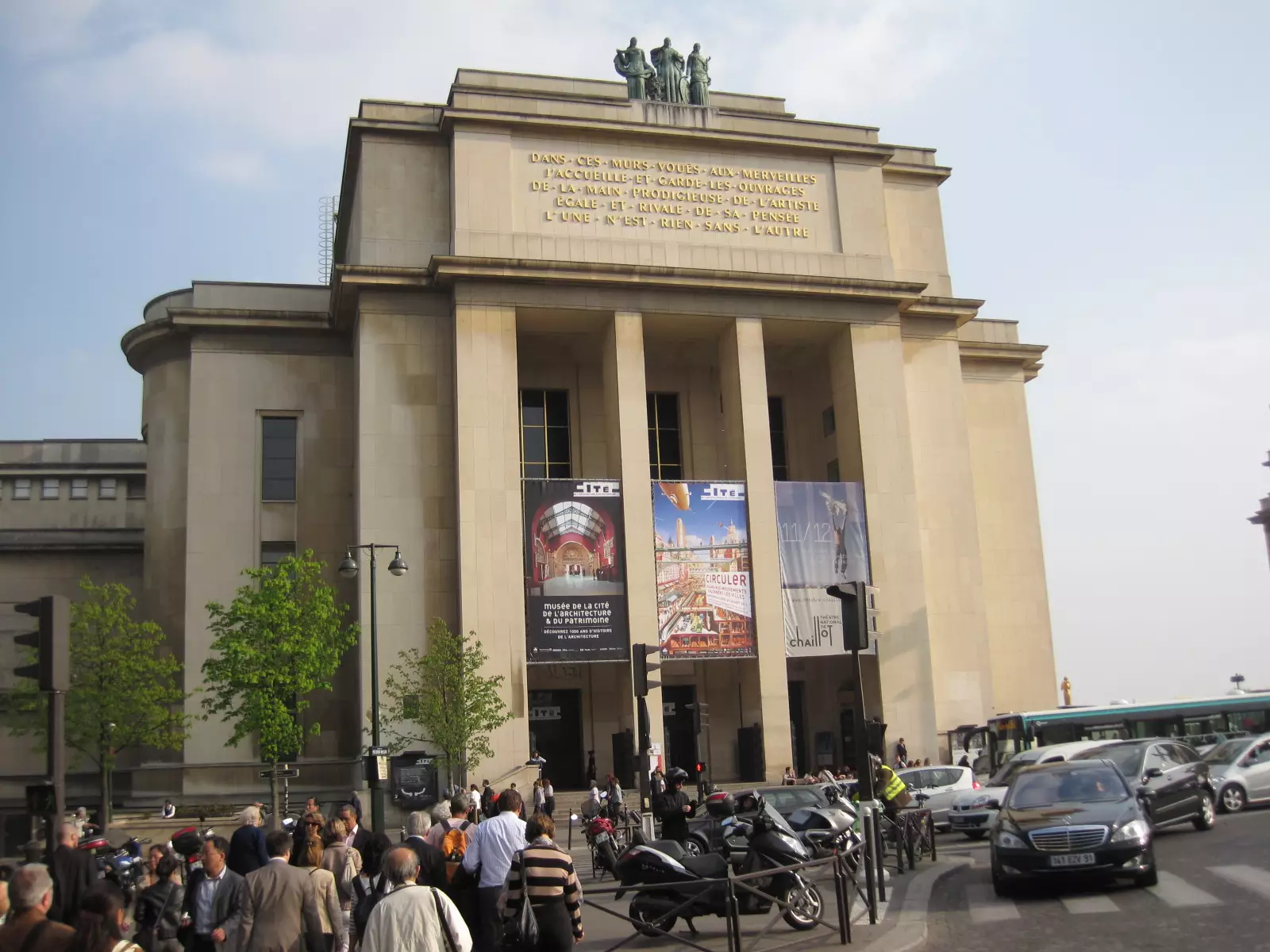
Great perspective on the Eiffel Tower and Left Bank from Place du Trocadéro in between the two buildings of the palais. Former location of the Palais du Trocadéro. It accommodates three museums, an aquarium, and the Theatre Nationale du Chaillot.
The massive parish church of the Les Halles area is a notable example of late Gothic interspersed with Renaissance details (including the entire front façade), as it was only completed in the 17th century. Its unique form results from a combination of relatively short length and impressive height of over 30 metres inside. The latter allows room not only for an array of stained glass windows and paintings, but also France's largest church organ of 8,000 pipes. The sculpture Écoute, depicting an oversized human head, was placed in front of the church's southern facade and has become a favourite photo spot.
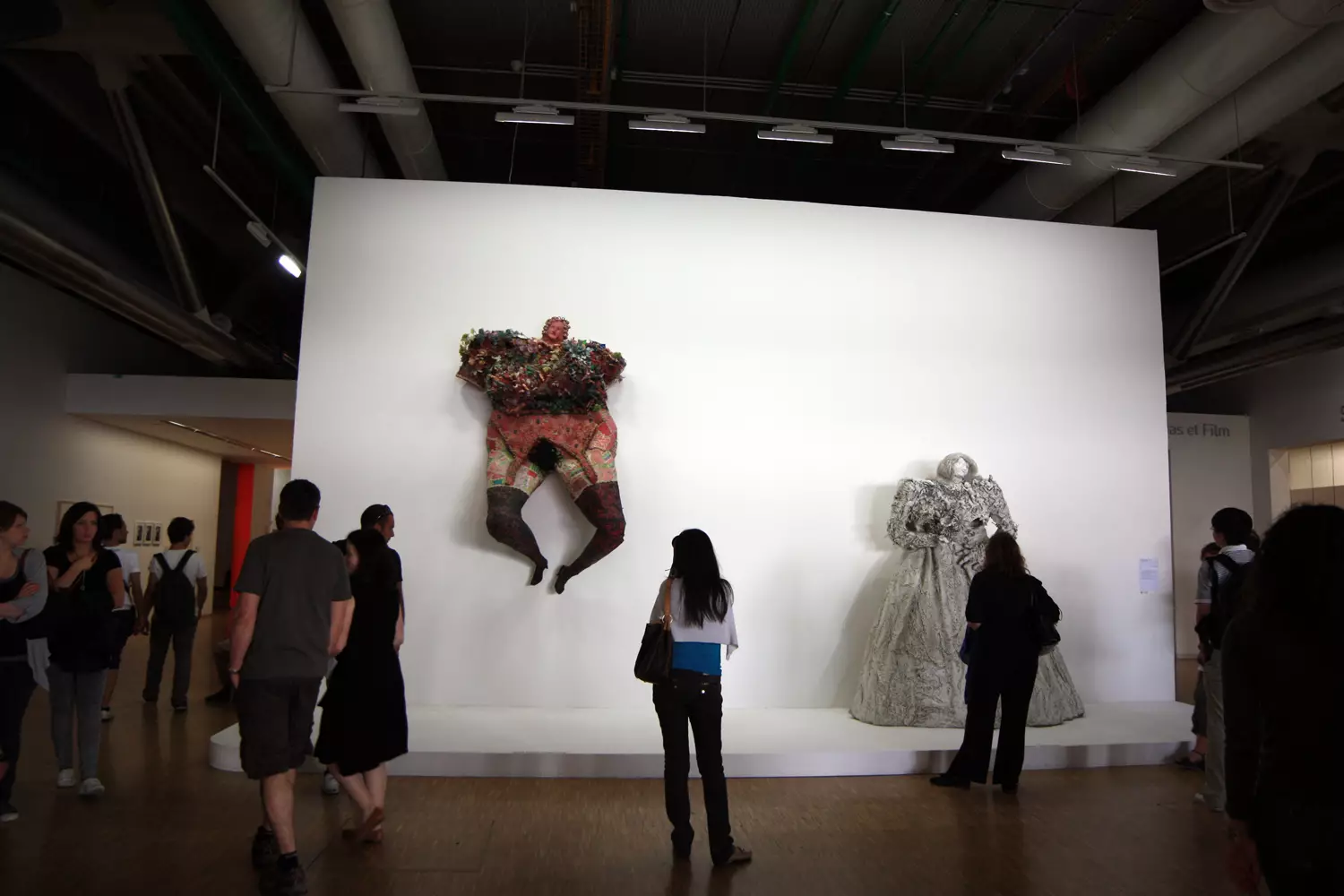
The east wing of the Palais de Tokyo holds the modern art collection of the city of Paris, dating roughly from World War I to date (the older part of the collection is at the Petit Palais in the 8th), including around 10,000 works.
The national library preserves collections of historic documents of both French and international origin. It holds 5,000 Greek manuscripts. You can get a day pass to visit or choose to visit only the expositions the library hosts.
Its exhibits come from such diverse origins as ancient Egypt, classical Greece and the Roman Empire, medieval Europe, and Napoleonic France, but controversially including many items that were looted from their places of origin. Its most famous exhibit, of course, is Leonardo da Vinci's painting of the Mona Lisa (French: La Joconde, Italian: La Gioconda), generally to be found surrounded by hordes of camera-flashing tourists. The Louvre poses many of the same challenges to the visitor as Paris itself; overwhelming in size, crowded in high seasons, and much information available only in French. If you want to see everything in the Louvre, plan at least two full days. However, it is better to pick and choose, as the collection was assembled with an eye to completeness rather than quality. As of July 2019, due to intense crowding and reports of ticket fraud, entry now almost always requires a pre-booked timed ticket, even for holders of the Paris Museum Pass.
There are a number of famous occupants, but the real reason to visit this cemetery is to see the ornate tombstones, sculptures, and other sometimes macabre, sometimes touching memorials Parisians have left here for their dead.
A must for anyone interested in the history of the American Revolution. This small cemetery includes three mass graves from the French Revolution, plus a section that includes many of France's most noble families that lost members during the French Revolution and consequently have a continuing right to be buried there. In the farthest right hand corner is the tomb of General Lafayette, the friend and fellow soldier of George Washington. Beside him is his beloved wife plus other members of her family, the de Noailles, who were almost completely wiped out during the French Revolution because of their closeness to the Court. Since 1834 the American flag has apparently flown continuously over his grave, even during the German occupation of Paris during World War II. Well worthy of a visit.
There are many beautiful footpaths, a Buddhist Temple, and a lake with rowboats available for rental (about €10 as of 2009). The lake has many different kinds of birds, and islands accessible by footbridge.
The early Gothic Cathédrale de Notre Dame (Our Lady) has a 12th century design but wasn't completed until the 14th. Still it is a good example of the development of the style, though the west or main portal is a bit unusual in its rigidity. A April 2019 fire caused severe damage, but after extensive renovation the cathedral was reopened to the public in December 2024.
Famous people who stayed here include Marie de Rohan, intriguer during the Fronde; Jeanne Baptiste d'Albert de Luynes, future mistress of a duke of Savoy; Marie Angélique de Fontanges, mistress of Louis XIV, died here giving birth to his child who also died. Today its main cloister (illustration) forms part of the modern Hôpital Cochin.
It was conceived by Louis XV as a grand neo-classical church honouring St. Geneviève, the patron saint of Paris. After the Revolution, the building was converted into a mausoleum for the great philosophers, military, artists, scientists, and heroes of the French Republic. Occupants of the crypt include Voltaire, Rousseau, Victor Hugo, Zola, the Curies, and Alexandre Dumas (reinterred here in 2002). The view from the dome (206 steps) is marvellous. Check tour departure times at the information desk. A fascinating reconstruction of Foucault's pendulum also hangs within the Panthéon.